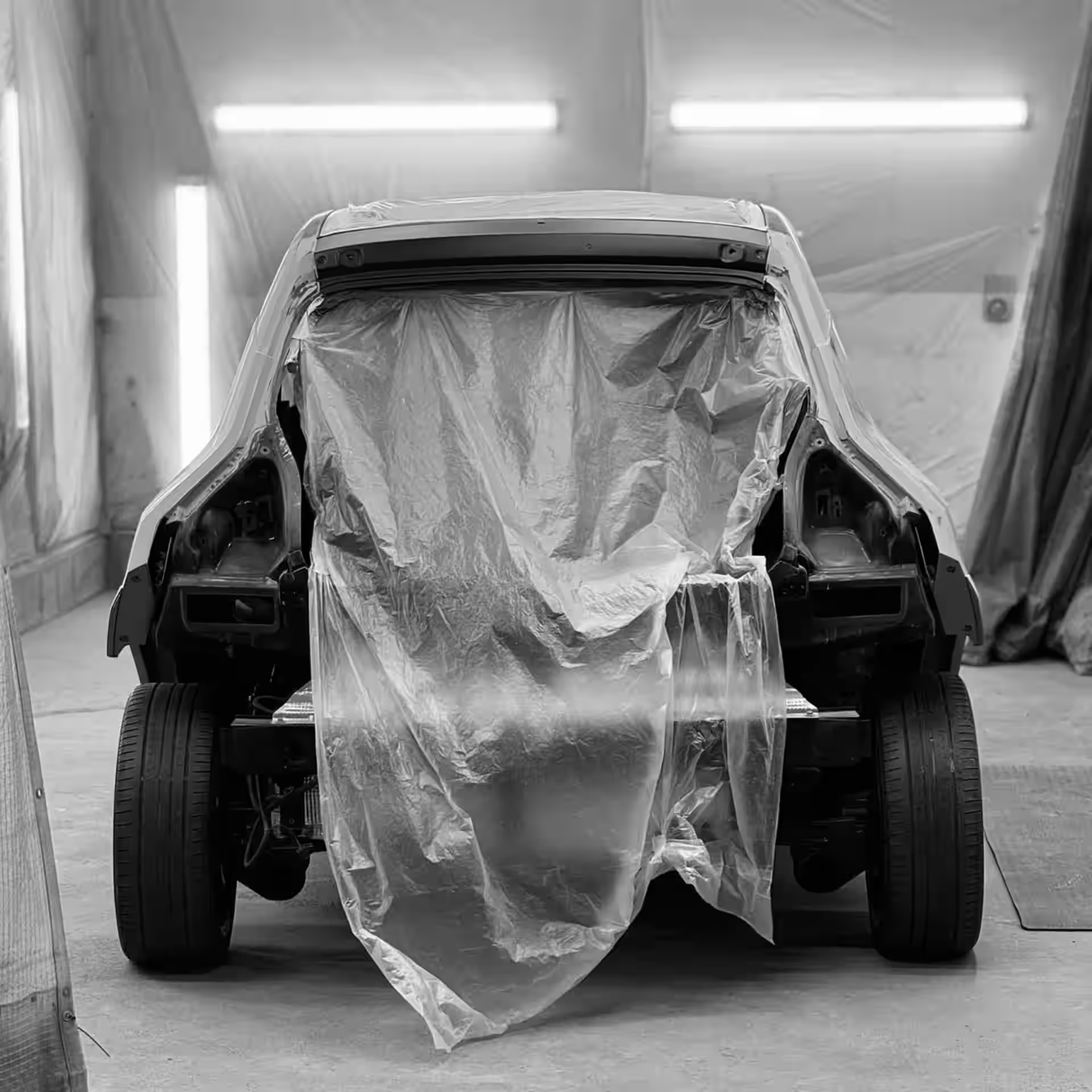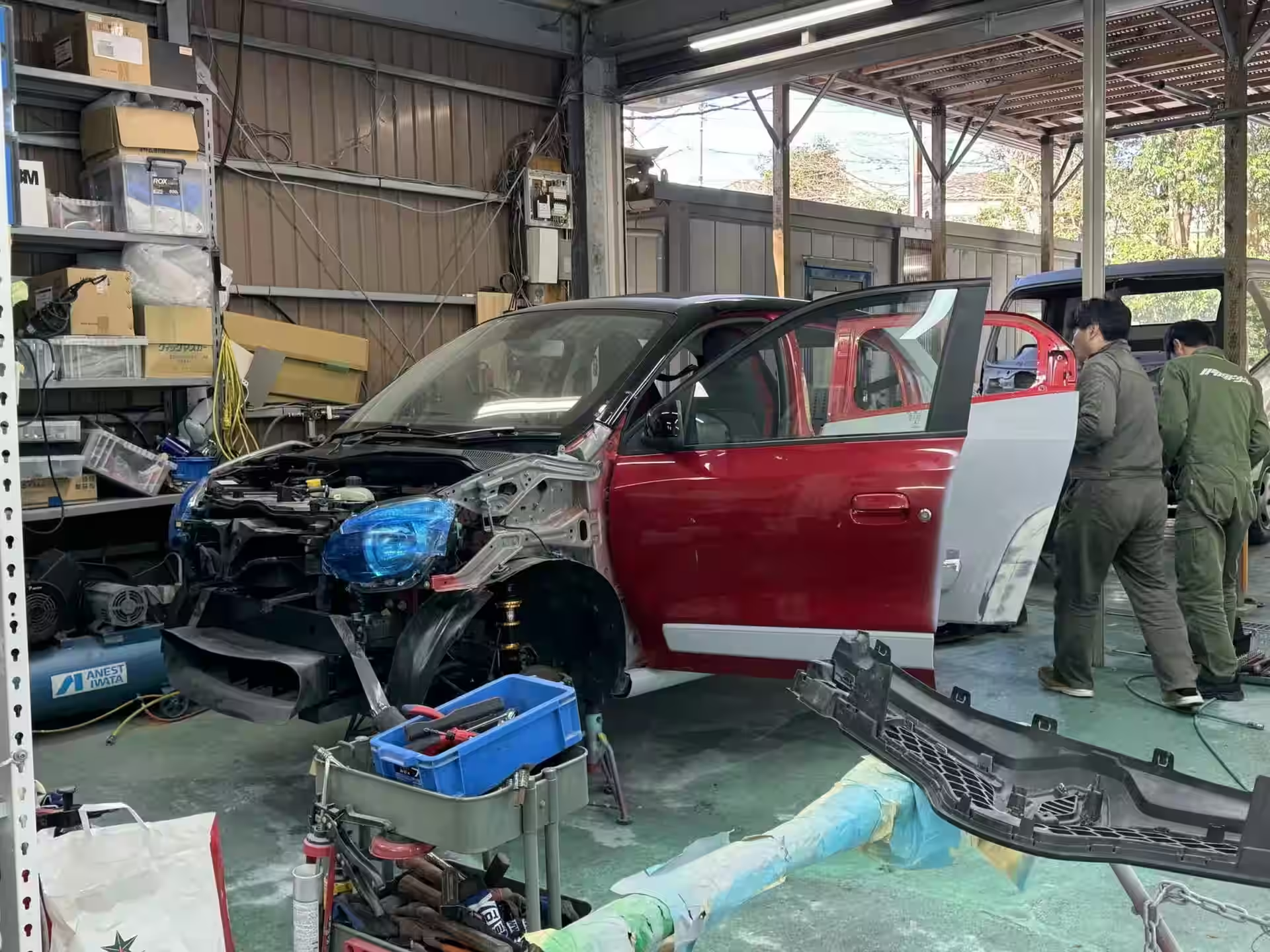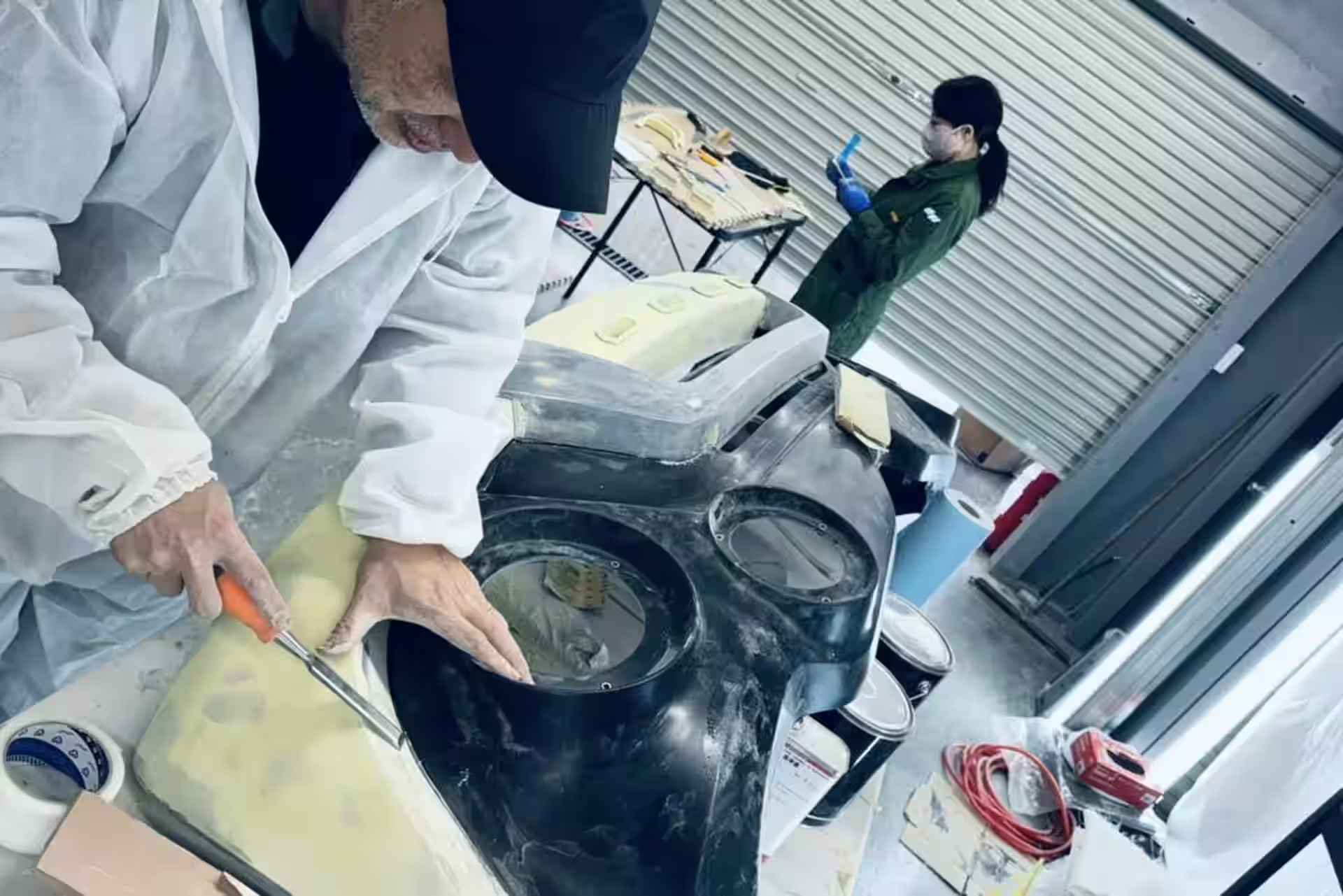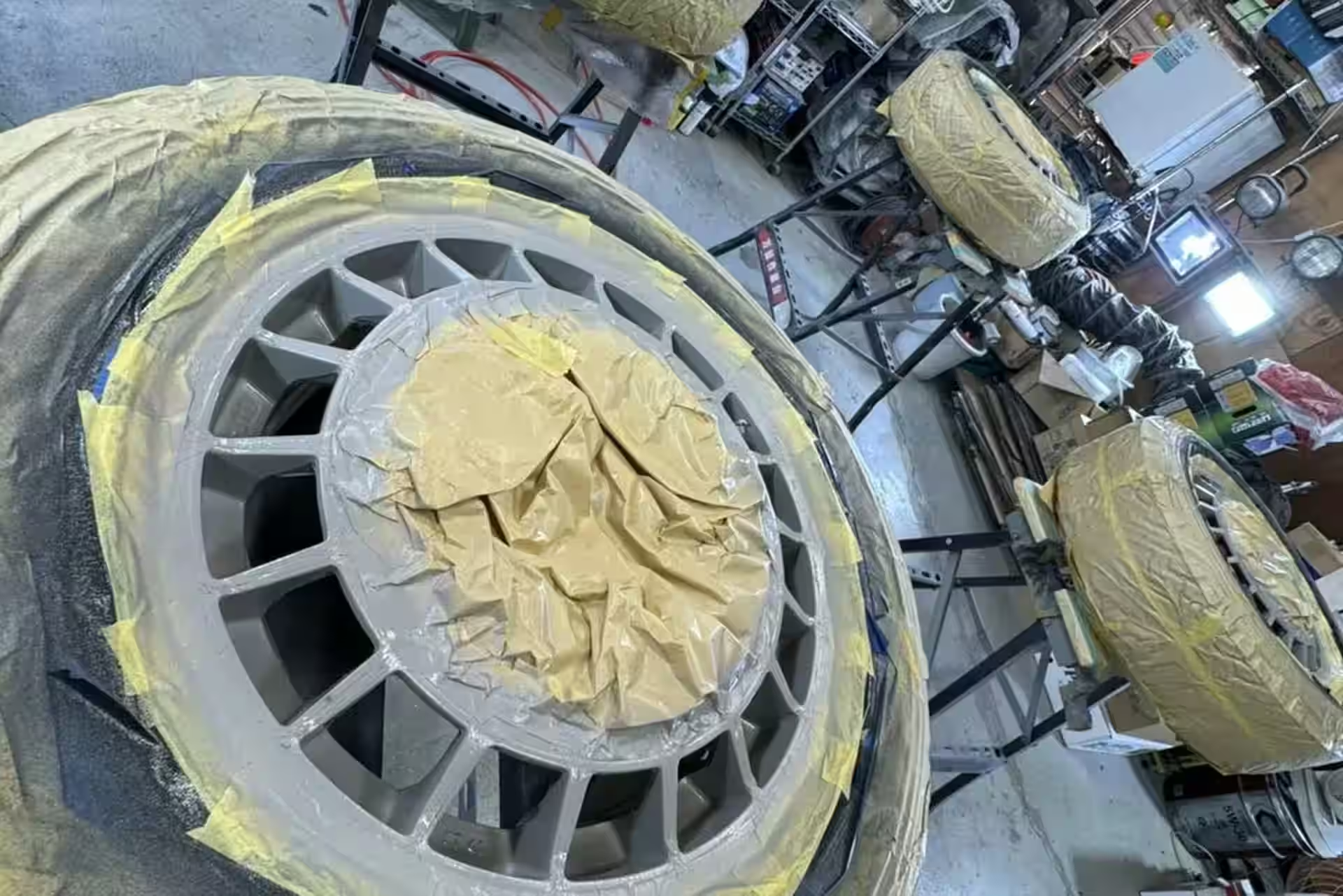
A Japanese tuner has turned a humble Renault Twingo into one of the most unexpected restomods of the year: a small hatch with Dakar-style attitude, limited production, and a price that feels almost too low for the visual drama.

Hatano’s Twingo Project: From City Car to Mini Safari Build
Hatano Automobile’s C’eLavie Cross and C’eLavie 1985 are based on the outgoing third-generation Renault Twingo, not the newer electric model. That matters because this platform gives the tuner a lightweight, rear-engine, rear-wheel-drive base with a personality all its own. In a world of tall crossovers and generic EVs, the idea of transforming a tiny French hatch into something that looks ready for gravel stages is exactly the kind of move that grabs attention online.
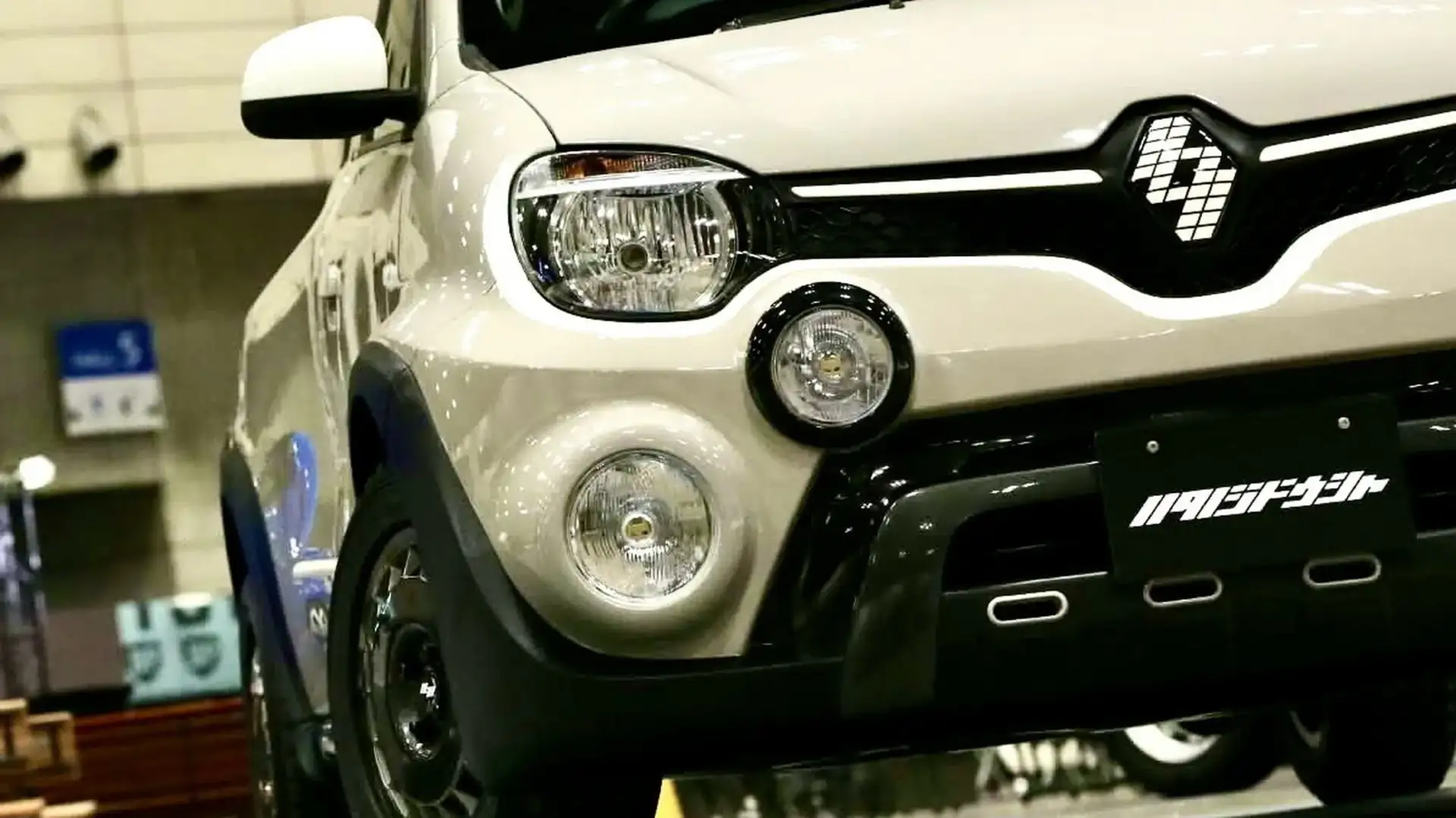
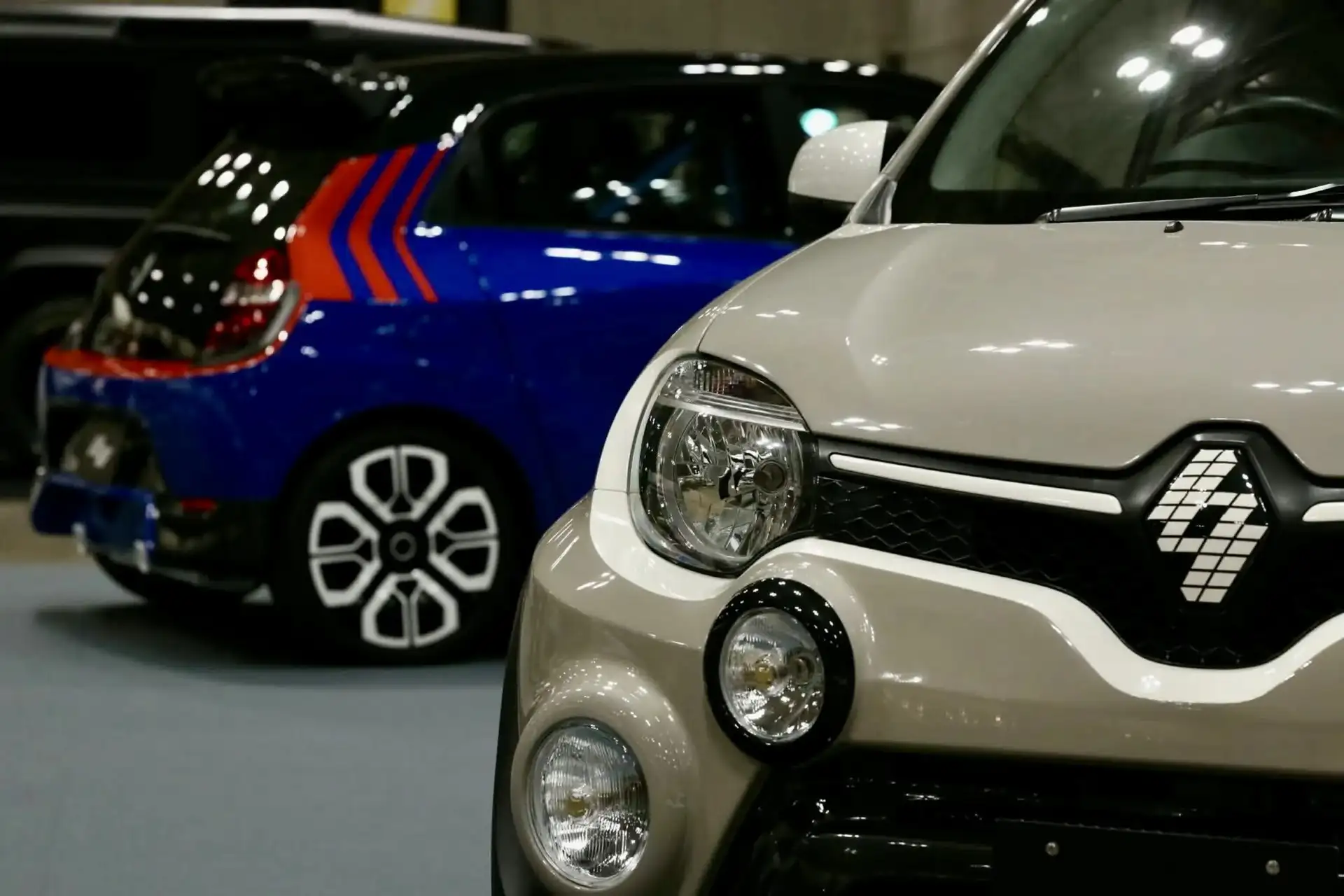
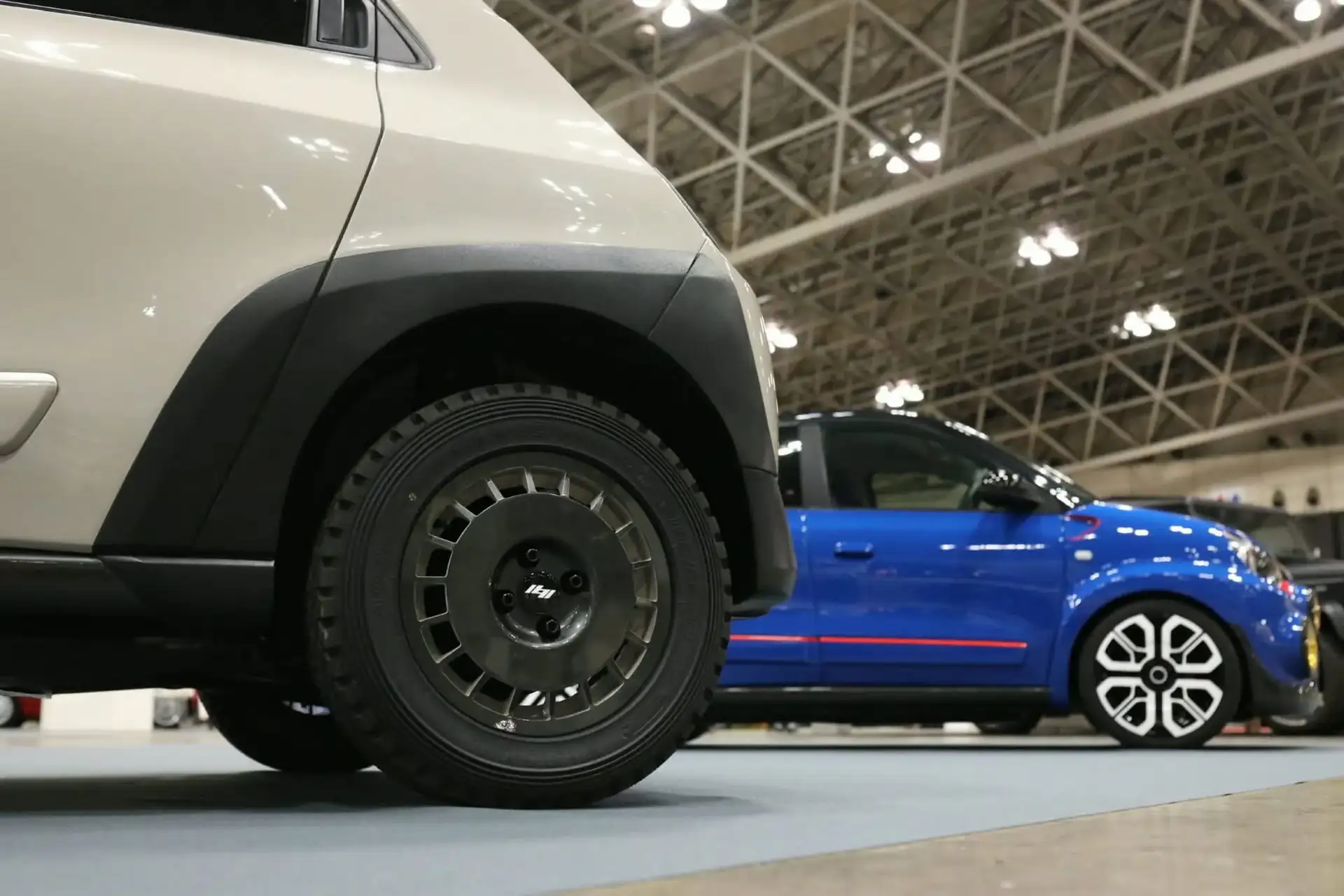
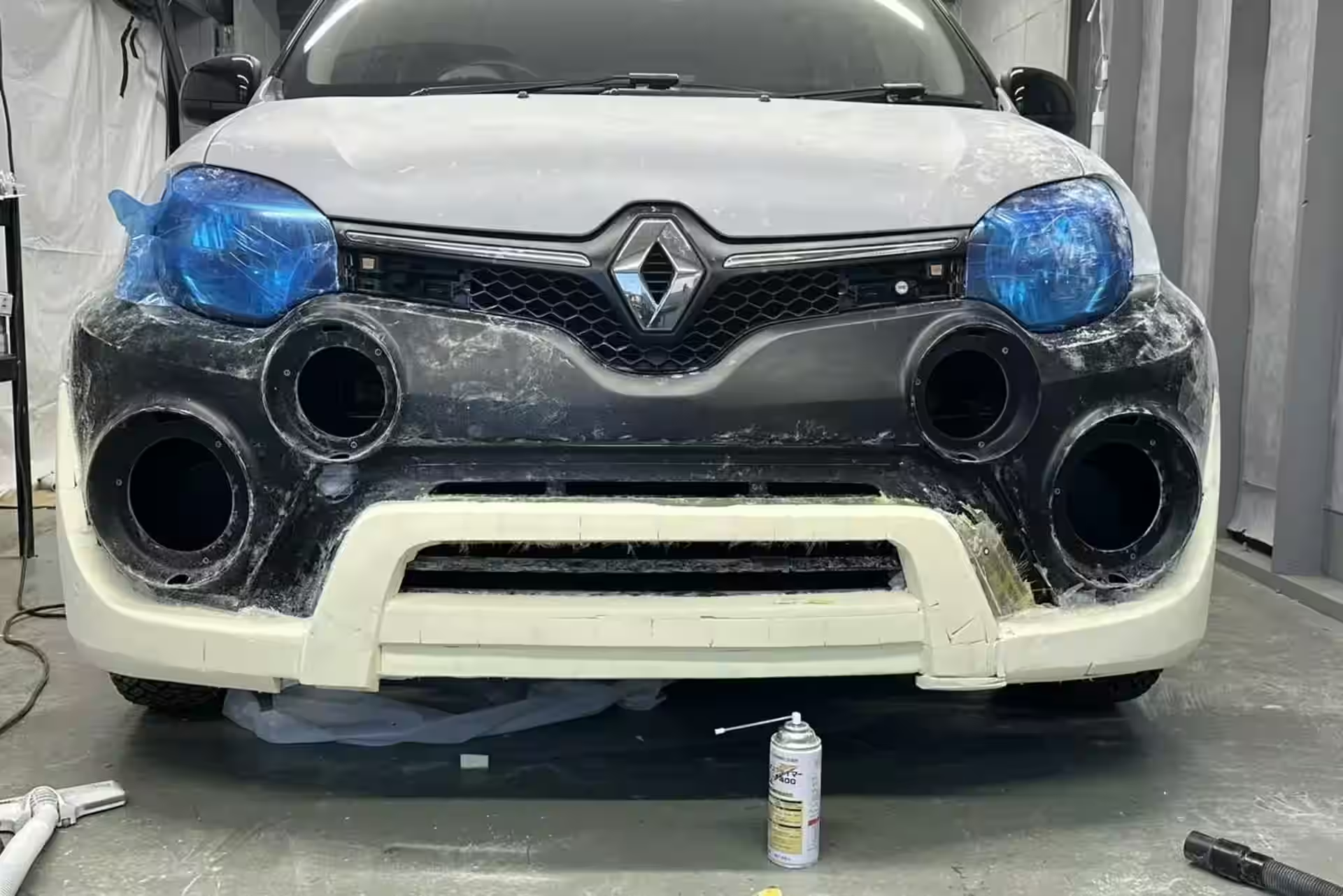
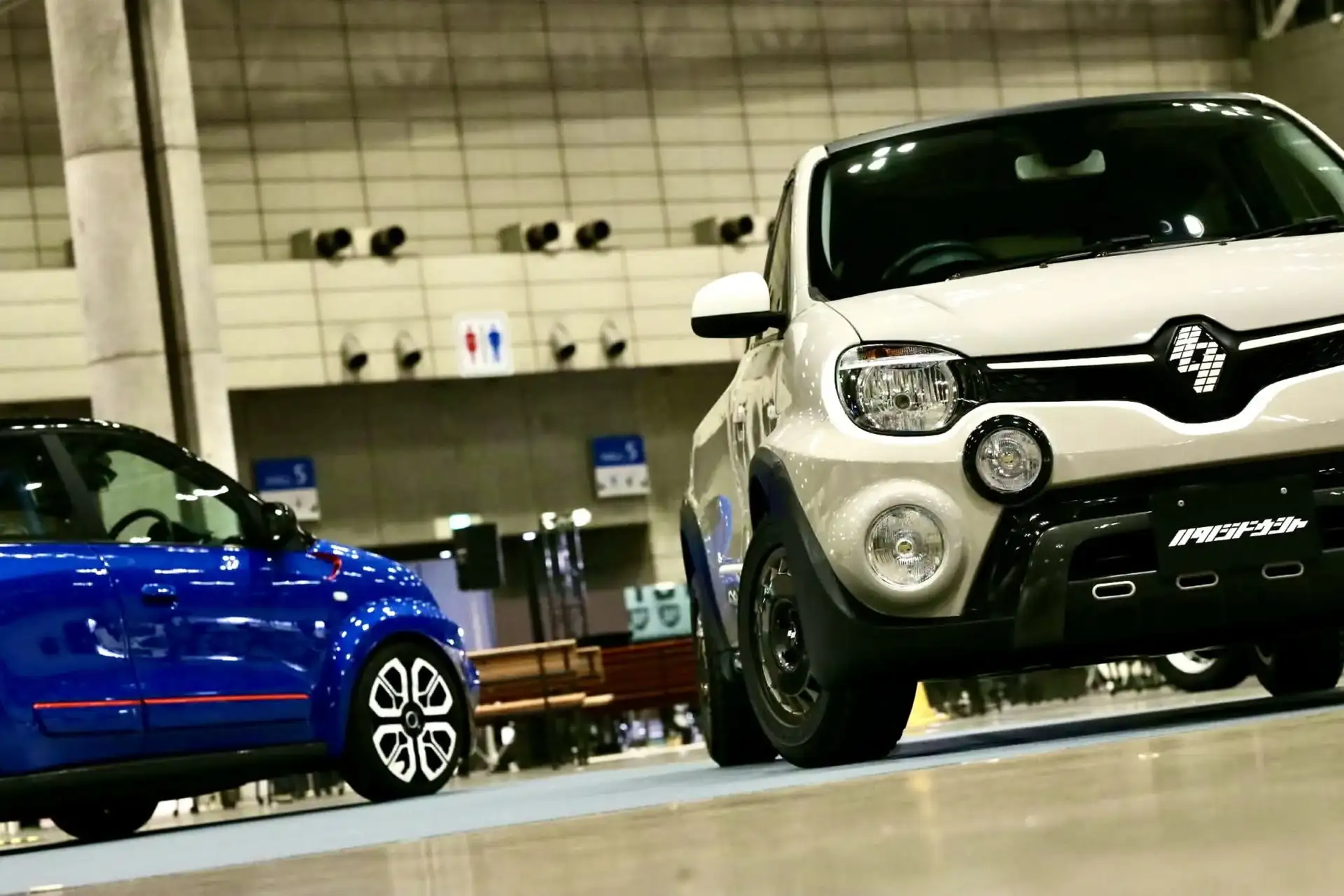
The Cross is the headline act. It wears a widened body, redesigned bumpers, custom fenders, a larger roof spoiler, and round rally-style lamps integrated into the front bumper. The most obvious change is the stance, thanks to a lift kit and chunky tires wrapped around black turbofan-style alloy wheels. The result looks like a scaled-down off-road special with a clear nod to icons such as the Ford Bronco Wildtrak and the kind of adventure-ready theme seen on the Jeep Wrangler Rubicon.
What makes the concept especially shareable is the emotional mismatch: a city car with 90 hp now dressed like it belongs in a Dakar support convoy. That contrast is the internet’s favorite recipe for virality, because it blends affordability, nostalgia, and visual excess in one package.
Two Personalities, Two Directions
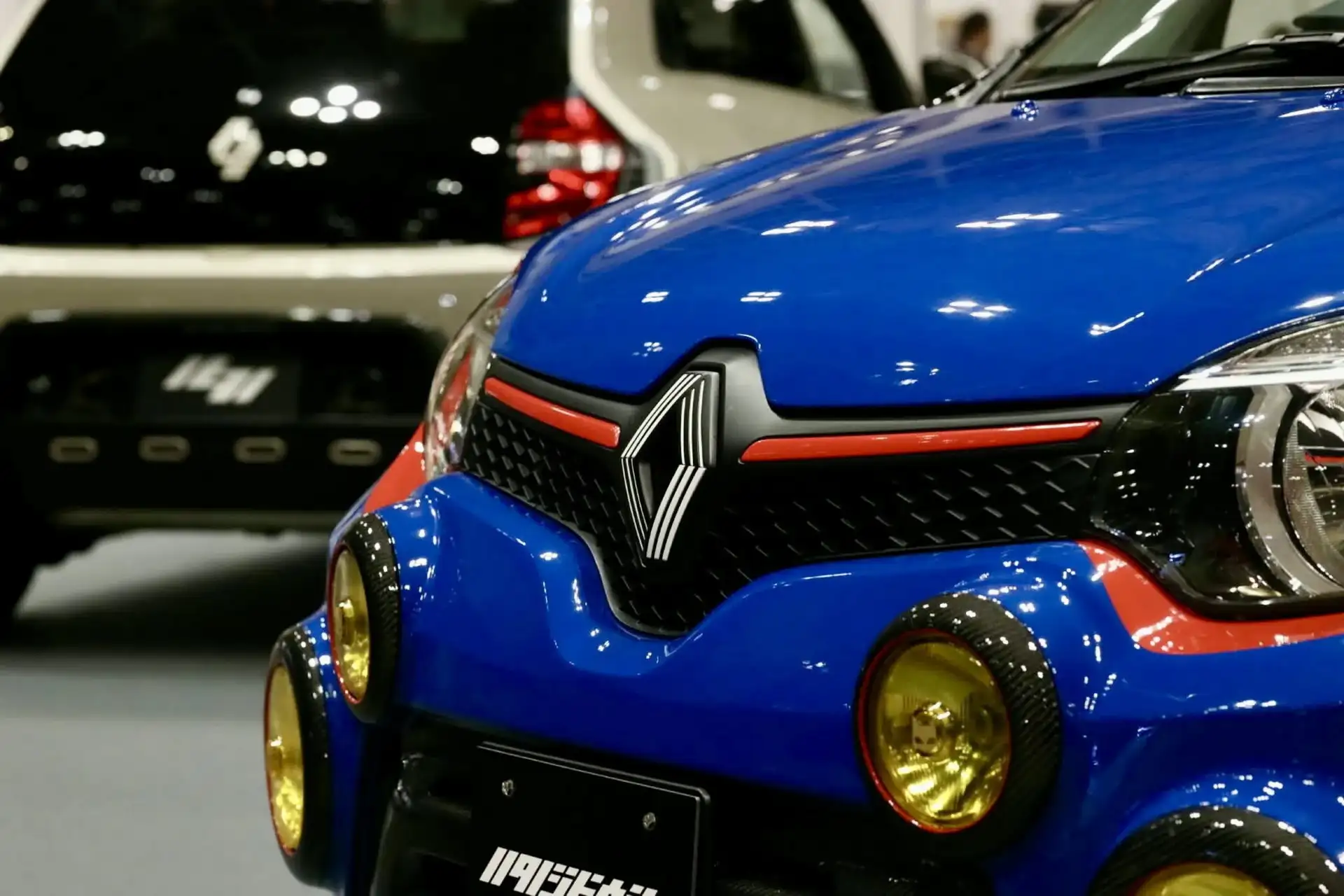
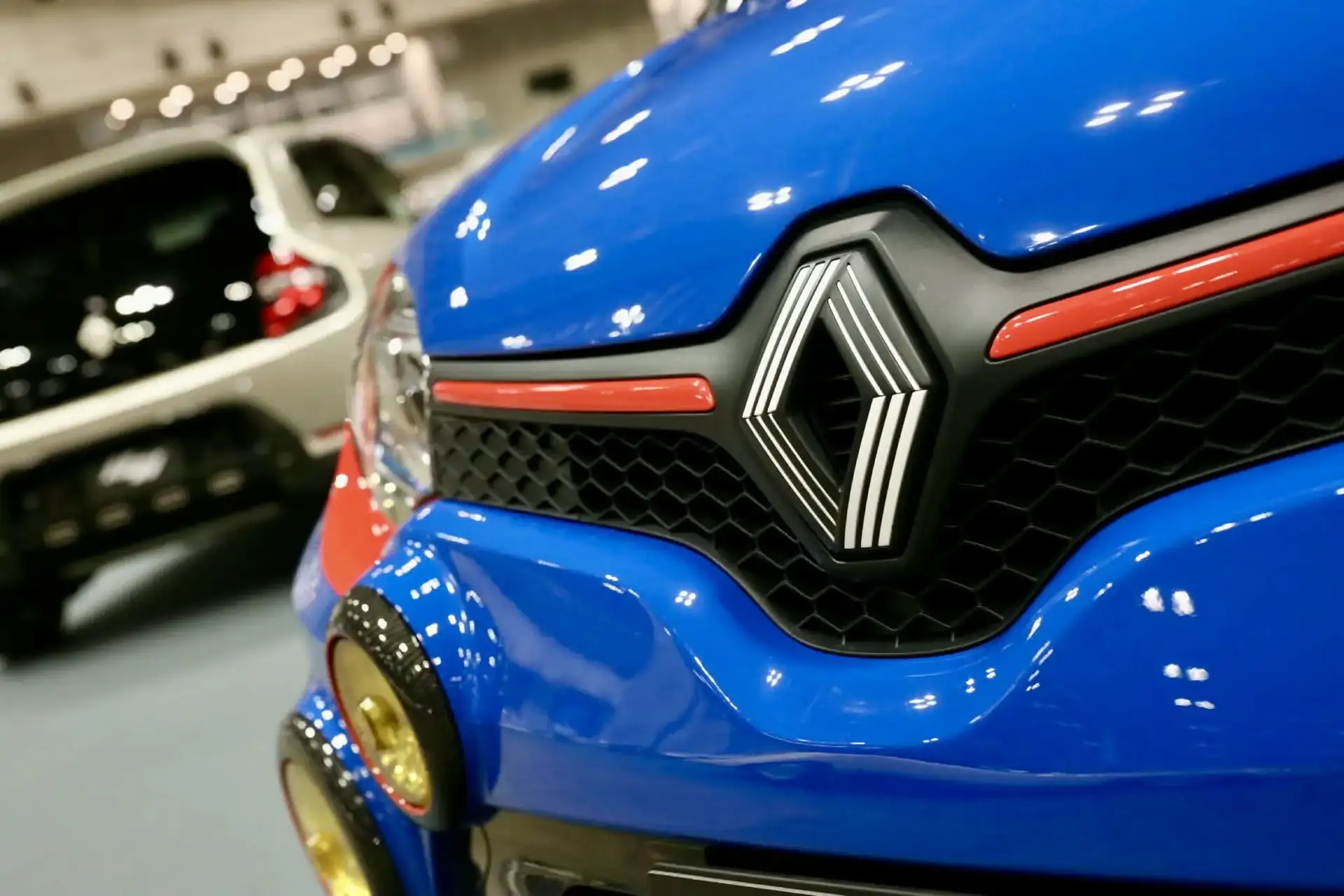
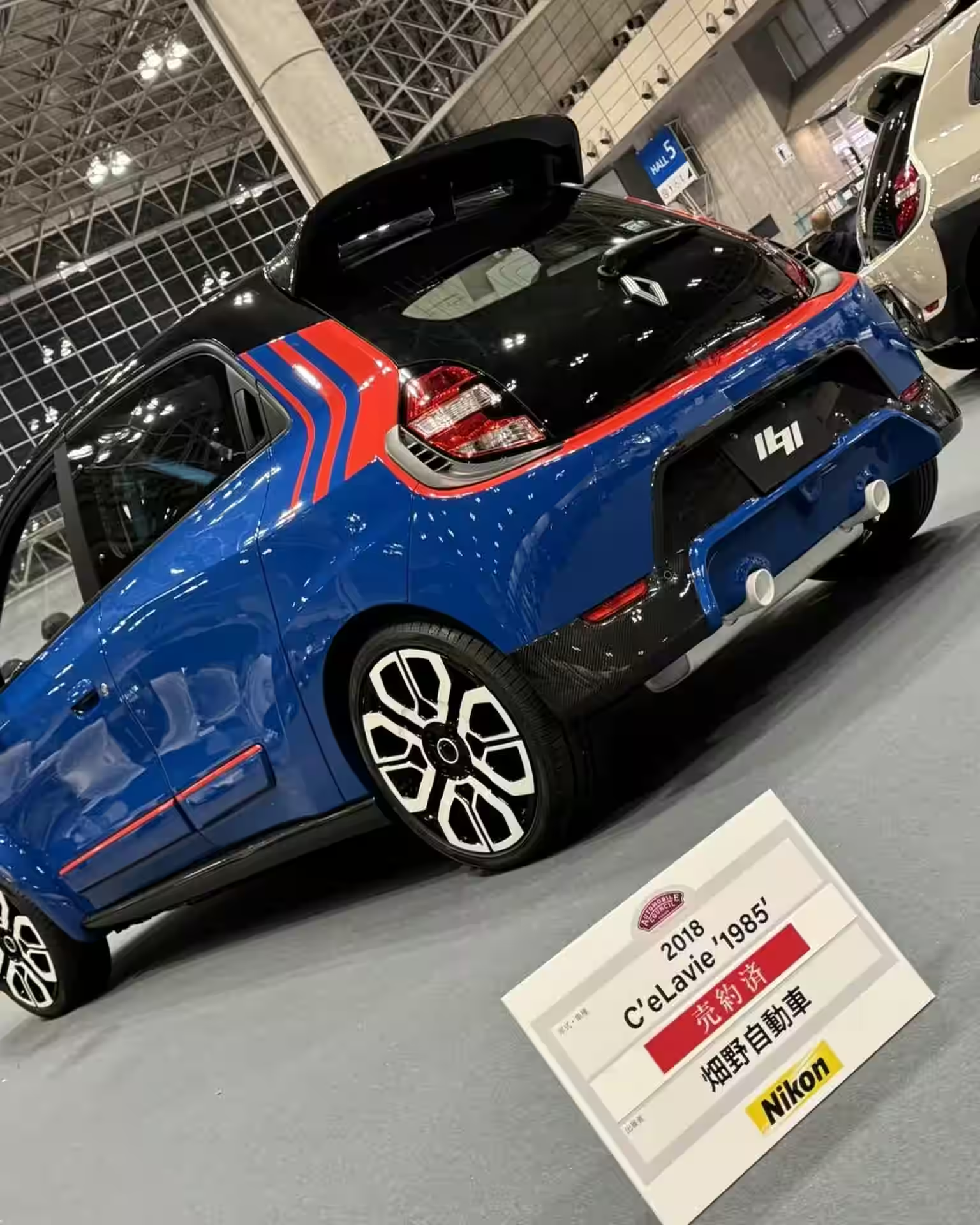
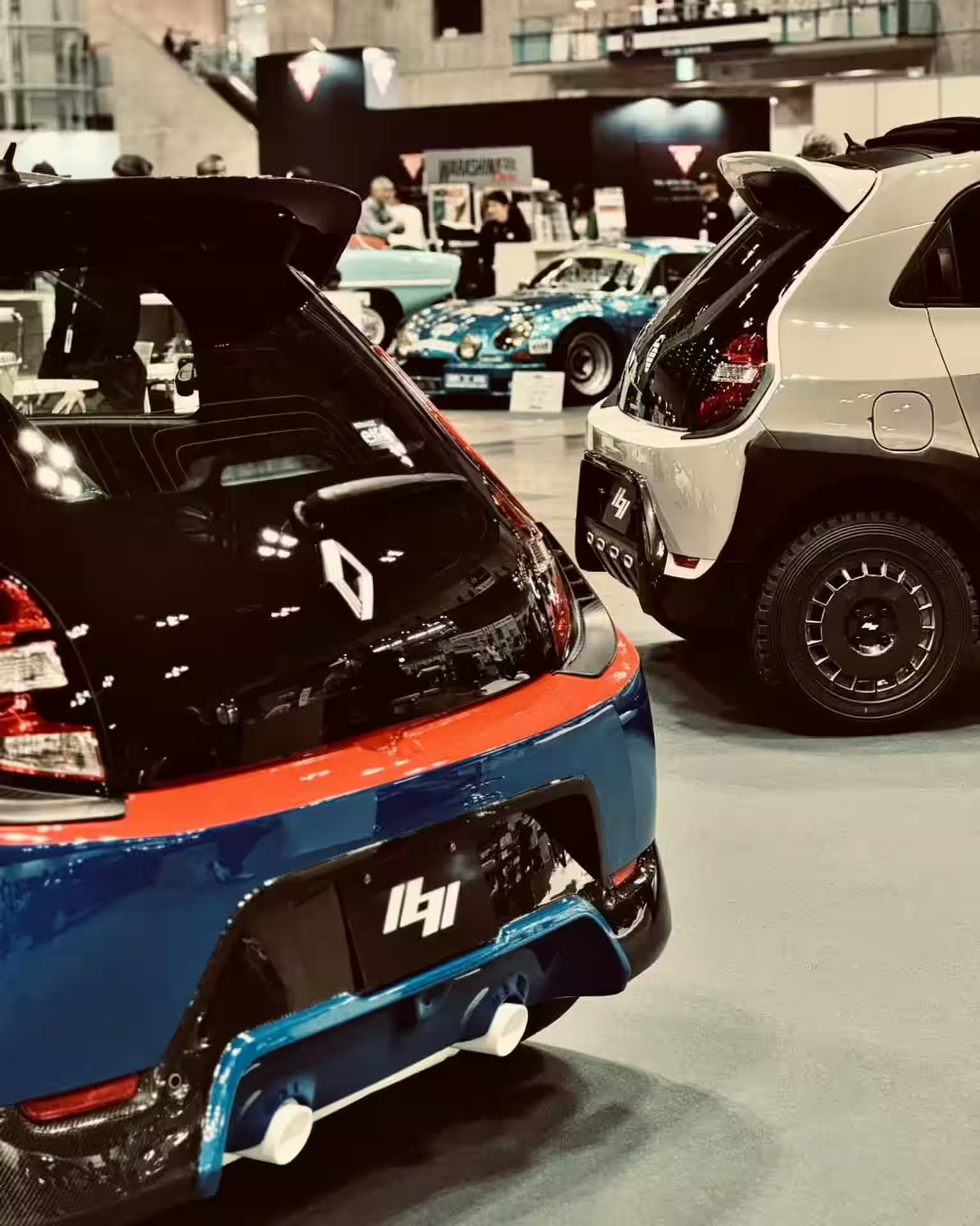
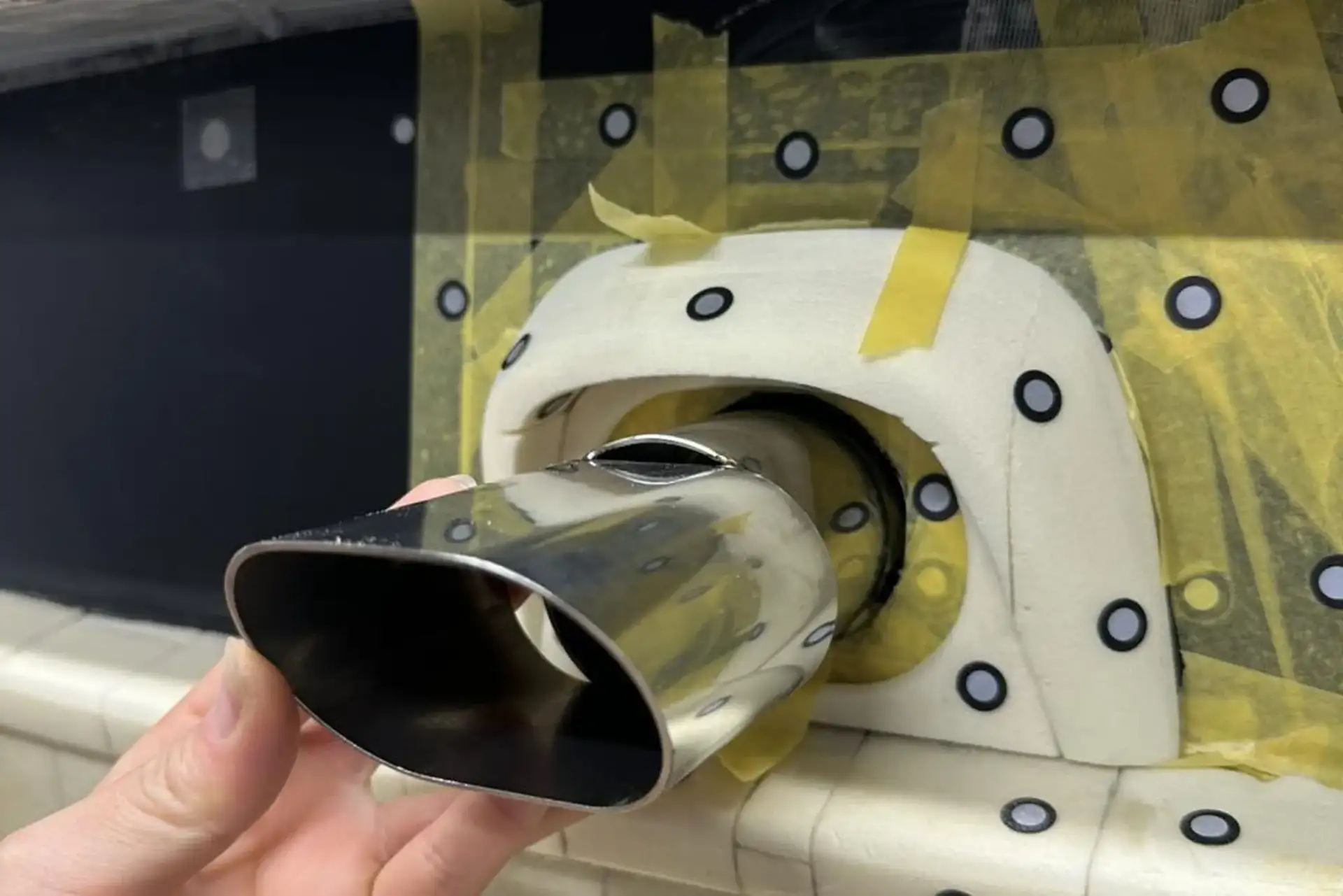
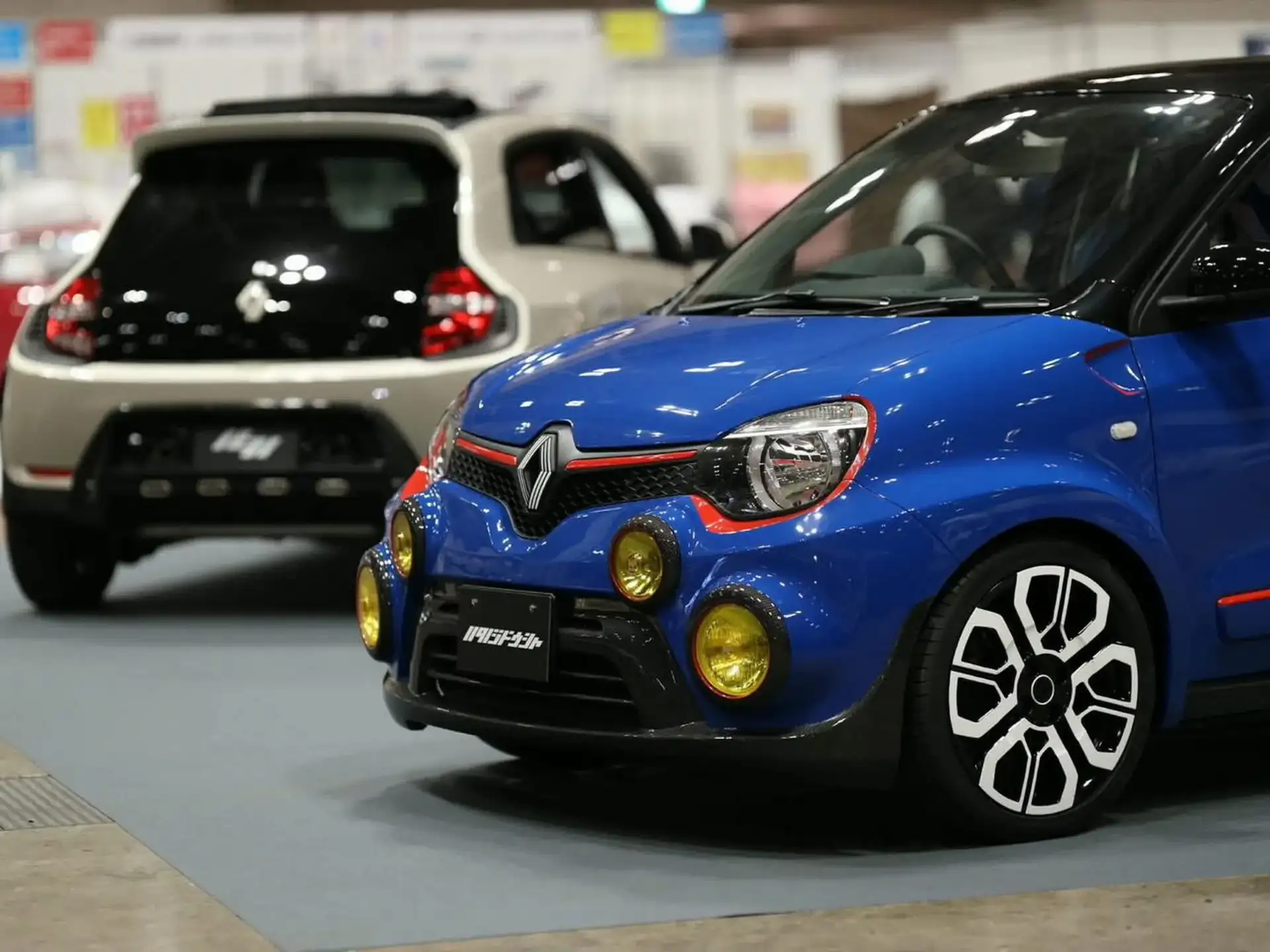
The C’eLavie 1985 takes the opposite route. Instead of chasing off-road fantasy, it goes for a tarmac rally vibe with larger wheels, orange graphics over blue paint, carbon-fiber trim, and twin exhaust outlets. It is a cleaner, lower, more aggressive interpretation of the Twingo formula, and it feels closer in spirit to hot hatch culture than to soft-road adventure styling.
Under the skin, the donor cars also matter. According to reports from France, the Cross starts with a 2018 Twingo Intens featuring a canvas roof and a turbocharged 0.9-liter three-cylinder engine making 90 hp, or about 91 PS and 67 kW. The 1985 is based on the Twingo GT, which used the same family of engine tuned to 109 hp, or roughly 111 PS and 81 kW, plus a sharper suspension setup.
Hatano also offers an optional engine tune that lifts output to 138 hp, or about 140 PS and 103 kW, along with Bilstein coilovers for more composed handling. That puts the little Renault into a very different performance bracket without destroying its lightweight charm. For readers tracking compact-performance trends, the formula sits in the same conversation as the Hyundai Elantra N TCR and other enthusiast-focused builds that trade convenience for personality.
Why This Limited-Run Twingo Build Matters
Production is expected to be limited to around 20 units, and early demand is already moving. Five orders were reportedly placed and two cars had already been delivered at the time of reporting. The styling kit starts at around ¥1,350,000, which converts to roughly $8,500, while mechanical upgrades are sold separately. That makes the package more attainable than most wild tuner conversions, especially when compared with ultra-premium projects such as the Mini Countryman x Vagabund or high-end performance specials like the Porsche 911 Turbo S.
There was once talk of an even more radical swap using a Nissan-sourced 3.5-liter V6, inspired by the Renault Twin’Run concept. For now, though, that remains only an idea. Even without it, the Twingo project succeeds because it understands what modern car culture loves most: a recognizable nameplate, a believable mod budget, and a transformation dramatic enough to dominate social feeds.
| Model | Renault Twingo C’eLavie Cross / C’eLavie 1985 |
| Base Engine | 0.9-liter turbo three-cylinder |
| Base Output | 90 hp to 109 hp depending on version |
| Optional Upgrade | 138 hp tune with Bilstein coilovers available |
| Kit Price | About $8,500 |
| Production Run | Approximately 20 units |
For enthusiasts, the appeal is simple. This is not a supercar pretending to be practical. It is a practical car pretending to be something wild, and that reversal is exactly why it works.