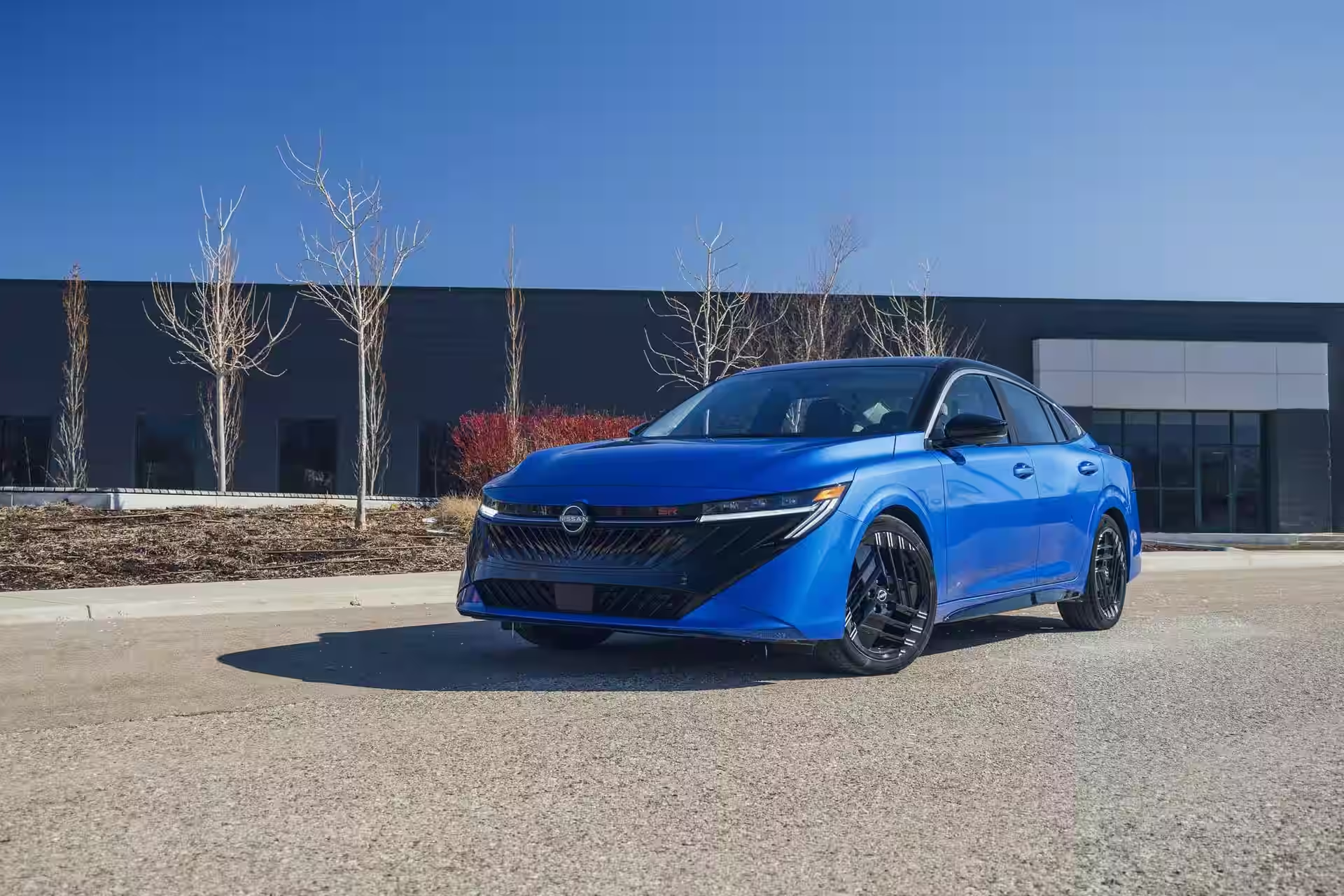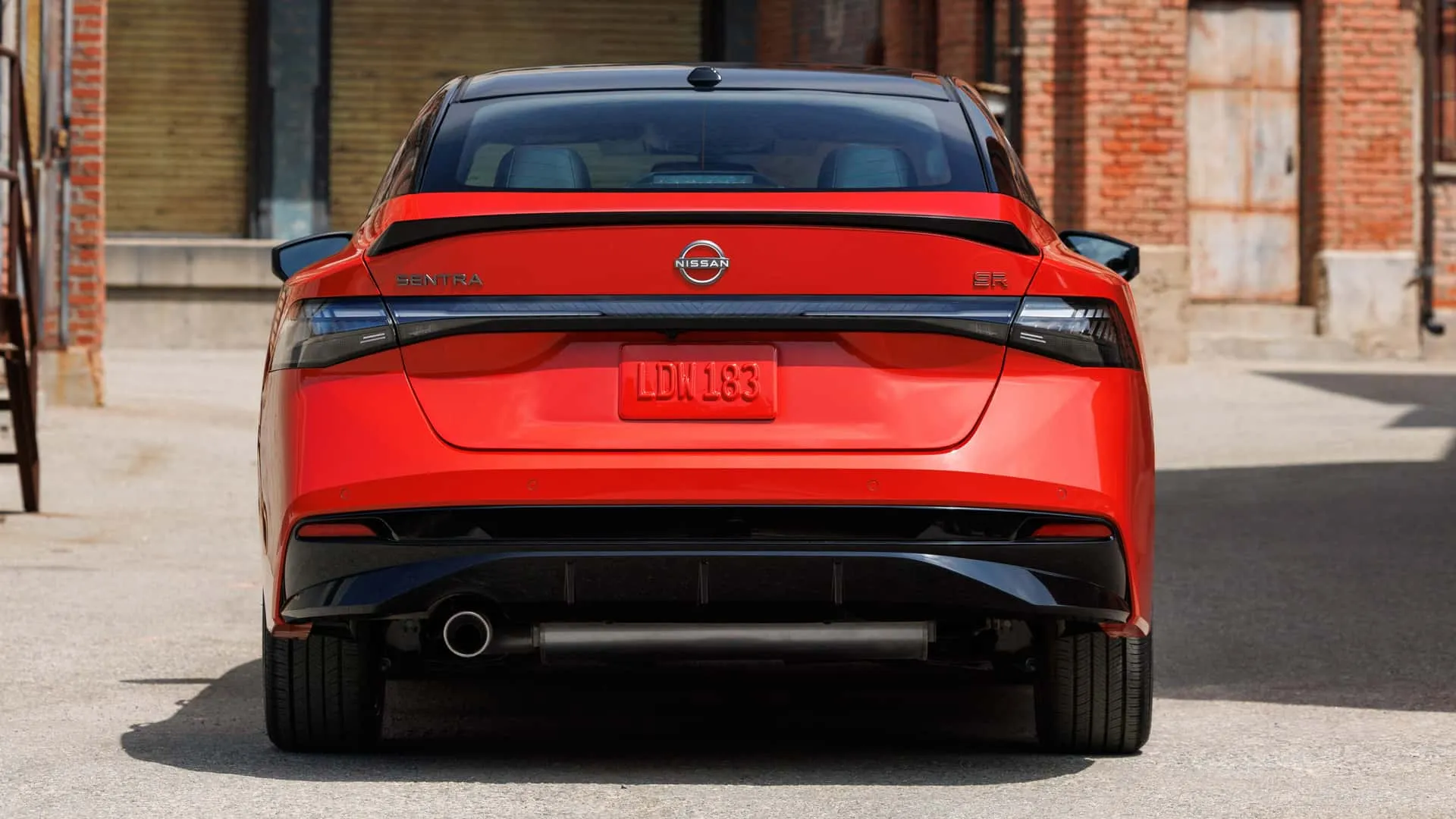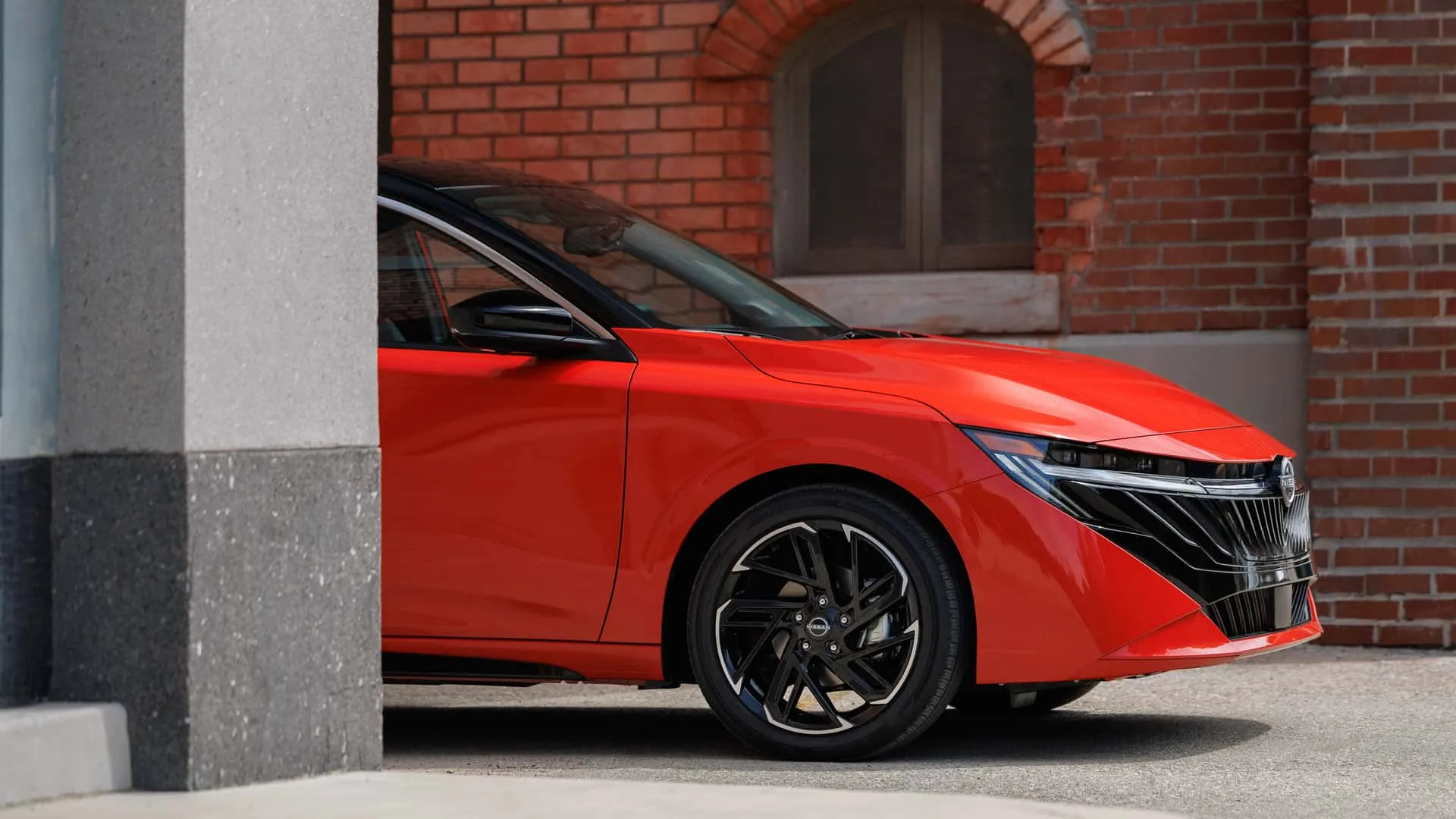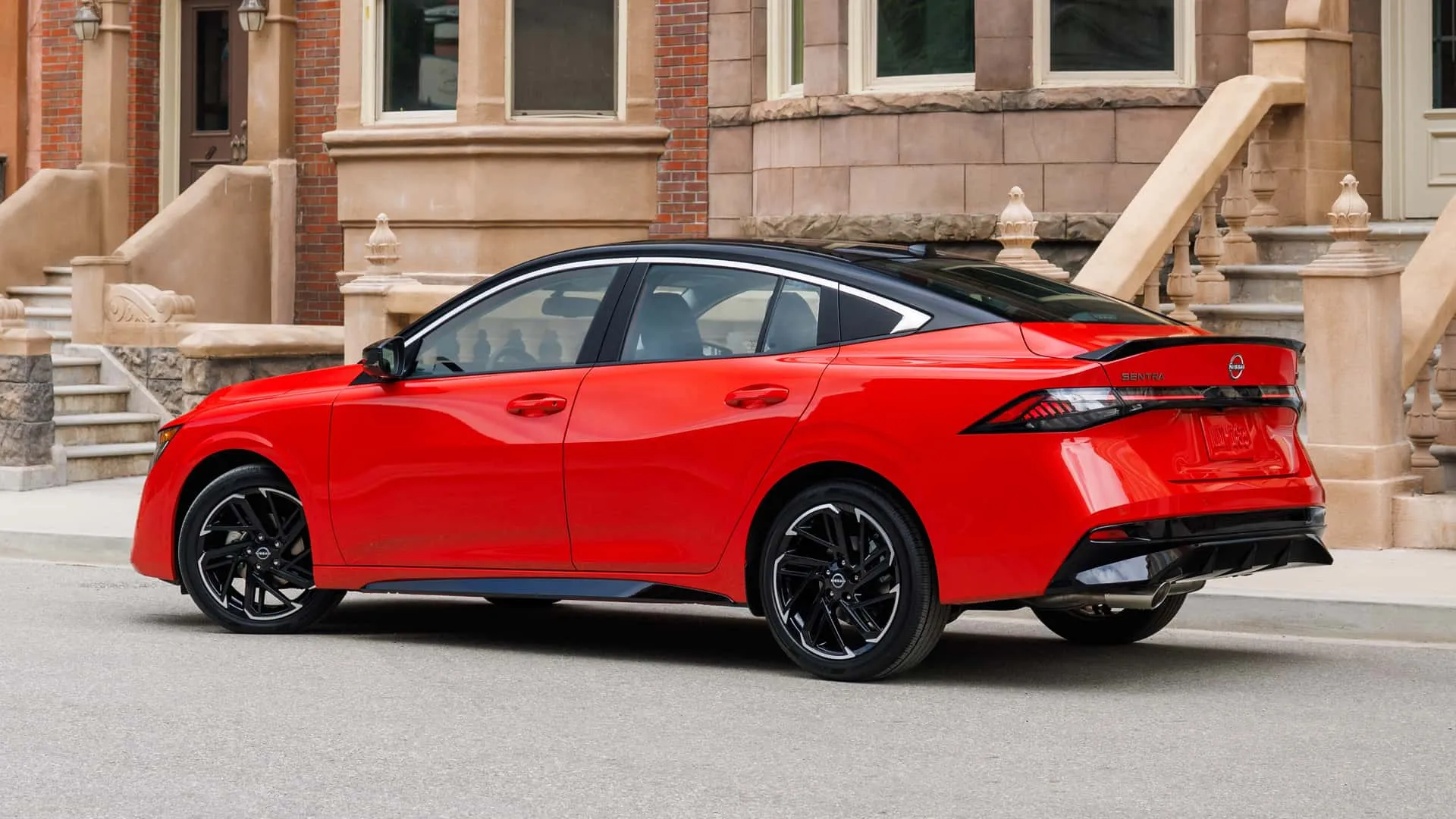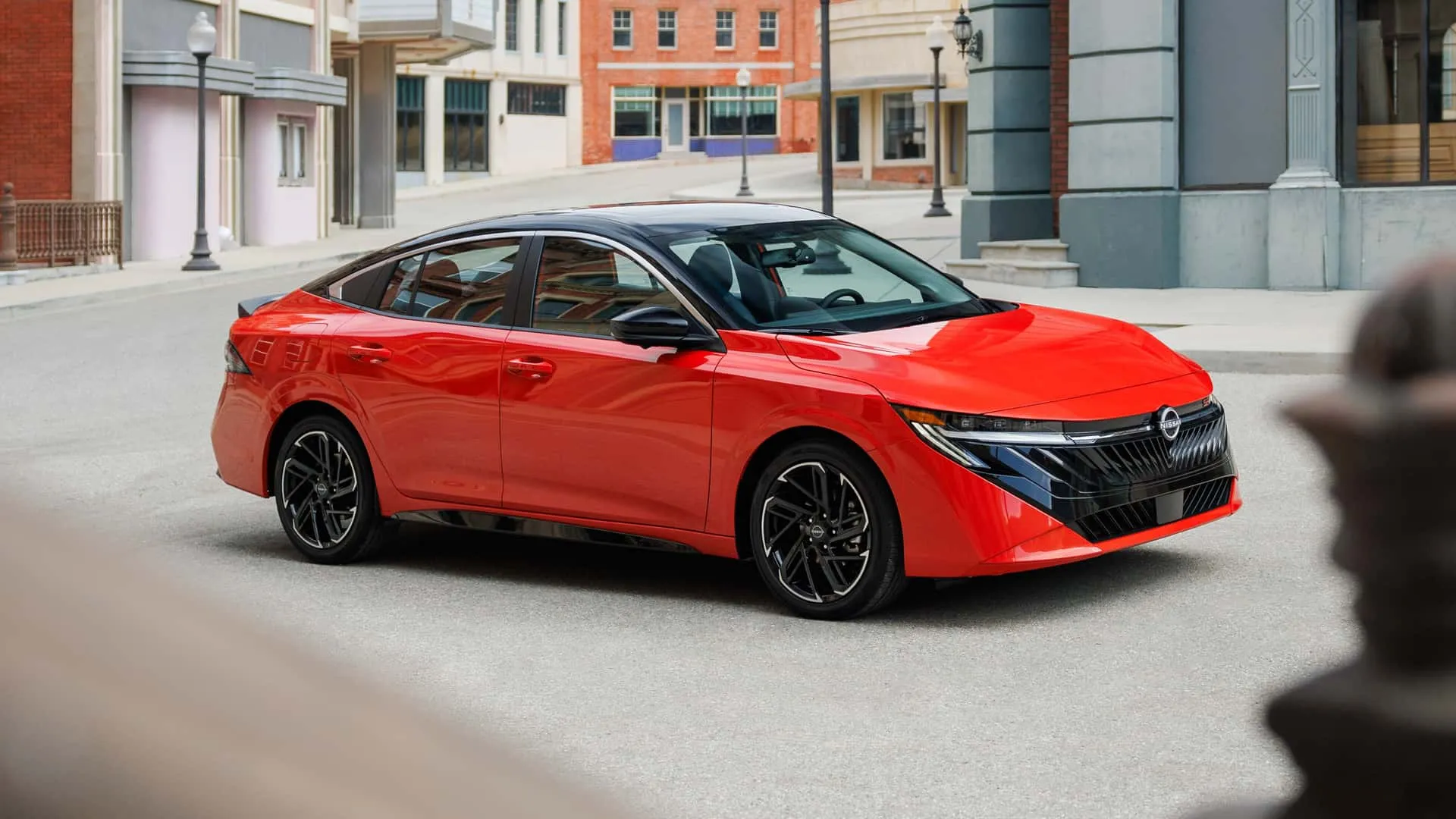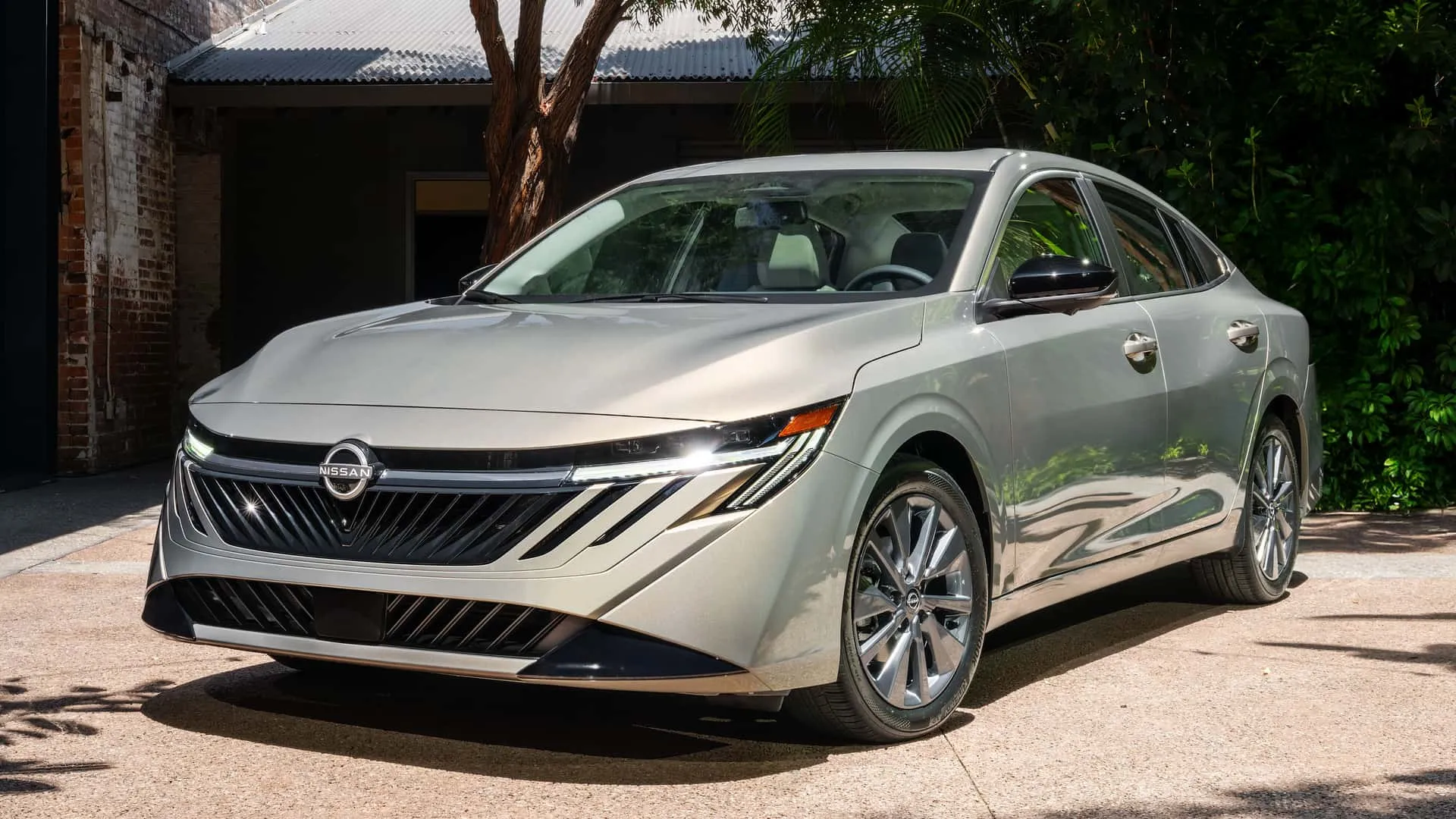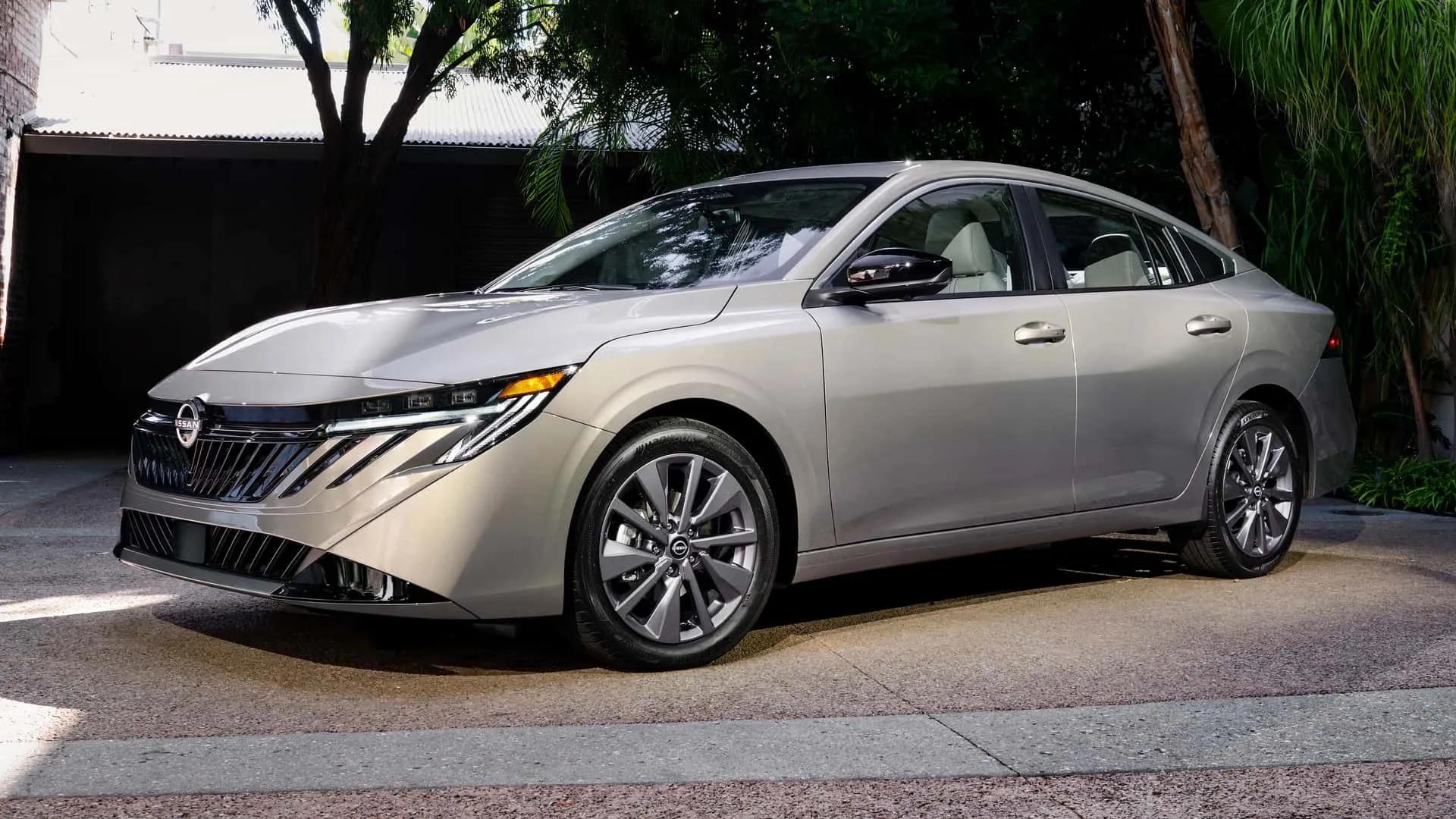
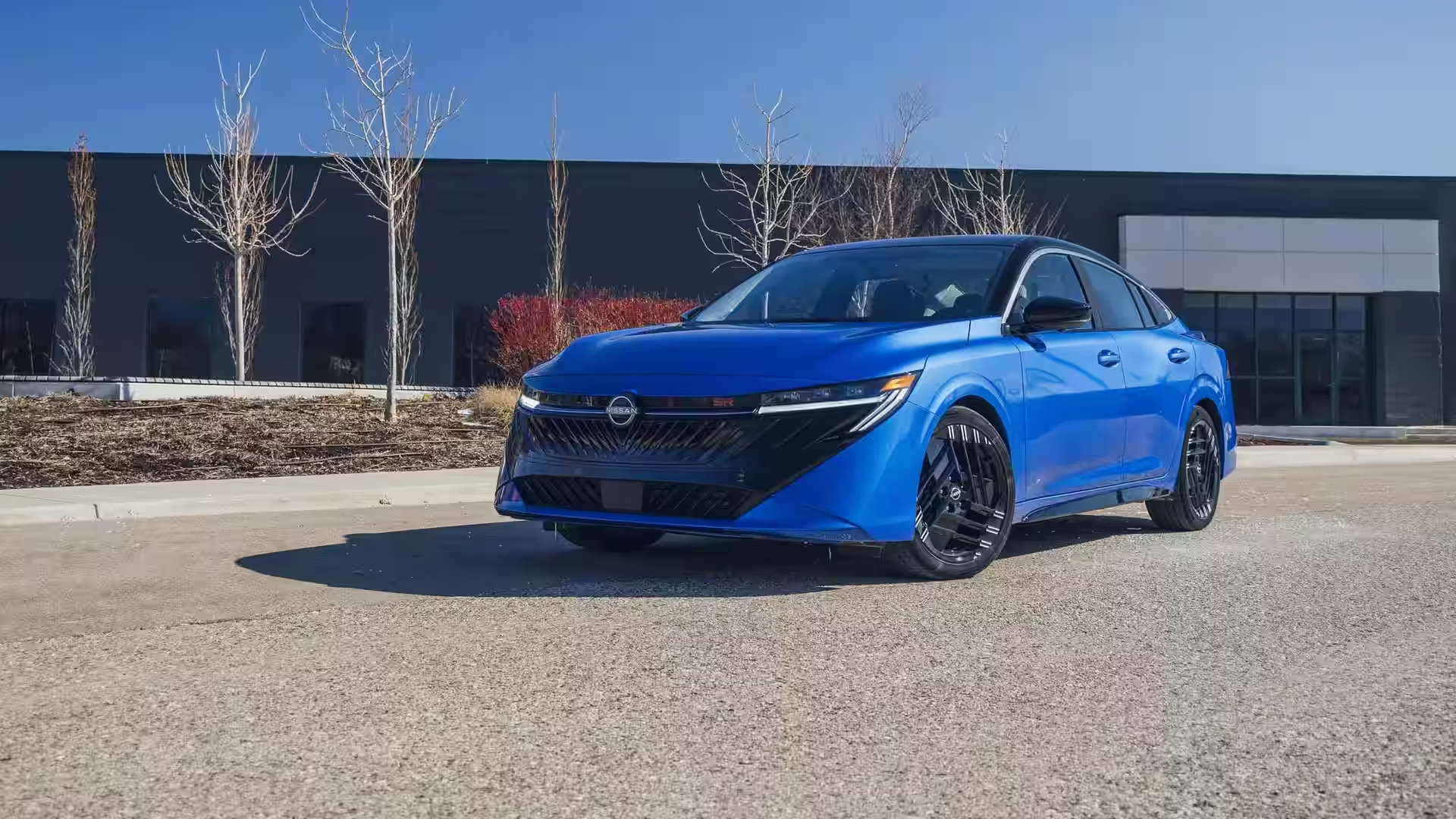
The 2027 Sentra’s real job is to look more expensive than it is
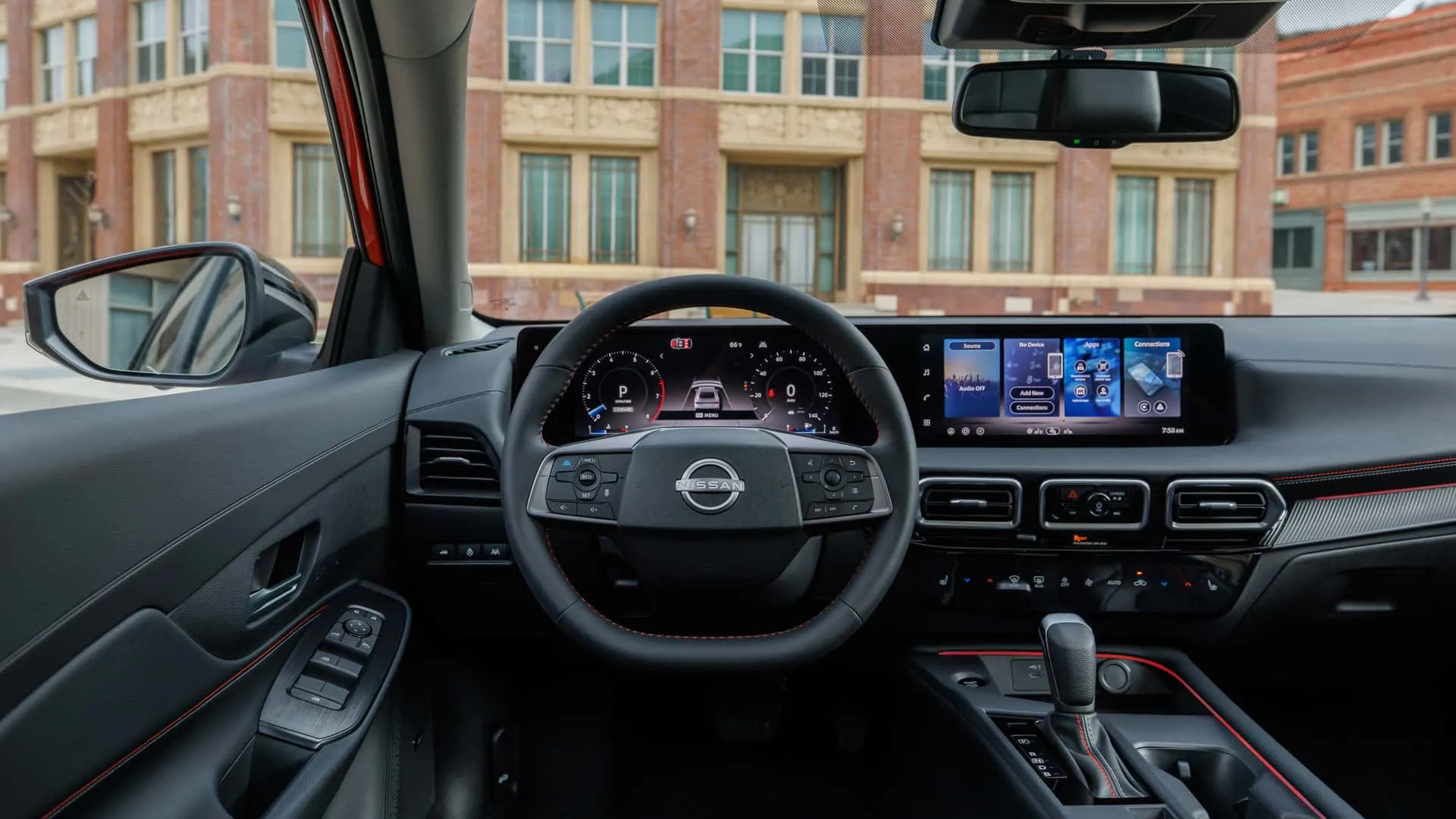
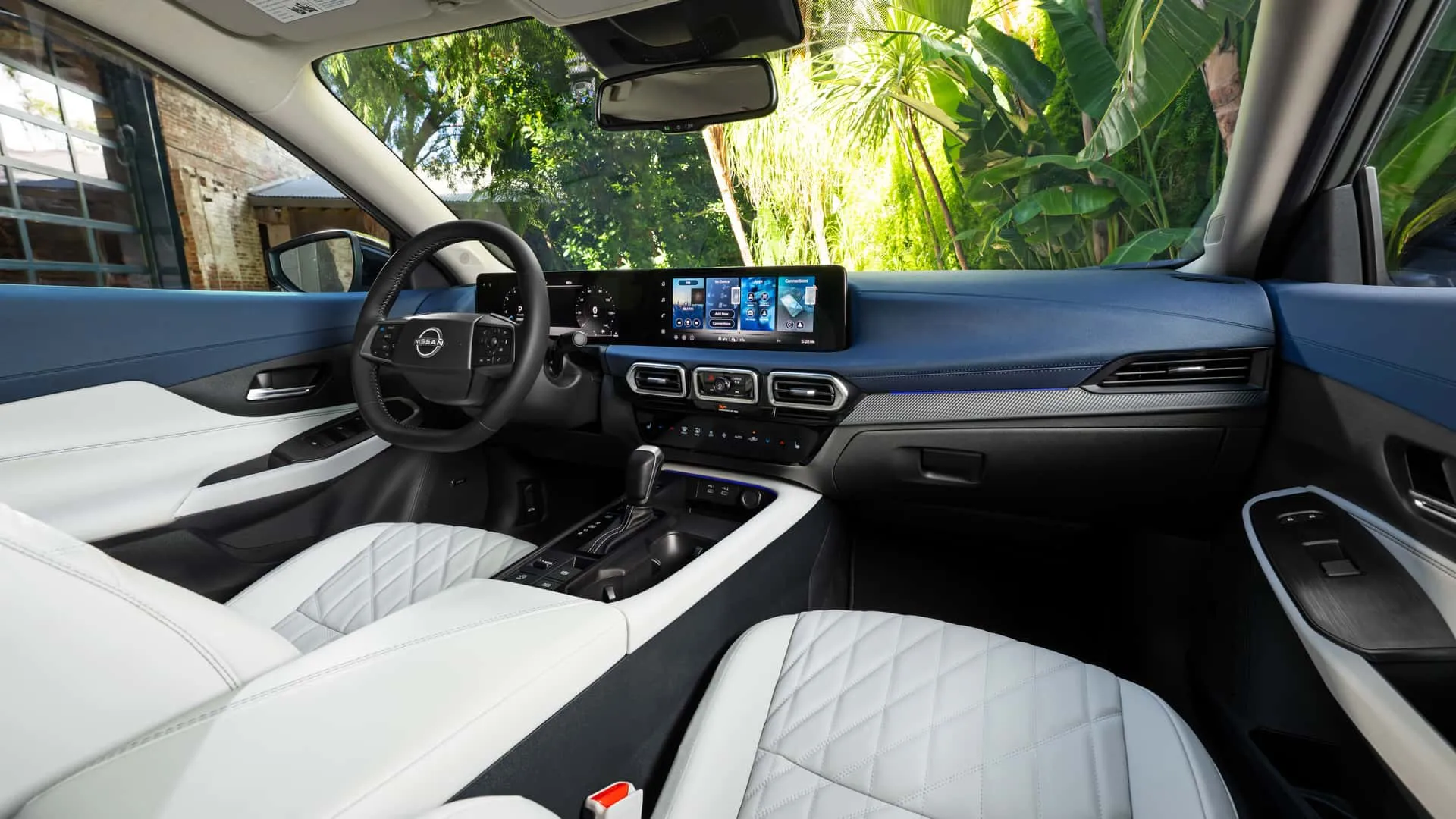
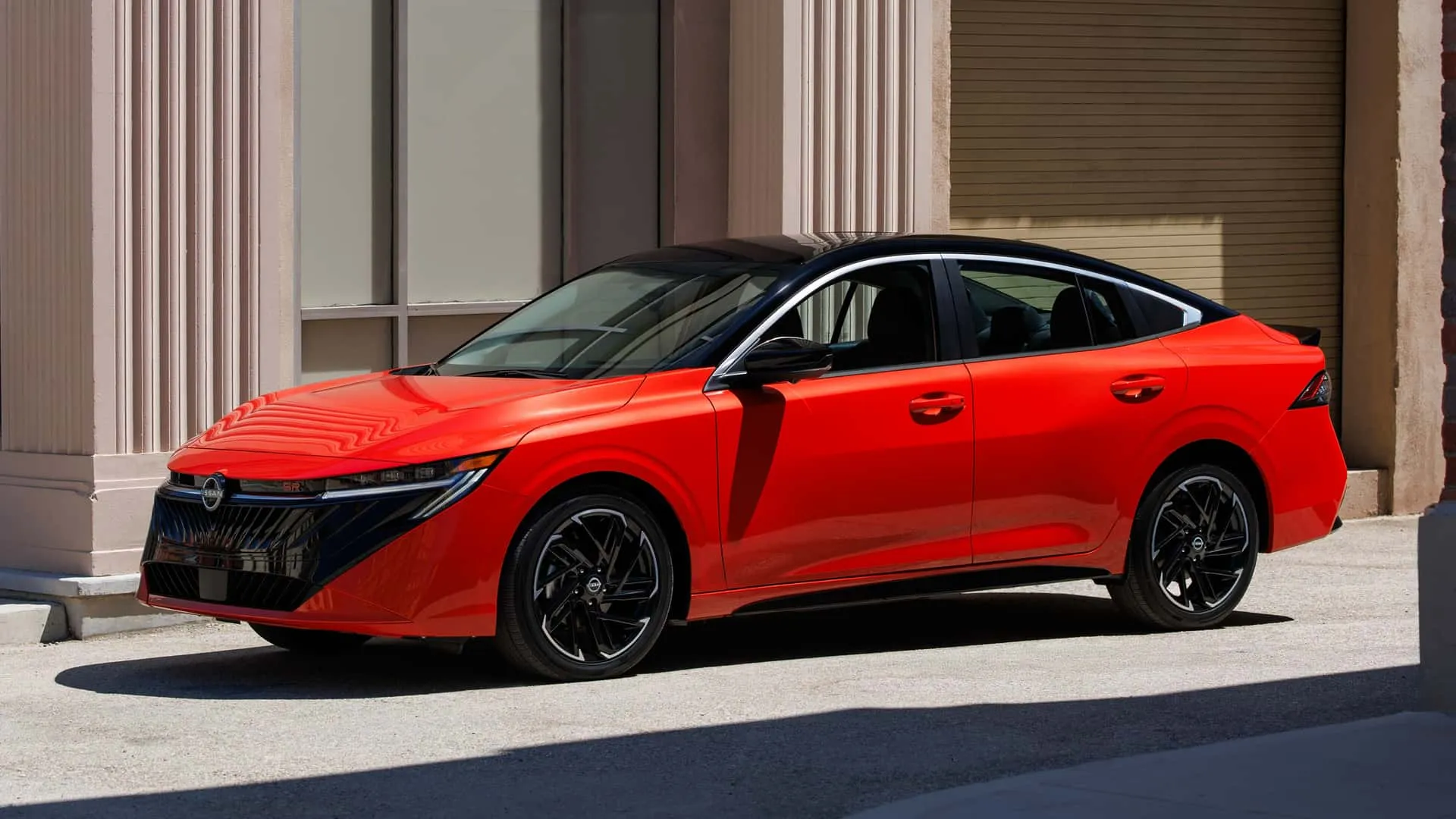
The 2027 Nissan Sentra continues Nissan’s most important compact-sedan formula: keep the entry price low, load the spec sheet, and make the car feel more mature than its budget position suggests. With an expected range of $24,000 to $30,000, the Sentra lands in the same price neighborhood as many stripped-down crossovers, yet it counters with a 12.3-inch infotainment screen, standard adaptive cruise control, and a cabin that has been visibly upgraded in the latest redesign. The result is a sedan that is still easy to recommend for commuting, first-time buyers, and fleet buyers who care about cost control and standard equipment count.
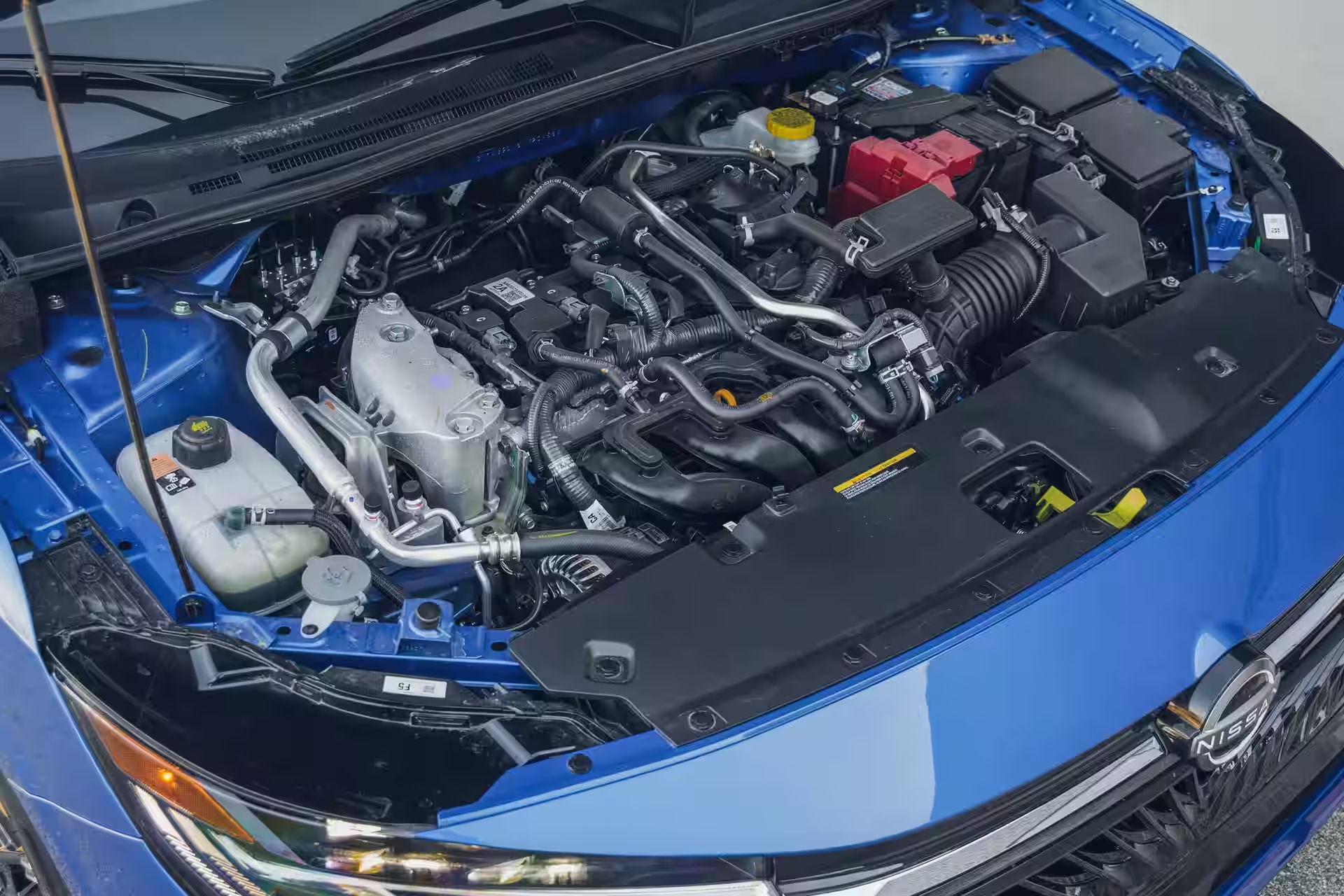
The important point is that Nissan has not chased headline horsepower. The Sentra stays with a 149 hp 2.0-liter four-cylinder and a CVT, both mounted in a front-wheel-drive layout. The setup is not charismatic, but it is honest about what this car is for. For context on how the Sentra fits among Nissan’s broader product strategy, the value-first thinking mirrors the approach seen in models like the NISSAN QASHQAI N-TEC 2026, where equipment density is used as a sales weapon as much as styling.
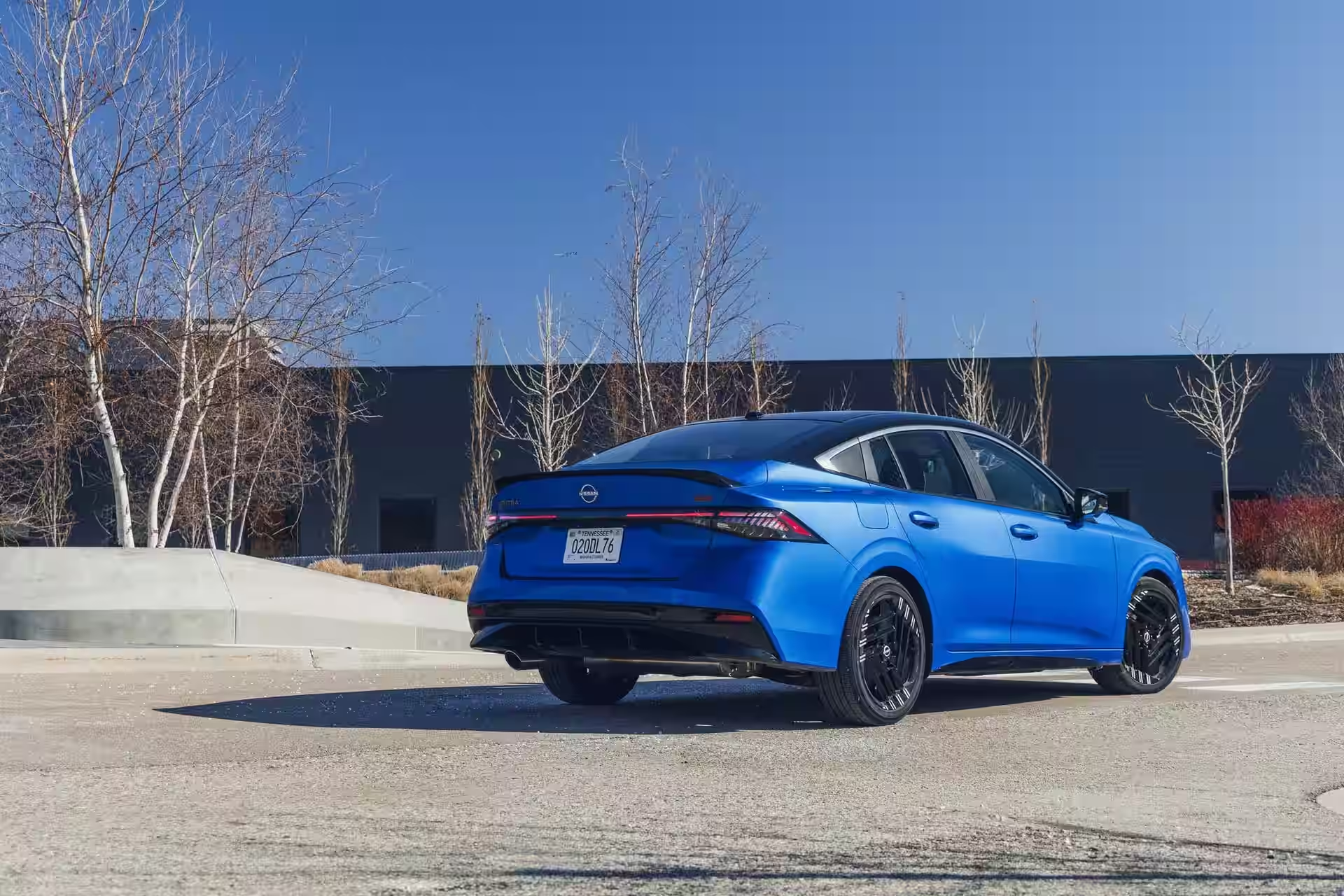
What changed in the 2026 refresh still defines the 2027 car
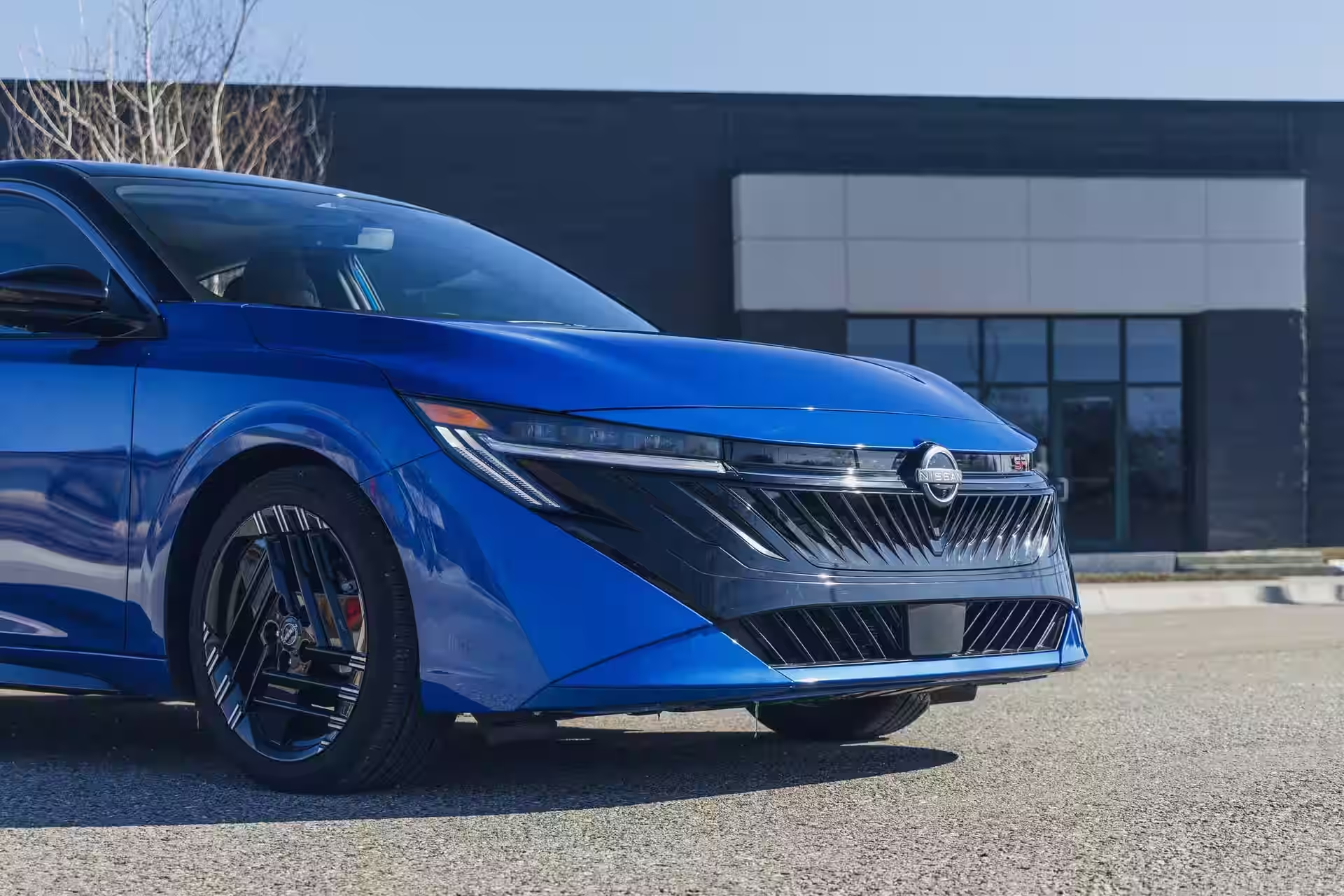
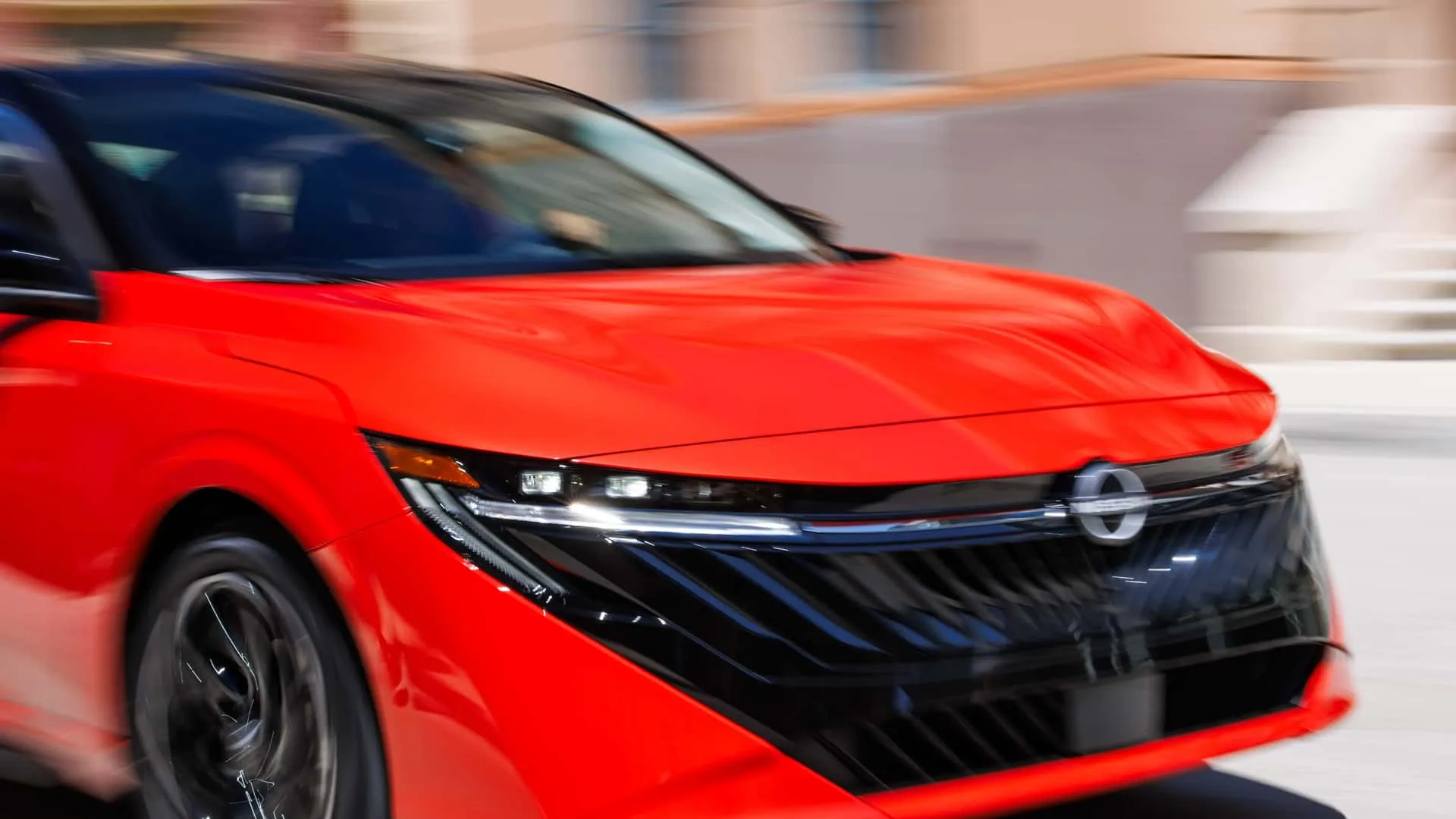
The 2027 model carries over the major 2026 changes, and that matters because the recent update was substantial rather than cosmetic. Nissan revised the exterior and interior styling, fitted the 12.3-inch screen as standard, and retuned the damper package and CVT calibration. The body structure also became stiffer, and the steering received a larger damper for better chassis control. Those changes are what moved the Sentra from “acceptable bargain” to “competent bargain.”
The driving character now reflects a car that has finally been given a more polished chassis, even though the engine remains the weak point. In our reference testing for the mechanically related 2026 Sentra SR, the car posted 8.3 seconds 0-60 mph and 172 ft of braking from 70 mph, figures that show the platform can be balanced and predictable even if outright pace is modest. If you want to compare Nissan’s approach to making a mainstream cabin feel more premium, the cabin-tech execution has echoes of the MITSUBISHI GRANDIS REBORN WITH HYBRID FOCUS, where equipment and packaging do much of the heavy lifting.
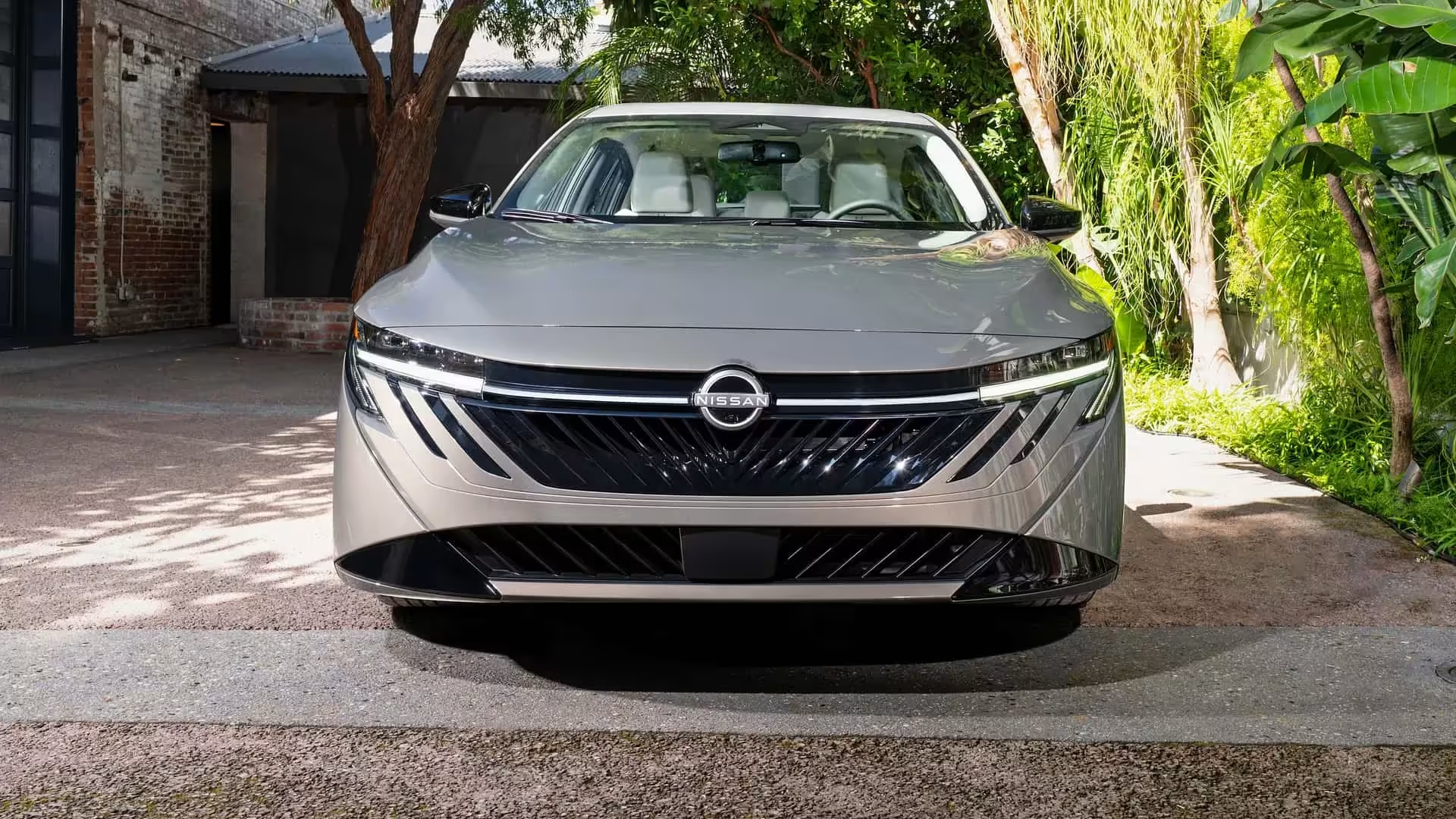
Trim strategy is where the Sentra makes its case
Nissan’s trim walk is unusually easy to understand. The base S starts around $24,000, the recommended SV is about $25,000, the SR roughly $26,000, and the top SL about $30,000. The smart money remains on the SV, which brings wireless Apple CarPlay and Android Auto, alloy wheels, and a Sport mode that sharpens engine, transmission, and steering response without pushing the car out of value territory.
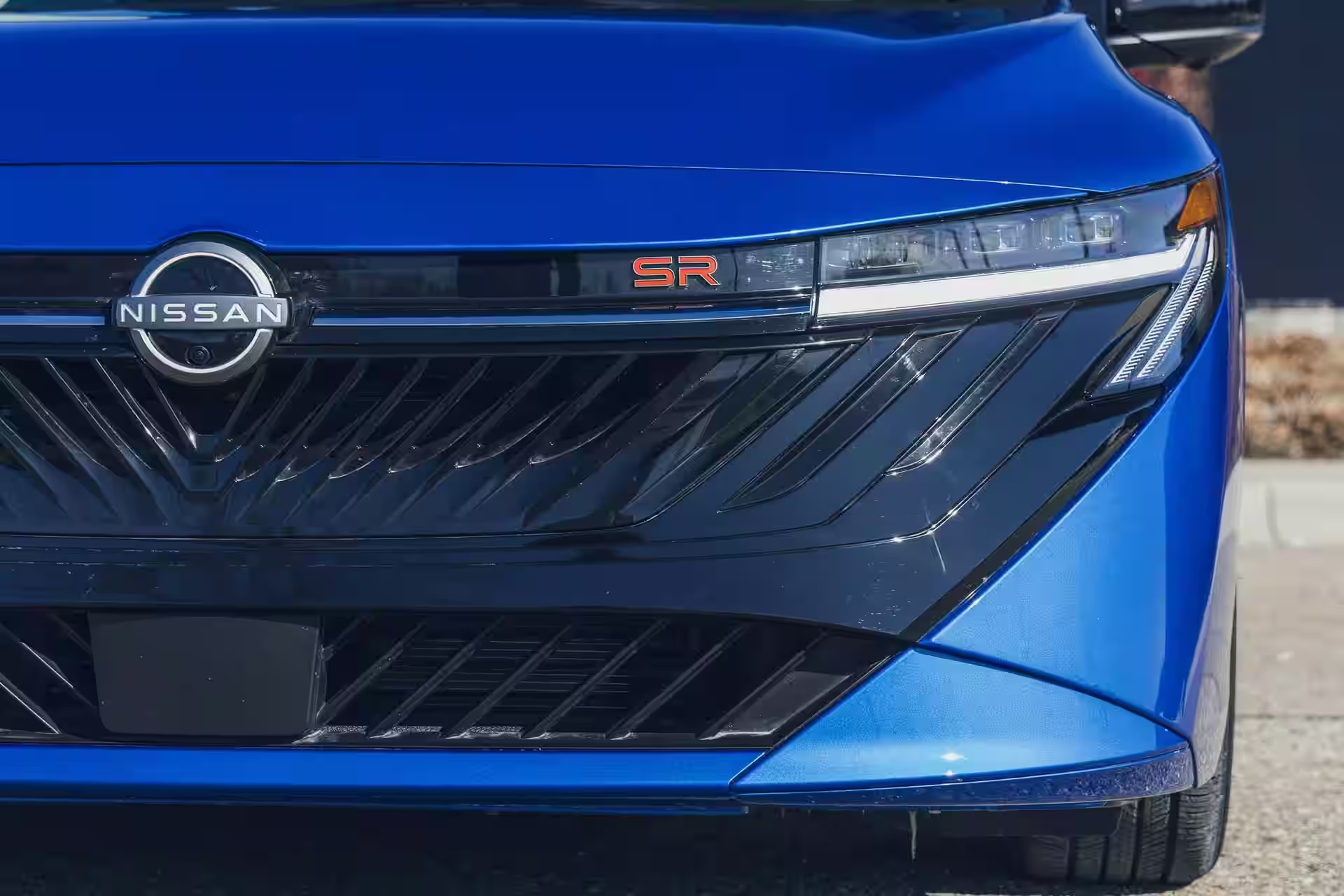
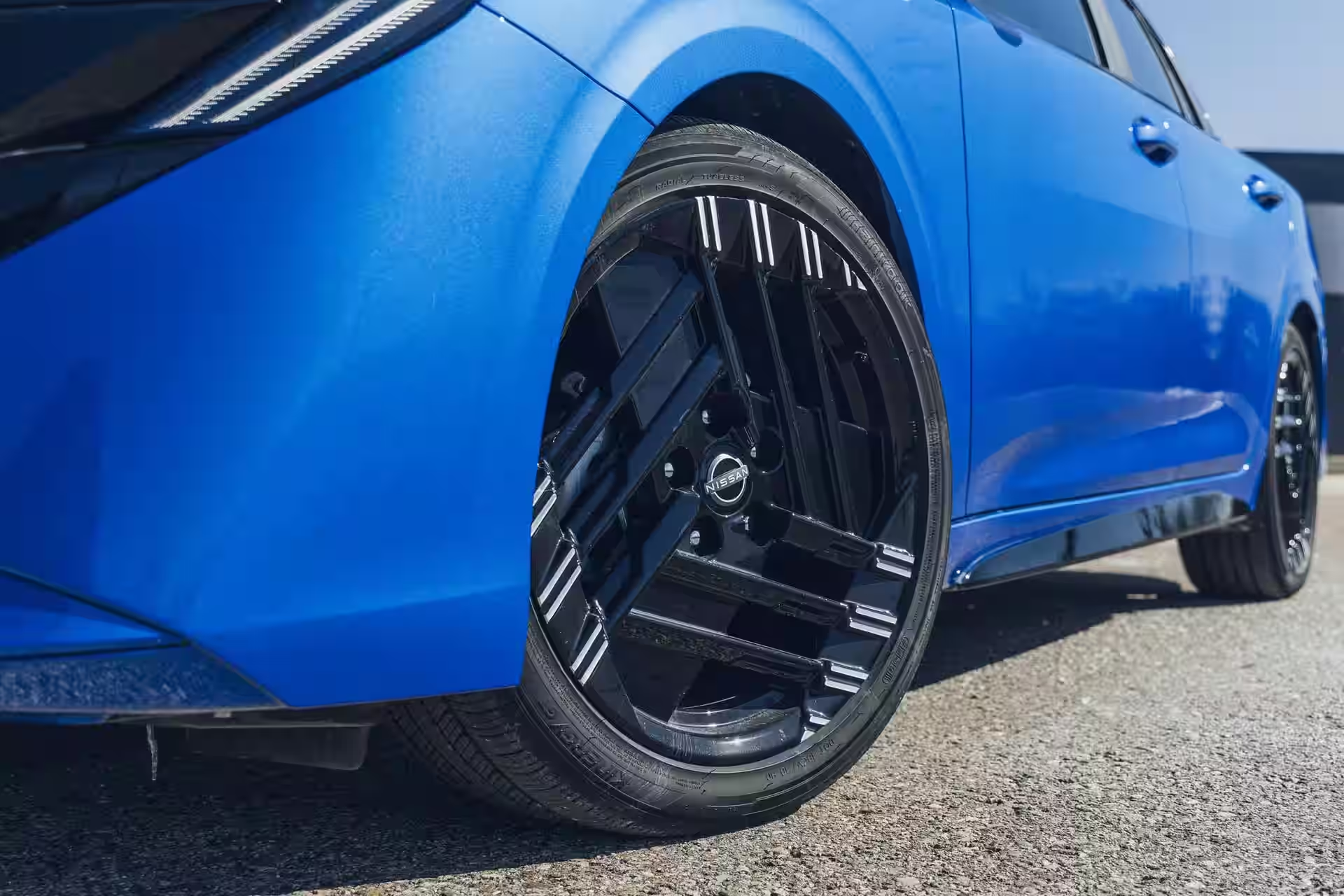
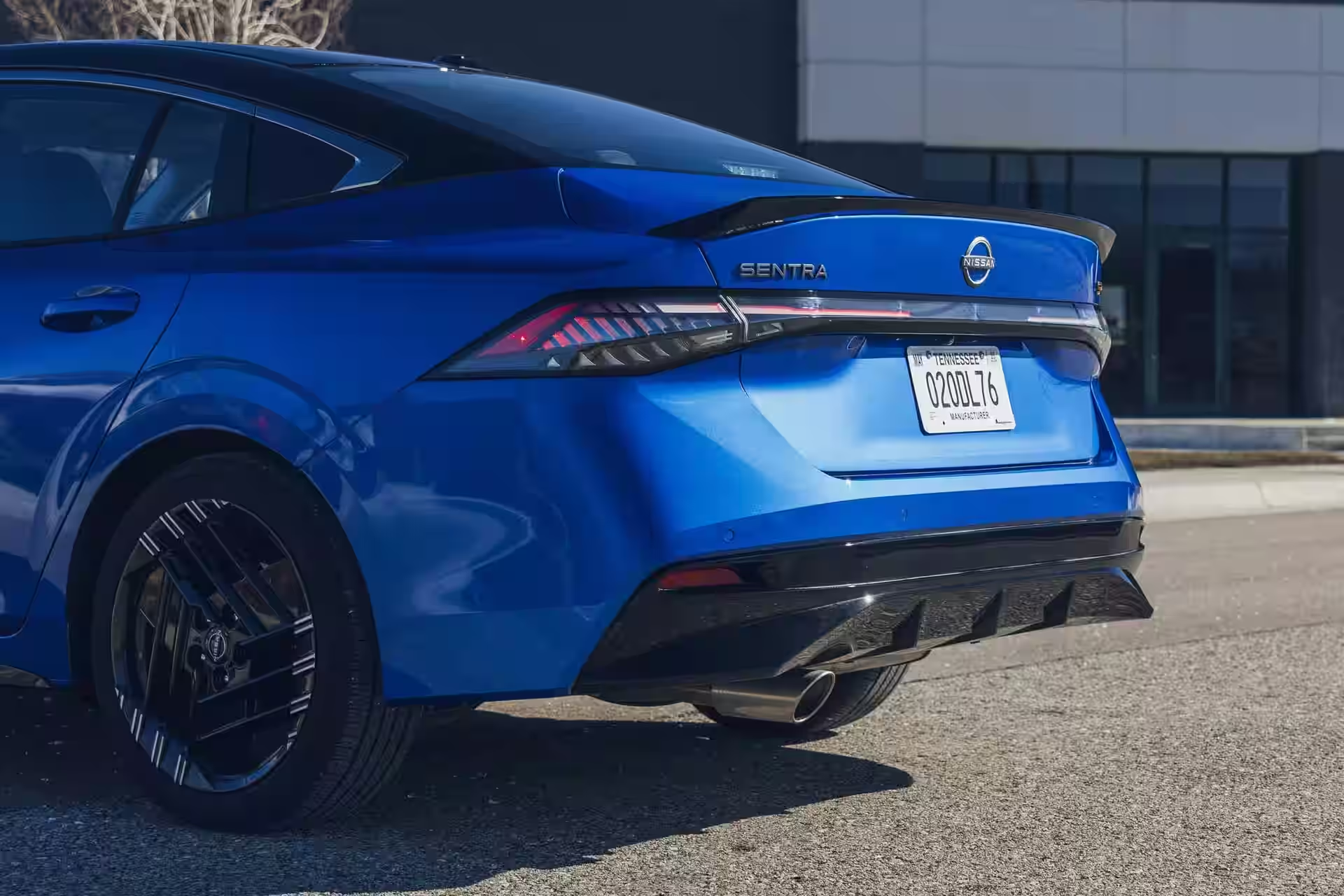
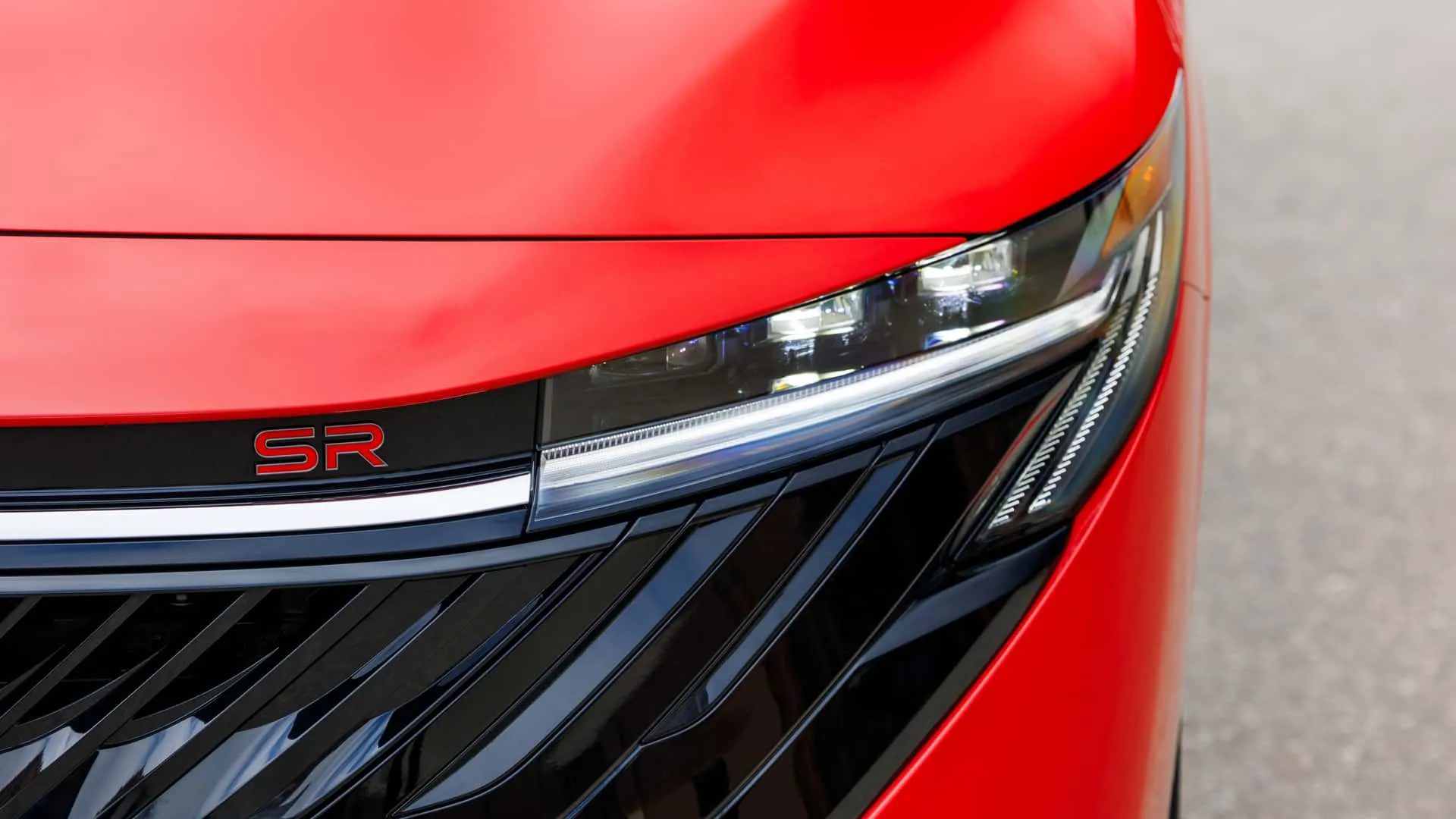
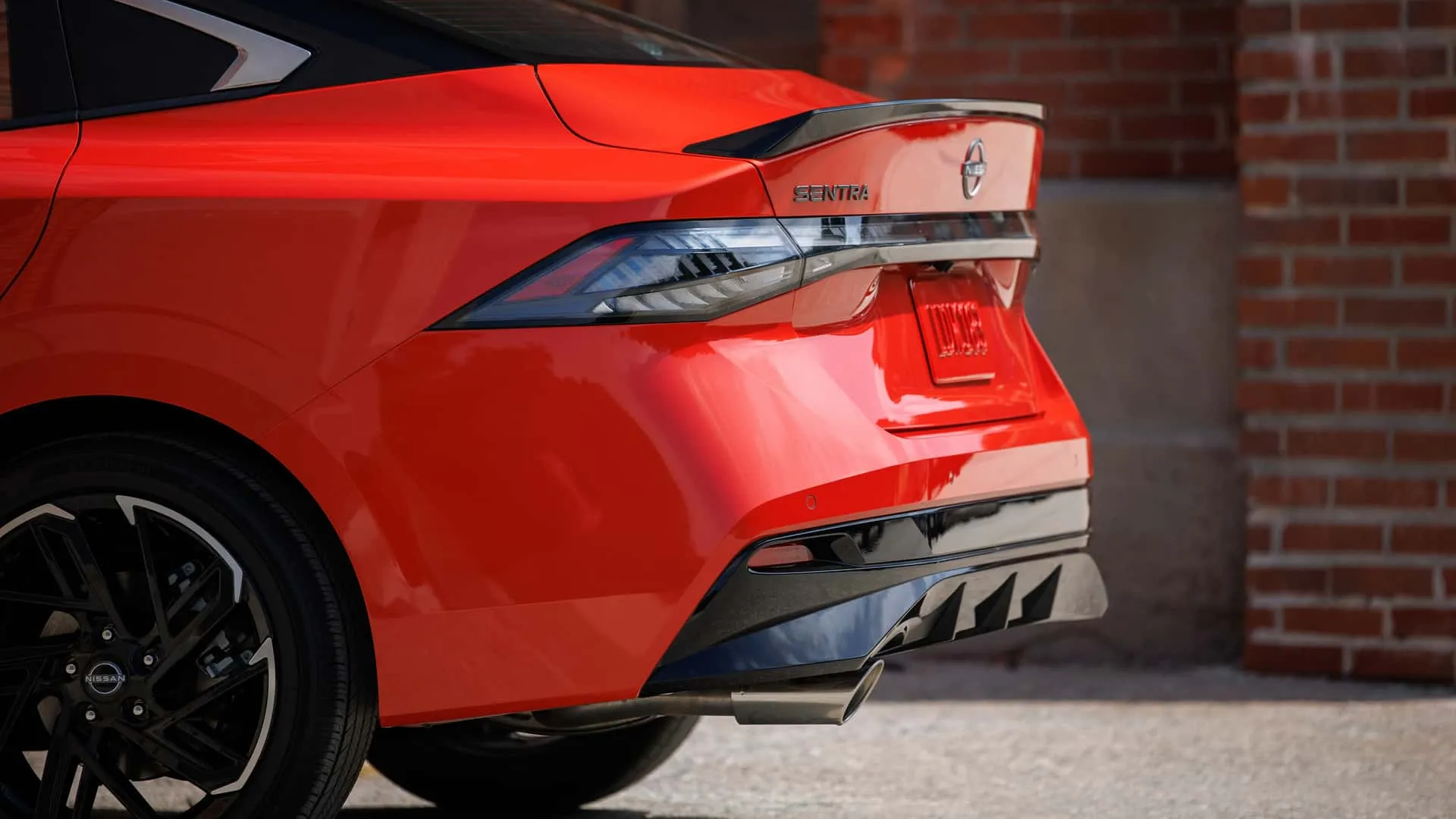
The SR is the emotional buy because it finally makes the Sentra look like the visual promise Nissan is selling. Blackout trim, a spoiler, and more aggressive detailing help it stand apart in a segment where most sedans are styling anonymous. This is the same brand logic that makes the more image-conscious INFINITI QX65 DRIVE interesting: styling is used to create perceived value before performance has a chance to disappoint.
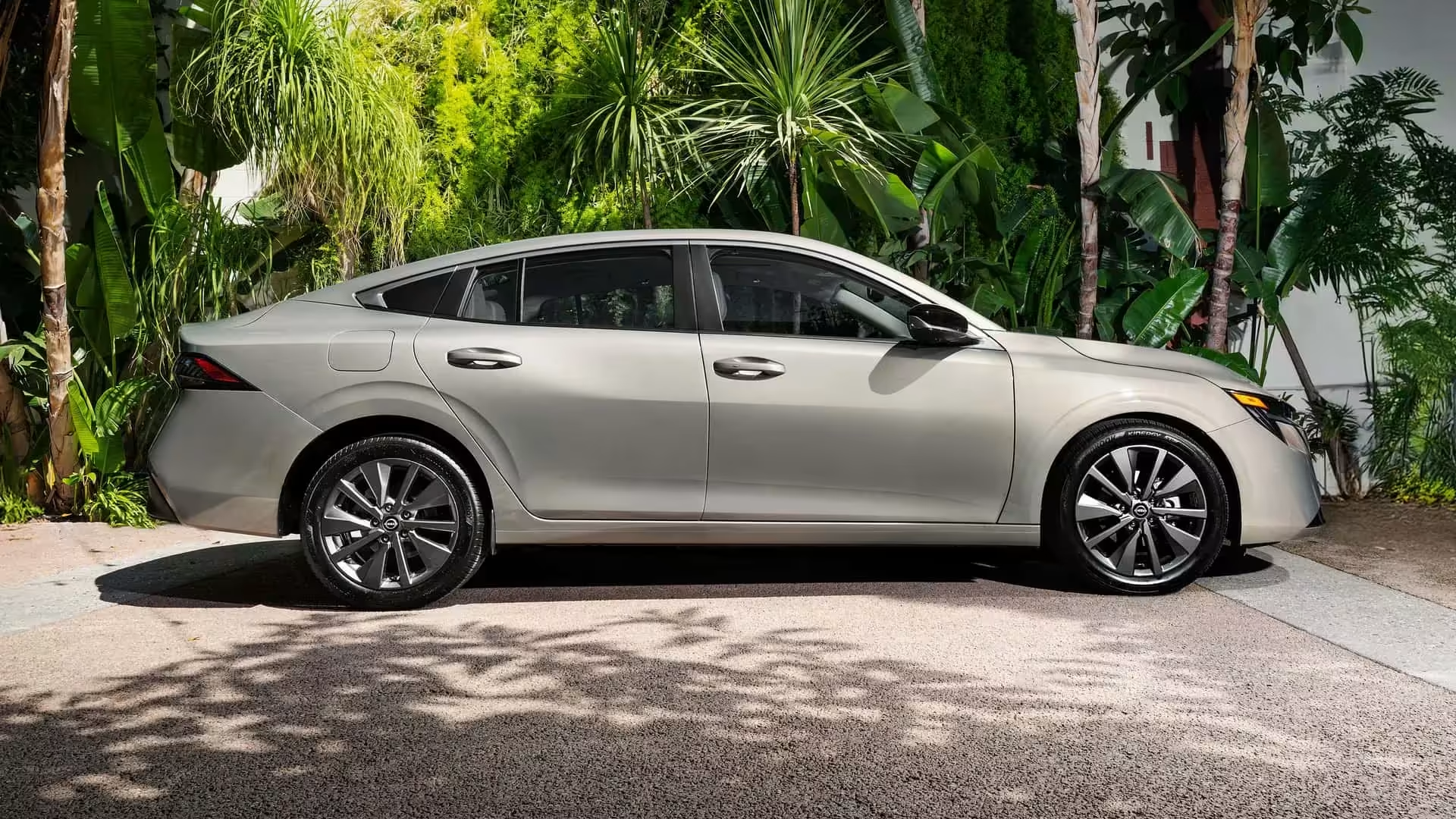
Performance numbers explain why the chassis got more attention than the engine
The Sentra’s 2.0-liter inline-four makes 149 hp and 146 lb-ft (about 198 Nm), and that output has to move a sedan with a curb weight around 3,200 lb depending on trim and equipment. The powertrain is sufficient in traffic but unhurried on open roads, with the SR test car reaching 60 mph in 8.3 seconds and the SL in 9.1 seconds. The quarter-mile numbers, 16.5 seconds at 85 mph for the SR and 17.1 seconds at 83 mph for the SL, underline the same story: this is not a quick sedan, and Nissan is not pretending otherwise.
What is more interesting is that the chassis tuning now appears more sorted than the acceleration data would suggest. The 300-foot skidpad results of 0.86 g for the SR and 0.85 g for the SL are respectable for the class, and the revised dampers help the car feel composed over broken pavement. Buyers who want a more dynamic compact sedan will still be happier in cars such as the BMW i5 2027 if budget is irrelevant, but the Sentra’s point is to keep the monthly payment grounded.
Fuel economy and daily-use logic still carry weight
The EPA rates the Sentra at up to 33 mpg combined, with city and highway figures depending on trim level. In the broader compact-sedan market, that keeps it competitive, though not class-leading against the most efficiency-focused rivals. Nissan’s formula is not built around hybrid complexity, and that omission matters because some shoppers will inevitably cross-shop it against electrified alternatives or more efficient sedans. Even so, the Sentra’s real selling point is that it achieves respectable consumption without pushing the purchase price into hybrid territory.
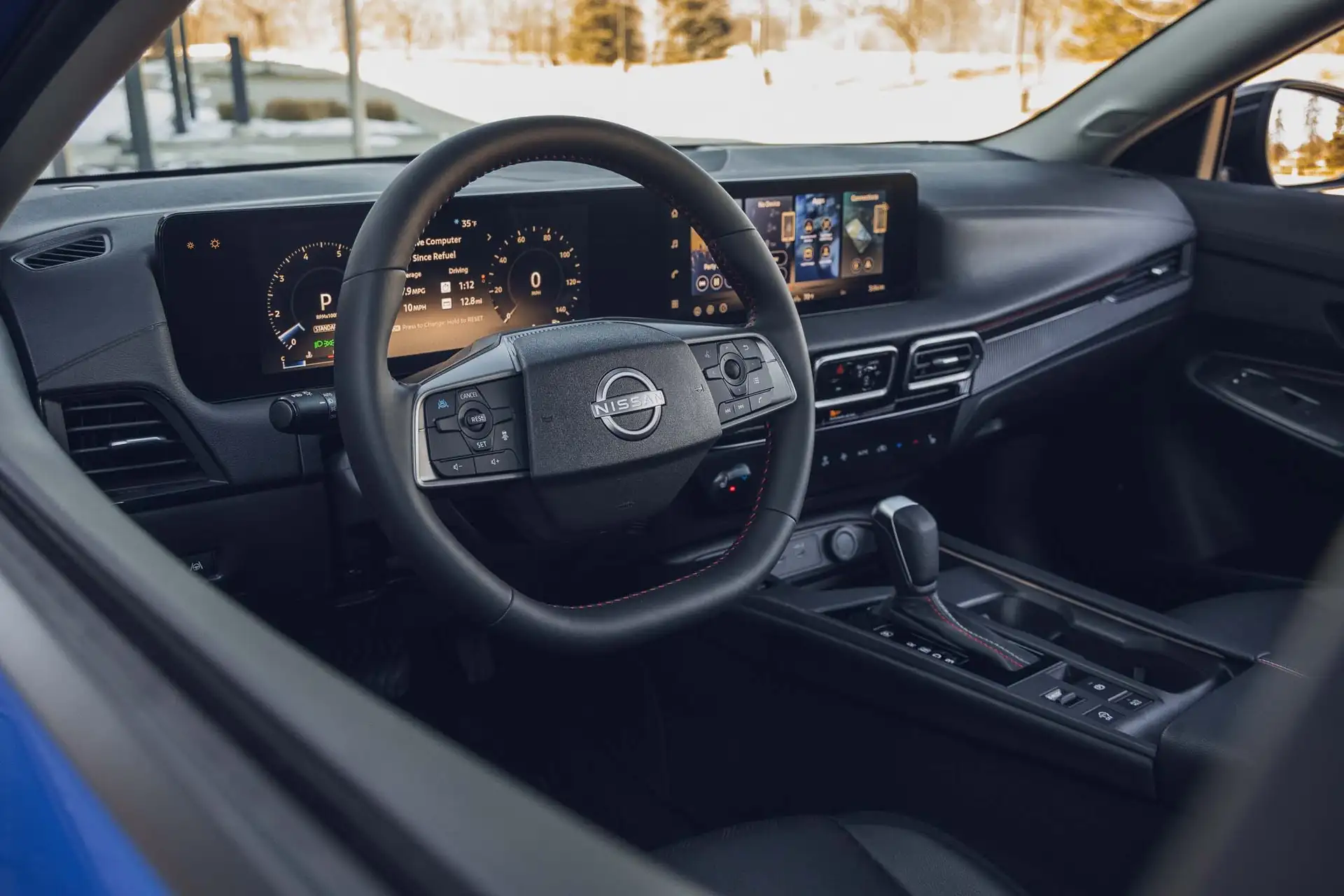
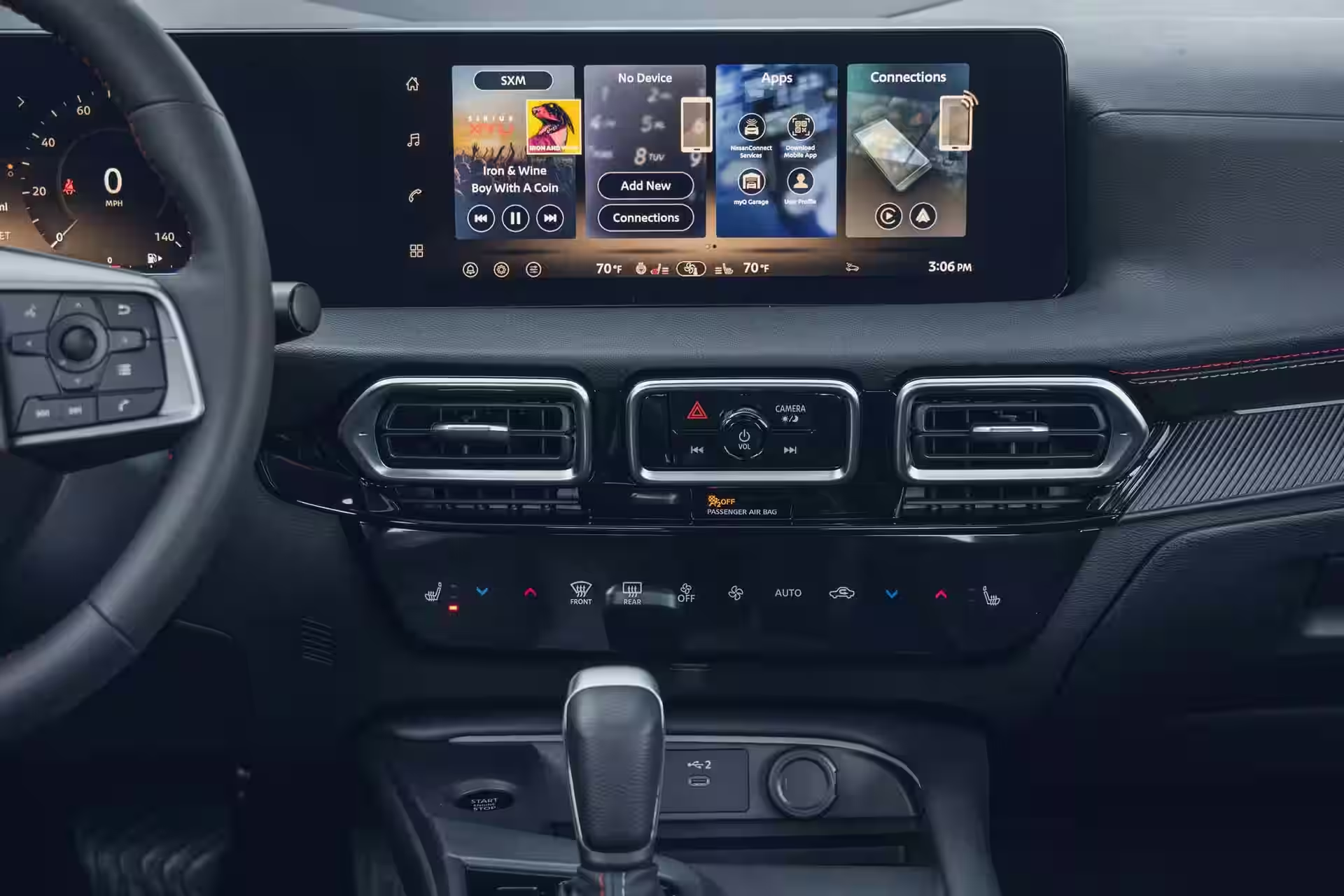
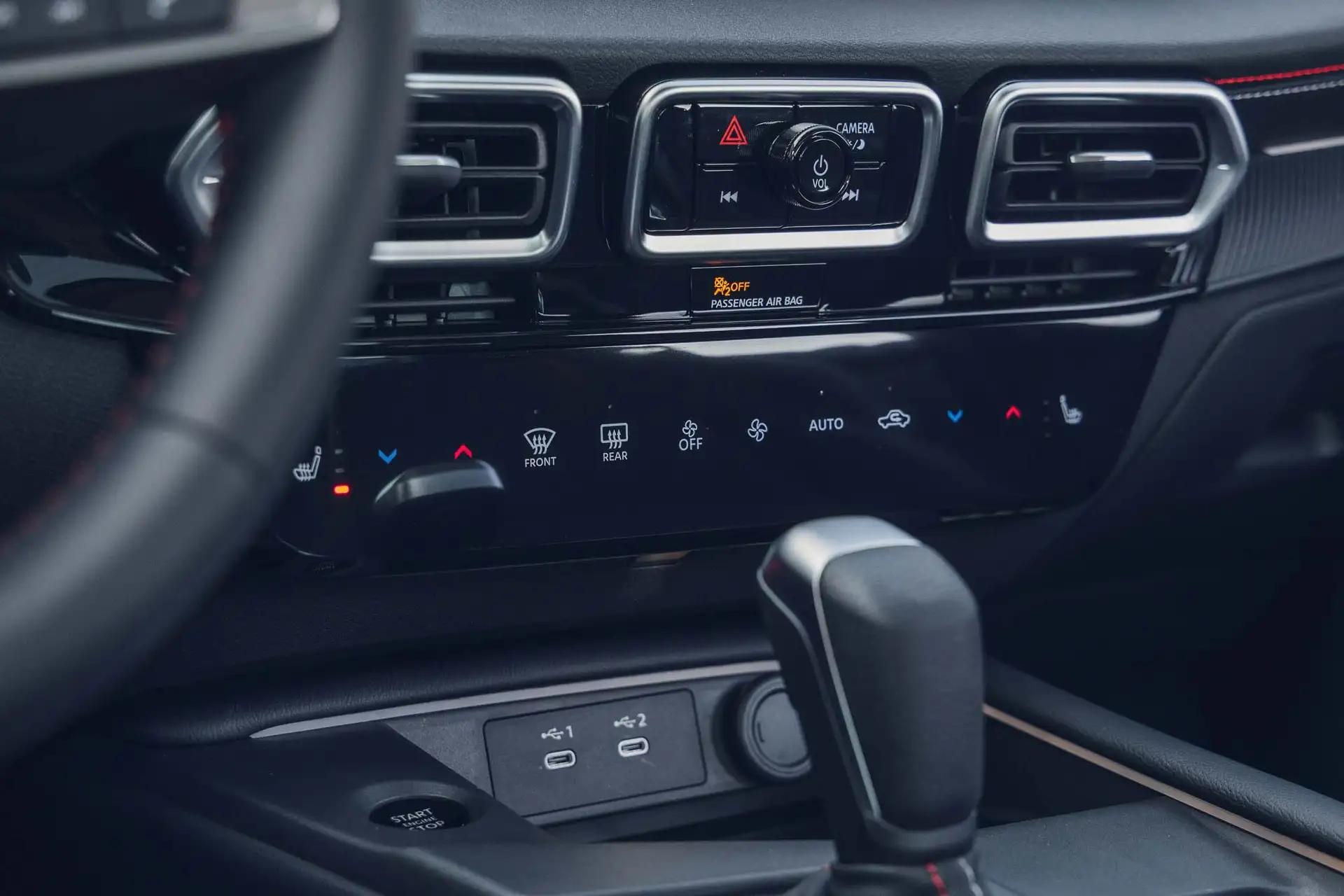
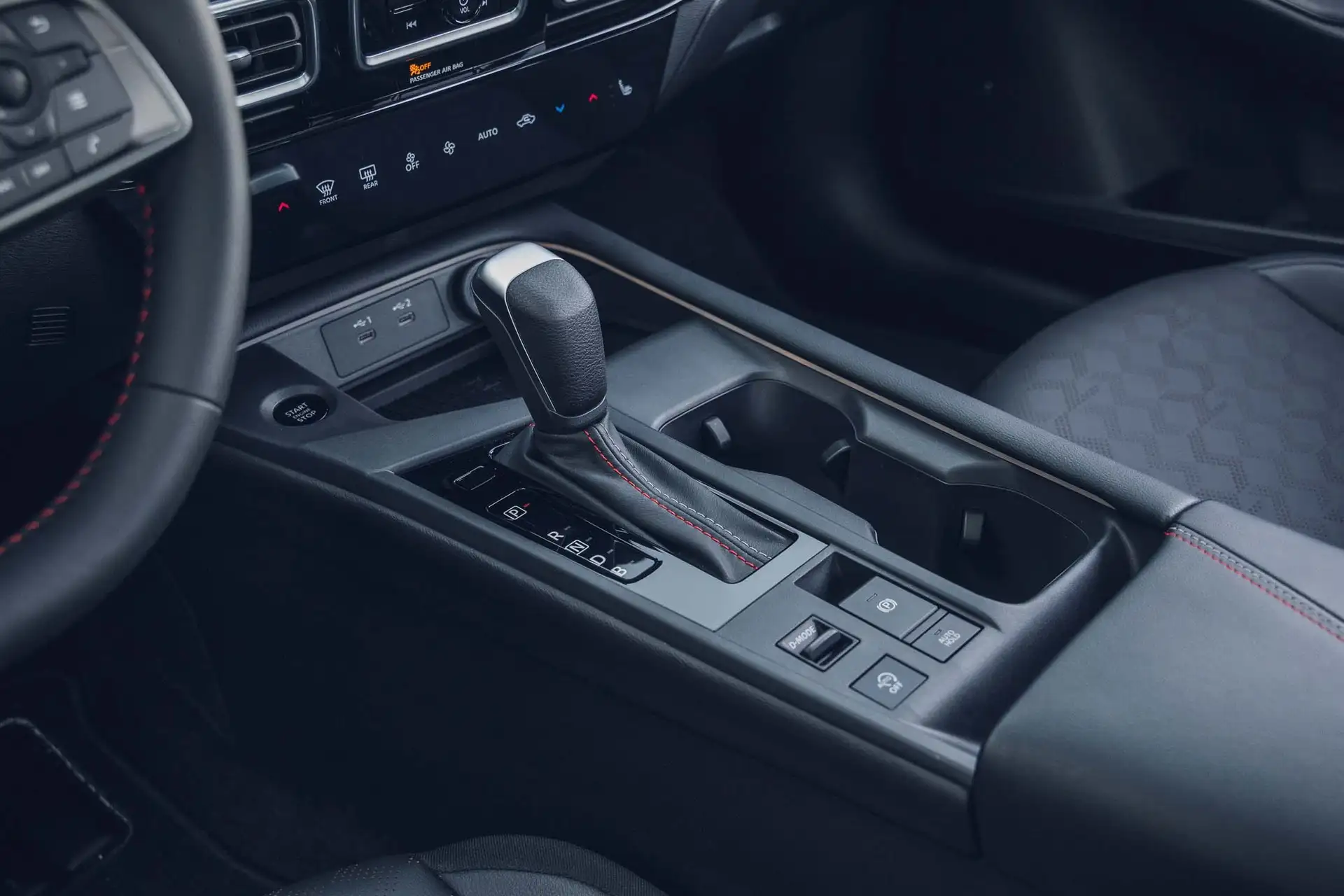
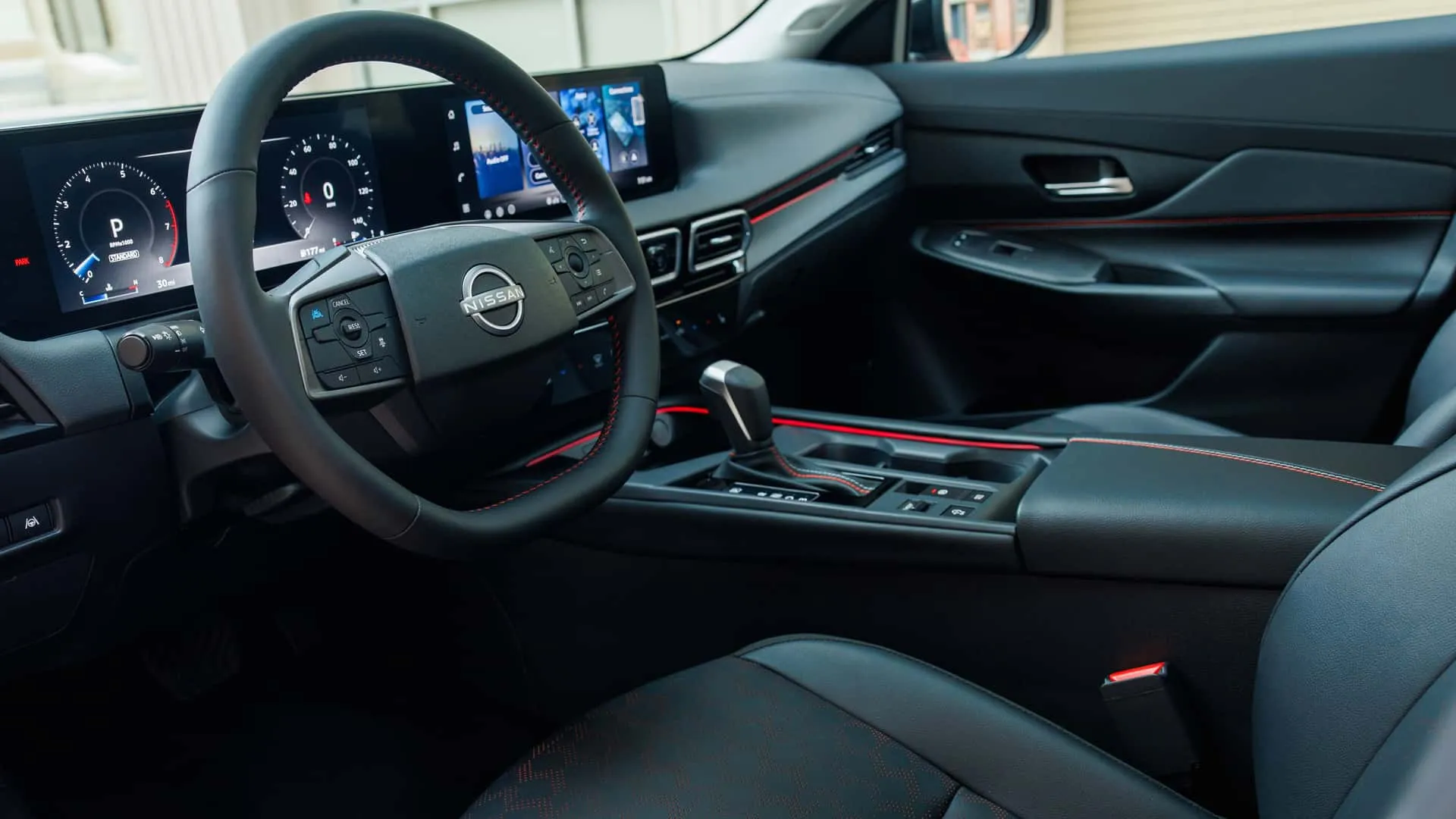
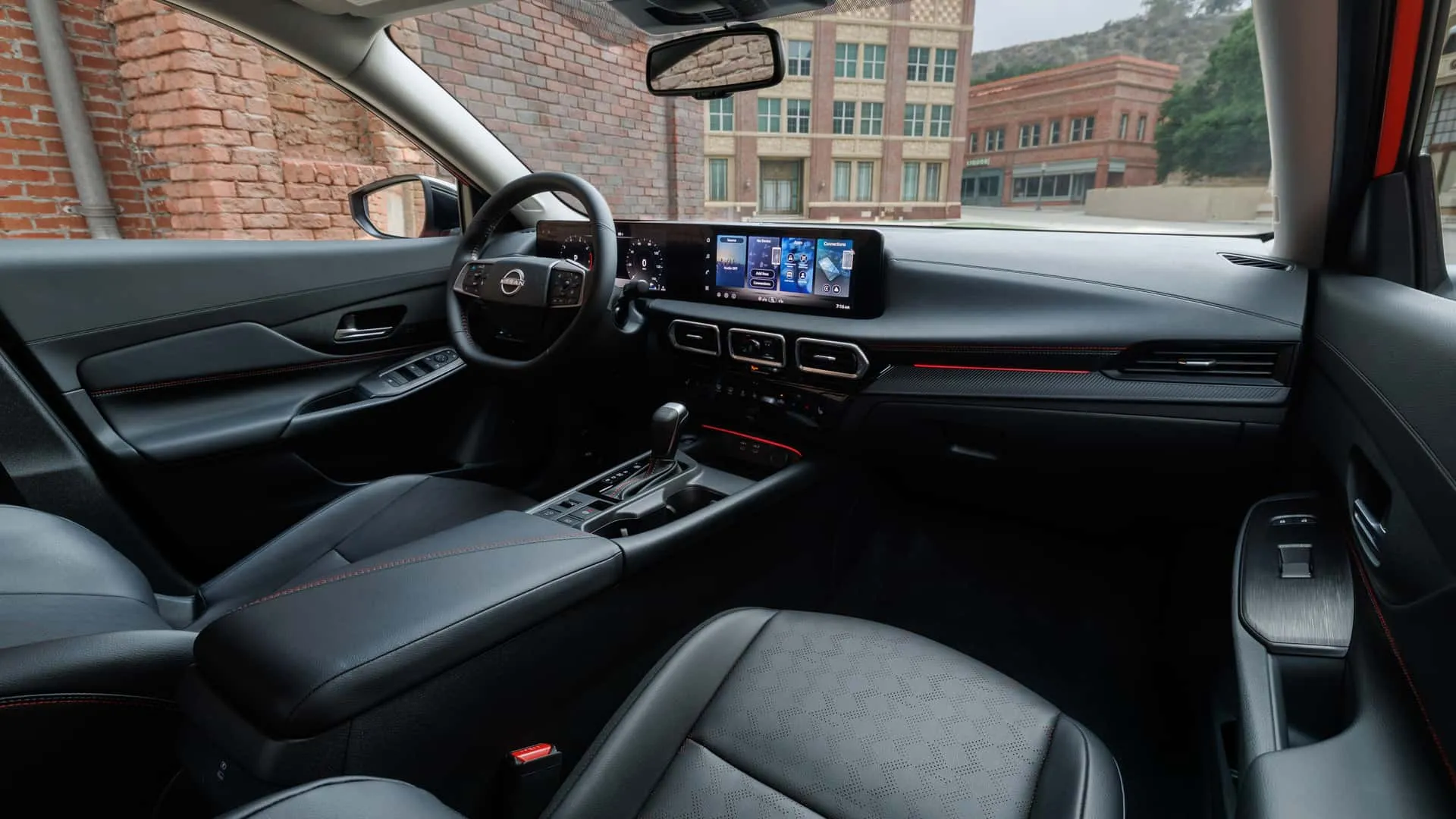
The cabin supports that daily mission with useful physical controls, a standard 12.3-inch infotainment display, and available wireless charging. Higher trims also get a 12.3-inch digital gauge cluster, which gives the cabin a more modern presentation than the price suggests. For a similar “more tech than expected” value pitch, the KIA EV4 GT-Line shows how premium-feeling interfaces can reshape buyer perception before the first drive even begins.
Interior packaging is the Sentra’s quiet competitive advantage
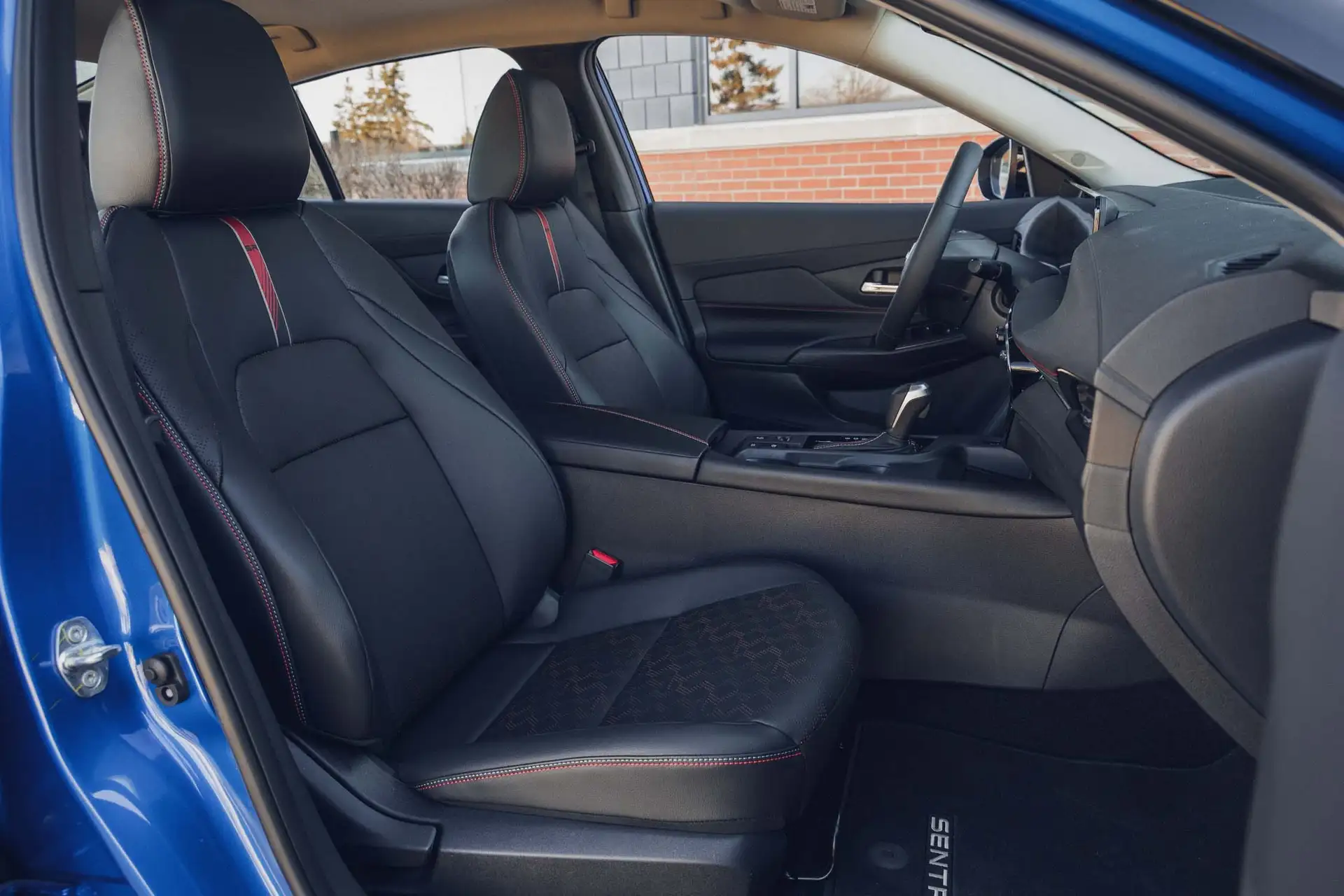
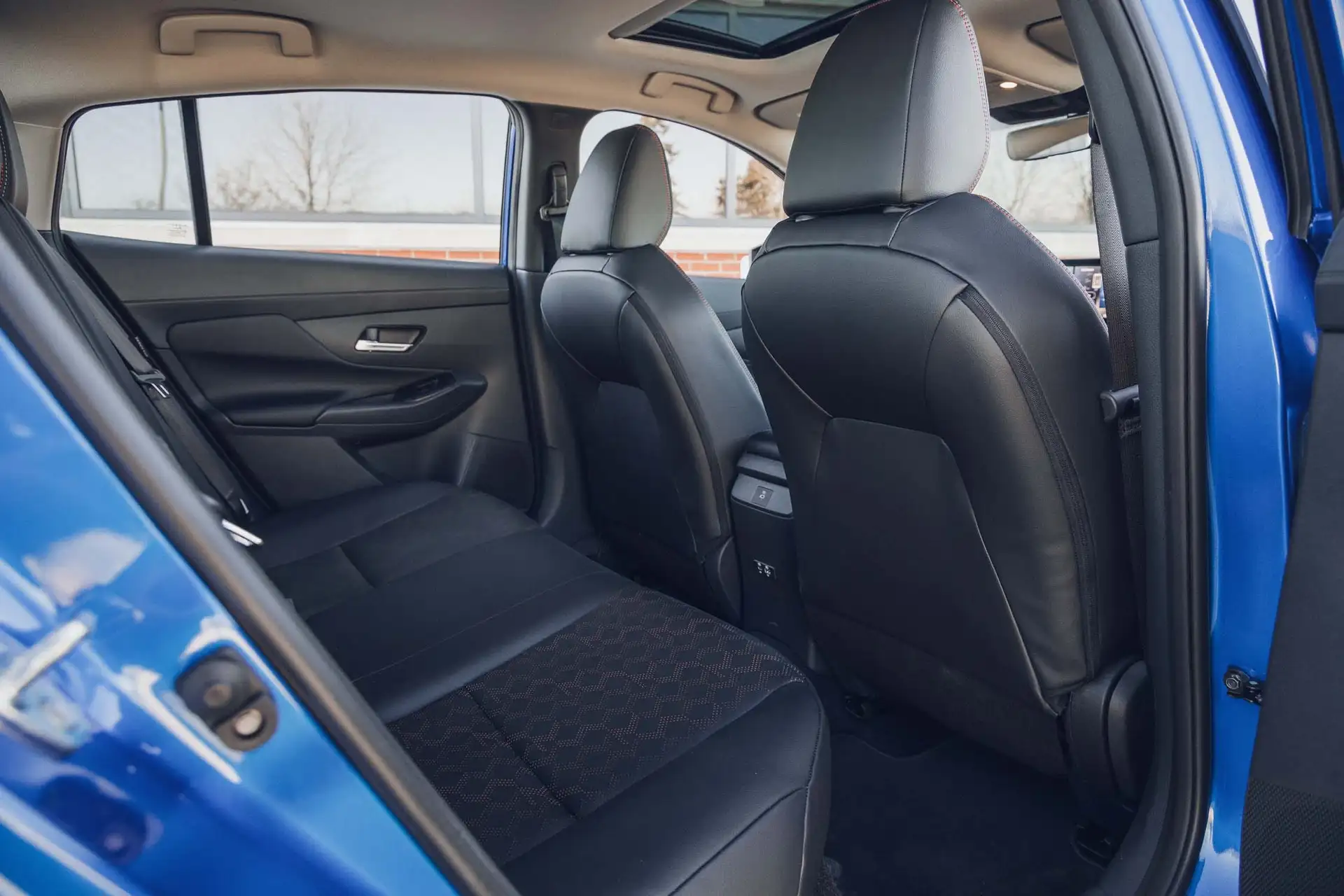
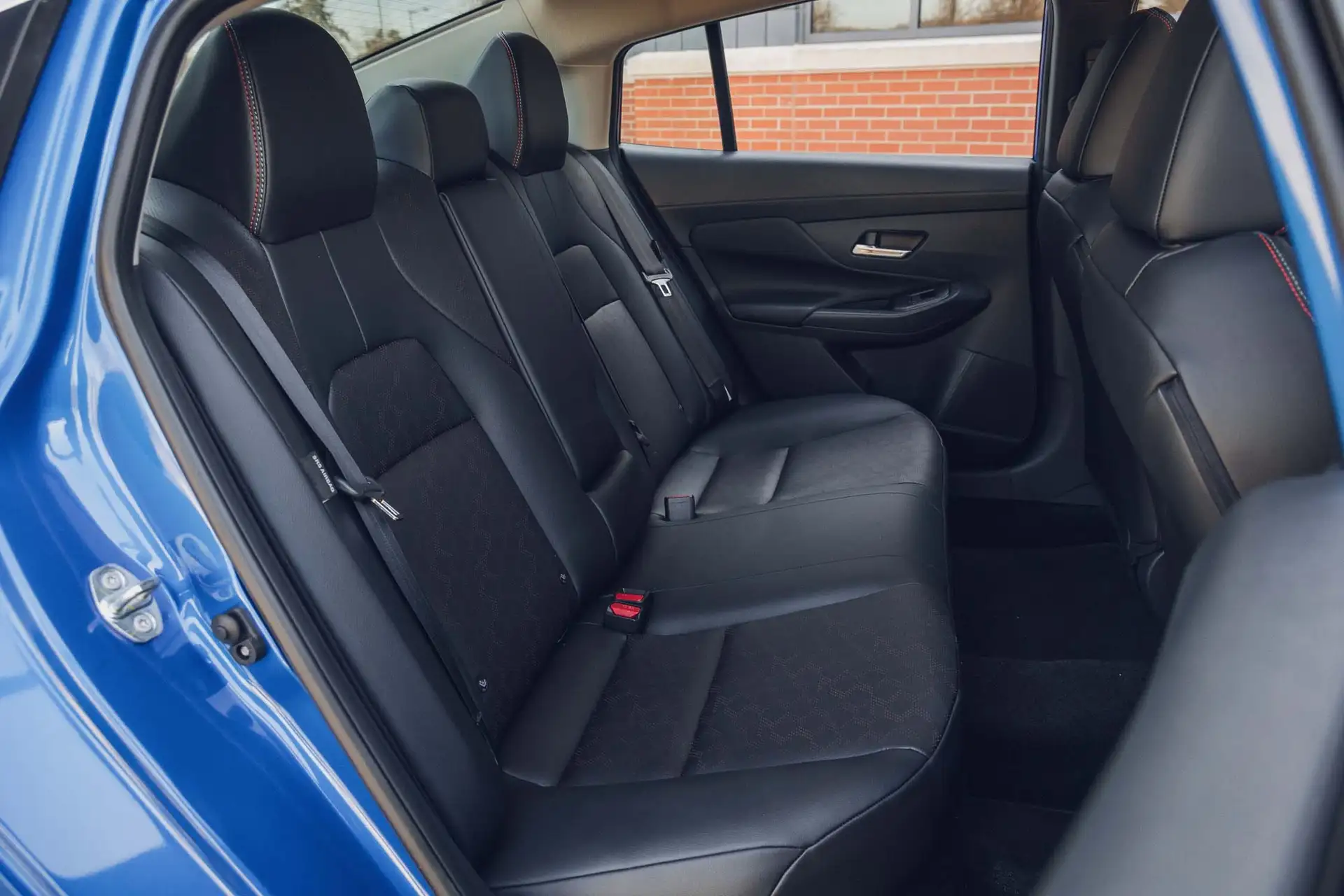
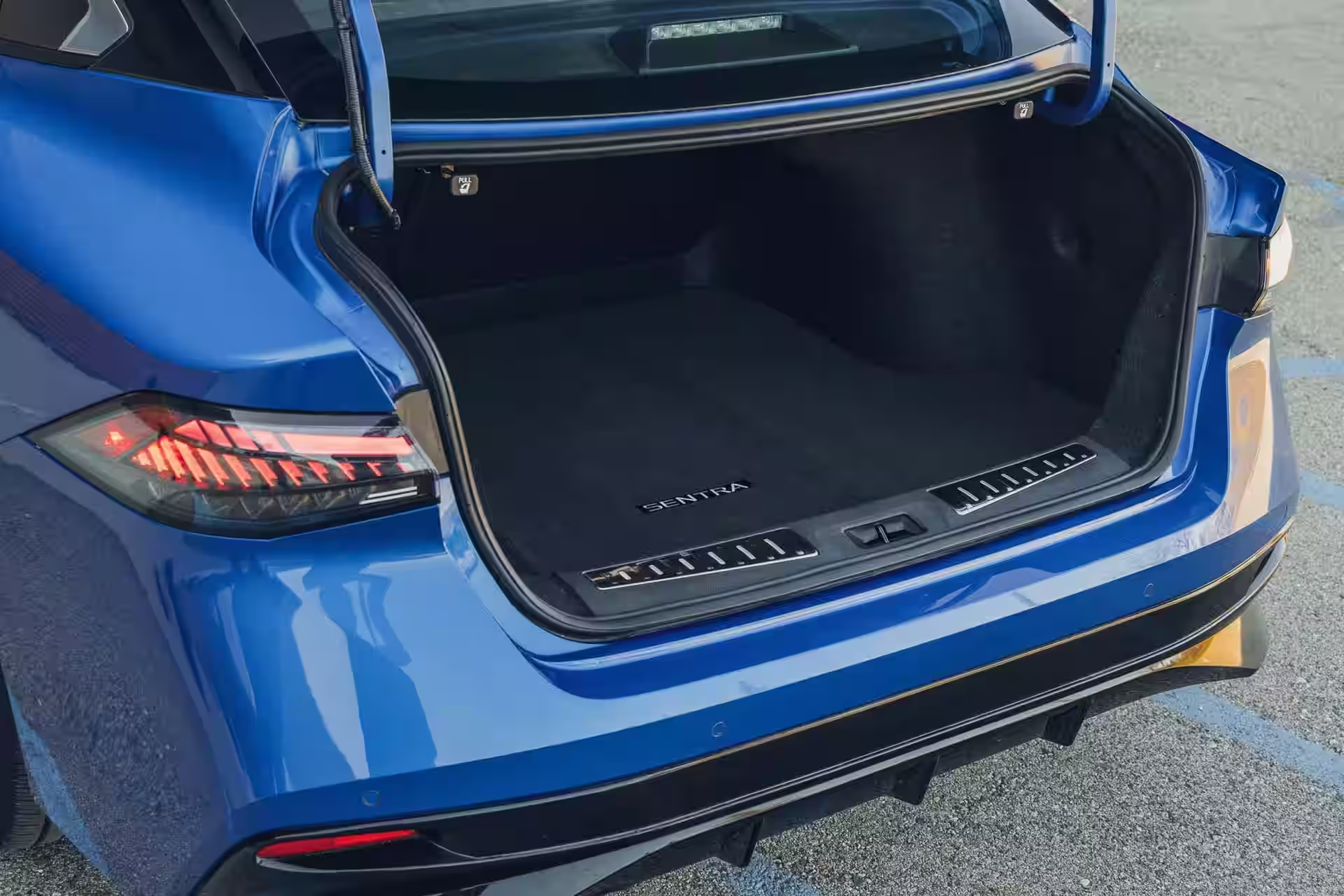
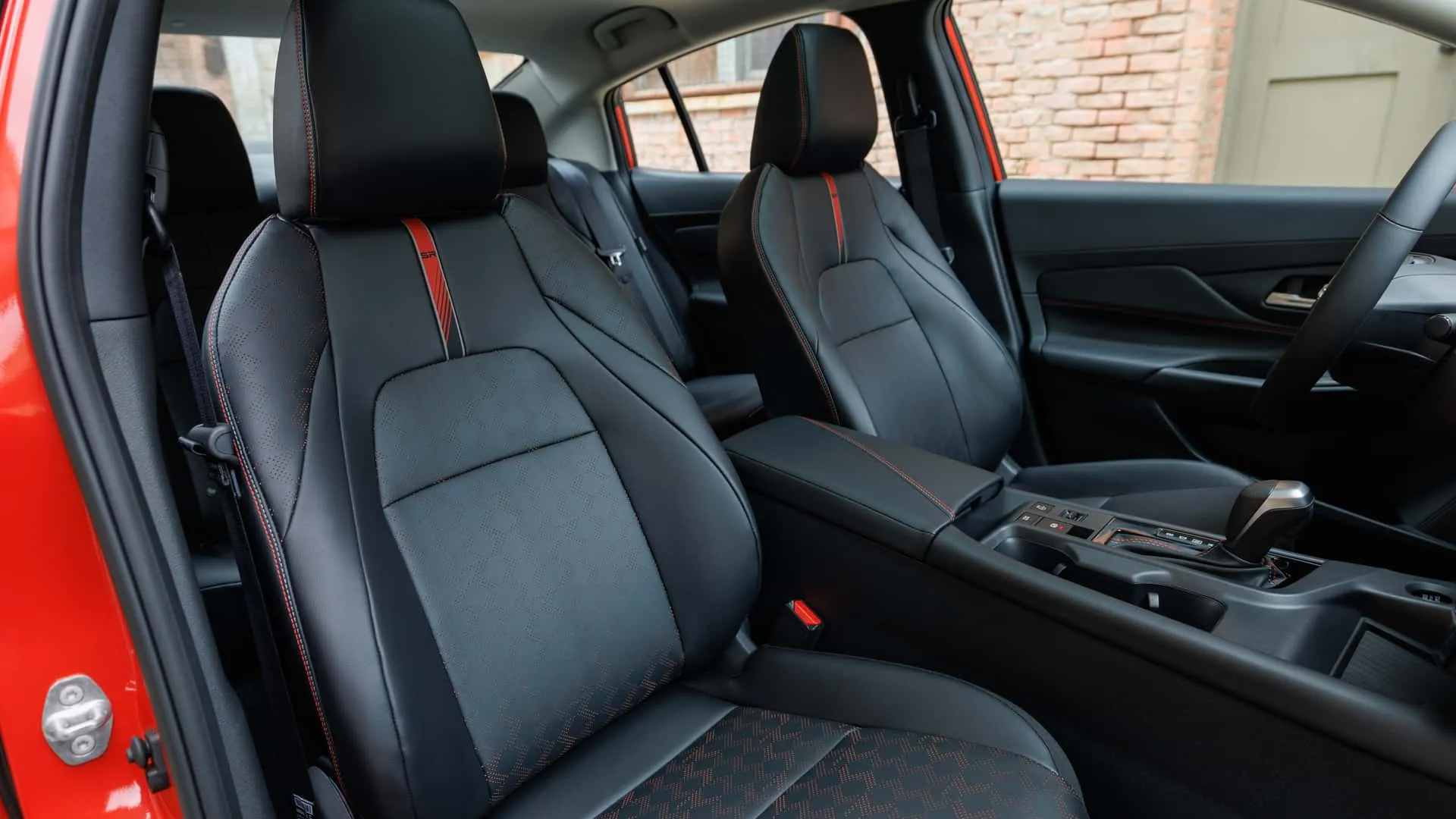
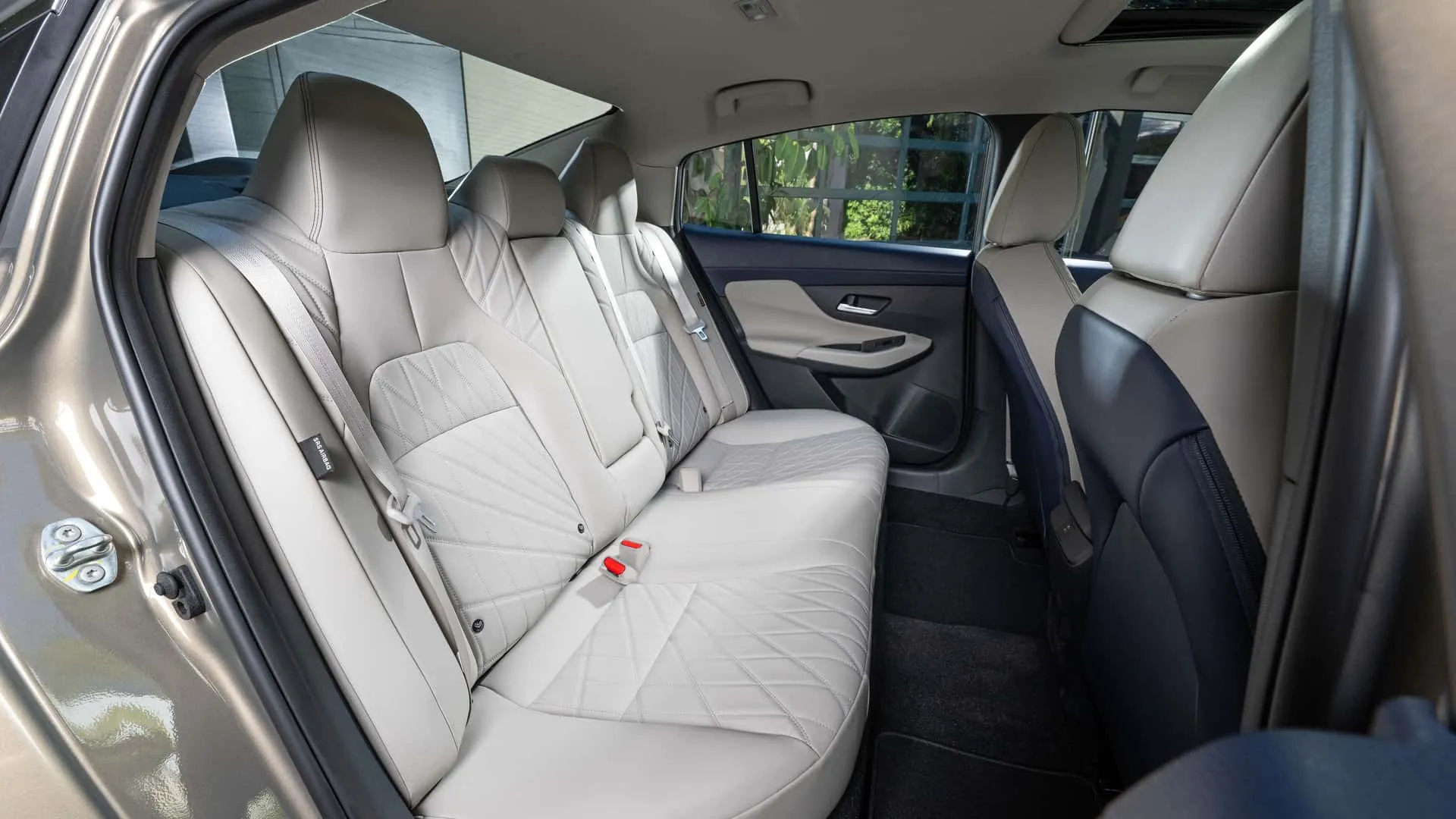
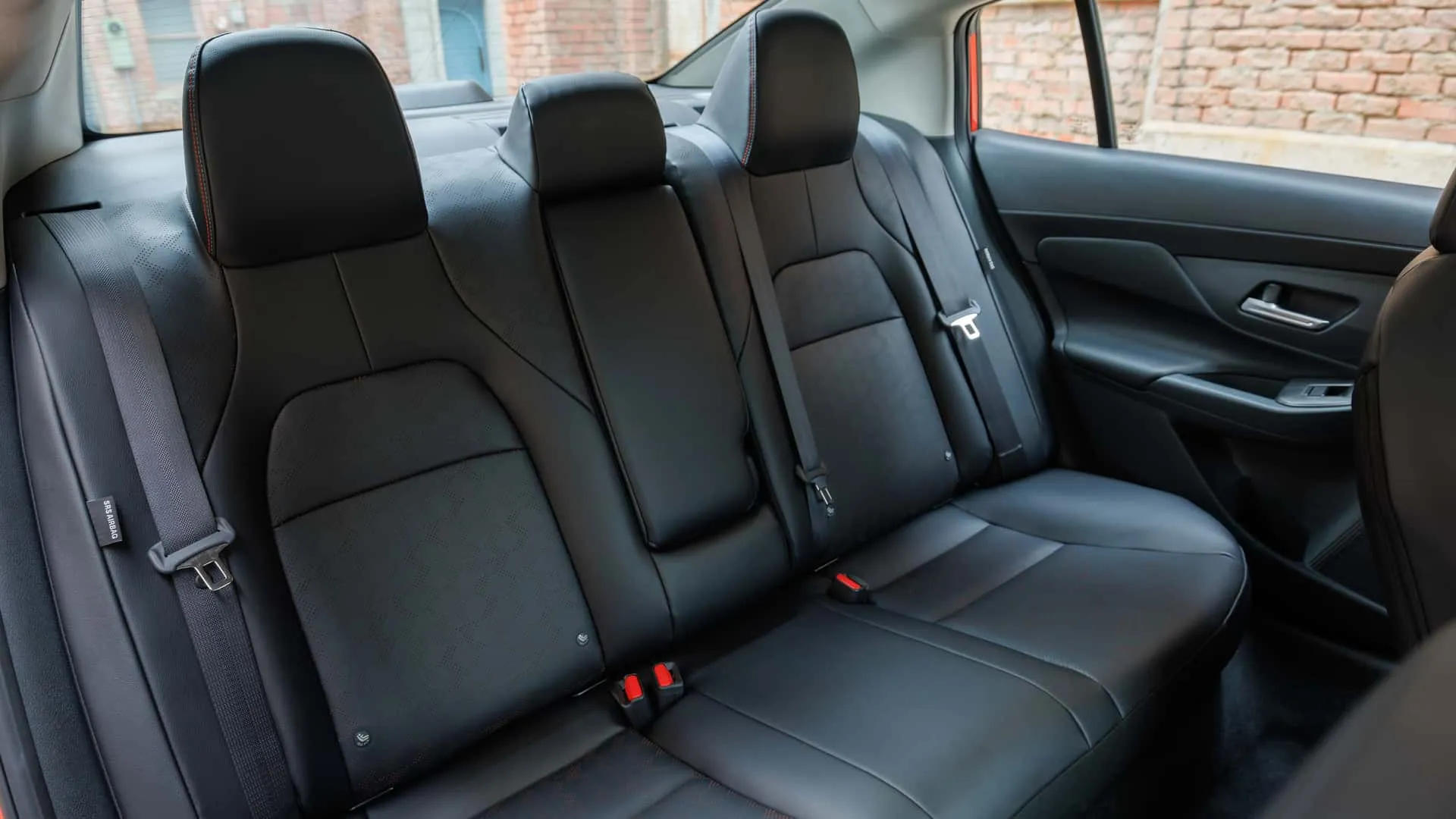
Front-seat space is genuinely adult-friendly, and the seats have been repeatedly praised for comfort over longer drives. The rear bench is not oversized, but two average adults can fit without complaint, and the trunk offers 14 cubic feet of cargo space. In testing, the Sentra swallowed six carry-on suitcases, one more than a Corolla sedan, and 18 carry-ons with the rear seats folded. That is a useful number, not a brochure cliché.
The cabin design is also more disciplined than many rivals. Nissan uses a broad screen layout across two-thirds of the dash, but it wisely keeps direct-access buttons for HVAC and seat heating below it. That choice improves day-to-day use in a way that matters more than visual drama. The effect is similar to what makes the MERCEDES-BENZ E-CLASS Night Edition noteworthy: the most meaningful changes are often the ones you notice after living with the car, not just photographing it.
Safety and warranty make the value equation more complete
Nissan equips the Sentra with automated emergency braking with pedestrian detection, lane departure warning, and adaptive cruise control as standard equipment, while higher trims can add the 360-degree camera system and ProPilot driver assistance. That breadth matters in a segment where some rivals still force buyers into expensive option packages for the basics. Warranty coverage remains ordinary, at 3 years/36,000 miles limited and 5 years/50,000 miles powertrain, with no complimentary maintenance.
Technical specifications
| Specification | 2027 Nissan Sentra |
|---|---|
| Engine | 2.0-liter DOHC inline-4, direct fuel injection |
| Power | 149 hp |
| Torque | 146 lb-ft (198 Nm) |
| Transmission | CVT |
| Drivetrain | Front-wheel drive |
| Combined fuel economy | 33 mpg |
| City fuel economy | Up to 30-31 mpg |
| Highway fuel economy | Up to 37-39 mpg |
| Infotainment | 12.3-inch touchscreen |
| Cargo volume | 14 cubic feet |
Why the Sentra still matters in 2027
The 2027 Nissan Sentra does not exist to excite spec-sheet shoppers, and that is precisely why it remains important. It offers a cleaner design, better standard equipment, a more mature chassis, and a purchase price that still undercuts many higher-riding alternatives. If Nissan were to add a hybrid or increase power, the Sentra might become more broadly appealing, but it would also risk losing the disciplined affordability that defines its place in the market today. As a result, the 2027 car remains a rational compact sedan for buyers who care more about value, comfort, and equipment than stopwatch bragging rights. In that sense, it is one of the few mainstream sedans that knows exactly what it is—and exactly what it is not.