
Turbochargers and superchargers both chase the same prize, more power. But when fuel economy enters the conversation, one of them has a clear advantage that changed the modern car market.
Why Turbochargers Win The Efficiency Battle
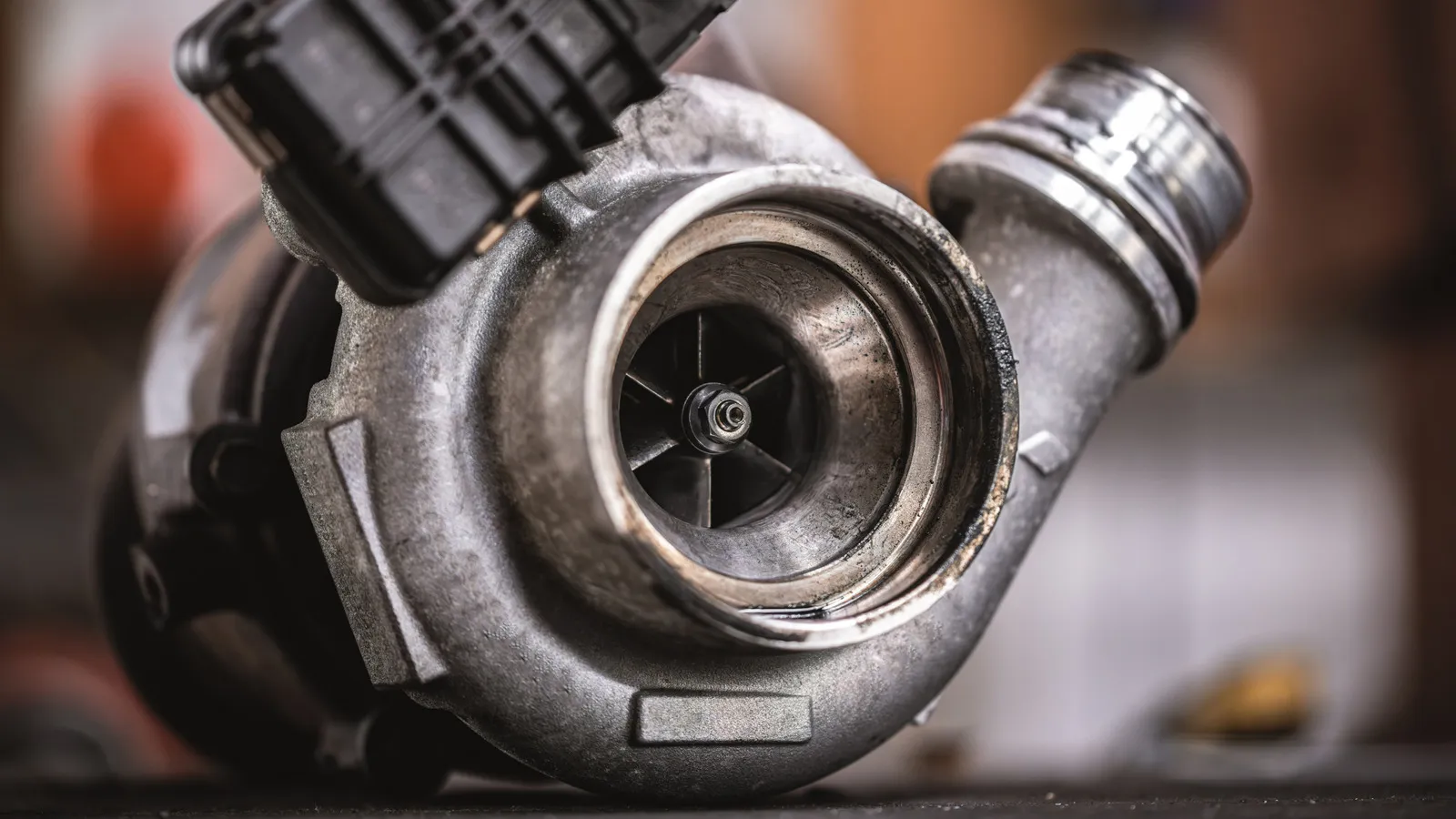
A turbocharger is powered by exhaust energy that would otherwise be wasted. Hot gases spin a turbine, which drives a compressor and forces more outside air into the engine. More air means denser combustion, and that means more power from the same basic displacement.
That design is the secret behind the rise of downsized turbo engines. Automakers could keep performance strong while reducing fuel consumption and meeting stricter emissions rules. In other words, the turbo helps the engine do more without asking the crankshaft to do all the heavy lifting.
Why Superchargers Lose Ground On MPG
Superchargers also force more air into the engine, but their path to boost is different. They are mechanically driven by the engine itself, usually through a belt or pulley connected to the crankshaft. That means the engine must spend part of its own power just to run the blower.
This is called parasitic loss, and it is the main reason superchargers rarely match turbochargers for fuel efficiency. A supercharger delivers immediate response, but that instant punch comes with an energy cost that shows up at the pump.
“A turbo recycles wasted exhaust energy. A supercharger borrows power directly from the engine. That difference changes everything.”
| System | How It Makes Boost | Fuel Economy Impact |
|---|---|---|
| Turbocharger | Uses exhaust gases to spin compressor | Generally more efficient |
| Supercharger | Belt-driven by the engine crankshaft | Usually reduces efficiency |
Real-World Proof From Honda And Land Rover
Look at the 2024 Honda Civic. The turbocharged 1.5-liter version was rated at 180 horsepower and 34 mpg combined by EPA testing. The naturally aspirated 2.0-liter version in higher trims delivered 158 horsepower and 33 mpg combined. The turbo model made more power while matching or slightly improving efficiency.
Now compare that with the 2009 Land Rover Range Rover Sport. The naturally aspirated 4.4-liter V8 produced 300 horsepower and was rated at 15 mpg. The supercharged 4.2-liter V8 made 390 horsepower but dropped to 14 mpg. More punch, yes. Better economy, no.
This is why the market has spoken so clearly. Superchargers live mostly in performance-oriented cars where instant response matters more than efficiency. Turbochargers dominate mainstream gasoline engines because they deliver a better balance of power, emissions, and fuel savings.
If you enjoy deep-dive engineering stories like this, you may also like this Range Rover Sport feature, the Ford Mustang Dark Horse dyno breakdown, and Honda’s clever value-focused engineering move.
What Drivers Should Remember
- Turbochargers reuse exhaust energy, which makes them inherently more efficient in many real-world setups.
- Superchargers deliver instant boost, but they consume engine power to create it.
- Fuel economy standards pushed the industry toward turbocharged downsizing.
- Performance applications still favor superchargers when throttle response is the top priority.
For everyday driving, the turbocharger remains the smarter choice when efficiency matters. The supercharger still has a place in high-output and enthusiast builds, but if the question is which technology can touch the best fuel economy, the answer is already on the road.