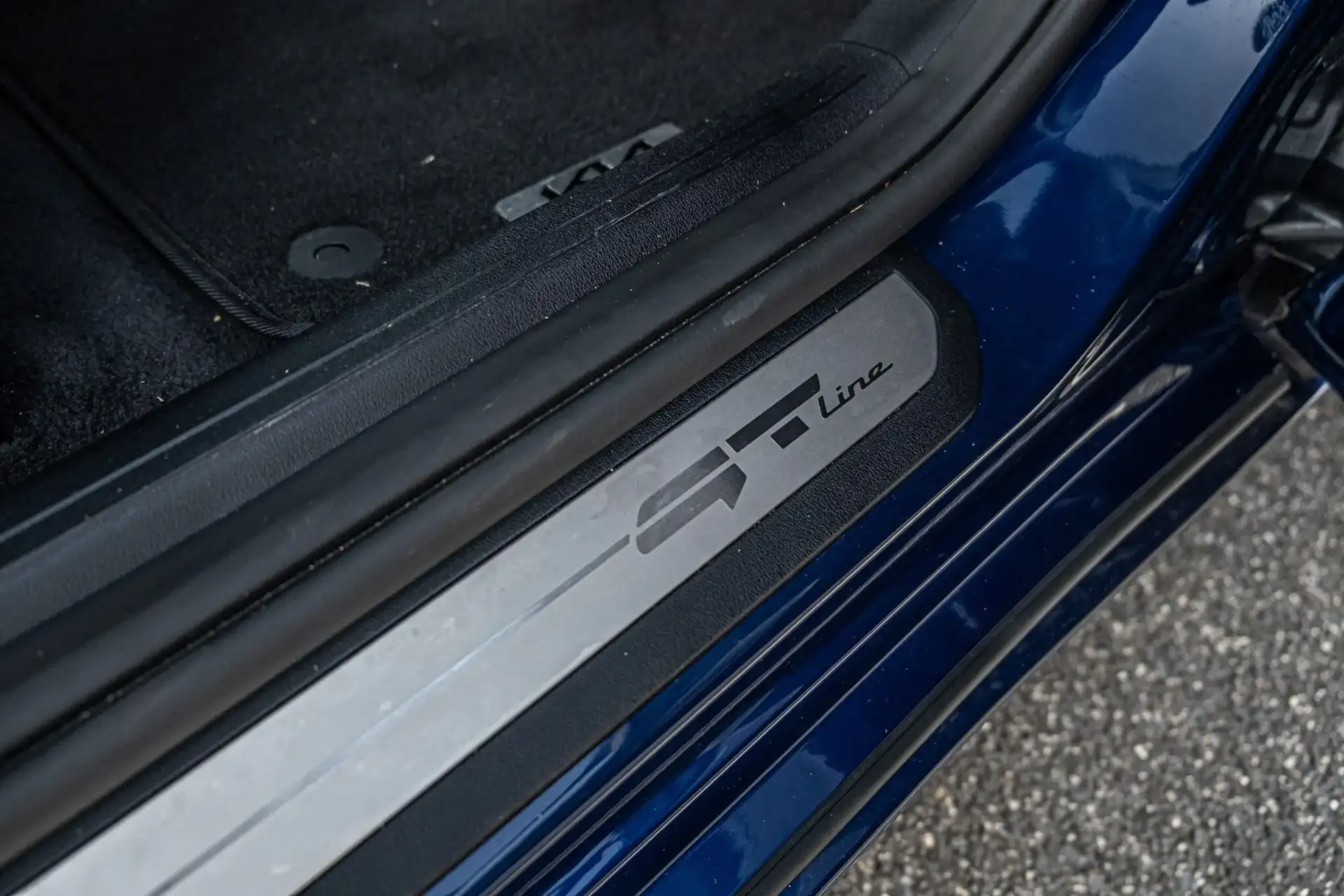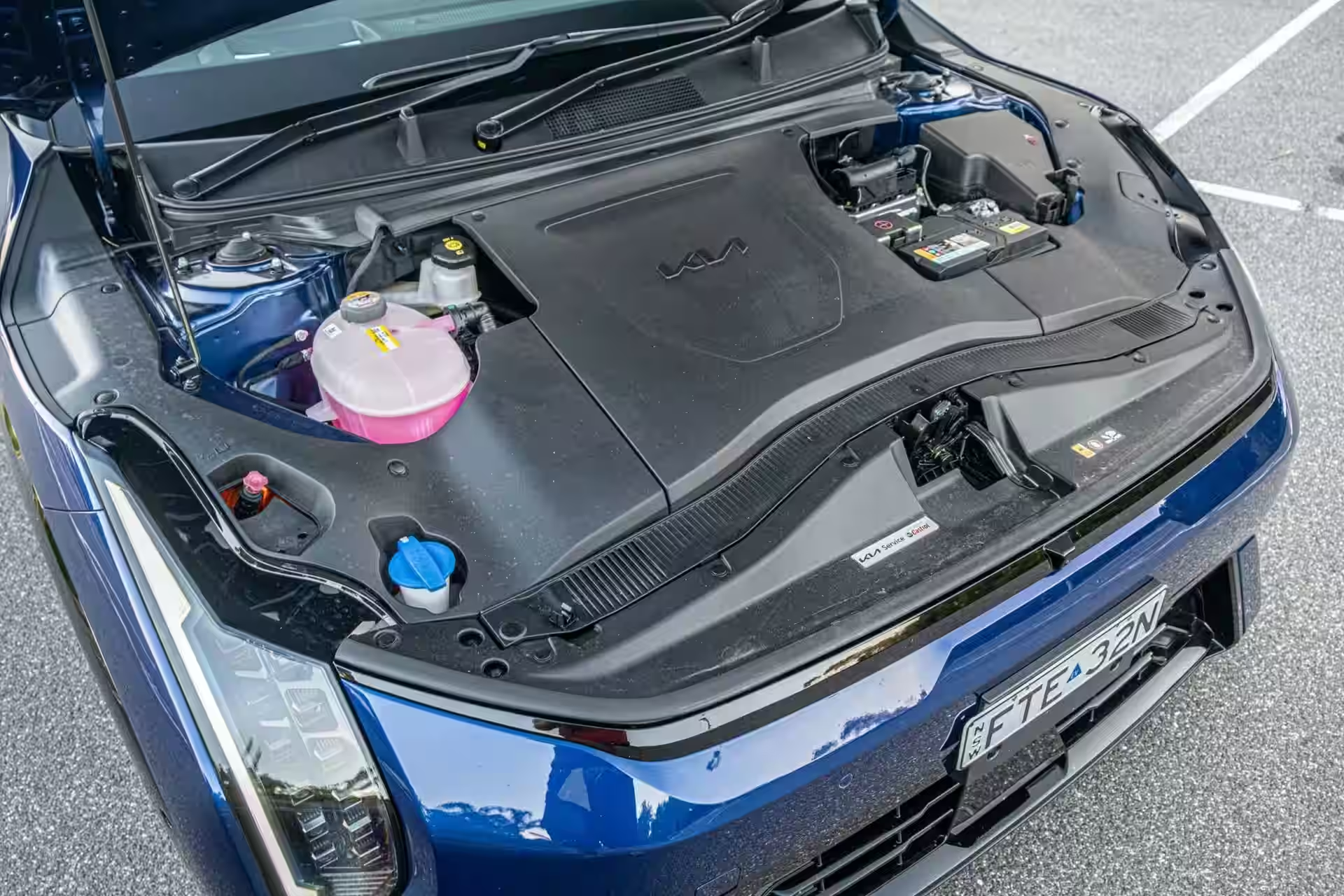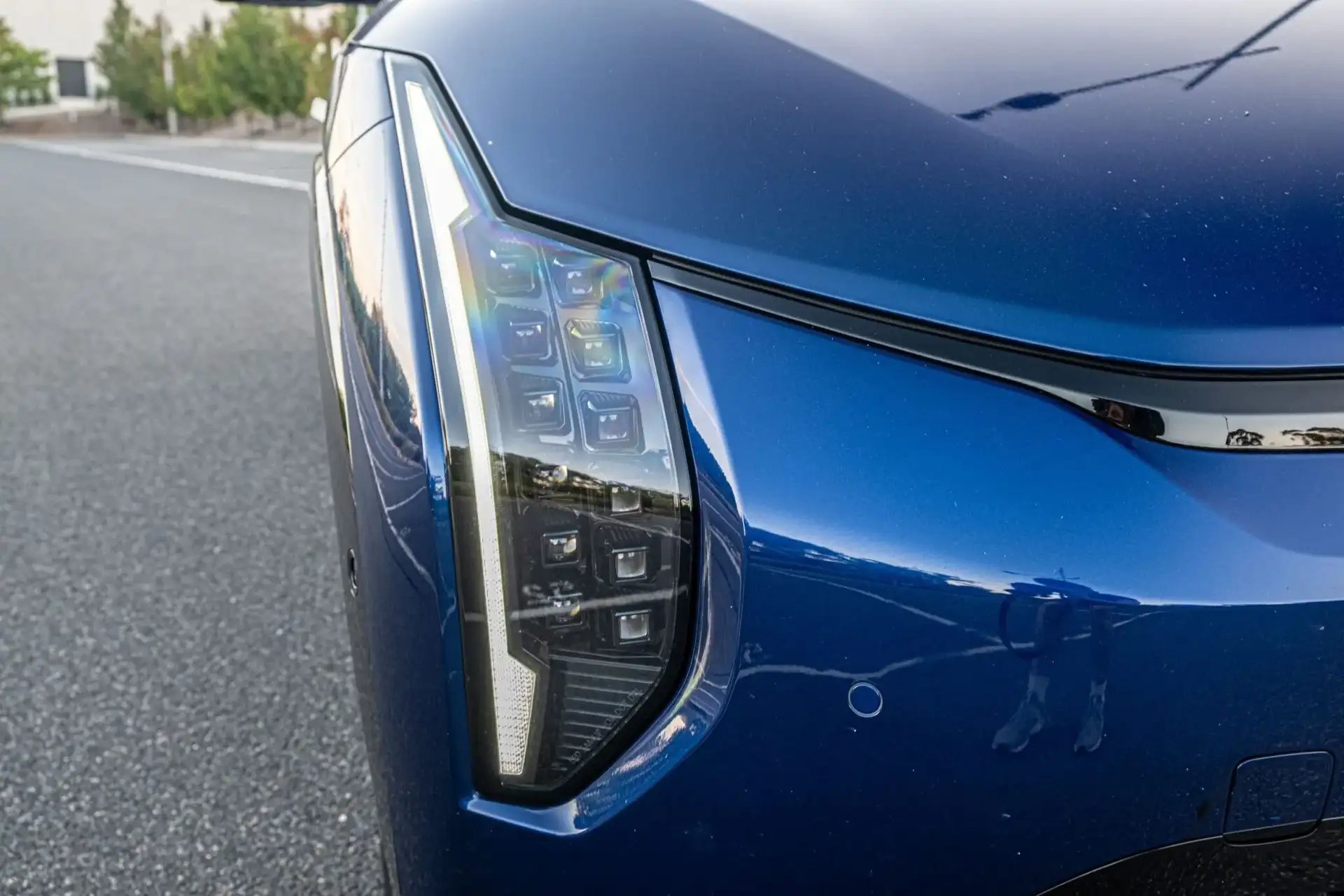
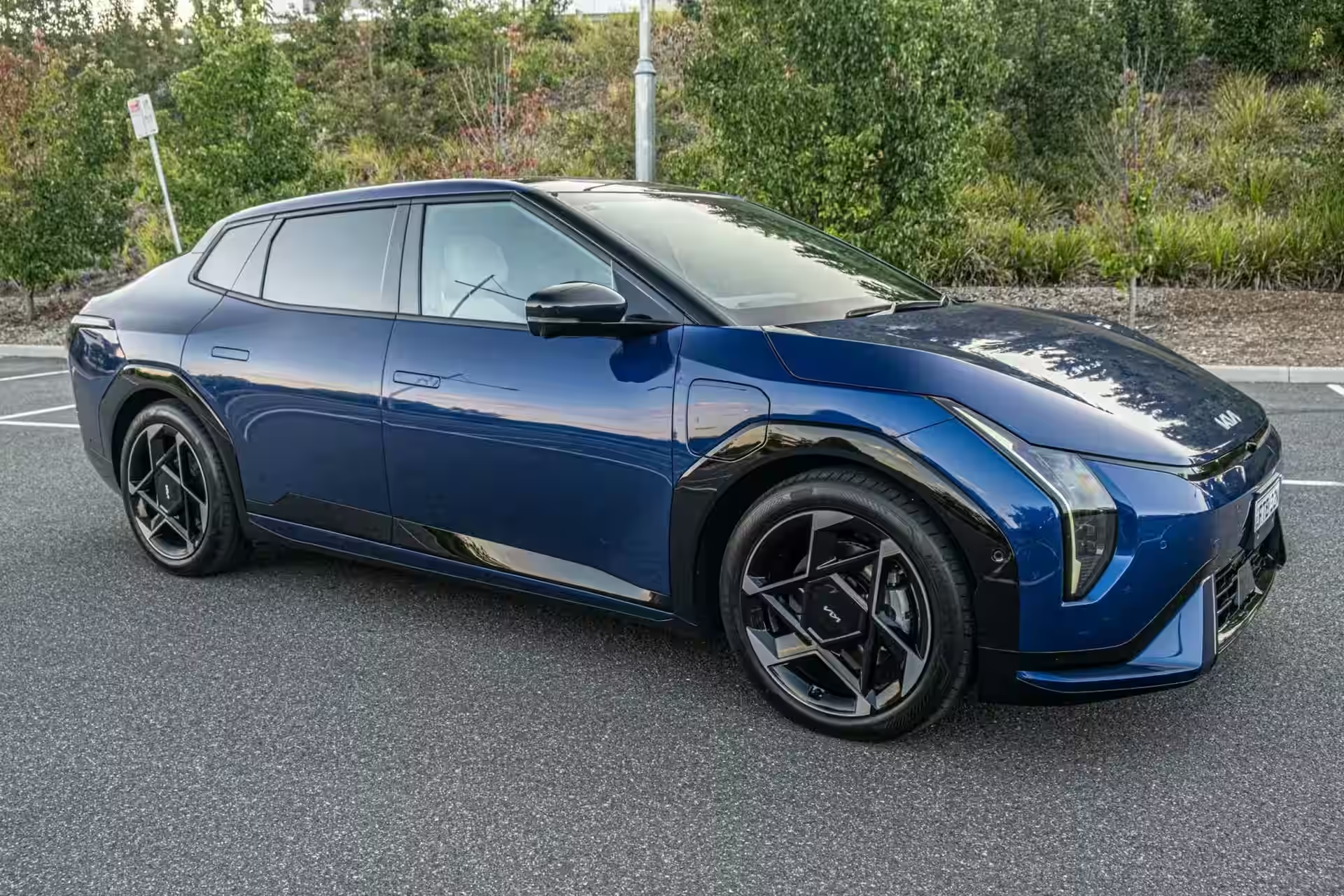
Kia’s EV4 GT-Line is the rare affordable EV that thinks like a luxury sedan
The 2026 Kia EV4 GT-Line arrives with a contradiction that premium-car buyers will recognize immediately: it is priced like a mainstream electric sedan, yet it behaves on the road with the sort of polish normally reserved for far more expensive machinery. In Australia, the GT-Line Long Range tested here starts at AU$64,690, which is roughly $46,300 before on-road costs, while the entry Air Standard Range opens at AU$49,990. That pricing places it directly across from the Tesla Model 3 and BYD Seal, but the EV4’s real achievement is not the sticker. It is the way Kia has turned a front-motor, front-wheel-drive package with 150 kW and 283 Nm into something that feels measured, mature, and unexpectedly expensive to drive.
That achievement matters more because the EV4 has been developed on Hyundai Motor Group’s E-GMP architecture, but not the 800-volt version used by the Hyundai Ioniq 5, Kia EV6, and several other sibling models. The EV4 instead uses a 400-volt system, which caps DC charging at a quoted 128 kW, well below the ultra-fast numbers associated with the group’s pricier EVs. Even so, Kia has used the cheaper electrical architecture to hit a lower price point without stripping out the fundamentals that define a good long-distance sedan: a long wheelbase, a properly tuned chassis, and a battery large enough to reduce charging anxiety in real use. That combination is why the EV4 deserves serious attention, especially when viewed beside HYUNDAI IONIQ 3 Revela Autonomia De 496 Km E Hatch Aero Edge, another sign that the next wave of EVs is becoming more shape-shifty and efficiency-led.
| Specification | Kia EV4 GT-Line Long Range |
|---|---|
| Model year | 2026 |
| Body style | Sedan |
| Platform | Hyundai Motor Group E-GMP, 400-volt system |
| Battery capacity | 81.4 kWh |
| Motor layout | Front-mounted single electric motor |
| Power output | 150 kW / 201 hp |
| Torque | 283 Nm / 209 lb-ft |
| Drive type | Front-wheel drive |
| Claimed 0-100 km/h | About 7.7 seconds |
| Claimed range | 612 km / 380 miles |
| Tested efficiency | 14.3 kWh/100 km |
| Claimed efficiency | 14.9 kWh/100 km |
| DC fast-charging peak | 128 kW |
| Length | 4,730 mm / 186.2 in |
| Width | 1,863 mm / 73.2 in |
| Height | 1,480 mm / 58.3 in |
| Wheelbase | 2,820 mm / 111.0 in |
| Curb weight | 1,910 kg / 4,210 lb |
| Boot capacity | 490 L / 17.3 cu ft |
The EV4’s mechanical brief becomes more interesting when you compare the Australian lineup. The Air Standard Range uses a 58.3 kWh pack, while the Earth Long Range and GT-Line Long Range both use the 81.4 kWh battery and the same 150 kW motor. Kia claims 456 km of range for the smaller battery and 612 km for the larger one, figures that line up with the real-world logic of this platform: a relatively low-output motor, a large battery, and a body shape designed to minimize wasted energy. In a market where many EVs are still sold on headline horsepower, Kia is betting on the kind of specification that makes sense to owners who actually measure their commute in weeks rather than Instagram posts.
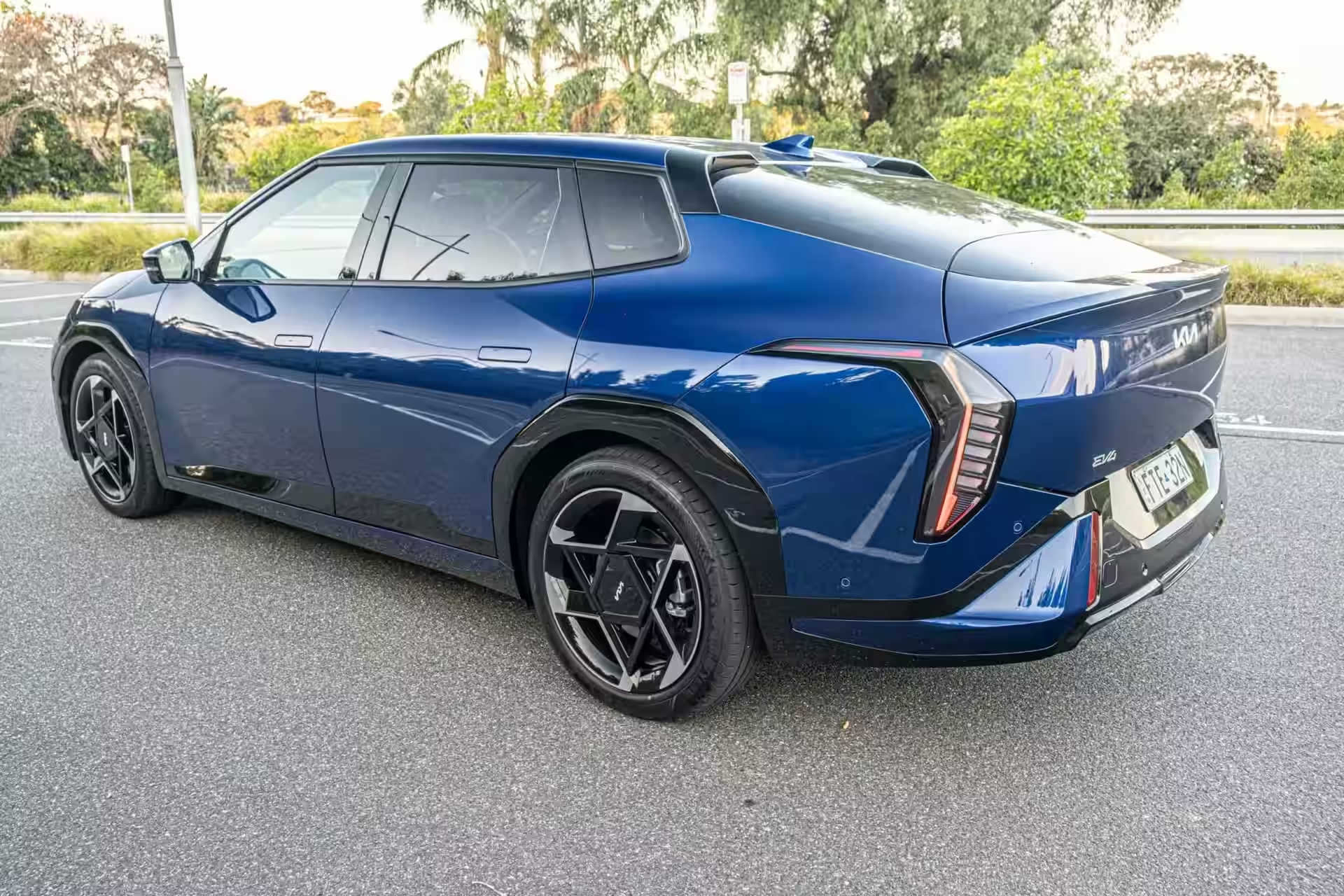
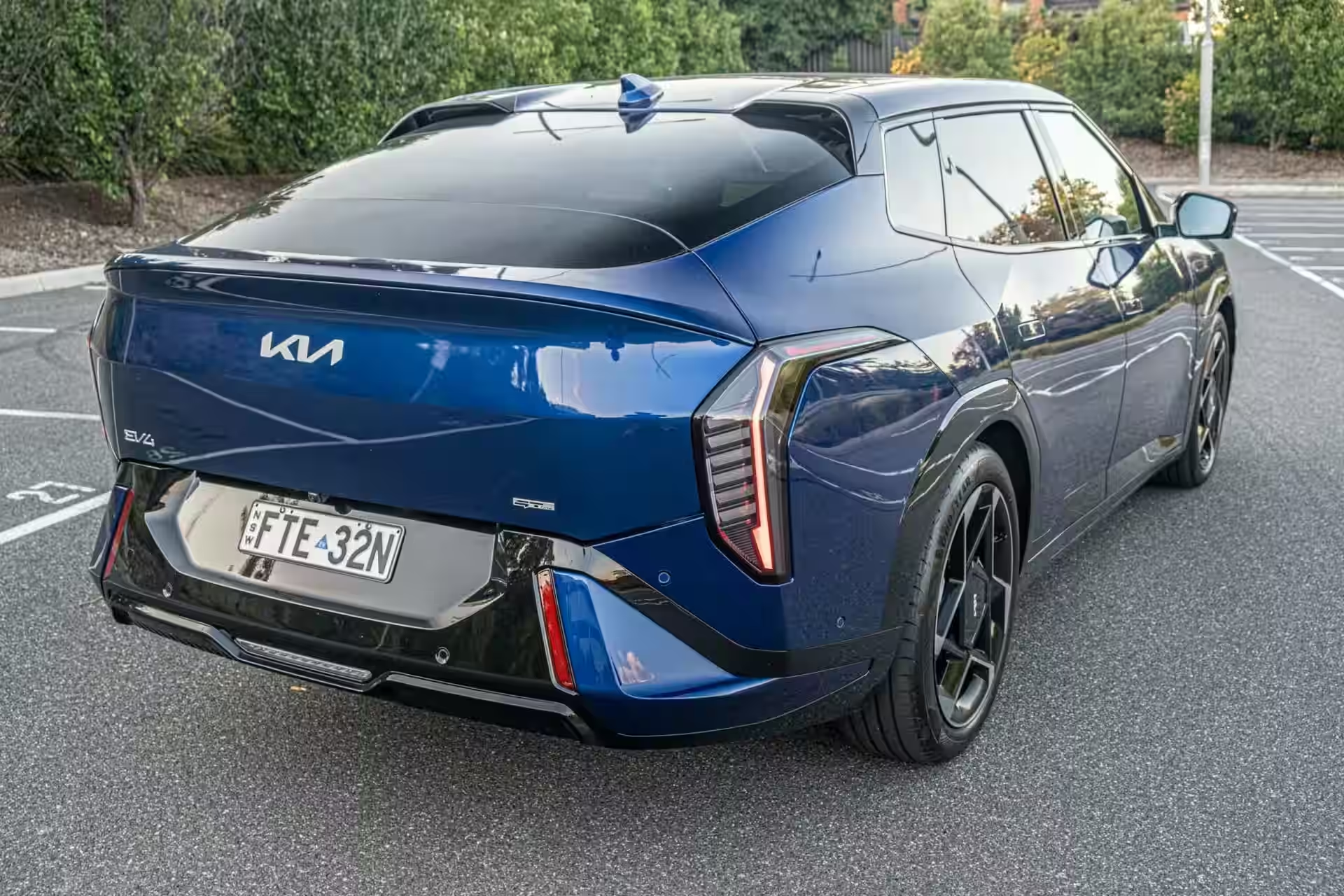
The styling is the one part of the EV4 that refuses to play safe
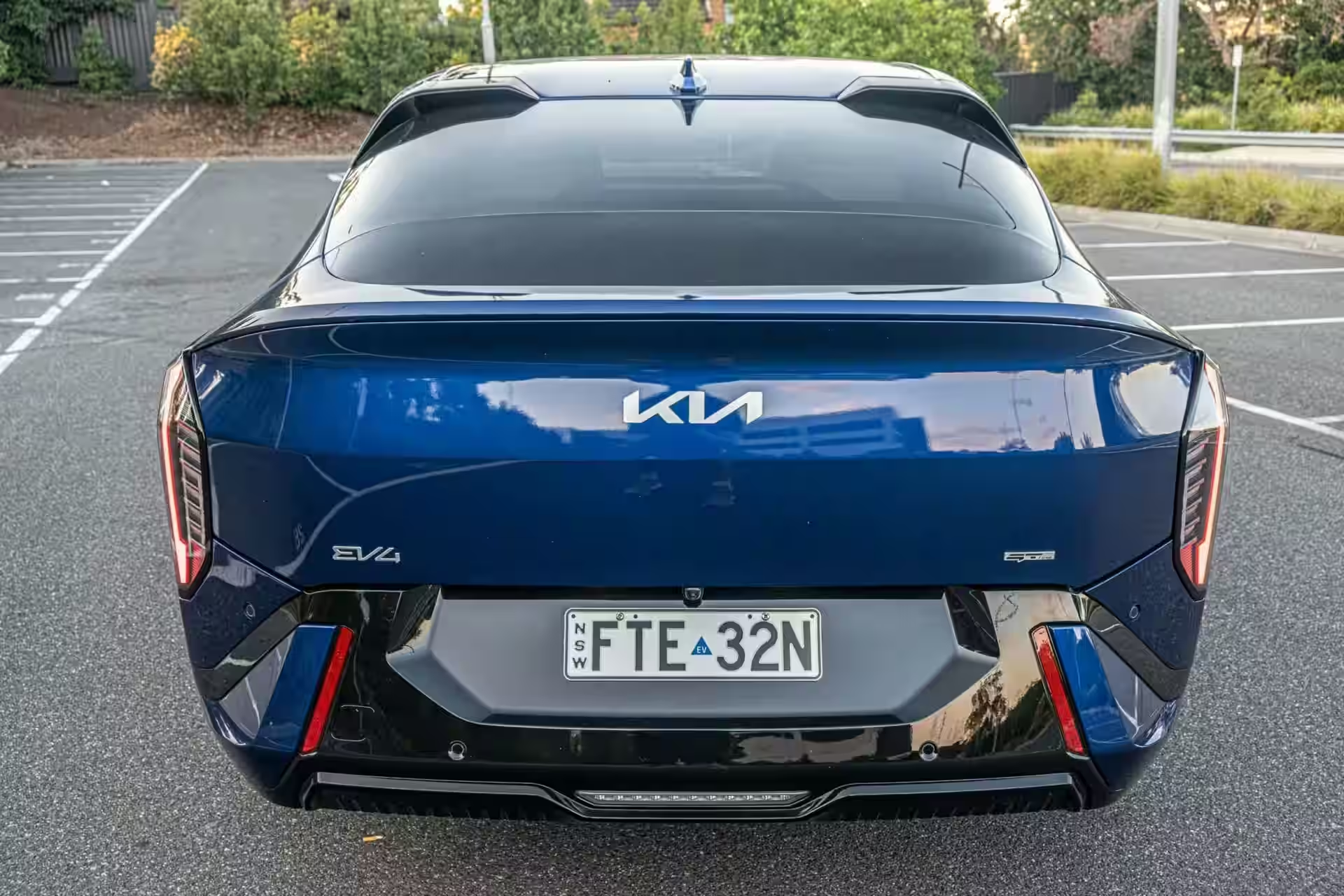
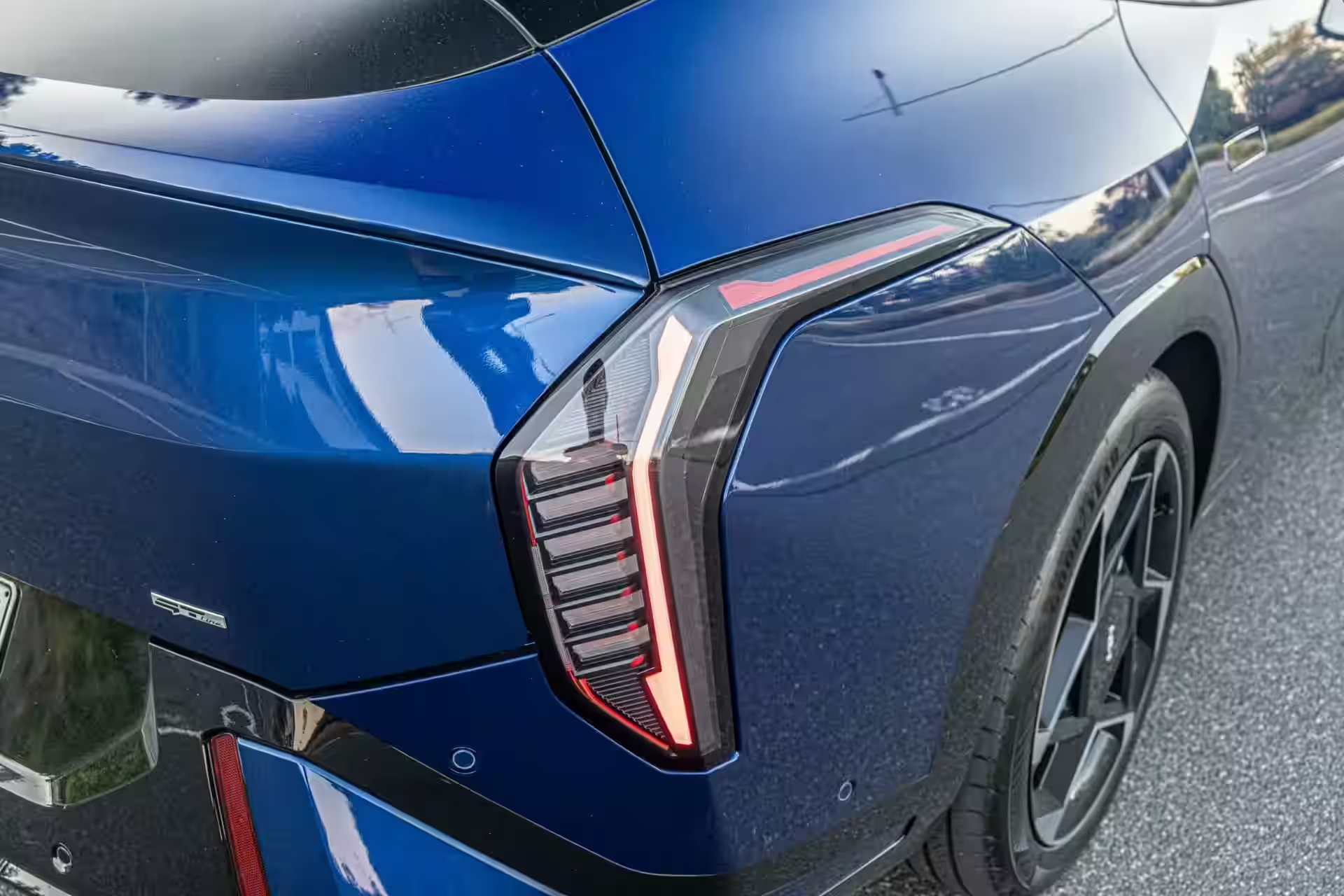
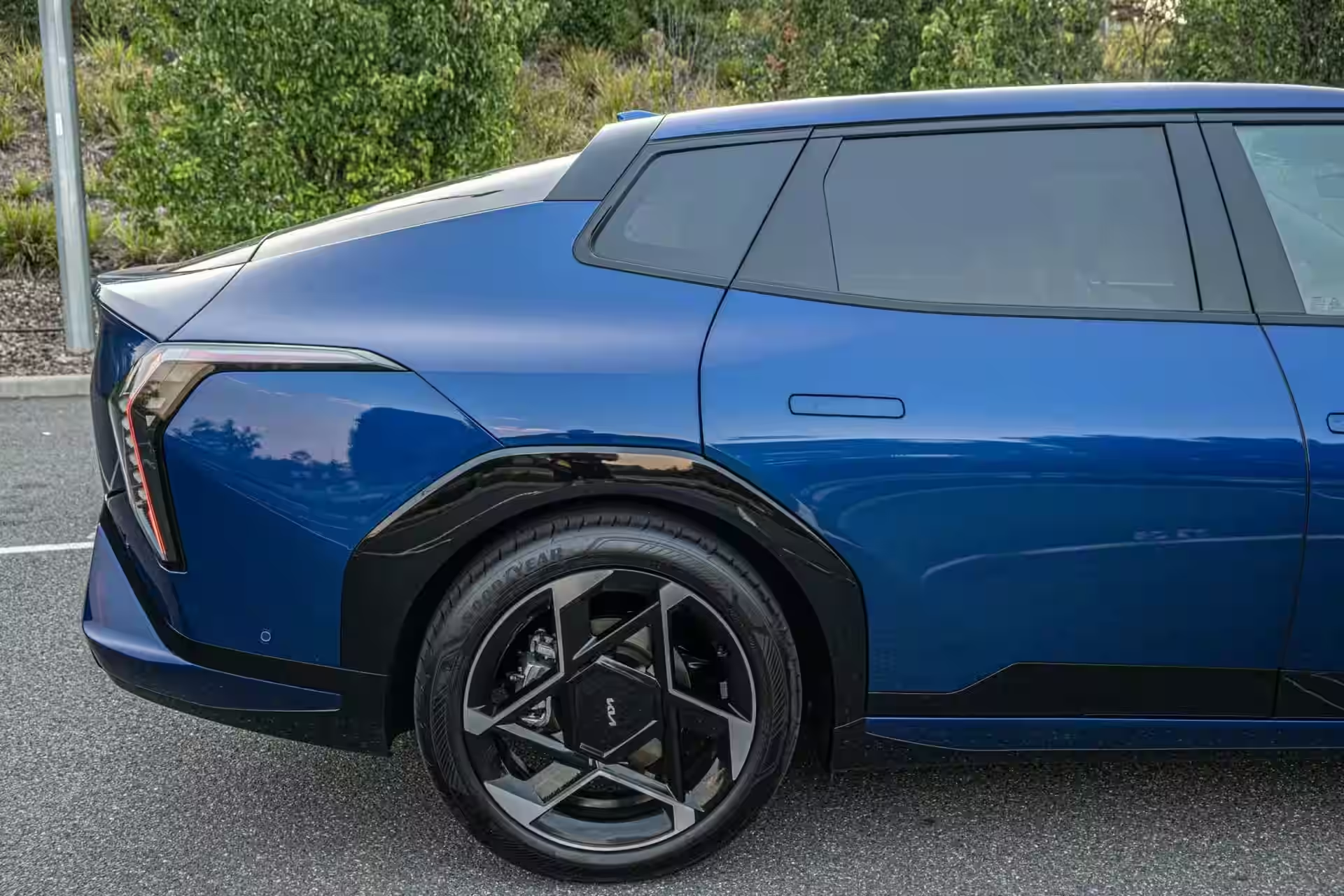
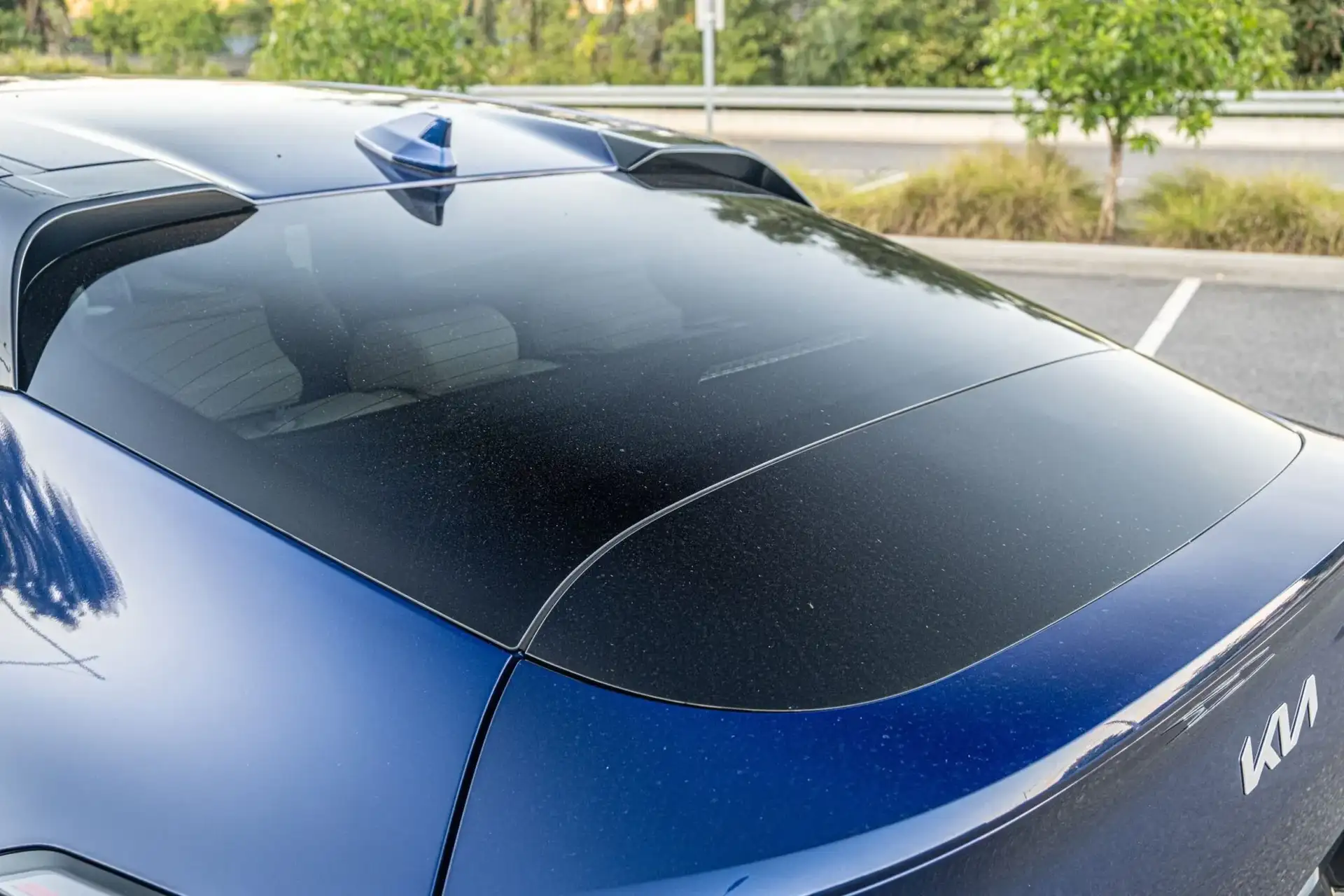
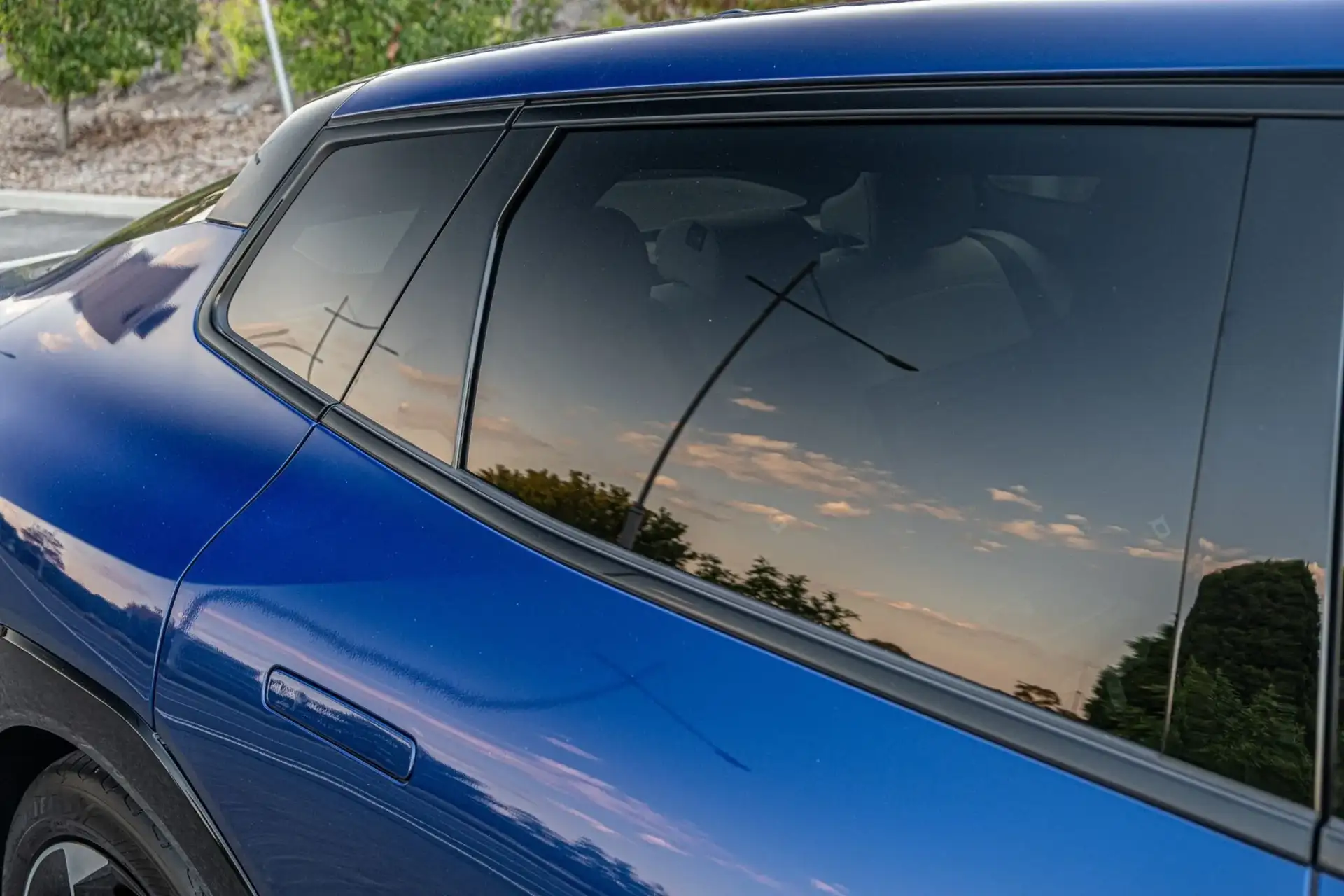
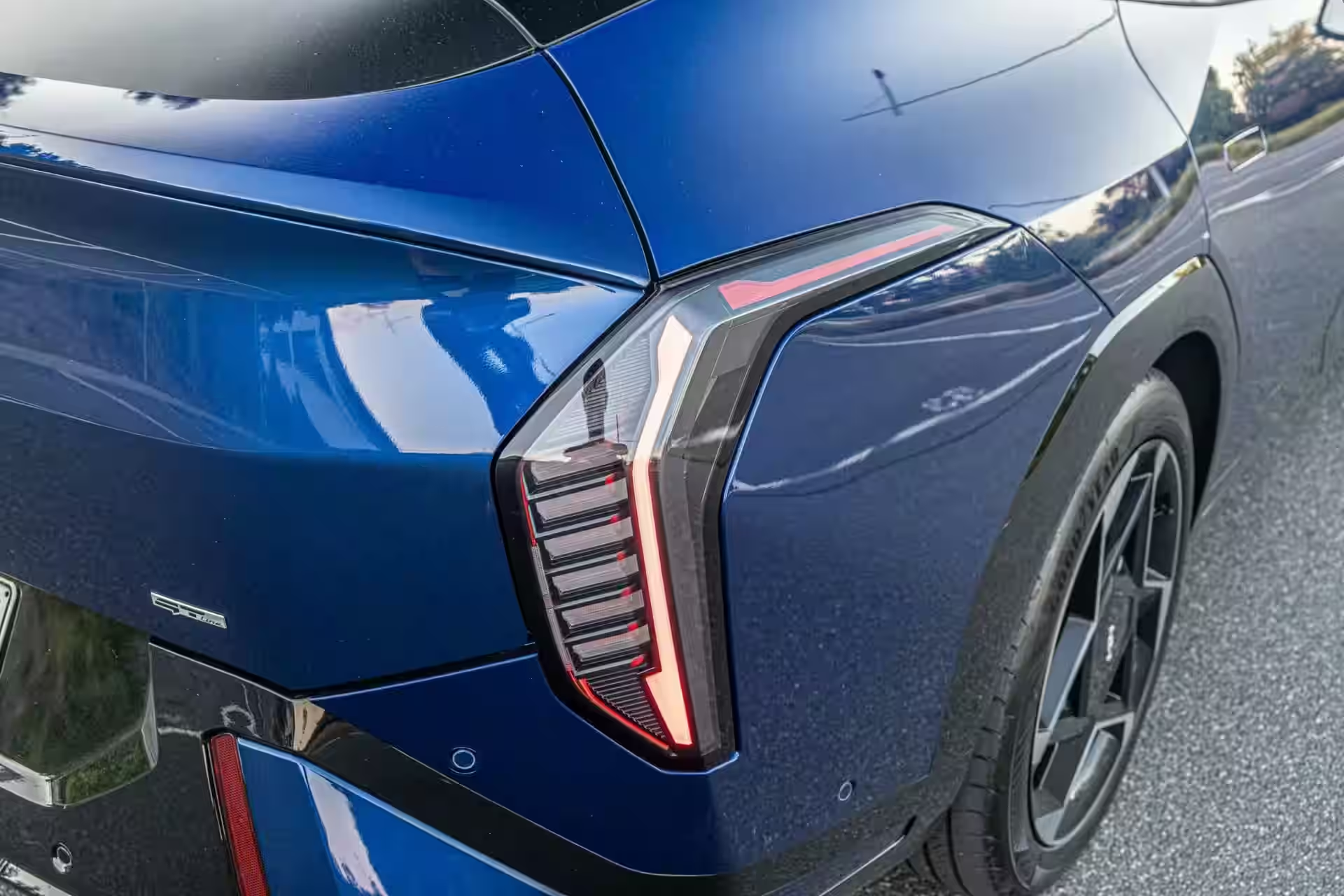
Kia’s design team clearly wanted the EV4 to look like a concept car that escaped into production, and that ambition is obvious from almost every angle. The sedan’s roofline has been stretched for cargo space, the rear glass sits unusually far back, and the overall silhouette has a hatchback-adjacent awkwardness that will divide buyers before they even drive it. The proportions are not merely unconventional; they are deliberately elongated, with a 2,820 mm wheelbase stretched under a body that measures 4,730 mm long and 1,863 mm wide. Those dimensions help create a cabin with genuine room up front, but they also produce a rear three-quarter view that some will call daring and others will call ungainly.
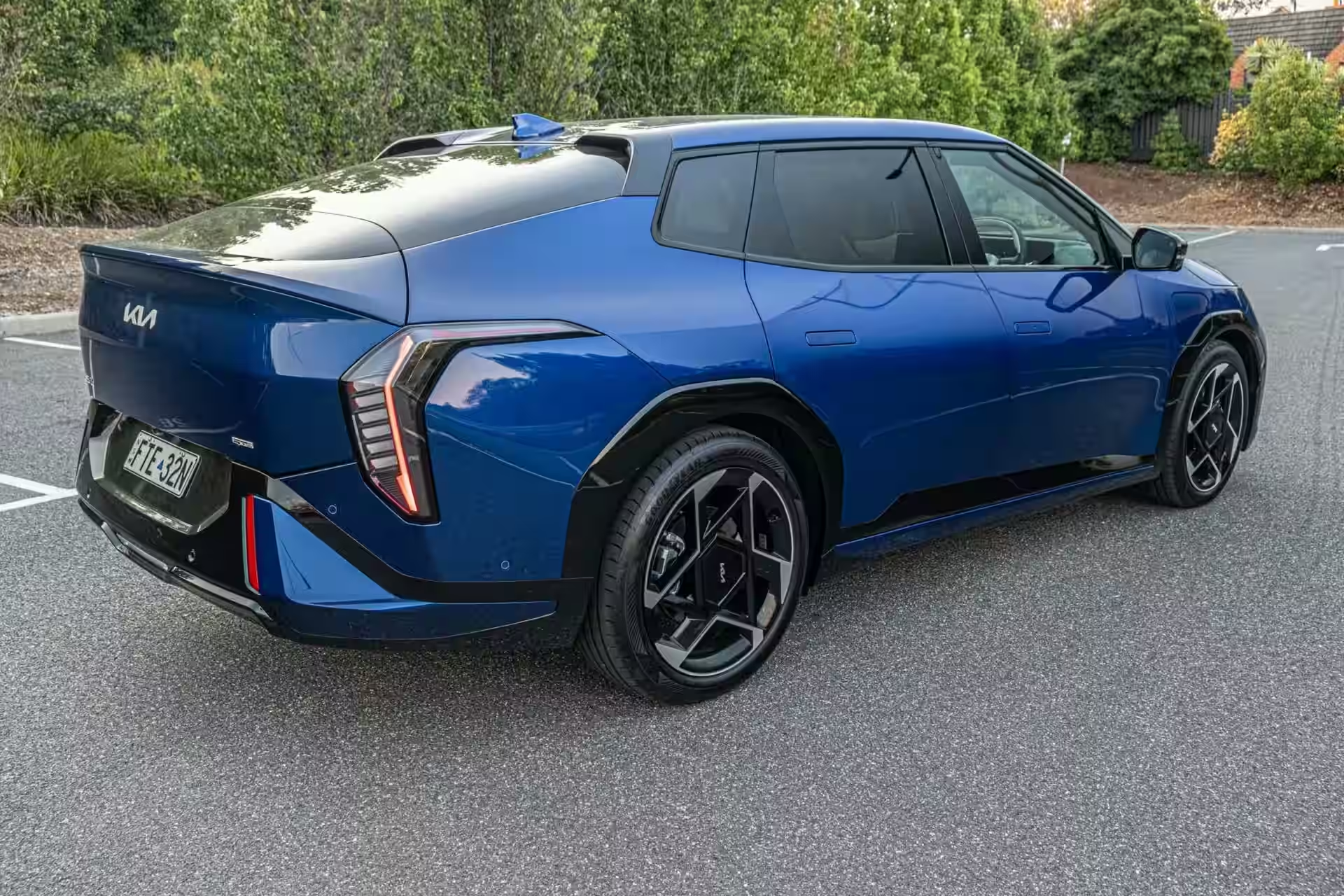
Kia has never been shy about making its EVs stand out, and the EV4 follows the same script as the brand’s recent electric concepts and production cars. The difference is that this time the design gamble comes without the halo-car performance to distract from it. That is where buyers coming from more conventional premium sedans will pause. If the styling is the price of admission, the reward is a car that looks like nothing else in the mainstream segment. For readers tracking Kia’s broader strategy, the EV4’s visual boldness echoes the thinking behind BUICK ELECTRA ZENITH Concept: Não Parece Um SUV, where form is being used to reset expectations rather than merely to decorate hardware.
Inside, the EV4 feels more expensive than the badge suggests
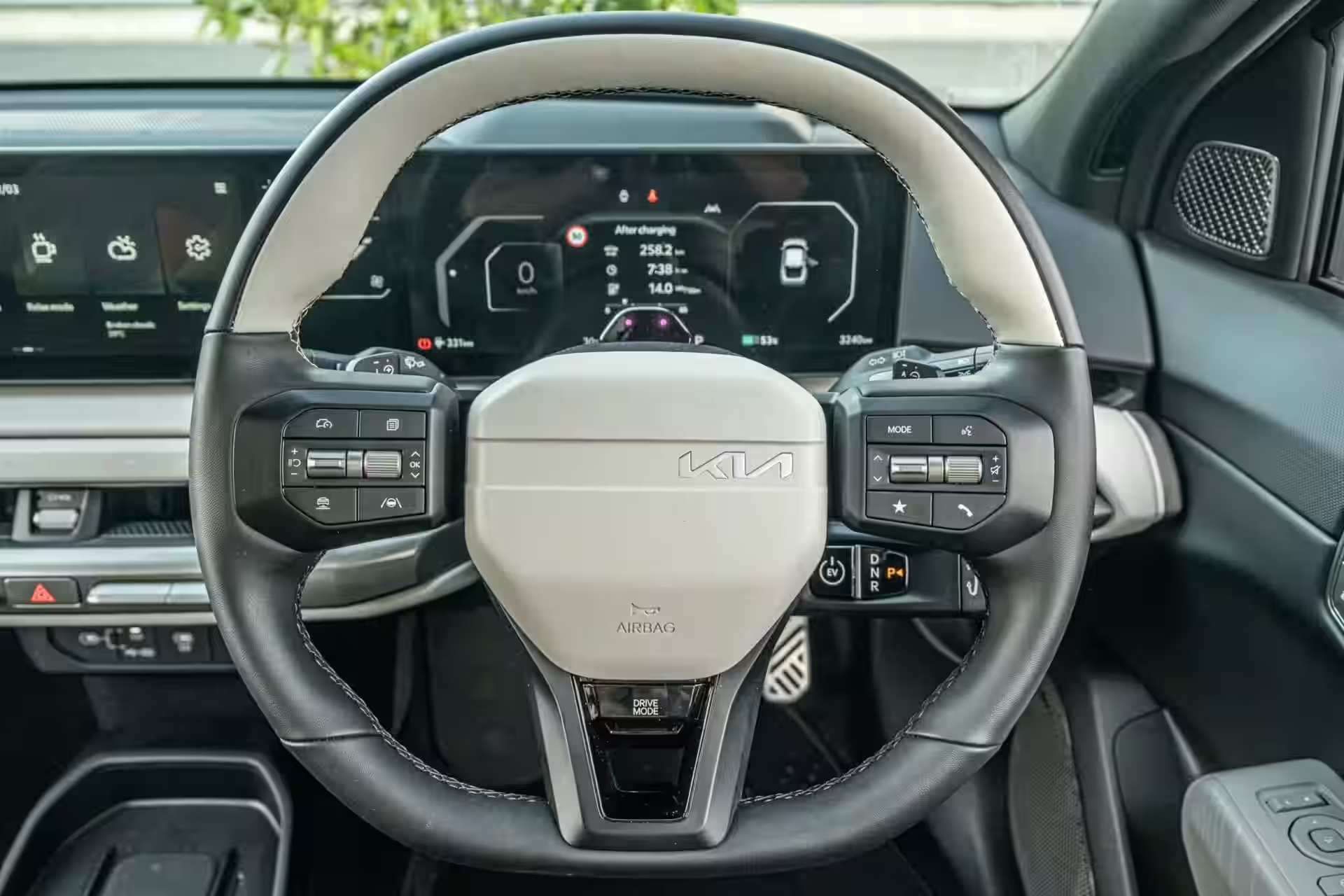
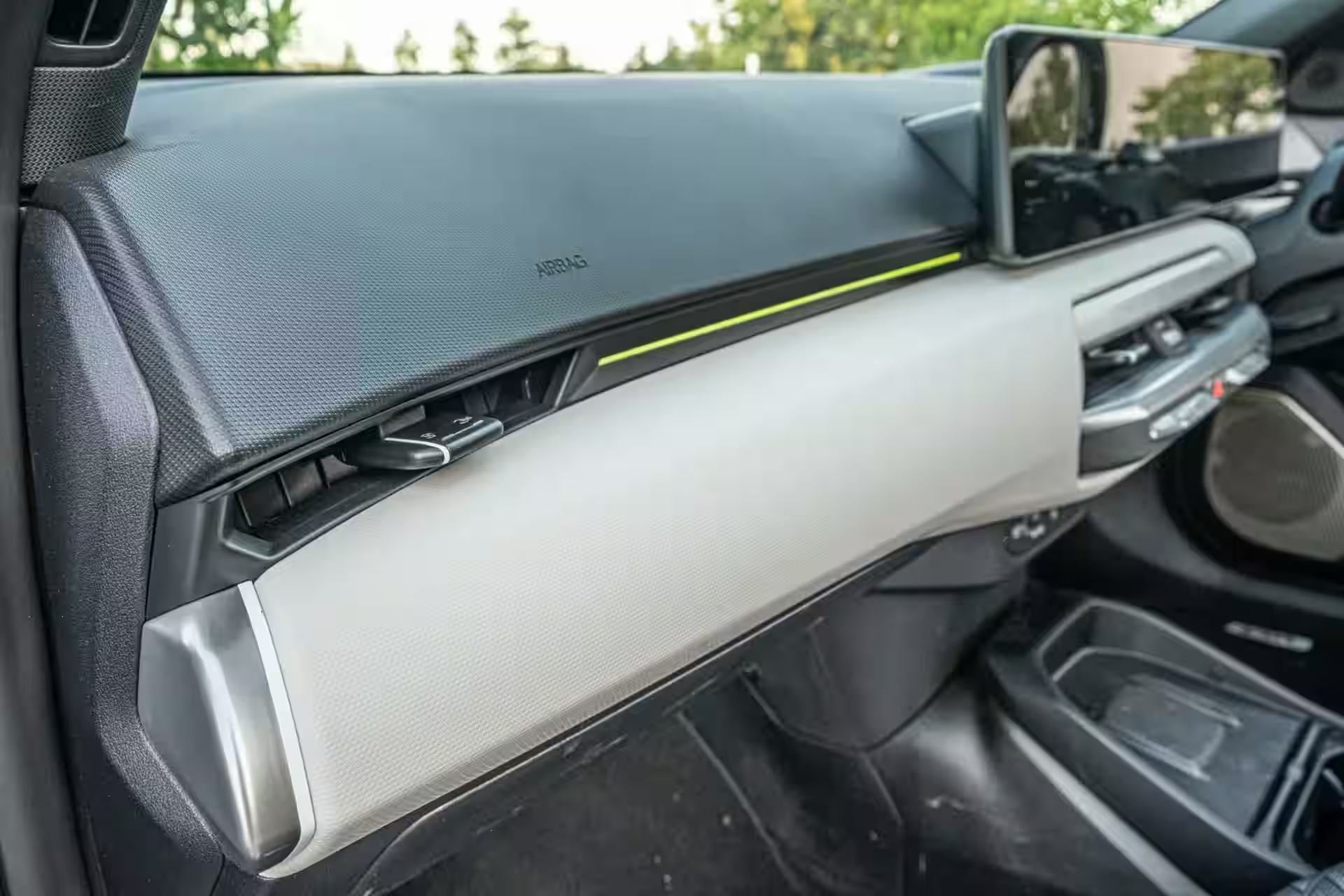
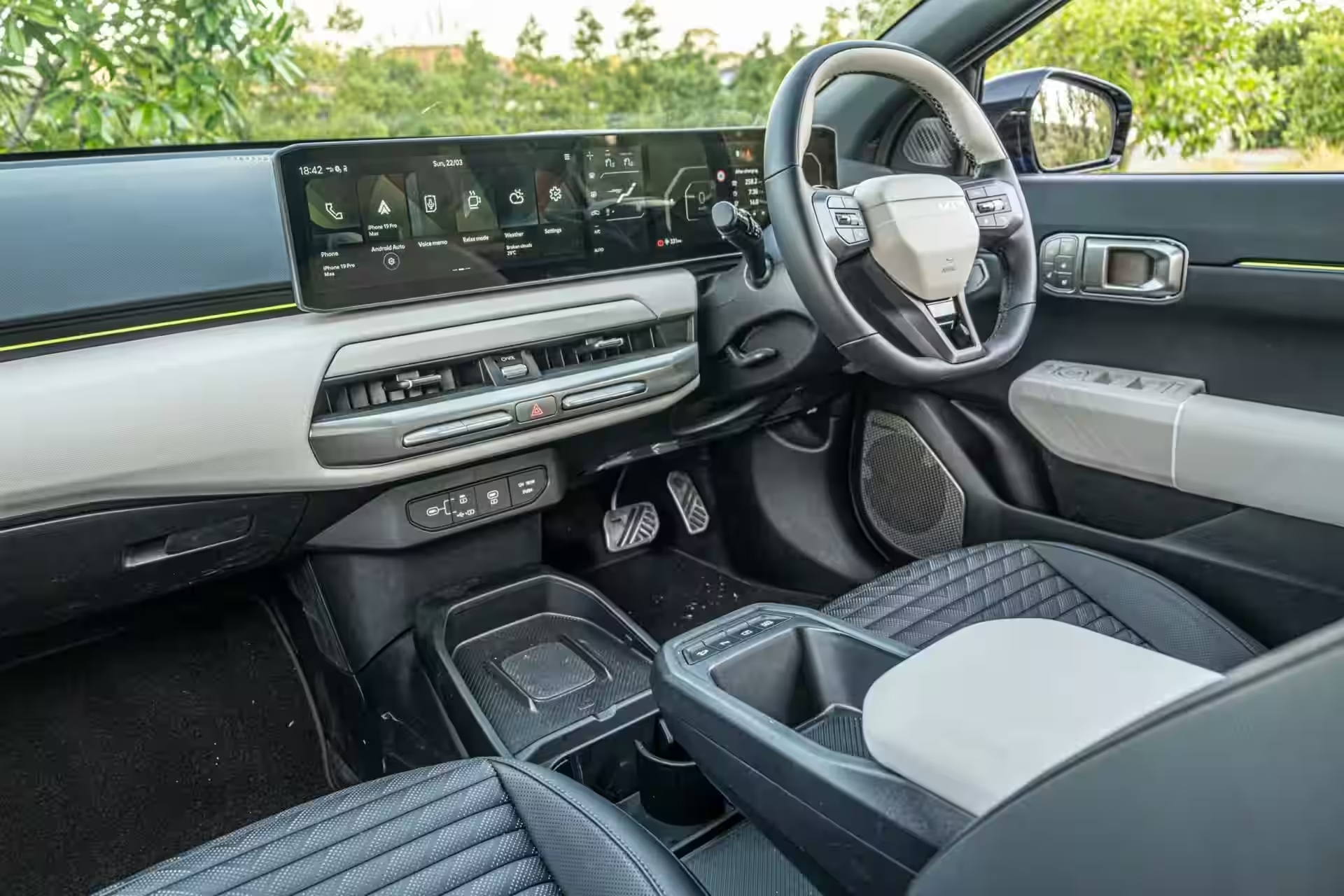
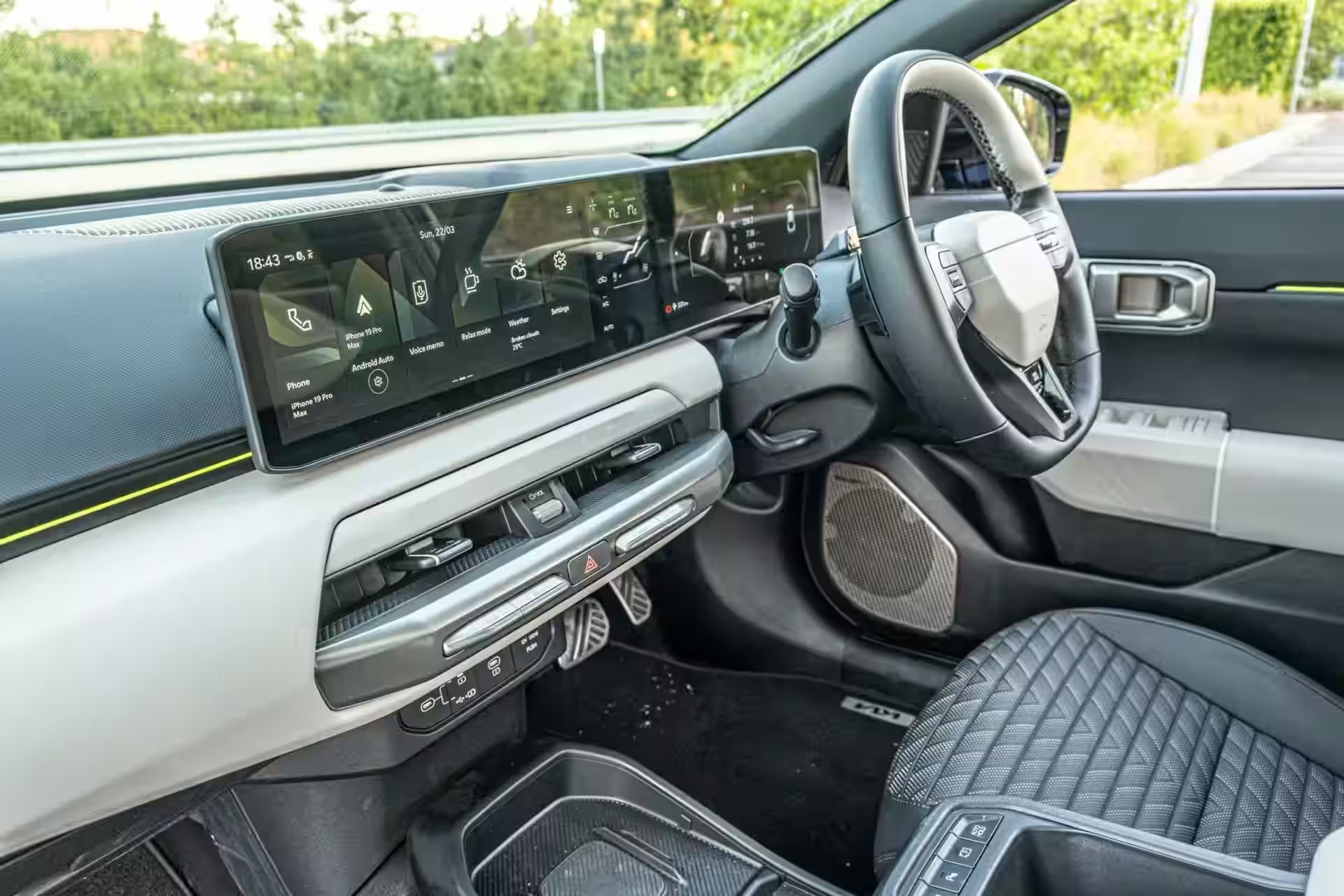
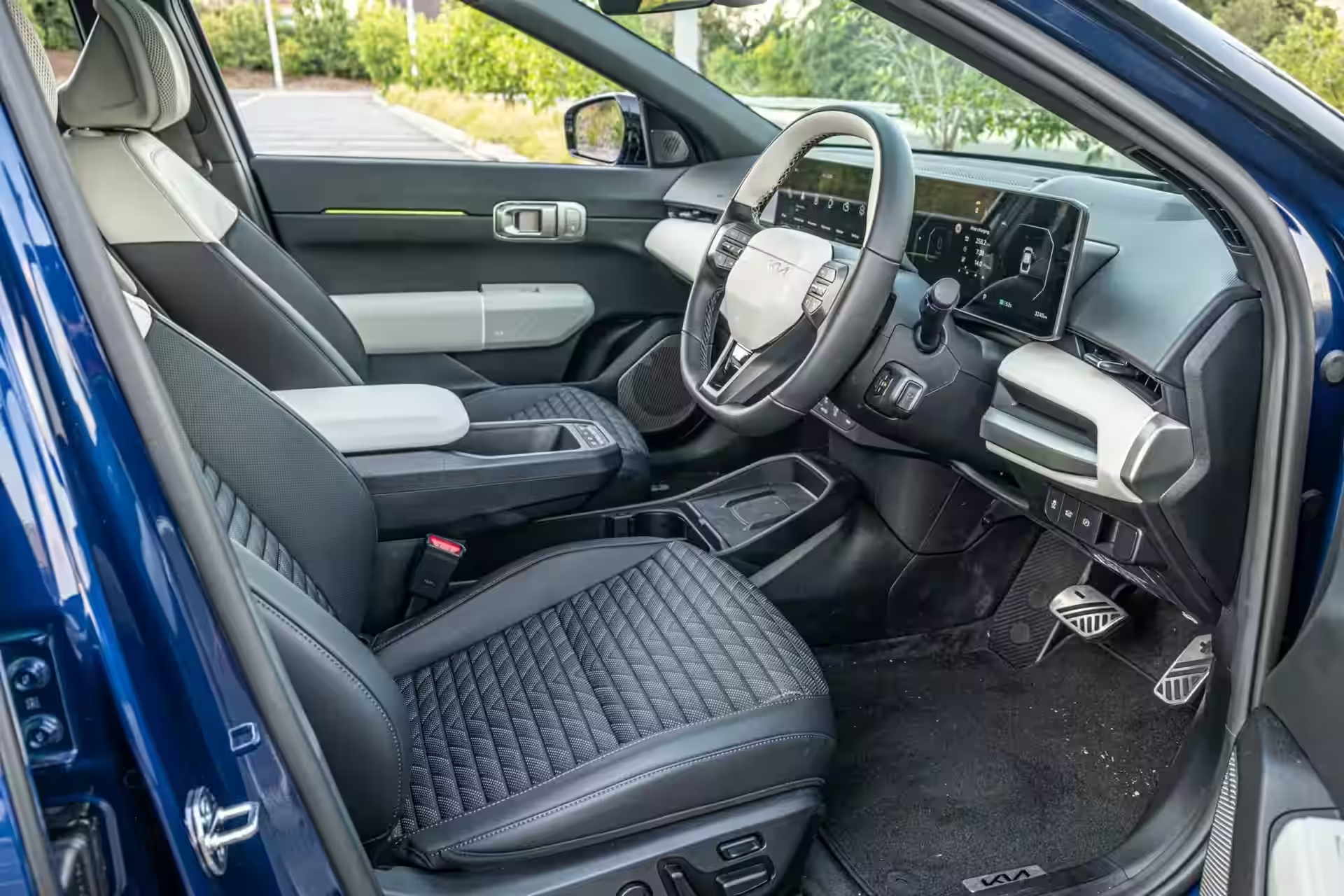
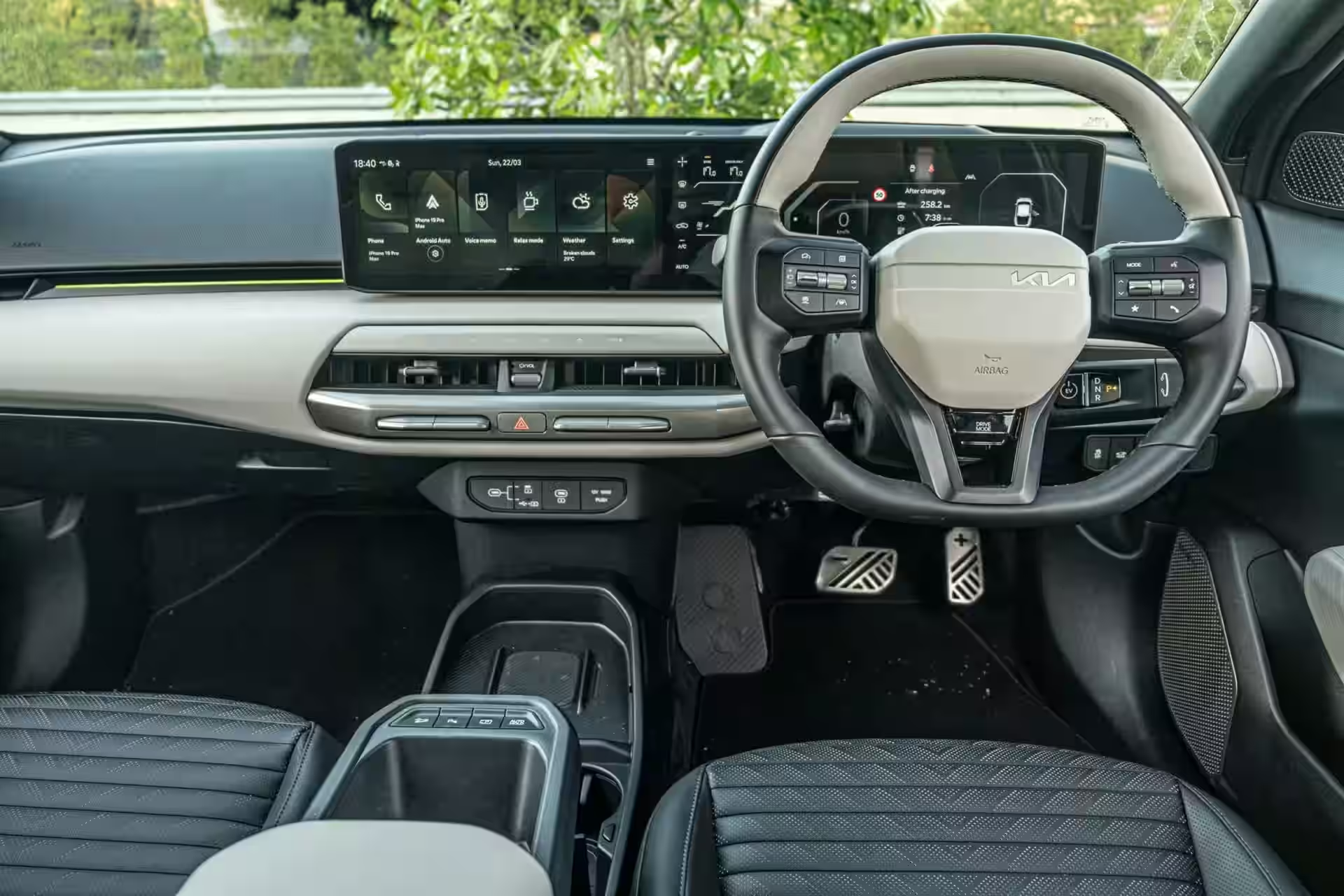
The cabin is where the EV4 GT-Line starts to justify its positioning as a near-premium electric sedan. Kia uses two 12.3-inch displays flanking a smaller 5.0-inch climate screen, creating a widescreen dashboard layout that looks modern without leaning into gimmickry. The climate display sits partially hidden behind the steering wheel, which is not ideal, but Kia compensates with physical HVAC toggles lower on the dash. That combination of screens and hard controls makes the cabin easier to live with than many rivals that bury basic functions inside submenus.
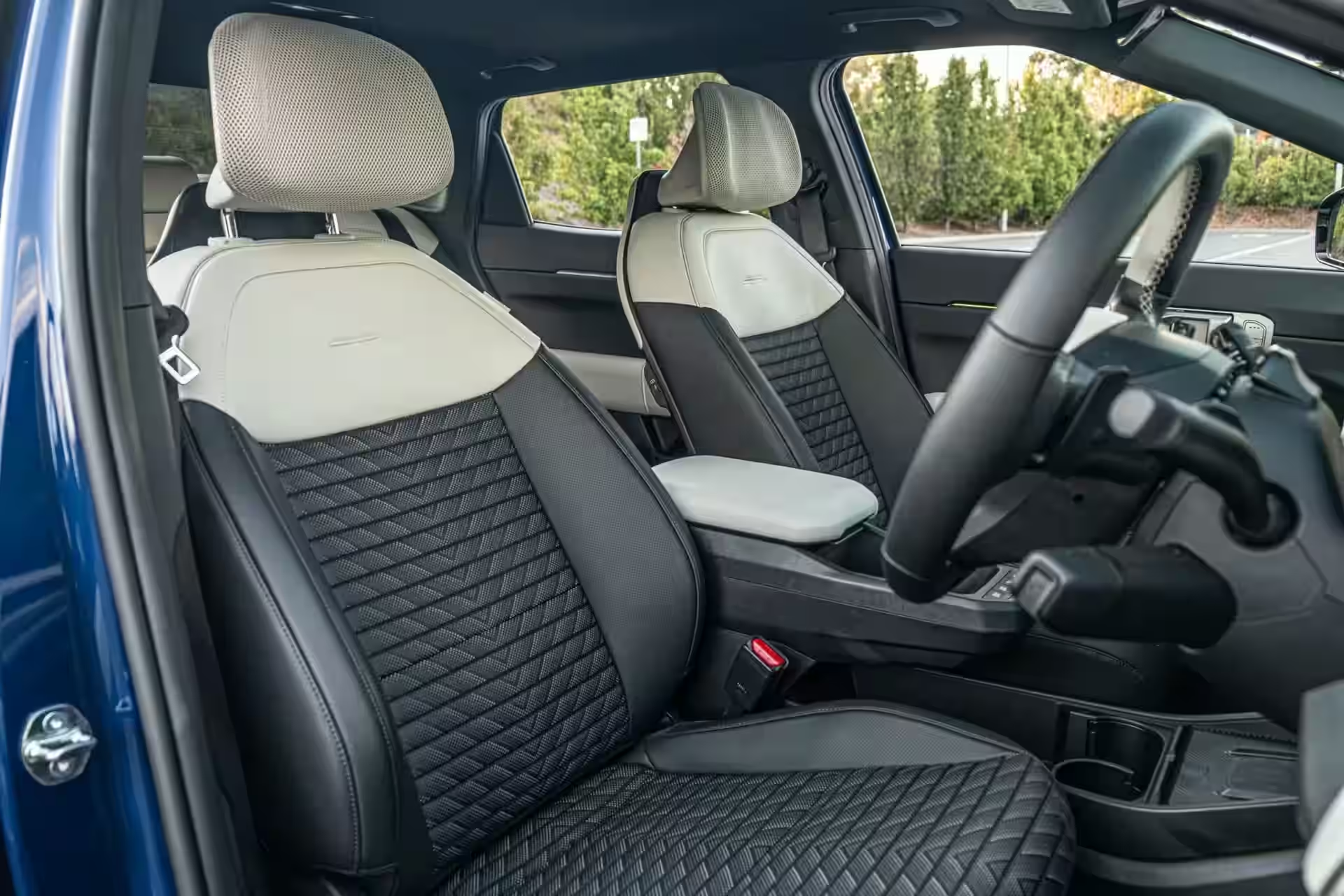
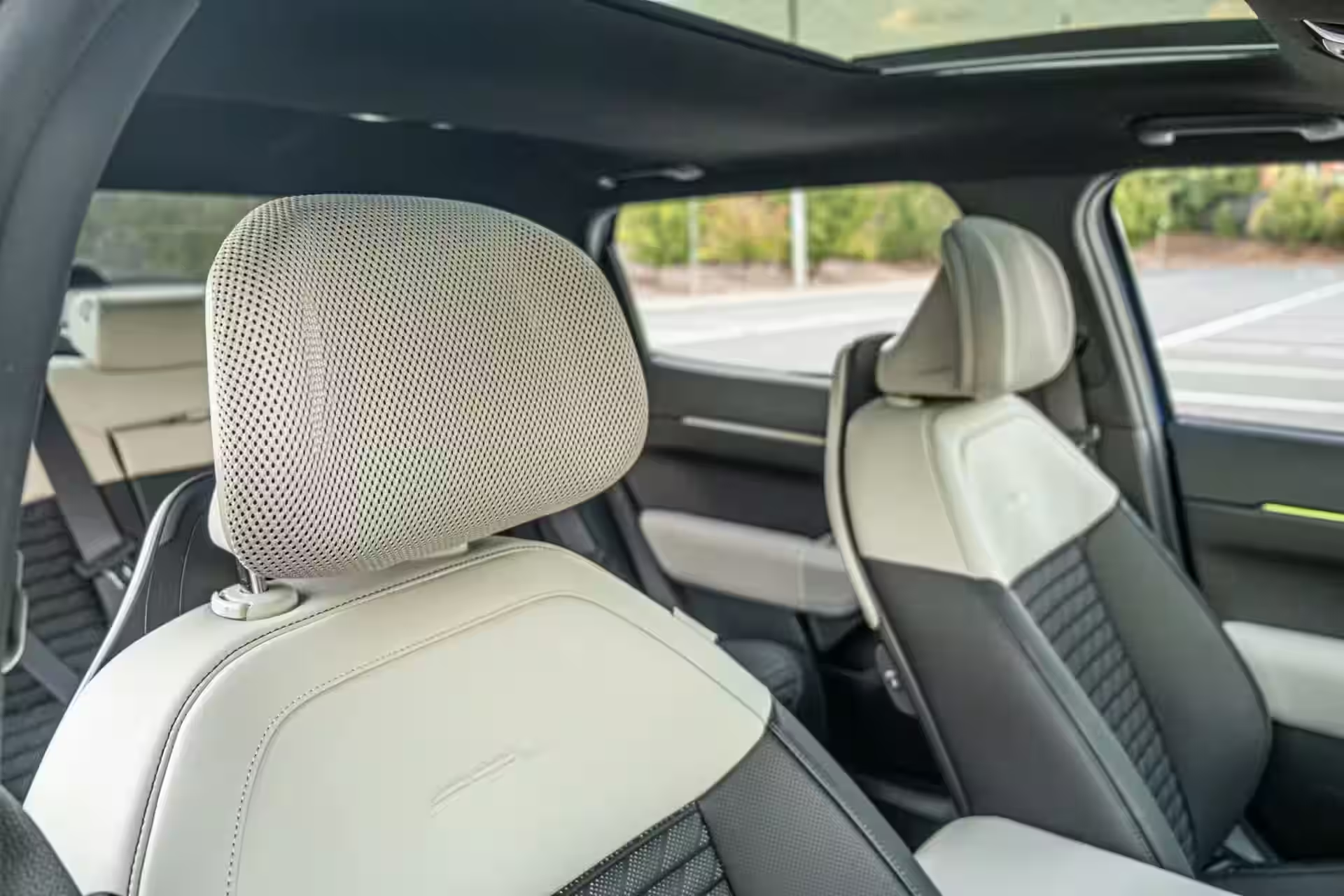
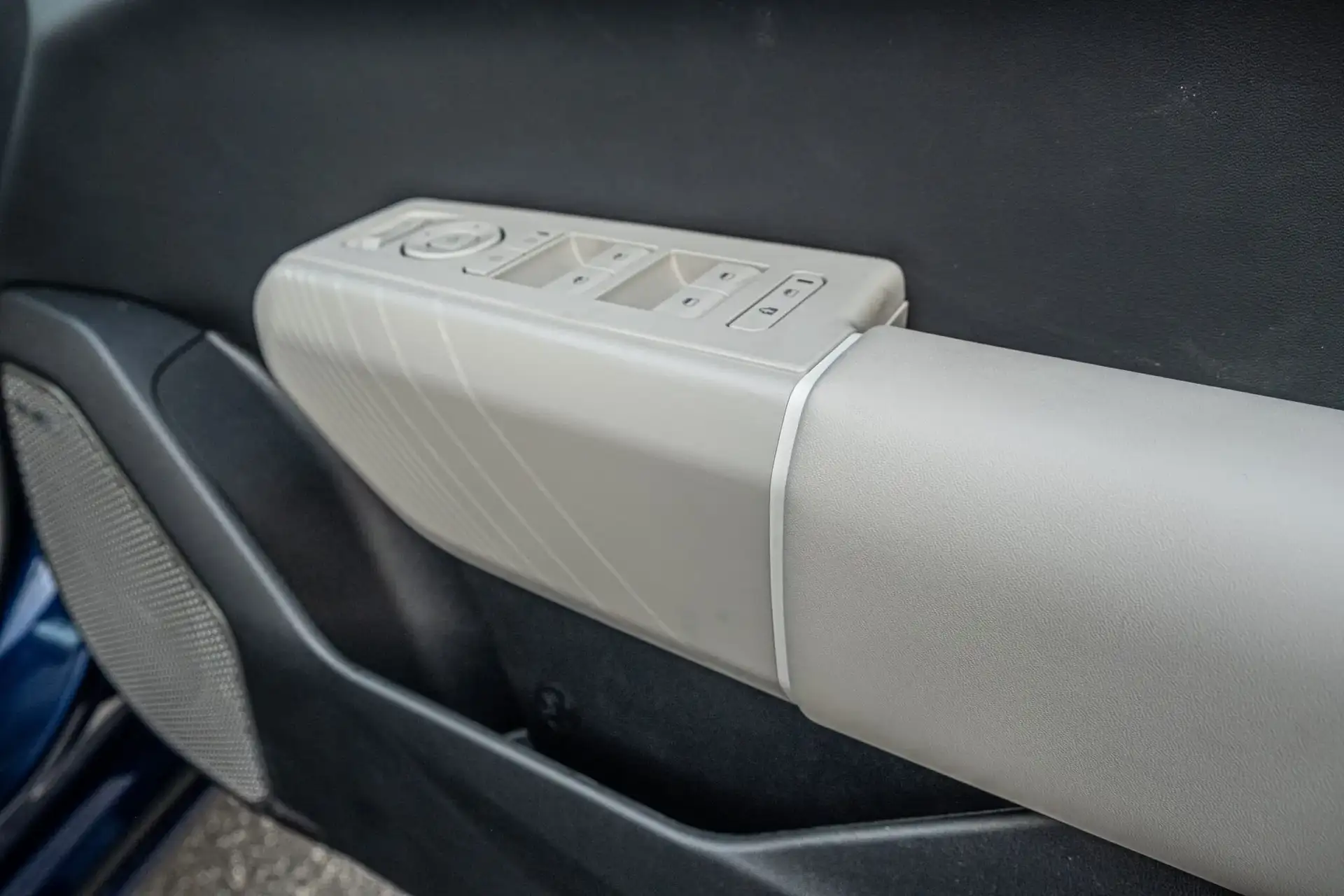
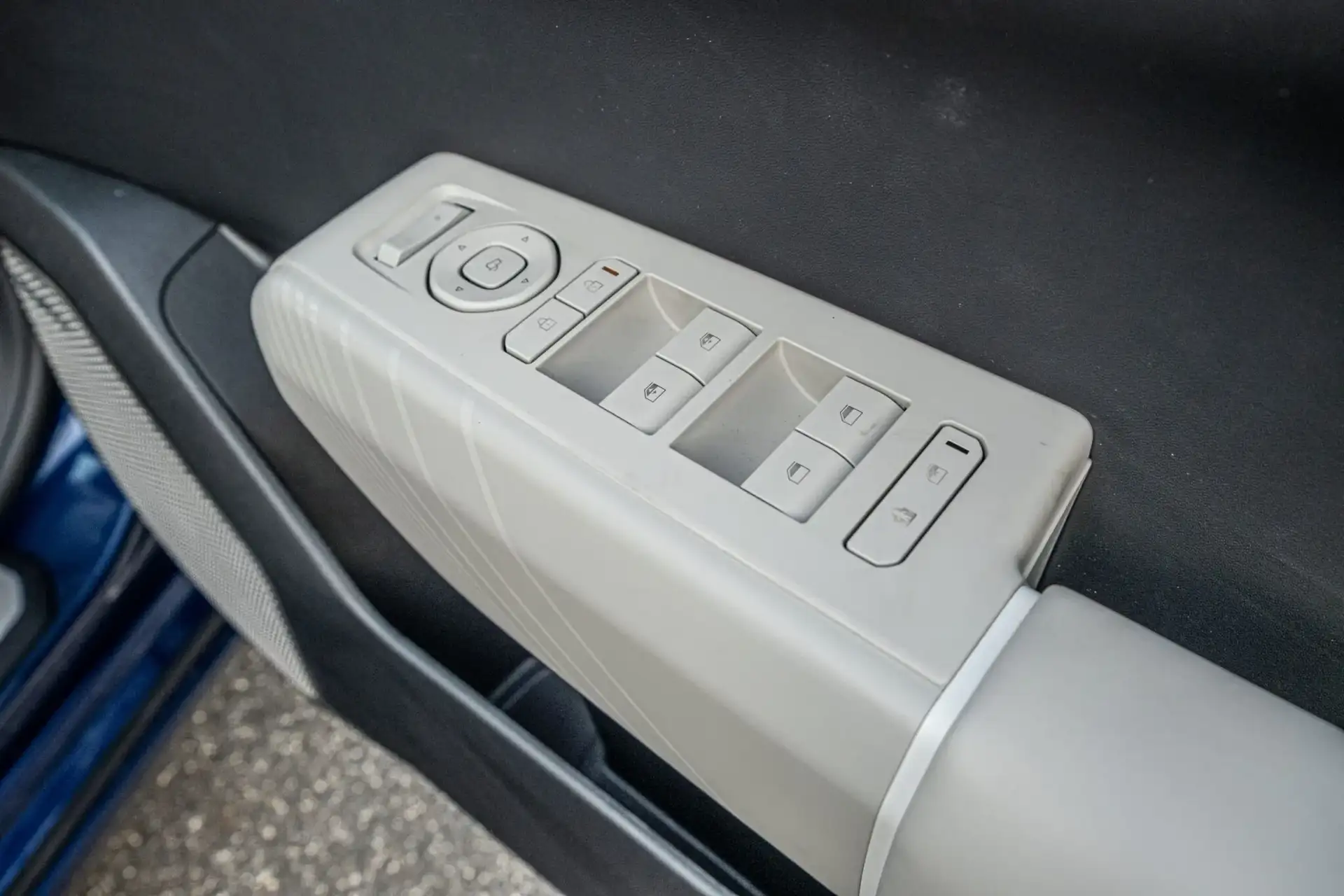
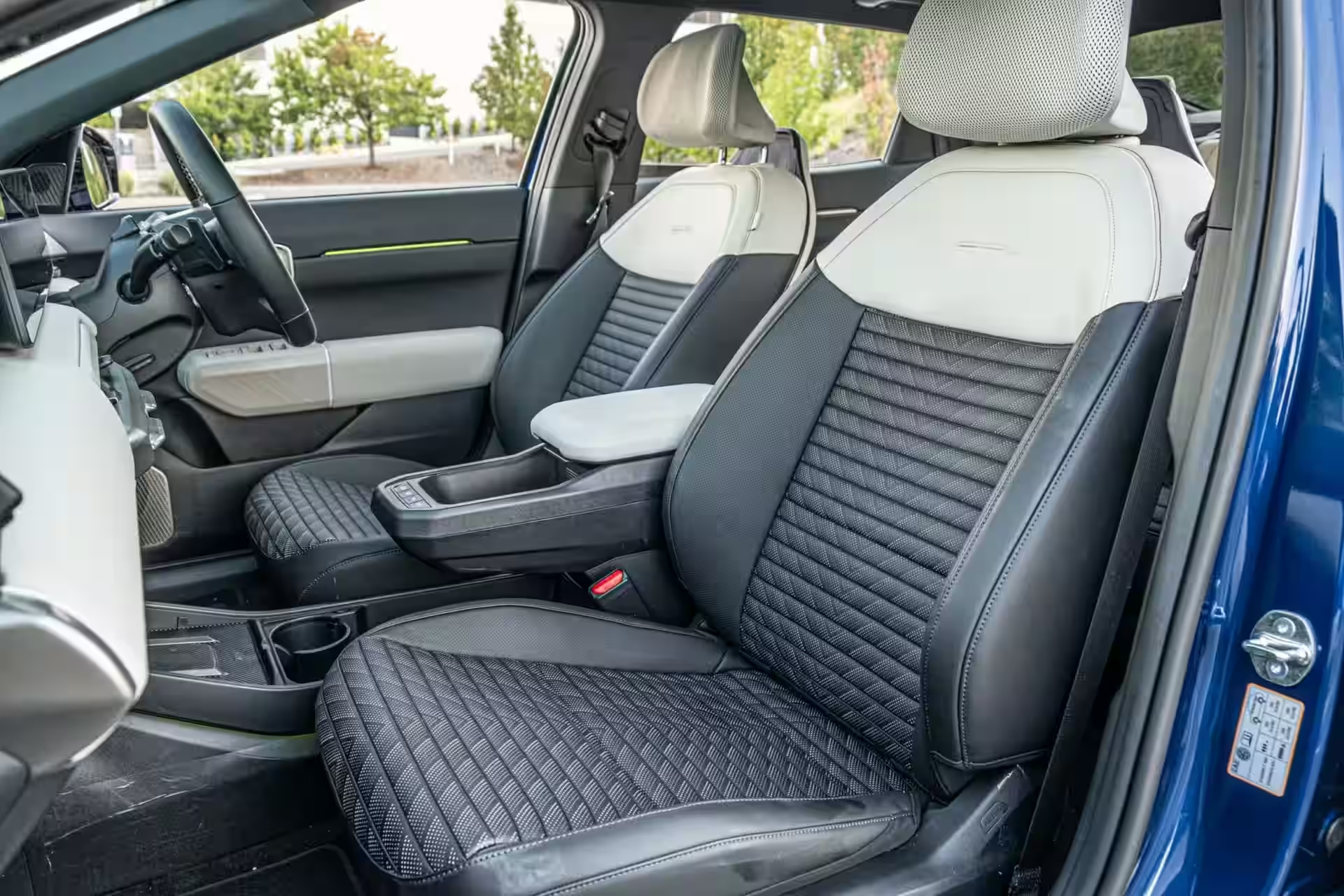
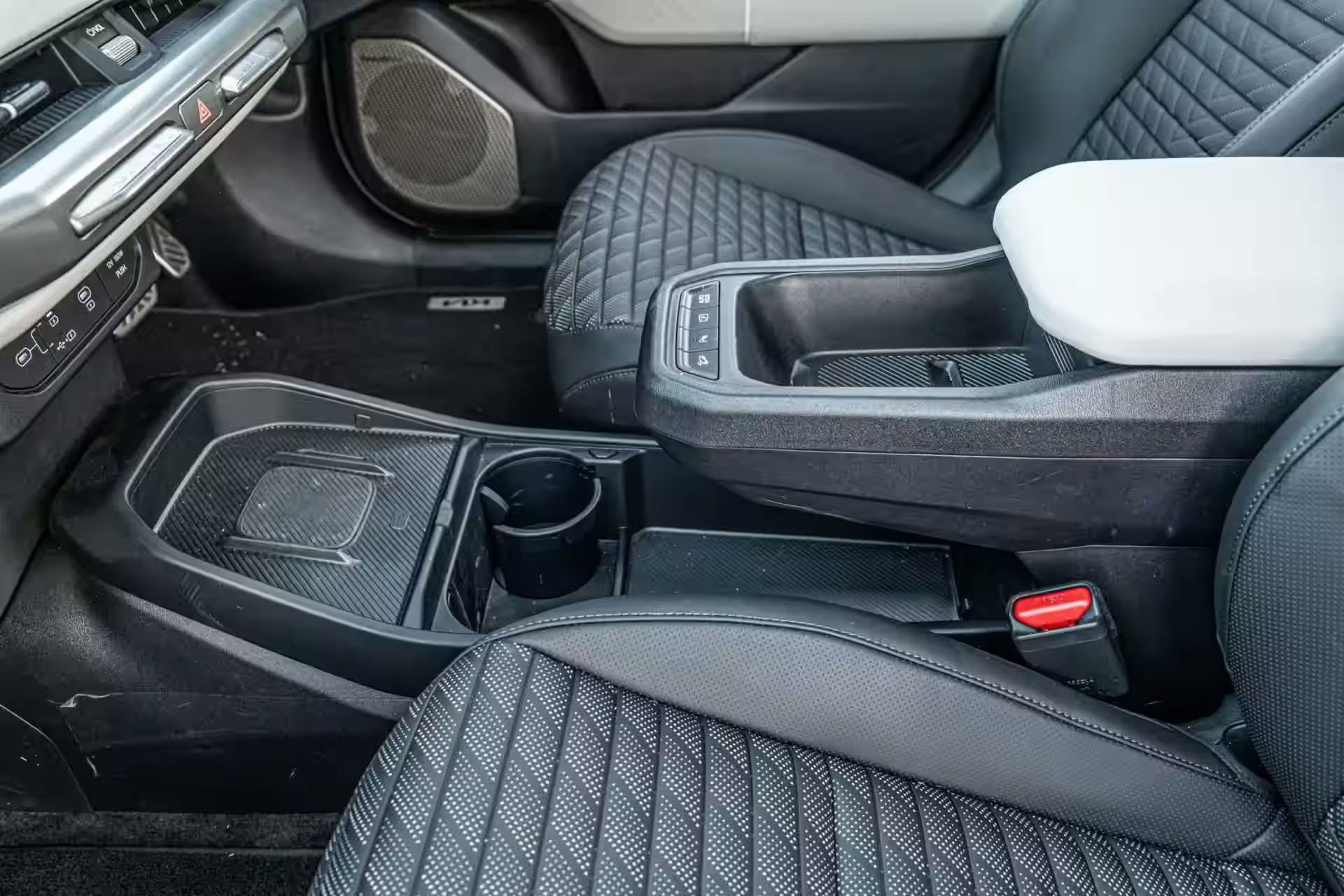
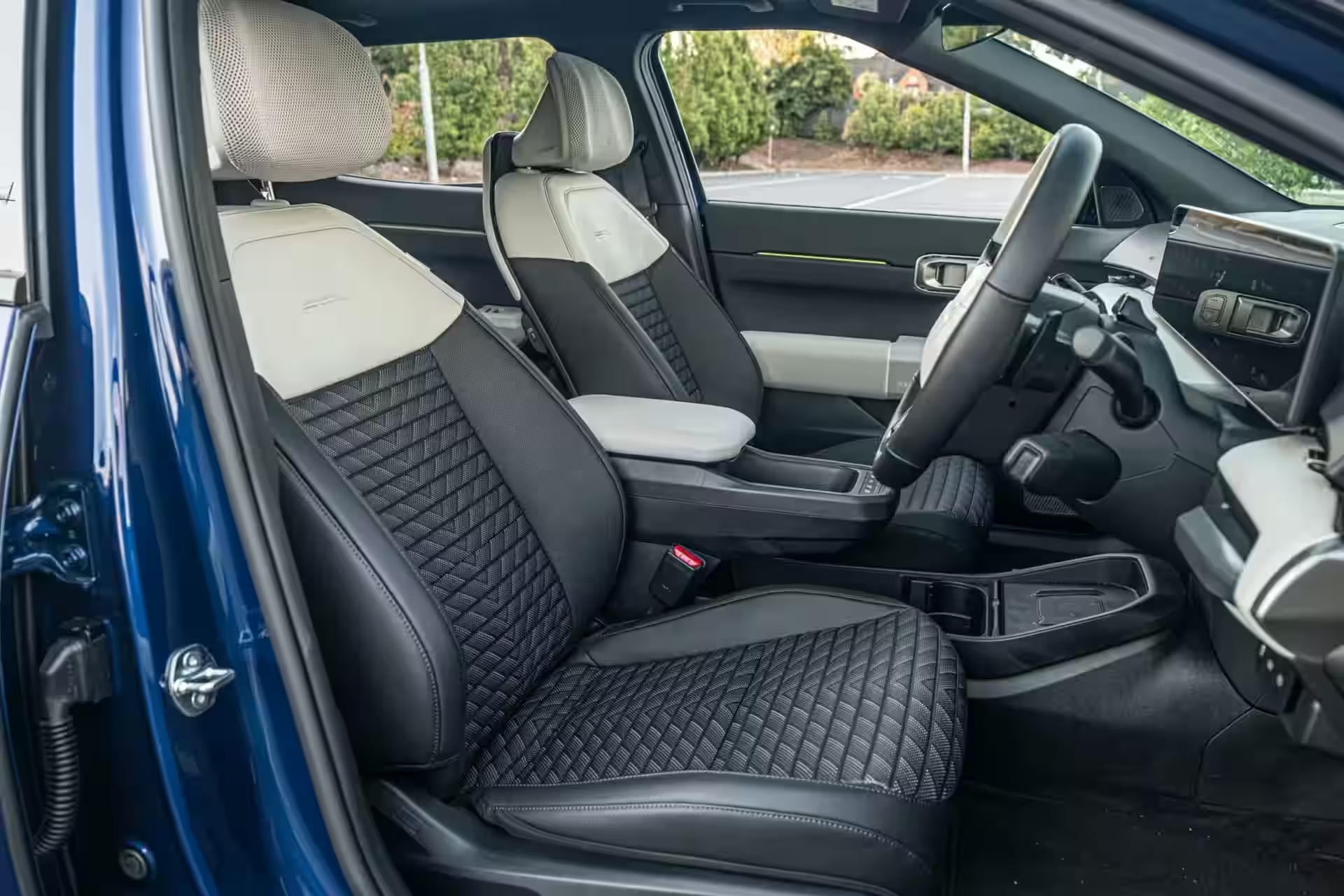
Materials also matter here. The surfaces feel more upscale than the EV5’s, with metallic switches for seat heater and ventilation functions mounted near the door handles, plus a useful amount of storage between the seats and a wireless smartphone charger. The GT-Line and Earth trims add premium front seats with pillowy headrests and one-touch recline, and the ability to lower the seats very far gives tall drivers meaningful headroom. This is the sort of ergonomic detail that separates a good EV from a merely well-equipped one. Kia has not tried to make the EV4 luxurious in a faux-wood, soft-touch sense. It has instead used seat design, driving position and storage to create the impression of thoughtfulness.
Rear-seat packaging is where the sedan body style shows its limits
For all the EV4’s front-seat generosity, the sedan body creates predictable constraints in the second row. Anyone over 6 feet will likely brush their hair on the headliner, and toe room becomes tight if the front seats are set low. Kia does provide rear air vents, which is welcome at this price point, but there are no rear temperature or fan-speed controls. That omission is not catastrophic in a two-row EV, yet it does underline the fact that the EV4 is optimized more for front-seat occupants and cargo space than for executive-class rear comfort.
Still, the boot is genuinely useful. Kia quotes 490 liters of luggage capacity, and the rear seats fold flat to create a wide pass-through area that materially improves practicality. That matters because the EV4’s shape could have compromised usability far more than it does. In the real world, the car’s dimensions and seat folding strategy let it straddle two roles: sleek commuter sedan and long-weekend luggage hauler. Buyers considering alternatives should also look at how other brands are balancing design and utility, especially in products like MERCEDES-BENZ E-CLASS Night Edition Esconde uma Mudança Maior, where premium packaging is being redefined by tech and space management rather than simply by size.
On the road, the EV4’s chassis tuning is the real headline
The EV4 GT-Line does not feel quick in the way a twin-motor electric sedan does, and that is the point. Its 150 kW and 283 Nm are enough for around 7.7 seconds to 100 km/h, but the car never feels underpowered in urban use or on fast roads. More importantly, it feels composed from the first mile. Kia’s Australian-market cars receive extensive local ride and handling testing, and that effort shows immediately in the way the EV4 absorbs broken pavement, potholes and speed bumps. The suspension is so successful at isolating sharp impacts that the car feels like it is gliding over rough surfaces rather than merely surviving them.
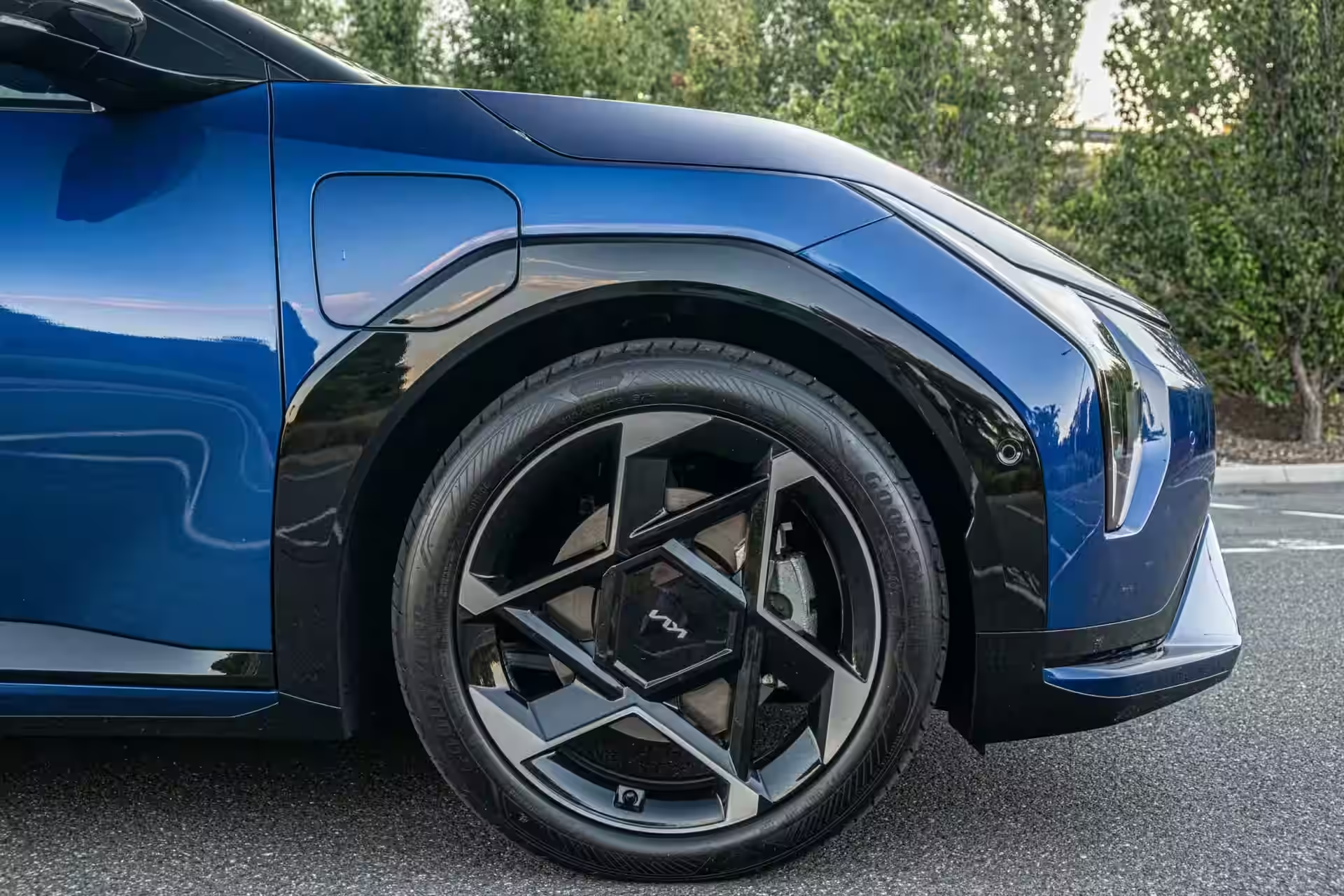
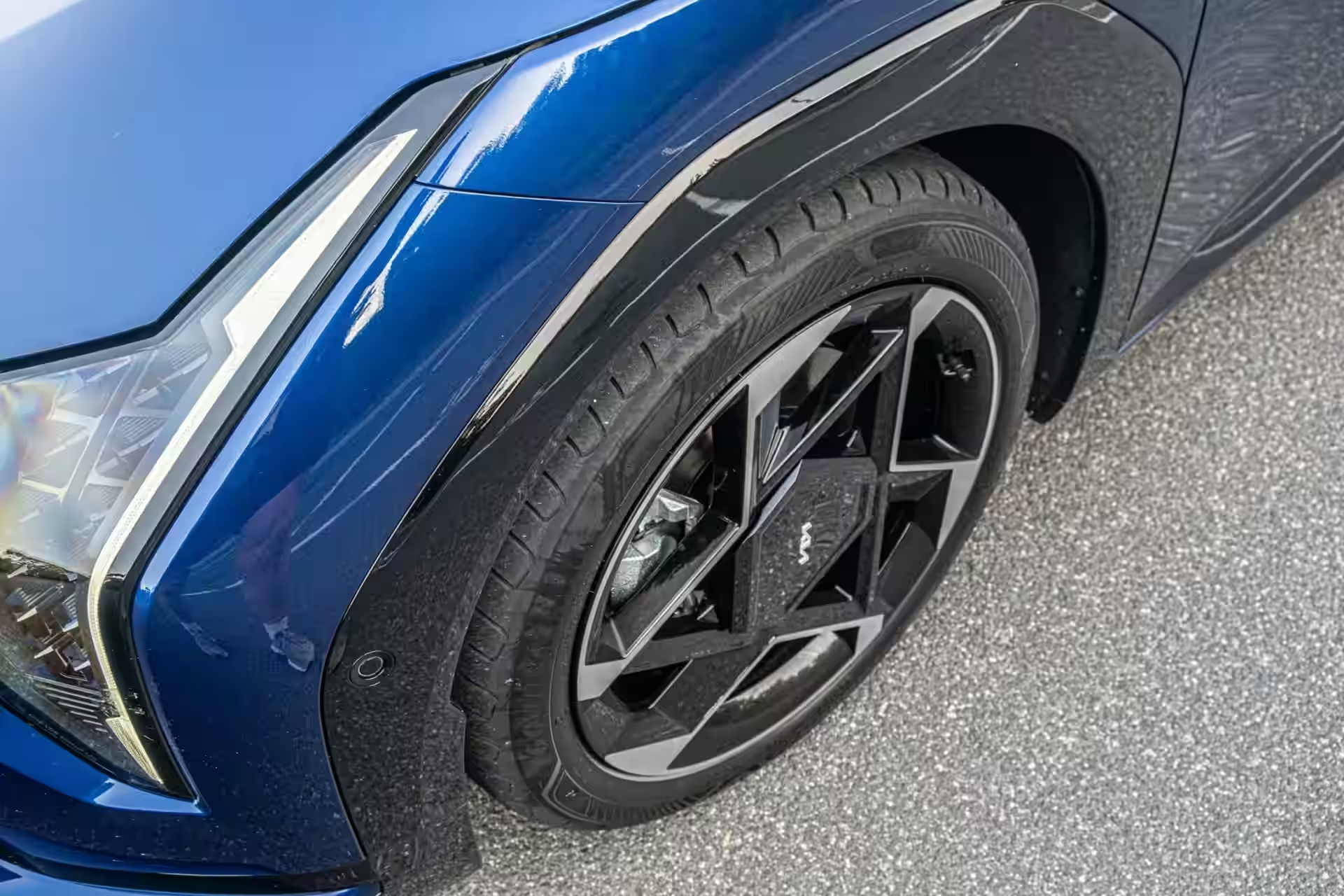
This is where the comparison to expensive luxury EVs becomes credible. The EV4’s ride quality is close to what Audi delivers in the e-tron GT, a model that costs several times more and uses a far more elaborate air suspension setup. The Kia does this without adaptive dampers or a complex multi-mode chassis, which makes the result more impressive, not less. The GT-Line’s 19-inch wheels do not ruin the tuning, and the base Air’s 17-inch wheels may ride even more softly. That is not just a comfort story; it is a technical statement about spring, damper and bushing calibration, all working in harmony on a 1,910 kg sedan.
Efficiency is where the single-motor formula pays off
During a week with the car, the EV4 averaged 14.3 kWh/100 km, beating Kia’s own claimed 14.9 kWh/100 km and supporting a realistic range estimate of around 550 km in mixed use. That figure was achieved largely in Eco mode with one-pedal regeneration engaged, which is exactly how many owners will use an EV of this type in city and suburban driving. The point is not merely that the EV4 is efficient. It is that its efficiency arrives without making the car feel compromised, especially because the motor output is sufficient for easy merging and overtaking.
The downside of the 400-volt platform is charging speed. A 128 kW peak DC rate is acceptable, but it does not deliver the kind of headline-stop convenience that 800-volt rivals can claim. For buyers crossing state lines or relying heavily on public fast charging, that is a real tradeoff. Yet Kia has made a conscious pricing decision here, and the EV4’s lower architecture costs help explain why it undercuts models like the Tesla Model 3 at certain trims while offering a more conventional ride and a more spacious-feeling cabin. On the market side, that makes it a more rational alternative than many flashier newcomers, even when compared with the large-battery logic seen in BYD SEALION 05: Carregamento Flash De 630KM E Autonomia De 2.105Km.
Why the EV4 GT-Line feels more complete than exciting
There are two ways to judge the EV4 GT-Line. The first is to lament its missing all-wheel drive and more muscular output. Kia has already shown a GT version with twin motors and 215 kW, and the case for offering that drivetrain in a GT-Line-badged car is obvious, especially against competitors such as the BYD Seal Performance and Tesla Model 3 Performance. The second, more useful way is to view the EV4 for what it is: a quietly impressive electric sedan that prioritizes comfort, efficiency and usability over numbers that look good on a spec sheet but degrade everyday value.
That second reading is the stronger one. The steering is well calibrated, braking is smooth and consistent, and the front end has real bite without the torque steer issues that can affect high-output front-drive EVs. Goodyear tires help the chassis hold on with more confidence than the power figure would suggest, and the whole car has a calmness that encourages relaxed driving. It is not thrilling in the way a performance EV should be thrilling, but it is deeply convincing as a daily driver. For readers watching the broader value war in electric mobility, this is the same strategic space occupied by models like GEELY Emgrand Híbrido: 48,41% de Economia Para Enfrentar a Toyota, where efficiency and packaging are doing the heavy lifting.
The verdict for enthusiasts is simple: judge the EV4 by what it does, not what it lacks
The 2026 Kia EV4 GT-Line is not the most glamorous electric sedan on sale, and it is certainly not the most powerful. What it does have is the kind of chassis integrity, ride comfort, cabin intelligence and range that make a car easy to recommend to people who will actually own it rather than merely admire it online. The combination of 81.4 kWh, 612 km claimed range, 14.3 kWh/100 km test efficiency and a genuinely sophisticated ride gives the EV4 an identity that is stronger than its styling suggests.
Kia’s biggest miss is charging architecture, not ride tuning. If this car had an 800-volt system with faster DC refill speeds, its case would be far harder to challenge. As it stands, the EV4 is still one of the more compelling mainstream EVs because it gets the hard parts right: comfort, efficiency, cabin space, and everyday drivability. It may never be loved for its looks, but it absolutely deserves respect for its engineering. For a market that increasingly measures value in kilowatt-hours and suspension calibration rather than badge cachet, the EV4 GT-Line is a very serious answer to a very modern question.
The EV4’s success suggests Kia is getting better at building EVs that feel expensive without being expensive, a pattern worth following alongside BMW Série 7 Recebe Facelift E A Verdadeira Guerra Da Luxo Revelada, where luxury is increasingly defined by refinement, software and chassis control rather than size alone.