The QX65 Revives Infiniti’s Most Important Styling Idea
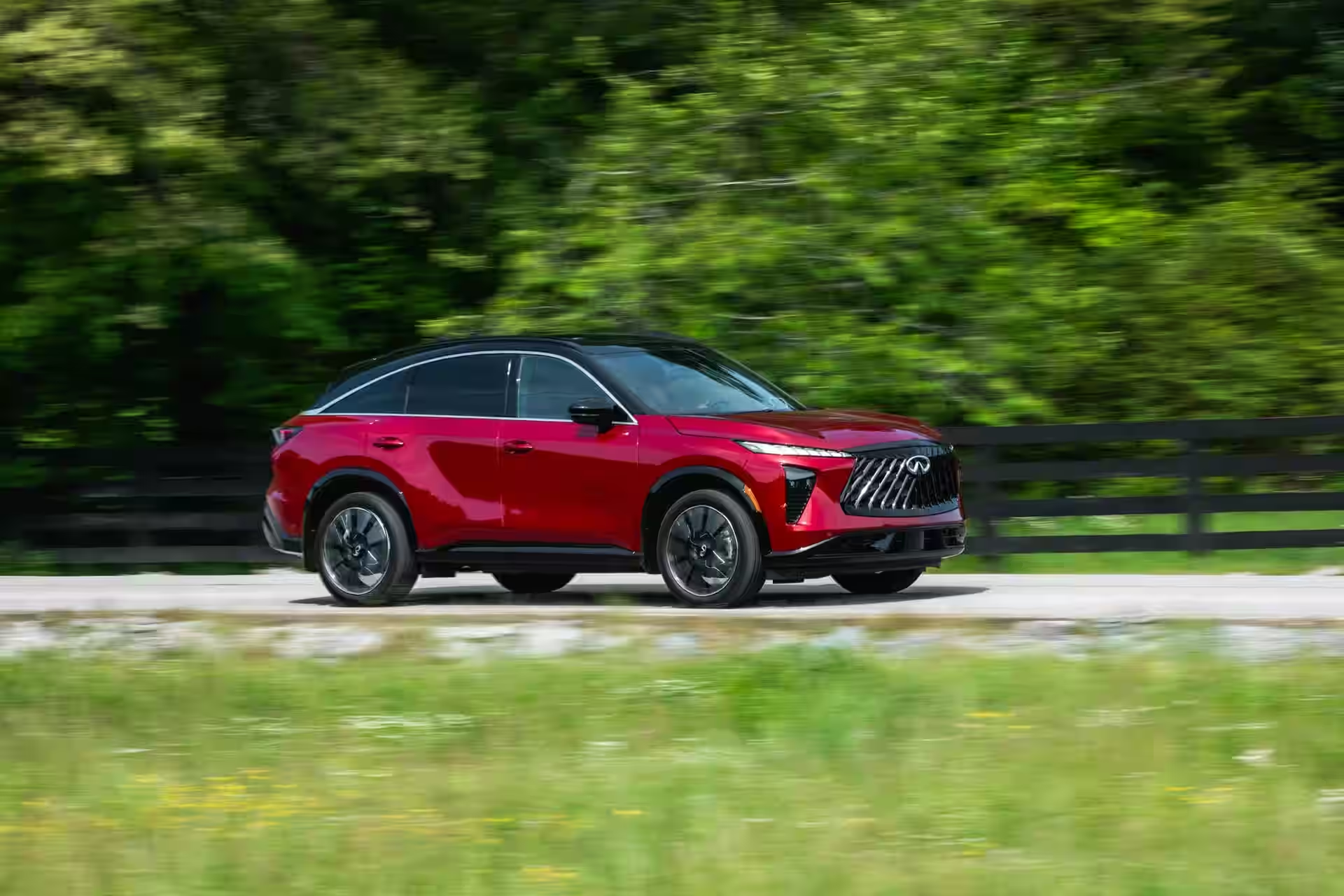
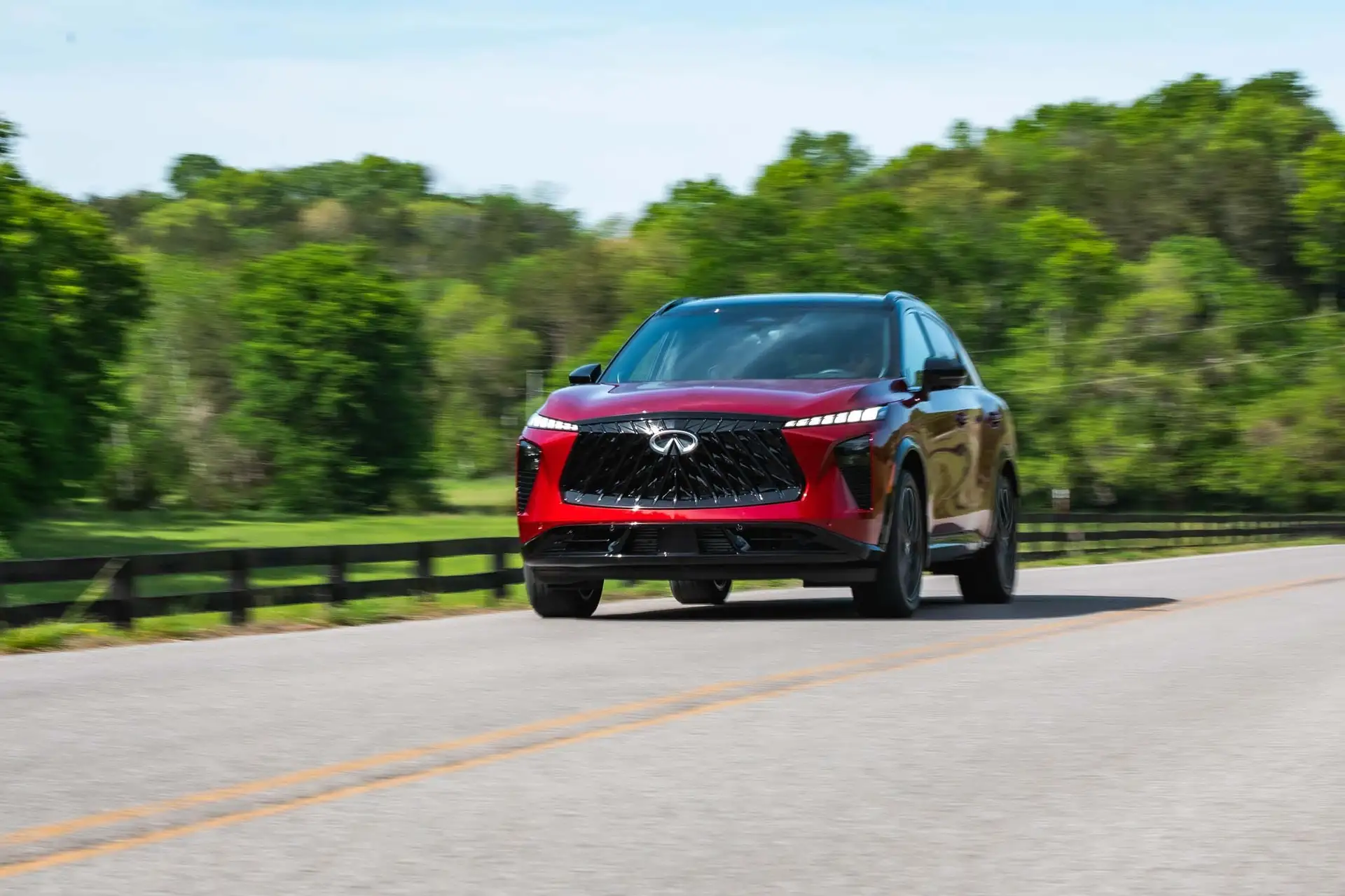
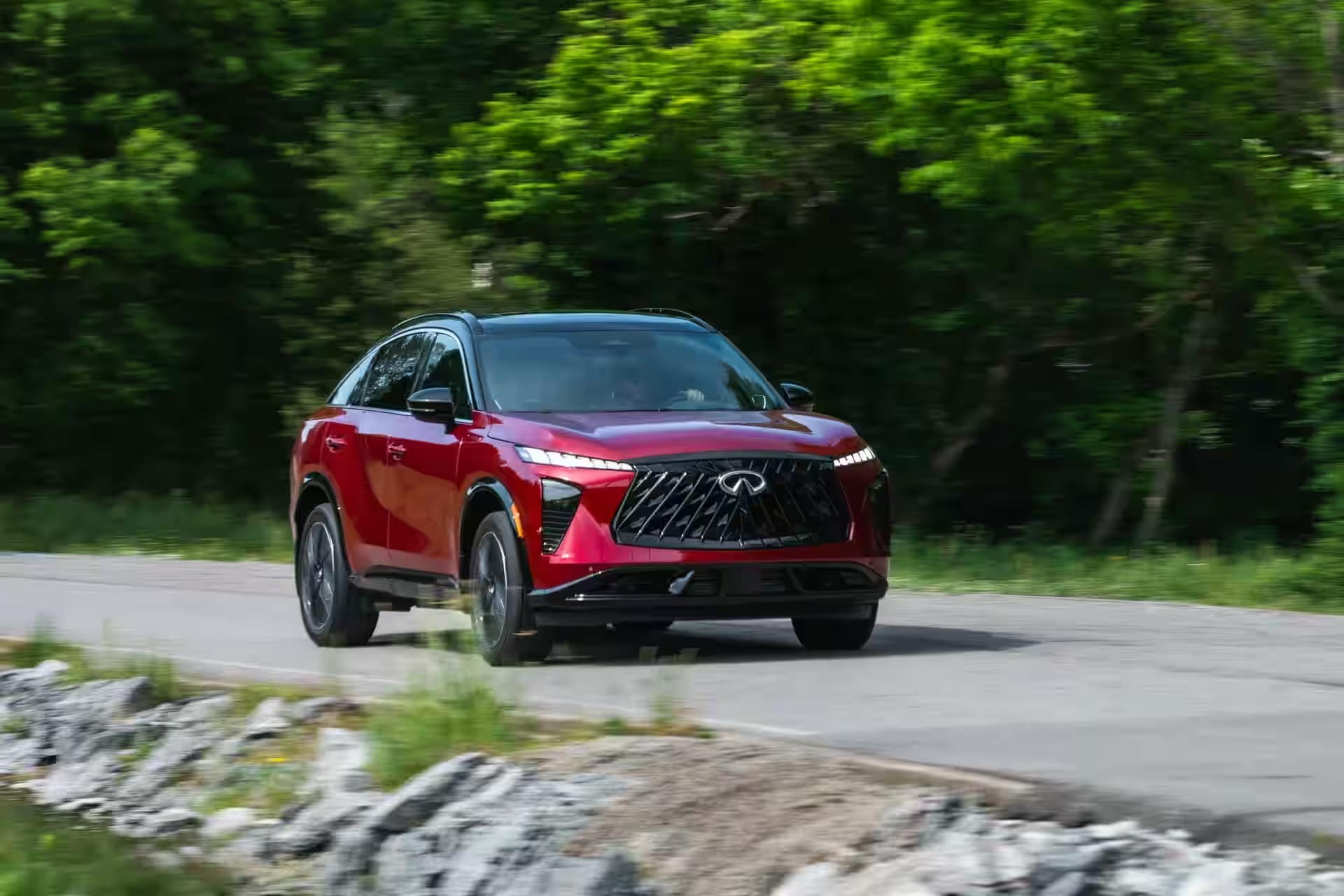
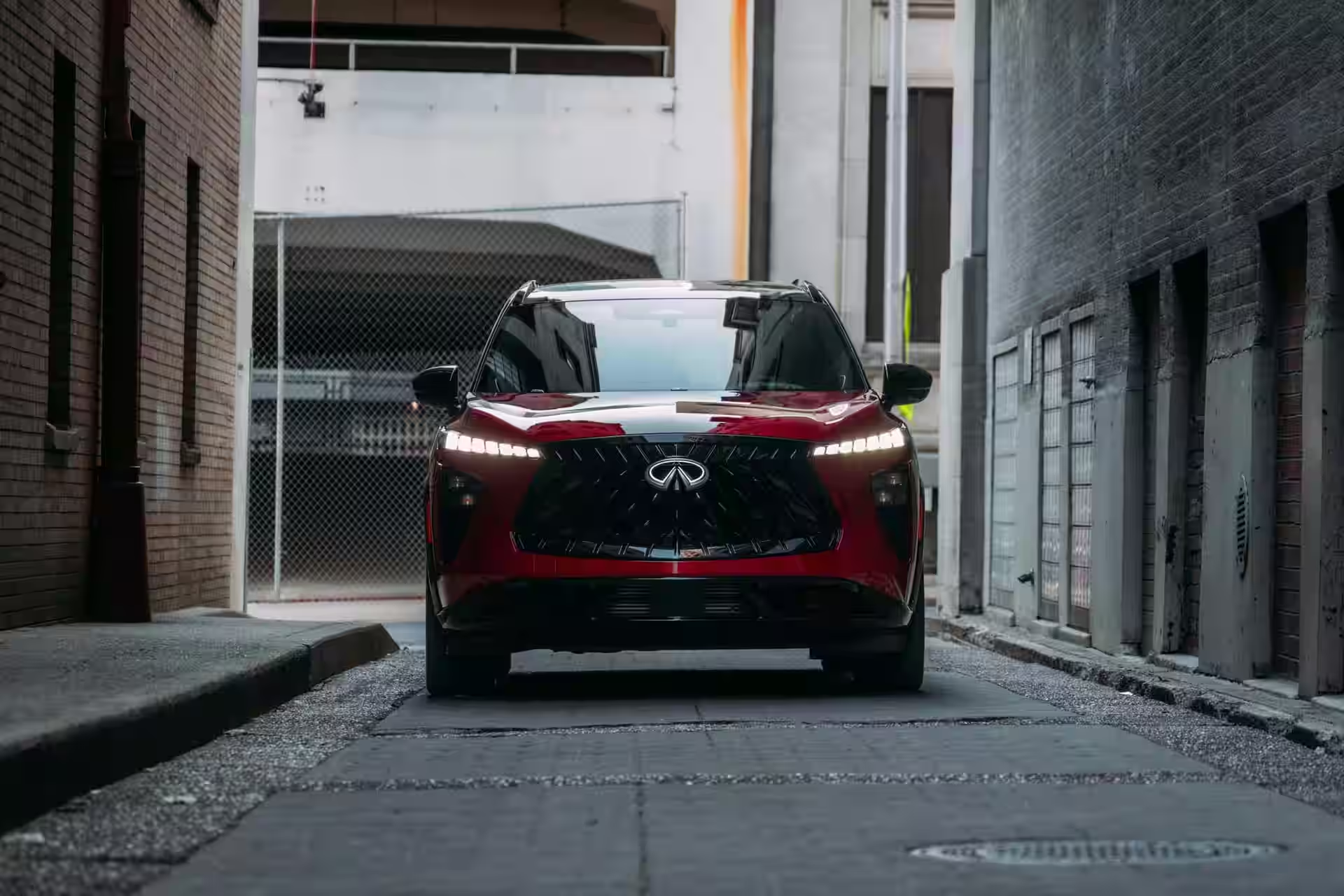
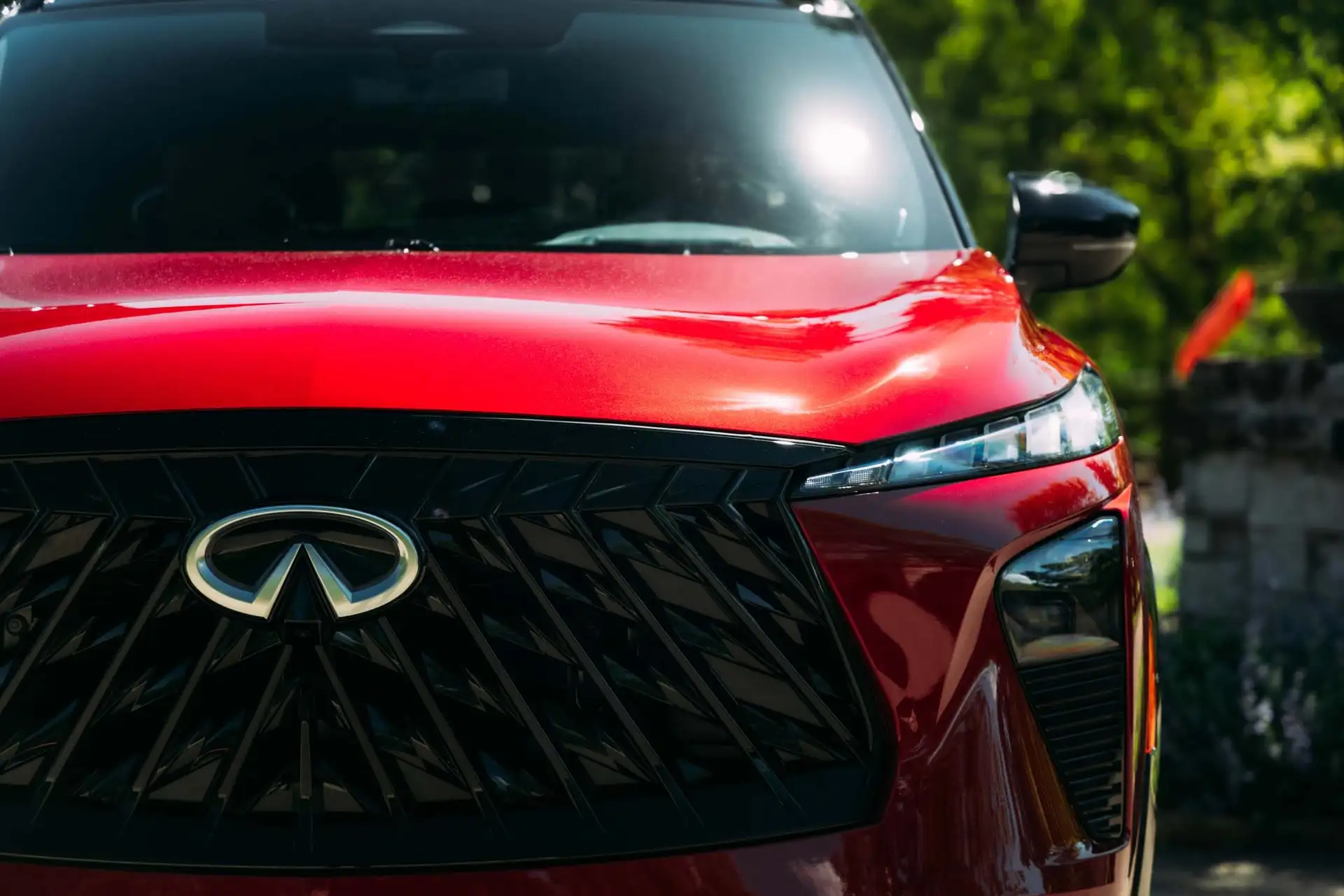
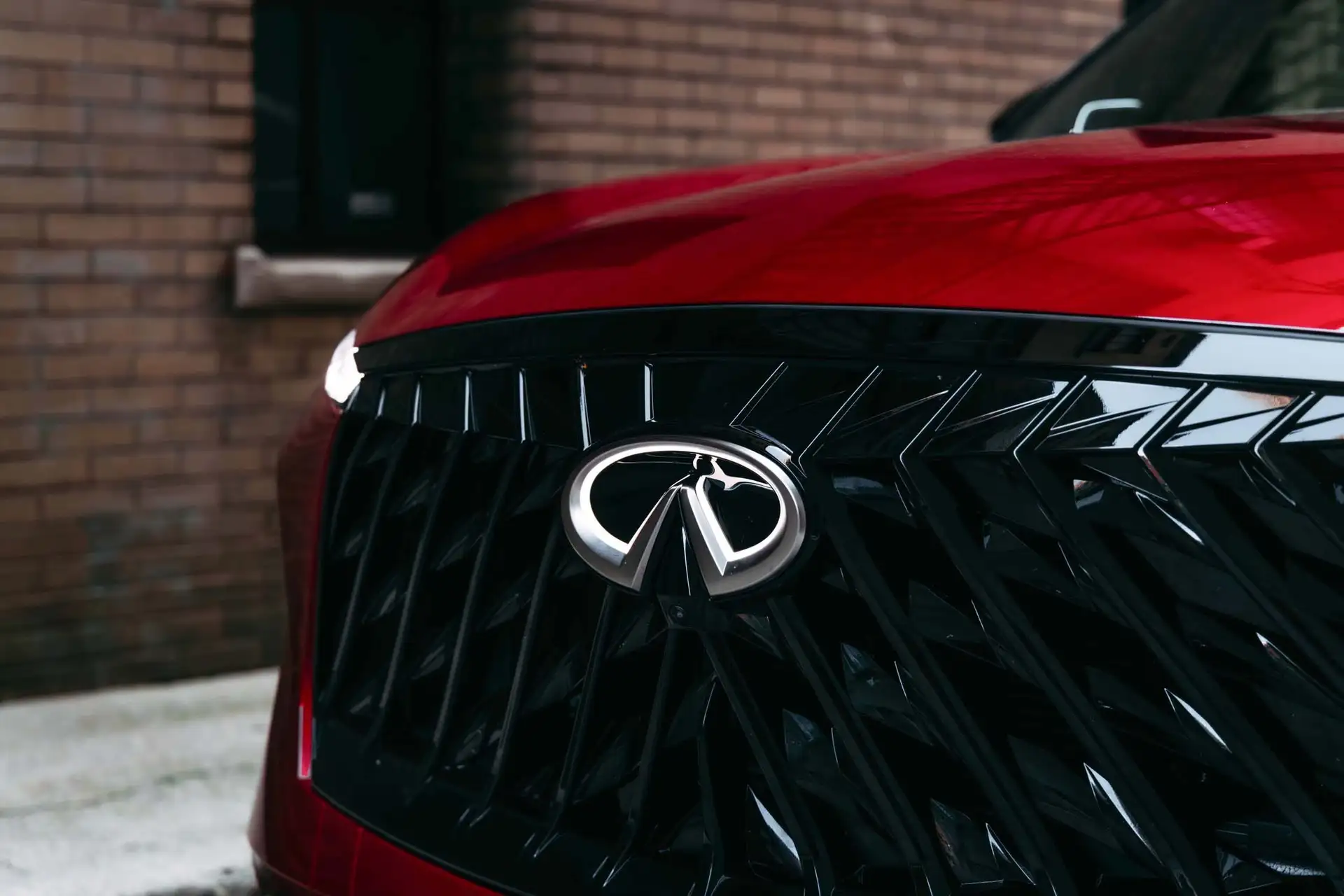
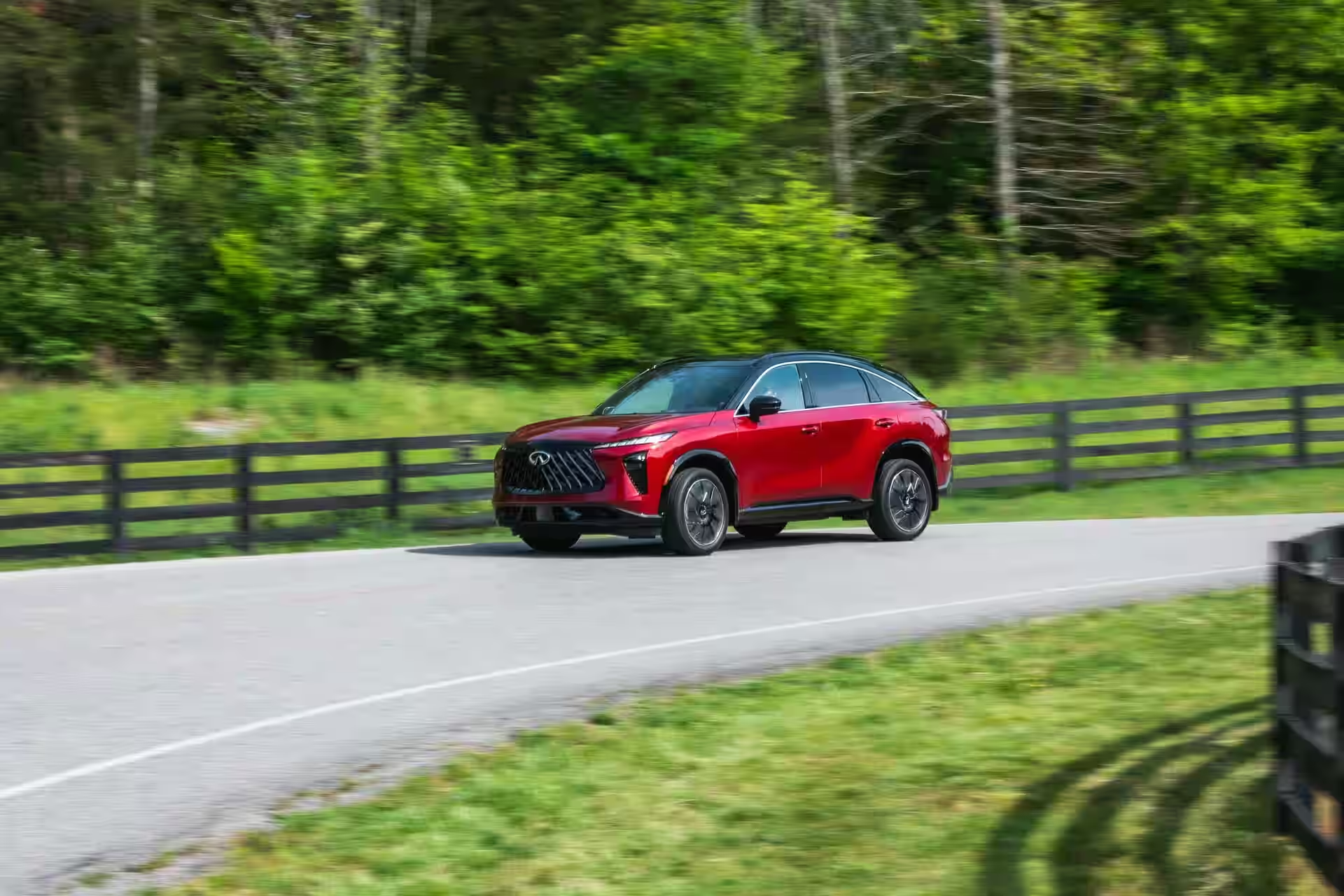
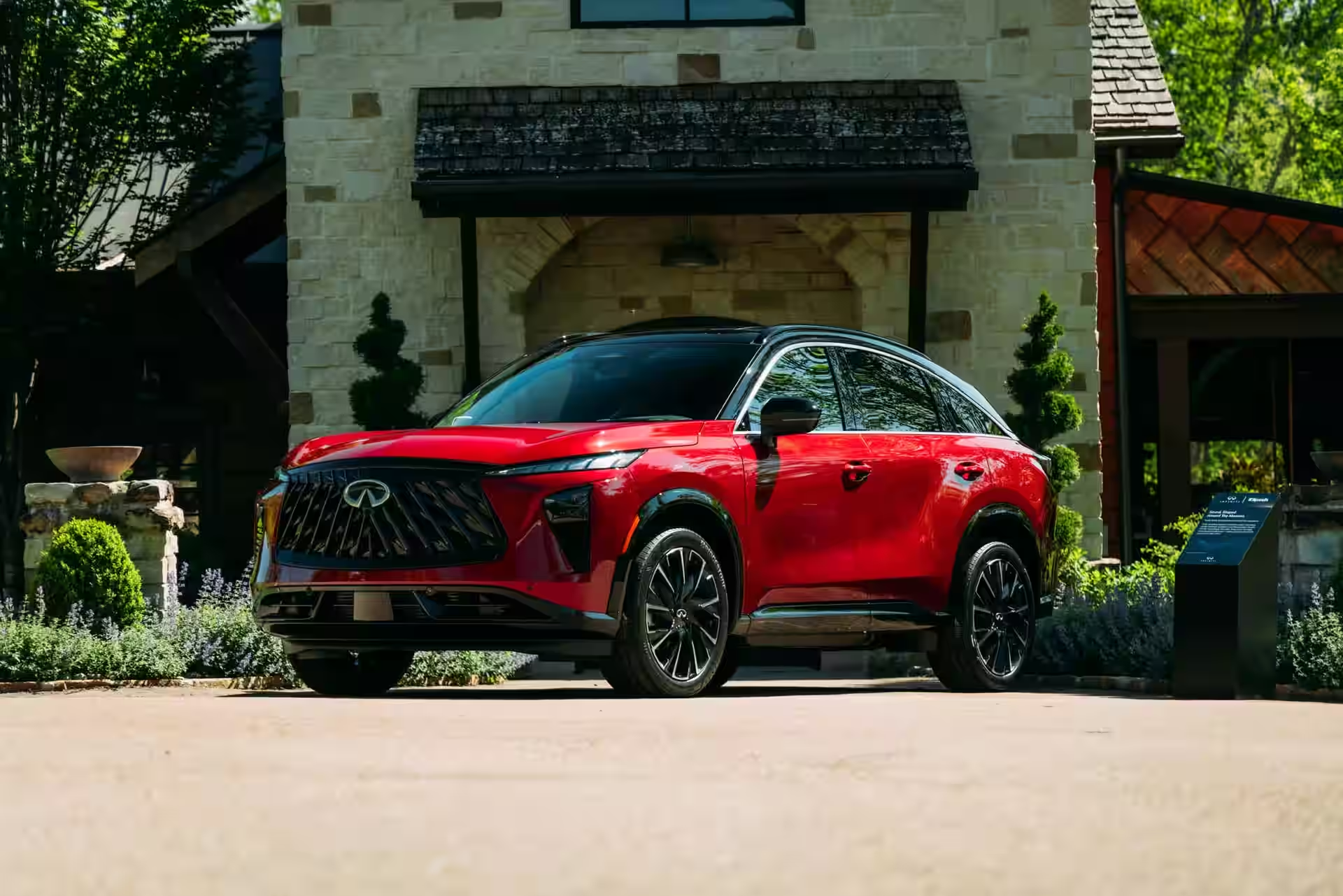
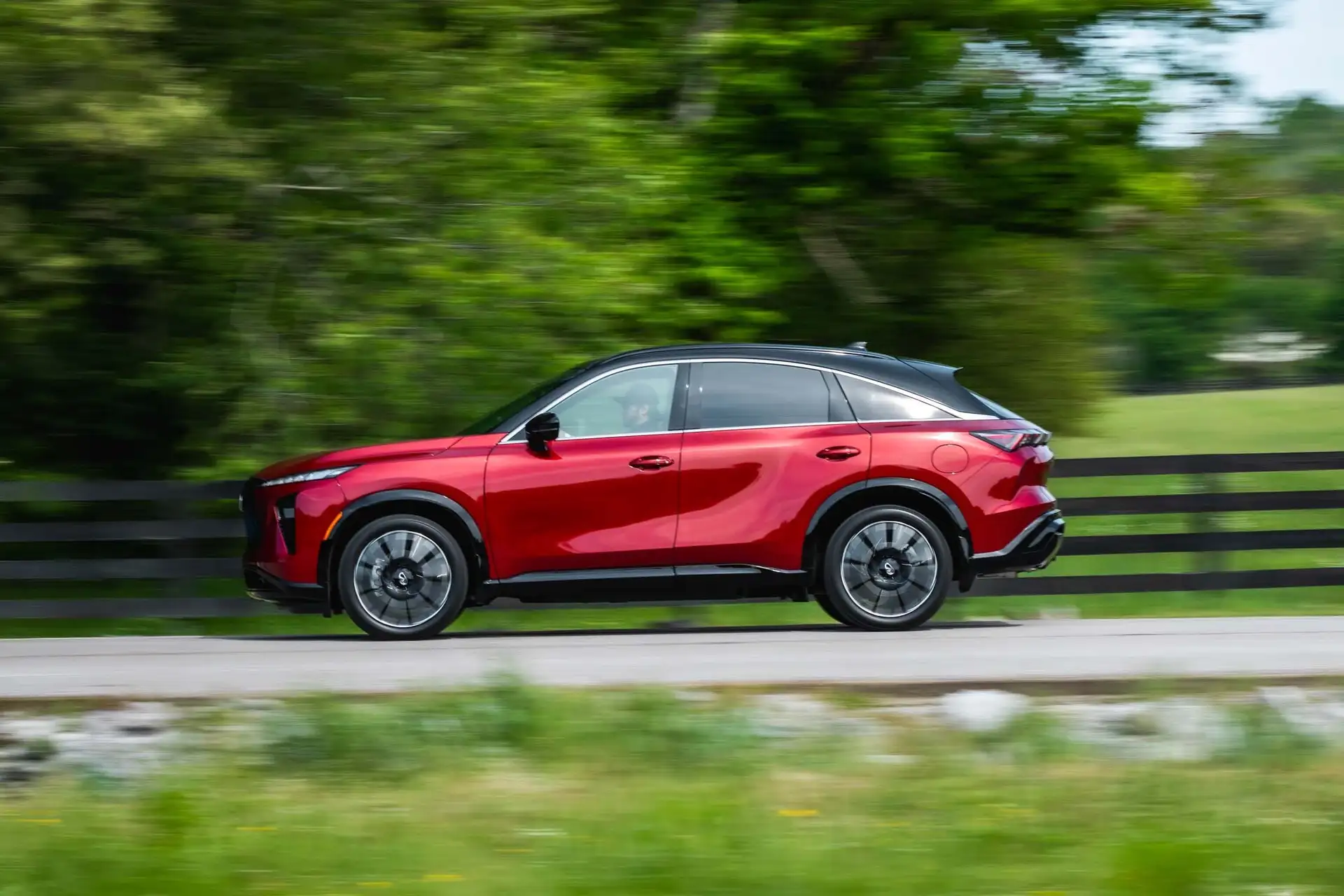
The 2027 Infiniti QX65 is not just a QX60 with a different tailgate; it is Infiniti’s clearest attempt in years to reconnect with the FX formula that once gave the brand an identity beyond Nissan parts sharing. The visual promise is immediate: a low roof arc, slimmer running lights, a more pronounced grille, and a tapering rear that looks considerably more athletic than the upright QX60. The reality is more nuanced, because the chrome beltline drops earlier than the roof itself, creating a coupe-SUV illusion that is stronger in profile than in function.
That trick matters because Infiniti is targeting buyers cross-shopping the Mercedes-Benz E-Class Night Edition and other premium models where visual drama often substitutes for measurable performance. The QX65’s job is to look like it moved the brand forward, while sharing its basic architecture with a far more conventional three-row sibling.
Platform Sharing Explains the Packaging, Not the Personality
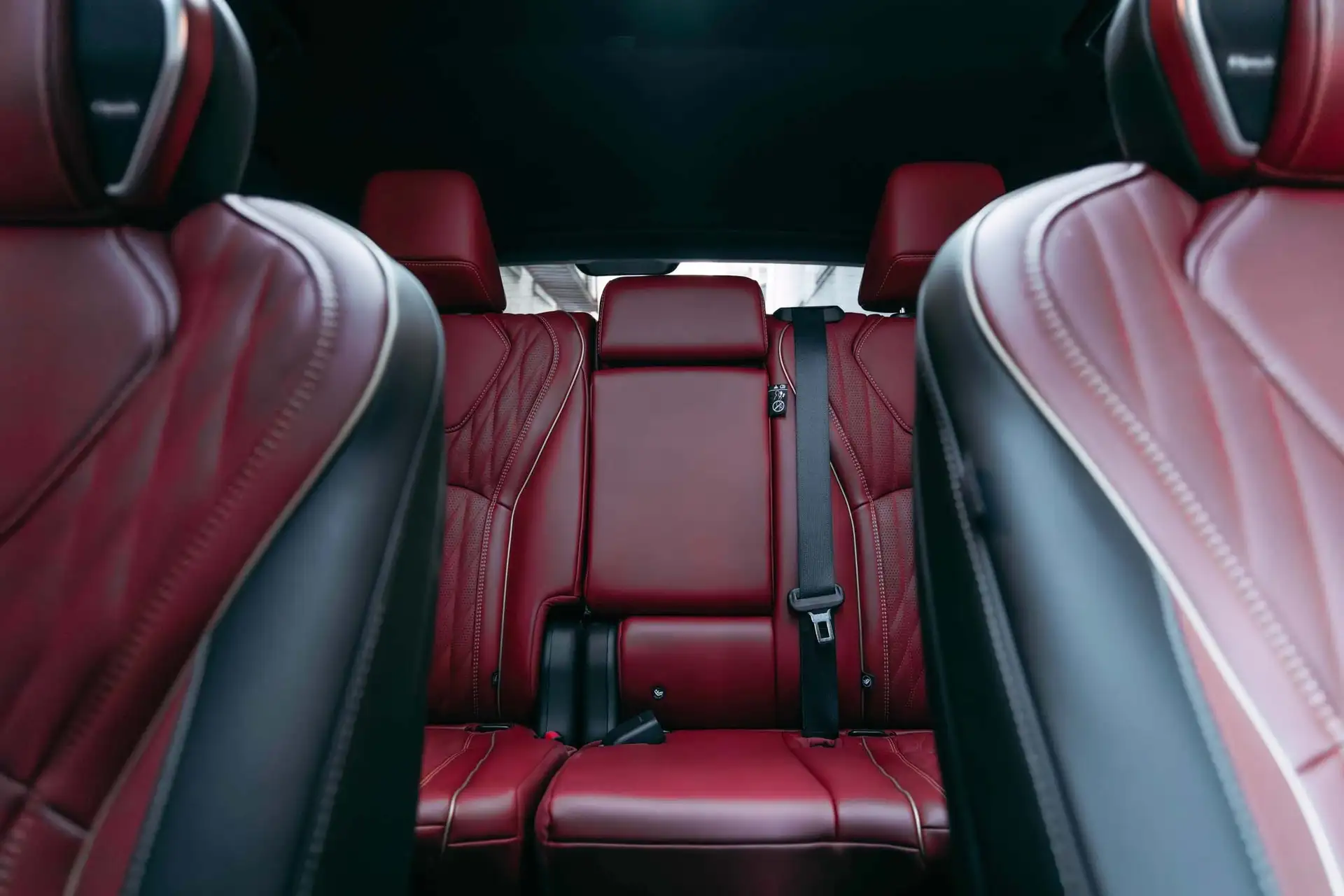
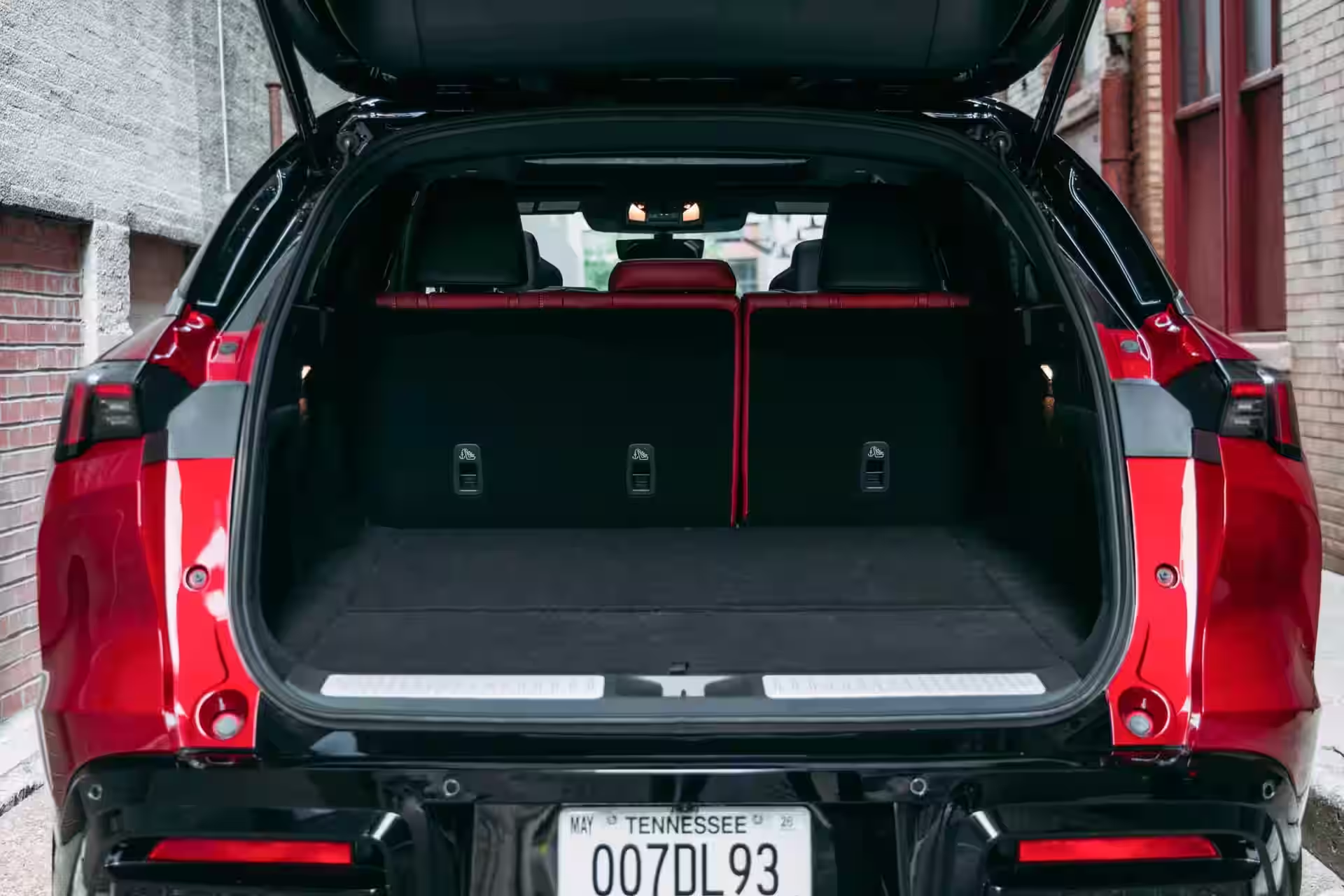
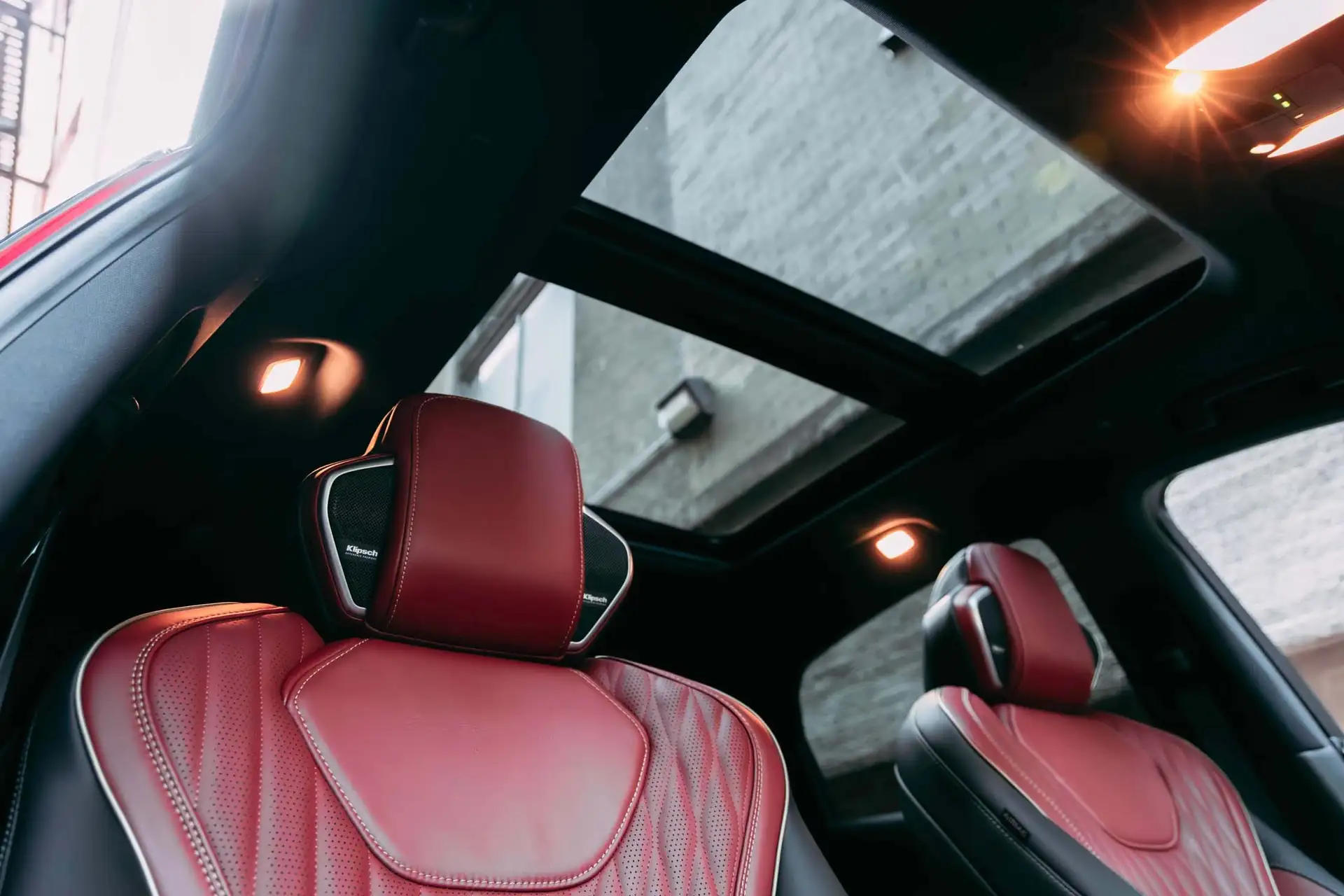
Under the skin, the QX65 remains closely tied to the QX60, and that relationship defines both its strengths and limitations. Infiniti has removed the third row, which leaves five seats and 36 cubic feet of cargo space behind the second row, down from the QX60’s 42 cubic feet behind its second row. Overall cargo capacity is still useful at 68 cubic feet, and passenger volume is listed at 63 cubic feet up front and 46 cubic feet in the rear, so this is not a cramped two-row experiment.
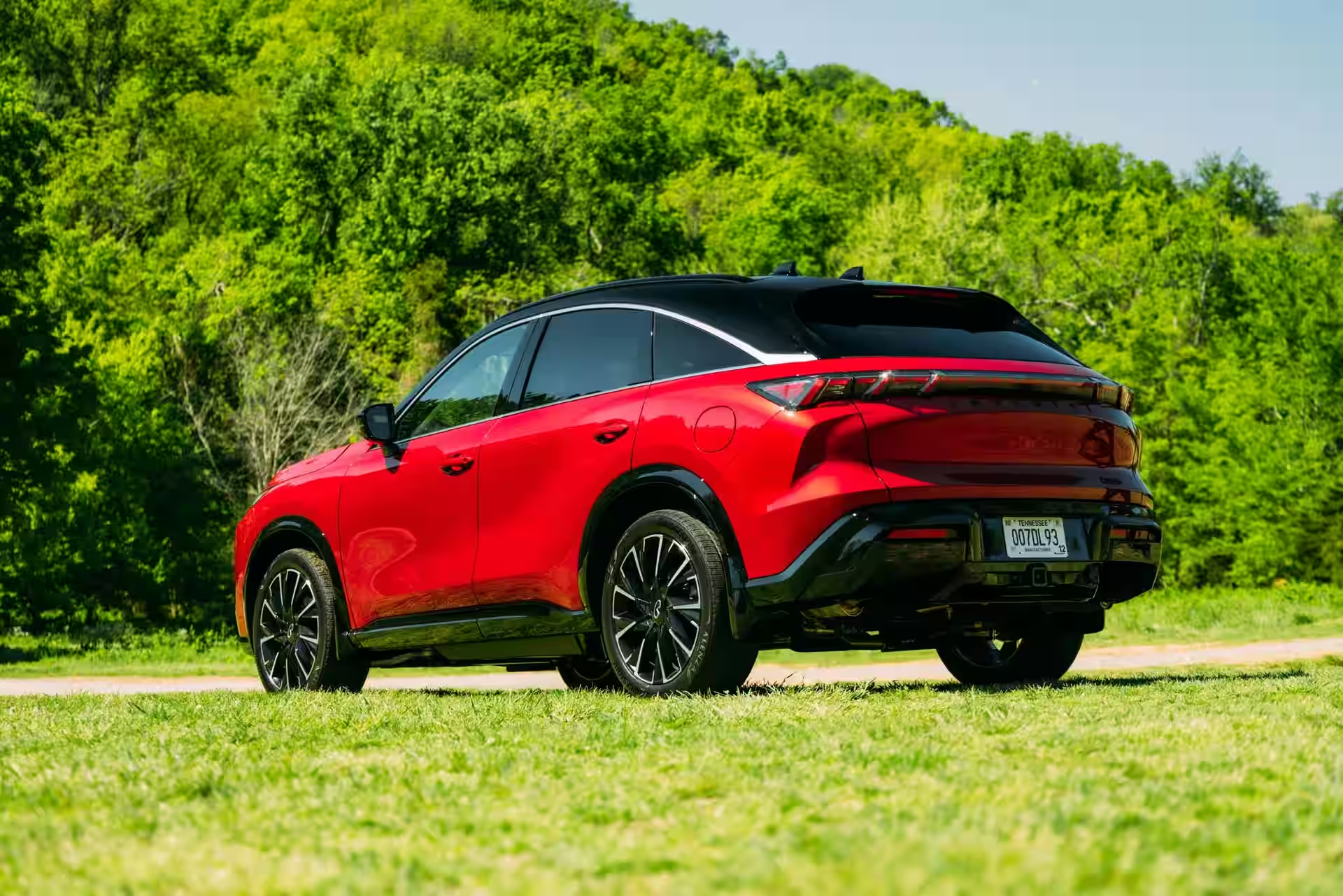
Dimensionally, the QX65 measures 198.5 inches in length, 78.0 inches in width, and 69.7 inches in height on a 114.2-inch wheelbase. Those numbers place it squarely in the premium midsize SUV class, where packaging efficiency matters nearly as much as styling. The trick is that Infiniti uses the fast roof and tail treatment to imply a far more overtly sporty stance than the chassis actually delivers.
The closest internal comparison is the Nissan Pathfinder 2026, which shows how similar hardware can be tuned for a fundamentally different audience. The QX65 is not built to be a driver’s SUV in the German sense; it is built to look like one in the dealership lot.
What Changed?
The VC-Turbo Still Carries the Load
The powertrain is familiar Infiniti-Nissan VC-Turbo hardware: a turbocharged and intercooled 2.0-liter inline-four with aluminum block and head, port and direct fuel injection, 268 hp and 286 lb-ft, or 199 kW and 388 Nm. It is paired with a nine-speed automatic and standard all-wheel drive. Infiniti’s variable-compression concept remains the engineering headline, changing the ratio from 8.0:1 toward 14.0:1 depending on load and efficiency demand.
The problem is mass. Infiniti estimates the top-trim Autograph at 4,715 pounds, which is roughly 2,138 kg. Even with variable compression and 9 ratios, this is a substantial load for a four-cylinder drivetrain, and the EPA rating of 20 mpg city and 26 mpg highway confirms that the real-world efficiency story is not as strong as the technical one.
In a market now full of electrified and hybridized premium SUVs, the QX65’s gasoline-only setup feels conservative. The Kia EV4 GT-Line shows how quickly value perceptions are shifting when buyers can get richer tech and lower running costs without paying German money.
Infiniti’s Sound Design Misses the Mark
The most controversial part of the QX65 drive is not the engine itself but the artificial soundtrack layered over it. Infiniti adds synthesized noise that rises and falls with throttle use, increasing cabin din by roughly three to five decibels and imitating “V-6 engine harmonics.” The problem is simple: it does not make the turbocharged four-cylinder sound richer from outside or more authentic from inside. It merely makes the cabin louder.
The QX65 also sharpens the accelerator map and transmission behavior, which gives the first few millimeters of pedal travel a jumpy feel. In normal driving, the calibration can be acceptable; in Sport mode, the nine-speed automatic tends to hold gears too long, producing droning rather than urgency. Earlier downshifts under braking also make the car feel less polished during the last few meters to a stop.
Comfort Is Where the QX65 Actually Lands
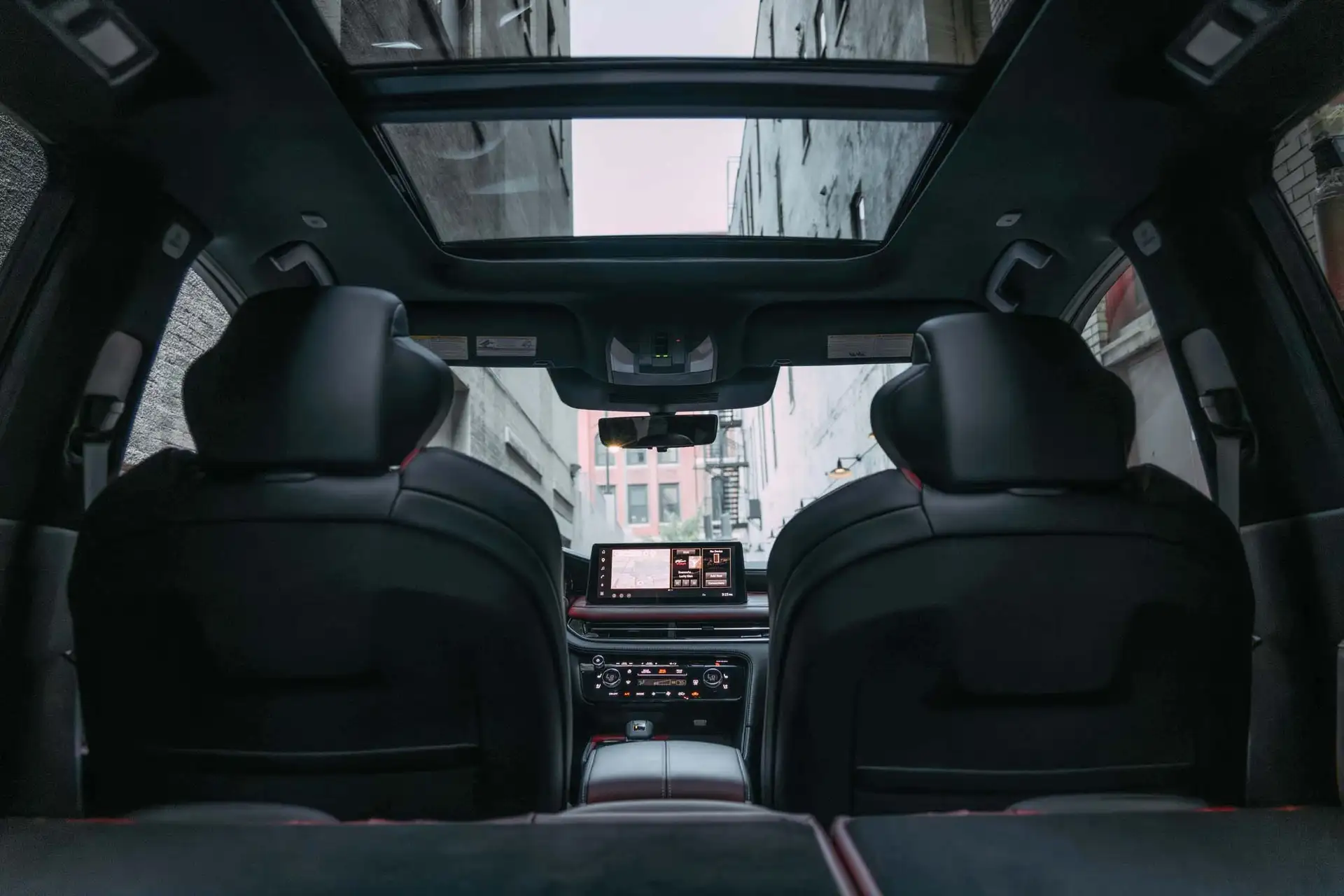
The QX65 is most convincing when it stops trying to impersonate a sport SUV. In Comfort mode, the steering is weighted on the heavy side but the damping is supple, producing a smooth ride over broken pavement and long interstate stretches. Active noise cancellation helps the cabin approach the hush buyers expect in this segment, and the tall bodyshell still offers solid outward visibility despite the sloping rear.
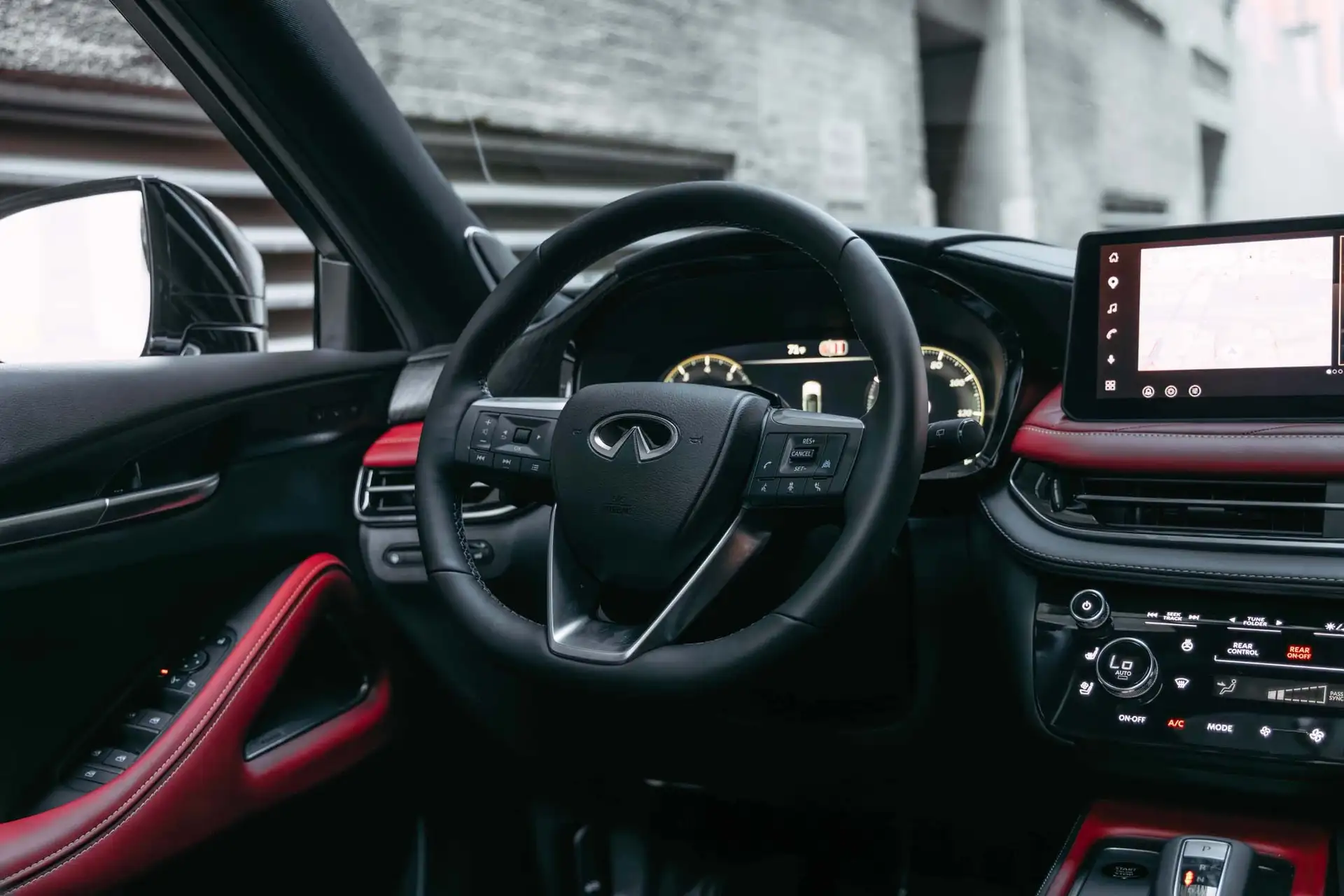
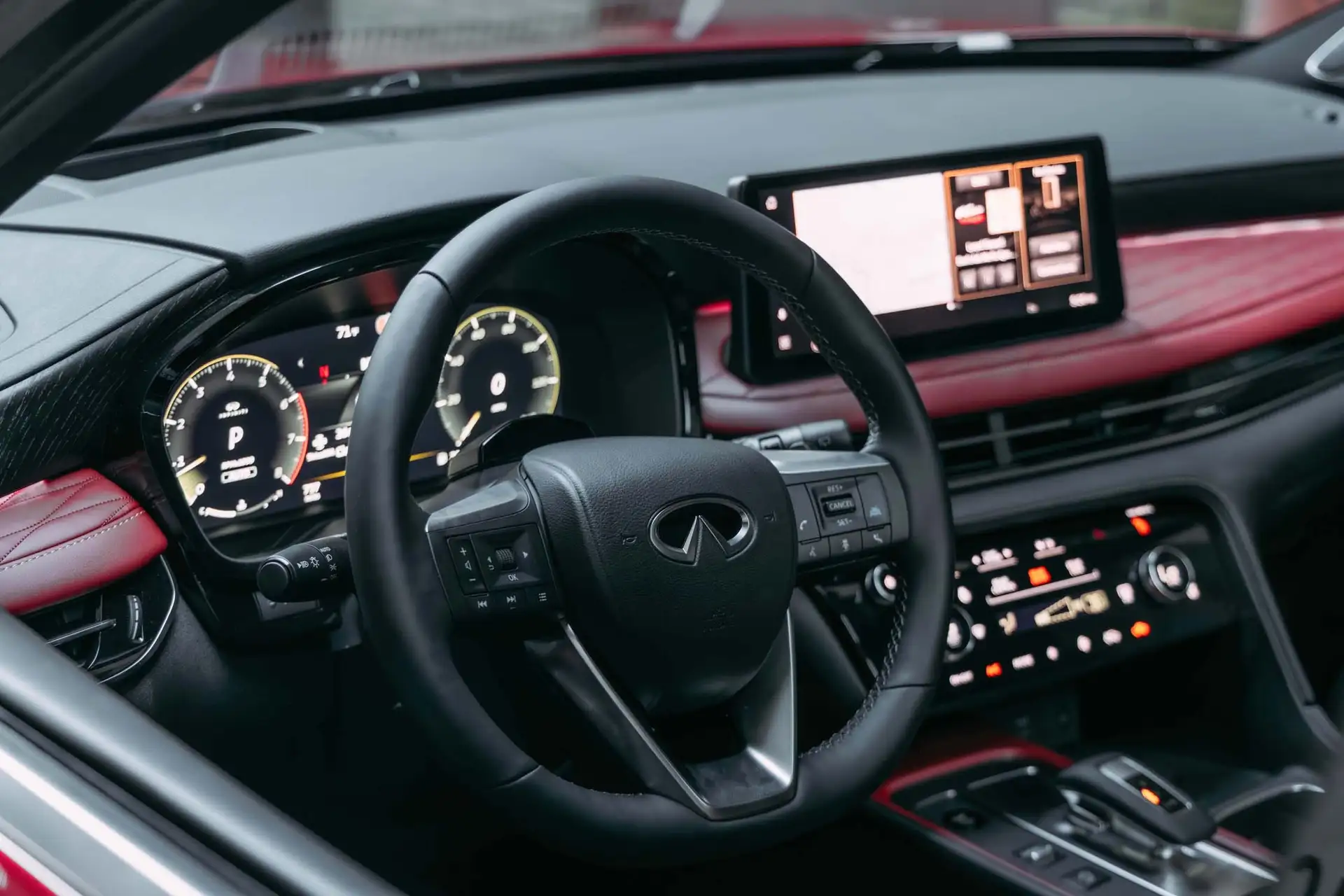
The interior is largely a carryover from the QX60, which means a sweeping dashboard with multiple colors and textures, but also some cost-cutting details that dilute the premium impression. Hard plastic appears in the lower door panels, and the switchgear around the shifter and steering wheel spokes does not feel as rich as the price suggests. The climate-control interface is integrated into a single panel below the infotainment screen, and it is less tactile than separate physical controls.
Utility is better than the shape implies. The door bins and center armrest offer decent storage, and the cargo area remains broad enough to be genuinely useful. The QX65’s advantage over a pure fashion statement is that it can still handle family duty without collapsing into style over substance.
Price Positioning Exposes the Real Competition
The base Luxe trim starts at $55,535, followed by Sport at $57,235 and Autograph at $64,135. Our test vehicle climbed to $71,355 once a $1,900 paint option and a $3,700 Technology package were added. That package includes a surround-view monitor that should arguably be standard at this price, especially when rivals in the segment are already loading similar equipment into lower trims.
This is where the QX65 becomes most interesting from a market perspective. At the low end, it can undercut or match the BMW 7 Series Facelift on perception alone, but at the top end it collides with better-engineered alternatives. A base BMW X5 with AWD is not far away, and a Genesis GV80 with the optional 3.5-liter twin-turbo V6 offers a more convincing performance-to-price ratio.
Technical Specifications
| Item | 2027 Infiniti QX65 |
|---|---|
| Vehicle type | Front-engine, AWD, 5-passenger, 4-door hatchback |
| Engine | 2.0-liter turbocharged inline-four, DOHC, aluminum block and head |
| Power | 268 hp (200 kW) |
| Torque | 286 lb-ft (388 Nm) |
| Transmission | 9-speed automatic |
| Drivetrain | Standard all-wheel drive |
| Wheelbase | 114.2 in |
| Length | 198.5 in |
| Width | 78.0 in |
| Height | 69.7 in |
| Curb weight | 4,700–4,750 lb (estimated) |
| Cargo space behind second row | 36 cu ft |
| Combined fuel economy | 22 mpg (10.7 L/100 km) |
| City fuel economy | 20 mpg (11.8 L/100 km) |
| Highway fuel economy | 26 mpg (9.0 L/100 km) |
| Estimated 0–60 mph | 7.5 sec |
| Estimated top speed | 120 mph (193 km/h) |
The QX65’s Best Argument Is Restraint
The 2027 Infiniti QX65 is strongest when judged as a refined, stylish two-row luxury SUV with useful space, a quiet cabin, and familiar mechanicals that have been tuned for relaxed travel rather than drama. It is weakest when judged against the FX myth it is clearly meant to evoke. The styling sells aspiration, the hardware delivers competence, and the synthetic soundtrack tries too hard to bridge the gap.
For shoppers who want an attractive premium crossover with standard AWD, 268 hp, and a softer ride than the German norm, the QX65 makes sense. For enthusiasts expecting a genuine spiritual successor to the original FX, the illusion becomes obvious once the throttle is pinned and the nine-speed starts droning.