Toyota’s boldest bZ move yet is not about range — it is about packaging
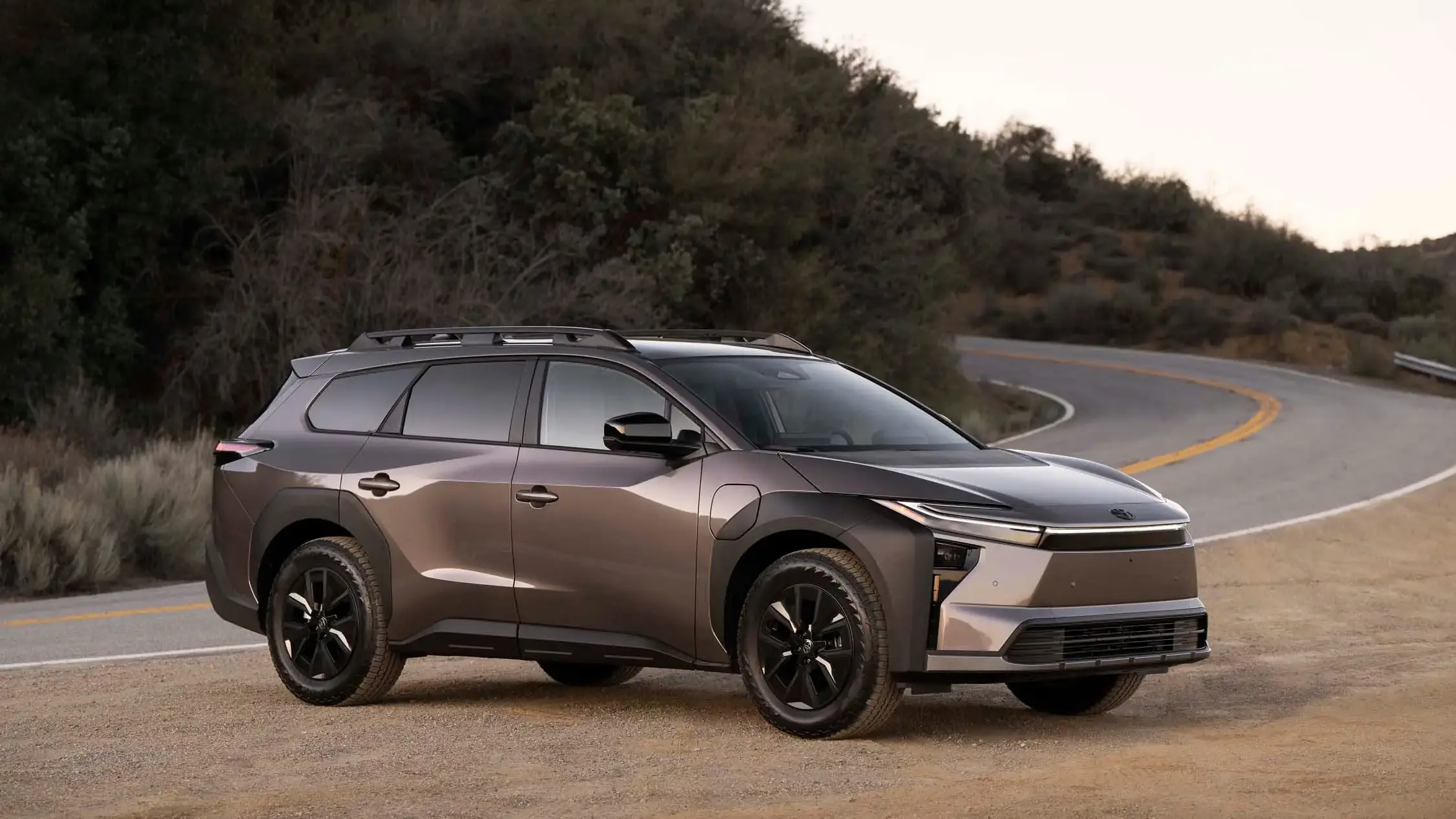
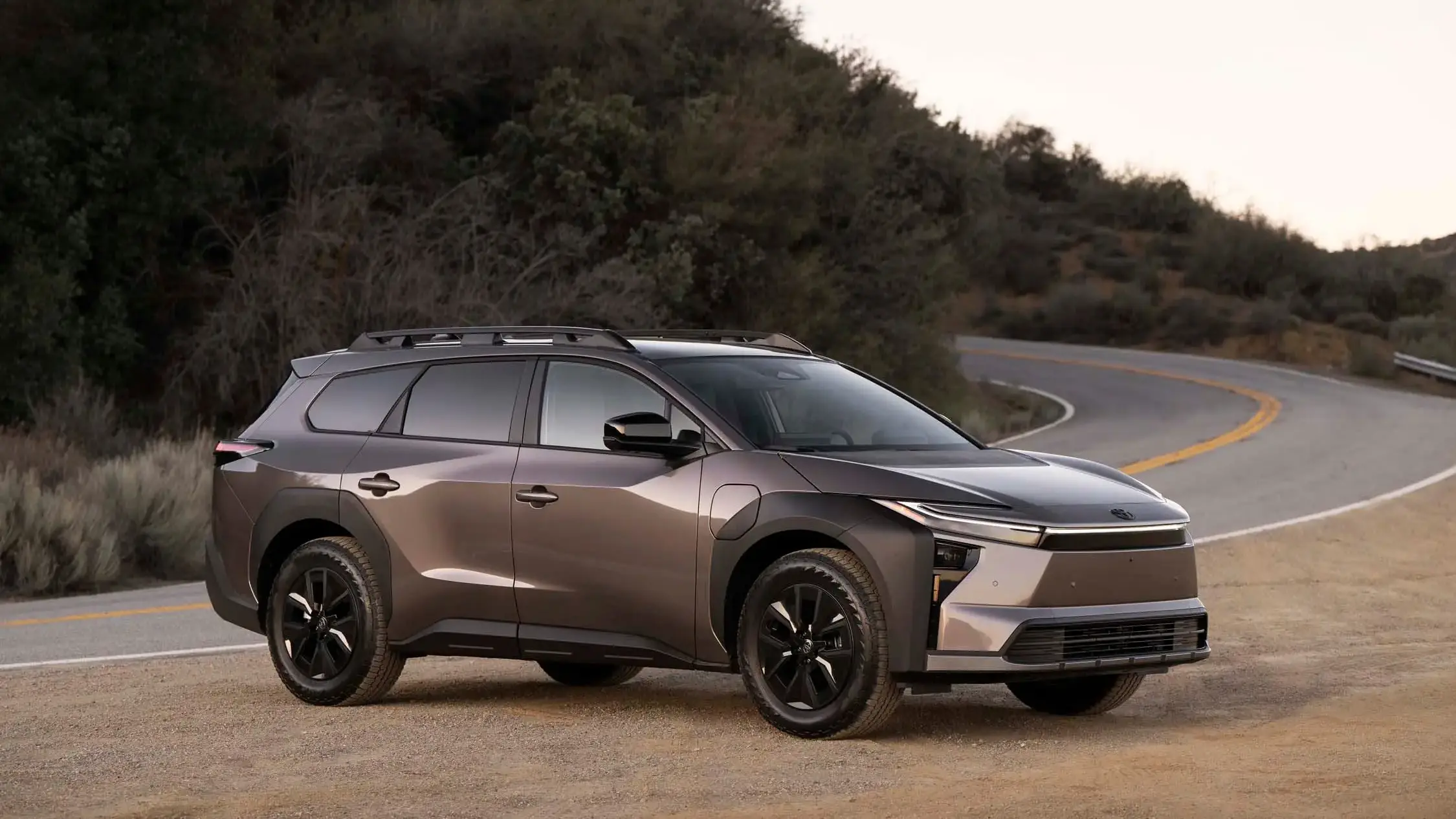
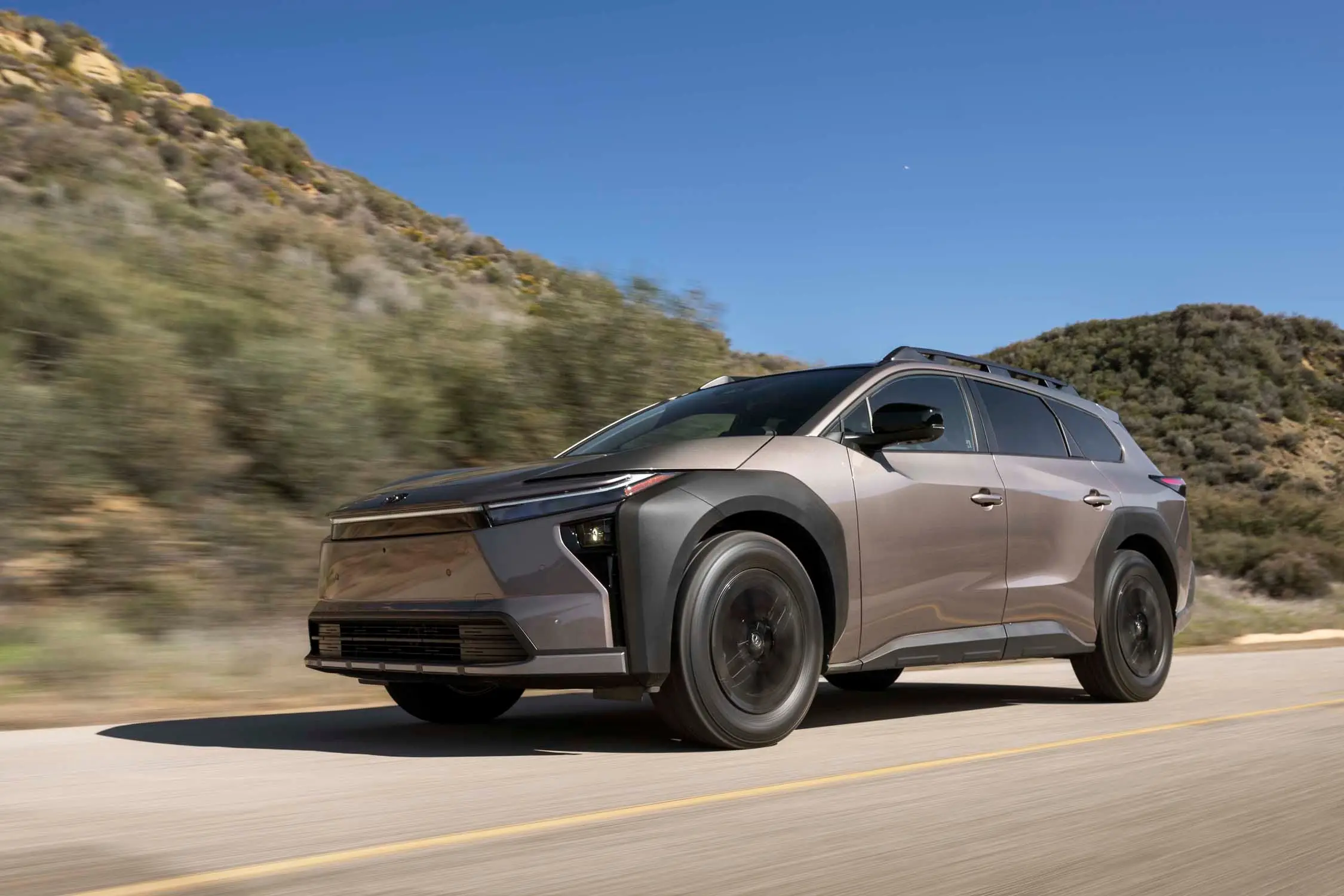
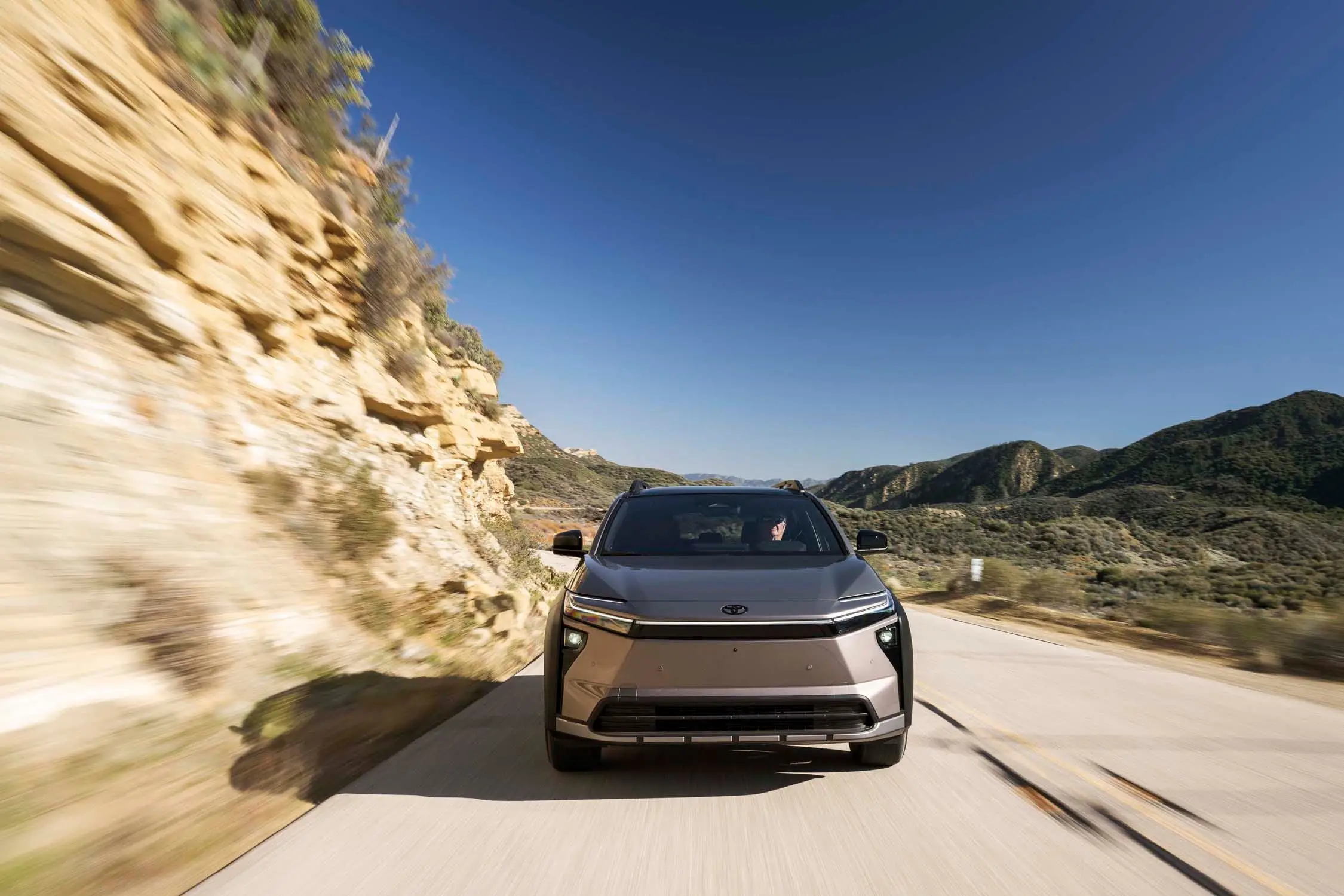
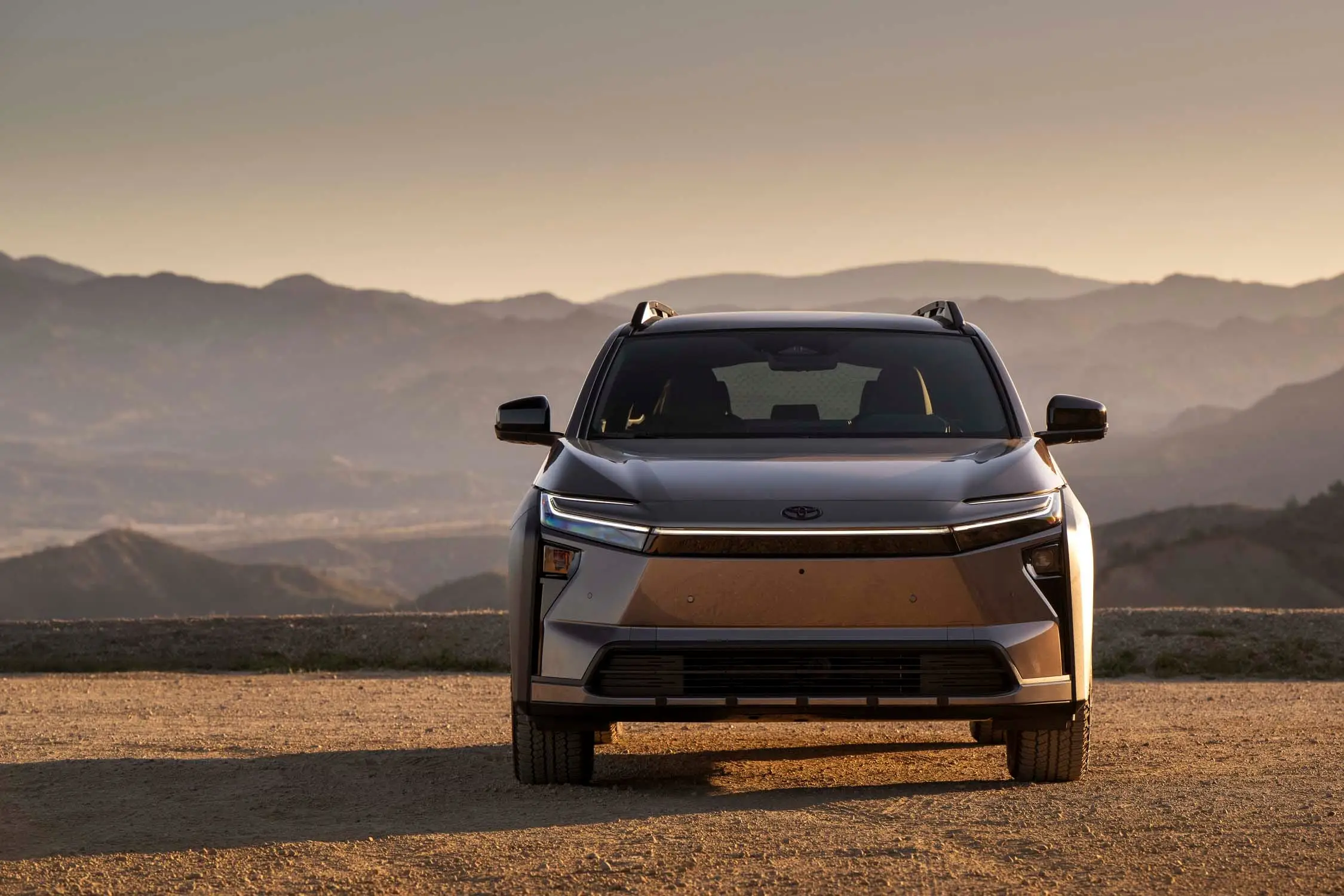
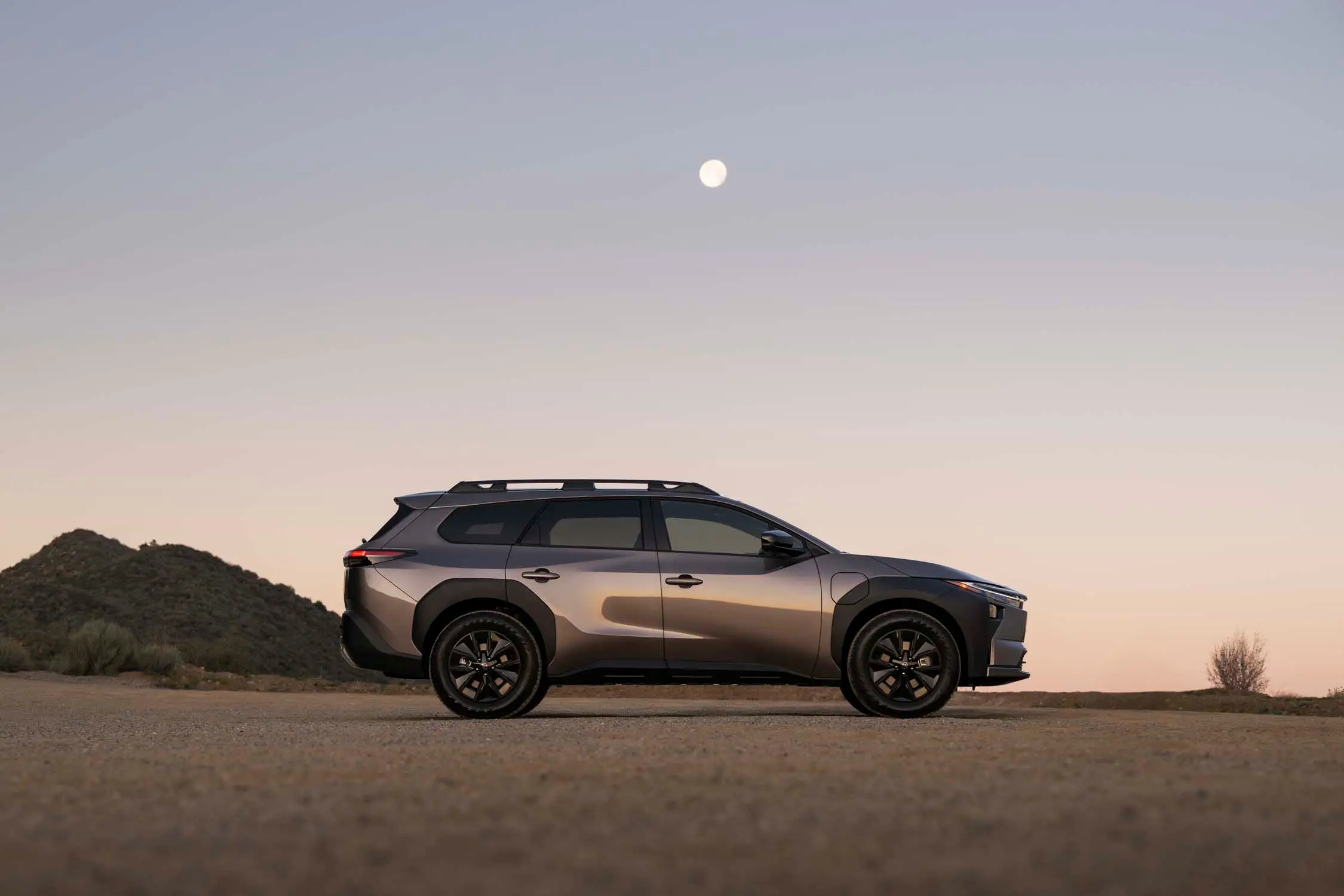
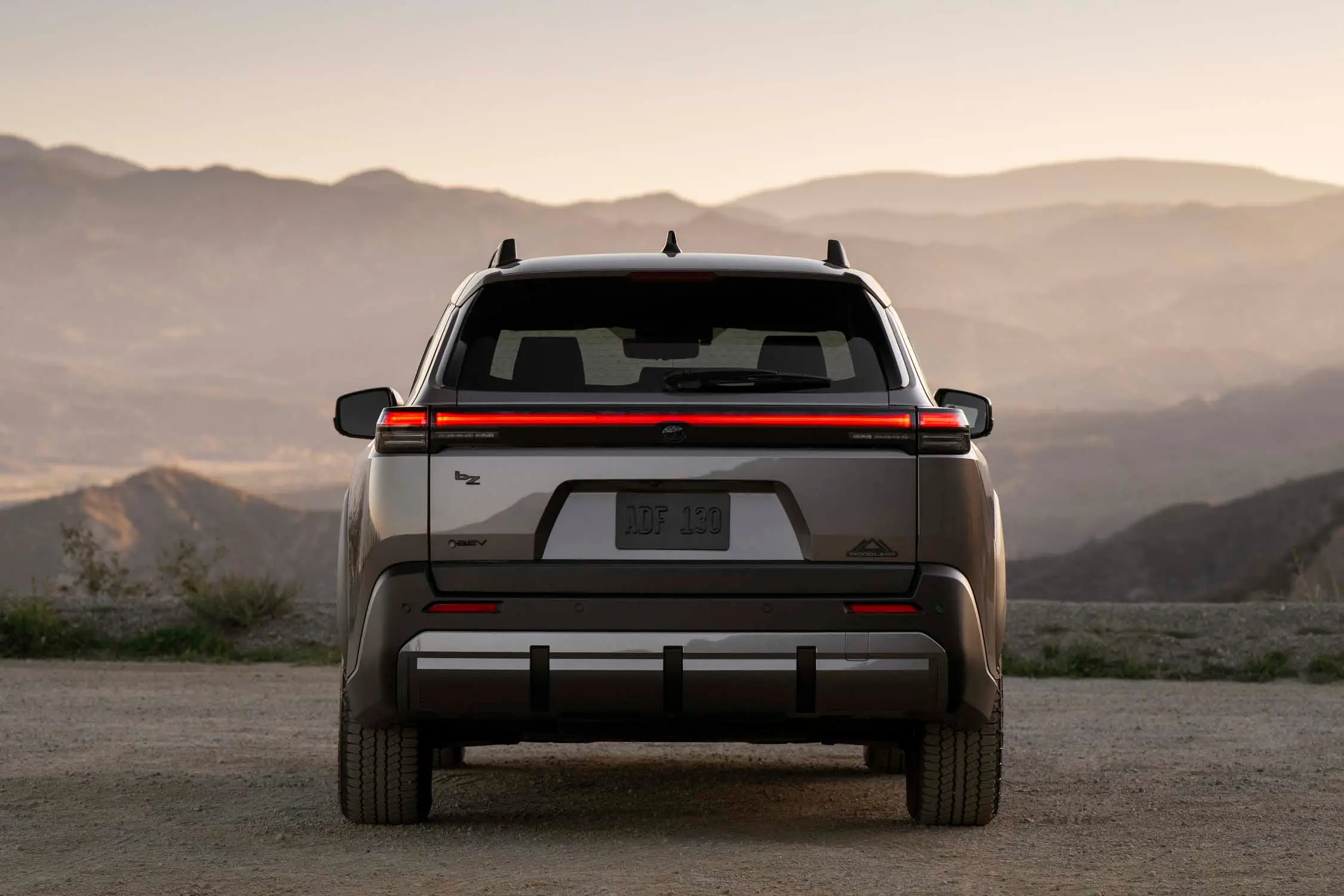
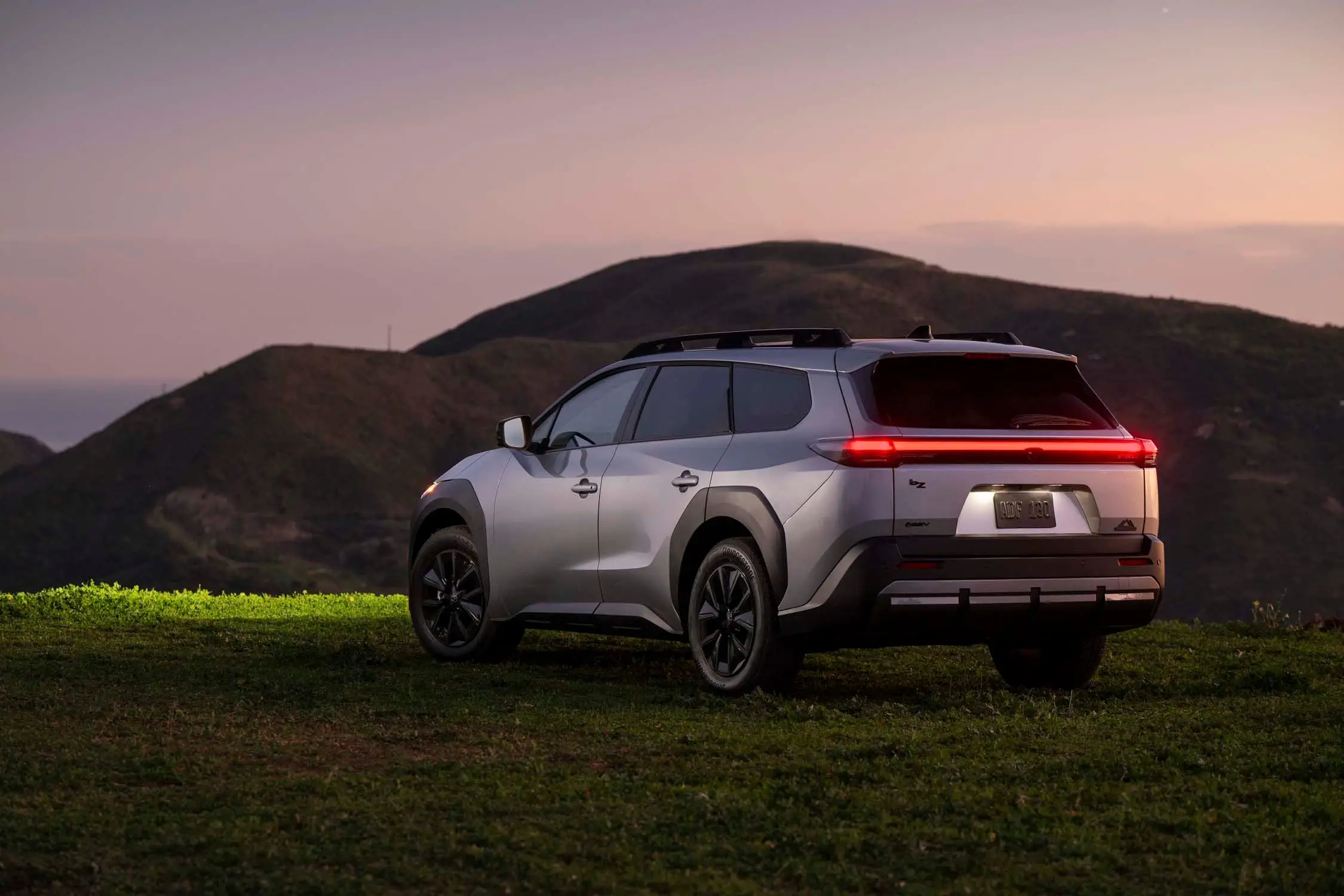
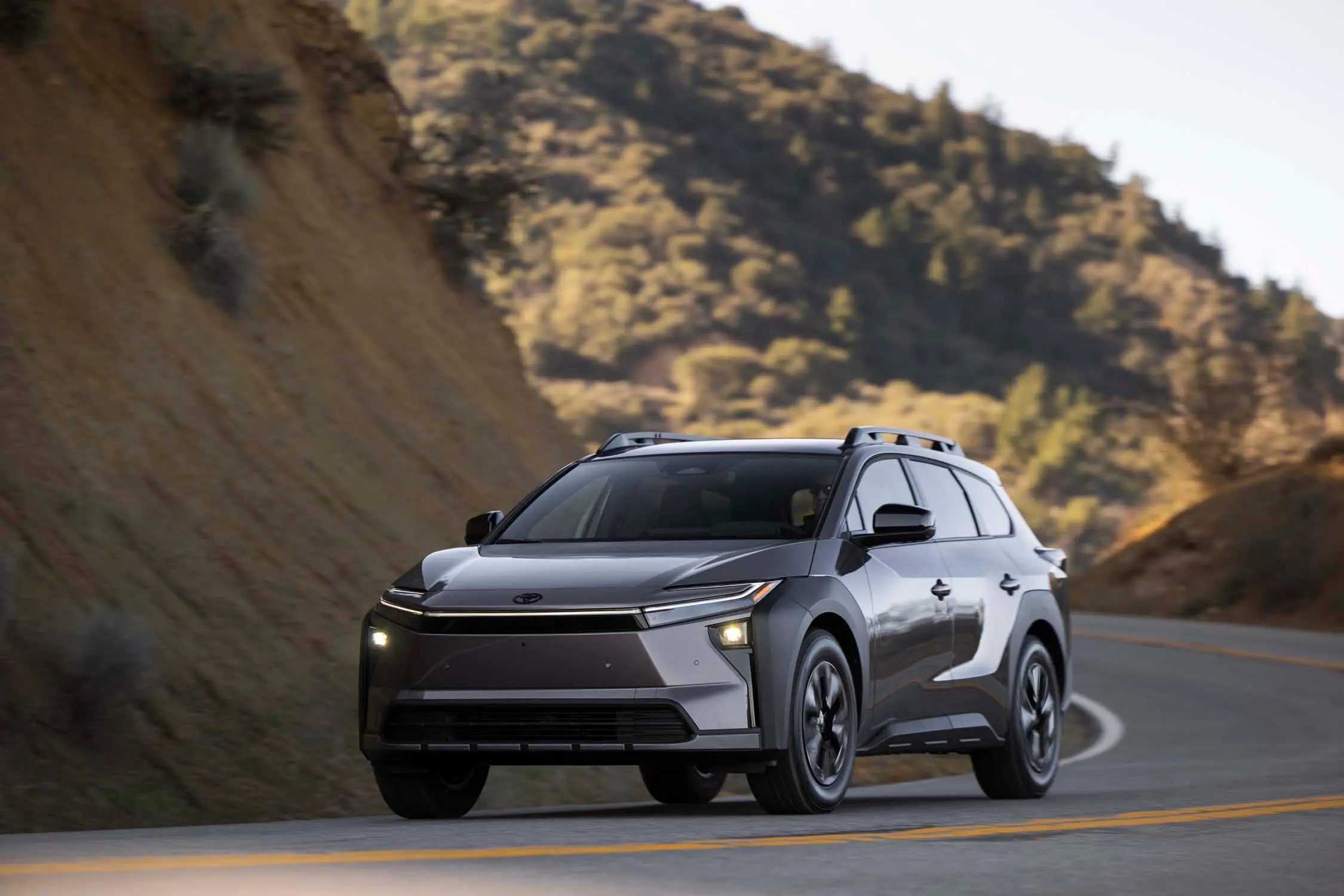
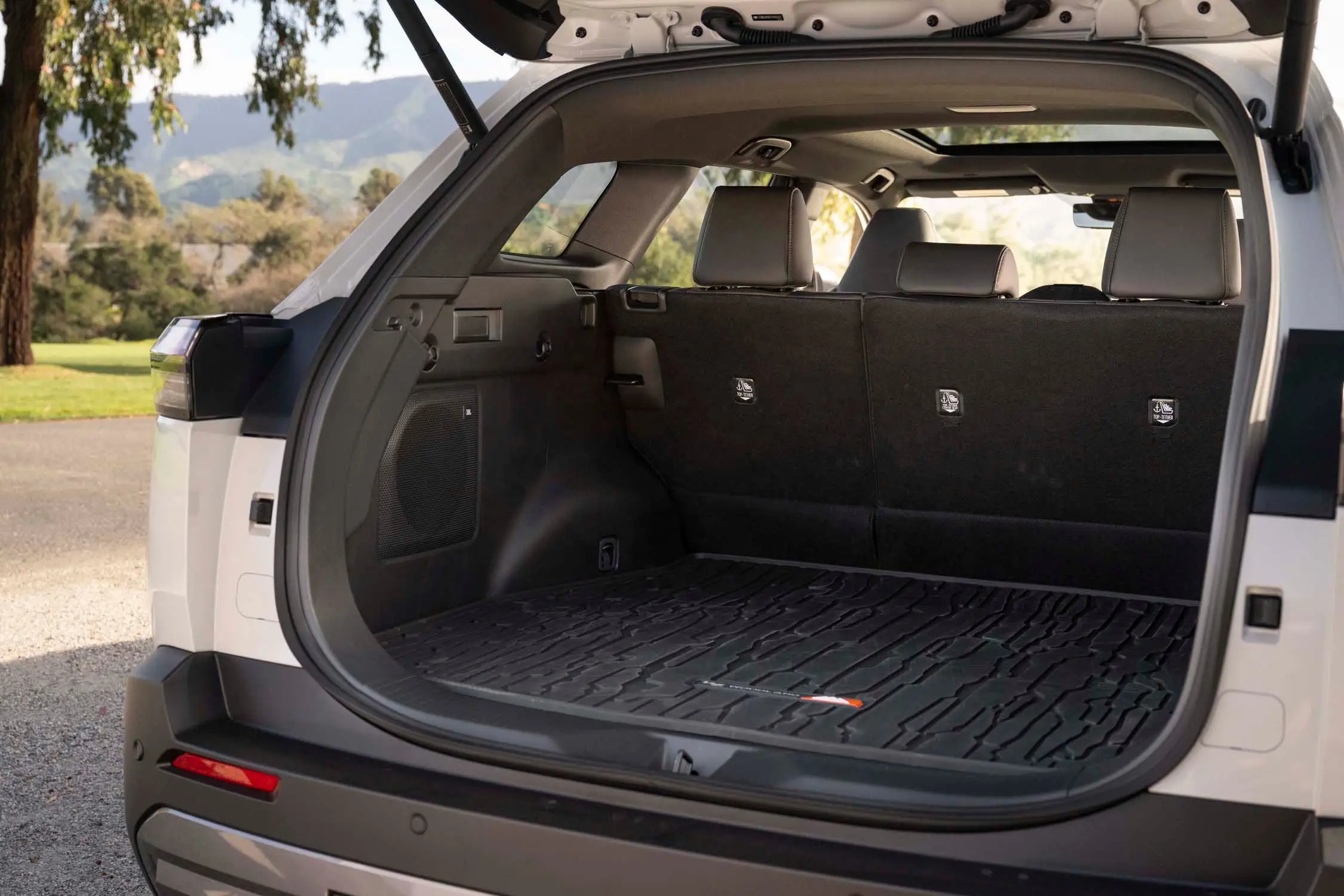
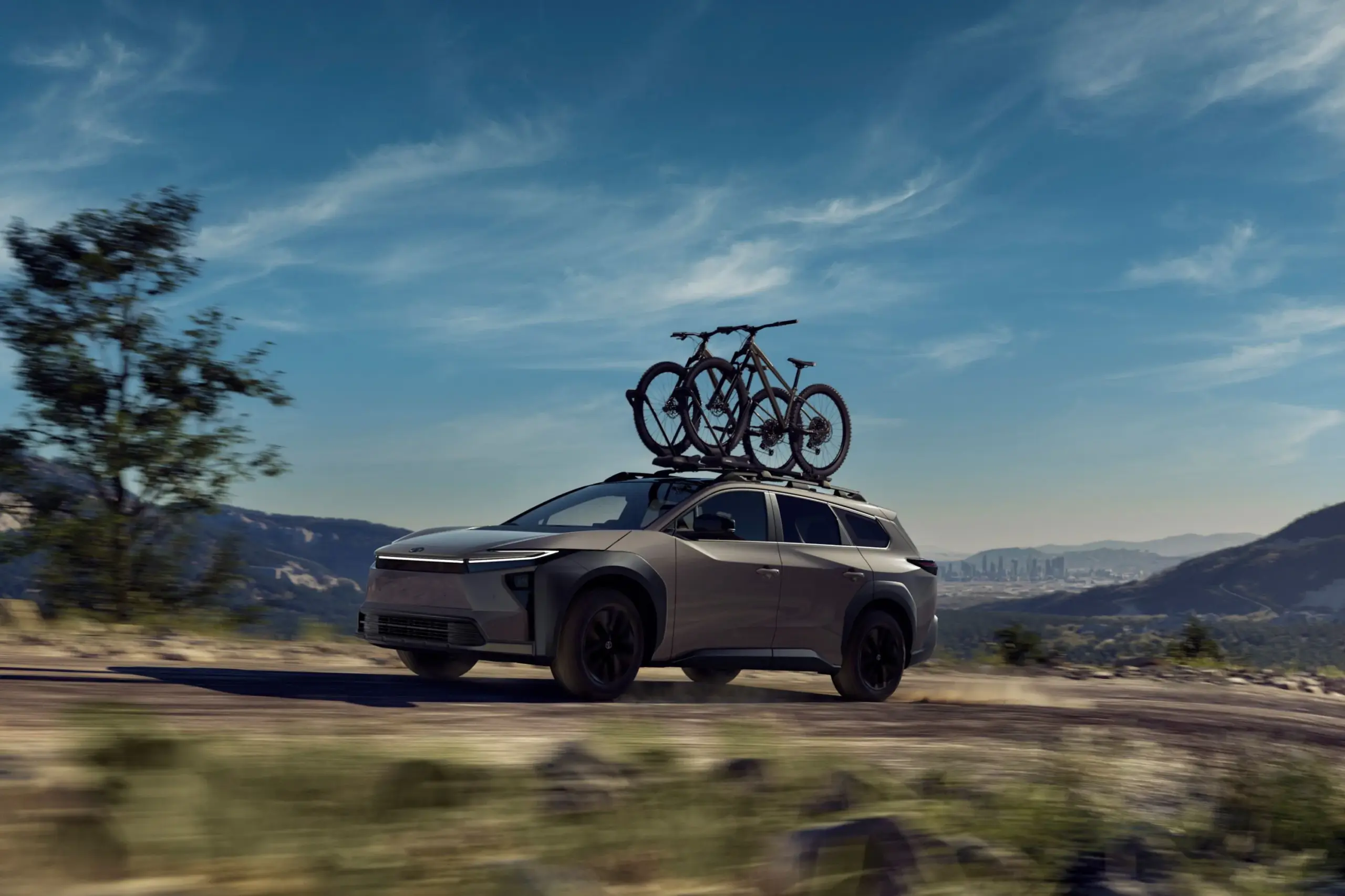
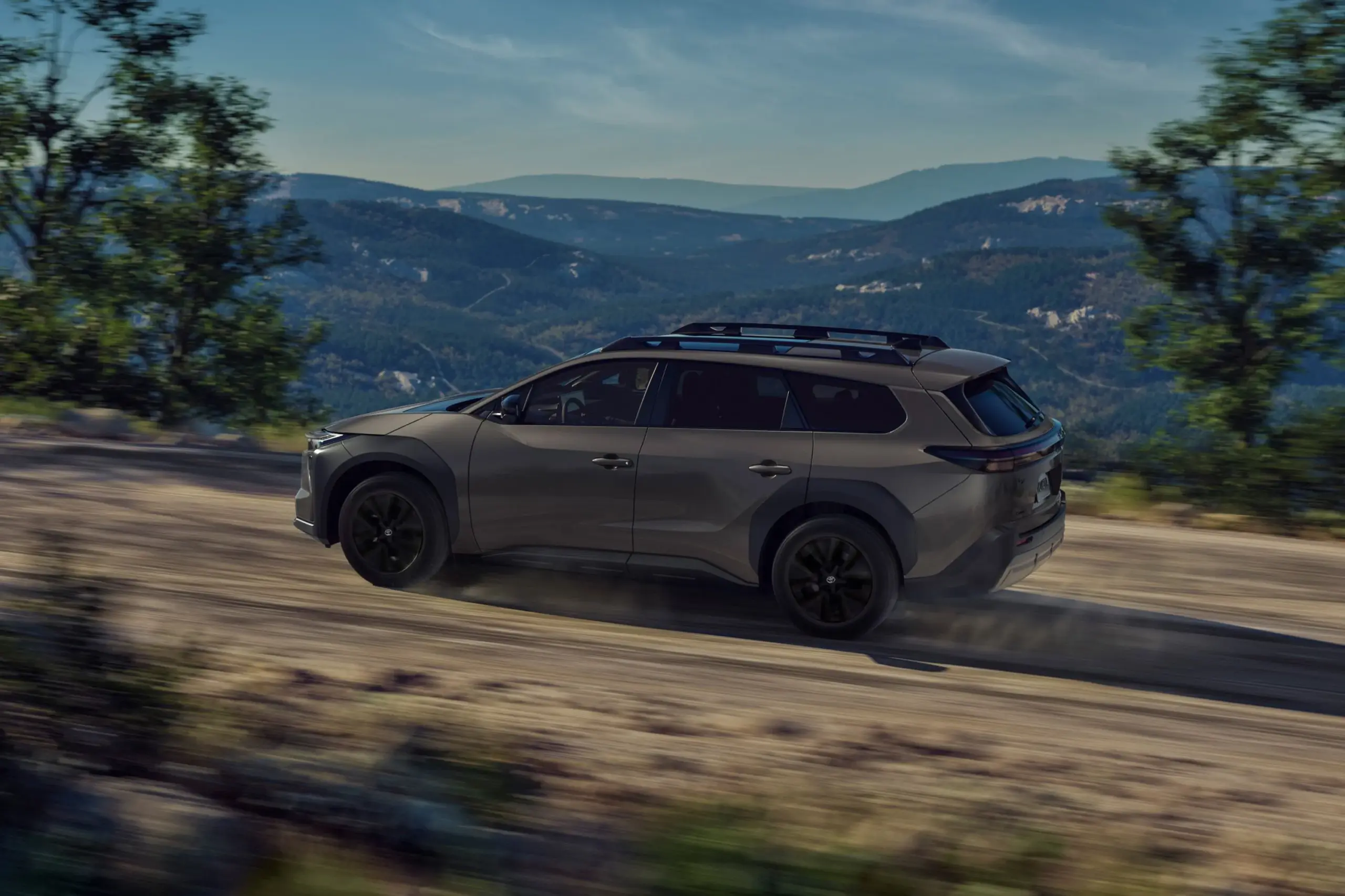
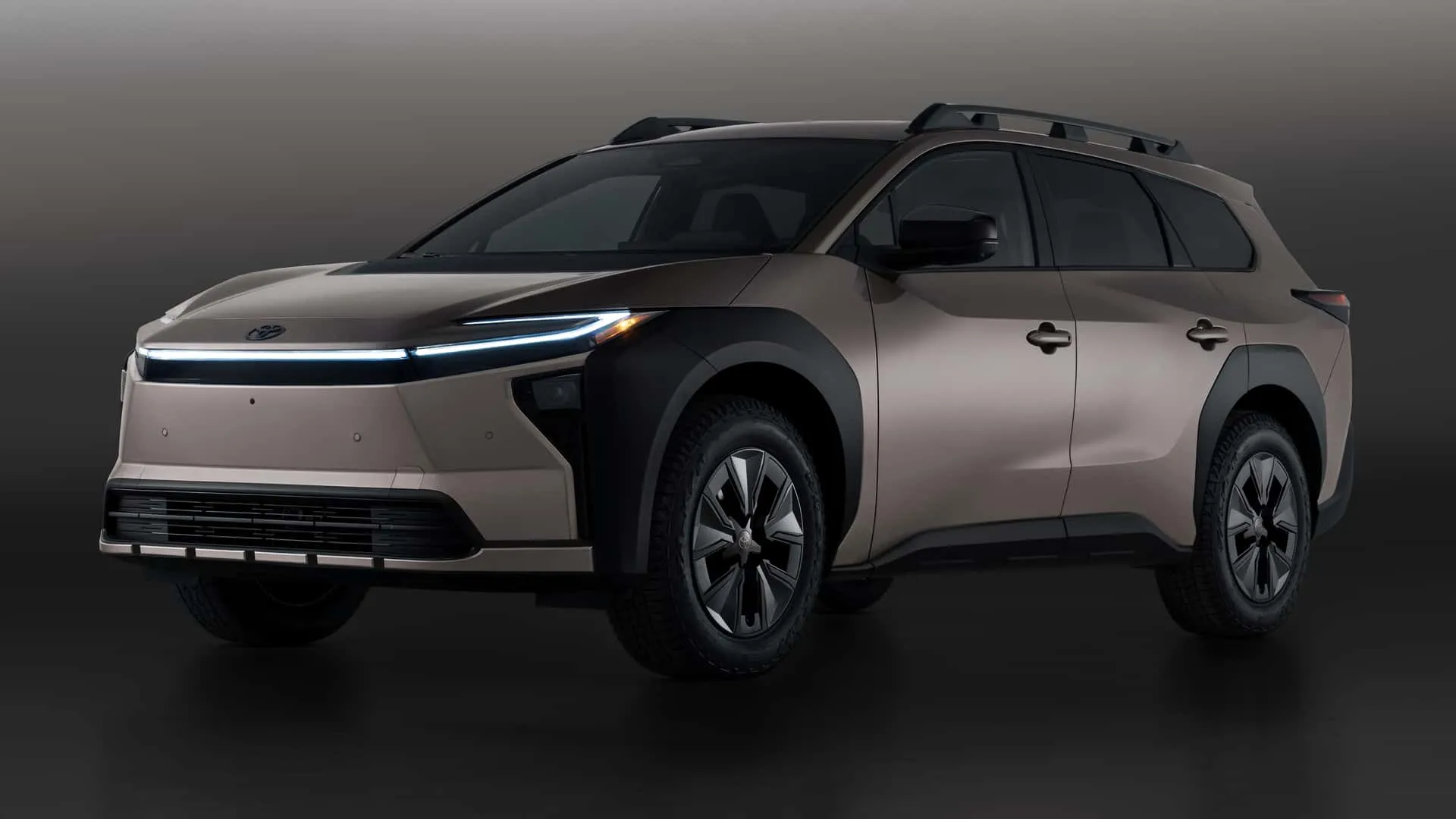
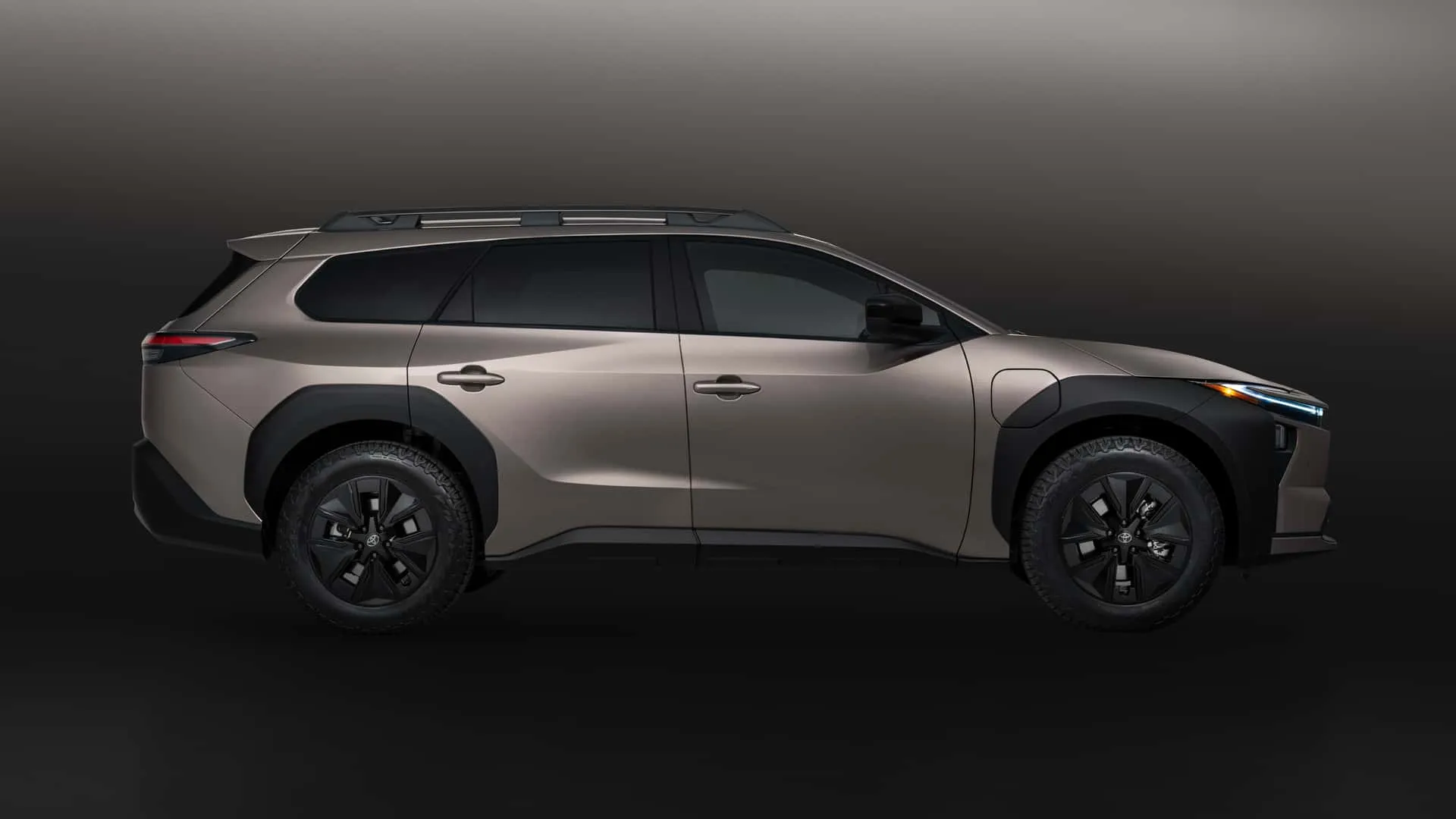
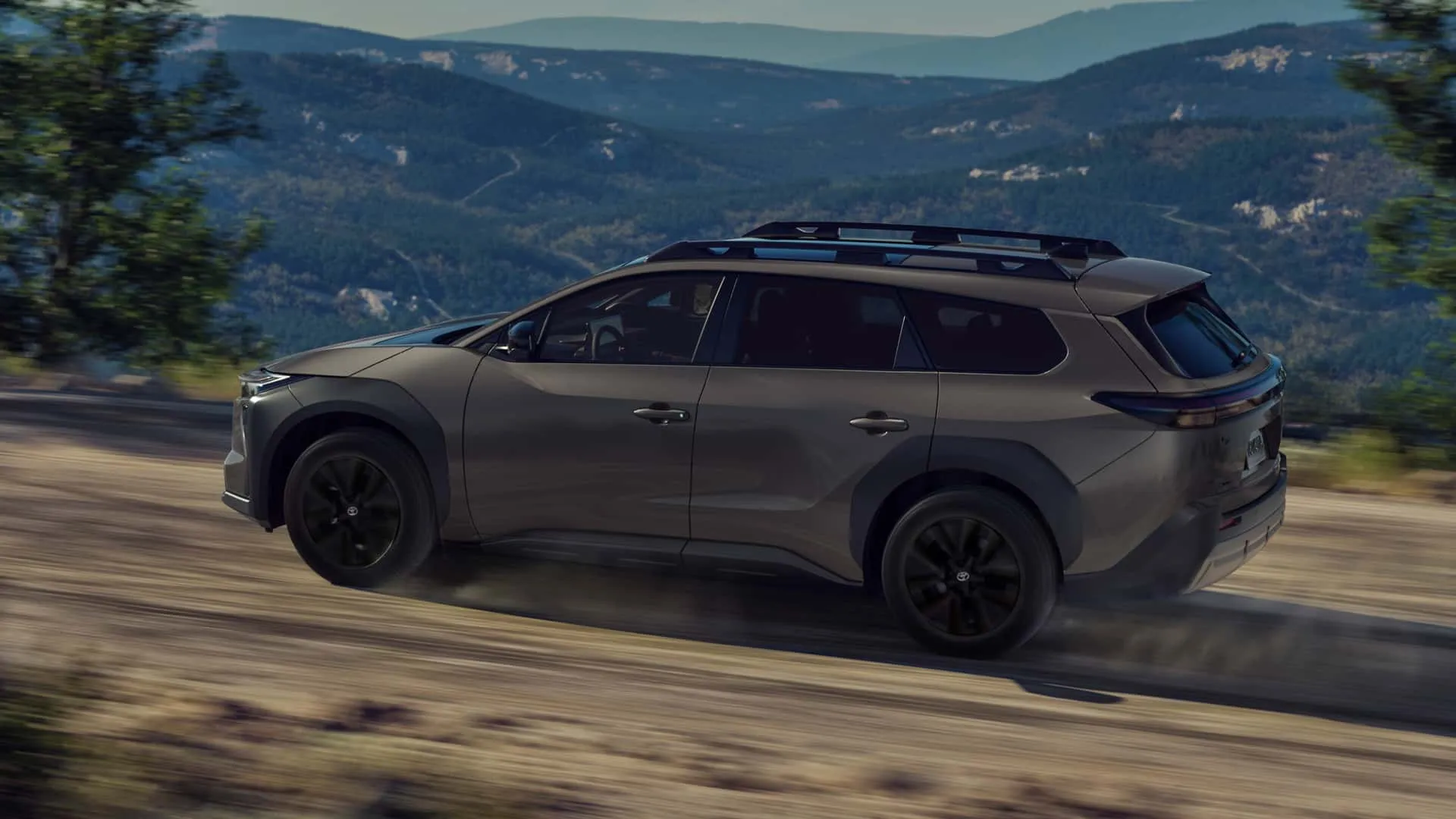
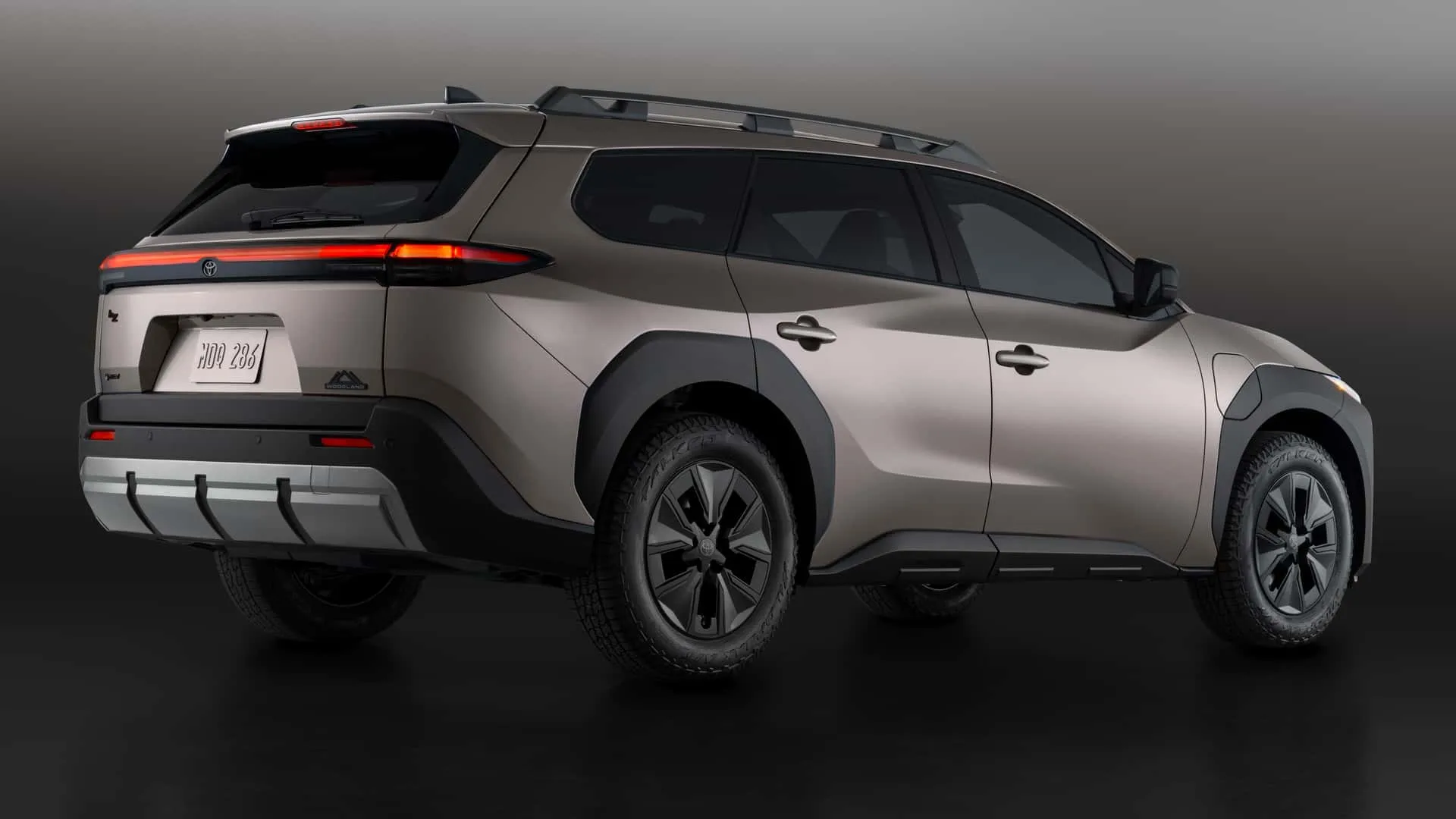
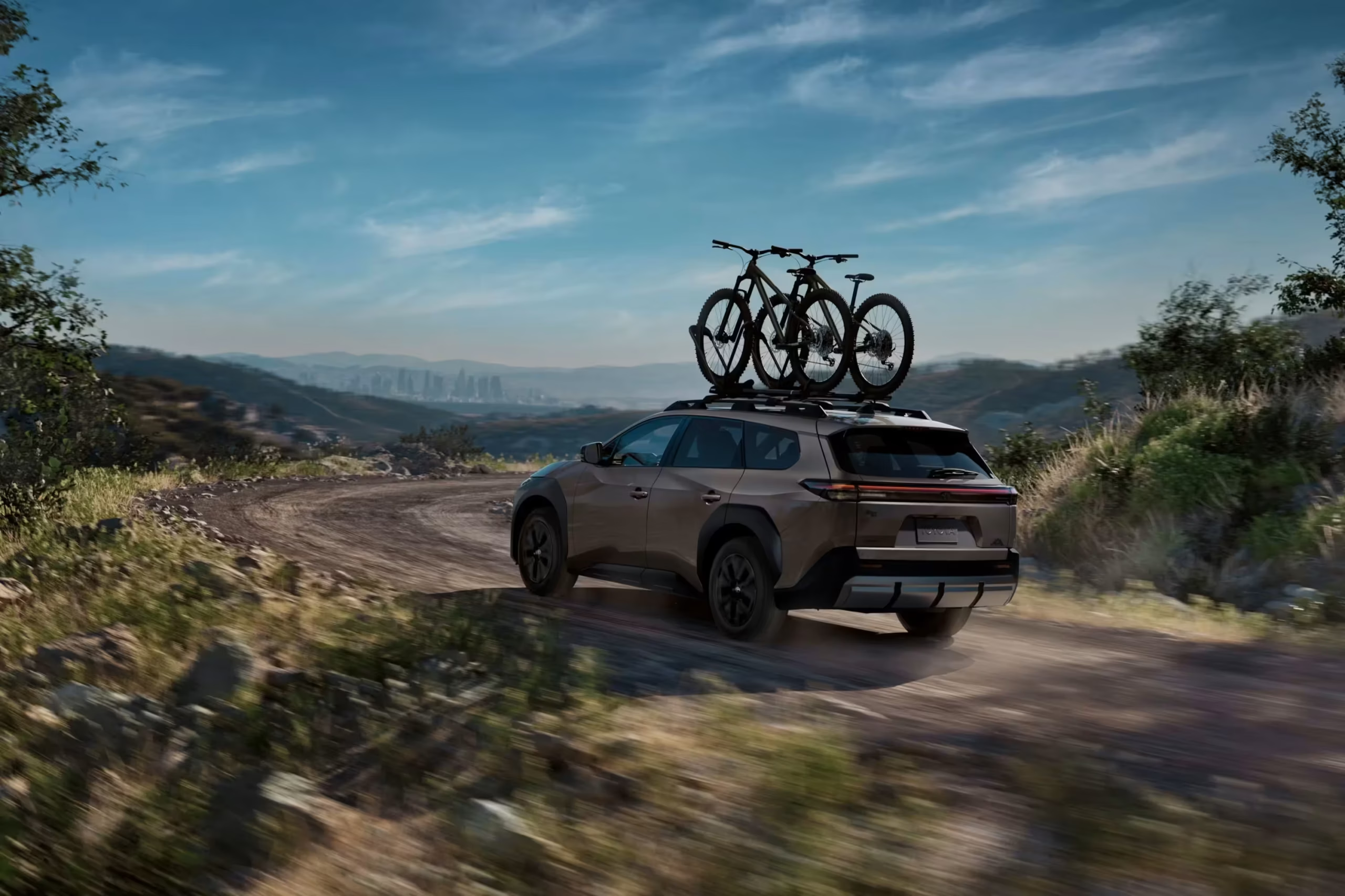
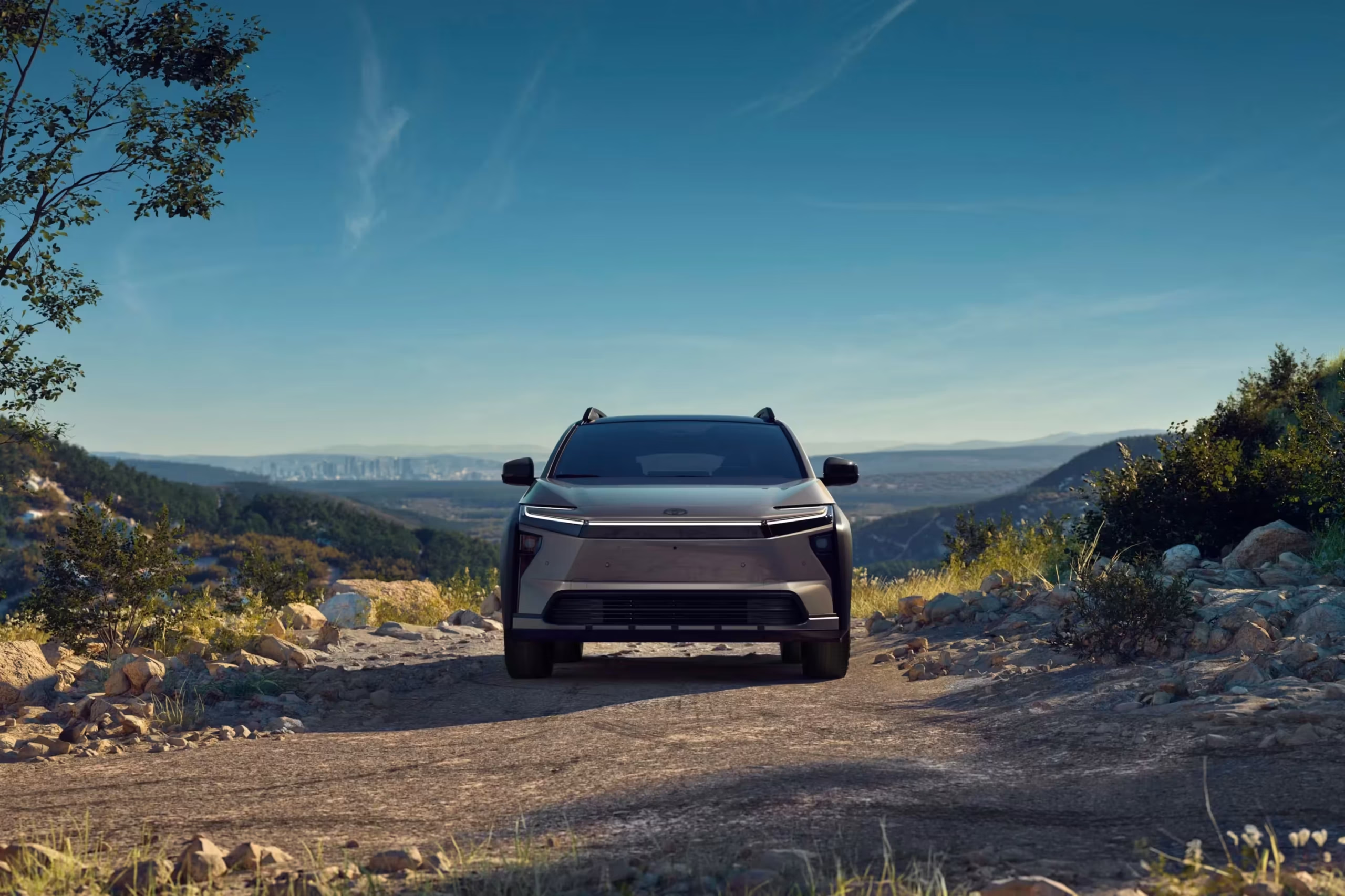
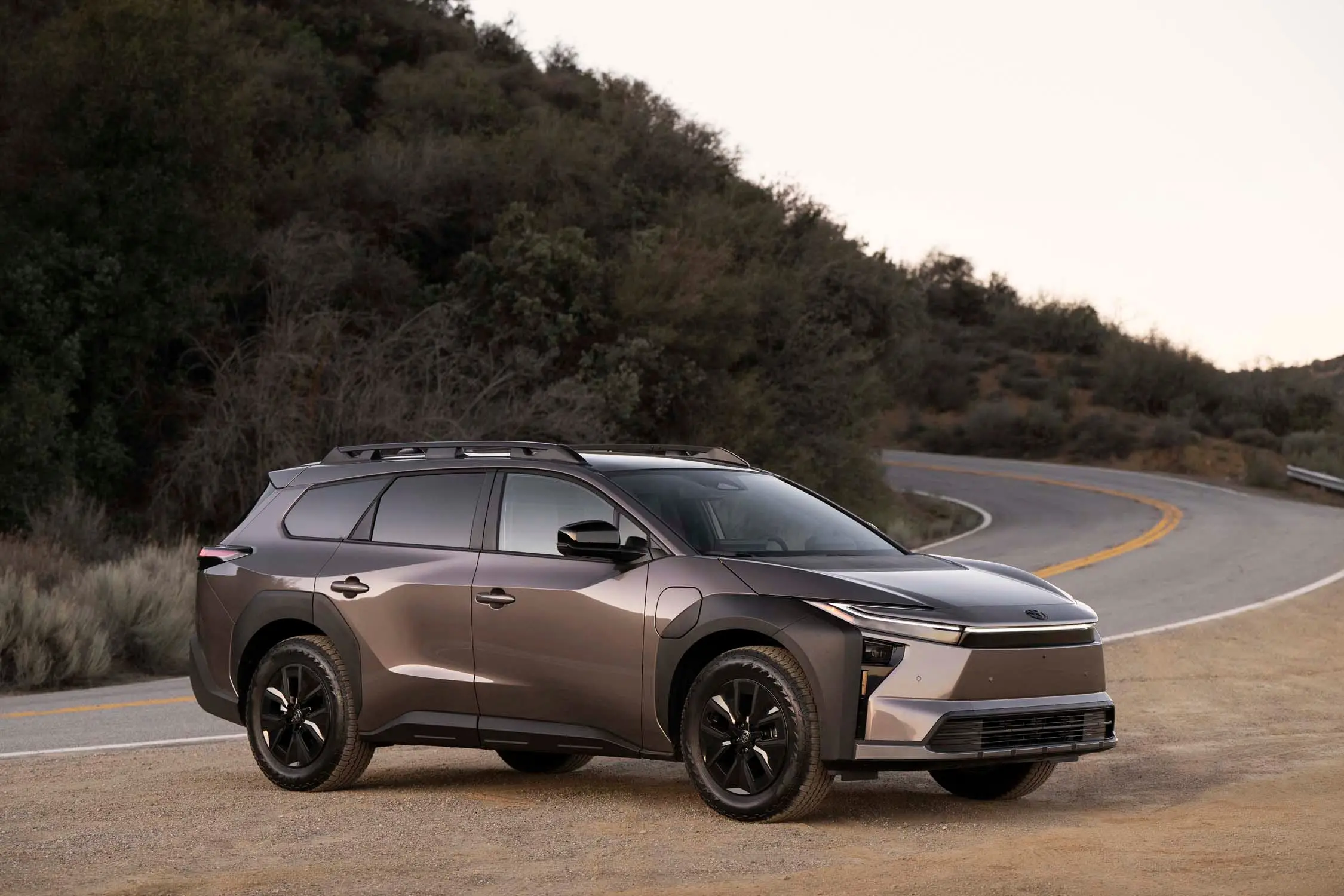
The 2027 Toyota bZ Woodland is best understood as Toyota’s attempt to make an electric family car feel engineered rather than merely styled. It uses a stretched version of the bZ platform, rides on a 112.2-inch wheelbase, measures 190.2 inches overall, and sits 65.9 inches tall, which gives it the visual stance of a lifted station wagon rather than a conventional compact SUV. That shape is not cosmetic fluff: the extra body length unlocks 33 cubic feet of cargo space behind the second row and as much as 72 to 74 cubic feet with the rear seats folded, while curb weight lands at 4,570 pounds.
The Woodland’s proportions immediately place it in the same conversation as the 2027 Toyota C-HR 338 cv EV, but the Woodland is clearly the more useful machine. Where the C-HR leans into compact crossover agility, the Woodland stretches toward real-world cargo hauling and weekend-duty versatility, supported by a flat rear floor and a rear bench that is both reclinable and heated. Toyota’s decision to make this body longer is the single biggest reason the Woodland feels like a deliberate product rather than a badge exercise.
375 hp, dual motors, and the kind of acceleration Toyota rarely hangs on a family body
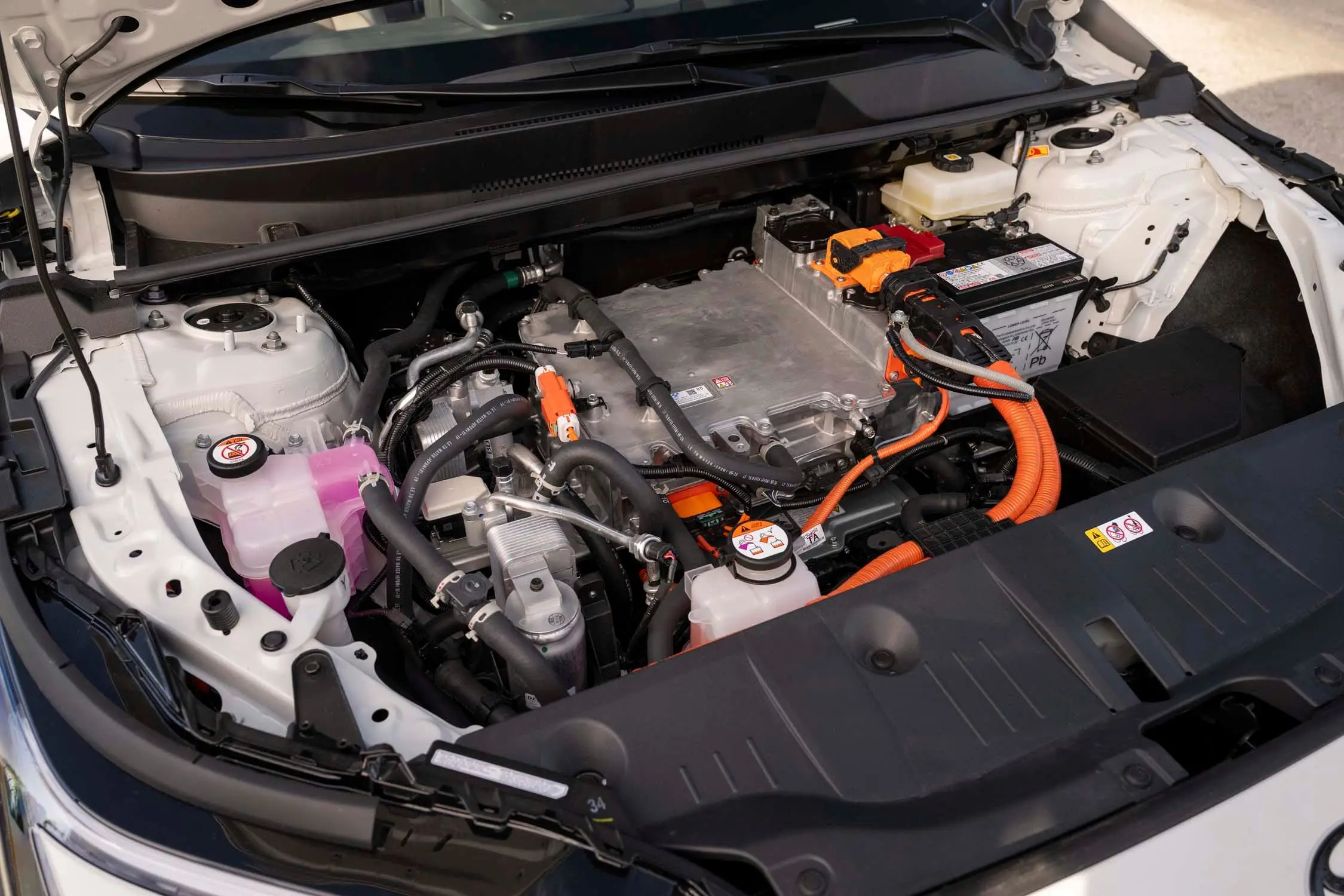
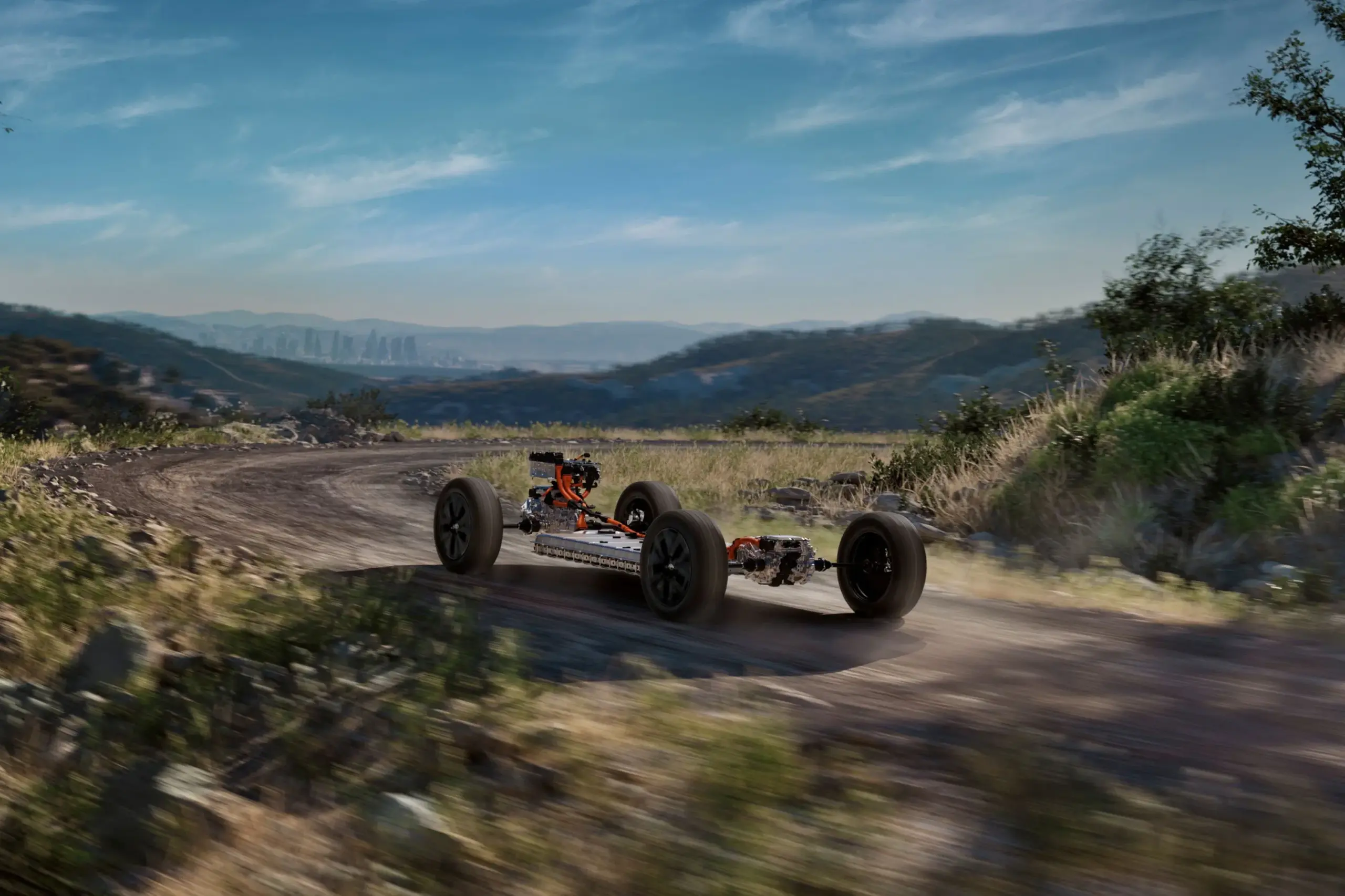
Under the skin, the Woodland uses a dual-motor AWD layout with a permanent-magnet AC synchronous motor at each axle. Toyota quotes 224 hp from the front motor and 224 hp from the rear motor, but the combined output is electronically capped at 375 hp, a reminder that thermal management and inverter calibration matter more than simple arithmetic. In torque terms, the system delivers 198 lb-ft from each motor, giving the vehicle immediate response from a standstill and strong in-gear shove at suburban speeds and highway merges.
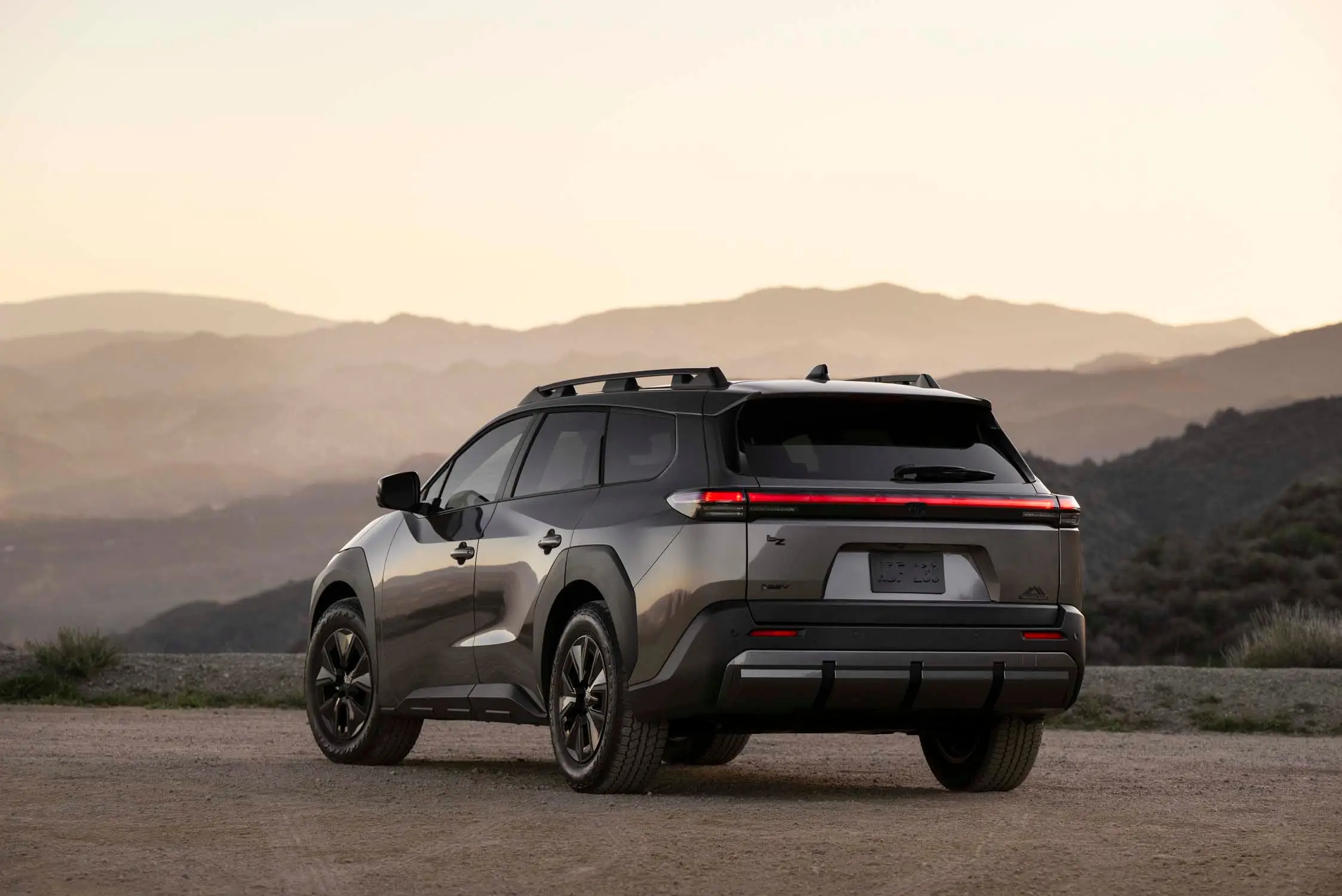
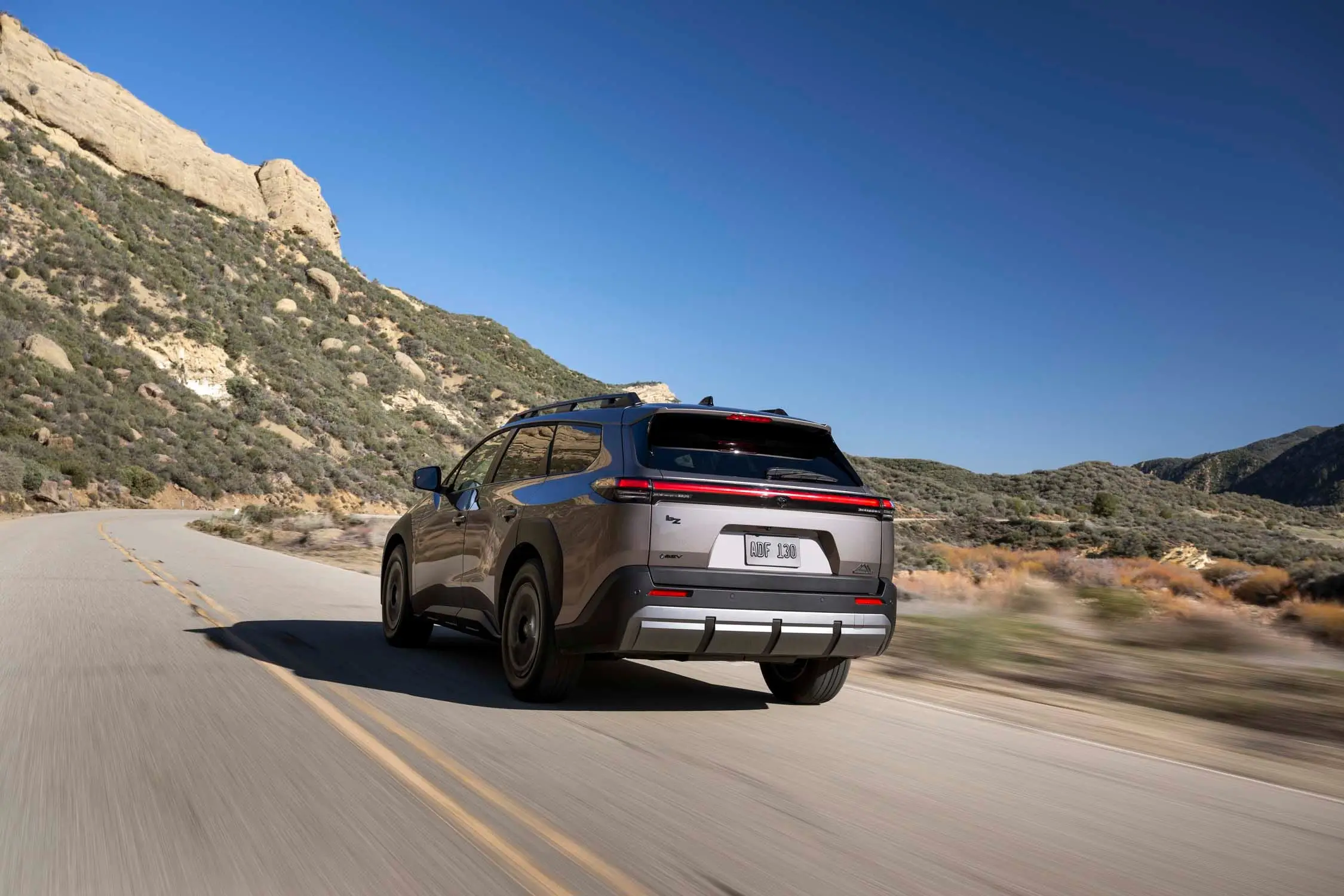
The performance numbers are legitimately eye-catching for a vehicle that also promises family practicality: 0-60 mph in 3.9 seconds, a quarter-mile in 12.5 seconds at 110 mph, and an electronically limited top speed of 118 mph. Those figures place it in the same headline territory as a six-cylinder Toyota Supra manual, which is a remarkably aggressive benchmark for a wagon-shaped EV. This is exactly the sort of performance contradiction that gives the Woodland a sharper identity than many faster-but-less-useful crossovers, including the BYD Yangwang U8L in terms of theatricality, even if the mission is completely different.
Range is the Woodland’s real compromise, and Toyota is not hiding it
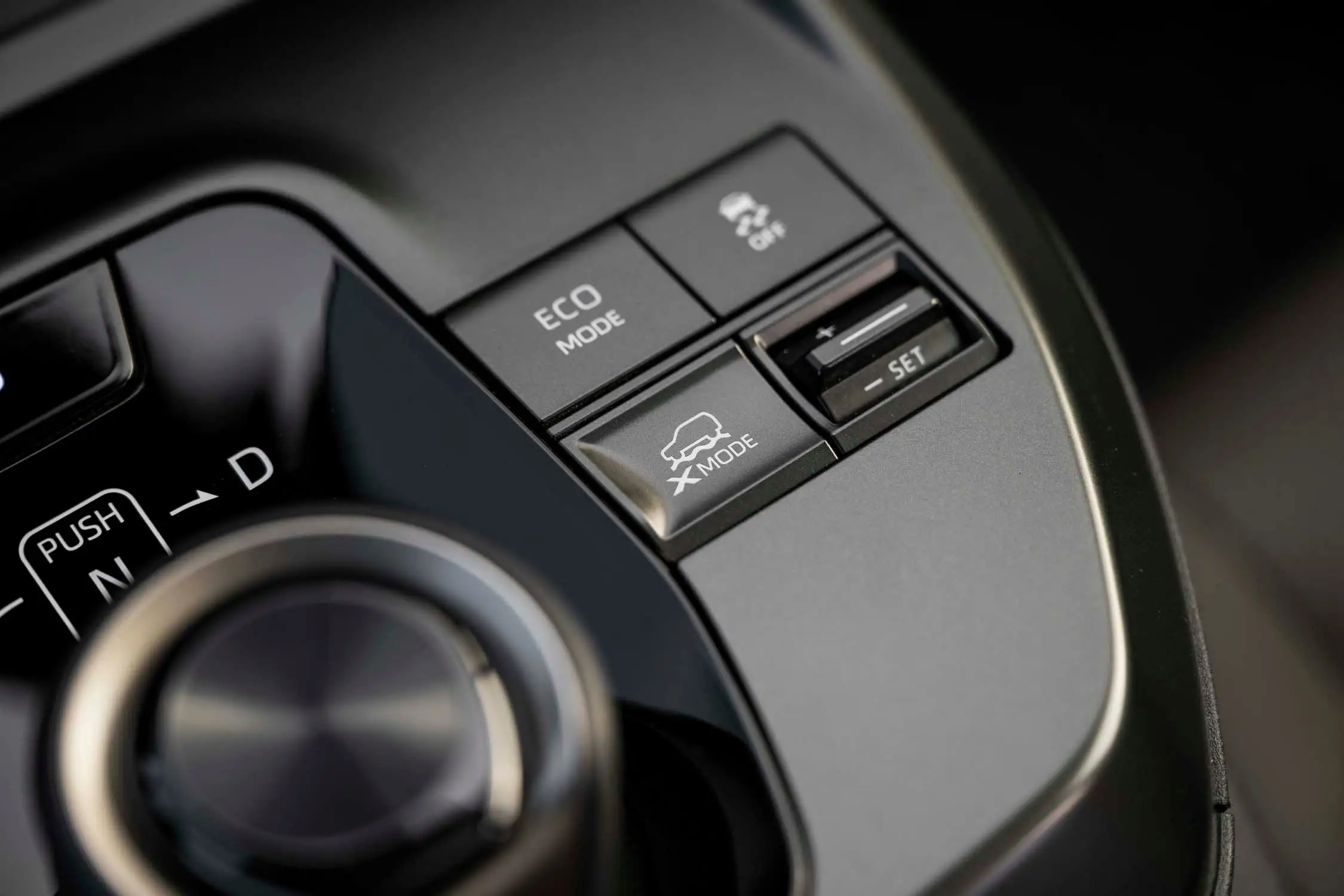
The EPA range estimate is the Woodland’s weakest headline. On standard passenger tires, Toyota targets 281 miles, but the figure drops to 260 miles when the available all-terrain tires are fitted. That decline is not trivial, because it effectively trades usable travel distance for appearance and light trail capability. Efficiency is quoted between 109 and 117 MPGe depending on tire choice, and the battery is estimated at 67 kWh, which is modest next to some rivals but understandable given the Woodland’s size and dual-motor hardware.
Charging is where Toyota makes the Woodland easier to live with than its range figure suggests. The integrated NACS port gives direct access to Tesla Superchargers, and the ideal 10 to 80 percent recharge time is about 30 minutes, with a peak DC rate of 150 kW and AC charging at 11.0 kW. That combination matters more than a simple miles-per-charge brag because it reduces friction on road trips, especially for buyers who may cross-shop it against the CADILLAC OPTIQ 2027, which chases a more premium efficiency narrative.
Off-road styling with light-trail reality, not overland fantasy
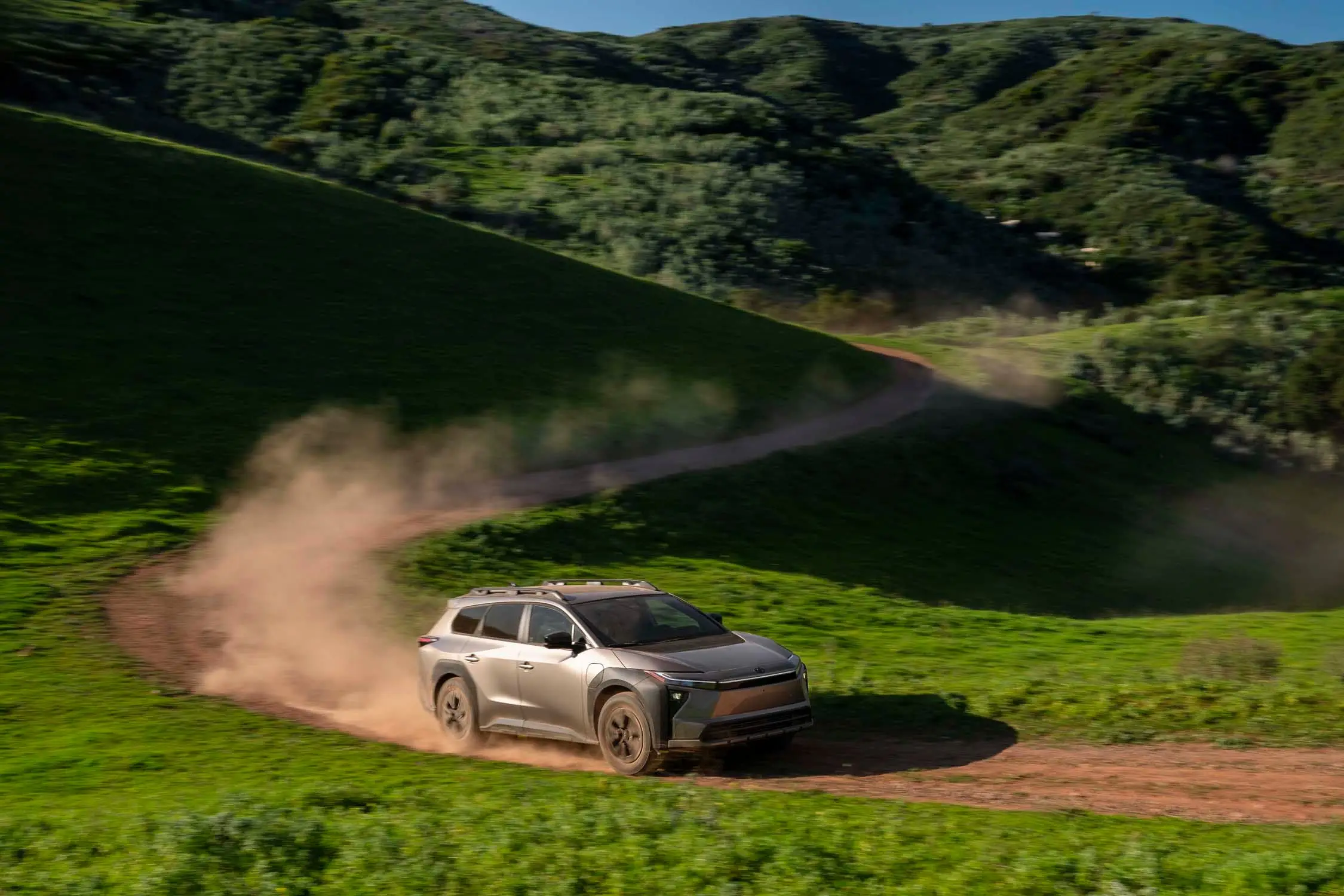
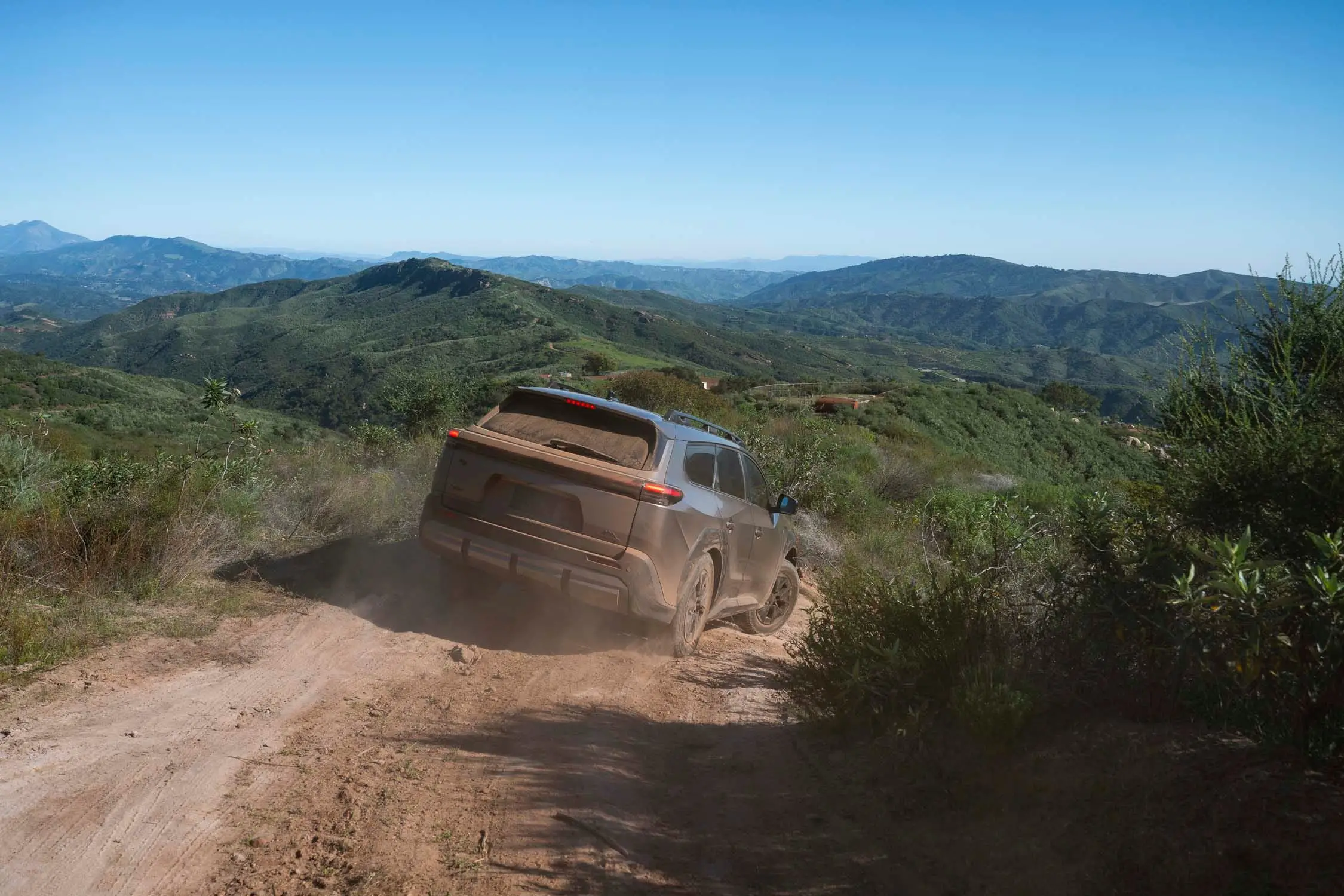
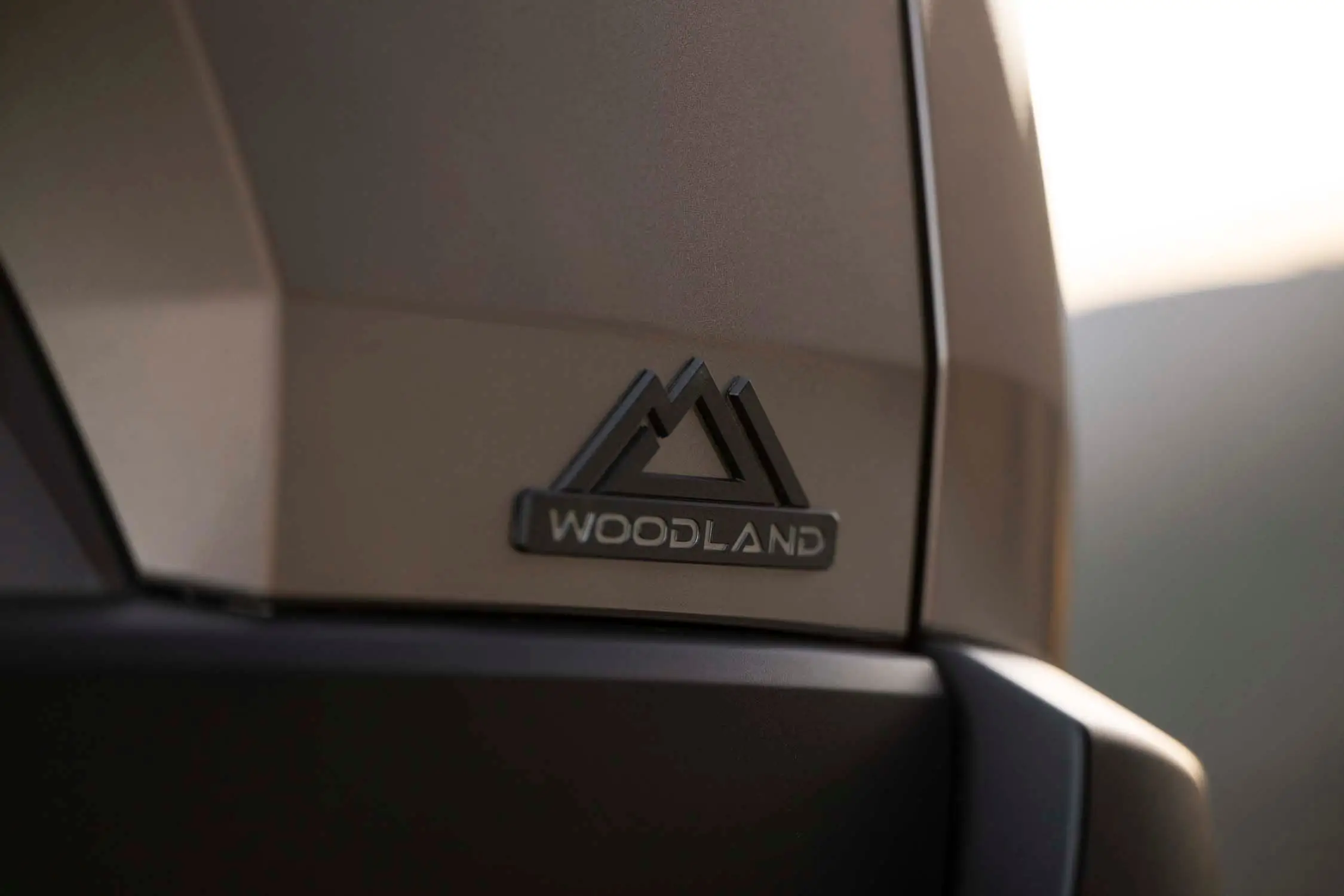
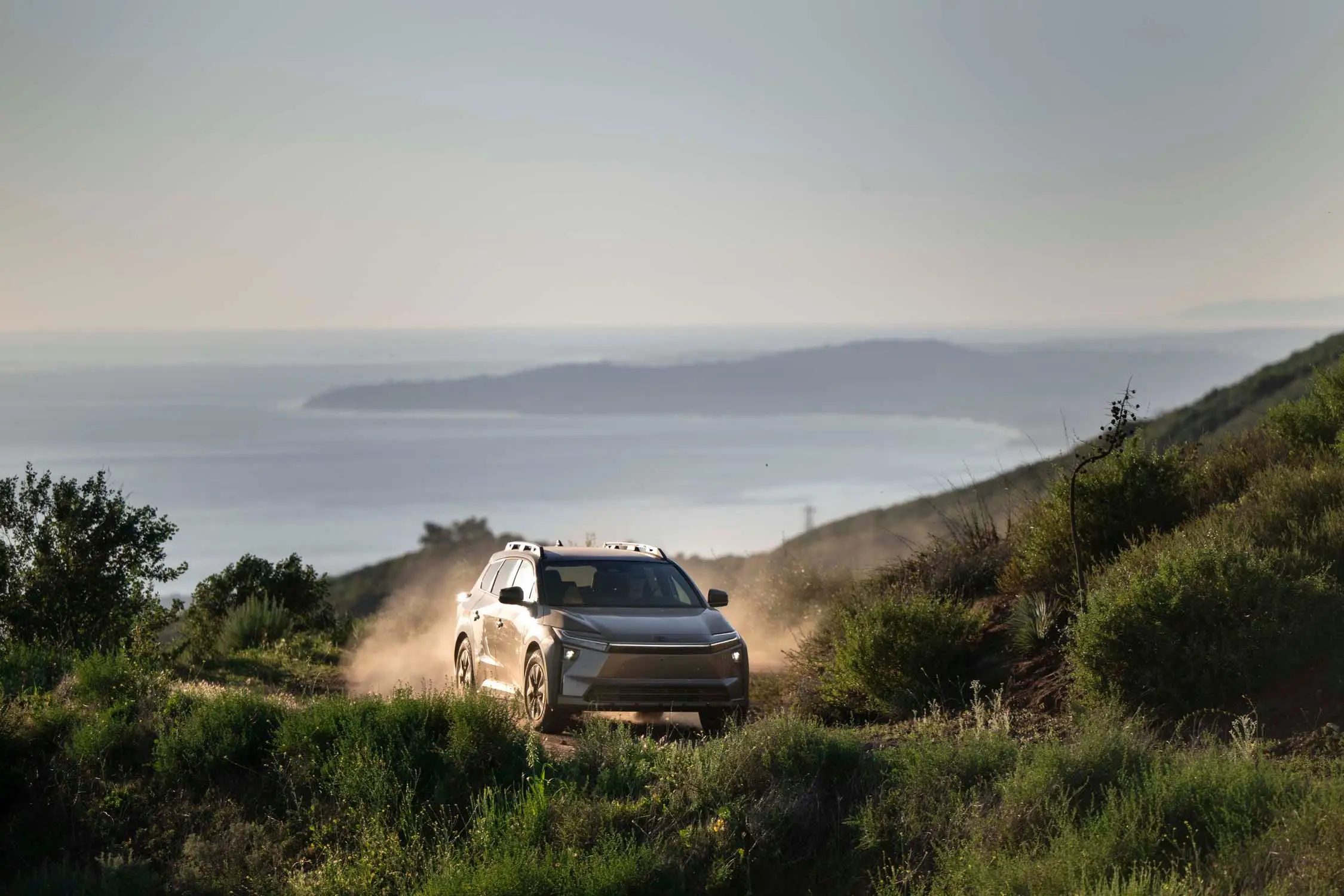
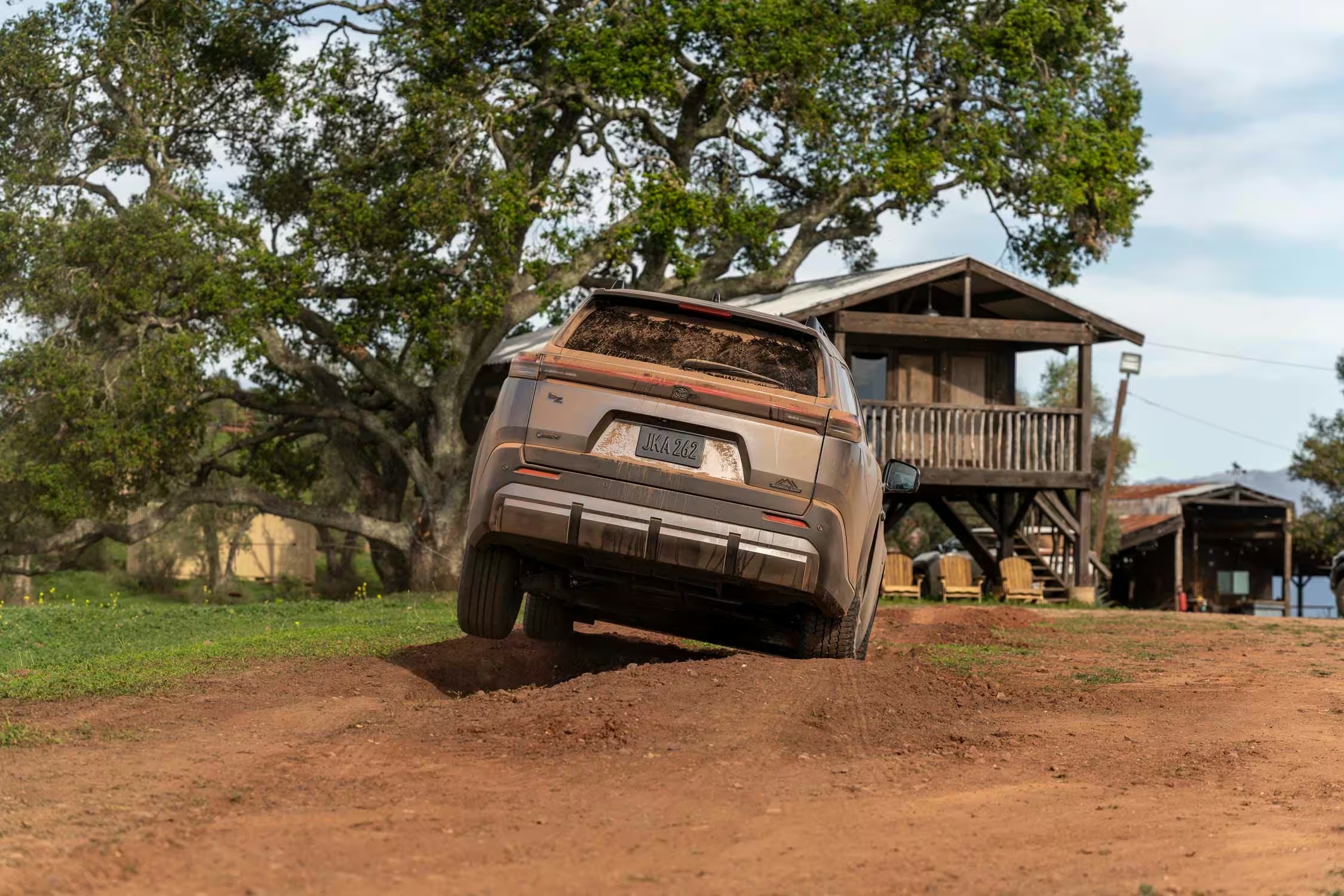
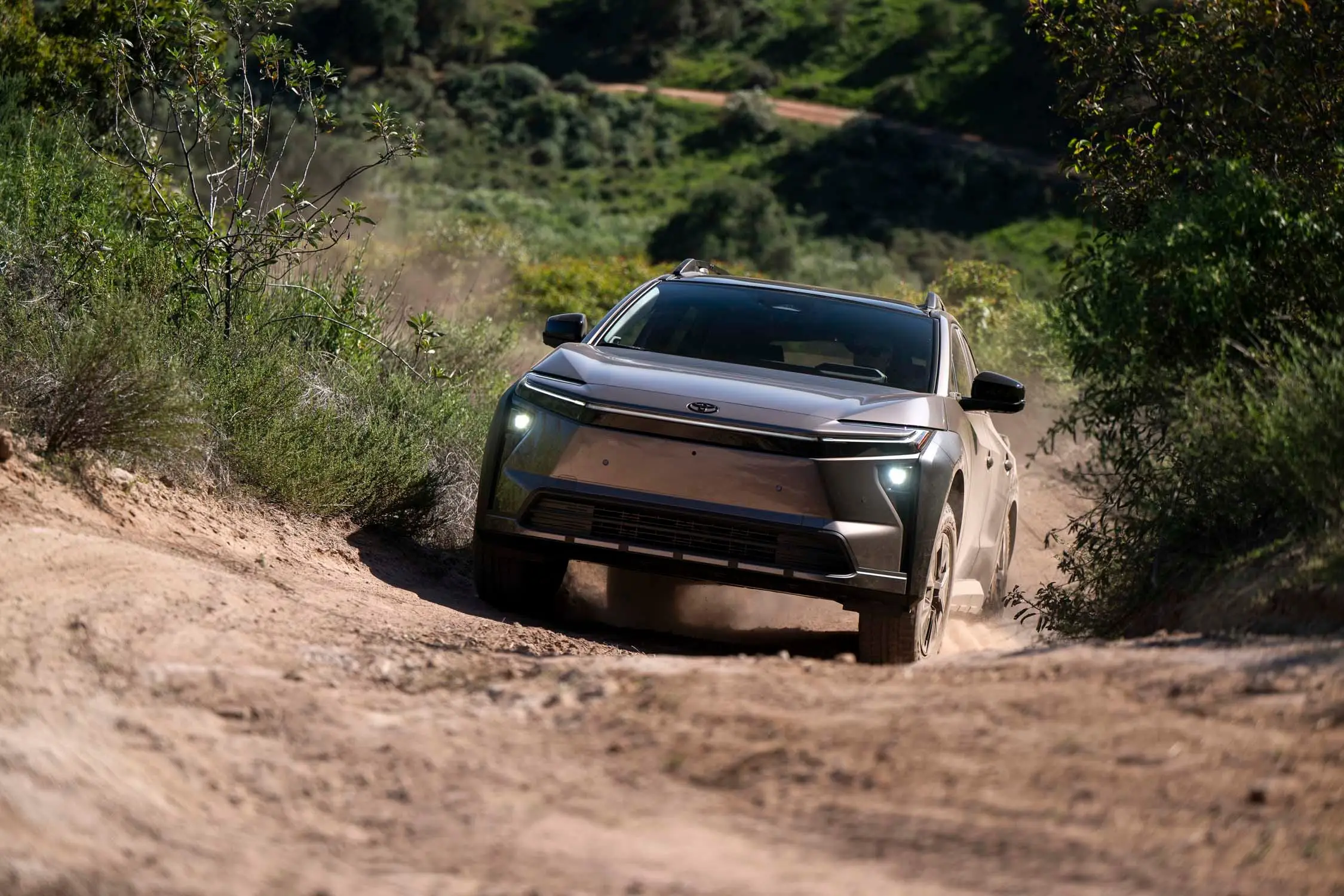
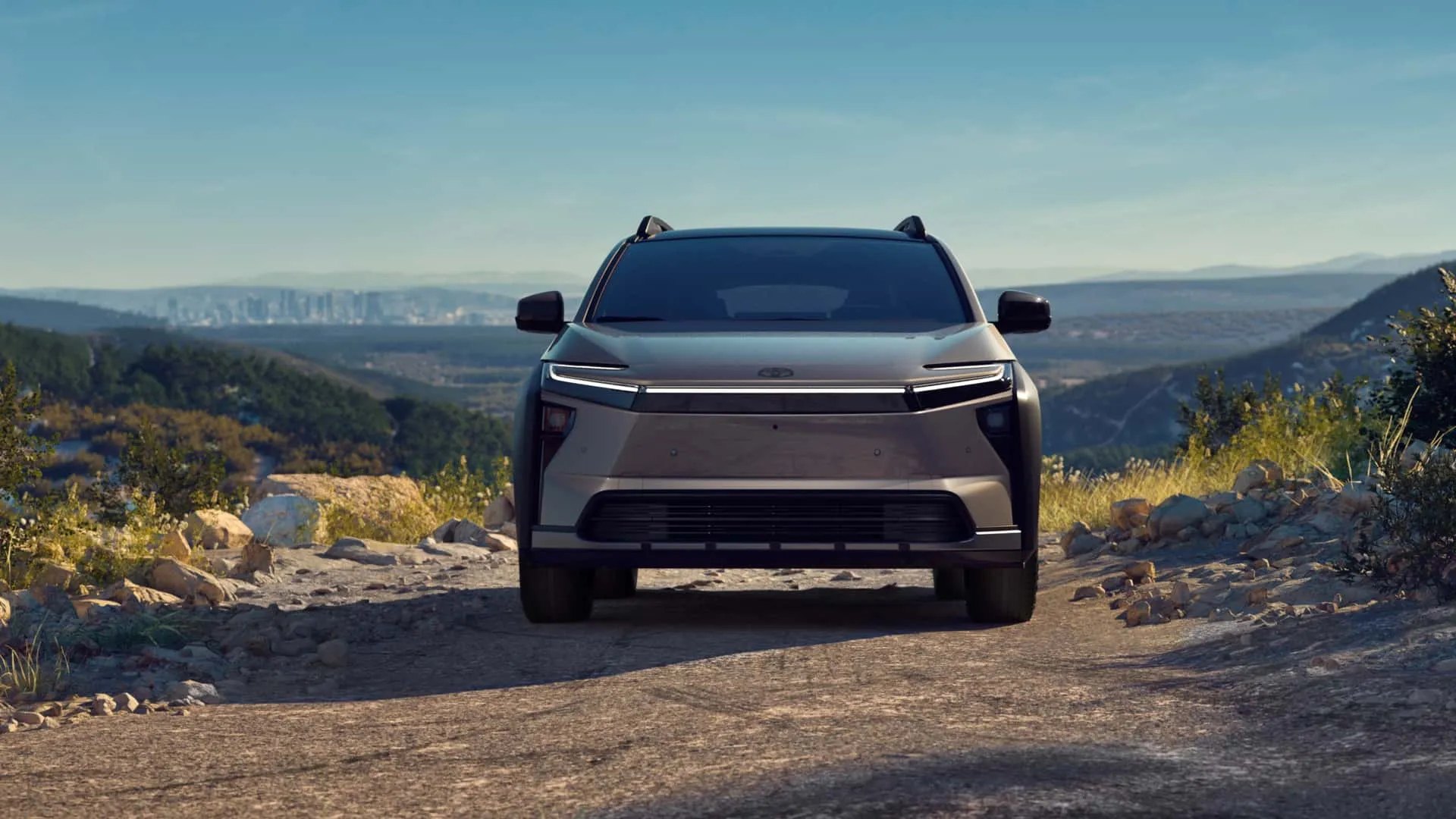
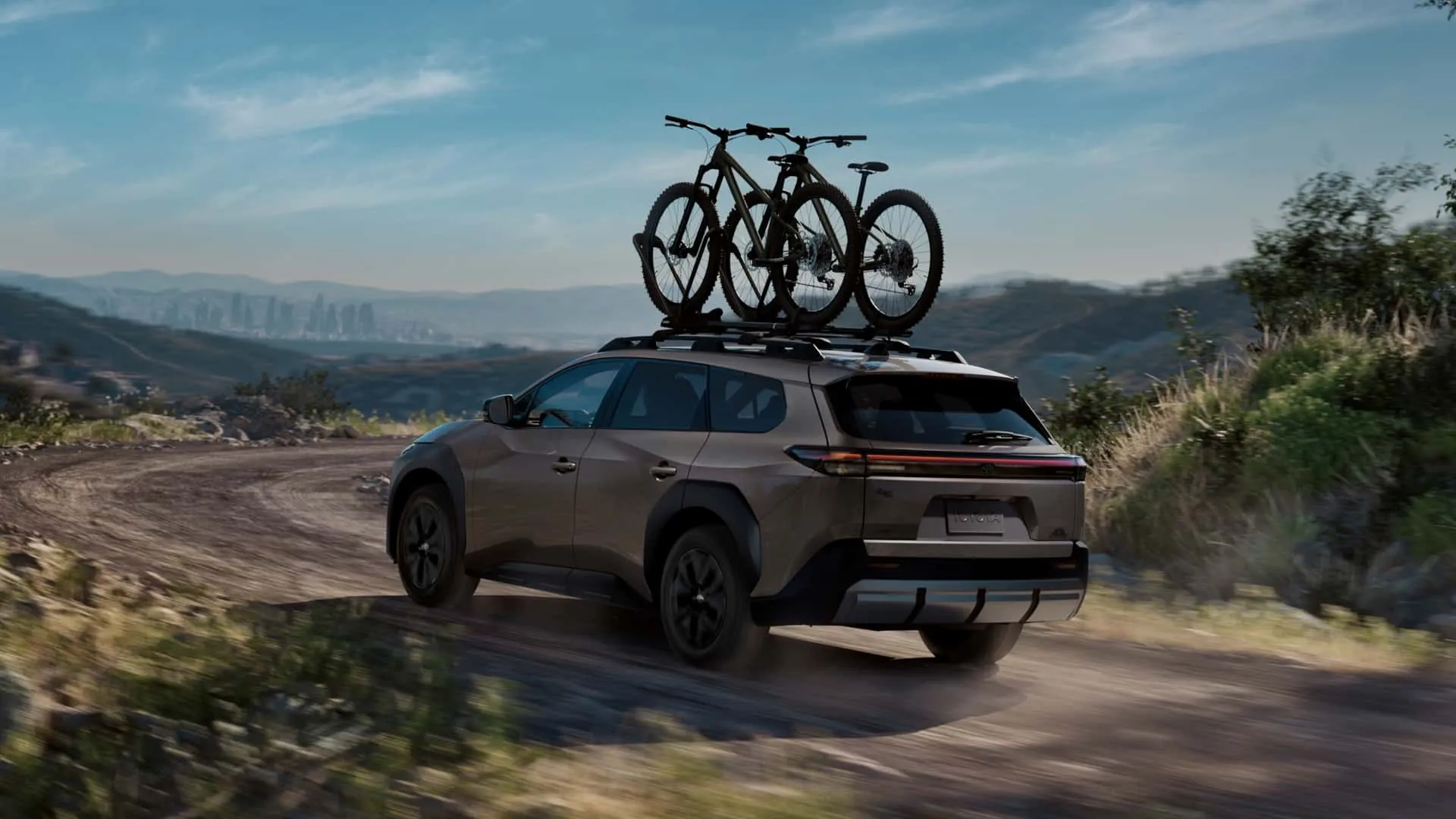
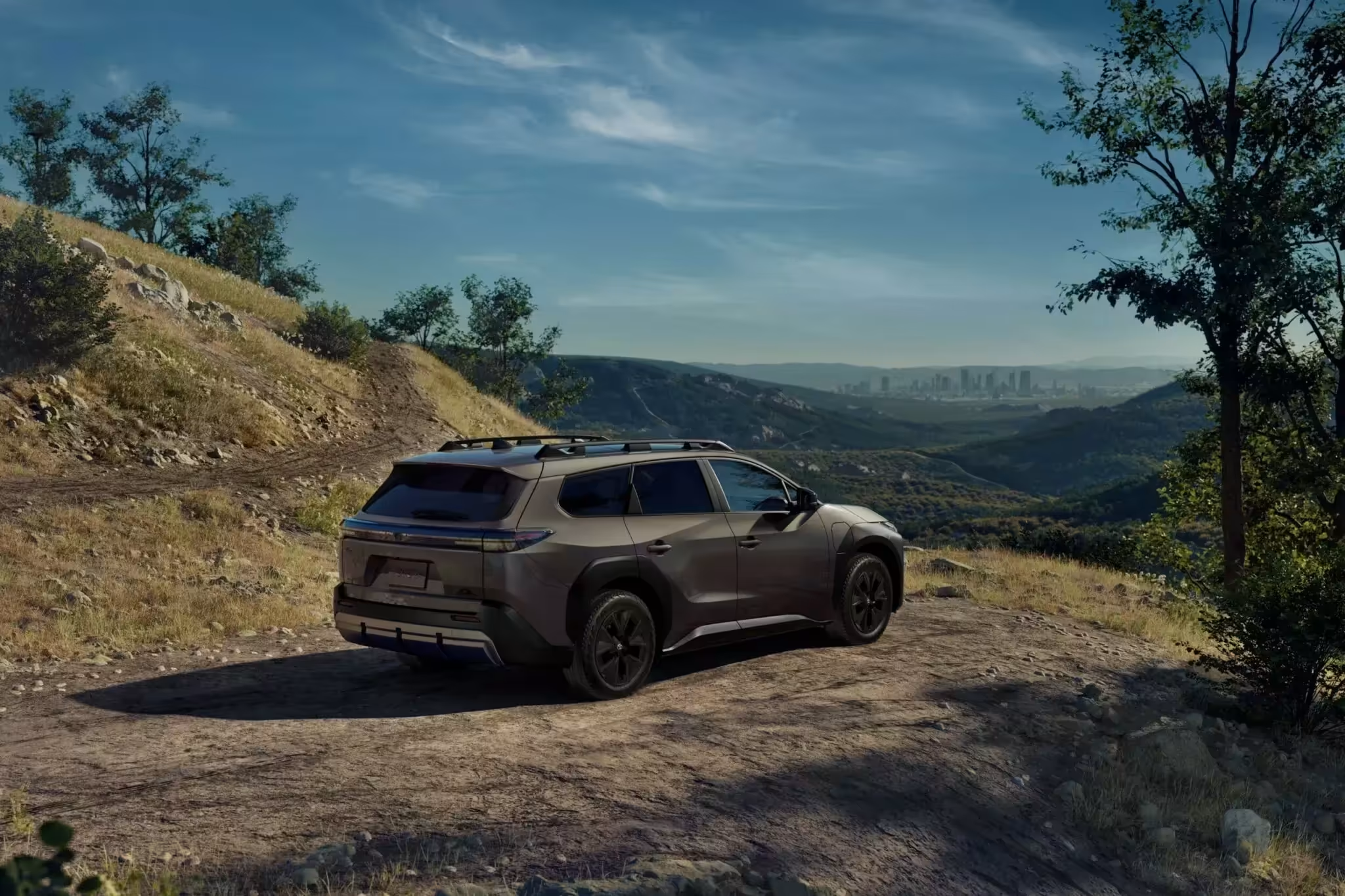
The Woodland looks ready for the forest, but its chassis story is more nuanced. Toyota gives it 8.4 inches of ground clearance and optional all-terrain tires, yet the suspension lacks the articulation required for serious rock work or deeply rutted terrain. The setup is independent at both ends, using struts at the front and a multilink rear, which is a sensible recipe for road comfort and controlled body movement on pavement, but not a substitute for the axle articulation and low-speed geometry of purpose-built off-road hardware.
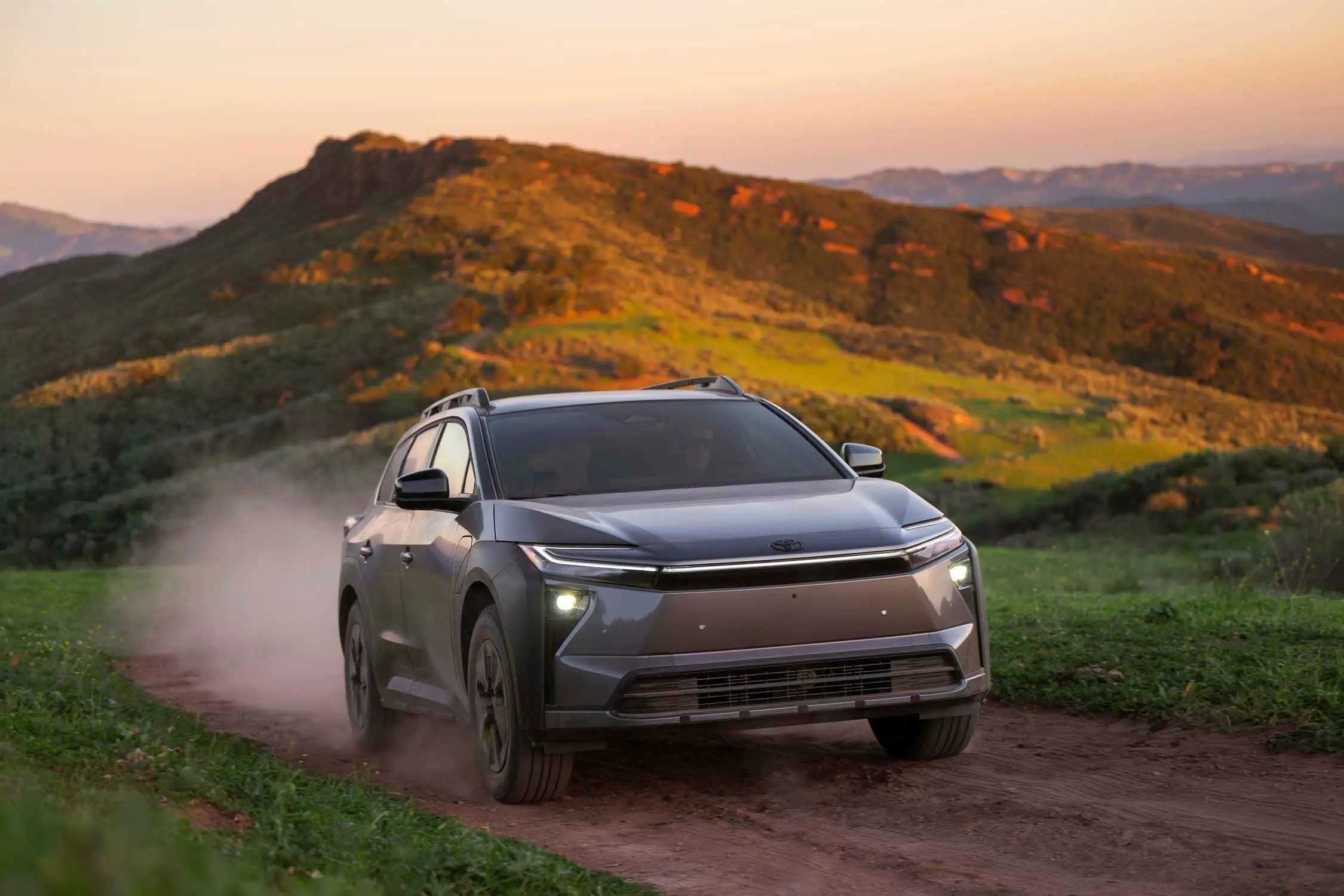
That is why the Woodland should be read as a light-trail crossover rather than a 4Runner replacement. Its 3,500-pound towing rating is useful, and its 181-foot 70-0 mph stopping distance is respectable for a 4,570-pound EV, but the vehicle is fundamentally optimized for gravel roads, campground access, wet commutes, and tow duties rather than boulder crawling. Buyers comparing it to rugged hardware should look at the TOYOTA LAND CRUISER 2027 if they want the full engineering depth of a true off-road platform.
The cabin is designed around adults, not just specs-sheet theater
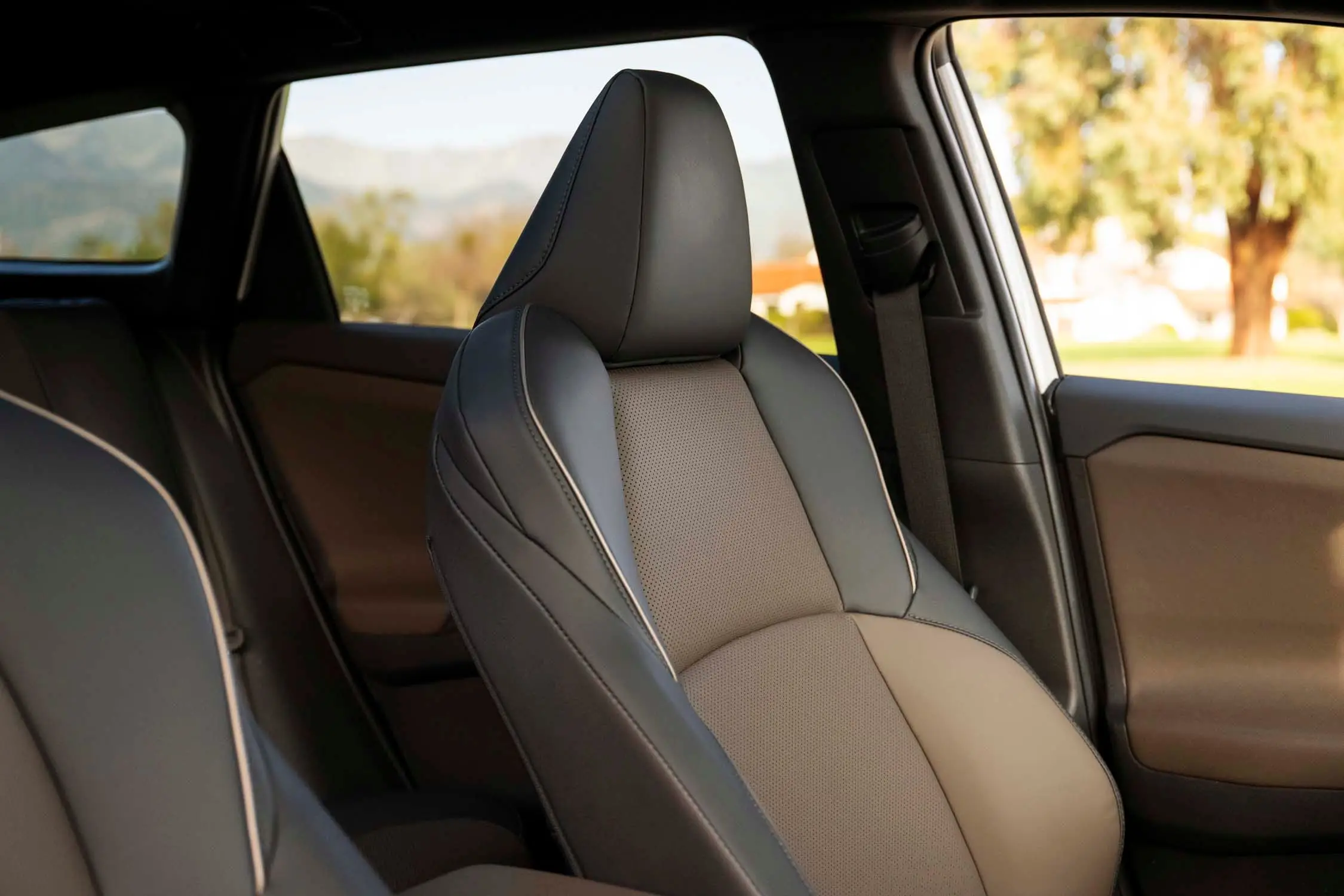
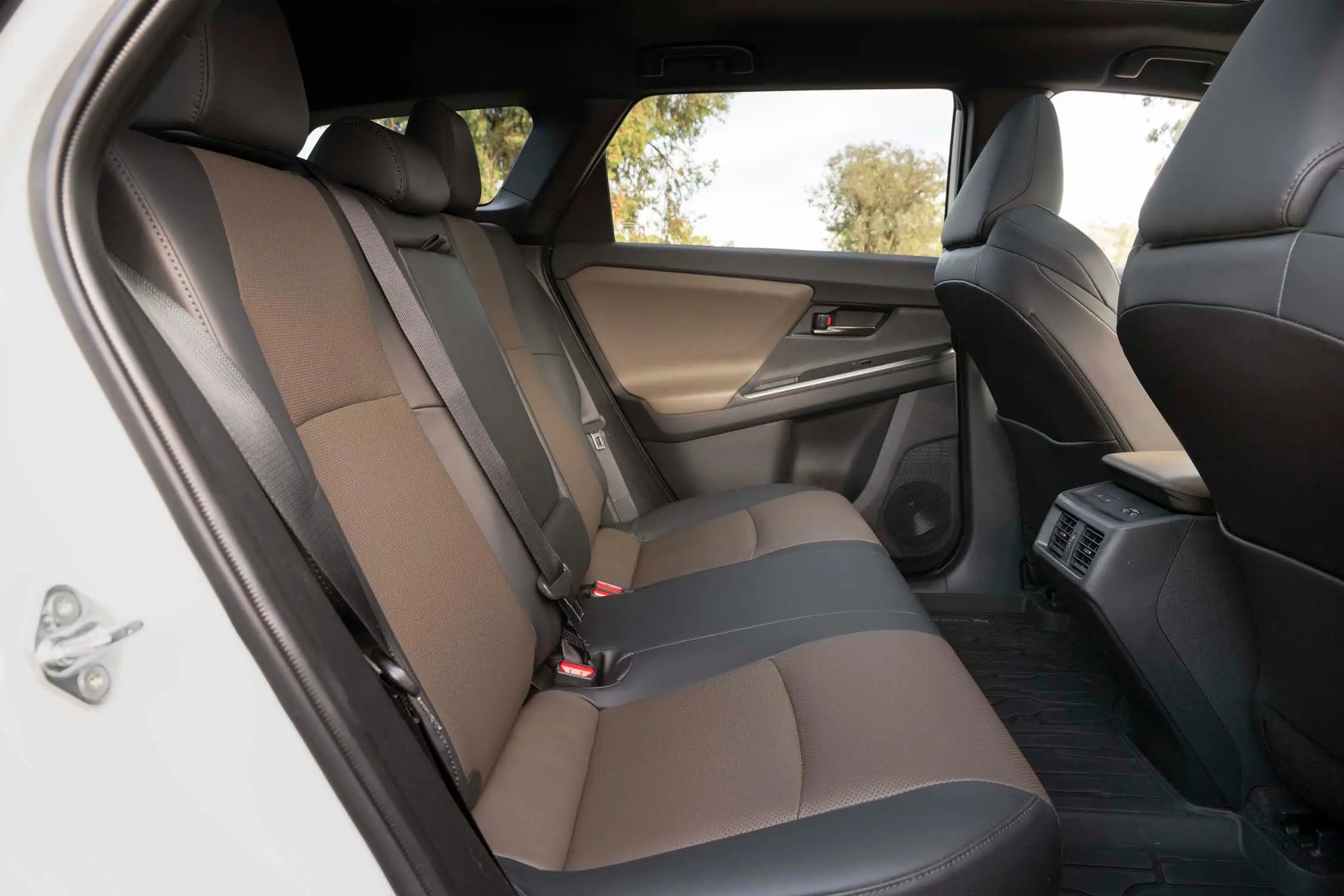
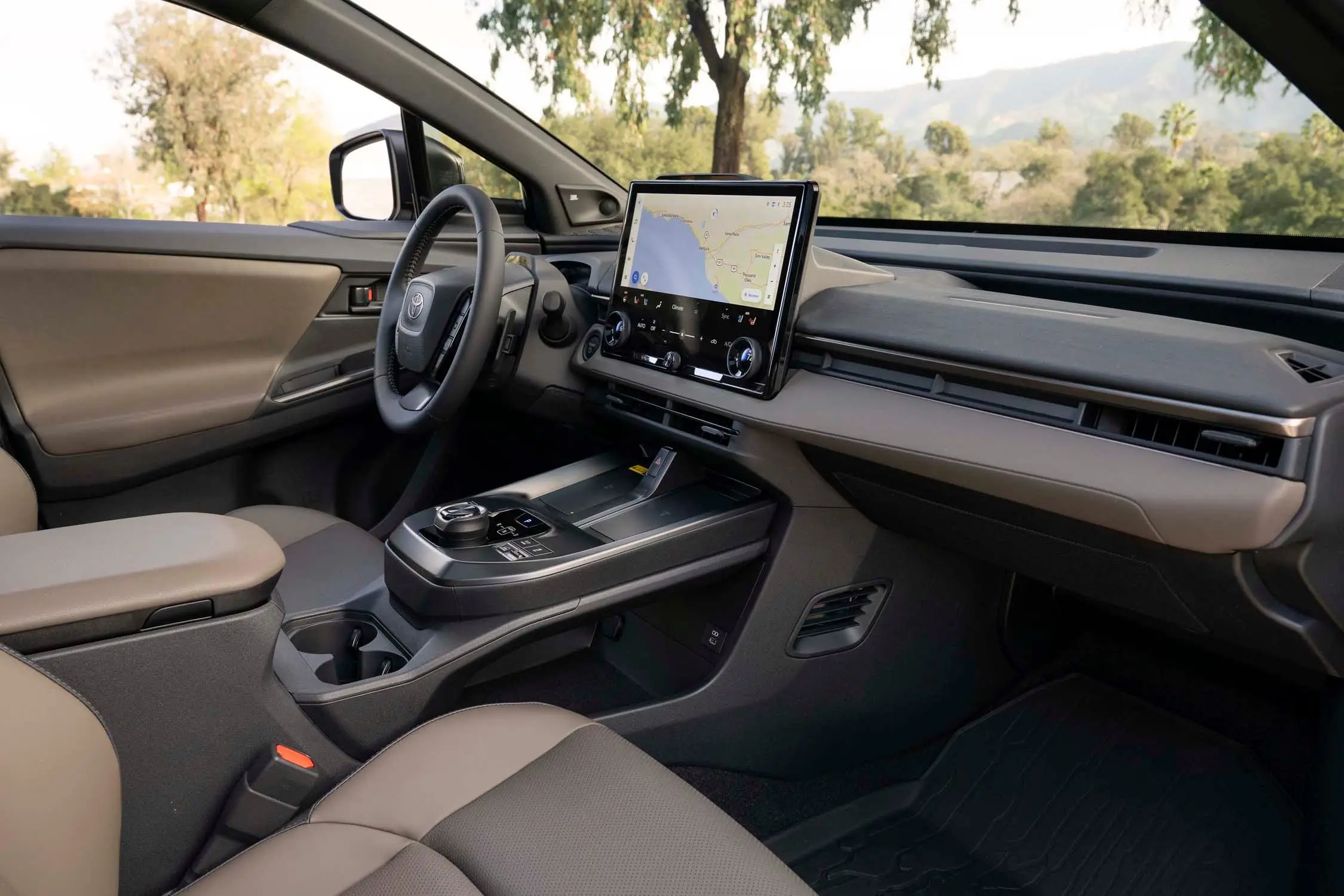
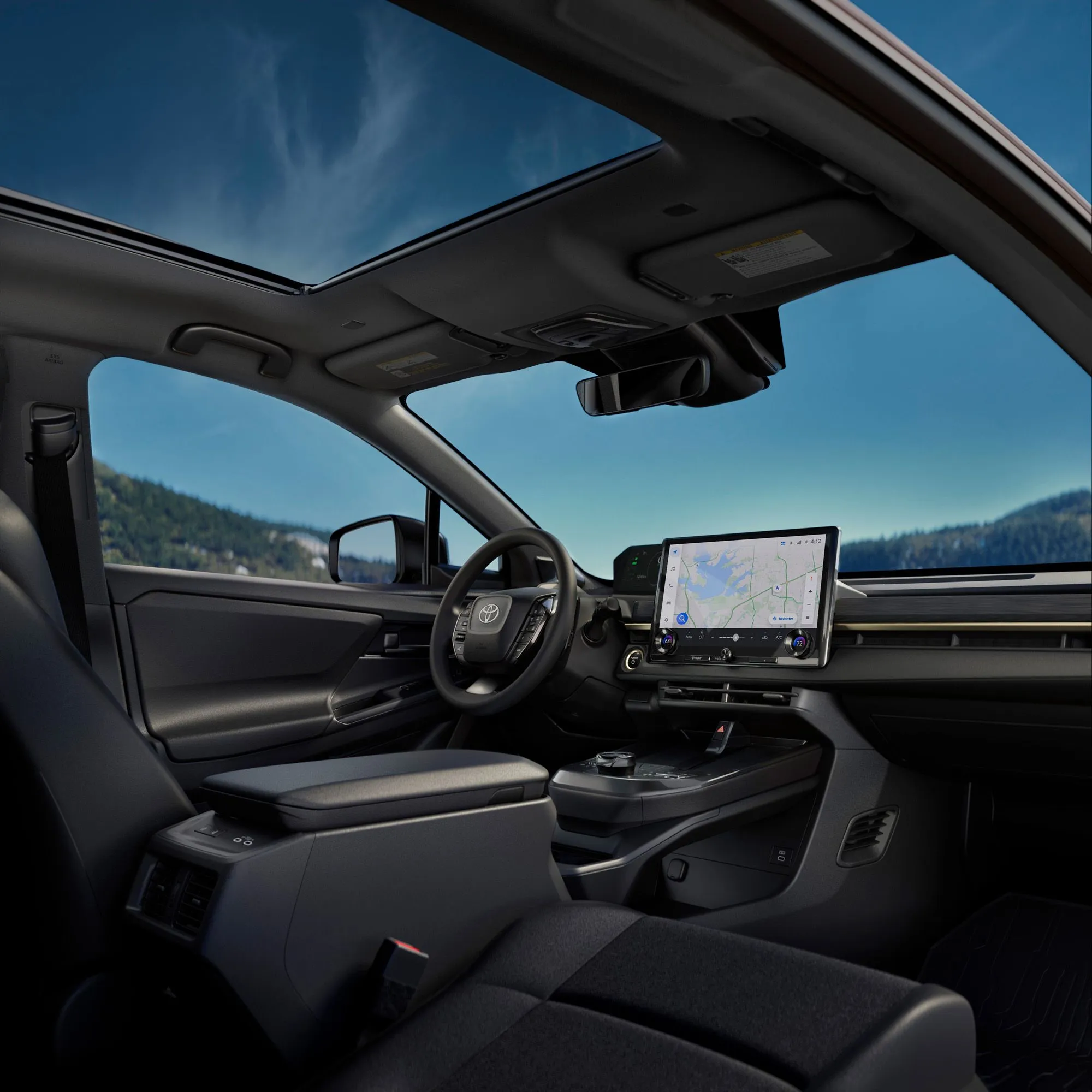
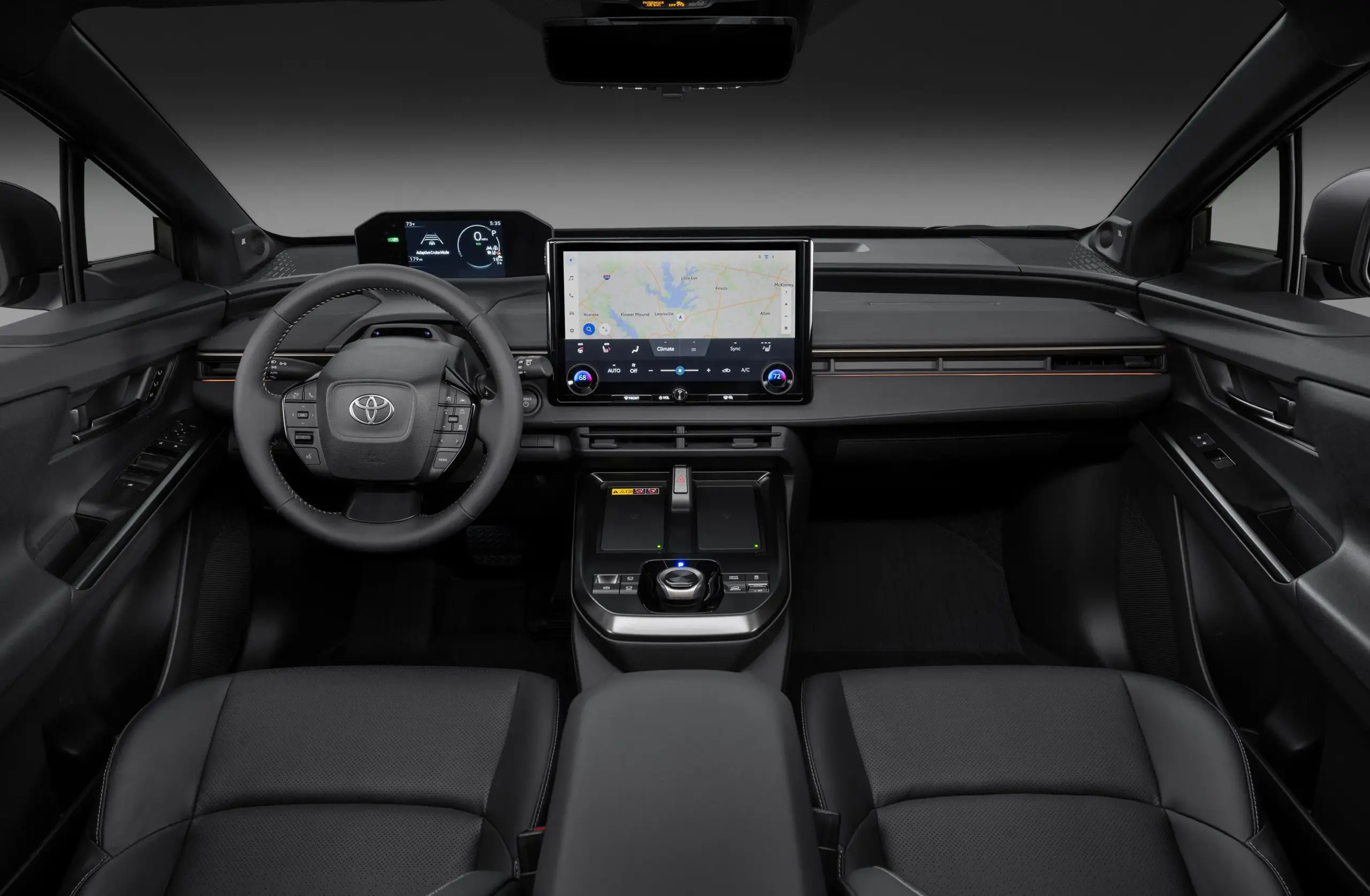
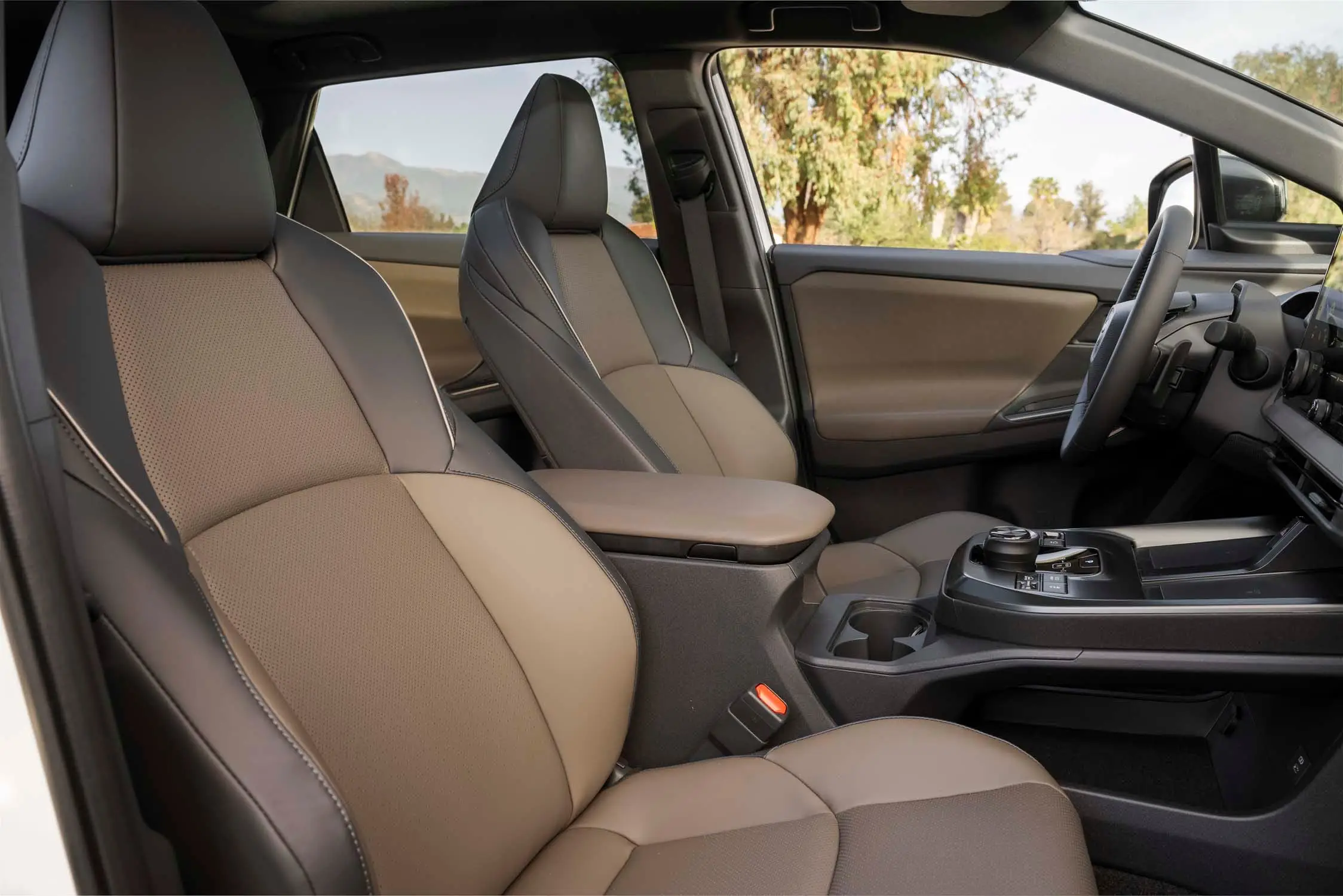
Inside, the bZ Woodland benefits from the electric skateboard packaging that removes driveline intrusion from the floor. The result is a flat rear floor, usable shoulder room for three passengers across the second row, and a cabin that does not punish taller occupants over longer distances. Rear-seat recline and heating are standard, while front occupants get heated seats as part of the base spec, and the Premium model adds ventilated front seats with driver memory. The material strategy is conservative but effective, relying on synthetic leather rather than trying to mimic luxury in ways that would look out of place in a utility-oriented EV.
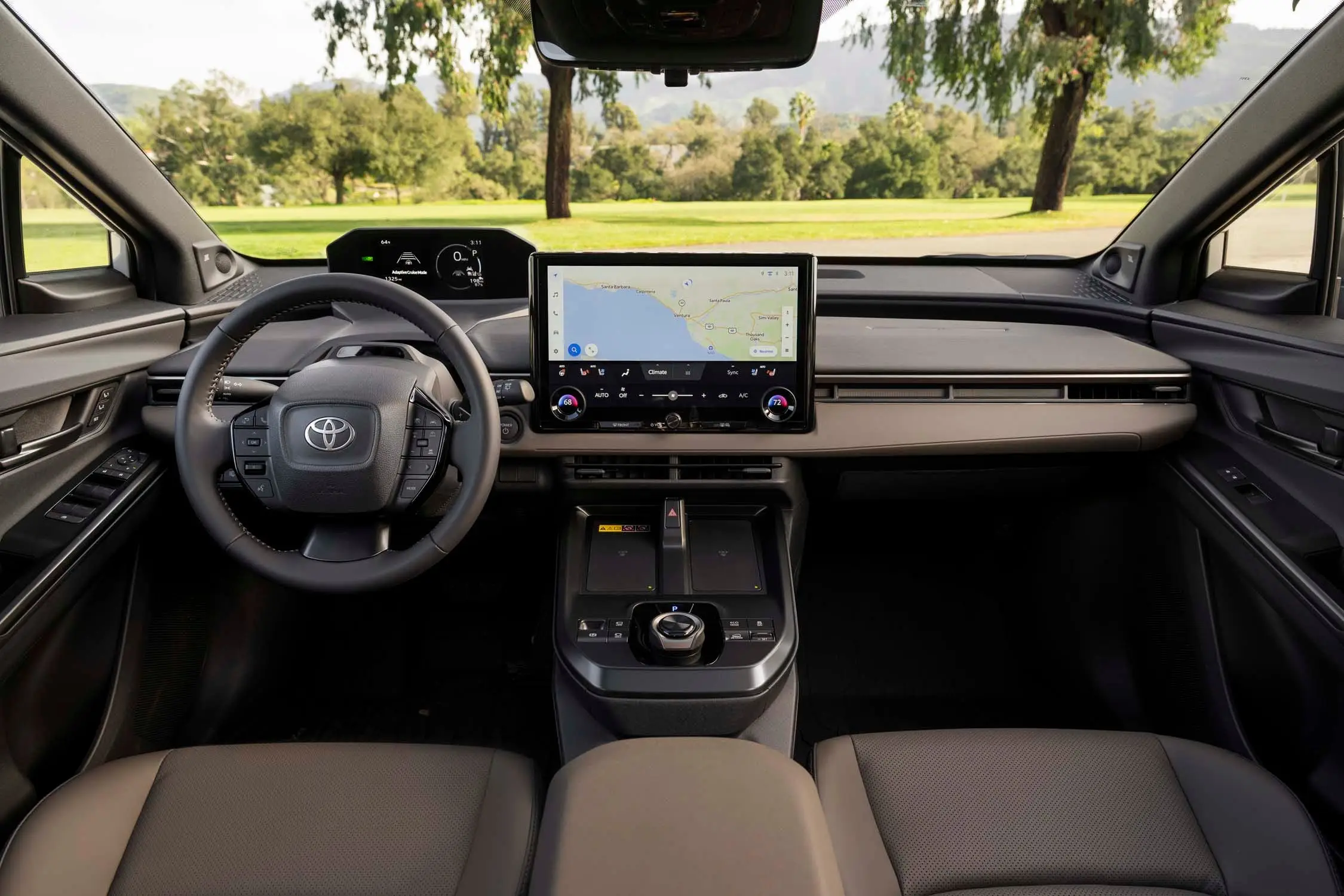
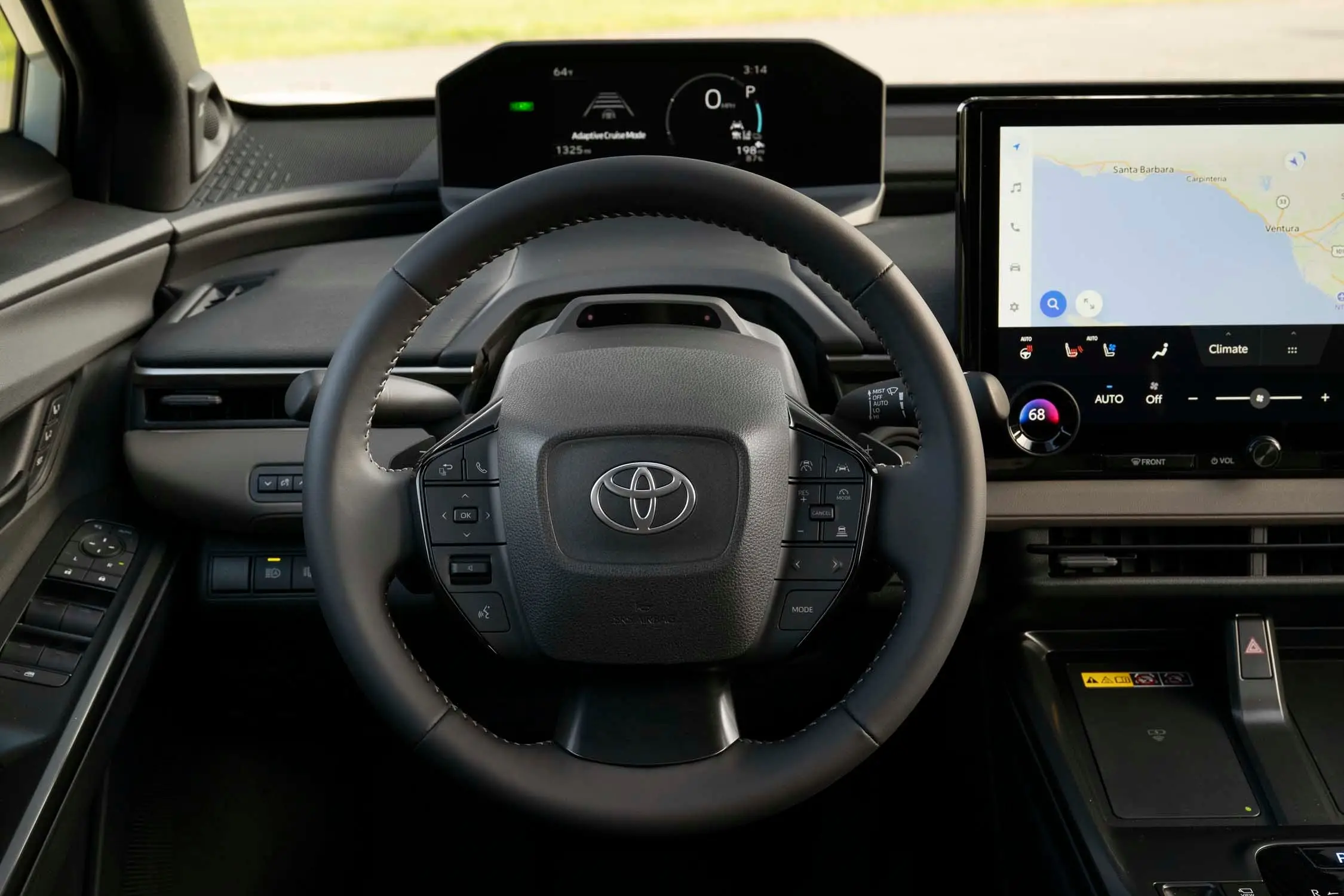
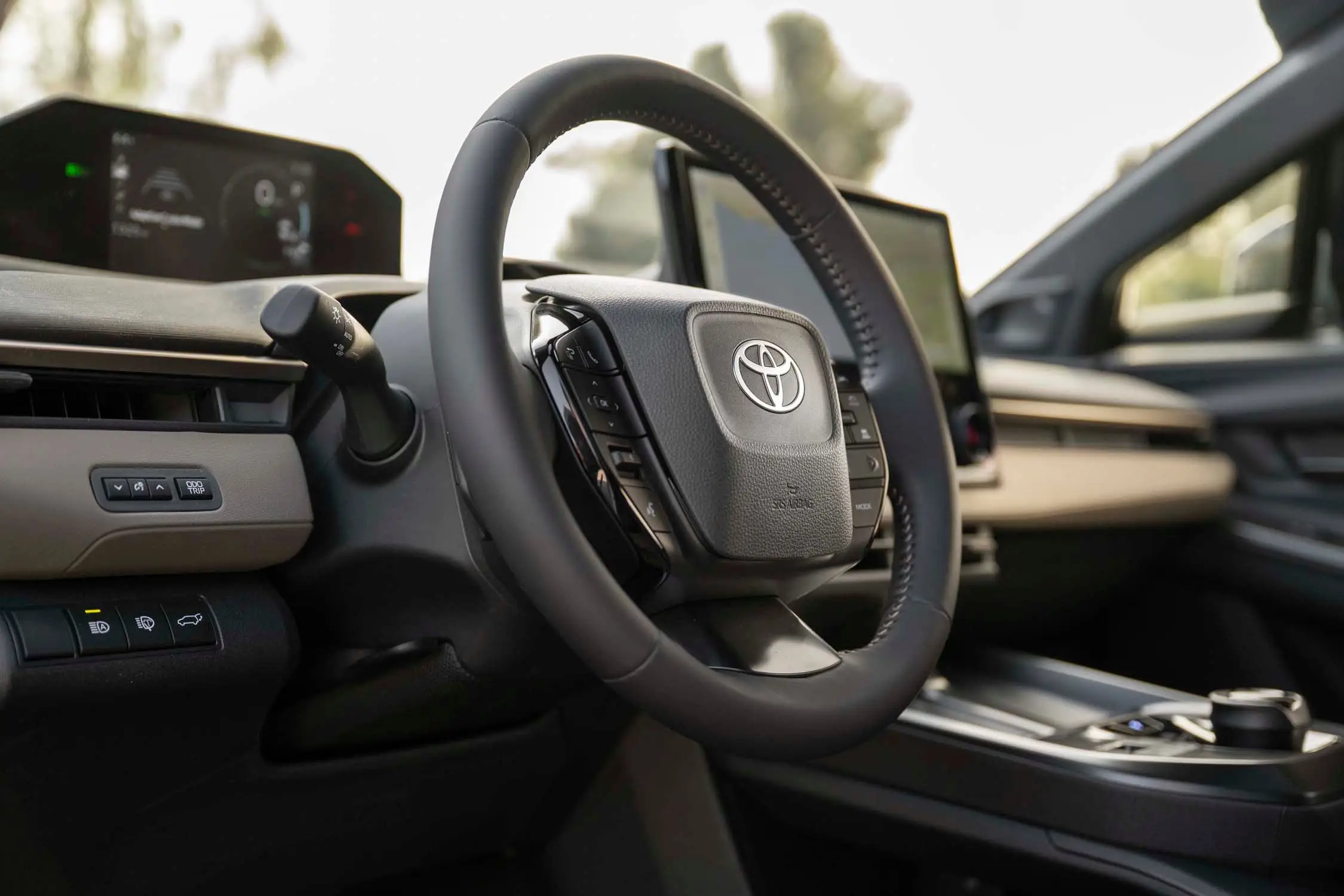
Technology is centered around a 14.0-inch touchscreen that supports wireless Apple CarPlay and Android Auto, plus SiriusXM and a Wi-Fi hotspot. The digital rearview mirror included on the Premium trim is not a gimmick here; when cargo volume is pushed toward the 72- to 74-cubic-foot maximum, the mirror becomes a genuinely useful visibility tool. This is the sort of practical feature set that separates the Woodland from style-heavy rivals such as the BMW Série 7 Recebe Facelift, where cabin tech serves a very different luxury brief.
Base and Premium trims are close on price, but the Premium model is the one that makes sense
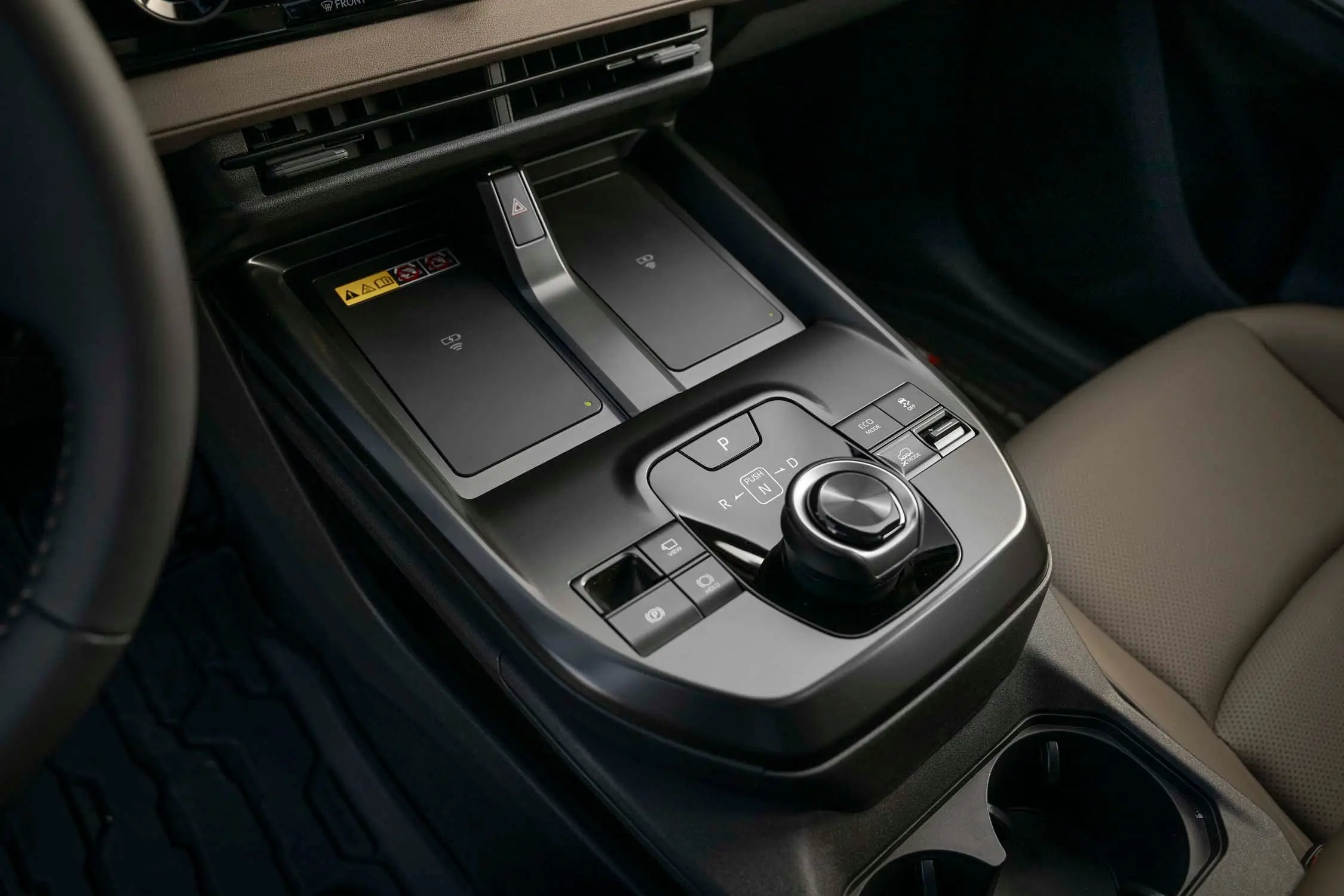
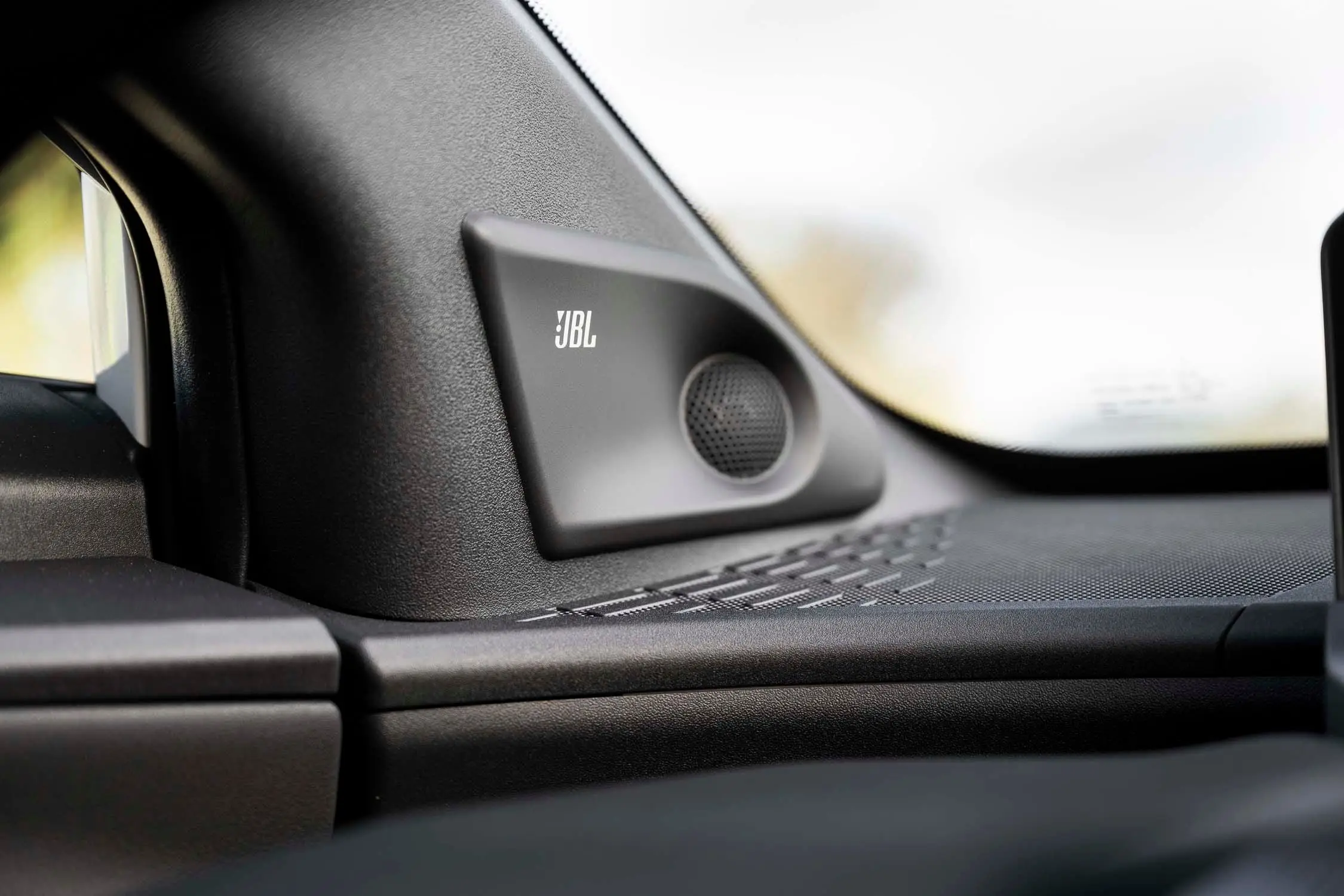
Toyota’s expected pricing places the base Woodland around $47,000 and the Premium near $49,000, which is a narrow spread for the extra equipment on offer. The Premium trim adds a JBL audio system with nine speakers, a fixed panoramic glass roof, a digital mirror, ventilated front seats with memory, extra USB-C charging points, and two wireless charging pads. For just about $2,000 more, the Premium version aligns far better with the vehicle’s positioning as a long-distance, high-utility EV rather than a stripped-down commuter.
The base vehicle is still equipped with Toyota Safety Sense, adaptive cruise control, and lane-keeping assist, so the entry trim is not undercutting safety to hit price. Still, the Premium spec is the right one for this model because the Woodland’s value proposition depends on making the cargo area, cabin, and charging experience feel complete. That same logic is visible in more niche product stories like the ACURA INTEGRA 2026, where the right trim level changes the character of the car more than the badge alone suggests.
Where the Woodland fits in Toyota’s EV line and why the Subaru twin matters
The Woodland’s closest conceptual rival is not a traditional SUV with a rugged body kit; it is the Subaru Trailseeker, a near-clone with almost identical specifications and only subtle styling differences. That shared hardware should matter to buyers because it confirms the Woodland sits on a broader EV architecture that Toyota can scale across brands and body styles. The implication is clear: Toyota is learning how to stretch one electric platform into more than one market personality, and the Woodland is the more lifestyle-forward of the two executions.
Against the broader market, the Woodland is a strategic compromise that prioritizes useful space, all-weather traction, and fast charging over maximum range. It is faster than its shape suggests, more practical than its acceleration figure implies, and less off-road capable than its cladding advertises. That mix makes it one of Toyota’s most interesting electric launches, especially for buyers who want a high-riding wagon with real pace, not another anonymous crossover. If you want to see how different brands are solving the EV identity problem, the VOLKSWAGEN ID.3 NEO offers a useful counterpoint from the hatchback side of the equation.
| Specification | Toyota bZ Woodland 2027 |
|---|---|
| Body style | 4-door wagon, 5 seats, AWD |
| Power | 375 hp |
| Torque | 198 lb-ft per motor |
| 0-60 mph | 3.9 seconds |
| 0-100 km/h | 3.9 seconds (approx.) |
| Quarter mile | 12.5 seconds at 110 mph |
| Battery capacity | 67 kWh |
| EPA range | 281 miles / 260 miles with all-terrain tires |
| Charging standard | NACS |
| DC fast-charge peak | 150 kW |
| 10-80% charge time | About 30 minutes |
| Ground clearance | 8.4 inches |
| Towing capacity | 3,500 lb |
| Curb weight | 4,570 lb |
| Wheelbase | 112.2 inches |
| Overall length | 190.2 inches |
| Cargo volume behind second row | 33 cubic feet |
| Maximum cargo volume | 72 to 74 cubic feet |
Verdict
The 2027 Toyota bZ Woodland is one of those rare EVs that makes sense because of its contradictions. It is a wagon-like electric SUV with 375 hp, 3.9-second acceleration, 8.4 inches of ground clearance, and enough rear volume to be useful on a normal family trip. It is also not pretending to be something it cannot be, because Toyota leaves the serious off-road work to other nameplates and keeps the Woodland focused on light trail duty, fast charging, and all-weather versatility.
Its biggest weakness is still range, especially in all-terrain form at 260 miles, but the NACS port, 30-minute fast-charge claim, and dual-motor AWD architecture give it a much more realistic ownership profile than the raw range number suggests. For buyers who want an electric vehicle that feels genuinely engineered around outdoor life without sacrificing highway pace, the Woodland is a compelling answer — and one of the more intelligently packaged Toyota EVs to surface in 2027.