
Mazda has finally put a date on one of its longest-running unresolved product stories
The second-generation Mazda CX-3 is officially scheduled to go on sale in 2027, ending a product cycle that began in late 2014 and stretched well beyond the usual lifespan for a subcompact crossover. The announcement appeared in Mazda’s fiscal-year documentation in Japan, where the company explicitly referenced a new entry-level CX model. That matters because it confirms the CX-3 is not just surviving in name, but being repositioned as a deliberate volume product rather than a niche leftover in selected markets.
| Key point | Confirmed detail |
|---|---|
| Model | Mazda CX-3 second generation |
| Launch timing | 2027 sales start |
| Production site | Auto Alliance Thailand, Rayong |
| Factory structure | Mazda-Ford joint venture |
| Confirmed markets | Japan and Southeast Asia |
| Powertrain direction | Electrified version confirmed |
Thailand production is the strategic story behind the headline
Mazda will build the new CX-3 at Auto Alliance Thailand, the Rayong plant it operates with Ford. That factory has been online since 1995 and has produced more than four million vehicles, giving Mazda a proven regional base with strong export capability. Choosing Thailand is not simply a cost decision; it places the CX-3 in the center of ASEAN demand, where compact crossovers remain one of the market’s most resilient body styles.
It also signals that Mazda is chasing scale without diluting margin as aggressively as some rivals. A Thailand-built CX-3 can be priced below a CX-30 while still preserving the brand’s design and perceived quality advantage. In that sense, this move echoes how other manufacturers are carefully redrawing their lower-end portfolios, much like the positioning logic seen in the GWM ORA 5 (2026), where regional powertrain flexibility is part of the product case.

The biggest unanswered question is the electrified hardware
Mazda has confirmed an electrified CX-3, but it has not specified whether that means a mild-hybrid, full-hybrid, or market-specific hybrid setup. That omission is important. In Southeast Asia and Japan, taxation, urban use patterns, and fuel-price sensitivity often reward full-hybrid efficiency gains more than a simple 48-volt assist system. If Mazda wants real volume, the electrified variant needs to deliver tangible consumption benefits rather than just regulatory compliance.
The platform question is nearly as important. The current CX-3 architecture is effectively old by segment standards, and Mazda has shown before that it is willing to extend hardware life if the business case works. The company did something similar with the CX-5’s evolutionary approach, so a heavily reworked existing base cannot be ruled out. The risk is obvious: newer Chinese and Korean rivals are moving faster on packaging, infotainment integration, and electrified drivetrains, as seen in products such as the GEELY GALAXY M7.
Design clues point to the Vision X-Compact, but the mission is more pragmatic than futuristic
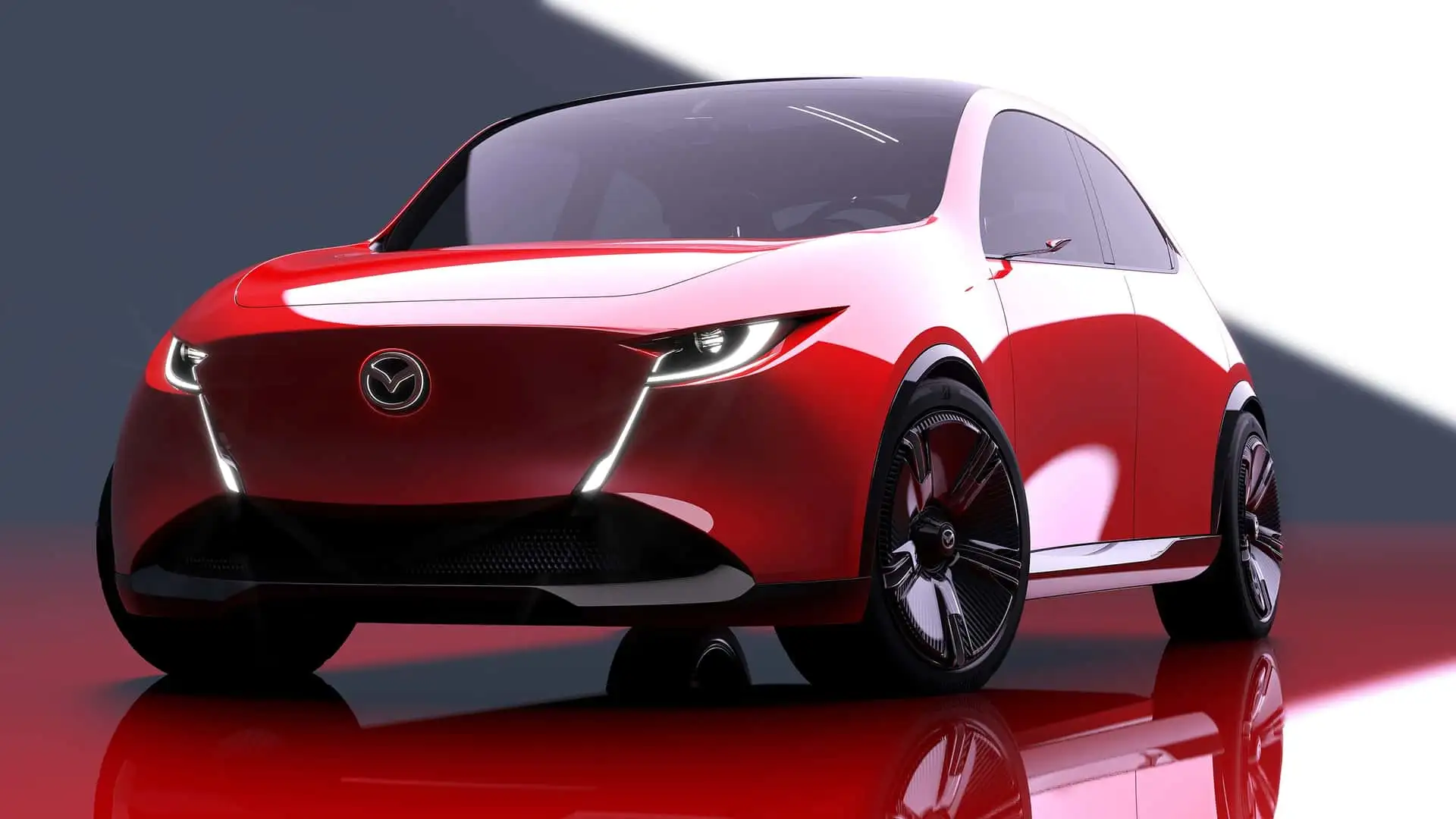
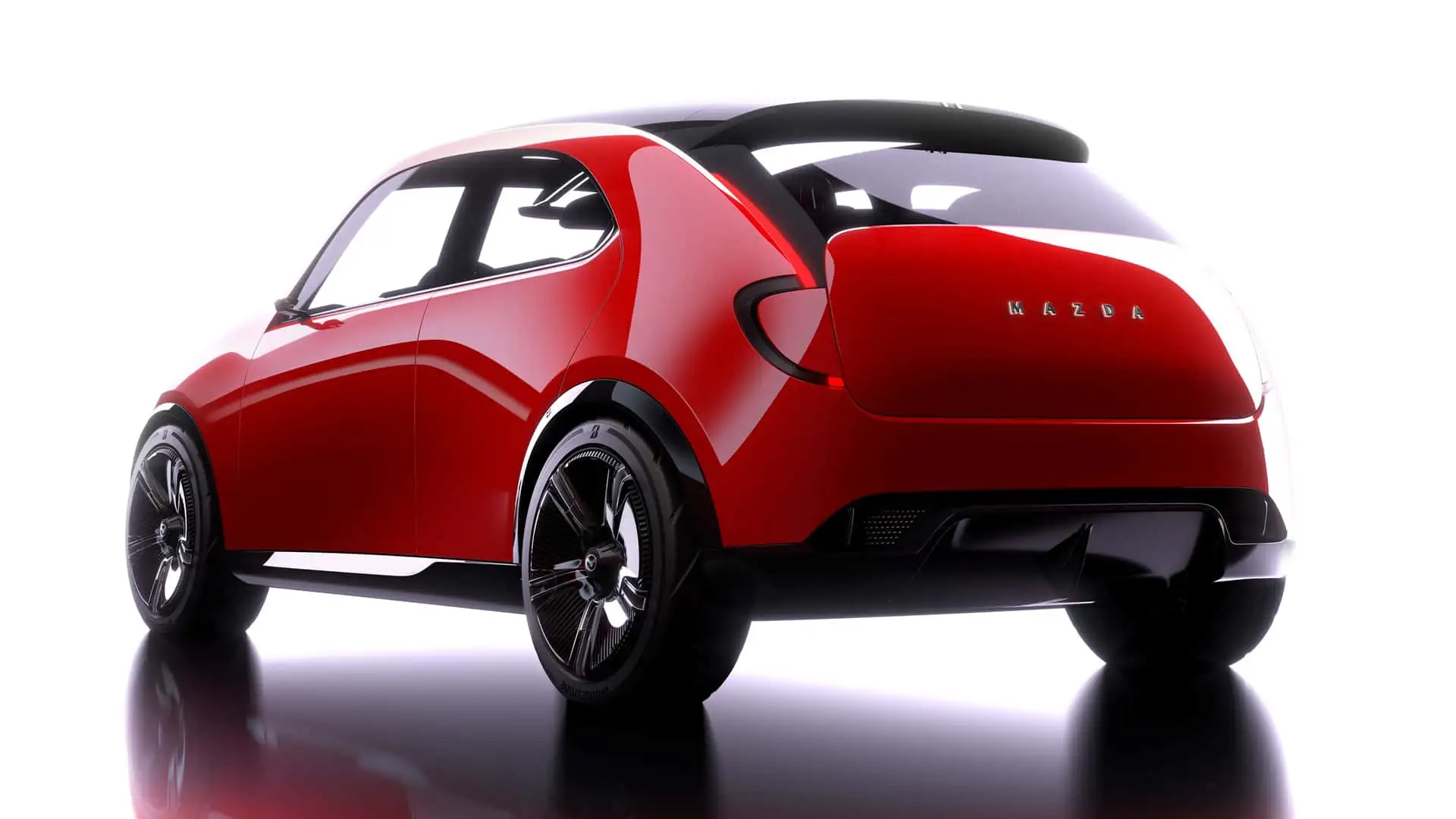
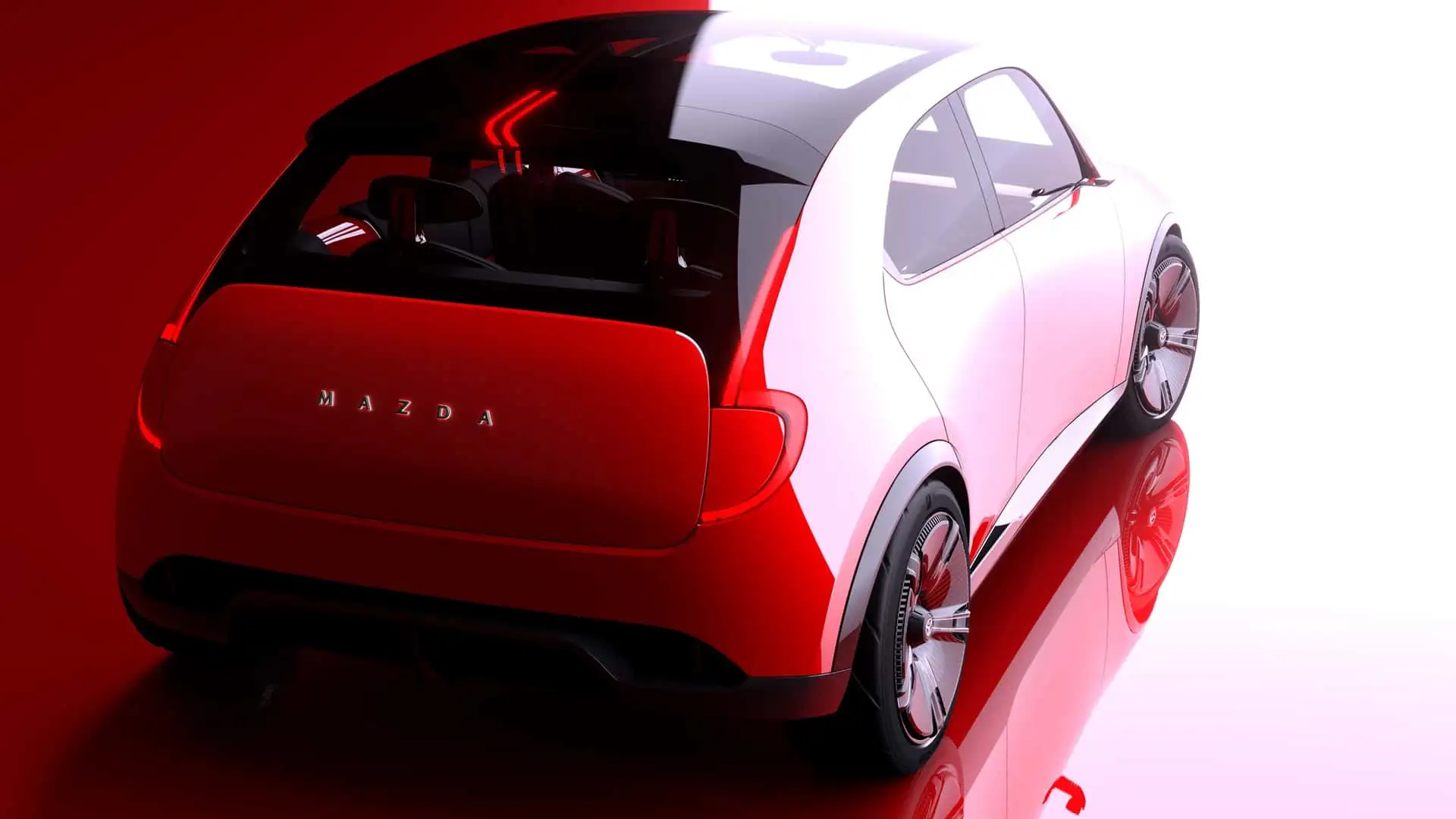
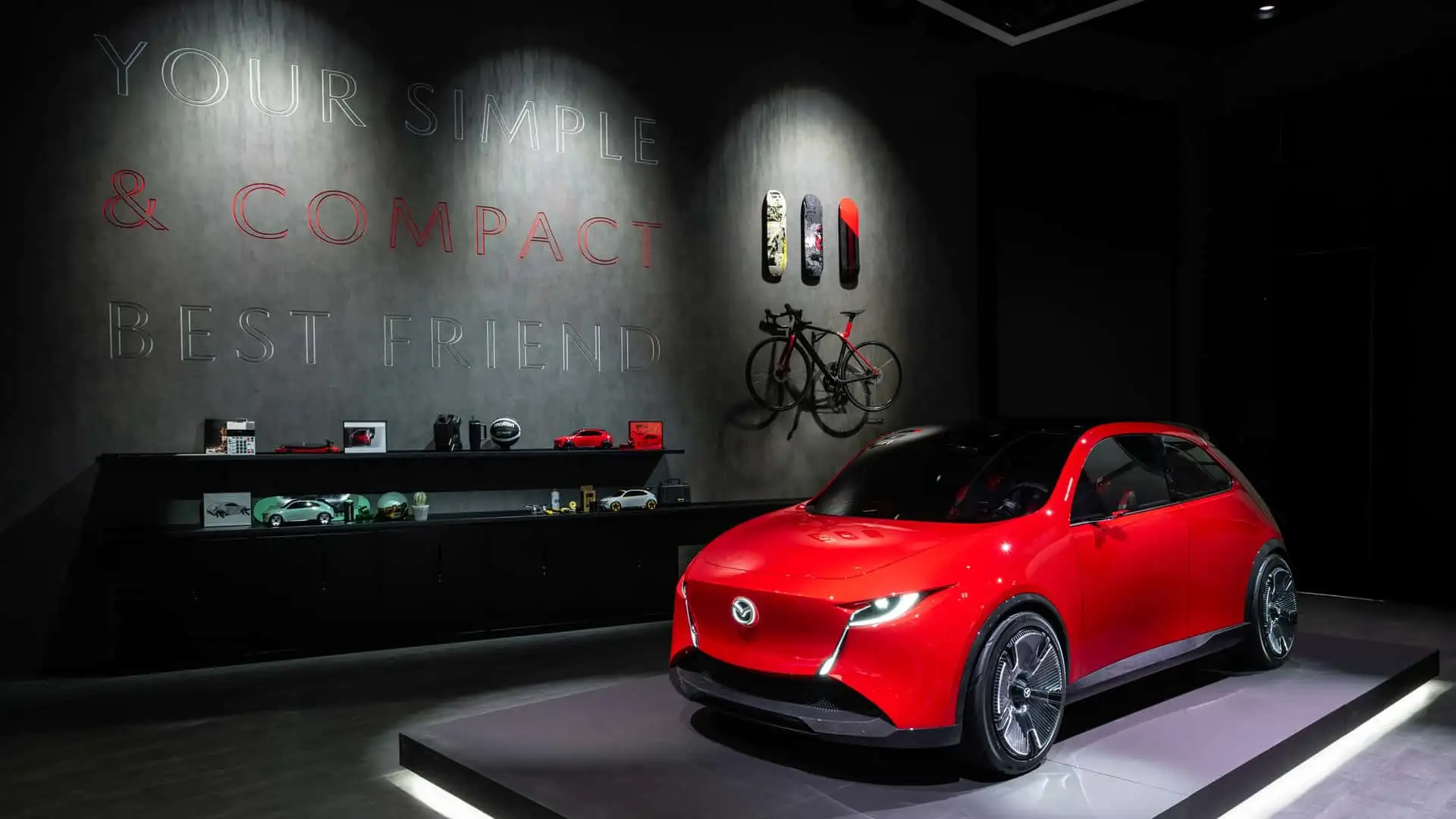
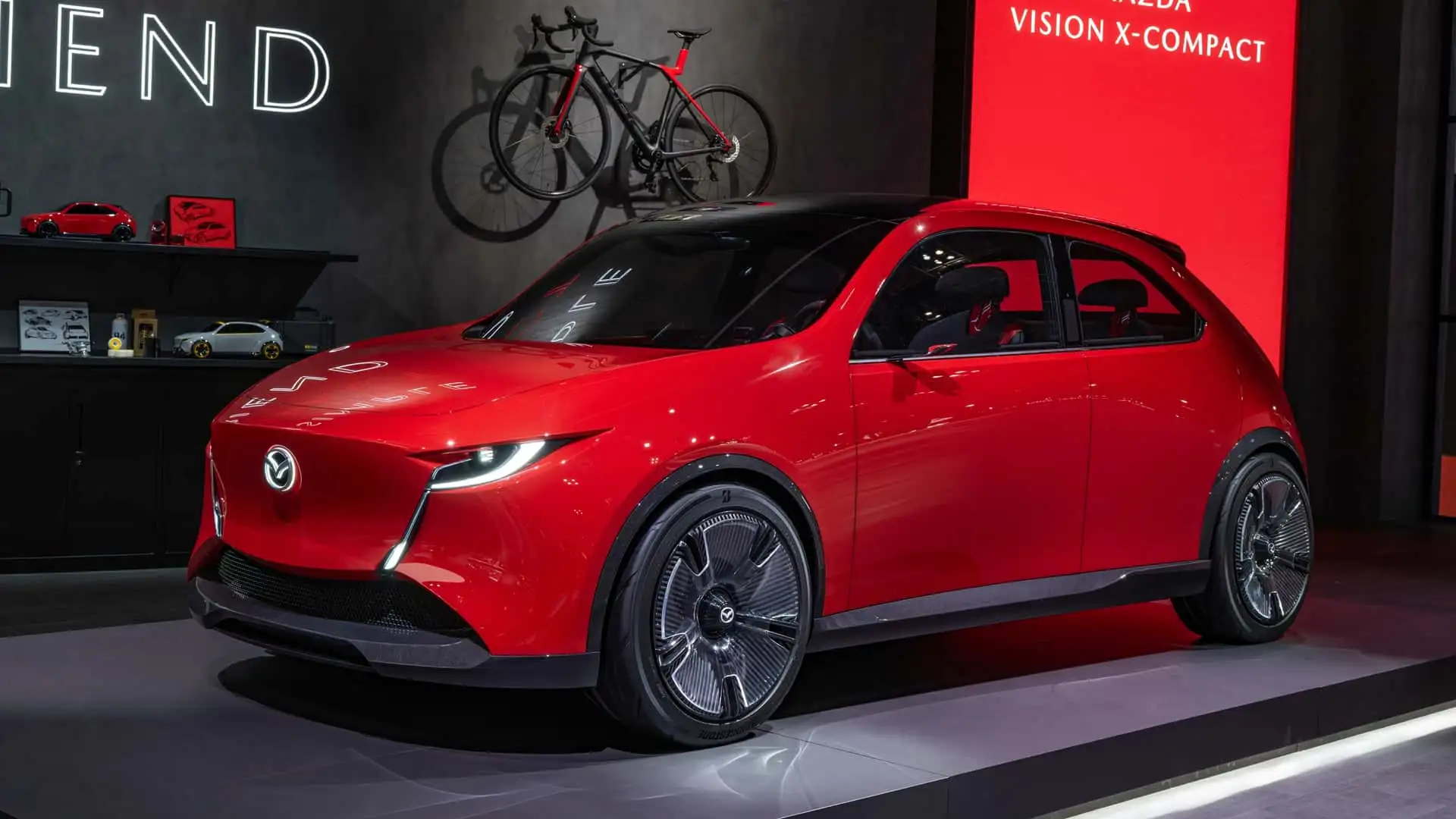
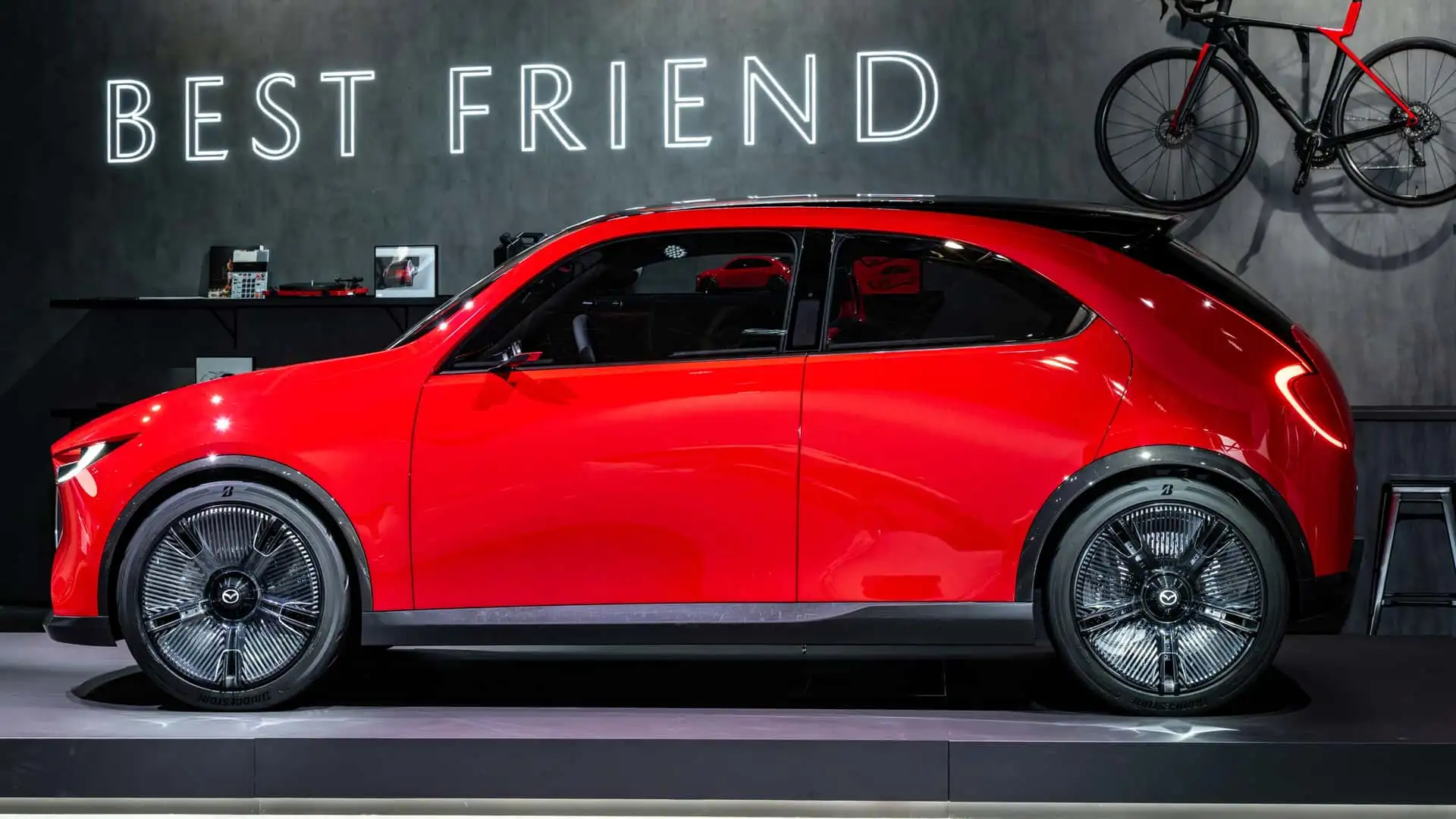
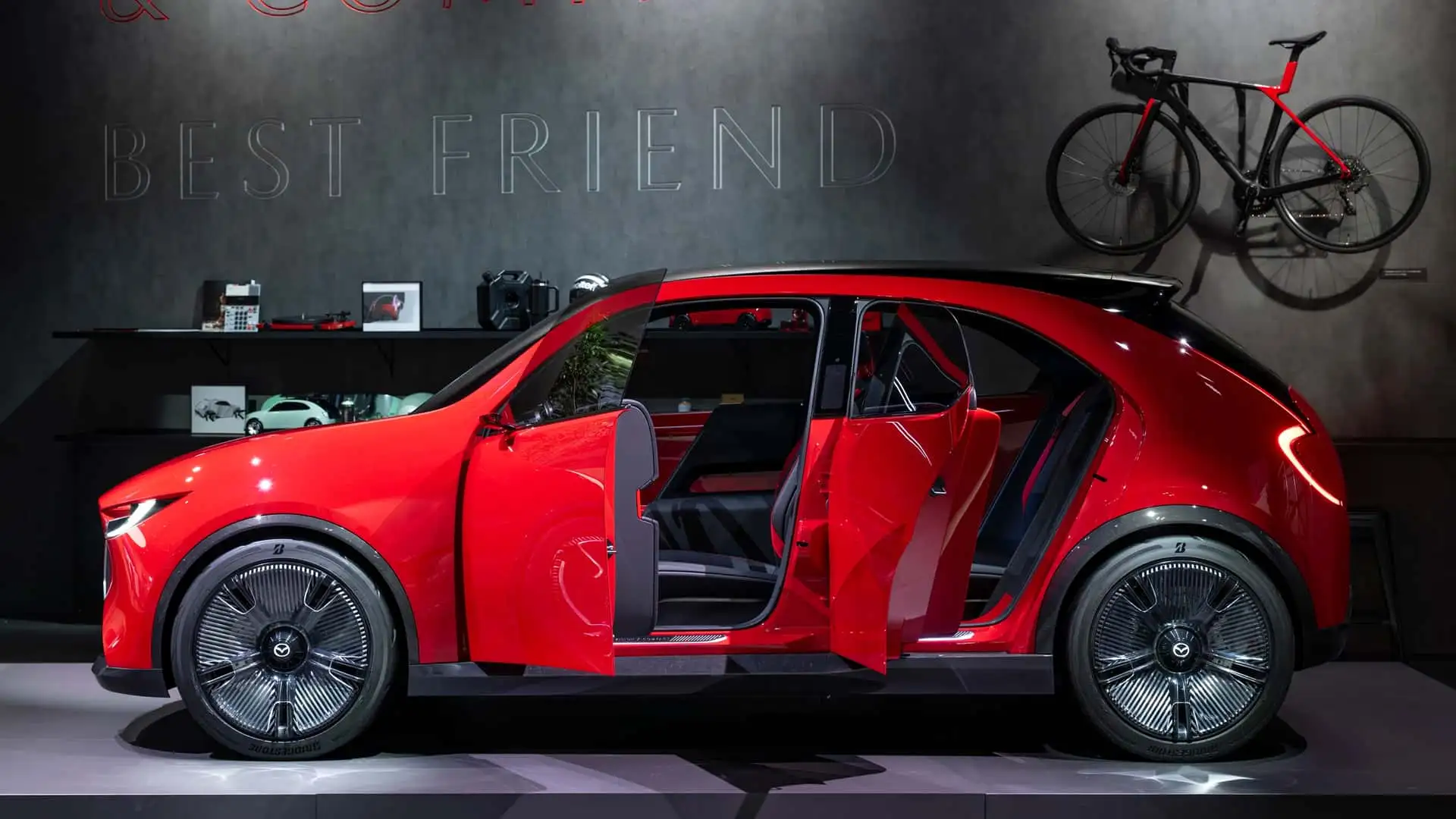
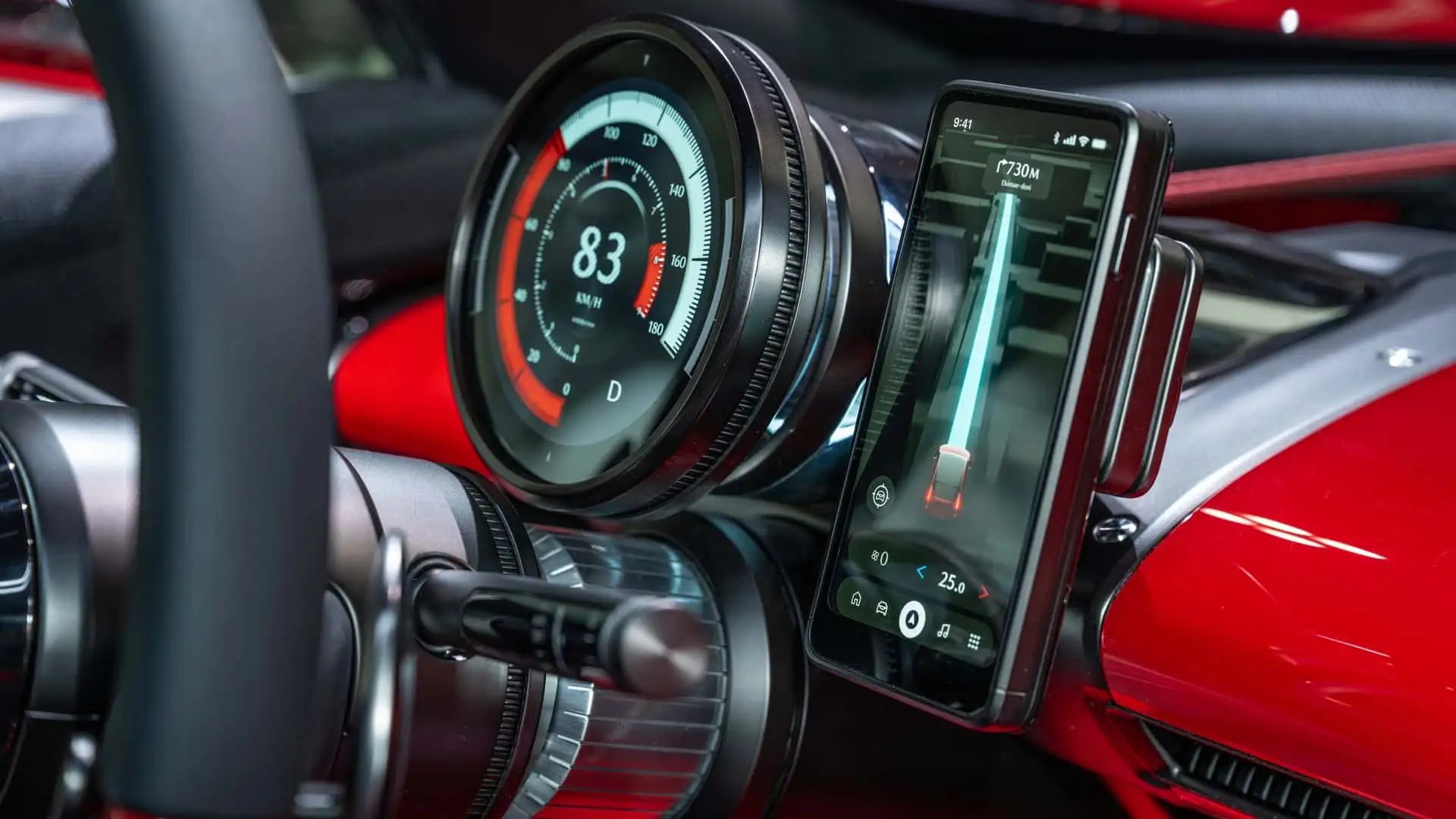
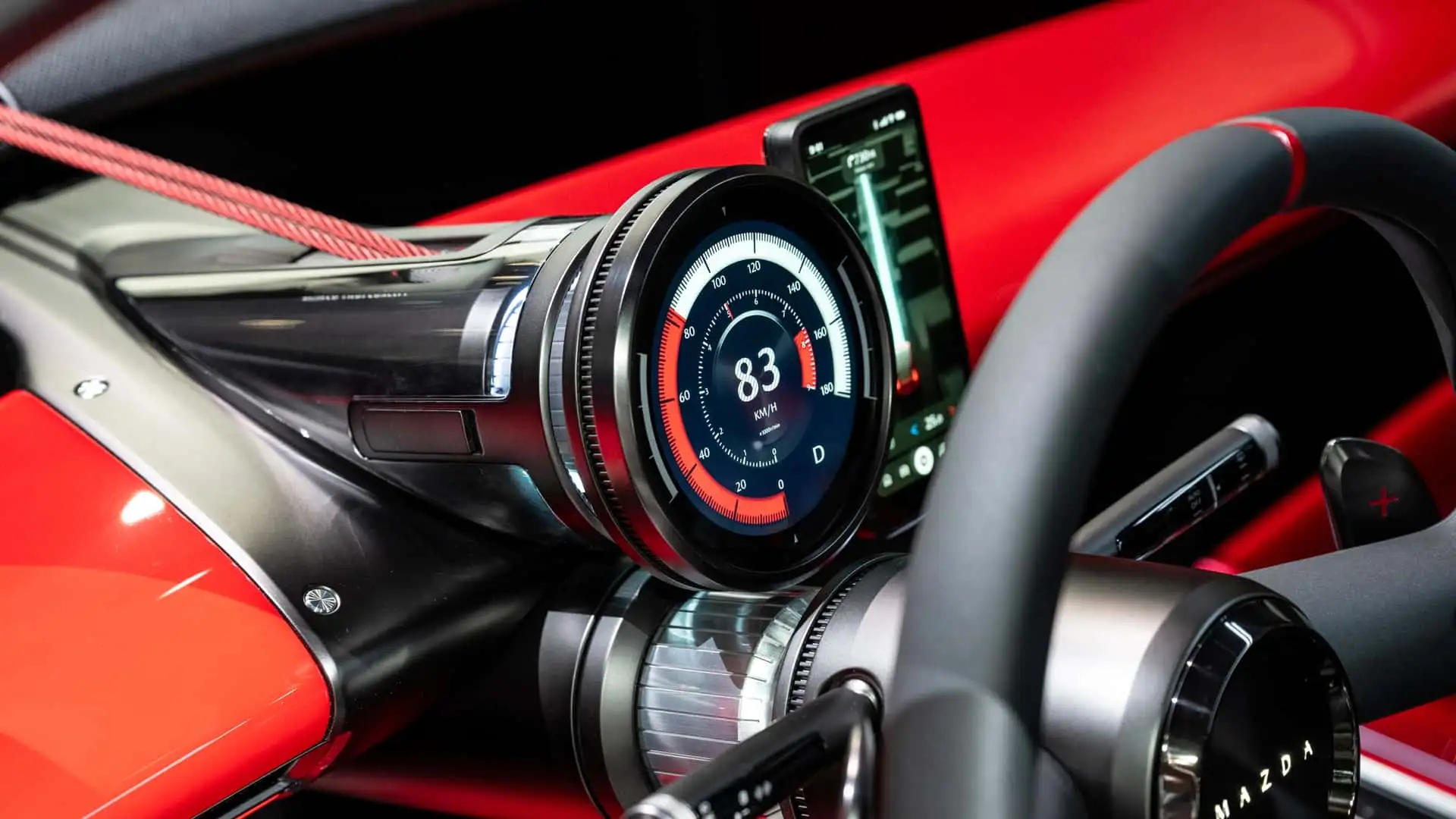
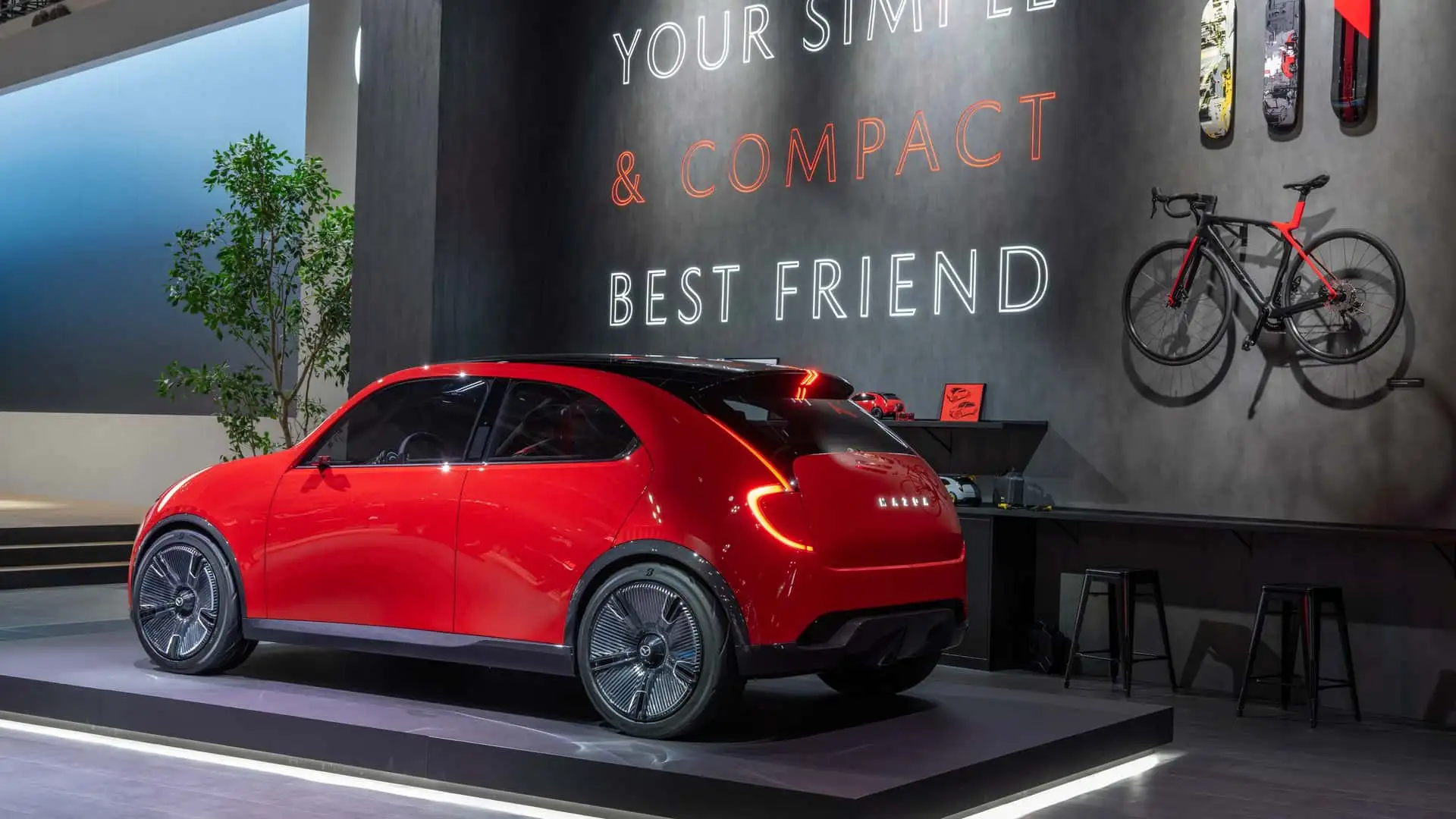
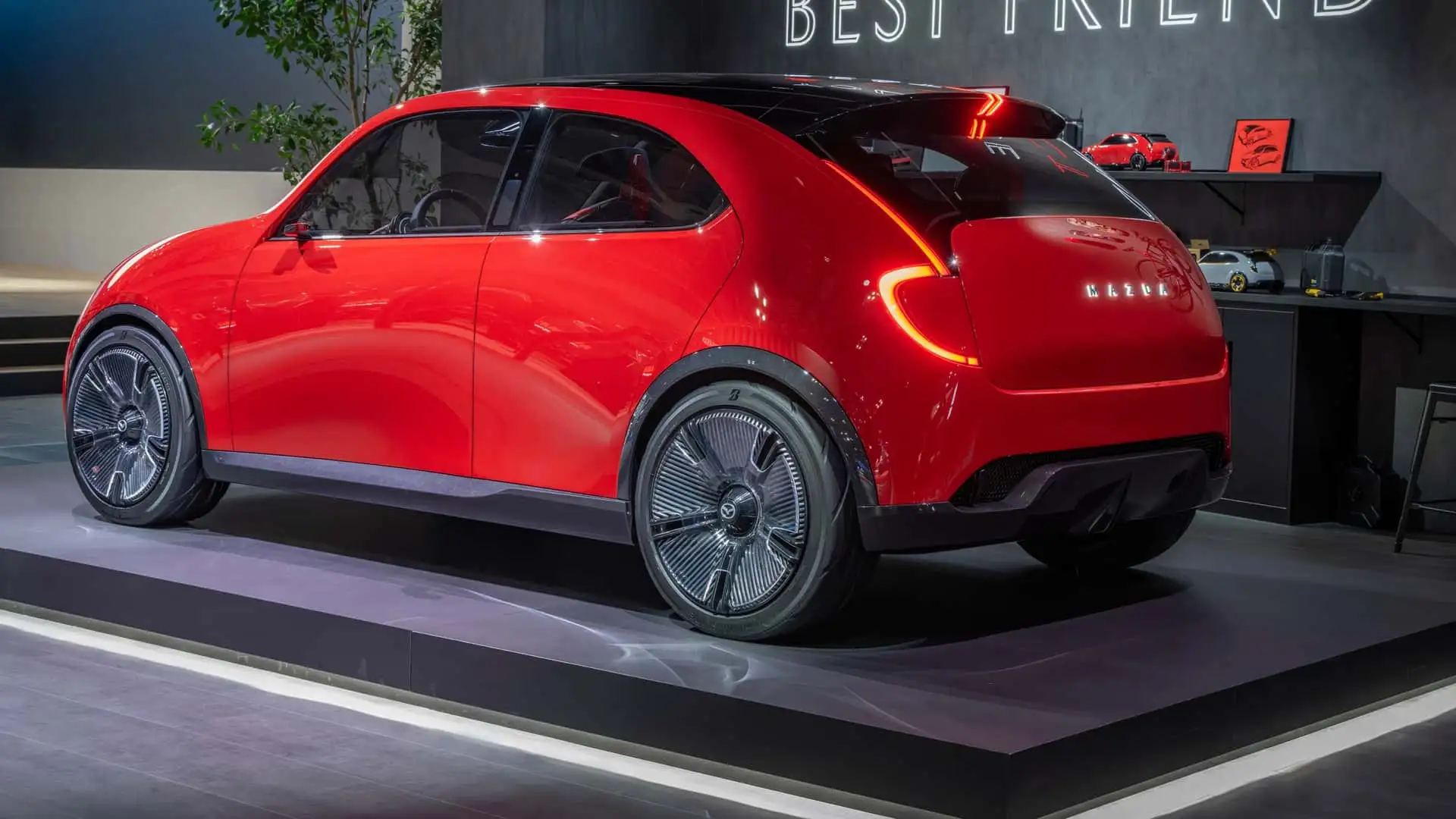
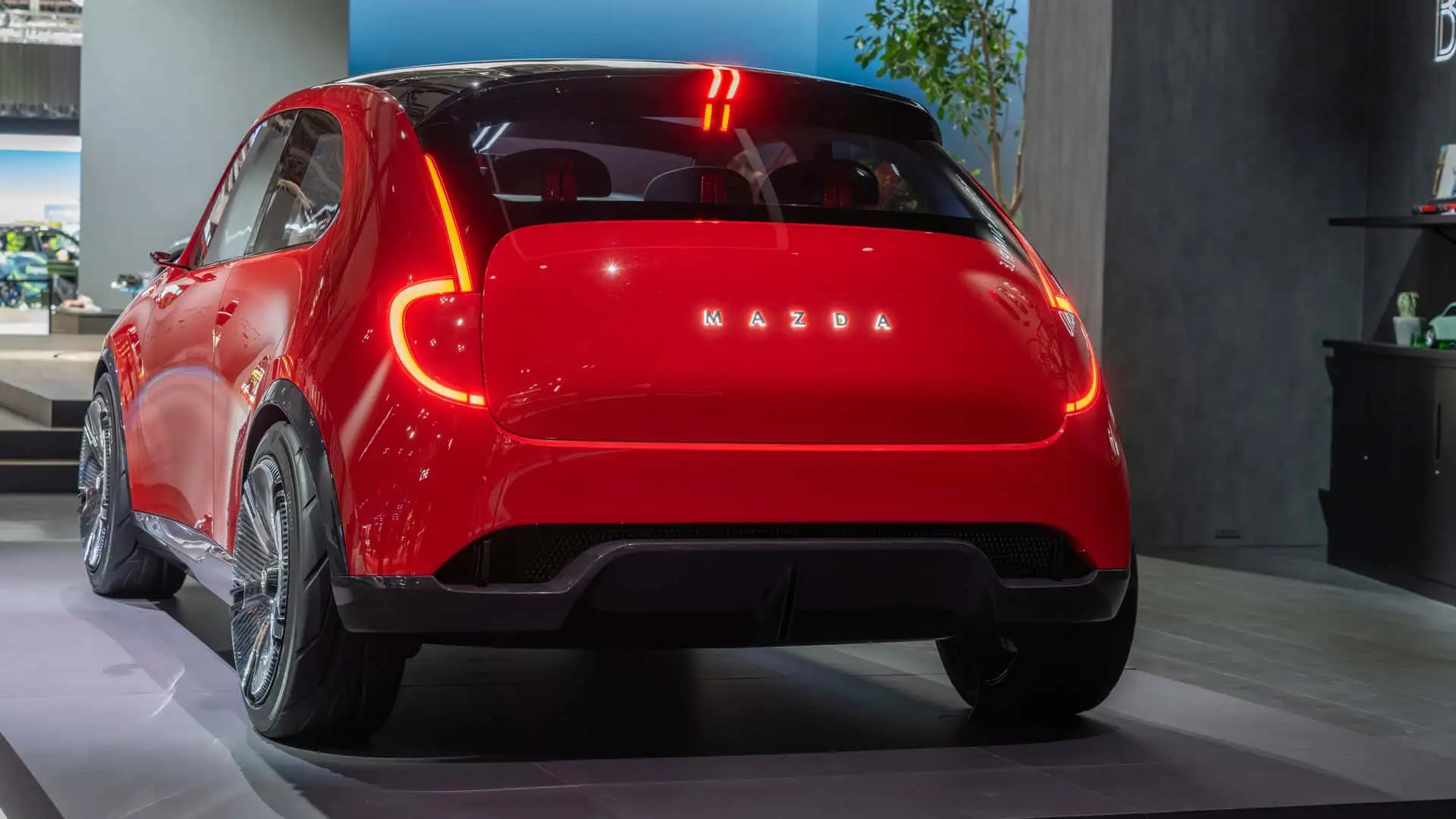
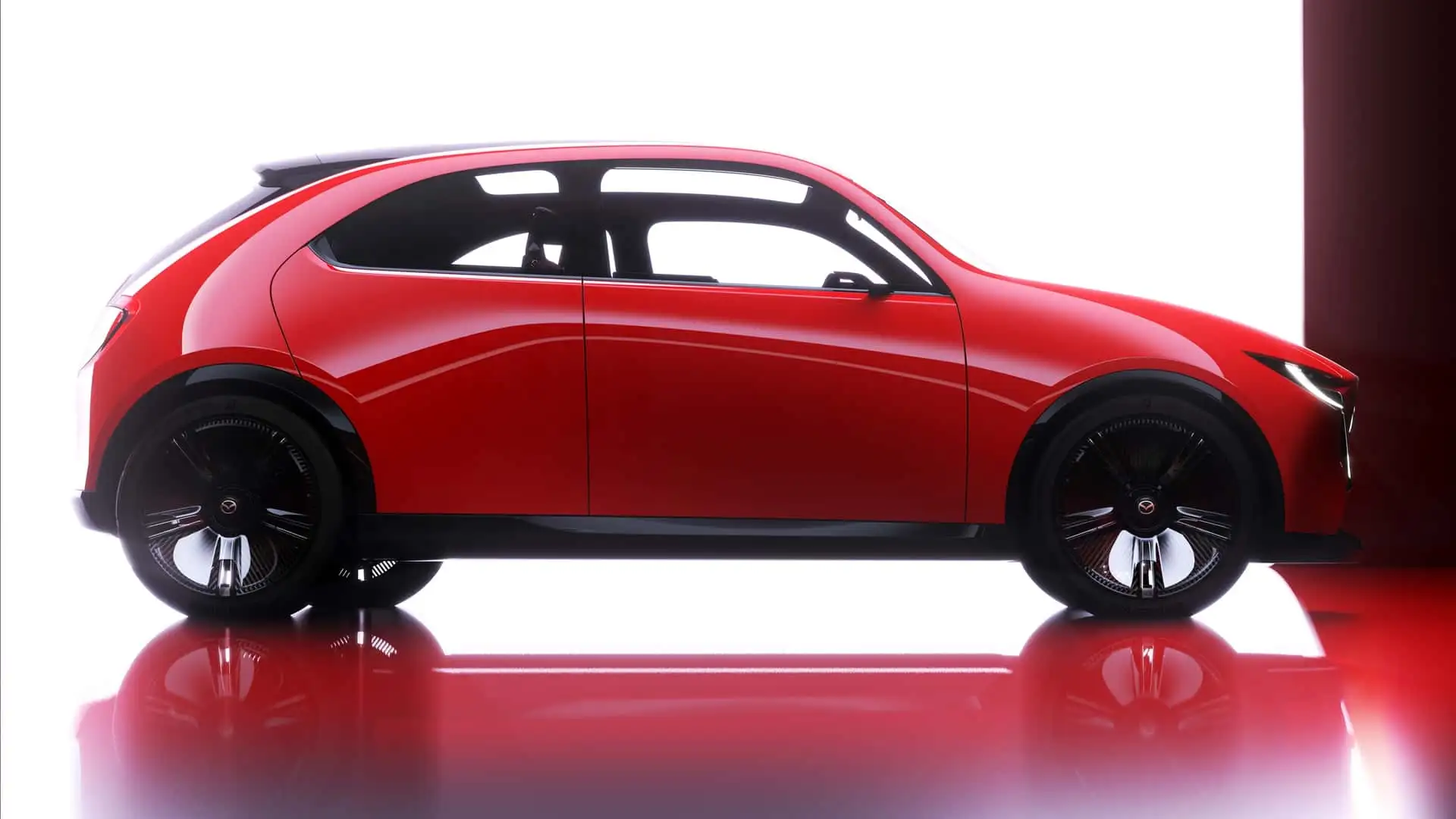
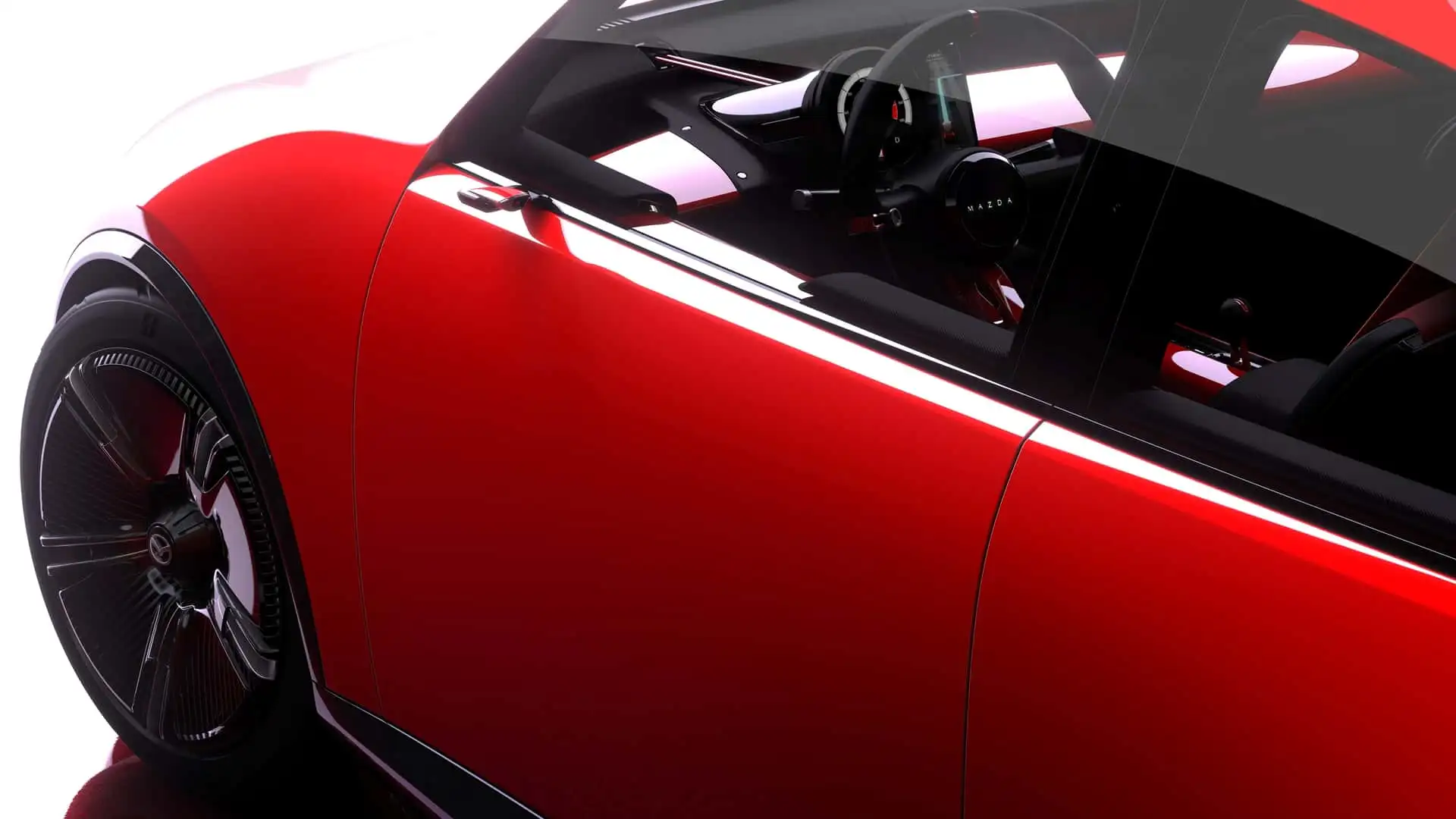
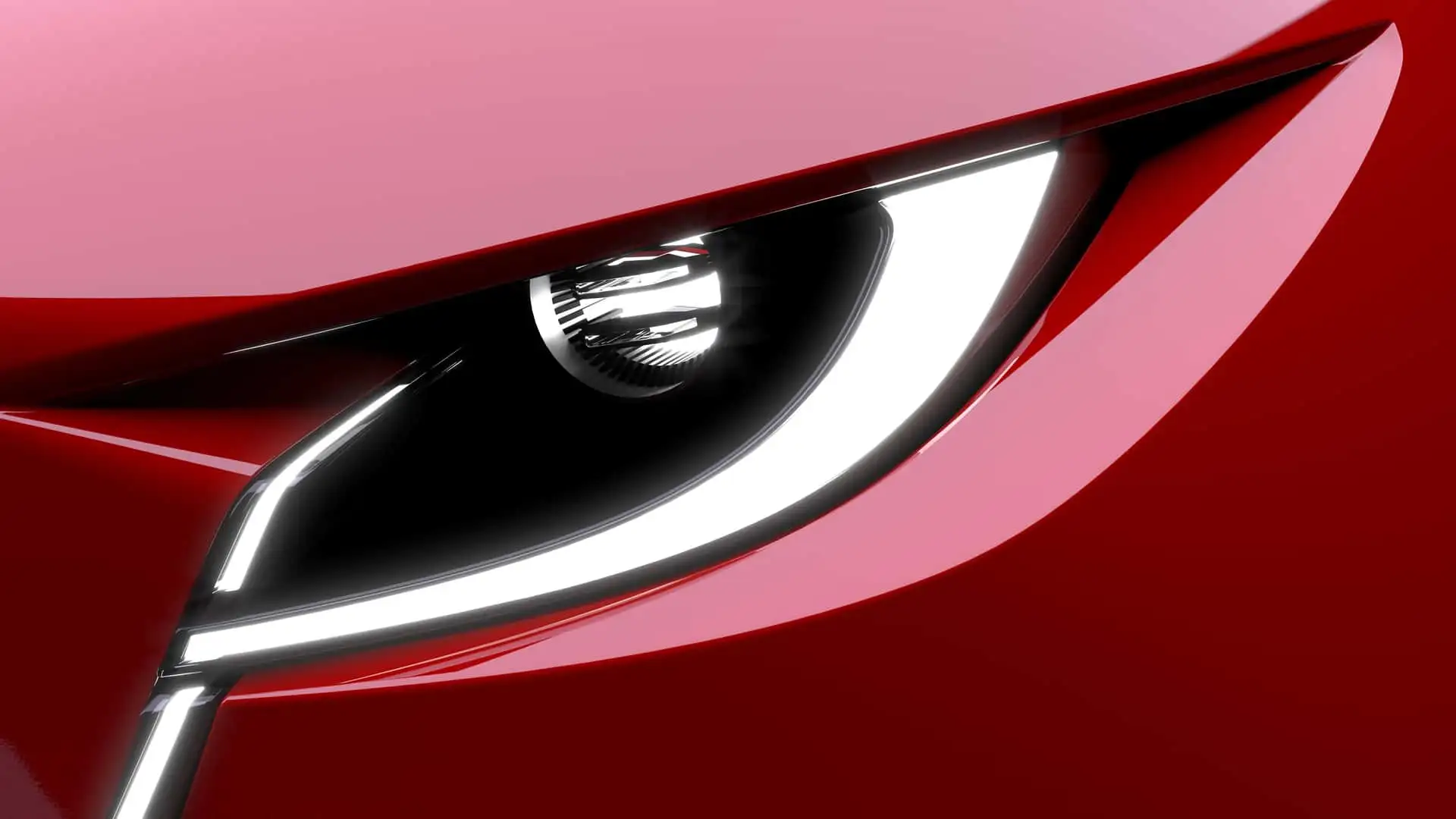
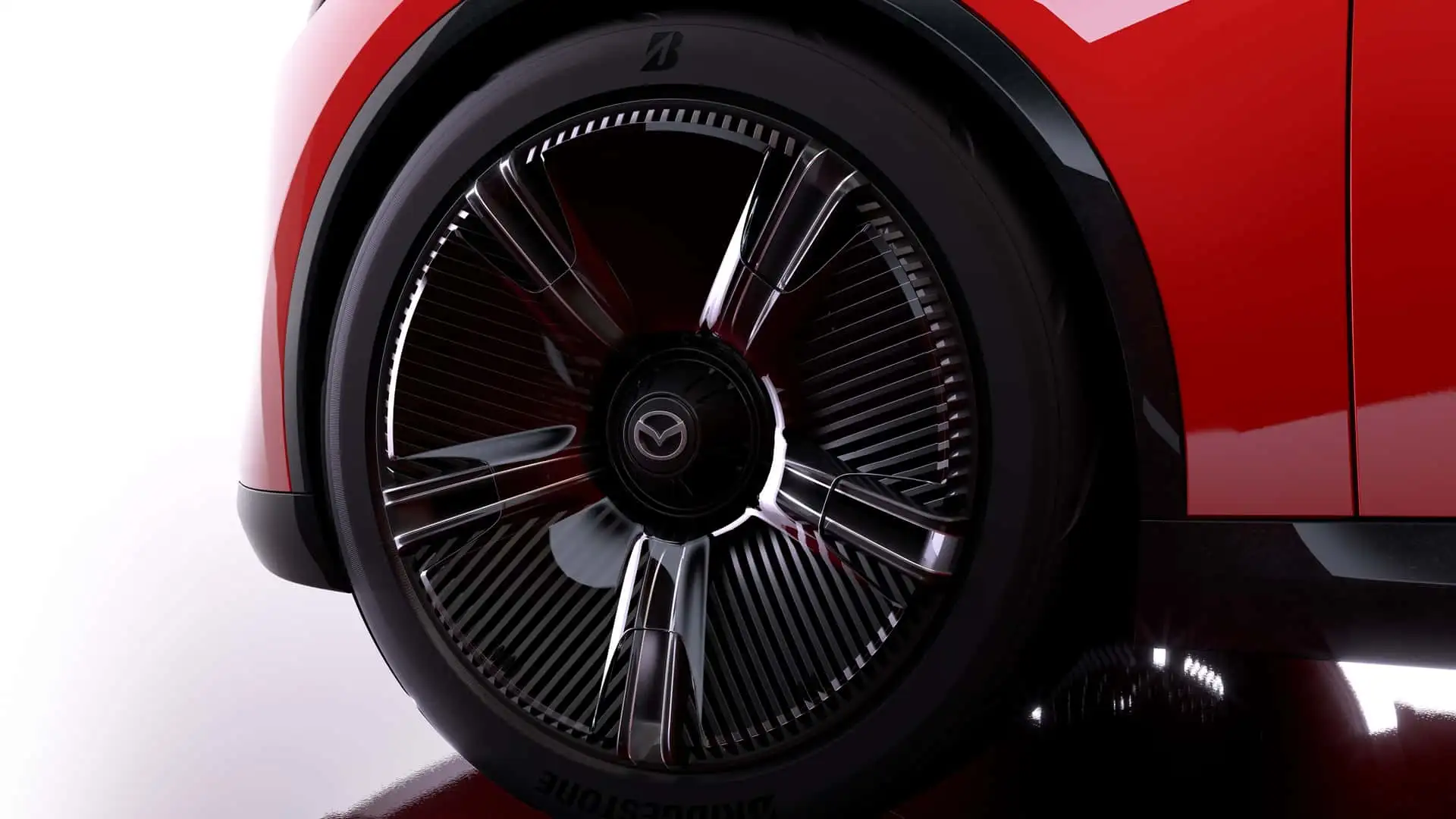
Mazda has not released teasers of the production CX-3, yet the Vision X-Compact shown at the Japan Mobility Show offers a credible design direction. That concept looked more like a small hatchback than an SUV, but its surfacing, proportions, and tighter interpretation of Mazda’s Kodo language fit exactly what a next CX-3 should become: cleaner, more technical, and less visually top-heavy than the current car.
What is notable is that Mazda is keeping the CX-3 badge instead of moving to the rumored CX-20 name. That preserves continuity in markets where the name still carries recognition, even if it breaks the cleaner numbering logic of the wider SUV range. For buyers, that naming choice matters less than whether Mazda can create enough separation from the CX-30 in price, rear-seat packaging, and running costs.


FAQ
When will the new Mazda CX-3 go on sale?
Mazda has confirmed the second-generation CX-3 will go on sale in 2027.
Where will the 2027 Mazda CX-3 be built?
Production will take place at Auto Alliance Thailand in Rayong, a Mazda-Ford joint-venture factory that also serves as an export hub.
Will the new Mazda CX-3 be a hybrid?
Mazda has confirmed an electrified version, but it has not yet disclosed whether the system will be mild-hybrid, full-hybrid, or another format.
Will the Mazda CX-3 return to the United States or Europe?
Mazda has only confirmed Japan and Southeast Asia so far. There is no official confirmation of a return to the US or European markets.
Why is Mazda keeping the CX-3 name instead of switching to CX-20?
The company appears to be preserving an established nameplate in its active markets, likely to retain recognition and reduce the need for a complete repositioning exercise.