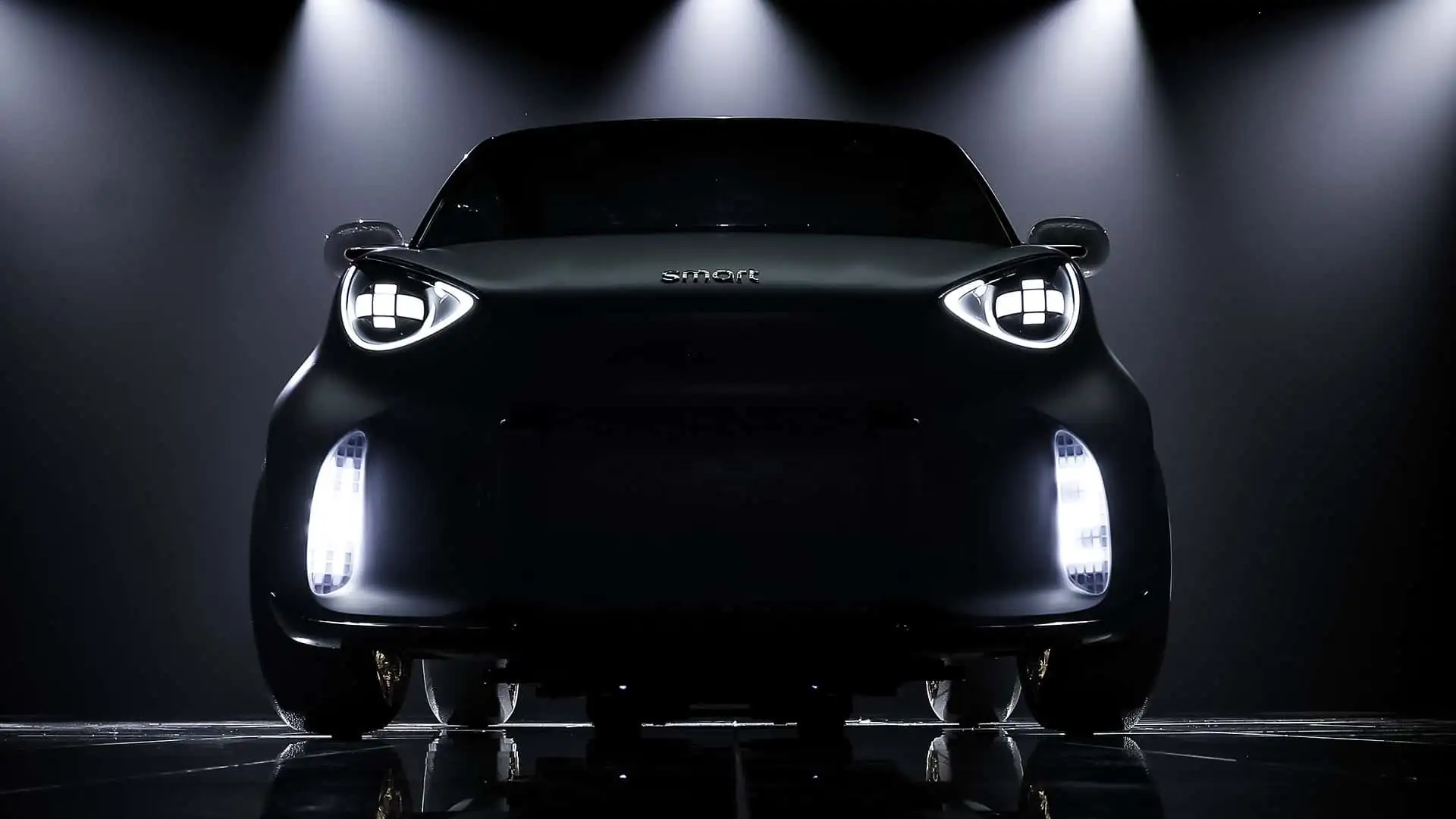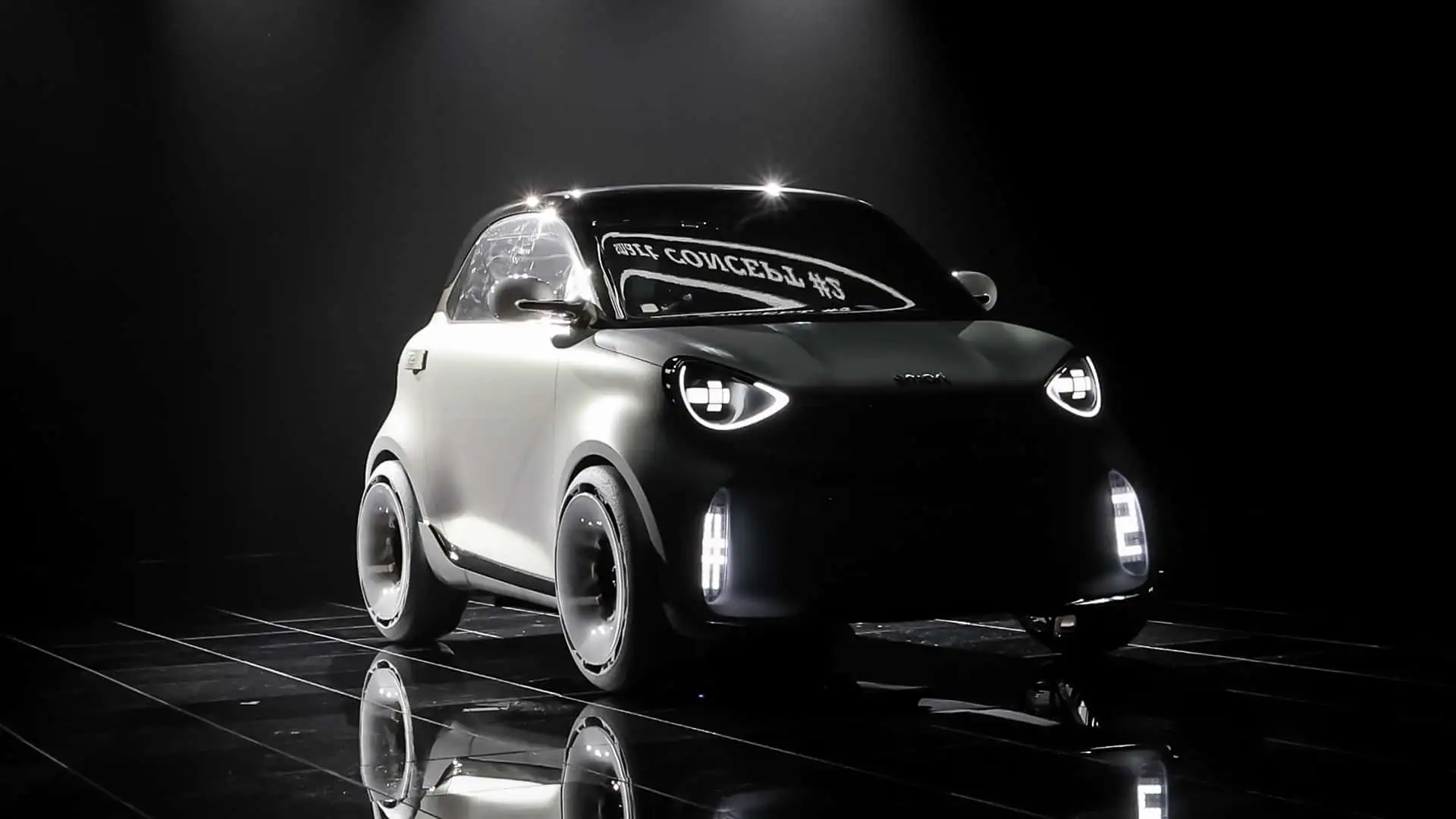
The Smart name is finally returning to the territory that made it matter in the first place. After years of chasing bigger products and broader global ambitions, the brand’s new Smart #2 concept brings back the ultra-compact, two-door urban formula with a seriousness that was missing from the modern Smart lineup. This is not nostalgia for nostalgia’s sake. It is a strategic correction, and in today’s EV market that alone makes it noteworthy.
Design and Exterior
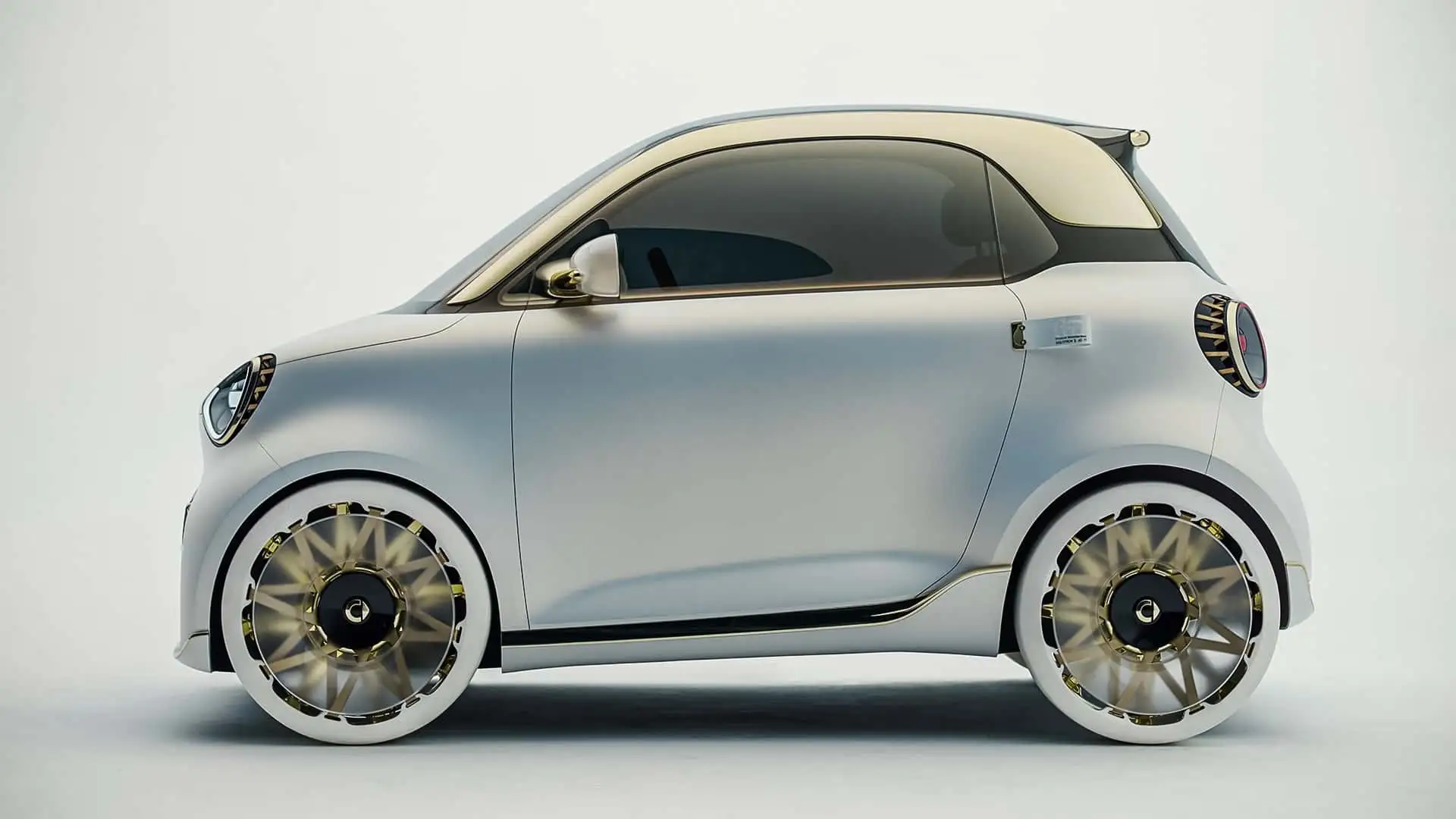
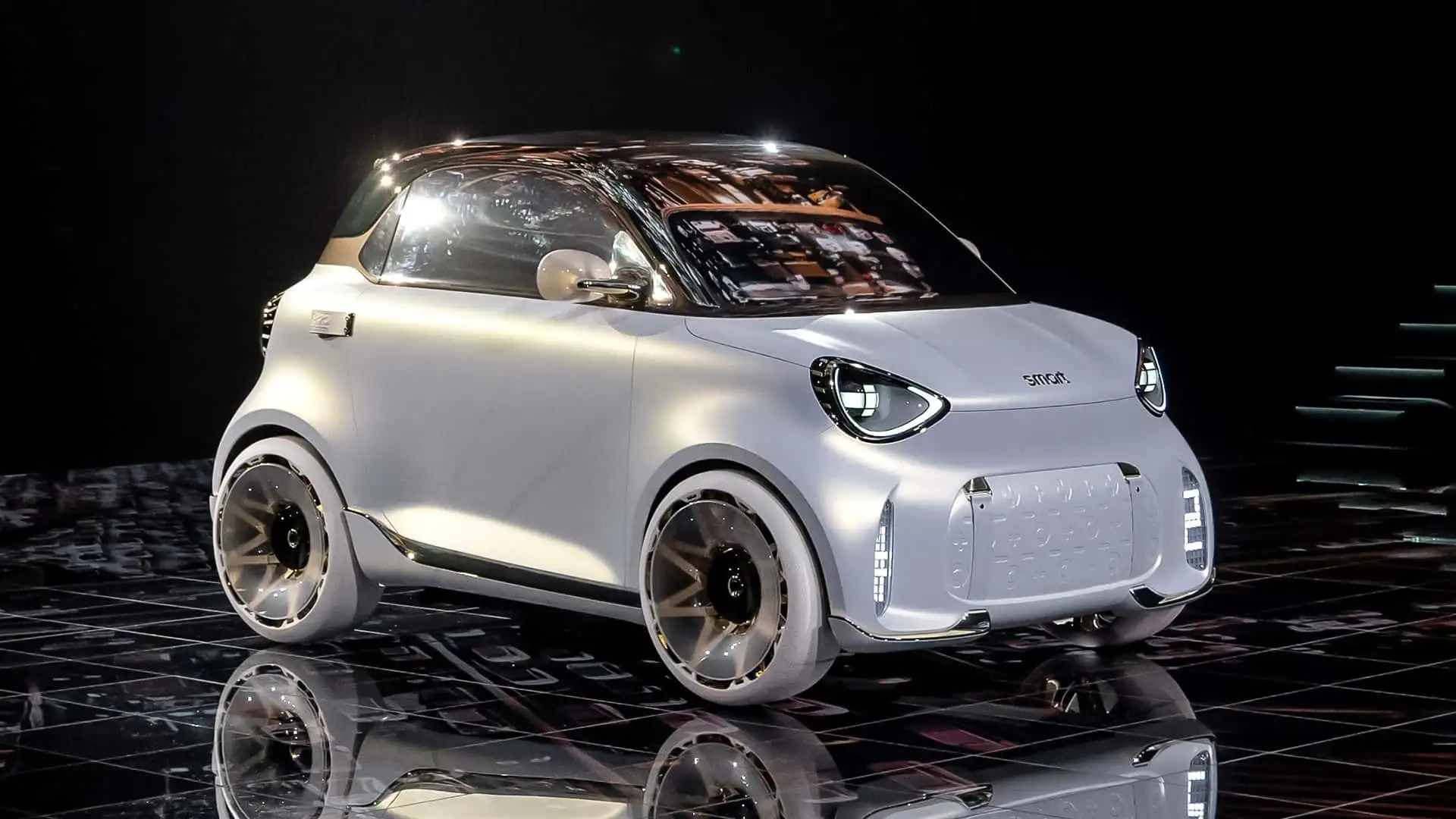
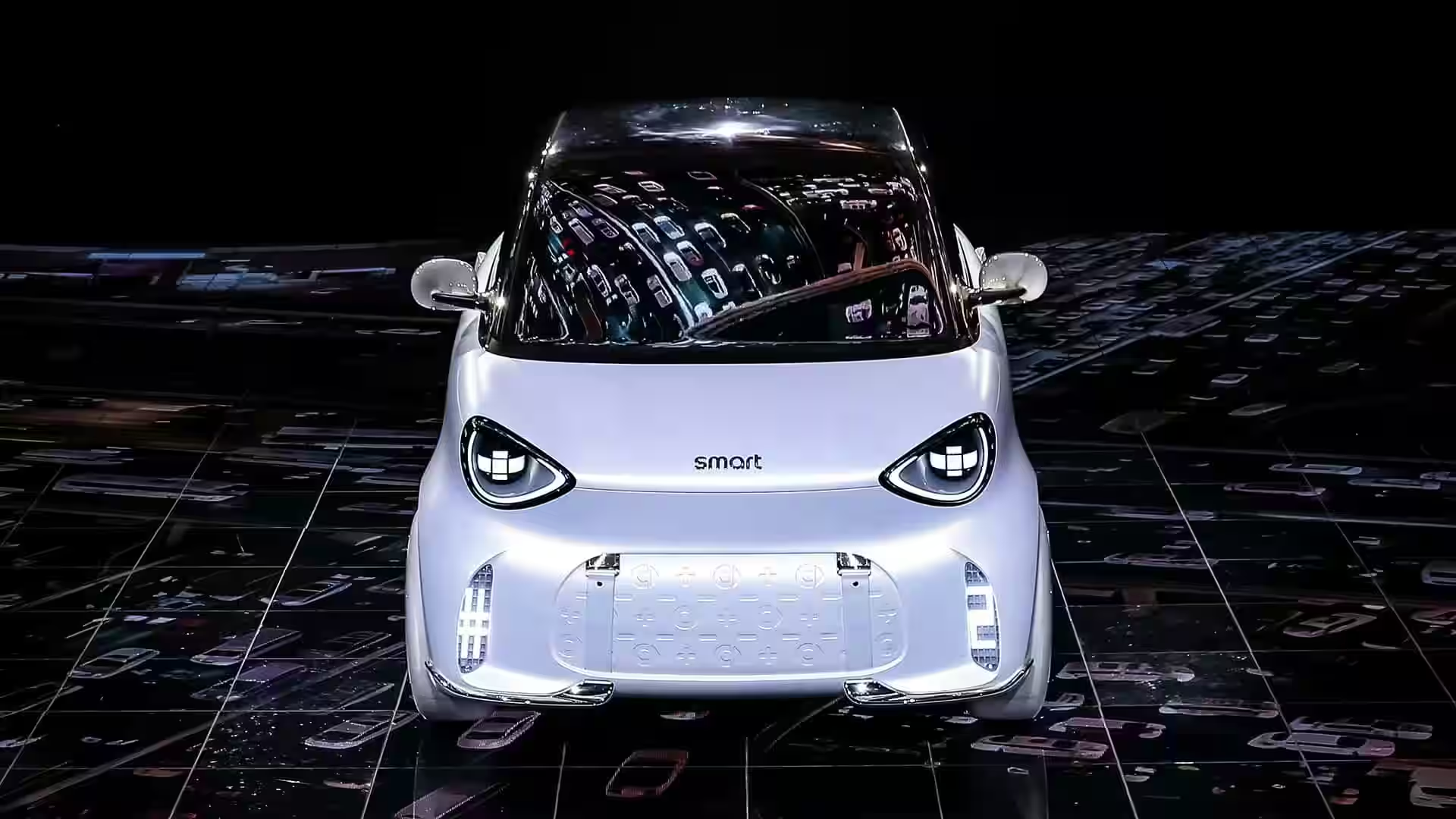
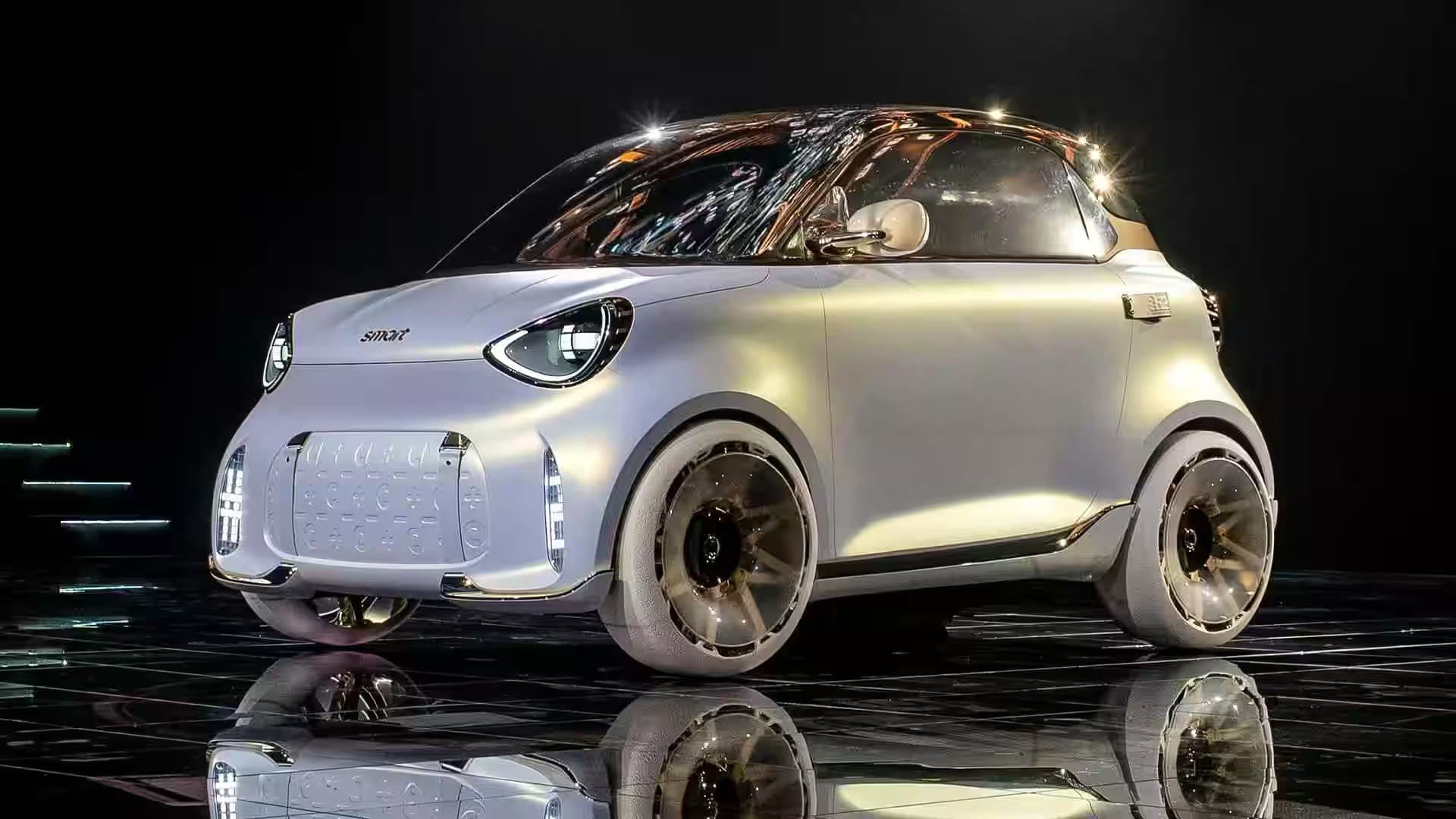
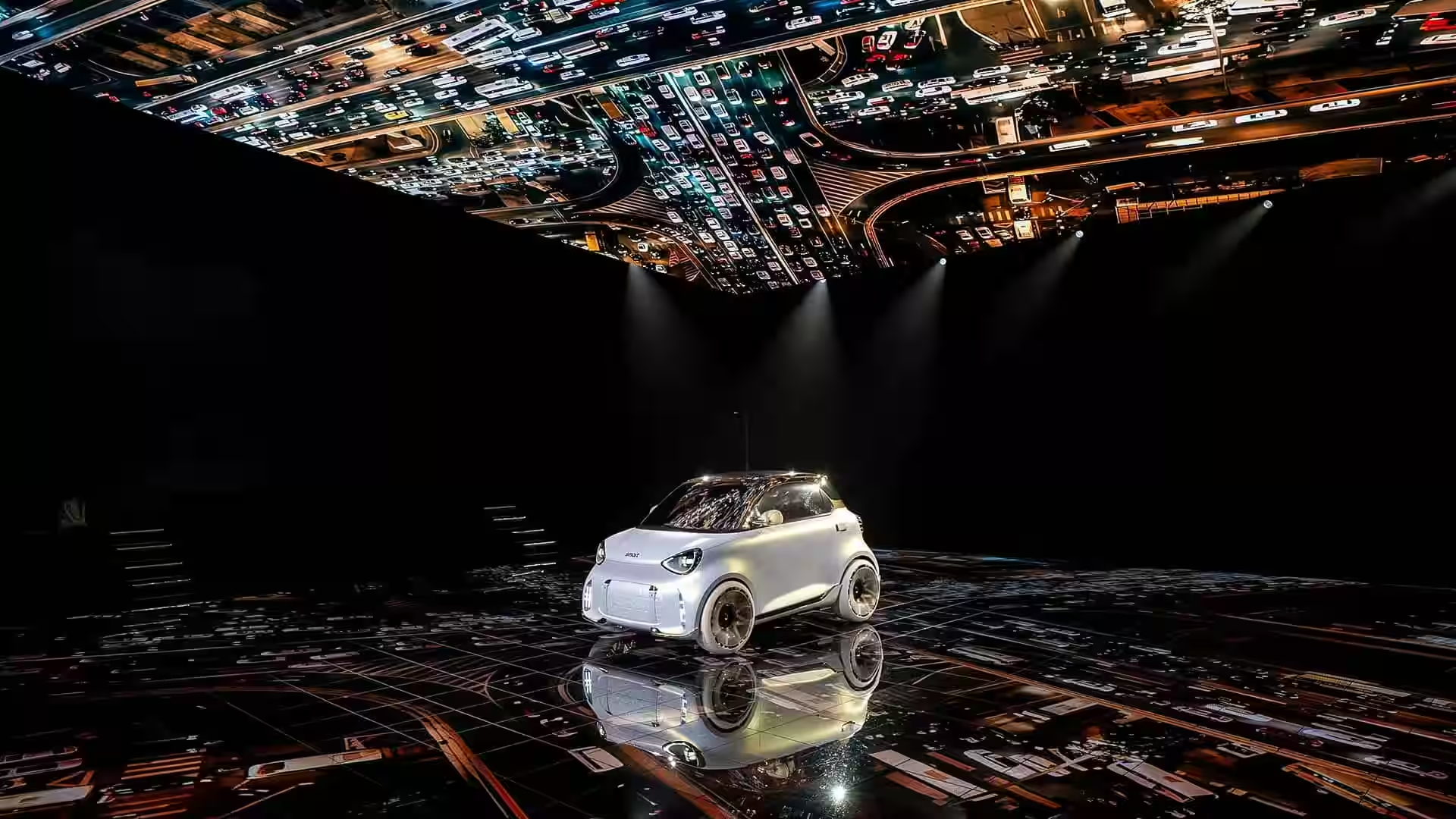
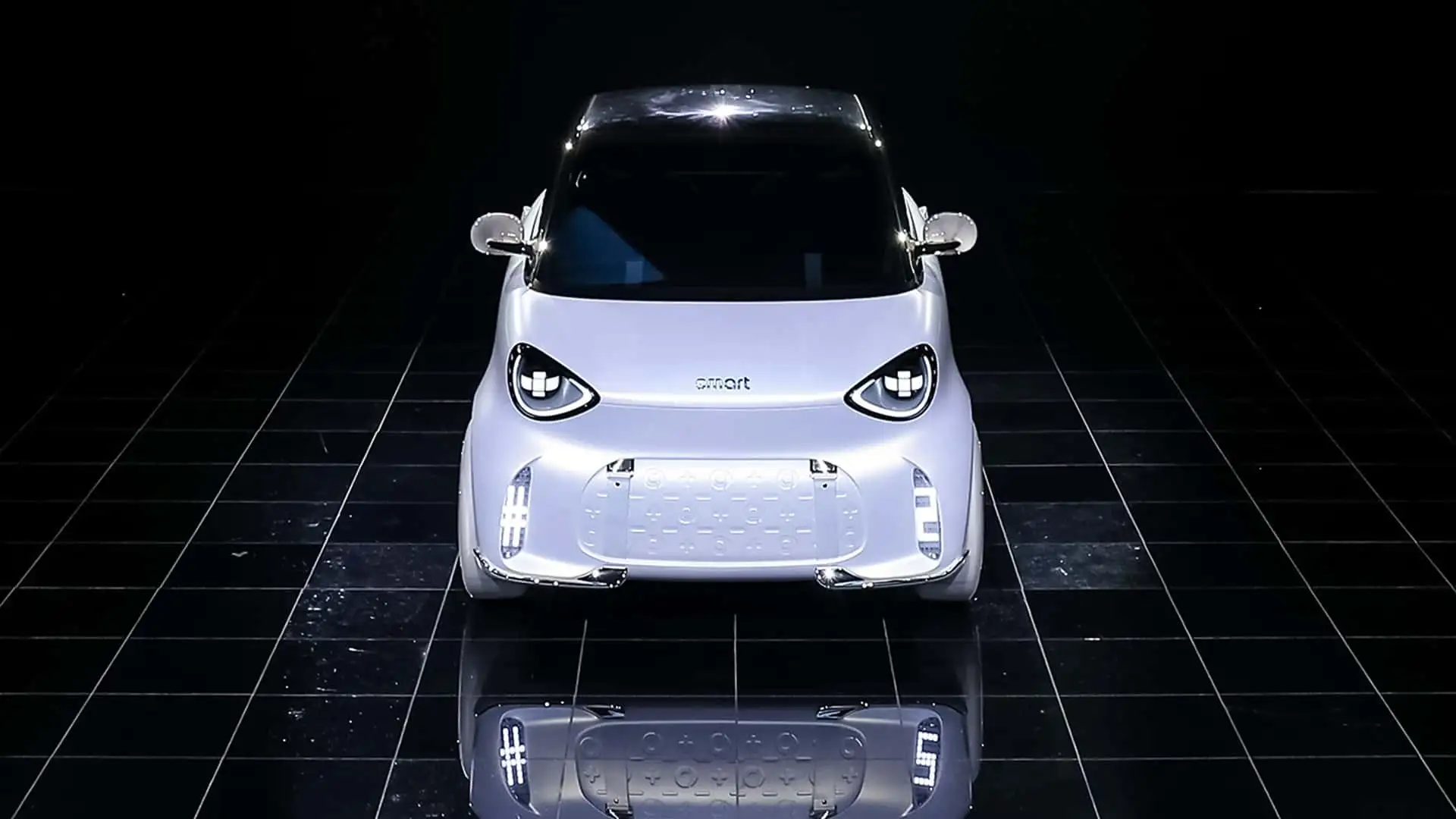
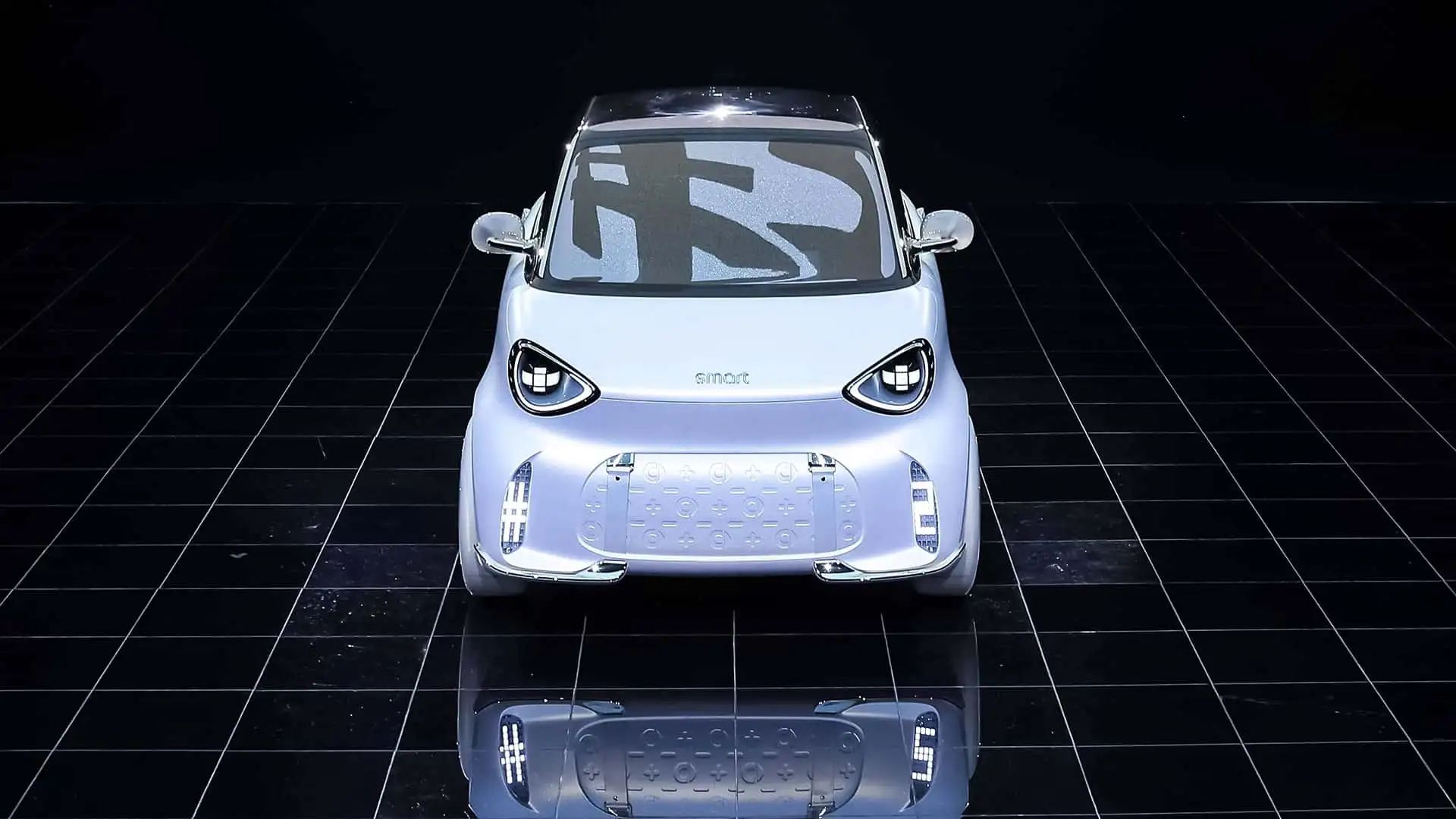
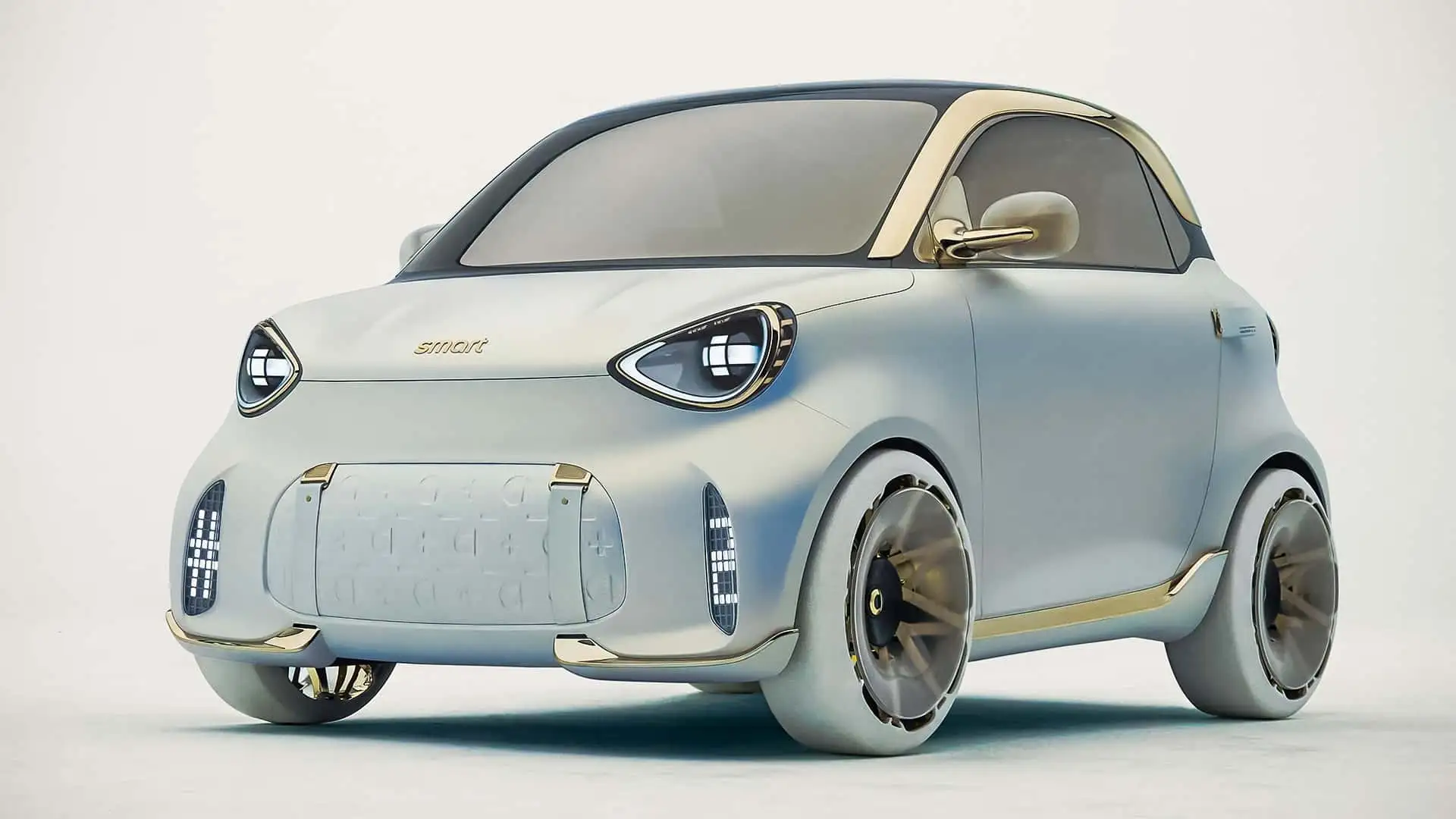
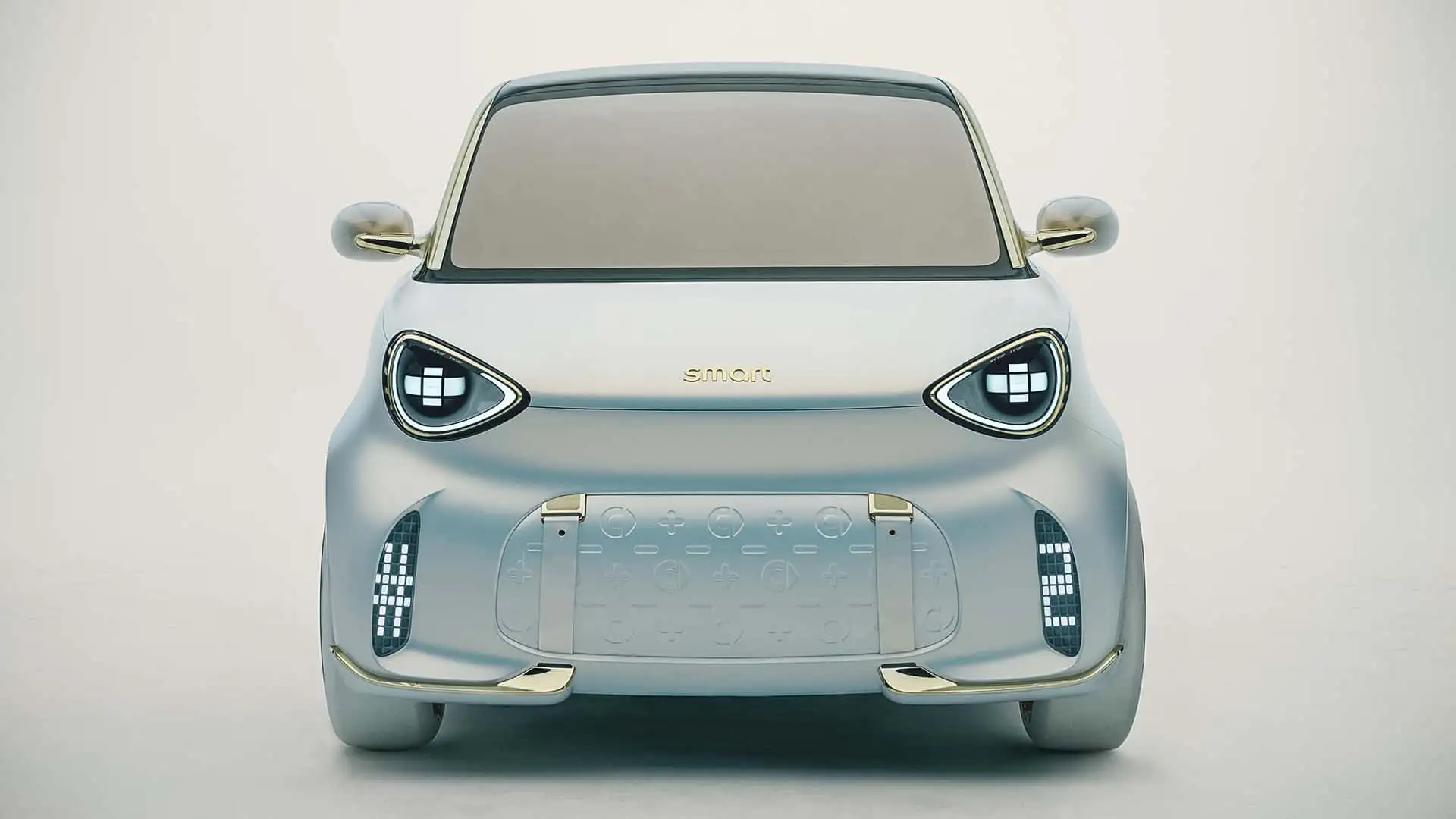
The Smart #2 is the clearest visual descendant of the original Fortwo since the badge changed course under the Mercedes-Benz and Geely joint venture. The proportions are the story here. Short overhangs, pronounced wheel arches, a stubby two-box silhouette, and a tiny footprint all communicate the same thing: this is a car engineered to solve congestion, not impress from a distance in a shopping-center parking lot.
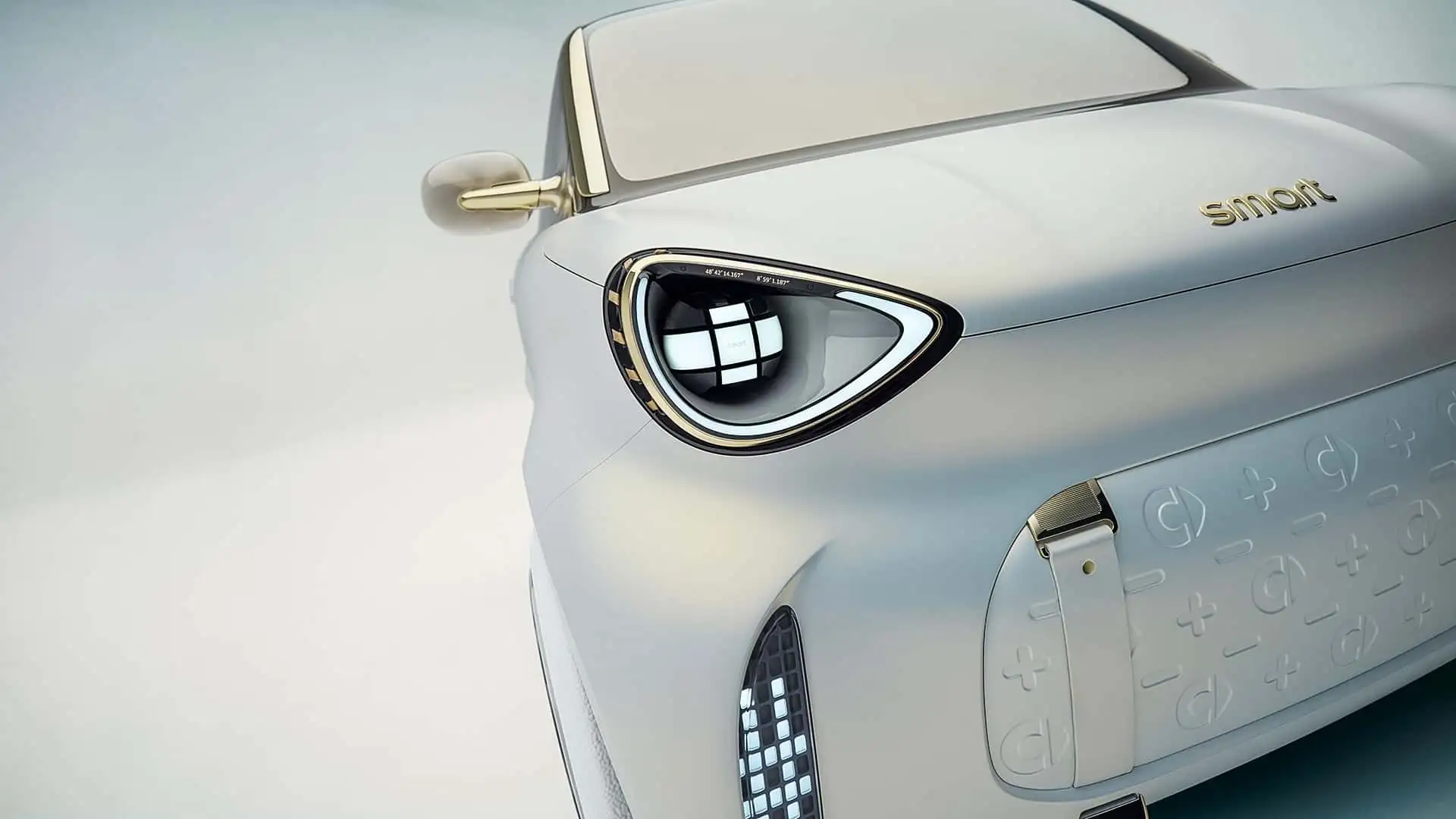
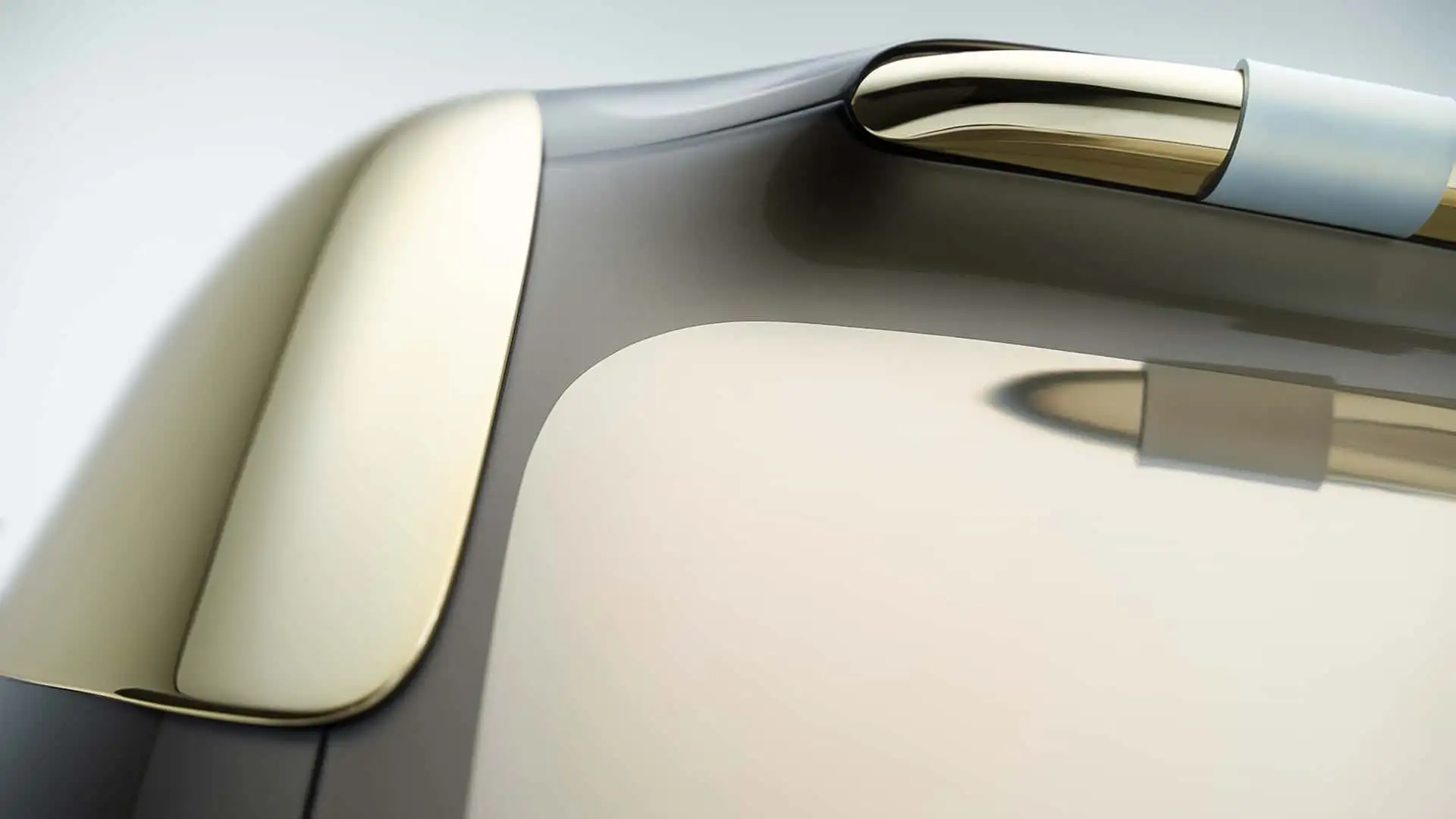
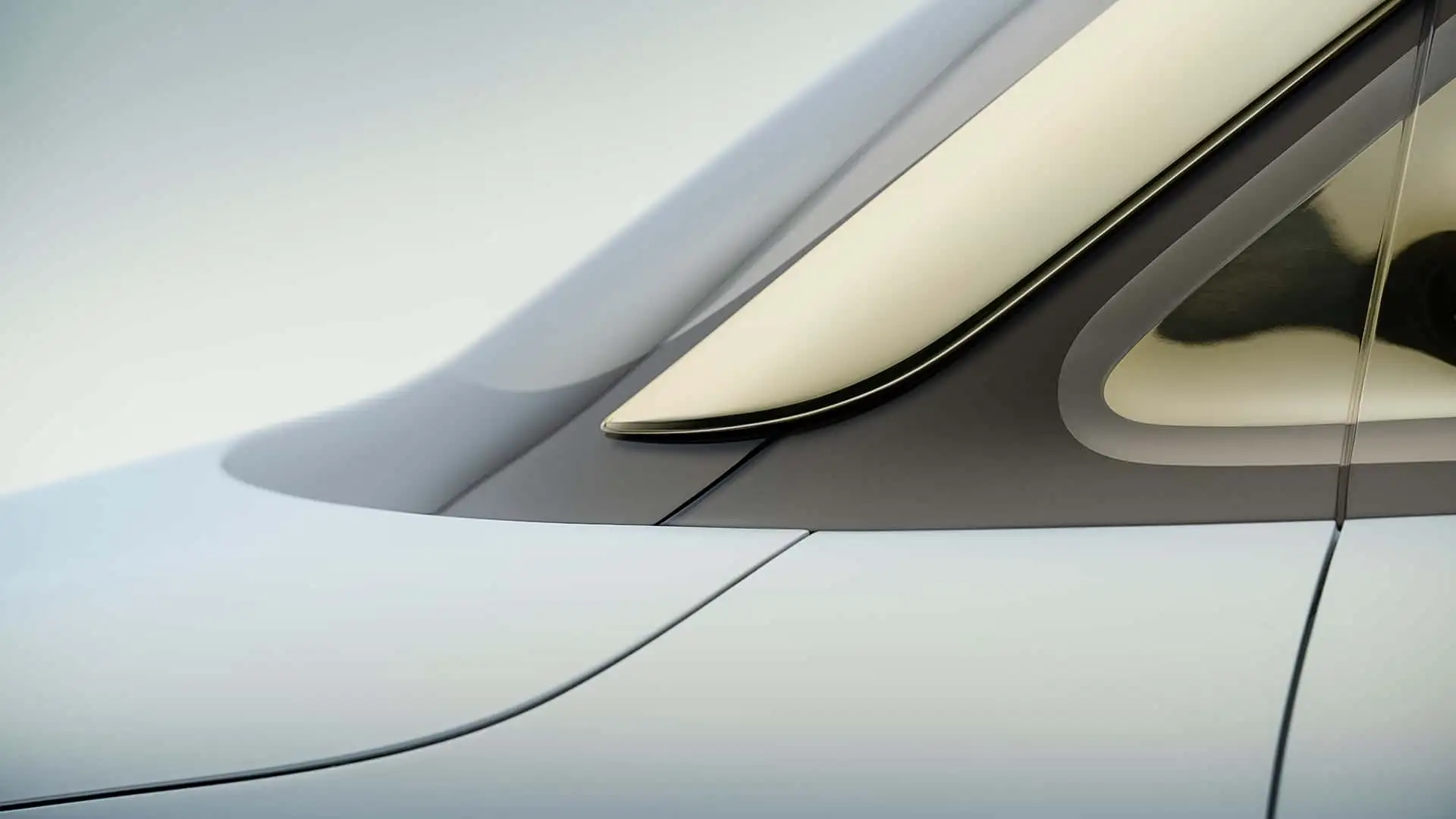
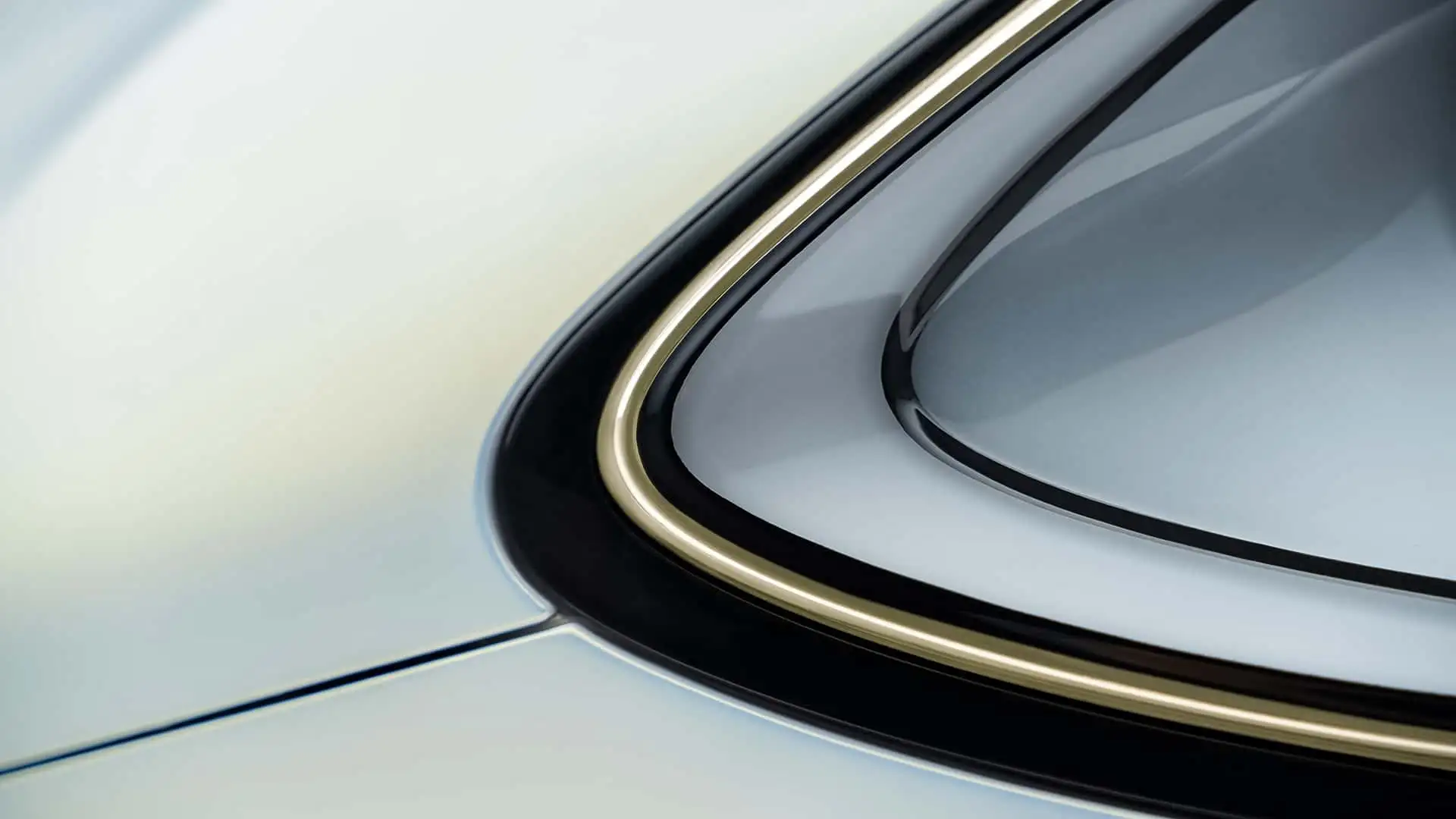
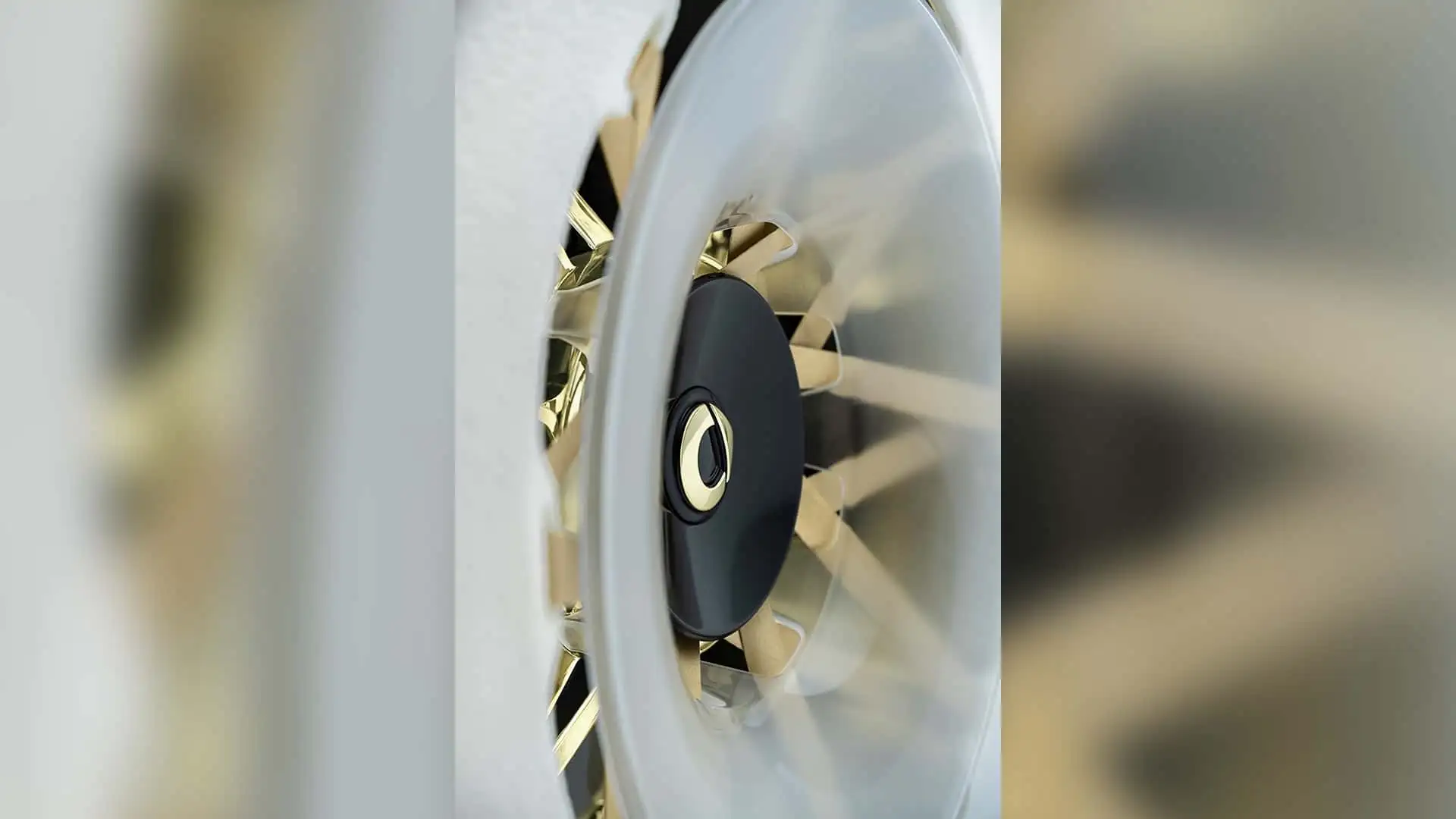
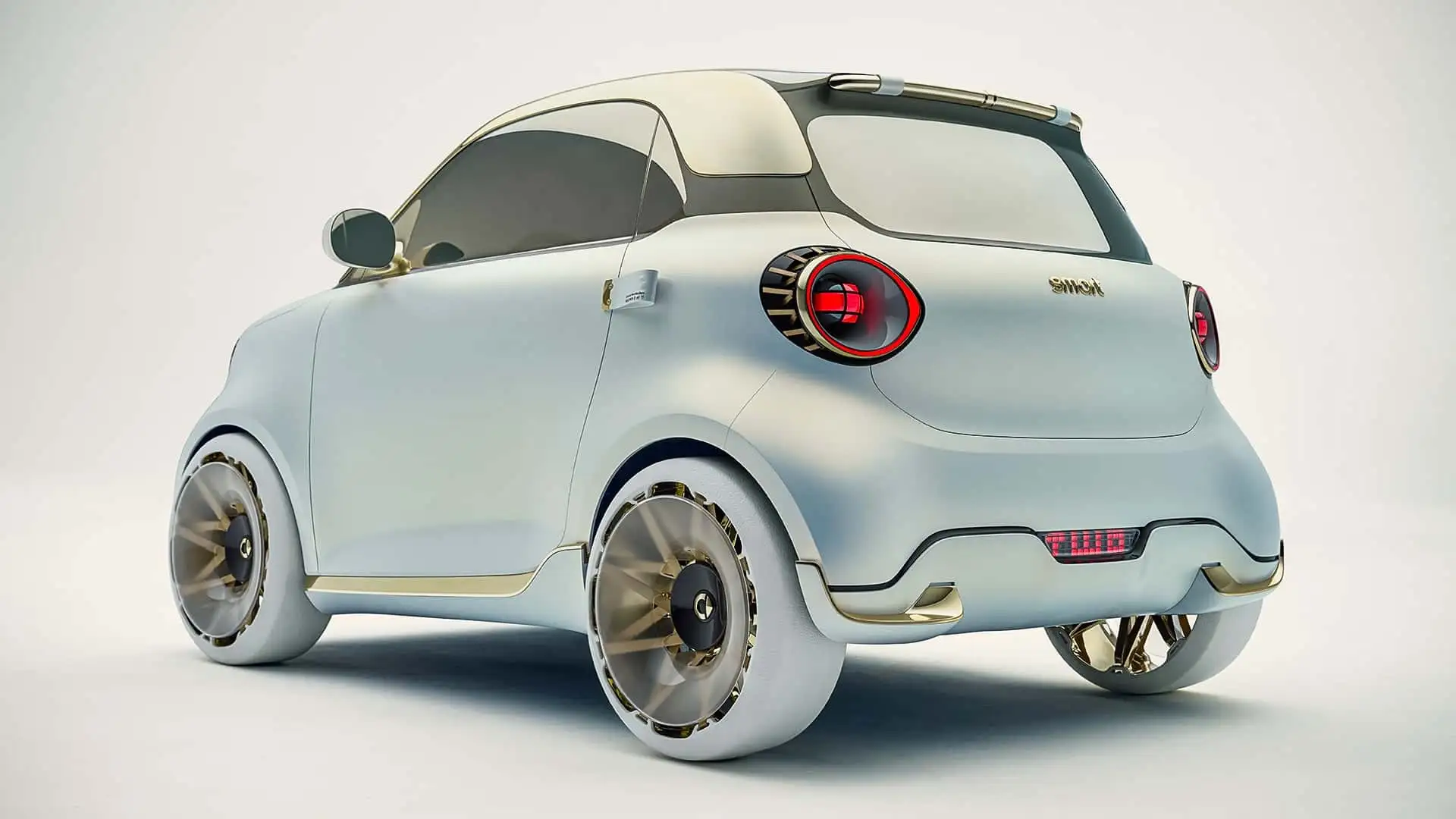
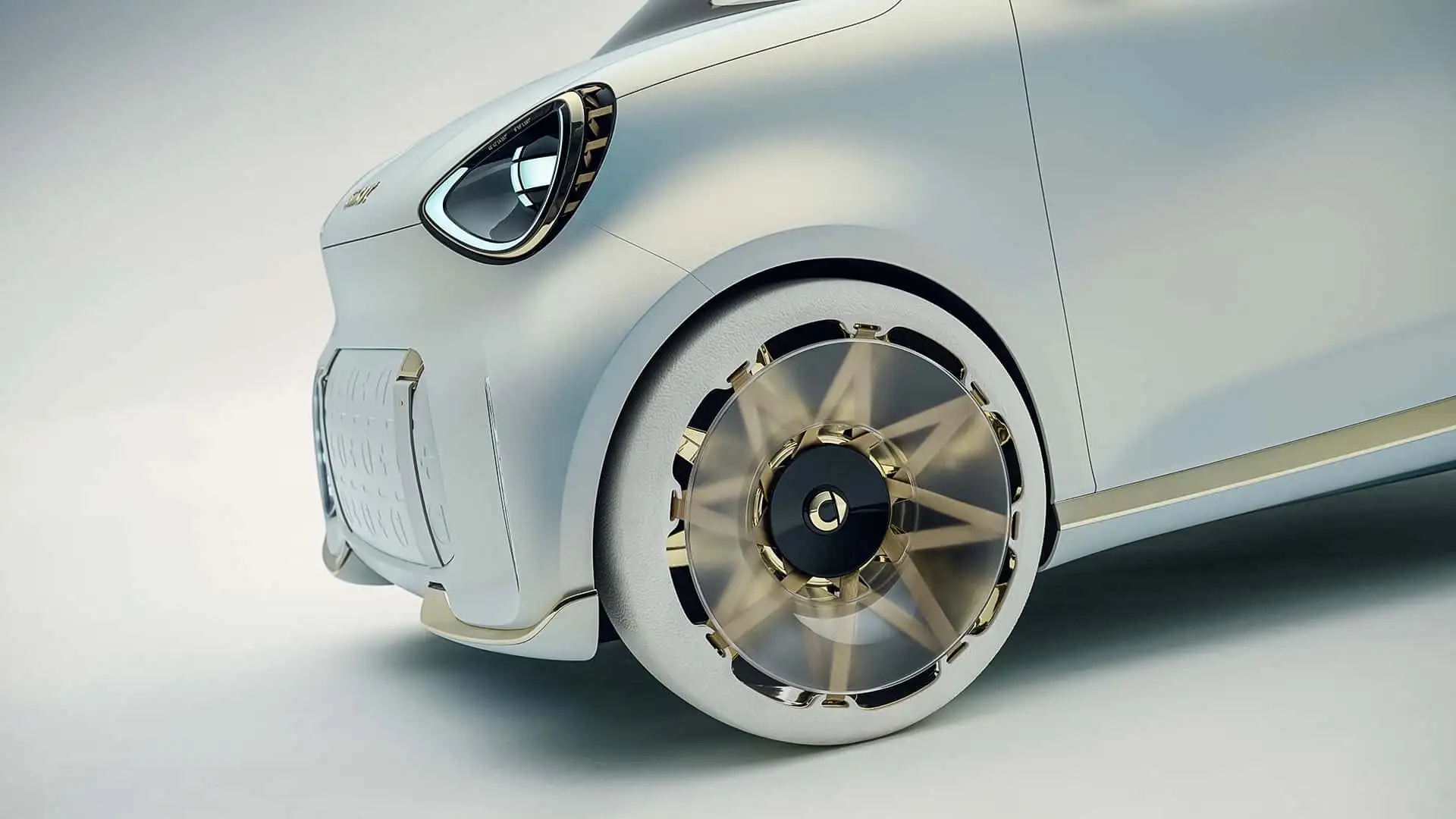
Mercedes is responsible for the design, and you can see the discipline in the surfacing. The concept adds some deliberately exaggerated elements, including gold accents and oversized wheels, but the underlying architecture is honest. It is a proper microcar in an era when many so-called small EVs are already the size of old compact hatchbacks. That matters because footprint is the entire advantage of the Smart #2.
The original ForTwo debuted in 1999 and survived three generations before being retired in 2024. Its spiritual successor does not try to reinterpret that formula as a pseudo-SUV or a fashion accessory. It stays true to the brief: two doors, urban maneuverability, and very short bodywork that should make parallel parking and tight curbside gaps almost absurdly easy.
The production car will almost certainly be toned down. Expect the gold trim to disappear, the wheels to shrink, and some of the concept drama to fade. That is standard concept-to-production reality. What should remain intact is the core proportion, because that is the defining attribute of the Smart #2 and the only reason it deserves the badge.
For readers comparing it with newer city EVs such as the Renault Twingo or even broader small-EV contenders, the key point is not outright size. It is packaging efficiency. The Smart #2 is expected to stay much closer to the old EQ Fortwo’s roughly 2.7-meter length than to the larger footprint of mainstream rivals.
Interior and Technology
Smart has not shown a full production cabin yet, so the concept must be read for intent rather than final specification. Still, the most important technical message is already clear: the brand is finally building a dedicated EV from the ground up rather than adapting a compromised legacy platform. That should improve interior packaging, battery integration, and structural efficiency.
The Electric Compact Architecture, or ECA, is the new foundation. A purpose-built platform matters more in a tiny car than almost anywhere else because every millimeter is valuable. In a micro-EV, a badly packaged battery or awkward dash structure can ruin the whole vehicle. By engineering the car as an EV from day one, Smart gives itself a better chance of preserving useful cabin space without bloating the exterior dimensions.
Vehicle-to-Load functionality is also a smart inclusion. On paper, V2L sounds like a feature list item. In practice, it turns the car into a mobile power source for laptops, e-bikes, camping gear, or emergency equipment. For an urban-focused EV, that is far more relevant than a lot of oversized infotainment theater.
Smart’s target market is Europe, where small EV buyers are often looking for an easier second car, a commuter vehicle, or a dense-city runabout. That means the cabin must prioritize visibility, easy ingress, and straightforward controls over luxury gimmicks. If Smart gets that balance right, the #2 could be the rare EV that feels genuinely usable instead of merely fashionable.
Engine and Performance
There is no internal-combustion engine here. The Smart #2 will be fully electric, which is the right answer for a vehicle whose mission is repeated low-speed urban use, short hops, and frequent stop-start operation. Smart says the new model targets 186 miles, or 300 kilometers, of range, more than double the old EQ Fortwo’s 84 miles, or 135 kilometers. That old car was always constrained by early EV battery realities. The new one benefits from a decade of progress in energy density, charging speed, and thermal management.
Smart has not published full motor output, battery capacity, or detailed acceleration data for the concept, so it would be irresponsible to invent them. What we can say with confidence is that the production car should be tuned for efficiency and low-speed response rather than headline-grabbing power. That is exactly the right engineering decision for a city EV of this size.
The charging claim is more significant than it first appears. Less than 20 minutes from 10 to 80 percent suggests a modern fast-charging system and a battery size chosen for practical urban turnover rather than long-haul vanity range. This is the architecture of a car designed to be recharged quickly while the driver has coffee, not one that needs a long pit stop after every commute.
🏎️ Technical Specs Radar
Interactive visualization of engine and performance metrics.
Because Smart has not disclosed the kerb weight or horsepower for the concept, a weight-to-power calculation cannot be responsibly generated from official data. What matters more here is the product philosophy: keep mass down, keep the wheelbase short, and preserve enough battery capacity to make the car genuinely useful beyond a single round trip.
For urban drivers, the most relevant performance measure is not 0-100 km/h theater. It is how quickly the car responds off the line, how easy it is to thread through traffic, and how little energy it uses to do so. That is where a small EV like the #2 should shine.
Competitor Comparison
To understand the Smart #2’s place in the market, it helps to compare it with other compact and urban-oriented EVs from recent launches and previews. The key benchmark is not outright speed but packaging, range efficiency, and real city usability.
| Model | Power | Torque | 0-100 km/h | Weight | Price | Fuel Economy / Energy Use |
|---|---|---|---|---|---|---|
| Smart #2 | Not disclosed | Not disclosed | Not disclosed | Not disclosed | Not disclosed | Electric, 300 km target range, fast charging in less than 20 minutes |
| Renault Twingo | 90 hp | Not disclosed | Not disclosed | Not disclosed | Not disclosed | Electric city-car positioning |
| Hyundai Ioniq 3 | Not disclosed | Not disclosed | Not disclosed | Not disclosed | Not disclosed | 496 km target range |
| Nissan Sakura 2026 | Not disclosed | Not disclosed | Not disclosed | Not disclosed | Not disclosed | Kei-EV efficiency focus |
The comparison makes the Smart #2’s positioning obvious. It is not trying to win the range war, because the range war is often irrelevant in this segment. It is trying to win the space war, the parking war, and the urban friction war. That is a more rational set of priorities for a two-door EV whose natural habitat is dense European cities.
Fuel Economy and Running Costs
A battery-electric car does not consume fuel in the traditional sense, so the right lens is energy efficiency and charging cost. Smart has quoted a 300 km range target, but not an official kWh-per-100-km figure. Without a certified consumption value, it would be misleading to manufacture one. Still, the model’s design mission tells us what to expect: a small frontal area, limited mass relative to larger EVs, and an urban duty cycle that should favor lower energy use than most crossovers.
That makes the Smart #2 an important counterpoint to the current market’s obsession with size inflation. It does not need a 90 kWh battery to be useful, and it should not. A smaller pack, if properly managed, will reduce charging time, curb costs, and keep the vehicle lighter. In city use, that often matters more than an extra 100 km of theoretical range.
⛽ Efficiency & Emissions
Because Smart has not released an official energy-consumption figure, a fuel-cost-per-km calculation cannot be based on verified data yet. The more useful takeaway is structural: a dedicated small EV should cost less to charge than a larger battery-powered crossover, especially if owners mostly top up at home or use public chargers for short sessions.
Running costs should also benefit from the reduced complexity of a single-motor, compact EV format. Fewer moving parts than a combustion vehicle means less routine maintenance, and the small physical size should reduce tire, brake, and urban wear in real use. For city residents, that is usually more valuable than vanity performance metrics.
Safety and Ratings
Official crash-test ratings have not yet been published for the Smart #2 concept, and it would be premature to predict them. But there are some engineering realities worth noting. A very small car always faces a structural challenge in a collision environment dominated by larger vehicles. The answer is not brute size inflation; it is intelligent crash structure, battery protection, and electronic safety systems calibrated for urban scenarios.
The new ECA platform should give Smart a cleaner basis for integrating modern ADAS hardware, battery shielding, and occupant cell design. In a car this small, the packaging of the safety cell matters enormously. The main risk is that production cost pressure could force simplification, but Smart appears to be treating this return to the ForTwo formula as a core brand statement, not a low-effort derivative.
One likely owner concern will be road confidence at higher speeds. That has always been the tradeoff with ultra-compact city cars: brilliant in town, less serene on fast roads. Smart’s answer appears to be to accept that limitation rather than fight it. If the #2 remains city-first, it will be judged on the right terms.
Price, Trim Levels, and Value
Smart has not announced pricing, trim structure, or full equipment packaging for the production model. That said, the value proposition is already clear. The Smart #2 is aimed at buyers who need a genuinely small electric car, not just the cheapest EV with a tall roof. If it reaches European showrooms as a correctly priced urban specialist, it could occupy a niche that has been neglected as mainstream brands have chased volume with larger vehicles.
From an enthusiast’s standpoint, the appeal is philosophical as much as practical. The Smart #2 is a reminder that small cars can still be rational, modern, and desirable without apologizing for their size. It also reflects a broader correction in the market, similar in spirit to compact EV thinking seen in models like the VW Jetta X Concept or the Nissan Juke EV, except in a much smaller and more specialized package.
If Smart prices it as a premium urban tool rather than a stripped-down appliance, the car has a real chance to resonate with city dwellers who have been waiting for a proper successor to the Fortwo. That is the real test: not whether it impresses on a spec sheet, but whether it makes urban ownership easier in a way bigger EVs cannot.

FAQ
Is the Smart #2 the real successor to the ForTwo?
Yes. Smart positions the #2 as the spiritual and practical successor to the ForTwo, with a two-door layout, ultra-compact footprint, and an urban-first mission.
What range does Smart claim for the #2?
Smart targets 300 km, or 186 miles, though this figure is not yet WLTP-certified. That still represents more than double the old EQ Fortwo’s 135 km, or 84 miles.
Will the Smart #2 be sold as a gasoline car?
No. The fourth-generation Smart #2 will be exclusively electric, reflecting the brand’s shift to a dedicated EV strategy for compact urban mobility.
How fast can the Smart #2 charge?
Smart says the battery should go from 10 to 80 percent in less than 20 minutes, which is a strong figure for a small city EV and suggests fast-charging-friendly battery sizing.
What is V2L and why does it matter on the Smart #2?
Vehicle-to-Load lets the car power external devices, turning the EV into a mobile energy source for tools, electronics, or outdoor gear. On a compact vehicle, that adds real everyday utility.
When will the production Smart #2 debut?
Smart says the production model will debut at the Paris Motor Show in October, following the concept reveal in April.
Is the Smart #2 meant for long-distance travel?
Not primarily. This is an urban EV designed for dense cities, short commutes, and easy parking. Its range should be enough for daily driving, but that is not the core use case.
| Specification | Smart #2 Concept |
|---|---|
| Powertrain | Electric only |
| Platform | Electric Compact Architecture (ECA) |
| Range target | 300 km / 186 miles |
| Charging | 10 to 80 percent in less than 20 minutes |
| Body style | Two-door hatchback |
| Market focus | Europe and other Smart markets |
In the end, the Smart #2 matters because it refuses to join the arms race of unnecessary size. It is a rare modern EV that understands its mission, and if the production version stays faithful to the concept, Smart may finally have a car that feels as intelligent as the badge suggests.