

2027 JEEP AVENGER Gets the Update That Owners Will Actually Notice
The 2027 Jeep Avenger facelift is a textbook example of how to improve a successful compact SUV without disturbing the parts that already work. Jeep says the Polish-built Avenger has accumulated 270,000 global sales in roughly three years, so the mid-cycle update focuses less on visual drama and more on fixing weak points, adding useful tech, and sharpening trim differentiation. The headline is not the new bumper design or even the illuminated grille. It is the arrival of Stellantis’ latest turbocharged 1.2-liter three-cylinder gasoline engine, now using a timing chain instead of the previous wet belt system that became a known sore point for durability across several group models.
| Key Spec | 2027 Jeep Avenger |
|---|---|
| Base gasoline engine | 1.2-liter turbocharged 3-cylinder |
| Output | 74 kW / 100 hp (99 hp) |
| Torque | 205 Nm (151 lb-ft) |
| Transmission | 6-speed manual, front-wheel drive |
| Battery EV version | 54 kWh |
| EV range | 400 km WLTP (249 miles) |

The new 1.2 turbo matters more than the facelifted nose
Jeep’s revised petrol Avenger adopts the newer Stellantis 1.2 turbo already seen in recent Peugeot applications, but the engineering significance goes beyond a simple carryover. The engine now replaces the oil-immersed timing belt with a chain-driven layout intended to improve long-term robustness. Stellantis has also revised the block, pistons, and piston rings, explicitly targeting oil consumption control and overall durability. In this class, 74 kW and 205 Nm will not turn the Avenger into a hot crossover, but that torque figure is healthy for urban and secondary-road driving, especially with a manual gearbox still in the mix.
That manual is worth underlining. At a time when even affordable crossovers are drifting toward CVTs, dual-clutch automatics, or full electrification, Jeep has kept a six-speed manual in its smallest SUV. For buyers who still want mechanical interaction in a subcompact footprint, that keeps the Avenger distinct from many style-first rivals. It also gives the model a more grounded identity than some electrification-heavy competitors, including the kinds of compact EVs discussed in pieces like VOLKSWAGEN ID. POLO 2026 the People’s Electric Car That Finally Makes Sense.
Matrix LEDs, 360-degree visibility, and a better cabin finish
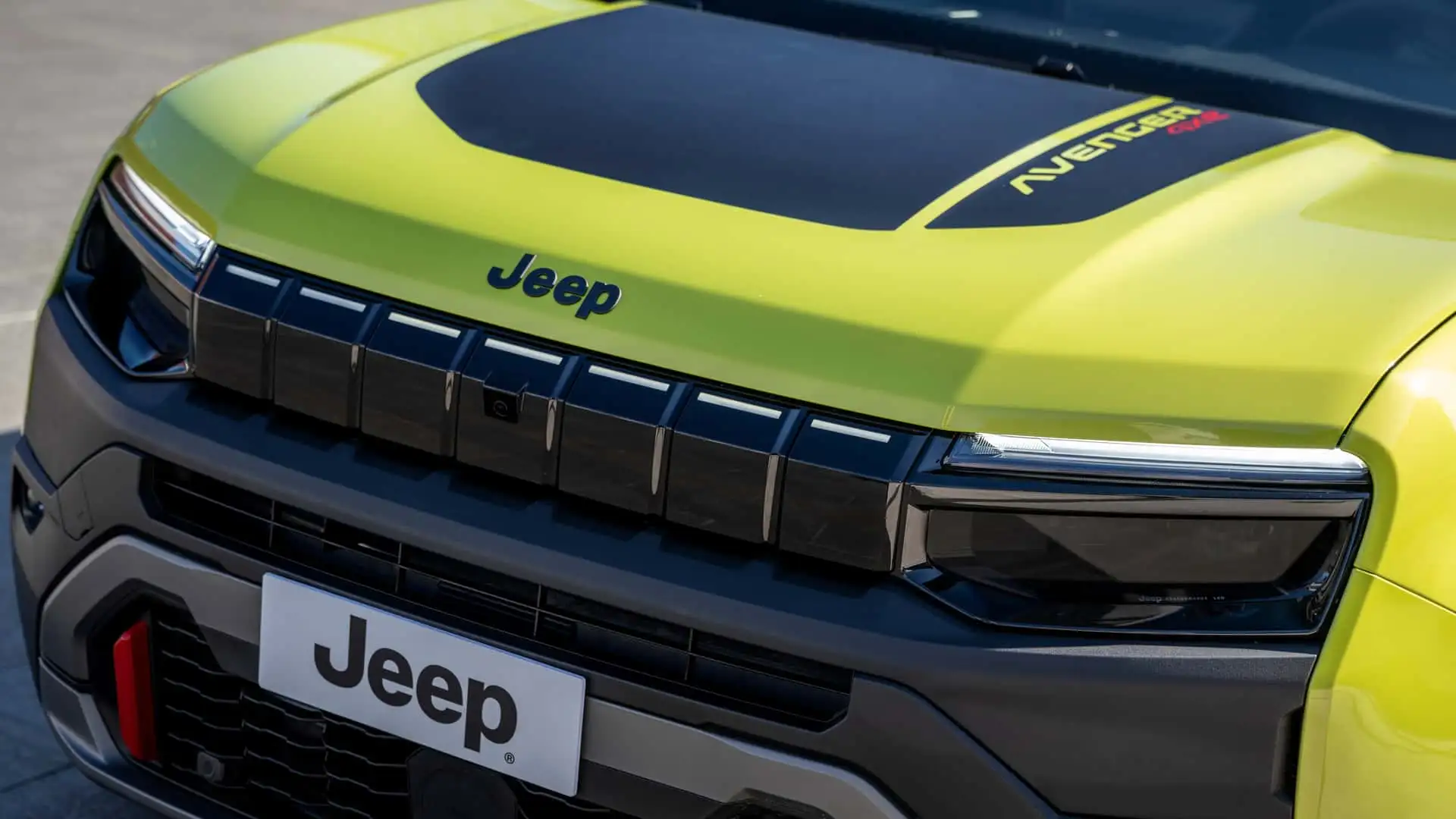
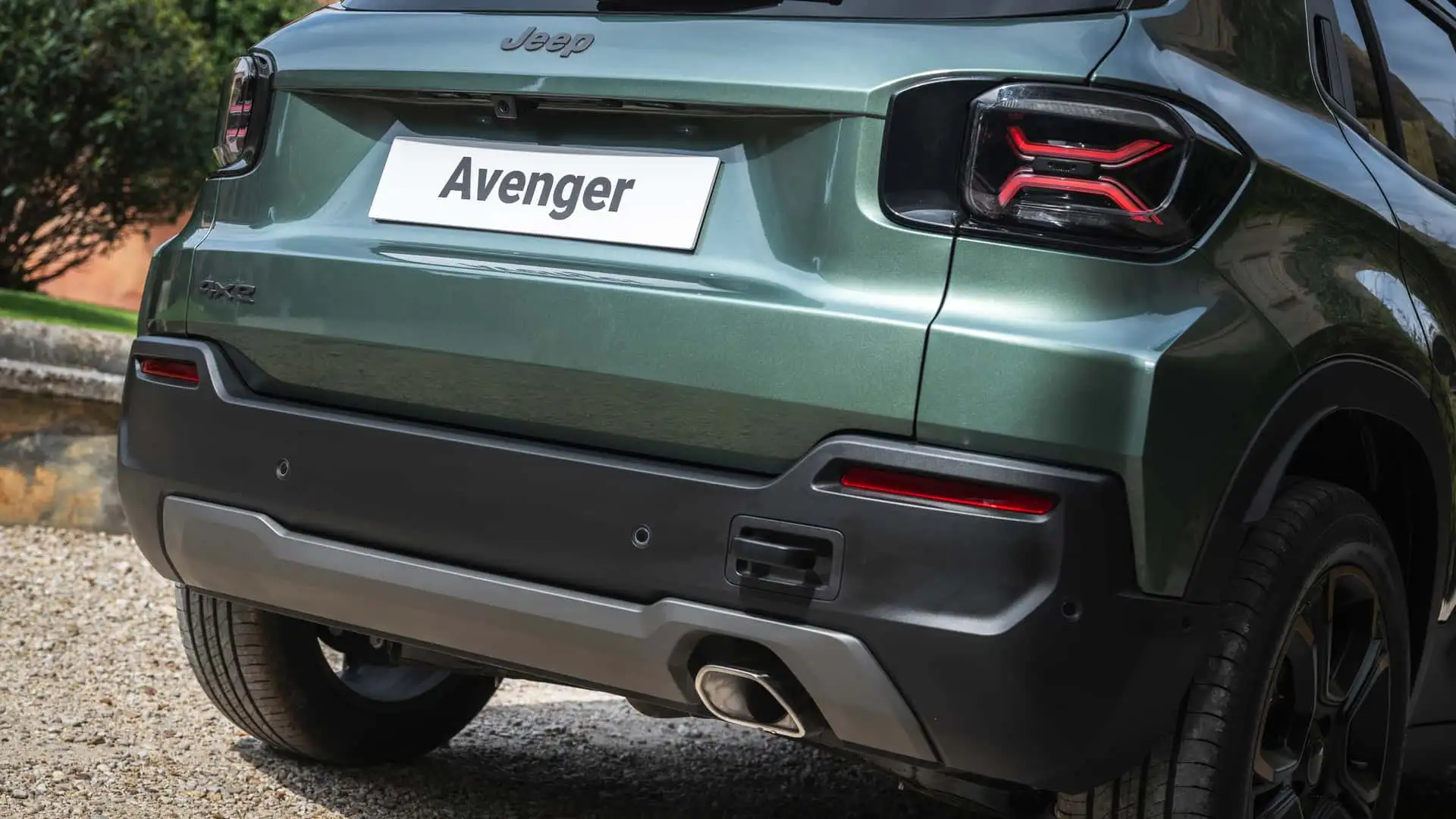
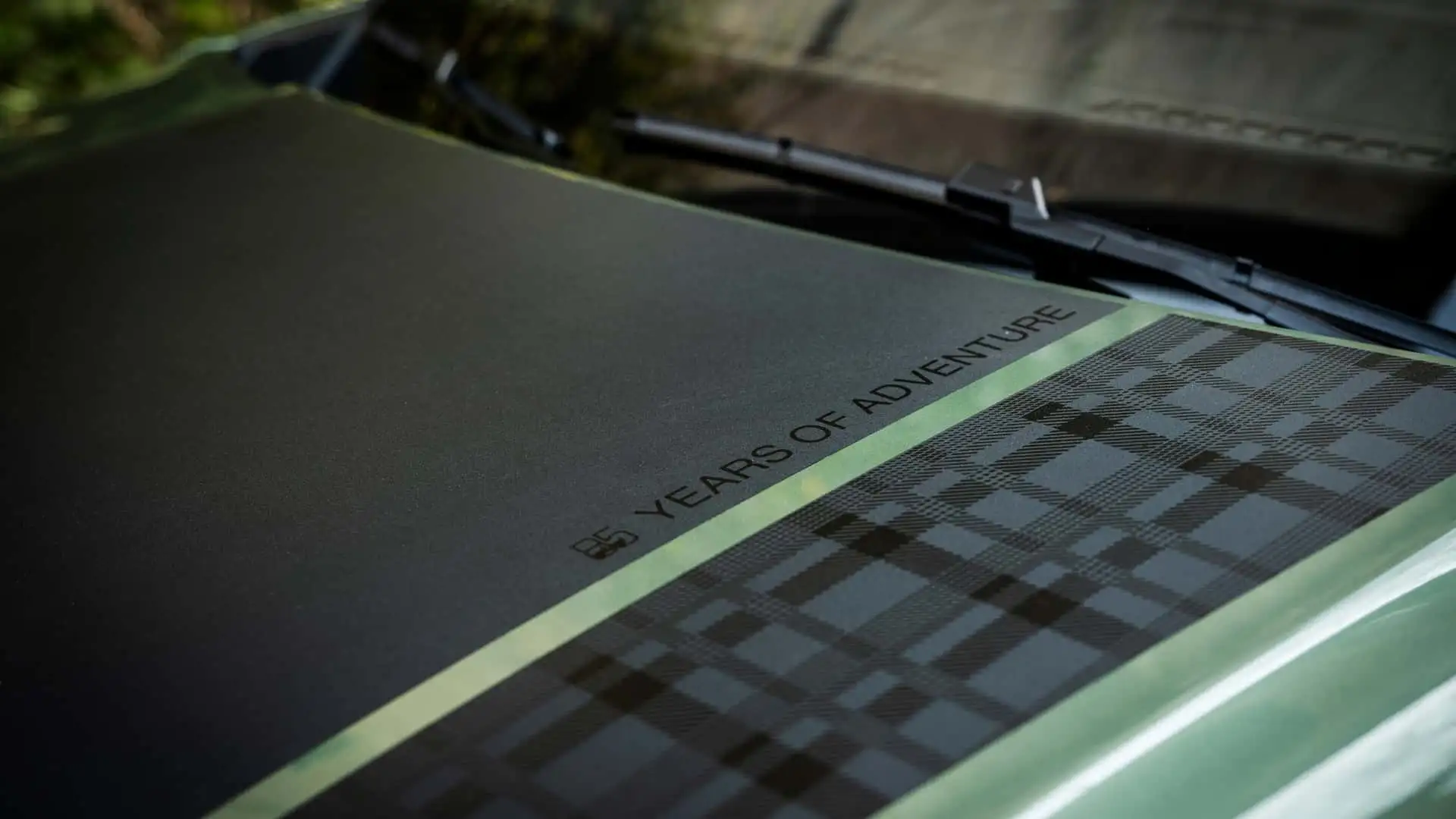
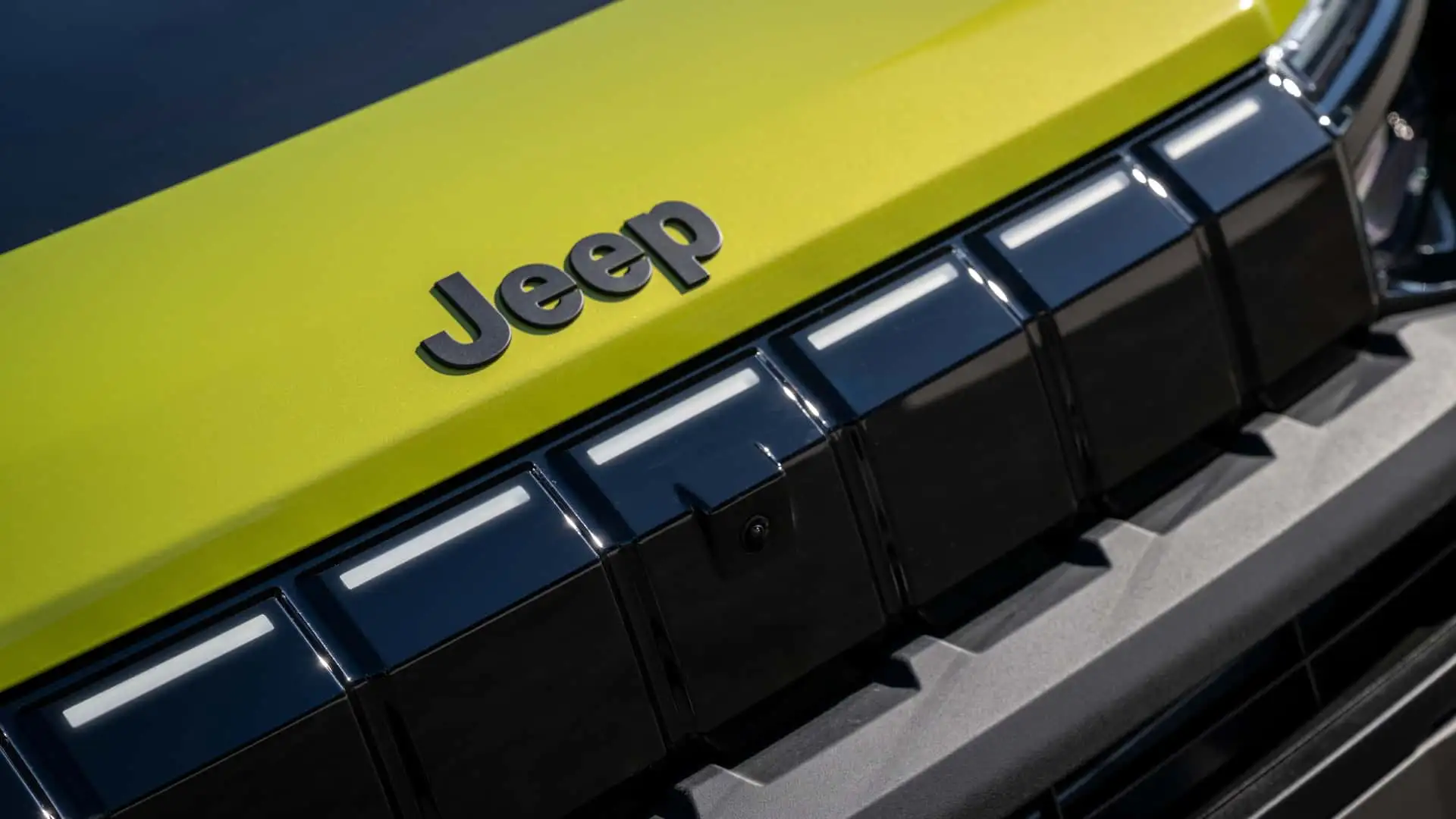
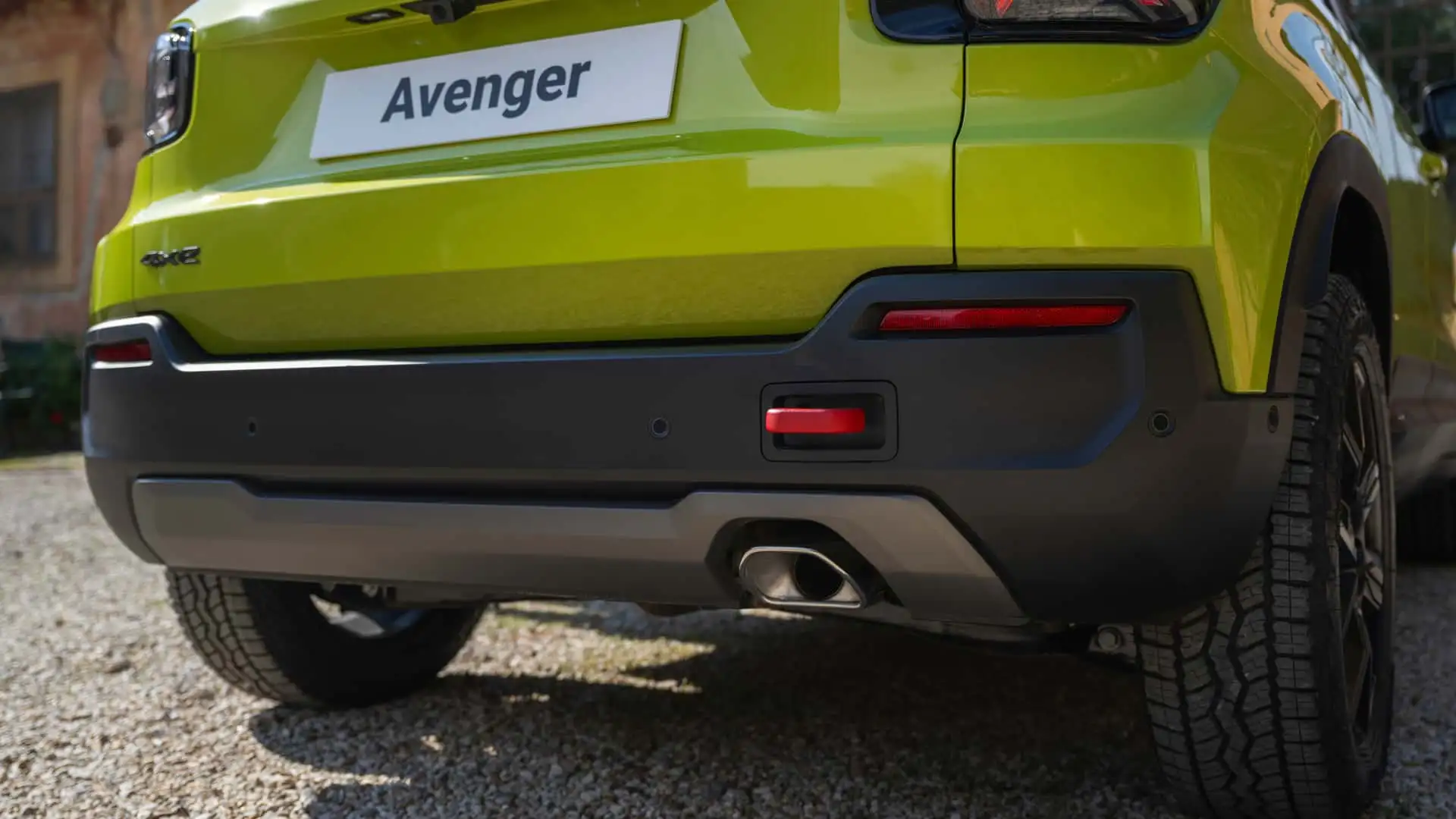
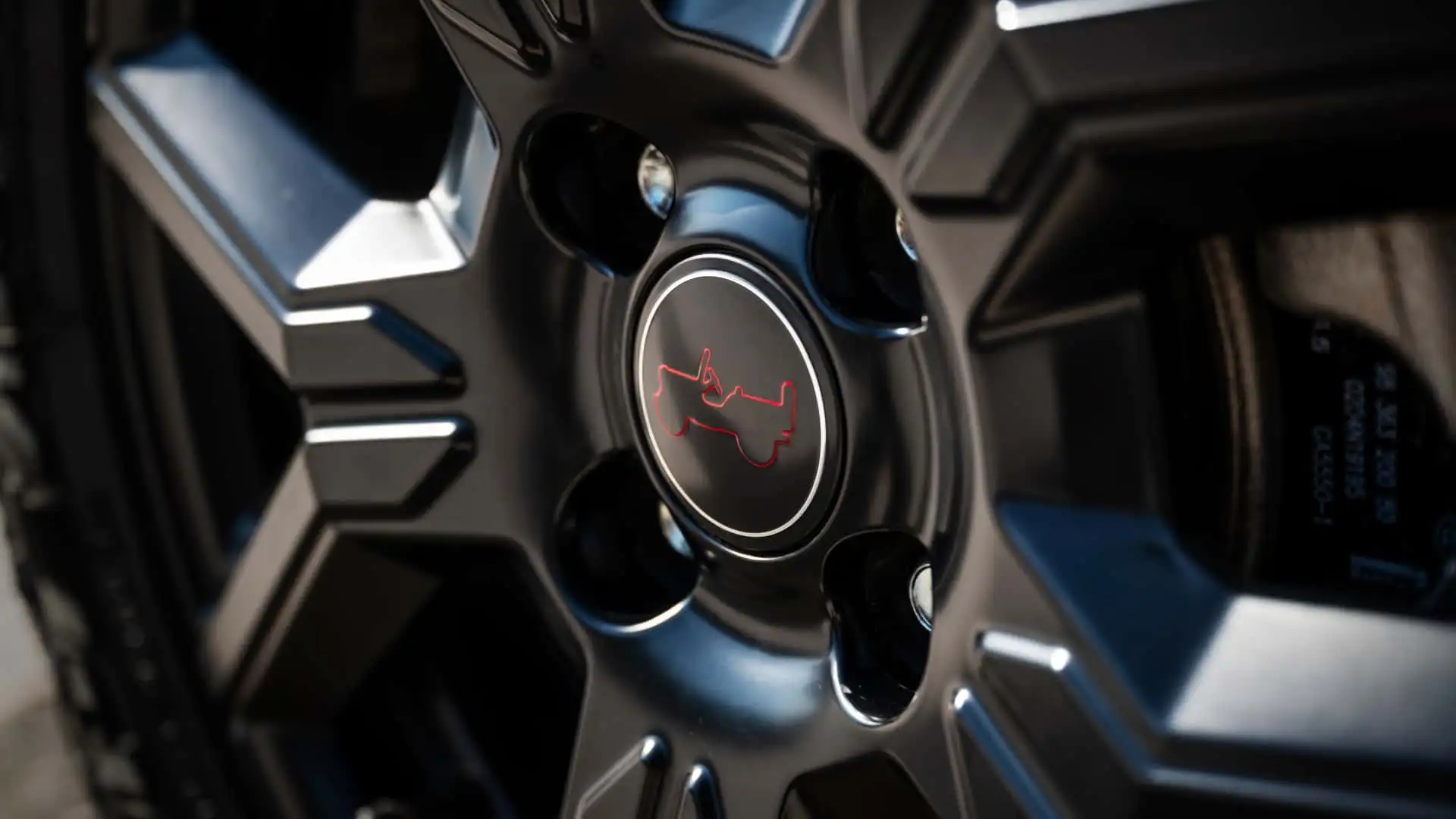
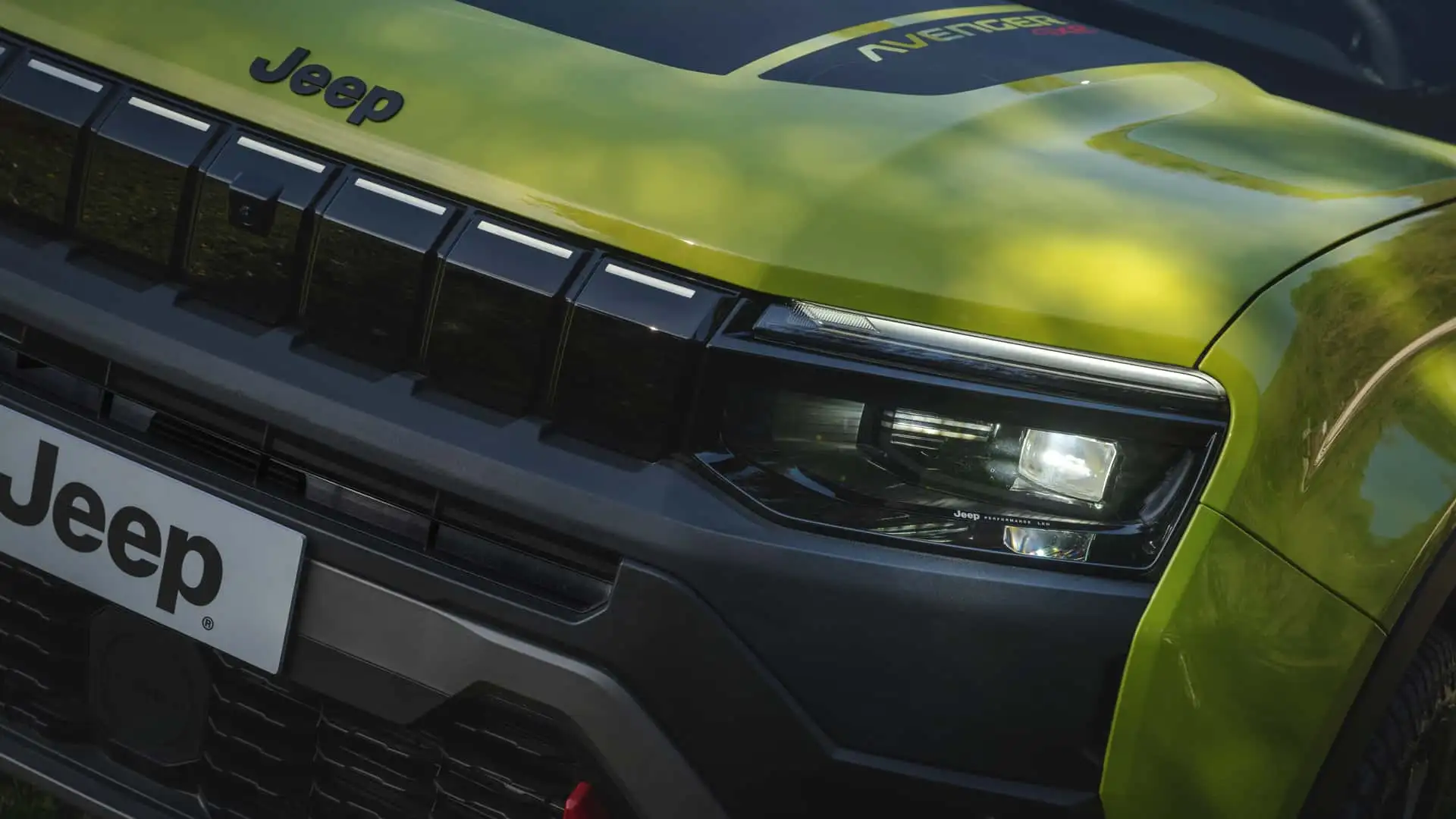
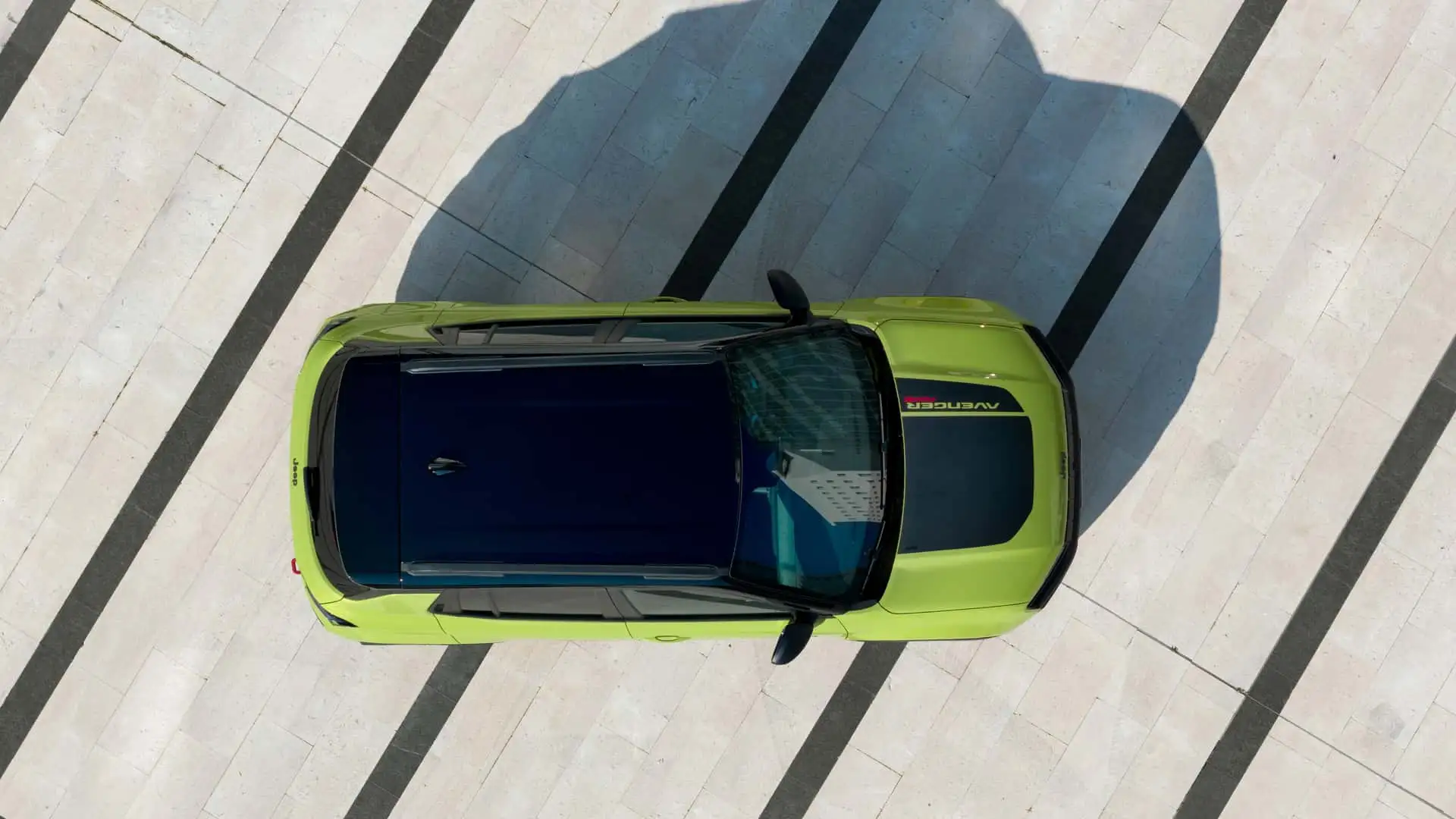
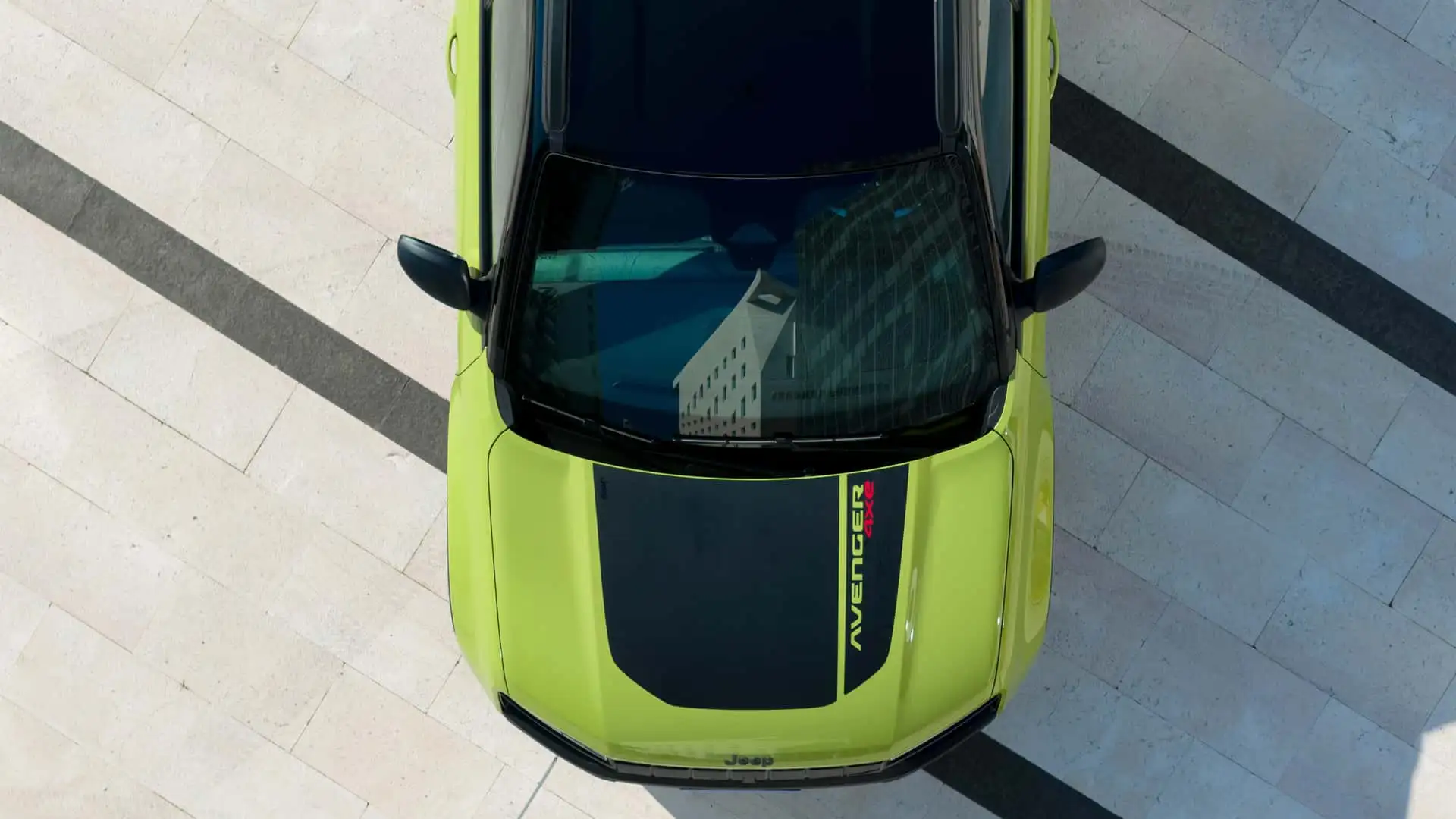
The exterior changes are modest but targeted. Jeep has revised the bumpers, introduced new 17-inch and 18-inch wheel designs, and added Forest and Bamboo paint options, both available with a contrasting black roof. Some higher trims now get an illuminated seven-slot grille, a cue that pushes the Avenger slightly upmarket without compromising its recognizable Jeep face.
The more meaningful upgrade is the technology package. Matrix LED headlights bring adaptive light distribution that should materially improve nighttime usability on narrow European roads, while a new front-facing camera enables a 360-degree view system. For a compact SUV often used in tight urban spaces, that is not brochure fluff; it directly improves maneuverability and confidence.
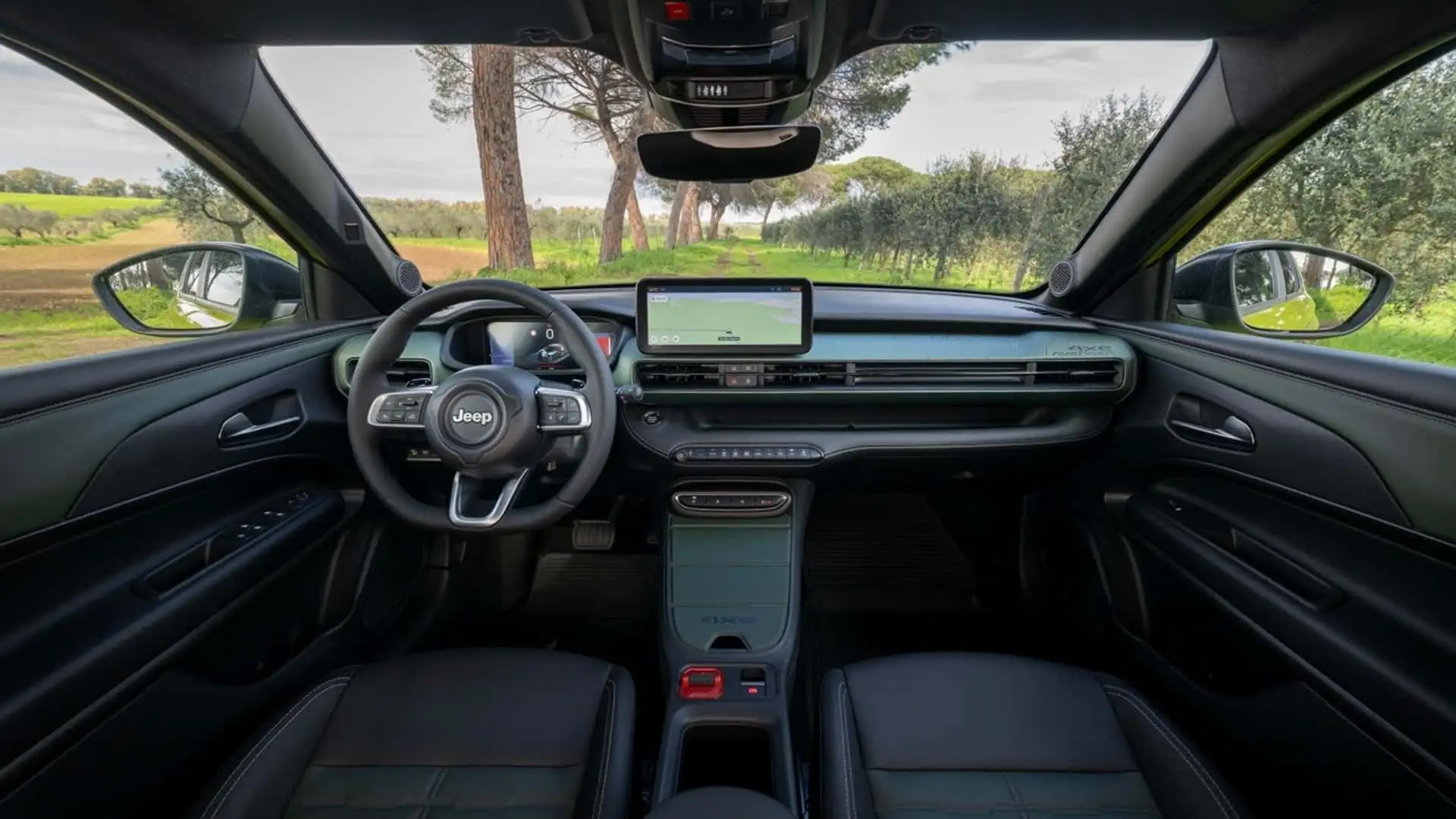
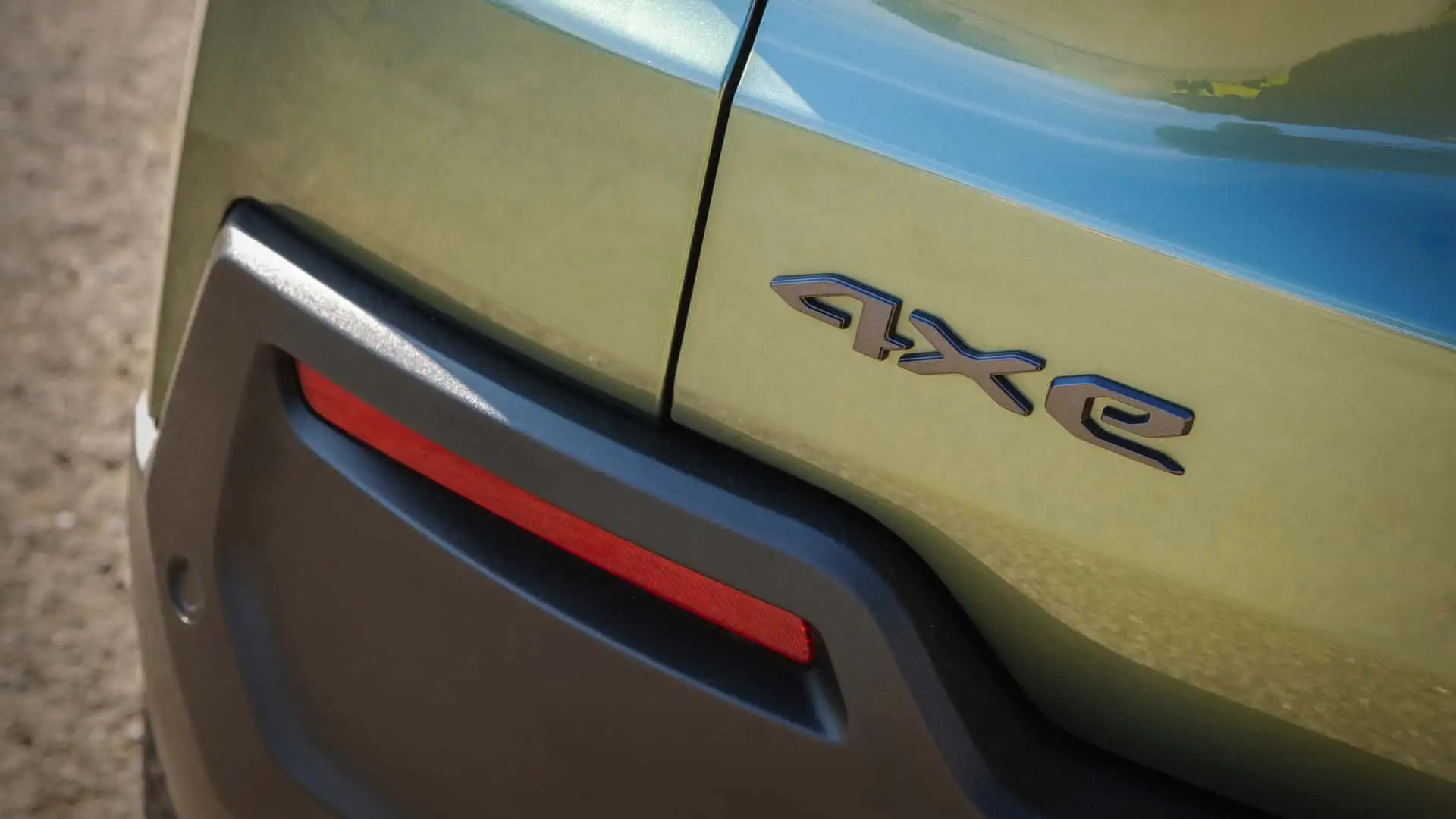
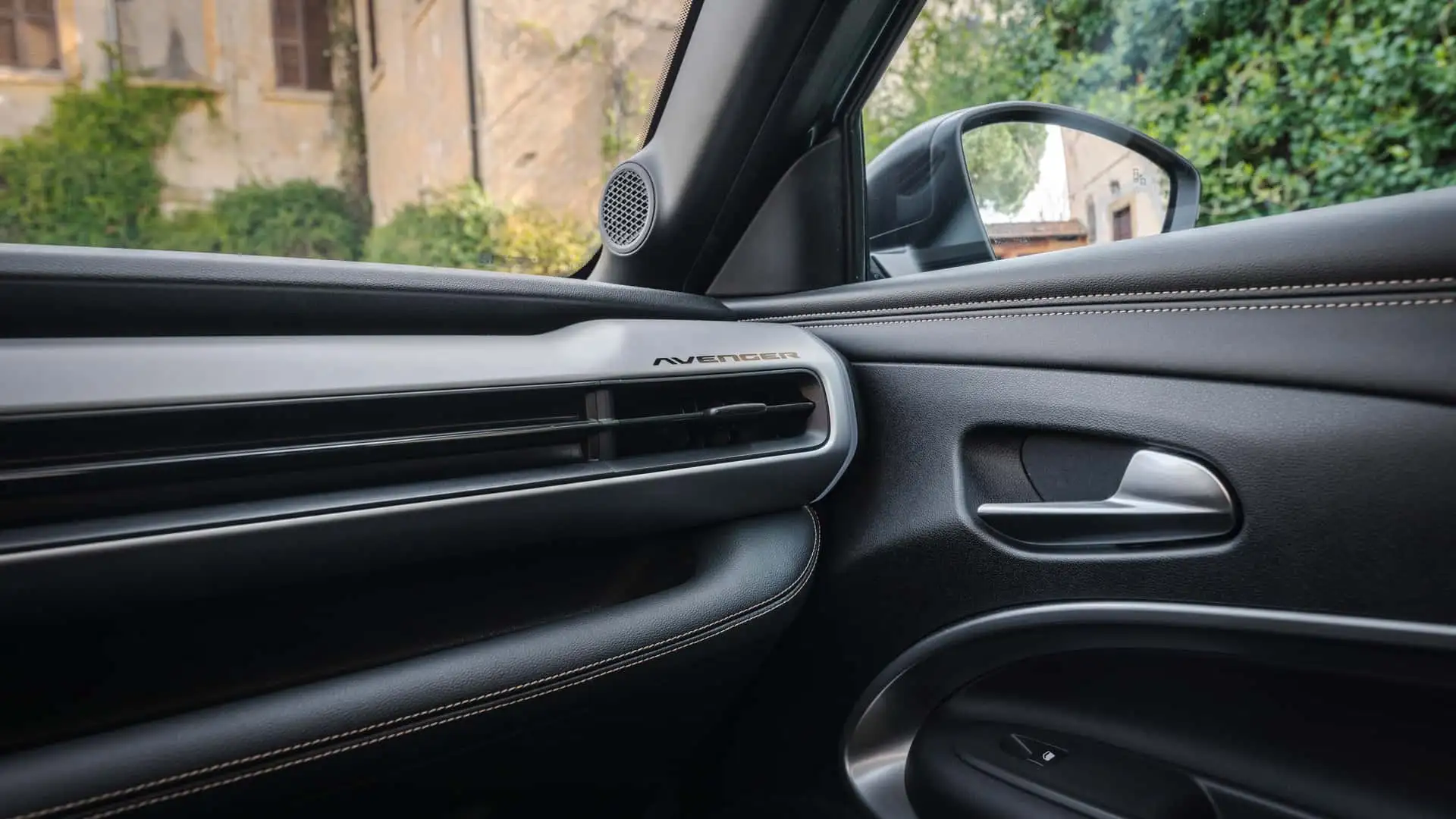
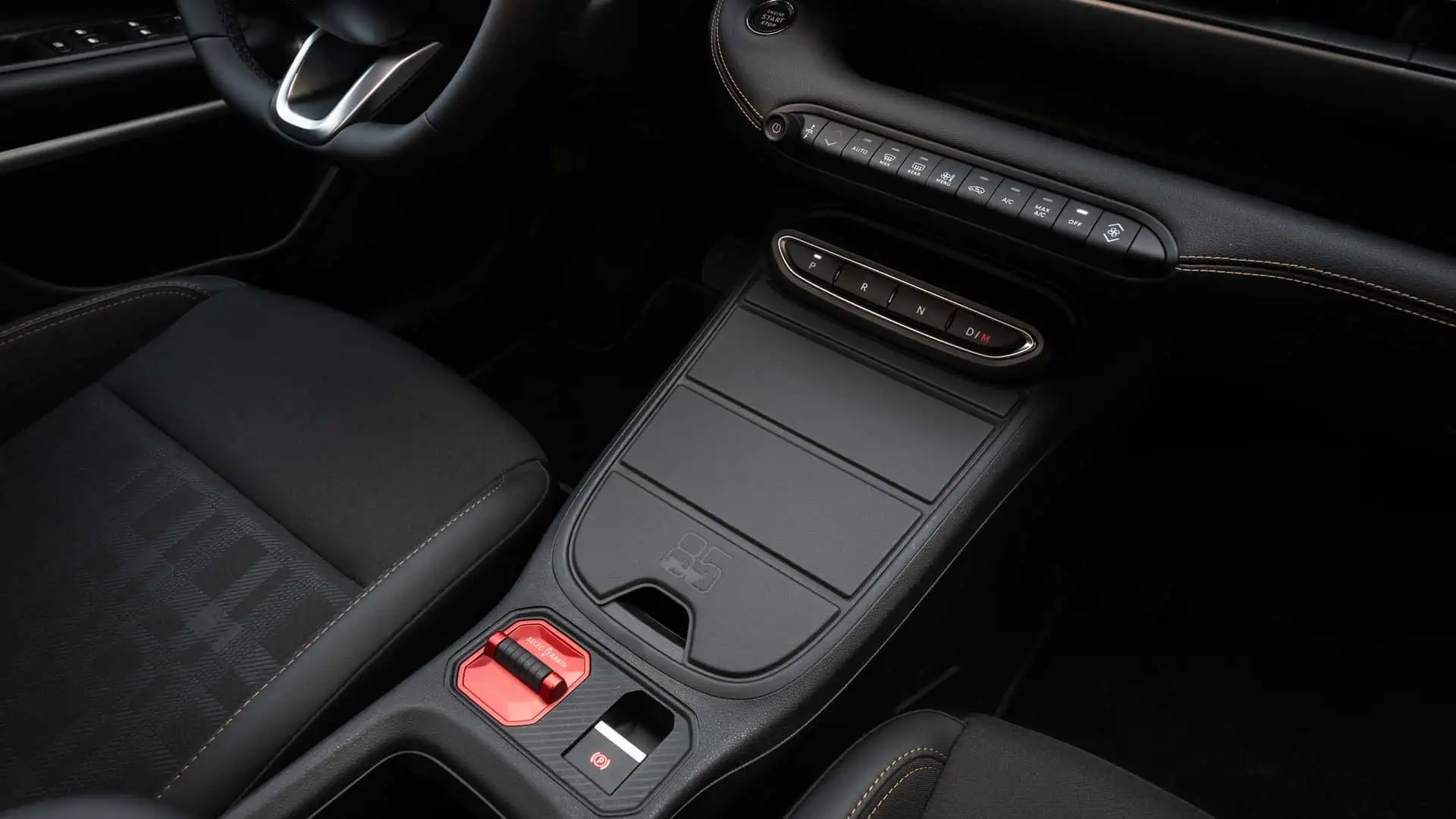
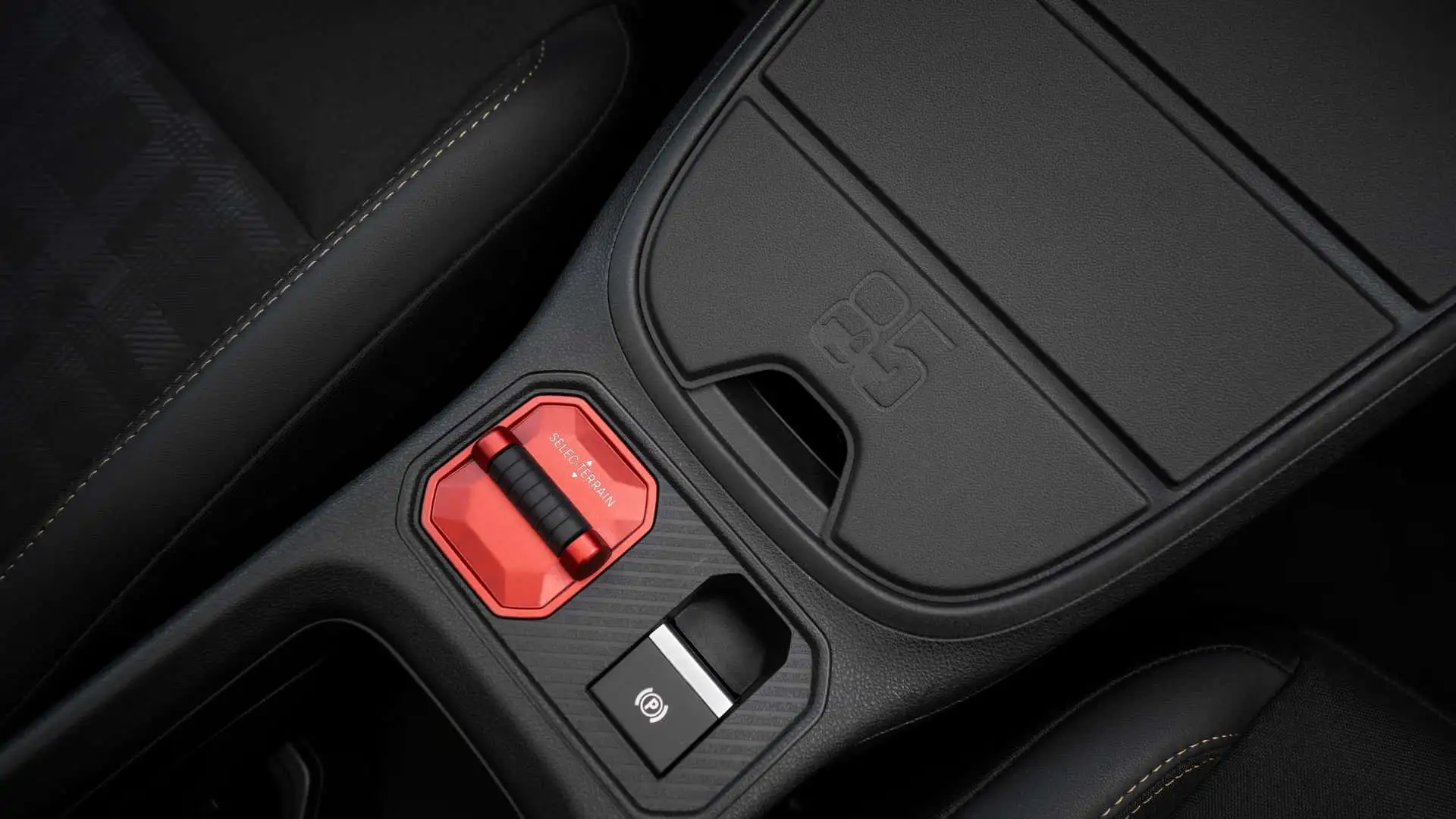
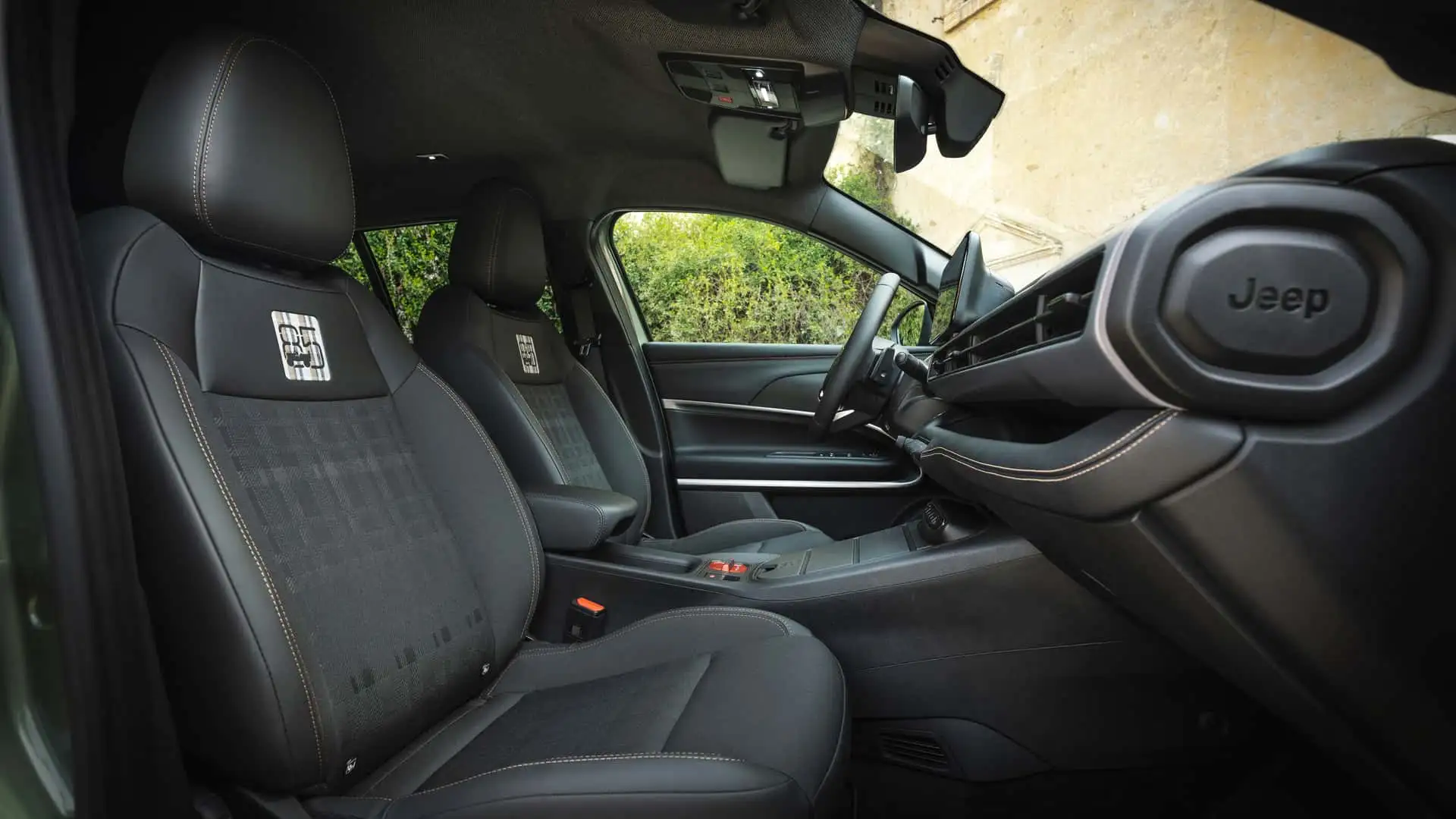
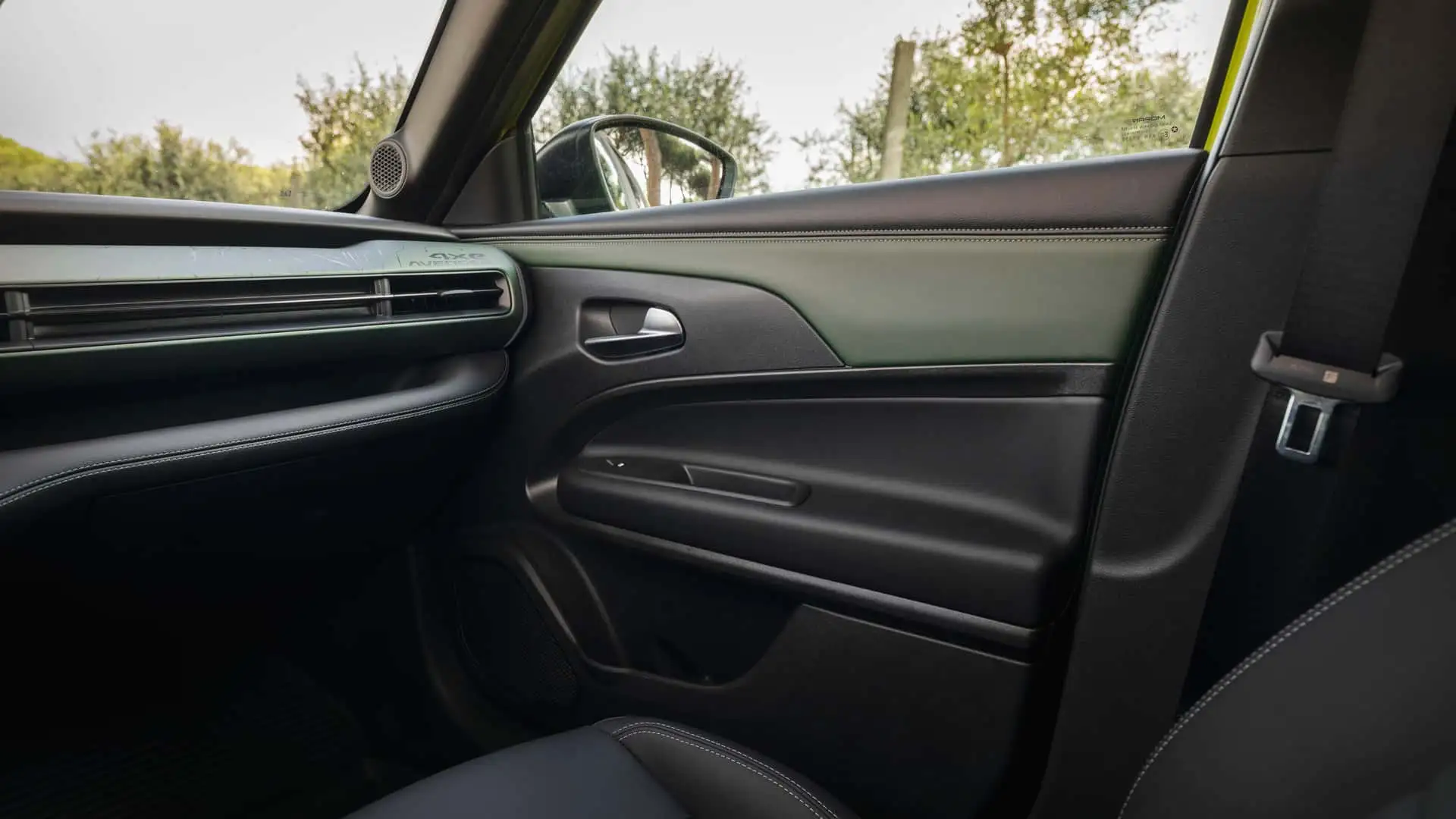
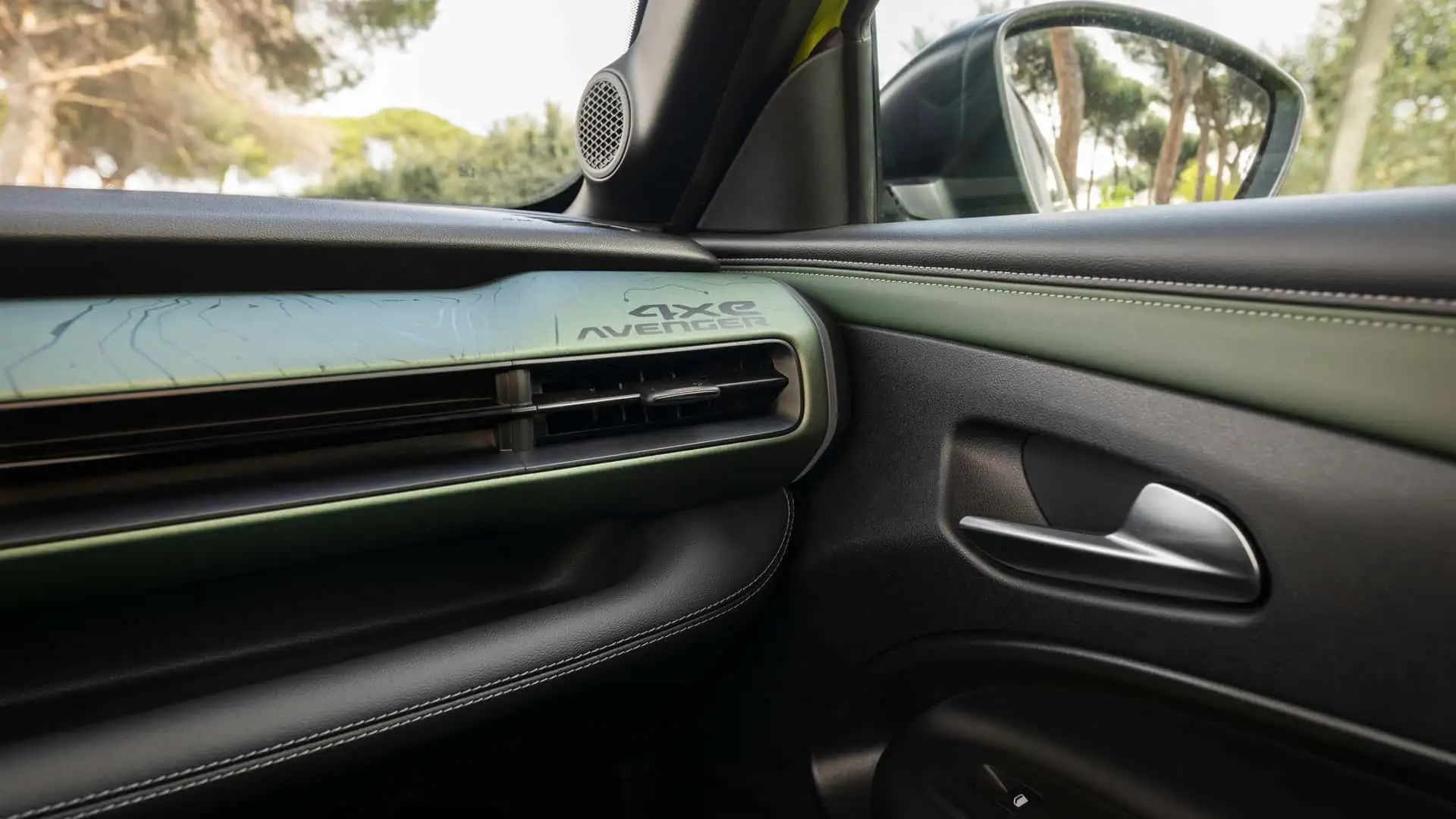
Inside, Jeep has addressed one of the most common facelift opportunities: perceived quality. The door panels gain softer materials, the lower dashboard receives a padded insert, and upper trims move to improved cloth/vinyl combinations. The 4xe variant gets a washable and more durable green upholstery, which is exactly the sort of material choice that suits a lifestyle-branded small Jeep better than decorative luxury cues.

The powertrain range stays broad, from manual petrol to 4xe and full EV
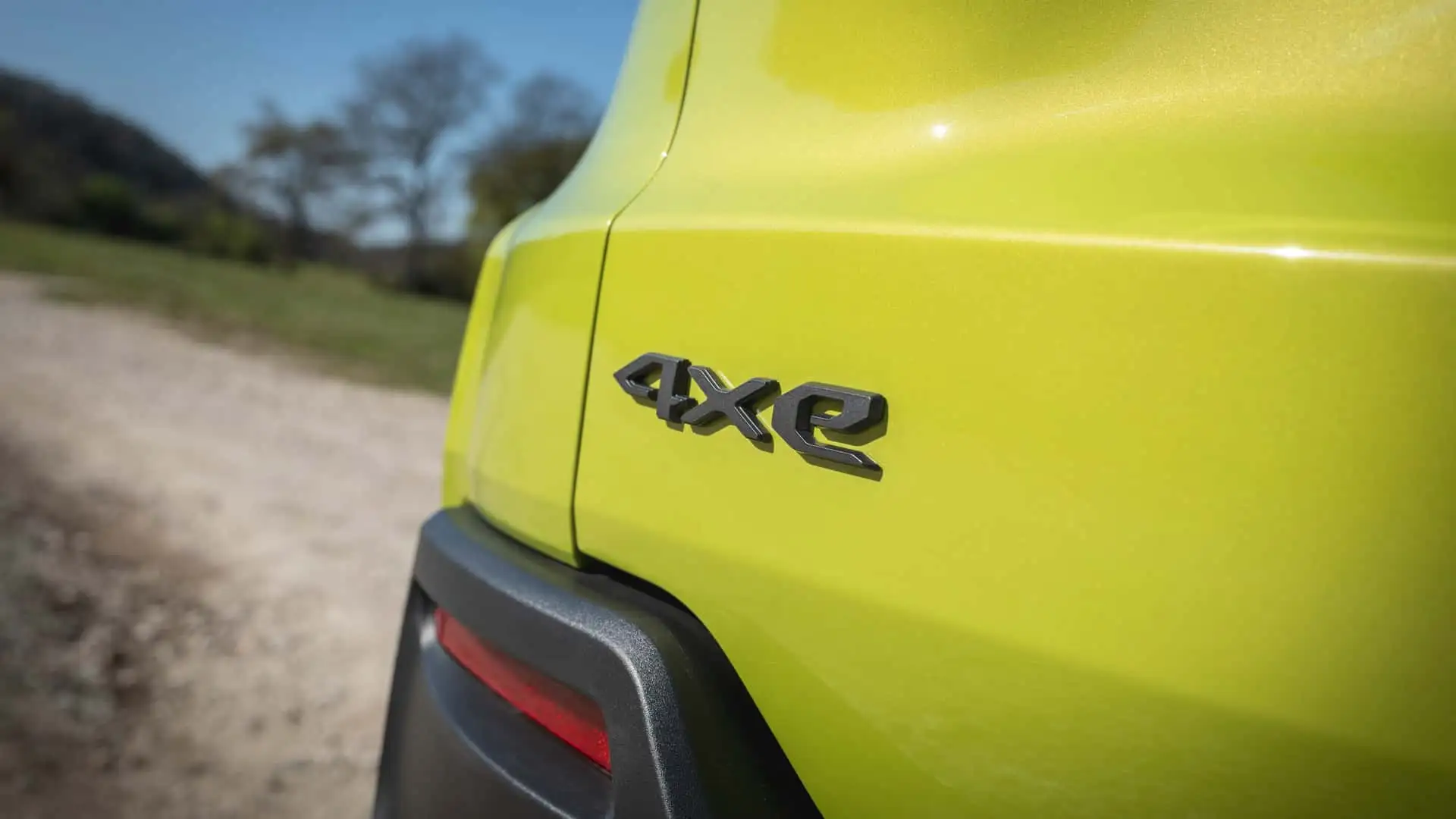
Beyond the new base petrol, the Avenger lineup remains unusually broad for a B-segment SUV. The mild-hybrid version continues with 80 kW / 108 hp and a six-speed dual-clutch automatic driving the front wheels. The plug-in-hybrid 4xe adds a rear-mounted electric motor for all-wheel drive and a combined 105 kW / 143 hp, preserving the Avenger’s strongest claim to being a real Jeep rather than merely a rebadged urban crossover.
The fully electric version remains the technical flagship. It delivers 115 kW / 154 hp, uses a 54 kWh battery, and offers up to 400 km WLTP range while supporting DC charging at up to 100 kW. In a market where compact electrified crossovers are multiplying fast, that keeps the Avenger competitive, though it also highlights how quickly the segment is moving, as seen in more ambitious battery-focused products such as the BMW IX3 NEUE KLASSE Range Tech That Rewrites the Rules.
Why this facelift is more consequential than it looks
With the Renegade gone, the Avenger is now the entry point to Jeep ownership in many markets, and that puts pressure on every detail. This facelift does not chase shock value. Instead, it strengthens the model where buyers will feel the difference over months and years: lighting performance, low-speed camera visibility, cabin touchpoints, and most importantly the credibility of the base gasoline engine. For a European compact SUV, those are the updates that protect residual value and customer confidence.
Orders are already open in Europe, with deliveries scheduled to begin later in 2027. If the previous Avenger succeeded by arriving at the right moment, this one looks set to stay relevant by addressing the right problems.













FAQ
What is the most important change on the 2027 Jeep Avenger?
The key upgrade is the new 1.2-liter turbocharged gasoline engine with a timing chain replacing the previous wet belt setup. Jeep and Stellantis also revised the block, pistons, and piston rings to improve robustness and better control oil consumption.
Does the 2027 Jeep Avenger still offer a manual gearbox?
Yes. The base gasoline Avenger keeps a six-speed manual transmission and front-wheel drive, which is increasingly rare in the small SUV segment.
What are the power outputs across the Avenger range?
The new petrol version makes 74 kW / 100 hp with 205 Nm (151 lb-ft). The mild-hybrid delivers 80 kW / 108 hp, the 4xe plug-in hybrid offers a combined 105 kW / 143 hp with all-wheel drive, and the EV produces 115 kW / 154 hp.
How far can the electric 2027 Jeep Avenger go on a charge?
The fully electric Avenger is rated at up to 400 km WLTP (249 miles) from its 54 kWh battery and supports DC fast charging at up to 100 kW.
What new technology does the facelift add?
The facelift adds matrix LED headlights, a front-facing camera enabling a 360-degree view, updated wheel designs, new colors, and improved cabin materials including softer door trims and a padded lower dashboard.