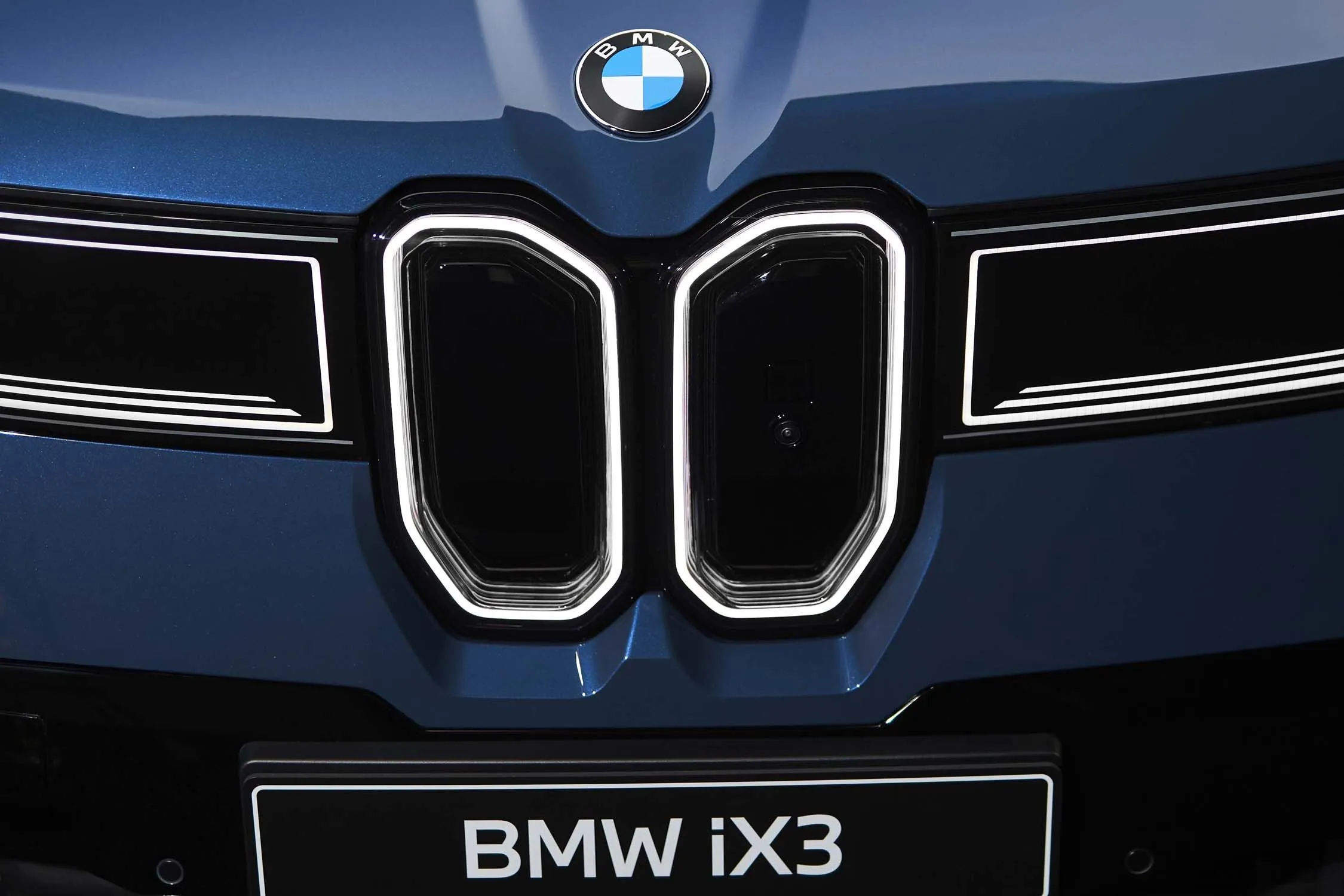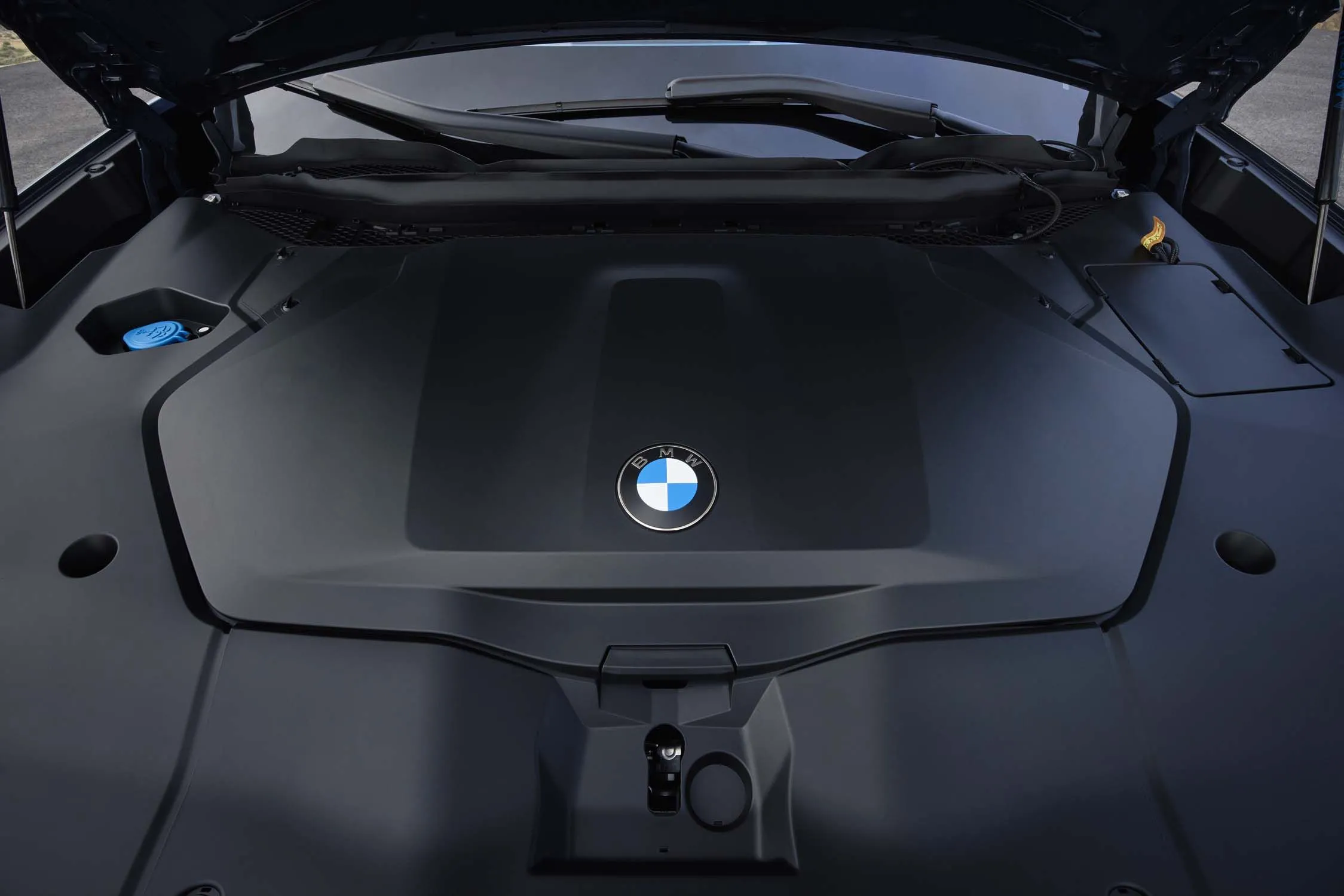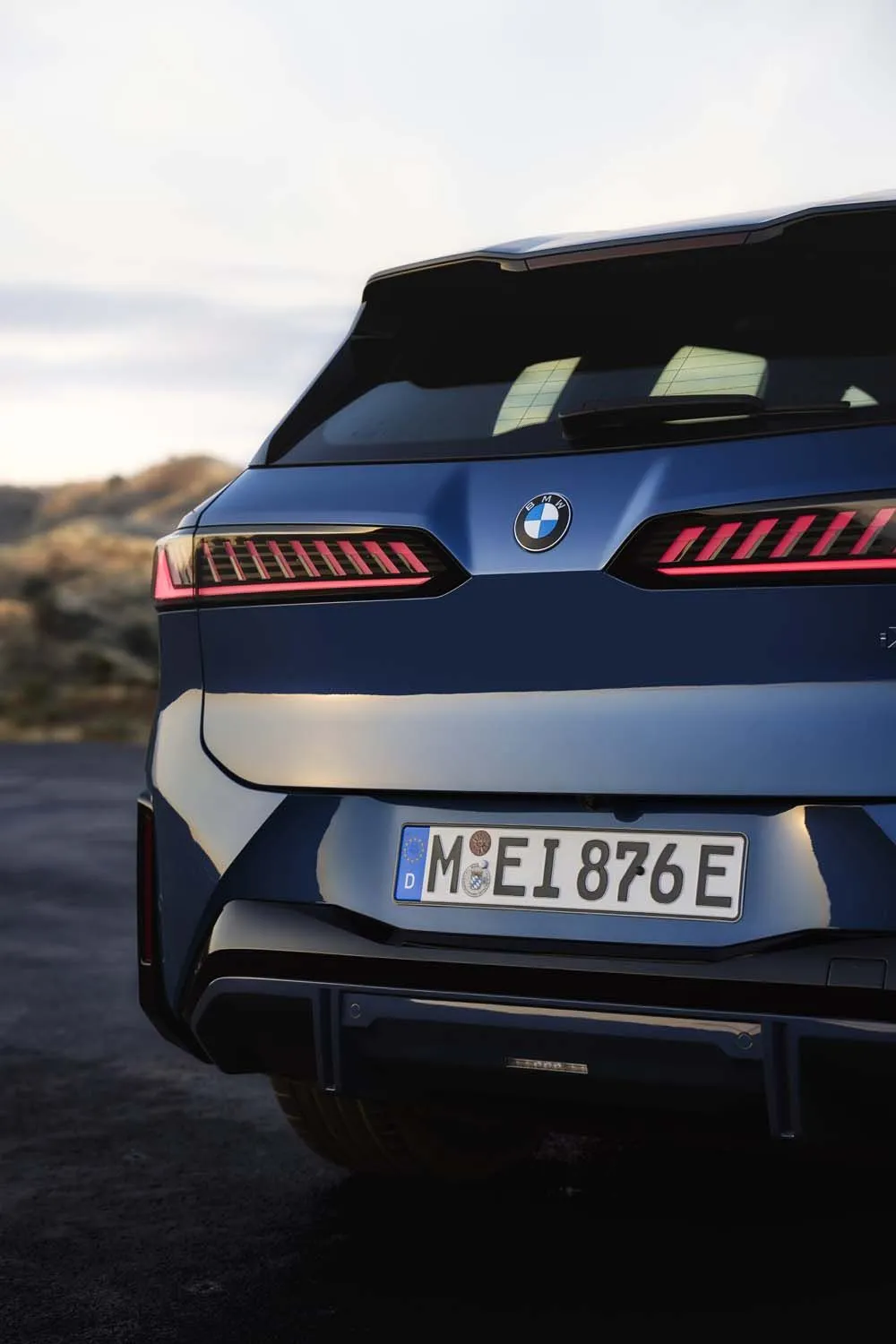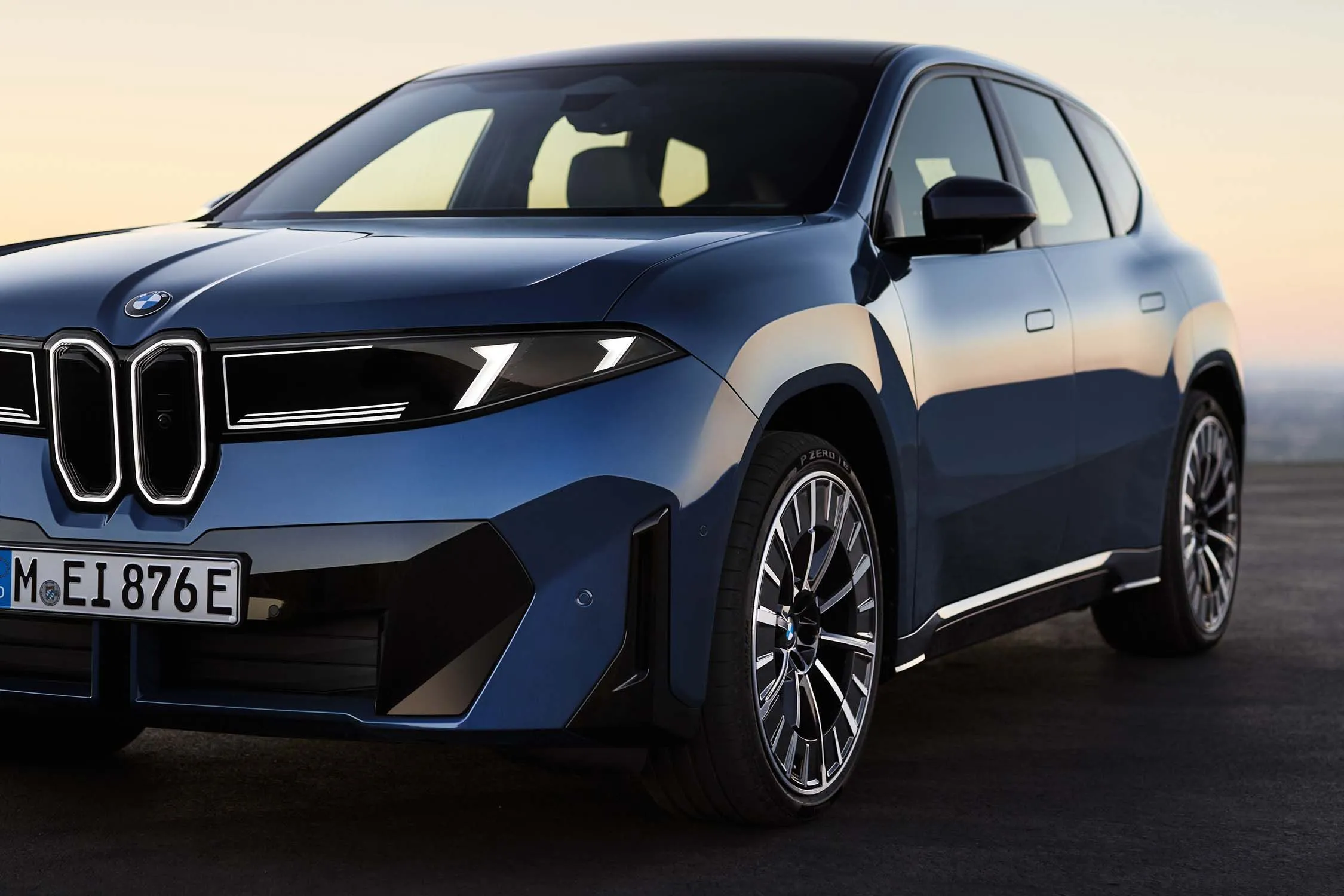
BMW’s First U.S. Neue Klasse SUV Arrives With Real Range, Not Just Promises
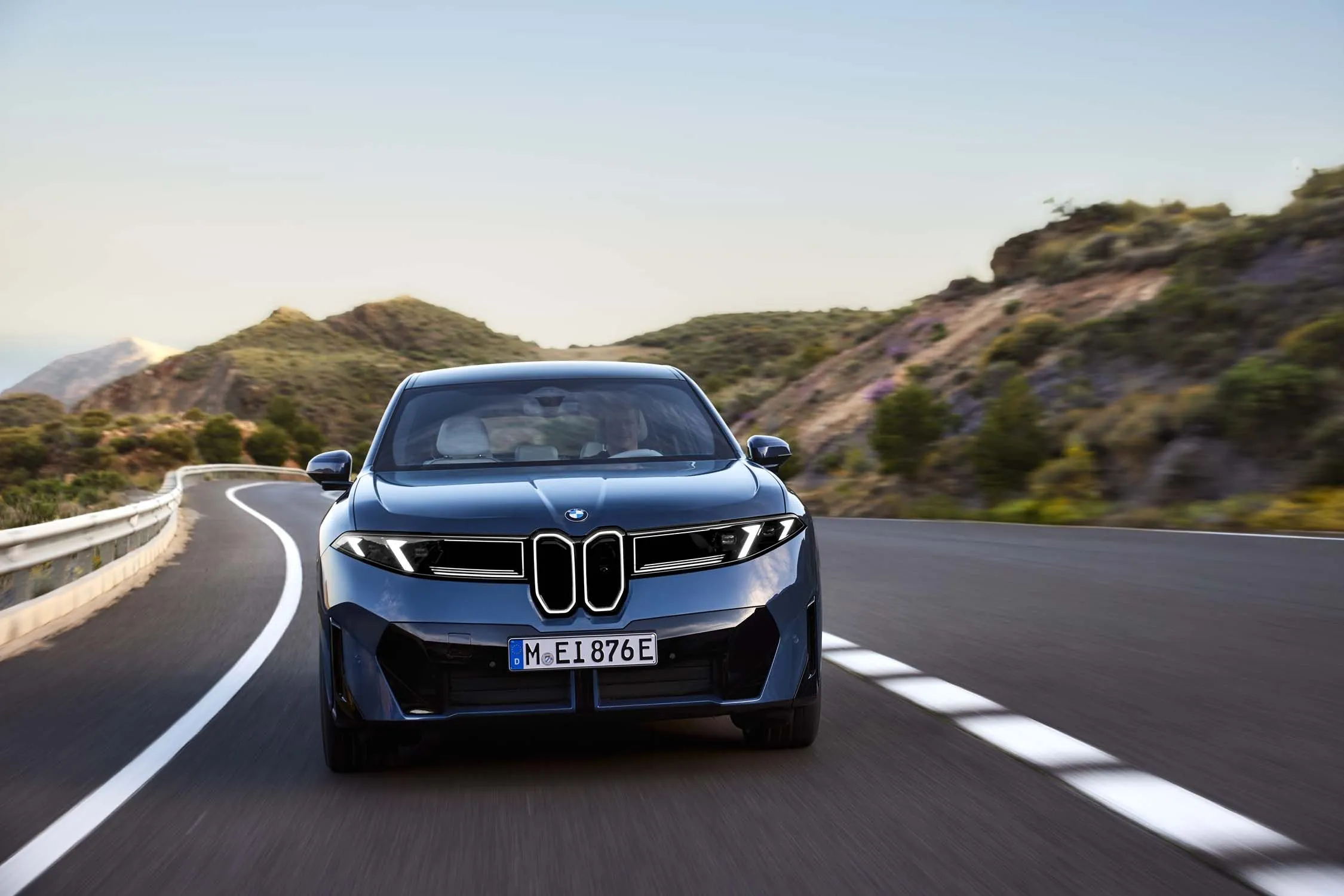
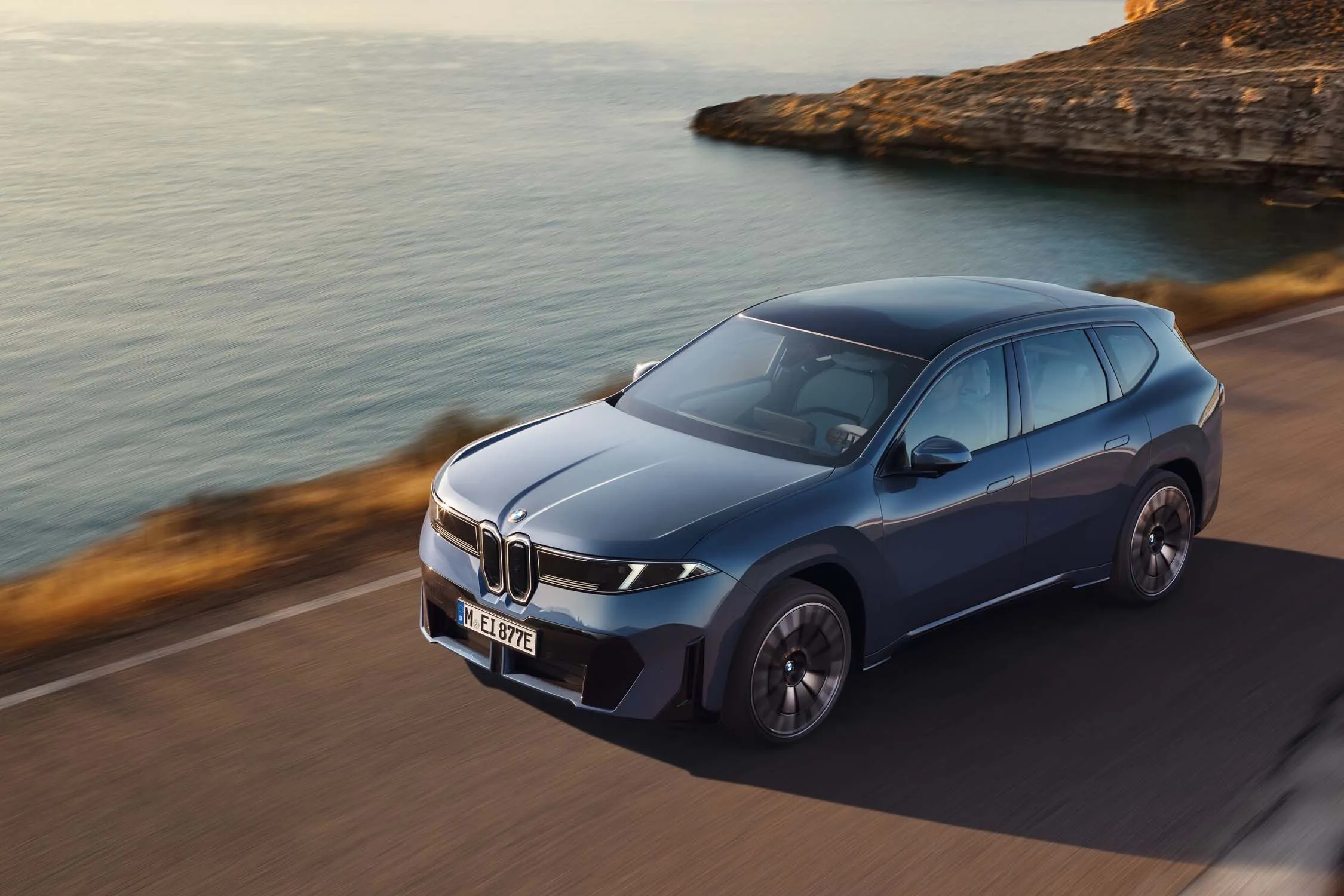
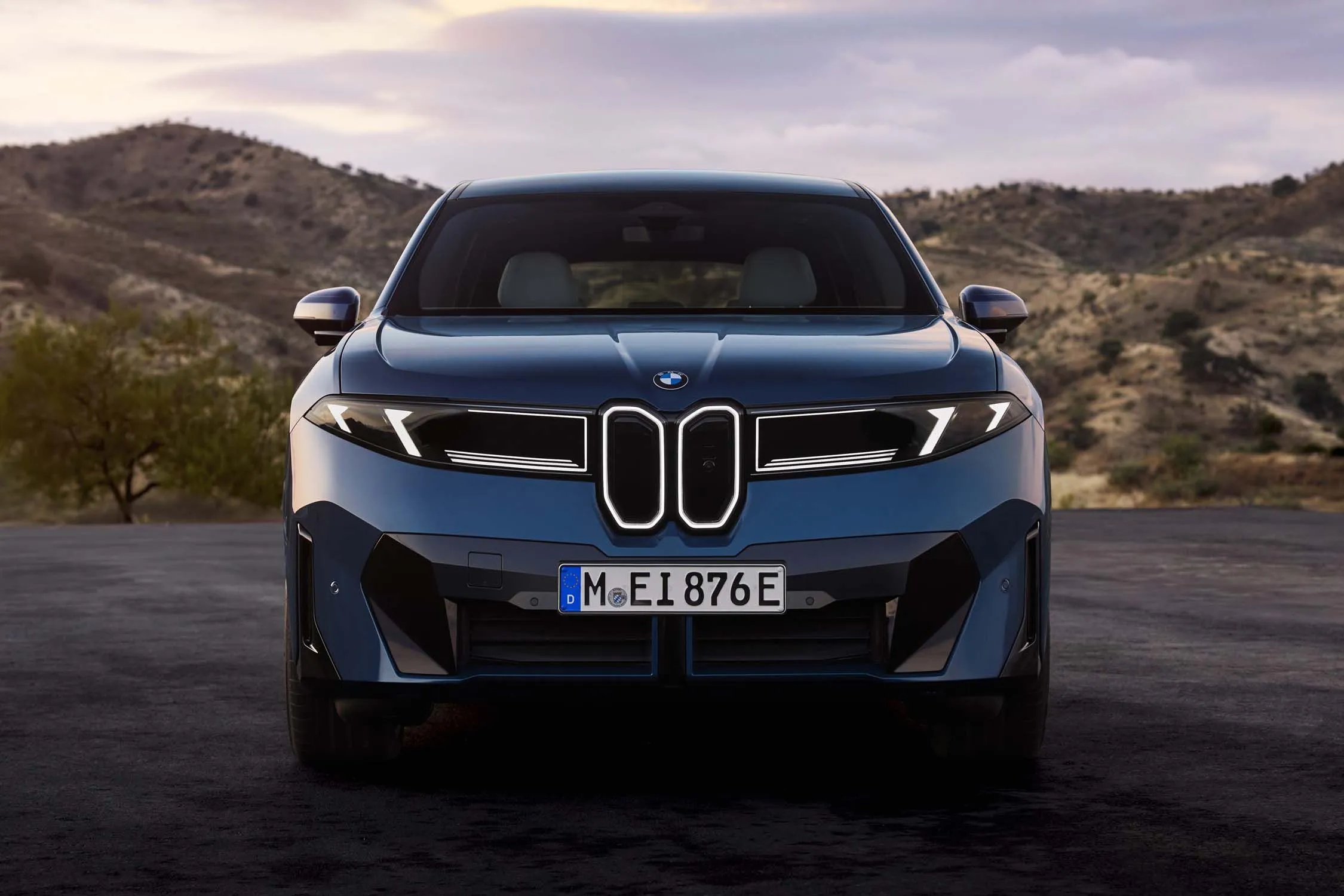
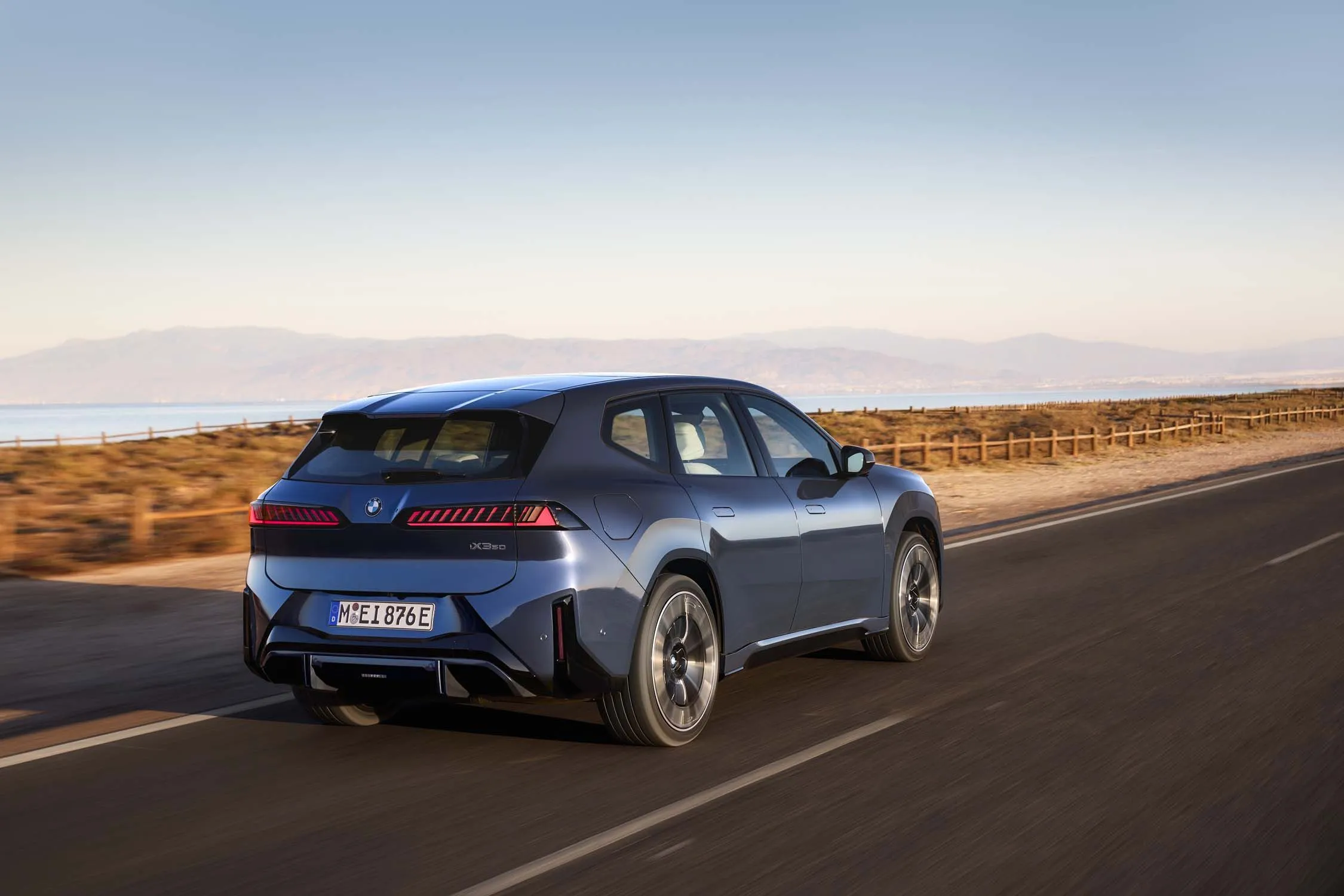
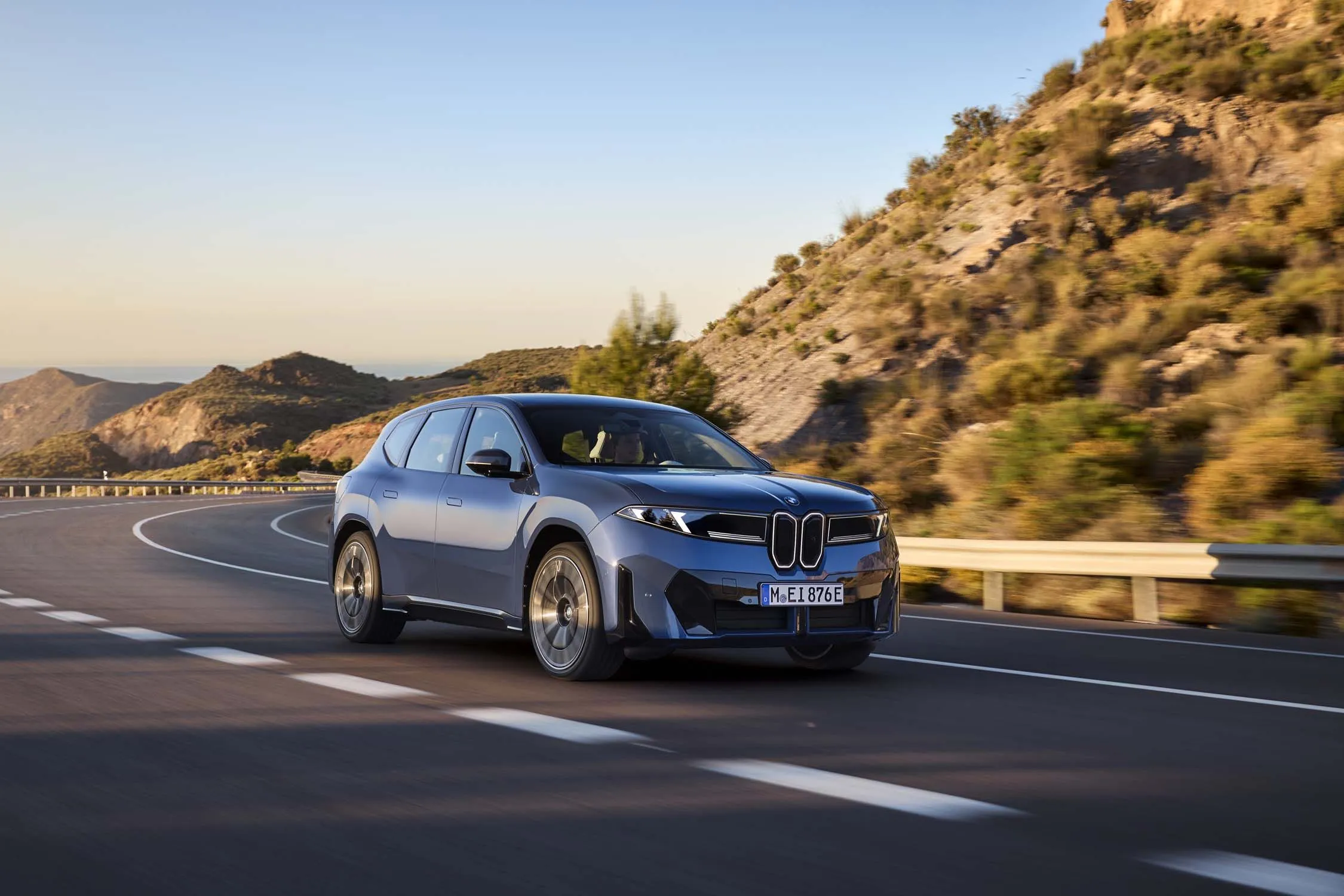
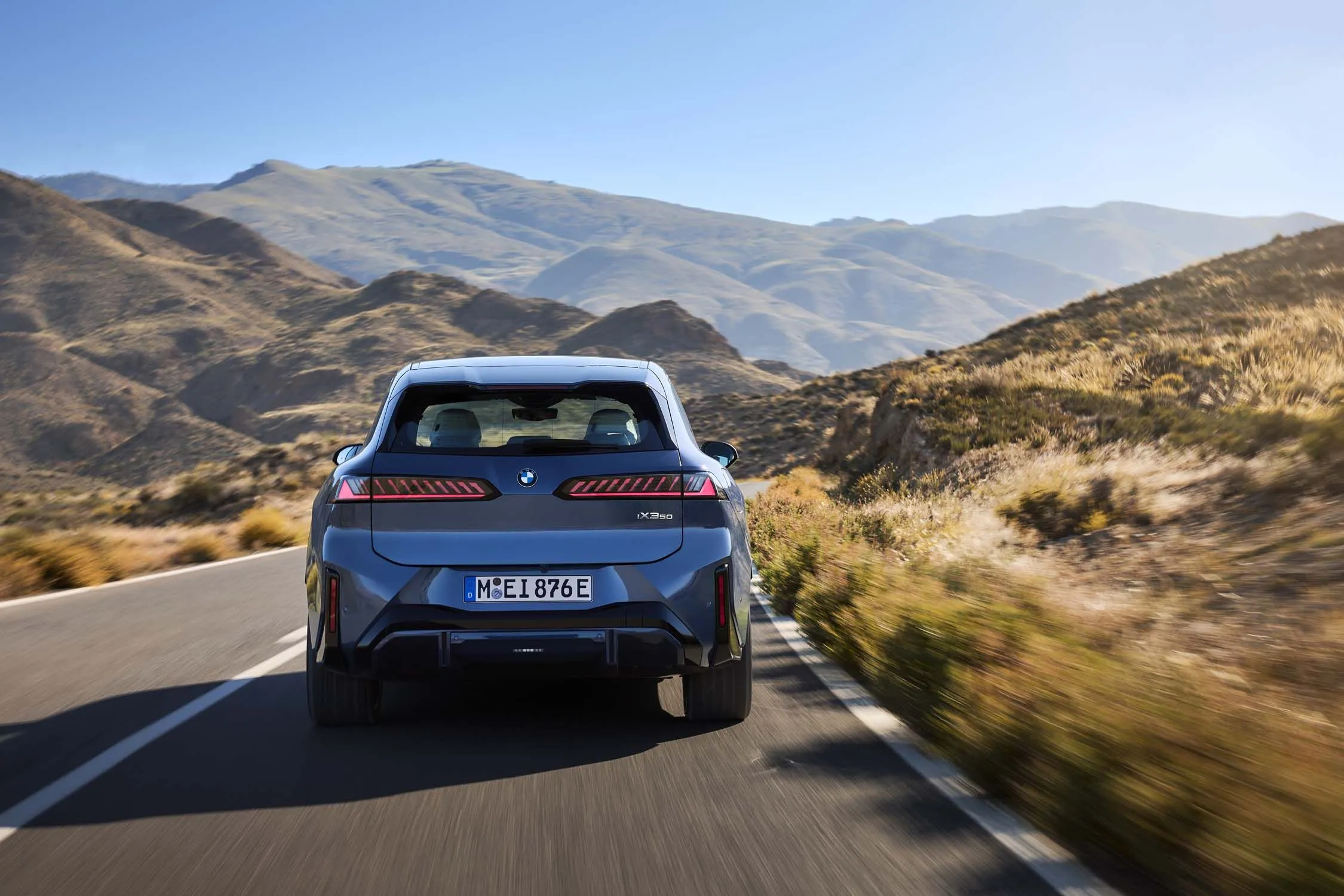
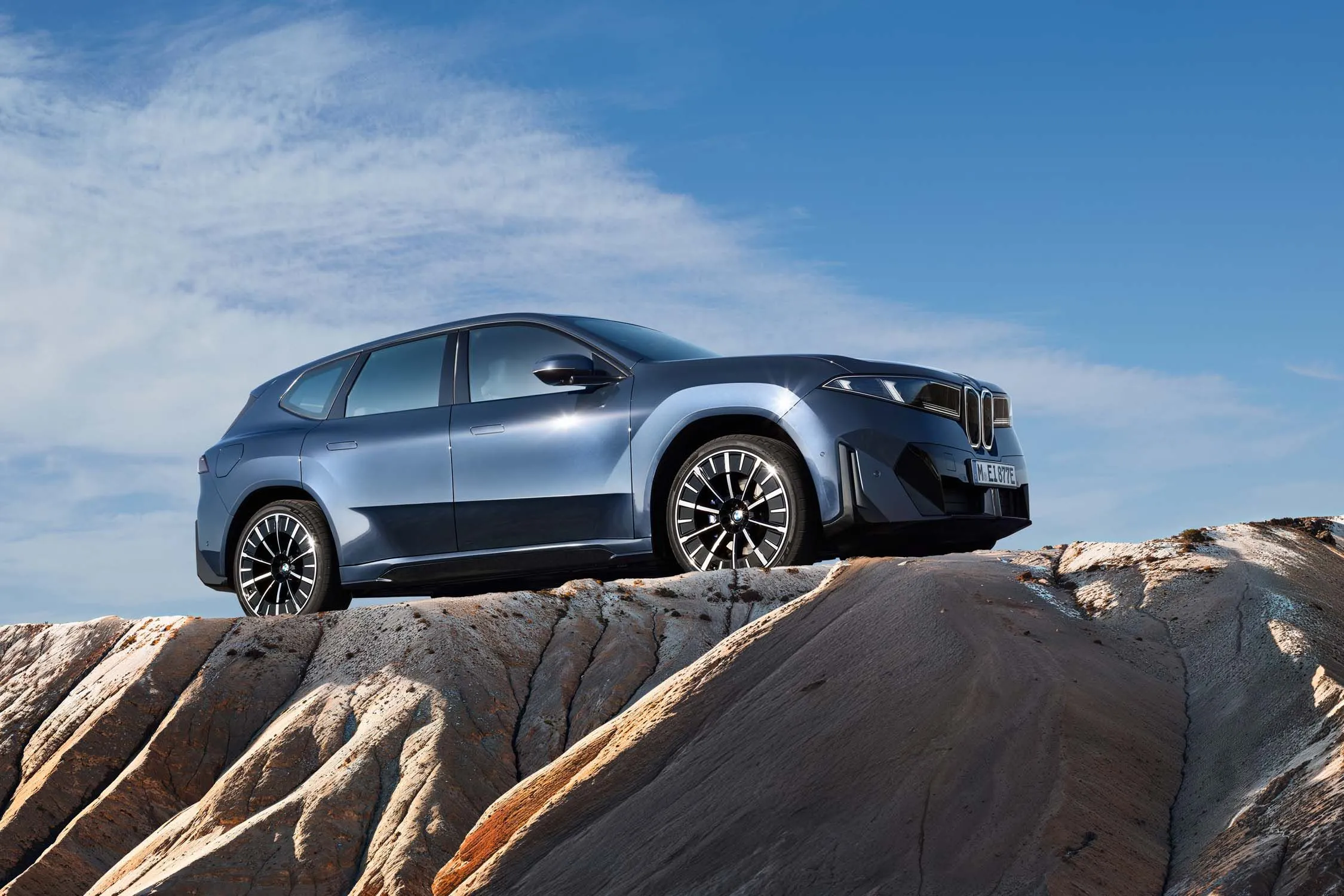
The 2027 BMW iX3 is the first U.S.-market model to ride on BMW’s new Neue Klasse EV architecture, and the number that defines it is not horsepower but range: an EPA estimate of 434 miles from a 112-kWh battery pack. In a segment where many luxury EVs still struggle to clear 300 miles in convincing real-world form, BMW has gone straight at the range anxiety problem with hardware that looks properly sized, not marketing-calibrated. The single available launch model, the iX3 50 xDrive, pairs that battery with dual motors and 463 hp, which gives the SUV the sort of specifications that make the EV transition feel like a BMW decision rather than a compliance exercise.
The 112-kWh Battery and 400-kW Charging Curve Define the Story
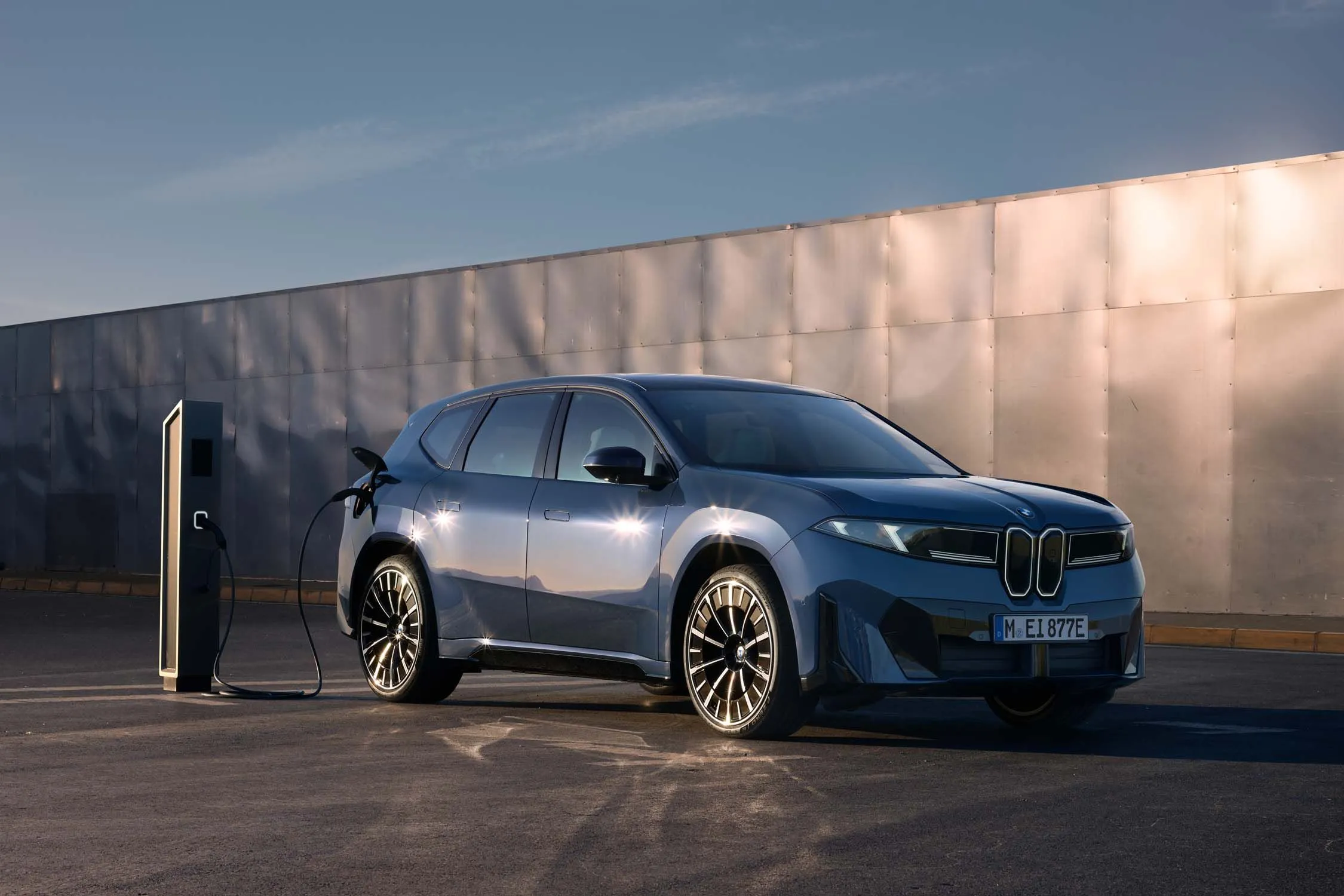
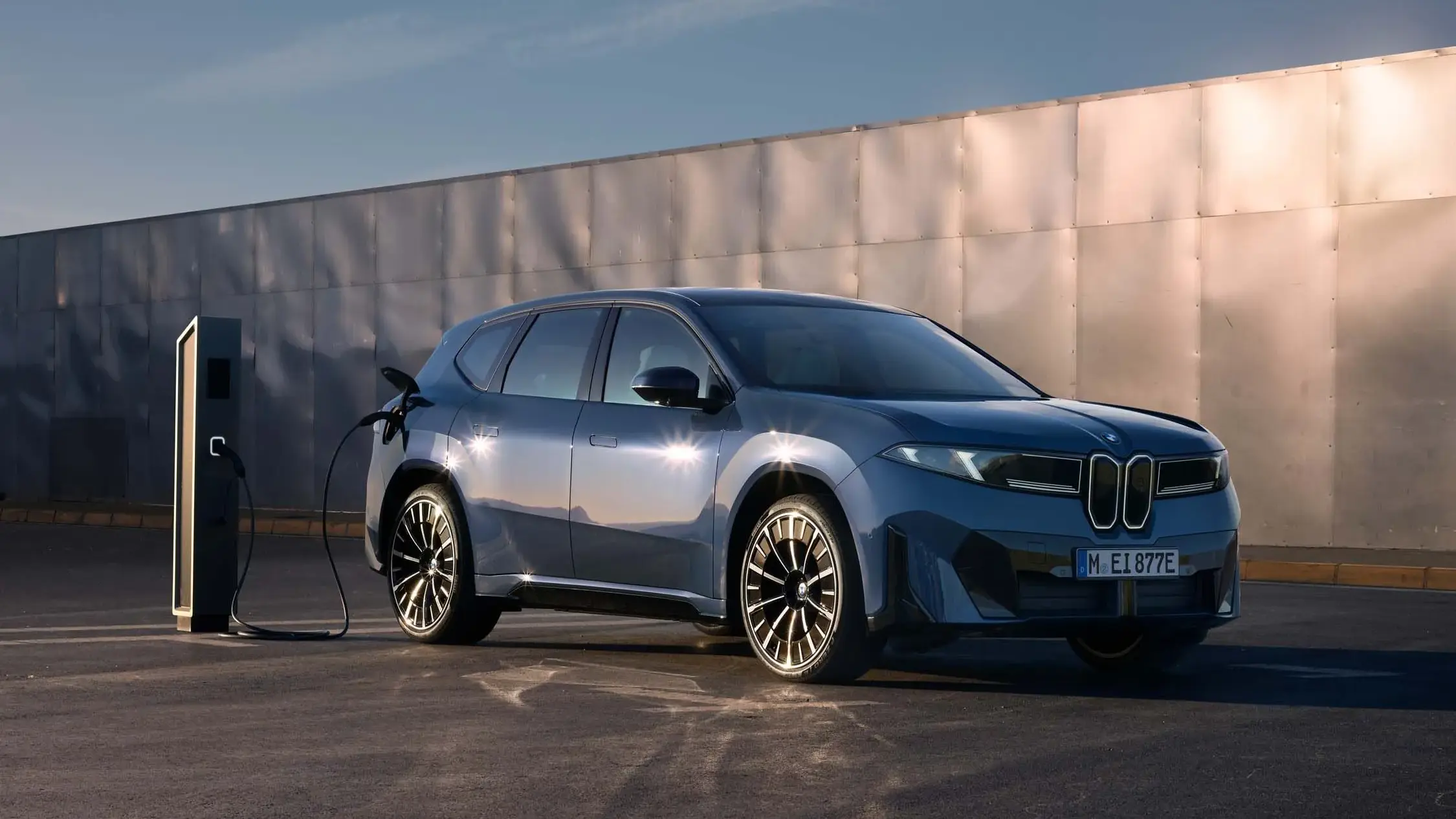
BMW says the iX3 can accept DC charging at up to 400 kW, and the company estimates as much as 230 miles of range can be added in 10 minutes, provided the charger can actually deliver those numbers. That is the kind of charging target that changes how owners plan long trips, because the bottleneck becomes infrastructure rather than battery size. The standard 11-kW onboard AC charger is respectable, while the optional 22-kW unit is the right spec for owners who will rely heavily on home or destination charging. For a premium EV in 2027, this is the difference between a good charging story and a genuinely advanced one.
The battery sits low in the floor, which helps explain why BMW could preserve a cabin with adequate room for four adults and a cargo bay that is generous rather than compromised. Towing capacity is rated at 4,400 lb, but as with any EV, hauling that much will hit range hard. BMW’s own stated capability is useful here because it suggests the iX3 is not merely built for suburban commuting; it is designed to handle the broad use case buyers of a $62,850 luxury SUV actually demand.
463 Horsepower, Rear Bias, and the Part That Makes It Feel Like a BMW
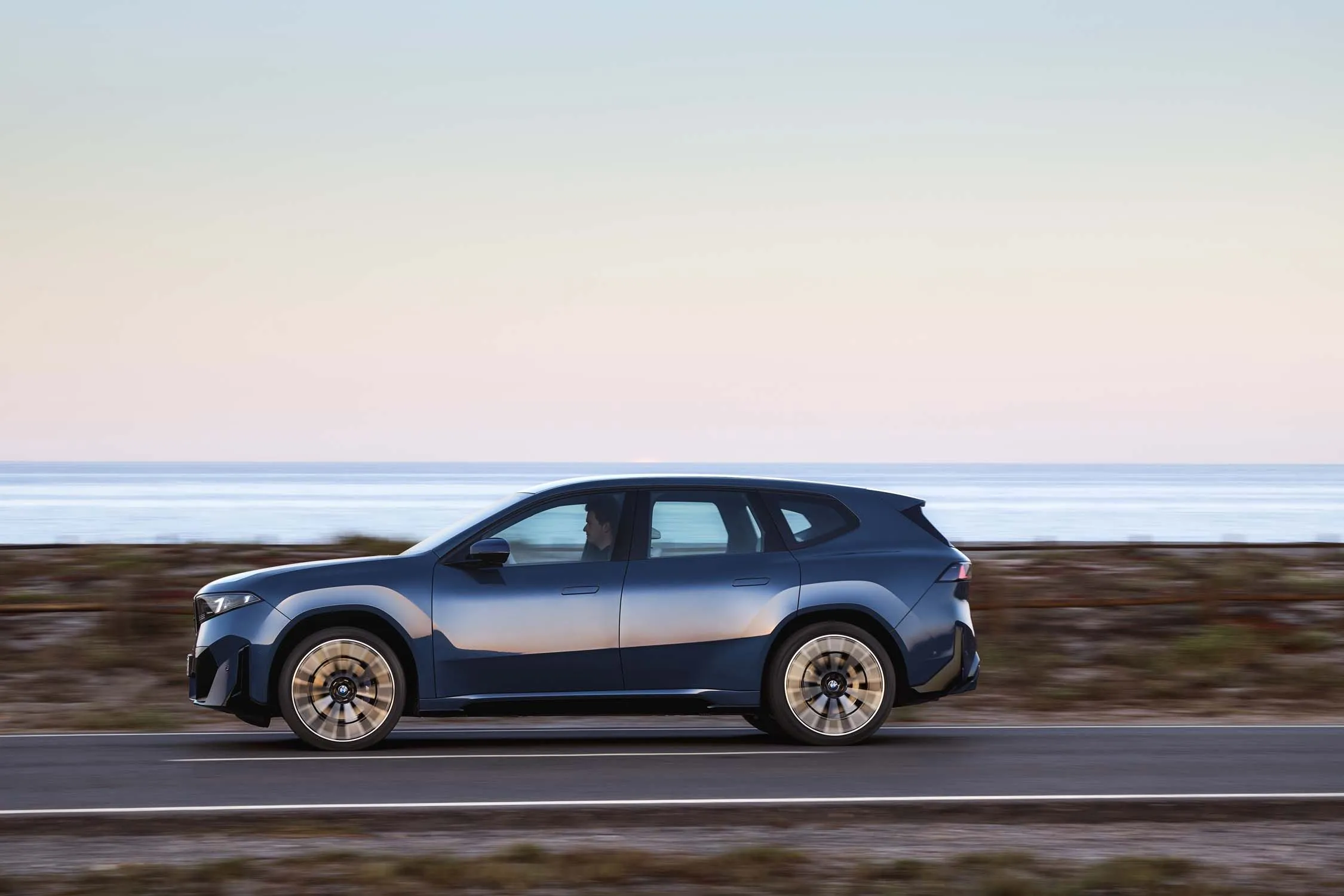
The iX3 50 xDrive’s dual-motor powertrain makes 463 hp and 476 lb-ft, with BMW giving the setup a rearward bias that is crucial to the SUV’s personality. On paper, the estimated 0-60 mph time of 4.2 seconds is quick enough to embarrass many gasoline luxury crossovers, but the more meaningful detail is how BMW has allowed the chassis to rotate and the rear axle to do some of the work in Sport mode. That tuning choice is what separates a competent EV from one that still feels like it belongs to Munich. Braking performance is said to be excellent, and the inclusion of one-pedal driving broadens the SUV’s usability without dulling the driving character.
This is also where the iX3 starts to look like a more serious driver’s SUV than some rivals. The Porsche Macan Electric may end up quicker in absolute terms, with BMW’s own comparison pointing to a 3.6-second run in Macan EV 4S form, but BMW’s pitch is different: the iX3 is aiming for range, road composure, and daily ease in one package. The result should appeal to buyers who want their electric luxury SUV to cover distance first and attack corners second, without turning into a rolling tech demo.
Interior Tech Is Bold, But BMW Still Leaves a Few Friction Points
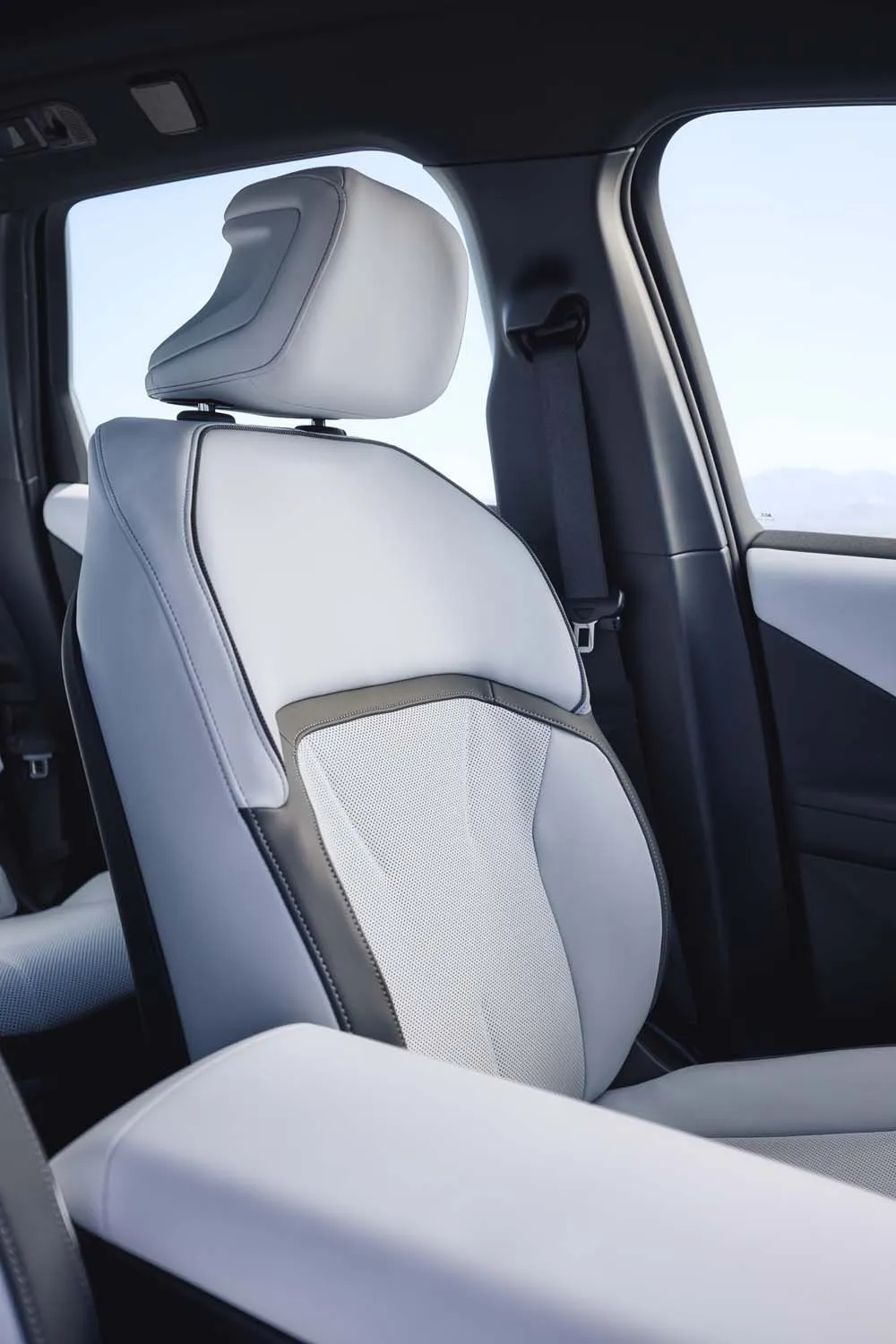
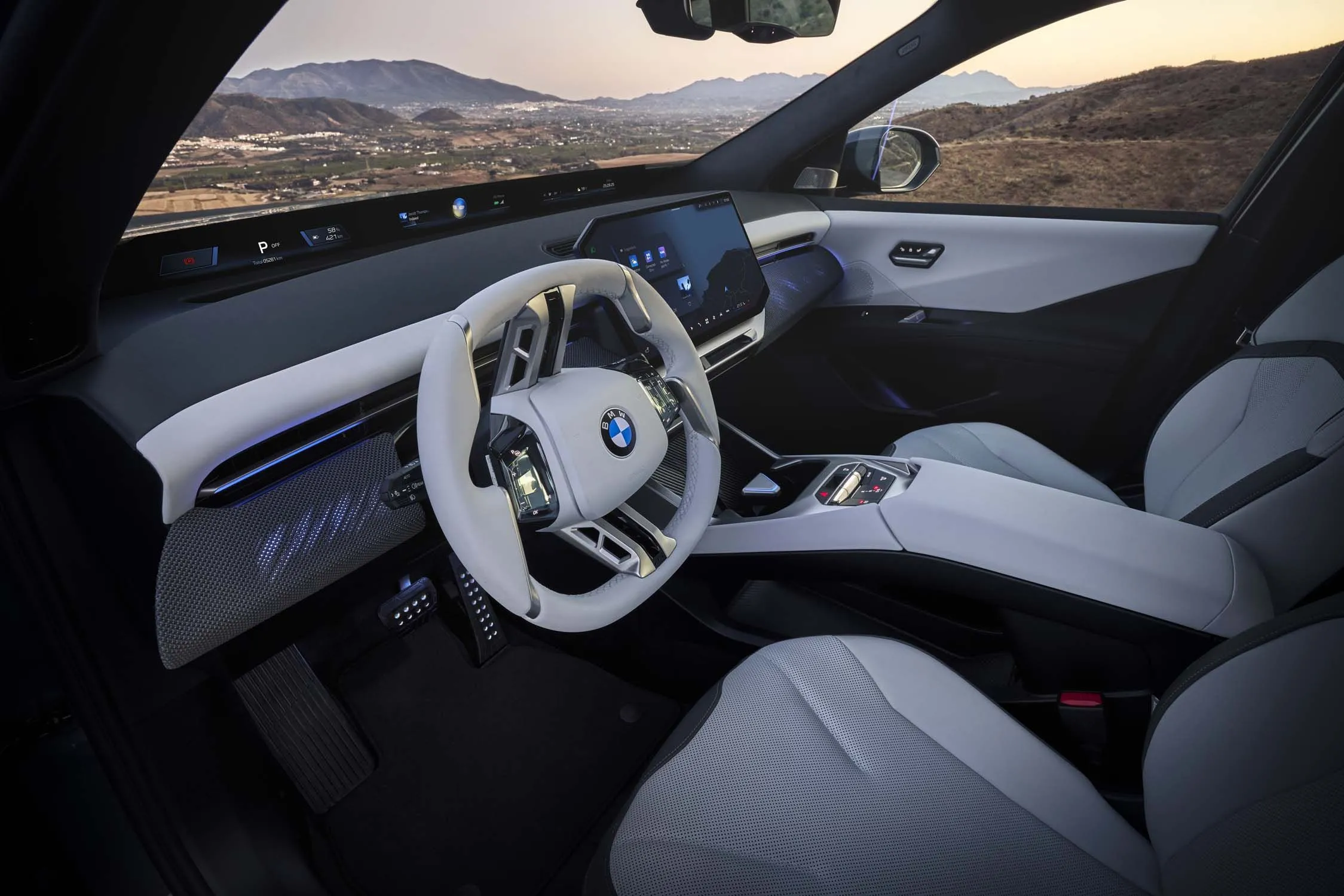
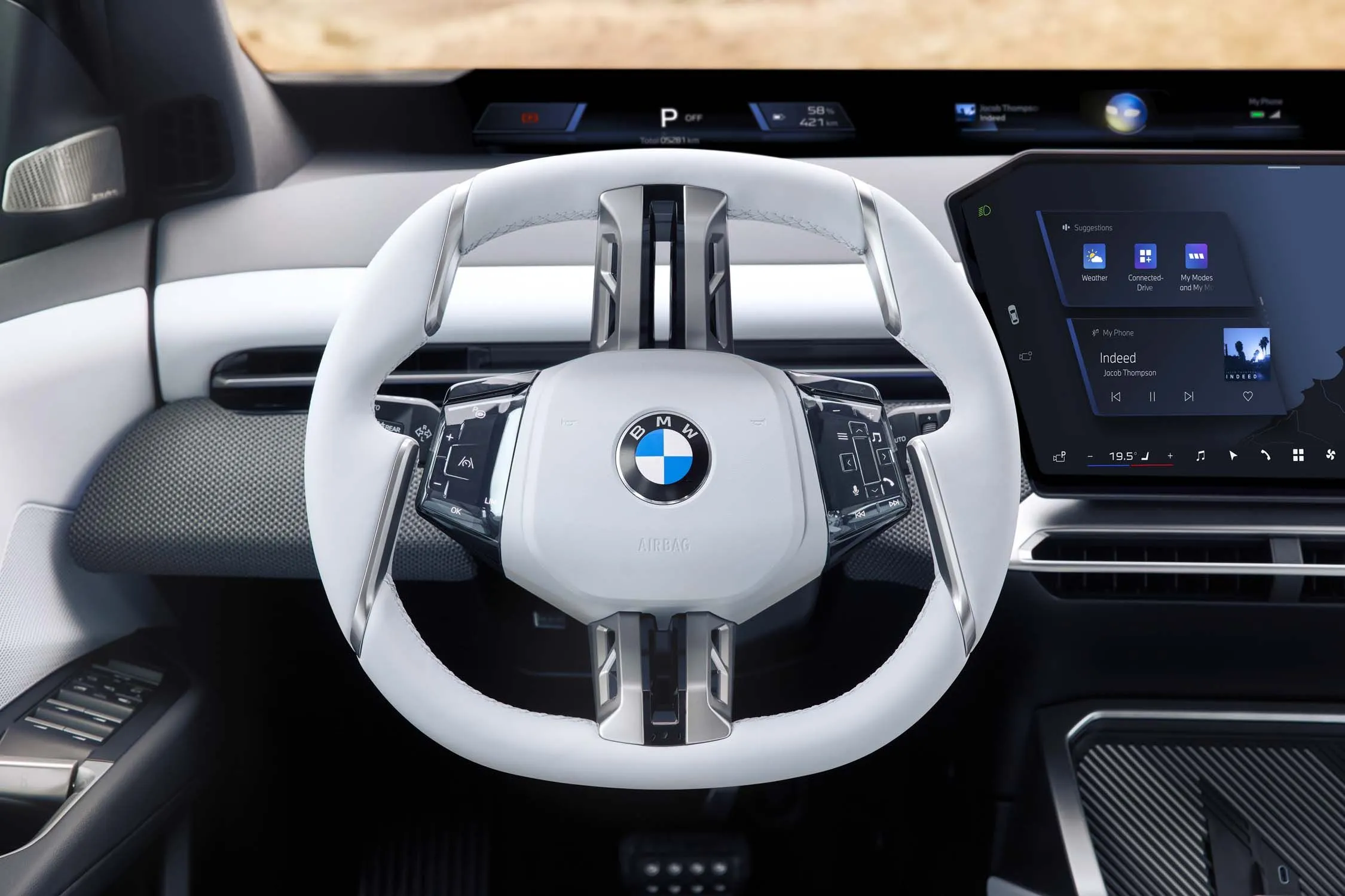
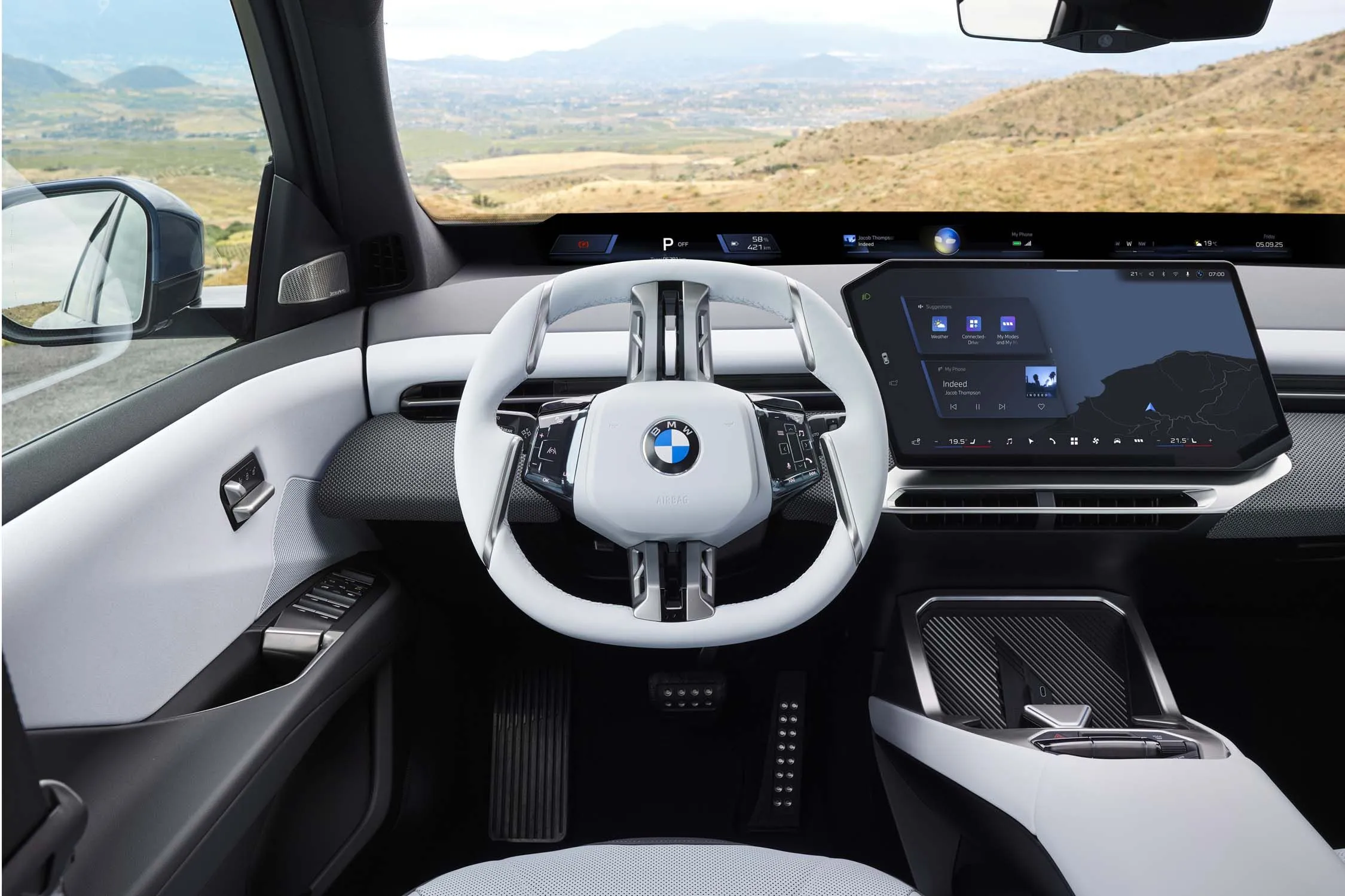
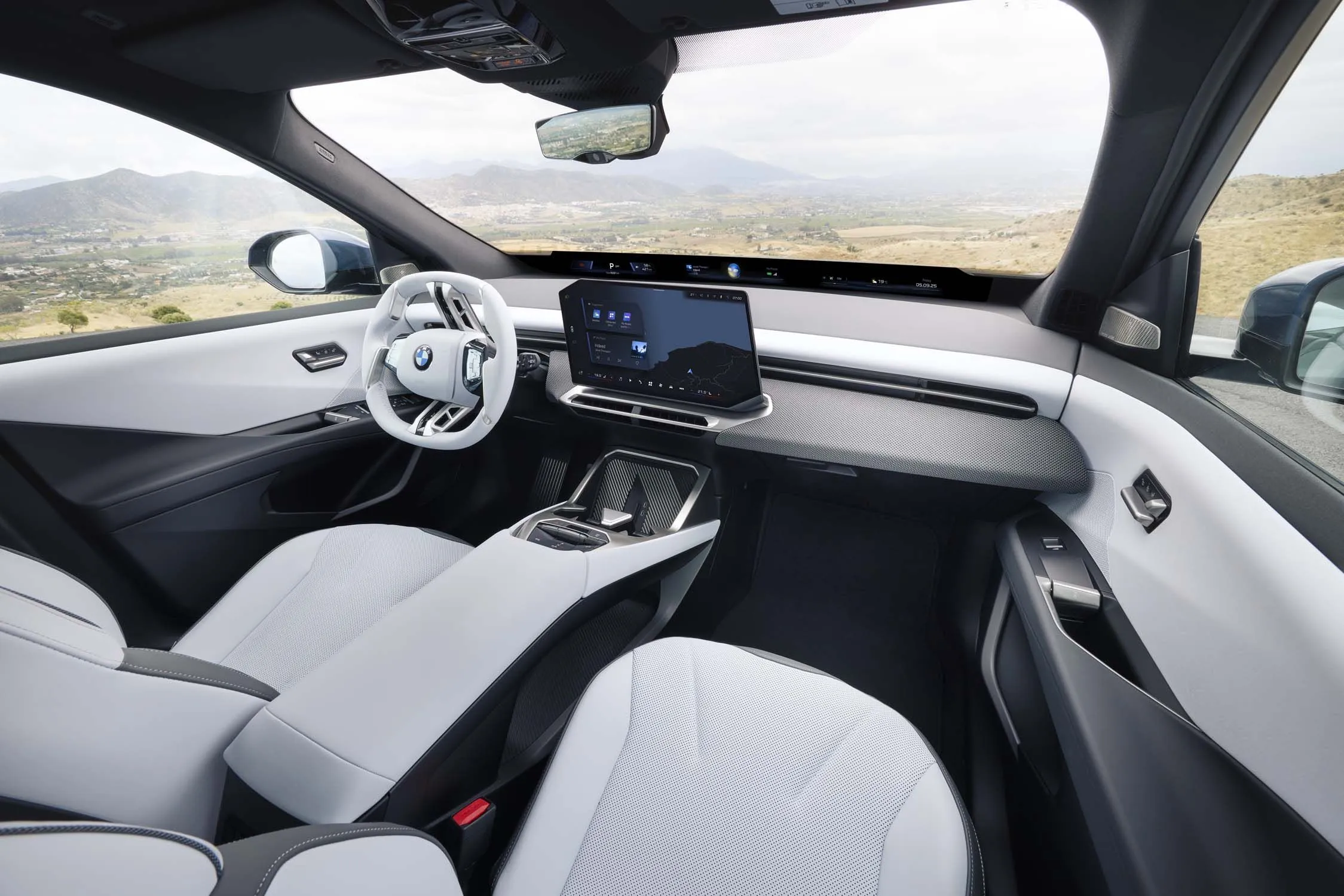
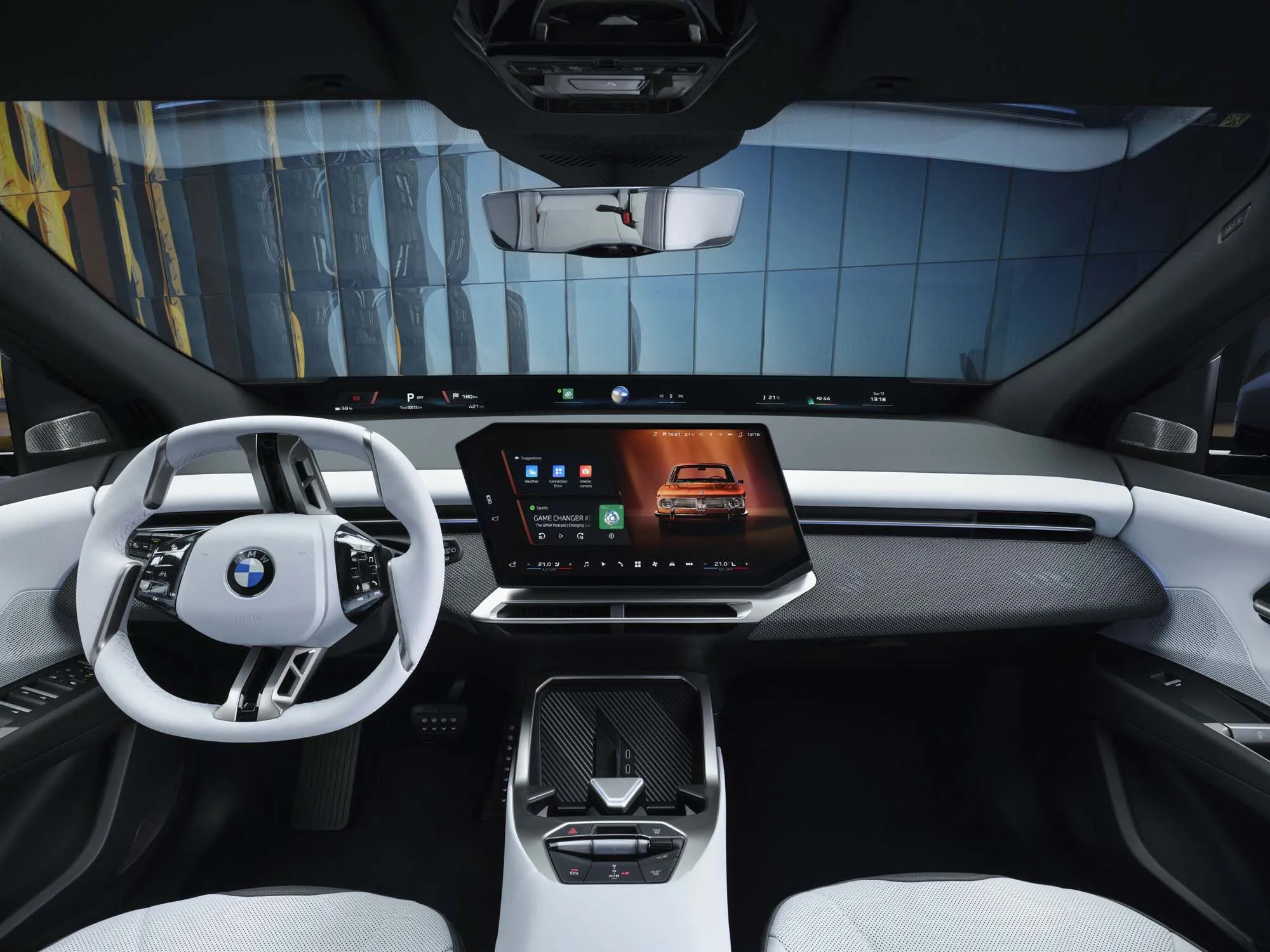
BMW has not simply redesigned the iX3’s cabin; it has rethought the dashboard layout around a 17.9-inch central touchscreen and a narrow 43.0-inch display strip that runs along the base of the windshield. The idea is to keep critical information high and readable, and the execution sounds appropriately futuristic for the Neue Klasse era. Standard wireless Apple CarPlay and Android Auto, in-dash navigation, and a 13-speaker Harman/Kardon stereo give the iX3 the expected premium baseline, while a head-up display remains optional. Sustainable materials and ambient lighting push the atmosphere toward modern luxury rather than traditional BMW minimalism.
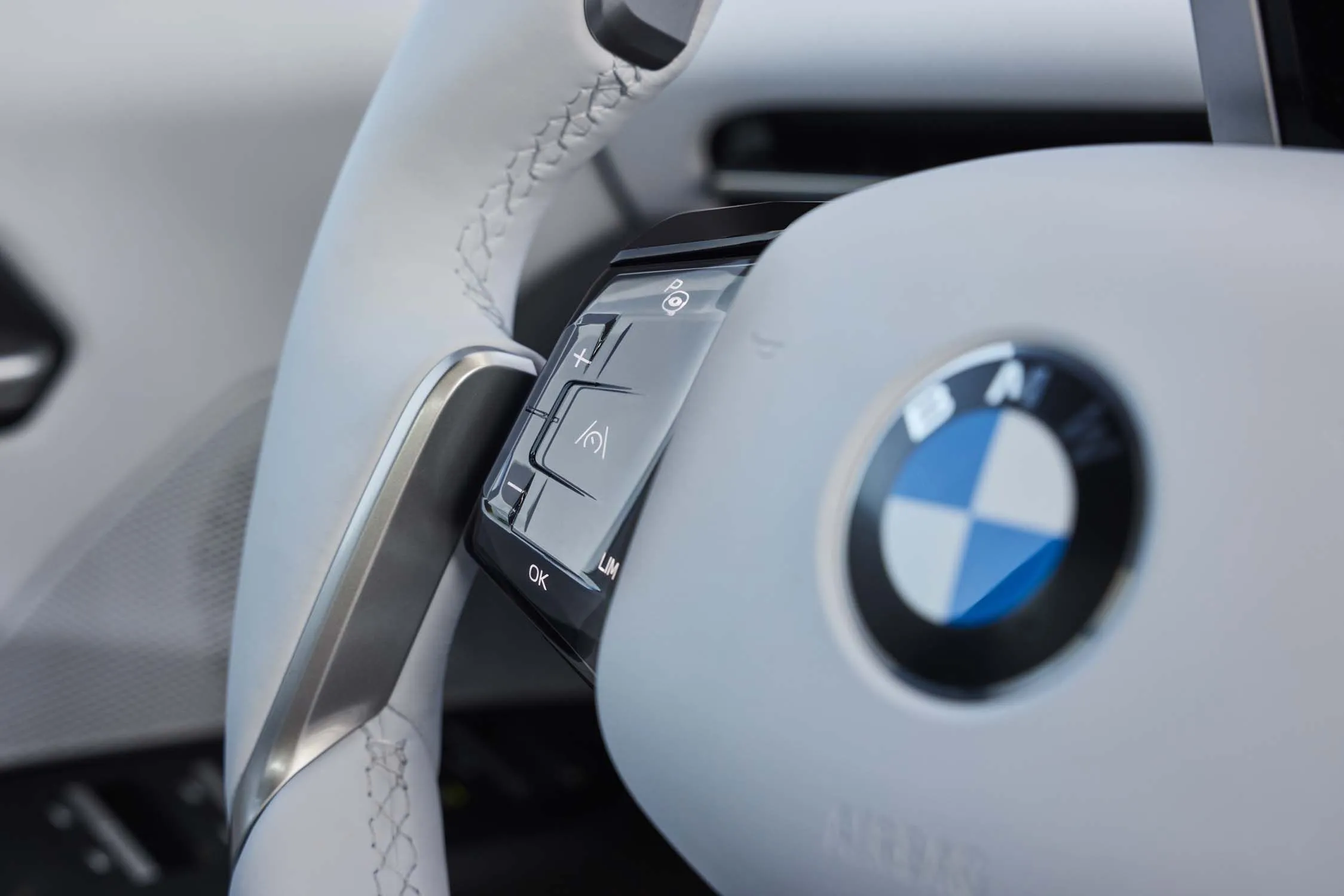
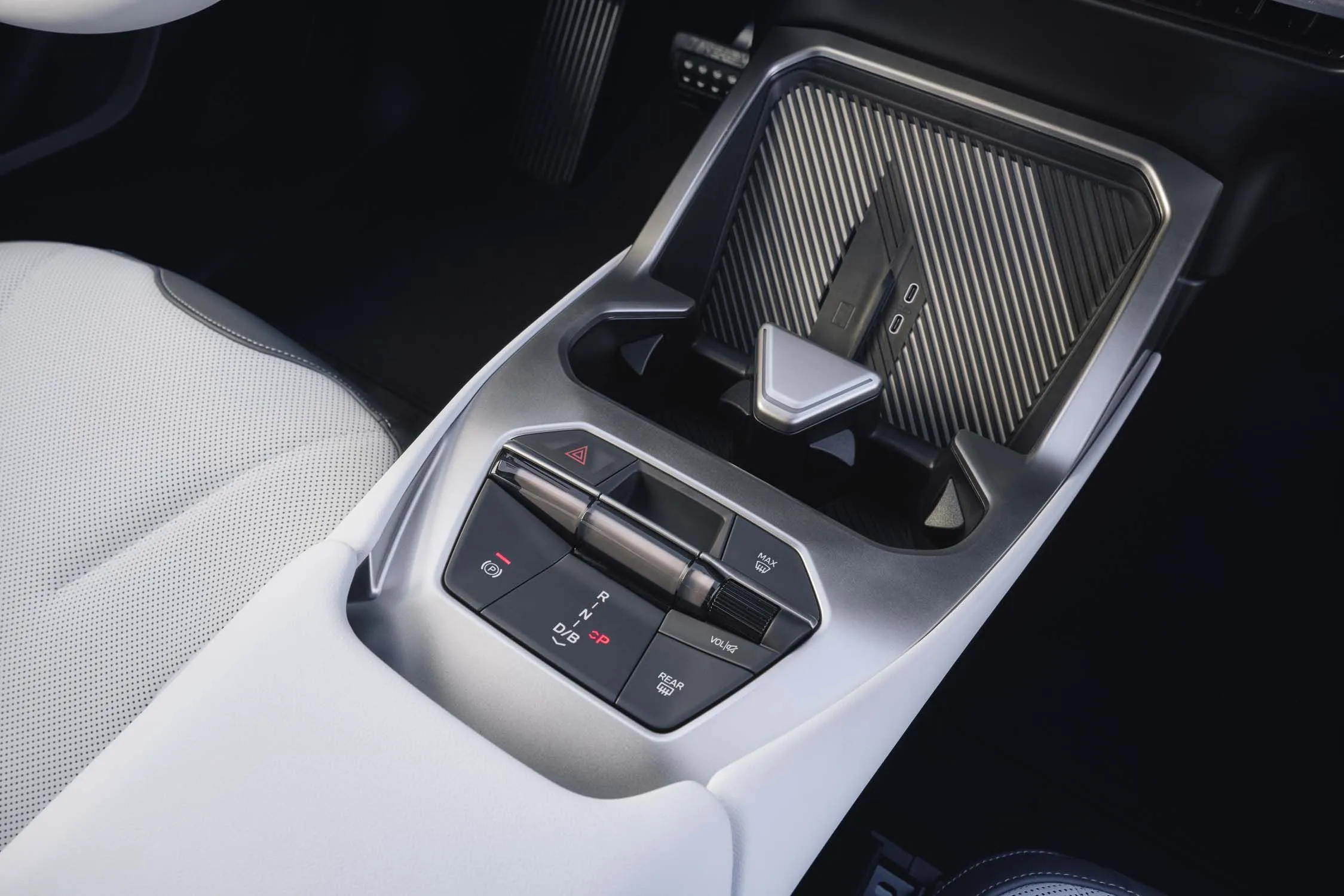
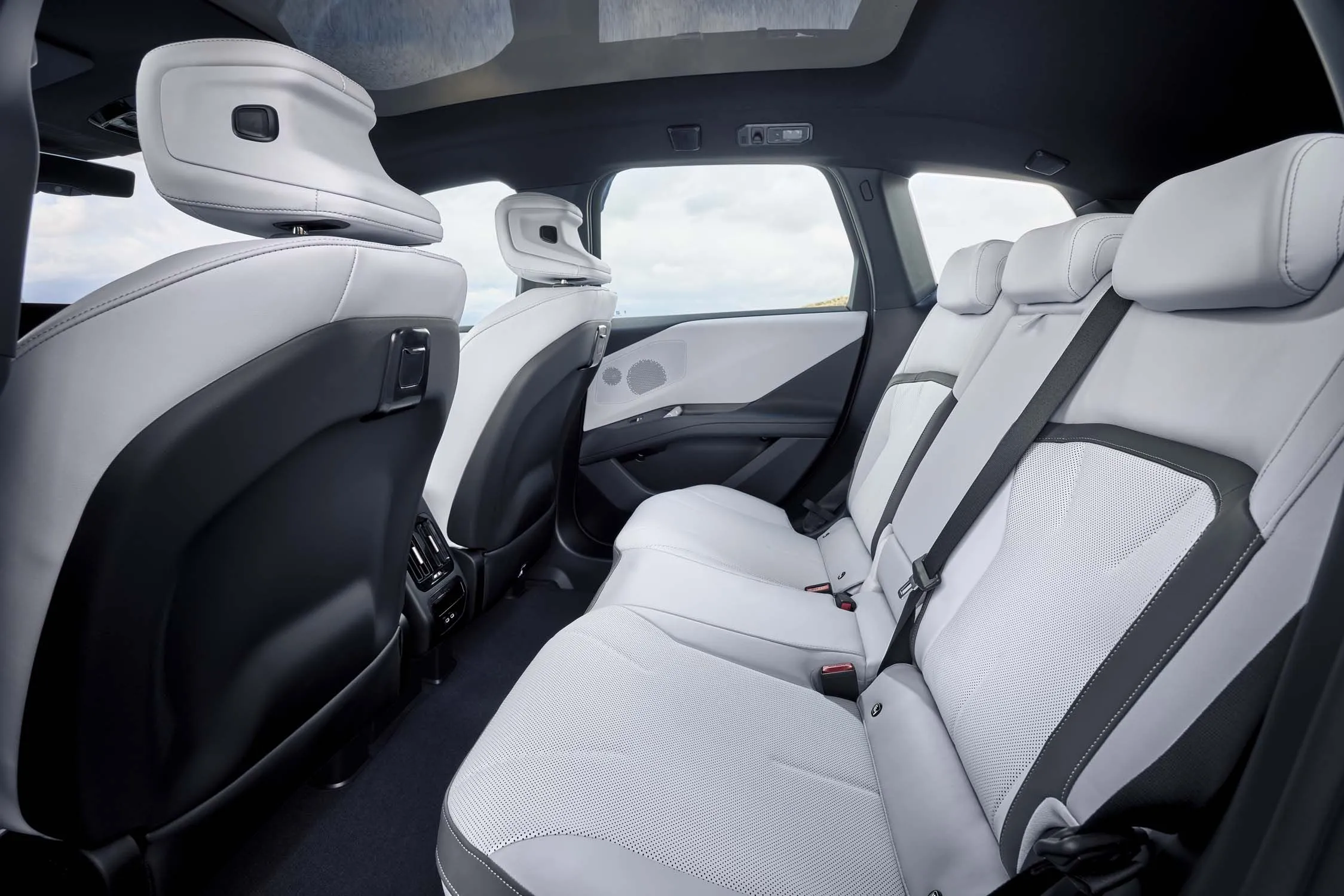
The trade-off is control logic. Climate functions live in the touchscreen, which is exactly the sort of choice that can look elegant in a product launch and irritating in daily use. BMW also fitted a squircle steering wheel with top and bottom spokes, a decision that will divide drivers who prefer more traditional round rims. A conventional M Sport wheel is optional, which tells you BMW knows the standard item may not be universally loved. Rear-seat space should satisfy two adults comfortably, helped by vents on the back of the center console and multiple USB ports.
Cargo, Frunk, and the Practicality BMW Buyers Will Actually Notice
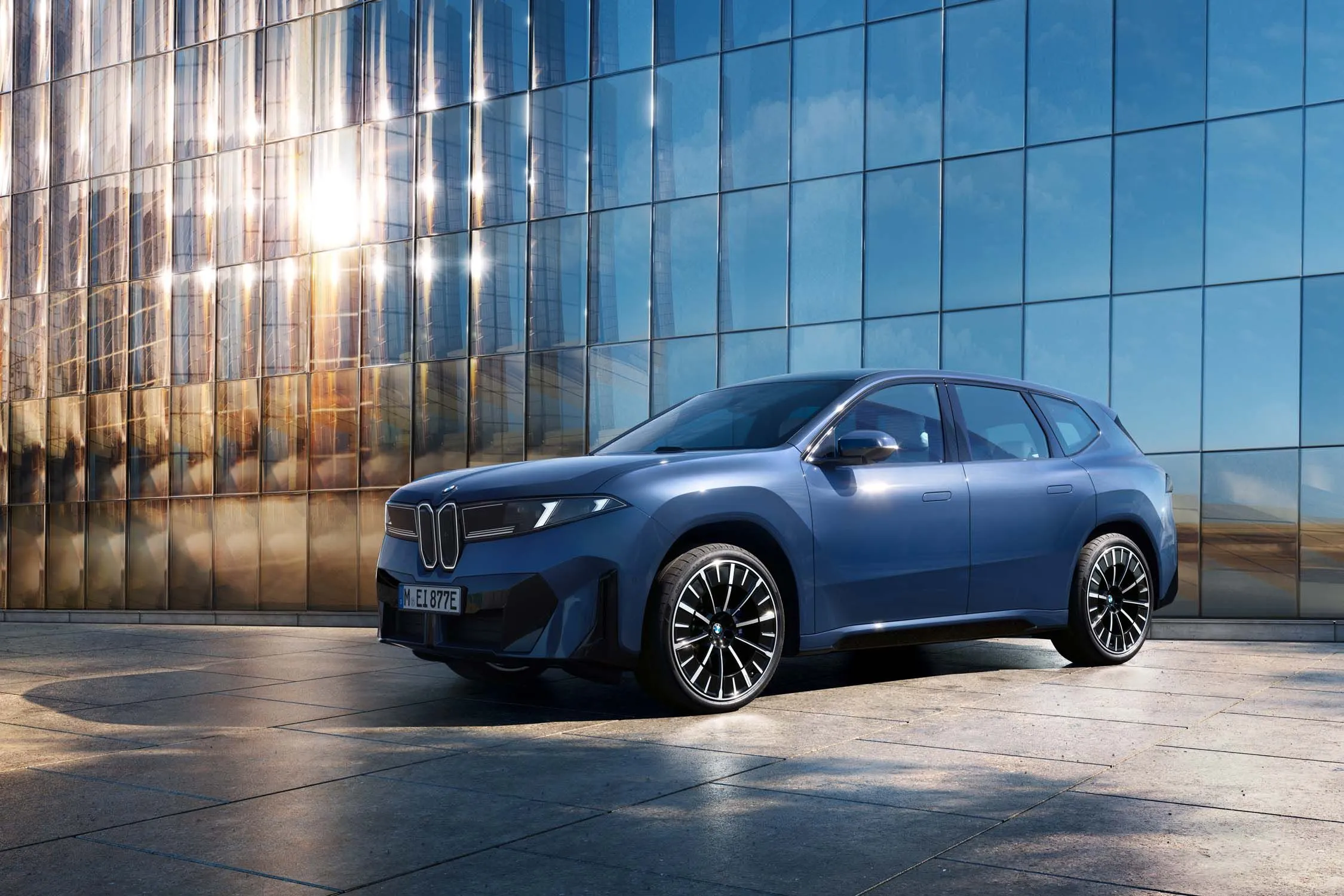
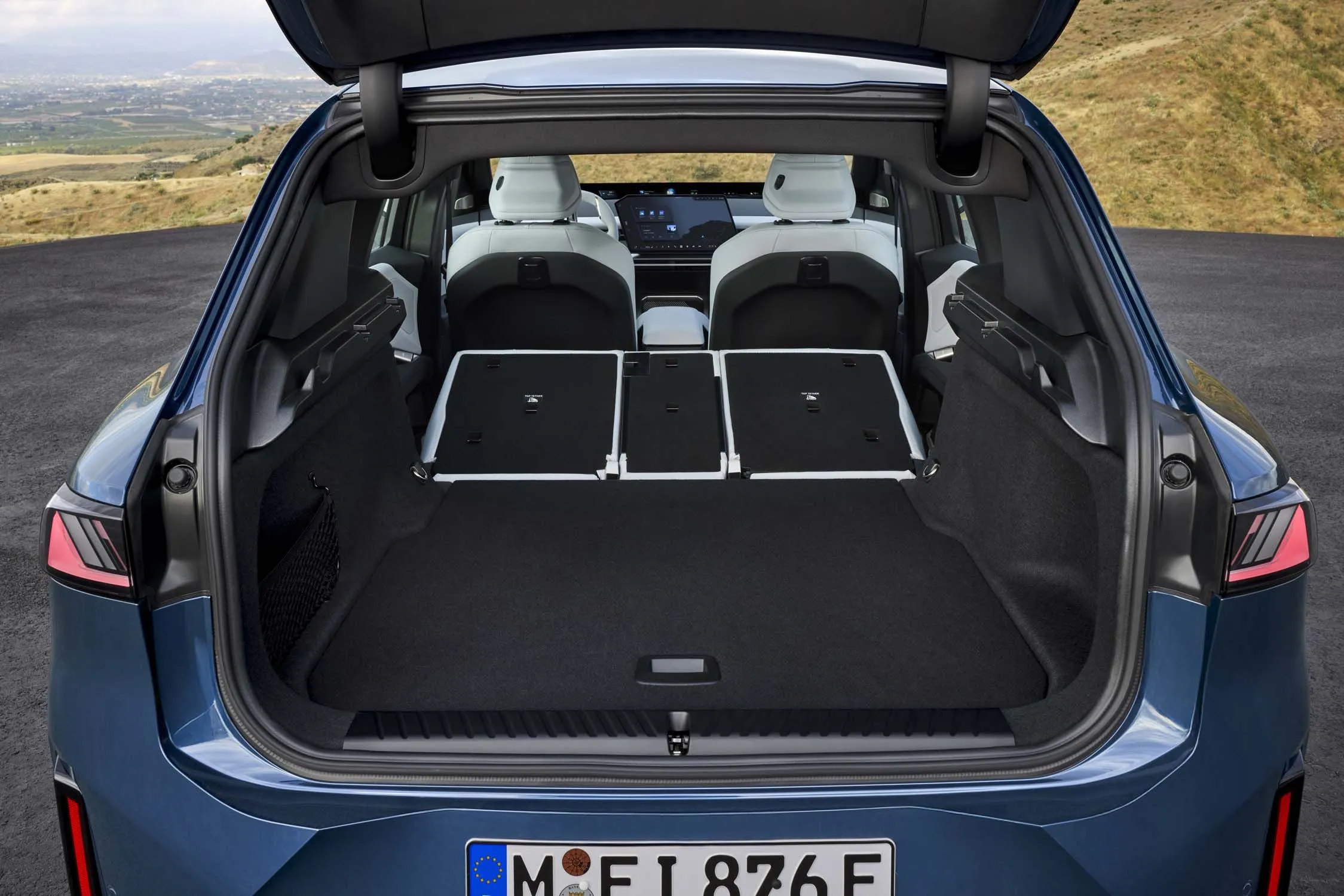
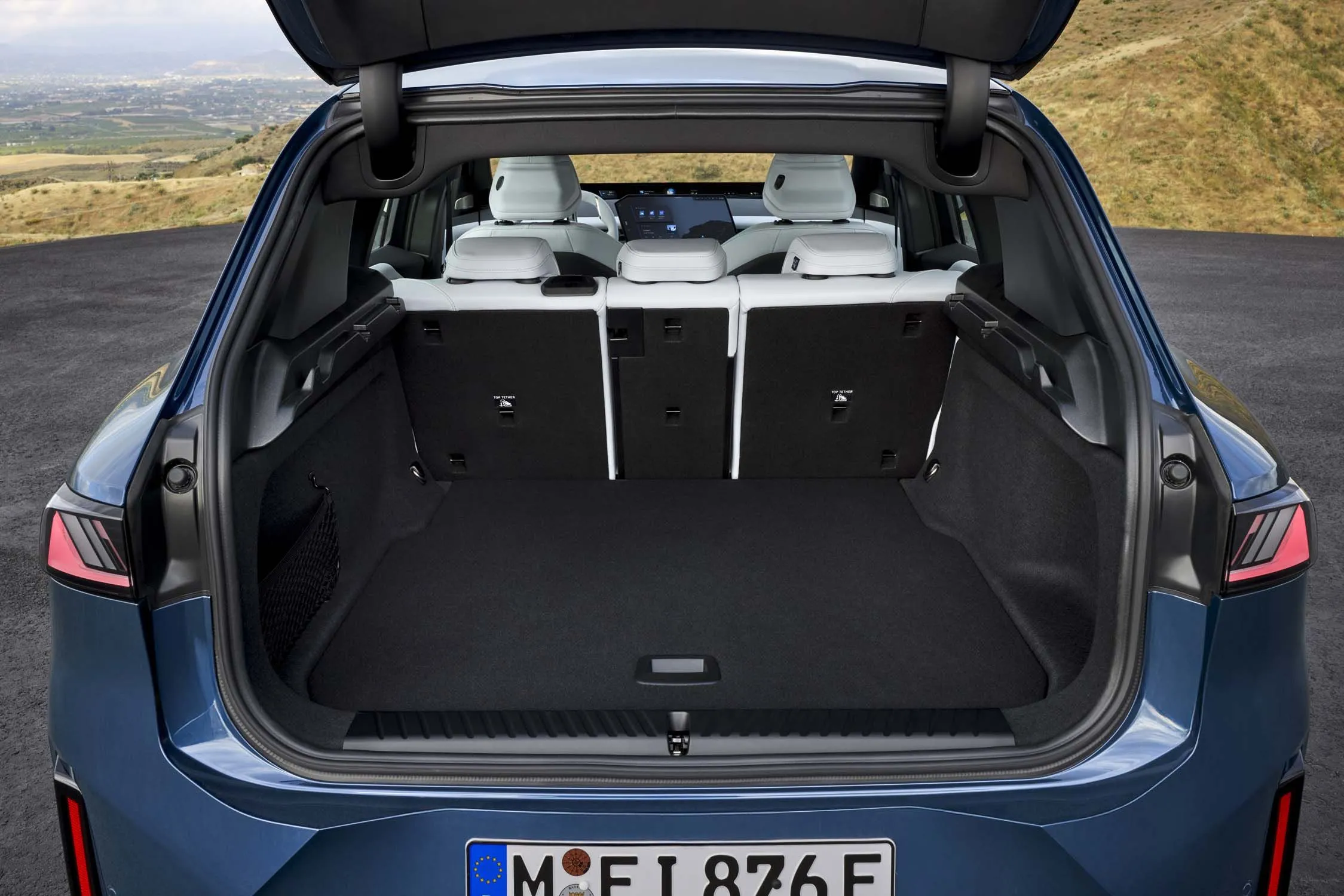
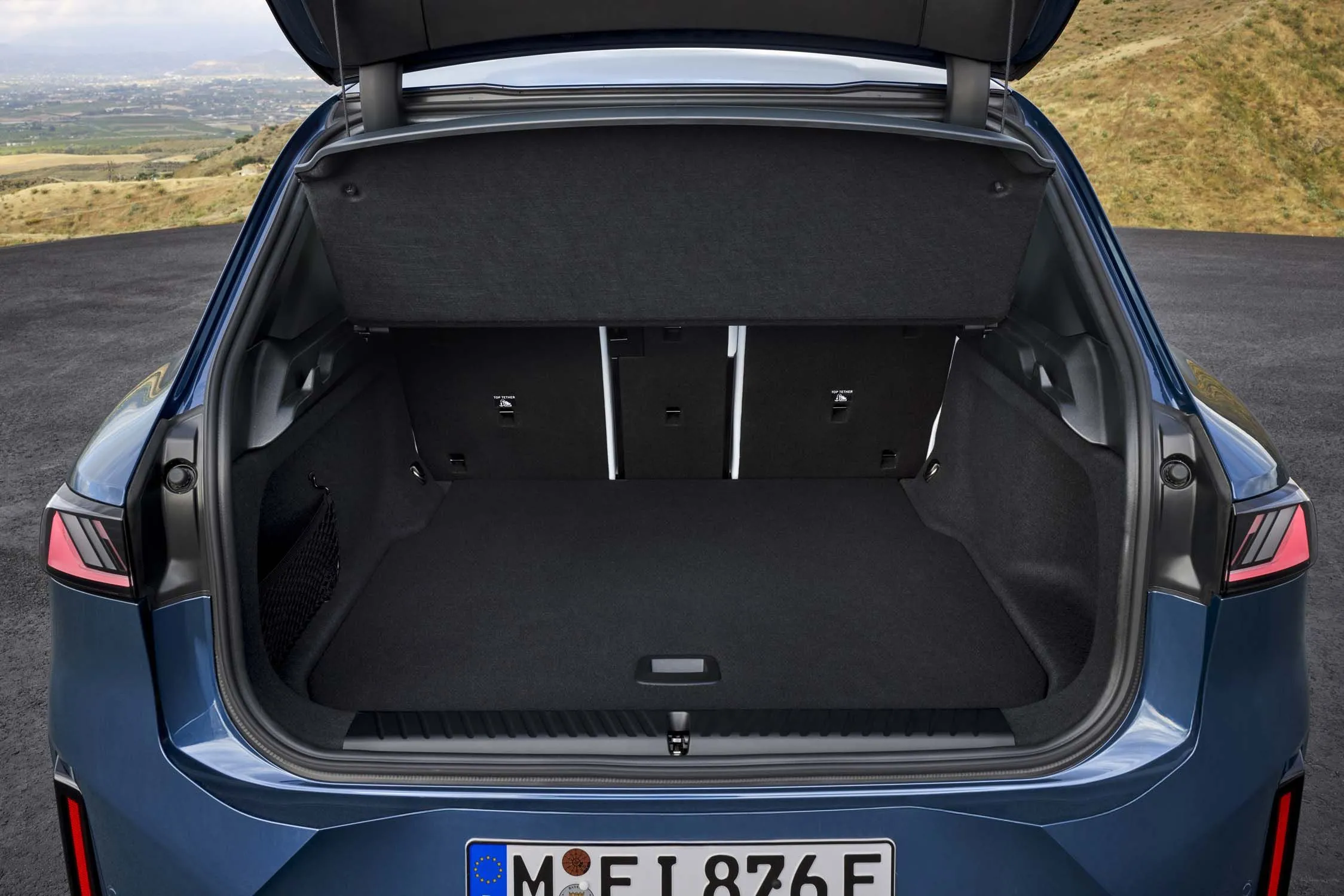
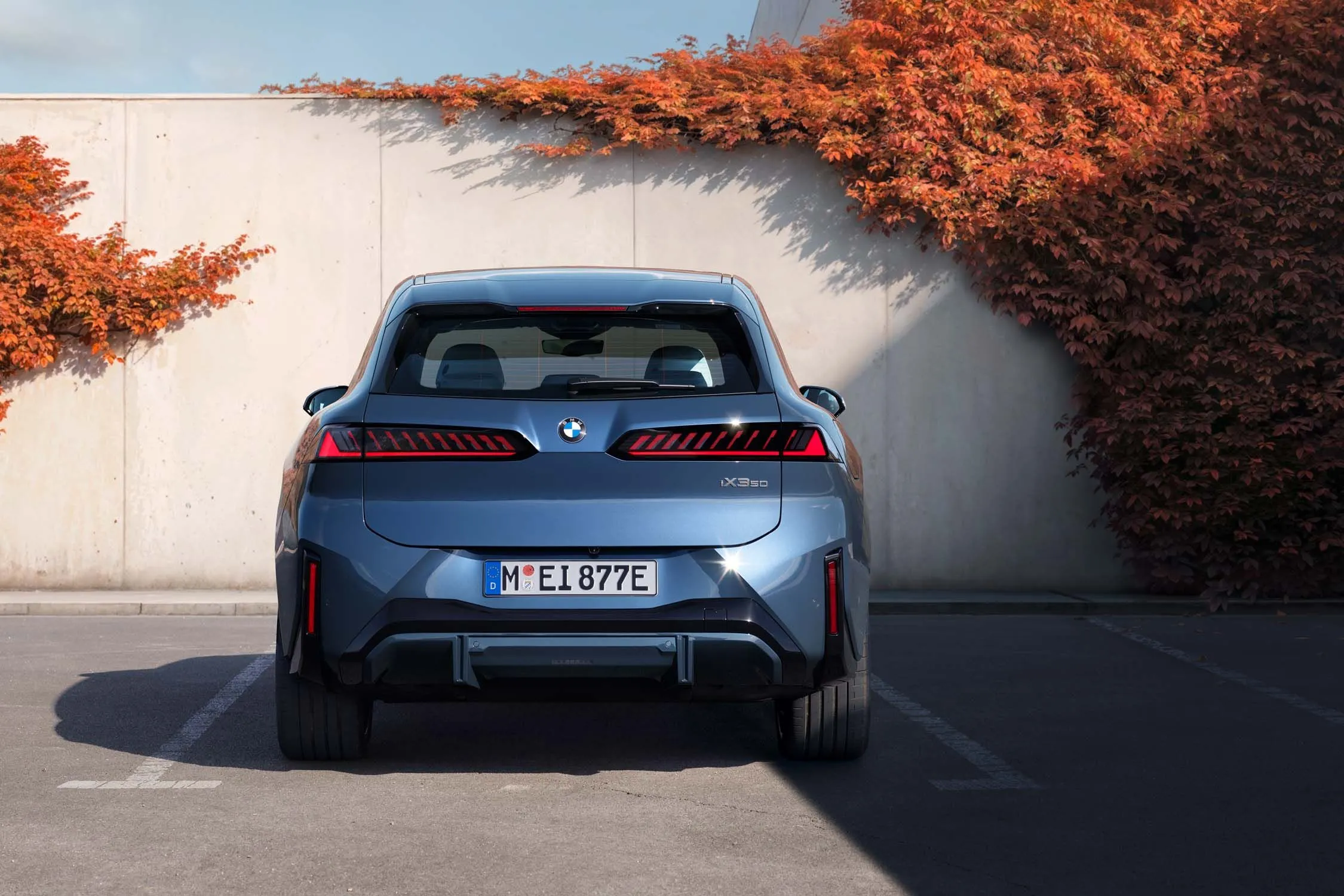
The iX3’s rear cargo area is described as generously sized, which is the kind of detail that matters more than most launch-day talking points once the novelty fades. BMW has also included a front trunk, but the frunk volume is only 2 cu ft, so it will be useful for cables and little else. That small frunk is a reminder that packaging efficiency is still a balancing act even on a purpose-built EV platform. What BMW has done better is carve out several cabin storage areas, including a space beneath the center console, which should make daily life easier for owners who carry phones, charging accessories, and the usual family clutter.
For shoppers comparing the iX3 with other premium EVs, this balance of cargo utility and cabin flexibility may matter more than peak charging speed. The iX3’s 65 cu ft of cargo capacity behind the front seats, at least in BMW’s stated figures, gives it a practical edge that should keep it relevant outside spec-sheet conversations. It is exactly the sort of SUV that can satisfy a commuter, a road-tripper, and a parent in one ownership cycle.
How the iX3 Fits Into BMW’s Broader EV Push
BMW is clearly using the iX3 as more than a one-off model. The company has already signaled that a closely related i3 sedan is coming, along with more 3-series Neue Klasse variants, including a gas-powered 3-series with similar design language and feature strategy. That makes the iX3 a template vehicle: its 463 hp powertrain, 400-kW charging claim, and display architecture are all likely to echo through BMW’s next generation of mainstream performance-luxury products. The SUV form may be the first U.S. expression of Neue Klasse, but it will not be the last.
Verdict on the 2027 BMW iX3
The 2027 BMW iX3 feels important because its strengths are the ones that premium EV buyers actually live with: 434 miles of range, 463 hp, 4.2-second estimated acceleration, and charging hardware that could make long-distance use far less painful. Its weaknesses are equally real: touchscreen-based climate controls, a quirky squircle steering wheel, and a tiny 2-cu-ft frunk. Even so, BMW has landed the central brief. This is an electric SUV that still wants to drive like a BMW, and in the process it gives the Neue Klasse platform a credible and highly competitive opening act.