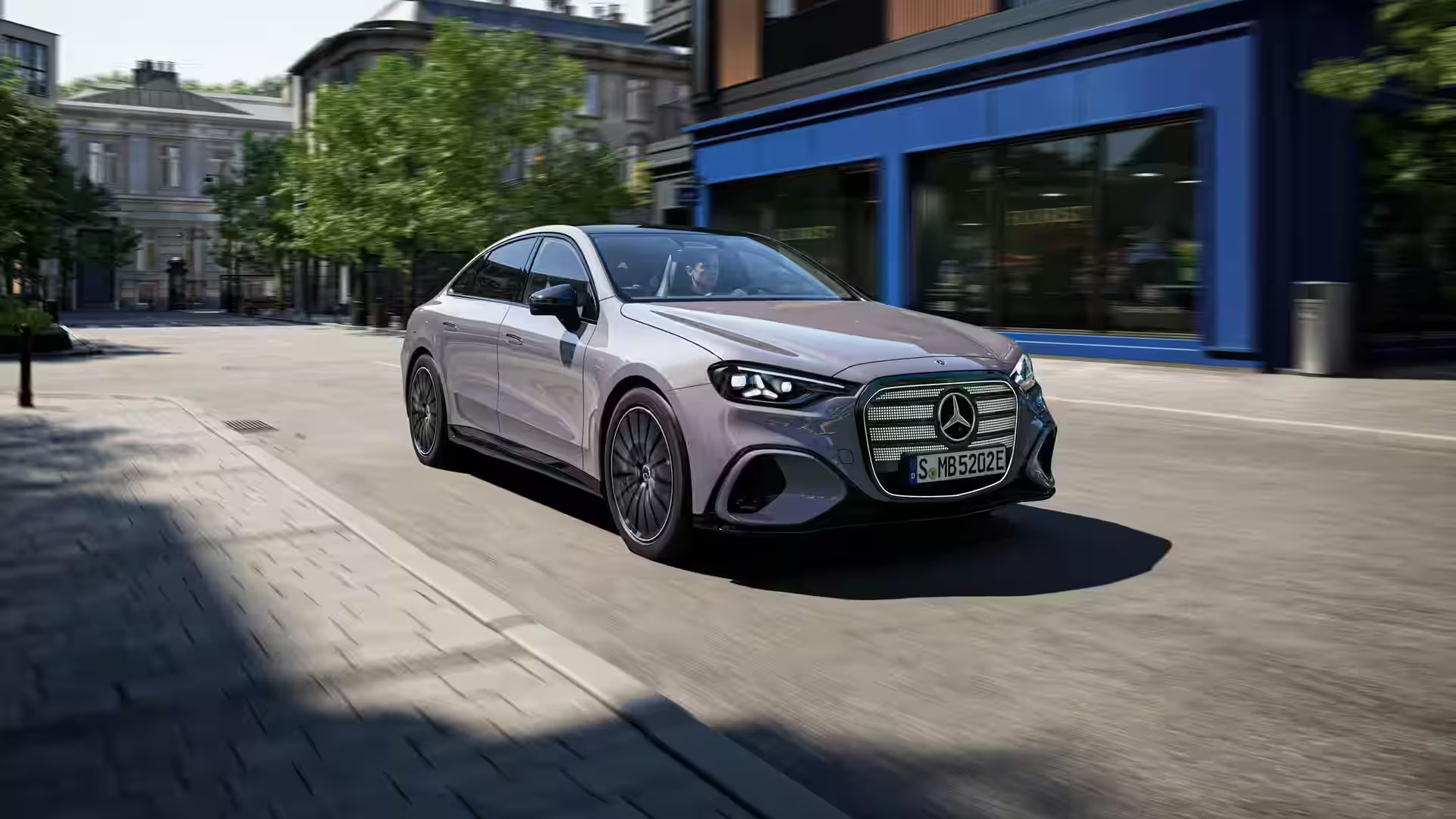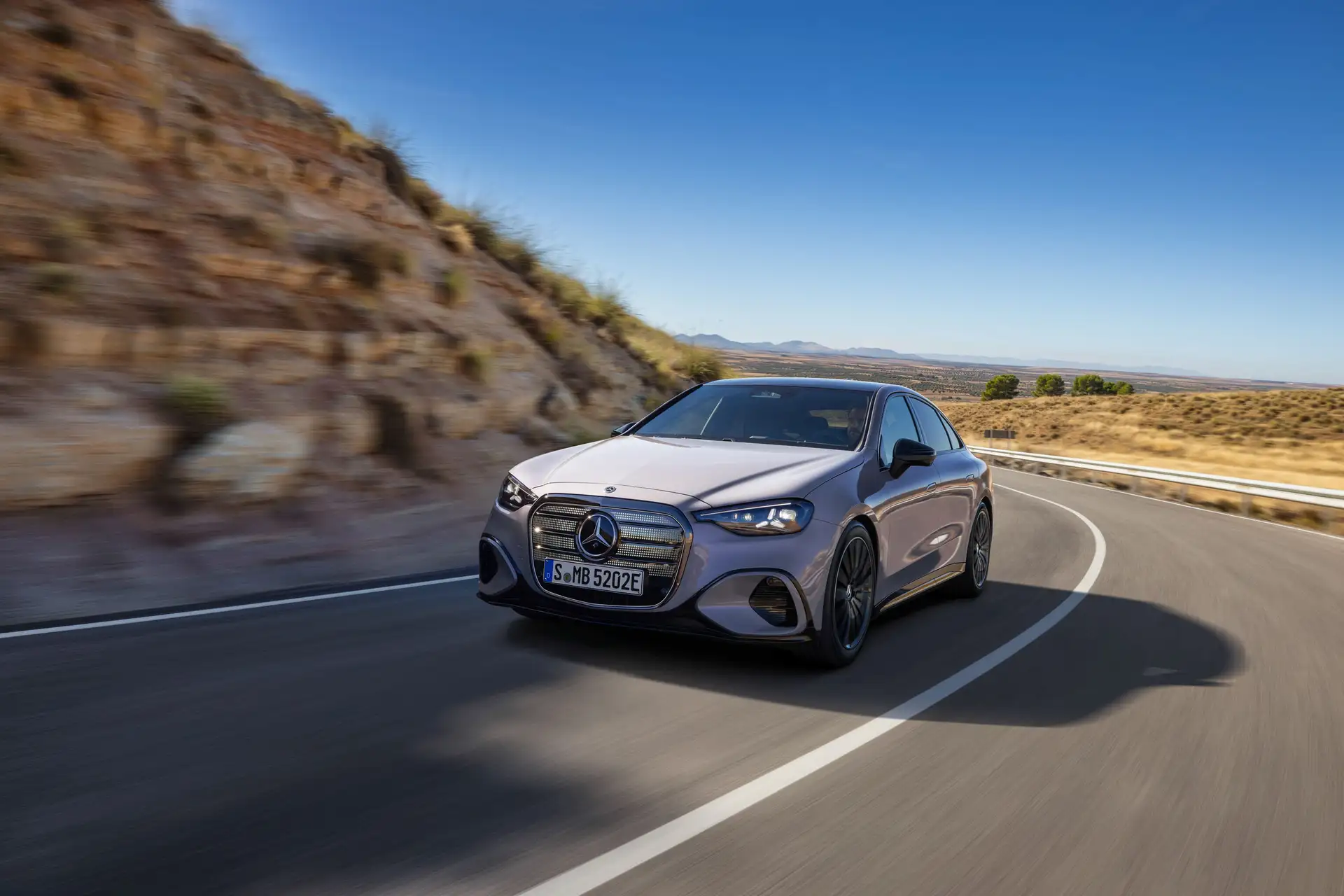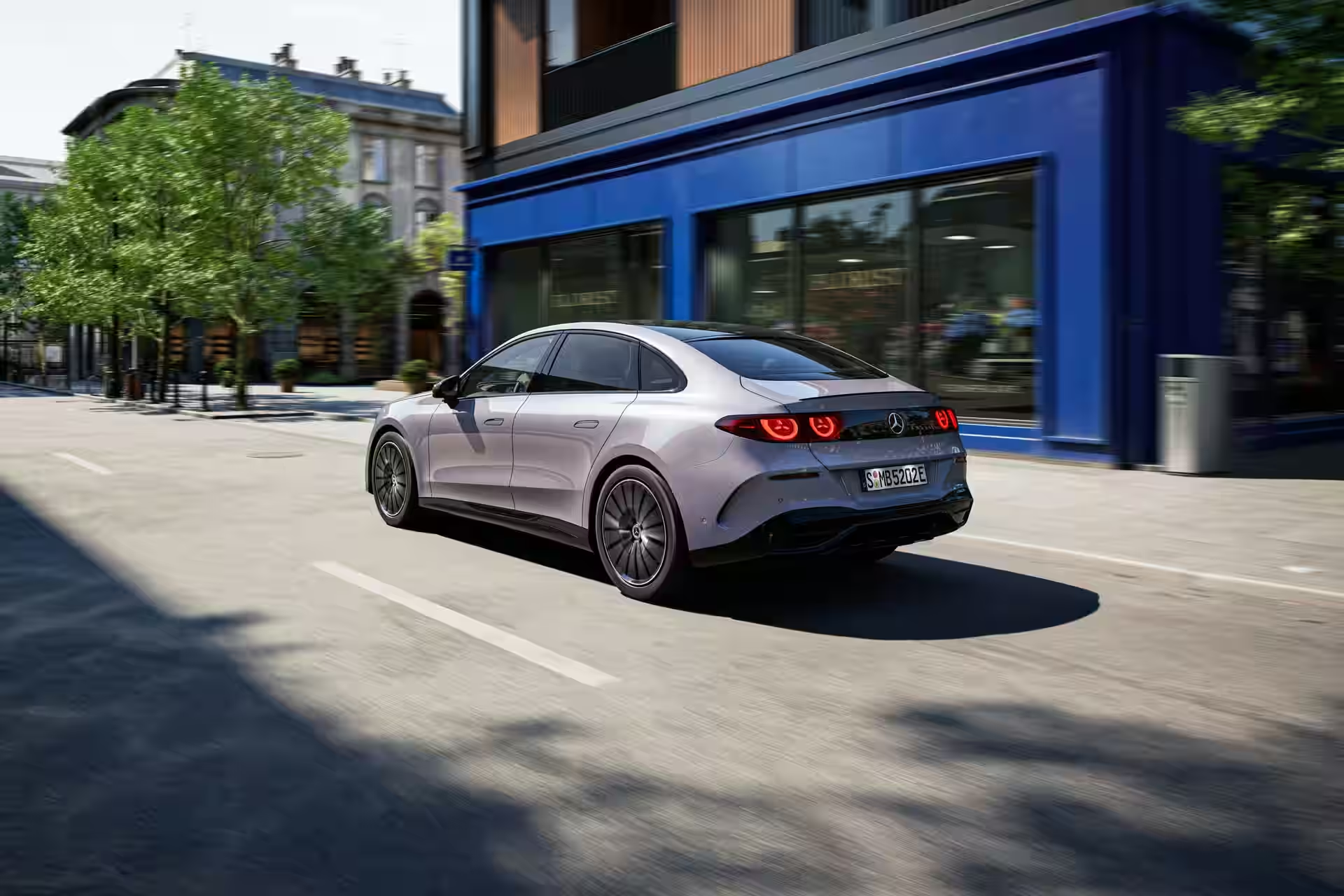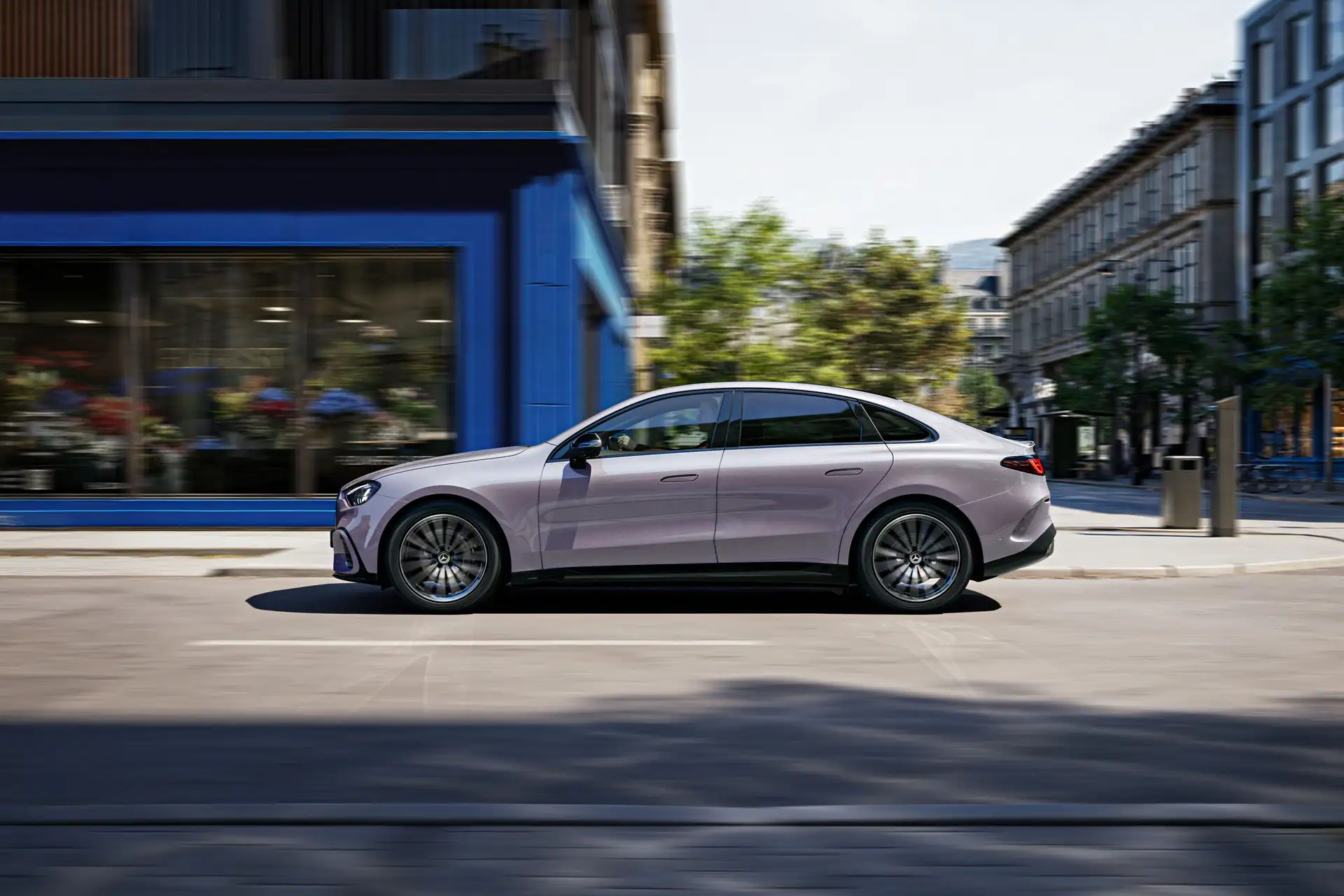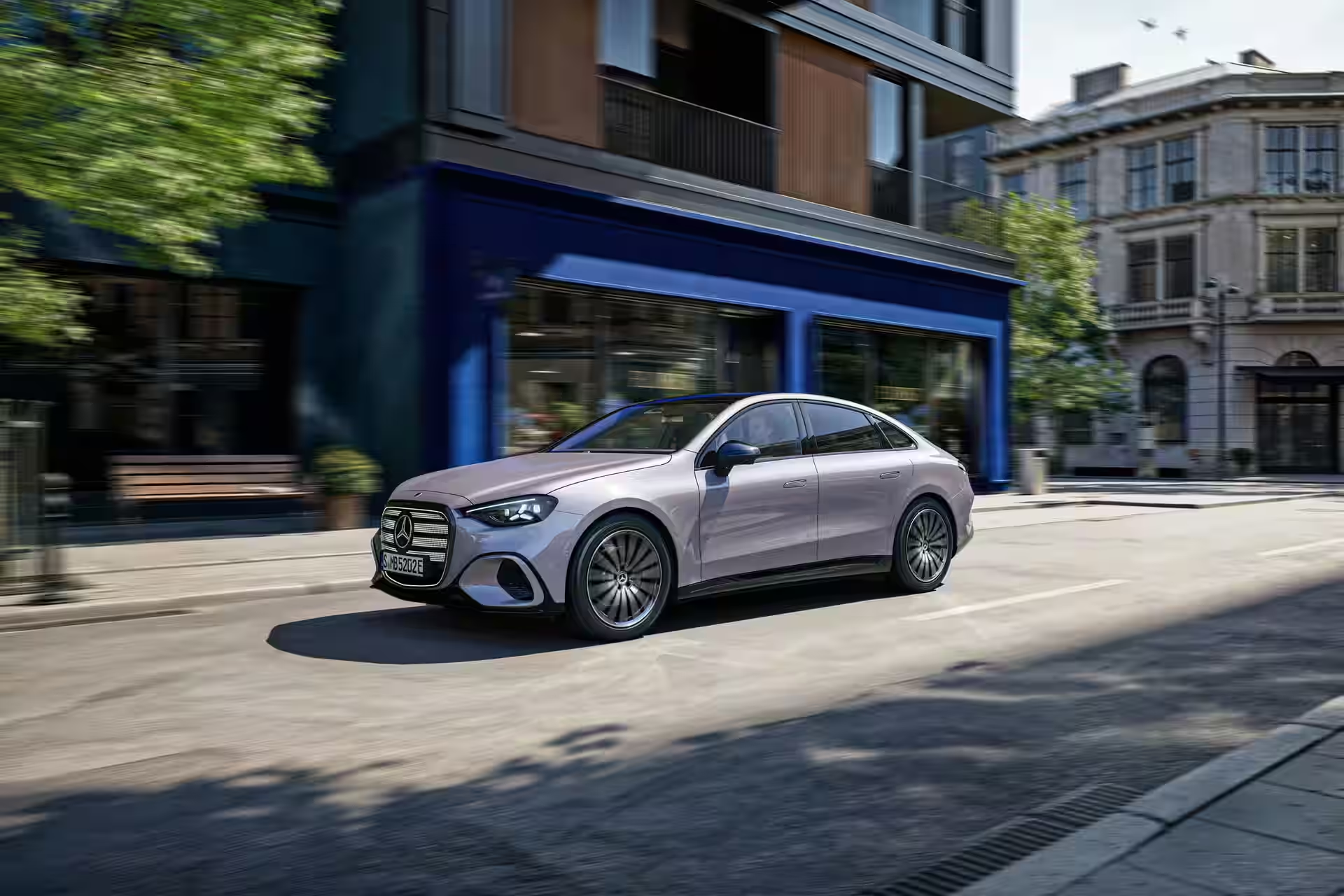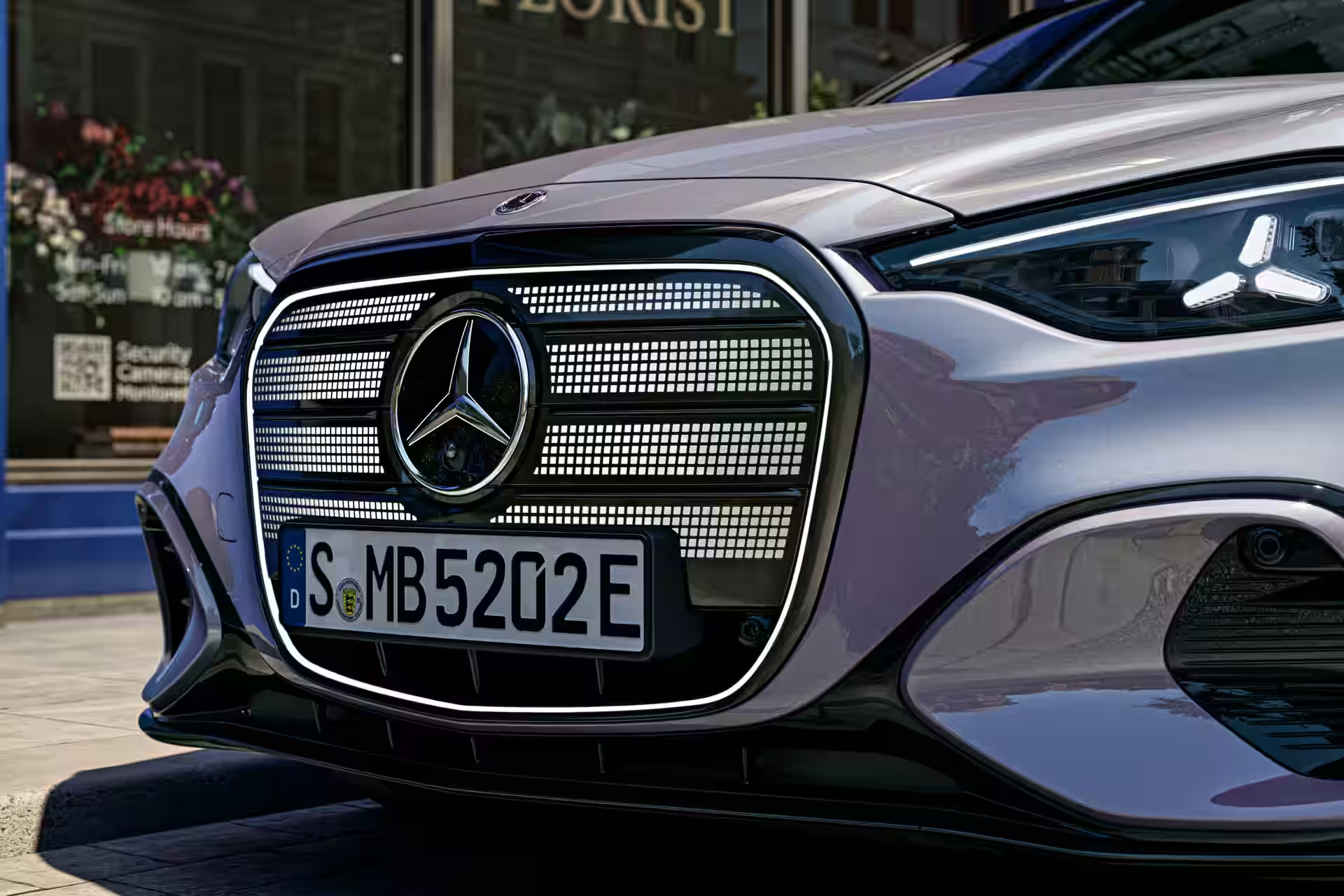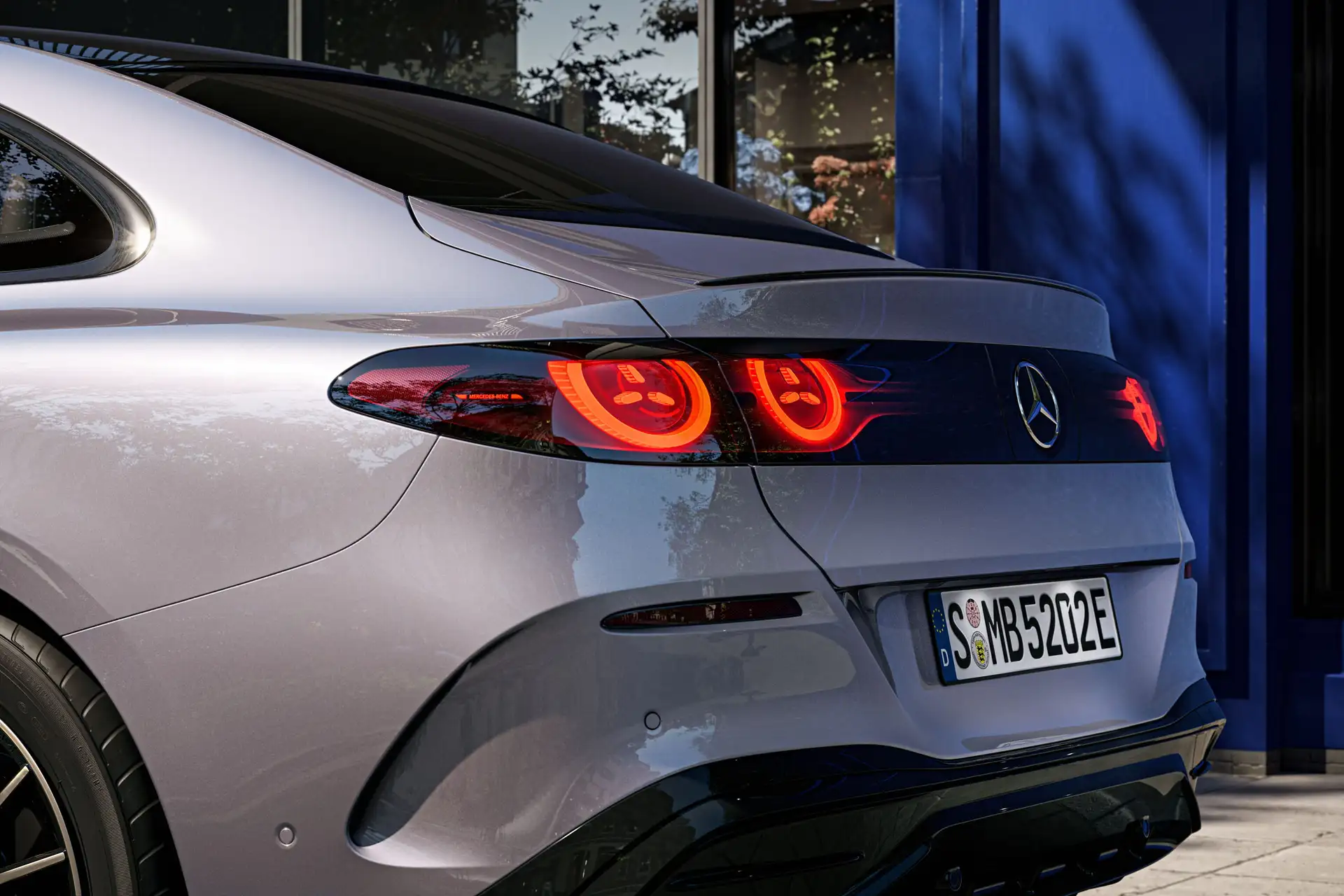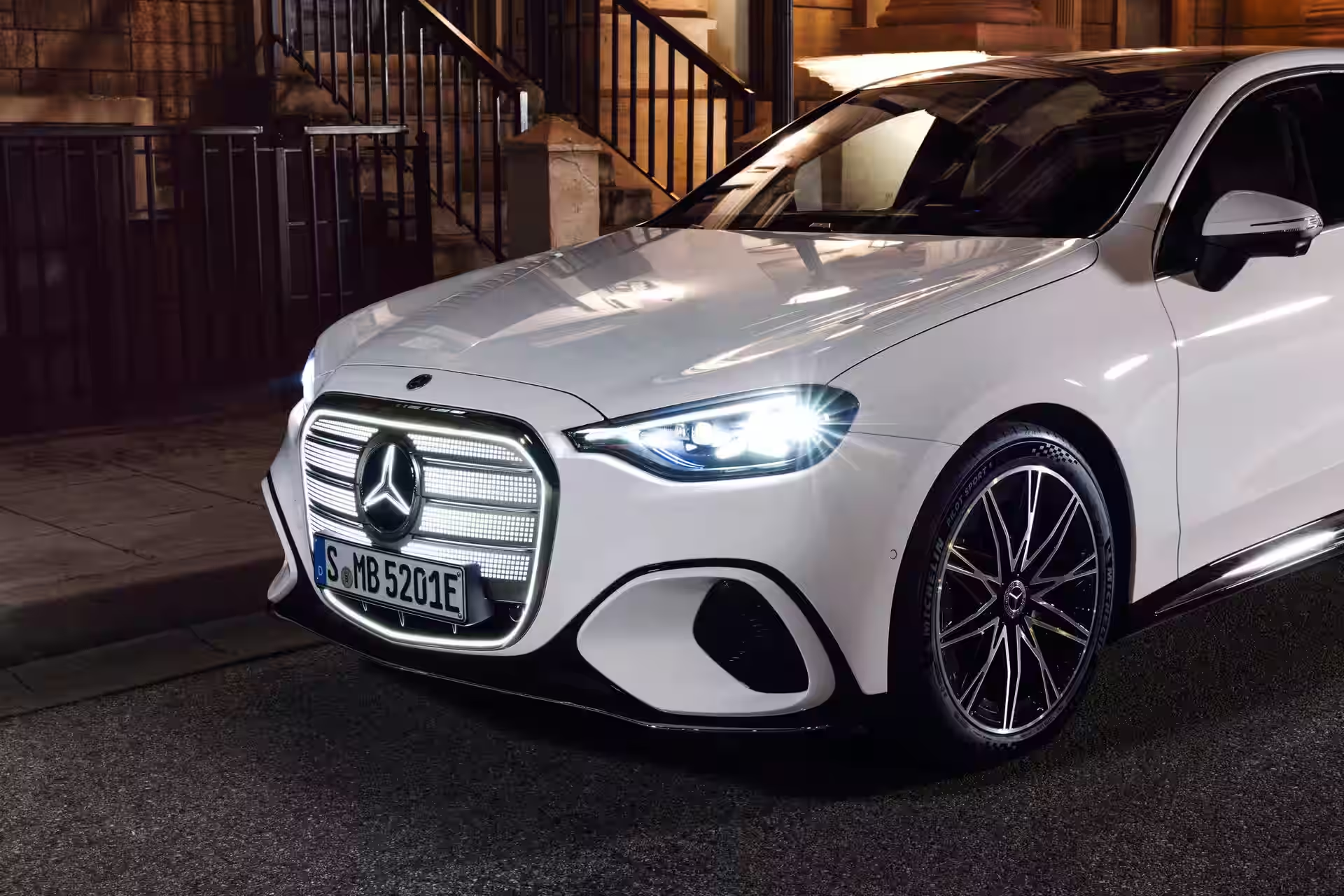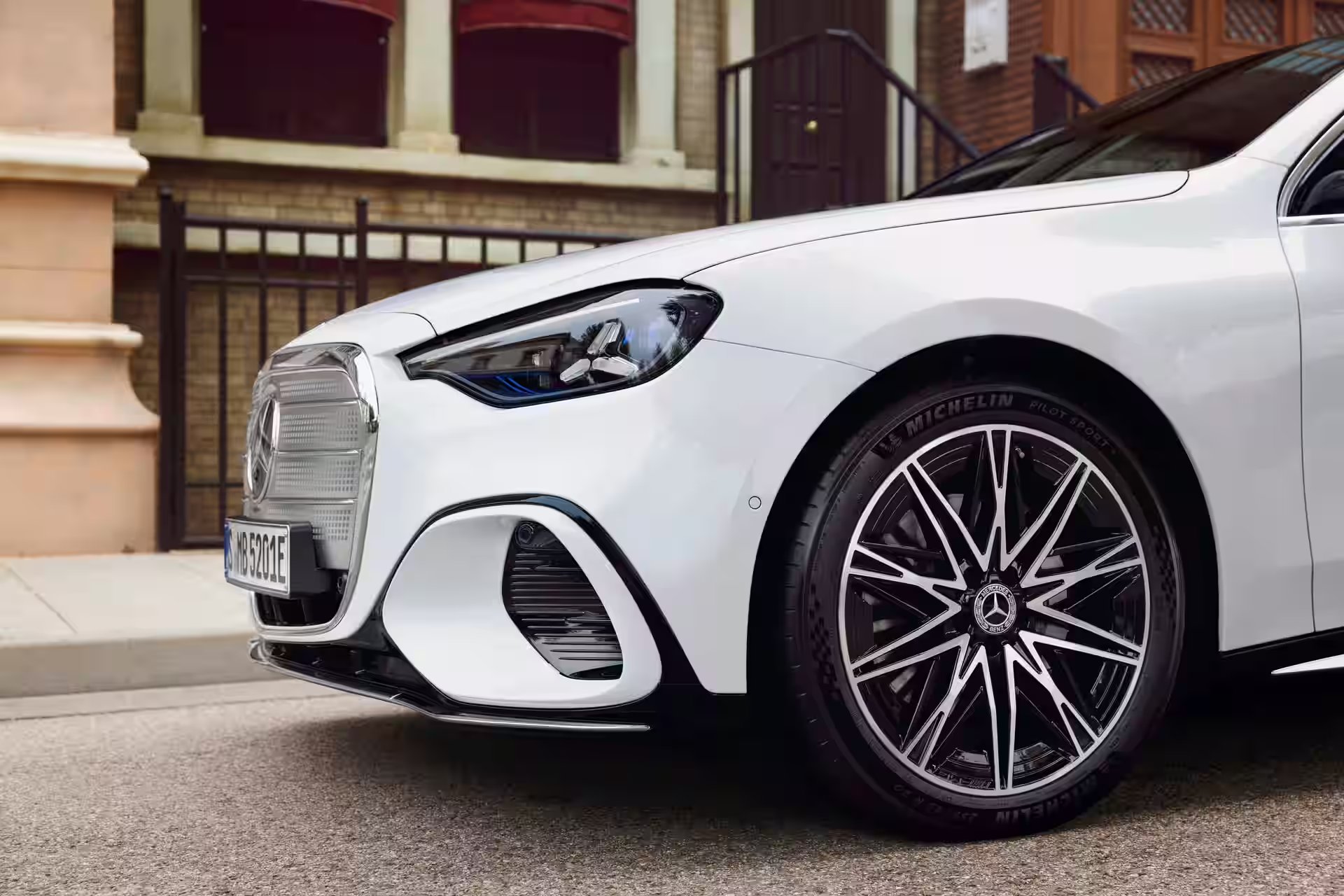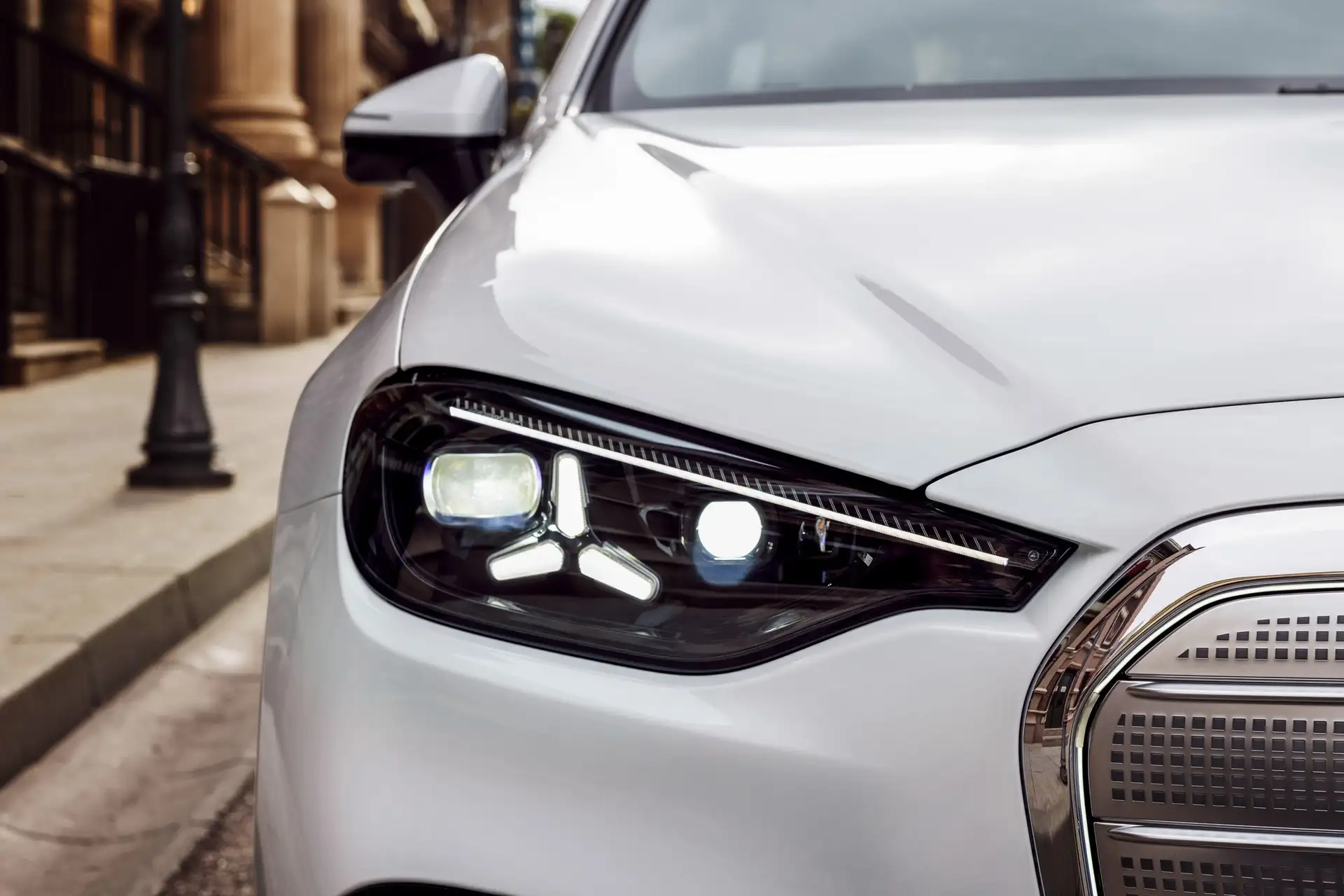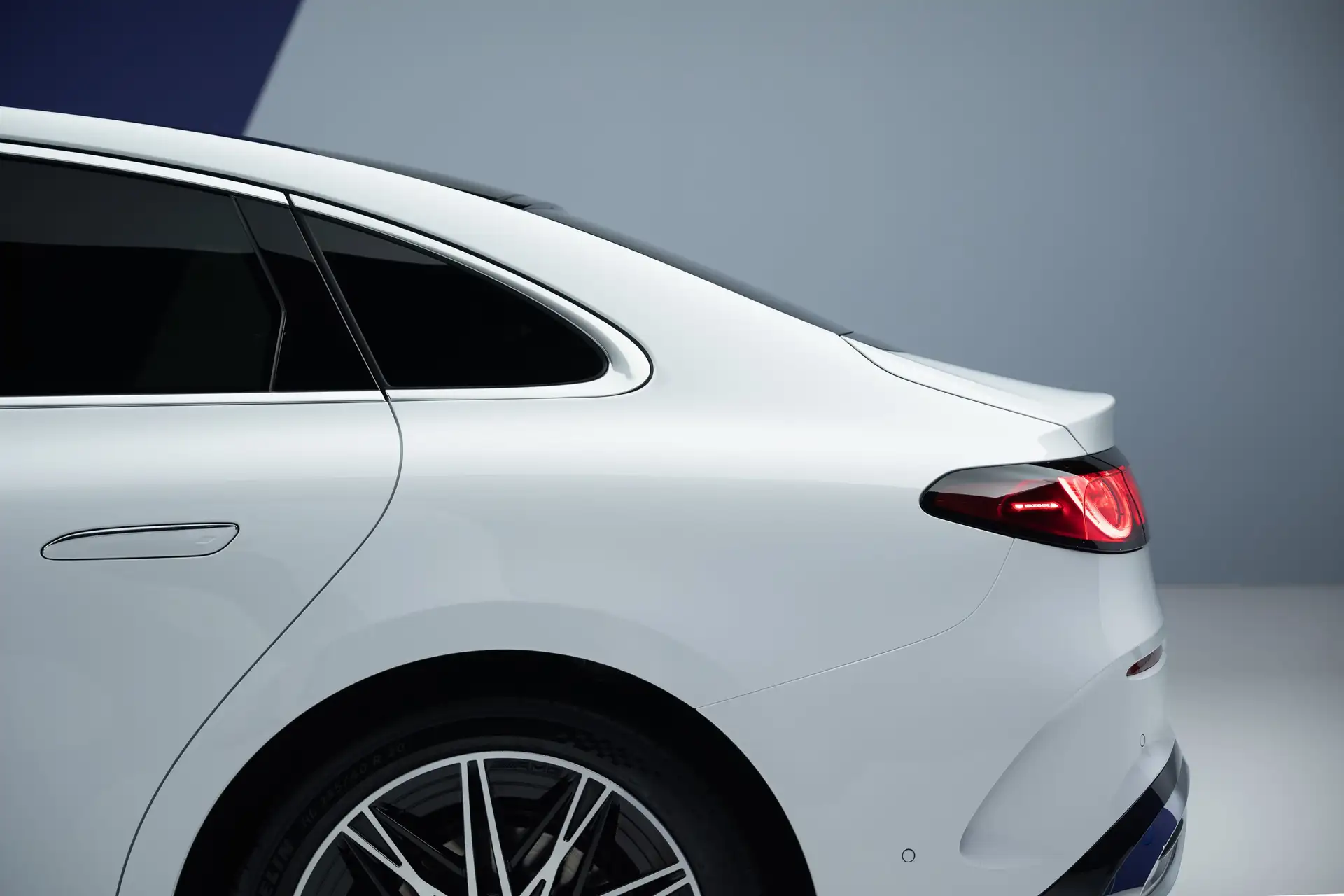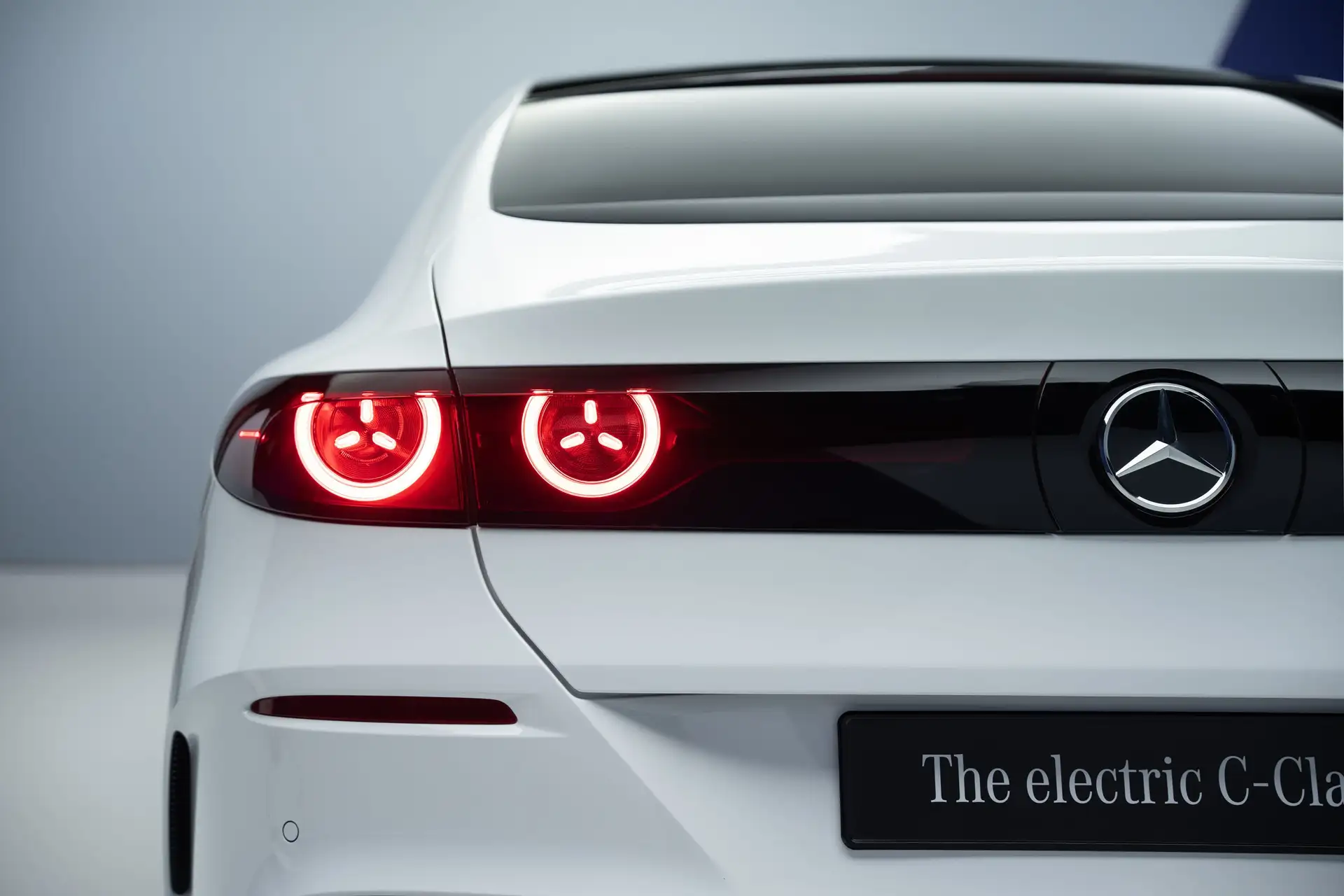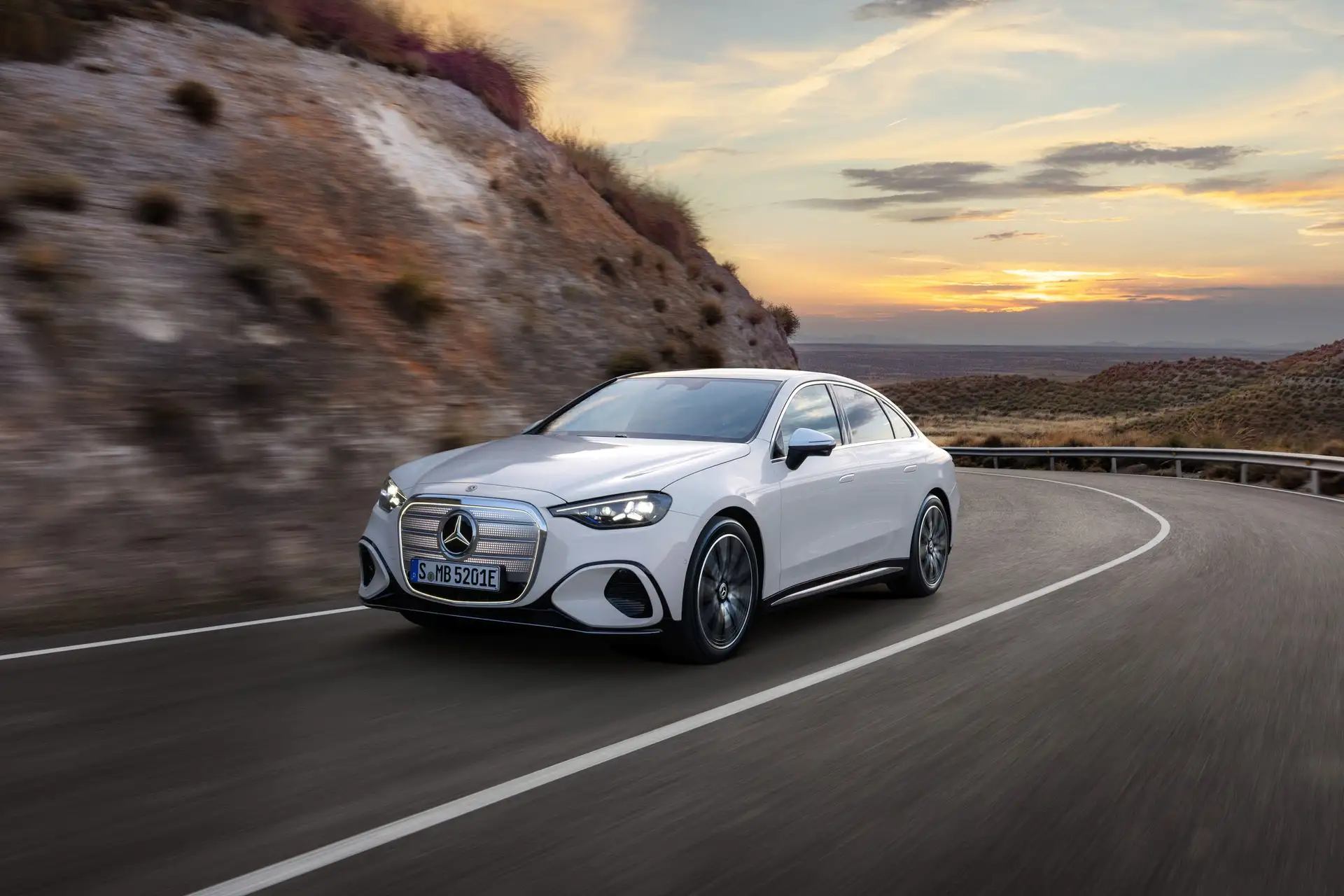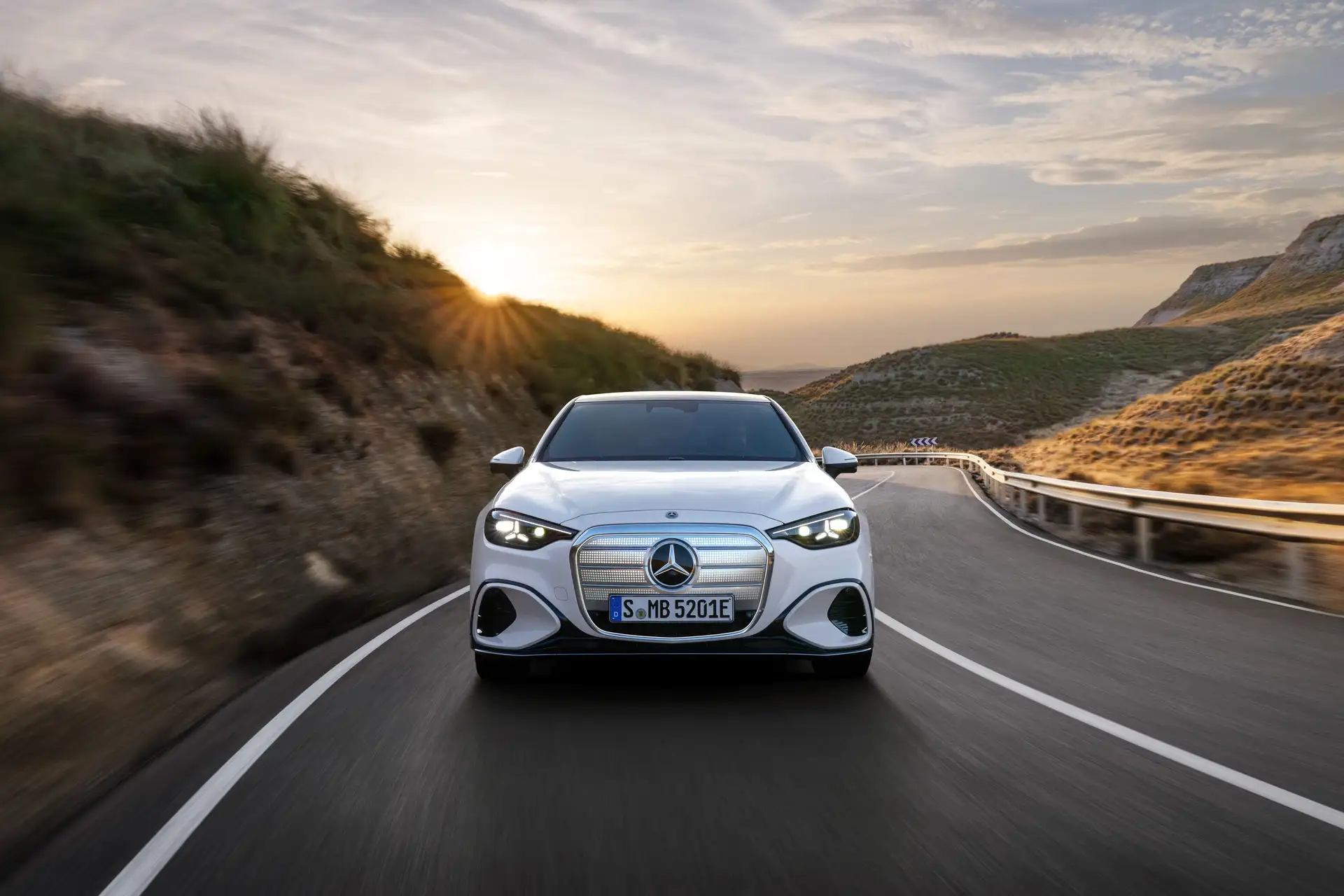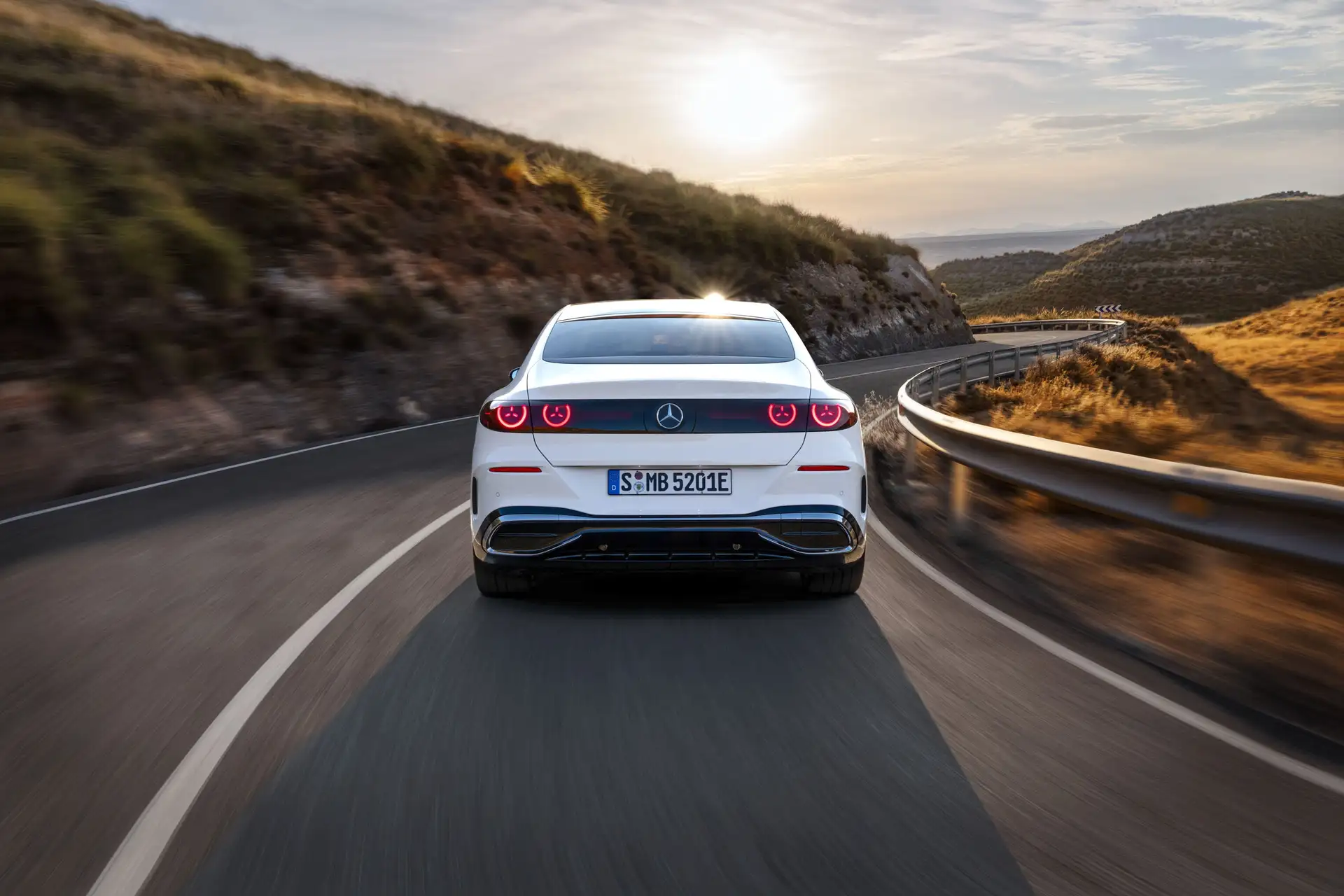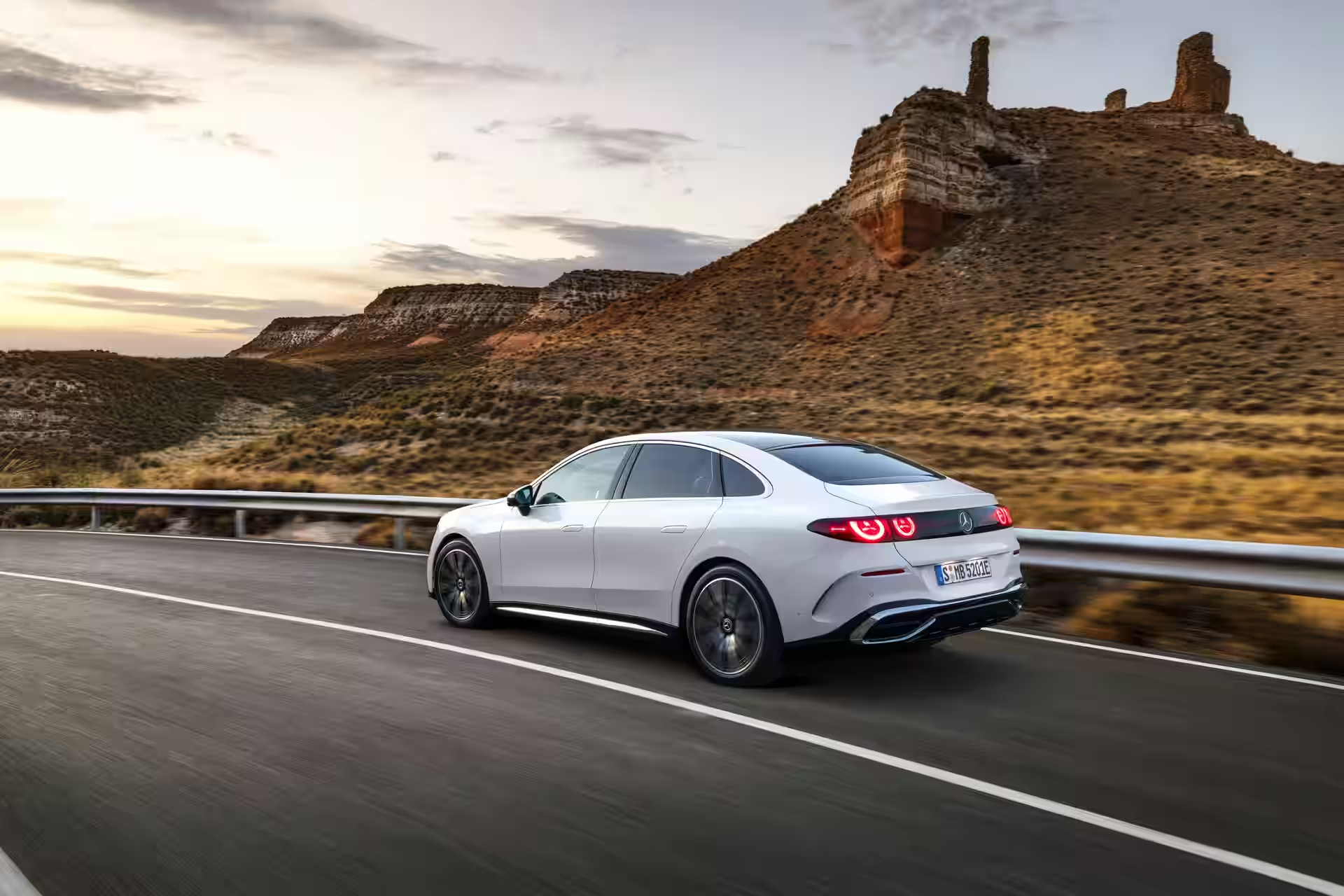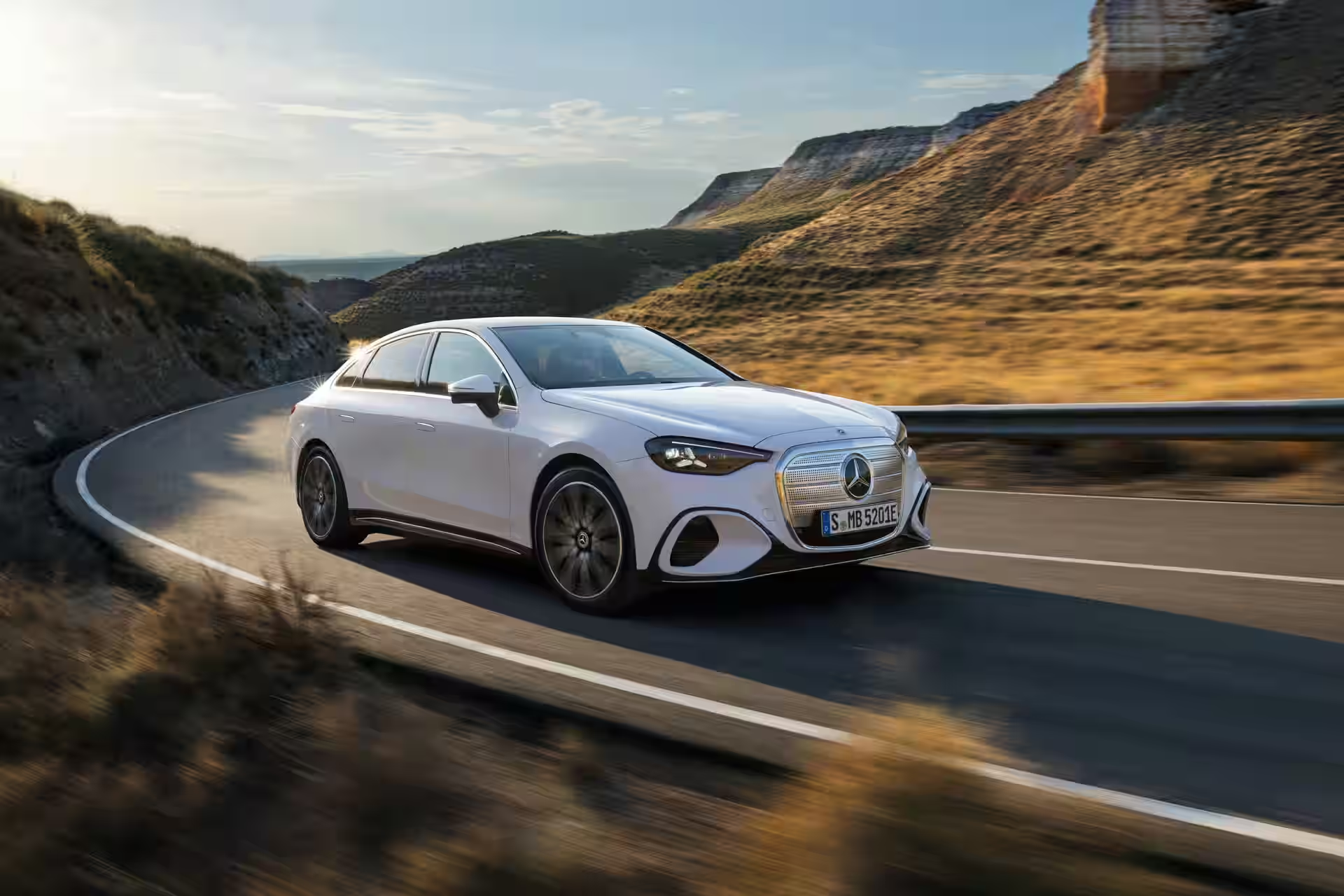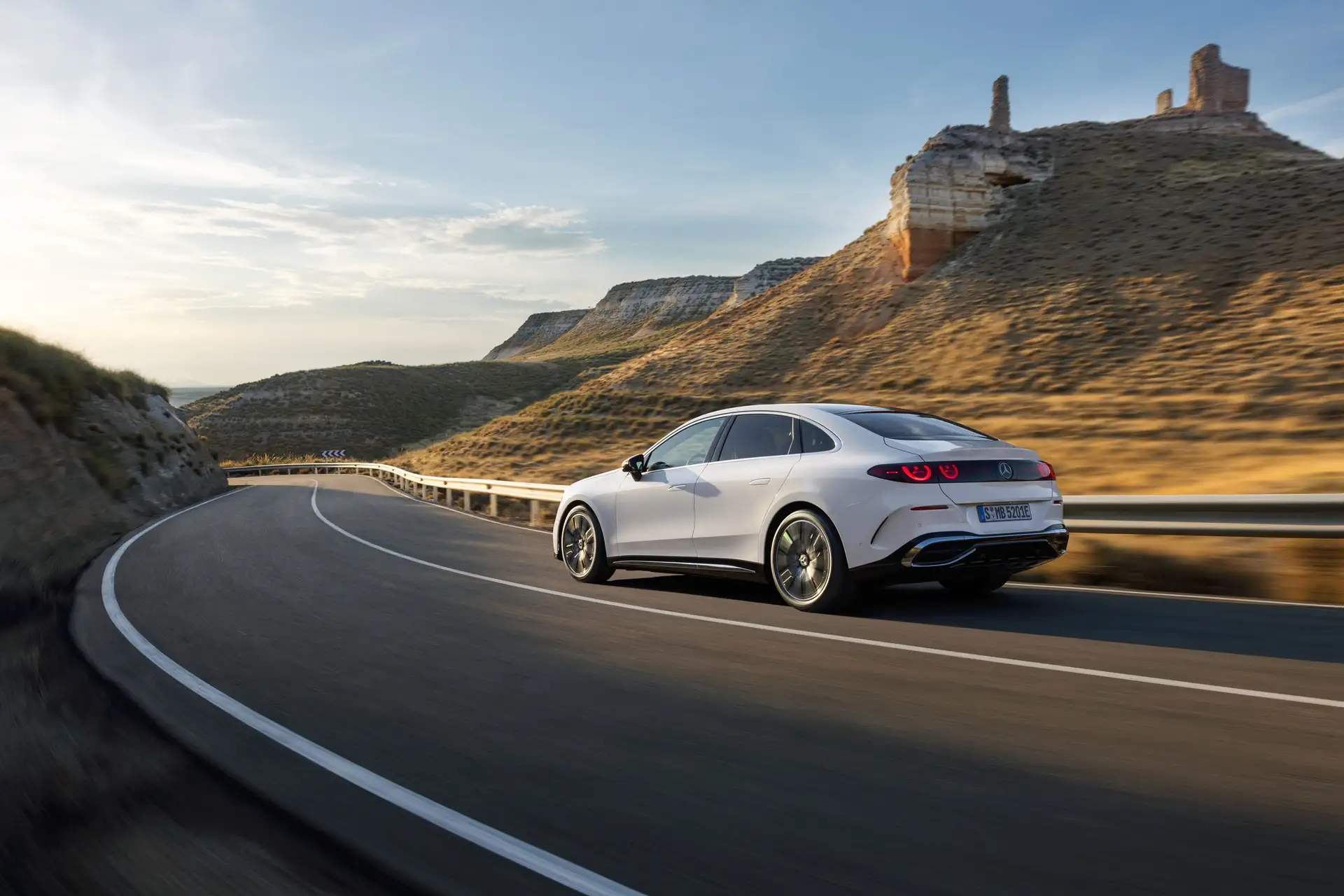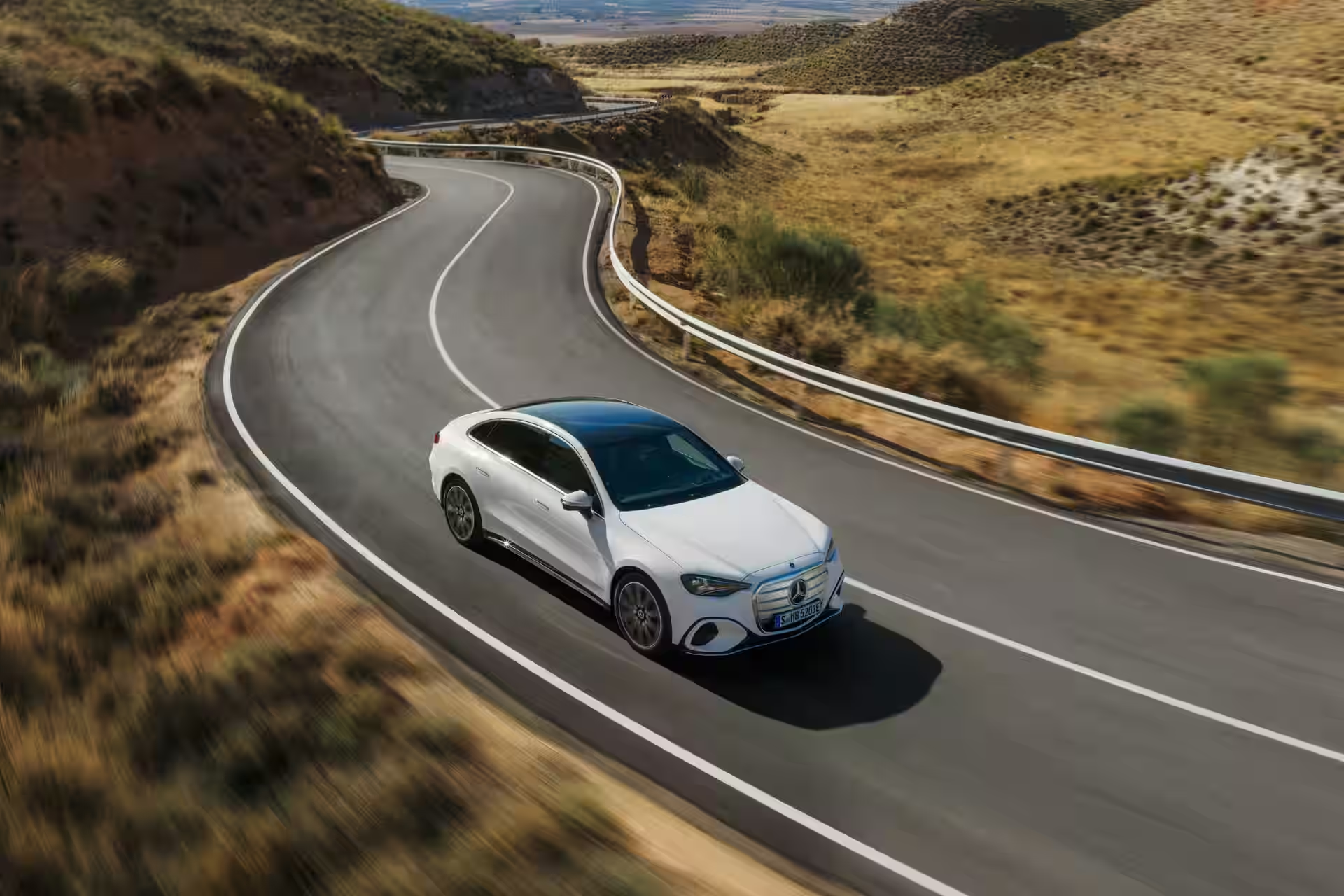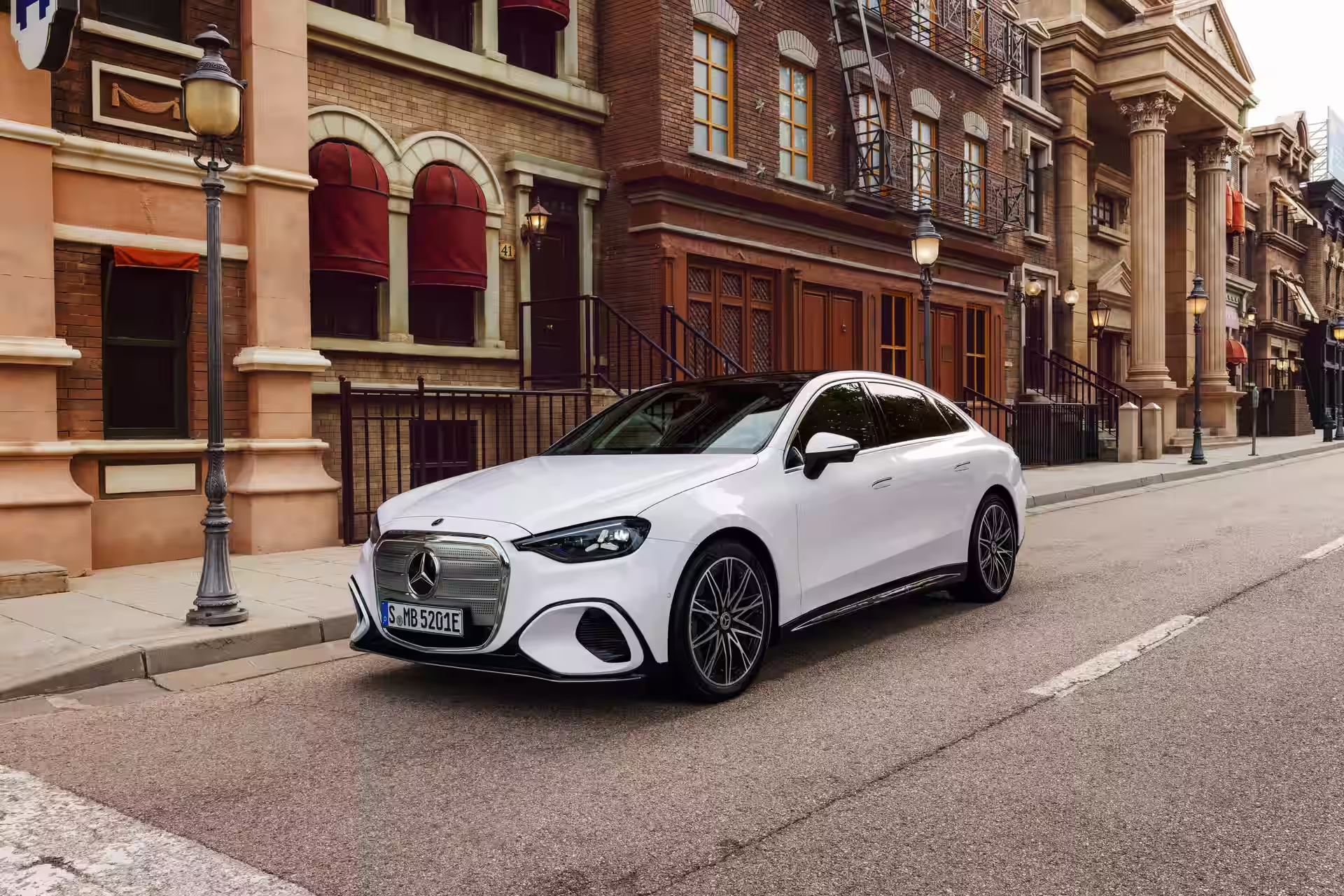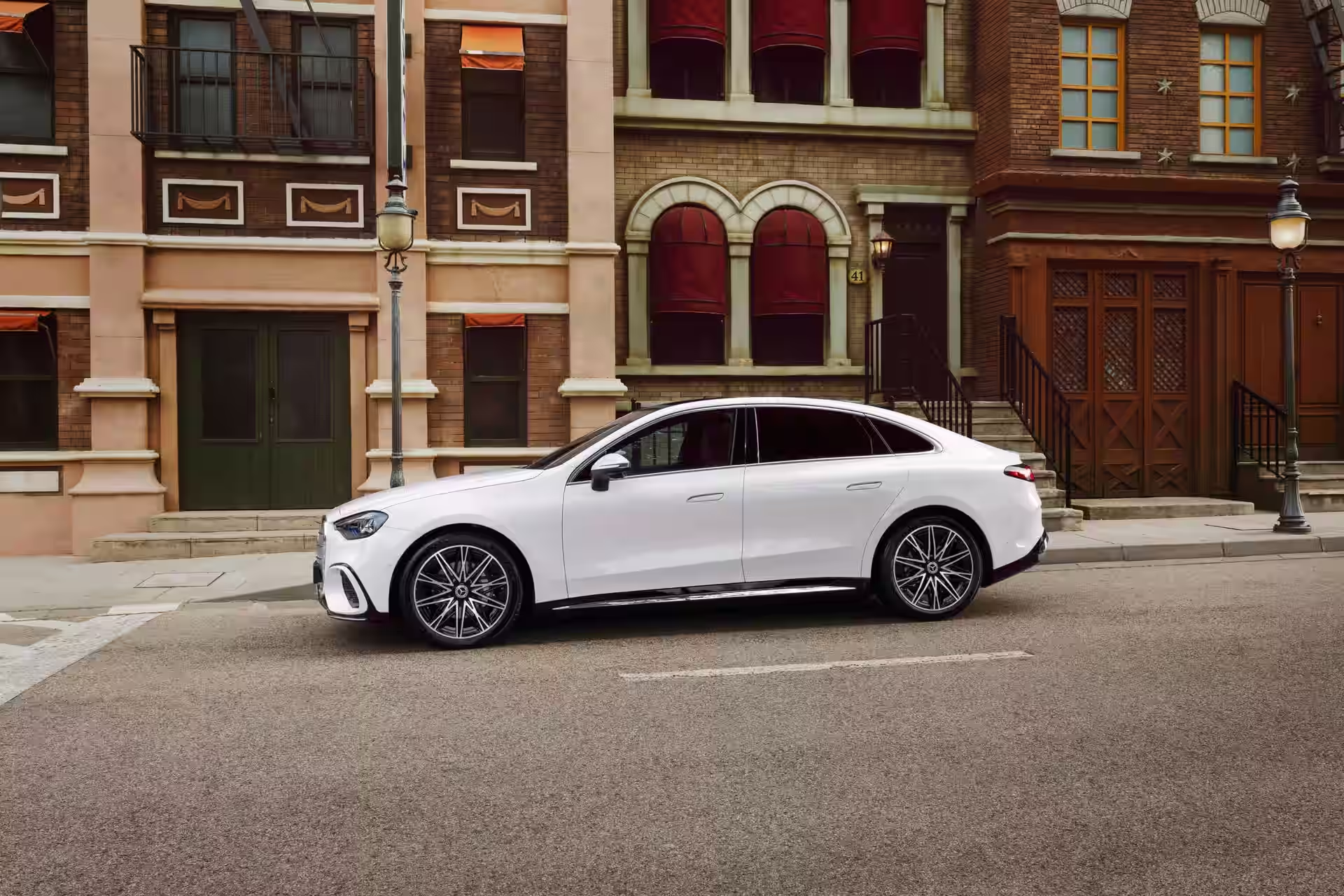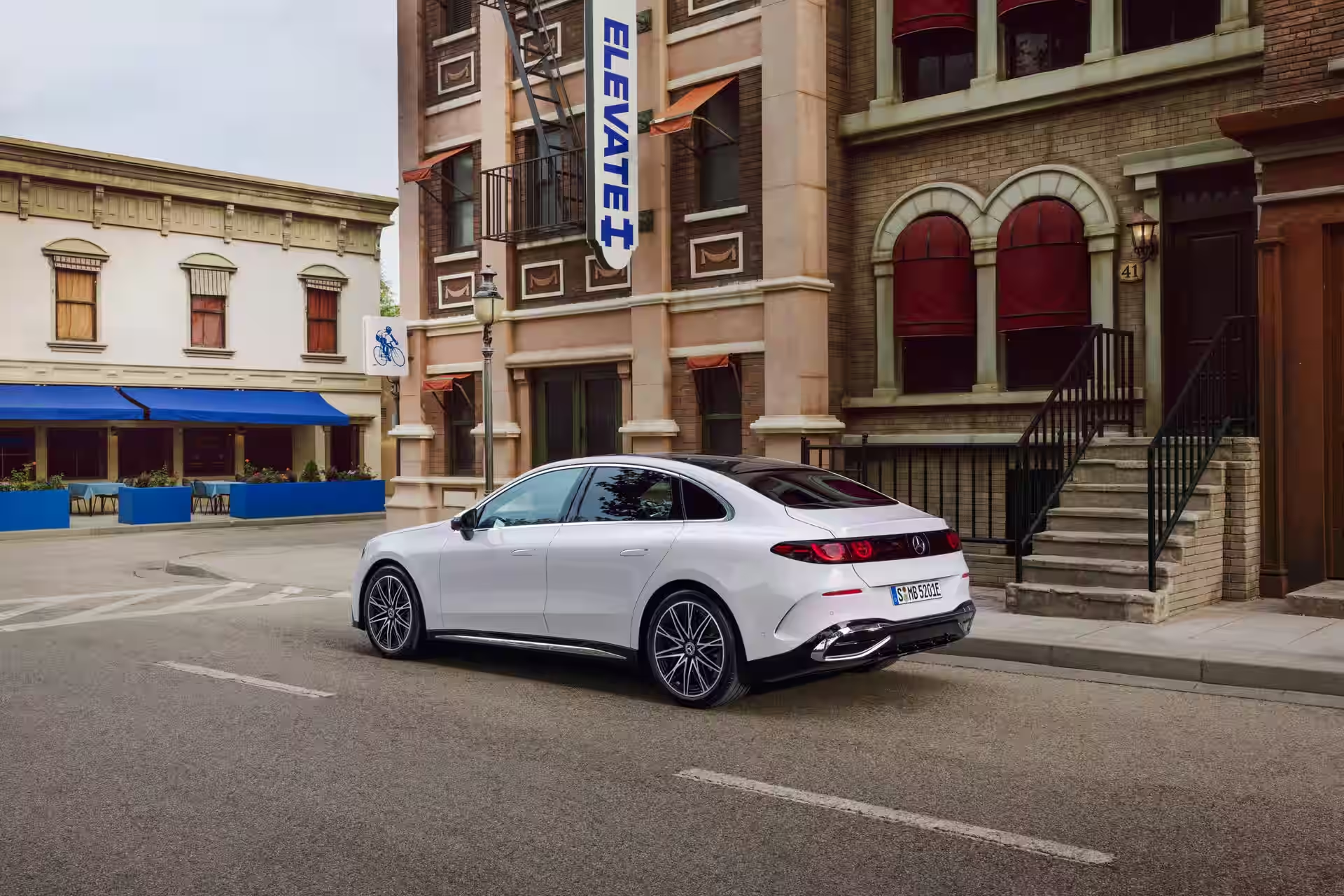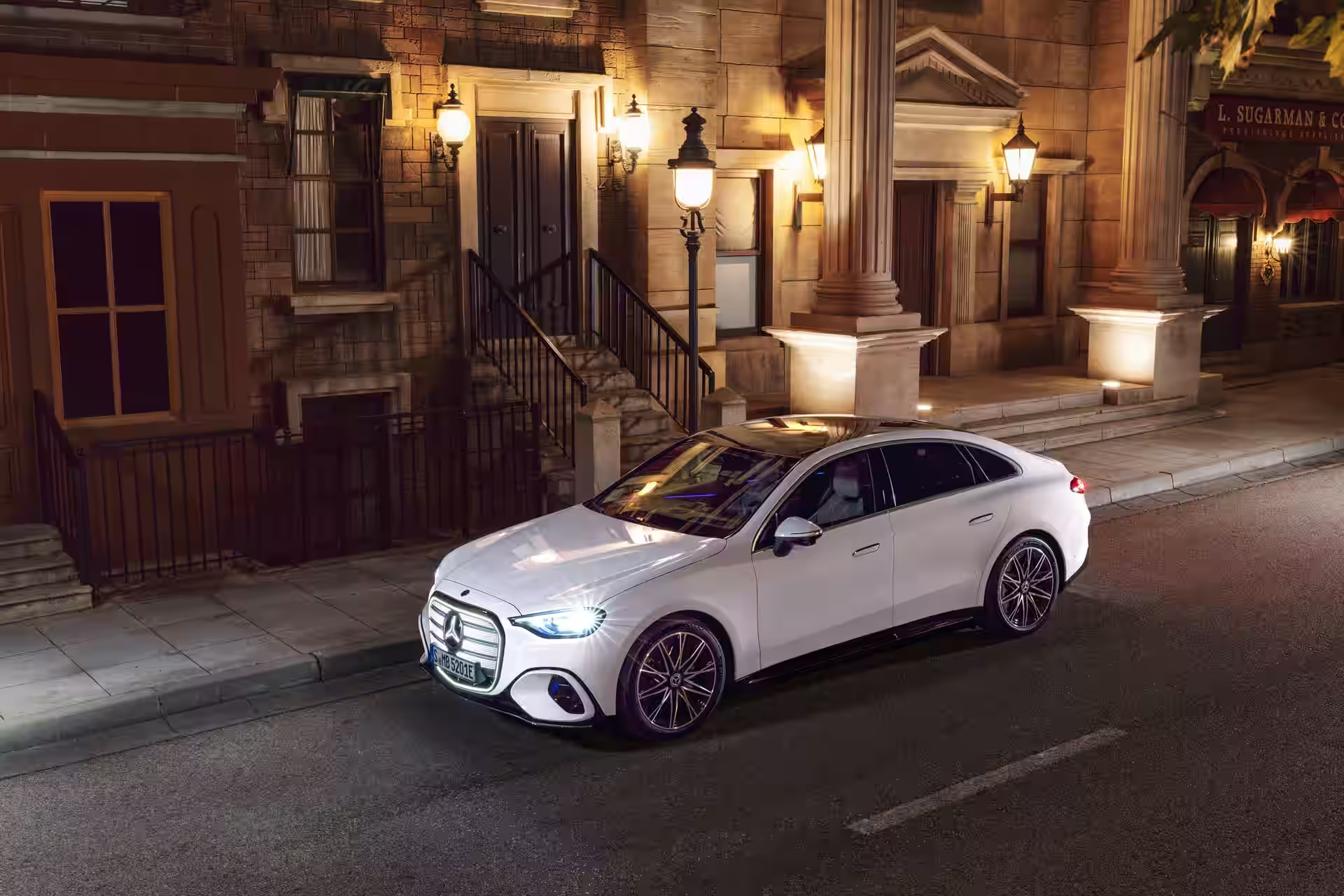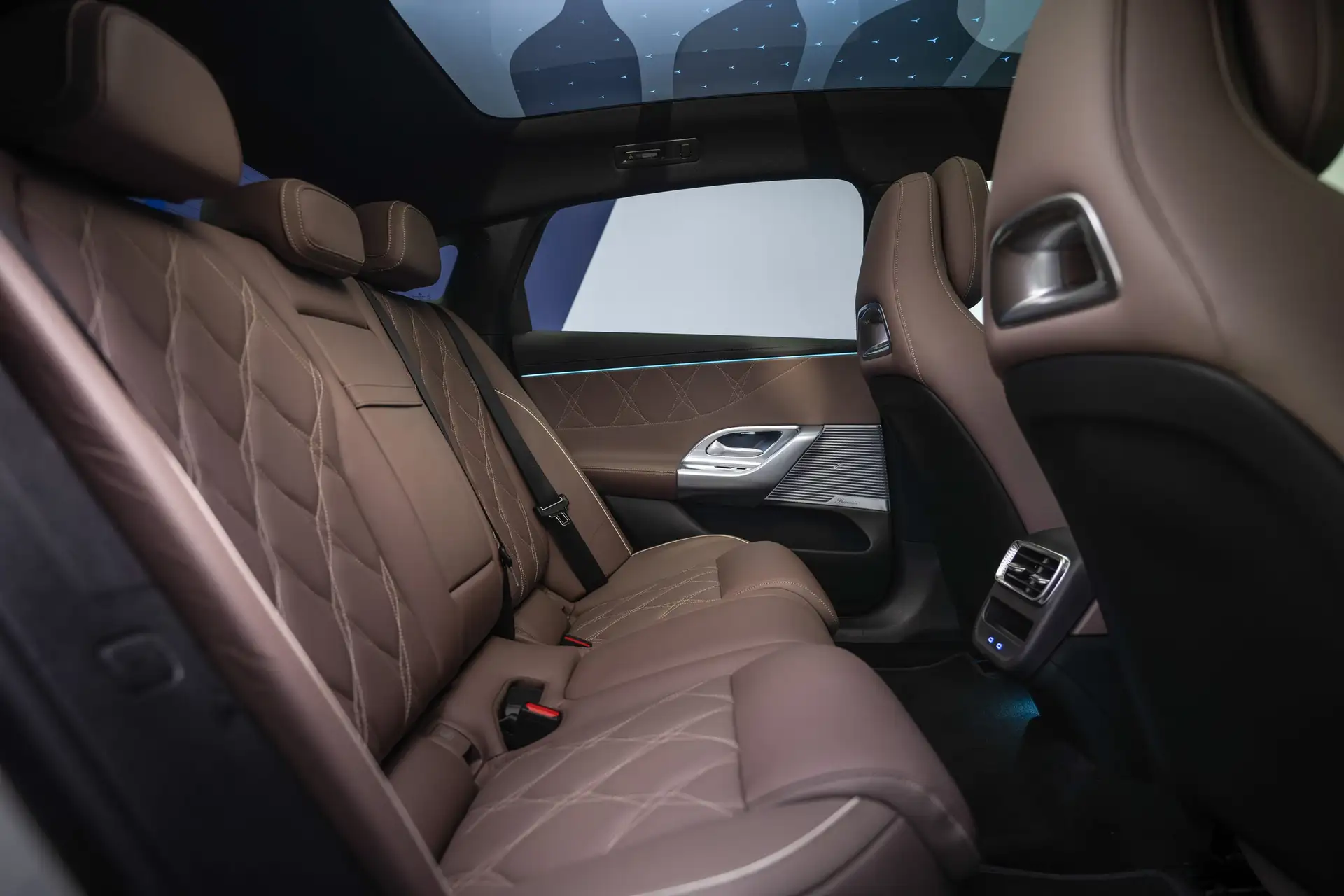
The 2027 Mercedes-Benz C-Class EV is not just another electric sedan. It is Mercedes trying to turn one of its most familiar nameplates into a high-tech, long-range, all-wheel-drive statement piece for the next era of premium mobility.
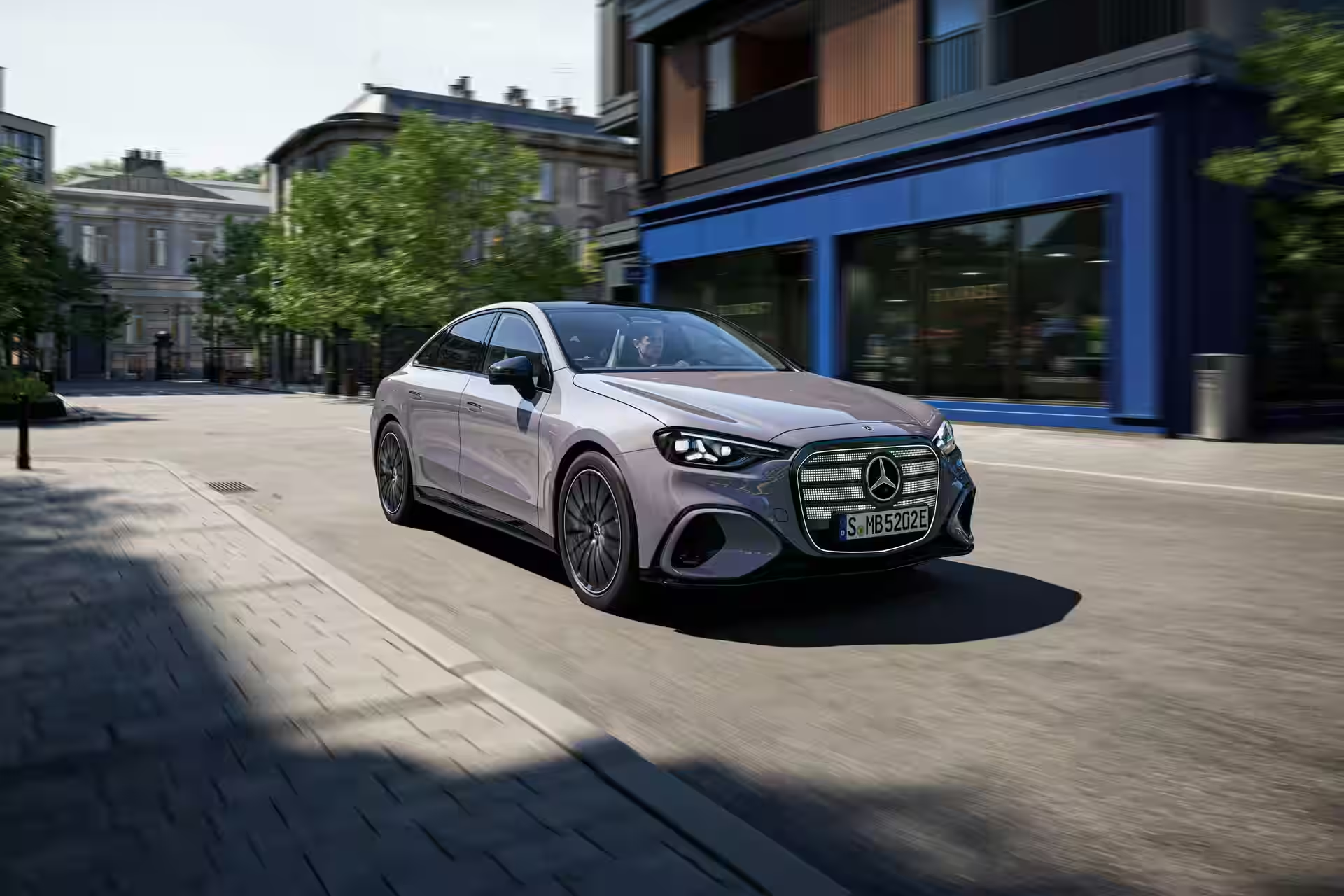
Why The 2027 C-Class EV Matters
Mercedes-Benz is taking the compact luxury sedan formula and electrifying it from the ground up. The result is the 2027 Mercedes-Benz C-Class EV, a model designed to compete with the fastest-moving part of the EV market while keeping the comfort, craftsmanship, and image that define the brand.
At launch, the lineup centers on the C400 4Matic, which uses a dual-motor setup with 482 horsepower and standard all-wheel drive. Mercedes says the electric C-Class can sprint to 60 mph in 3.9 seconds, putting it in the same conversation as quick premium EV sedans from BMW and Audi.
That matters because this is not just an efficiency play. Mercedes is openly framing the car as the sportiest C-Class ever, while still promising the kind of ride quality buyers expect from the badge. For shoppers who want a luxury EV without stepping up to a larger and more expensive EQ model, this could be the sweet spot.
Quick take: the C-Class EV is trying to be three things at once, a tech showcase, a long-range commuter, and a genuinely fast luxury sedan.
If you are tracking the broader EV race, this car lands in a very interesting moment. Rivals are pushing range, charging speed, and cabin tech harder than ever. Mercedes is clearly responding with a product that aims to win on all three fronts.
For readers following other new electric launches, the battle is getting crowded fast. The Mercedes-Benz CLA-Class EV shows how the brand is building a layered EV strategy, while the Cadillac OPTIQ 2027 proves that luxury EV cabins are becoming as important as battery specs.
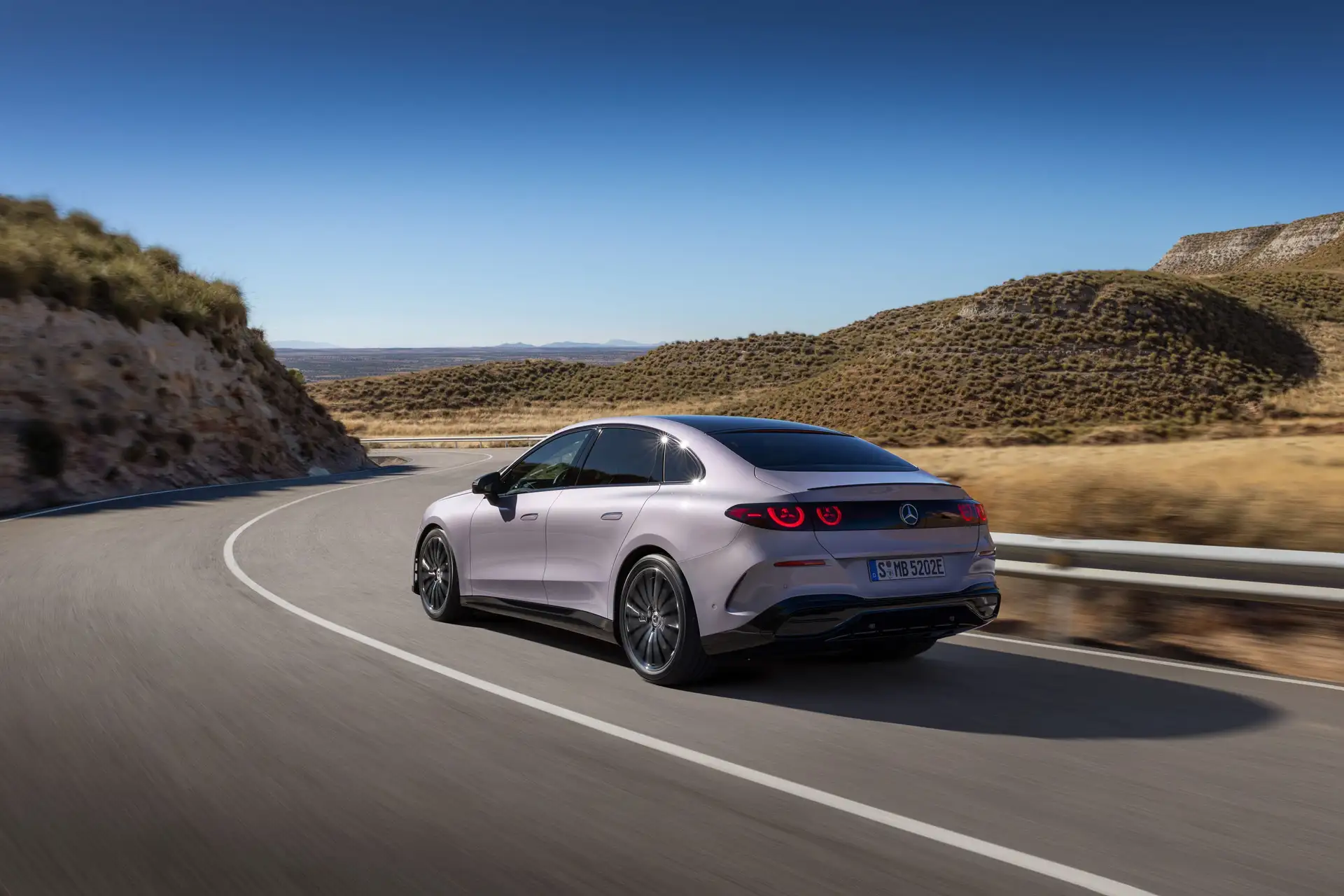
800V Charging, 94-kWh Battery, And The 400-Mile Goal
The most important hardware story here is the new 800-volt electrical architecture. That is a big deal because it allows far faster charging than traditional 400-volt designs when paired with the right infrastructure.
Mercedes says the C400 4Matic has a 94-kWh battery pack and supports DC charging at up to 330 kW on an 800-volt charger. According to the company, that could add as much as 202 miles of range in 10 minutes. If those numbers hold up in real-world testing, this sedan could become a standout for road-trip usability.
Mercedes’ estimated driving range is around 400 miles, based on European testing assumptions. Official EPA figures have not been finalized in the source material, so the exact U.S. rating remains to be confirmed. Still, even allowing for normal real-world variation, that is a very strong target for a luxury EV sedan.
There is another practical detail that deserves attention. The C-Class EV includes a DC converter for compatibility with 400-volt Tesla Supercharger stations. That makes the car more flexible than many early-generation luxury EVs that were locked into narrower charging ecosystems.
If you like long-range EVs with premium ambition, the market is moving quickly. The Volkswagen ID.3 Neo and the Geely Galaxy A7 EV show how range is becoming a major weapon across segments, not just at the luxury end.
| Key Spec | 2027 Mercedes-Benz C-Class EV |
|---|---|
| Power | 482 hp |
| Drivetrain | Dual-motor all-wheel drive |
| Battery | 94 kWh |
| Charging | Up to 330 kW DC |
| Range estimate | About 400 miles |
| 0 to 60 mph | 3.9 seconds claimed |
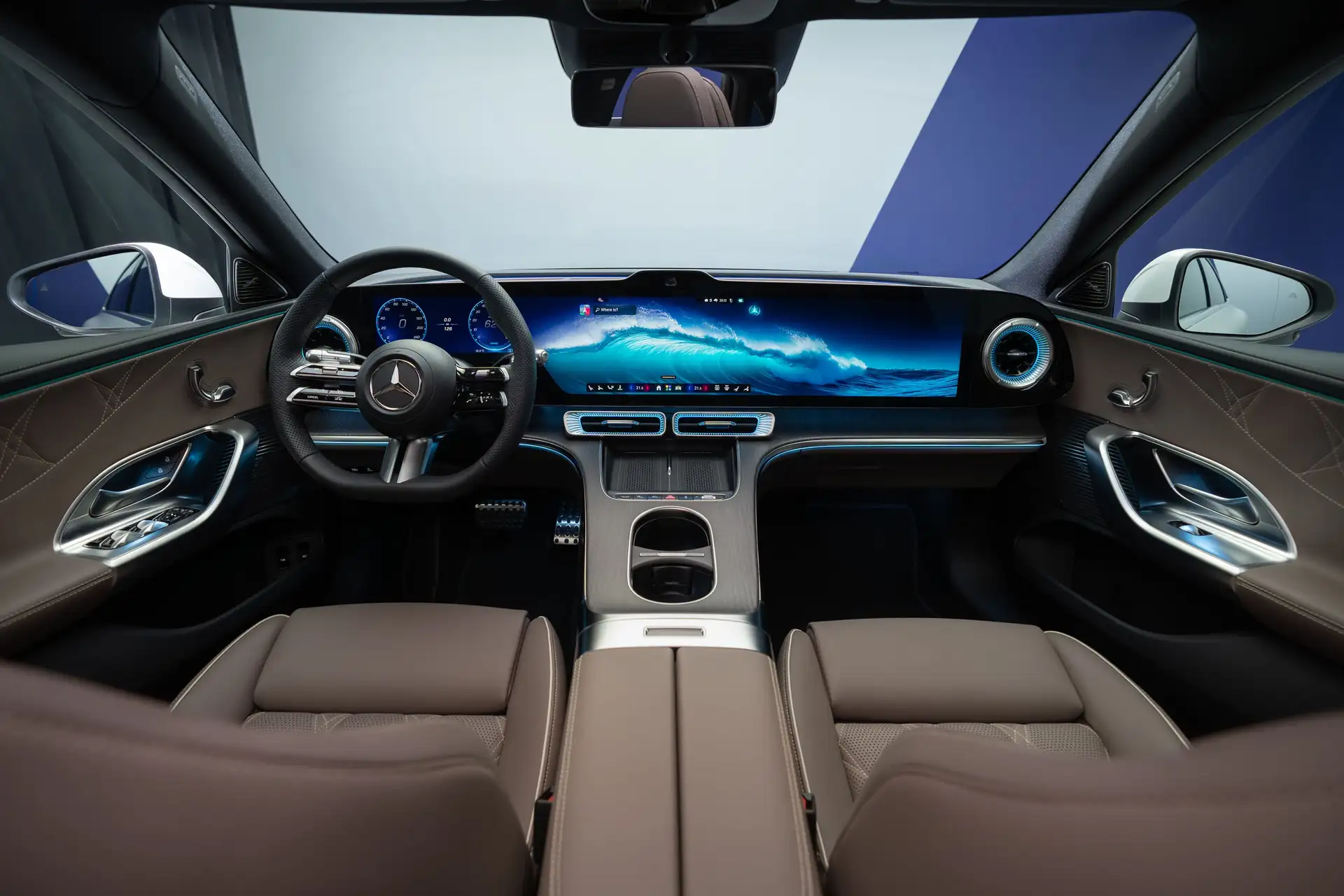
Interior Tech, Design, And The Real Luxury Test
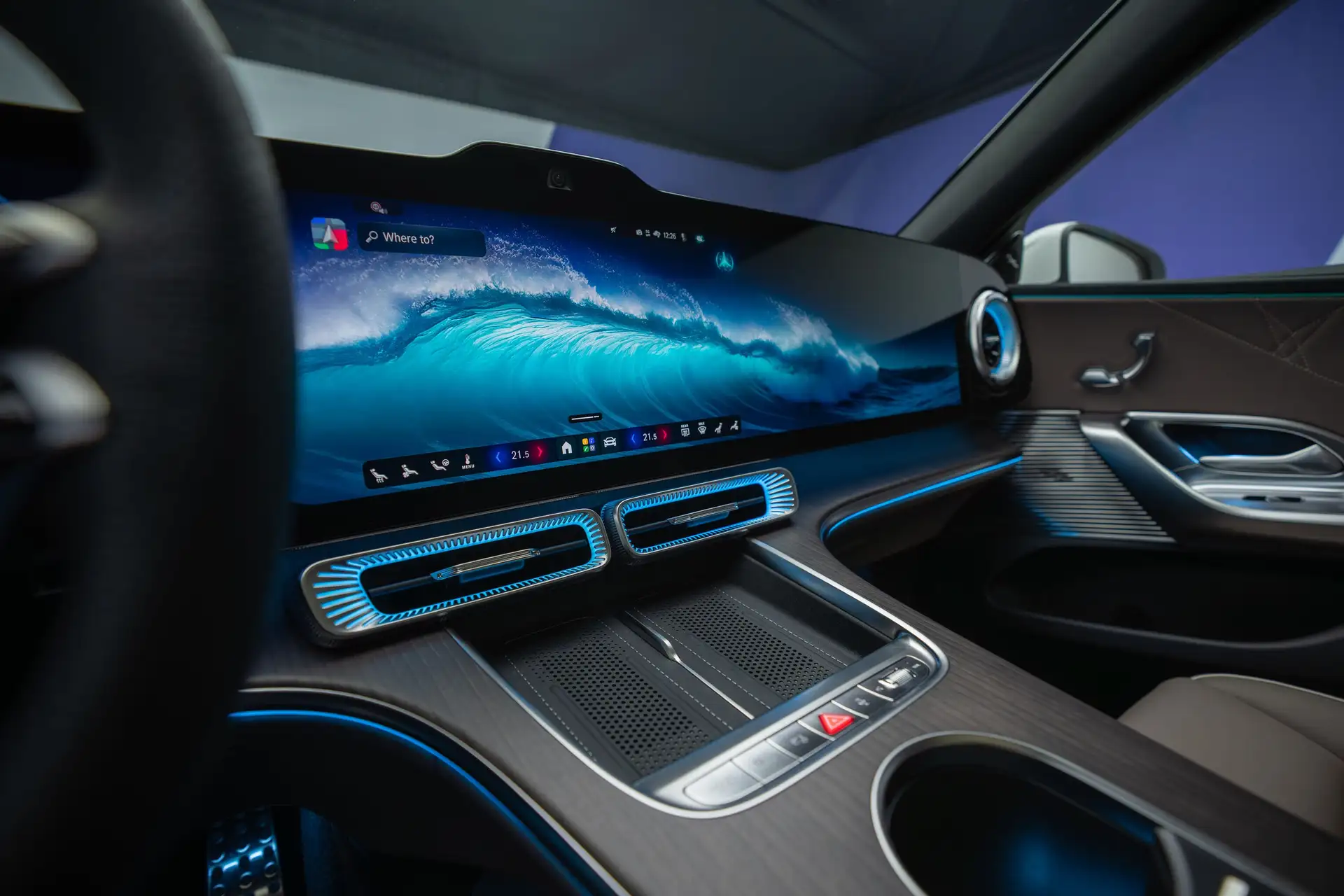
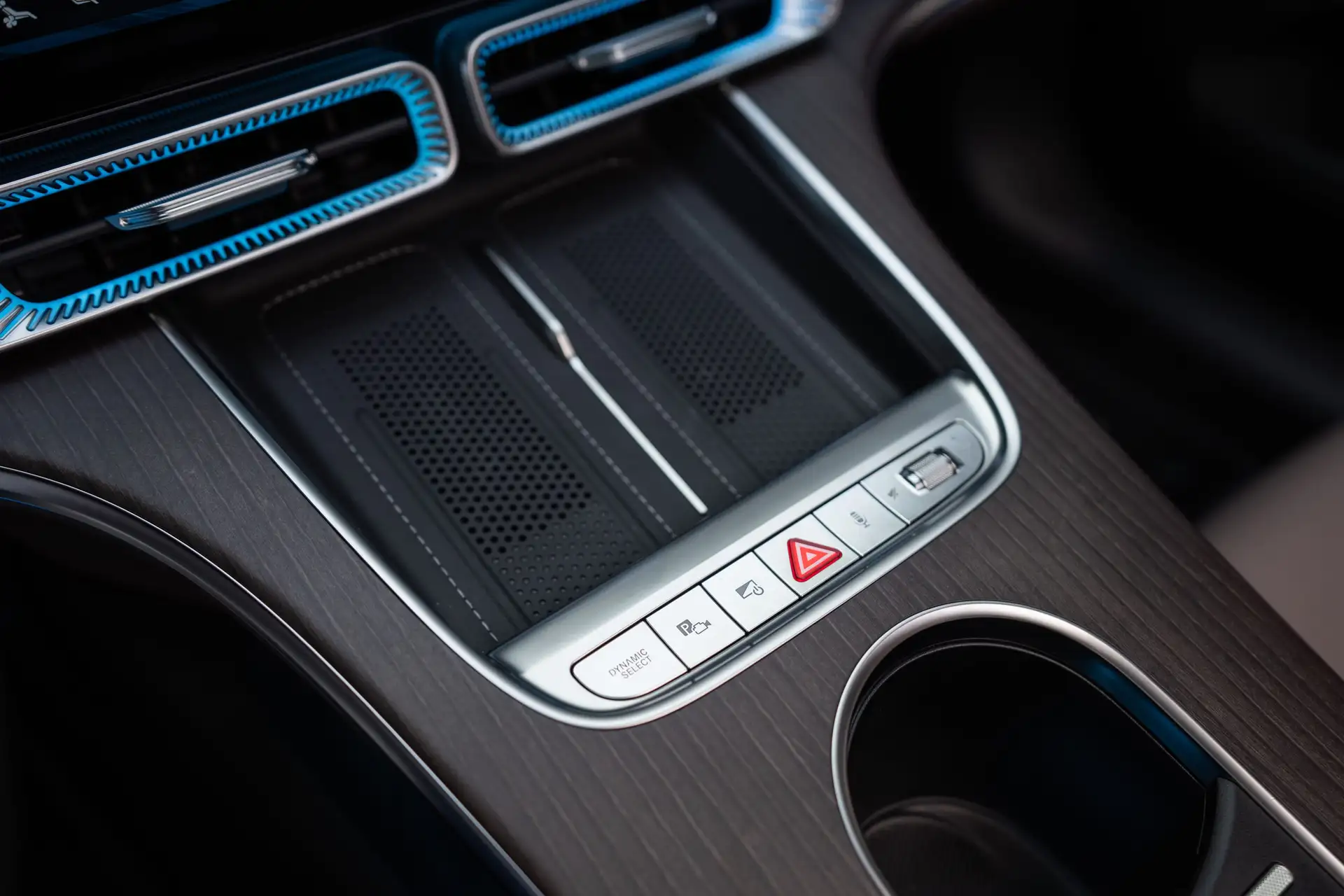
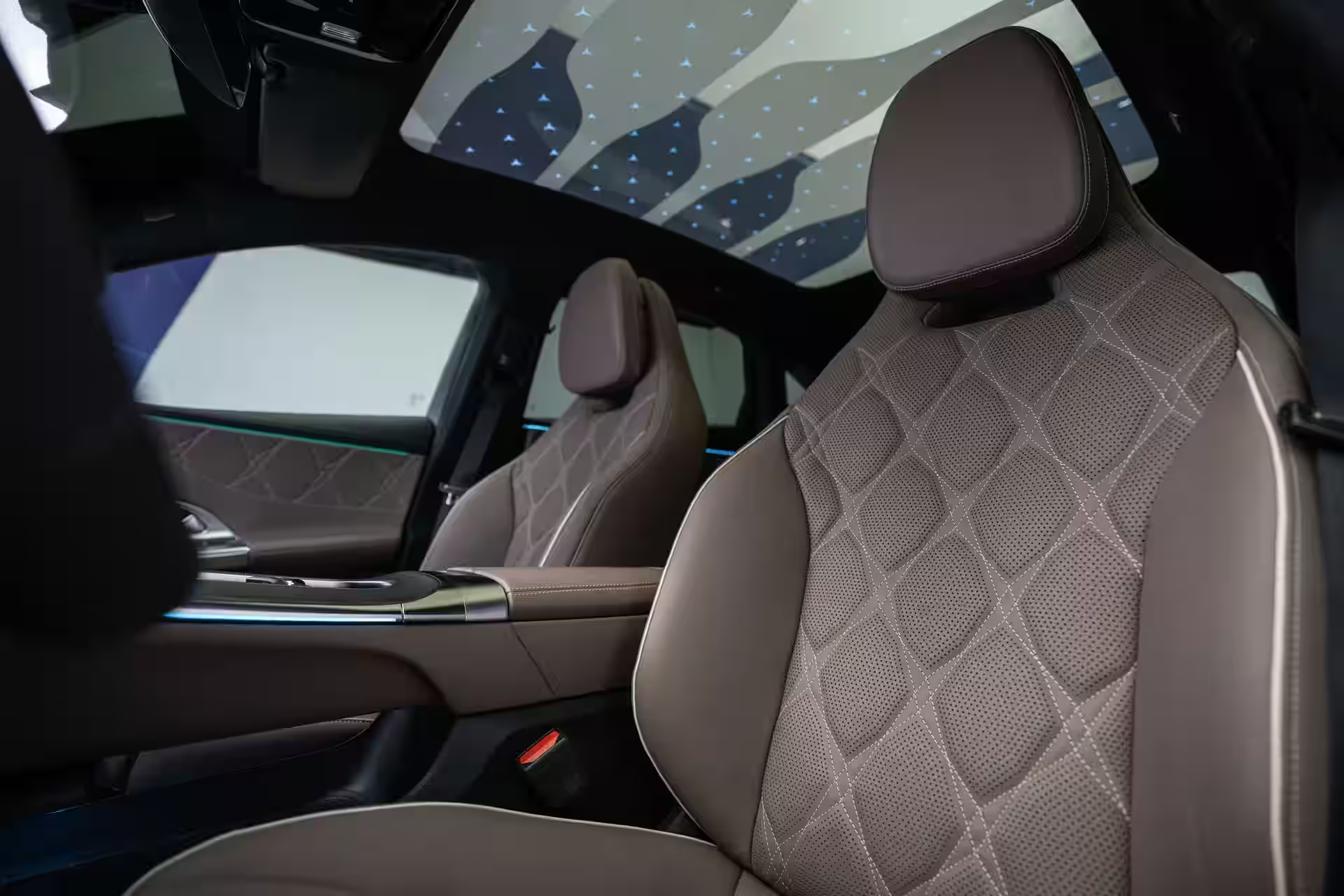
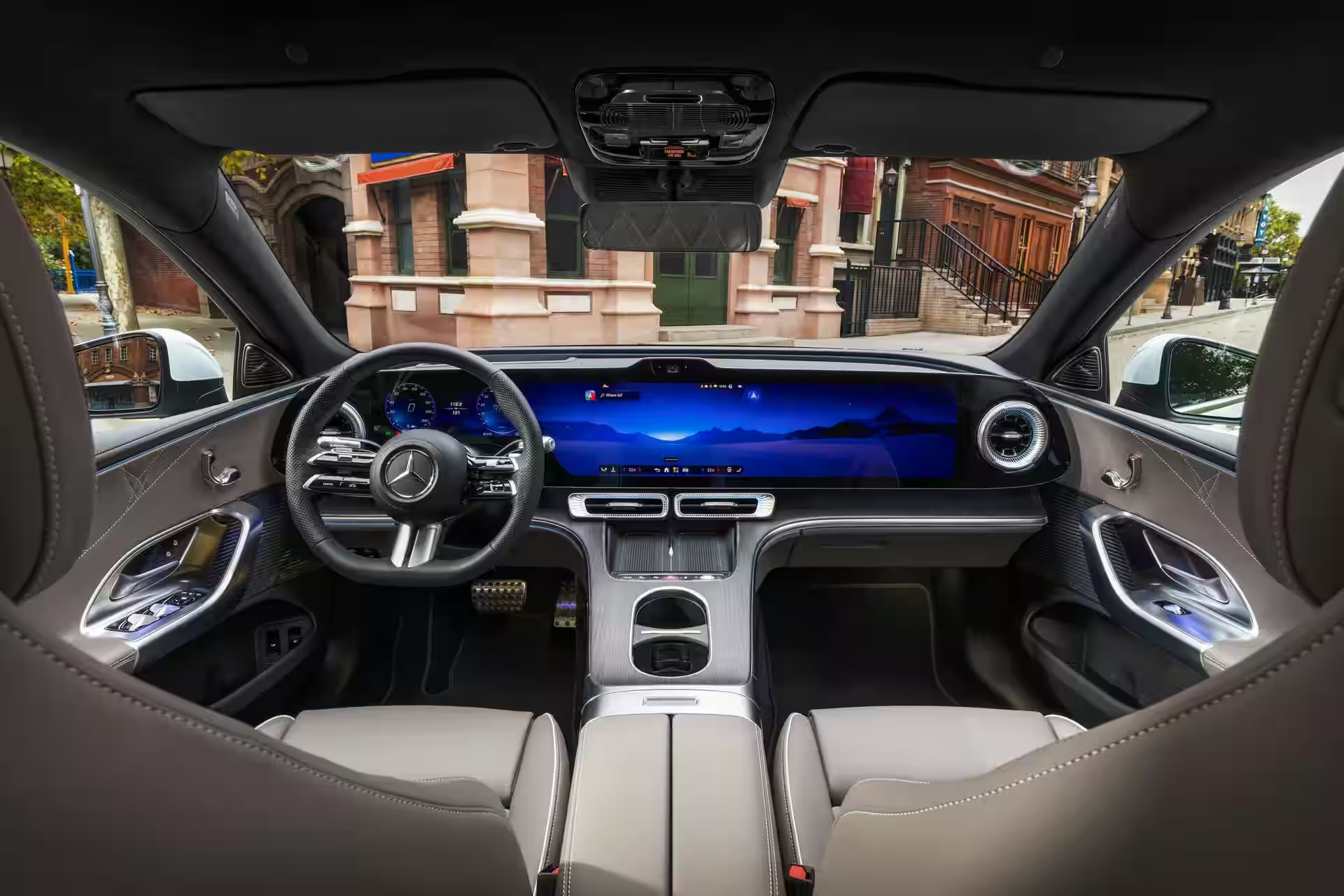
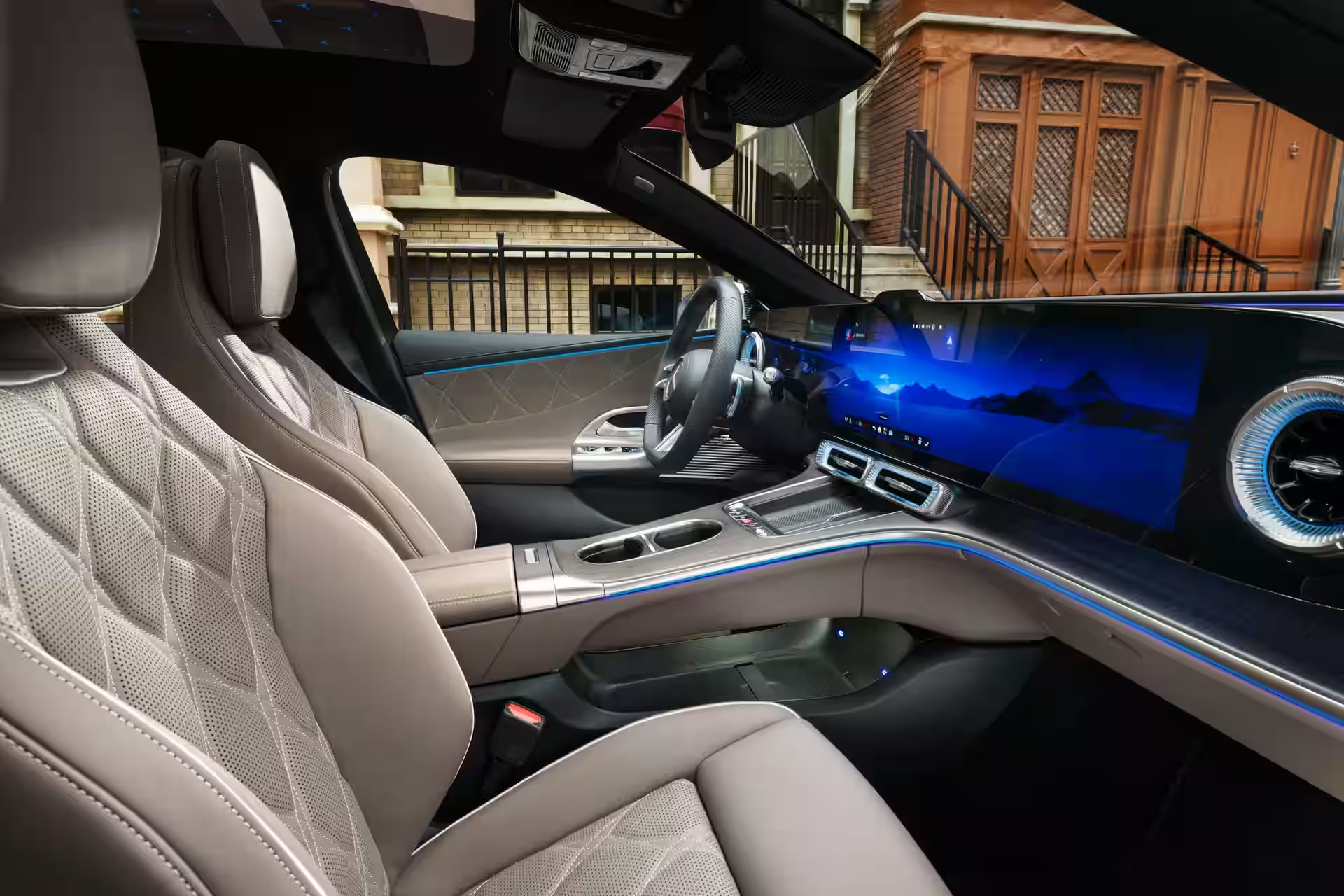
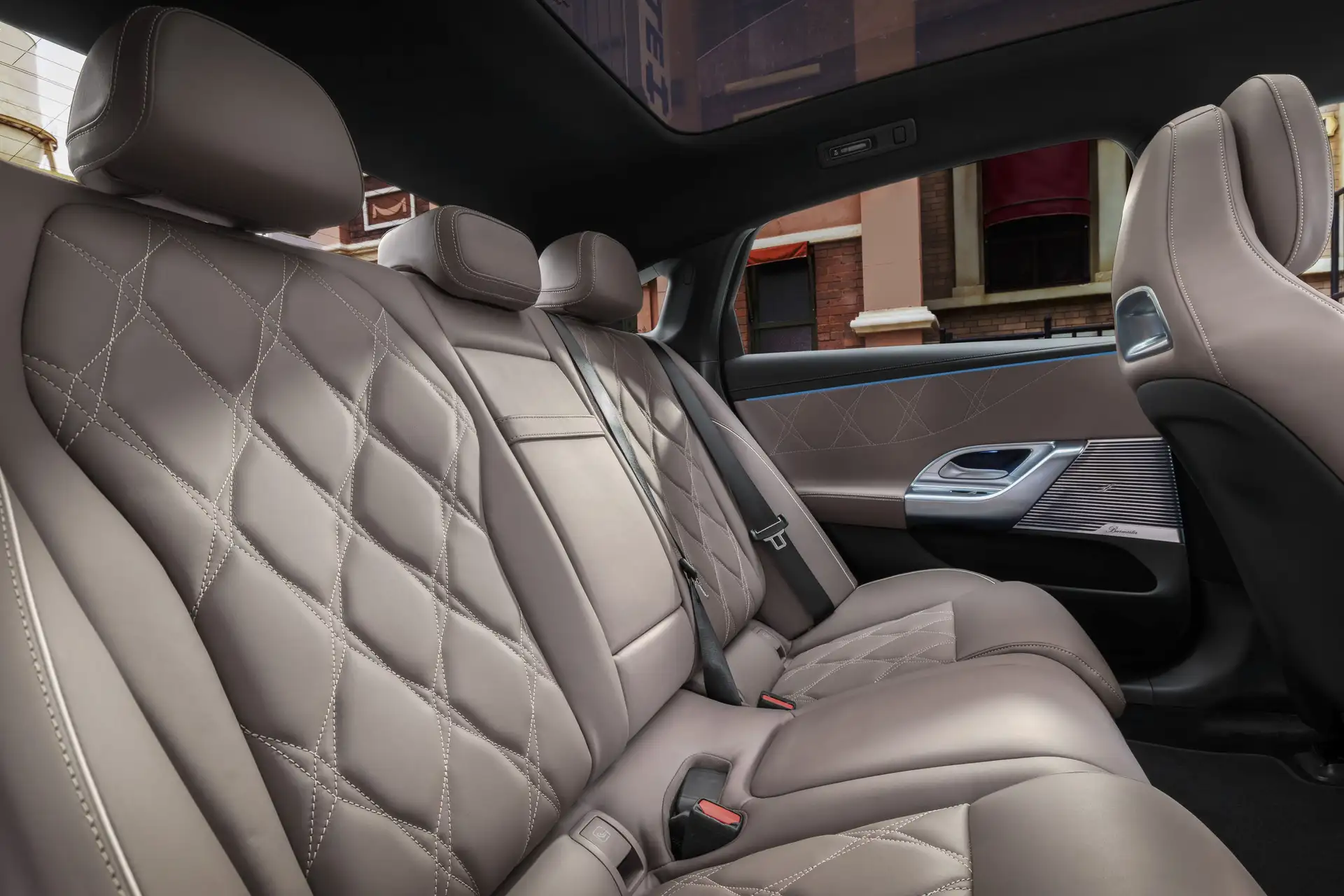
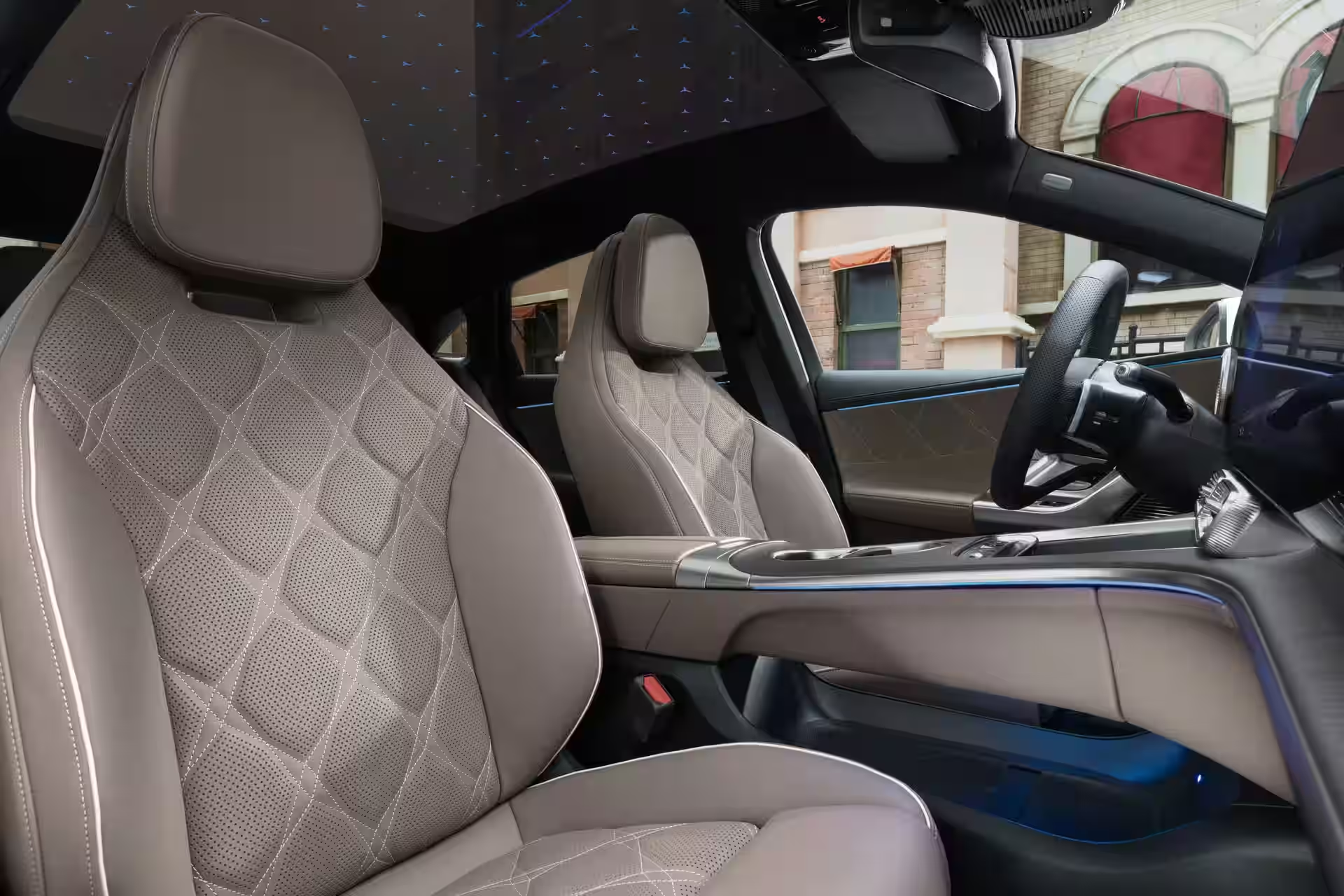
Inside, Mercedes is leaning into the part of the experience that often sells the car before the battery specs do. The cabin features nappa leather upholstery, premium materials, and the kind of polished finish that buyers expect from the three-pointed star.
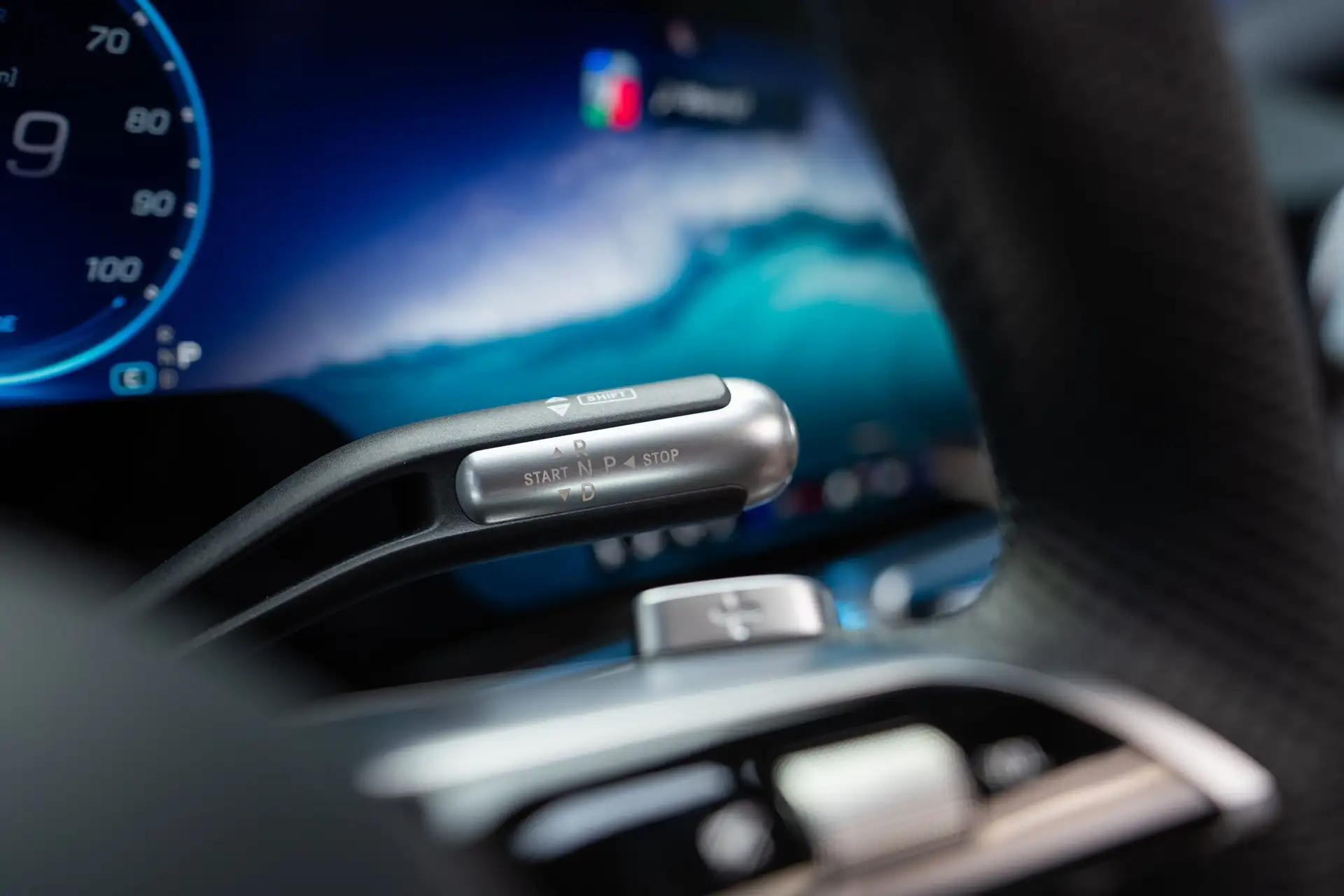
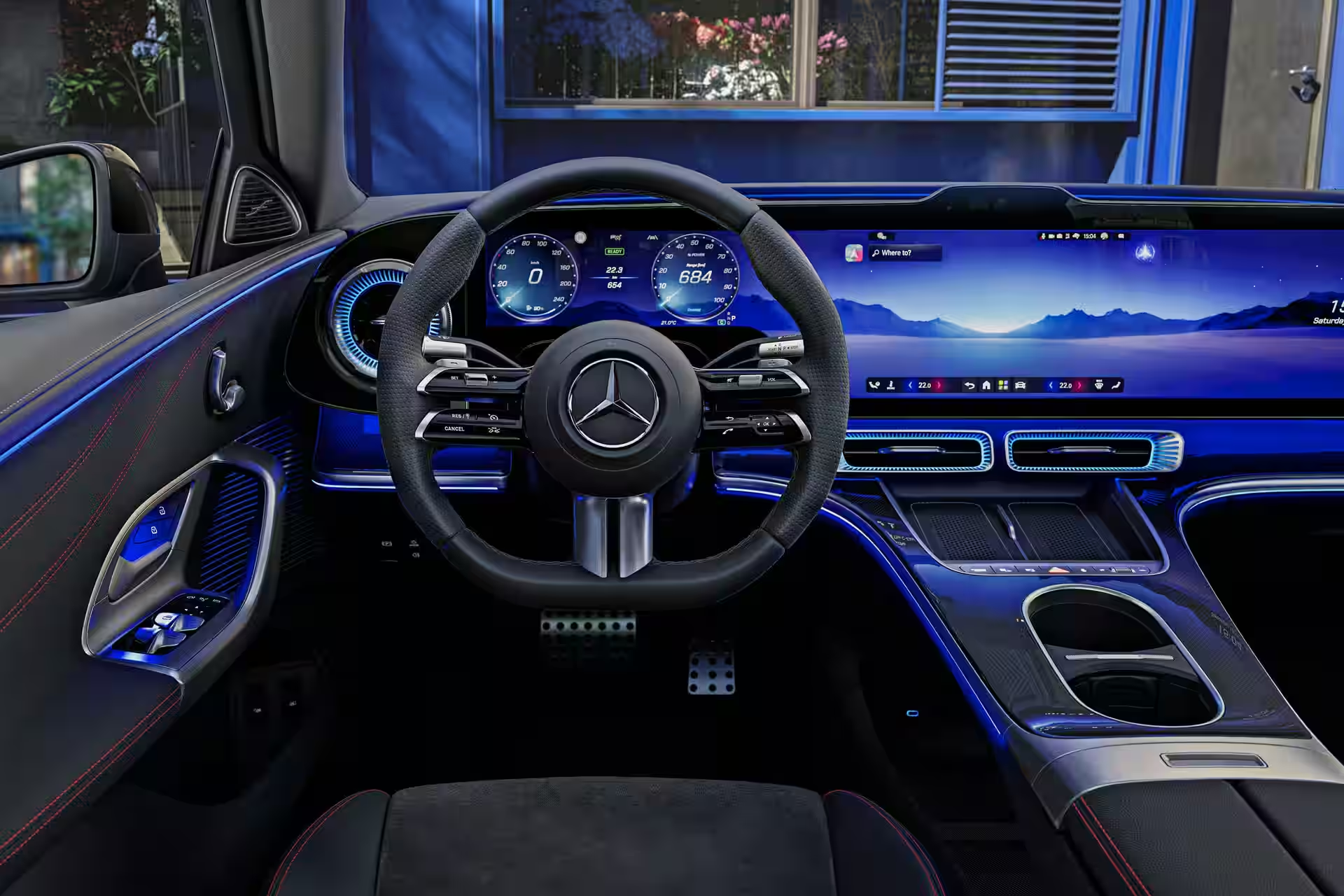
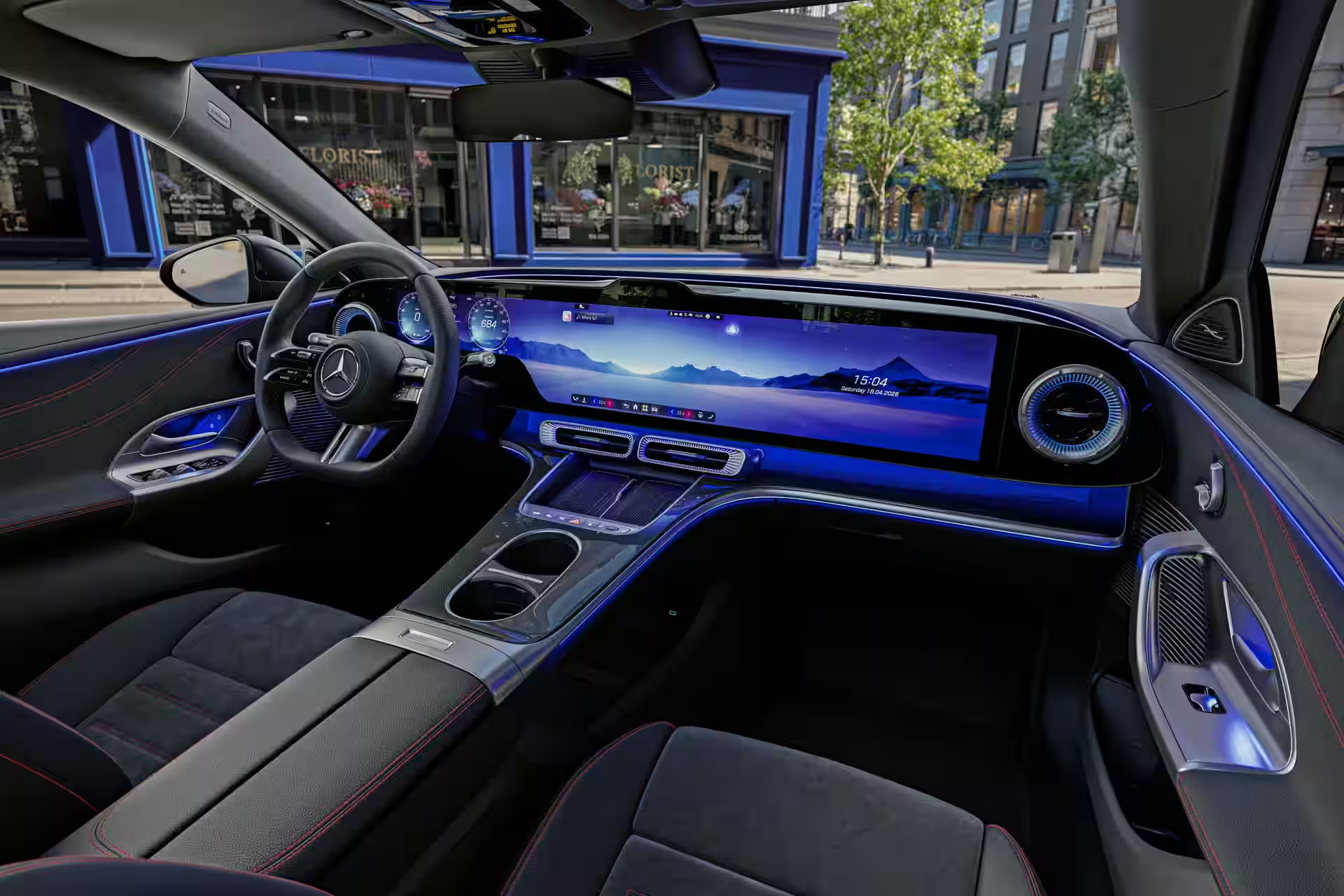
The dashboard is dominated by a glass-covered display panel that combines a 12.3-inch digital gauge cluster, a 17.7-inch center touchscreen, and a 12.3-inch passenger display. It is a bold, modern look, and it clearly targets tech-minded luxury buyers who want their sedan to feel like a rolling device ecosystem.
Mercedes also offers different trim and wood treatment options, including a white open-pore natural fiber look and open-pore birch wood in gray or brown. The visual result should be more contemporary than old-school Mercedes luxury, while still preserving a sense of occasion.
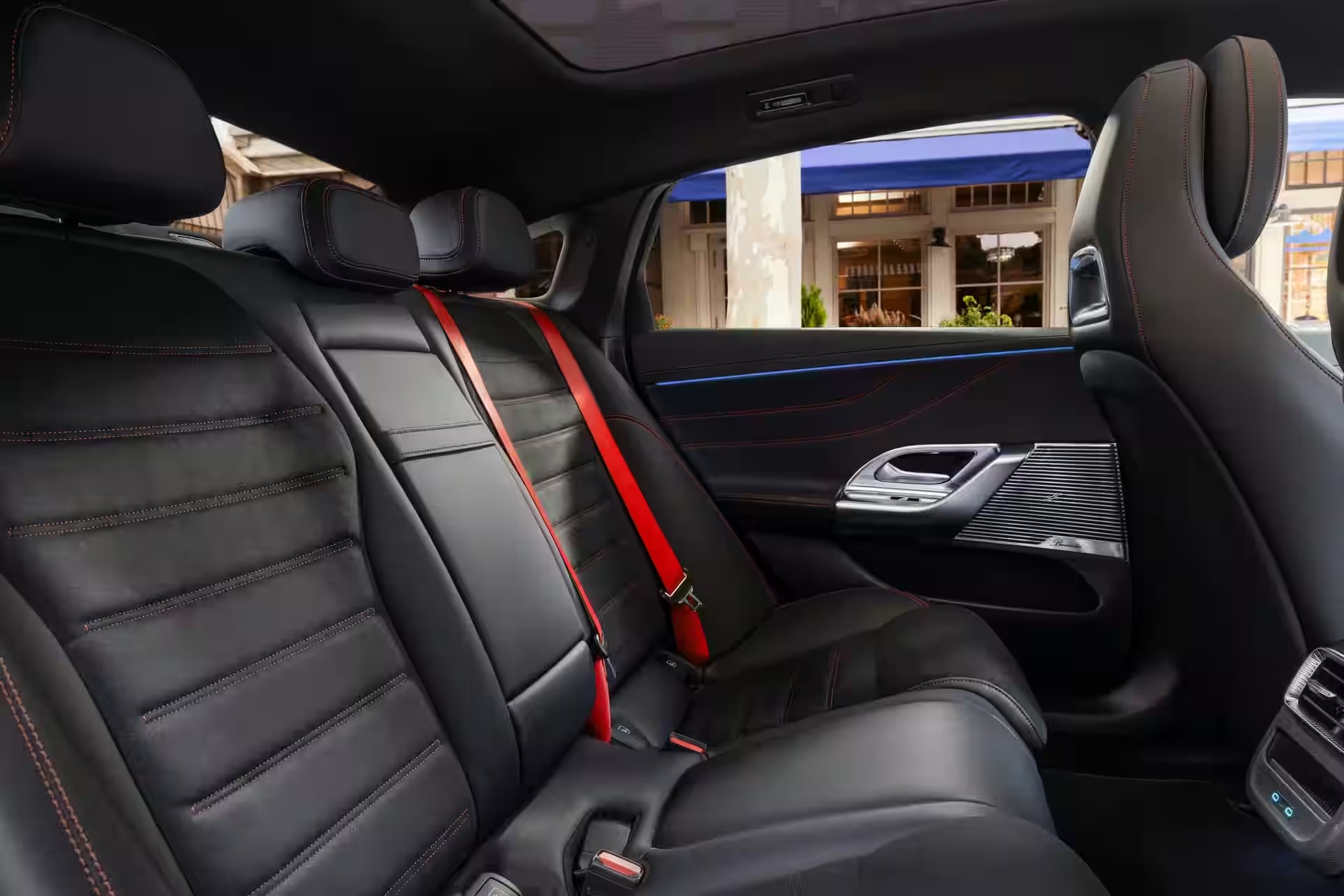
Second-row space appears to benefit from a longer wheelbase, with Mercedes claiming slightly more headroom than the gas C-Class. That is important because EV buyers often want better packaging than their combustion counterparts, and a longer cabin can help this sedan feel more usable than expected.
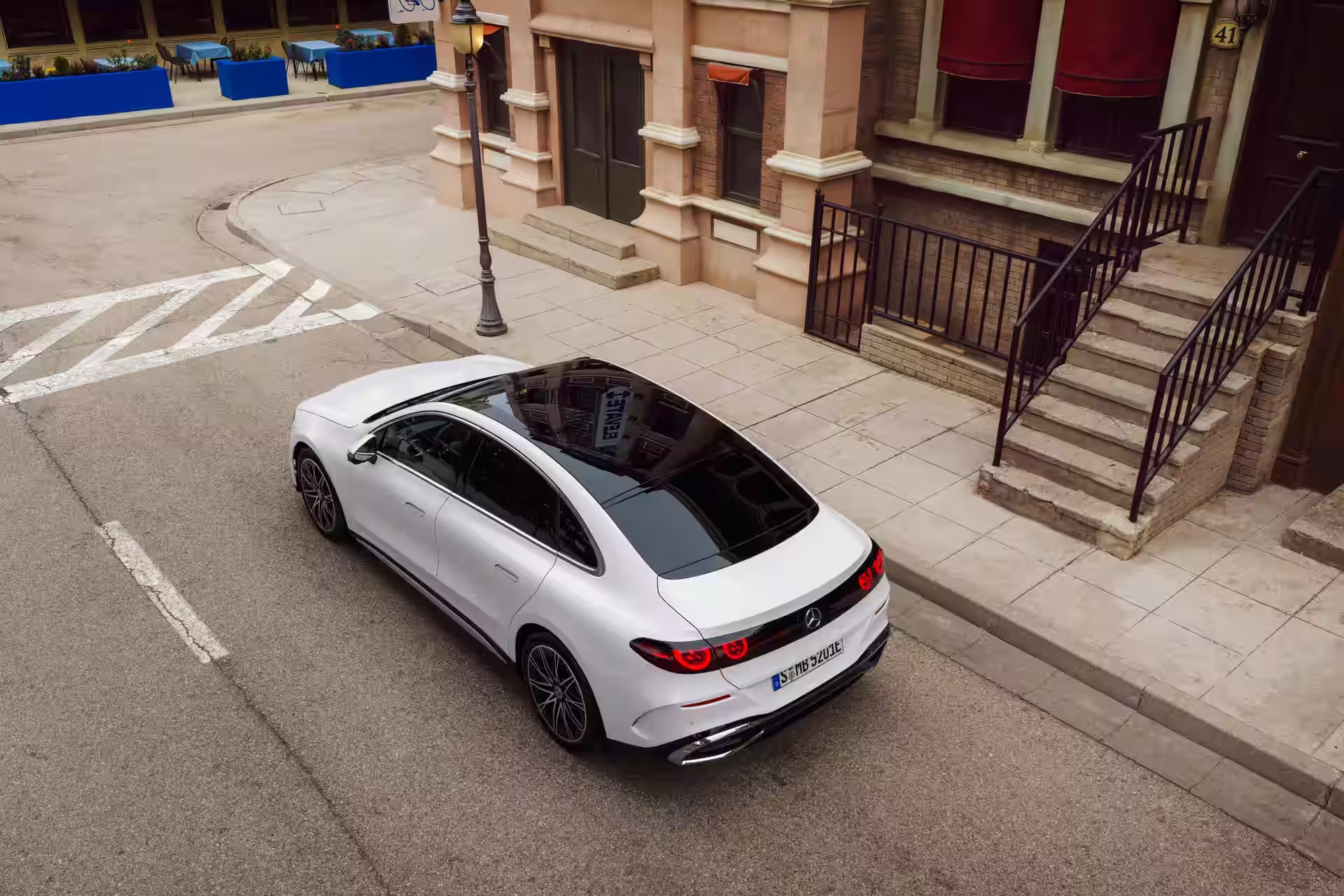
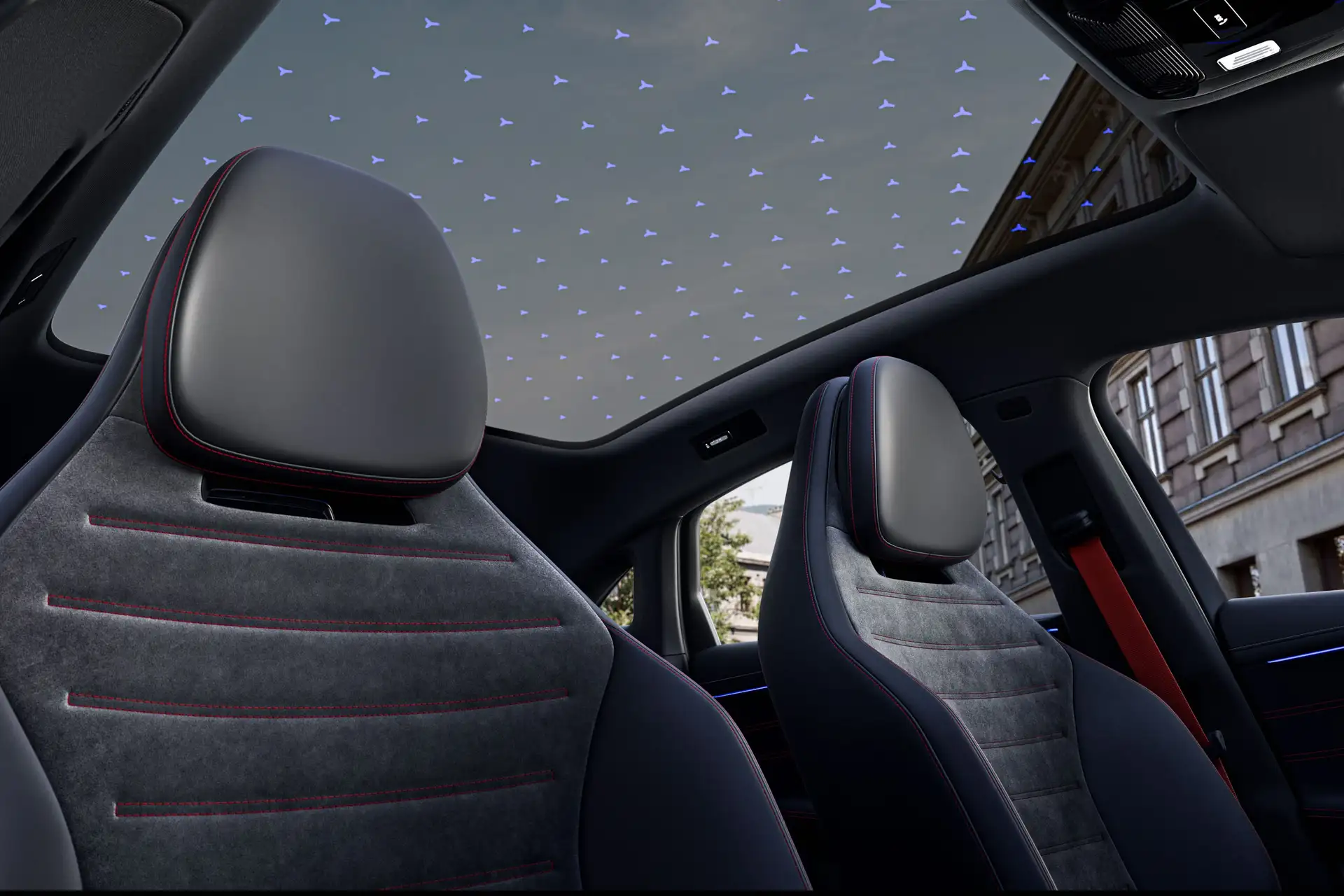
One of the most talked-about details is the optional panoramic roof with 162 illuminated stars integrated into the glass panel. It is the kind of theatrical touch Mercedes knows how to use to make an interior go viral on social media and in showroom conversations.
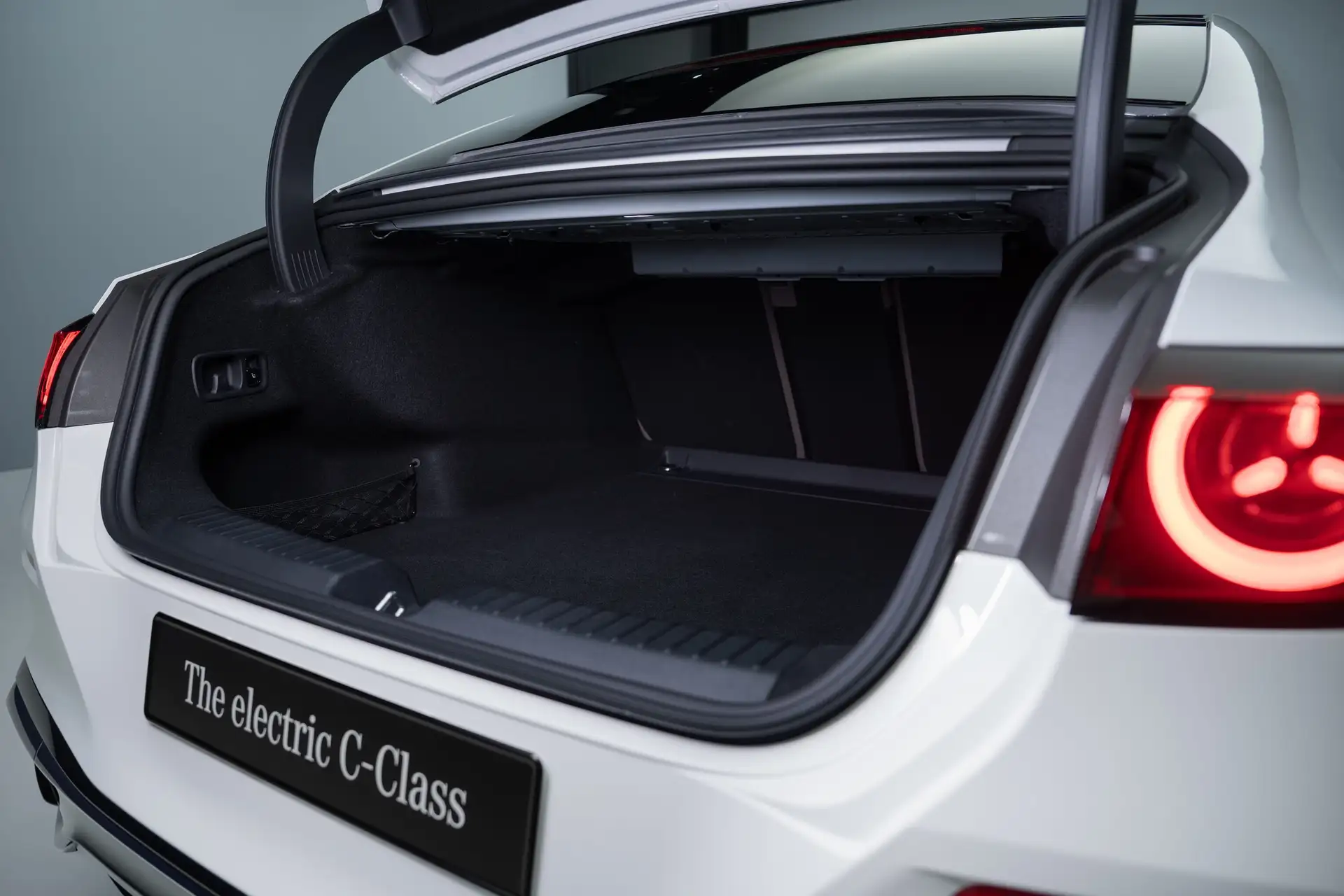
Cargo space is listed at 16.6 cubic feet, which is roughly 141 liters more than the gas-powered C-Class. That gives the electric version a practical advantage in addition to its tech and performance credentials.
The infotainment setup also looks built for the modern luxury buyer. Wireless Apple CarPlay and Android Auto are included, and the system supports voice commands, touch input, and steering-wheel controls. Mercedes says stationary occupants can even stream video apps such as YouTube and Disney+ when parked.
That screen-heavy approach will be familiar to anyone following the broader premium EV trend. The difference is that Mercedes is packaging it in one of the industry’s most recognizable sedan badges, which should help the C-Class EV reach buyers who may not usually shop for full electric models.
For a broader look at how brands are reshaping the EV equation, the Mercedes-Benz EQS 2027 and the Tesla Model S Plaid-style performance conversation illustrate how range, speed, and software are now inseparable in the luxury market. Mercedes clearly wants the C-Class EV to join that fight, not watch from the sidelines.
At this stage, the 2027 Mercedes-Benz C-Class EV looks like a smartly positioned electric sedan with a strong mix of performance, range ambition, and premium design. The numbers are persuasive, but the final verdict will depend on real-world charging, efficiency, and how well the chassis lives up to Mercedes’ claim of being the sportiest C-Class yet.