
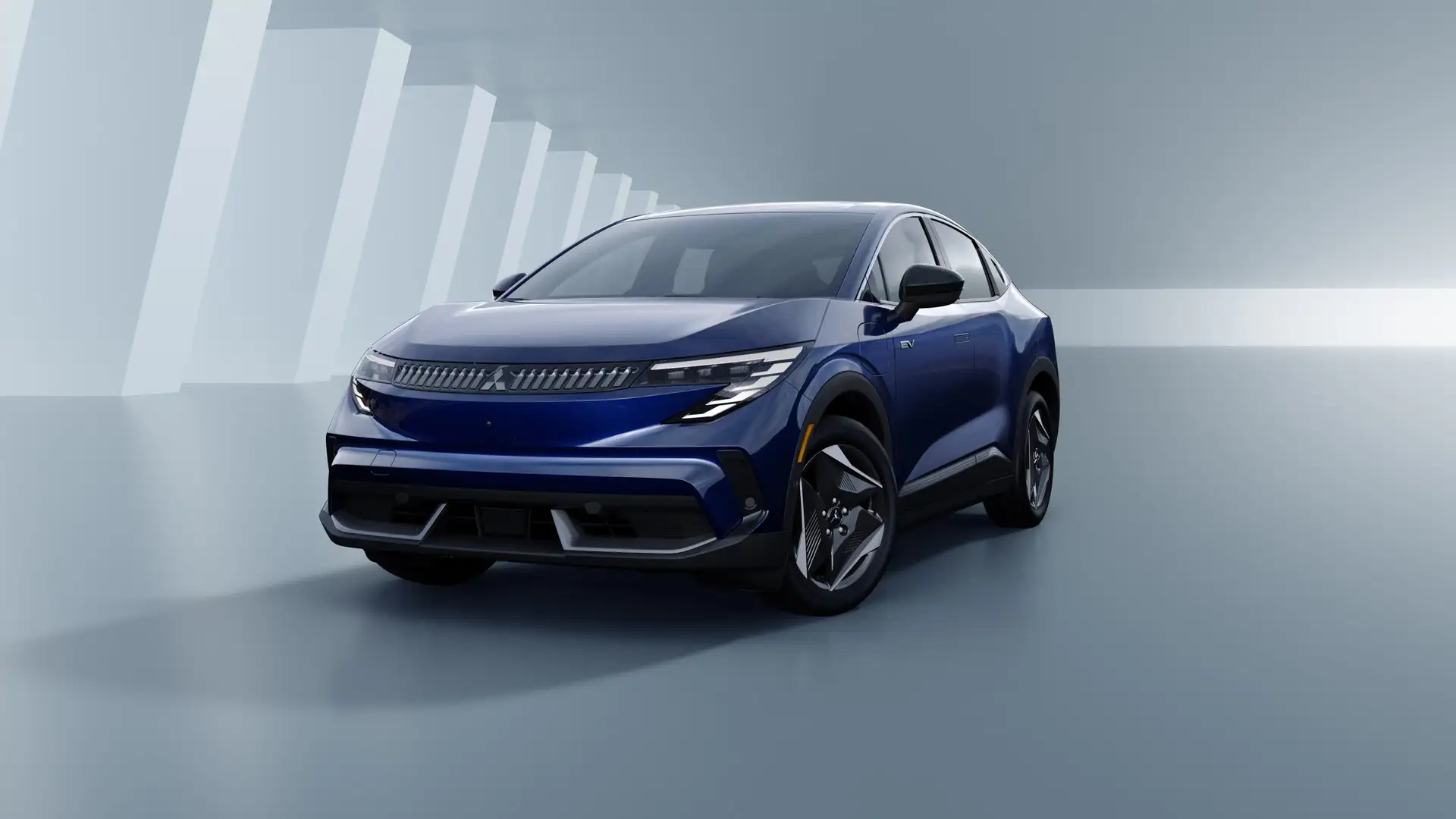
Technical Specs
| Specification | 2027 Mitsubishi Eclipse Sportback |
|---|---|
| Model type | Subcompact electric SUV |
| Platform | Nissan Leaf-based |
| Powertrain layout | Single-motor, front-wheel drive |
| Range | About 300 miles per charge |
| Launch timing | Late summer or early fall 2026 |
| Model year | 2027 |
| MSRP | $35,000–$41,000 est. |
Powertrain Analysis
The Eclipse Sportback uses a single-motor electric layout with front-wheel drive. That configuration places propulsion at the front axle and defines the vehicle as a conventional FWD EV rather than an all-wheel-drive derivative. The powertrain architecture aligns with the Nissan Leaf foundation, making the Mitsubishi a rebadged crossover rather than a unique mechanical development.
The available technical data confirms the electric format and estimated driving range, but no output figures for horsepower, torque, battery capacity, or charging power are specified. The stated range target is about 300 miles per charge, positioning the vehicle above many entry-level subcompact EVs on usable distance alone.
The model is expected to enter the market in late 2026 as a 2027 vehicle. The pricing target places it in the $35,000 to $41,000 band, with the lower end likely tied to the base trim and the upper end to higher-content variants.
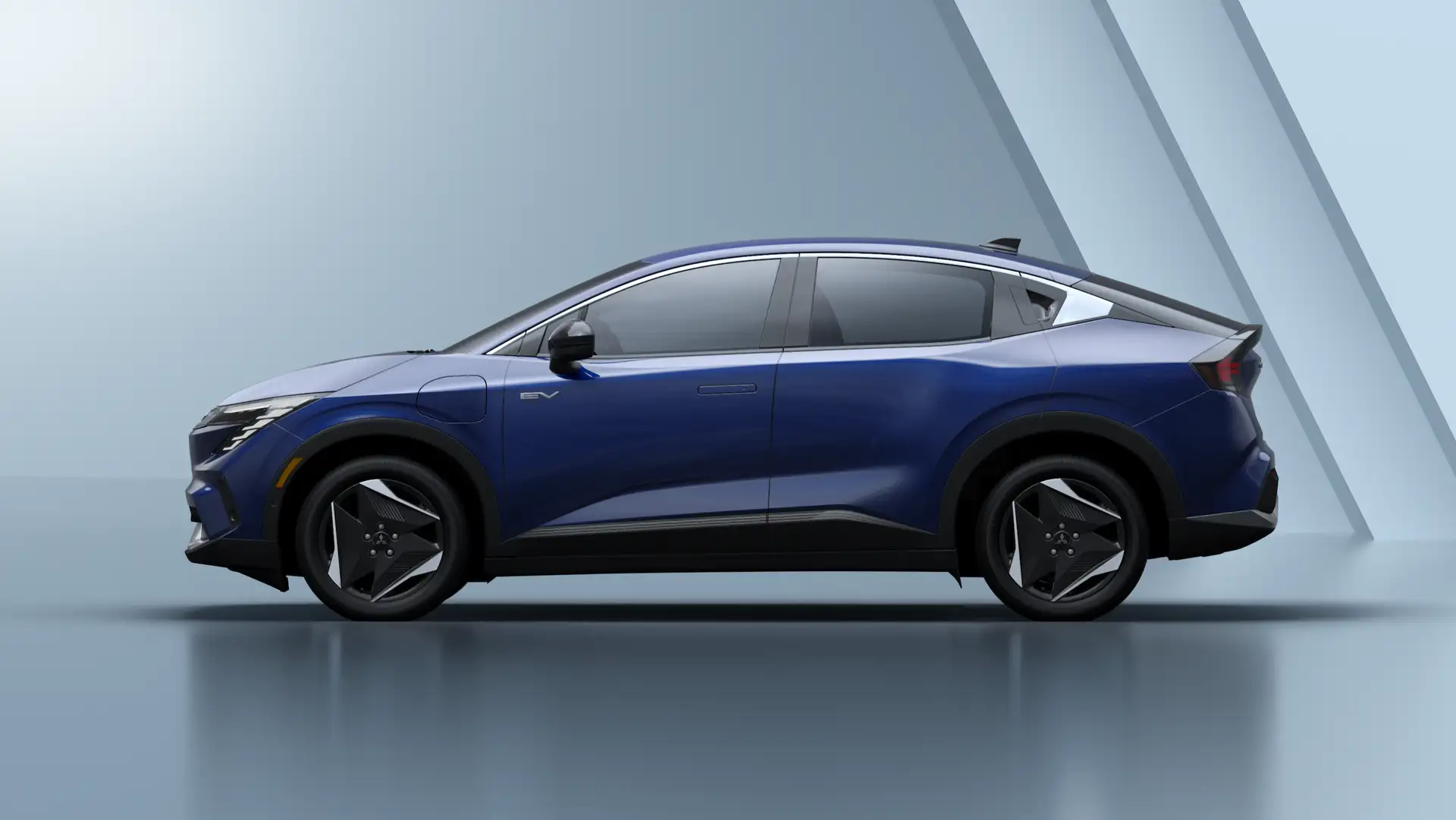
Chassis & Dynamics
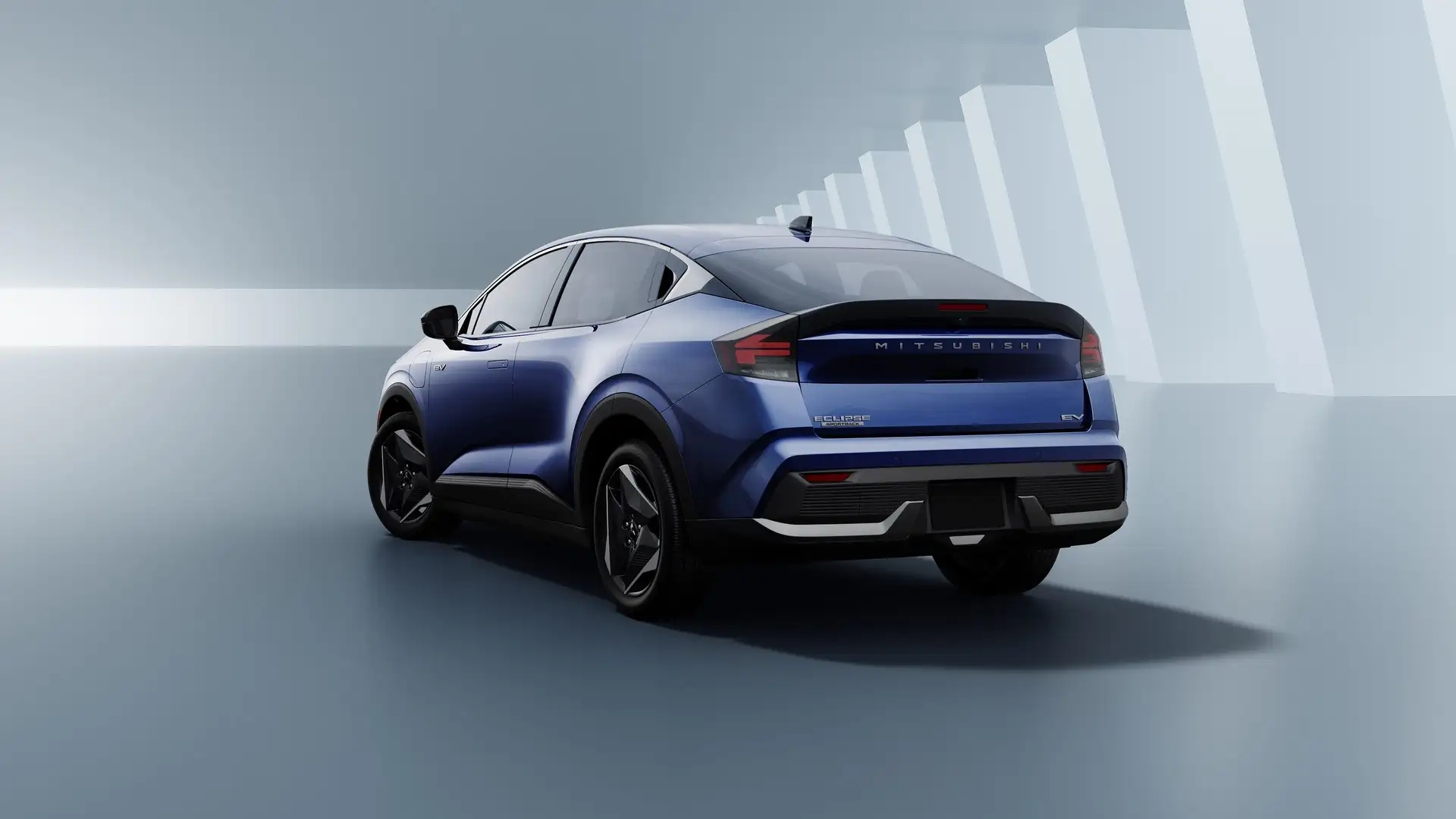
The Eclipse Sportback is mechanically linked to the Nissan Leaf, so its chassis package follows that EV crossover architecture. The body style is a subcompact SUV with a sportback profile, and the exterior differentiation includes revised front-end trim, a chunkier bumper, triangular-design wheels, and redesigned rear lighting signatures.
No suspension geometry, brake rotor size, caliper type, curb weight, weight distribution, or aerodynamic coefficient is specified. The available data does confirm a front-end design revision, more defined air intakes, and black-trimmed sensor integration in the bumper area, all of which point to a Mitsubishi-specific fascia built over Leaf hardware.
The shared-model relationship is the key chassis fact: Mitsubishi Eclipse Sportback and Nissan Leaf are closely related EVs, with the Mitsubishi receiving unique styling while retaining the donor vehicle’s underlying package. The result is a compact electric crossover with front-drive dynamics and a Leaf-derived structure.
Dimensions & Practicality
No exterior dimensions, wheelbase, ground clearance, cargo volume, seating capacity, frunk volume, or towing data are specified. The only practical-size classification available is subcompact SUV, which defines the vehicle’s segment placement.
The body form is a sportback-style SUV, so the rear roofline is sloped relative to a traditional boxier crossover. That design choice affects rear visibility and cargo aperture more than mechanical packaging, but exact interior or load-space figures are absent.
The cabin specification set is also incomplete, with no stated headroom, legroom, or cargo-capacity numbers. The confirmed practicality data remains limited to the vehicle type, EV layout, and market positioning.
Suggested Articles
- BMW iX3 Neue Klasse — range technology comparison
- Škoda Enyaq 60 Select — EV segment comparison
- Audi Q4 e-tron 2026 — charging and EV packaging comparison
- Nissan Sentra 2027 — brand strategy comparison
- 2027 Subaru Solterra XT — compact EV crossover comparison
Comparative Data
| Model | Powertrain | Drive | Range | Price |
|---|---|---|---|---|
| 2027 Mitsubishi Eclipse Sportback | Single-motor EV | FWD | About 300 miles | $35,000–$41,000 est. |
| Nissan Leaf | Single-motor EV | FWD | Not specified in source content | $31,535 starting price |