

HONGQI’s flagship sedan has entered Russia with the kind of pricing that instantly reframes it from ambitious import to political-and-oligarch statement piece.
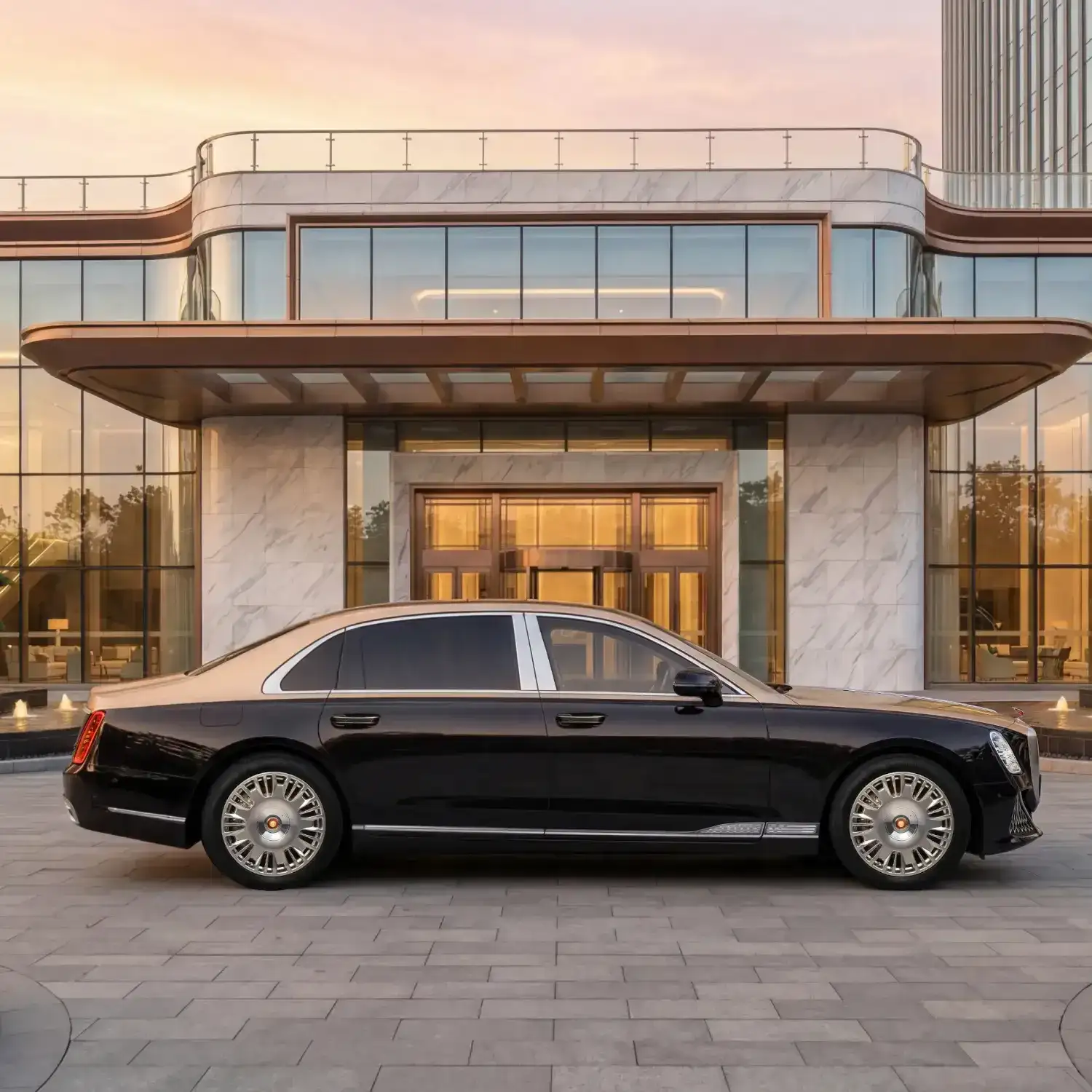
The Hongqi Guoya, one of the most lavish sedans currently produced in China, is now officially being offered in Russia in two forms: the Elegance V6 at 27.7 million rubles and the Imperial V8 at 31.7 million rubles. That translates to roughly $389,000 and $445,000 respectively, a dramatic premium over the Guoya’s Chinese starting price of about 1.4 million yuan, or around $207,000. The car itself appears fundamentally unchanged for the Russian market, which makes the near-doubling in price the real story. For buyers in this ultra-niche segment, the Guoya is less about value and more about access to a rolling executive lounge from a brand that still carries strong state-limousine symbolism inside China.
| Model | Hongqi Guoya |
| Russia variants | Elegance V6 / Imperial V8 |
| Power output | 280 kW (380 hp) / 350 kW (476 hp) |
| Torque | 570 Nm (420 lb-ft) / 680 Nm (501 lb-ft) |
| Drivetrain | AWD, 8-speed automatic |
| 0-100 km/h | 4.5 seconds for Imperial V8 |
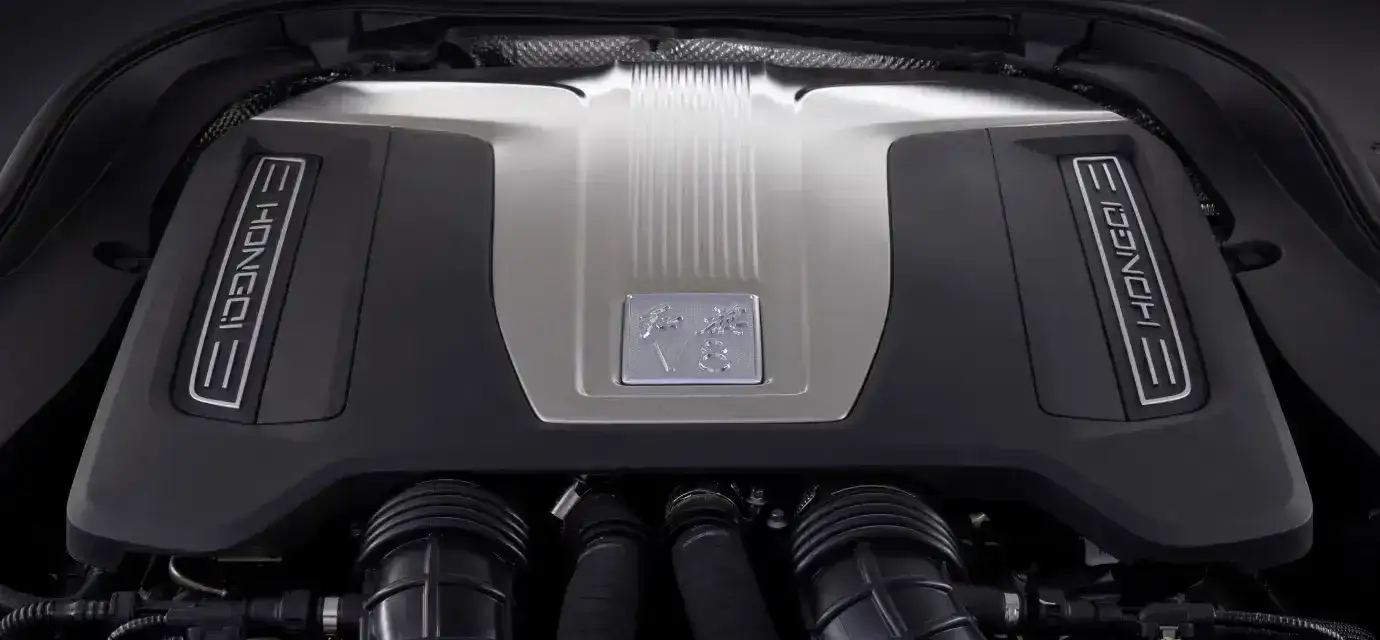
Hybrid V6 and V8 power define the Guoya’s character
The entry Guoya uses a 3.0-liter turbocharged hybrid V6 delivering 280 kW (380 hp) and 570 Nm (420 lb-ft). Buyers stepping into the Imperial specification get a 4.0-liter turbocharged hybrid V8 with 350 kW (476 hp) and 680 Nm (501 lb-ft). Both versions send power to all four wheels through an eight-speed automatic transmission. The V8’s claimed 0-100 km/h time of 4.5 seconds is notable because this is not a lightweight performance sedan chasing Nürburgring credibility. It is a full-size luxury flagship engineered to move mass with silence and authority, exactly the same formula that has long defined top-end German and British chauffeur cars.
That makes the Guoya particularly interesting in the current luxury market. While EV-led prestige is accelerating globally, Hongqi is still betting that traditional long-hood presence, multi-cylinder combustion, and hybrid assistance remain compelling in regions where formal luxury matters more than software theater. That same tension can be seen in how legacy premium brands are repositioning their flagships, as discussed in BMW 7 Series Facelift Reveals the Real Luxury War.
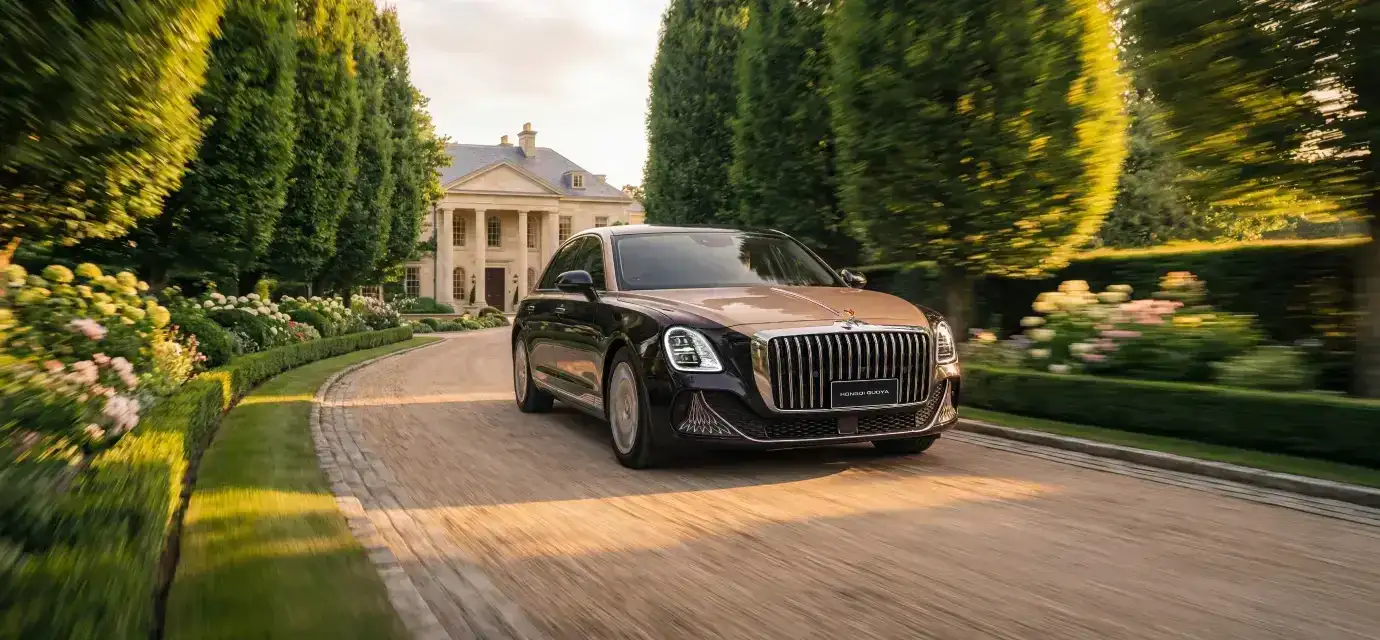
The price shock is bigger than the product change
The Guoya’s export move matters because Russia has become one of the most important external markets for Chinese automakers after Western brands scaled back their official presence. Yet this is not a mass-market play. At up to 31.7 million rubles, the Guoya sits in a rarefied bracket where buyers expect more than leather and equipment. They expect status, provenance, and insulation from compromise. Hongqi’s challenge is that, outside China, it does not yet have the inherited prestige of Rolls-Royce, Bentley, or Mercedes-Maybach, even if the car’s visual language deliberately references that world.
That said, Russia is one of the few markets where the equation may still work. In an environment reshaped by sanctions, import channels, and a narrowed luxury landscape, brand substitution becomes easier when the hardware is convincing and availability matters more than heritage. The Guoya arrives as part of that recalibration. It is expensive not only because of the vehicle itself, but because of the cost and complexity of placing a Chinese flagship into a market now operating under unusual commercial conditions.

Rear-seat luxury is the Guoya’s strongest argument
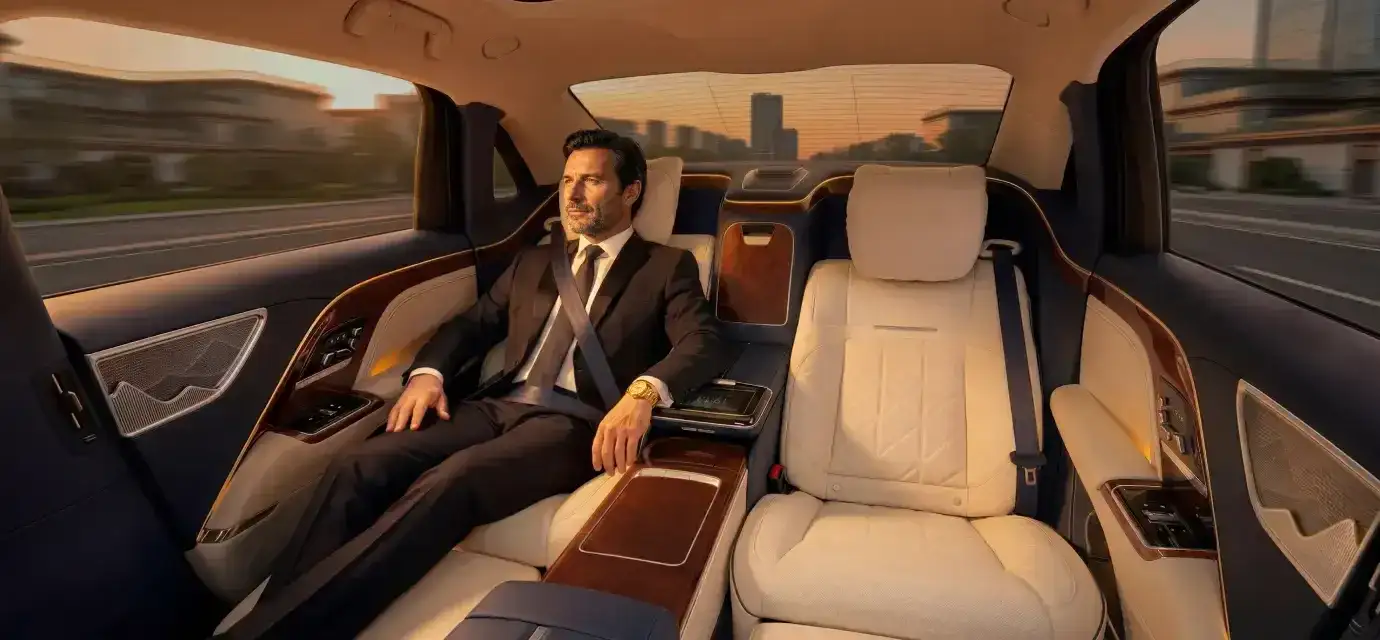
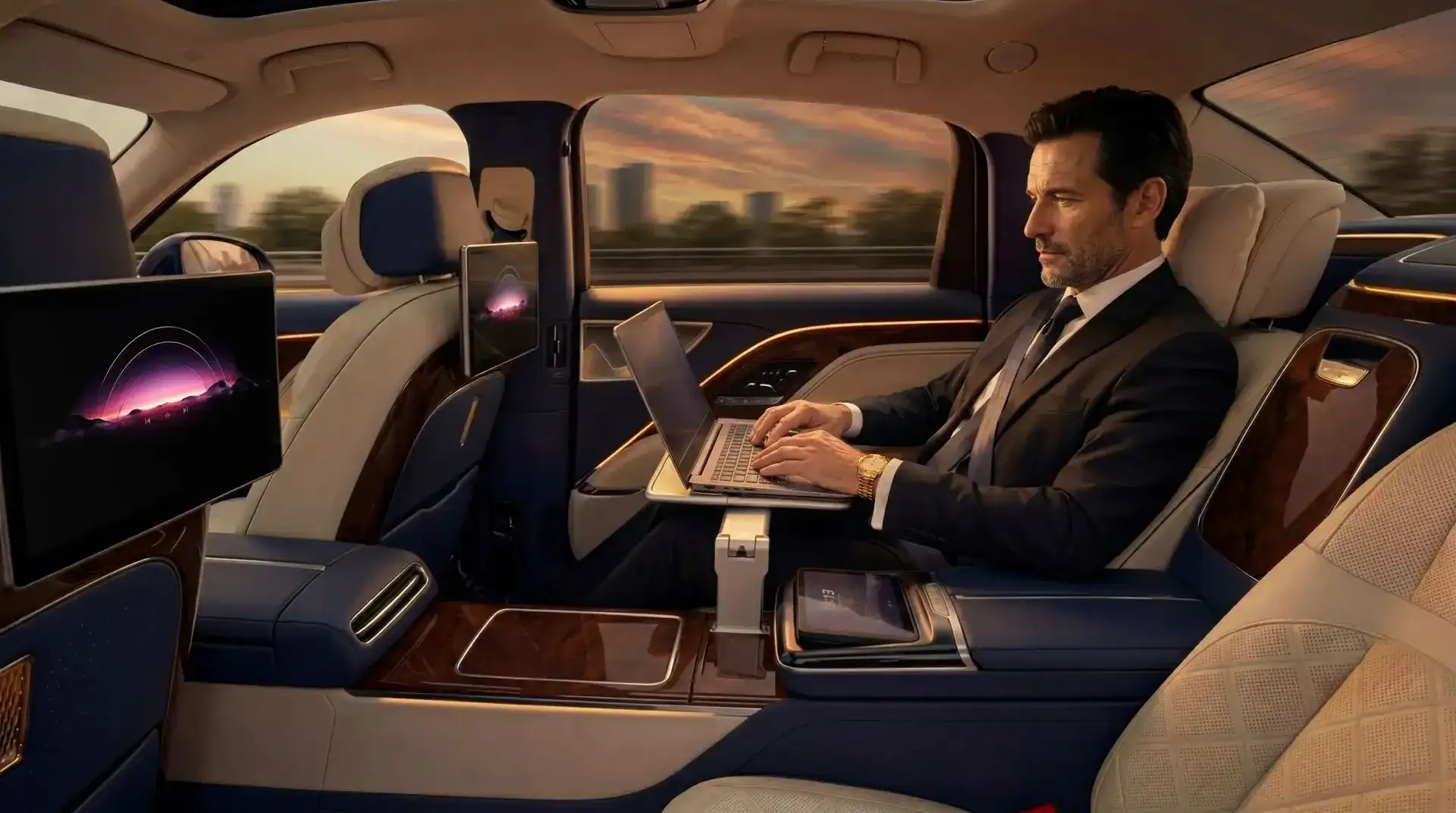
The second row is where Hongqi is making its clearest pitch. The Guoya offers two individual rear captain’s chairs with heating, ventilation, massage, and reclining functionality. Those are not decorative luxury checkboxes; they are core features in a car designed to be used with a driver. A 32-speaker audio system, sunroof, and broad application of leather and Alcantara reinforce that this is a limousine first and a driver’s car second.
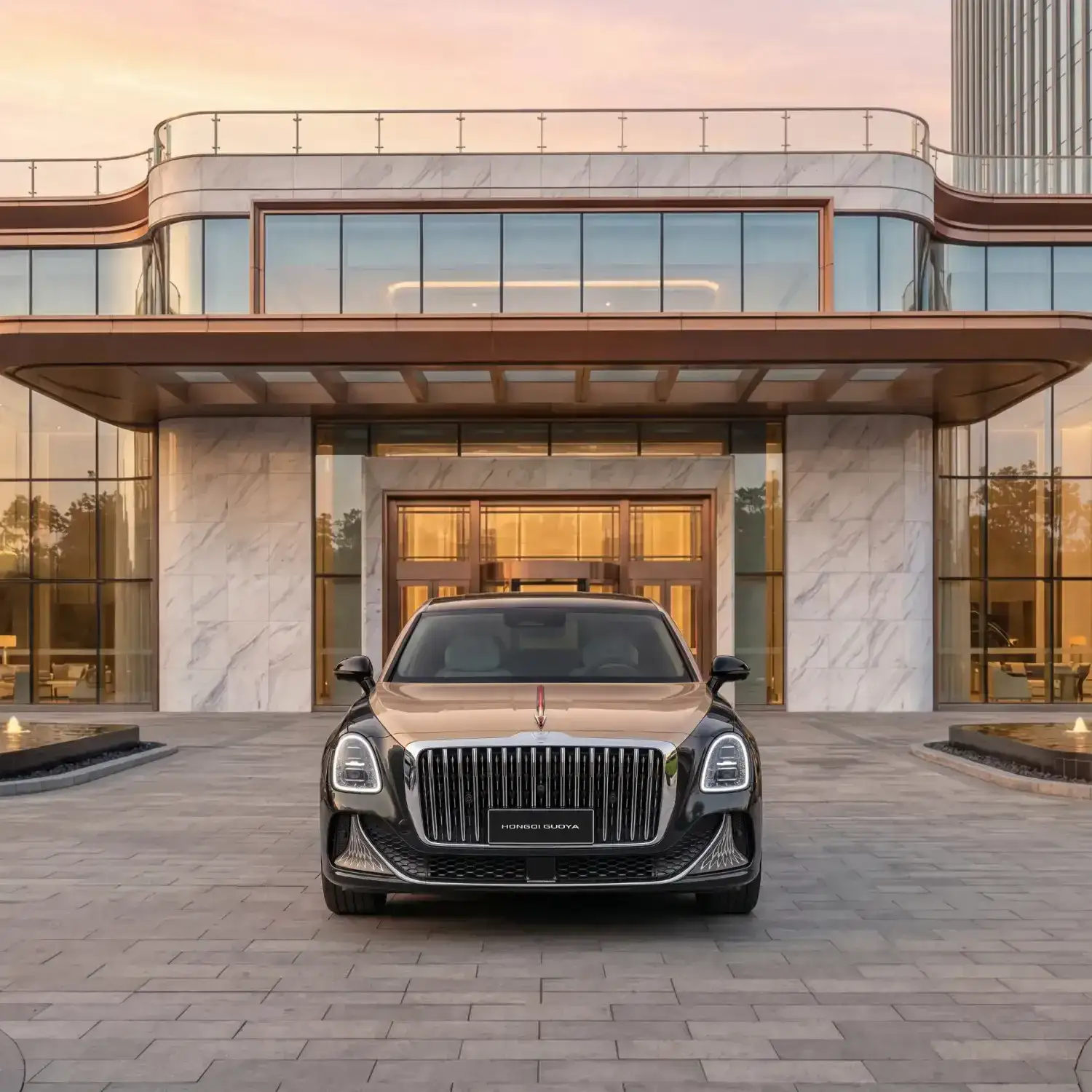
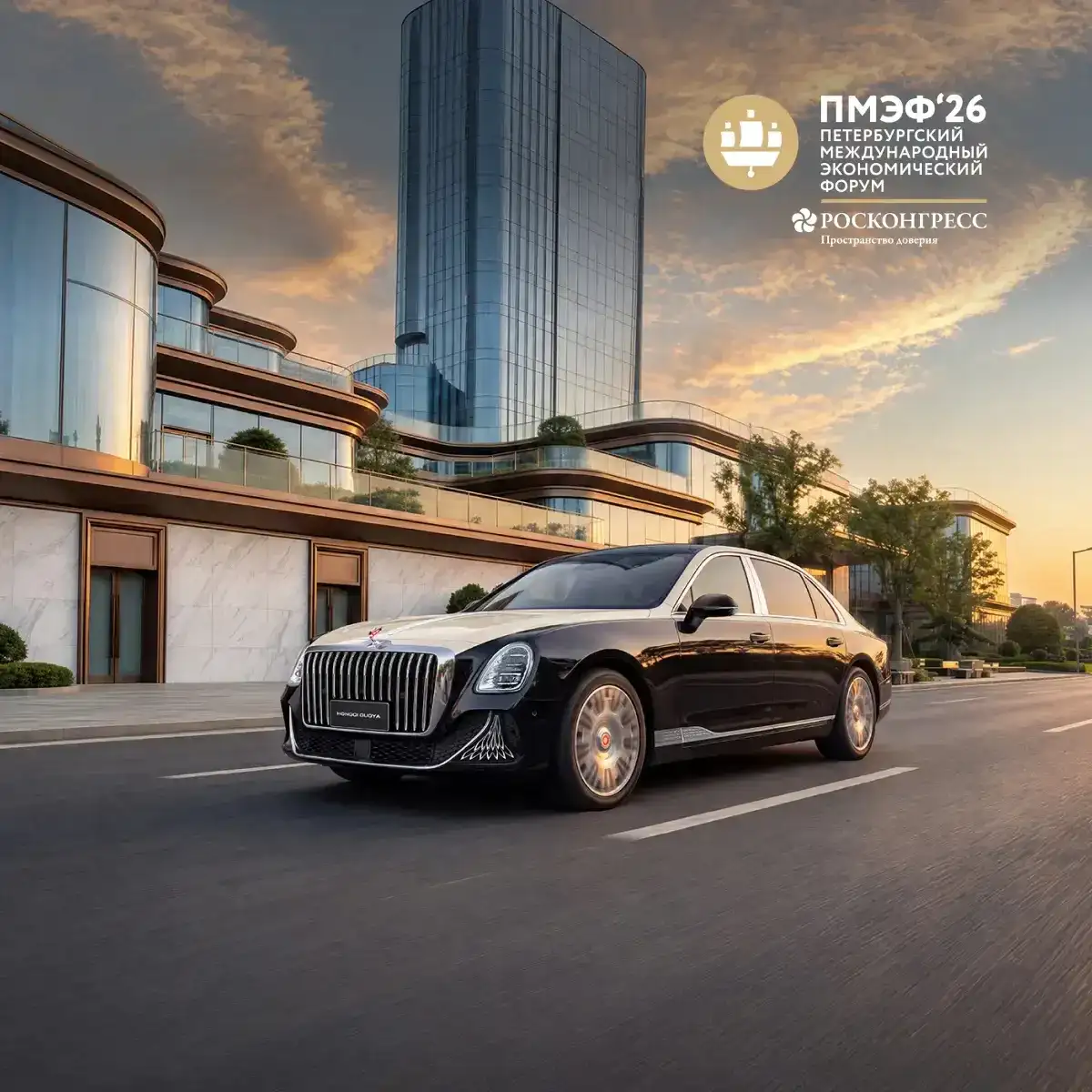
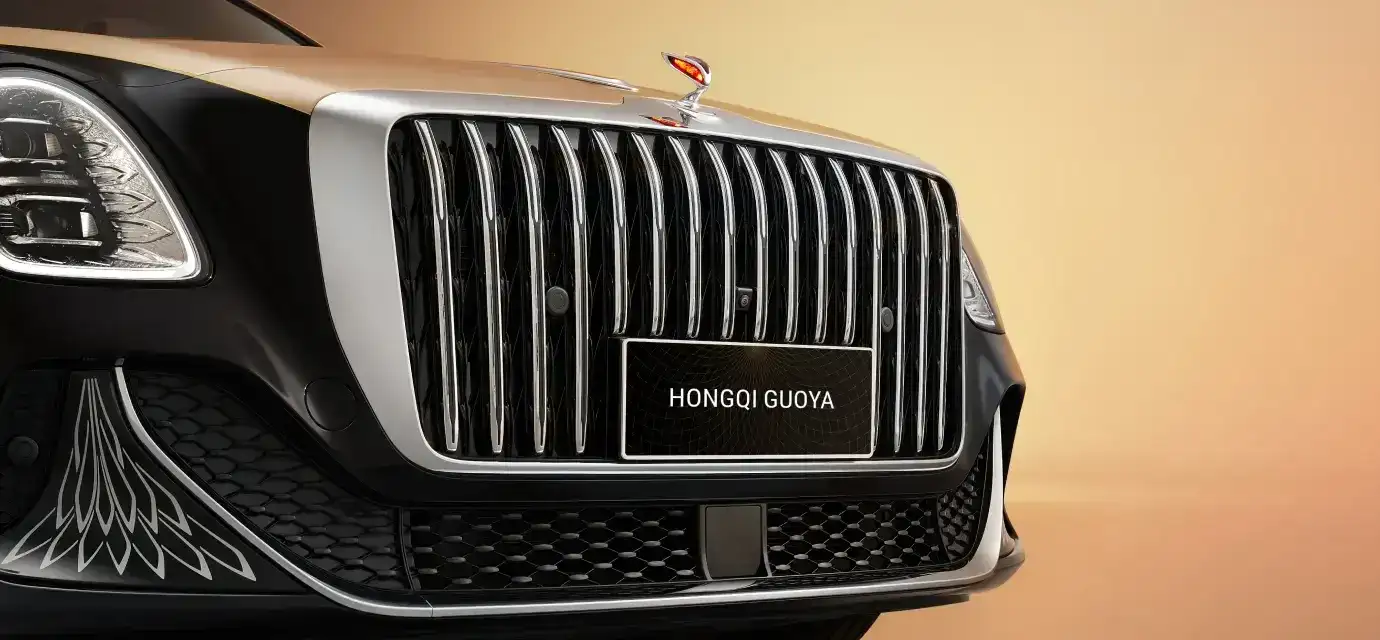
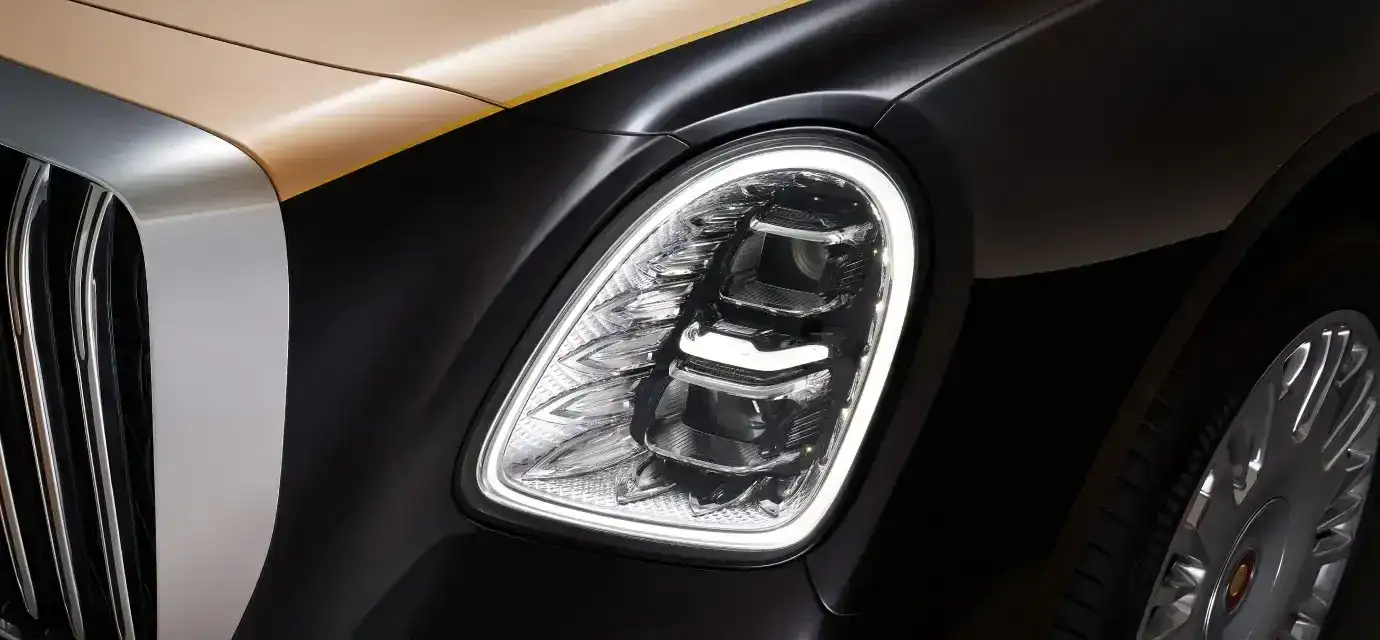
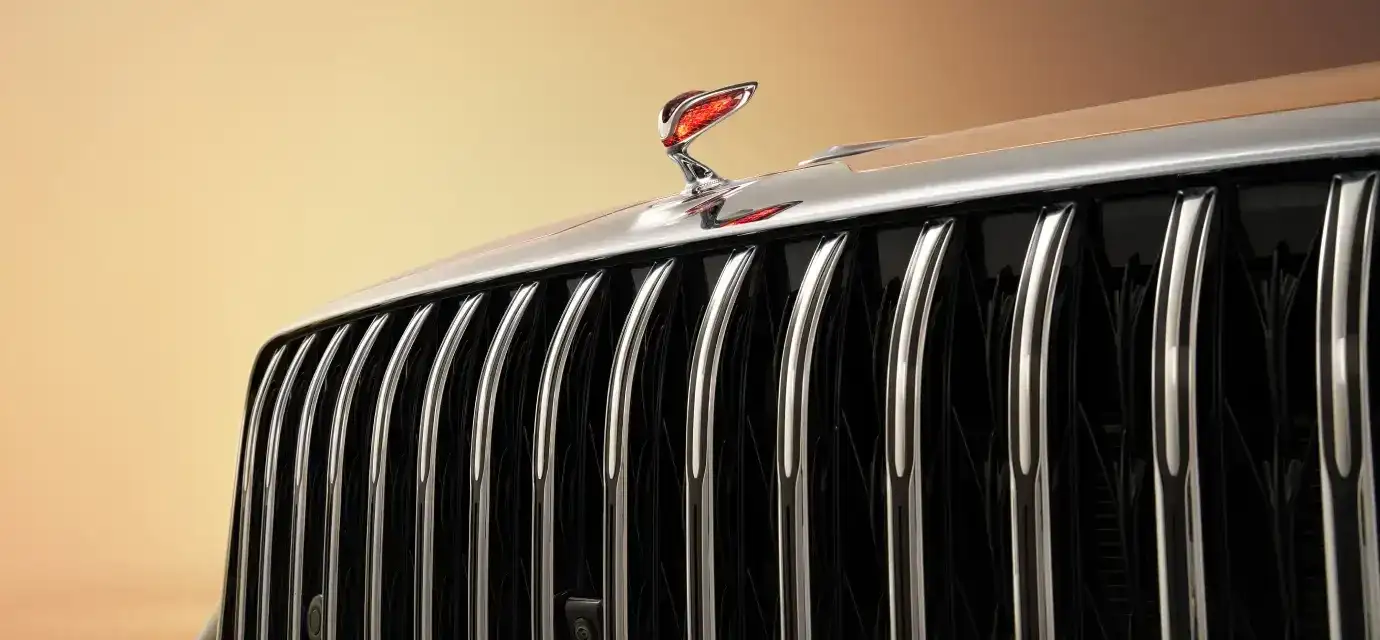
The design remains chrome-heavy, with a large upright grille and formal proportions that project old-school gravitas rather than streamlined modern minimalism. In that sense, the Guoya’s philosophy aligns more closely with traditional Asian executive sedans than with the minimalist lounge aesthetic now favored by some EV luxury rivals. There is an interesting parallel in how other Asian premium sedans are rethinking the formula, particularly in LEXUS ES Shown at Shimoyama With a Crucial Twist.
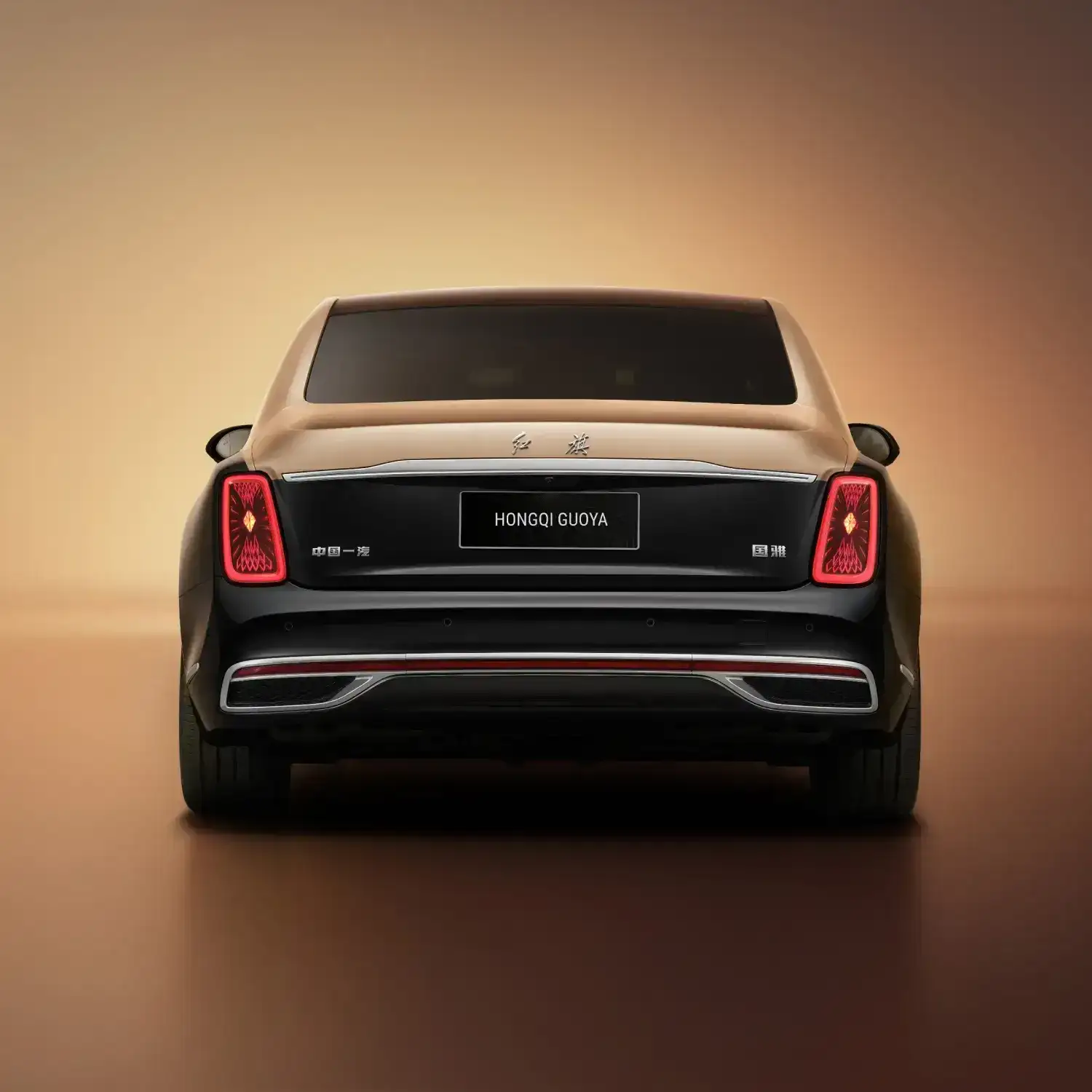
Why this Russia launch matters beyond one sedan
The Guoya’s arrival is not just another export headline. It is evidence that Chinese luxury manufacturers are becoming more willing to test high-margin, high-visibility products outside their domestic market, even when volumes will be tiny. The technical formula is conservative by 2026 standards, but deliberate: hybridized six- and eight-cylinder power, AWD, and a deeply appointed cabin. That combination lowers risk in a market where charging infrastructure, winter conditions, and chauffeur expectations still favor combustion-backed drivetrains.
If Hongqi can establish credibility with the Guoya in Russia, it gains something more important than immediate sales: proof that Chinese premium brands can sell aspiration, not merely affordability. The near-doubling in price will remain the headline, but the strategic significance lies in Hongqi testing whether luxury identity can travel as successfully as Chinese manufacturing scale already has.





FAQ
Why is the Hongqi Guoya so much more expensive in Russia than in China?
The large gap likely reflects import logistics, taxation, distribution costs, low-volume positioning, and the unusual structure of Russia’s current vehicle import market. The published information does not indicate major hardware upgrades for Russia that would alone justify the increase.
What engines are offered in the Russian-market Hongqi Guoya?
Russia gets two hybrid powertrains: a 3.0-liter turbocharged V6 with 280 kW (380 hp) and 570 Nm, and a 4.0-liter turbocharged V8 with 350 kW (476 hp) and 680 Nm. Both use all-wheel drive and an eight-speed automatic transmission.
How quick is the Hongqi Guoya Imperial V8?
Hongqi states that the Imperial V8 can accelerate from 0-100 km/h in 4.5 seconds, which is strong performance for a large luxury limousine focused primarily on comfort and rear-seat experience.
What makes the Guoya a true flagship rather than just a large sedan?
Its flagship credentials come from its formal design, hybrid six- and eight-cylinder drivetrains, all-wheel drive, and especially its rear cabin, which includes individual heated, ventilated, massaging, reclining seats and a 32-speaker audio system.
Is the Russian-market Hongqi Guoya different from the Chinese model?
Based on the available information, there are no notable design or specification changes highlighted for Russia. The main difference is the much higher local pricing and the market context in which the car is being sold.