
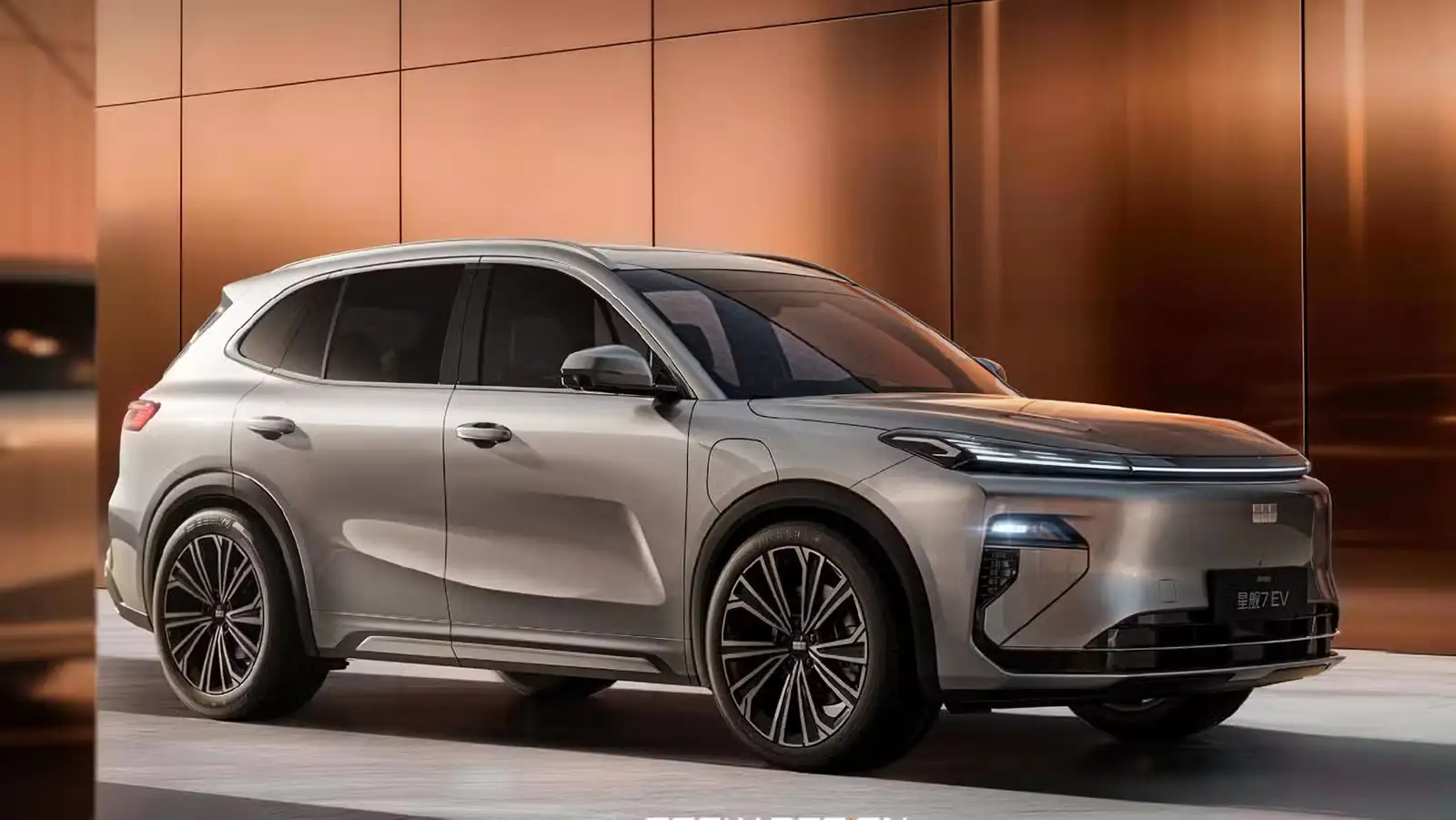
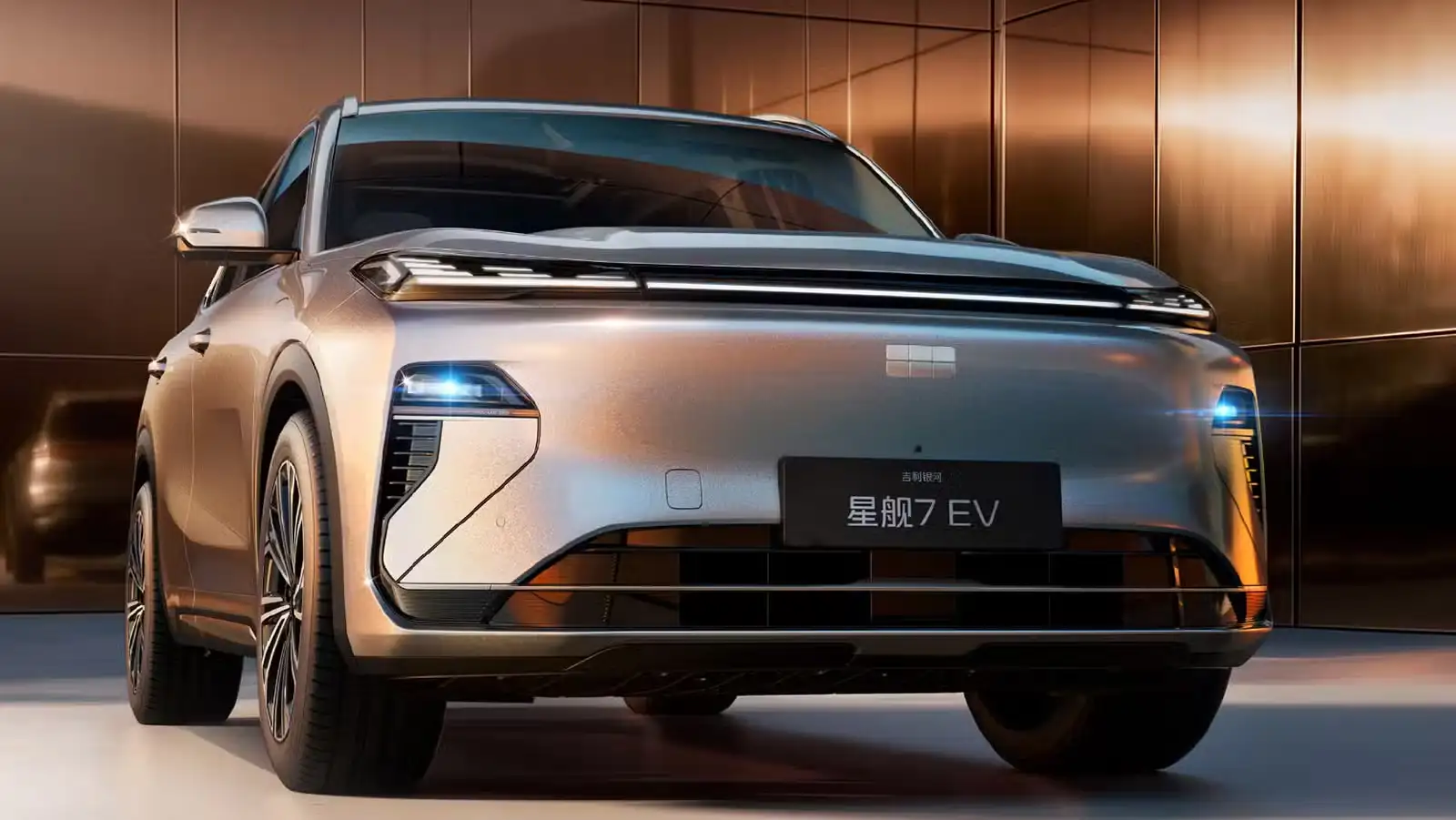
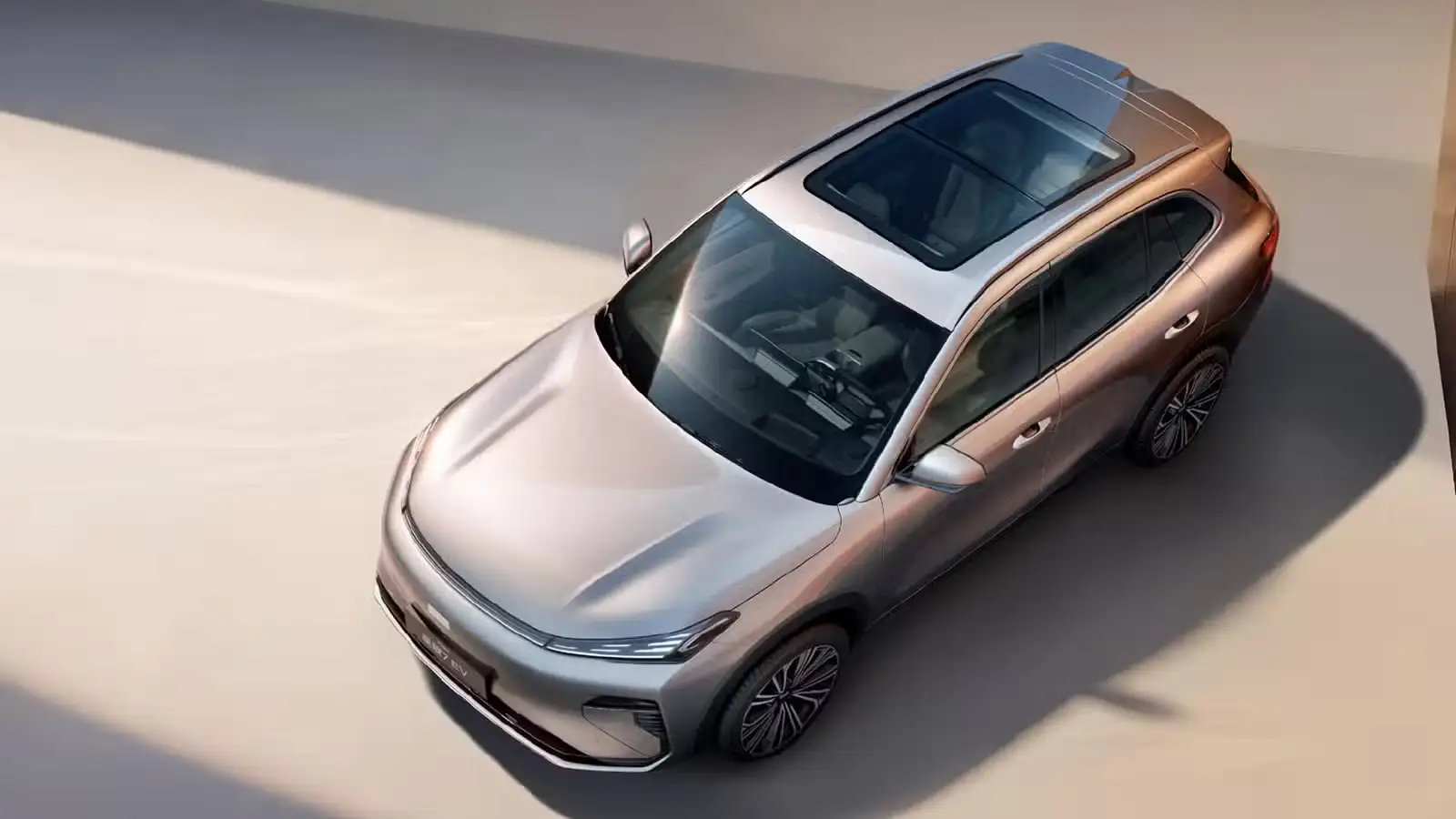
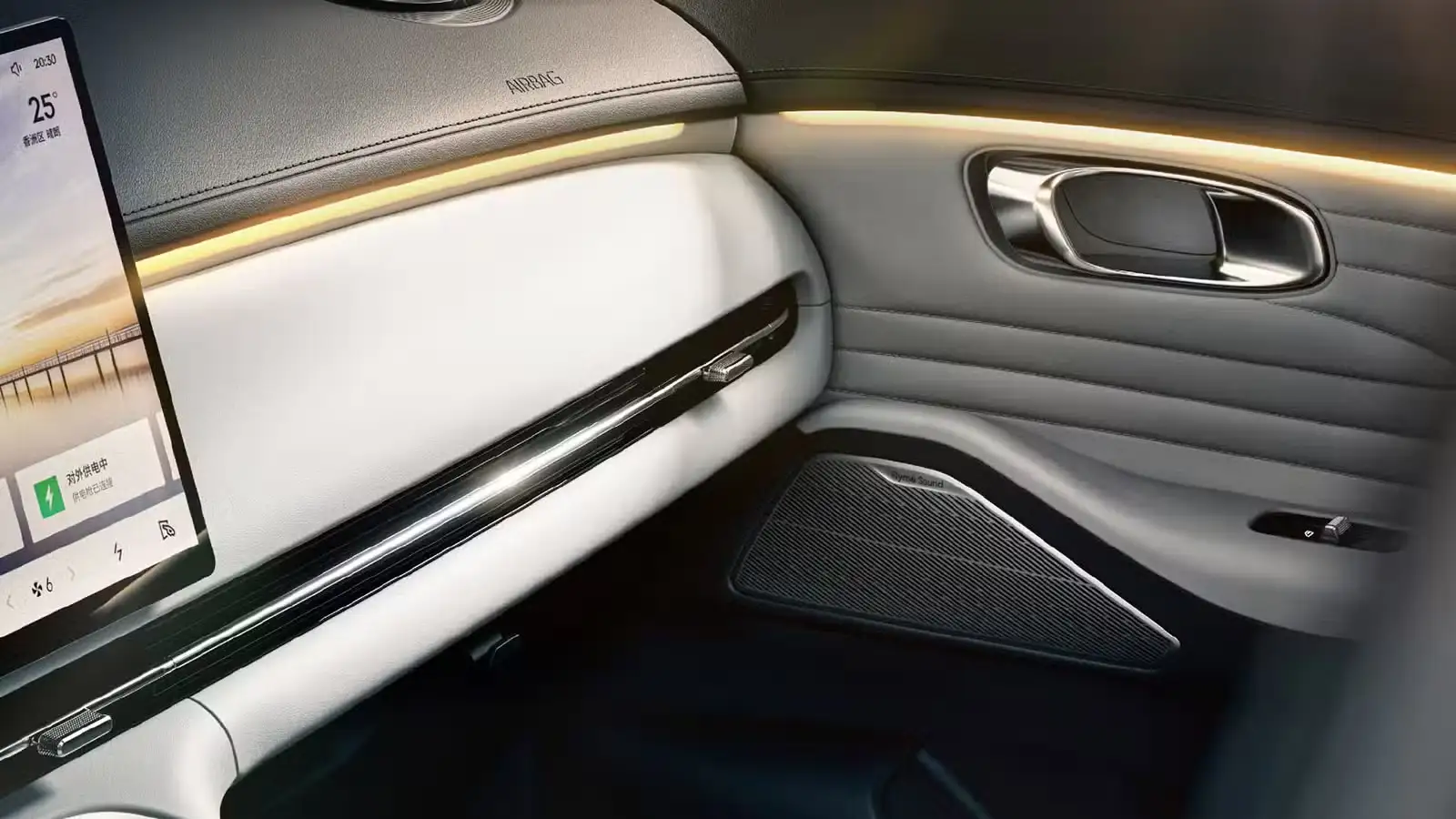
Geely Galaxy has officially teased the Starship 7 EV, a pure-electric variant of its popular compact SUV, confirming a maximum CLTC range of up to 605 km and a front-mounted single-motor layout delivering 160 kW (215 hp) and approximately 300 Nm of torque. The move signals Geely’s intent to take on BYD directly in the mass-market family SUV segment with a dual-powertrain assault—plug-in hybrid and now full battery-electric—under the same nameplate.
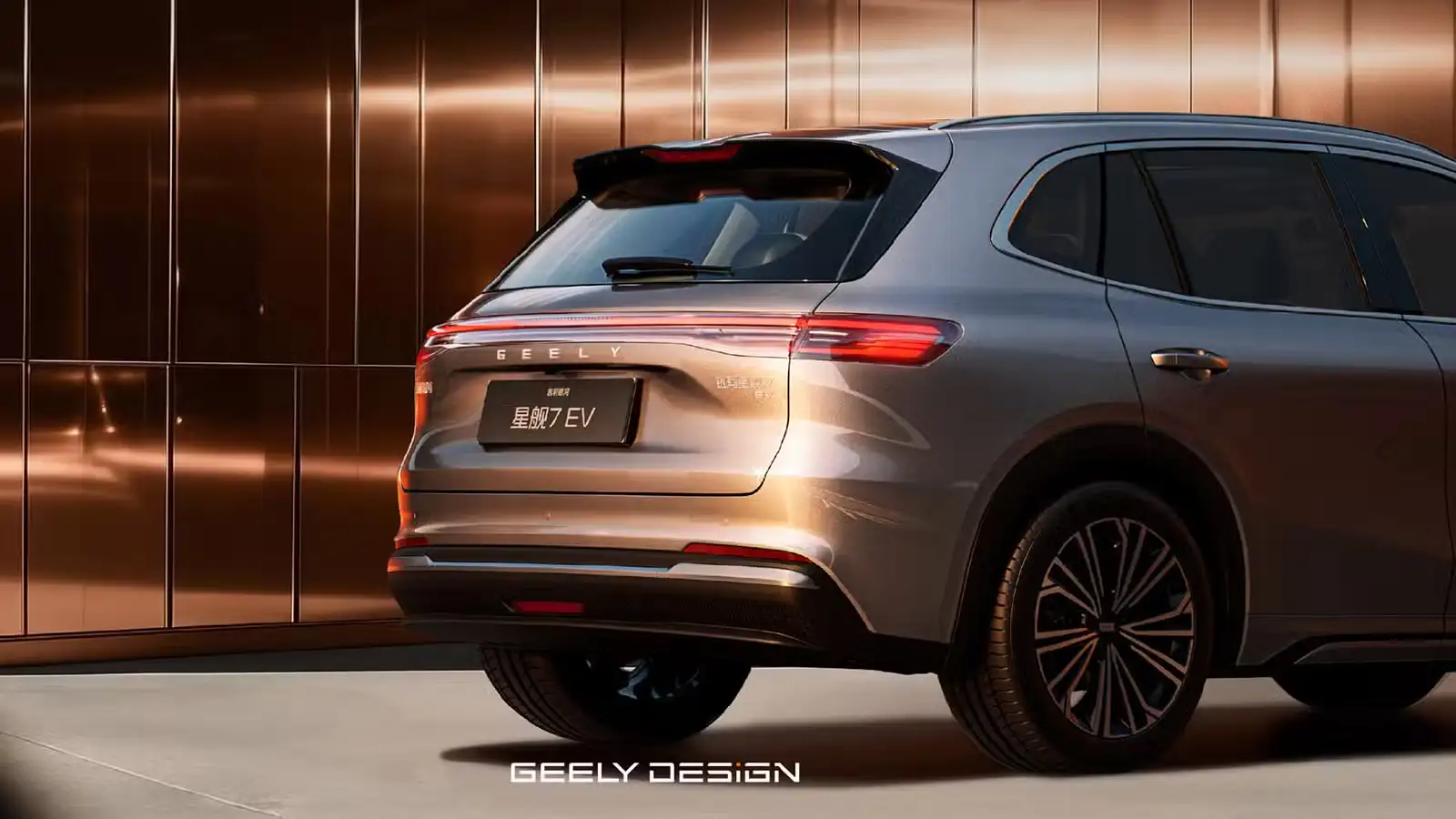
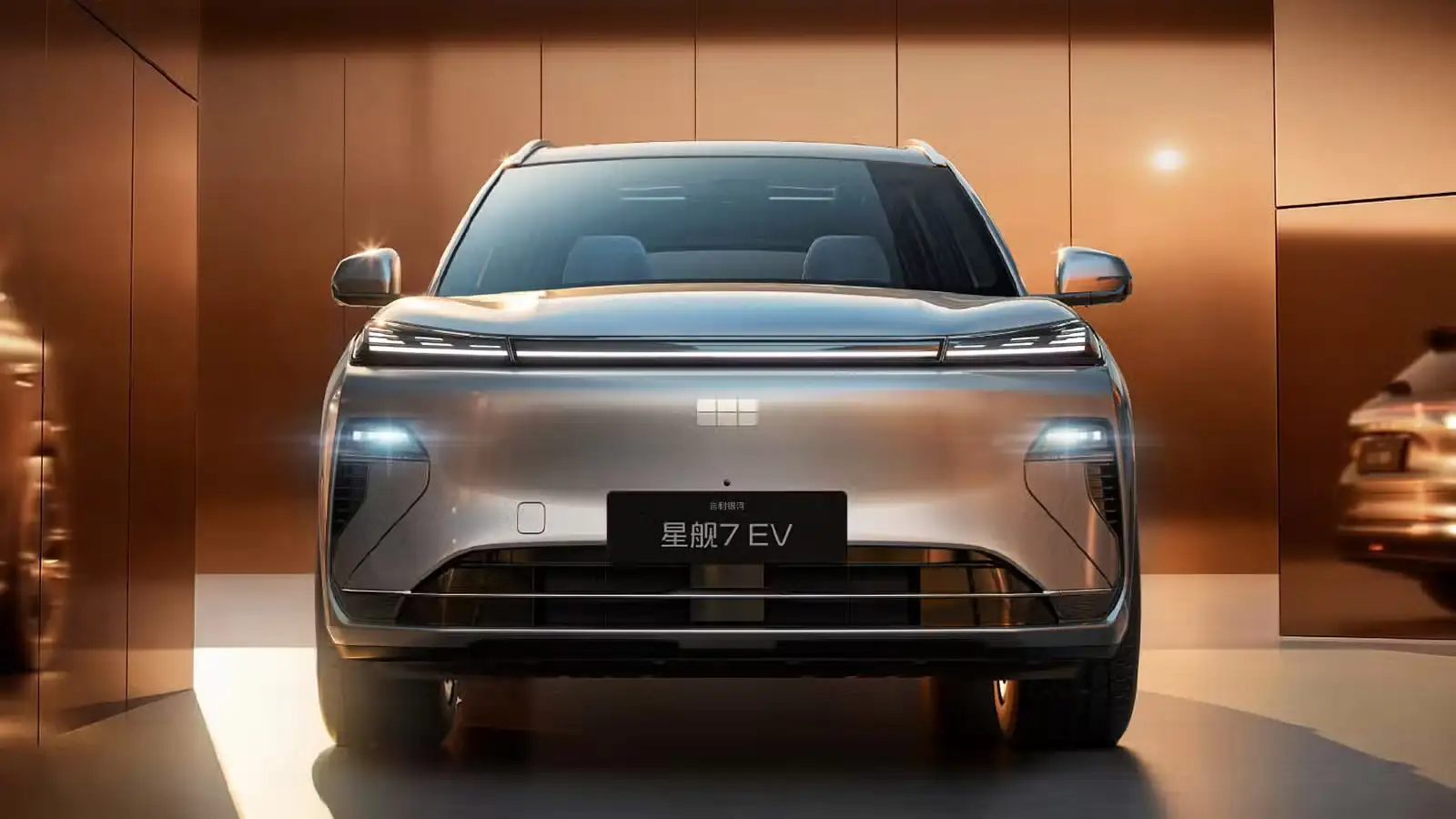
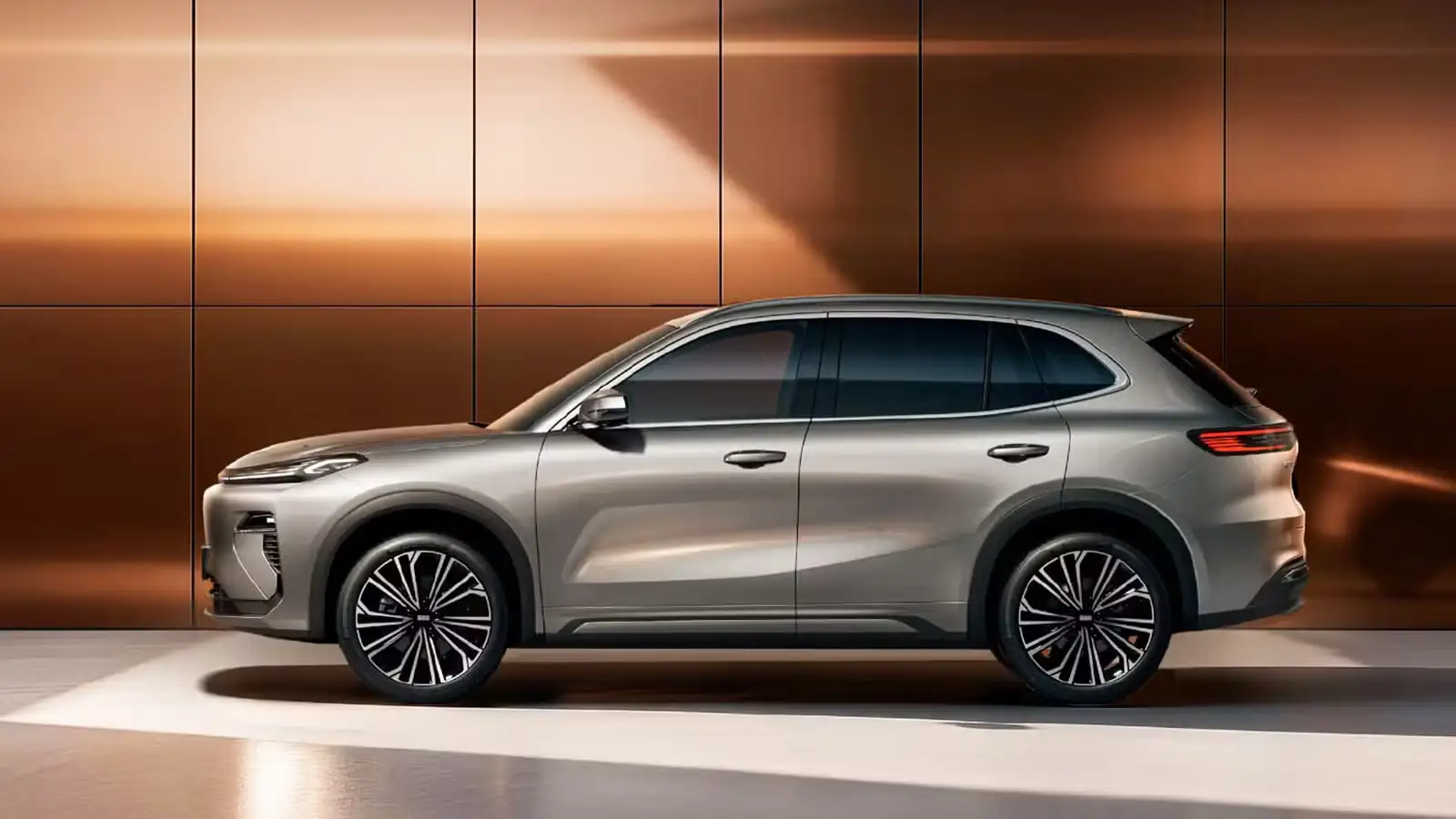
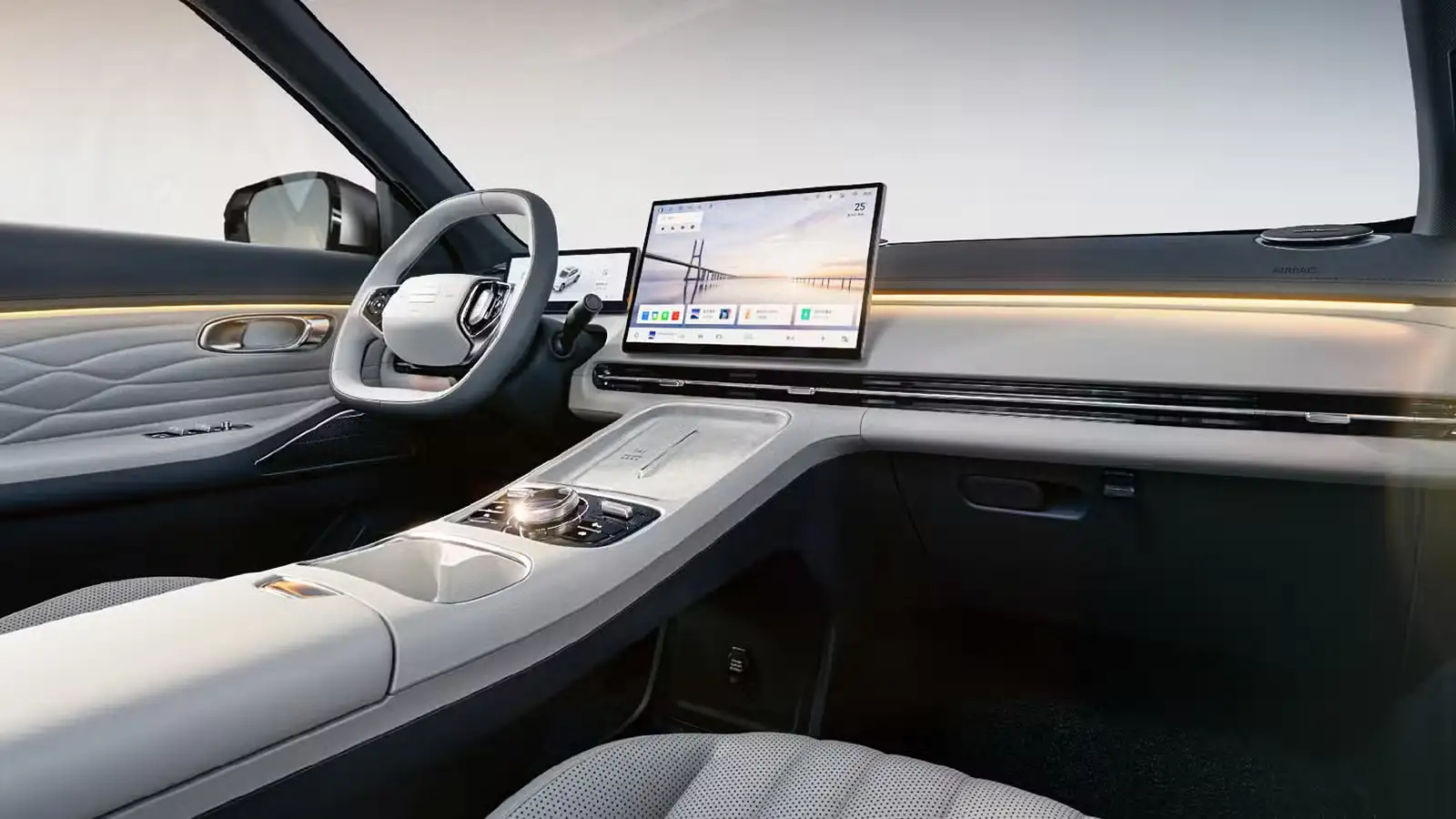
Shared via Weibo on April 29, 2026, the first official images reveal a design closely mirroring the Starship 7 EM-i hybrid launched in November 2025, but with a closed-off front grille typical of EVs. The dimensions remain identical: 4,740 mm length, 1,905 mm width, 1,685 mm height, and a 2,755 mm wheelbase—placing it in direct competition with the BYD Yuan Plus (Atto 3) and the forthcoming Sealion 05.
| Specification | Value |
|---|---|
| Length / Width / Height | 4,740 / 1,905 / 1,685 mm |
| Wheelbase | 2,755 mm |
| Motor Layout | Front-mounted, single motor |
| Max Power | 160 kW (215 hp) |
| Peak Torque | ~300 Nm (~221 lb-ft) |
| Battery Options | 60.2 / 68.39 kWh |
| CLTC Range | Up to 605 km |
Battery Choices and Performance Reality
Two battery packs are confirmed: a 60.2 kWh entry-level unit and a larger 68.39 kWh pack, both likely using LFP (lithium iron phosphate) chemistry to keep costs low. The 605 km range (CLTC) is almost certainly achieved with the bigger pack. In real-world highway driving, expect around 480–520 km—still competitive for the compact EV SUV class. The motor’s 160 kW output positions it slightly below the BYD Yuan Plus’s 150 kW (201 hp) front motor but with comparable torque.
Geely has not yet disclosed charging speeds, but based on the platform shared with the EM-i hybrid and the brand’s recent Geely Galaxy M7 launch (limited-time price of ¥109,800), DC fast charging at 100–150 kW is plausible. The Starship 7 EV’s sibling, the Starship 7 EM-i PHEV, starts at just ¥95,800 after discounts—an aggressive signal for the EV version’s pricing.
Why Pricing Matters More Than Range
The Starship 7 EM-i’s discounted starting price of ¥95,800 ($14,010) sets a brutal benchmark. If Geely prices the EV version similarly—or within ¥10,000 of that figure—it will undercut almost every compact electric SUV in China, including the BYD Yuan Plus (starting around ¥120,000). Geely sold 233,031 vehicles in March 2026, but its BEV sales fell 18% year-on-year while PHEV sales surged 70%. The Starship 7 EV is clearly meant to reverse that BEV decline.
Expect the Starship 7 EV to launch with a limited-time “introductory price,” mimicking the Galaxy M7 strategy. This could force BYD to respond with further cuts on the Yuan Plus and the newly launched Sealion 05, which offers 630 km range and flash charging at a higher price point. The Starship 7 EV’s 605 km range might be enough to convince price-sensitive families, especially if the price lands near ¥99,800.
FAQ: What Buyers Need to Know
Will the Starship 7 EV be sold outside China?
Geely has not confirmed export plans, but given that the Starship 7 EM-i is already sold in markets like Brazil (as the Geely EX5 EM-i with 112 km EV range), an international launch for the EV version is likely. Expect right-hand drive versions for Southeast Asia and possibly Europe under different brand names.
How does it compare to the BYD Yuan Plus (Atto 3)?
The Starship 7 EV is slightly larger (4,740 mm vs 4,455 mm) and offers up to 605 km range vs the Yuan Plus’s 480 km (CLTC). However, BYD’s model has a more powerful 150 kW motor and proven Blade battery safety. The deciding factor will be price: if Geely undercuts BYD by ¥20,000, the Starship 7 EV becomes the better value.
What is the real-world range likely to be?
With the 68.39 kWh pack and 605 km CLTC rating—which is an optimistic Chinese standard—real-world mixed driving should deliver 450–500 km, and highway range around 380–420 km at 120 km/h. Expect Geely to offer a heat pump as standard to improve cold-weather efficiency.
When is the official launch?
No date was given with the teaser, but industry leaks suggest a Q3 2026 launch, possibly at the Chengdu Motor Show in August or the Beijing Auto Show in September. Pre-sales could start as early as June 2026.