2027 Subaru Solterra Arrives As A Confirmed Carryover, Not A Revolution
The 2027 Subaru Solterra enters the market as a carryover after the substantial 2026 update, and that is the most important detail to understand before comparing trims, range, or charging. Subaru has already done the heavy lifting with the 2026 makeover: the Solterra gained a standard NACS port, a peak DC charging rate of 150 kW, and a more powerful XT variant producing 338 hp from dual permanent-magnet synchronous AC motors. For 2027, the formula stays intact, which means buyers are looking at an electric crossover that still leans on Subaru values like standard AWD, practical packaging, and off-road software rather than a brand-new platform story. If you want the broader market context, the Solterra’s lane is being squeezed from both sides by sharper EV crossovers such as the BMW i5 2027 Makes a Silent Case for Real BMW Pace and the more value-driven end of the segment.
The XT Powertrain Is The Real News, Even If 2027 Brings No New Hardware
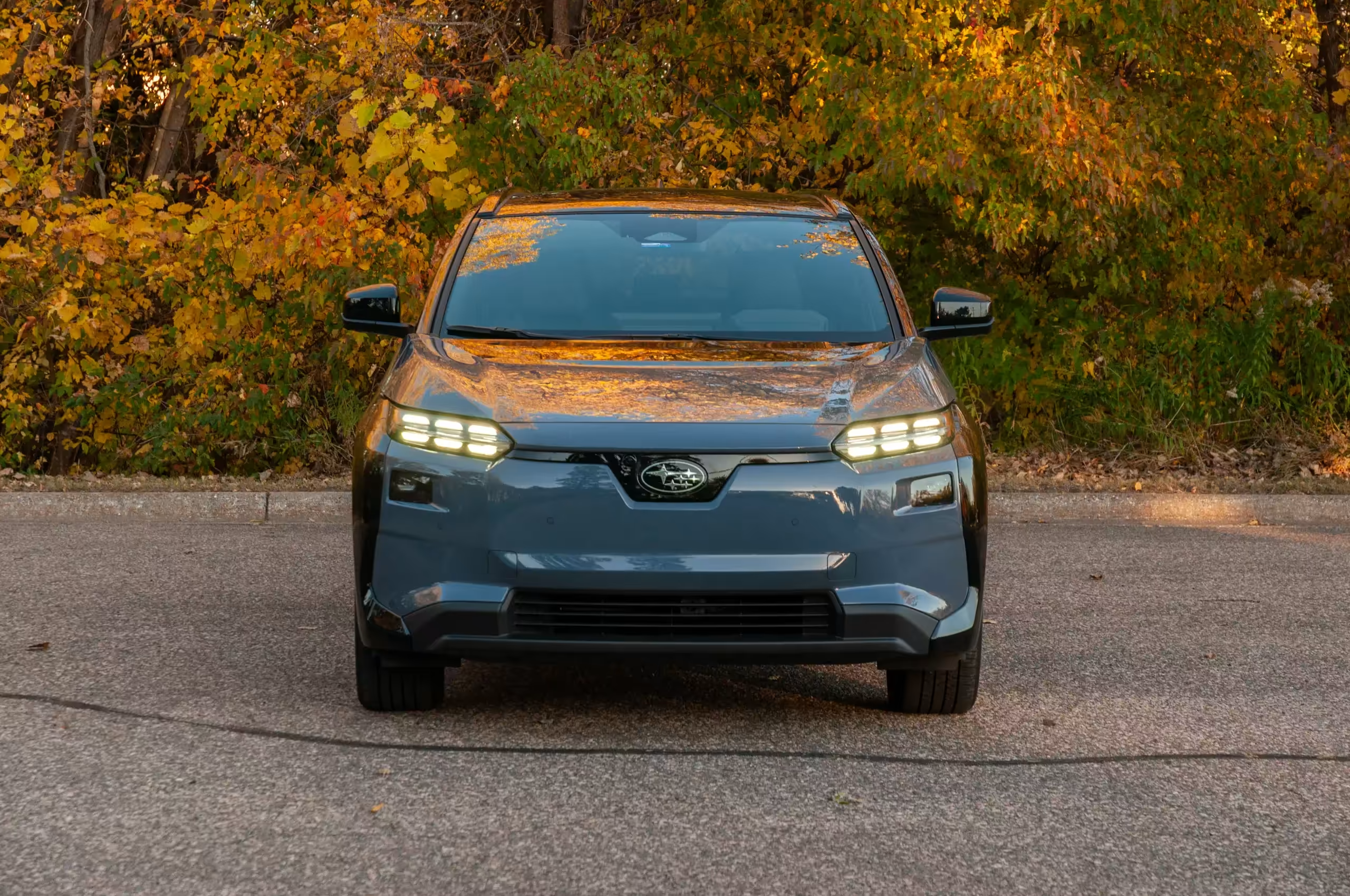
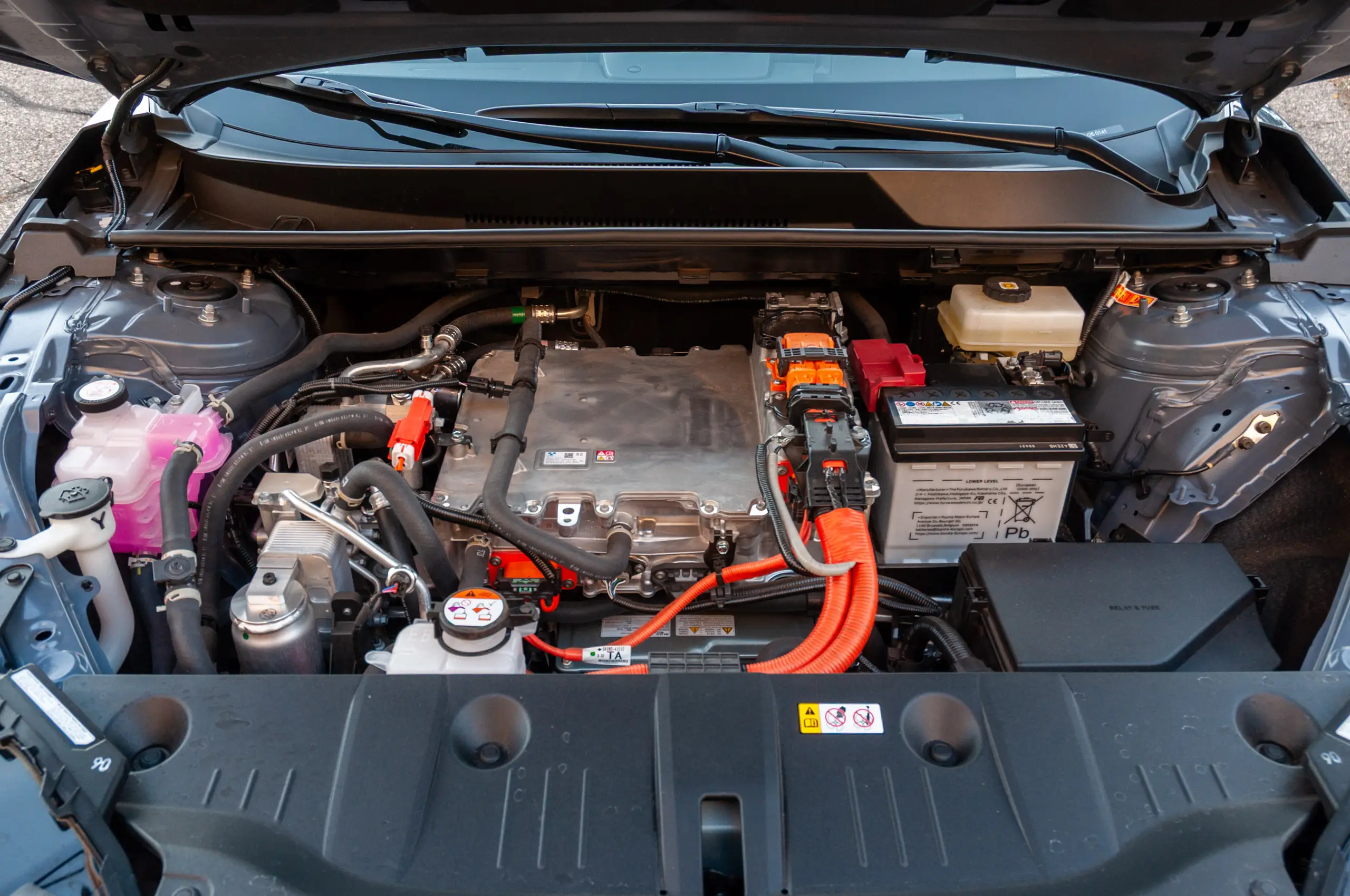
Subaru offers two dual-motor calibrations, and the XT is the one that changes the character of the vehicle. The standard setup makes 233 hp, while the XT raises output to 338 hp, or 252 kW, and cuts the 0–60 mph run to 4.3 seconds in Car and Driver testing. That makes the XT quicker than the WRX in a straight line and, more importantly, the quickest Subaru the publication has instrumented. The hardware remains calm rather than dramatic: front and rear motors, direct-drive transmission, and a liquid-cooled 67 kWh lithium-ion battery. The consequence is instant torque without the kind of edgy chassis tuning that would alienate Subaru loyalists.
On paper, the Solterra XT’s 101 mph governed top speed and 13.0-second quarter mile at 101 mph are not superlative in the EV world, but they are more than adequate for daily use. The more telling comparison is composure: the Solterra stays relaxed rather than frenetic, and even the stronger tune does not turn it into a performance crossover with a chip on its shoulder. For readers weighing speed against usability, the Solterra XT is the kind of electric SUV that makes more sense when viewed alongside the 2027 Toyota C-HR 338HP EV, because the two share the same basic truth: clever dual-motor packaging can deliver real acceleration without moving into premium-brand pricing.
Range And Charging Still Define The Solterra’s Ceiling
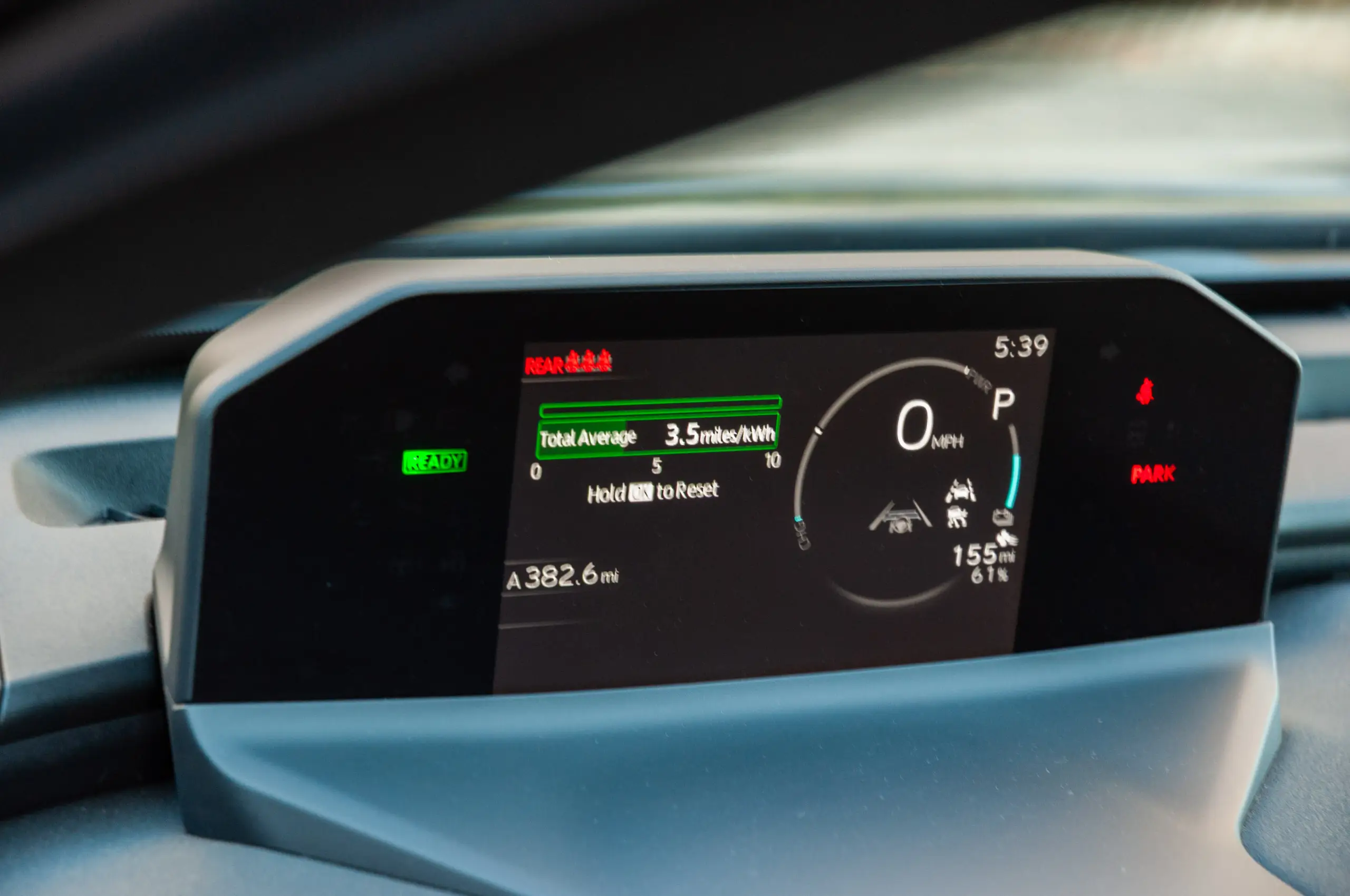
The 2027 Solterra’s biggest weakness is unchanged and easy to quantify: EPA range is 288 miles for the base model and 278 miles for the XT. Those numbers are respectable, but not enough to dominate a segment where several competitors now push past 300 miles. The charging story is better than before the refresh, because 150 kW DC fast charging is a meaningful step up from the earlier 100 kW ceiling, and battery preconditioning can be triggered manually or automatically when a charger is entered into navigation. That is the sort of operational detail that matters on real road trips, not just in spec sheets.
Subaru also retains both Level 1 and Level 2 charging support, and the addition of a NACS port broadens the Solterra’s practical charging future in North America. Still, the omission that continues to stand out is the lack of true one-pedal driving that can bring the vehicle to a full stop. The car offers four levels of regenerative braking, but not the full lift-and-go driving style many EV buyers now expect. In that sense, it mirrors the broader compromise seen in many mainstream EVs, unlike some more ambitious offerings such as the Audi Q4 e-tron 2026 Facelift, which leans harder into charging and efficiency headlines.
Chassis Behavior Remains Subaru-Predictable, For Better And Worse
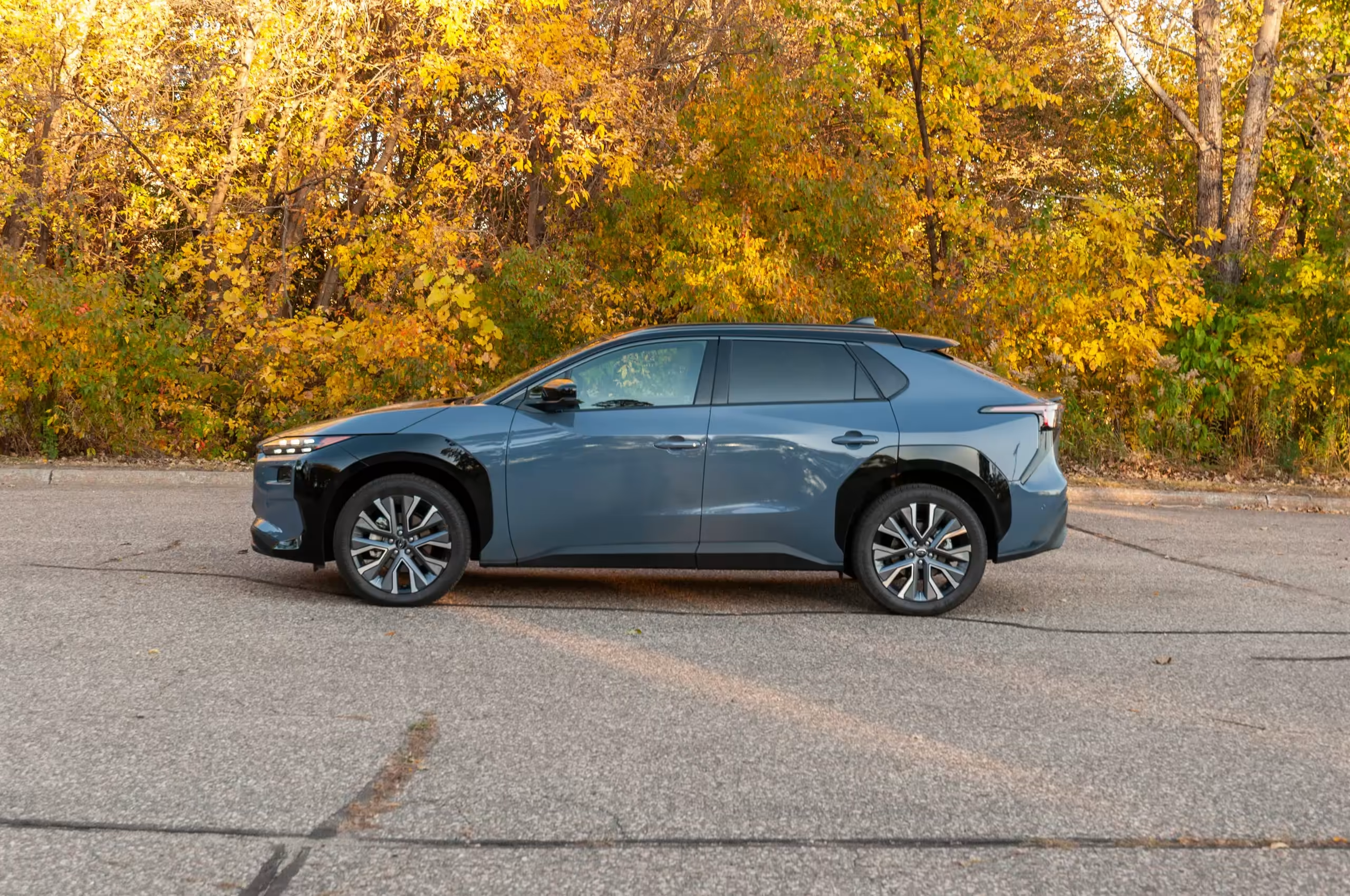
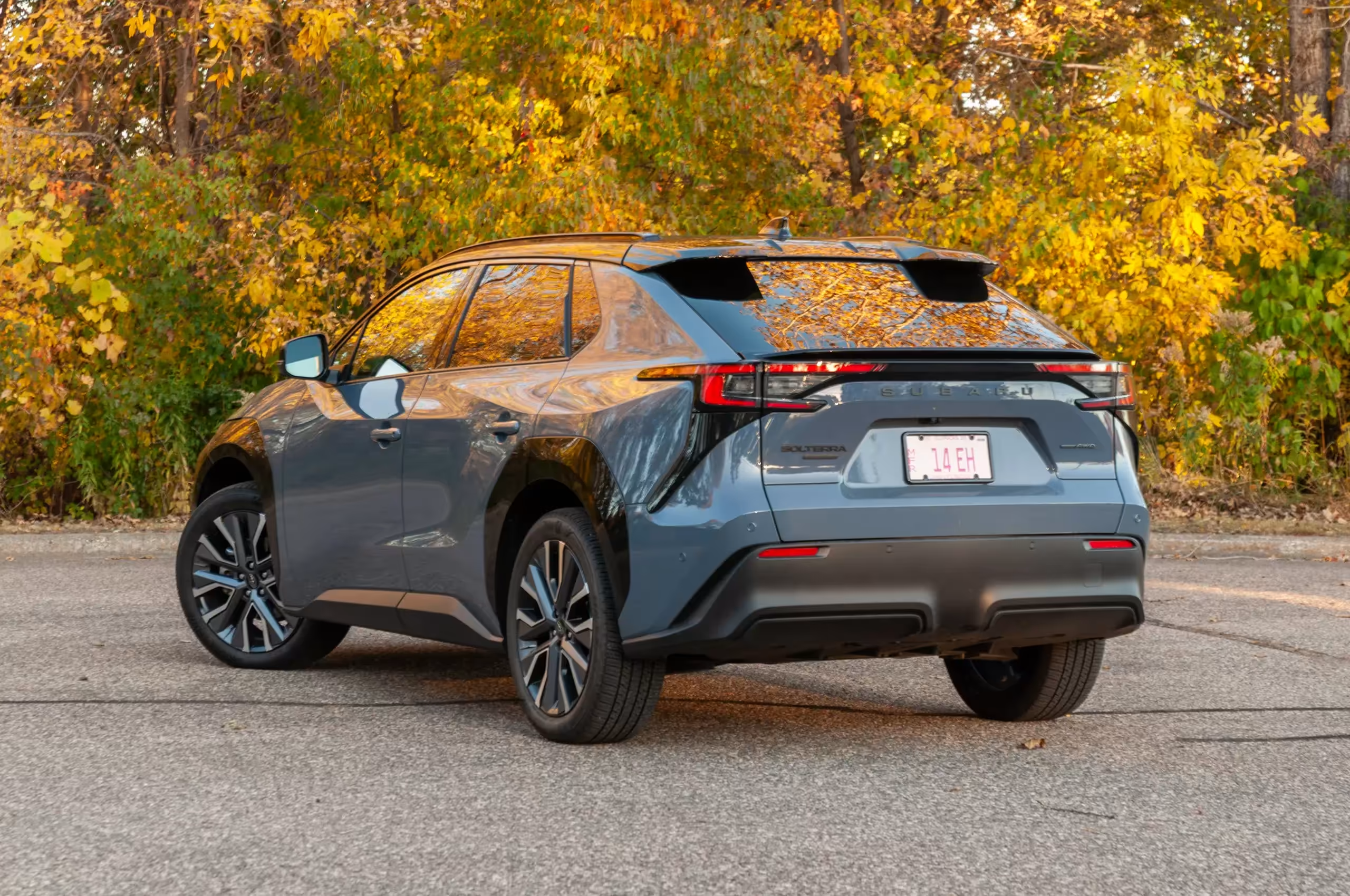
The Solterra’s chassis tuning is designed to prioritize stability and confidence over sharp responses. Subaru uses struts at the front and a multilink rear suspension, with 20-inch wheels on the Limited trim and 235/50R-20 Yokohama Geolandar X-CV G057 E+ tires on the Touring XT shown in the test data. Instrumented braking from 70 mph to zero measures 168 feet, which is acceptable for a 4,499-pound electric crossover but not class-leading. Curb weight is clearly part of the equation, and so is the ride tuning: the XT’s extra output arrives with a firmer setup that some buyers will feel more than they notice in normal commuting.
The off-road software is where Subaru’s identity still pays off. X-MODE, Snow/Dirt, Deep Snow/Mud, Grip Control, and Downhill Assist give the Solterra genuine low-speed utility, not just marketing theater. Those systems will never turn it into a body-on-frame trail rig, but they do make the crossover more credible on winter roads, wet dirt, and gravel grades than many urban-focused EVs. The Subaru Outback remains the better-known reference point for this kind of capability, and the comparison is useful if you are cross-shopping an EV against a gasoline Subaru such as the Honda Pilot vs Pathfinder the Family-SUV Winner You’d Miss because the Solterra is playing in that practical, all-weather space with an electric drivetrain.
The Cabin Is Still One Of The Solterra’s Better Arguments
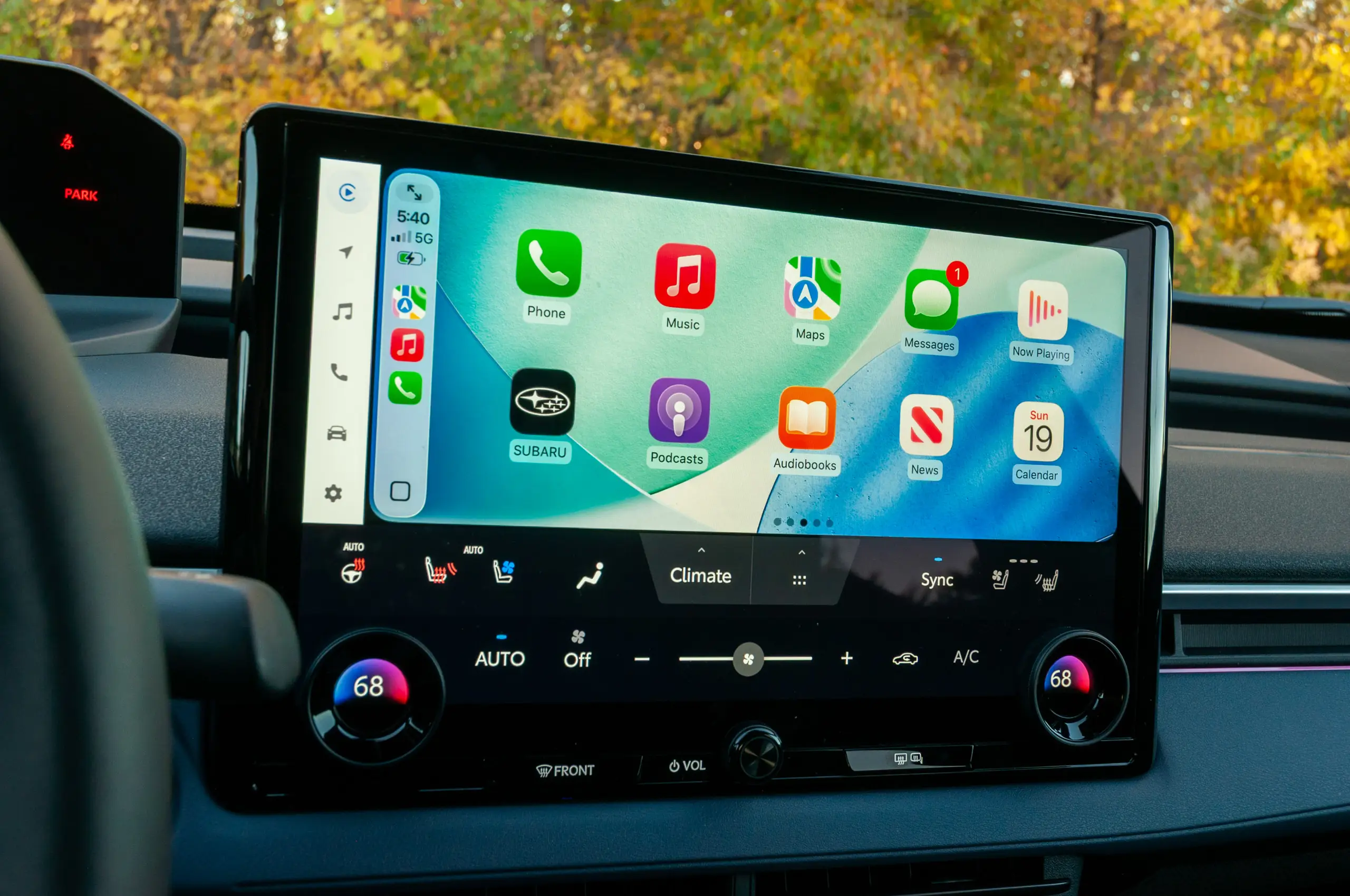
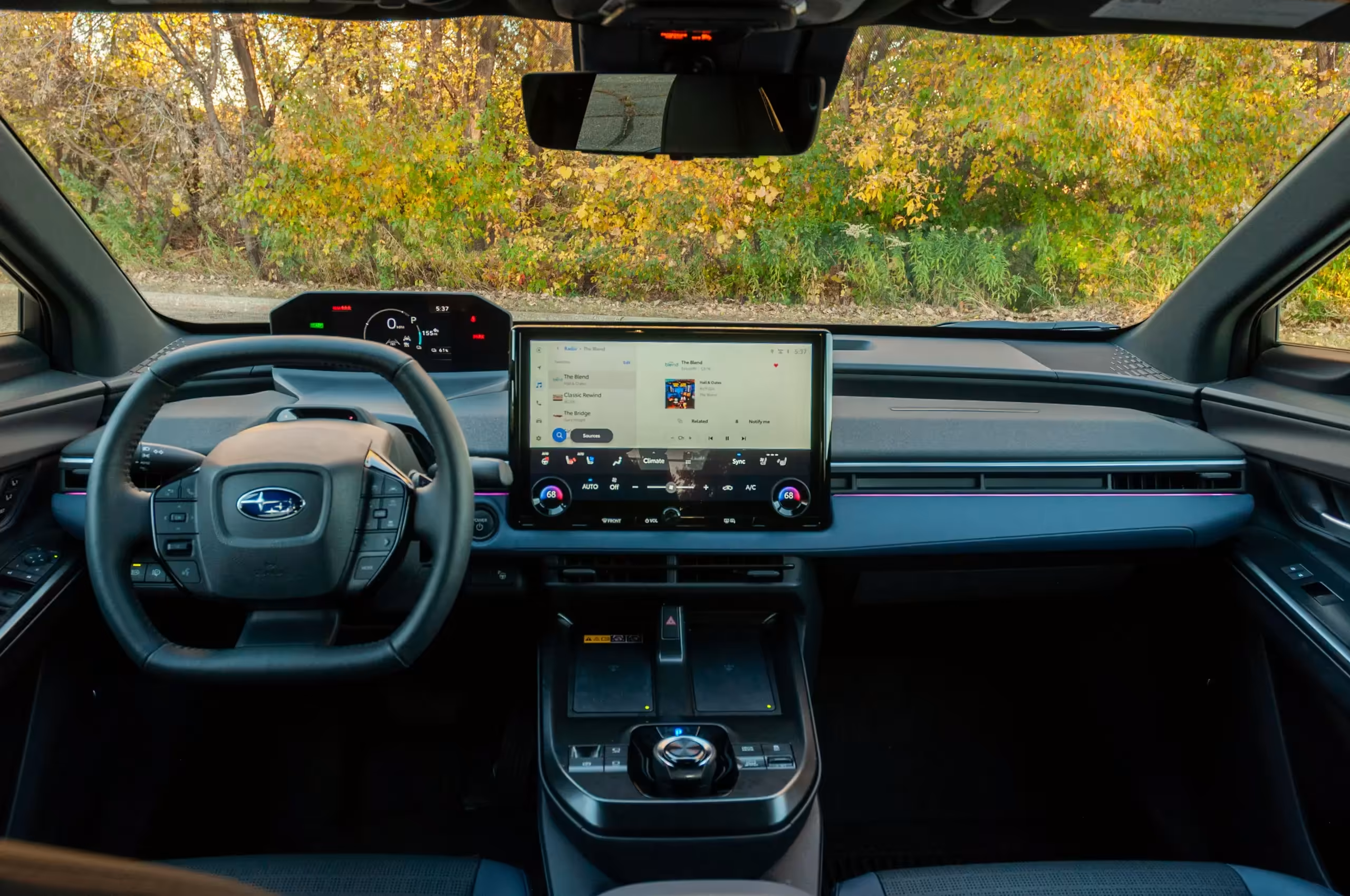
Inside, Subaru keeps the layout straightforward and genuinely useful. The cabin features a square-ish leather-wrapped steering wheel, a high-mounted digital gauge cluster, a 14.0-inch touchscreen, and dual wireless smartphone chargers for the front occupants. Heated front seats are standard, while ventilated seats, leather upholstery, a heated steering wheel, and heated outboard rear seats are available depending on trim. Dual-zone climate control is standard, and the rear bench folds in a 60/40 split to support cargo or passengers without making either task annoying. It is an interior that values clarity and everyday ergonomics over visual excess, which remains a Subaru strength.
Cargo capacity is one of the Solterra’s more compelling assets. The luggage area offers 24 cubic feet behind the rear seats and 64 cubic feet with the second row folded flat, and testing showed room for eight carry-on suitcases behind the seats and 22 with the seats down. Those figures matter because they place the Solterra squarely in real family use territory, not merely commuter duty. Standard safety equipment is broad as well, with adaptive cruise control, automated emergency braking, lane-keeping assist, blind-spot monitoring, front and rear cross-traffic alert, and a driver-distraction monitor. That hardware-rich approach gives the Solterra a stronger everyday value story than some flashier rivals, including the design-first direction seen in the Volkswagen ID. Polo 2026.
Pricing And Trim Choice Point To The Limited, Not The Fastest XT
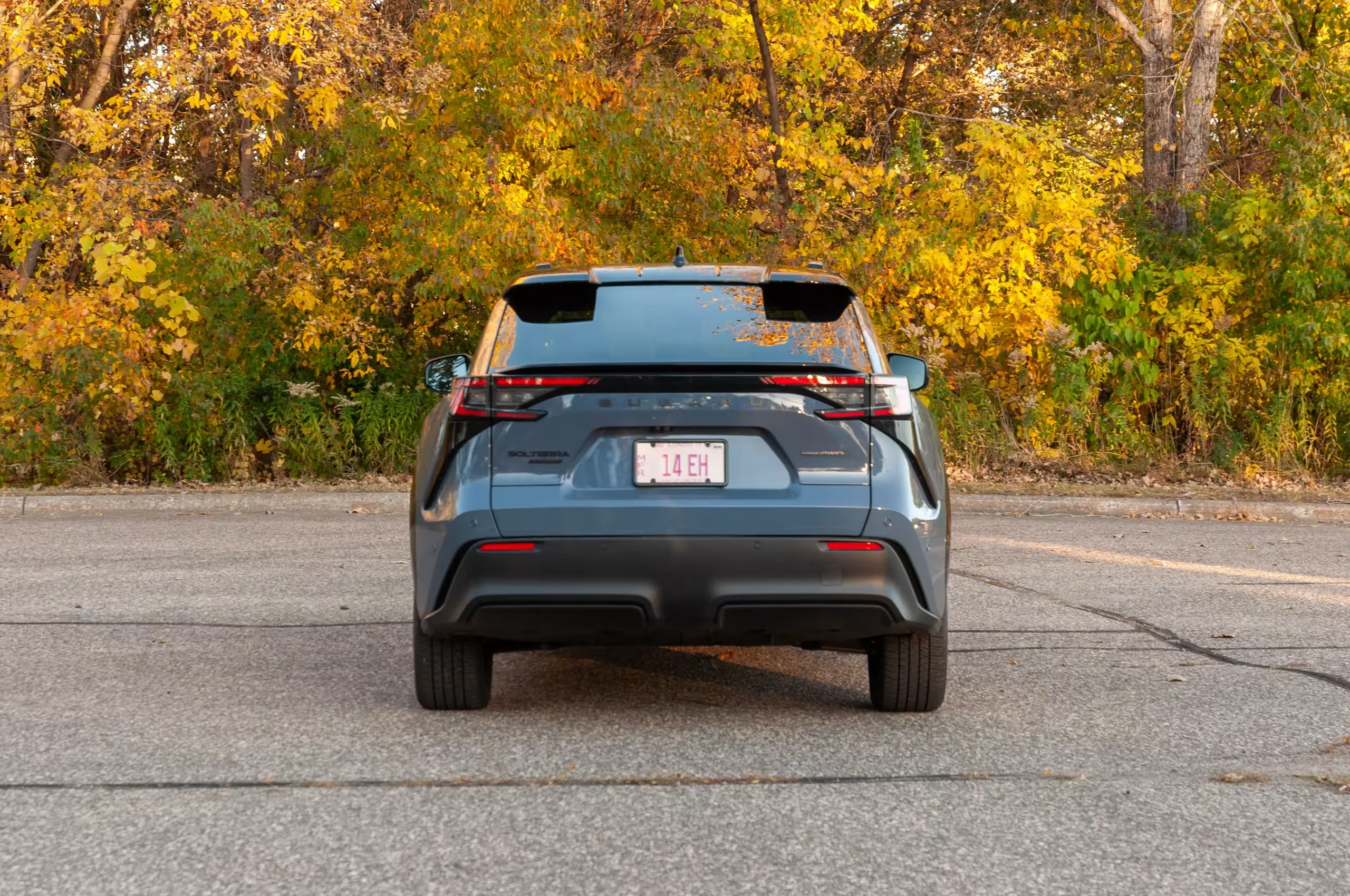
Subaru is expected to price the 2027 Solterra from about $40,000 to $48,000, with Premium, Limited, Limited XT, and Touring XT trims in the lineup. The pricing spread is sensible, but the sweet spot remains the Limited, not the Touring XT. That middle trim adds 20-inch wheels, a rear spoiler, a power liftgate, heated power-adjustable front seats, heated outboard rear seats, a heated steering wheel, and a Harman/Kardon audio system. In other words, it covers the features most owners will actually use without forcing them into the top trim’s higher sticker.
The XT is the one to choose if straight-line pace is the priority, because 338 hp and a 4.3-second 0–60 mph sprint fundamentally change the mood of the vehicle. Yet the standard model’s 233 hp and slightly better EPA range can make more sense for buyers who value efficiency and price over urgency. That balance is exactly why the Solterra remains a serious, if not segment-leading, proposition. It is comfortable, competent, and honest about its limitations, which is often the difference between a good EV and a merely well-marketed one. For a broader premium EV comparison, the Solterra’s position is easier to understand after reading about the Mercedes-Benz E-Class Night Edition Hides a Bigger Shift, because both vehicles show how established brands are reshaping familiar identities rather than abandoning them.
Verdict The Solterra Finally Feels Like A Mature Subaru EV
The 2027 Subaru Solterra is best understood as a mature product that was already significantly improved in 2026. The XT’s 338 hp output, standard AWD, 150 kW DC charging, and 4.3-second sprint give it the performance and hardware credibility it needed, while the cabin and cargo package keep it rooted in practical use. The unresolved issues are equally clear: 278 miles of EPA range in XT form, average charging speed by current EV standards, and no true one-pedal driving. Those omissions prevent it from leading the class, but they do not erase the fact that Subaru has built a coherent, well-judged electric crossover.
If your priority is an EV that still understands snow, dirt, passengers, luggage, and highway commuting in the same sentence, the Solterra deserves attention. It is not the loudest entrant in the segment, but it is one of the most consistent in translating Subaru’s established strengths into an electric format. That makes the 2027 Solterra less of a statement piece than a calculated, credible evolution, which may ultimately be the more important achievement.