ONVO L80 Lands With A Two-Track Driver-Assist Strategy
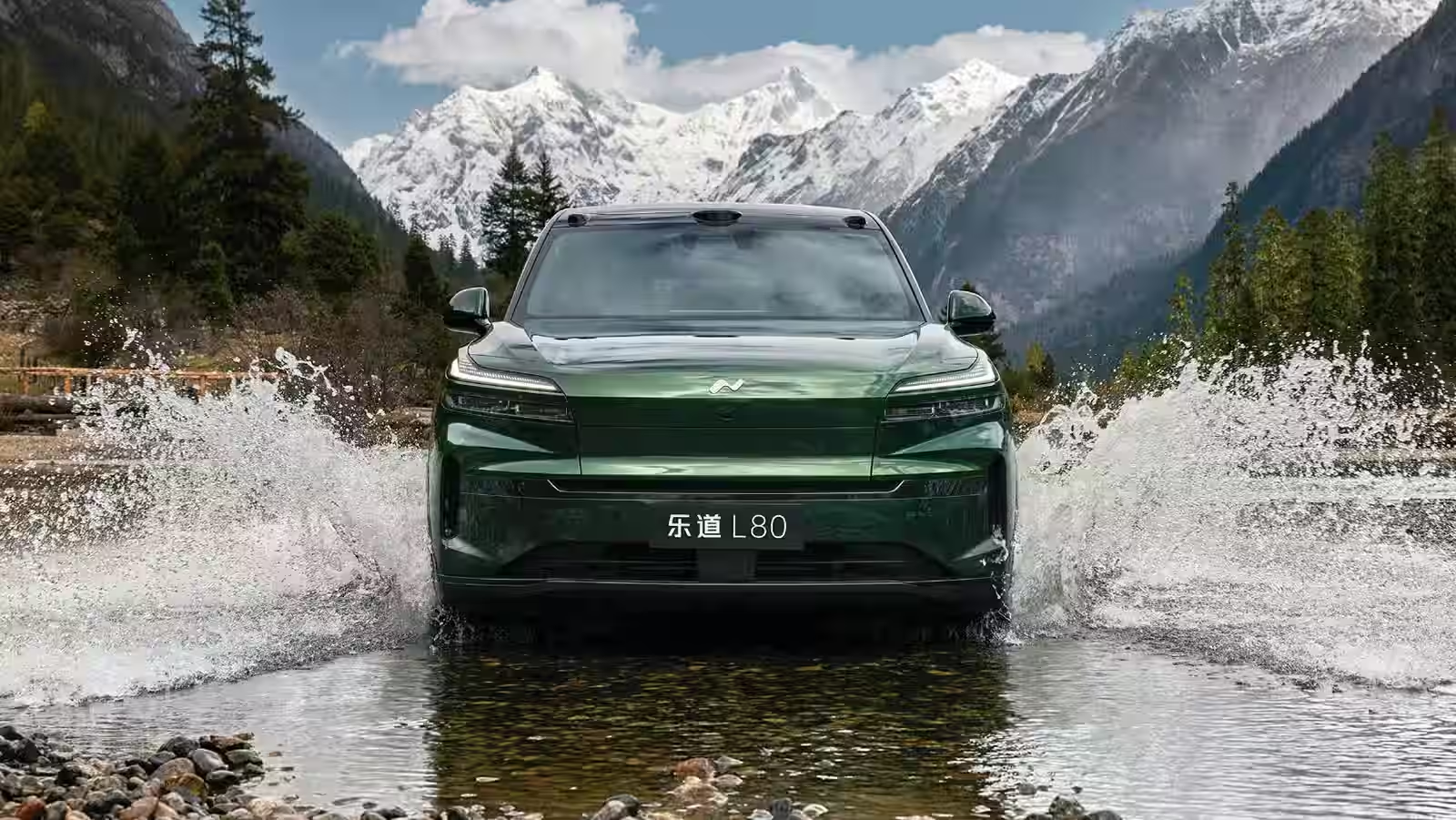
The upcoming Onvo L80 is not being positioned as a simple five-seat sibling to the larger L90. It is being used as a proving ground for Nio’s increasingly disciplined tech stack, with a launch event scheduled for April 28 at 7:30 pm Beijing time. The headline is familiar but important: buyers will be able to choose between LiDAR-equipped trims and pure-vision versions, a split that mirrors the strategy now visible on the updated L90. For premium EV shoppers, that matters because the decision is no longer just about size or price; it is about the sensor philosophy behind the car.
| Model | Onvo L80 |
| Body style | Large five-seat SUV |
| Launch event | April 28, 7:30 pm Beijing time |
| Top-trim ADAS chip | Shenji NX9031 |
| Pure-vision ADAS chip | Nvidia Orin X |
| Total storage | Up to 2,840 L |
Why The NX9031 Matters More Than The Badge
Onvo says the LiDAR version of the L80 will use Nio’s in-house Shenji NX9031 driver-assistance chip and the Nio World Model software stack. That chip is not just another silicon announcement. Nio has described it as the industry’s first ADAS chip made on a 5 nm automotive-grade process, with over 50 billion transistors and 546 GB/s of memory bandwidth. Those figures matter because large-model inference is where modern assisted driving is headed, especially in dense urban traffic and high-frequency decision-making scenarios.
The NX9031 has already been used by more than 200,000 users, which gives the L80 something many new-model launches lack: a real-world software base, not just lab promises. If you want a useful comparison point, look at the broader Nio rollout pattern covered in NIO ES8 Mirrorblack Edition Aguça O Sinal De Luxo, where the brand has been steadily pushing premium identity through technology rather than styling alone.

Pure Vision Is The Pragmatic Counterweight
The pure-vision L80 uses Nvidia’s Orin X, which keeps the entry architecture simpler and likely more cost-efficient. In market terms, this is the version that broadens the addressable audience without requiring the hardware overhead of LiDAR. That is a strategically significant move in China, where EV brands are learning that software differentiation must be paired with pricing discipline. It also means Onvo can tune the L80 to serve buyers who want advanced driver assistance but do not insist on the most sensor-heavy configuration.
This is the same philosophical fork the brand has already applied to the IM Motors LS6 Leva A Ambição Definida Por Software Ao Brasil style of software-led positioning seen across the Chinese market, where architecture choices increasingly define brand character.
The L90 Is The Template, Not The Exception
Onvo’s latest messaging makes it clear the L80 is following the L90 playbook rather than inventing a new one. The updated 2026 L90 kept the base Pro trim on a pure-vision setup with Orin X, while the higher Max+ and Ultra+ trims moved to the NX9031 and NWM. That matters because it reveals Nio’s operating logic: reuse the best-performing software and hardware stack across multiple nameplates, then vary the sensor suite and trim hierarchy to suit different budgets.
What makes this approach persuasive is that it reduces uncertainty. A software stack such as NWM only becomes credible when it is repeatedly deployed, updated, and tuned across models. Nio also said its smart-assisted-driving mileage exceeded 200 million km in February, an 81.5% month-on-month rise from January, which helps explain why the company is pressing ahead with rapid product cadence despite industry pressure.
Cargo Space Is The Other Headline
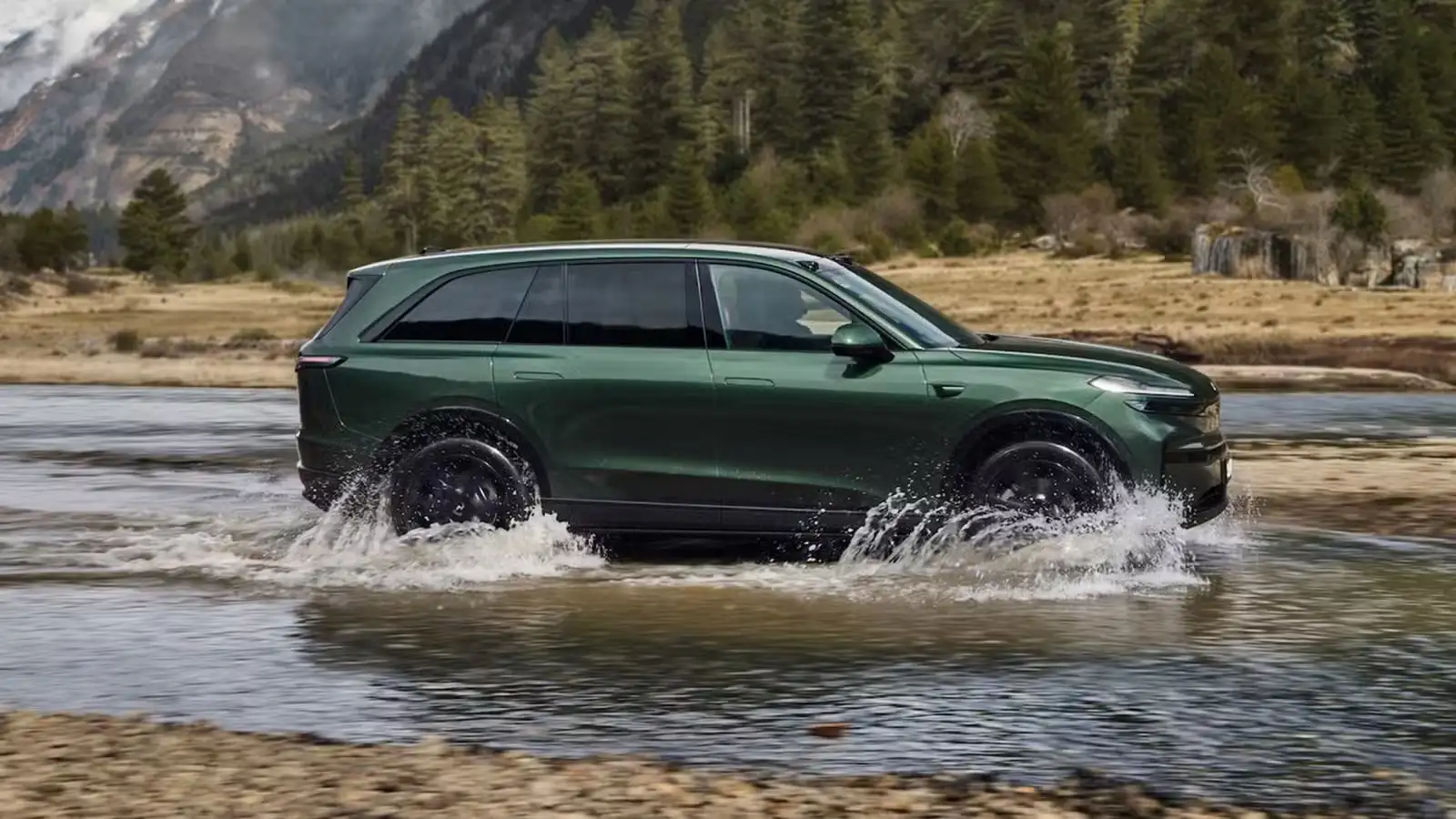
The L80 is not only about assisted driving. Onvo says the SUV offers up to 2,840 liters of total storage space, which it claims is the largest loading capacity among five-seat SUVs in China. That figure is the sort of specification that resonates with family buyers, road-trip users, and urban owners who need real utility rather than brochure theater. It also reinforces the idea that the L80 is meant to be a practical premium EV, not just a technology showcase.
For readers tracking how Chinese brands are using packaging to challenge established luxury players, the closest recent parallel may be the market logic discussed in Geely EX5 Em-i, where efficiency, range and packaging are treated as hard commercial weapons.
What The Launch Means For The Brand
Nio is clearly leaning on an aggressive launch calendar to keep momentum alive. The L80 arrives only days after the 2026 L90 went on sale on April 21, with its starting price unchanged at 265,800 yuan including the battery pack. That tells us the company is working on two fronts at once: maintaining pricing credibility while also proving that in-house silicon and world-model software can scale across segments. In a market where many brands are still buying their intelligence from suppliers, that is the real competitive story.


FAQ
Is the Onvo L80 a direct rival to the L90?
It is positioned below the L90 in seating layout, but it follows the same hardware-software strategy, so it is a sibling product rather than a clean replacement.
What is the difference between the L80 LiDAR and pure-vision versions?
The LiDAR trims use Nio’s Shenji NX9031 chip and NWM assisted driving, while the pure-vision versions rely on Nvidia Orin X.
Why does the NX9031 chip matter?
Because Nio says it is a 5 nm automotive ADAS chip with 50 billion-plus transistors and 546 GB/s bandwidth, aimed at large-model inference.
How much cargo space does the L80 offer?
Onvo claims up to 2,840 liters of total storage space, which it says leads the five-seat SUV class in China.
When will the L80 be officially revealed?
The product and technology launch event is scheduled for April 28 at 7:30 pm Beijing time.