
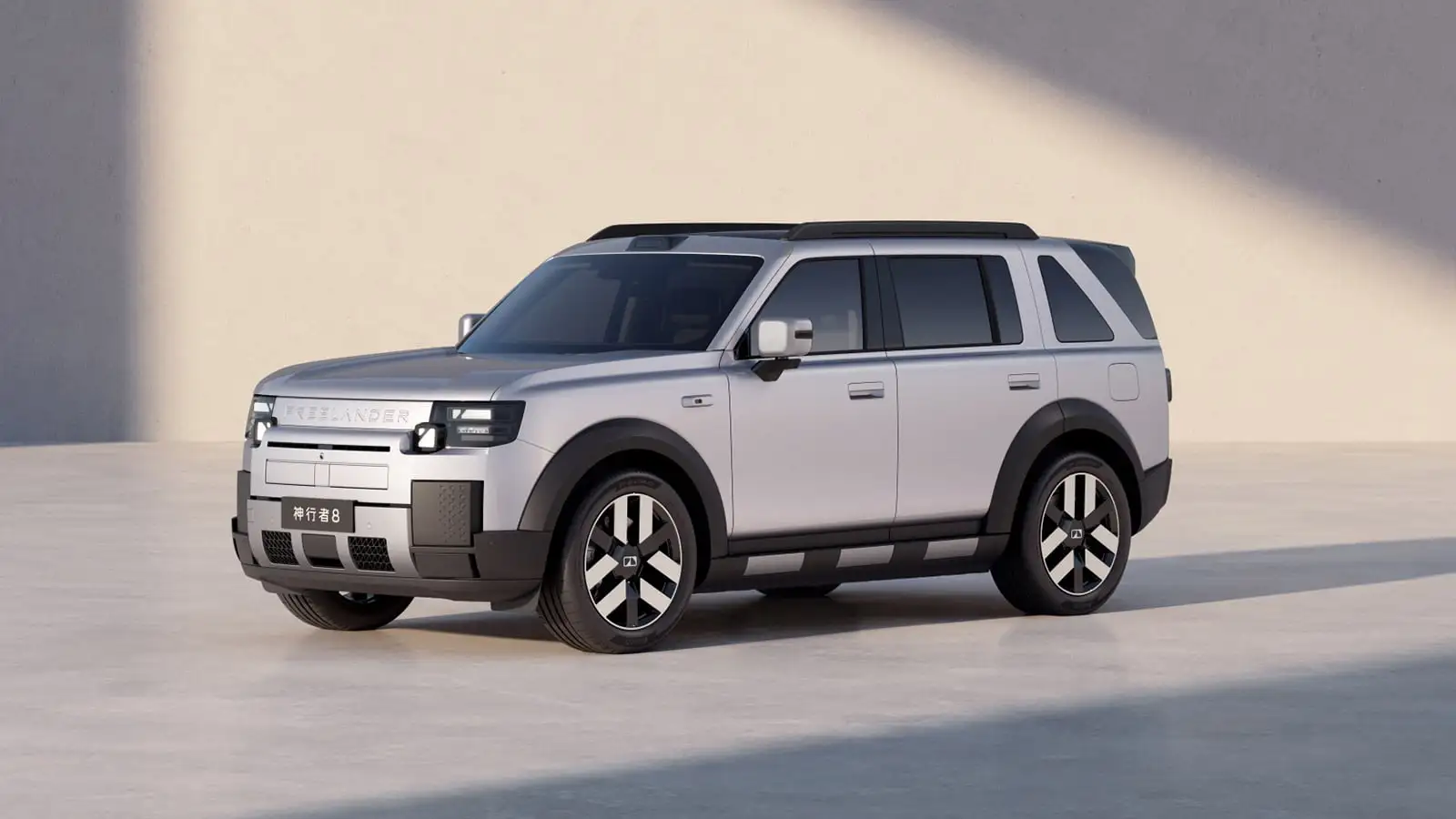
The revived Freelander brand has moved from corporate nostalgia to actual product with the official reveal of its first production model, the FREELANDER 8. For a badge once tied to Jaguar Land Rover’s compact SUV legacy, this is a very different proposition: a luxury, tech-led all-terrain SUV built for China first, with global ambitions clearly implied by the five-year, six-model rollout plan.
What the FREELANDER 8 is, and why the name matters
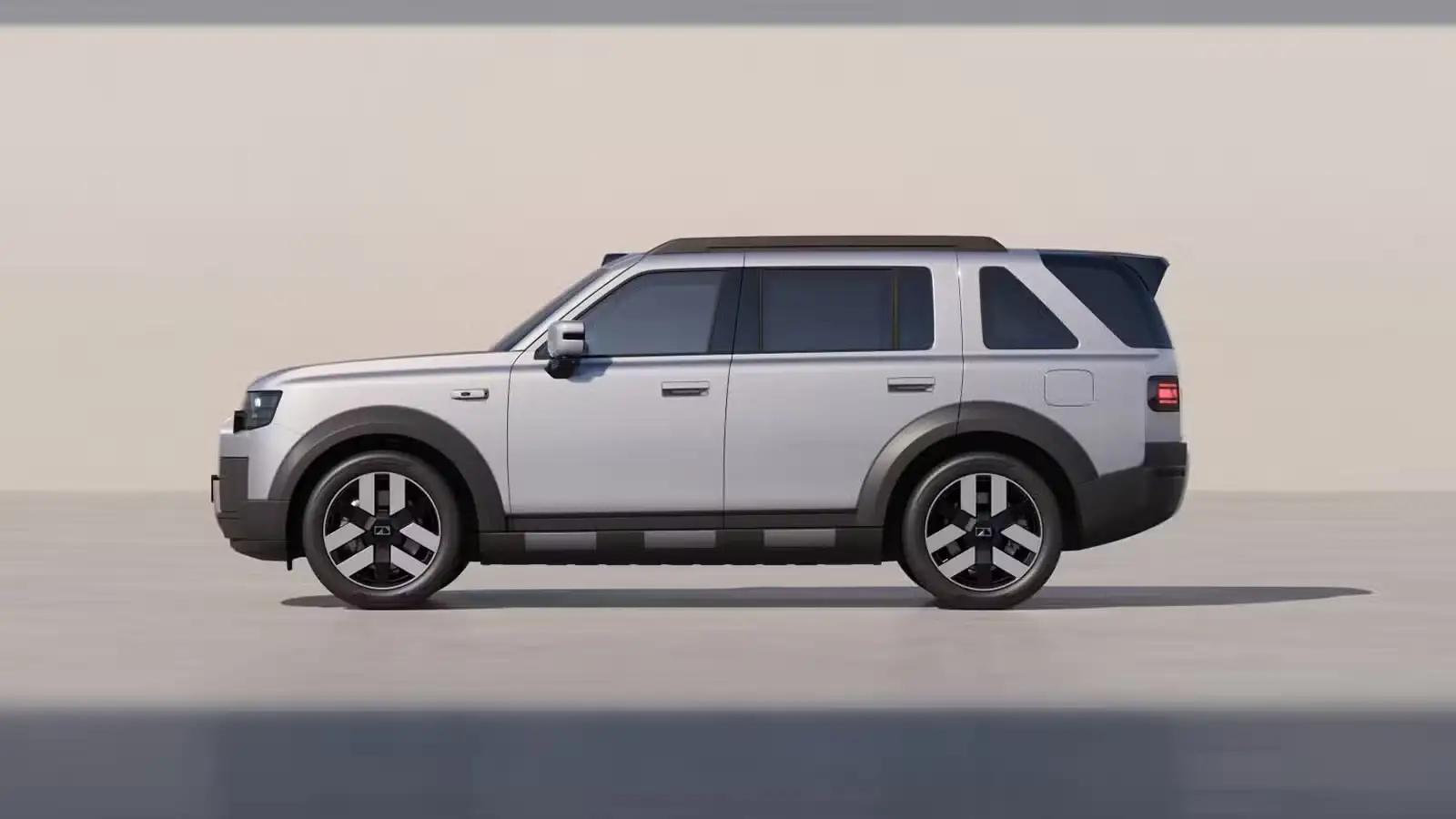
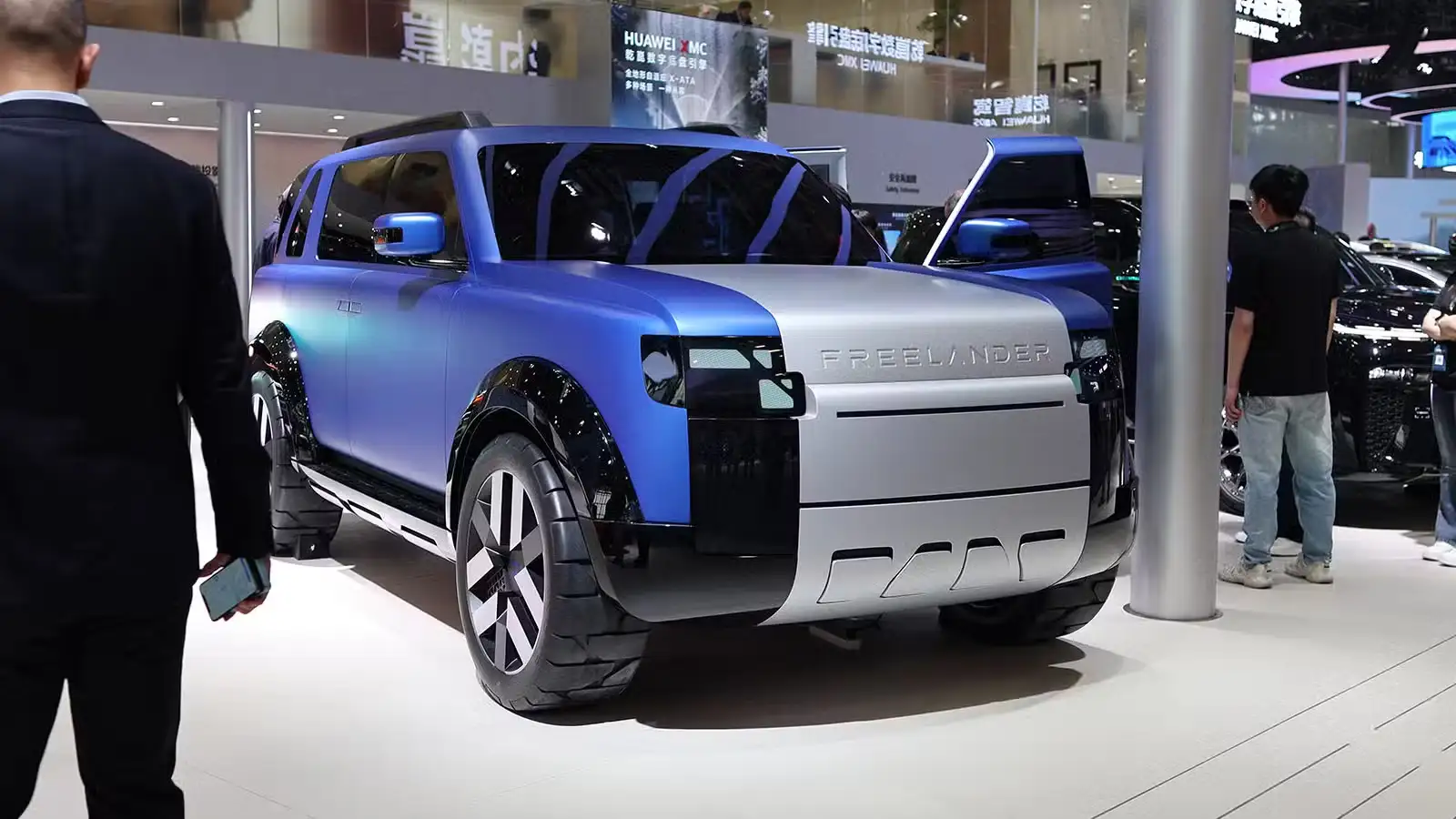
The FREELANDER 8 is the opening act for the new independent NEV brand created by the Chery and Jaguar Land Rover joint venture. The brand was formally upgraded on March 31, and the first production model is scheduled to debut in China in the second half of 2026. The boxy silhouette shown in the official images follows the previously unveiled Concept 97 closely, which is the right decision if the goal is to preserve visual continuity while signaling toughness.
This matters because the nameplate is not being used as a retro exercise. It is being repositioned around premium electrified mobility, with the new iMax architecture supporting battery-electric, range-extended, and plug-in hybrid powertrains. That flexibility gives the brand a practical hedge against China’s rapidly shifting demand curve.
Technical hardware that makes the launch serious
| Key item | FREELANDER 8 detail |
|---|---|
| Platform | iMax architecture for BEV, range-extended, and PHEV applications |
| Battery supplier | CATL co-developed all-terrain battery |
| Peak charging multiplier | 6C |
| Peak charging power | 350 kW |
| Driver-assistance system | Huawei Qiankun ADS 5.0 standard across the lineup |
| Compute chip | Qualcomm Snapdragon 8397 automotive-grade chip |
The battery and charging numbers are especially telling. A 6C peak charging multiplier and 350 kW peak charging power place the FREELANDER 8 squarely in the fast-charging conversation that is now defining premium EV relevance in China. For readers tracking how the market is shifting, the battery race is already being reset by products such as CATL Shenxing 3, which has pushed expectations for usable charging speed much higher.
Huawei, LiDAR, and the software battle inside the cabin
The FREELANDER 8’s most strategic differentiator is not sheetmetal but its electronics stack. The model will come standard with Huawei’s Qiankun ADS 5.0, and it is among the first production vehicles to use Huawei’s 896-channel LiDAR hardware. That is an unusually ambitious sensor specification for a brand launch, and it signals that the joint venture wants the vehicle perceived as a high-trust autonomous-capable family SUV rather than a mere styling exercise.
The model is also among the first globally to use Qualcomm’s latest-generation Snapdragon 8397 automotive chip, which is said to deliver a threefold increase in processing power versus the previous generation. That matters because modern premium SUVs now compete as much on system responsiveness, sensor fusion, and UI latency as they do on acceleration or range.
Design continuity from Concept 97, with a clear market strategy
The production car keeps the upright, squared-off proportions of the Concept 97, which is smart packaging for a vehicle that needs to look credible as an all-terrain premium SUV. Jaguar Land Rover’s contribution is said to have focused on design aesthetics and the brand’s luxury heritage, while the Chinese team handled product definition and smart-technology development. That division of labor is the right formula if the goal is to sell both identity and technical substance.
This styling direction also connects the FREELANDER 8 to a broader trend in China, where luxury SUVs are increasingly using restrained, almost architectural surfaces to communicate seriousness. If you want a parallel in how premium brands are leaning on heritage while reinventing the formula, the BMW 7 Series facelift story shows the same battle for relevance, just from a German angle.
Why this launch matters beyond one model
The FREELANDER brand plans six new models over the next five years, targeting China and export markets. That is a meaningful commitment, because it suggests the joint venture is not testing the waters with a one-off halo product; it is building a scalable NEV sub-brand around a mix of software, charging speed, and premium positioning.
In that sense, the FREELANDER 8 is less about nostalgia than about commercial positioning. It is designed to sit in a part of the market where customers expect advanced driver assistance, rapid charging, and a cabin that feels electronically sophisticated before they even care about badge history. That is the segment now being shaped by the likes of WAYMO E ZOOX on the autonomy side and by battery leaders like CATL Shenxing 3 on the energy side.
FAQ
When will the FREELANDER 8 debut?
It is expected to debut in the Chinese market in the second half of 2026.
What platform does the FREELANDER 8 use?
It rides on the new iMax architecture, which supports BEV, range-extended, and plug-in hybrid powertrains.
What driver-assistance system is standard?
Huawei’s Qiankun ADS 5.0 is expected to be standard across the lineup.
What makes the battery notable?
The CATL co-developed all-terrain battery is rated for a 6C peak charging multiplier and 350 kW peak charging power.
How many models will the brand launch?
The revived Freelander brand plans six new EV models over the next five years.