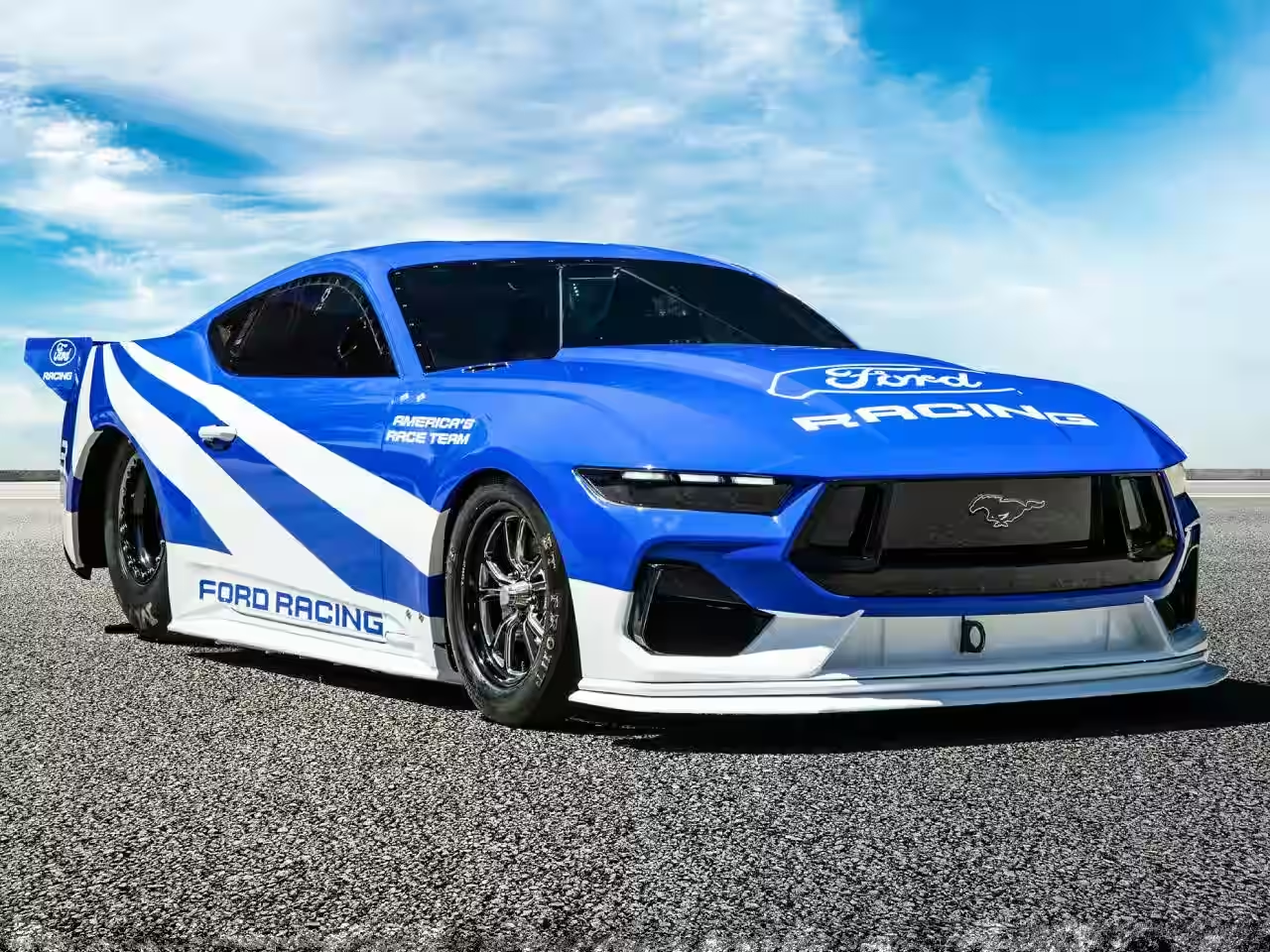
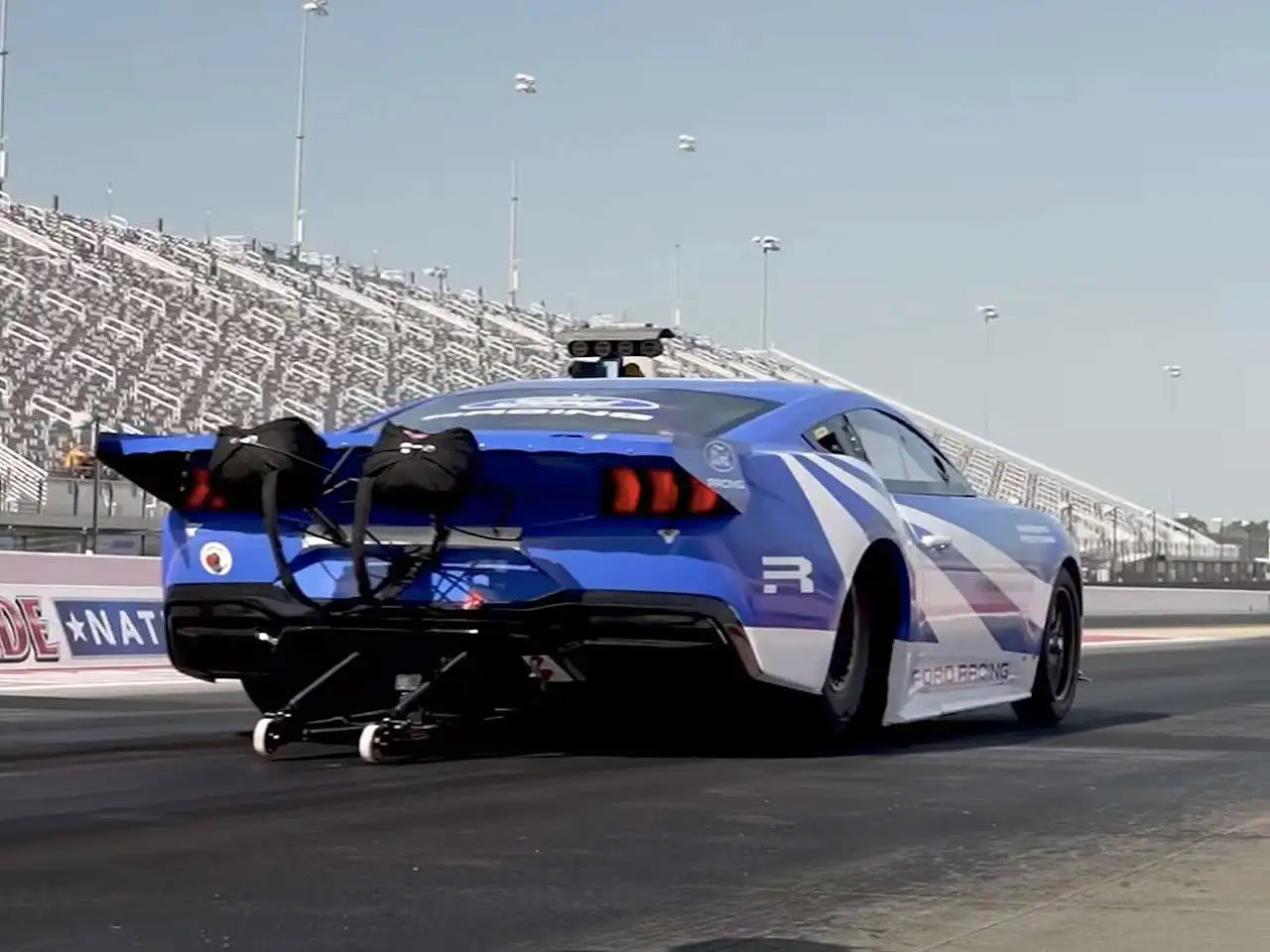
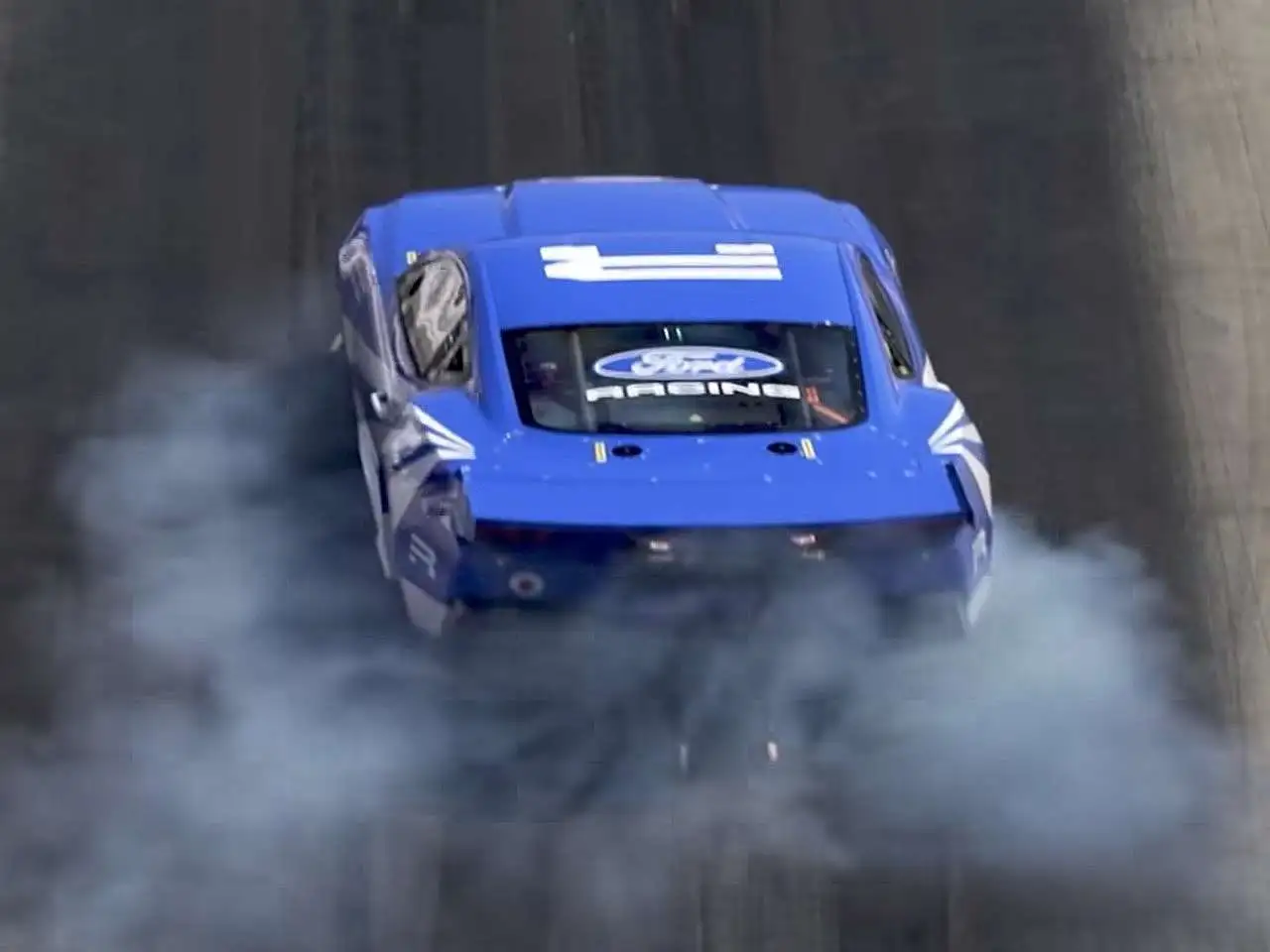
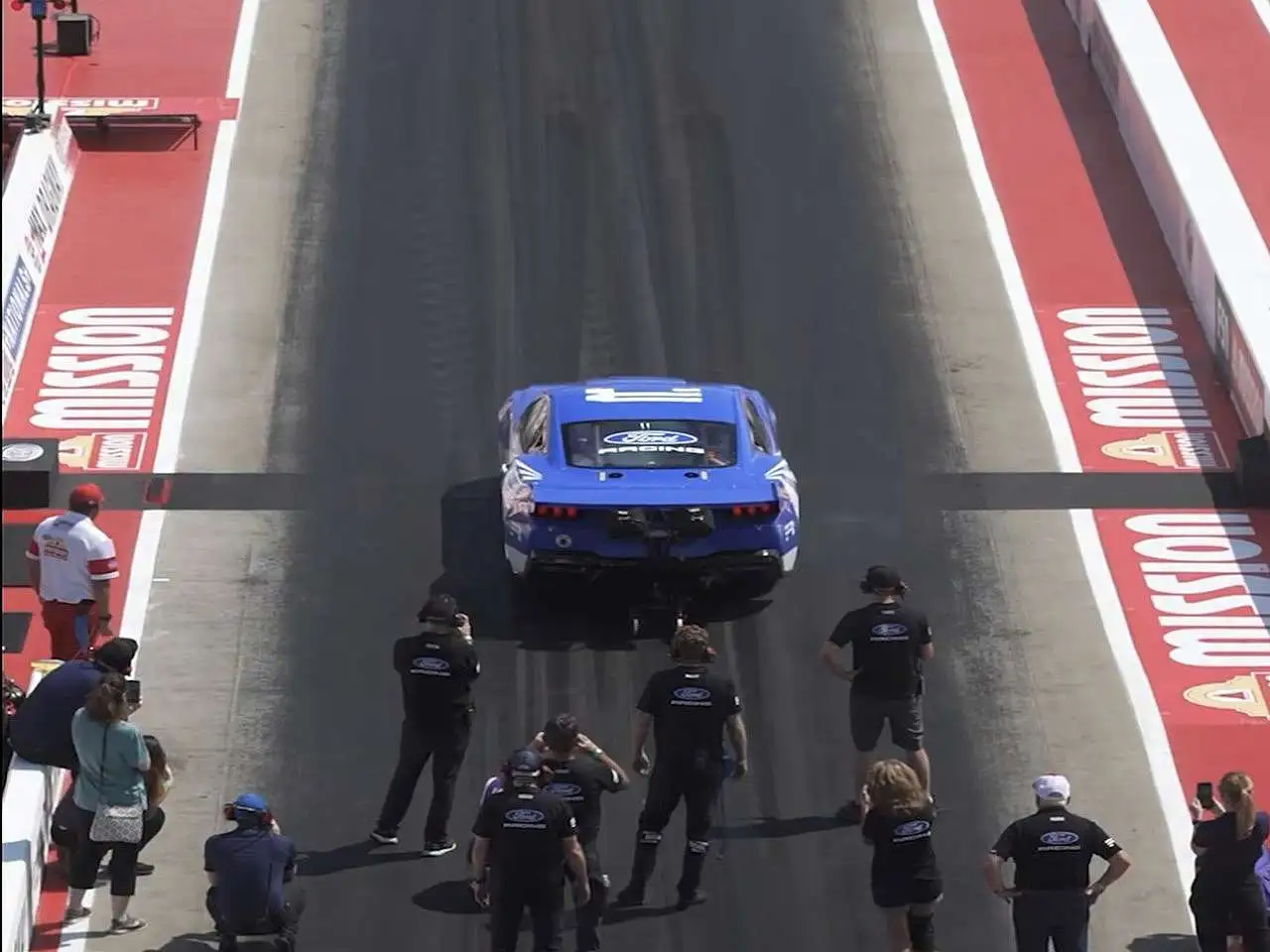
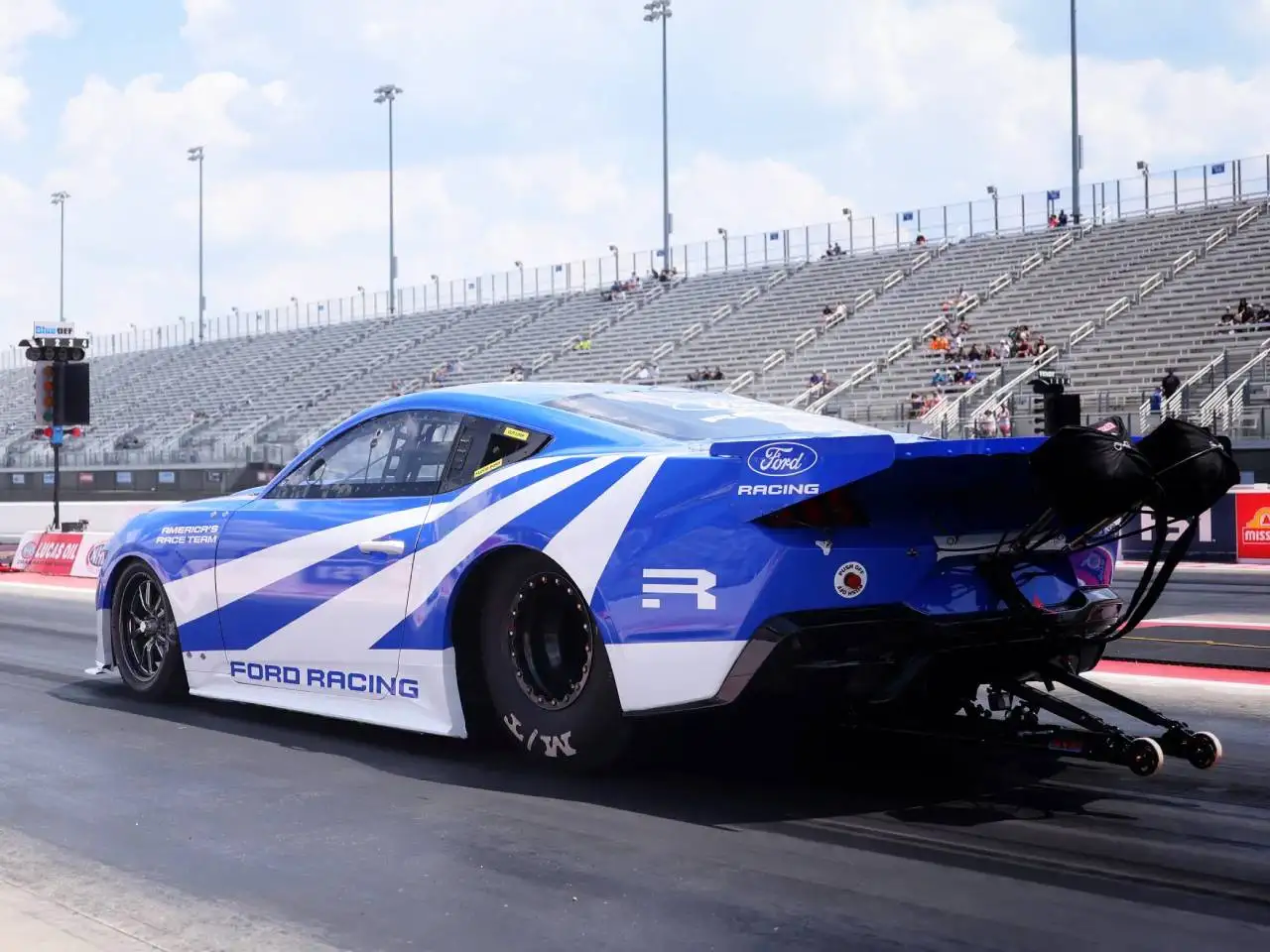
On April 26, 2026, at the NHRA event in Charlotte, North Carolina, the Ford Mustang Cobra Jet 2200 thundered down the 402‑meter strip in just 6.87 seconds, crossing the finish line at 357 km/h (222 mph). This wasn’t a single lucky pass; it’s the fourth consecutive world record for Ford Racing’s electric dragster program, slashing nearly a full second off the previous mark set by the Cobra Jet 1800. The Blue Oval didn’t just build an EV dragster—they built the most potent quarter‑mile machine on the planet, and it wears a Mustang badge.
| Specification | Value |
|---|---|
| Peak Power (at wheels) | 2,200 hp (1,640 kW) |
| Peak Torque | 185.26 kgfm (1,336 lb‑ft) |
| Quarter‑Mile Time | 6.87 seconds |
| Trap Speed | 357 km/h (222 mph) |
| Electric Motors | 2 × ~1,200 hp (dual) |
| Transmission | 5‑speed with RACC clutch |
Engineering Evolution: From 1400 to 2200
The Cobra Jet lineage didn’t arrive fully formed. Ford Racing kicked off with the Cobra Jet 1400–a proof‑of‑concept that taught them the basics of electric drag‑racing. Then came the Super Cobra Jet 1800, which trimmed the quarter‑mile time to 7.62 seconds. The jump to the 2200 required a fundamental rethink of power delivery, battery thermal management, and chassis dynamics. The team, led by engineering manager Nick Kuhajda, prioritized three pillars: weight reduction, powertrain integration, and safety systems. “We challenged ourselves to think completely differently about how to package electric performance for repeated extreme loads,” Kuhajda stated.
For context on how far EV performance has come, compare this to the 2026 FORD MUSTANG Dark Horse SC, a 795‑hp combustion monster that still respects the same nameplate. The Cobra Jet 2200 demonstrates that electric propulsion can not only match but obliterate internal‑combustion benchmarks.
“The Cobra Jet 2200 was built with the purpose of answering very specific engineering questions at the highest level.” – Nick Kuhajda, Ford Racing
Powertrain & Driveline: Managing 2,200 HP
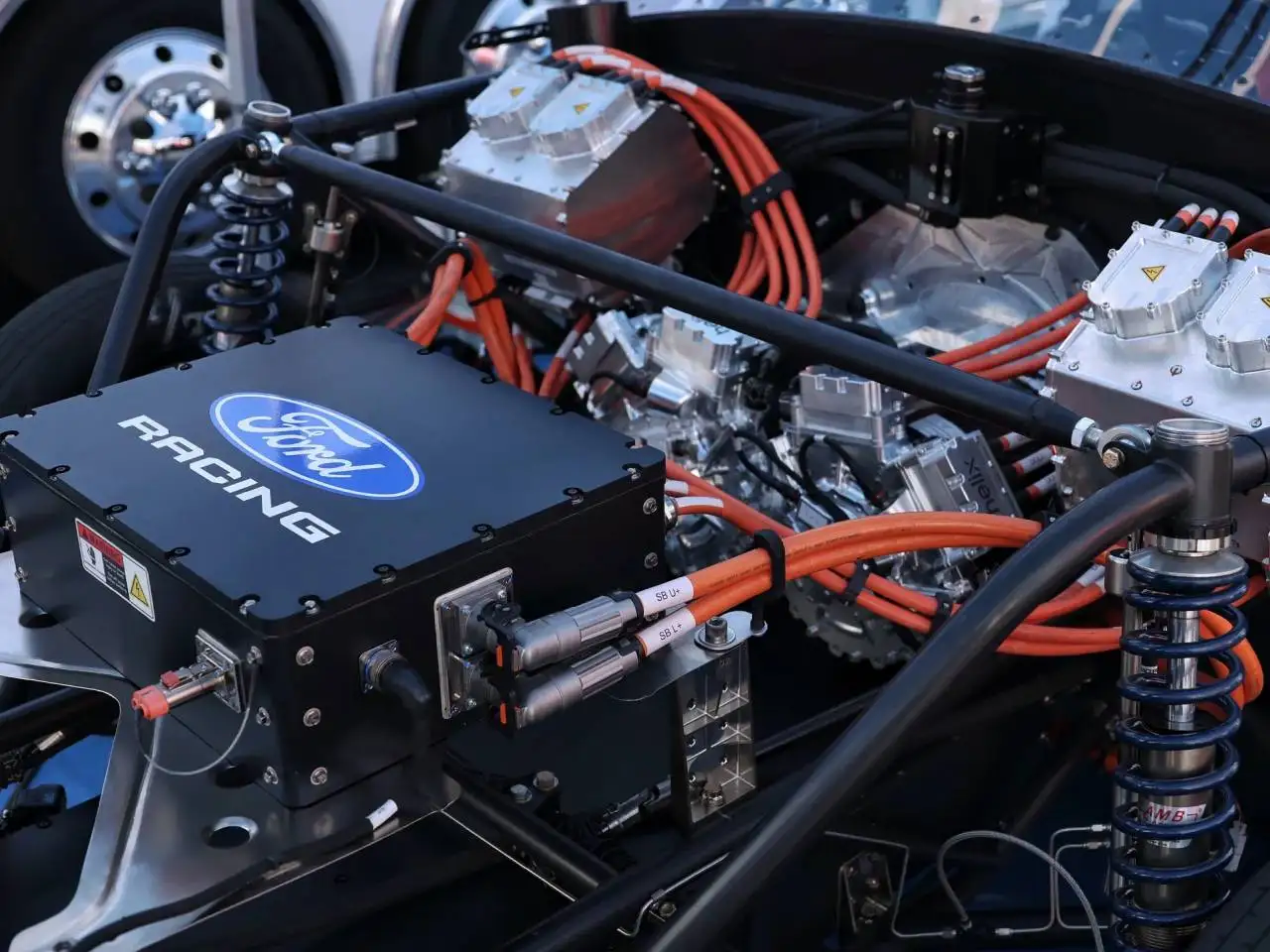
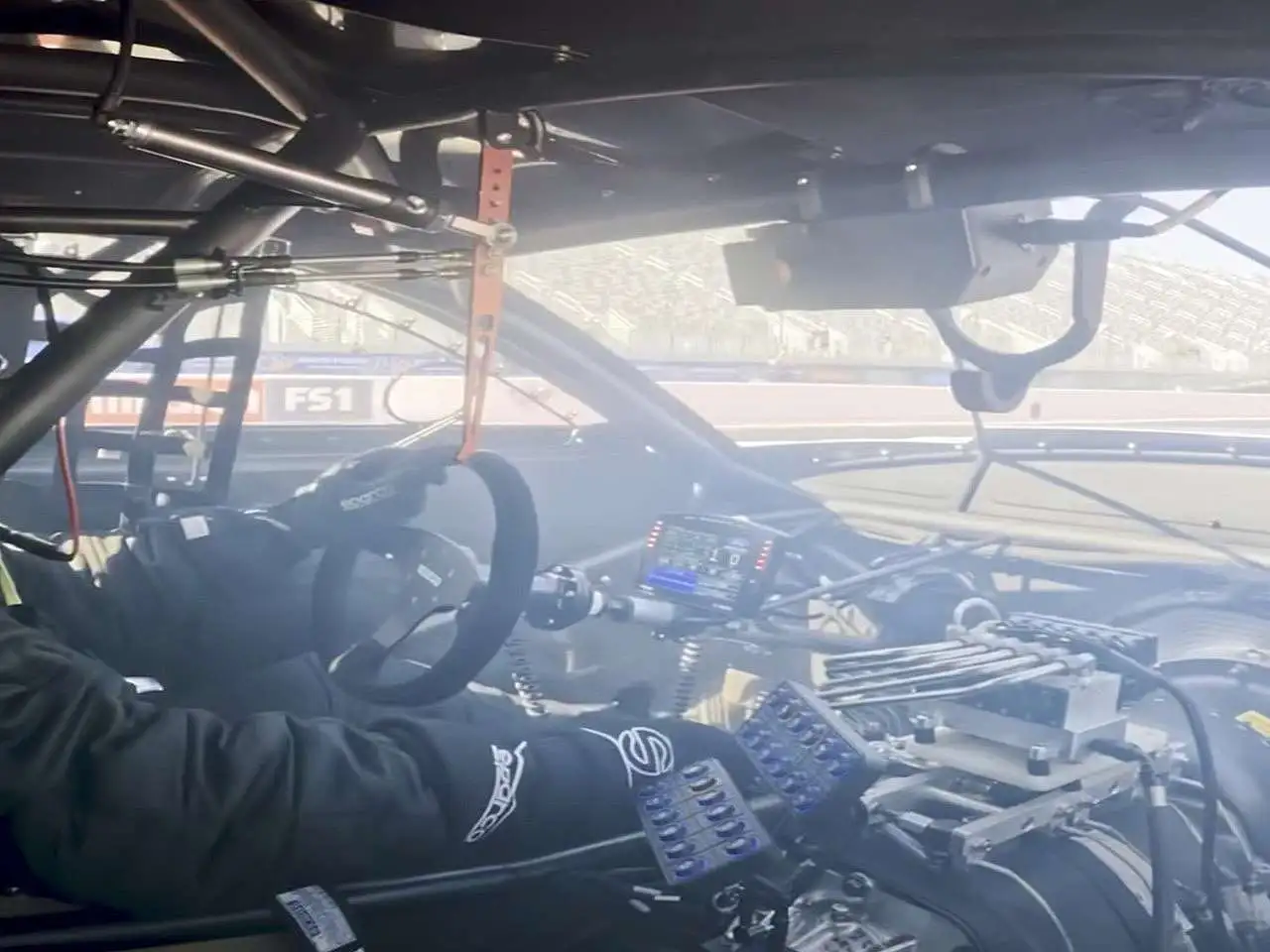
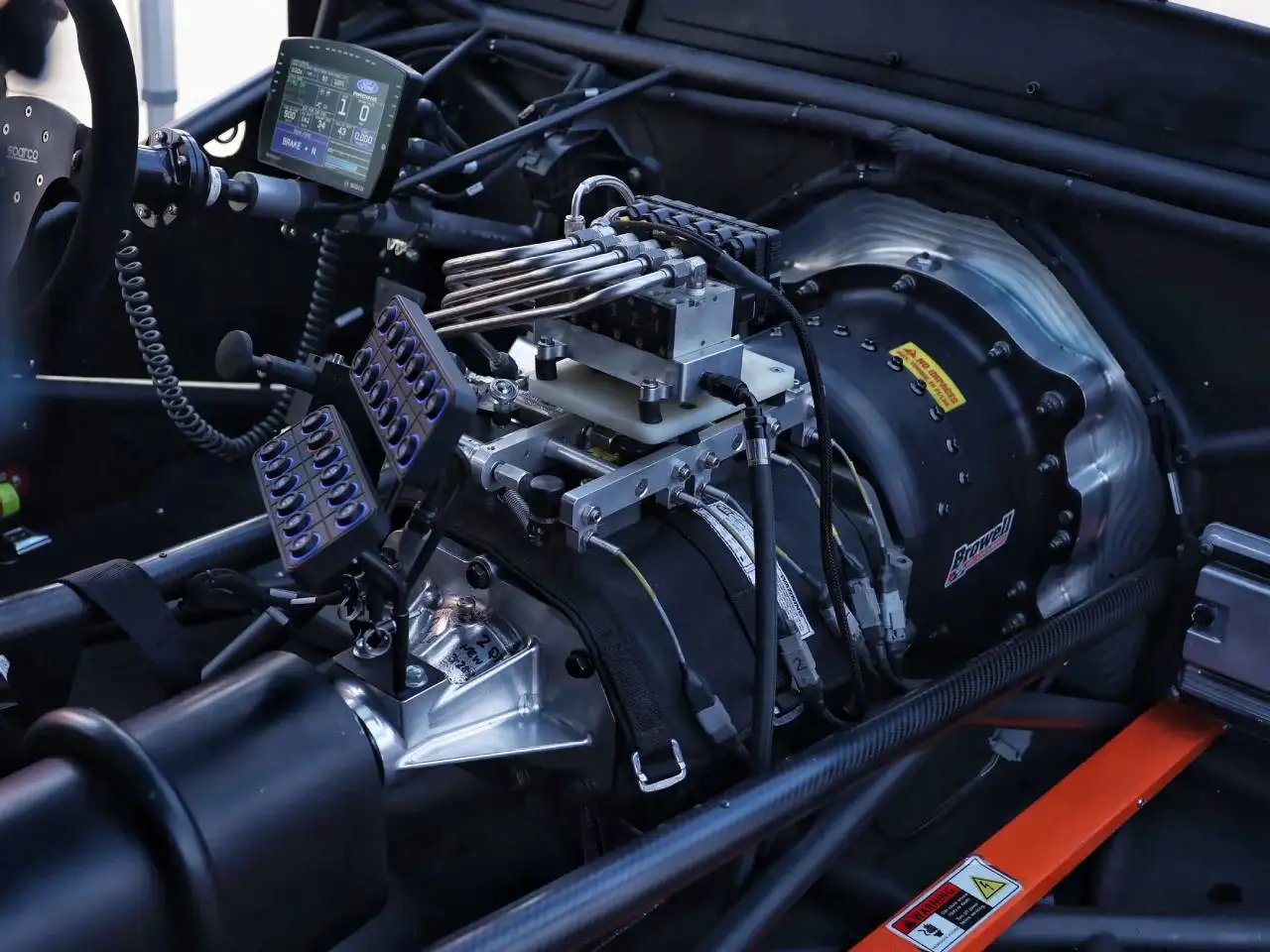
The heart of the Cobra Jet 2200 is a pair of electric motors, each rated at roughly 1,200 hp, combining to deliver the full 2,200 hp to the rear wheels. But horsepower is only half the equation. The staggering torque output demands a unique clutch solution: a Reverse Acting Clutch (RACC) that allows precise, repeatable launches without shocking the driveline. This is paired with a five‑speed manual‑style gearbox that lets the driver keep the motors in their most efficient power band.
Beyond the electrics, the rear driveline–driveshaft, differential, and axles–comes straight from conventional drag‑racing stockpiles, proving that the line between EV and ICE drag racing is now blurred. This hybrid approach reduces development time and ensures reliability under the brutal forces of a 6.87‑second pass.
Weight Reduction: Every Kilogram Counts
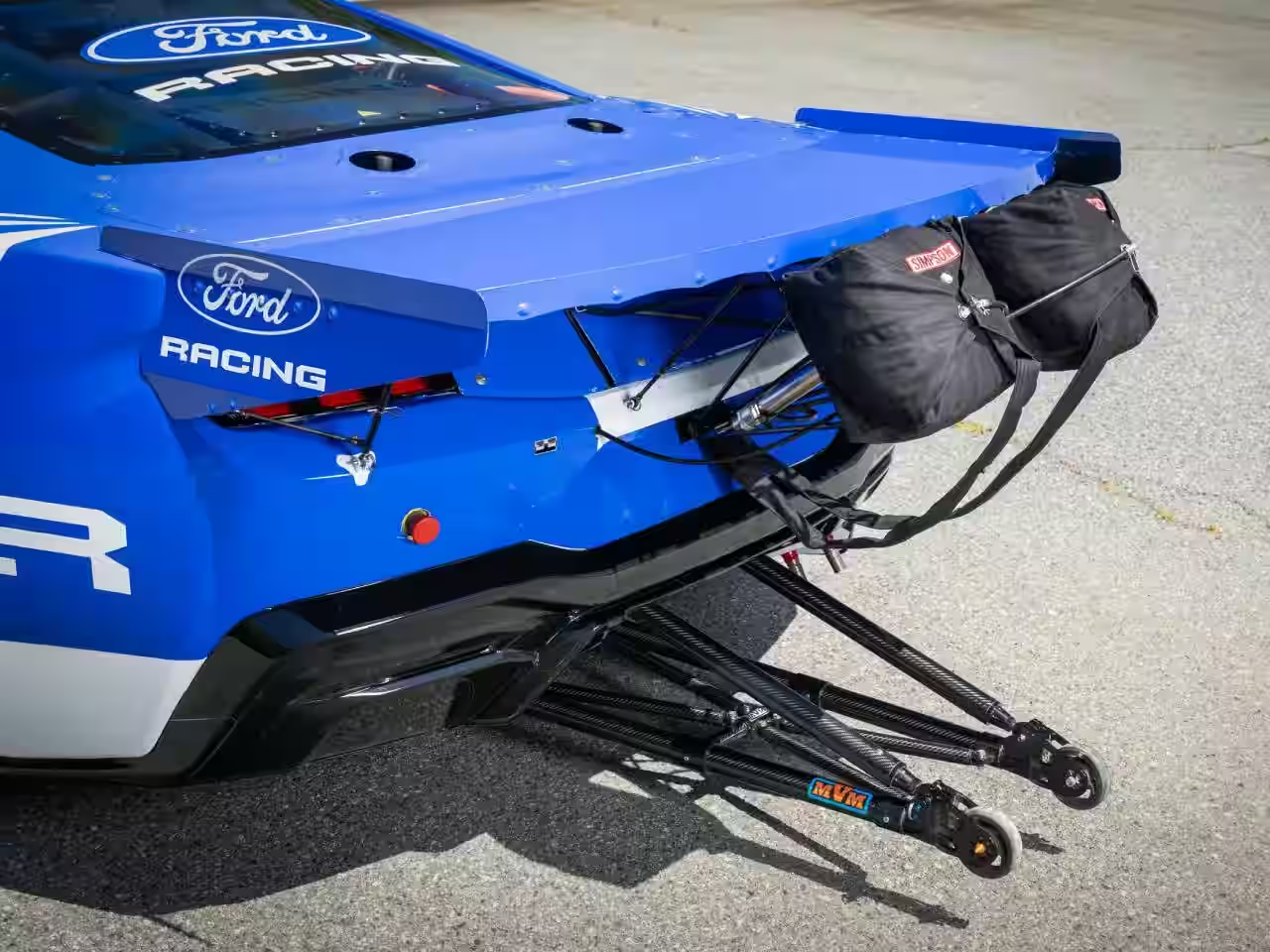
Ford Racing didn’t just bolt in big motors. They attacked mass from every angle. The chassis is a custom tubular spaceframe designed to be as rigid as possible while shedding pounds compared to a production‑based platform. The entire body is hand‑laid carbon fiber, and even the headlights are minimalist Lexan units. The result? A vehicle that can accelerate from a standstill to 357 km/h in under 7 seconds without the tire spin that plagued earlier prototypes.
The focus on lightness aligns with what we’re seeing in other high‑performance EVs, such as the PORSCHE 911 GT3 Artisan Edition, where every gram of unsprung weight is scrutinized. But where Porsche uses titanium and magnesium, Ford uses racing‑proven composites and clever packaging.
FAQ: The Cobra Jet 2200 in Context
What makes the 6.87‑second quarter‑mile so significant for electric vehicles?
It’s the fastest certified time for a production‑based electric vehicle in NHRA history. Previous records were set by the Cobra Jet 1800 at 7.62 seconds. Dropping nearly a full second while increasing power by 400 hp shows that electric drag racing has entered a new efficiency and performance realm.
How does the Cobra Jet 2200 compare to top fuel dragsters?
Top Fuel cars run sub‑4‑second passes, but they rely on explosive nitromethane combustion with enormous fuel consumption and engine rebuilds after every run. The Cobra Jet 2200 runs on electricity, with far lower maintenance and zero emissions. It’s not racing in the same class, but it demonstrates that EVs can operate in the extreme performance arena traditionally dominated by ICE.
Will any of this technology reach production Mustangs?
Ford has not confirmed a direct transfer, but the knowledge gained in battery thermal management, high‑voltage power electronics, and lightweight structures will likely influence future performance EVs. The RACC clutch concept, while not needed for road cars, may inspire new torque‑vectoring strategies.
Why does the Cobra Jet 2200 use a 5‑speed transmission if electric motors don’t need gears?
While electric motors produce peak torque from zero RPM, gearing helps optimize the power curve for drag racing. Multiple gear ratios allow the motors to stay in their highest‑efficiency RPM window during the critical launch and mid‑track acceleration phases, improving consistency and reducing battery load.