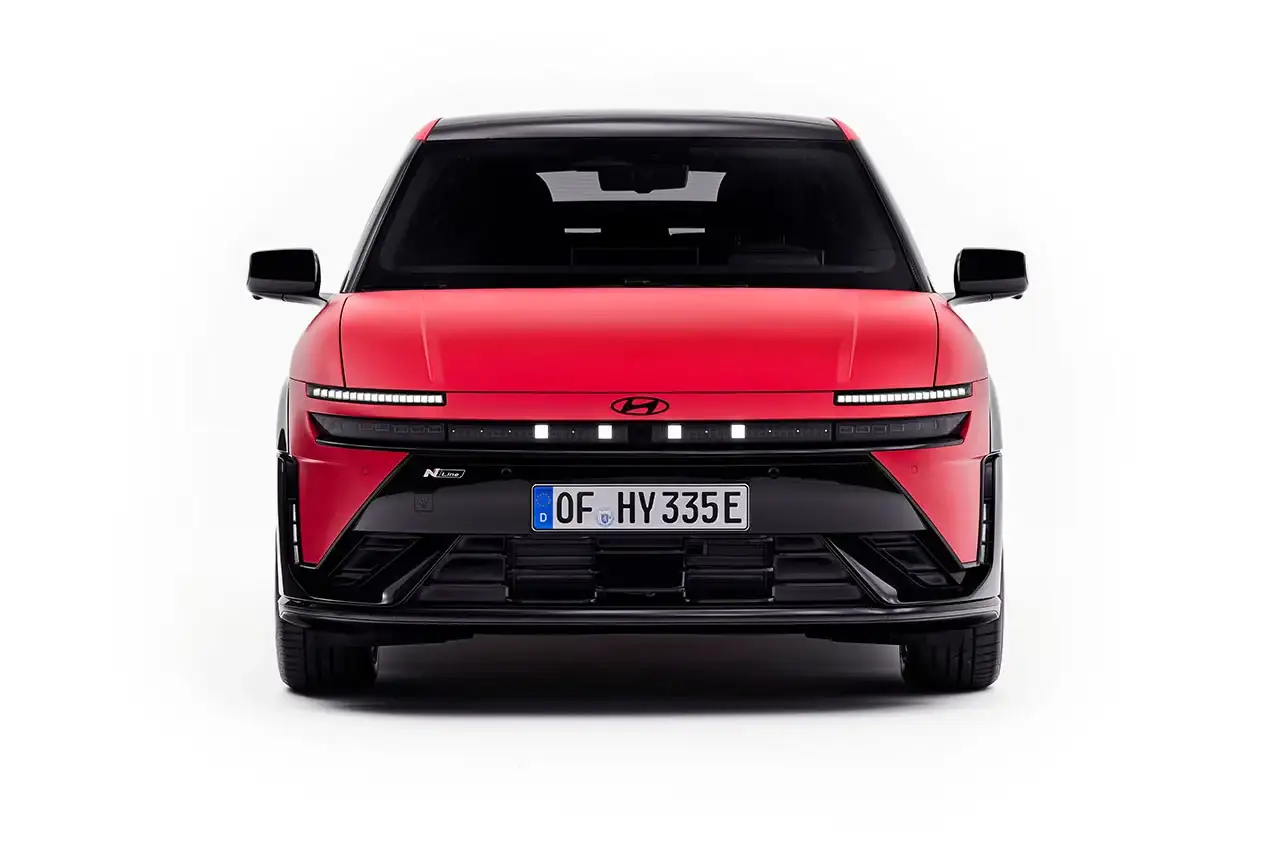
Hyundai has just fired a new shot in Europe’s EV race. The IONIQ 3 is not a concept teaser or a style study — it is a production-focused compact electric hatch designed to bring modern electrification into everyday European driving.
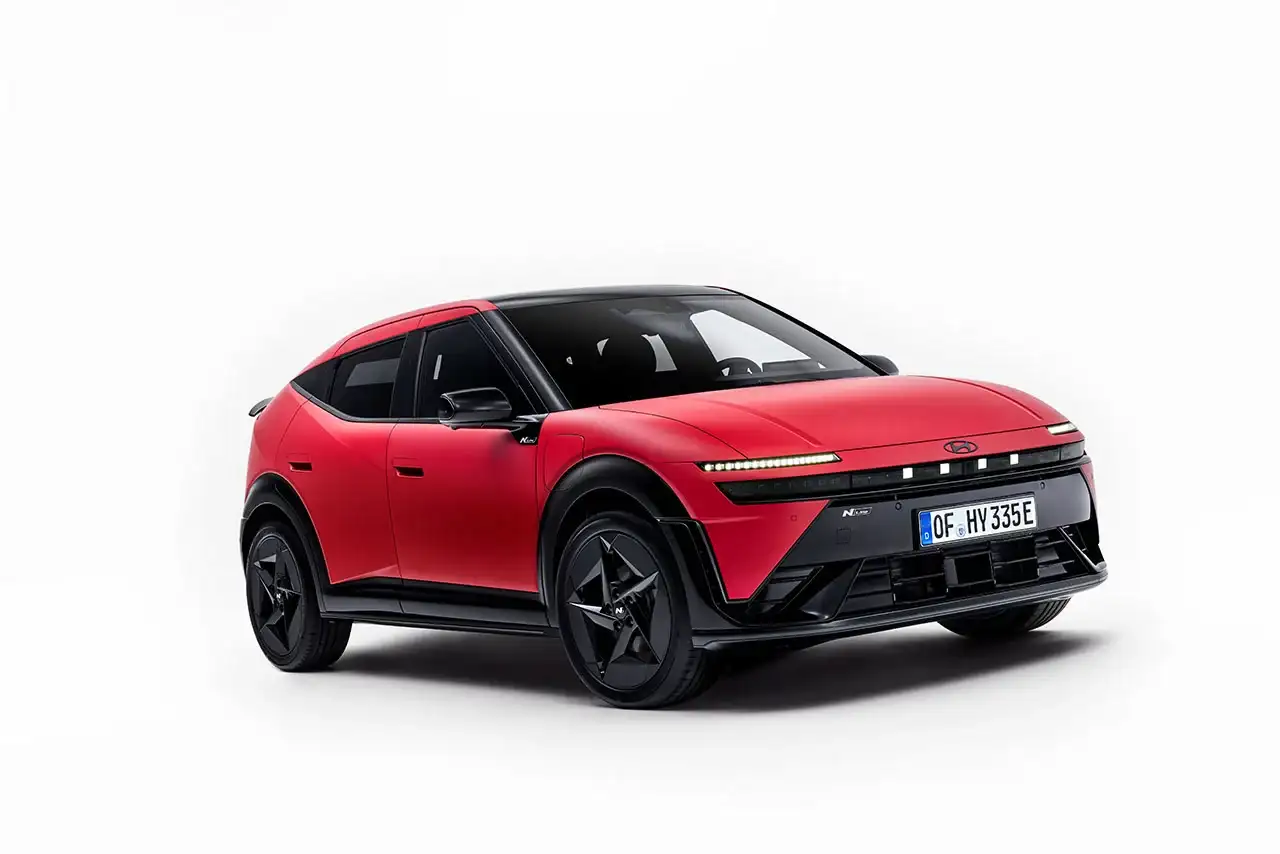
Aero Hatch Design Built For Efficiency And Space
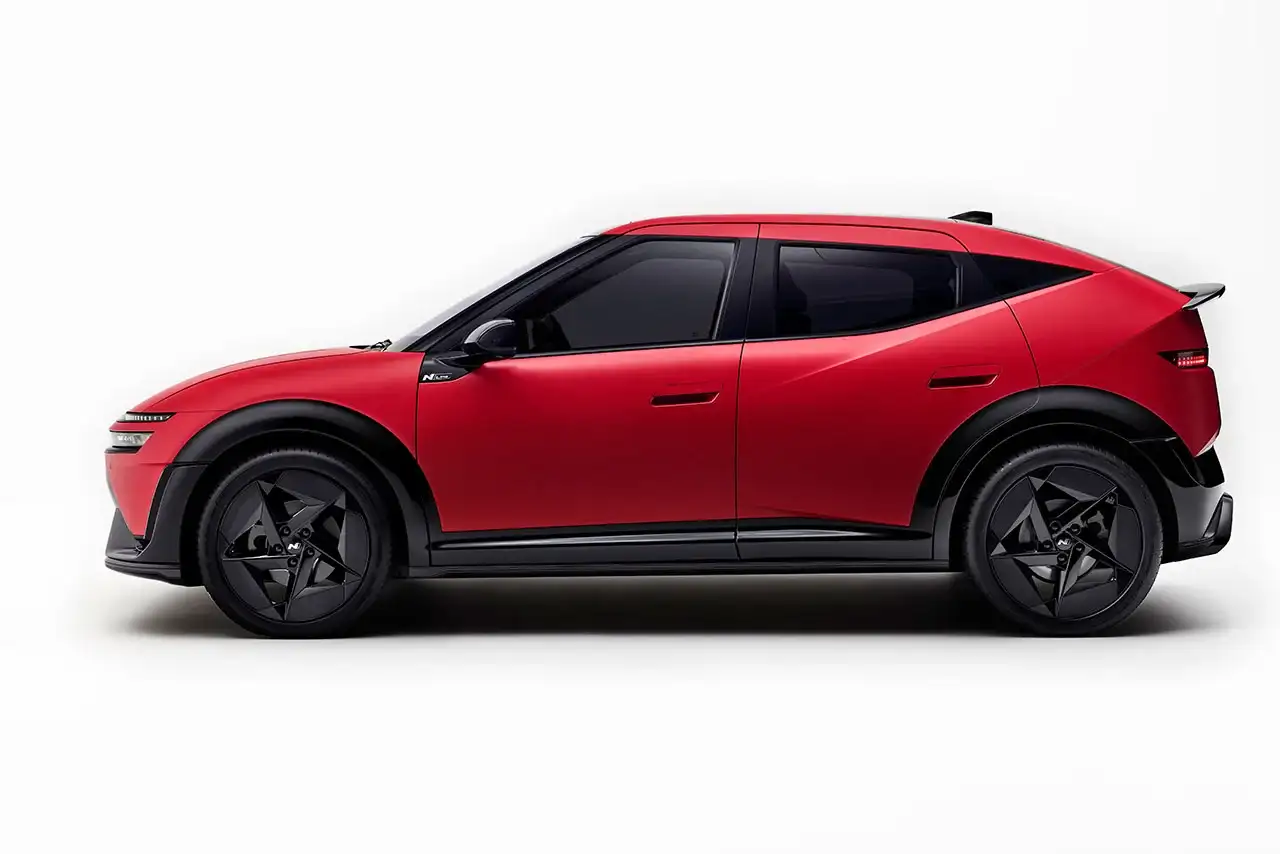
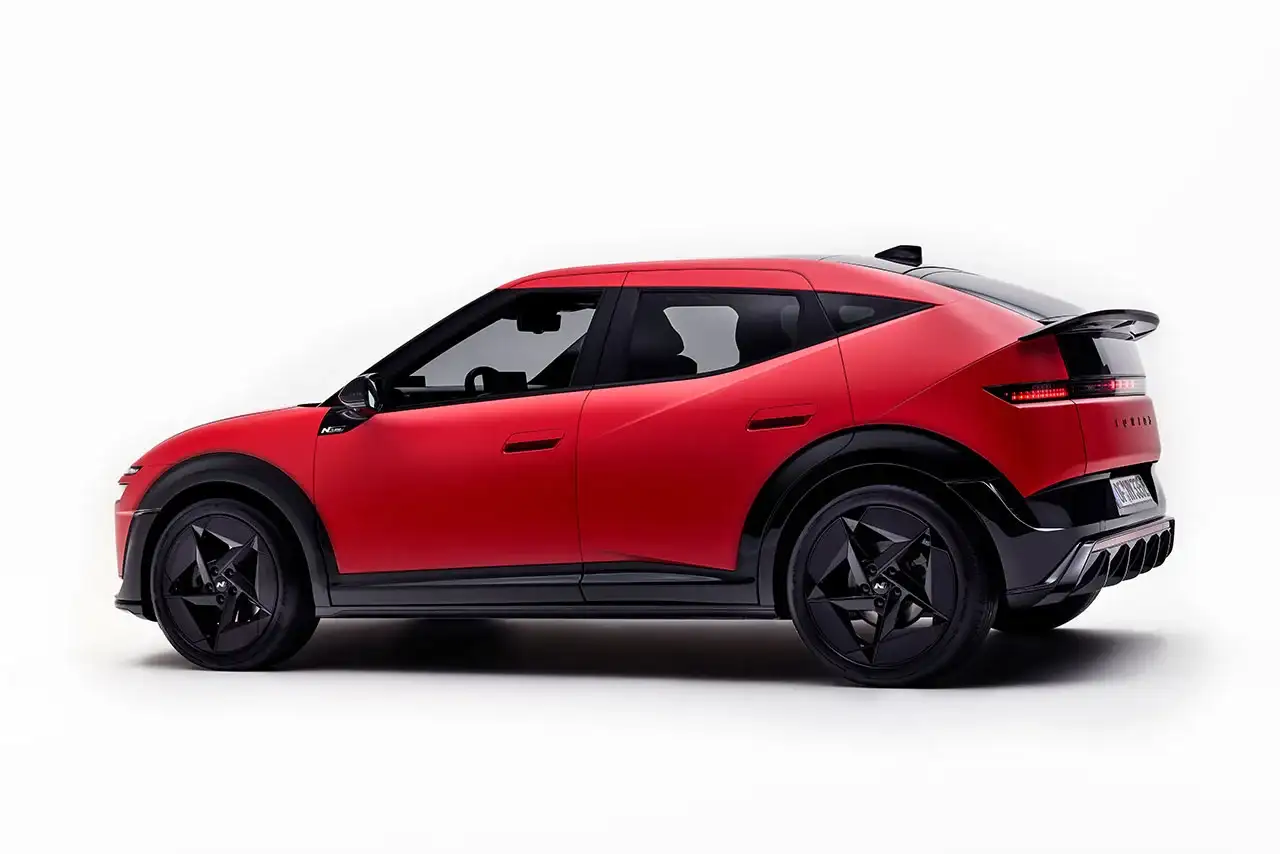
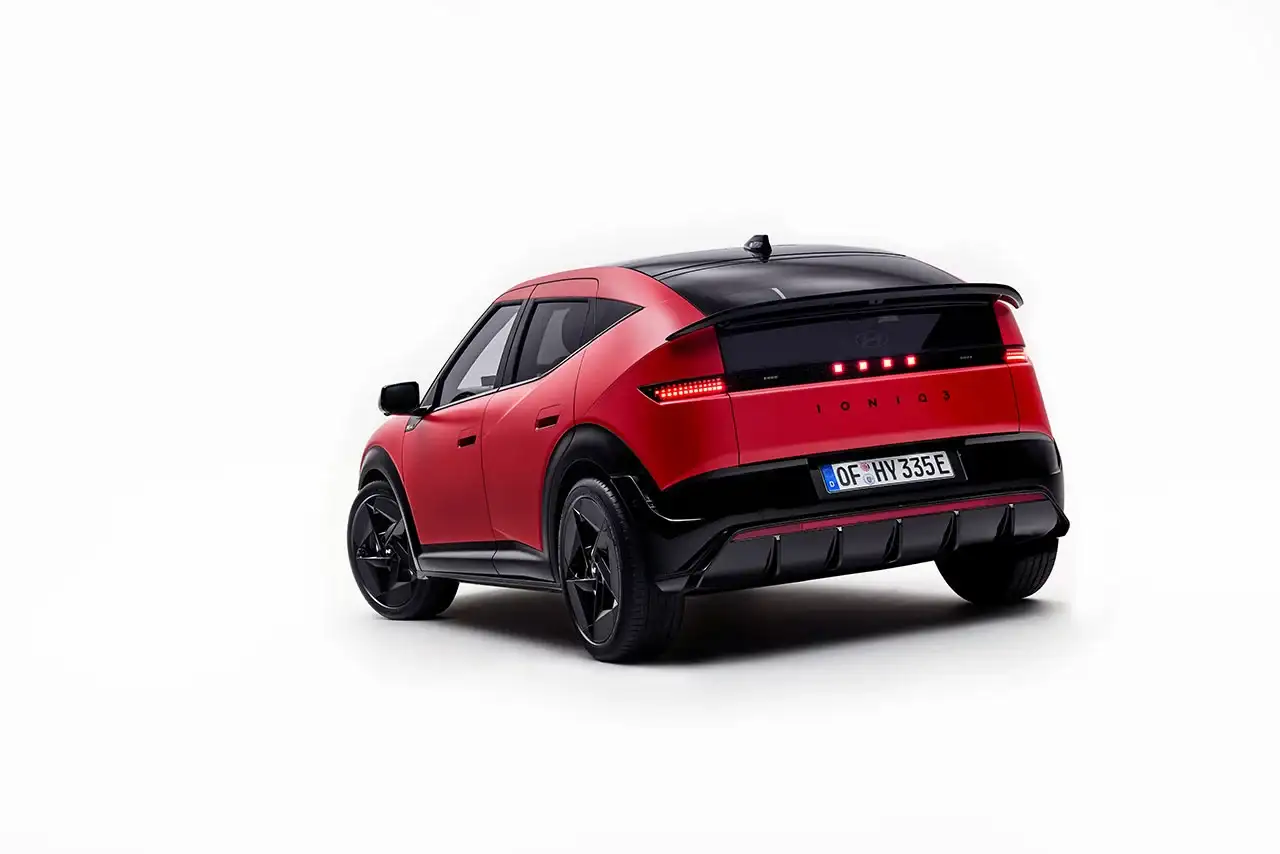
The first thing that stands out is the shape. Hyundai calls it an Aero Hatch, and the name makes sense: the roofline flows smoothly into the rear spoiler, creating a clean silhouette engineered for low drag and smart packaging. Hyundai says the body achieves a remarkable 0.263 drag coefficient, a figure that helps explain why this small EV can chase efficient long-distance performance without losing cabin practicality.
Under the surface, the design language is strongly tied to Hyundai’s Art of Steel philosophy, which favors crisp surfaces and minimal visual clutter. The lighting signature also does a lot of heavy lifting for brand identity, using parametric pixel elements and a four-dot motif inspired by Morse code for the letter H.
“The IONIQ 3 is aimed at buyers who want an electric car that feels advanced, but still fits into daily life without drama.”
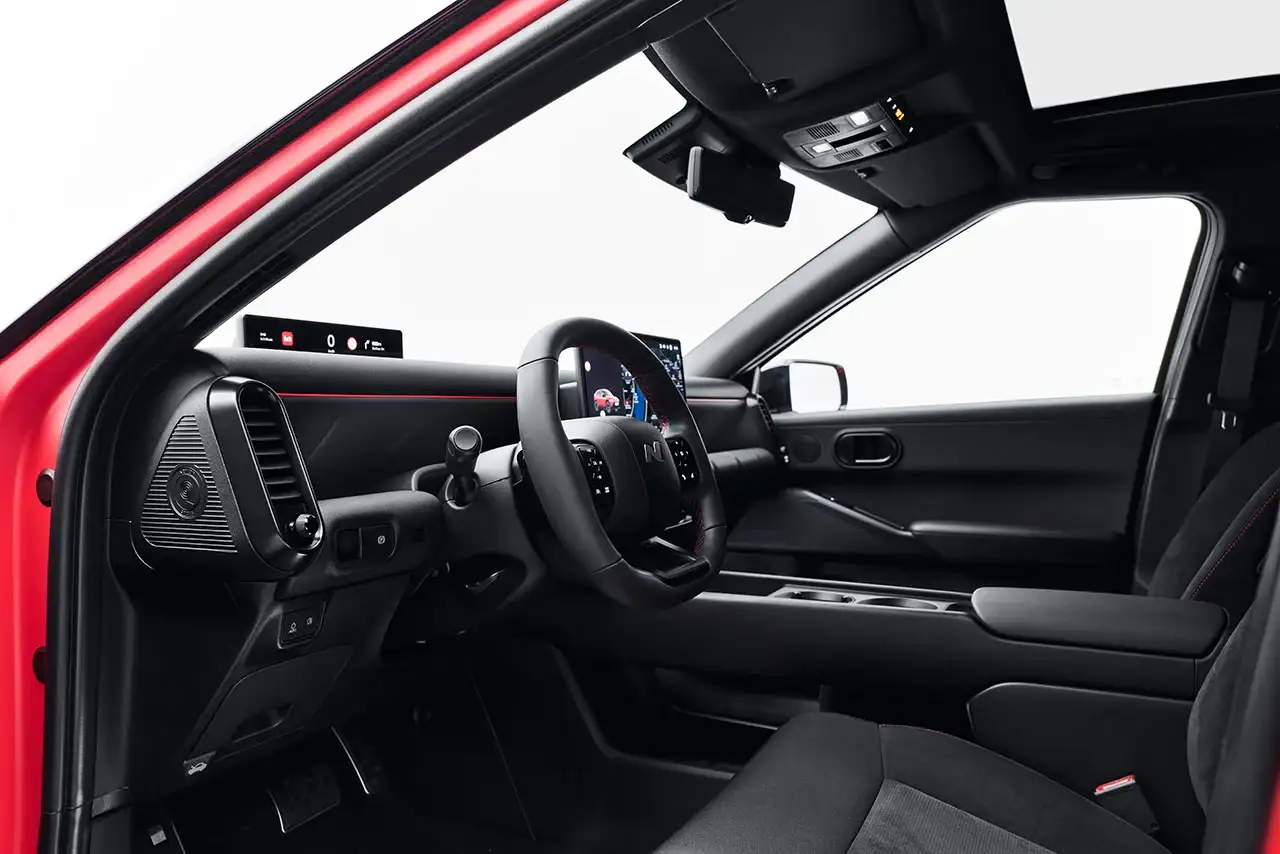
Inside The IONIQ 3, Hyundai Prioritized Cabin Logic
One of the biggest surprises is the interior. Rather than trying to impress with excessive futurism, Hyundai adopted a Furnished Space approach, arranging the cabin like a carefully planned living room. That matters in a compact EV, because the IONIQ 3 uses a 2,680 mm wheelbase and a flat-floor layout to maximize usable space.
Practicality is one of the strongest selling points here. Hyundai claims 441 liters of total cargo capacity, helped by a 119-liter Megabox under the trunk floor. For a European compact hatchback, that is a serious number and one of the reasons the IONIQ 3 feels positioned above ordinary city EVs.
| Key IONIQ 3 Highlights | Specification |
|---|---|
| Body Style | Compact electric hatchback |
| Drag Coefficient | 0.263 |
| Wheelbase | 2,680 mm |
| Cargo Space | 441 liters total |
| Underfloor Storage | 119-liter Megabox |
If you enjoy compact EV packaging battles, this is the kind of launch that sits in the same conversation as the Volkswagen ID.3 Neo and other Europe-first electric hatches trying to stretch range, design and usability at once.
Powertrain, Range And Tech That Make The IONIQ 3 Matter
The IONIQ 3 rides on Hyundai’s E-GMP dedicated EV platform, which is a major advantage for efficiency, packaging and charging architecture. The long-range version uses a 61 kWh battery and is expected to deliver up to 496 km of range under the WLTP cycle. For drivers who want a compact EV without constant charging anxiety, that number is the headline.
Technology is another major selling point. Hyundai is bringing its new Pleos Connect infotainment system, built on Android Automotive OS, to European sales for the first time. The car also includes Hyundai Digital Key 2, Plug & Charge, and V2L capability for powering external devices. That puts the IONIQ 3 in a more premium digital category than many rivals.
Safety and driver assistance are equally important. Hyundai has equipped the model with HDA2 highway driving assist, RSPA remote smart parking assist, and MRA memory reverse assist. In simple terms, this is a compact EV that is clearly designed to reduce stress, not add it.
For readers tracking the wider EV market, it is worth comparing this launch with other global electric strategies such as the Nissan Juke EV and Mercedes-Benz’s CLA-Class EV, both of which show how much attention Europe and urban mobility are getting right now.
Hyundai Europe boss Xavier Martinet summed up the mission clearly: the IONIQ brand’s design, technology and people-first philosophy are being compressed into a compact form that fits everyday life. That is exactly why the IONIQ 3 could become a key player in Europe’s next EV wave.