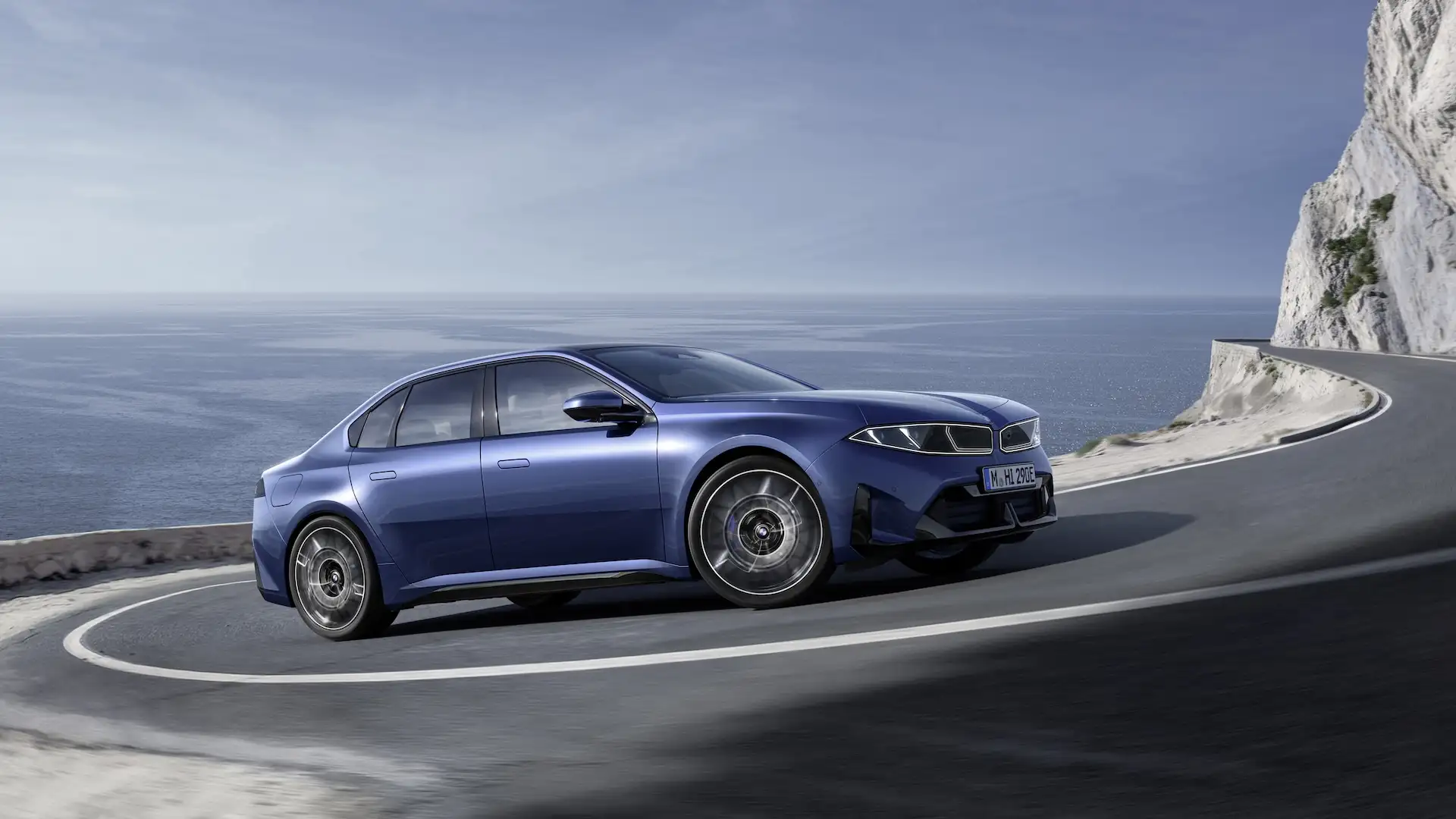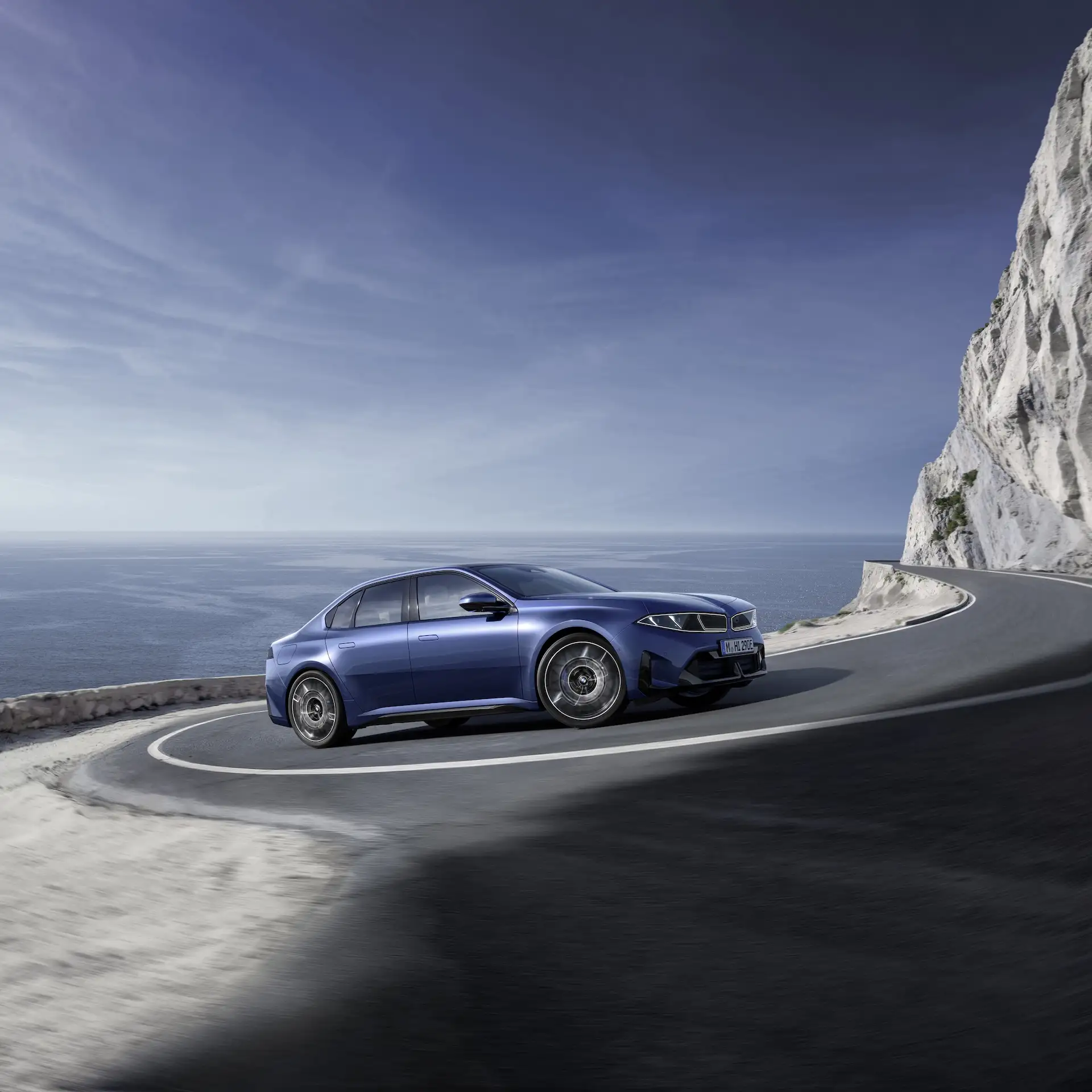
BMW i3 2027 challenges rivals with an 800-volt architecture and a futuristic design. Here’s why this is the brand’s biggest technological leap.
BMW is about to redefine the concept of the sporty sedan with a risky bet that could change the brand’s fate forever. The new BMW i3 2027 isn’t just a model update—it’s the embodiment of the Neue Klasse platform, designed to convince purists that electrification doesn’t mean the end of driving excitement. While the market watches every move by the Bavarians closely, this vehicle arrives packed with cutting-edge technology and an 800-volt architecture that promises to leave the competition behind.
The shift to electric has always been a dilemma for traditional automakers, balancing heritage and innovation. Unlike rushed conversions, this project was born electric from the drawing board. To understand the scale of this change, it’s crucial to compare it to what came before, as detailed in BMW i3 2026: The Reveal Date Has Arrived and the New Neue Klasse Platform Changes Everything. The engineering behind this sedan represents the biggest departure from the classic design of the 3 Series in decades, focusing on aerodynamic efficiency without sacrificing the iconic identity of the twin-kidney grille.
Exterior Design And The New Electric Architecture
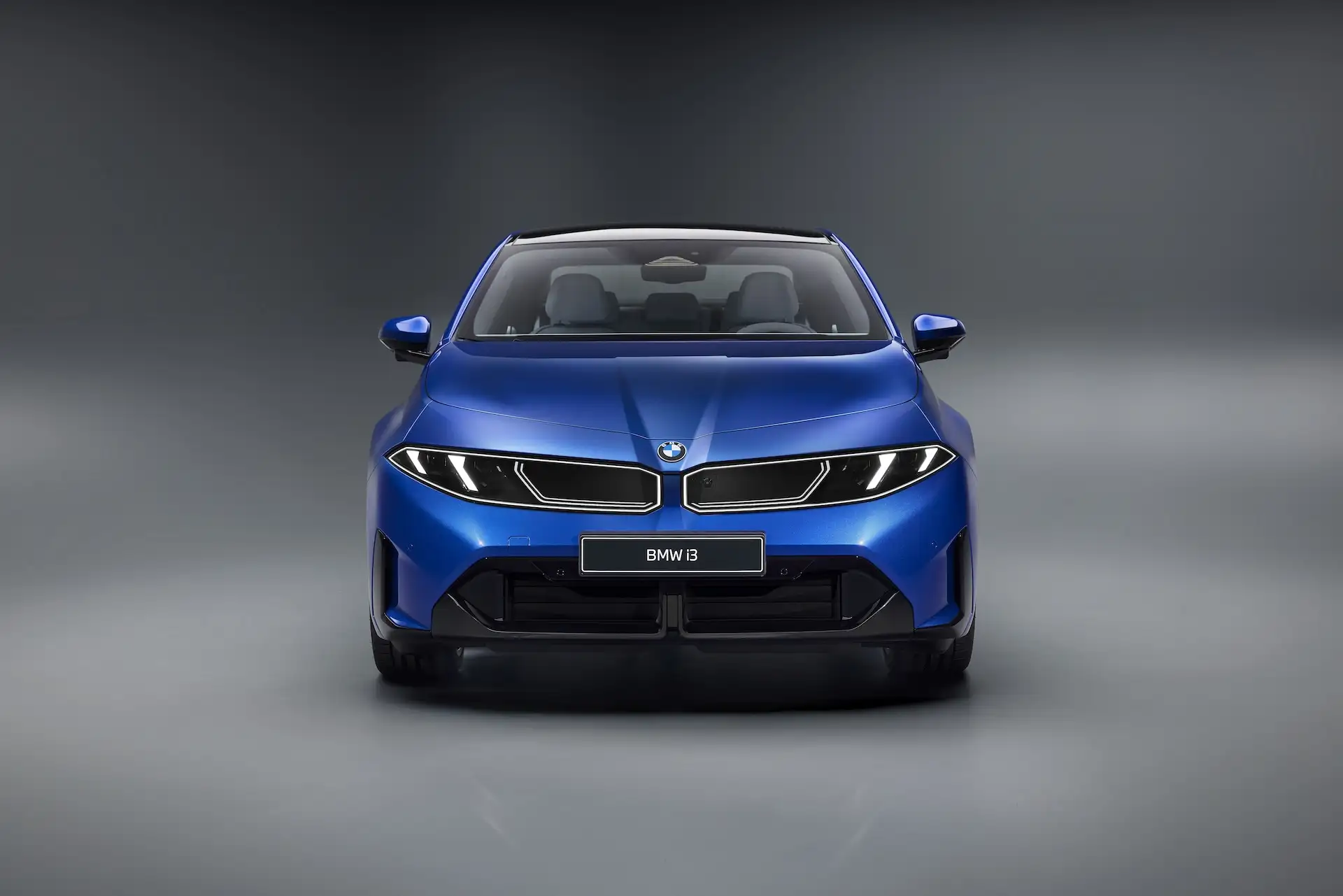
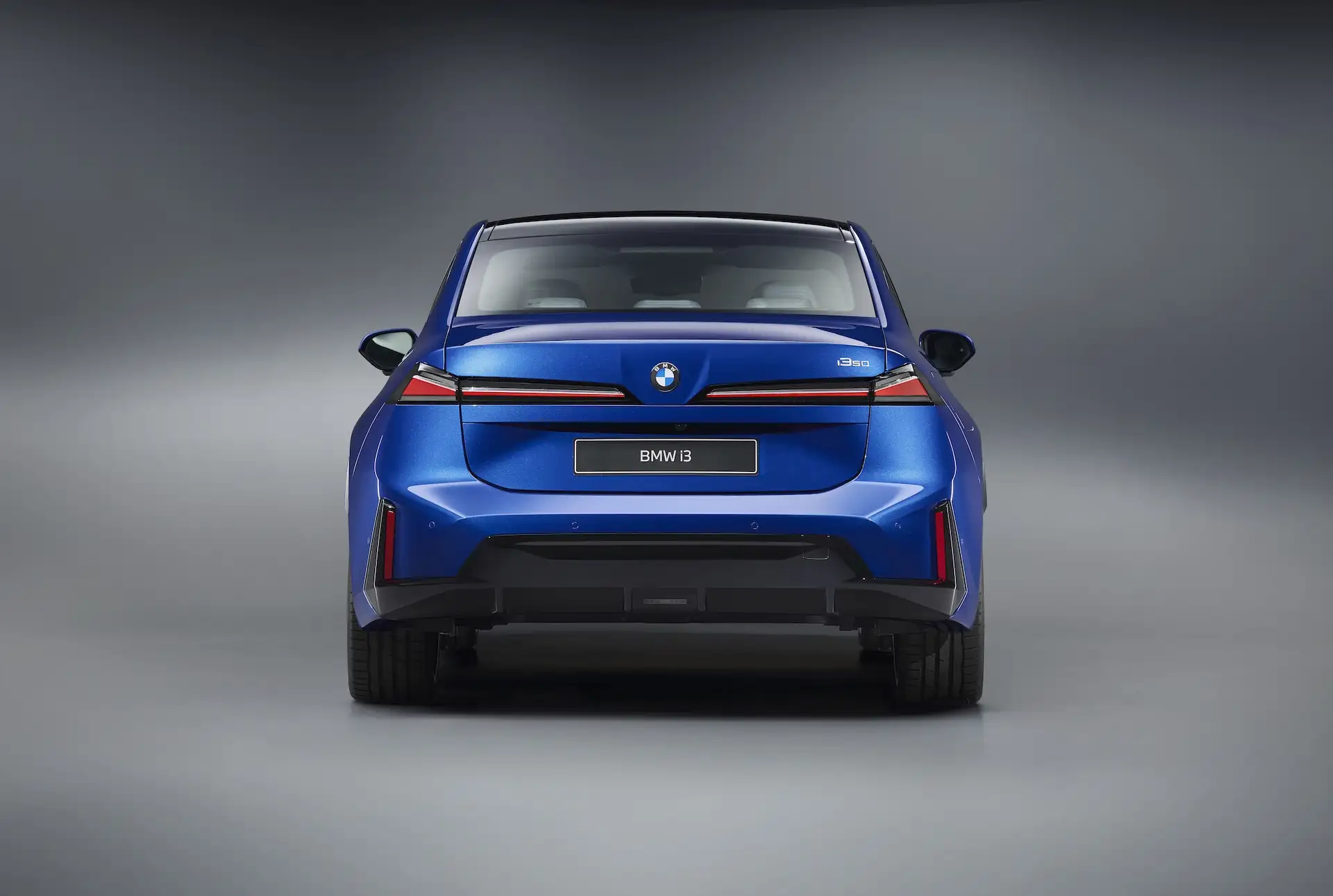
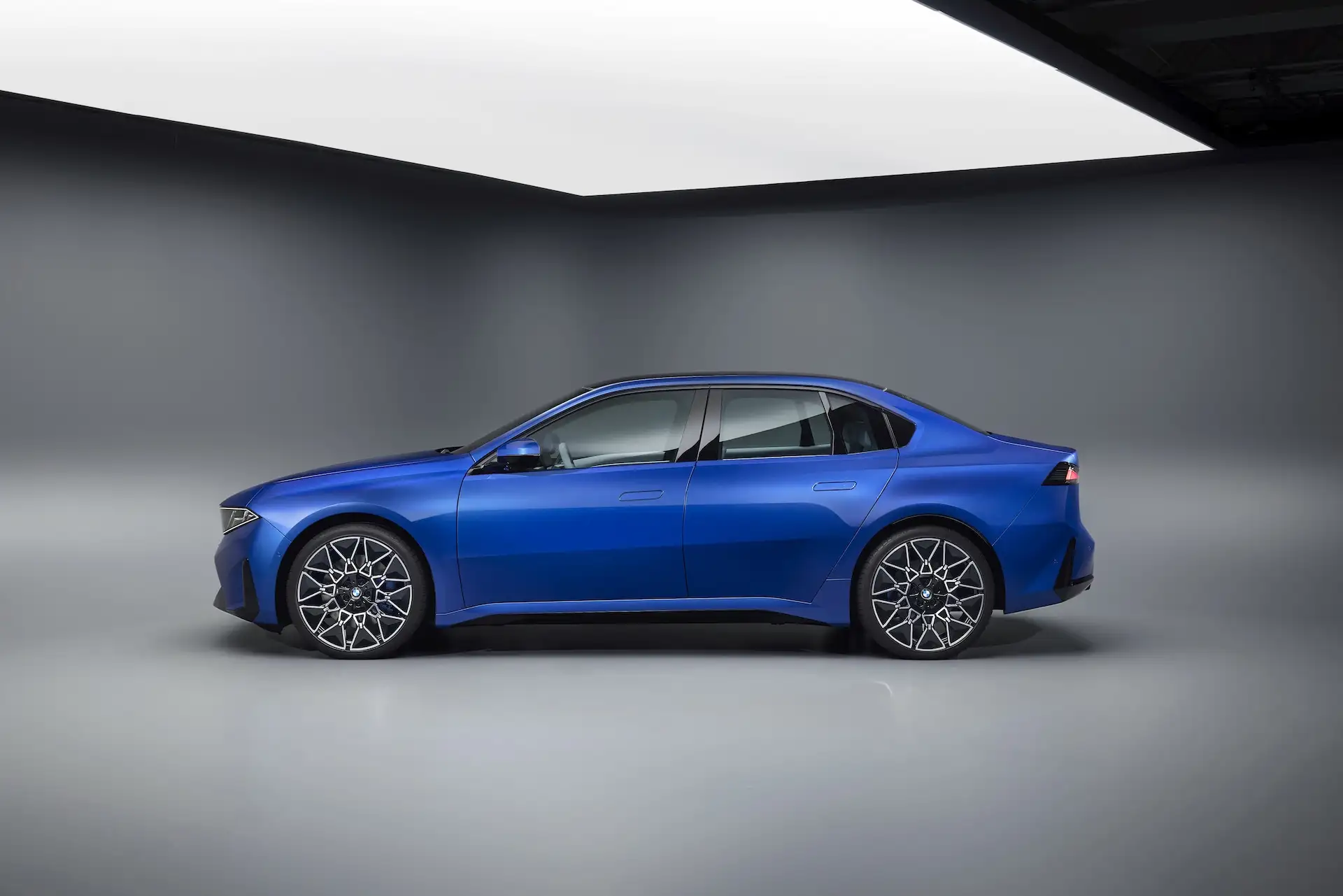
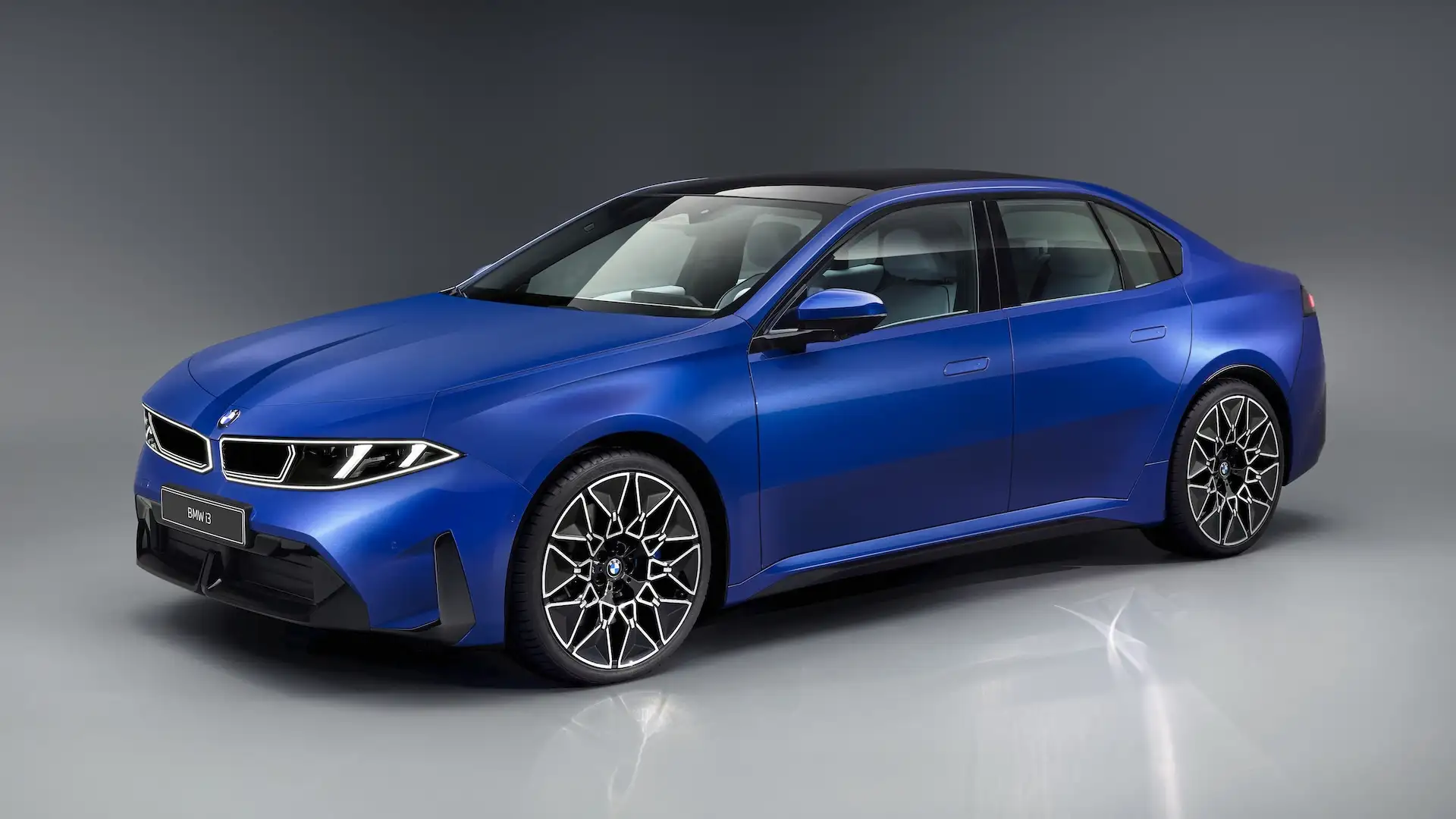
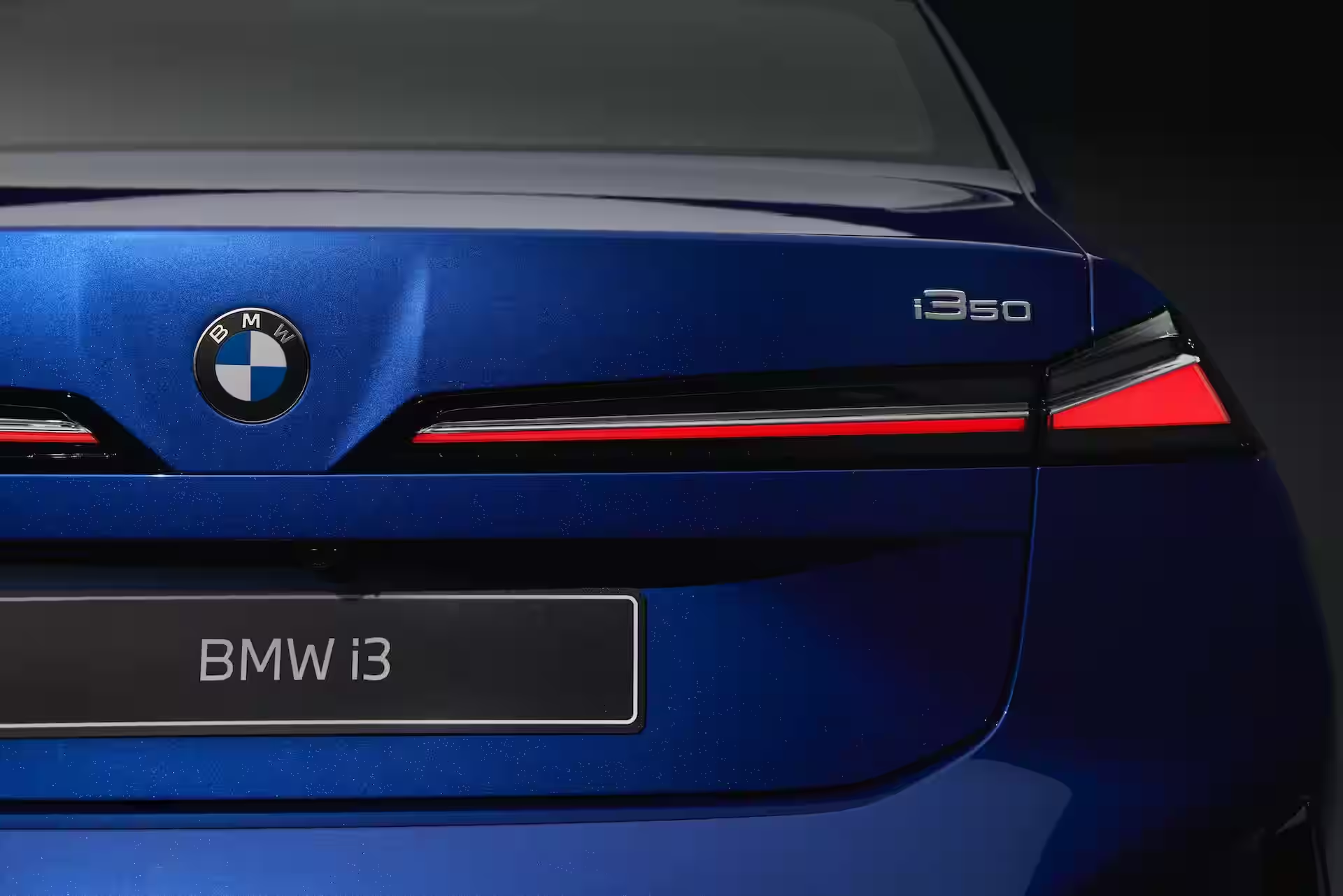
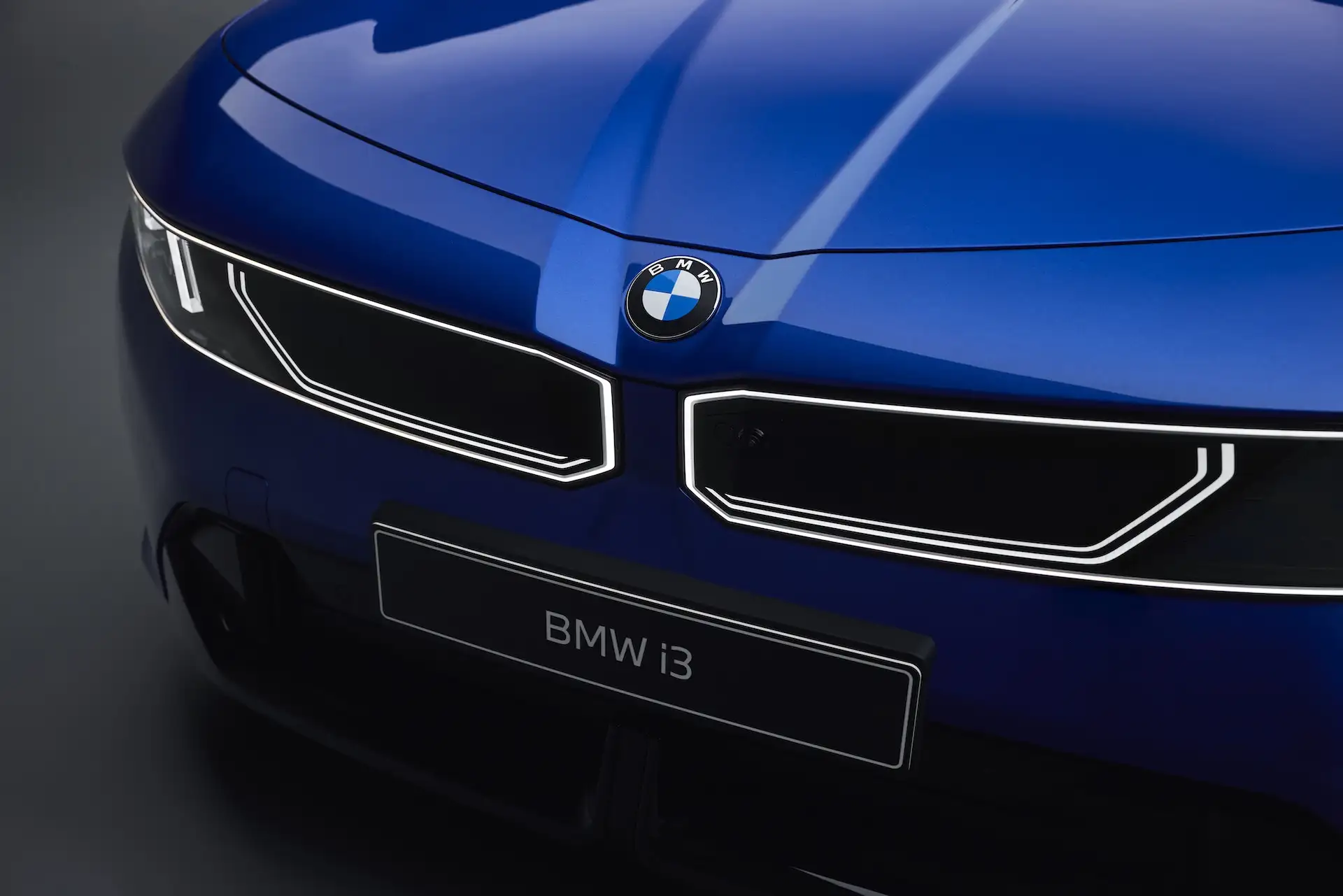
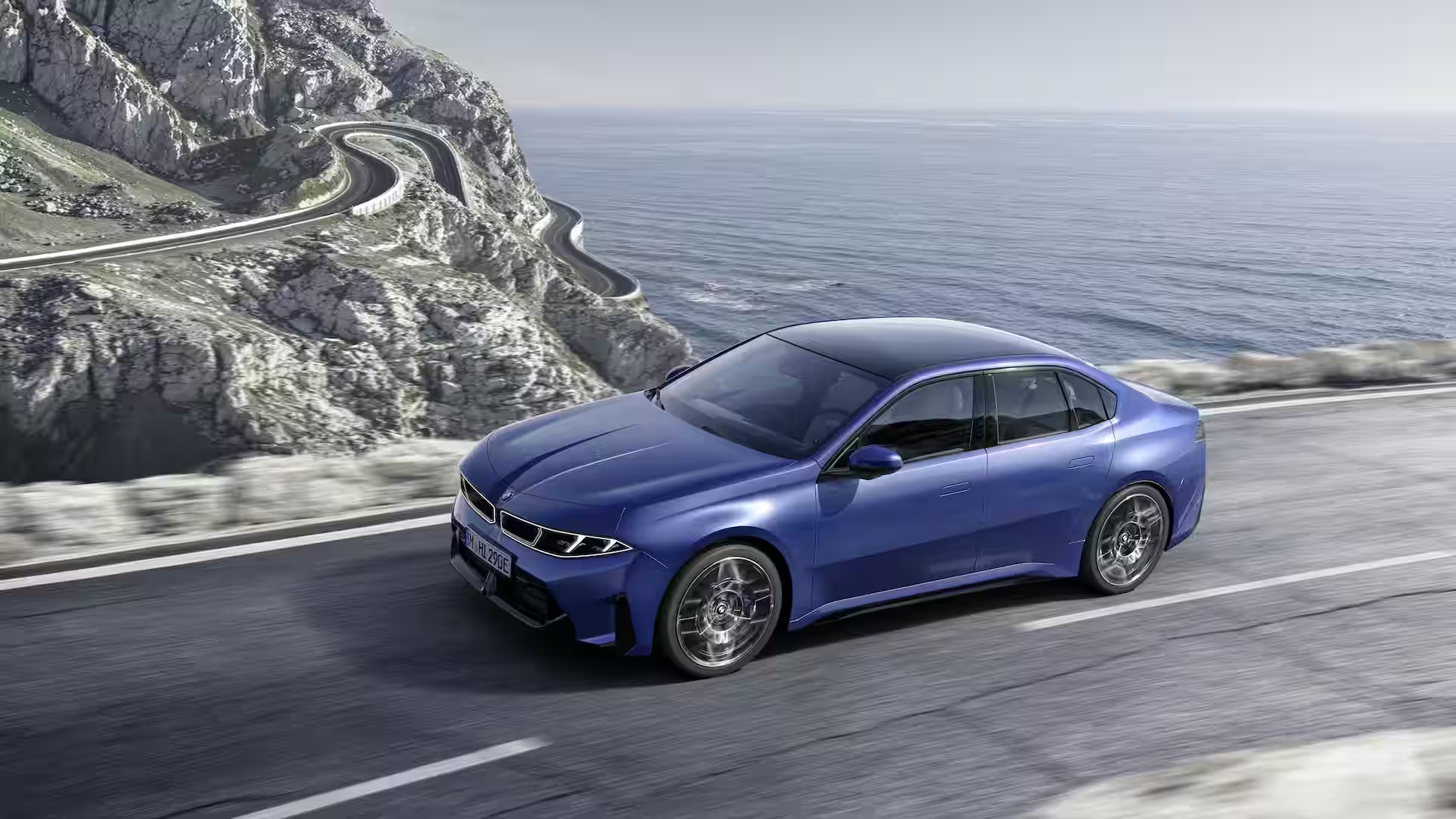
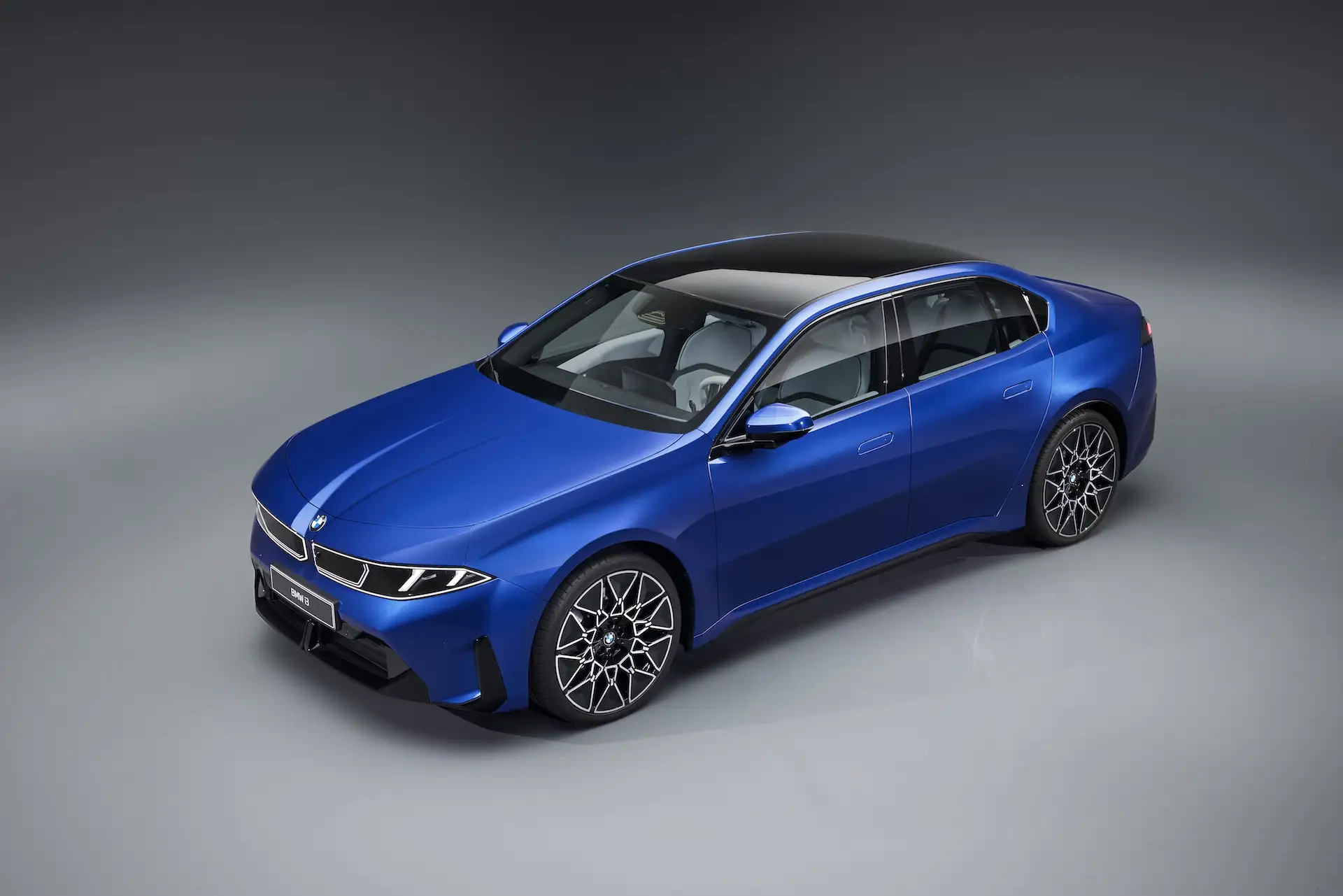
The look of the BMW i3 2027 is a clear statement of intent. Up front, the twin-kidney grille gains LED contours that extend to the front corners, creating an unmistakable light signature. The roof pillars are thinner, and the sculpted sides guide the eye toward an elevated shoulder line that ends in a short, high rear. A strip of LED lights runs across the rear, housed in a shallow channel, mirroring the logo design up front. These changes aren’t just aesthetic; they help optimize airflow and increase range.
With a length of 476.25 cm and a wheelbase of 289.8 cm, the i3 is bigger than the current 3 Series, offering more interior space without feeling bulky. The sense of lightness is maintained thanks to the tall windows and slim pillars. This design strategy mirrors the approach of other giants that are moving to electric, as seen when the Porsche Cayenne S Electric 2026: The Model That Made Porsche Abandon Its Safest Strategy in 25 Years. BMW knows it needs to deliver street presence to justify the switch from an internal-combustion engine to batteries.
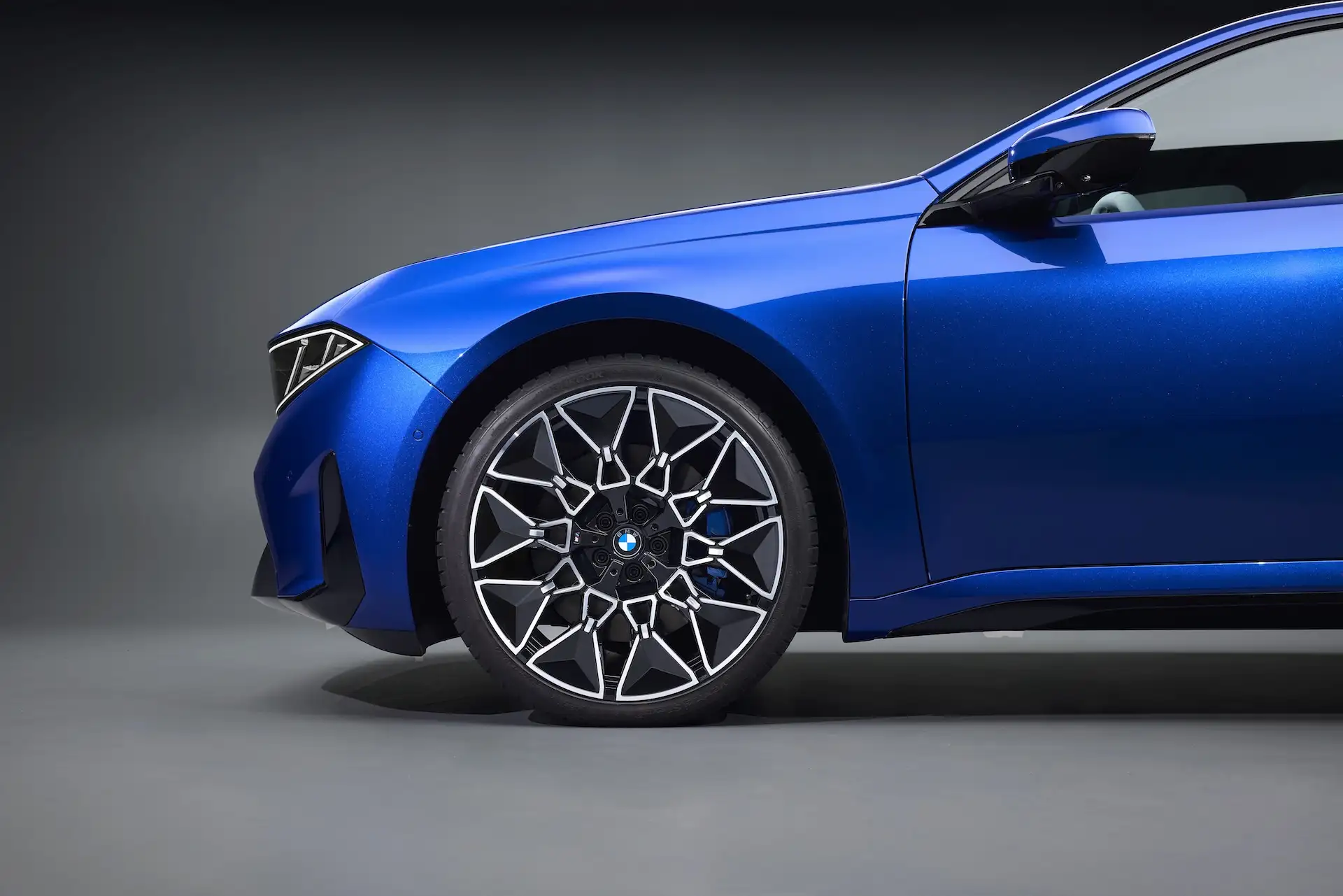
In addition, availability of wheels up to 21 inches and the option of M Sport packages with a unique steering wheel further strengthen the sporty appeal. The automatic parking system, guided via smartphone, shows how convenience has been integrated into the luxury package—something essential for competing in a market where technology is the new horsepower.
Digital Interior and the Panoramic iDrive Experience
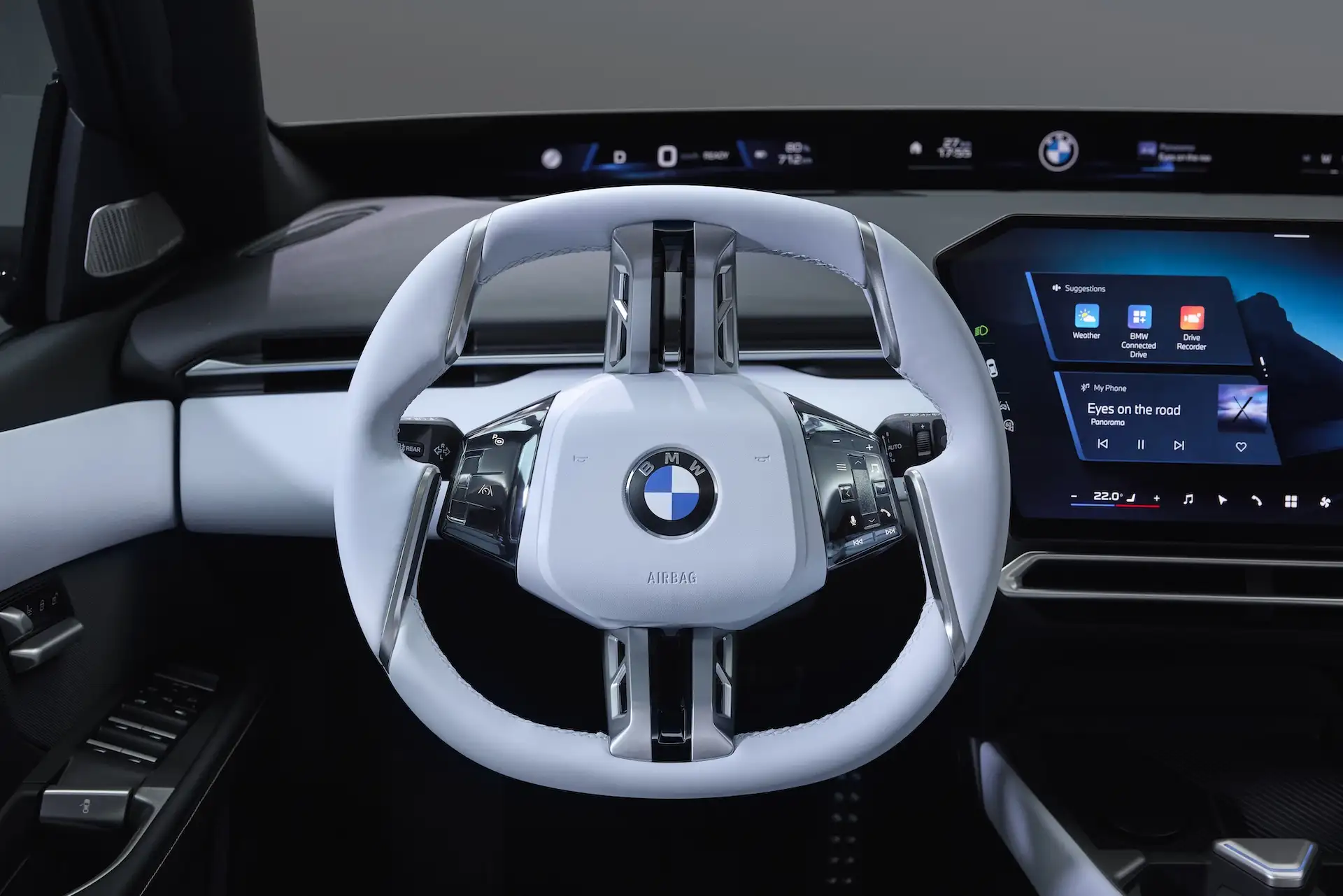
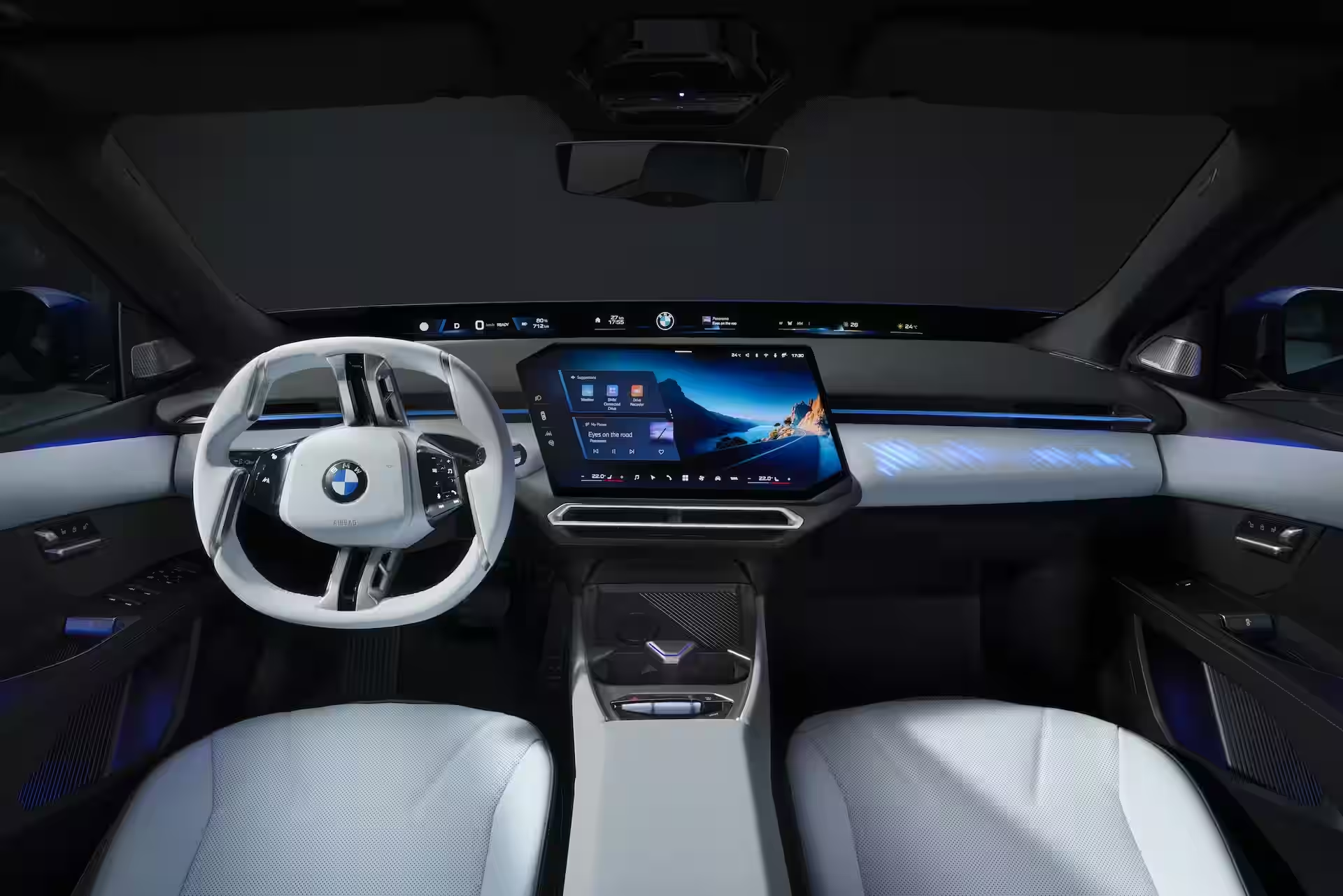
Step into the cabin and the driver is greeted by a true digital tour de force. BMW calls this system Panoramic iDrive. At the center, a 17.9-inch angled screen controls driving modes, entertainment, and climate. However, the highlight is the digital display that runs along the entire base of the windshield, showing everything from navigation bands to audio information. The interaction is smooth whether through touch, steering-wheel controls, or a voice assistant activated by “Hey BMW.”
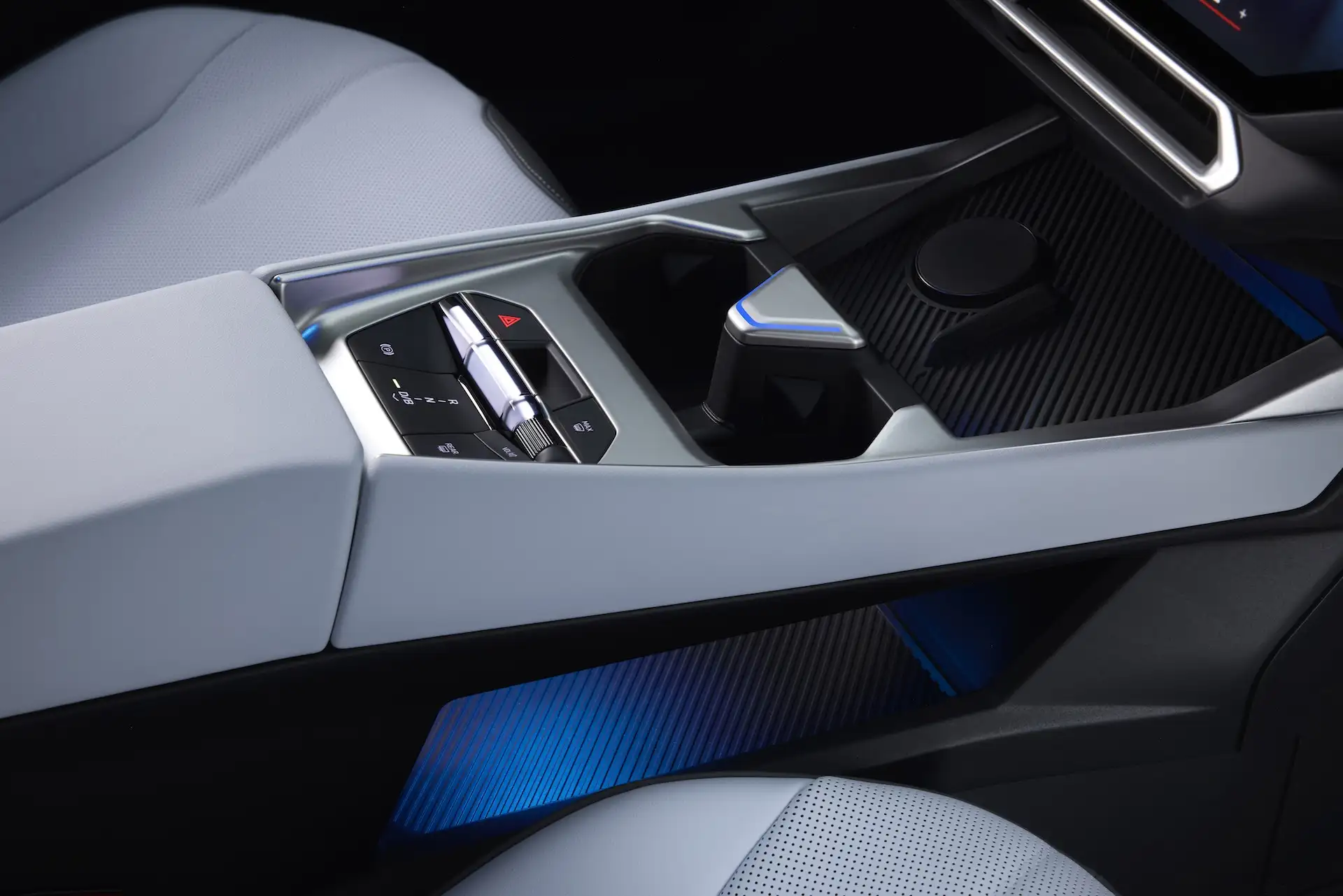
This tech immersion puts the i3 on par with luxury limousines. Comparatively, the Mercedes-Benz S-Class 2026 Challenges Chinese Trend and Brings Physical Buttons Back to the Steering Wheel shows that there’s a quiet battle over how much digitalization is acceptable. BMW chose to reduce physical buttons in favor of powerful electronic hubs called “superbrains,” which manage entire subsystems—from steering dynamics to driver assistance.
The Symbiotic Drive system provides hands-free driving up to Level 2, improving safety on highways. An optional head-up display integrates with the full-width digital wall display at the top of the dashboard, ensuring the driver never needs to take their eyes off the road. Over-the-air updates keep the car’s “brain” always current—an increasingly standard feature in modern vehicles, but implemented here with German precision.
Performance and 800-Volt Battery Technology
The heart of the BMW i3 2027 is a 108.7 kWh usable liquid lithium-ion battery pack, operating on an 800-volt architecture. This enables a peak charging rate of 400 kW, drastically reducing stop time on long trips. Peak power is 463 hp, with 0 to 60 mph in under five seconds, even before any M version is considered. This performance places the sedan in direct competition with rivals that are emerging in the global market.
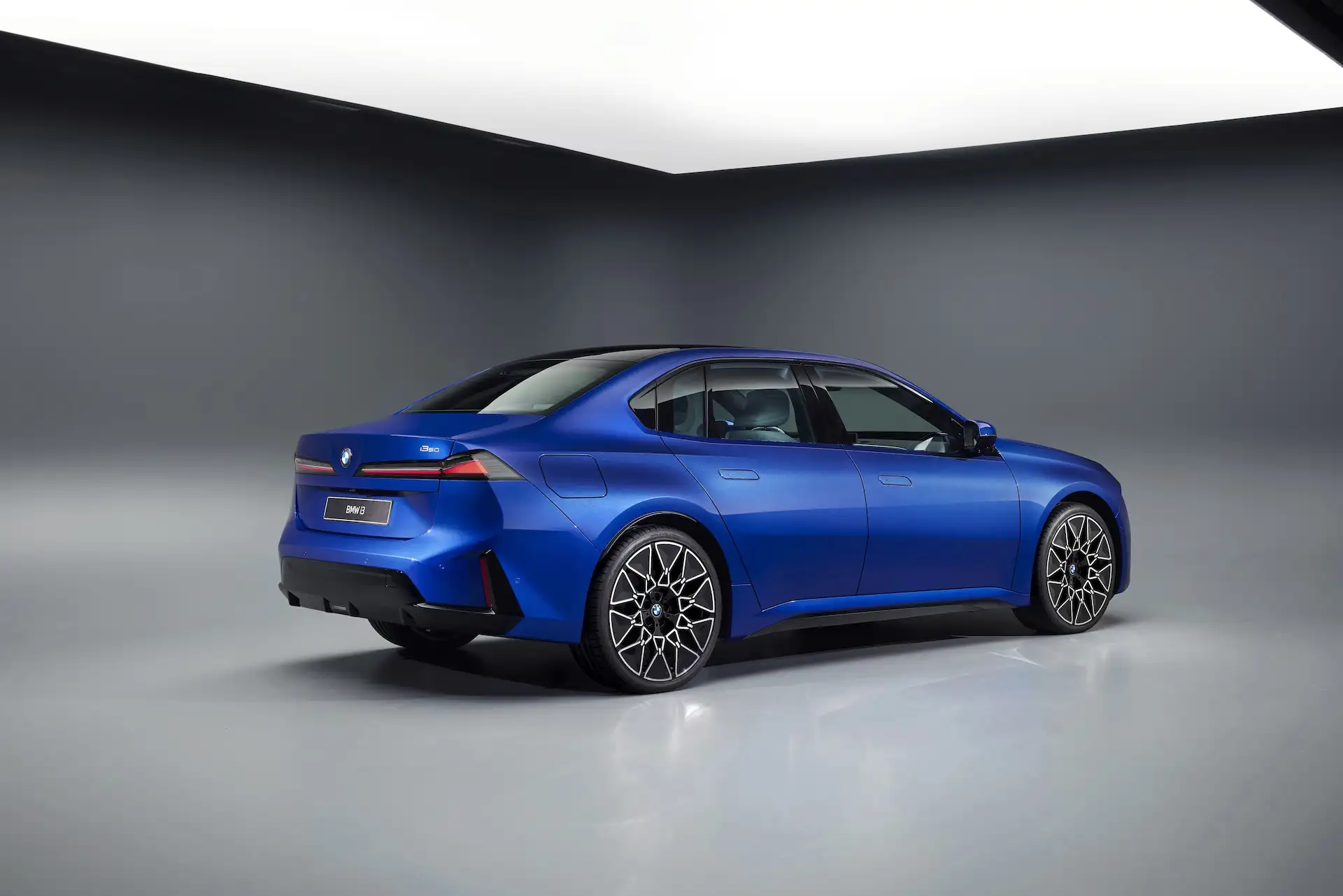
Energy efficiency is a crucial point, especially when we look at what Chinese brands are doing. The BYD BC22: The Electric Giant That Will Quiet the Chaos in São Paulo and Has a Secret in the Battery shows how storage technology is evolving rapidly. BMW responds with an energy-recovery system that includes a smooth-stop function, effectively eliminating the need for mechanical braking in day-to-day driving.
The multilink rear suspension and electric steering are complemented by an available adaptive suspension with dual-motor all-wheel drive. While the i3 isn’t the first Neue Klasse model to arrive—it’s preceded by the iX3 in the summer—it sets the tone for the brand’s future. For anyone already following the evolution of the brand’s electric cars, the lessons learned from the BMW IX 2026: The Price Dropped, But What Happened with Range Will Shock You have been applied to fix shortcomings and maximize efficiency.
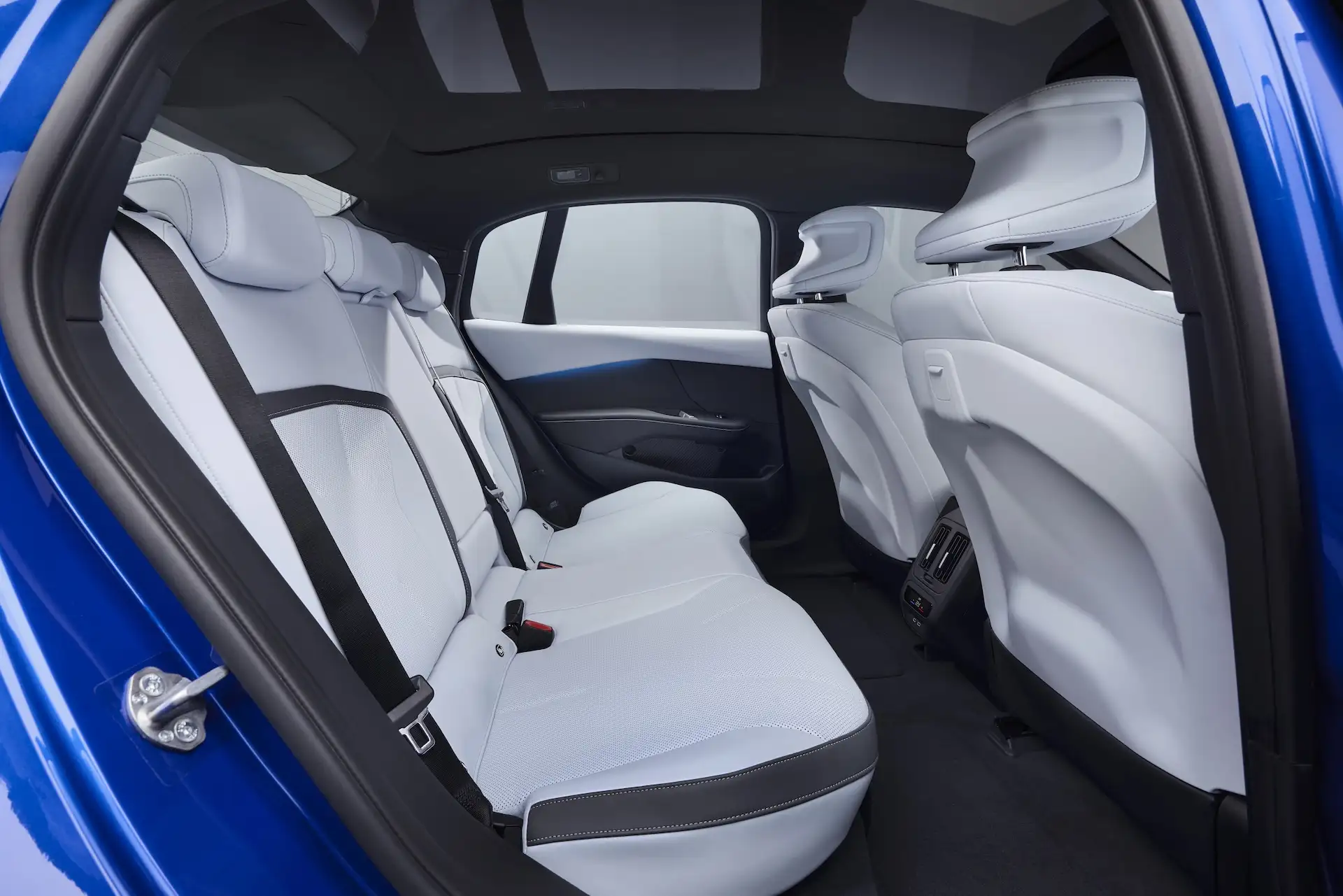
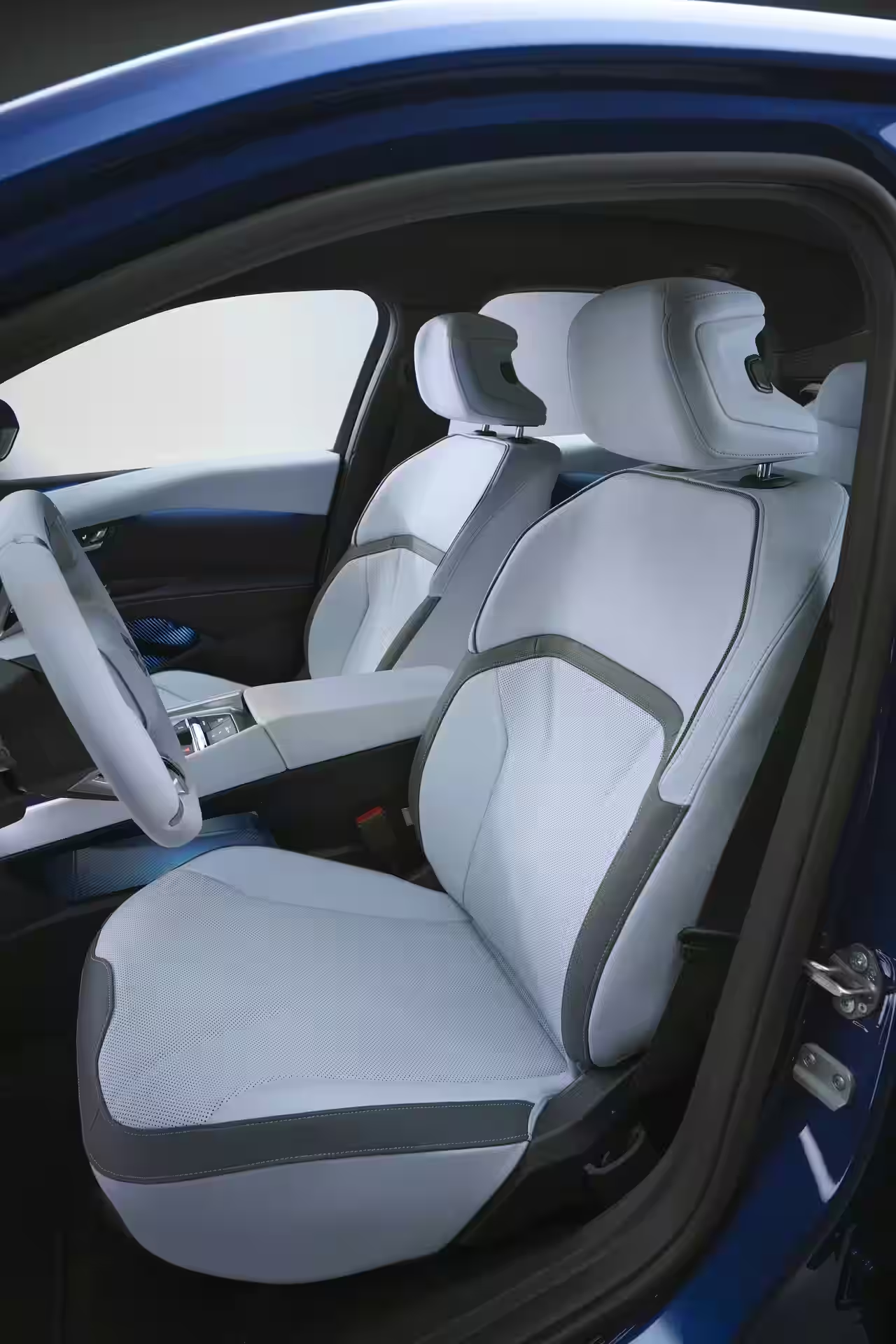
The launch is scheduled for the end of 2026, with sporty front seats, a synthetic leather interior, and standard compatibility with Apple CarPlay and Android Auto. The NACS charging port ensures compatibility with the North American network, showing a strategically global adaptation. The remaining question is whether the driving pleasure BMW promises will be enough to win over skeptics when the i3 50 xDrive arrives at dealerships.