
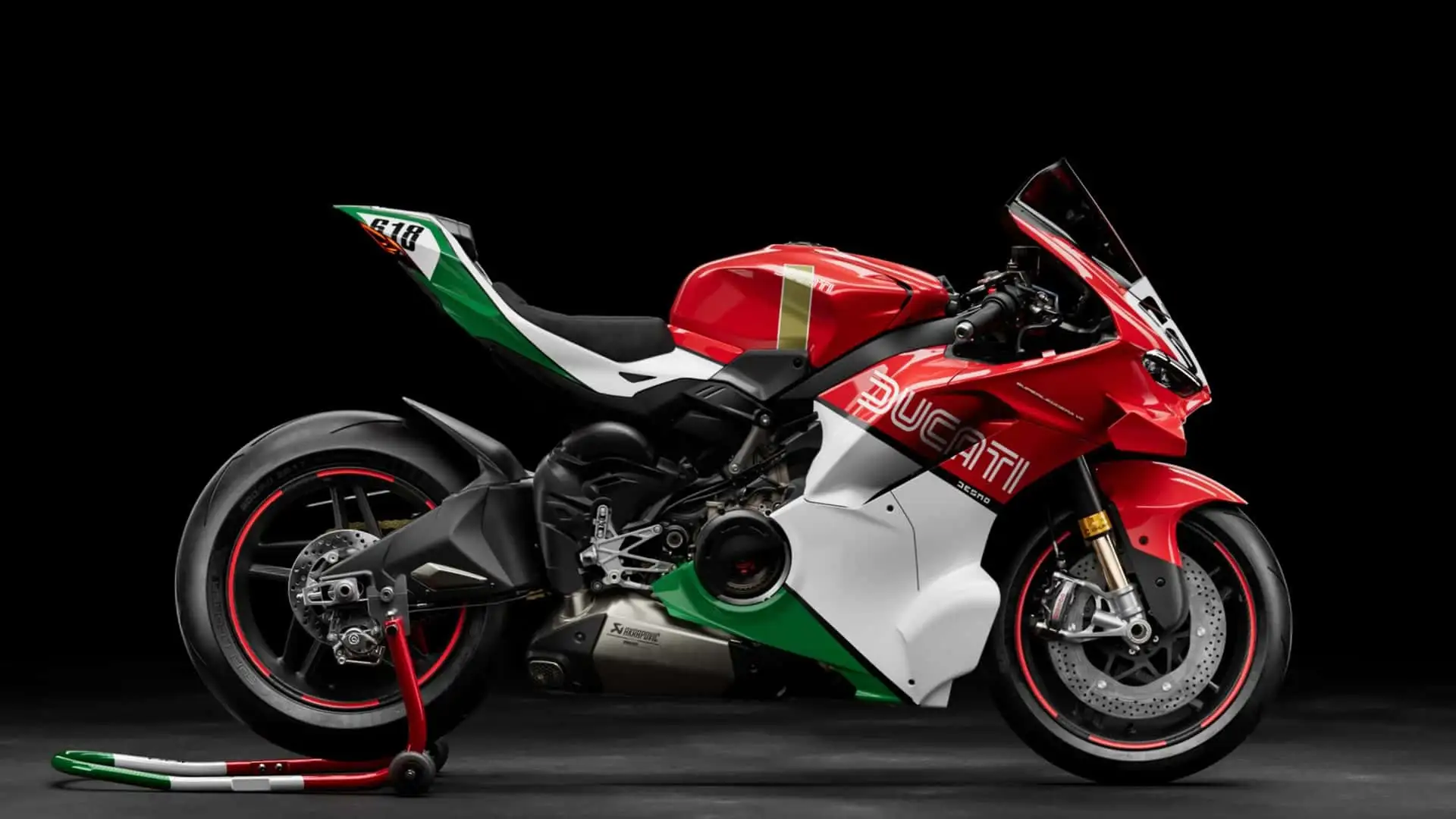
DUCATI’s centenary bike is not a tribute. It is a benchmark.
Ducati has marked its 100th anniversary with the Superleggera V4 Centenario Tricolore, a production run limited to 100 units that turns the brand’s heritage into a 228 hp engineering showcase. This is not a commemorative paint package with a plaque. It is a full-spec, carbon-intensive superbike that pushes road-legal performance into near-race territory while keeping the visual language rooted in Ducati history.
| Key specification | Detail |
|---|---|
| Model | Ducati Superleggera V4 Centenario Tricolore |
| Output | 228 hp |
| Production | 100 units |
| Chassis/body | Full carbon fiber construction |
| Brakes | Carbon-ceramic system |
| Suspension | Ducati Lenovo Team-derived hardware |
The hardware matters more than the birthday badge
The headline figure is the 228 hp output, but the more significant detail is the package around it. Ducati says the bike uses a full carbon fiber chassis and bodywork, a combination that should immediately tell enthusiasts this is about mass reduction, rigidity and track precision rather than luxury theater. Carbon-ceramic brakes are especially notable because Ducati says they have not appeared on a road-legal model before, which places this machine in the same conversation as the most extreme hypercars.
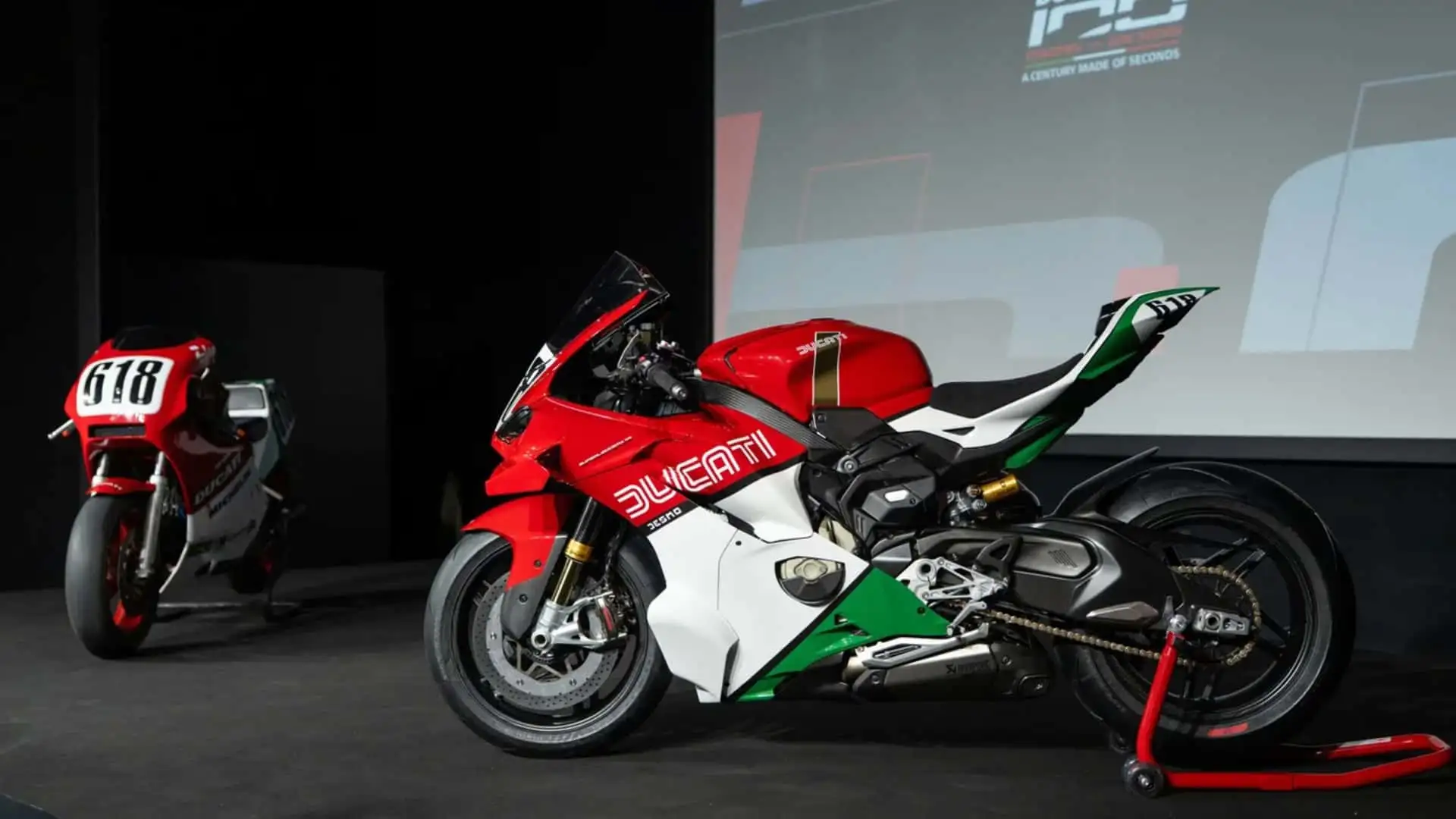
Why the design reference is not random
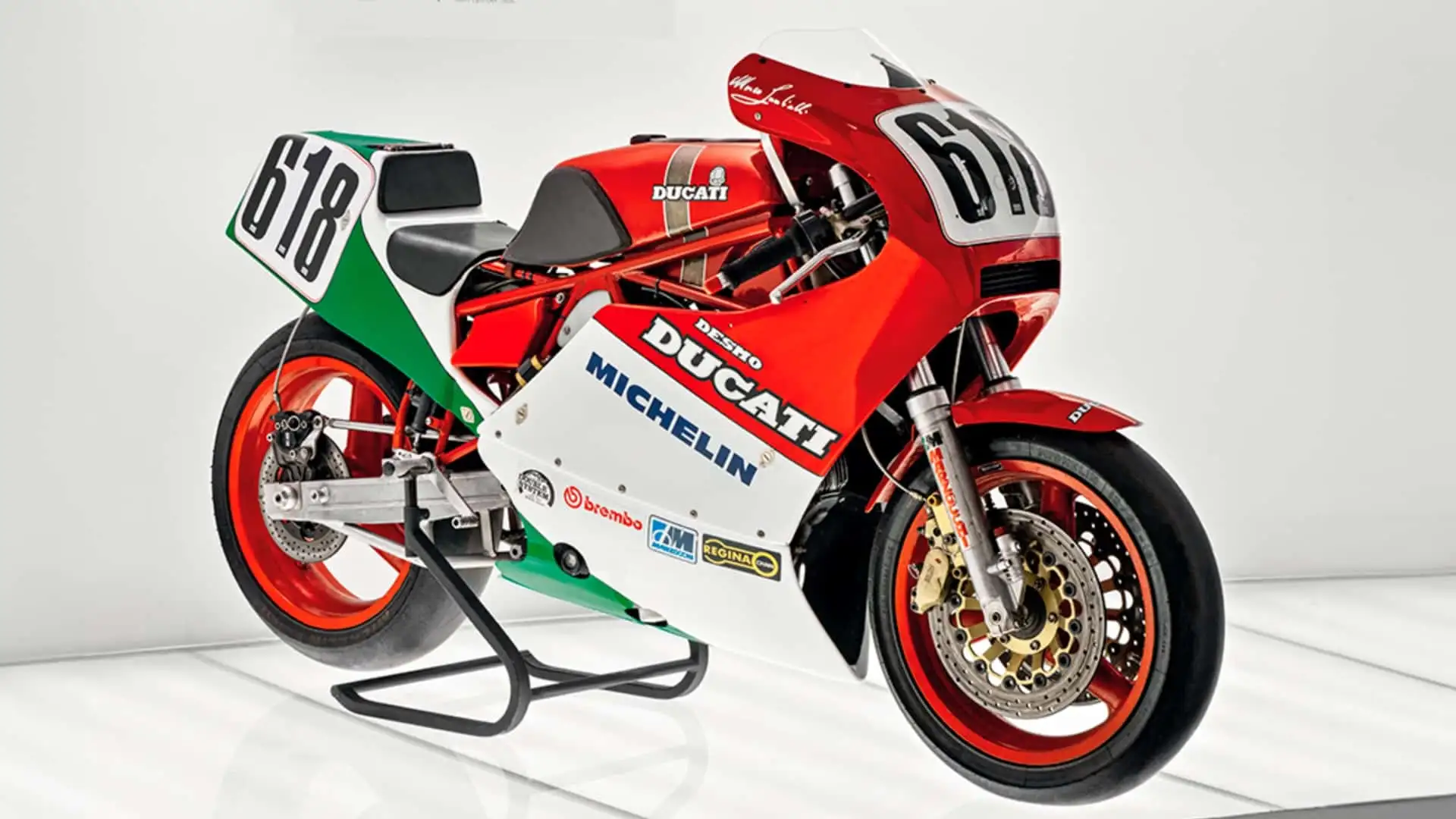
Rather than chase a futuristic silhouette, Ducati drew on the Ducati 750 F1 that raced at Daytona in the 1980s. That matters because Ducati is not only selling performance; it is selling continuity. The centenary Tricolore uses nostalgia as a structural design tool, not a styling gimmick. The result is a machine that looks archival in concept but deeply contemporary in execution, a balance few manufacturers manage without slipping into costume territory.
For readers tracking how manufacturers use heritage without losing technical relevance, the hidden detail that connects this to https://canalcarro.com/en/porche-cayenne-coupe-electric-hides-1139-hp-behind-a-cleaner-roofline/ is that both products use modern engineering to intensify a brand story, not replace it.
Ducati’s anniversary is bigger than one motorcycle
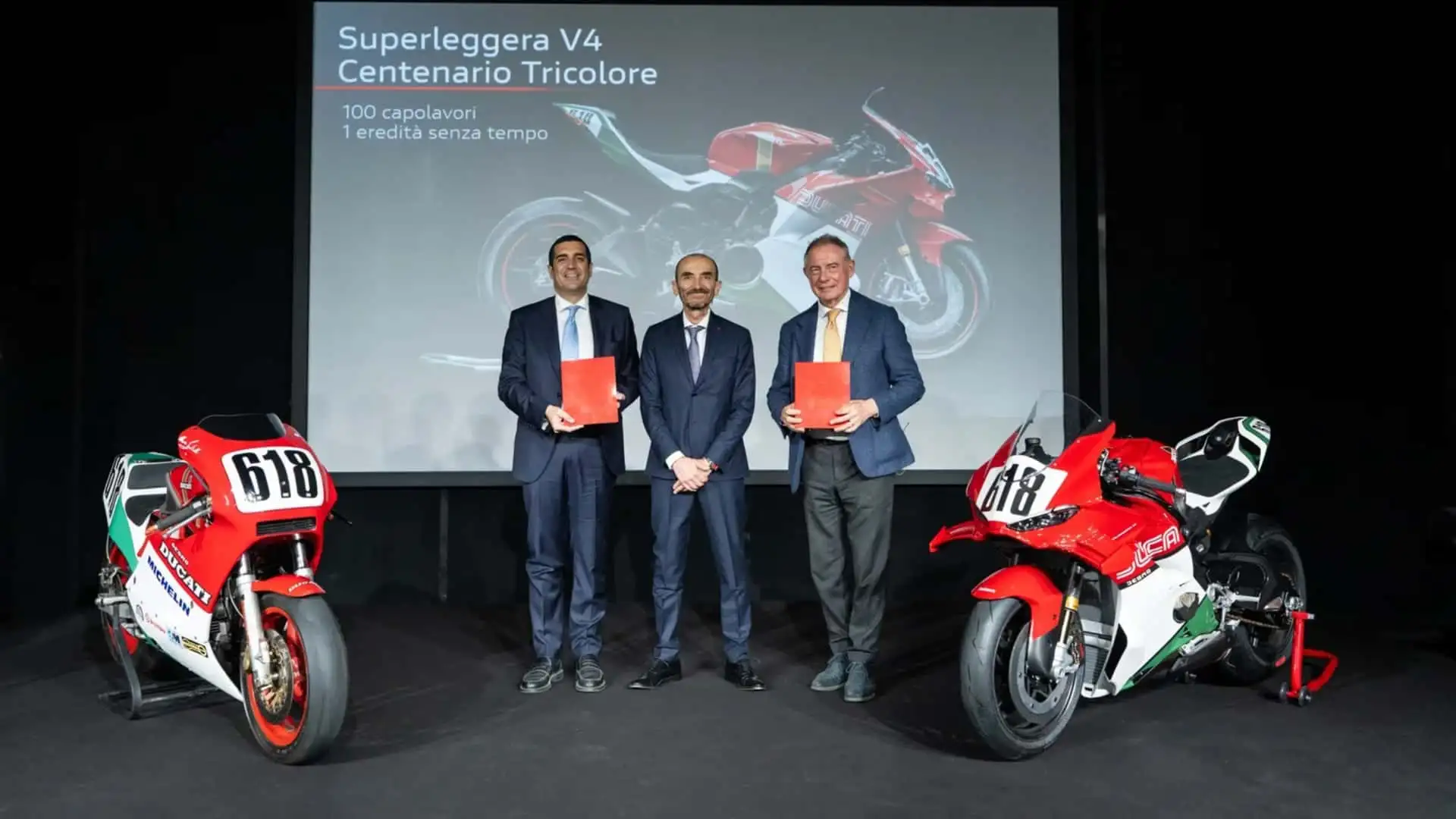
The bike sits inside a wider centenary program that includes the “Manuale del Made in Italy secondo Ducati,” a self-authored brand manifesto focused on design, engineering and production philosophy. Ducati is also planning a year-long celebration built around global owner activity such as #WeRideAsOne, plus World Ducati Week at Misano World Circuit Marco Simoncelli with track sessions, factory riders and the Lenovo Race of Champions.
That broader strategy is important because it shows Ducati understands the anniversary is as much about community and brand identity as it is about a flagship motorcycle. The product is the loudest part of the story, but the global events program is what turns the centenary into a living brand campaign rather than a static launch.
Why it matters to serious enthusiasts
The Superleggera V4 Centenario Tricolore is not important because it is expensive or rare; it matters because Ducati keeps proving that scarcity can still be engineered with purpose. In a market where anniversary editions often rely on trim, logos and color, Ducati is adding carbon structure, exotic braking hardware and race-derived suspension. That is the difference between merchandising and a genuine halo machine.
- 228 hp places the bike in elite superbike territory.
- 100-unit production ensures true collector relevance.
- Carbon-ceramic brakes elevate the technical spec beyond normal road-bike norms.
- Full carbon construction points directly at mass savings and rigidity gains.
- Daytona-inspired styling gives the bike historical depth without softening the message.
FAQ
How many Ducati Superleggera V4 Centenario Tricolore units will be built?
Only 100 units are being produced worldwide.
What makes this Ducati different from a standard limited edition?
The key differentiators are the 228 hp output, full carbon fiber chassis and bodywork, carbon-ceramic brakes and suspension derived from the Ducati Lenovo Team program.
Why is the carbon-ceramic braking system notable?
Ducati says this technology has not previously appeared on a road-legal Ducati, making it one of the bike’s most significant engineering upgrades.
What inspired the design?
Ducati says the styling references the Ducati 750 F1 that raced at Daytona in the 1980s.
Is this only about the motorcycle itself?
No. Ducati is coupling the launch with a centenary program that includes global owner events, World Ducati Week, museum activity and media projects.