A 10-Year Statement, Not Just a Show Car
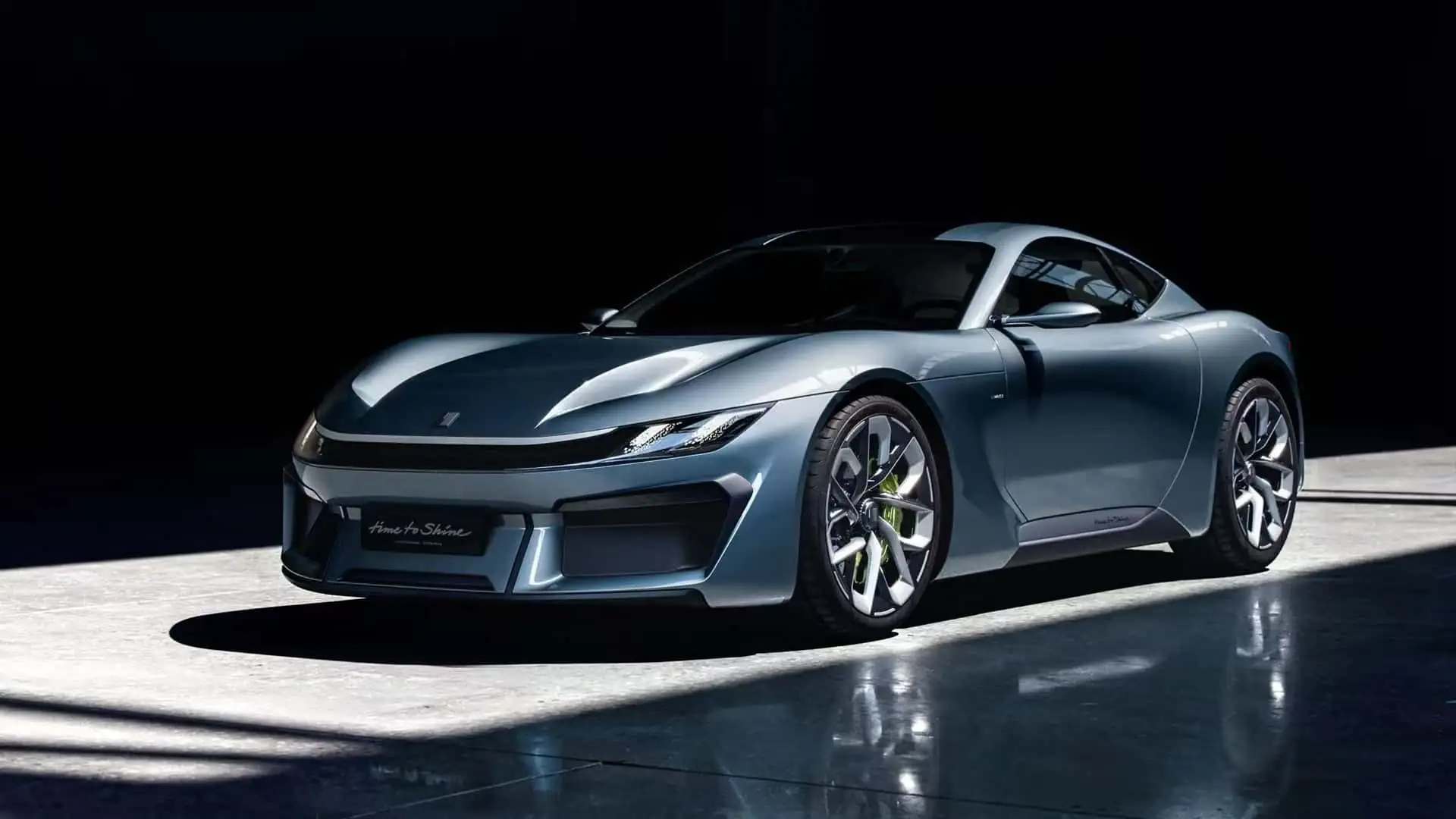
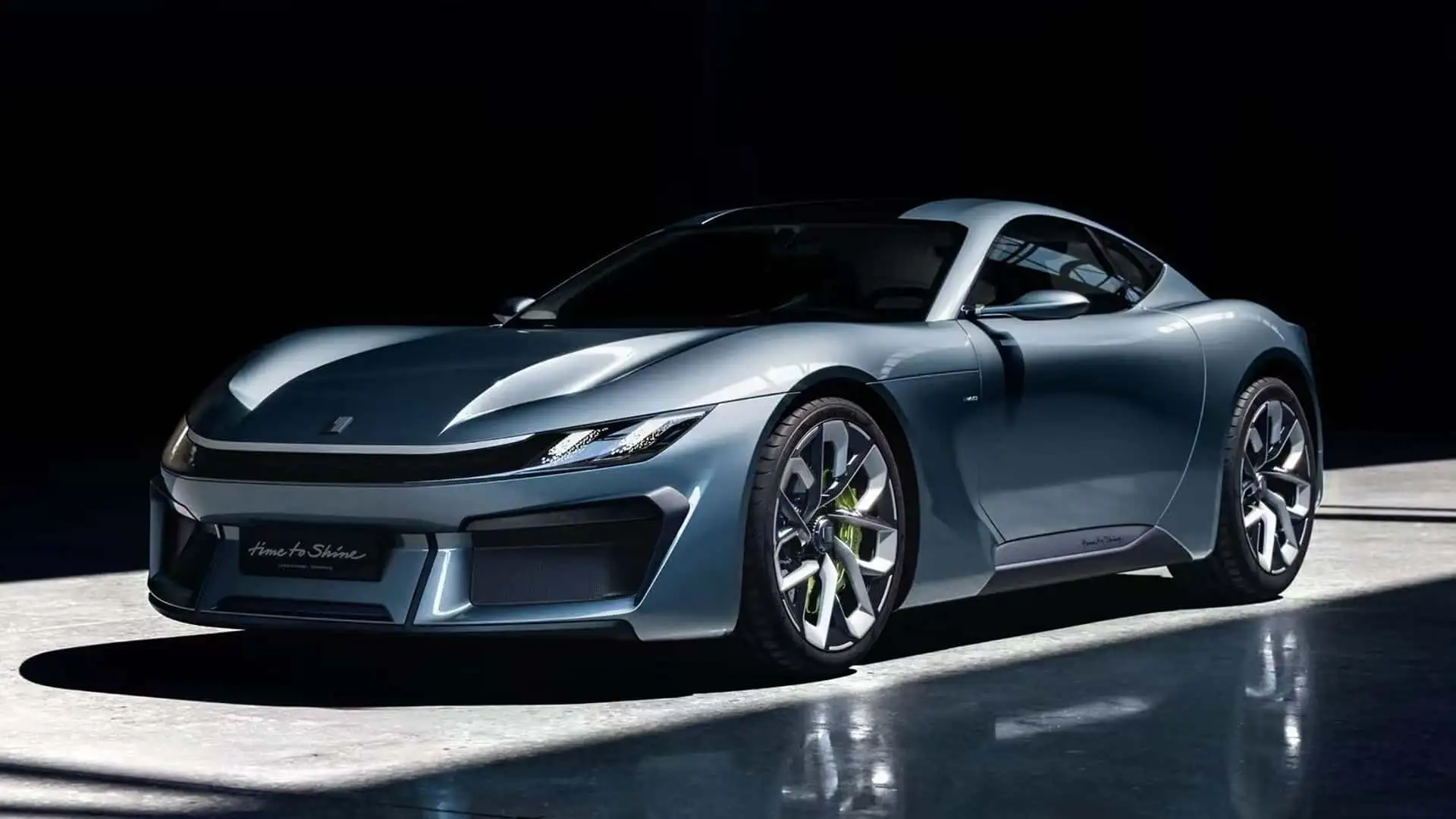
The Lynk & Co GT is the kind of concept that arrives with a date, a purpose, and a clear message: this is not a styling exercise built to fill a booth. Unveiled at the Beijing Auto Show to mark the brand’s 10th anniversary, the GT concept signals a deliberate shift in how Lynk & Co wants to be perceived in its second decade. At 4,780 mm long, 2,000 mm wide, and 1,331 mm tall, with a 2,750 mm wheelbase, it sits in the grand-touring zone physically while chasing supercar-level numbers dynamically.
Its claimed 0-100 km/h time of about 2.0 seconds is the headline, but the more interesting story is the architecture underneath that claim. The GT is rear-wheel drive, uses a racing-influenced chassis, and is paired with an AI-based motion control system. That trio matters more than the speed figure because it suggests the concept is being used to test how far Lynk & Co can stretch its engineering identity beyond the familiar orbit of mainstream electrified crossovers.
Proportions That Read Like a Modern Grand Tourer
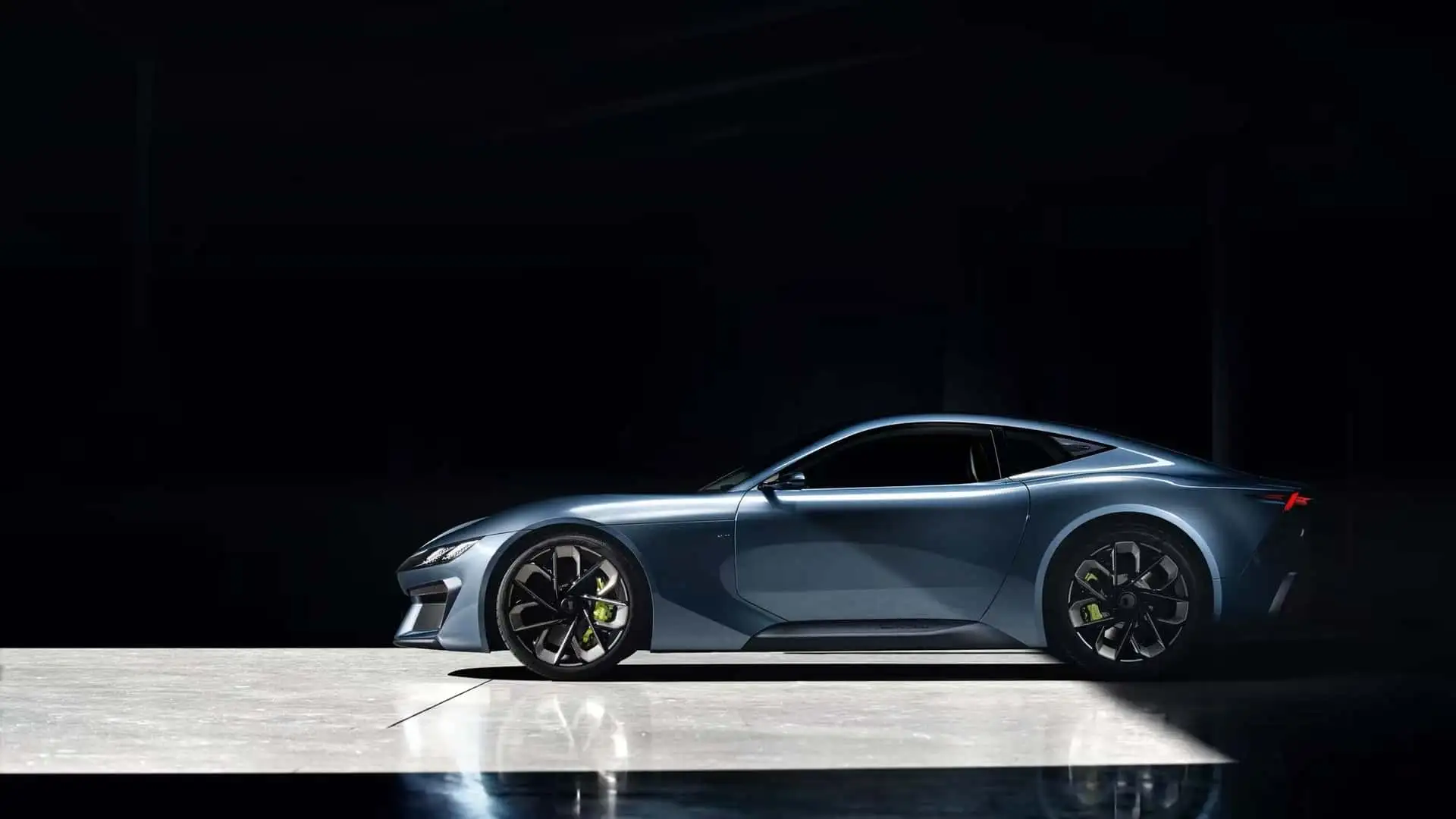
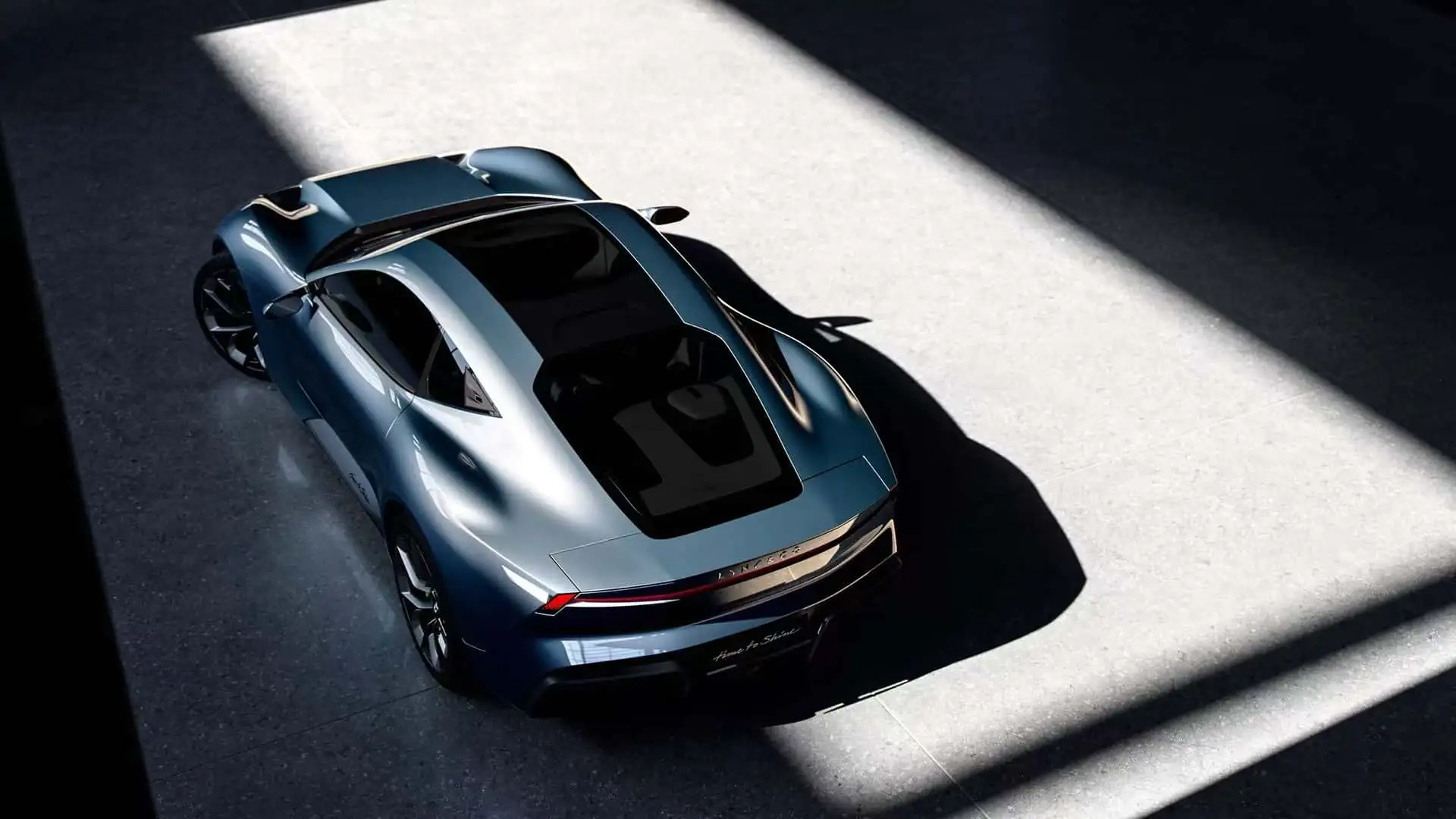
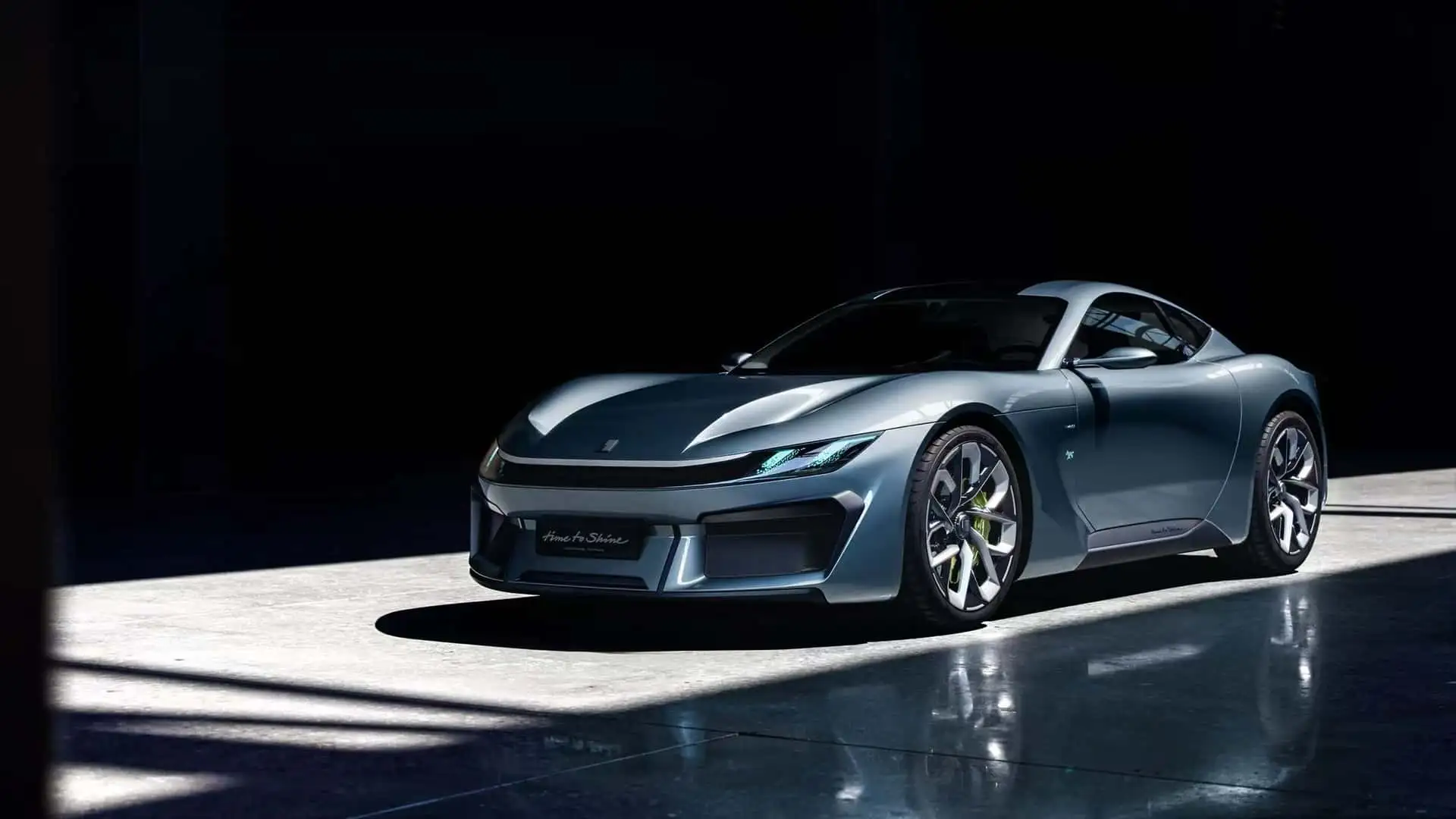
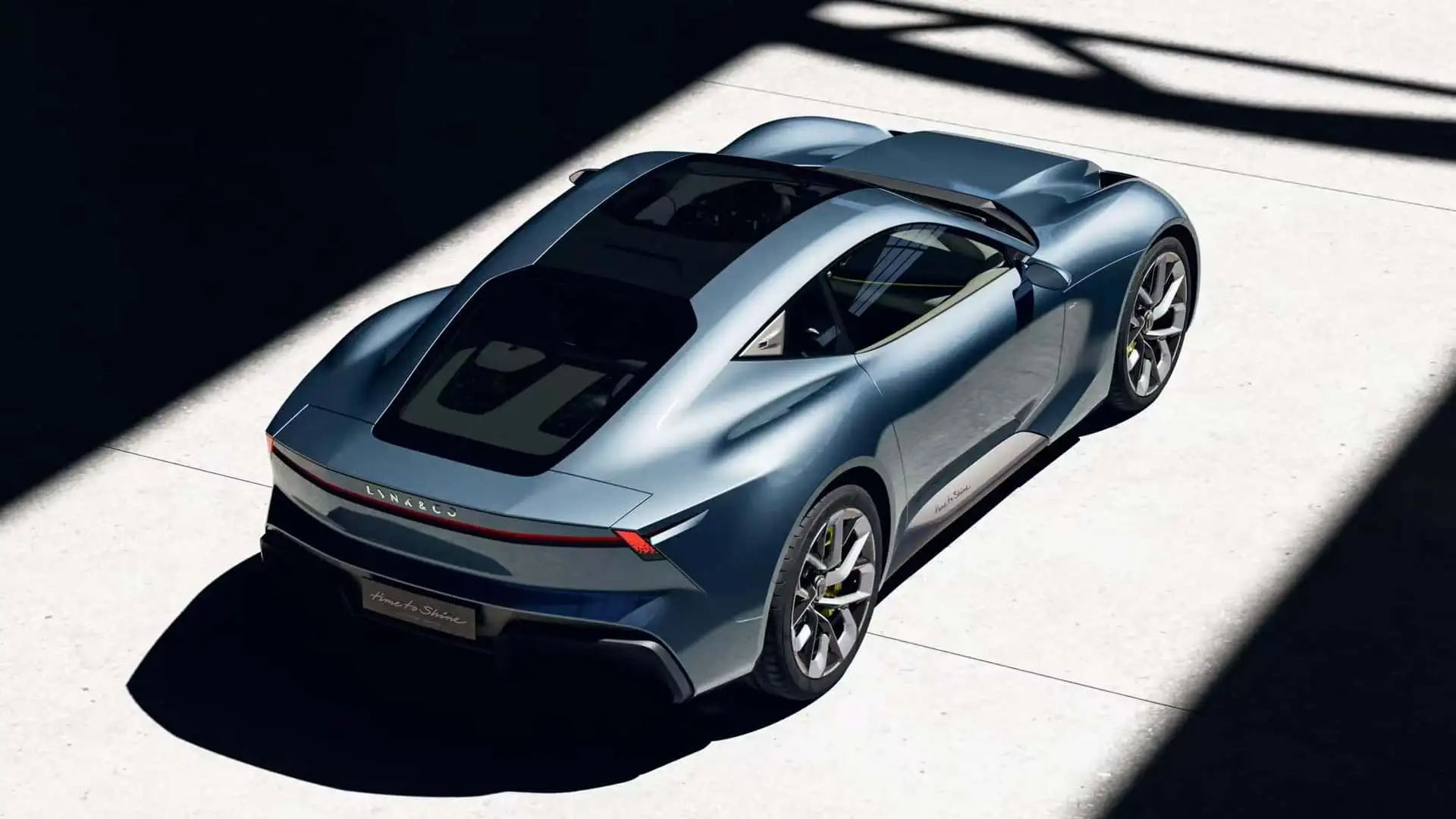
The GT concept’s exterior proportions are calculated to look low without collapsing into cliché. A length of 188.2 inches, width of 78.7 inches, and height of just 52.4 inches give the car a long, planted silhouette, while the 108.3-inch wheelbase keeps the cabin visually centered between the axles. That matters because the design avoids the over-styled front-heavy look common to many concepts that exaggerate nose length at the expense of stance.
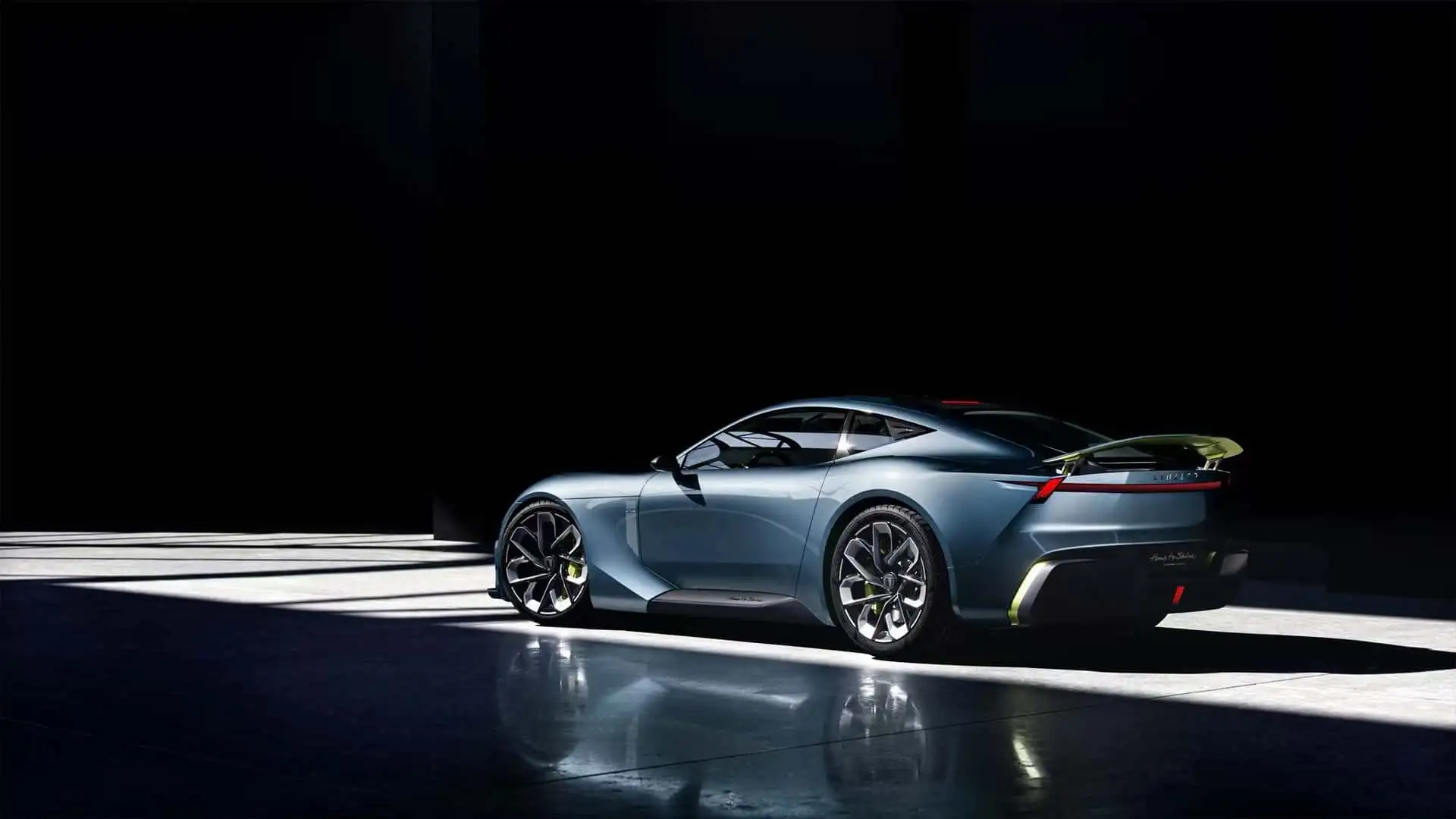
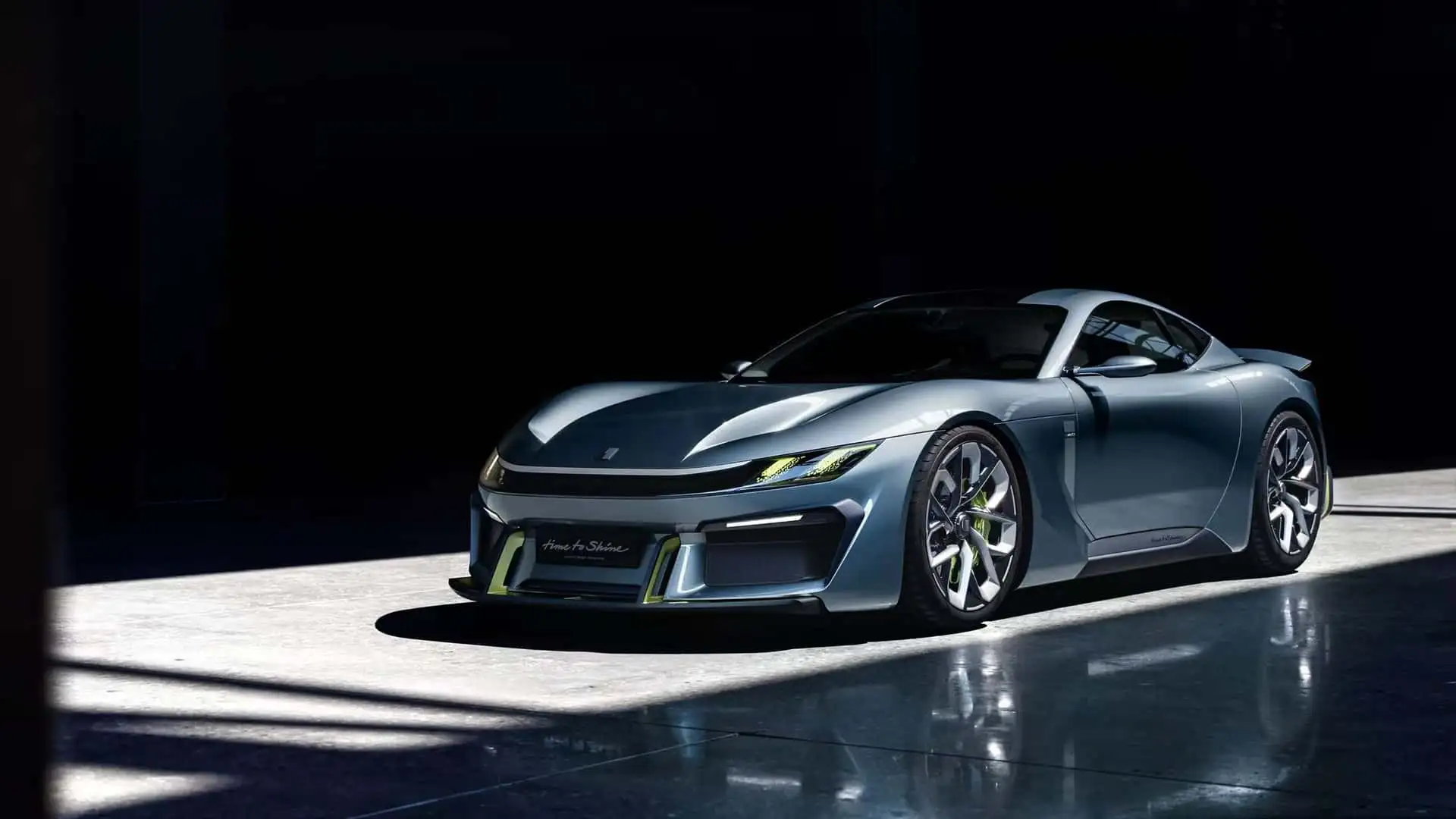
Lynk & Co’s surface treatment is the real visual trick. The Apex Blue finish uses a liquid-metal effect, while Spark Yellow accents create sharp contrast around the aero elements and lower body. The result is not simply “bright” or “futuristic”; it is a car designed to change character as light moves across its panels. That approach is very much in line with the newer wave of Chinese concepts that treat paint, reflections, and airflow as one visual language, much like the more restrained but equally deliberate BUICK ELECTRA ZENITH Concept.
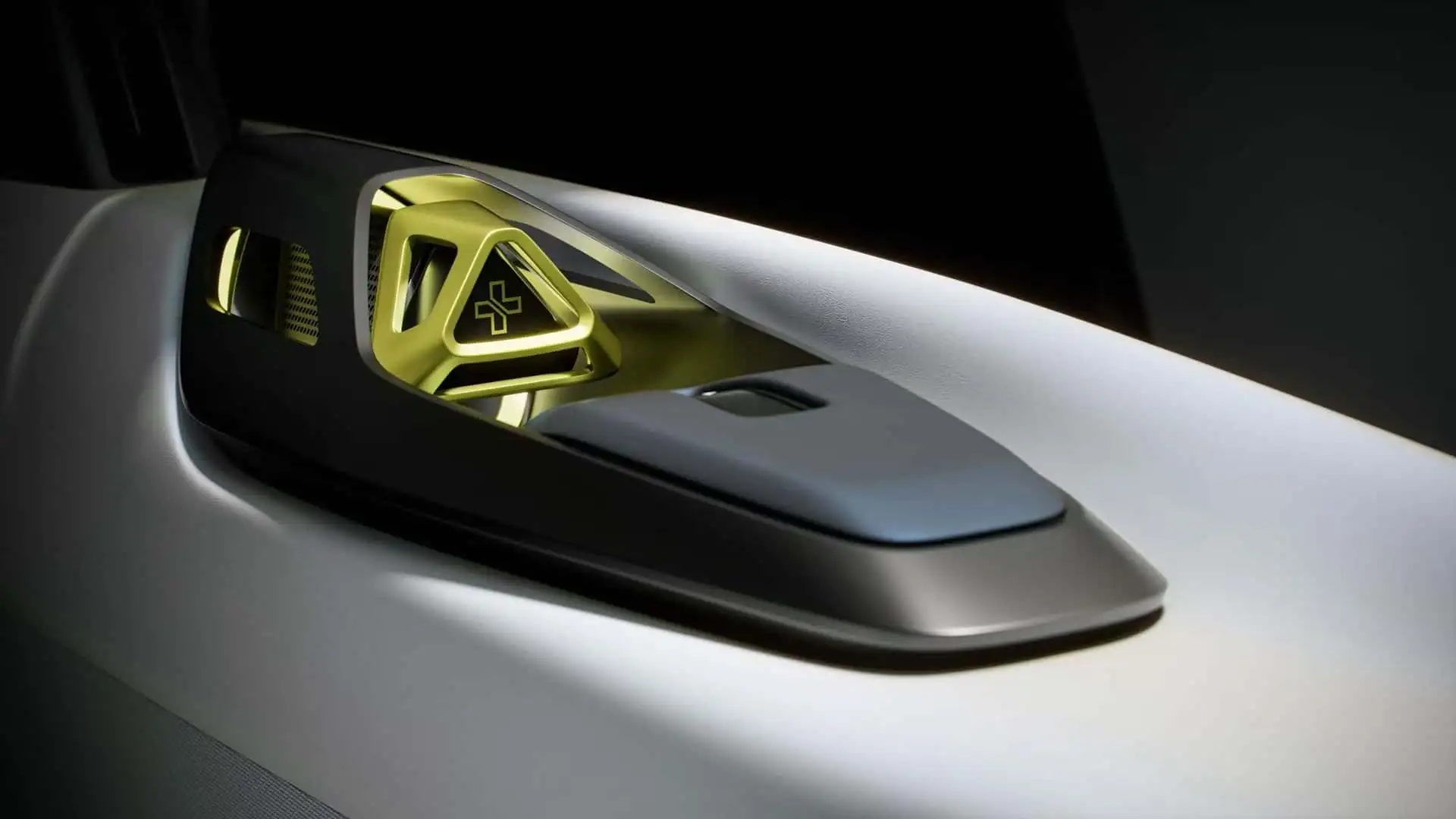
The + Button Is the Most Important Detail on the Car
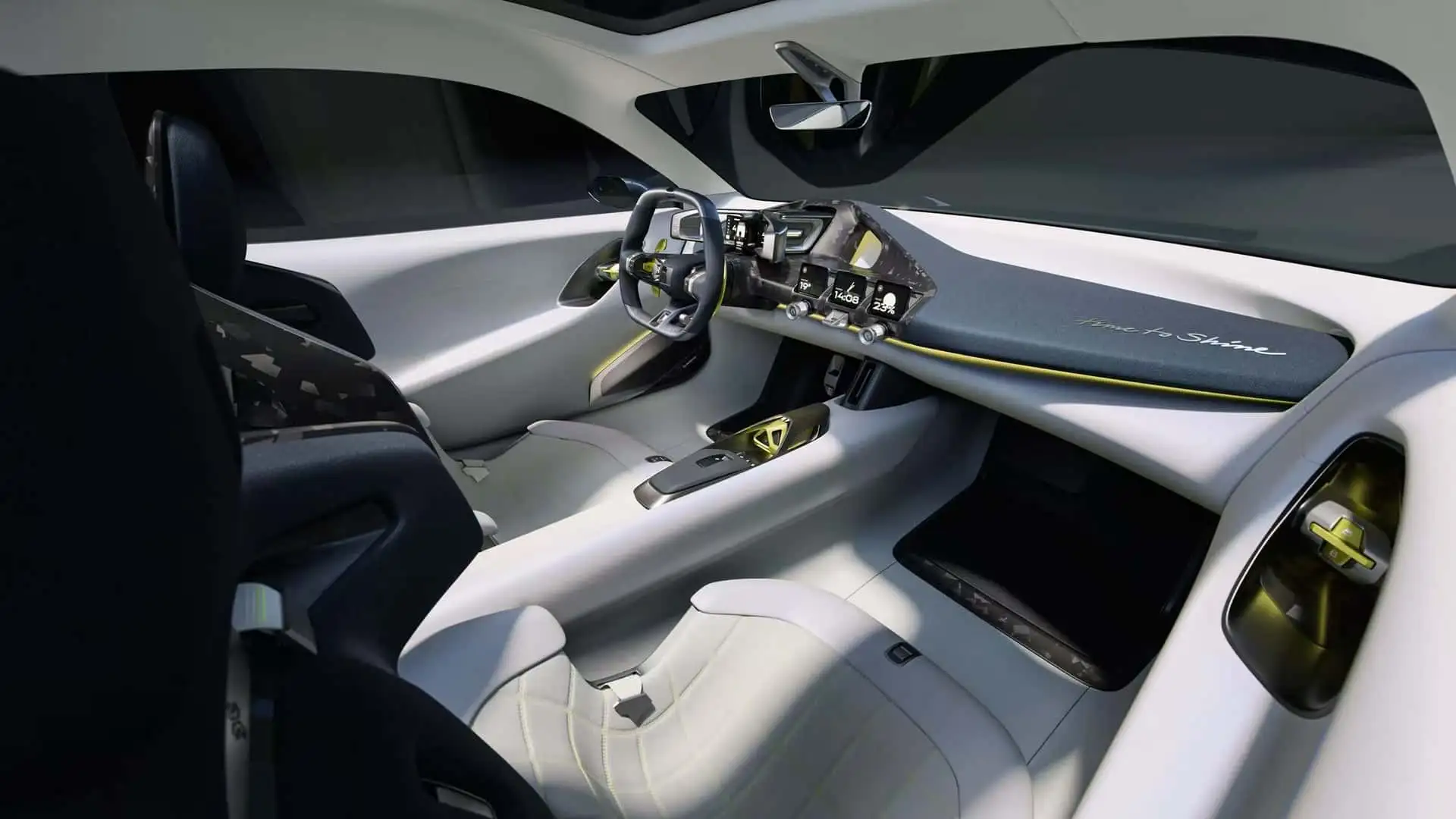
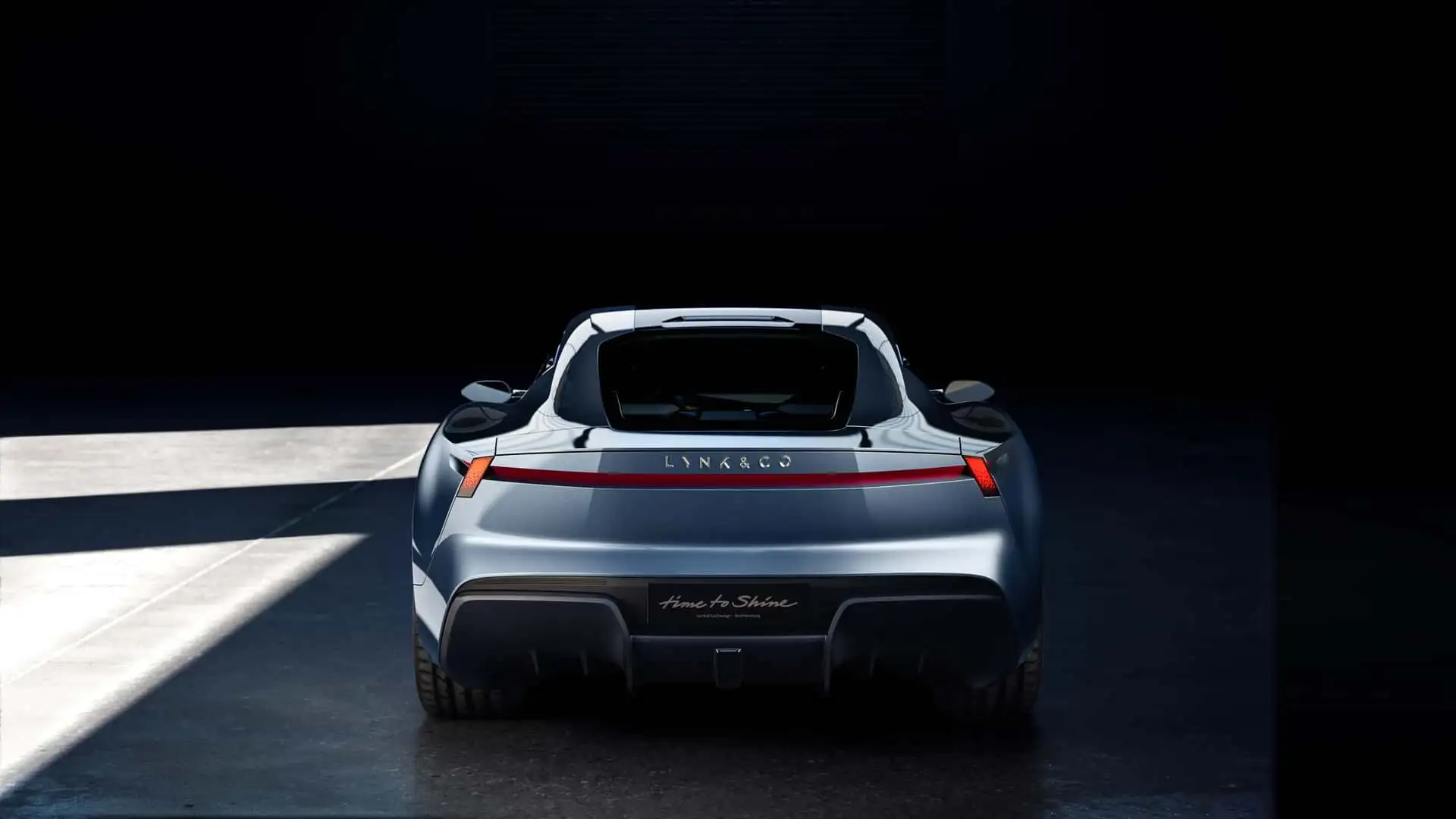
The most revealing feature on the GT is not a badge or a light signature but the “+” button on the center console. Activate it and the suspension drops by 0.6 inches, the front and rear aerodynamic elements extend by 3.9 inches overall, and the rear wing deploys to add downforce. That sequence tells you the concept is built around a state change rather than a static configuration. It is a concept about moving from road mode to attack mode with one command.
This is where the GT concept becomes strategically interesting. Instead of treating aero as decoration, Lynk & Co appears to be using active bodywork to reshape the car’s behavior at speed, which is the right direction for any vehicle claiming 0-62 mph in around 2.0 seconds. Once acceleration gets that violent, stabilization and front-end authority become as important as power output.
Cabin Design Reflects the Brand’s Premium Ambition
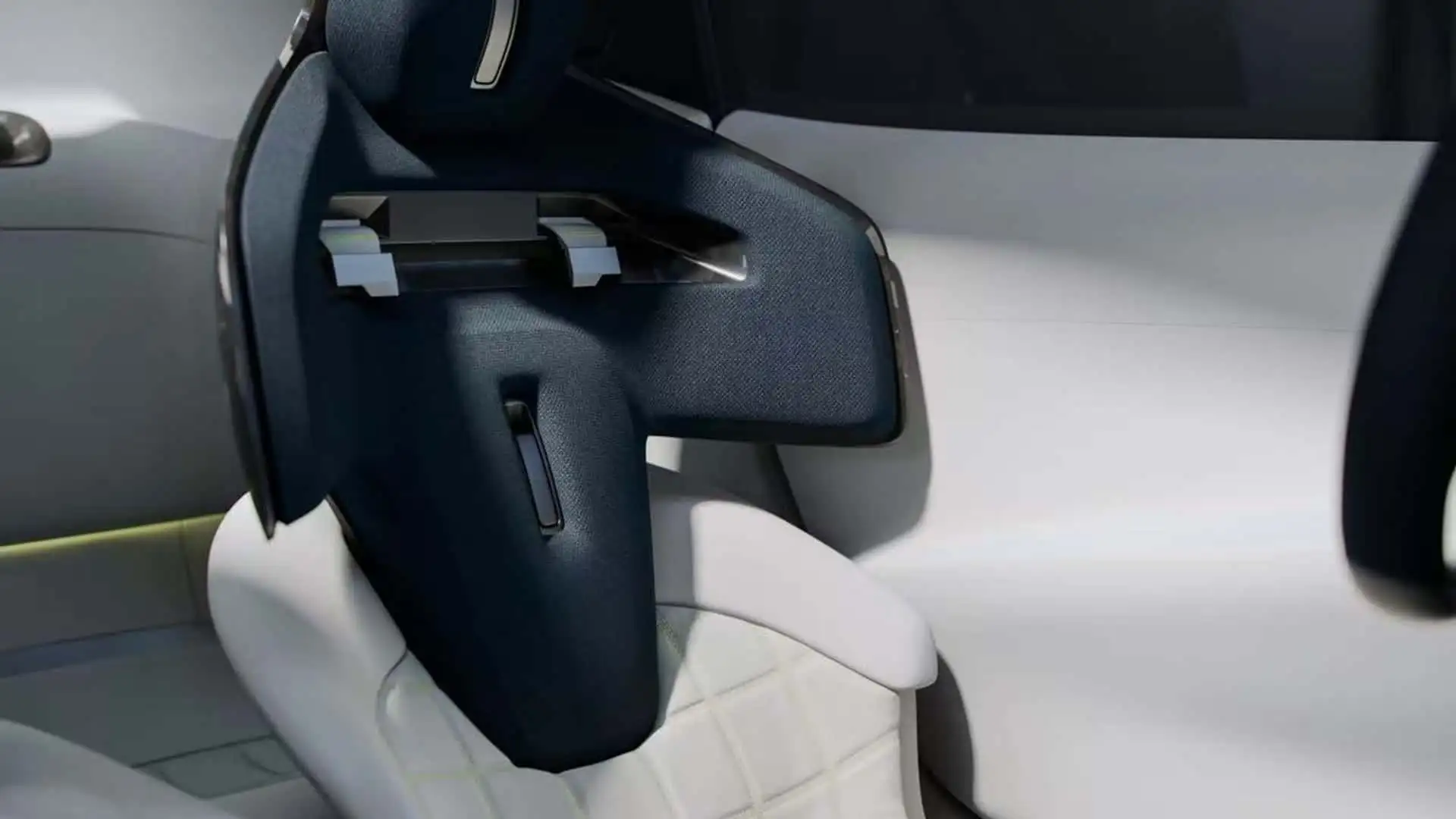
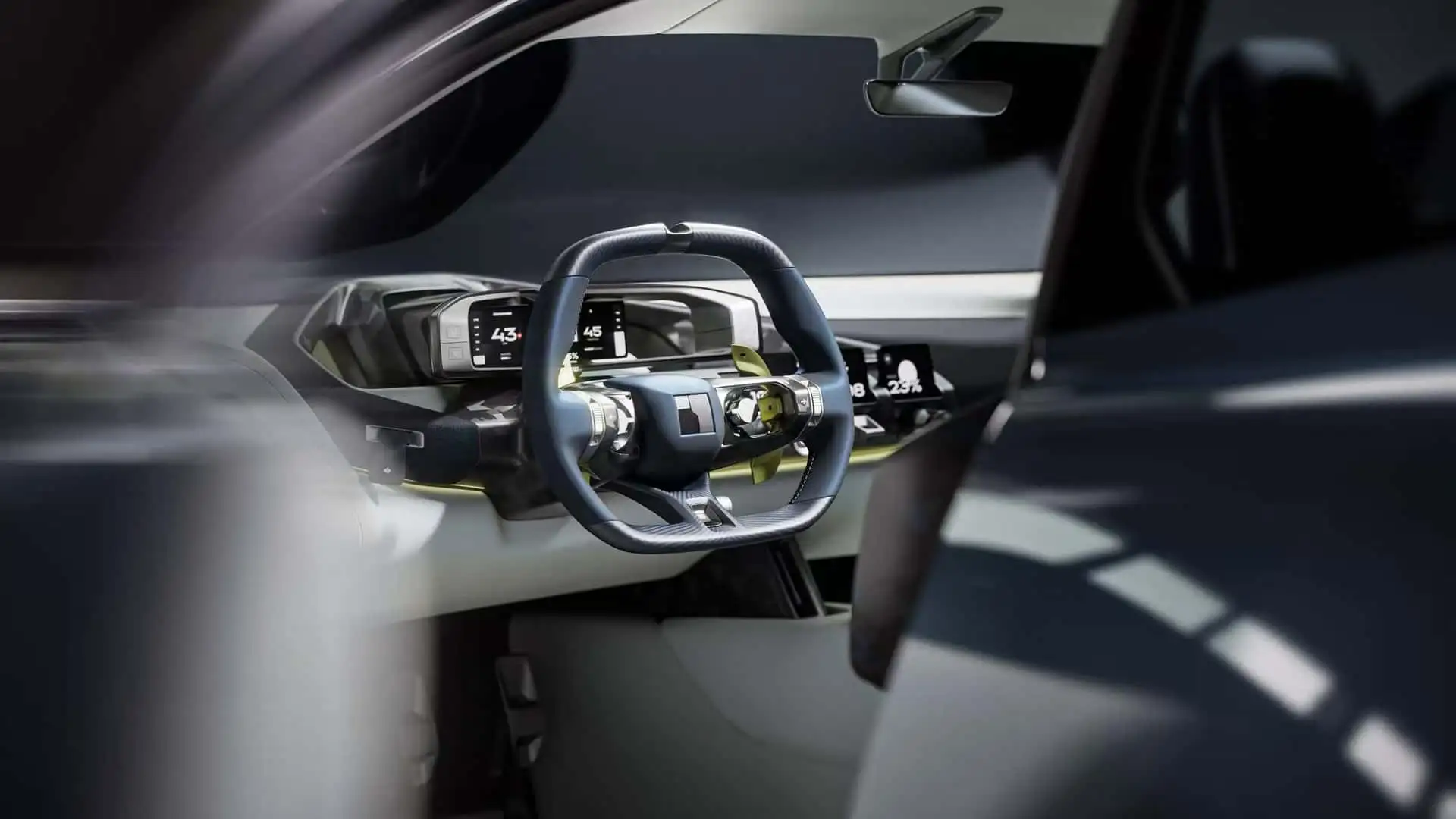
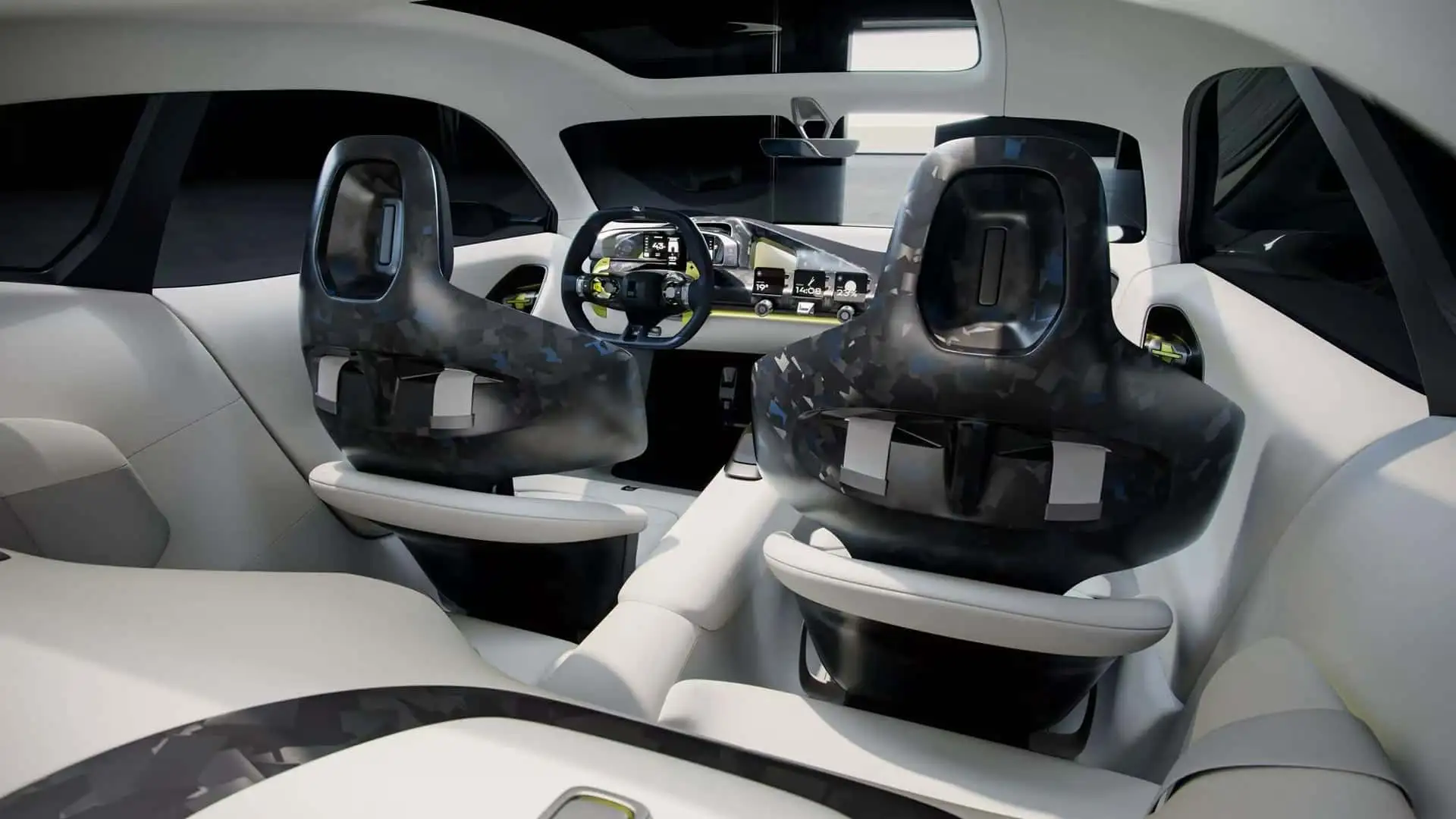
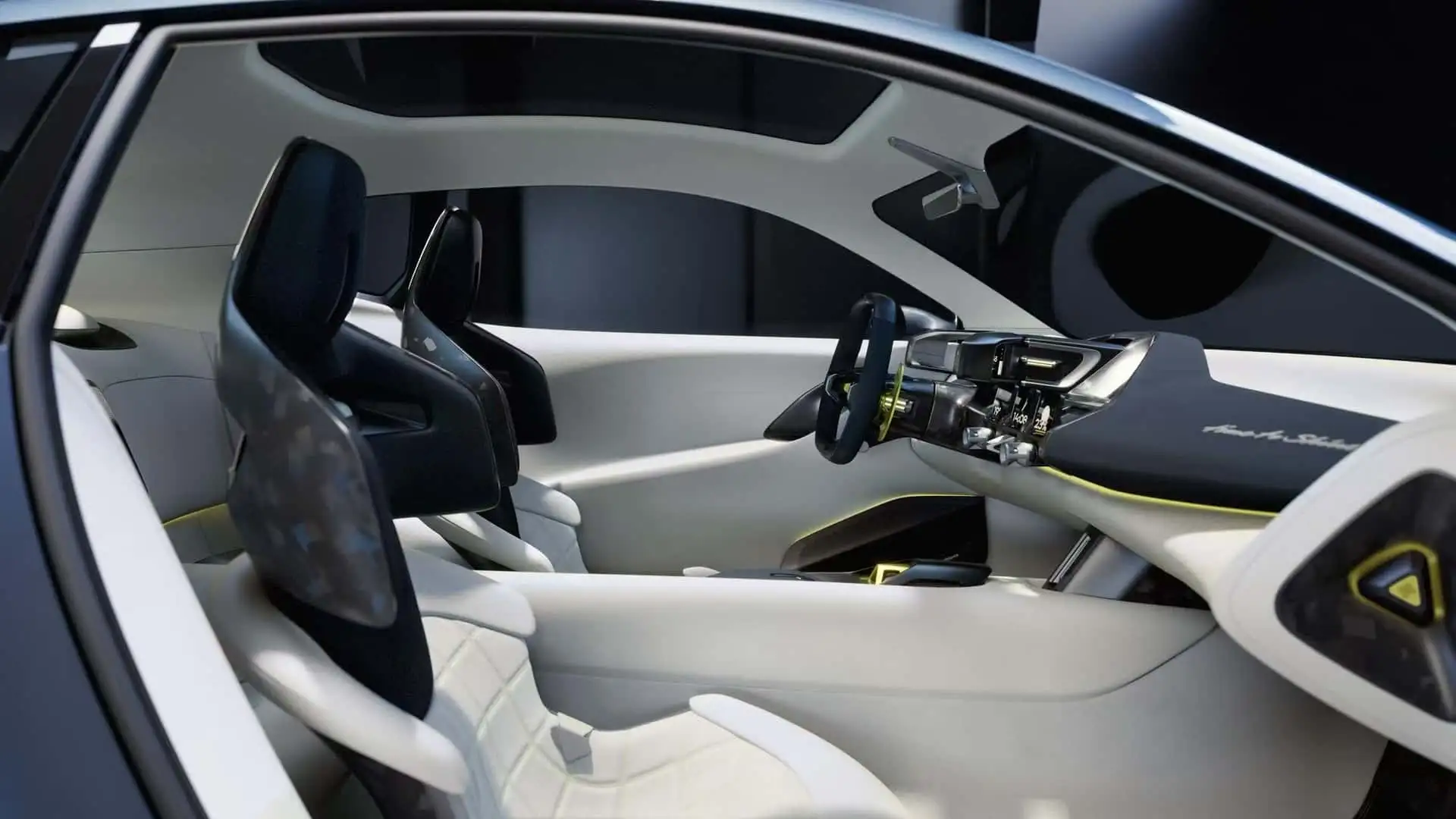
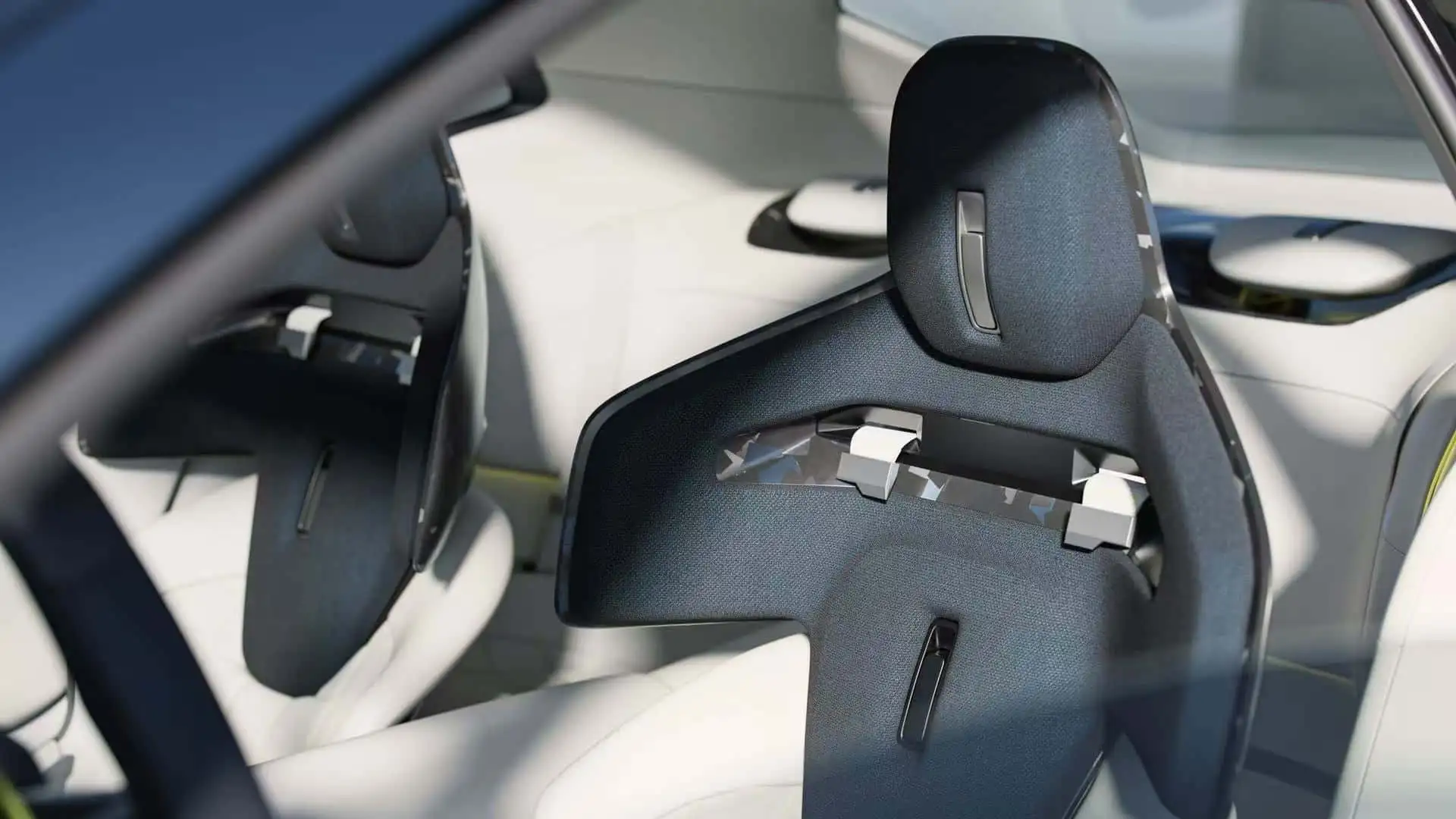
Inside, the GT uses a 2+2 layout rather than a full four-seat grand touring format, which keeps the interior focused and visually taut. White “Digital Shimmer” leather brightens the cabin and separates it from the dark, technical interiors that dominate the supercar segment. Hand-finished Textreme 360 carbon fiber reinforces the motorsport story without overplaying it, and that restraint is exactly what gives the concept credibility.
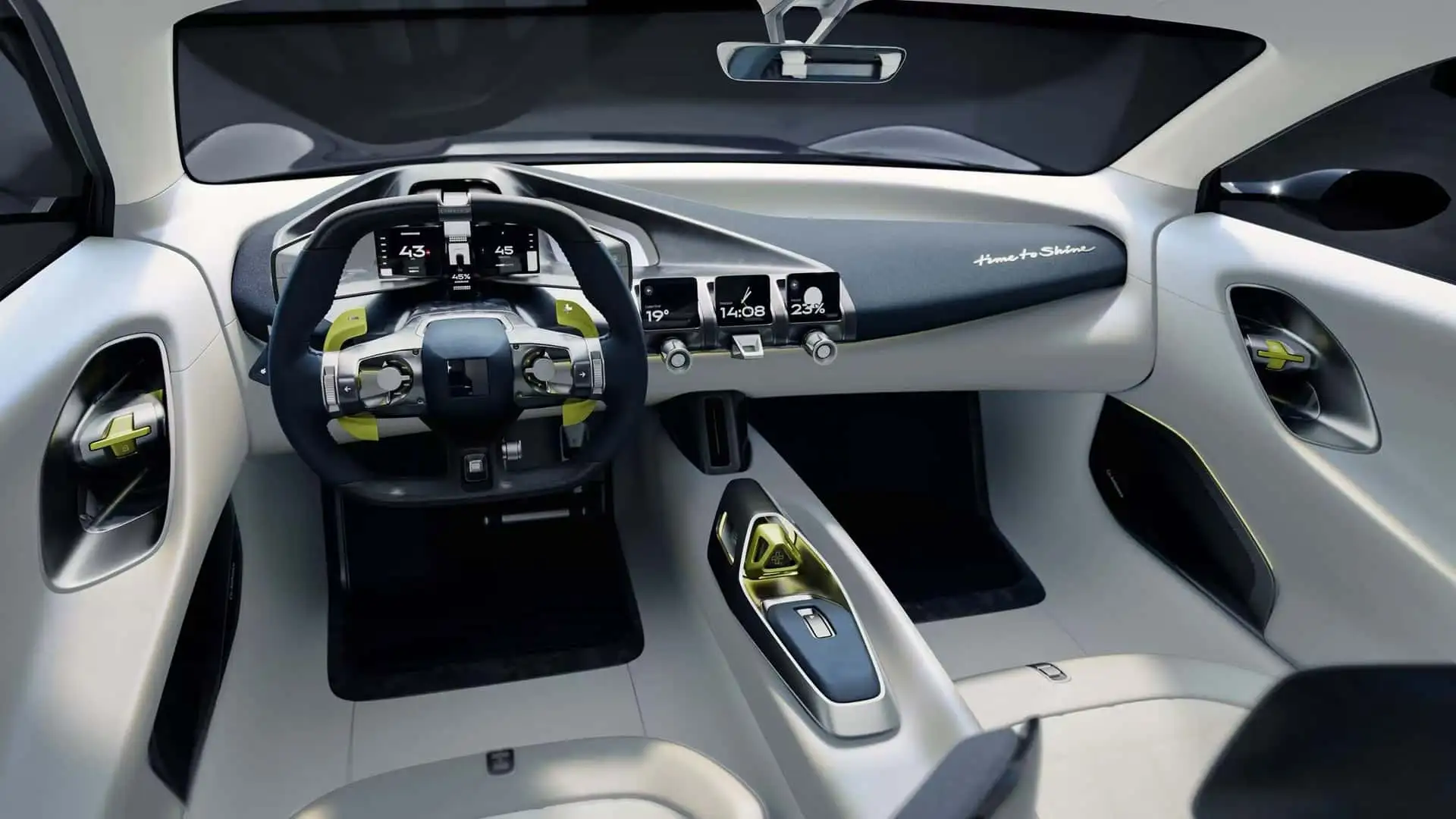
The cabin does not chase old-school luxury tropes. It leans into a more digital premium identity, where material contrast, interface logic, and surface finish matter as much as wood, stitching, or ornament. That makes sense for a brand with European and Chinese design collaboration at its core. It also places Lynk & Co in the same broader conversation as other tech-led premium products such as the KIA EV4 GT-Line, where value, design intelligence, and software are increasingly intertwined.
Performance Claims Need the Right Hardware Behind Them
A 2.0-second 0-100 km/h claim is a serious statement, especially for a rear-wheel-drive concept rather than a dual-motor all-wheel-drive headline machine. That means the GT’s traction strategy, chassis calibration, and torque management have to work together with unusual precision. The AI-based motion control system suggests Lynk & Co knows this, because power delivery alone is never enough when the launch window is that narrow.
The concept’s racing-influenced chassis gives the claim more credibility than a pure styling concept would. In high-performance EV development, the chassis and control software are often what separate a hard number from a real driving experience. The GT appears to be built around that philosophy, even if Lynk & Co has not published motor output, battery capacity, or charging data. The absence of those figures is notable, but it also keeps the focus where the concept wants it: on balance, control, and a new performance identity.

Swedish Design DNA Still Anchors the Brand
Lynk & Co says the GT was developed with input from both European and Chinese teams, with Swedish design influence still central to the brand. That matters because the company’s identity has always depended on a cross-cultural blend rather than a single-market aesthetic. The GT concept extends that formula into a more emotionally charged space, but it does not abandon the clean proportions and surface discipline that made the brand recognizable in the first place.
The company also says feedback from a global community of more than 1.7 million users helped shape the design, which is a useful reminder that modern concept development is no longer isolated inside a studio. For a performance car this ambitious, that user input can influence everything from interface logic to seating layout to what kind of visual drama the market will actually tolerate. It is a very different approach from the more overtly niche execution seen on projects like the Gunther Werks Project Endgame, but the strategic goal is similar: turn passion into product direction.
Why the GT Concept Matters Beyond the Show Stand
Even without a production commitment, the Lynk & Co GT matters because it broadens the conversation around Chinese performance cars. The design is disciplined enough to look credible, the aero is active rather than theatrical, and the claimed acceleration places it in the same headline territory as established halo cars. More importantly, the concept shows a brand willing to test a rear-drive, AI-managed performance platform at a time when much of the market is still defaulting to safe SUV launches.
If Lynk & Co can translate the GT’s proportions, active aero, and software-defined chassis behavior into a real vehicle, it would not just add a halo model. It would give the brand a benchmark that could influence future sedans, coupes, and electrified grand tourers across its lineup. In a market where concepts often overpromise and under-deliver, this one at least looks engineered to move the conversation forward.
Specification Snapshot
| Item | LYNK & CO GT Concept |
|---|---|
| Body style | 2+2 grand tourer / supercar concept |
| Layout | Rear-wheel drive |
| Length | 4,780 mm (188.2 in) |
| Width | 2,000 mm (78.7 in) |
| Height | 1,331 mm (52.4 in) |
| Wheelbase | 2,750 mm (108.3 in) |
| 0-100 km/h | About 2.0 seconds (0-62 mph) |
| Aero function | Suspension lowers by 15 mm and aero extends by 100 mm when “+” mode is activated |
| Interior materials | White “Digital Shimmer” leather, Textreme 360 carbon fiber |