TOYOTA HIACE Is Finally Being Rewritten, Not Refreshed
The next TOYOTA HIACE is shaping up as one of the most consequential commercial-vehicle changes Toyota has made in decades, because the current Japanese-market H200 has been on sale since 2004 while the H300 has already moved on elsewhere since 2019. Rumors point to a late 2026 or early 2027 debut, and the timing alone tells you Toyota is not planning another incremental revision but a clean reset built around a new platform, a new body strategy, and a new packaging philosophy.
The old cab-over layout has defined the HiAce’s identity for so long that replacing it changes the vehicle’s operating logic as much as its appearance. The production van is expected to retain a compact nose for Japan’s narrow streets, yet move away from the H200’s forward-control stance and toward a more conventional front-engine architecture, a shift that should improve crash structure, noise isolation, and service access. For a broader market context, compare Toyota’s slow-burn commercial strategy with the sharper product pace seen in the CATL Shenxing 3 story, where technology is moving at a very different speed.
What The 2025 Concepts Reveal About The New Shape
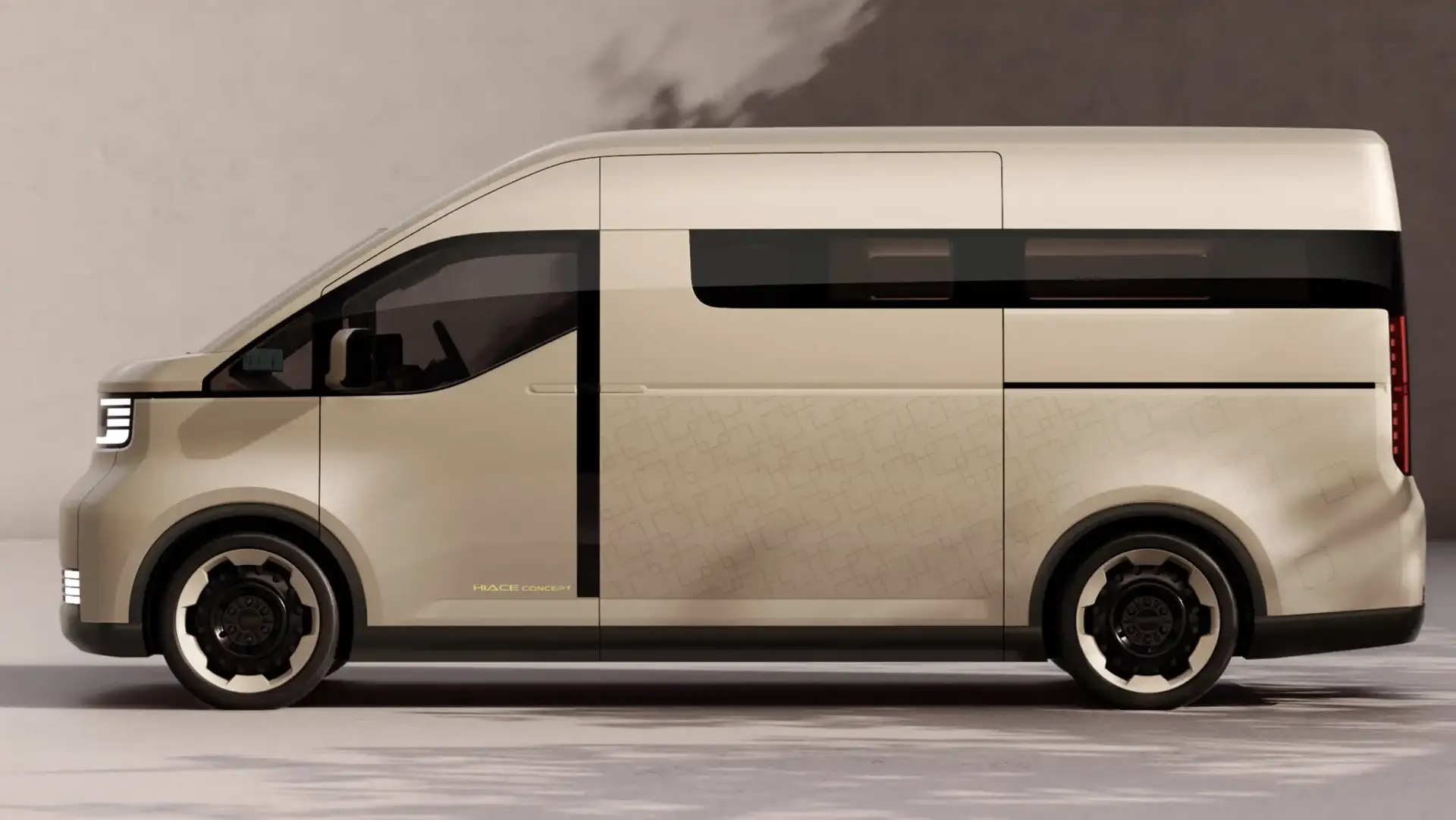
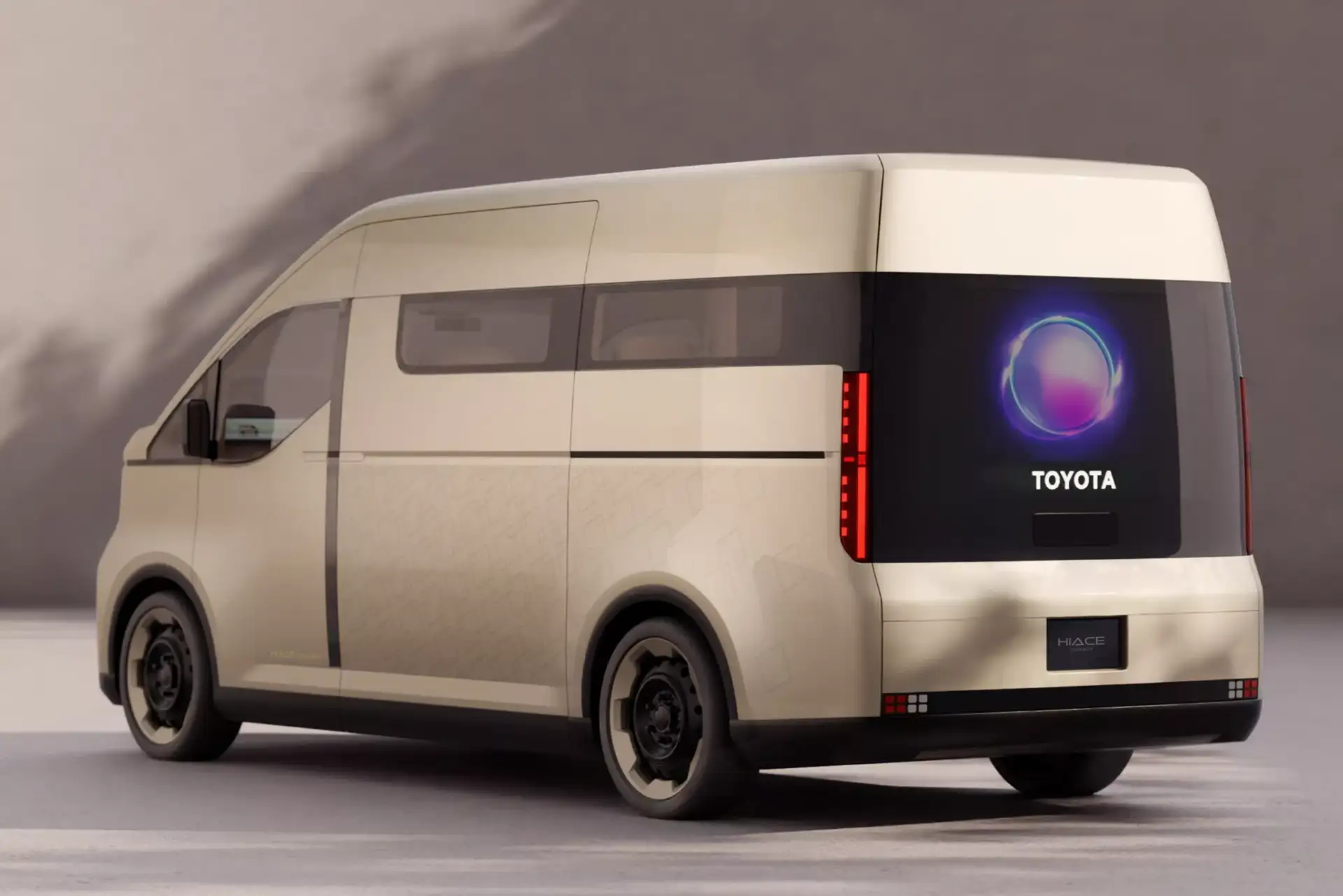
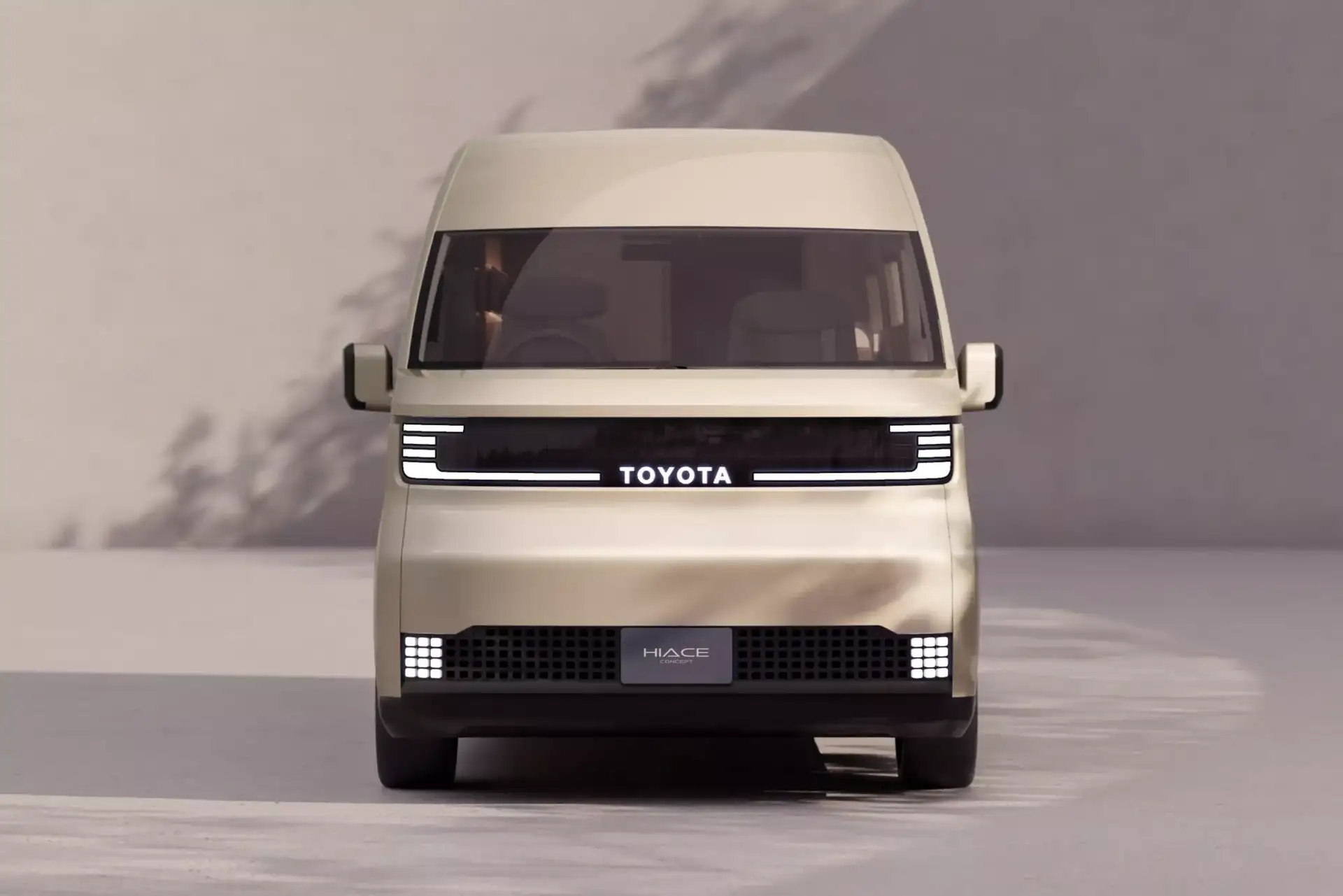
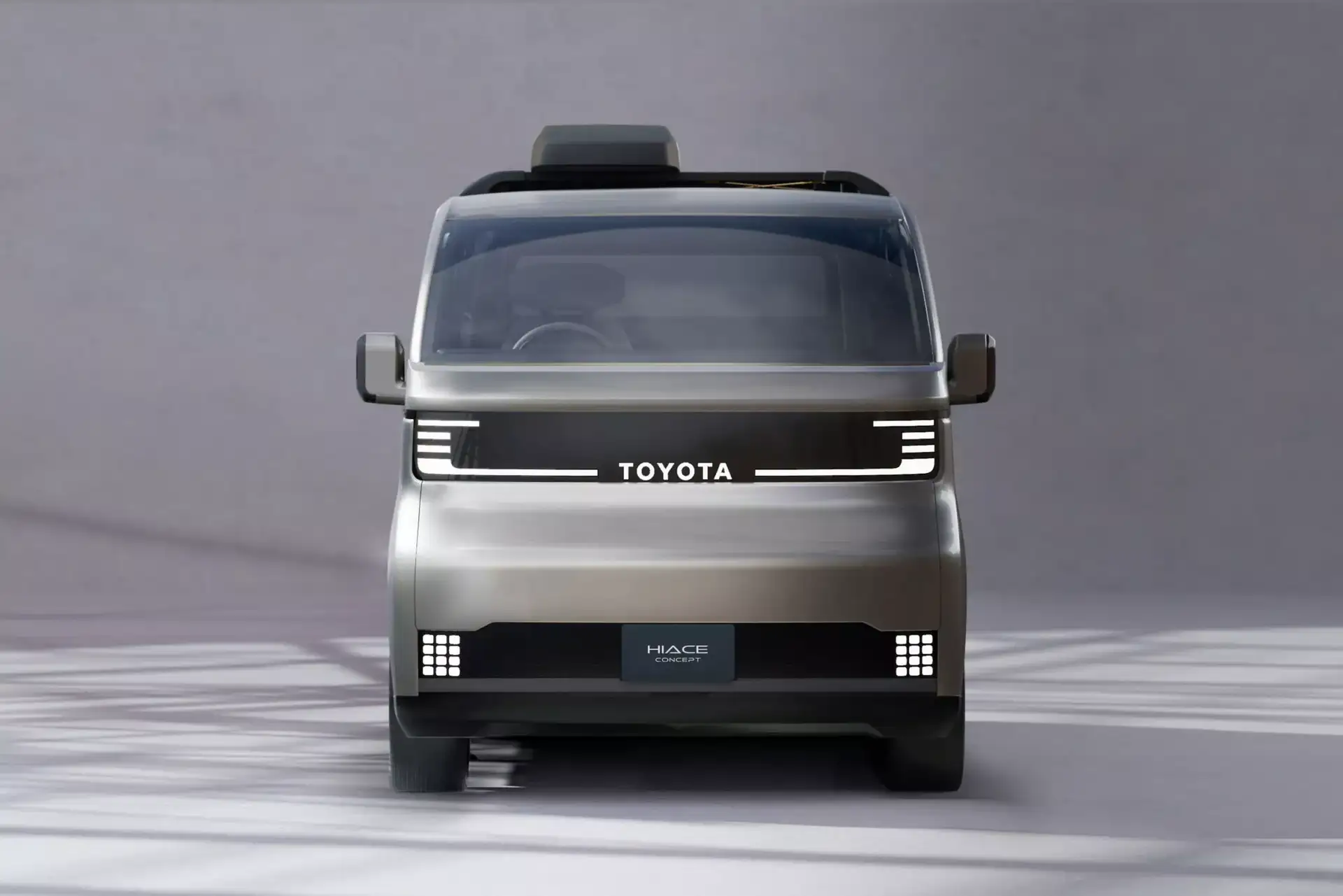
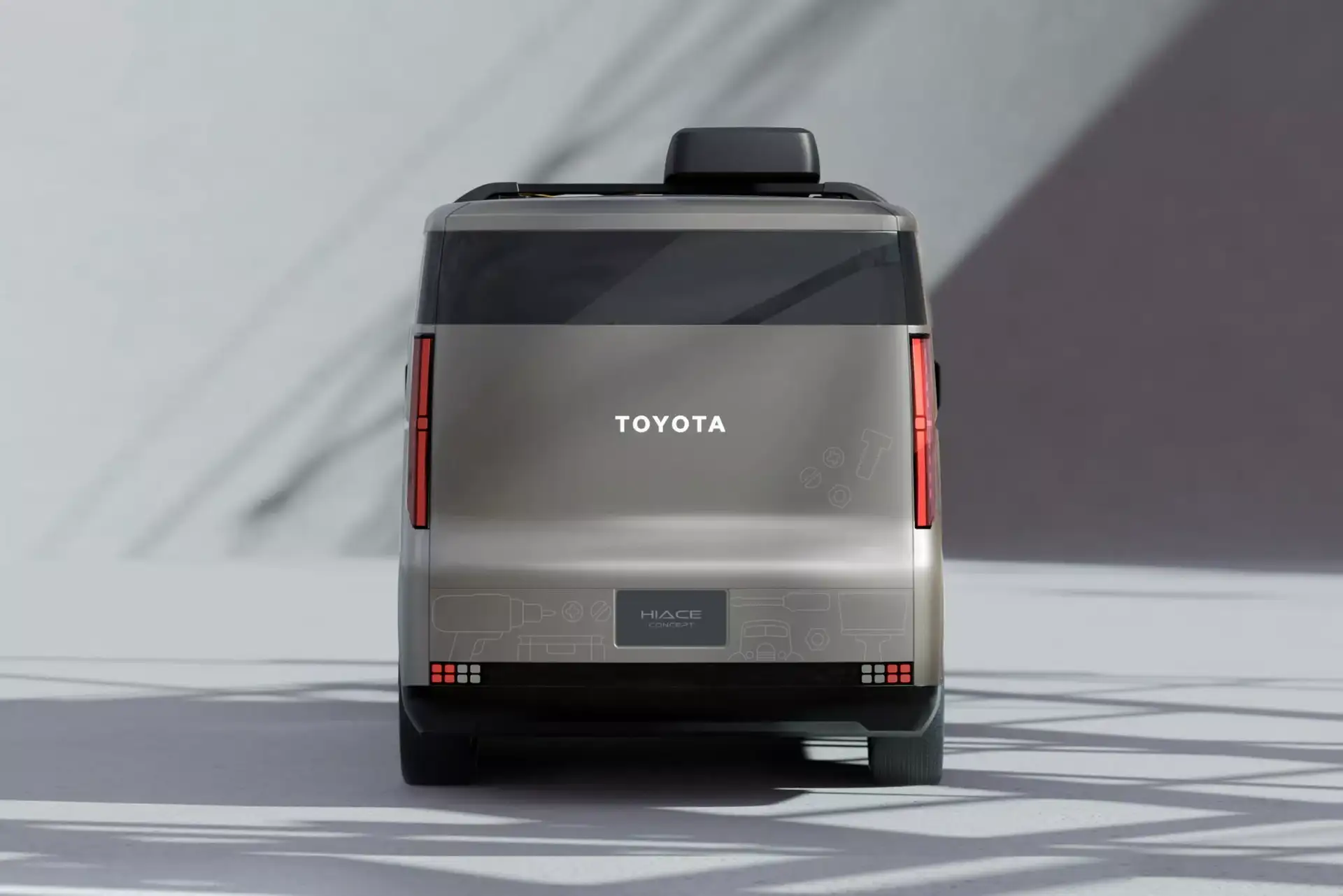
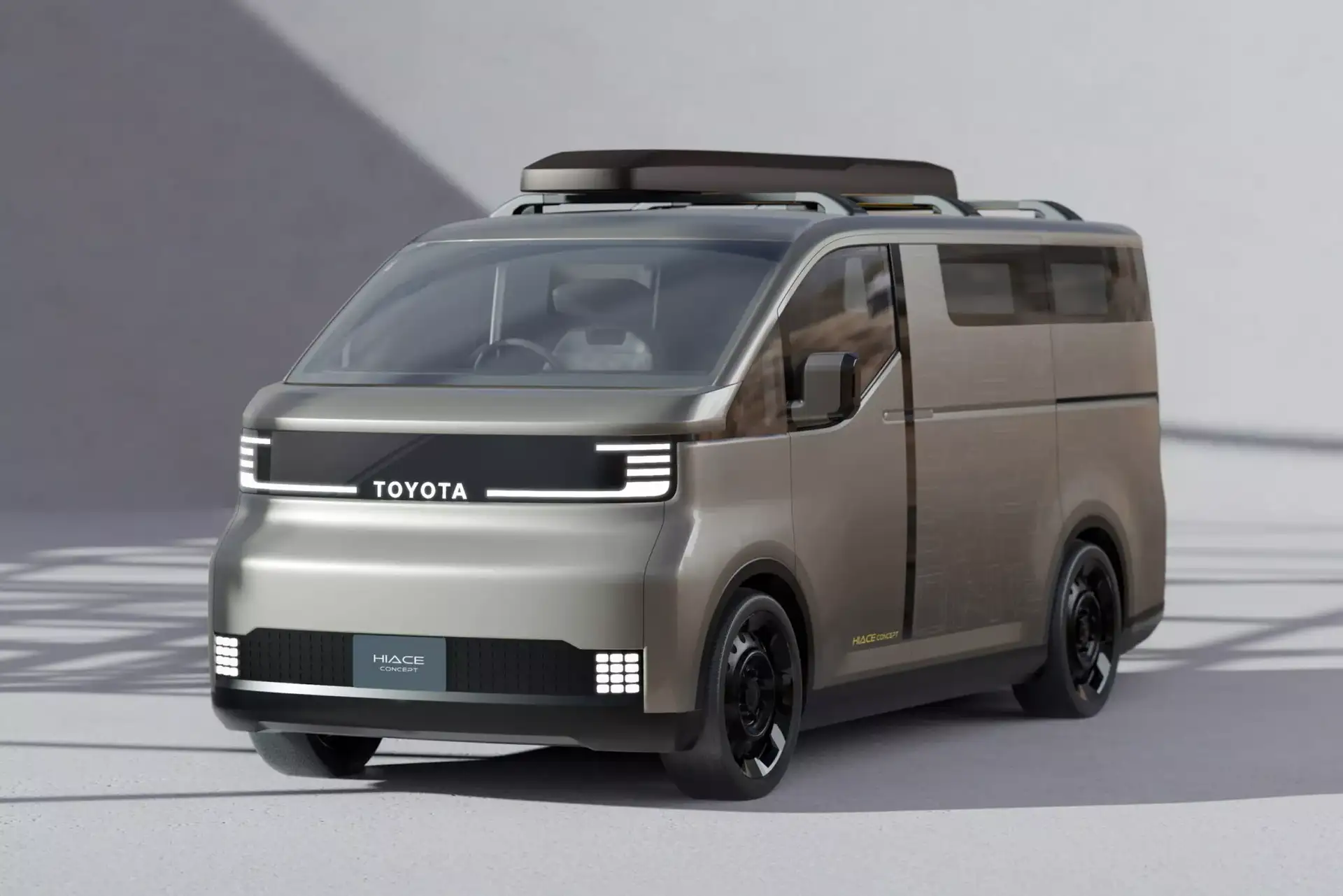
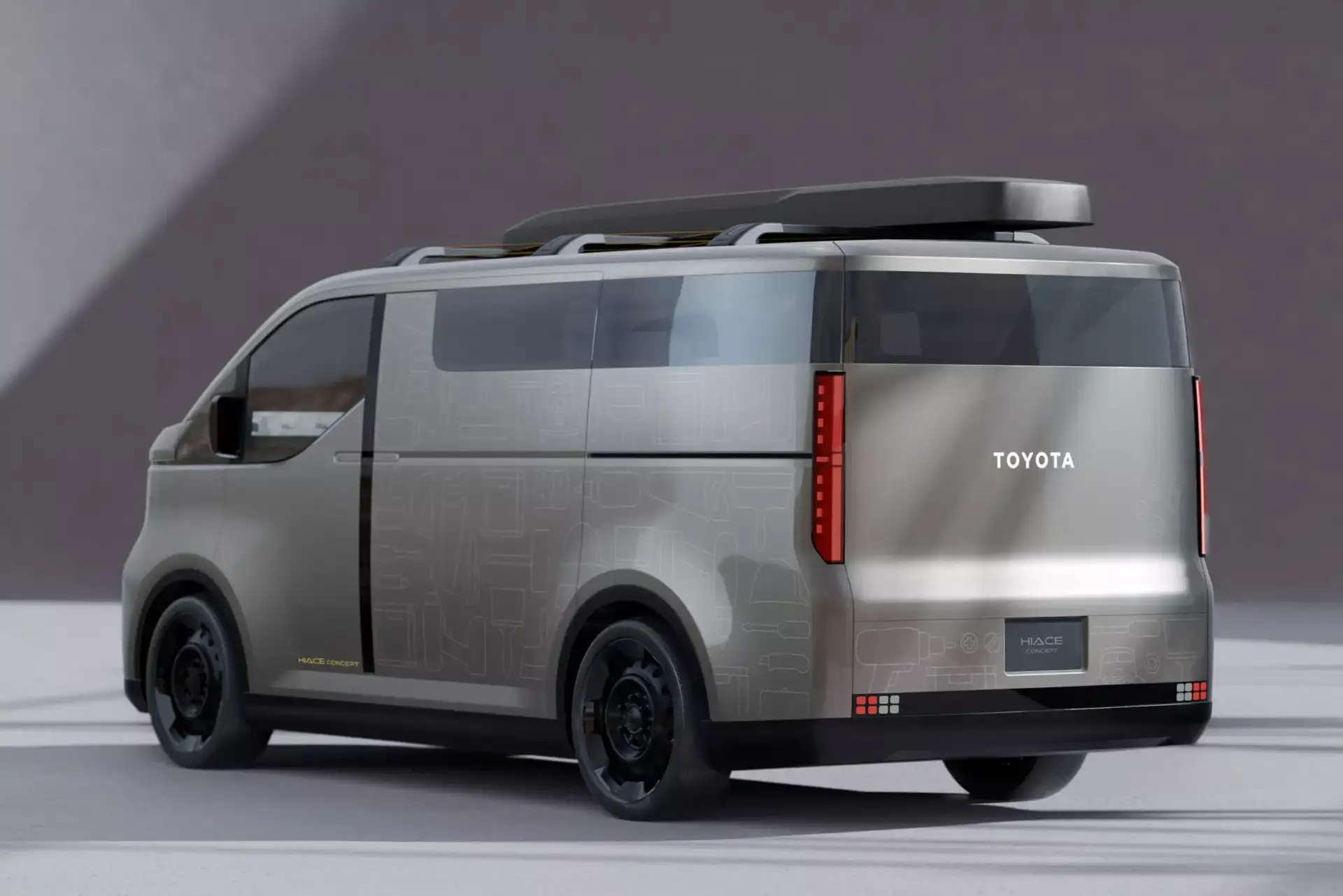
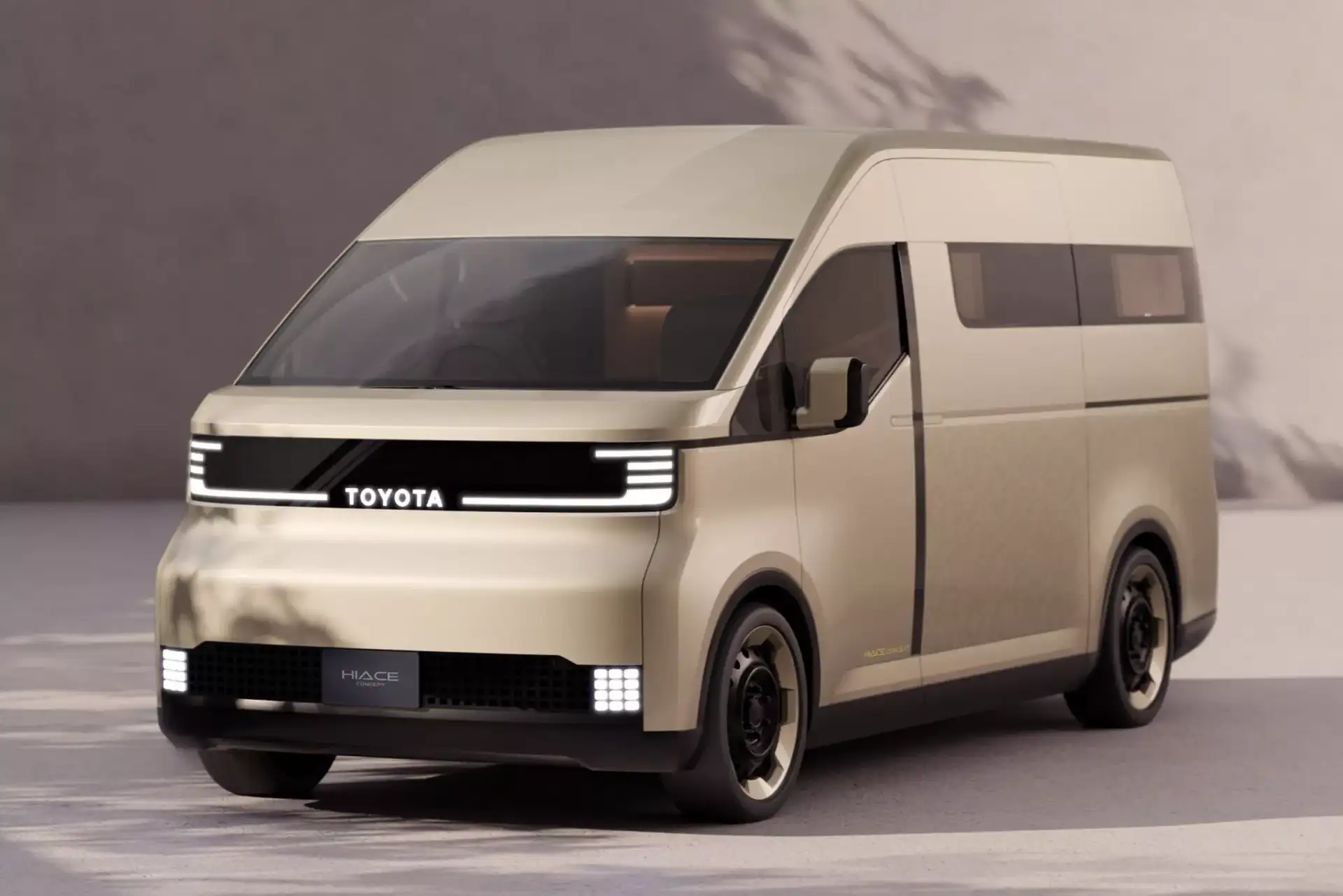
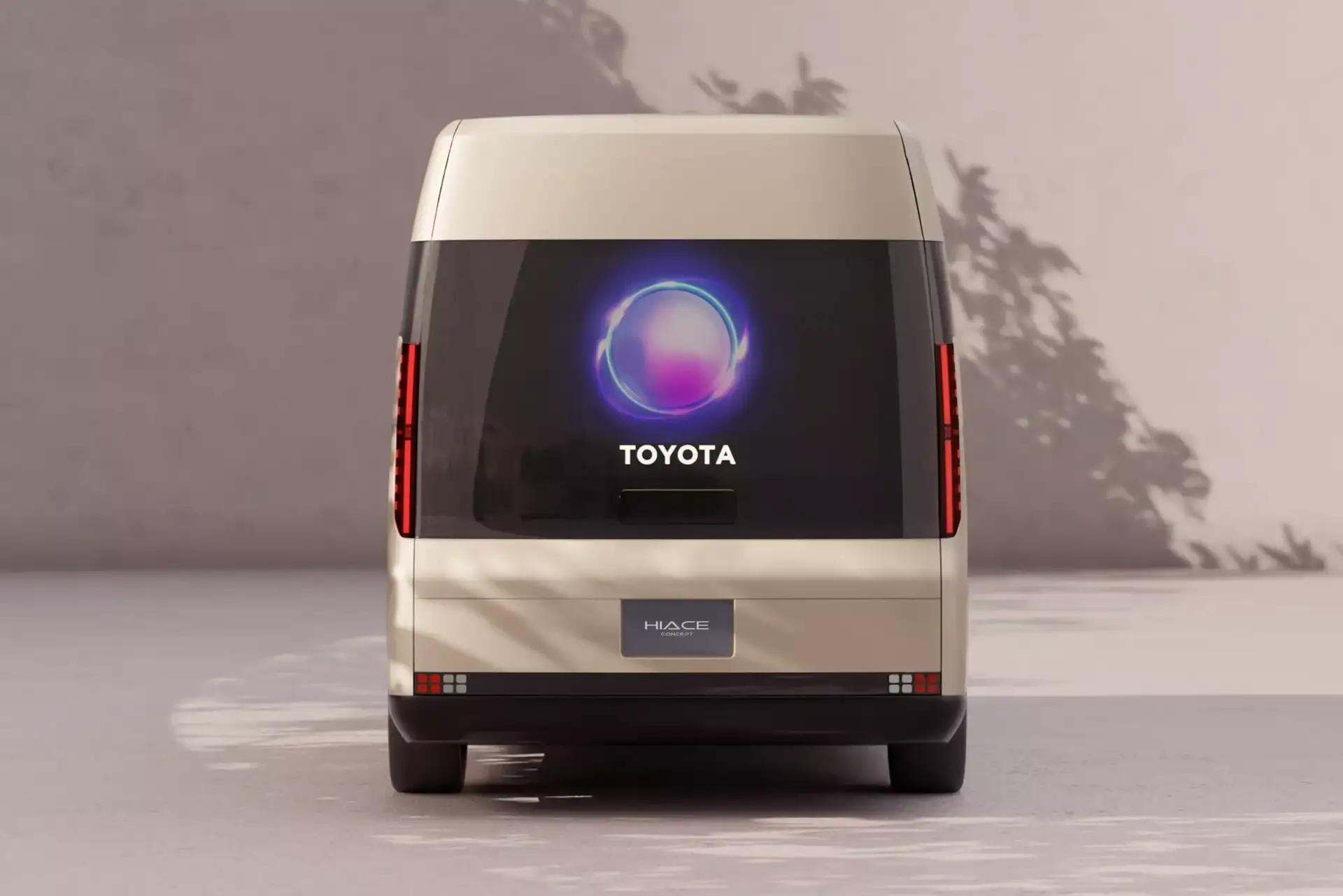
The strongest preview came from the 2025 Toyota HiAce Concepts shown at the Japan Mobility Show, and both variants are useful because they establish Toyota’s proportions before the market sees the production body. One concept uses a long-wheelbase, high-roof silhouette, while the other keeps a standard van profile, and both use slim LED lighting, broad glass areas, and surfacing that feels directly linked to the 2023 Kayoibako concept rather than to the existing H200 workhorse.
The most important visual clue is the hood. It is expected to be shorter than the H300’s more traditional front end, which suggests Toyota is trying to preserve maneuverability without returning to full cab-over packaging. That should make the van easier to place in crowded urban districts while still allowing a stronger safety cell and more conventional front-end component routing. If you want to see how Toyota translates concept-car language into production proportions, the TOYOTA Yaris Cross 2026 update shows how the company now sharpens form without abandoning practicality.
| Likely Next-Gen HiAce Direction | Expected Detail |
|---|---|
| Debut window | Late 2026 or early 2027 |
| Platform | TNGA-based architecture |
| Layout | Front-engine, non-cab-over packaging |
| Powertrain | Self-charging hybrid expected |
| Body styles | Multiple van, shuttle, and conversion variants |
| Electric version | Previously considered, now reportedly on hold |
TNGA Should Transform More Than Ride Quality
A TNGA switch for the TOYOTA HIACE matters because the current H200’s age is not just a styling issue; it is a structural one. Toyota’s newer platform logic usually brings better body rigidity, improved suspension kinematics, and cleaner integration of modern driver-assistance hardware, all of which are especially valuable in a van that can move from cargo duty to passenger shuttle duty without warning. In practical terms, the next HiAce should feel less like a dated utility box and more like a modern fleet tool.
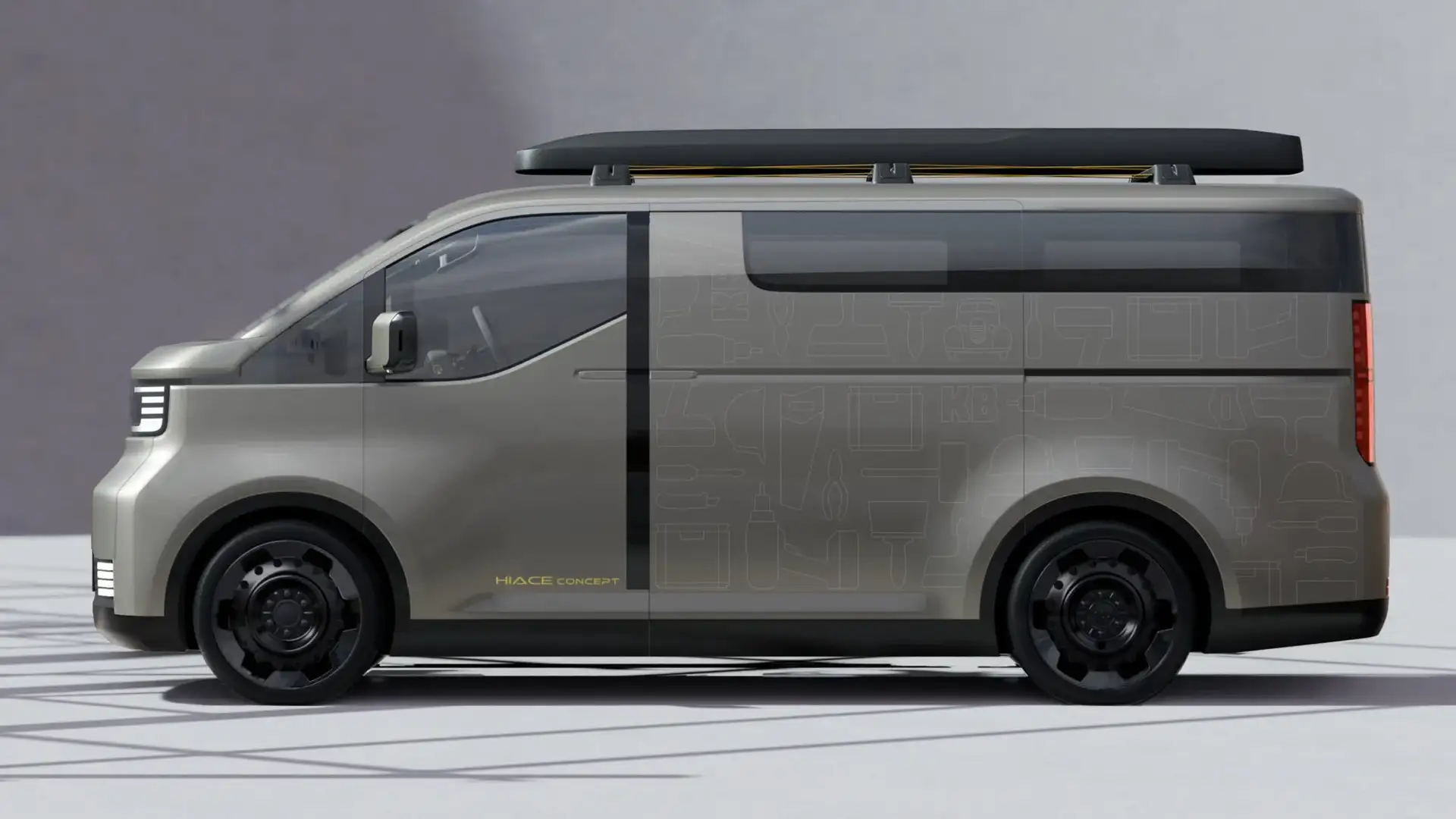
The rumored move from mid-engine packaging to a front-engine layout is especially significant. The source material suggests Toyota wants the new van to share components with the H300 HiAce sold in markets such as the Philippines, Thailand, and Australia, which gives Toyota a global parts and engineering base that the current Japanese H200 lacks. That kind of harmonization also mirrors the market logic behind other Toyota products, such as the 2027 TOYOTA C-HR 338 cv EV, where platform strategy is doing as much work as styling.
Hybrid Power Is The Most Plausible New Business Case
The most credible mechanical addition is a self-charging hybrid powertrain, which would immediately lift the HiAce’s relevance in urban delivery, hotel shuttle, and mixed-duty fleet service. Toyota is expected to position this setup as both more efficient and more powerful than the existing gasoline and diesel engines, and that is exactly where the commercial market is heading: low-emission zones, fuel-cost sensitivity, and drivers who need torque without the downtime of charging infrastructure.
A fully electric HiAce had once been hinted at by the Global HiAce BEV concept from 2023, but current reporting suggests that program is on hold because market conditions have shifted. That does not kill the idea, it merely delays it until fleet economics and charging density make better sense. The same market realism is visible in the WAYMO E ZOOX robotaxi update, where deployment strategy matters as much as the underlying hardware.
Body Variants And Passenger Duty Will Define The Range
Toyota is almost certain to keep the HiAce family broad, because the current model already spans different widths, heights, and lengths. That means the next generation should again serve as a cargo van, a passenger shuttle, and a base for camper conversions, with the long-wheelbase high-roof version likely becoming the headline configuration for export-minded buyers and large fleets. The narrow-side-window concept seen in the prototype is likely to remain reserved for passenger-focused trims, while simpler lighting graphics may appear on work-spec vans to control cost.
There is also a smaller van reportedly linked to the Daihatsu Kayoibako-K concept, aimed at urban delivery work and short camping use. That would let Toyota address a split market: one van optimized for dense city logistics, another for traditional van duty and shuttle work. It is a smart response to the way commercial buyers now think, and it aligns with the efficiency-first ethos we have seen in products like the BYD Sealion 05, where utility and range are being bundled more aggressively than before.
Why The HiAce Matters Beyond Toyota’s Own Lineup
The new TOYOTA HIACE is important because it will not just replace an old van in Japan; it will reset Toyota’s language for light commercial vehicles in one of the world’s most demanding urban environments. If Toyota can give the next generation the durability reputation of the H200, the global hardware of the H300, and the packaging intelligence of TNGA, it will have a van that can serve fleets, families, hospitality operators, and converters from one base architecture.
That breadth is why this story connects to more than one recent market trend. The premium-van space is warming up, as seen in the HYUNDAI STARIA Electric coverage, while the broader Toyota lineup is being repackaged with a sharper platform strategy in stories like the MERCEDES-BENZ E-Class Night Edition and the MERCEDES-BENZ EQS 2027, where hidden engineering is the real headline.
What To Watch Before The Reveal
The next confirmation point should be whether Toyota keeps a Japan-specific body range separate from the global H300 strategy or merges the two more aggressively. Watch for final decisions on diesel availability, because the source only points confidently to hybrid assistance, not to a full engine lineup, and watch for interior packaging changes that could improve step-in height, cargo volume, and shuttle access. The debut window of late 2026 or early 2027 leaves Toyota enough time to refine these details, but not enough to hide the fact that a 22-year holdover is finally ending.
When the production HiAce arrives, the biggest question will not be whether it looks different. It will be whether Toyota has made the van meaningfully better to operate every day in the same cities, depots, and loading bays where the H200 built its reputation. If the answer is yes, this will be one of the most important commercial-vehicle launches of the decade.