
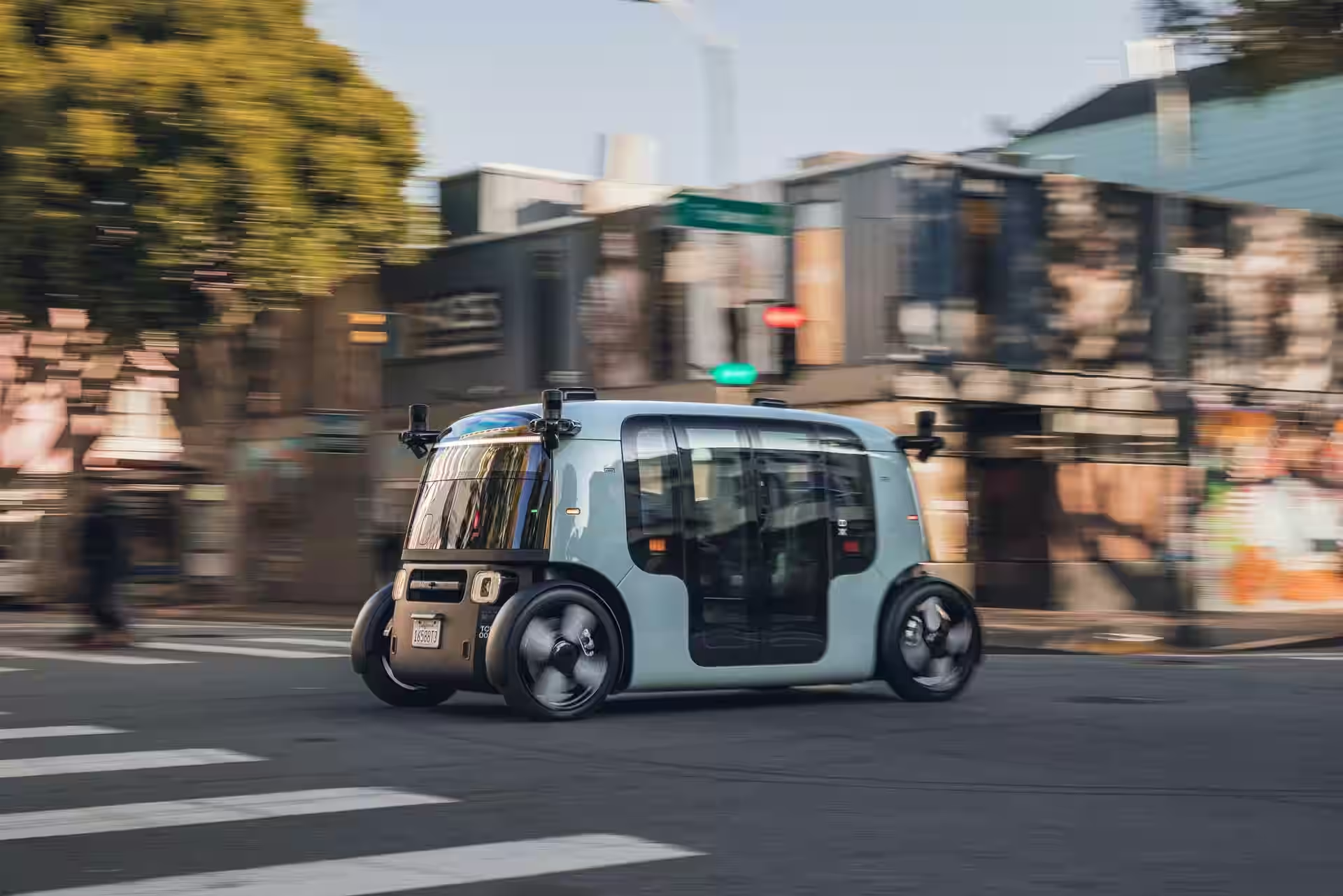
Robotaxis are no longer science fiction in San Francisco
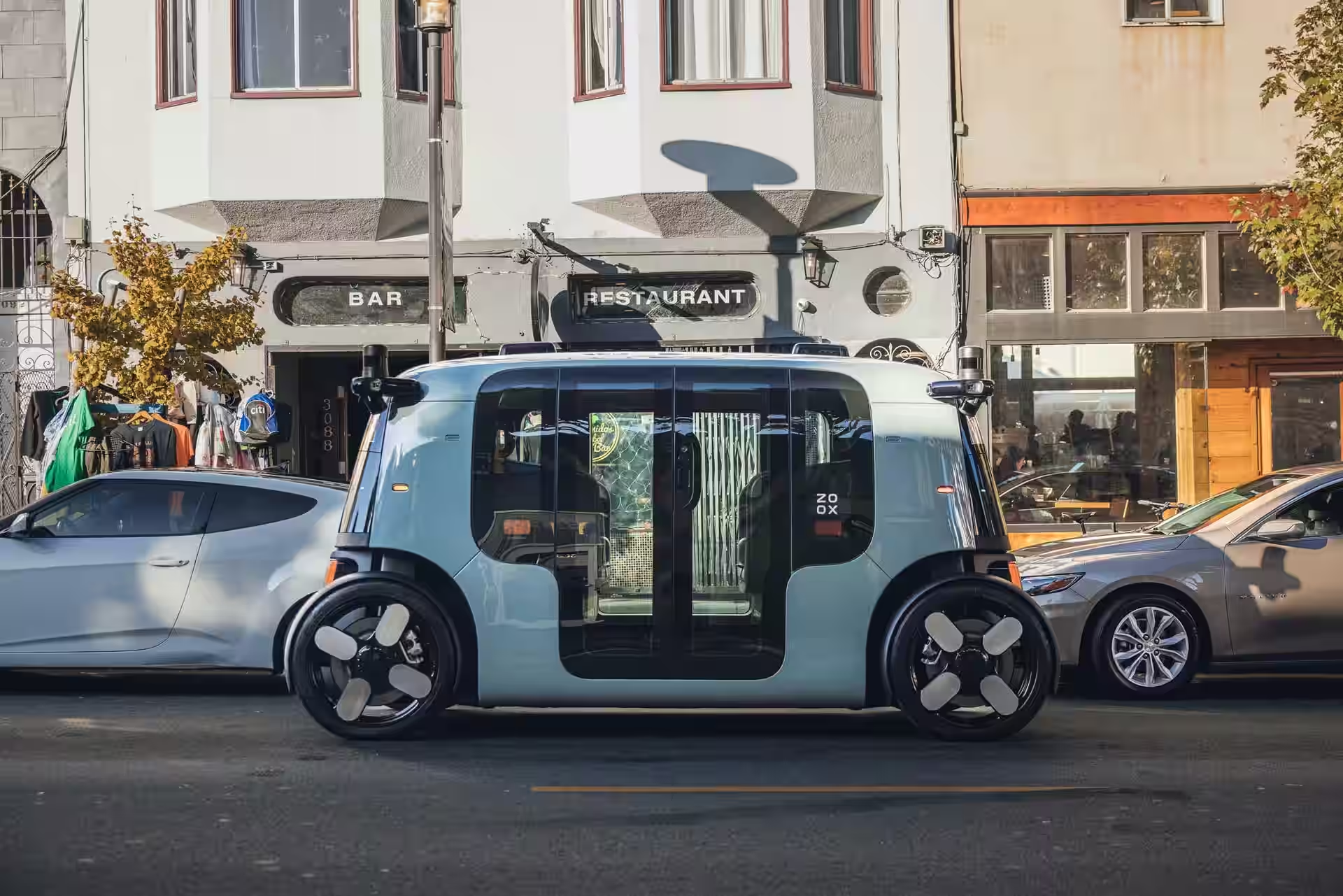
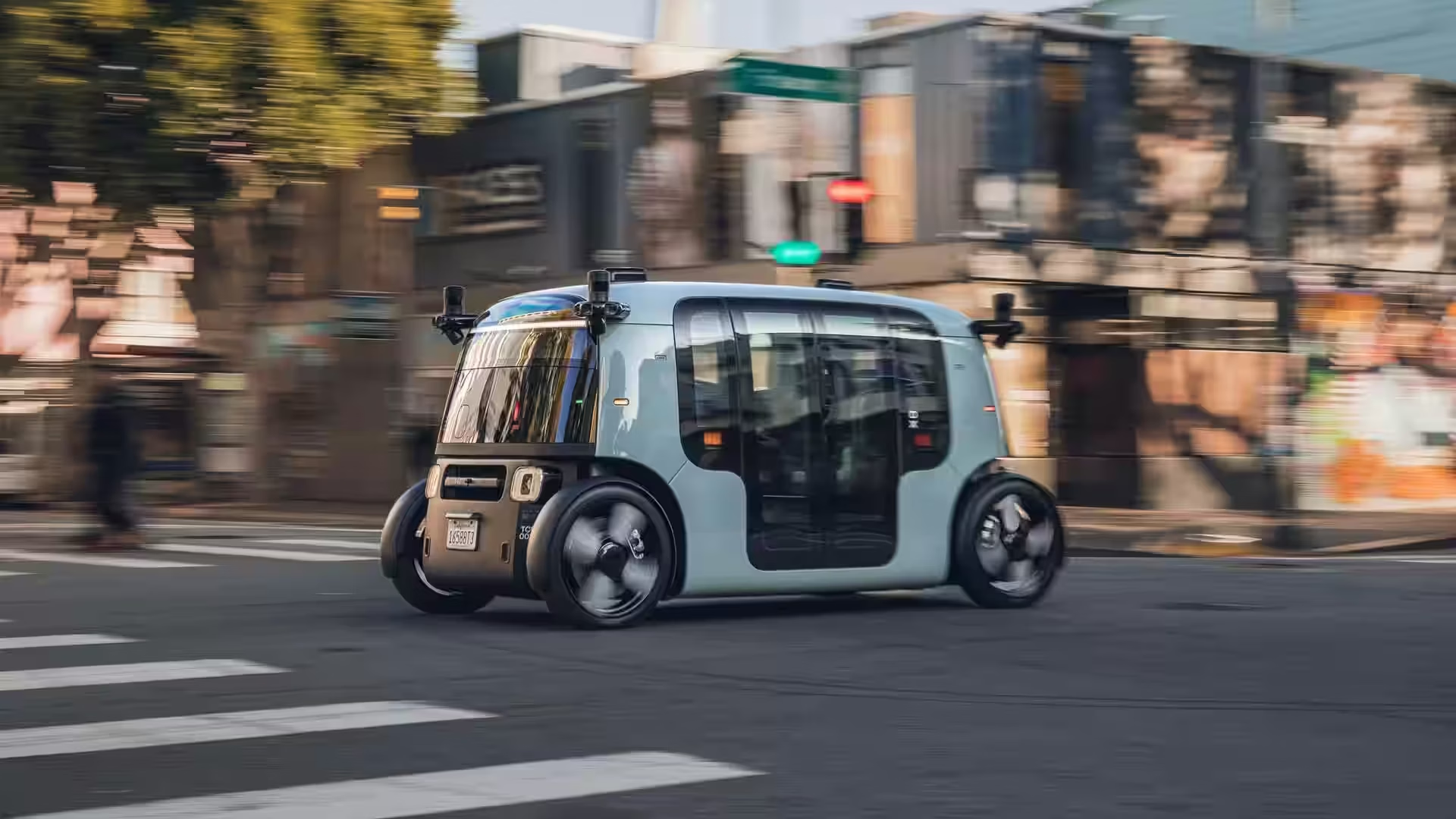
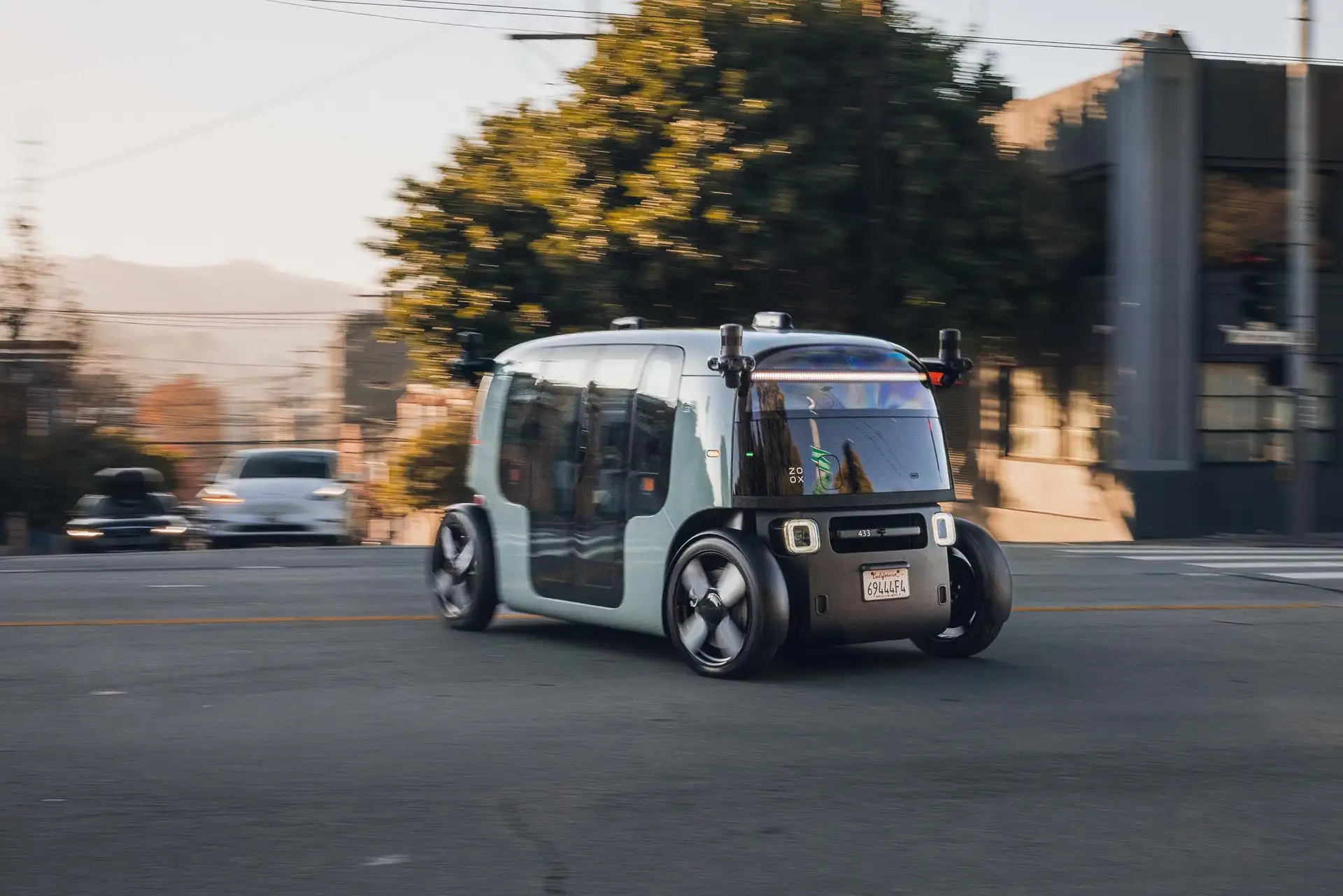
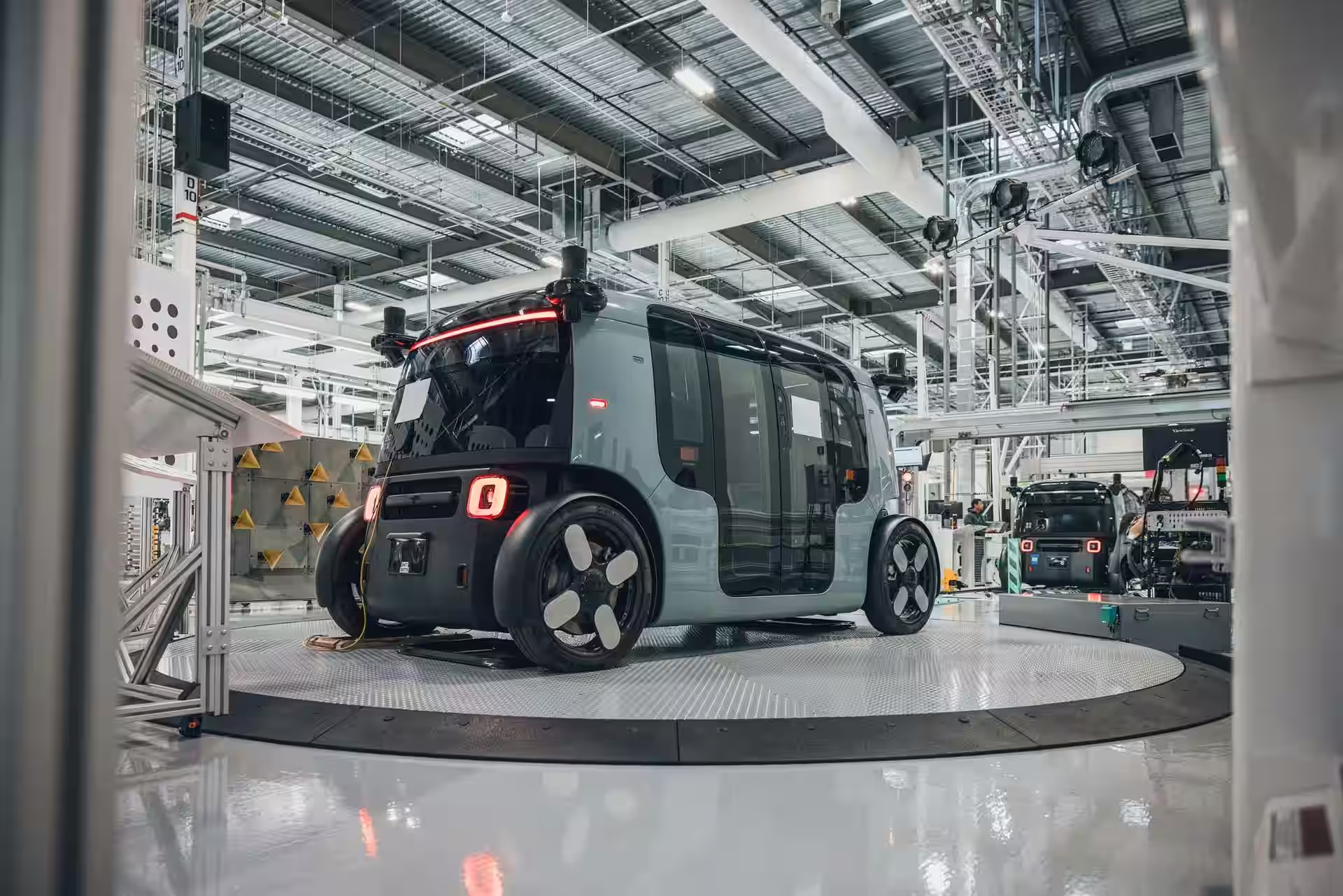
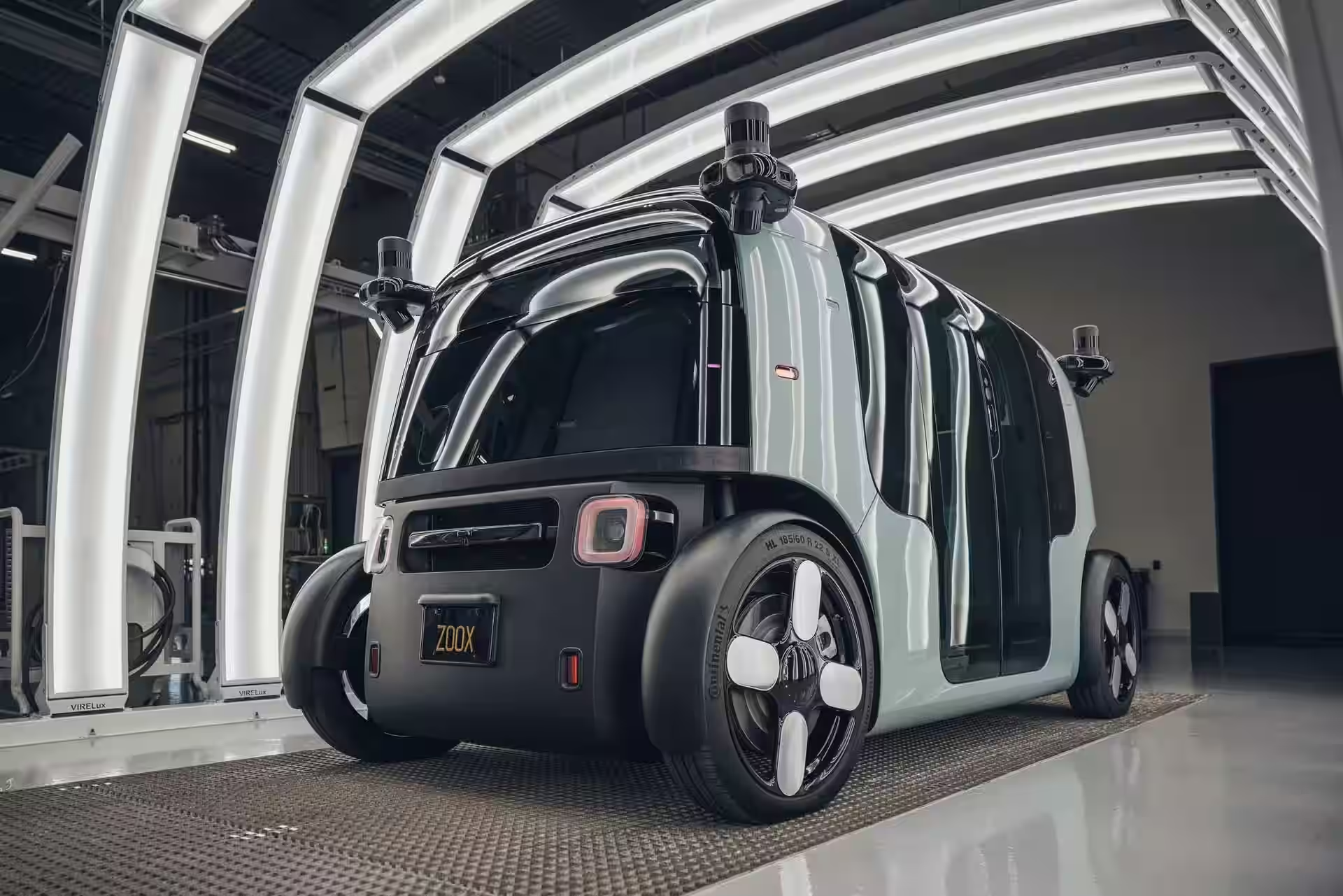
Waymo and Zoox have moved autonomous ride-hailing from controlled demos into daily urban service, and that is the real news. Waymo now operates more than 800 autonomous vehicles across a 260-square-mile Bay Area footprint, while Zoox is taking a narrower but more radical route with a purpose-built robotaxi in parts of San Francisco and Las Vegas. The difference is not just scale; it is philosophy. Waymo is proving that autonomy can be commercialized on existing vehicle platforms. Zoox is betting that autonomy works best when the entire vehicle is designed around the software, sensors, and rider experience from day one.
| Critical data point | Value |
|---|---|
| Waymo Bay Area fleet | More than 800 AVs |
| Waymo Bay Area operating area | 260 square miles |
| Zoox vehicle length | 142.9 inches |
| Zoox battery per end | 67 kWh |
| Zoox drive motor output per end | 134 hp |
| Zoox seating capacity | 4 passengers |
Waymo’s lead is commercial, not theoretical
Waymo is the only one of the two that is clearly monetizing at scale today. It charges riders, uses a fleet that still retains operating controls, and has expanded beyond San Francisco into Phoenix, Los Angeles, Miami, Atlanta, and Austin. That gives Waymo a service-area footprint of roughly 700 square miles across those five markets alone, which matters because autonomy becomes a business only when it can be dispatched, maintained, insured, and charged like a normal transport service. Its manufacturing operation in Mesa, Arizona, built with Magna, installs sensor packages onto vehicles from Jaguar and Zeekr, and the company is already talking in factory terms, not pilot-program language.
The hidden detail that connects this to CATL SHENXING 3 ACABA COM O RECORD DE 9 MIN DA BYD is scale discipline: fast-charging breakthroughs, if and when they reach fleet AVs, matter most where vehicles live on a duty cycle, not in a brochure.
For premium buyers watching the EV transition, the most important robotaxi metric is no longer range. It is utilization: how many paid miles the vehicle can deliver before downtime, repair, or software intervention.
Zoox is building a vehicle, not adapting one
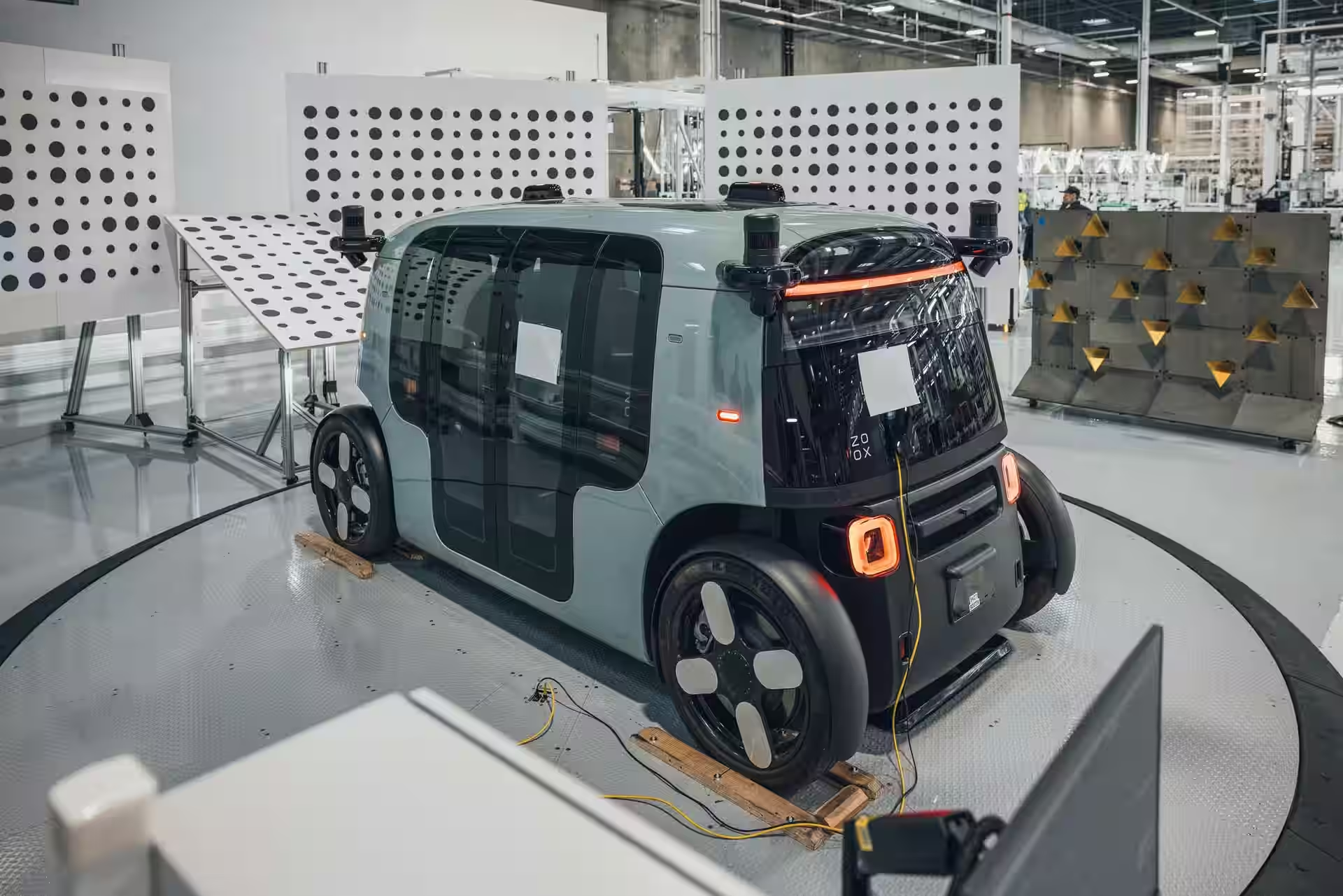
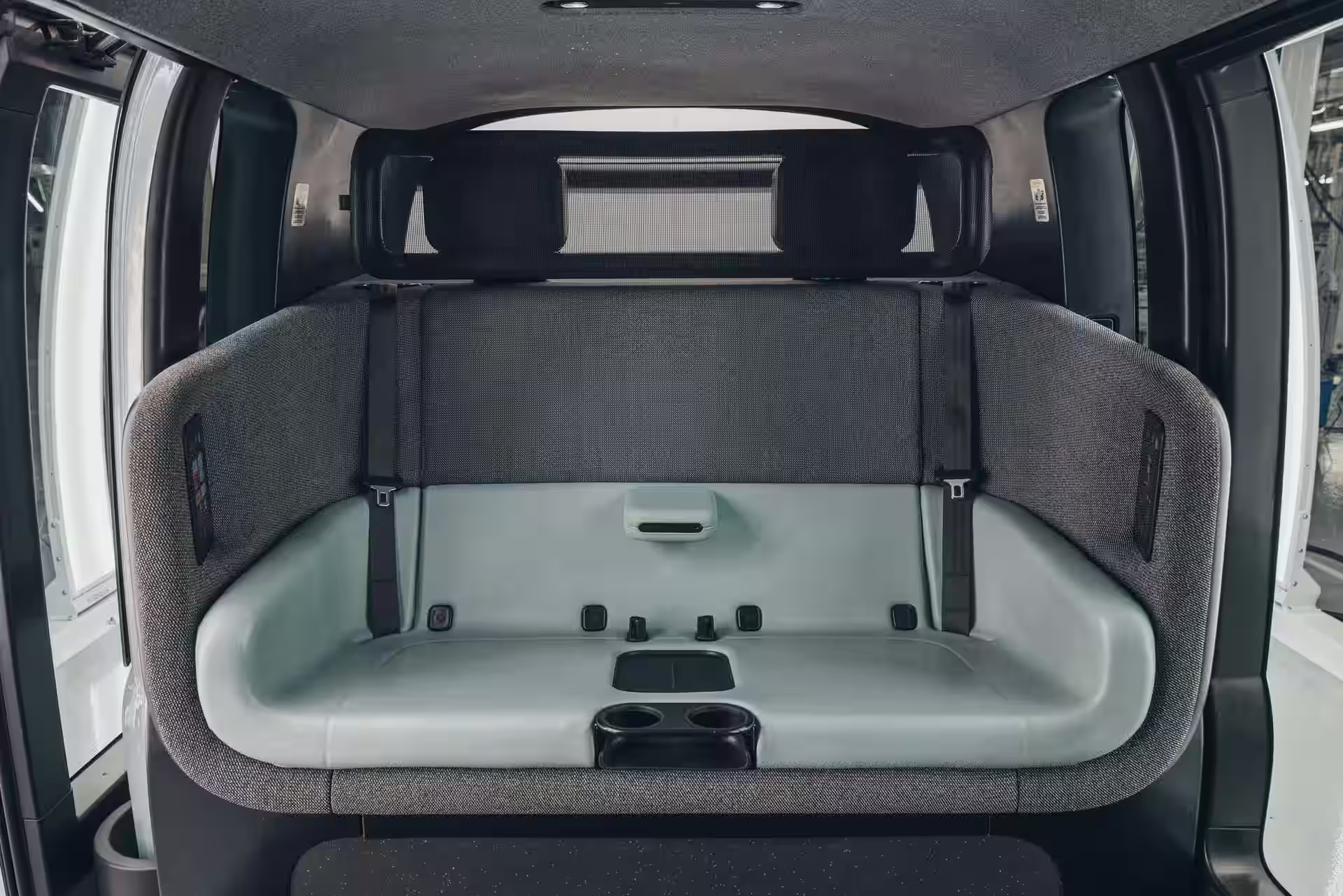
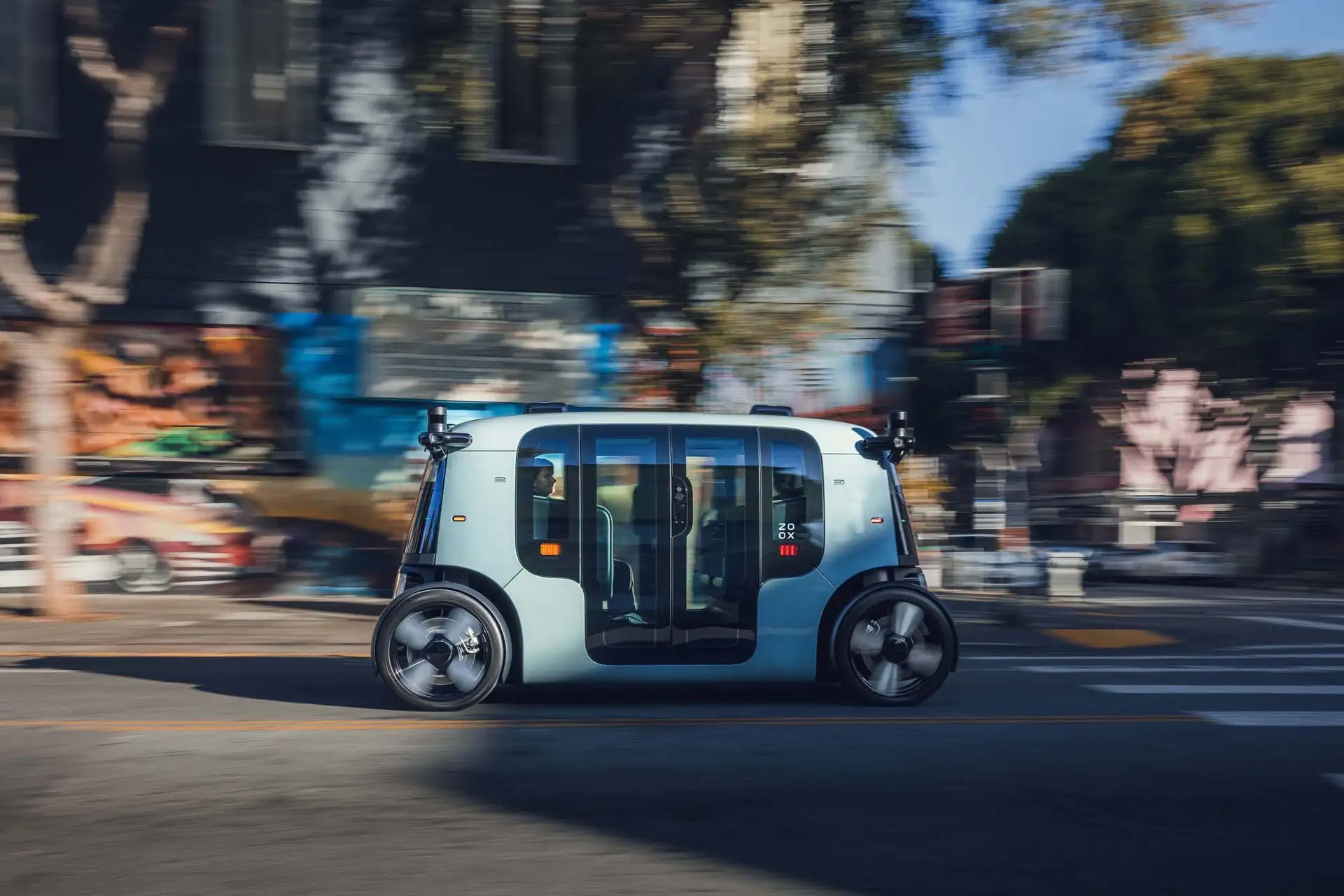
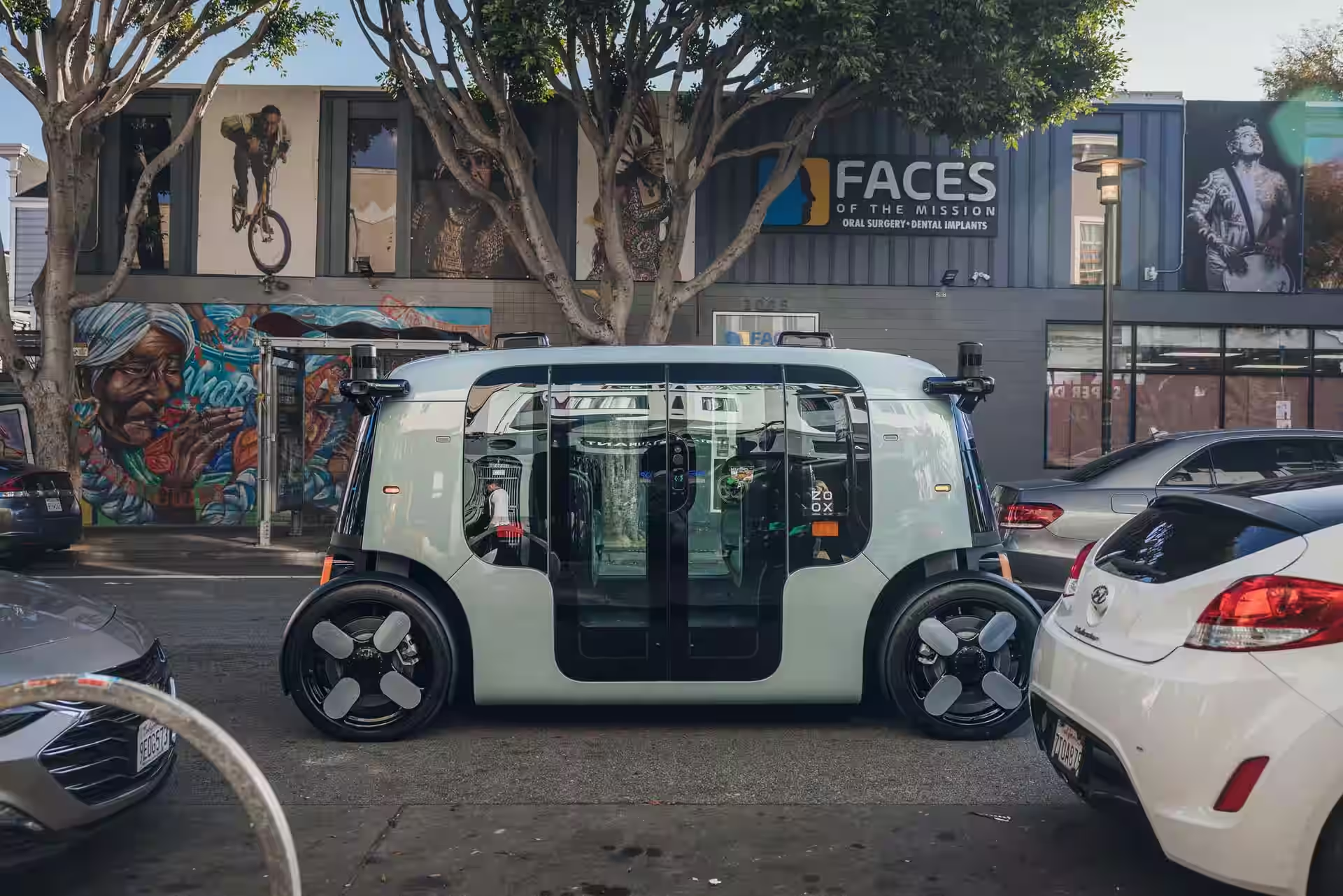
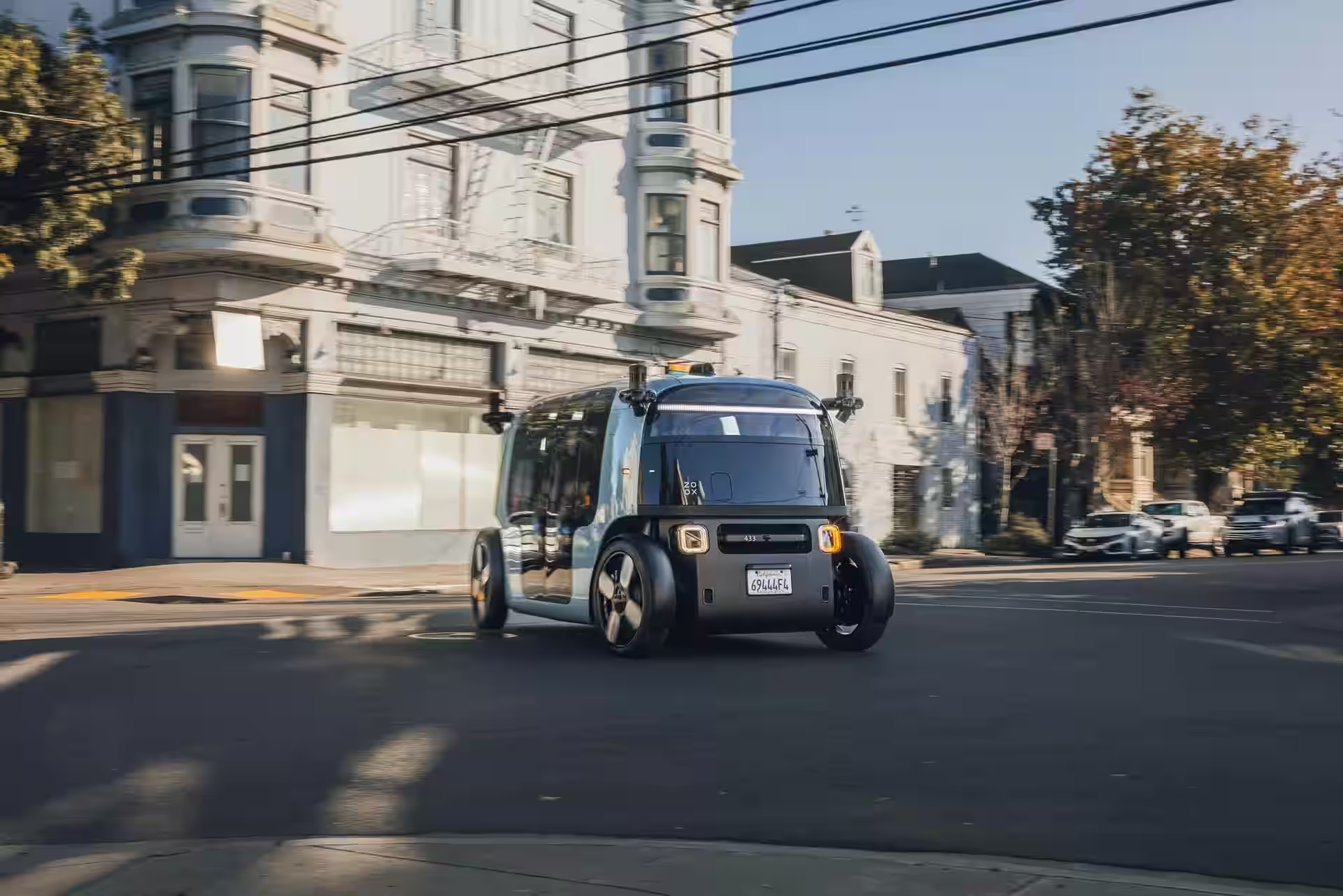
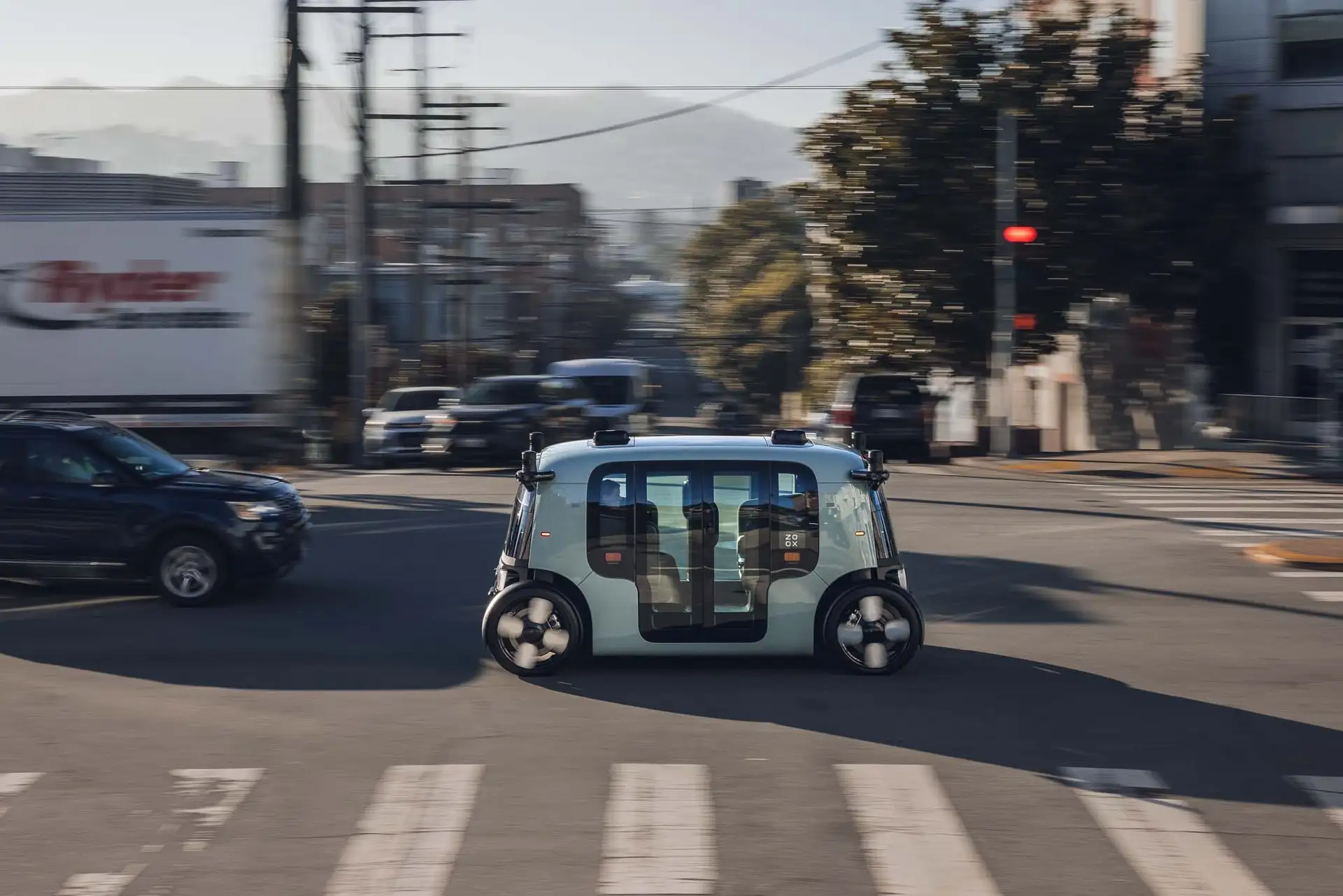
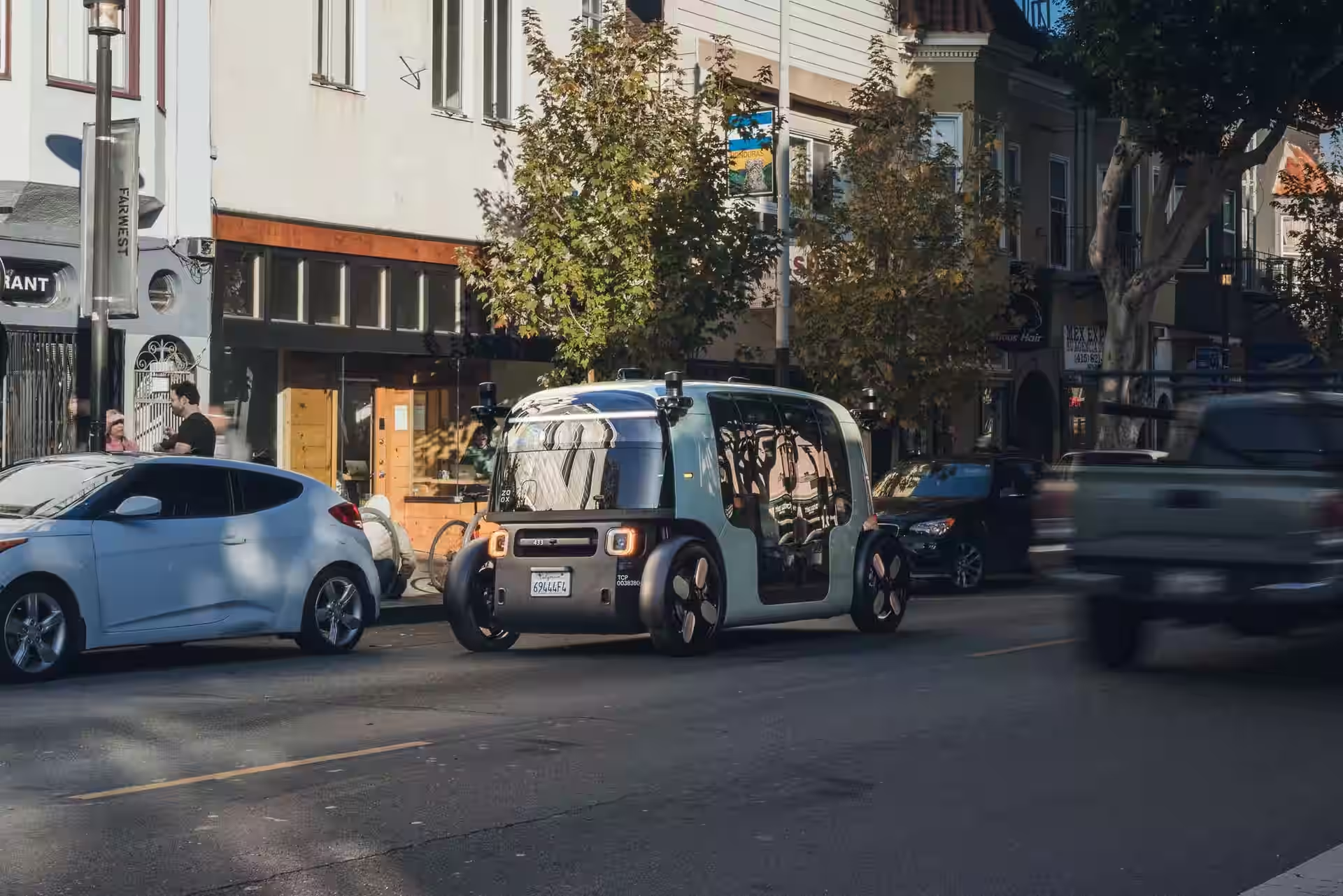
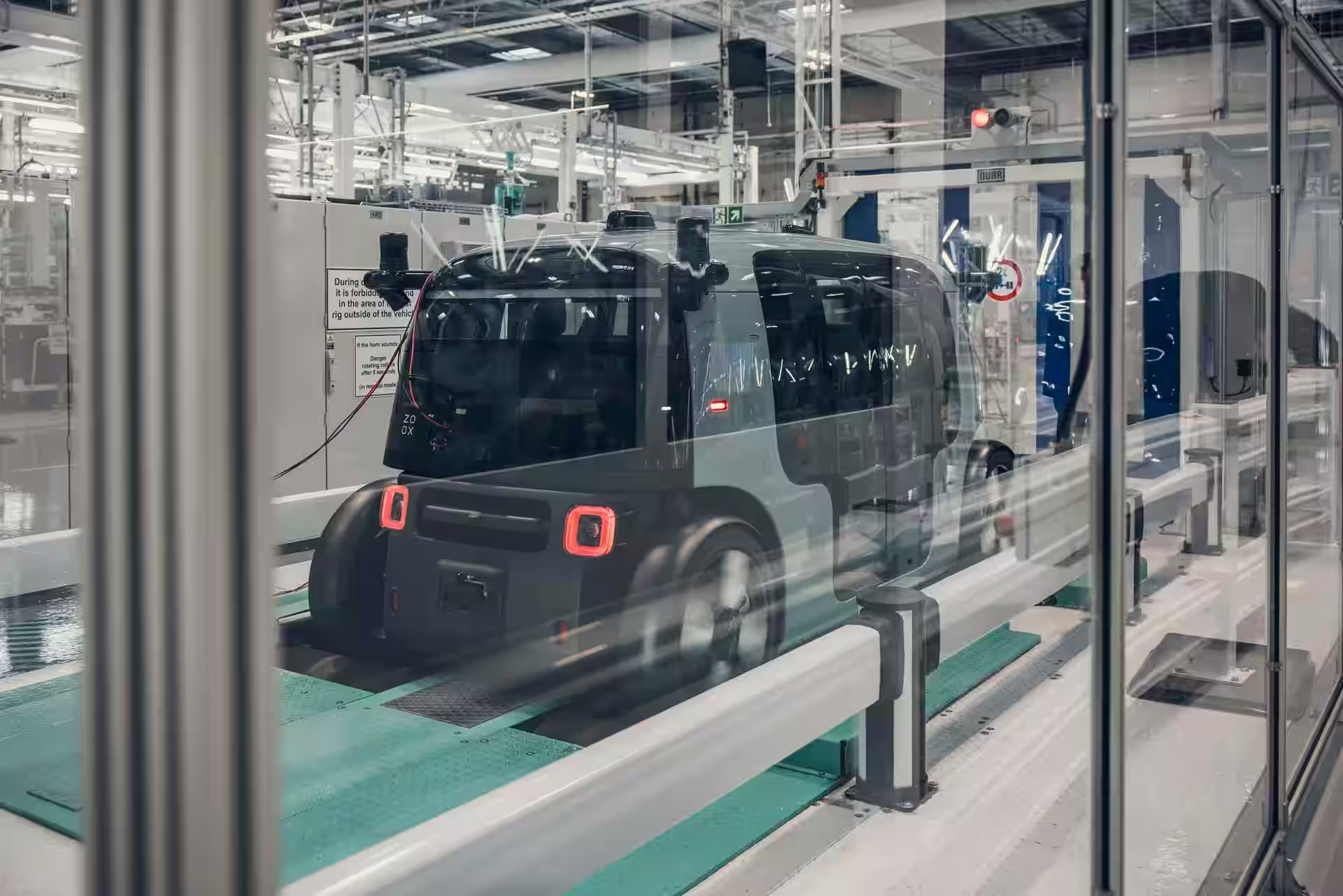
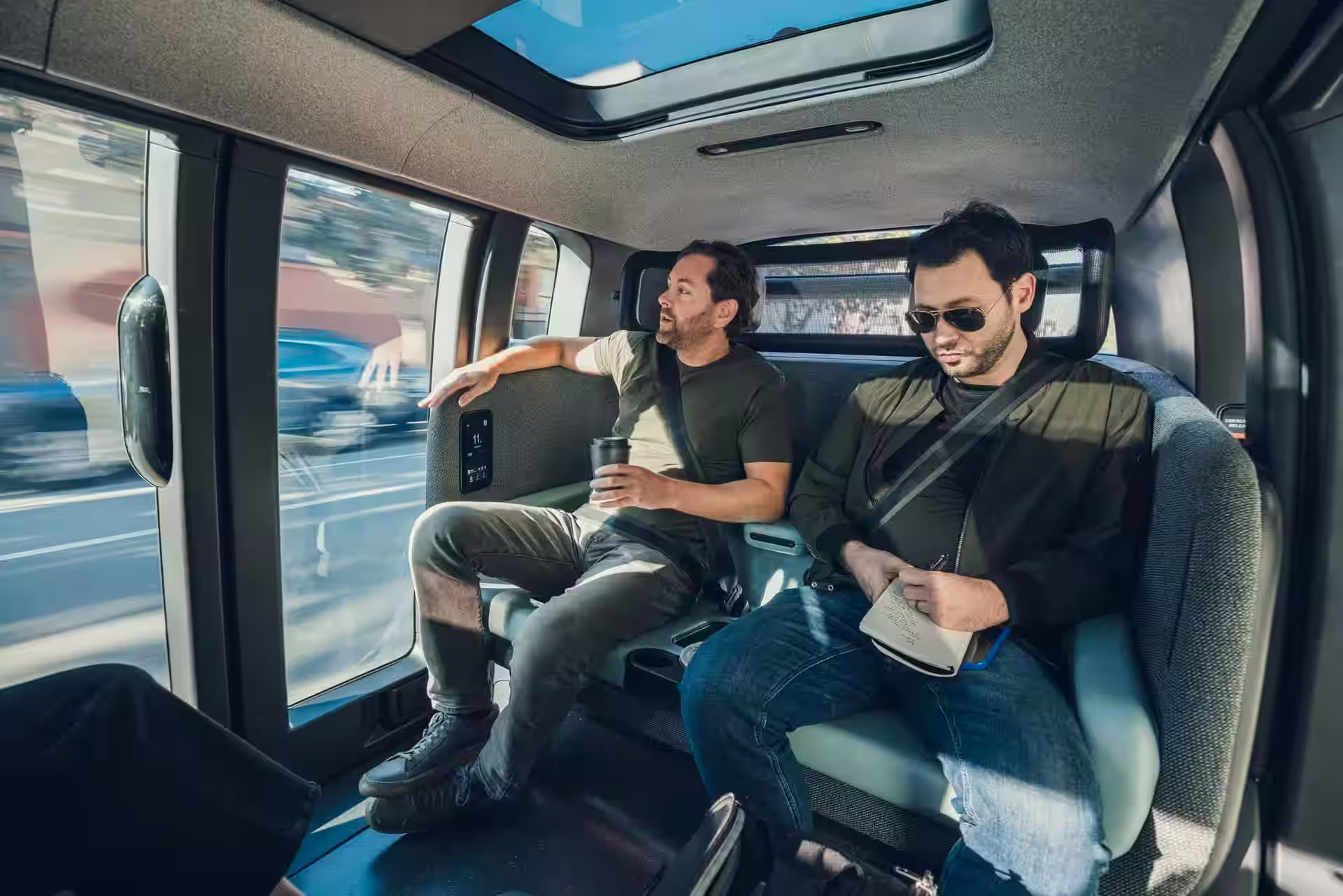
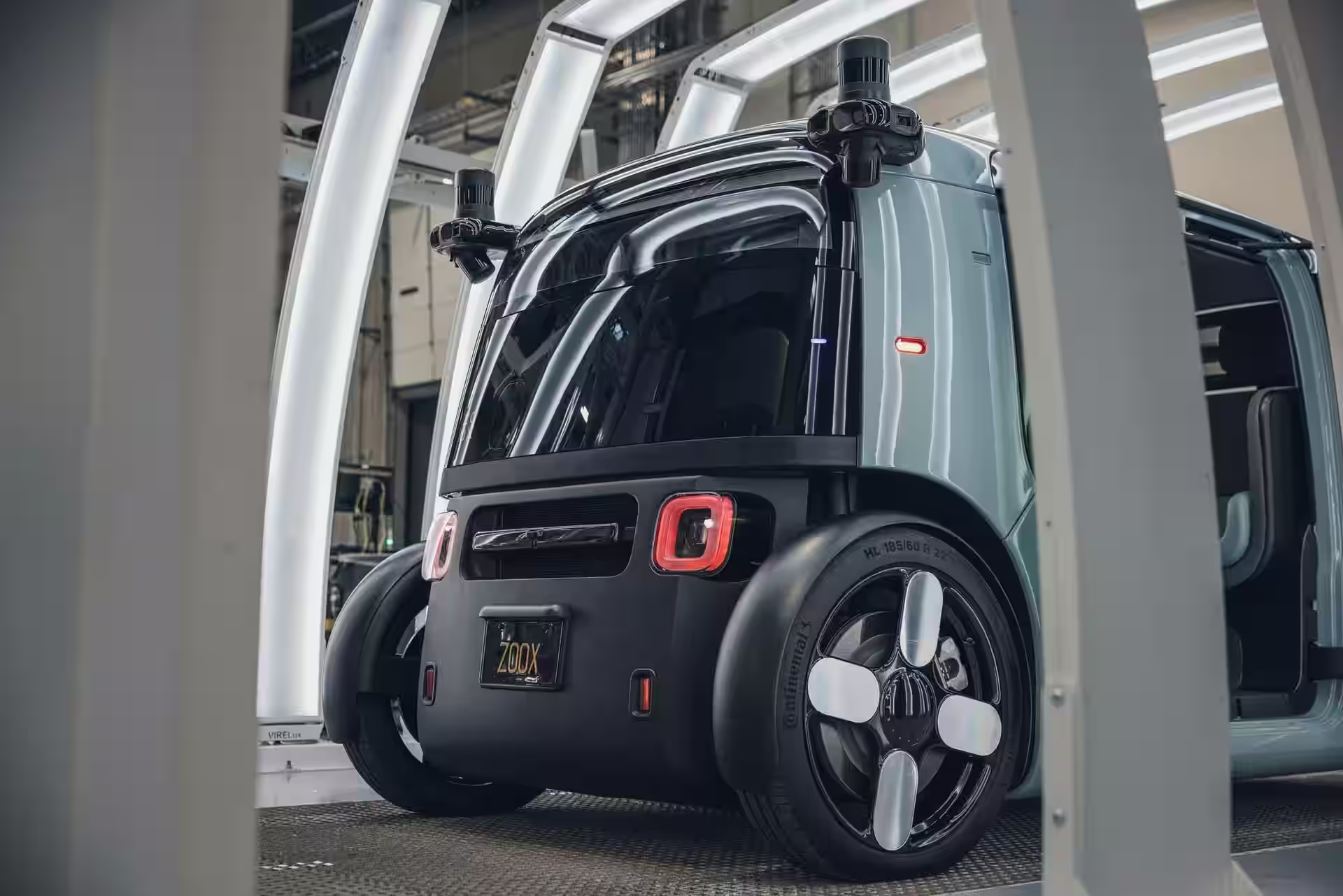
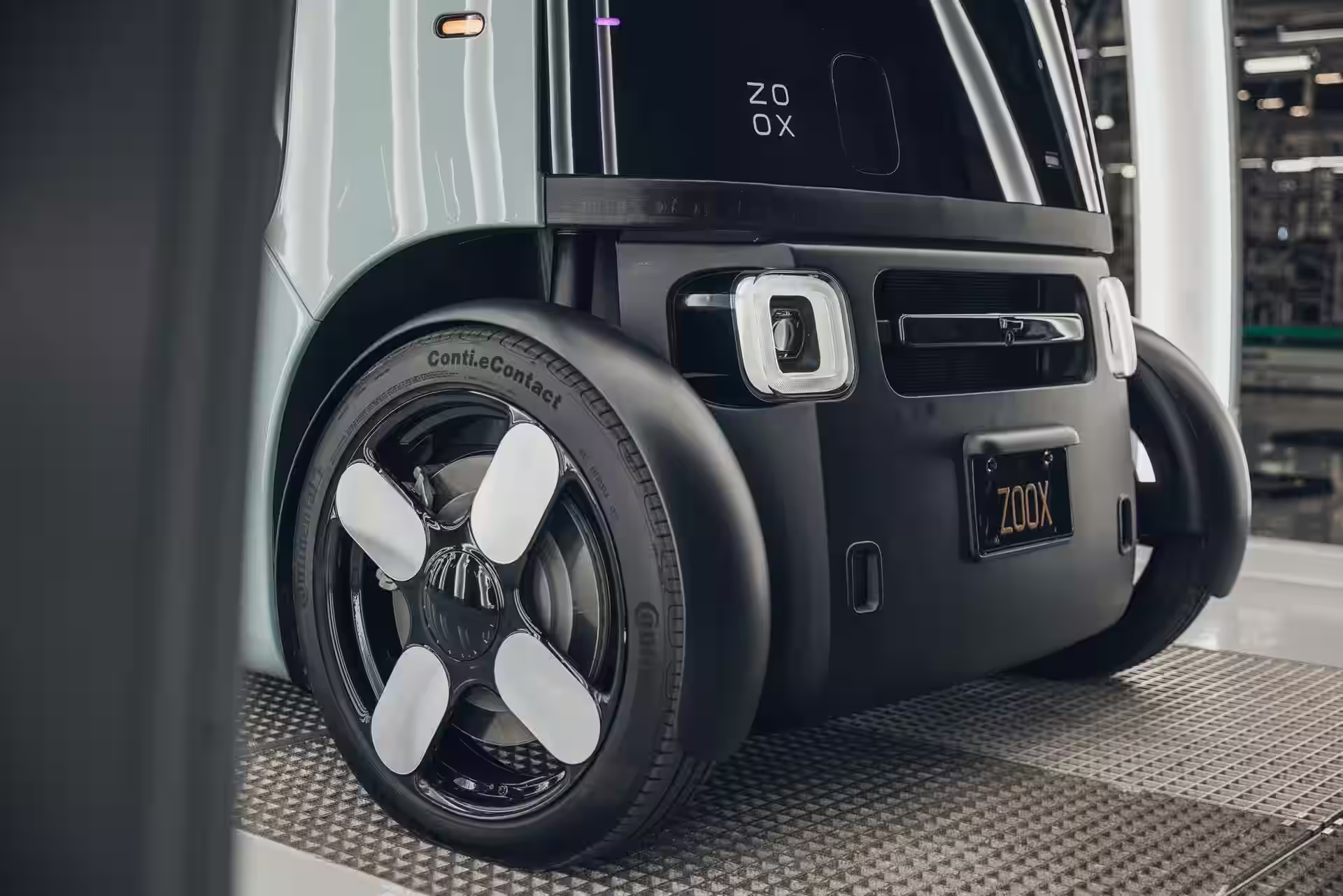
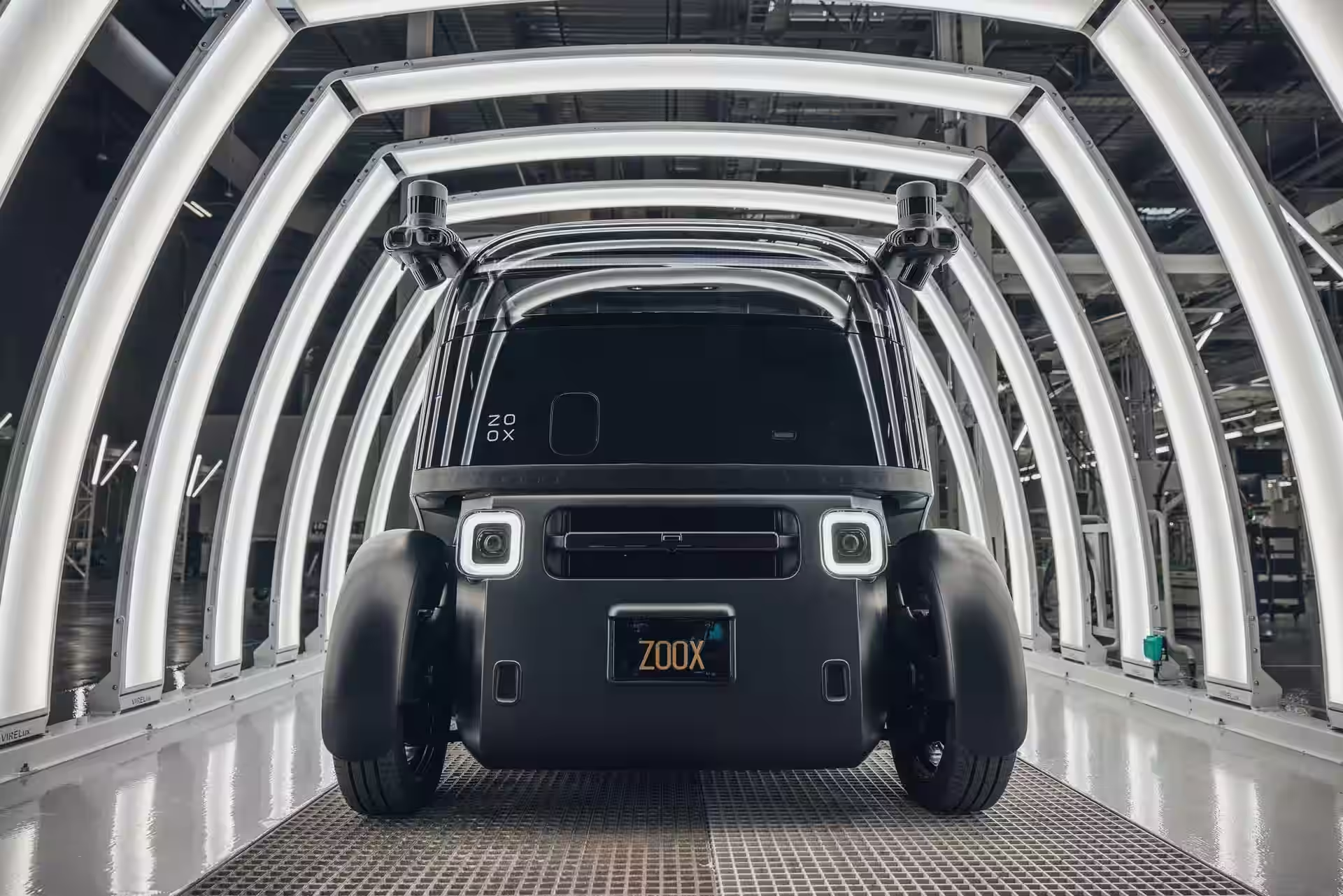
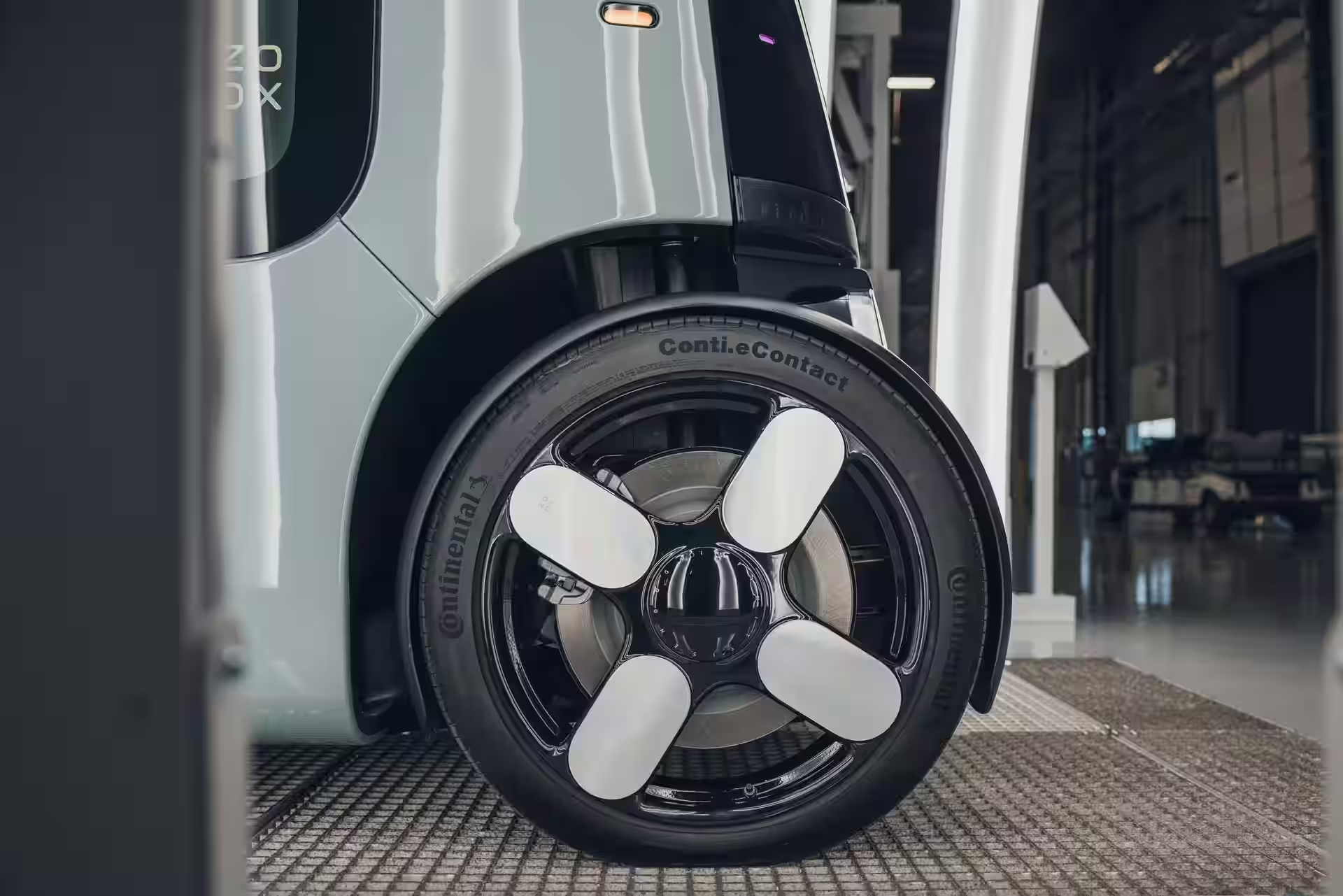
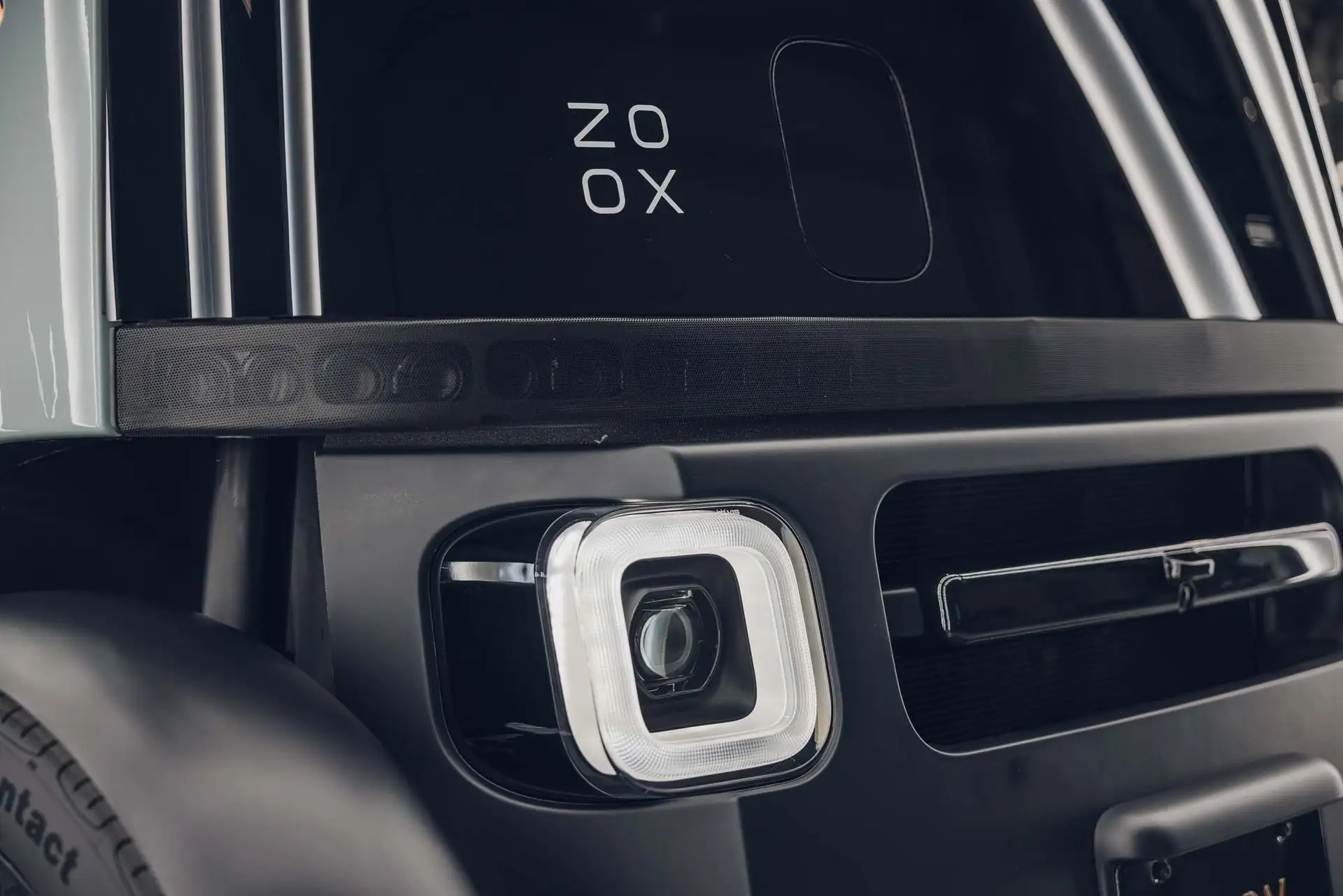
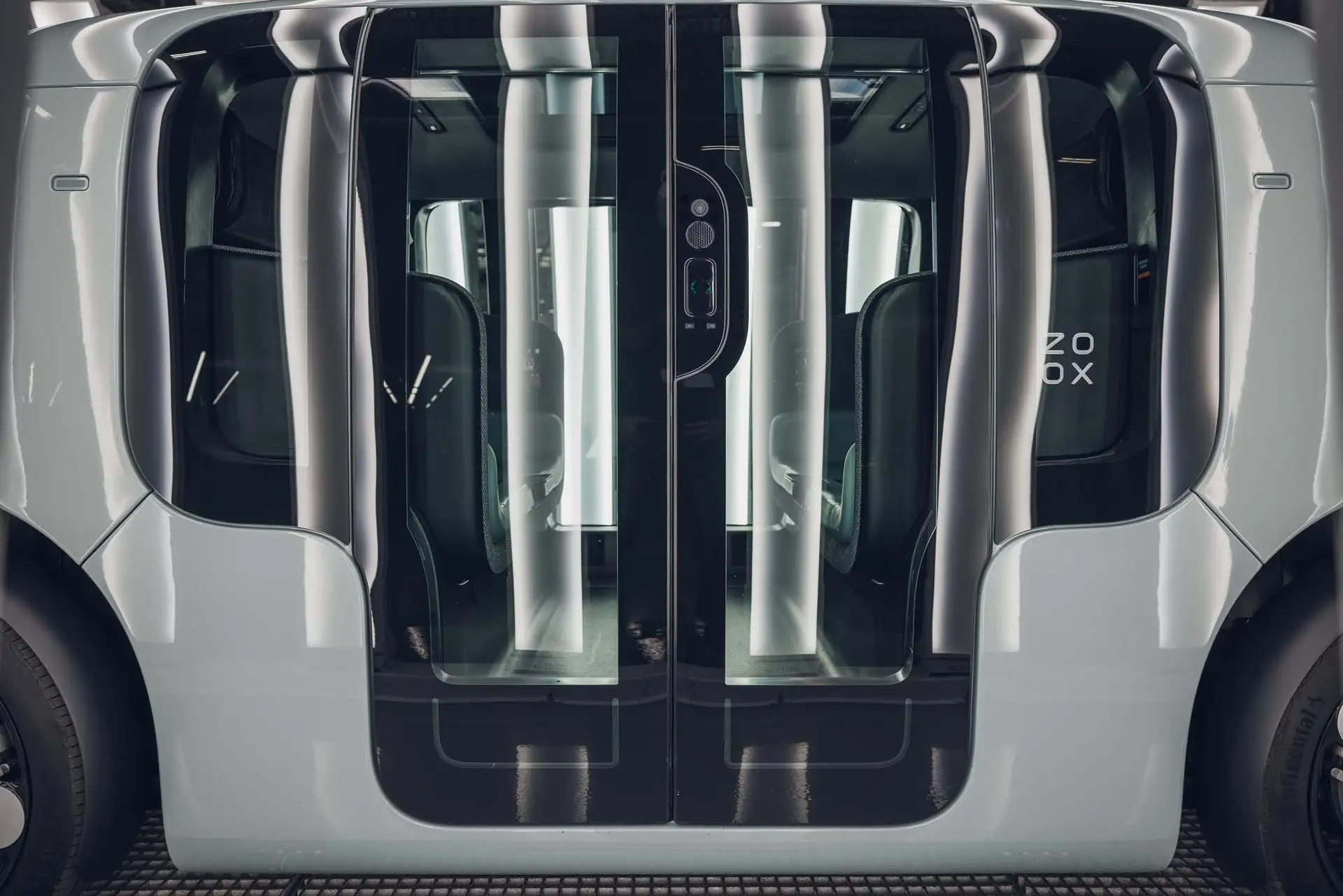
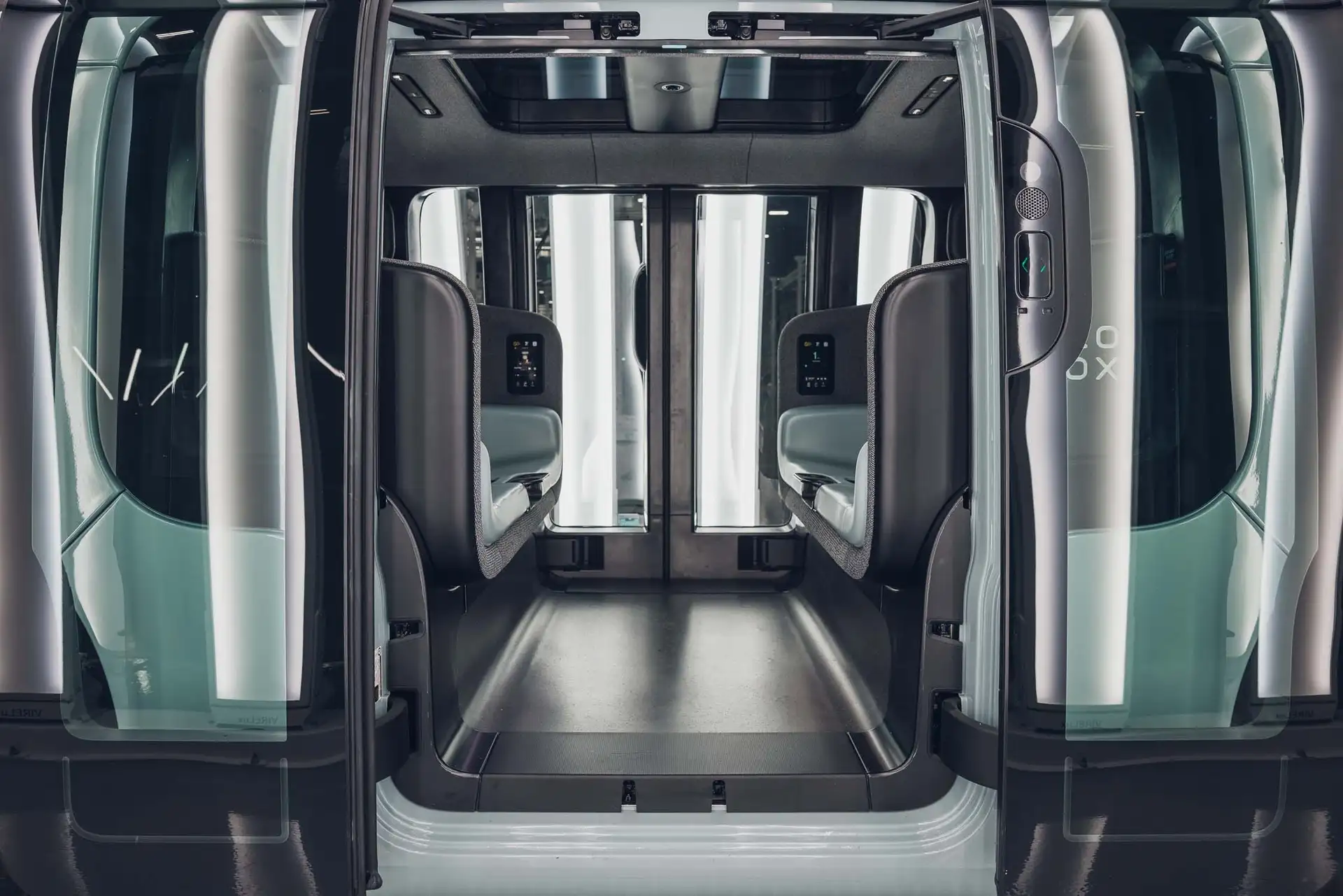
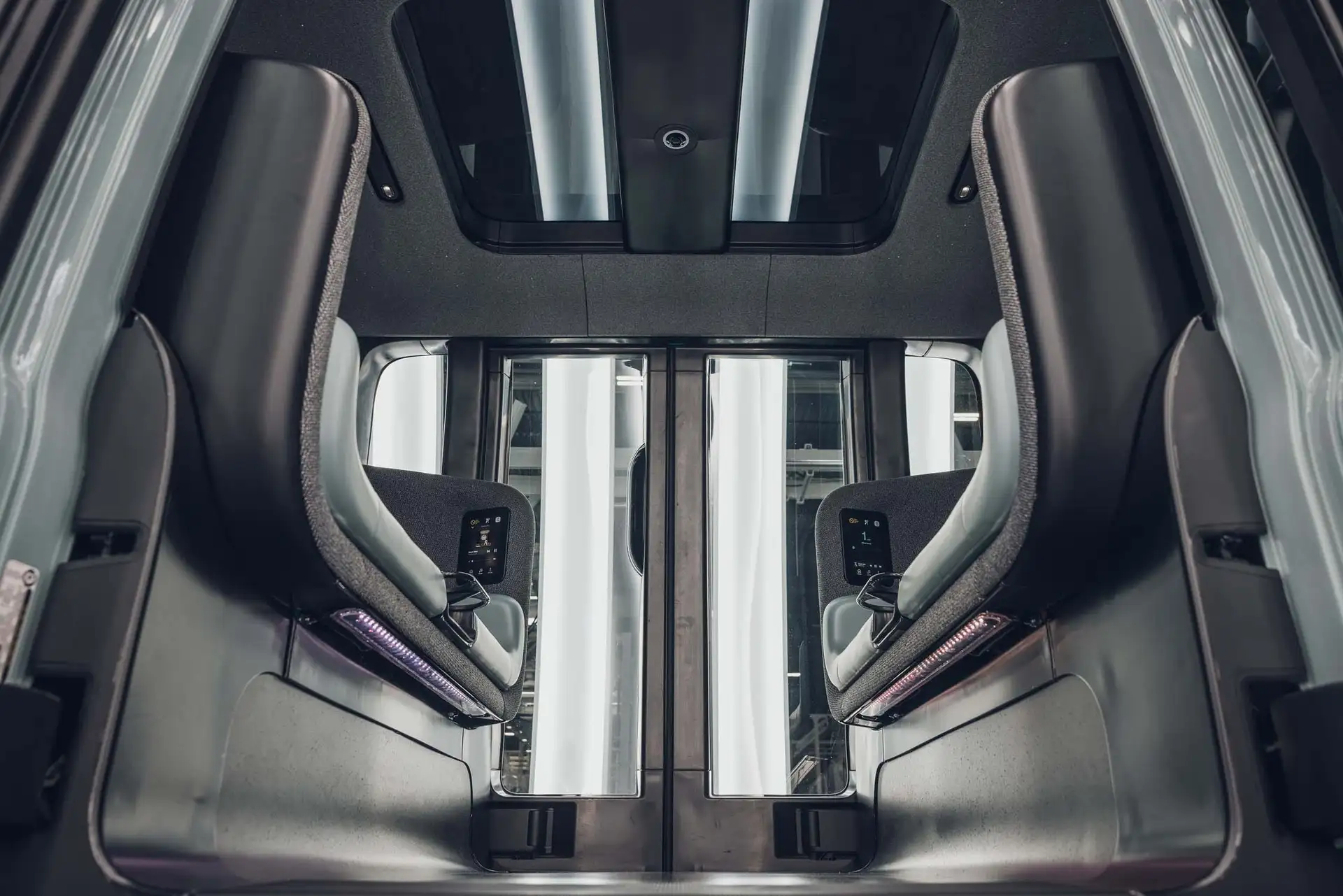
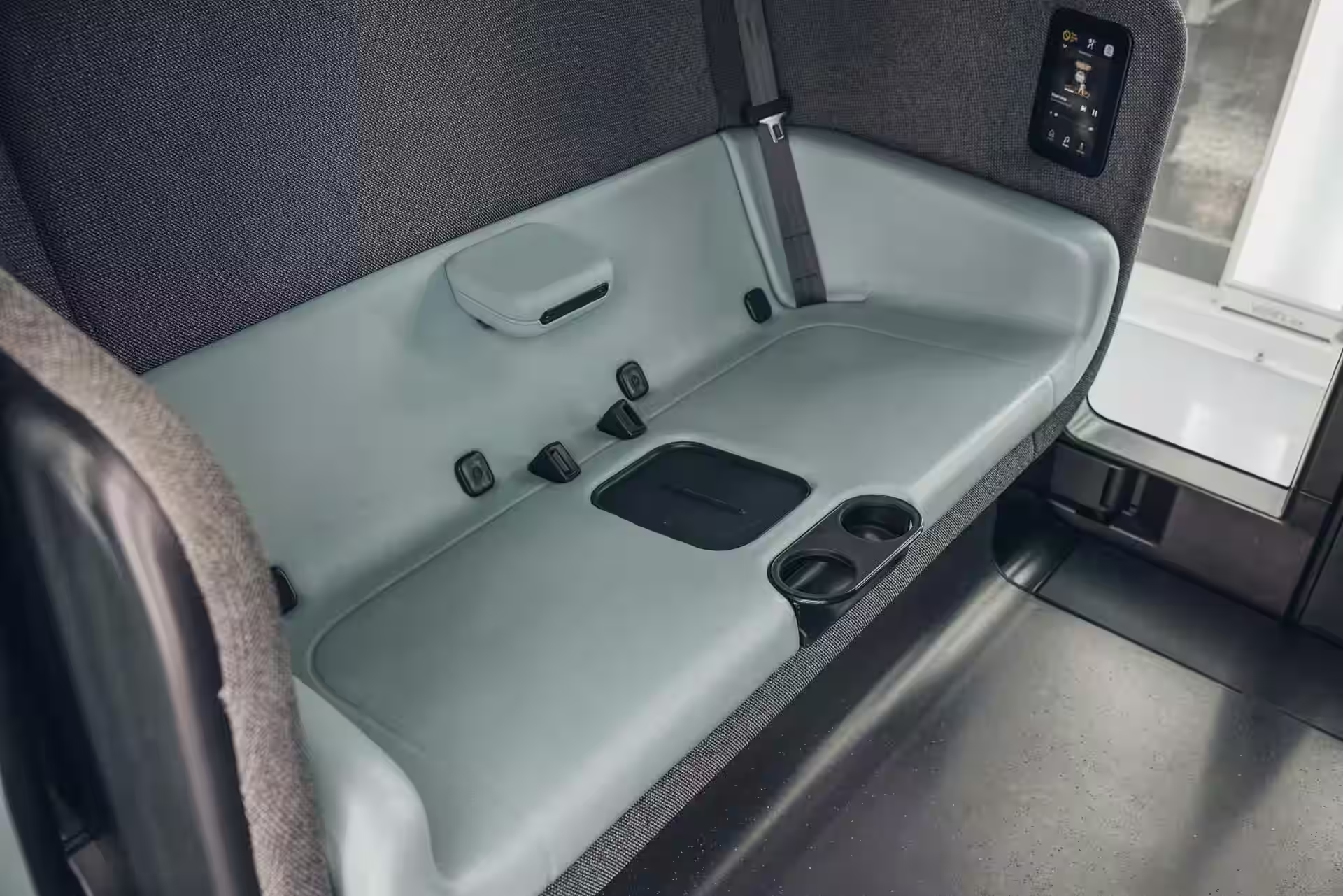
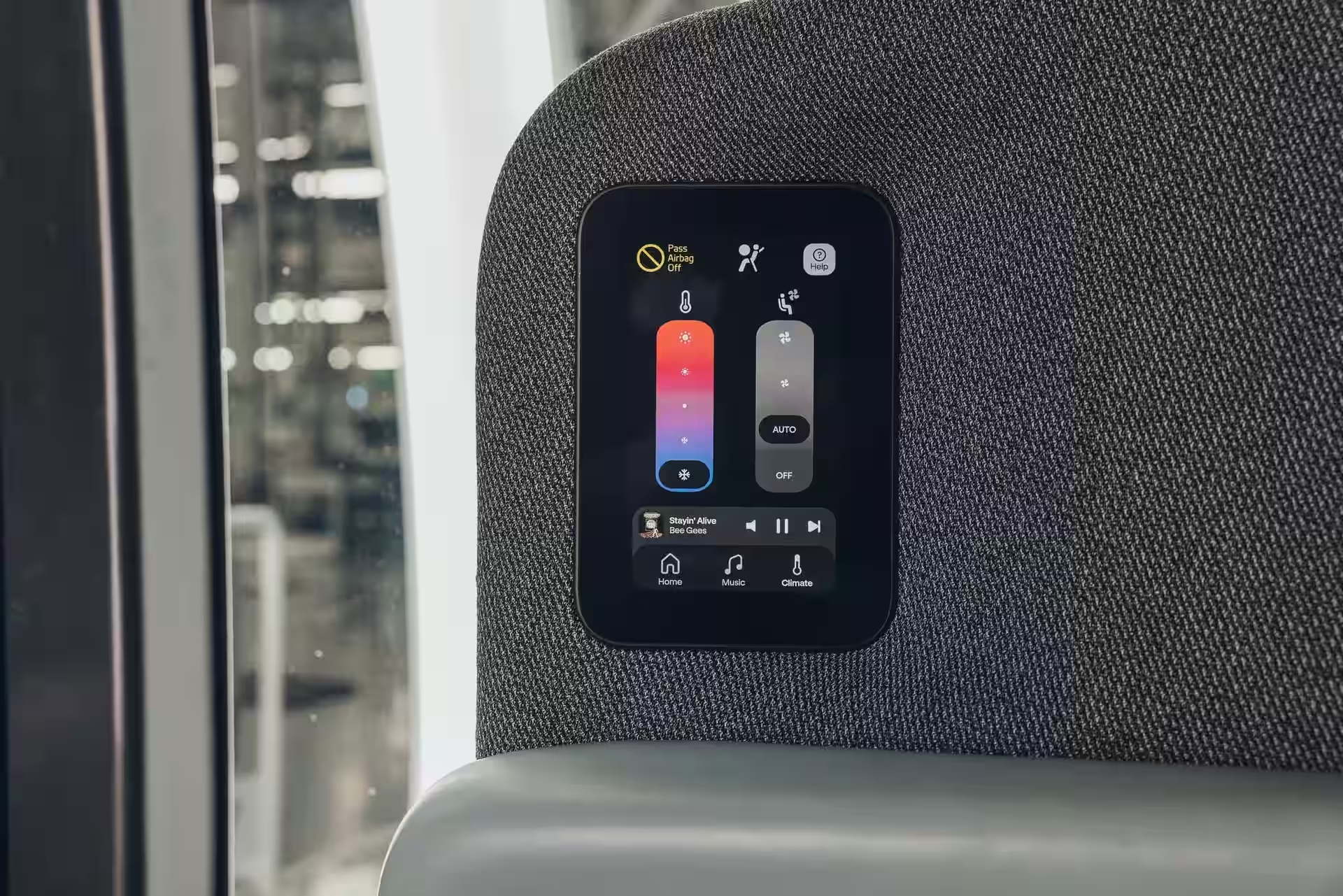
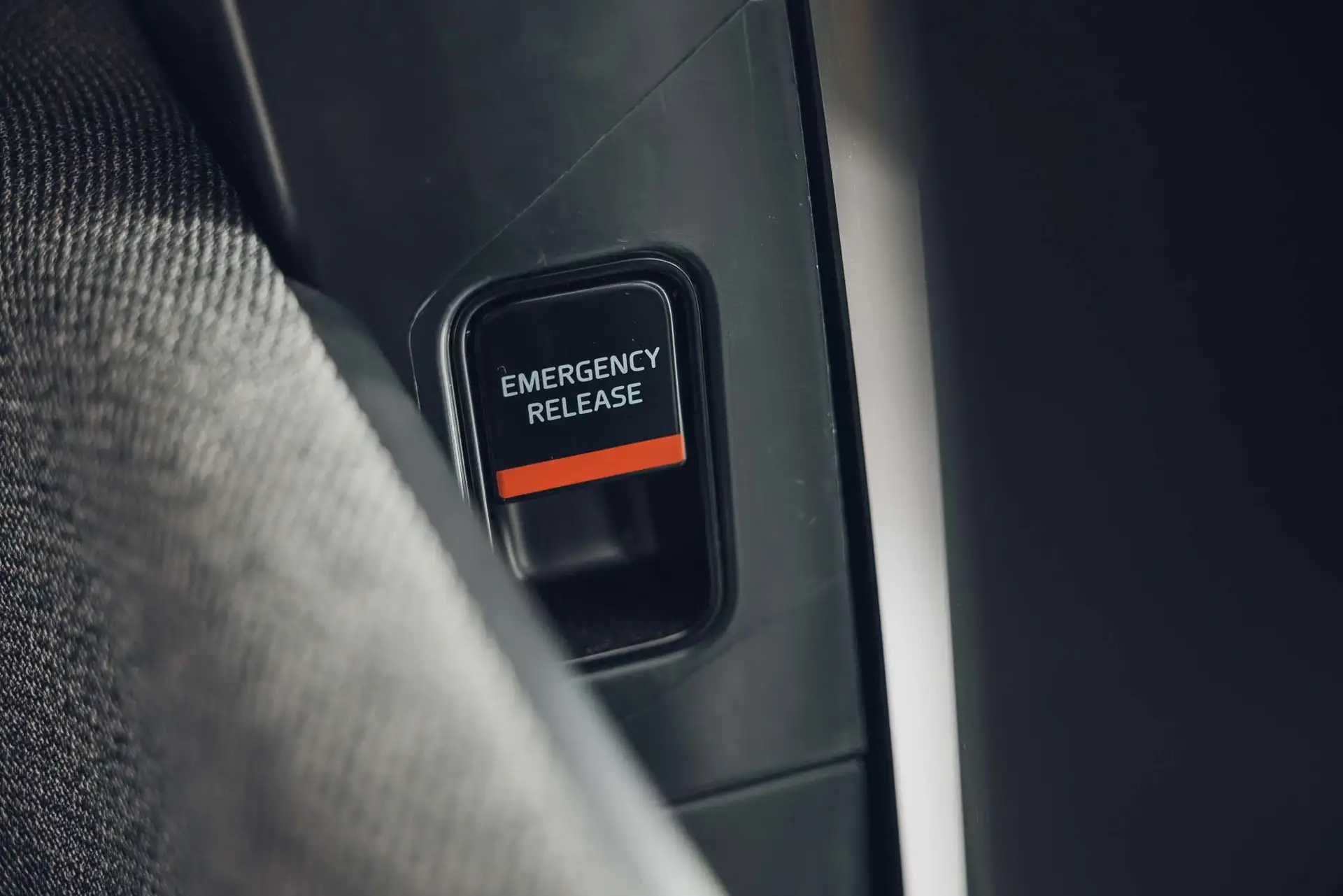
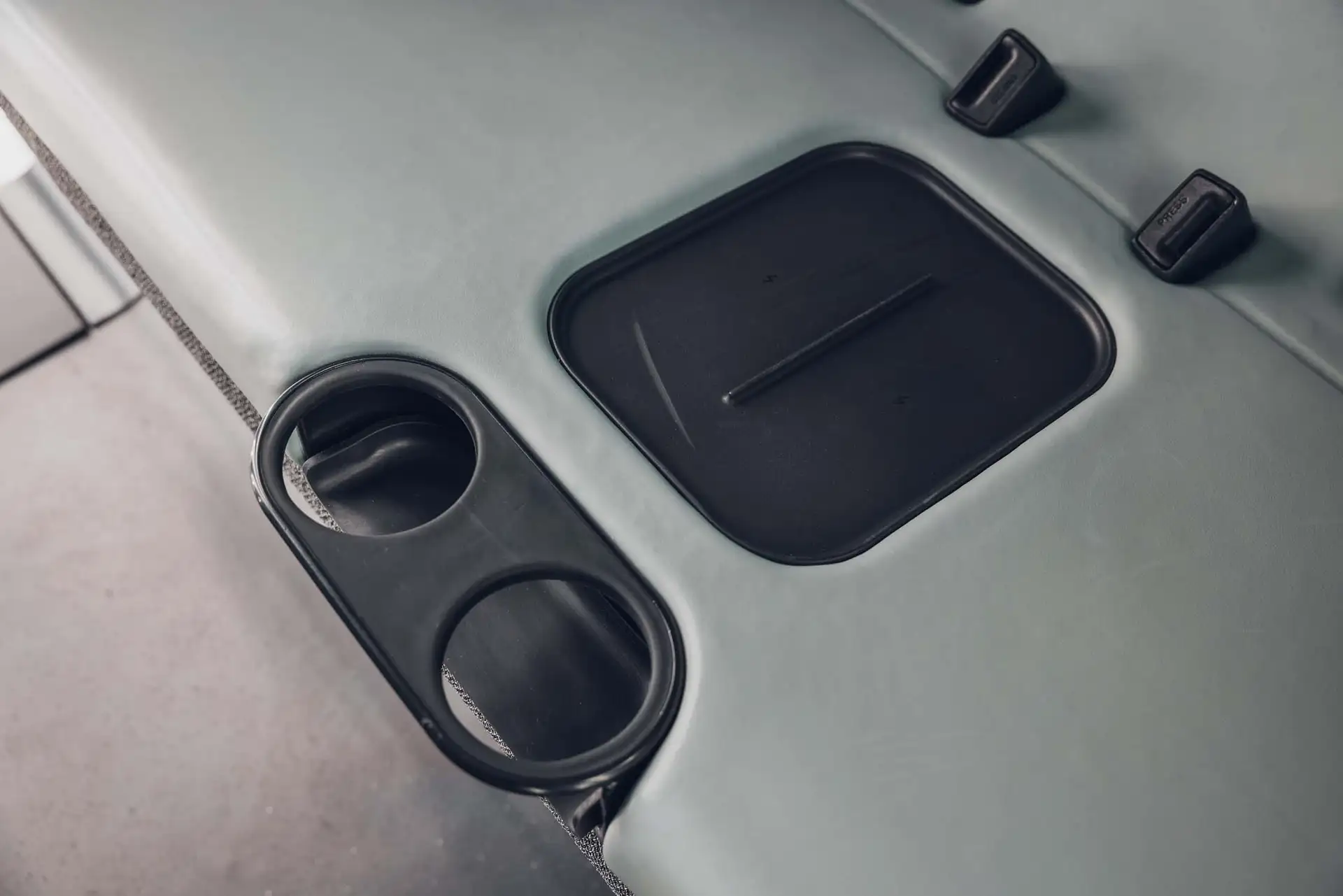
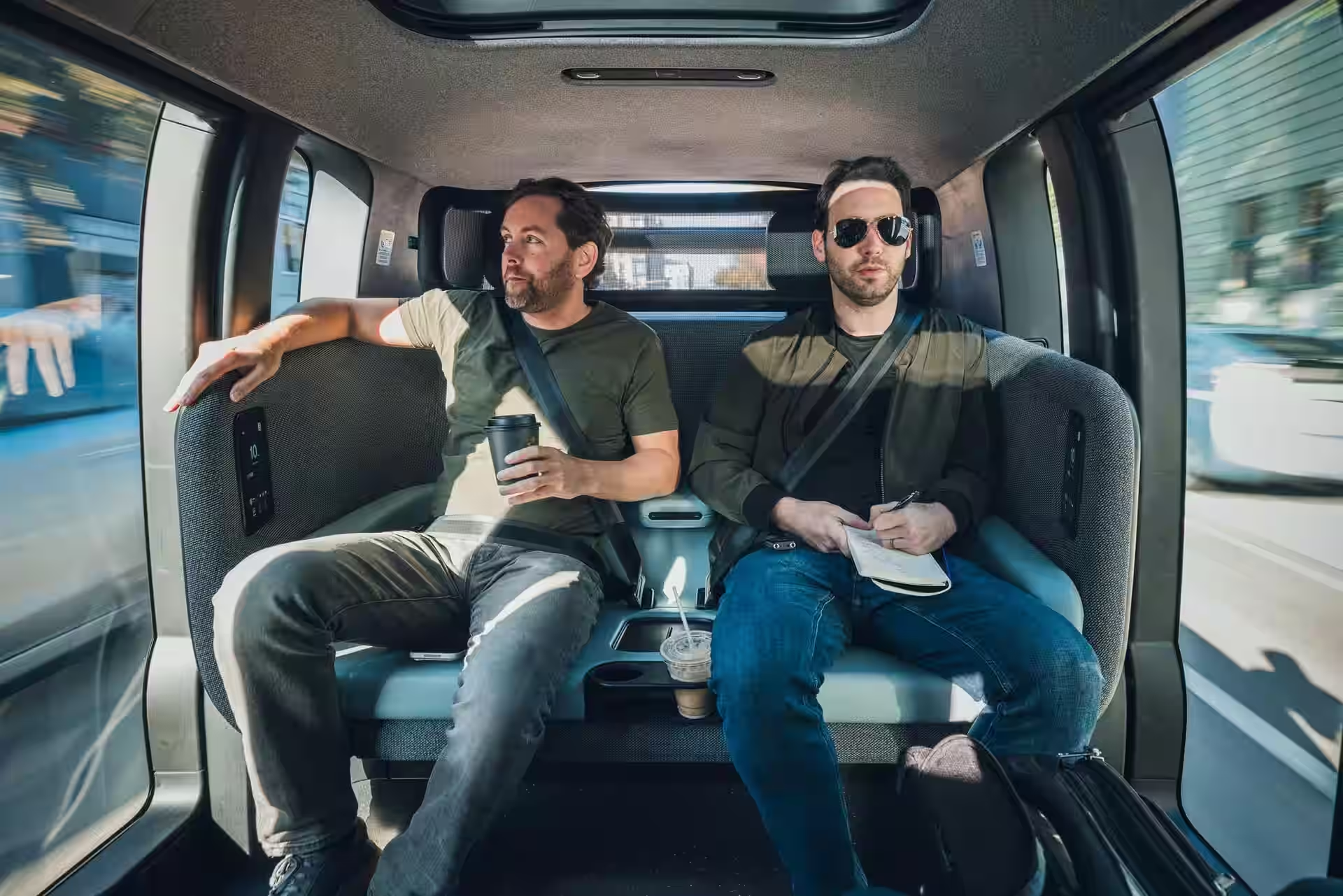
Zoox’s core advantage is packaging. At 142.9 inches long, it is shorter than a Fiat 500e, yet it carries four passengers in a mirrored, bidirectional cabin layout. The front and rear ends are identical, each with its own 67-kWh battery pack, 134-hp drive motor, and steering system that can control all four wheels. That redundancy is not a gimmick; it is a fleet uptime strategy. If one end fails, the other can complete the trip and keep the vehicle productive until it reaches a service facility.
Zoox has also focused heavily on urban maneuverability, because dense city service punishes every centimeter of turning radius and every hesitation in low-speed traffic. The active dampers do a credible job of suppressing lateral movement, but the backward-facing seating arrangement is still a motion-sickness risk for some riders. The company’s hypersensitive braking logic is easier to defend than the alternative, especially in a public-facing AV service that cannot afford headline-making contact incidents.
Sensor suites are still the real drivers
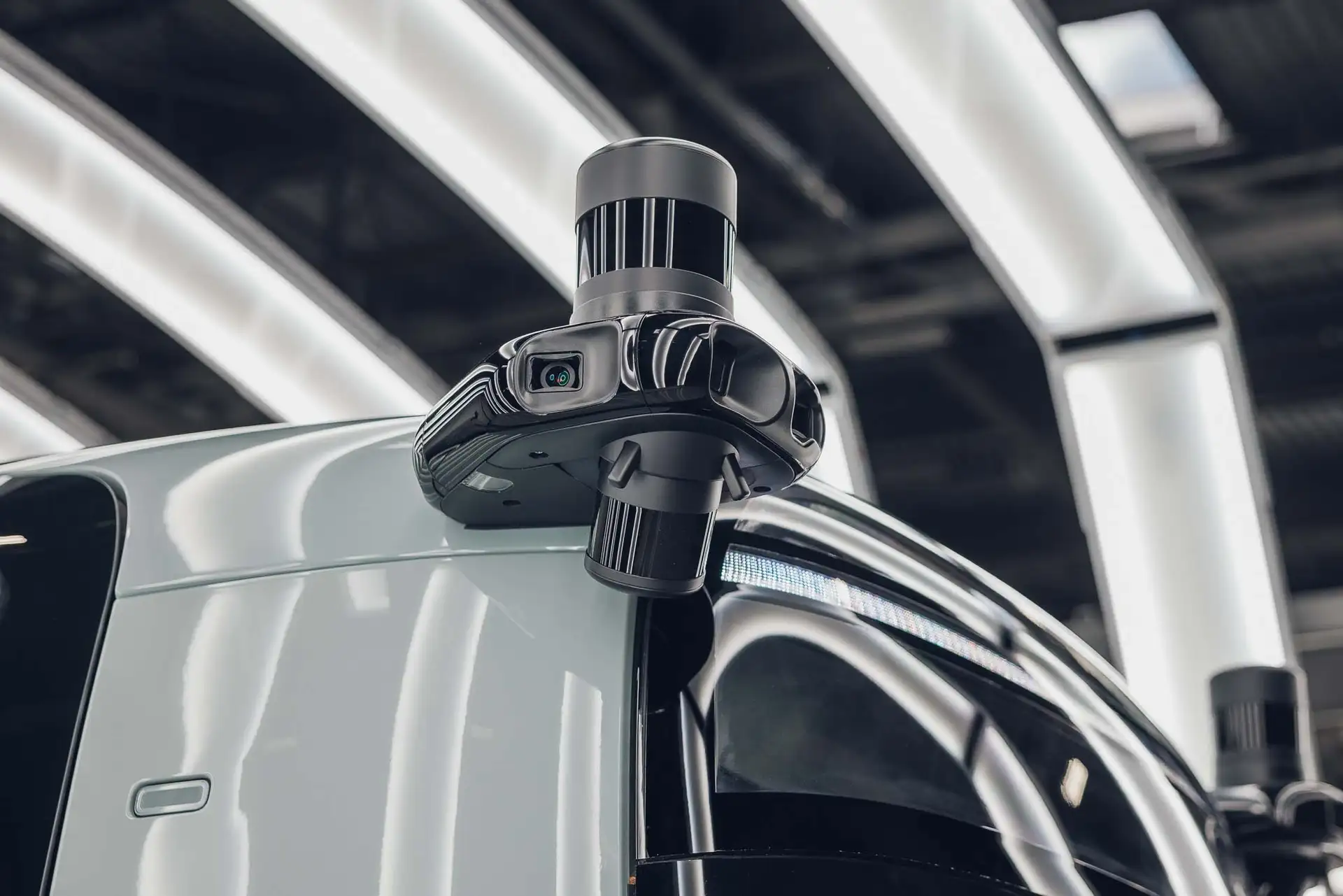
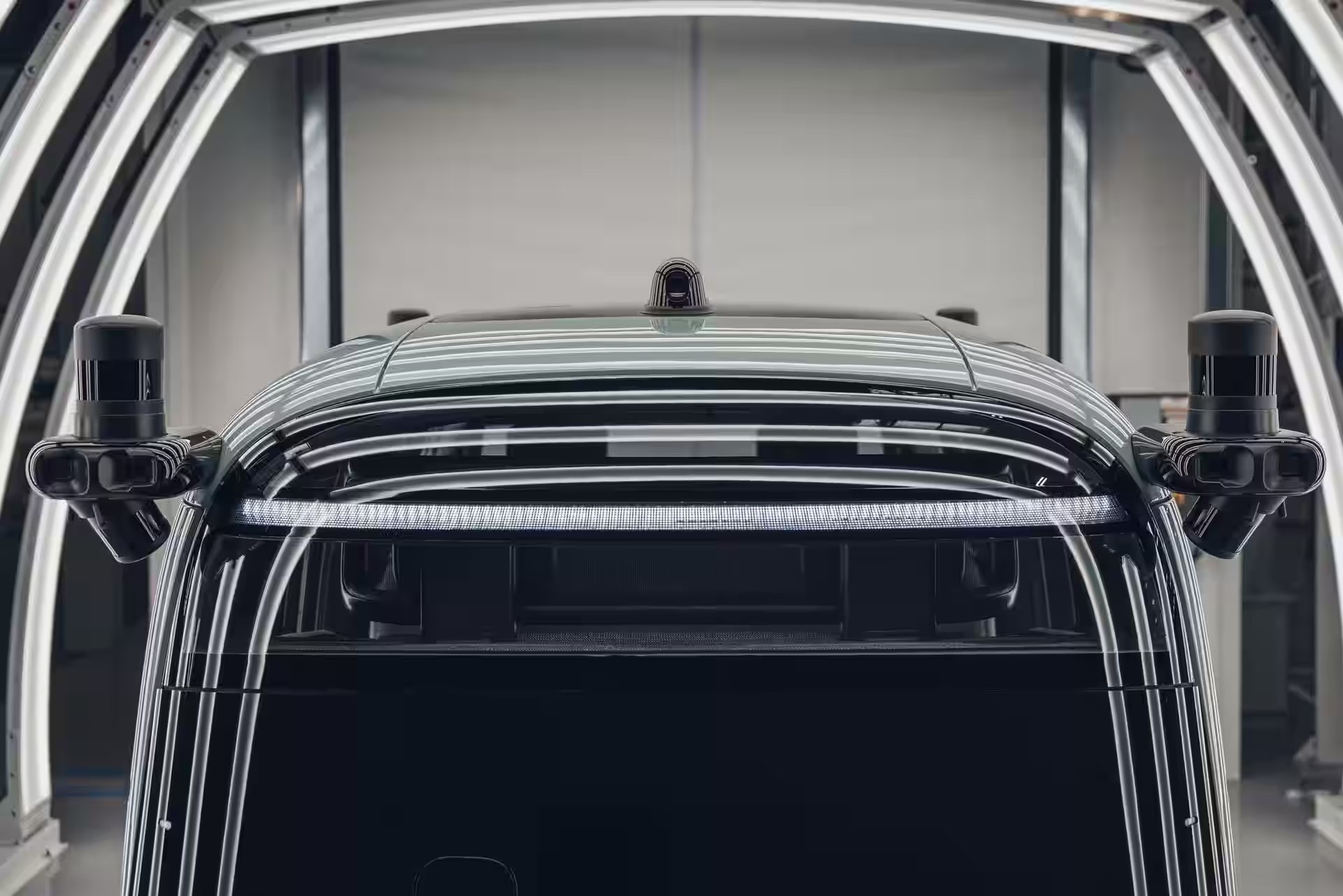
Both companies rely on sensor fusion, with cameras, radar, and lidar working together to understand the environment. That mix matters because cameras lose confidence in low light and fog, while radar and lidar provide object detection independent of visible-light conditions. In cities like San Francisco, where fog, shadows, reflective glass, and impatient traffic coexist, redundancy is not optional. It is the price of admission.
Zoox submitted 22 incident reports to NHTSA in the second half of 2025, while Waymo filed 449. Those numbers should not be read as a simple safety verdict, because fleet size, geography, and utilization differ dramatically. What they do show is that autonomous fleets are now operating at a scale where regulators receive a meaningful stream of real-world edge cases, not just laboratory outcomes. Waymo says its 200 million-plus autonomously driven miles support the claim that AVs can outperform human drivers, but independent corroboration remains the key missing layer.
The hidden detail that connects this to 2027 TOYOTA C-HR 338 cv EV is that sensor sophistication and chassis tuning are converging: whether the vehicle is a family crossover or a robotaxi, software now depends on the underlying platform behaving predictably at the limit.
The real battle is between scaling and proving trust
Waymo’s advantage is immediate commercial reach. Zoox’s advantage is long-term architectural purity. Tesla’s robotaxi push, which relies on cameras only, adds a third model to the argument, but the source of truth here is not marketing volume. It is whether a company can deliver safe, repeatable, paid service across changing weather, changing cities, and changing traffic cultures. That is why the premium car world should care: robotaxis are becoming the most demanding automotive product category on the road.
If you want a broader lens on where autonomous and electrified mobility are headed next, the comparison with KIA EV4 GT-Line Revela Seu Truque De Luxo Por Menos is revealing: consumer EVs are chasing value and design, while robotaxis are chasing uptime, redundancy, and data.
FAQ
Is Waymo currently ahead of Zoox in commercial deployment?
Yes. Waymo operates a much larger fleet, a wider service footprint, and already charges riders in multiple U.S. markets.
Why is Zoox’s purpose-built layout important?
It removes human-driver packaging compromises, allowing better use of cabin space, better redundancy, and a vehicle structure optimized purely for autonomy.
Does a larger incident-report count mean a less safe AV?
Not necessarily. Incident totals depend on fleet size, miles driven, city complexity, and reporting practices. They must be normalized before drawing conclusions.
What makes lidar and radar still relevant in 2026?
They provide environmental awareness when cameras are weakened by fog, darkness, or glare, which is especially important in dense city driving.
What is the biggest obstacle to robotaxi profitability?
Scale. A robotaxi service must balance vehicle cost, uptime, repairs, software validation, regulation, and rider demand before it becomes truly profitable.