
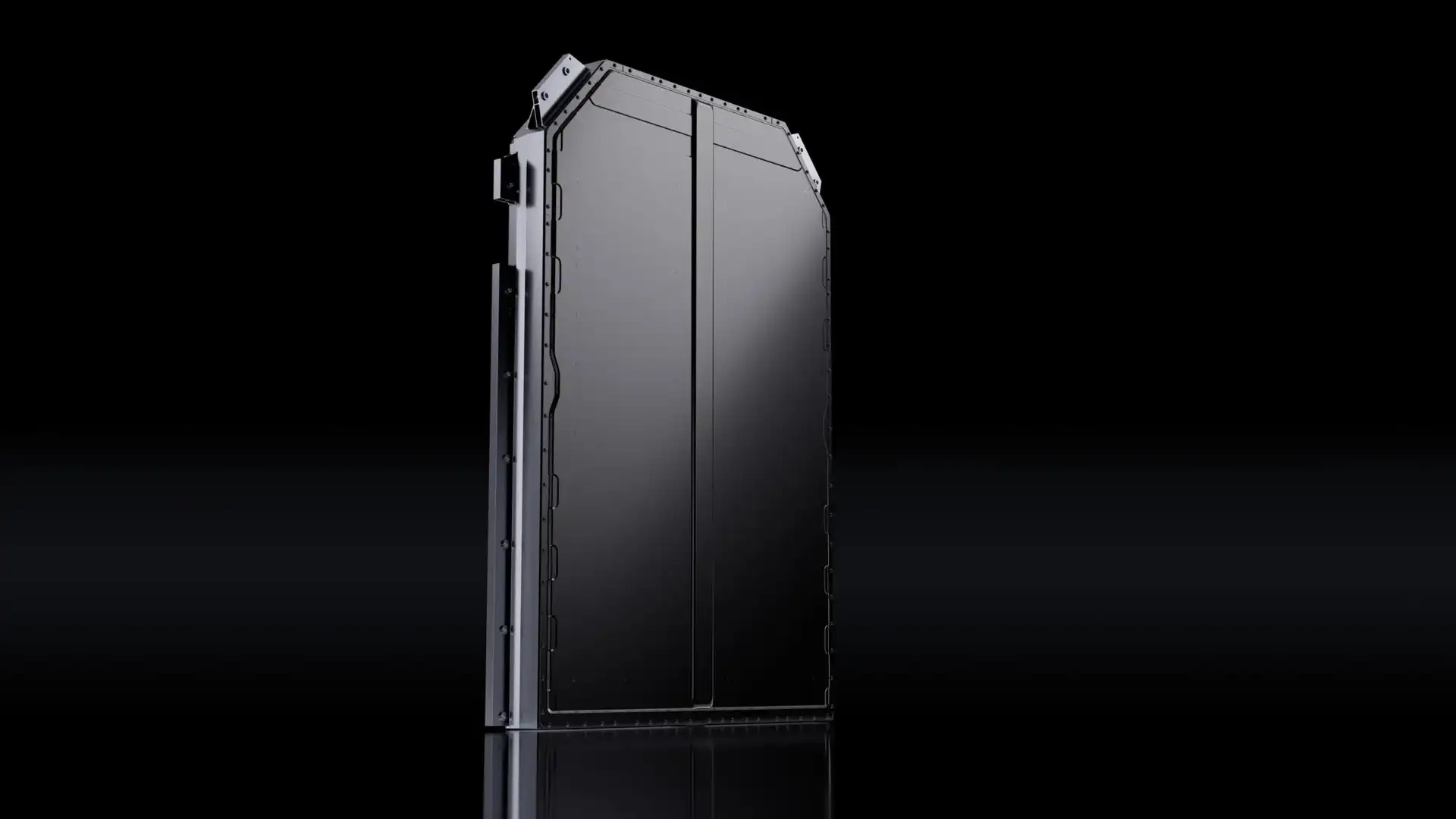
CATL Just Rewrote the Fast-Charging Benchmark
CATL has answered BYD’s nine-minute breakthrough with a more aggressive claim: the new Shenxing 3 battery can reportedly move from 10 to 98 percent in 6.5 minutes. That is not a marketing footnote; it is a direct shot at the last meaningful advantage of combustion cars, the time it takes to refuel. The company’s timing matters too, because BYD’s nine-minute claim was barely old enough to settle into the conversation before being overtaken. For readers tracking the high-end EV market, this is the clearest sign yet that battery chemistry and charging architecture are now advancing fast enough to reshape product planning, not just spec sheets.
| Spec | CATL claim |
|---|---|
| Shenxing 3 charge window | 10 to 98 percent in 6.5 minutes |
| Peak charging rate | 10C |
| 10 to 80 percent charge | 3 minutes 44 seconds |
| Cold-weather charging | 20 to 98 percent in about 9 minutes at -30C |
| Cycle life | Over 90 percent capacity after 1,000 full cycles |
| Qilin 3 mass | 625 kg, or 1,378 lb |
What Makes Shenxing 3 More Important Than the Headline
The technical detail that matters most is not the 6.5-minute claim itself, but the combination of speed, low-temperature consistency, and durability. CATL says the pack can still charge from 20 to 98 percent in roughly nine minutes at -30C, which is the kind of claim automakers care about because charging curves in winter are where many fast-charge promises soften. If those numbers hold in production vehicles, the user experience becomes far more predictable for long-distance drivers and premium buyers who expect gasoline-like convenience. For a related look at how Chinese EV brands are using this technology race to move upmarket, see BYD Sealion 05 and its flash-charging strategy.
[h3]The Hidden Detail That Connects This to BYD[/h3]
BYD’s nine-minute benchmark mattered because it was the first mainstream announcement to make ultra-fast charging feel commercially relevant rather than theoretical. CATL’s reply does not just beat the time; it challenges the idea that one company can dominate the narrative for long. For comparison, BYD’s recent momentum has also shown up in larger EV and hybrid products, including the BYD Shark 6, which signals how aggressively the brand is pushing technology across segments.
Qilin 3 and the Push Toward Lighter, Longer-Range Packs
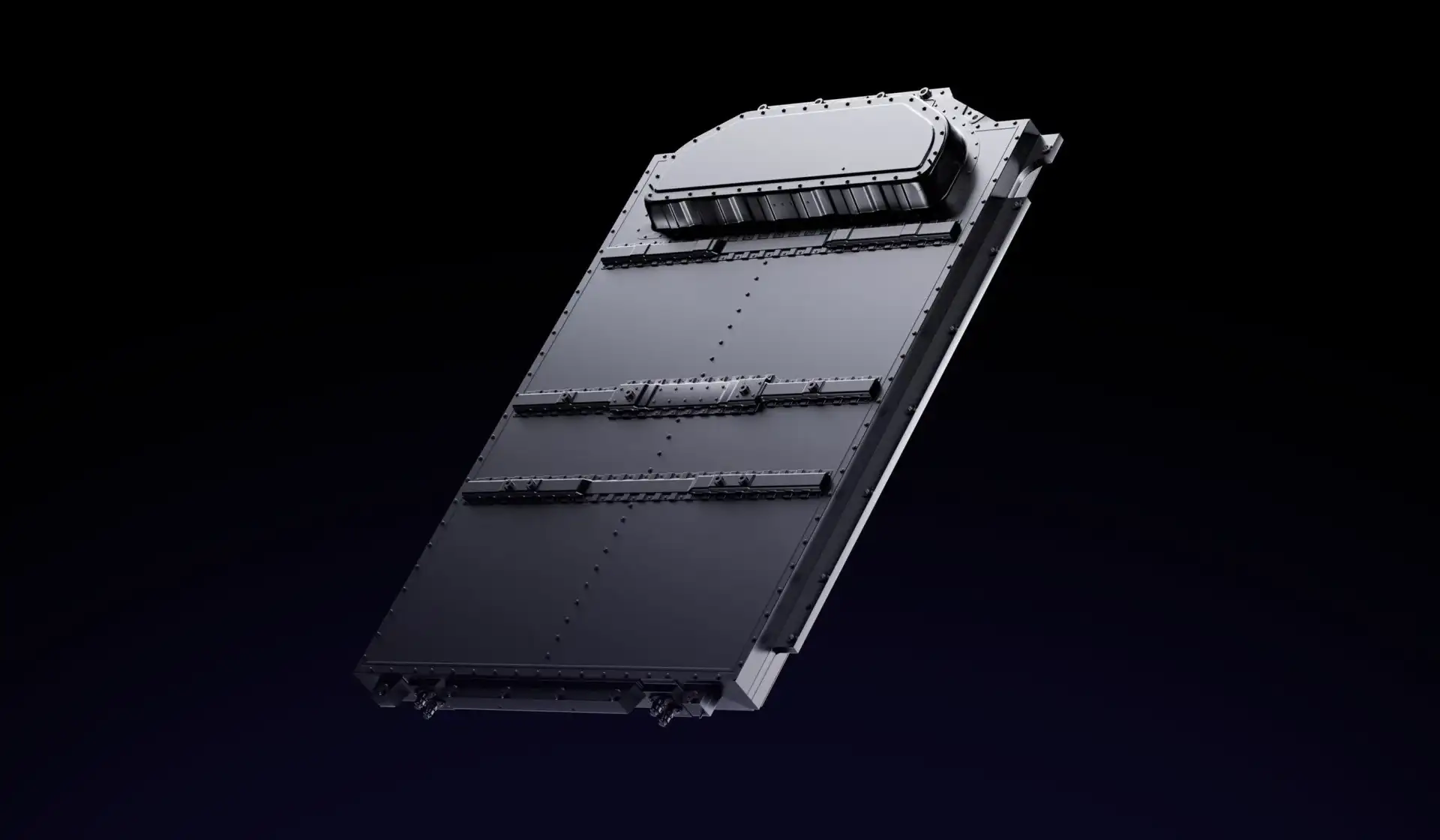
CATL also unveiled the Qilin 3, a battery it says can deliver up to 1,000 km of range while weighing 625 kg. In practical terms, that weight figure is as important as the range claim, because a lighter pack can improve acceleration, braking response, and chassis tuning while reducing the penalty of a large battery footprint. The company’s condensed Qilin variant is even more ambitious, with claims of up to 1,500 km in a sedan or more than 1,000 km in a full-size SUV. Those are the kinds of numbers that, if validated in real vehicles, could soften range anxiety enough to change how brands spec their next generation of luxury EVs.
The broader industry implication is that battery development is no longer being measured only in kWh. Mass, thermal behavior, and usable charging speed are becoming the real premium metrics, especially as brands try to launch EVs that feel more natural to buyers crossing over from combustion. For another example of China’s premium-tech offensive, see Buick Electra E7 and its more software-led approach to electrification.
Production Timing and Why This Could Land Soon
CATL says Shenxing 3 and Qilin 3 are aimed at production vehicles rather than distant show-car fantasies, with first applications expected within about a year. That timeline is crucial. A spec sheet does not move the market unless it reaches dealer lots, fleet procurement, and real-world charging networks. CATL also says its sodium-ion battery is scheduled for mass production by the end of 2026, which matters because it suggests the company is treating chemistry diversification as a portfolio strategy rather than betting everything on one cell format. If you want to see where Chinese EV innovation is already filtering into more accessible premium products, look at the Kia EV4 GT-Line for a different kind of value-led electrification play.
FAQ
- Is CATL’s 6.5-minute charge a replacement for fuel stops? Not fully, but it narrows the convenience gap enough to change long-distance EV planning.
- Does the Shenxing 3 claim include real-world winter performance? CATL says yes, citing roughly nine minutes from 20 to 98 percent at -30C.
- Why does the Qilin 3’s weight matter? At 625 kg, it can help improve efficiency and vehicle dynamics compared with heavier packs.
- When could these batteries reach production cars? CATL says the first applications should arrive within about a year.
- What is the biggest strategic takeaway? Fast charging, battery mass, and durability are now the main battlegrounds for premium EV adoption.