
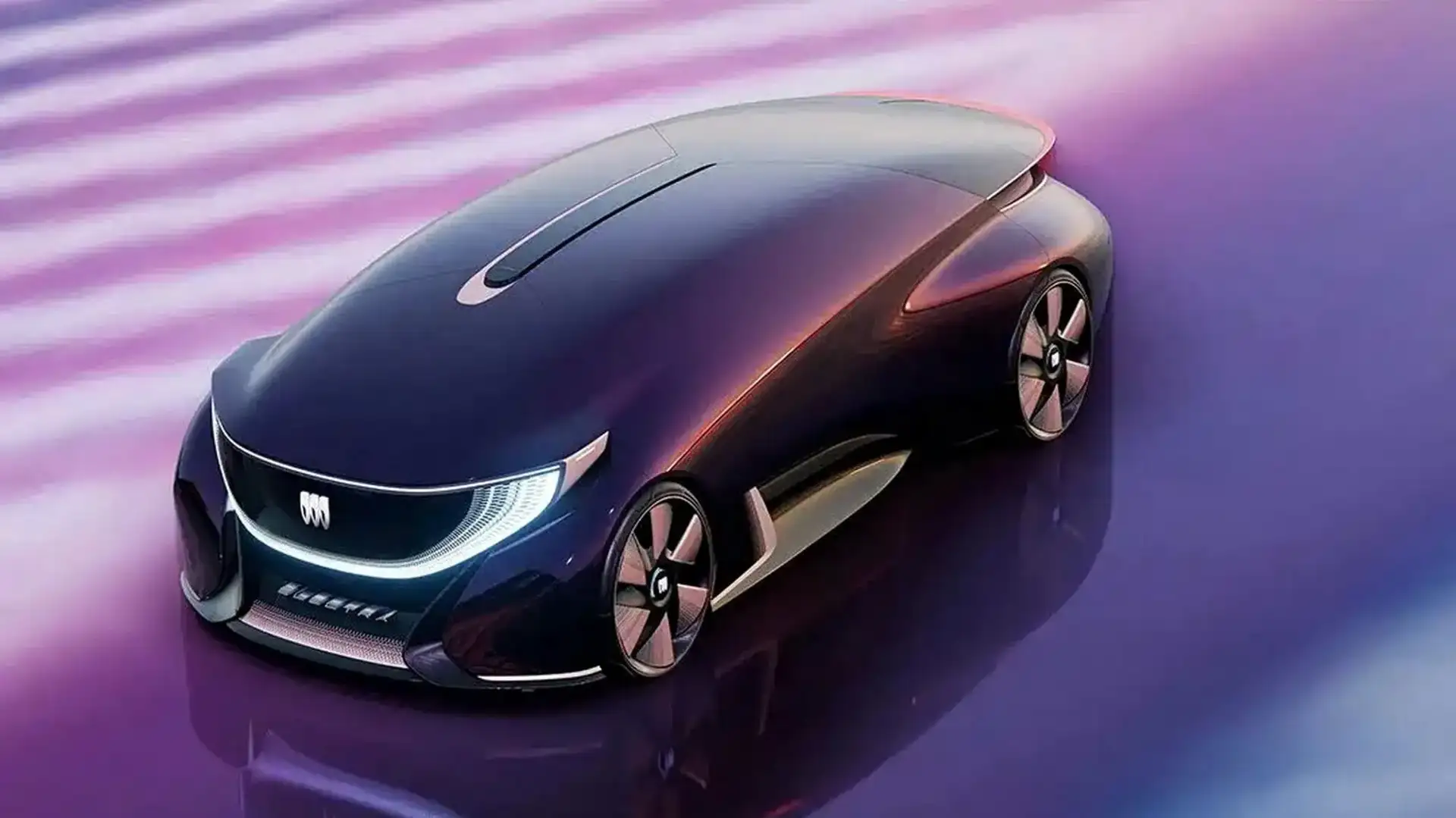
Buick’s Beijing concept is not a China-market crossover with a new grille. It is a deliberate preview of how the brand wants Electra to feel in an all-electric future.
Unveiled at the Beijing Auto Show, the Buick Electra Zenith Mobile Space Smart Body takes the brand far beyond the SUV playbook that keeps Buick alive in the United States. In China, where Buick still carries genuine premium weight, the concept presents a radically different brief: a lounge-like EV with theatrical surfaces, social seating, and technology meant to signal status as much as efficiency. The result is bizarre, but not meaningless. This is exactly the kind of concept that tells you where GM thinks design, cabin packaging, and digital interaction are headed in one of the world’s most competitive EV markets.
| Key detail | What Buick showed |
|---|---|
| Reveal location | Beijing Auto Show |
| Brand/sub-brand | Buick Electra |
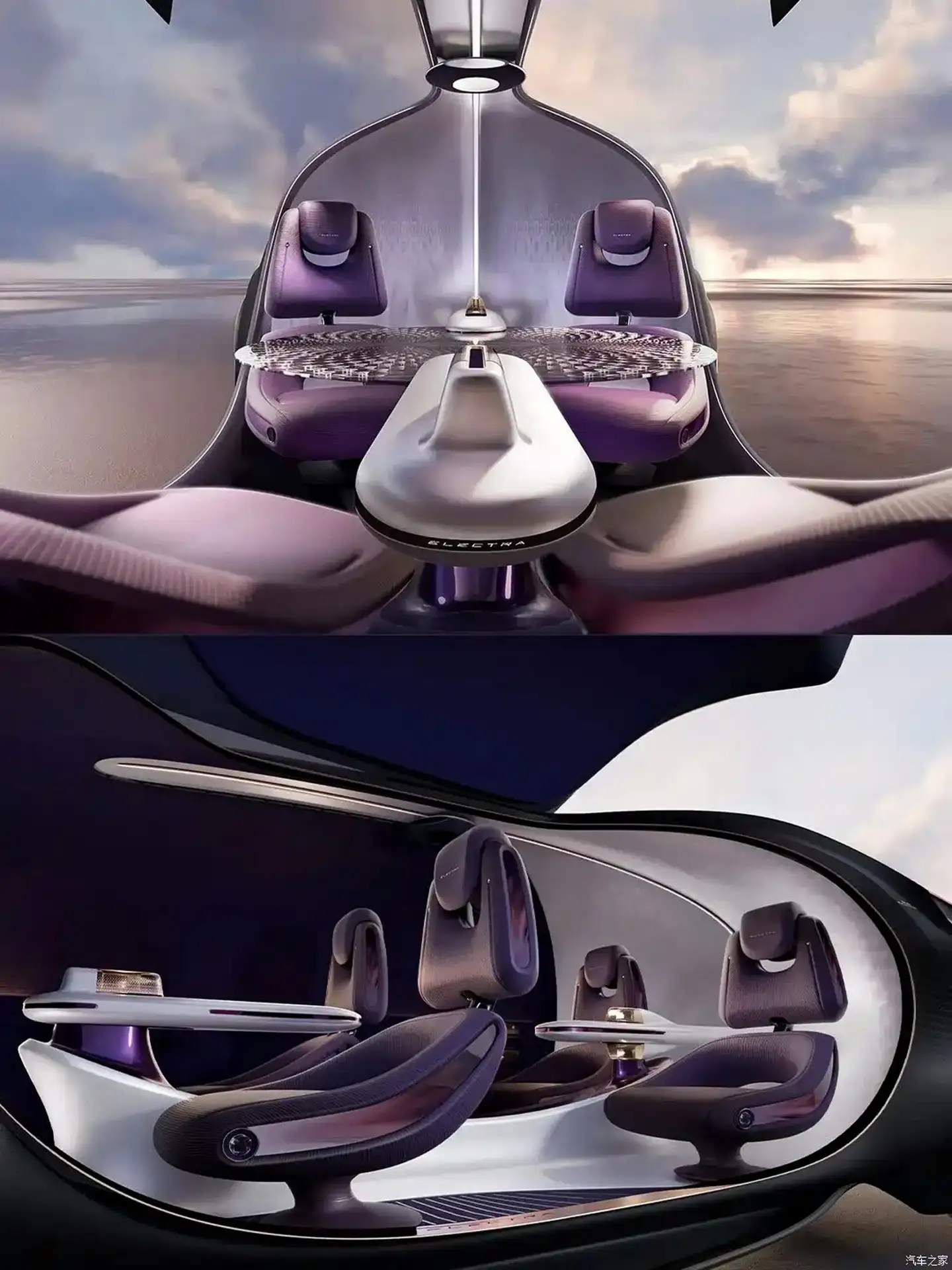
| Cabin layout | 4-seat lounge concept with swiveling seats |
| Cabin centerpiece | Fold-out crystal fan-shaped table / partition |
| Advanced tech preview | Steer-by-wire, solid-state battery, four-motor torque vectoring |
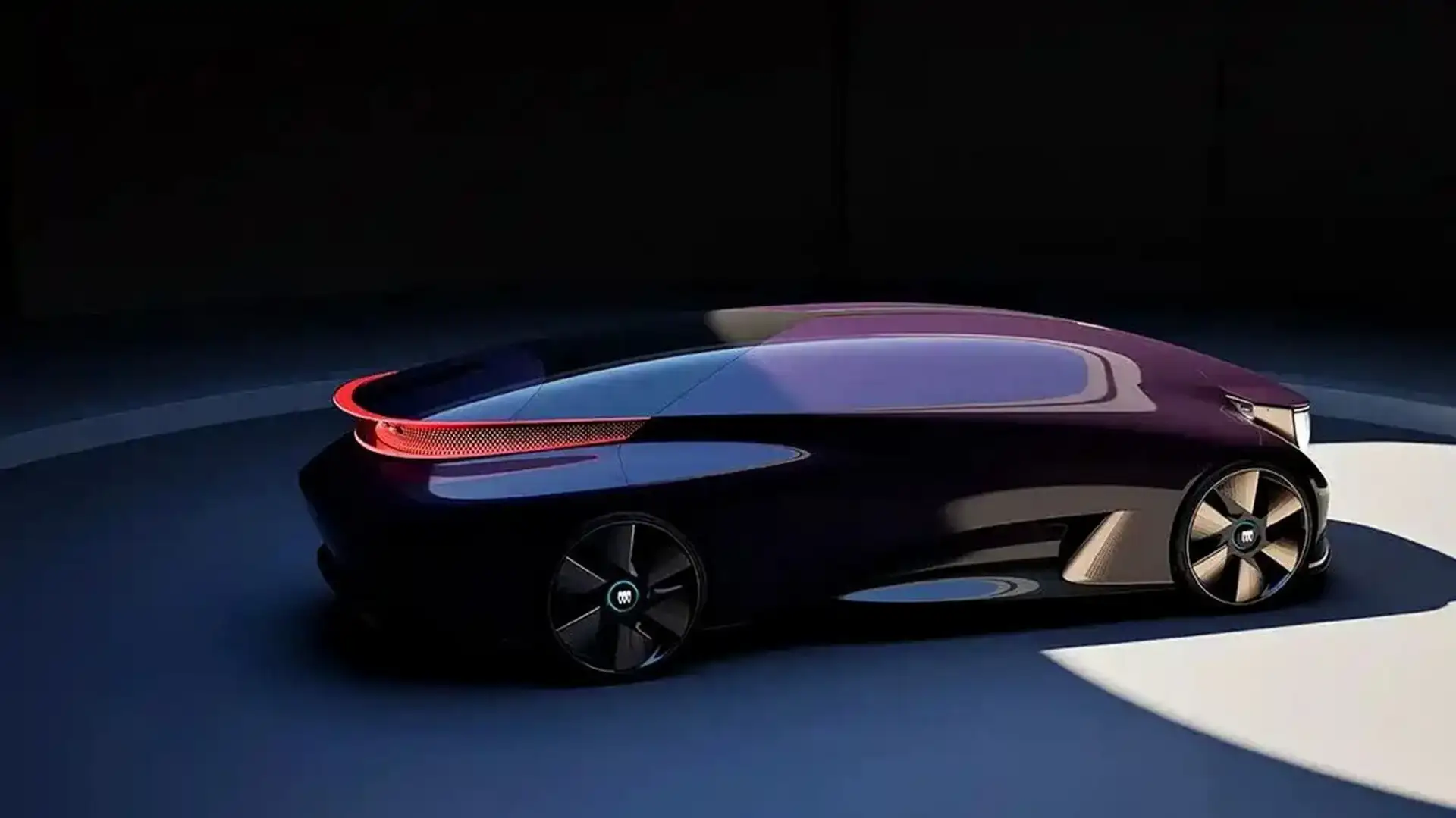
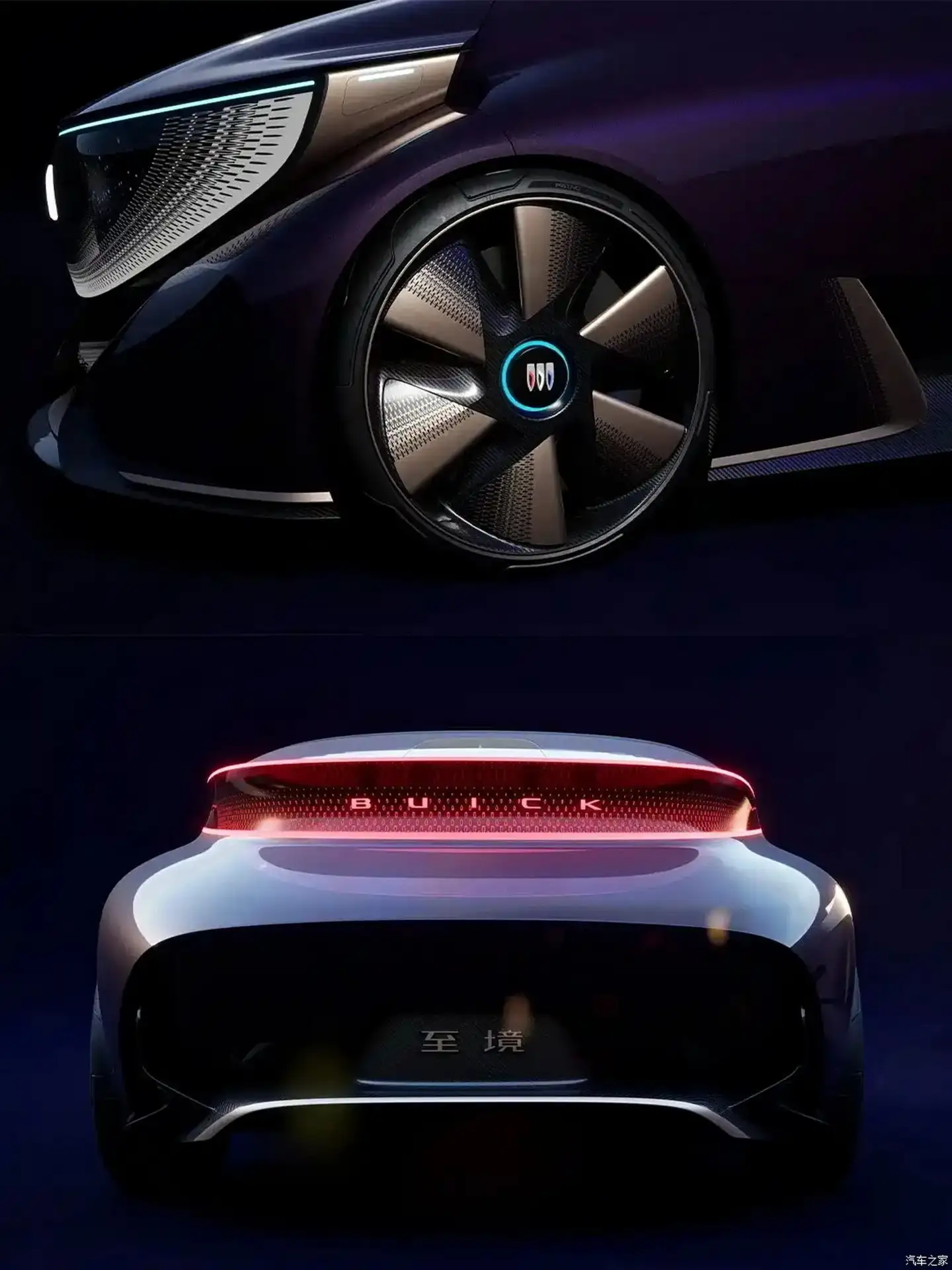
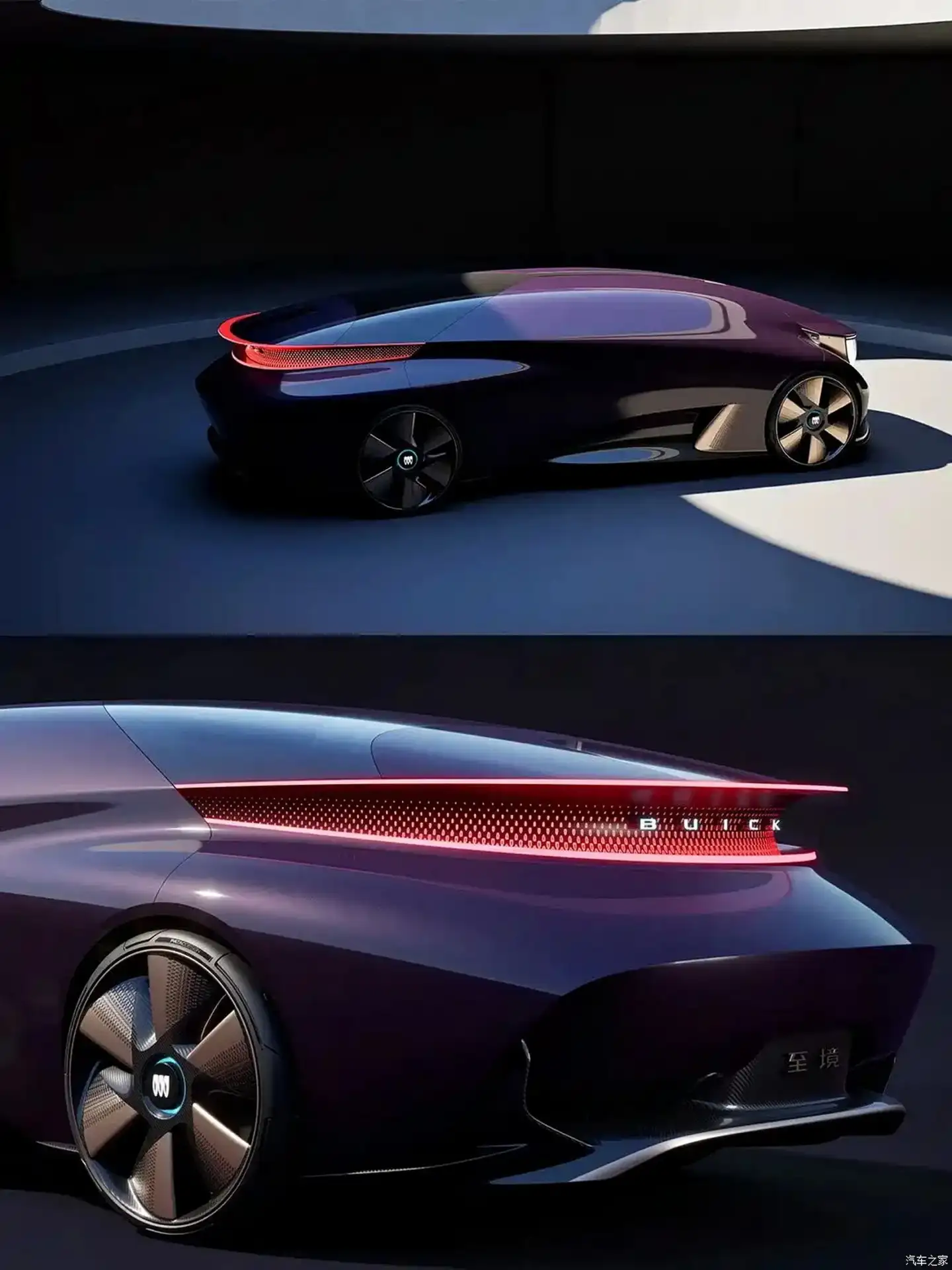
| Exterior hardware | Active aero wheels, U-shaped rear spoiler, AI projection lighting |
The design language is the real message
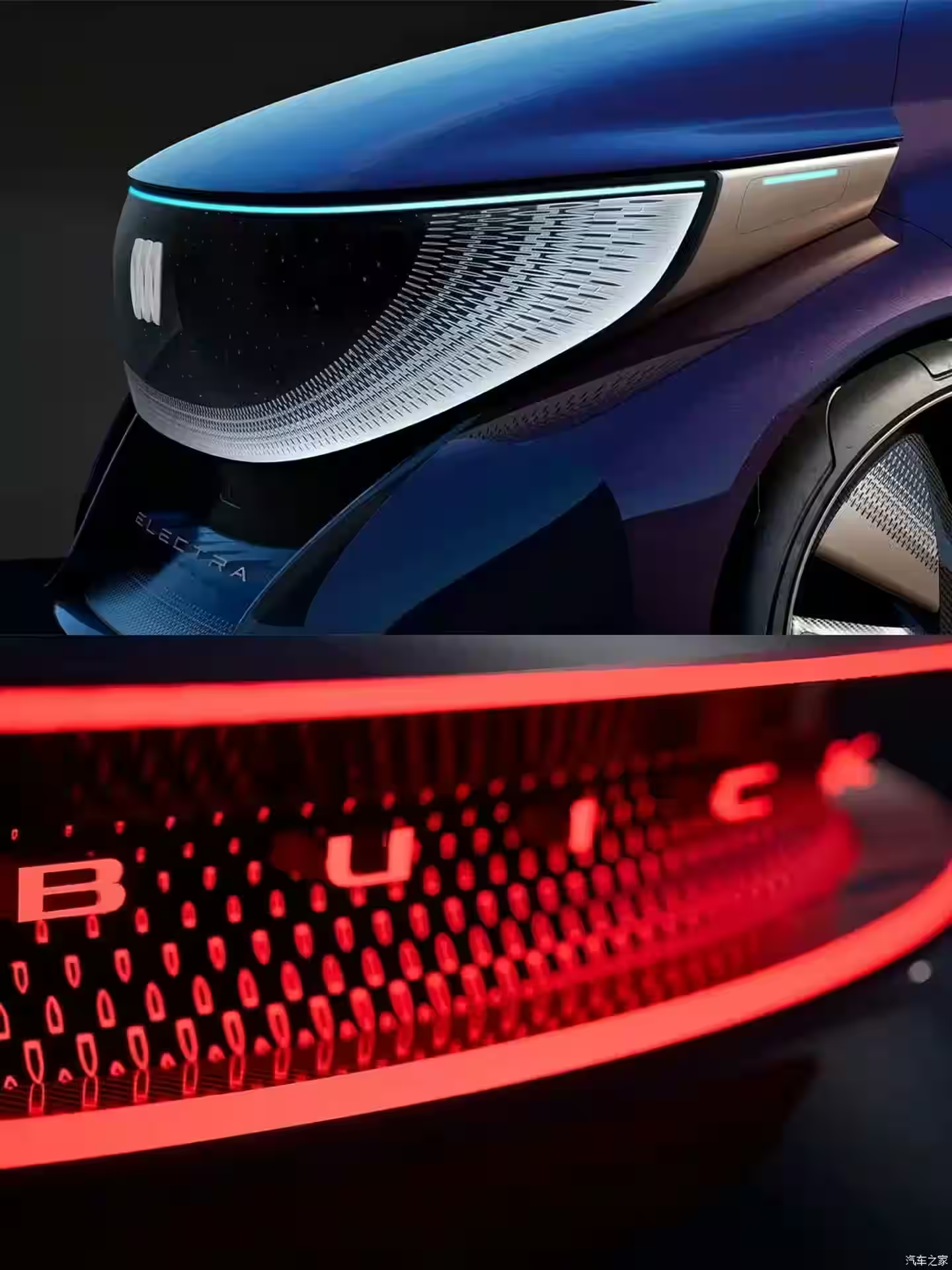
Buick describes the front-end theme as a “floating wing shield,” with inspiration drawn from Eastern embroidery. That matters because the brand is not simply chasing futuristic shapes; it is localizing its visual identity for Chinese customers who increasingly expect premium EVs to reflect cultural references rather than generic global design. The teardrop-like translucent shell, laser-etched feather patterns, and whale-like proportions push the concept into near-anime territory, but the broader strategy is clear: Buick wants Electra to feel distinctive enough to compete with the many China-only EVs now setting the tone for design daring.
This is also where the concept intersects with other premium China-market experiments, including the BUICK ELECTRA E7 and the increasingly tech-forward approach seen in vehicles like the NIO ES8 Mirrorblack Edition. Buick is not operating in a vacuum. In China, luxury now has to look digitally native, culturally tuned, and a little bit outrageous to earn attention.
The cabin is part lounge, part rolling meeting room
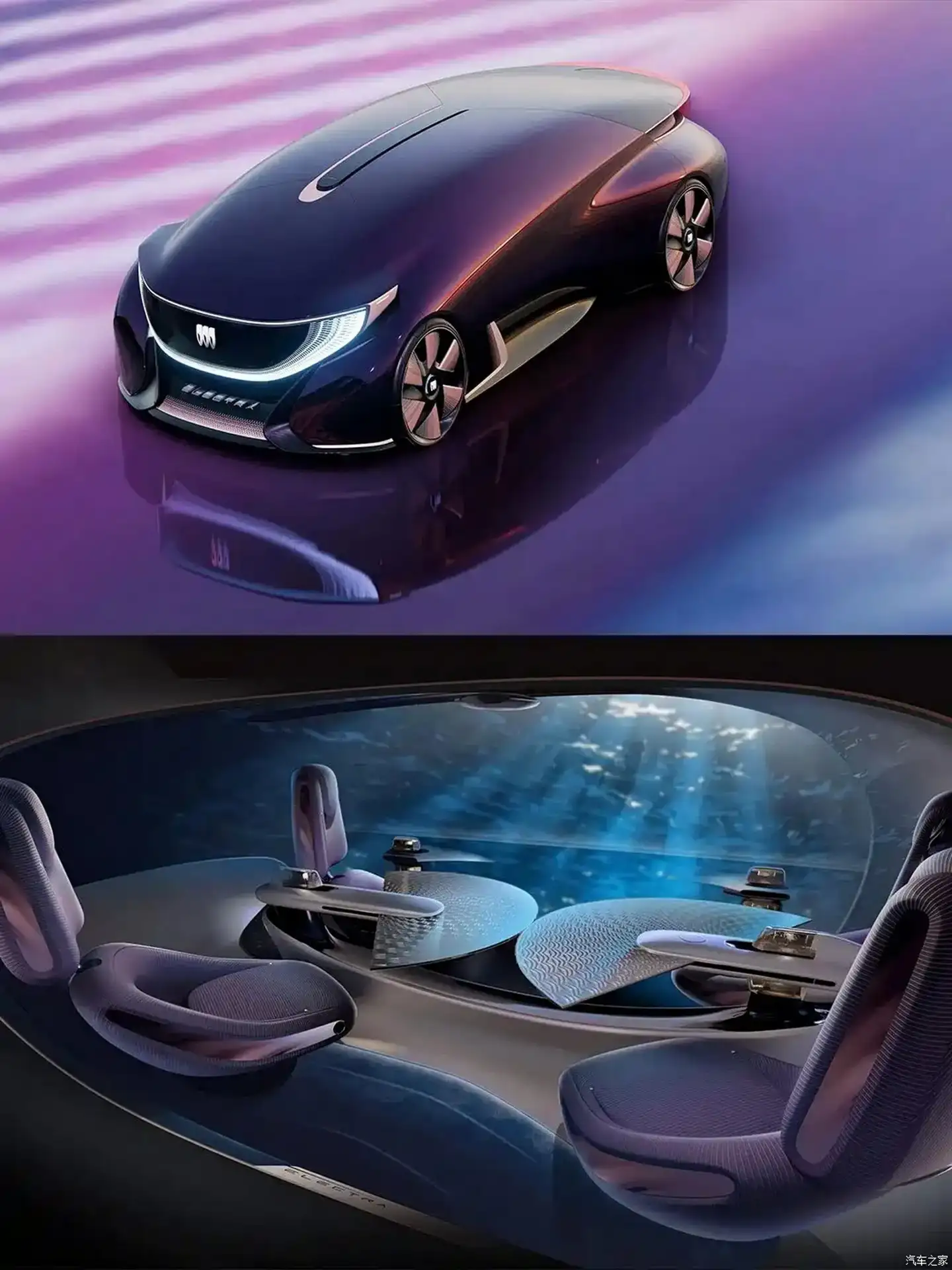
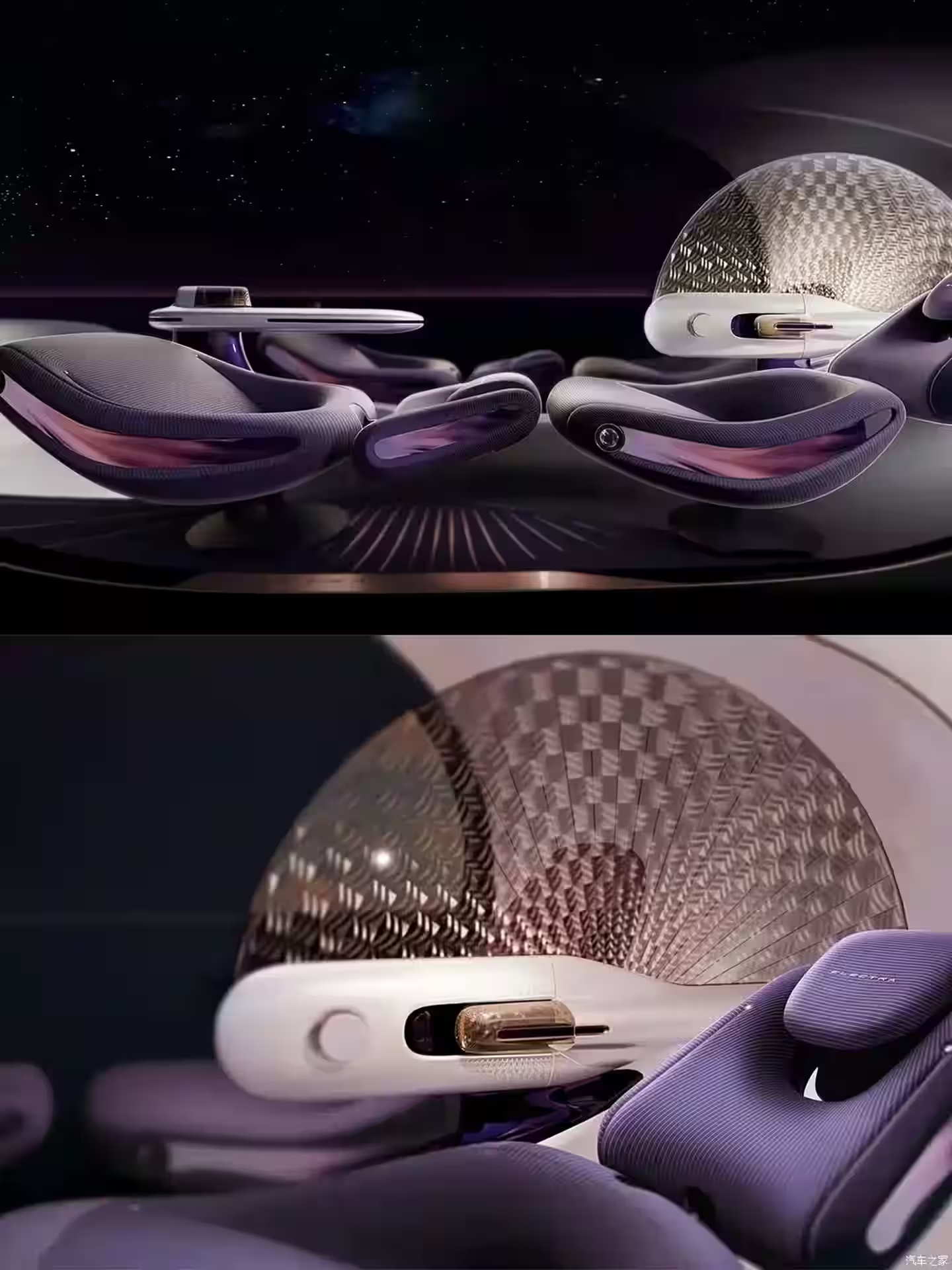
The interior is where Buick stops pretending this is conventional automotive packaging. The four seats swivel nearly 360 degrees, allowing passengers to face one another around a foldable crystal table that can also act as a partition. That is not just a gimmick; it reflects a very specific premium use case in China, where chauffeurs, business travel, and family mobility often overlap. Buick has effectively designed a cabin that can move from private lounge to social hub to divided space in a few motions.
The most revealing detail is the reclining front-seat setup, which allows rear passengers to rest their feet on the front headrests. It is absurd, but it tells you exactly what Buick is chasing: an ultra-comfortable first-class experience where posture, privacy, and social hierarchy are all configurable. That same design language echoes the kind of user-centered luxury we have seen in the Mercedes-Benz E-Class Night Edition and the more overt status signaling of the Lamborghini Urus SE Tettonero, but Buick is approaching it from a distinctly electric, architecture-first angle.
Which features are likely to survive into production?
If Buick is serious, the technologies most likely to matter are the ones you cannot easily see. High-level autonomous driving, steer-by-wire, and four-motor torque vectoring are all plausible production enablers for an upscale EV line. Solid-state batteries remain the big claim with the longest timeline, but they are also the most strategically important because they could allow Buick to market longer range, better packaging, and improved thermal performance in future Electra models.
The active aero wheel treatment and rear spoiler may survive in toned-down form, but the seat swivels and fold-out crystal furniture are the most concept-car elements in the package. Still, even these details are useful because they signal where Buick thinks luxury is going: away from static seating positions and toward adaptable interior environments. That is a meaningful shift for a brand that largely sells crossovers in America while using China as its laboratory for reinvention.
For readers tracking Buick’s China strategy, the concept also fits alongside the broader push toward electrified premium mobility seen in models like the IM Motors LS8 and the Zeekr 8X, where hardware ambition and interior theater are increasingly part of the sales pitch.
FAQ
Is the Buick Electra Zenith Mobile Space Smart Body a production car?
No. It is a concept, and Buick has clearly positioned it as a design and technology preview rather than a near-term showroom model.
What does it preview for Buick’s future?
It previews the Electra sub-brand’s design direction, plus technologies such as steer-by-wire, solid-state batteries, four-motor torque vectoring, and advanced autonomous driving.
Why does Buick make a concept like this in China?
Because Buick remains far more important in China than in the U.S., and the Chinese premium EV market rewards bold packaging, rear-seat comfort, and visible innovation.
Which parts are most likely to reach production?
The underlying EV architecture, software, driver-assistance tech, and possibly some form of active aerodynamics are the most realistic carryovers. The swiveling seats and crystal table are unlikely to survive unchanged.
Does this change what Buick means as a brand?
Yes. It shows Buick is trying to shift Electra into a more forward-looking, China-specific luxury identity instead of relying on the SUV formula that defines its American lineup.