
A soaked spark plug does not just get “a little damp” it can lose its ability to fire altogether. The reason is simple but important: electricity always takes the easiest route, and a wet plug can create the wrong route at the wrong time.
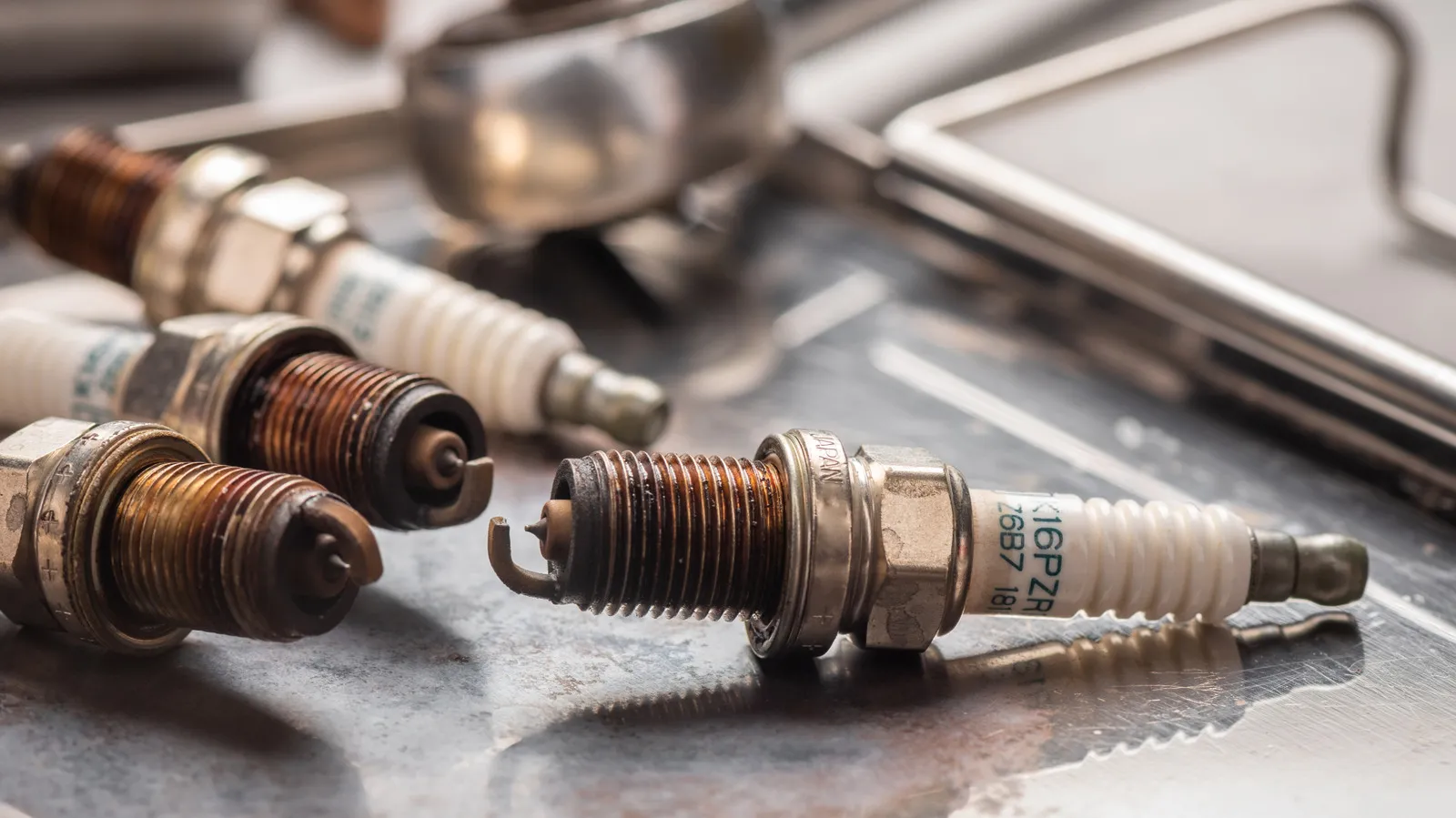
Why A Wet Spark Plug Stops Sparking
A spark plug is built to force voltage through a very specific path. Current enters the terminal, travels through the center electrode, then jumps the gap to the ground electrode. That jump is the spark that ignites the air-fuel mixture inside the cylinder.
When the plug is coated with water, fuel, oil, or coolant, the intended path can be interrupted. Instead of jumping the gap, electricity may leak across the outside of the plug or struggle to reach the firing point at all. That is why a soaked plug can cause a misfire or a complete no-start condition.
In short, a spark plug only works when the voltage is forced through the gap. A wet surface gives electricity another road to take.
What Usually Fouls Spark Plugs
- Gasoline: Common in flooded engines, especially older carbureted vehicles.
- Water: Can enter through rain, engine washing, standing water, condensation, or damaged ignition boots.
- Oil: Often points to worn piston rings, valve seal wear, PCV problems, or turbo seal issues.
- Coolant: A serious warning sign that may indicate a blown head gasket or intake manifold failure.
In older vehicles, wet plugs were often linked to carburetor flooding. Drivers would pump the accelerator while cranking, adding even more fuel. In modern engines with fuel injection, the causes are different, but the result is the same: the plug can no longer ignite the mixture correctly.
If you are comparing engine problems across platforms, it is similar to how modern models such as the VOLVO XC90 B6 Ultra or the FORD Mustang Dark Horse rely on precise engine control to avoid the kind of fouling that older systems dealt with more often.
What To Do If Your Spark Plugs Are Wet
If the plugs are wet with water, sometimes the best fix is patience. Letting them dry may be enough for the engine to restart. If the engine was flooded with fuel, many modern cars include a flood clear mode: press the accelerator all the way down while cranking so the ECU cuts fuel and pulls in more air.
You can also remove the plugs, clean them, and inspect their condition. A wire brush or fine sandpaper can help remove light fouling. Some mechanics also soak used plugs in vinegar for several hours to help loosen deposits. If the plugs are damaged or heavily fouled, replacement is usually the smarter move.
Before reinstalling, check and set the plug gap. Even pre-gapped plugs can drift over time. And if you find oil or coolant on the plugs, do not stop at the spark plugs themselves fix the root cause first, or the problem will return.
| Fluid Found On Plug | Likely Cause | What It Means |
|---|---|---|
| Water | Rain, wash, condensation, leakage | Often temporary if dried properly |
| Gasoline | Flooded engine, injector issue | Fuel is too rich for ignition |
| Oil | Rings, seals, PCV, turbo seals | Mechanical engine problem |
| Coolant | Head gasket or intake leak | Urgent repair required |
This is why diagnosing wet plugs is not just about cleaning the part. It is about understanding why the plug got soaked in the first place. A simple water issue may be temporary, but oil or coolant contamination usually means the engine needs repair before it can run properly again.
For readers who like deeper mechanical breakdowns, this same logic appears in many modern drivetrain stories, from the hidden engineering in the CADILLAC Vistiq to the high-output tuning seen in the KIA Sportage Black Edition and even performance bikes such as the YAMAHA R7 2026.
A completely soaked spark plug cannot fire because the electrical energy is diverted away from the firing gap. Dry it, clean it, or replace it, but if oil or coolant is present, find the deeper fault fast.