Toyota is giving one of Europe’s most important compact SUVs a sharper look, smarter features, and a more premium cabin without abandoning the hybrid formula that made it a bestseller.
A facelift aimed at visibility, not reinvention
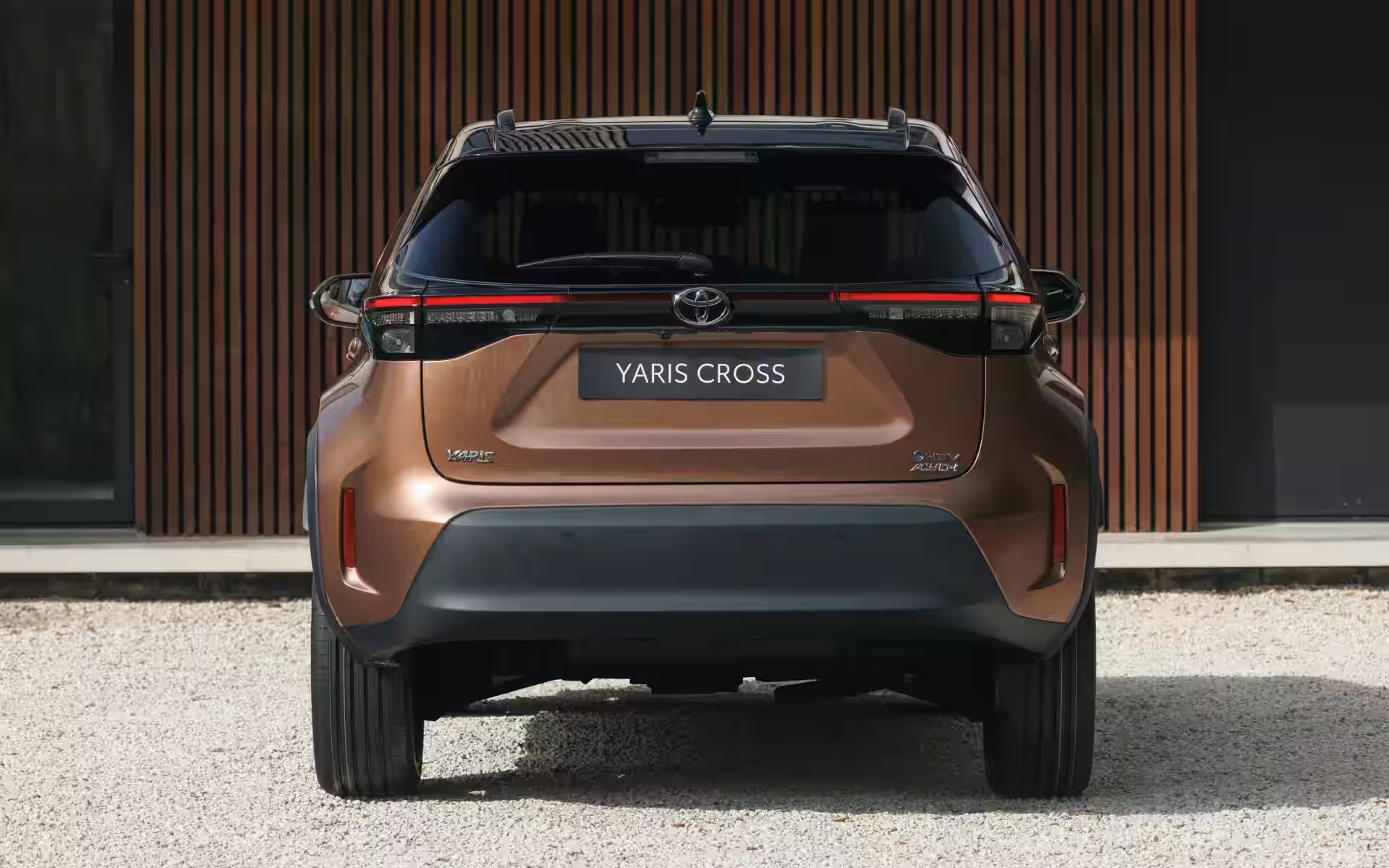
The Toyota Yaris Cross facelift 2026 is not a full redesign, but the changes are carefully chosen where they matter most. Toyota has focused on front-end styling, equipment upgrades, and cabin polish to keep the model competitive in the crowded compact SUV segment.
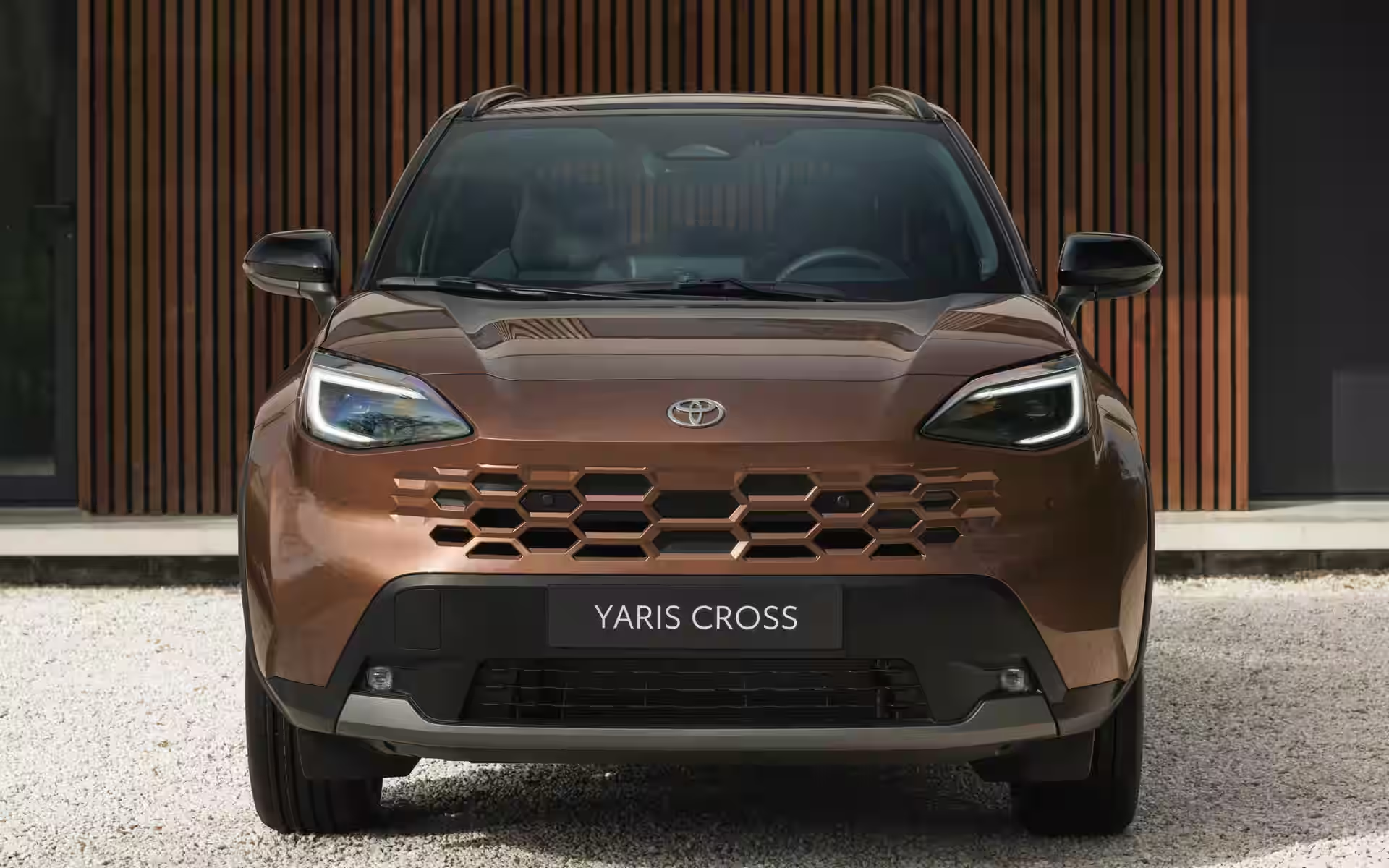
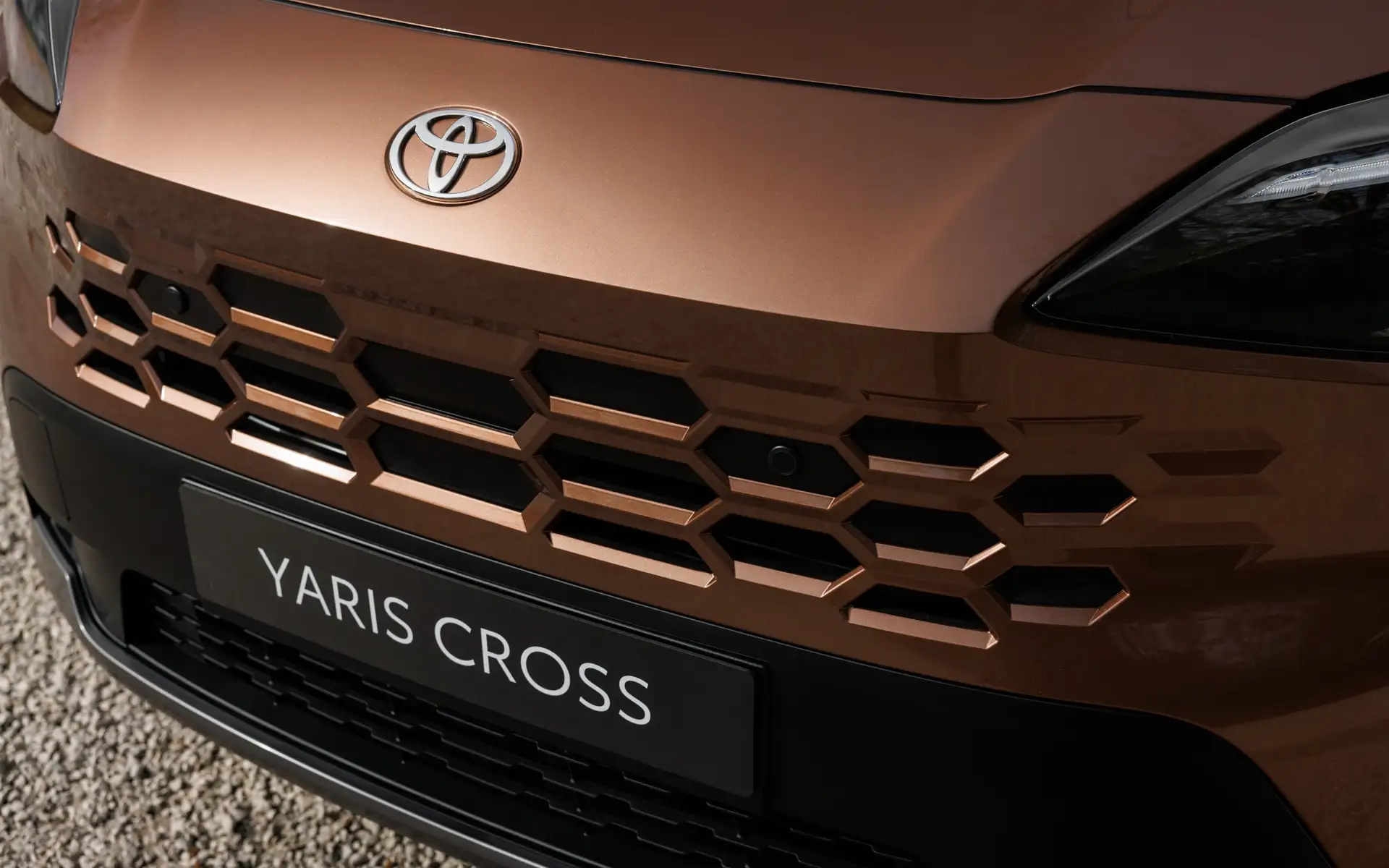
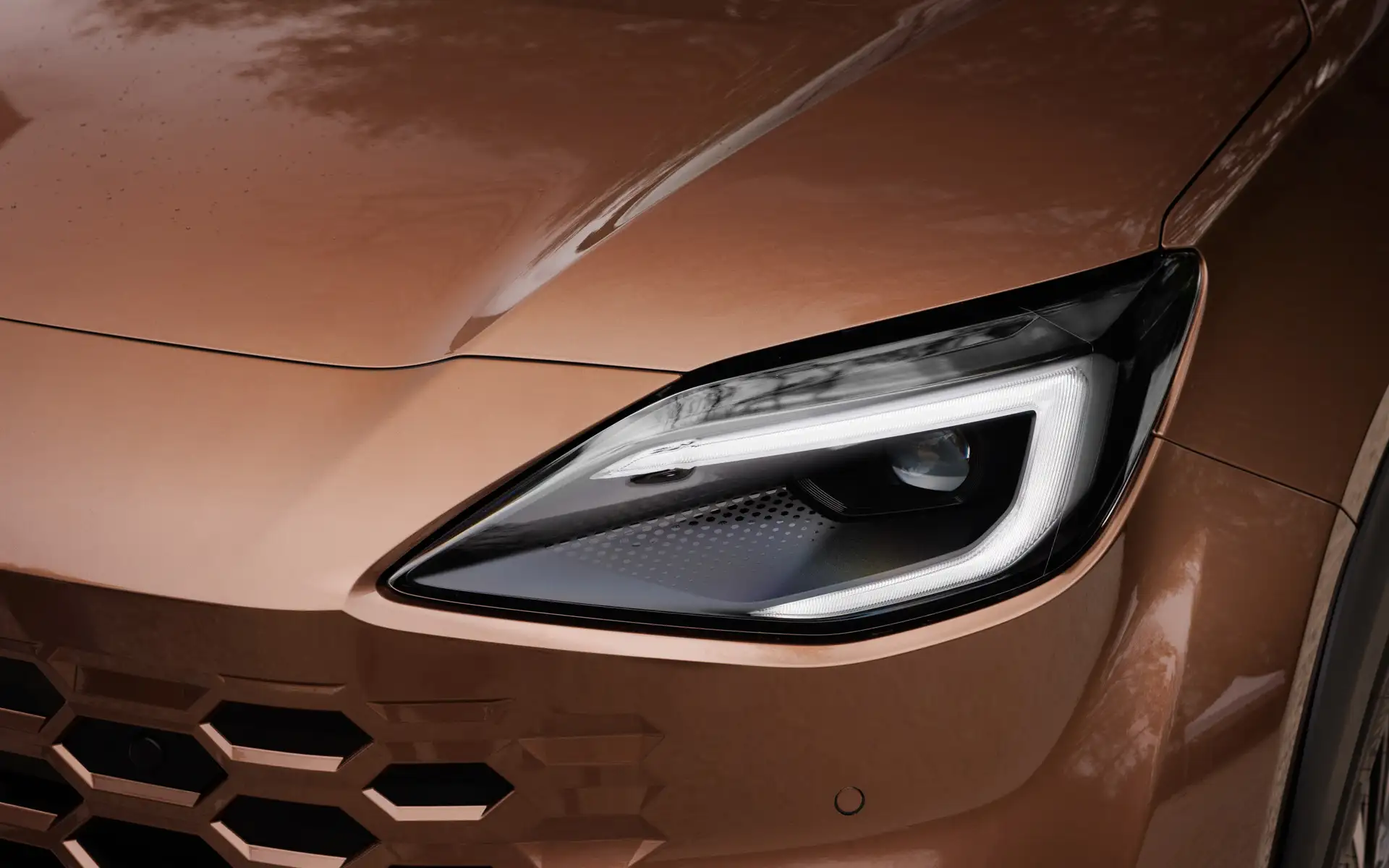
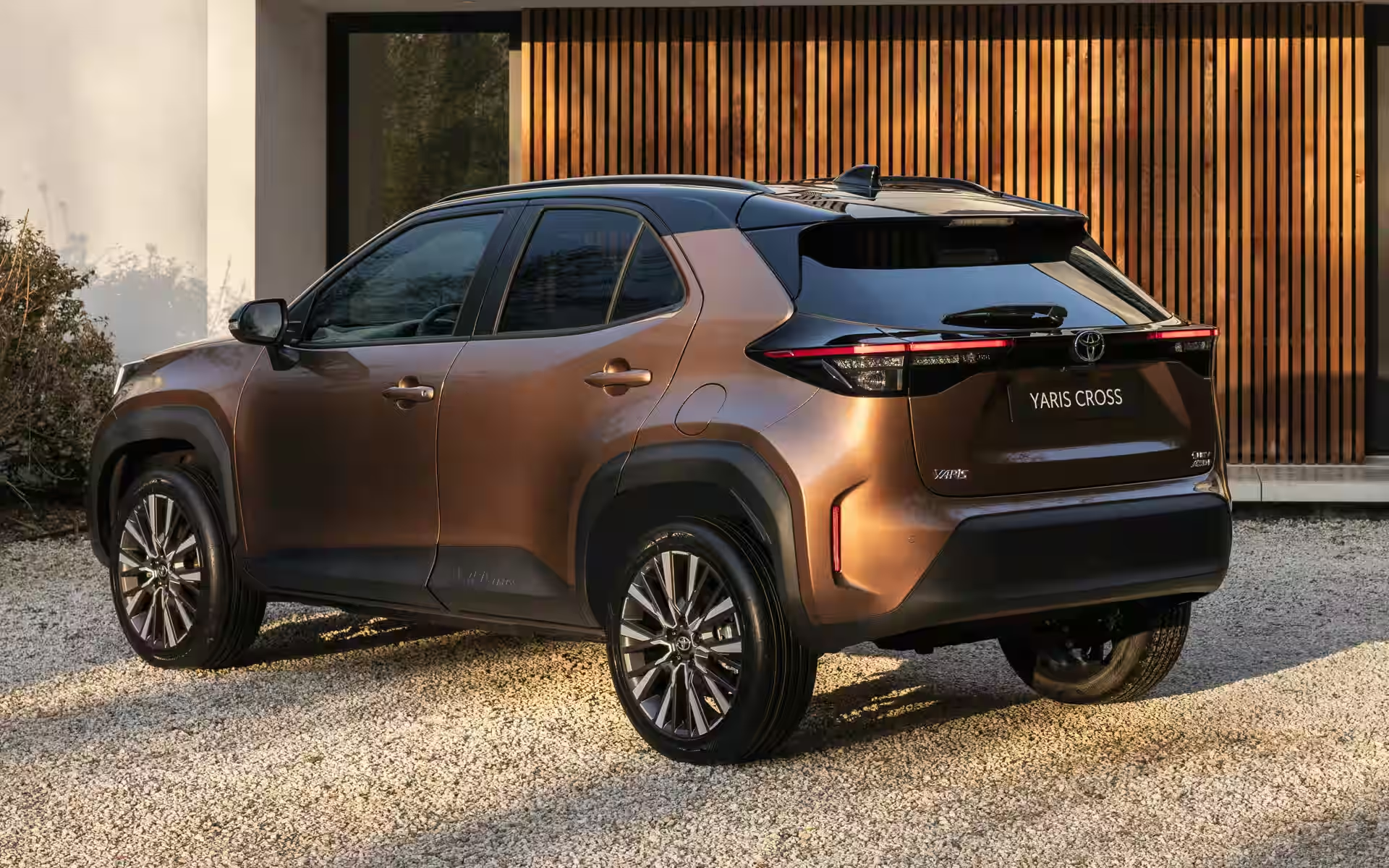
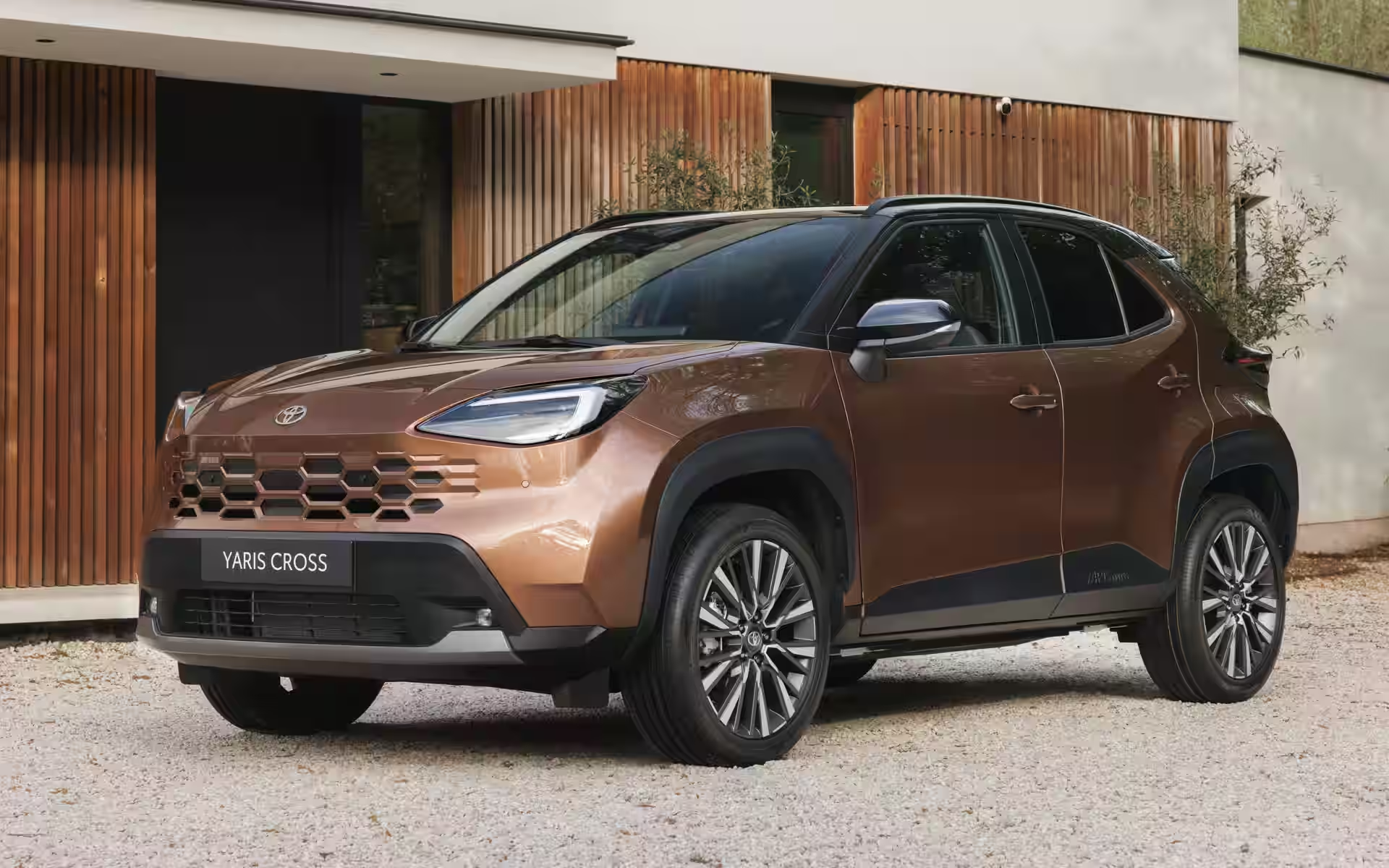
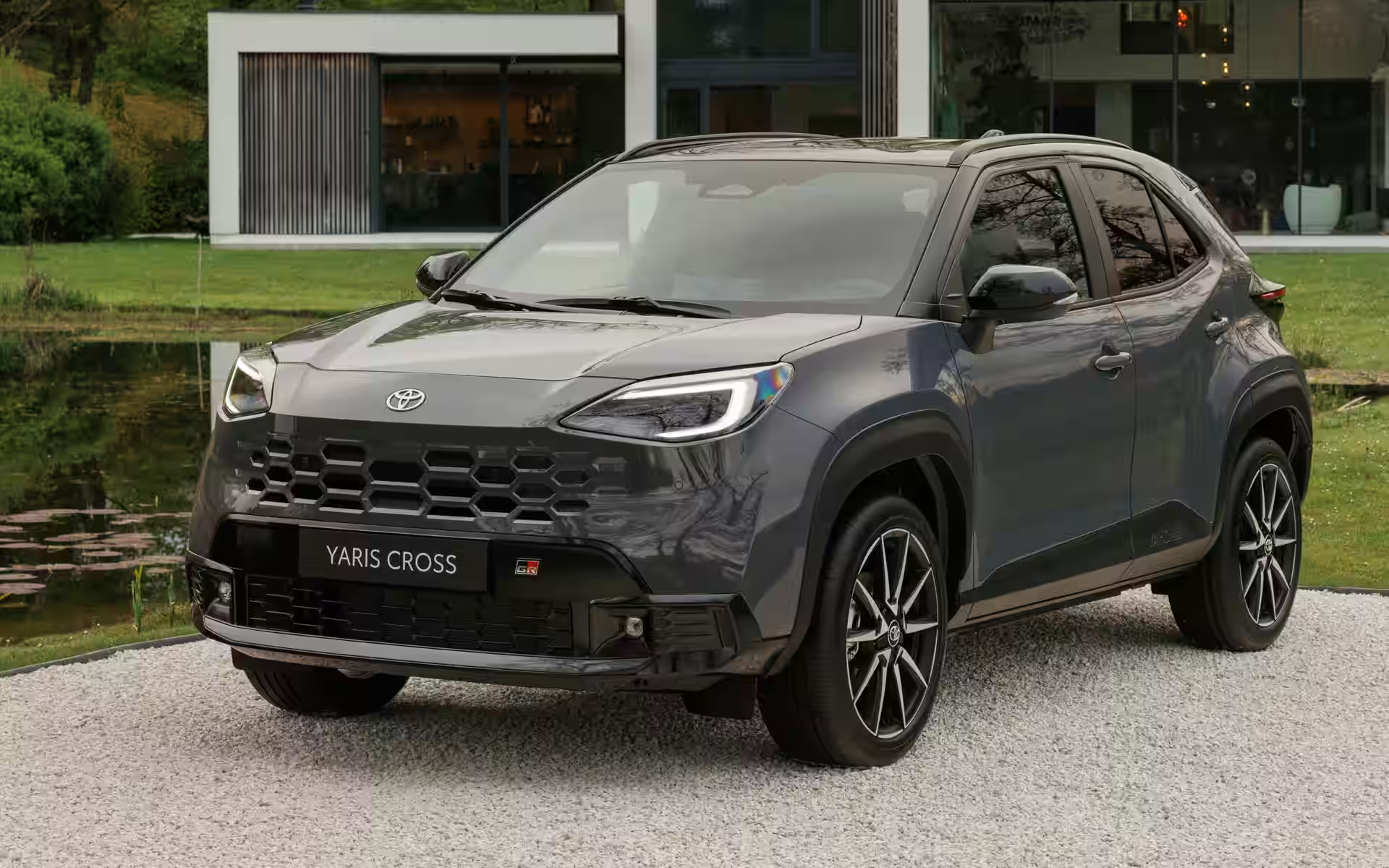
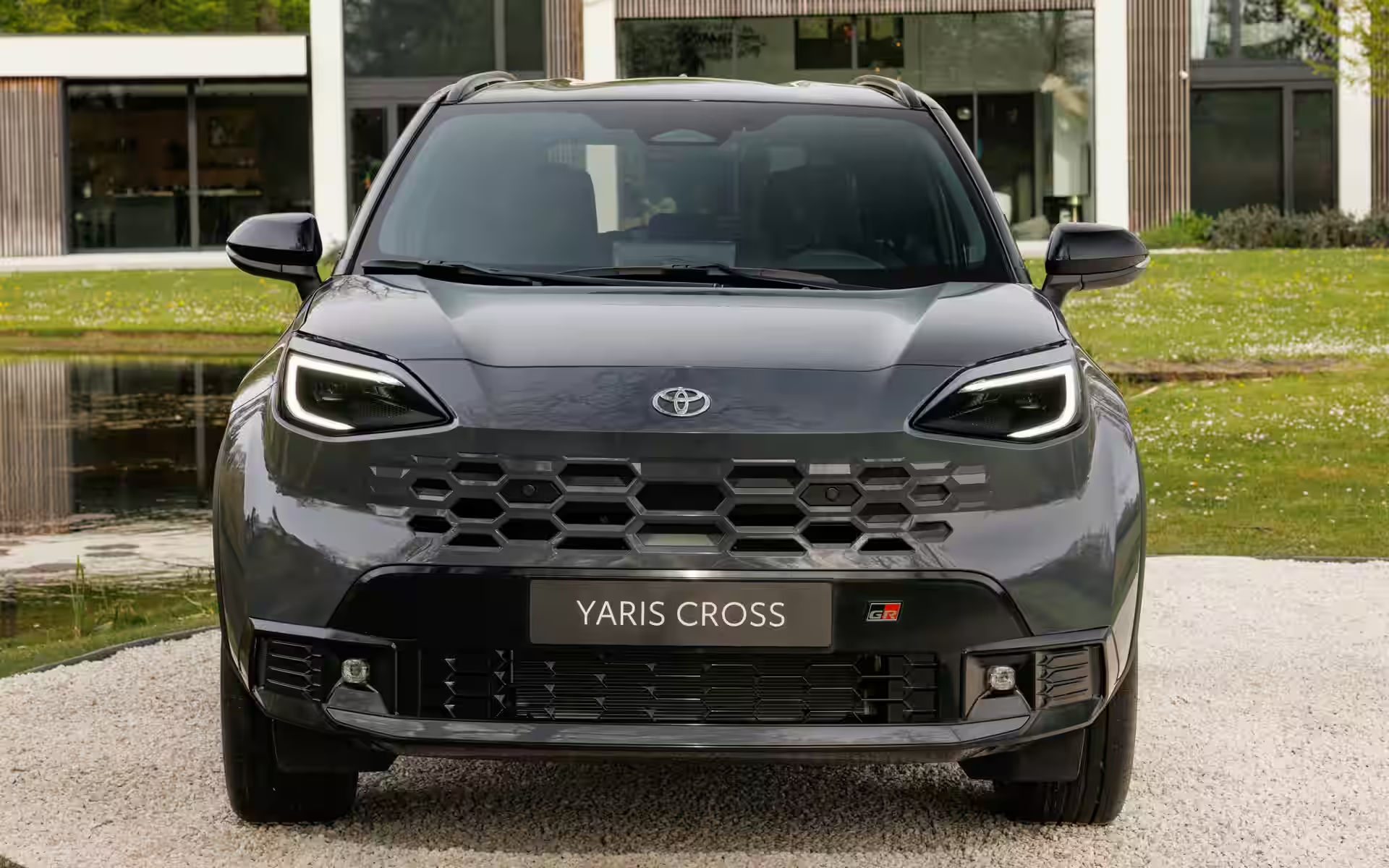
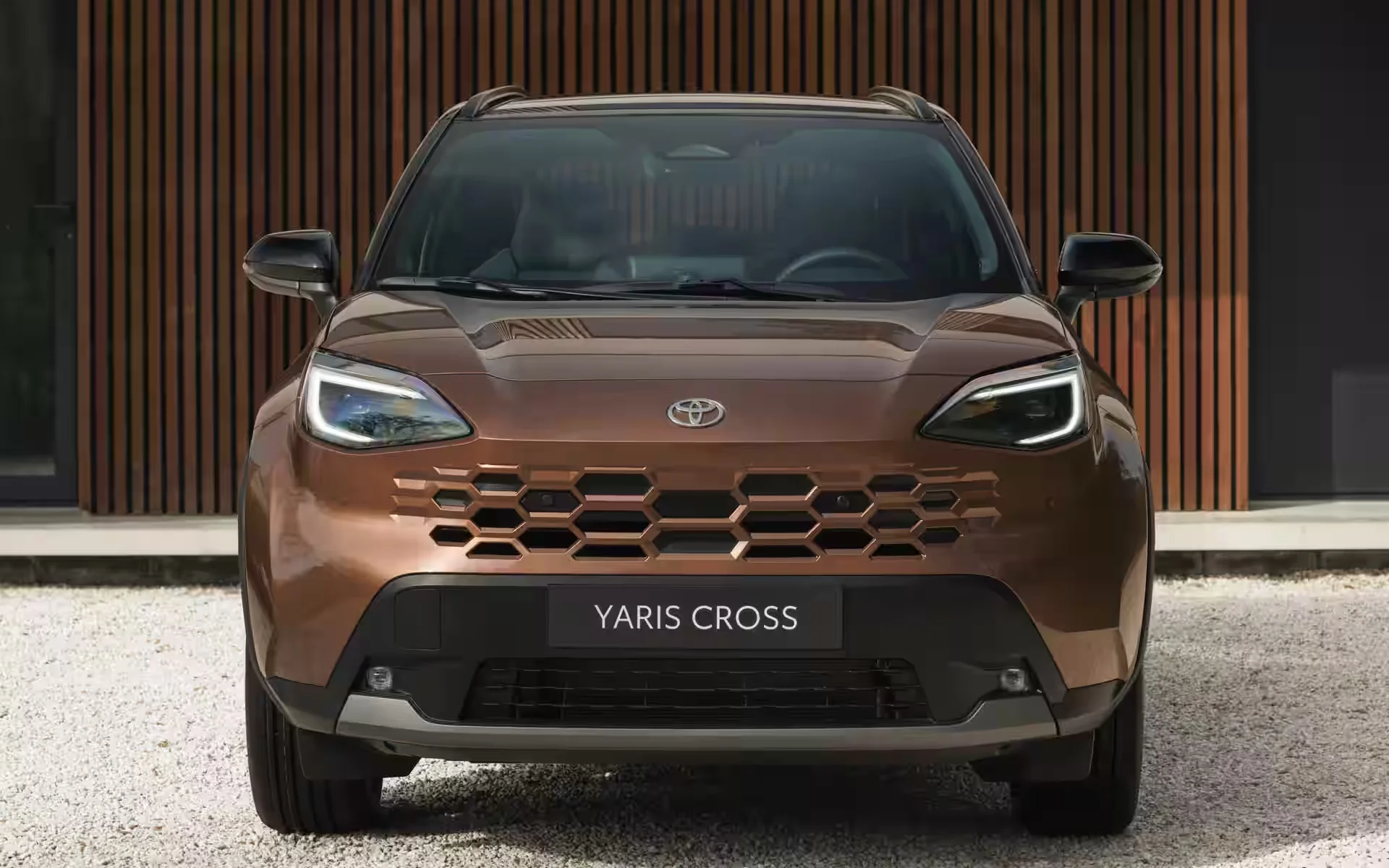
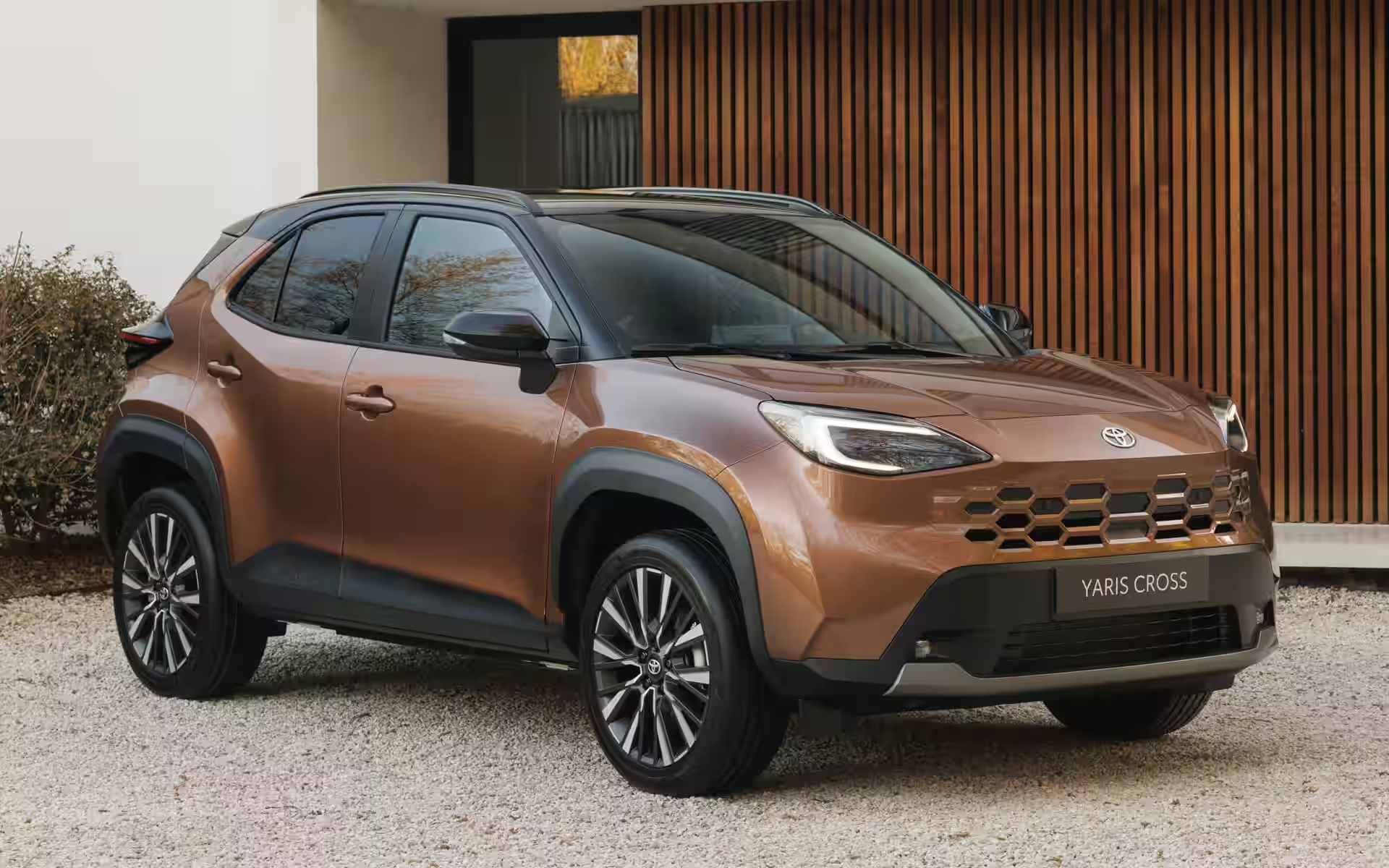
The biggest visual change is the front fascia. The grille now sits more neatly integrated into the body color, while the darker lower section creates a wider, more planted stance. New LED headlights with integrated daytime running lights sharpen the appearance, and higher trims gain larger 17-inch or 18-inch alloy wheels. The result is a small SUV that looks more expensive without becoming flashy.
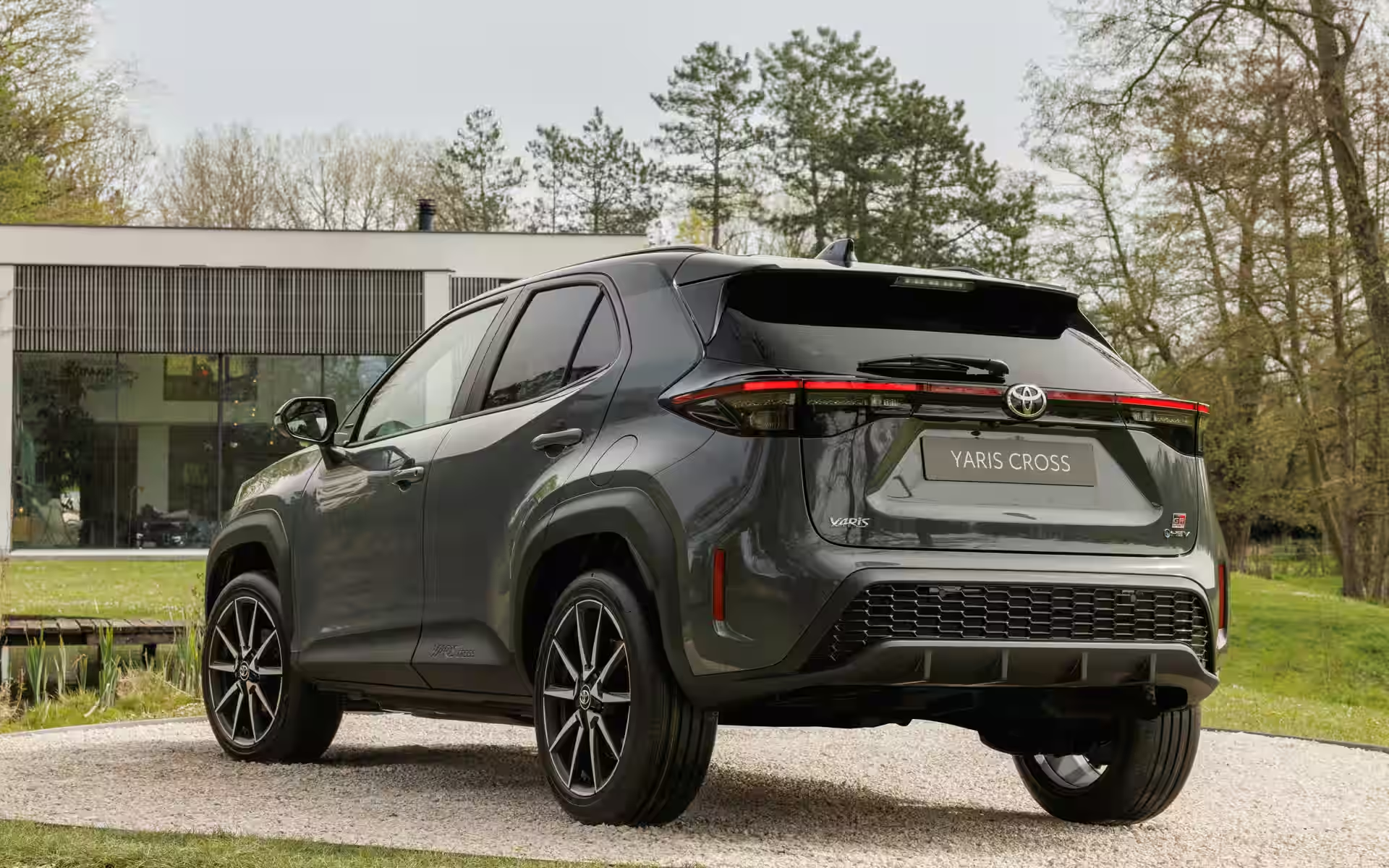
Toyota also expands the color palette with more character. Precious Bronze now arrives as a two-tone option with a black roof and pillars, while Celestite Grey replaces Shimmering Silver. The shape remains familiar, but the facelift makes the Yaris Cross feel more substantial on the road and more premium in traffic.
Interior upgrades that matter in daily life
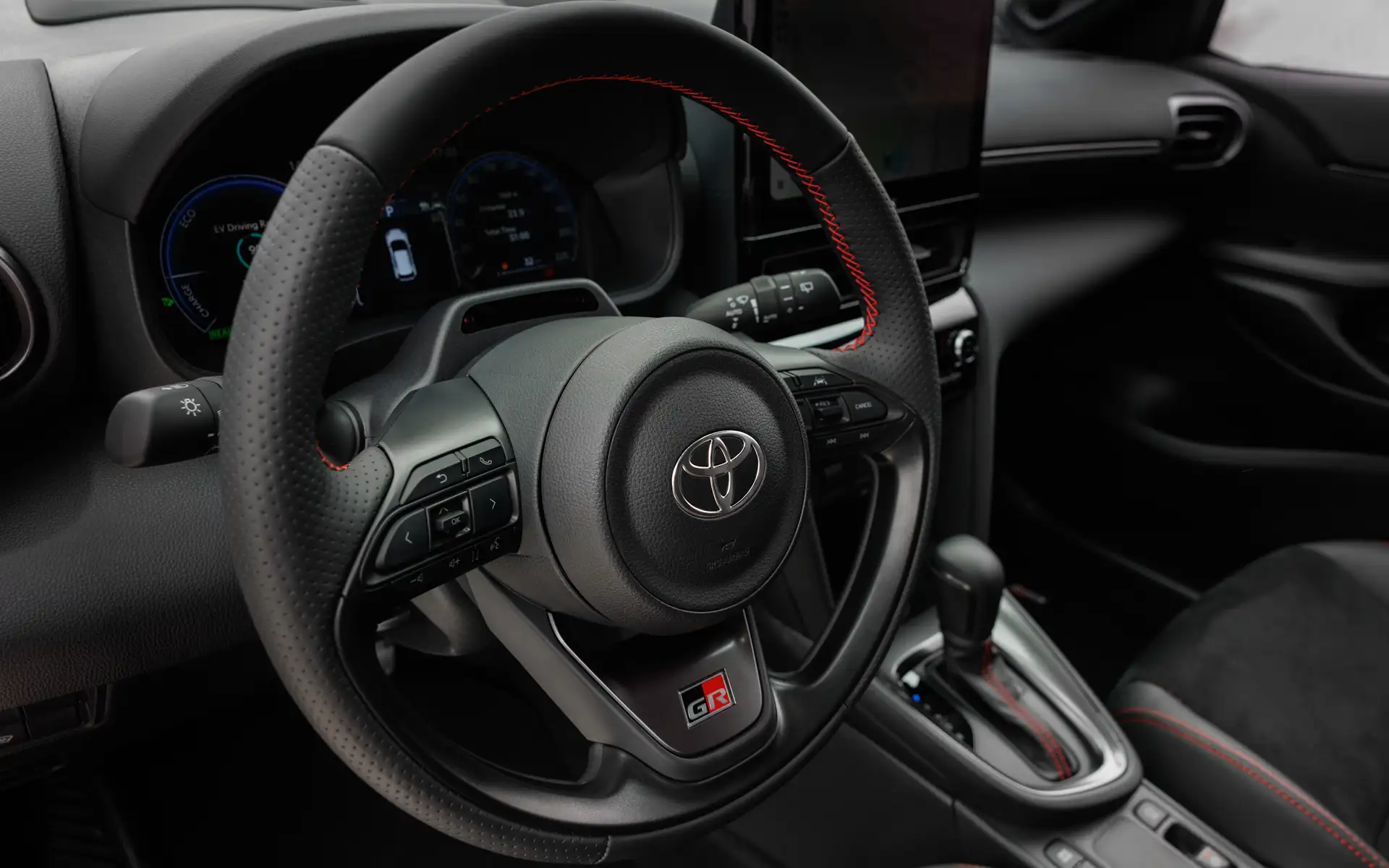
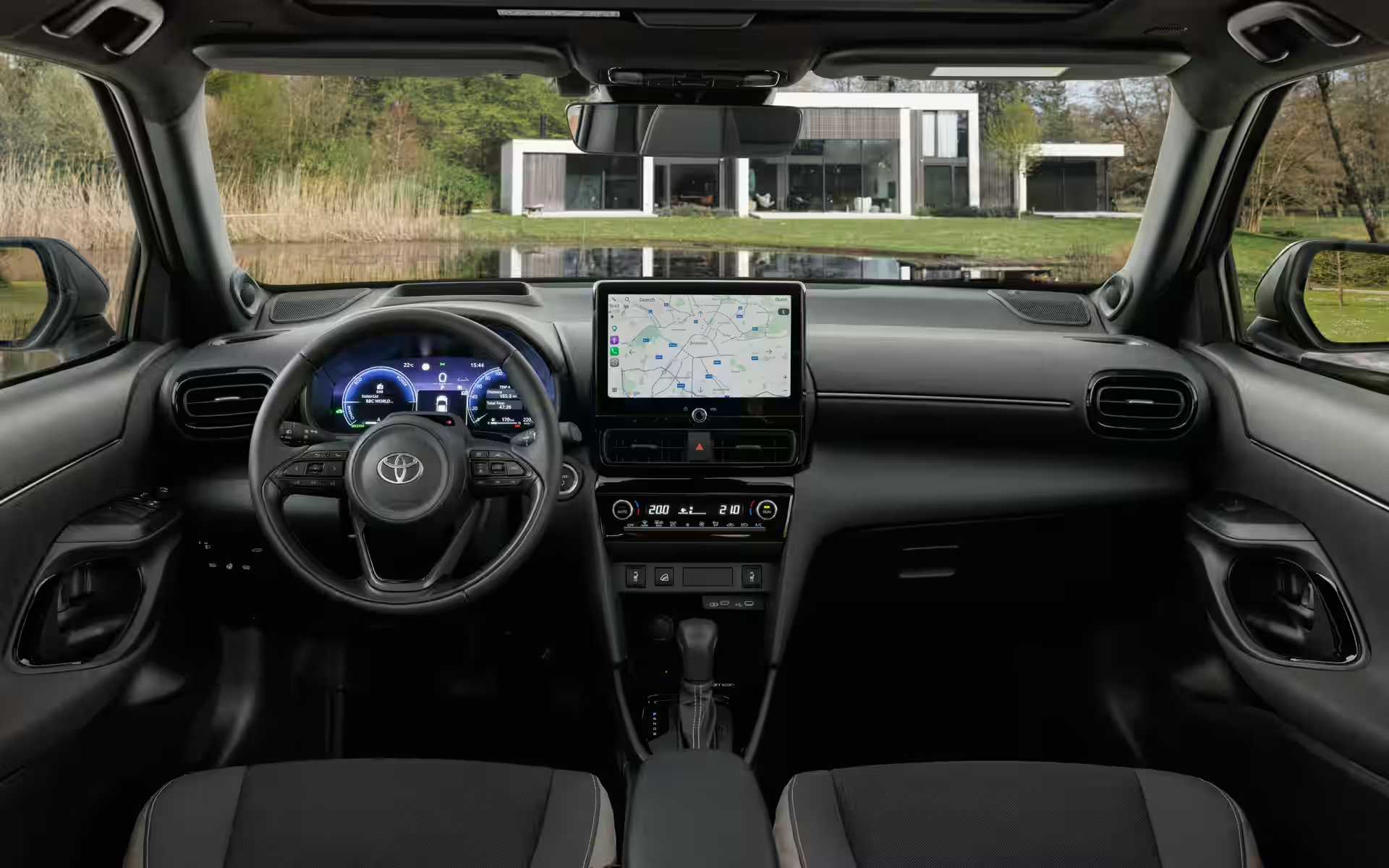
Inside, Toyota has focused on tactile improvements rather than gimmicks. Door trims and dashboard accents now feature a platinum-style finish, giving the cabin a cleaner and more modern look. In the Teamplayer trim and above, front seats have been redesigned with stronger contouring, platinum inserts, and three-tone contrast stitching.
One of the most interesting upgrades appears in the Lounge trim, where Toyota introduces SakuraTouch, a synthetic leather alternative with a sustainability story behind it. The material uses more than 40 percent plant-based PVC derived from wood by-products, includes cork residues, and incorporates recycled PET. Toyota says this production method can cut CO2 emissions by up to 95 percent versus conventional leather manufacturing, while still aiming to preserve durability and comfort.
Convenience also gets a noticeable boost. From Teamplayer upward, ambient lighting and a wireless smartphone charger are standard. The Lounge version adds a power tailgate with kick sensor, and automatic folding mirrors now come standard across all five trims. These are the kinds of details buyers notice every single day, especially in a small family SUV.
Toyota’s strategy is clear: keep the Yaris Cross efficient, easy to live with, and slightly more premium than before, without losing the practical formula that made it successful in Europe.
For readers tracking other smart mainstream updates, the same market logic can be seen in models like the PEUGEOT 2008 GT Hybrid gray edition, where style and efficiency are also used as the main selling points.
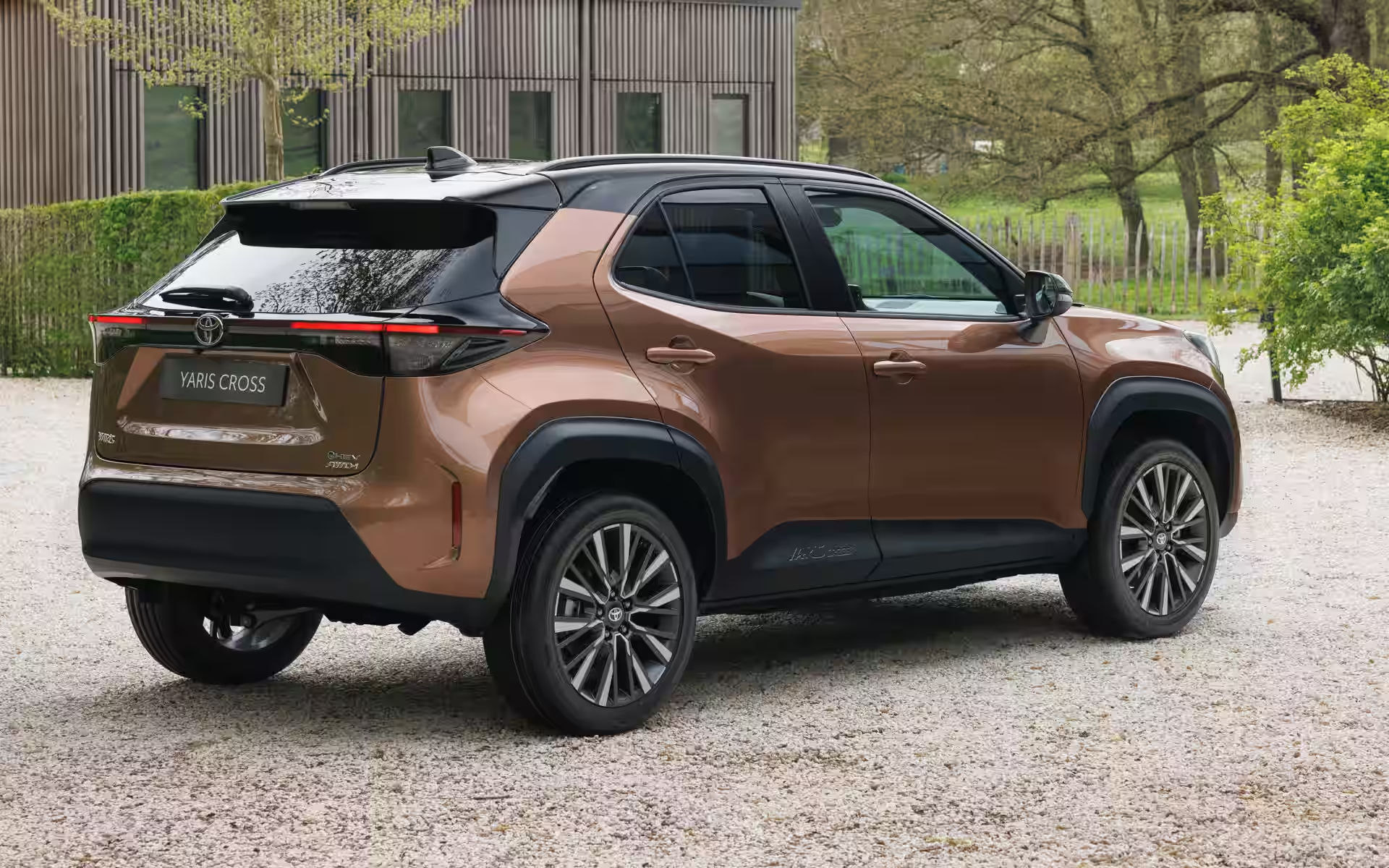
130HP hybrid, AWD-i traction, and GR Sport attitude
Under the hood, the Yaris Cross continues to lean on Toyota’s full-hybrid expertise. The main headline is the 130 hp hybrid, which combines a 1.5-liter gasoline engine with a stronger electric motor for a total output of 96 kW and 185 Nm. Toyota claims a 0-100 km/h time of 10.7 seconds and combined fuel consumption between 4.4 and 5.1 L/100 km, subject to final homologation.
The entry-level hybrid remains in the range as well. It produces 116 hp, or 85 kW, with 141 Nm of torque, and Toyota says it can return 4.4 to 4.7 L/100 km. This version is paired with the Pure trim, while all higher trims receive the stronger 130 hp setup as standard.
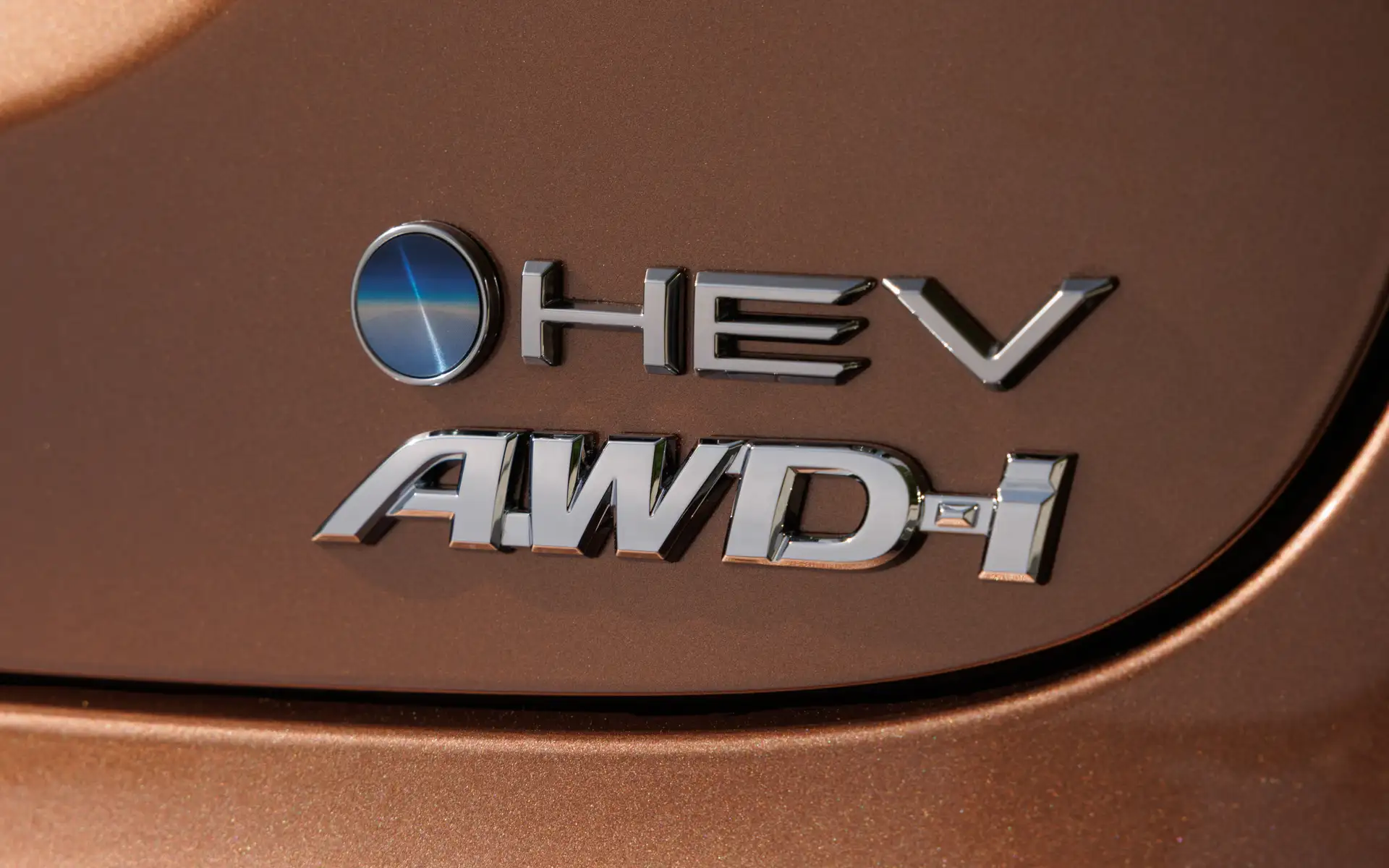
For drivers who want traction as well as efficiency, the stronger hybrid can still be paired with AWD-i. This electric all-wheel-drive system is available on Teamplayer and Lounge, using a rear-mounted electric motor to improve stability and grip on wet or slippery roads. It is not a hardcore off-roader setup, but for snow, rain, and loose surfaces, it adds real-world confidence.
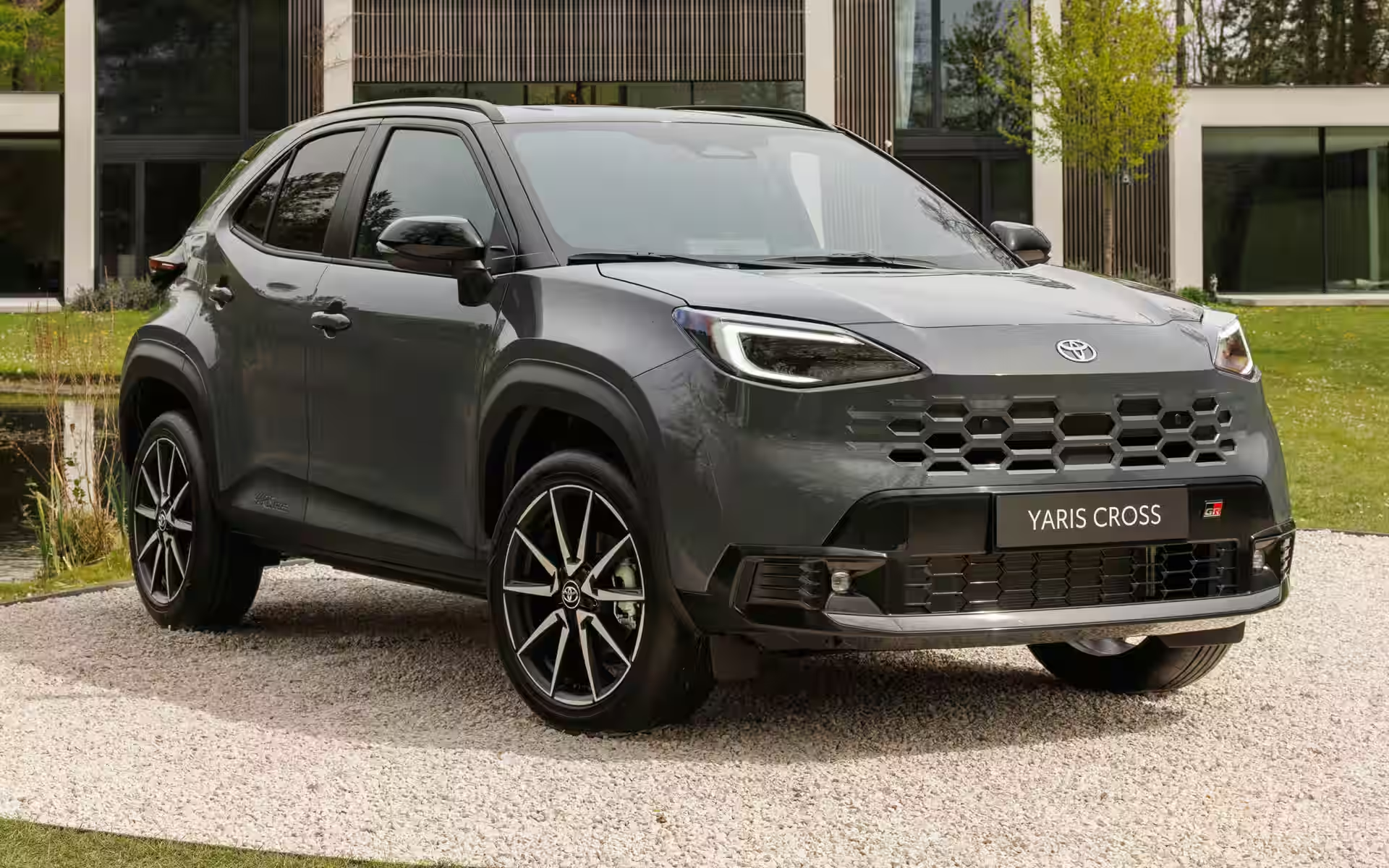
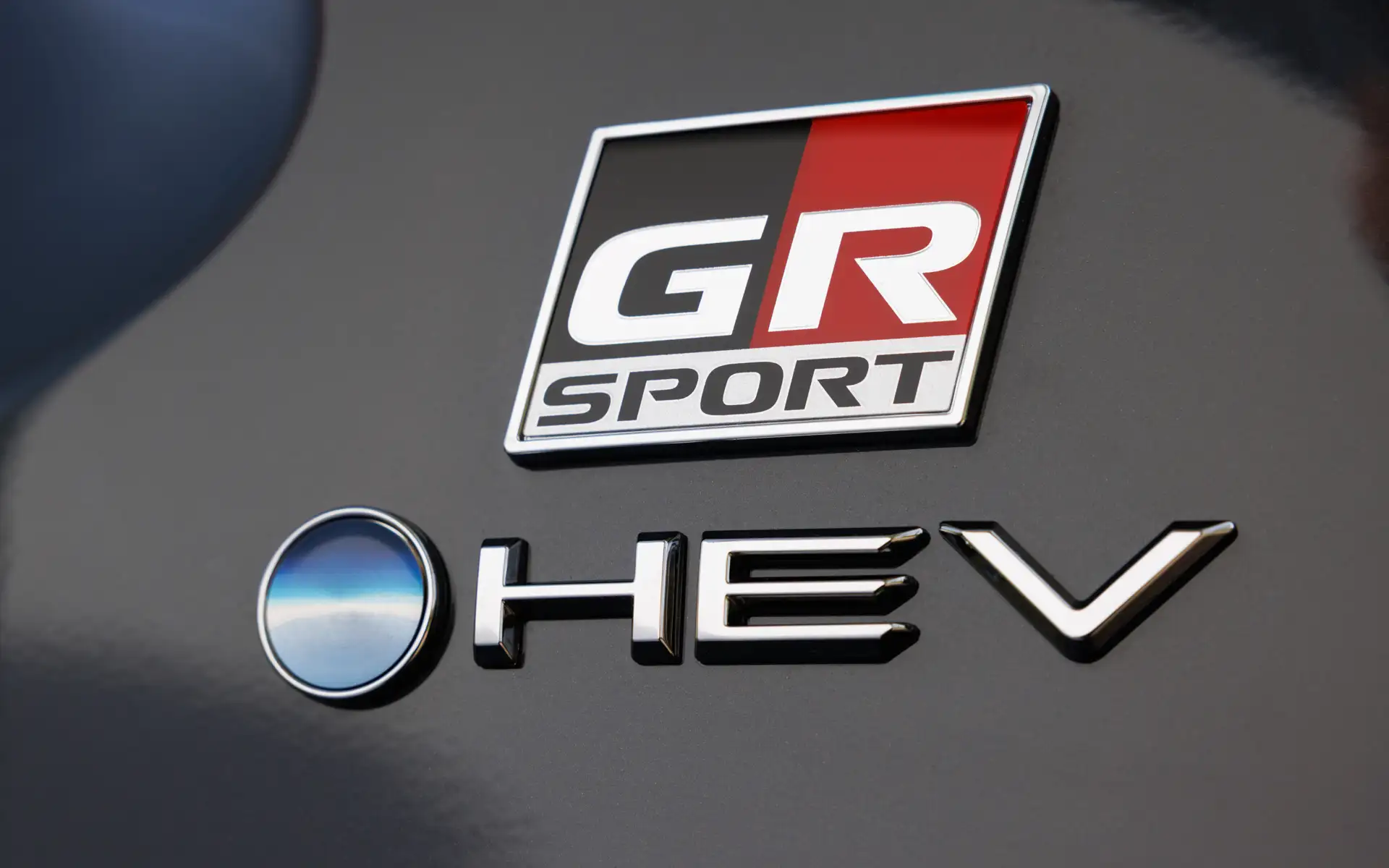
At the top of the range sits the Yaris Cross GR Sport. Toyota gives it a unique front bumper with side inserts, polished 18-inch wheels, sport seats with suede-like trim, red stitching, GR logos, and darker silver interior accents. The chassis tuning is also firmer, with a revised suspension setup designed to sharpen turn-in and make the car feel more responsive.
| Key 2026 Toyota Yaris Cross Highlights | Details |
|---|---|
| Main powertrain | 130 hp full hybrid, 1.5-liter gasoline engine plus stronger electric motor |
| Entry powertrain | 116 hp full hybrid with 141 Nm |
| AWD option | AWD-i electric rear motor on Teamplayer and Lounge |
| Interior highlight | SakuraTouch synthetic leather in Lounge |
| Safety and tech | T-Mate suite, Smart Connect, wireless Apple CarPlay and Android Auto |
Technology is another area where Toyota keeps the Yaris Cross ahead of many rivals. The T-Mate suite includes pre-collision assist, intersection support, proactive driving assist, lane keeping, adaptive cruise control, and automatic high beam. Higher trims add parking assistance and blind spot monitoring, creating a surprisingly comprehensive safety package for a vehicle in this class.
Infotainment is handled by Toyota Smart Connect with cloud navigation, rear camera support, quick voice recognition, and wireless Apple CarPlay and Android Auto. For shoppers comparing the segment, this puts the Yaris Cross in the same conversation as models like the HYUNDAI KONA 2027 and the PEUGEOT 2008 GT Hybrid, where value and tech are now the real battleground.
First deliveries are planned for September 2026, with sales set to begin in summer 2026. That timing matters because the B-SUV segment is one of the most competitive in Europe, and Toyota is clearly preparing the Yaris Cross to defend its position with subtle but meaningful improvements rather than a dramatic reinvention.