Power or economy? The RENAULT DUSTER 2026 offers turbo and hybrid engines for all preferences. Check out the technical specifications.
Design, Brand Perception, and Positioning in the Indian Market
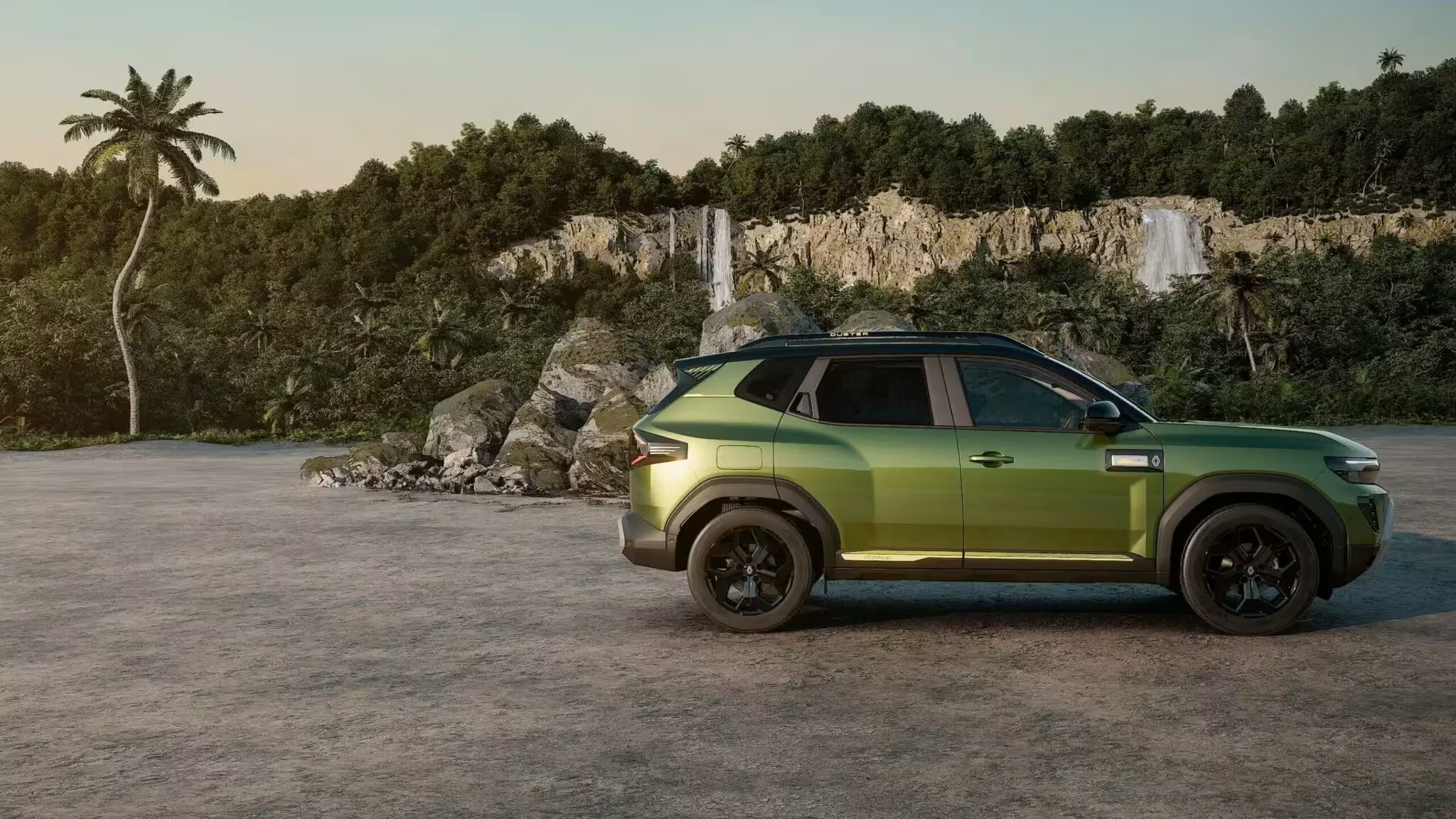
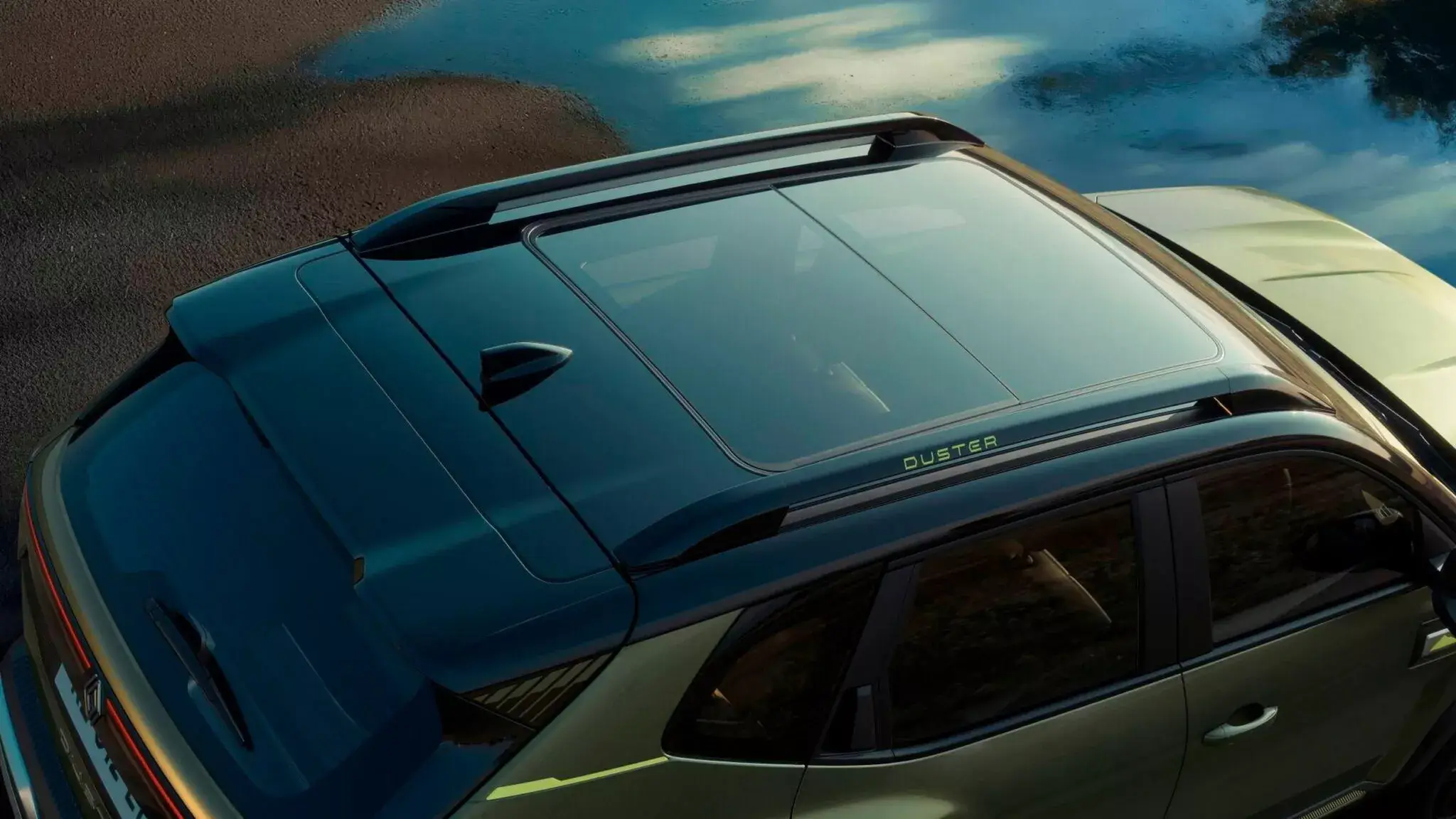
The concept: Renault repositioned the Duster in India to escape the “low-cost” image associated with Dacia variants in Europe. The result is an SUV that maintains the robust silhouette of the global Duster but with visual language and execution aimed at increasing perceived value among Indian consumers.
Front, Profile, and Rear — What’s Changed
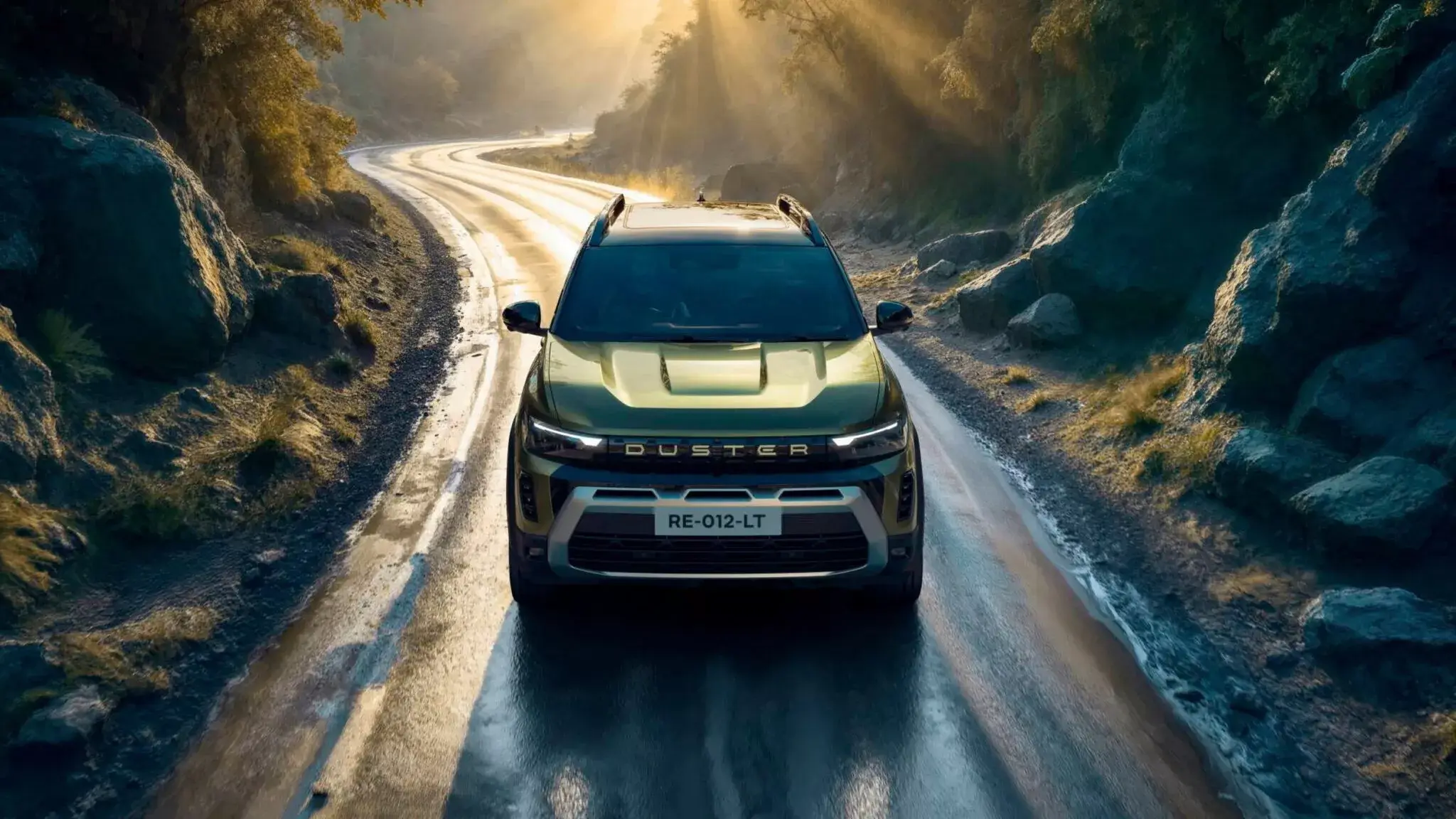
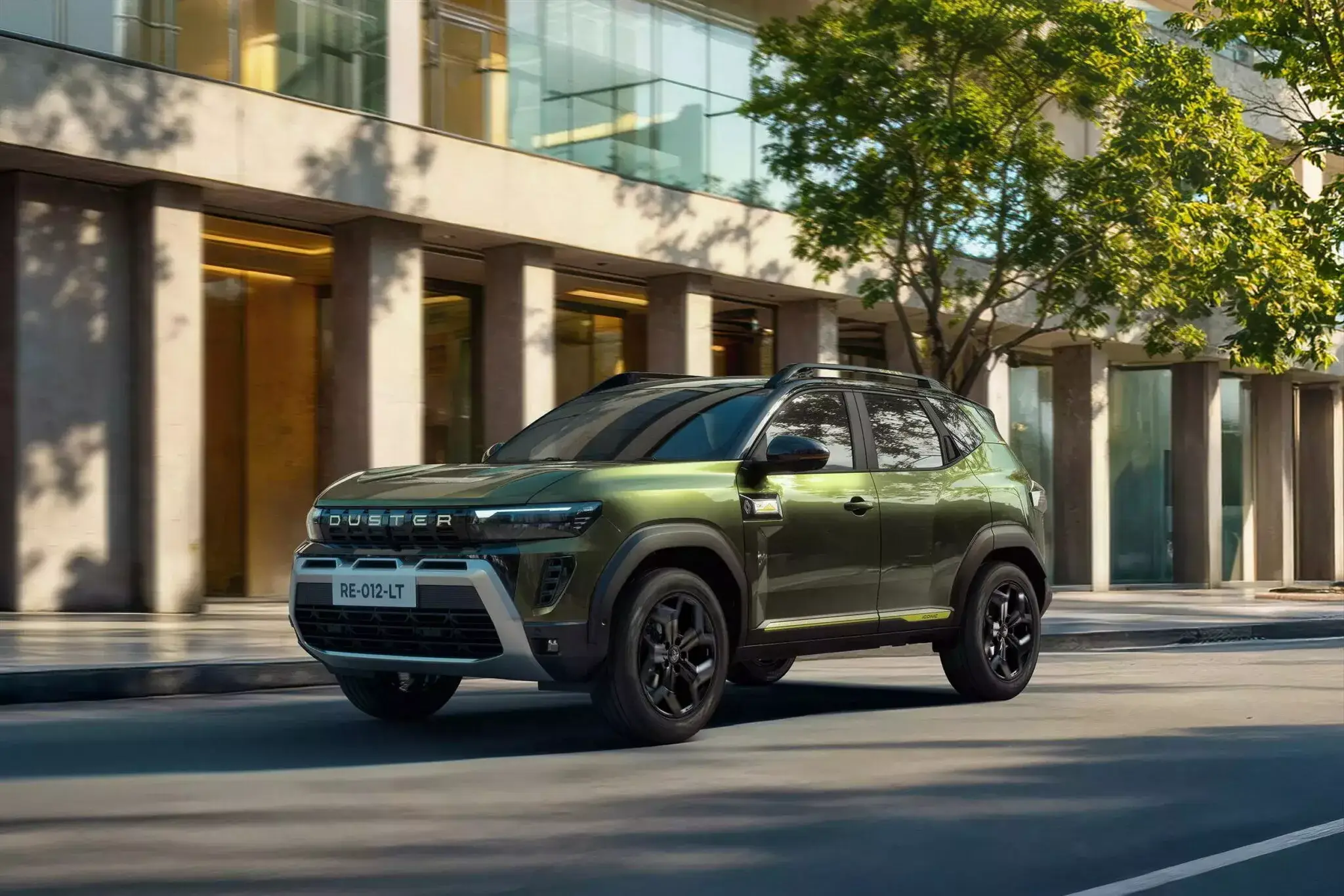
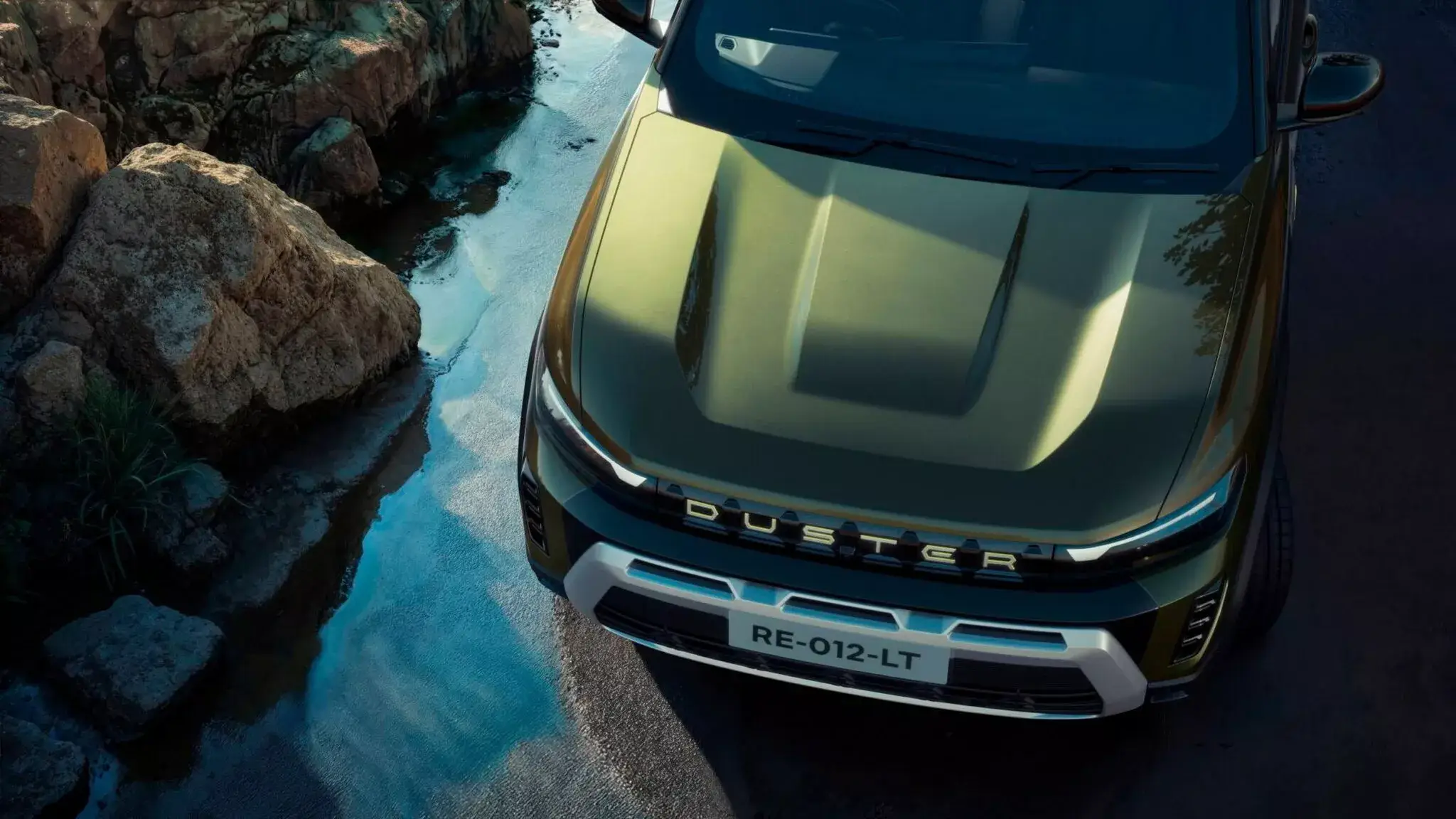
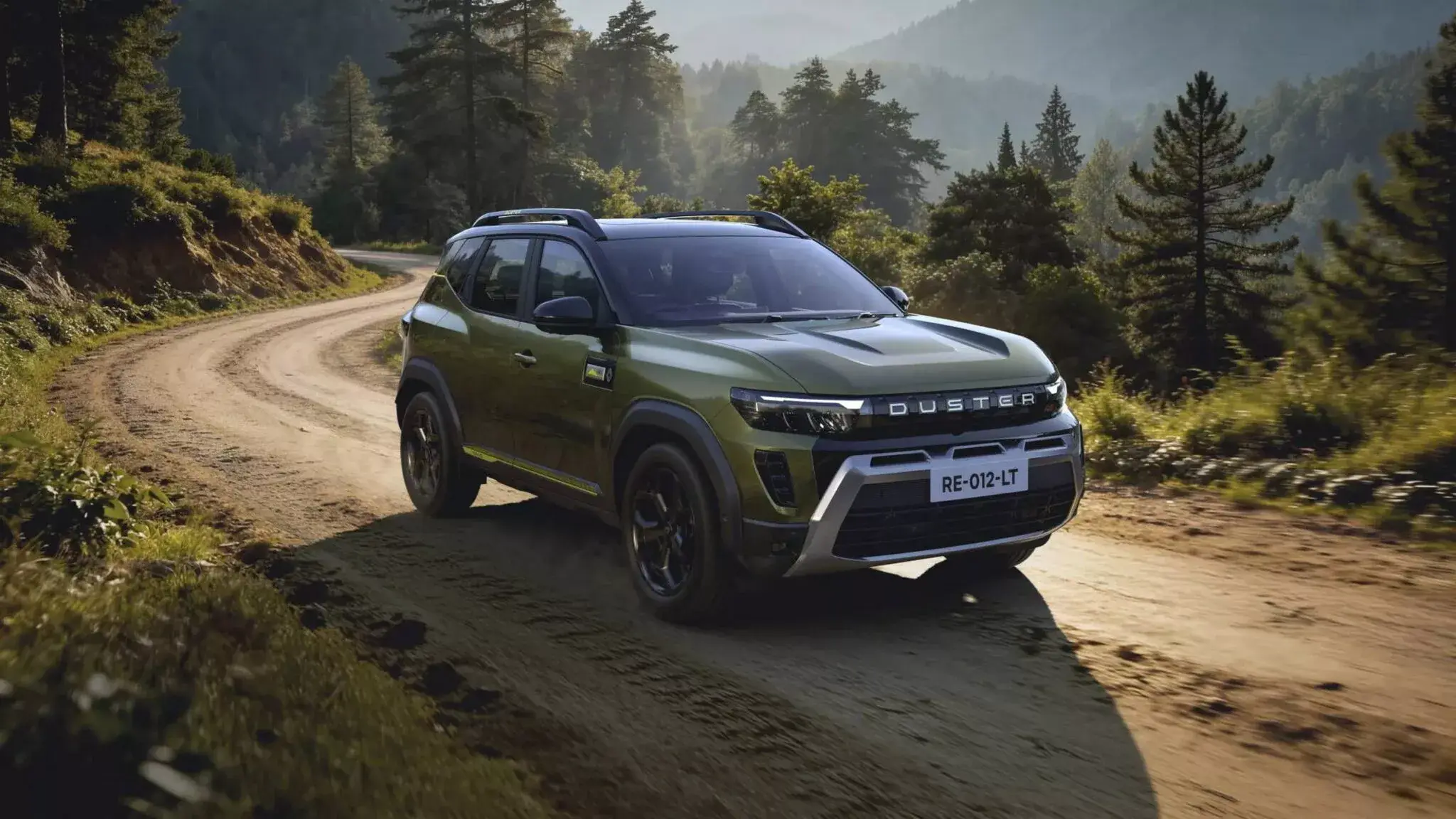
- Front signature: the “Y” motif has been replaced with a more understated LED signature; the grille now prominently features the Duster badge and a redesigned bumper with an aluminum-effect skid plate, giving it a more premium personality.
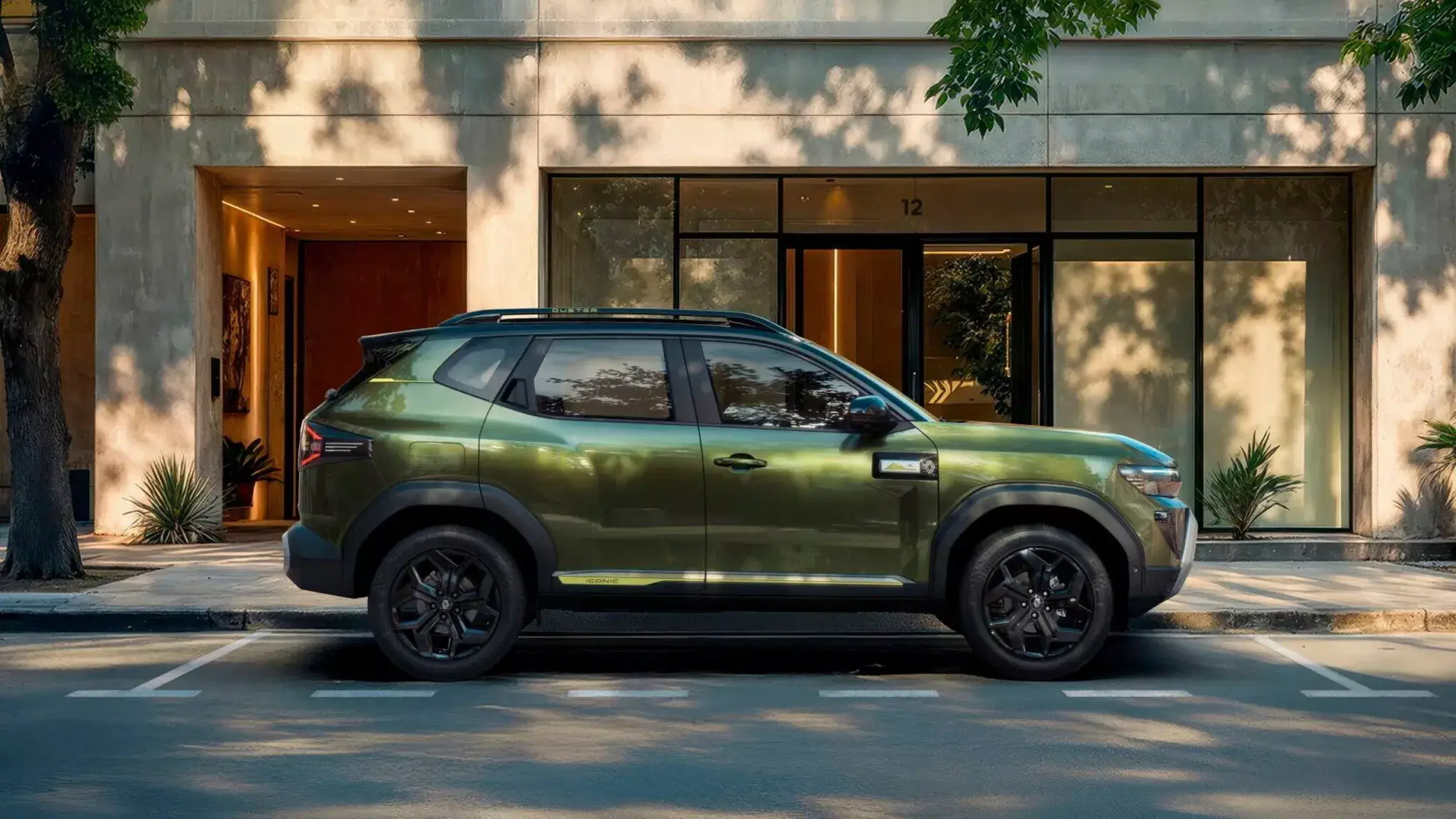
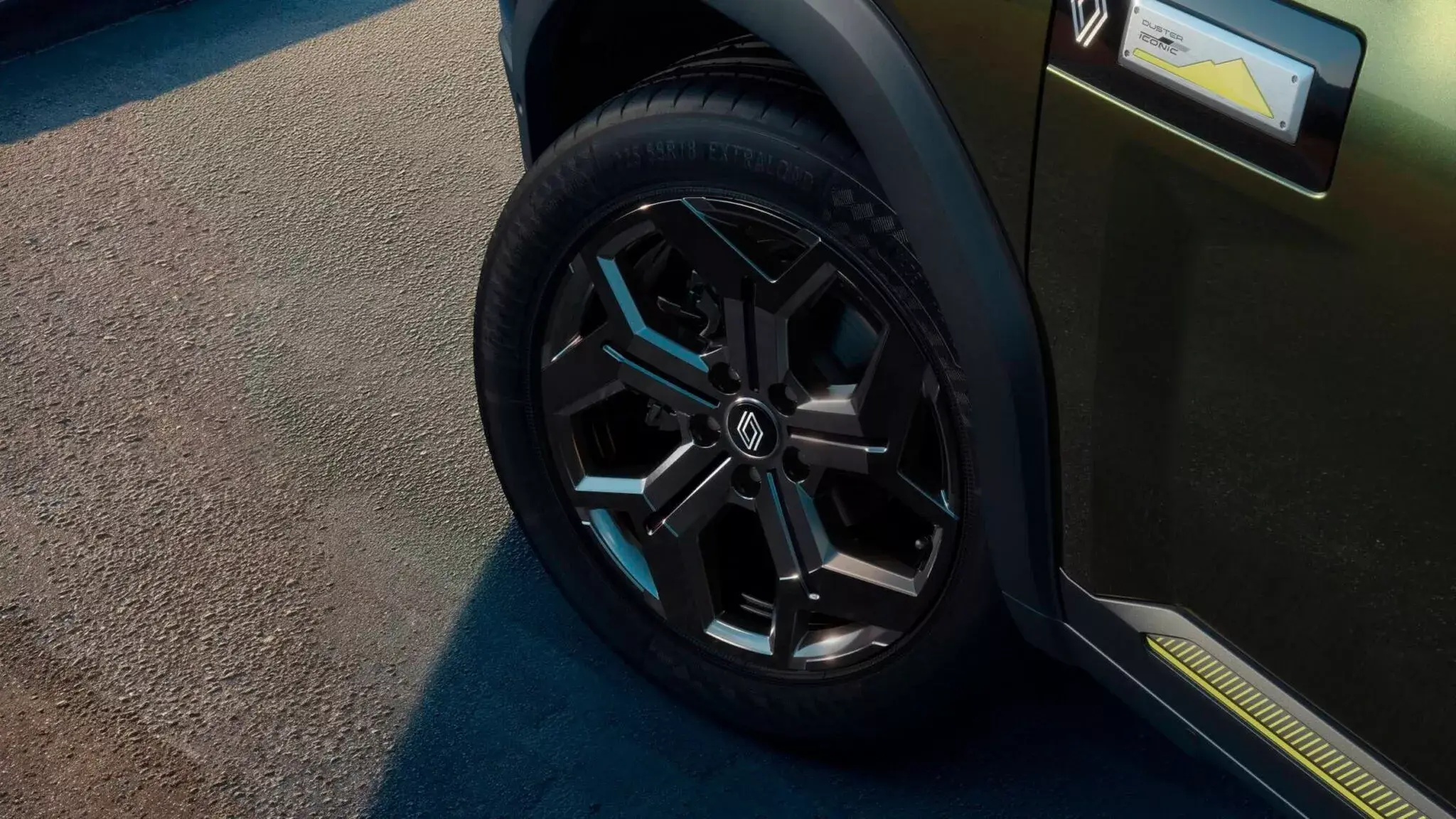
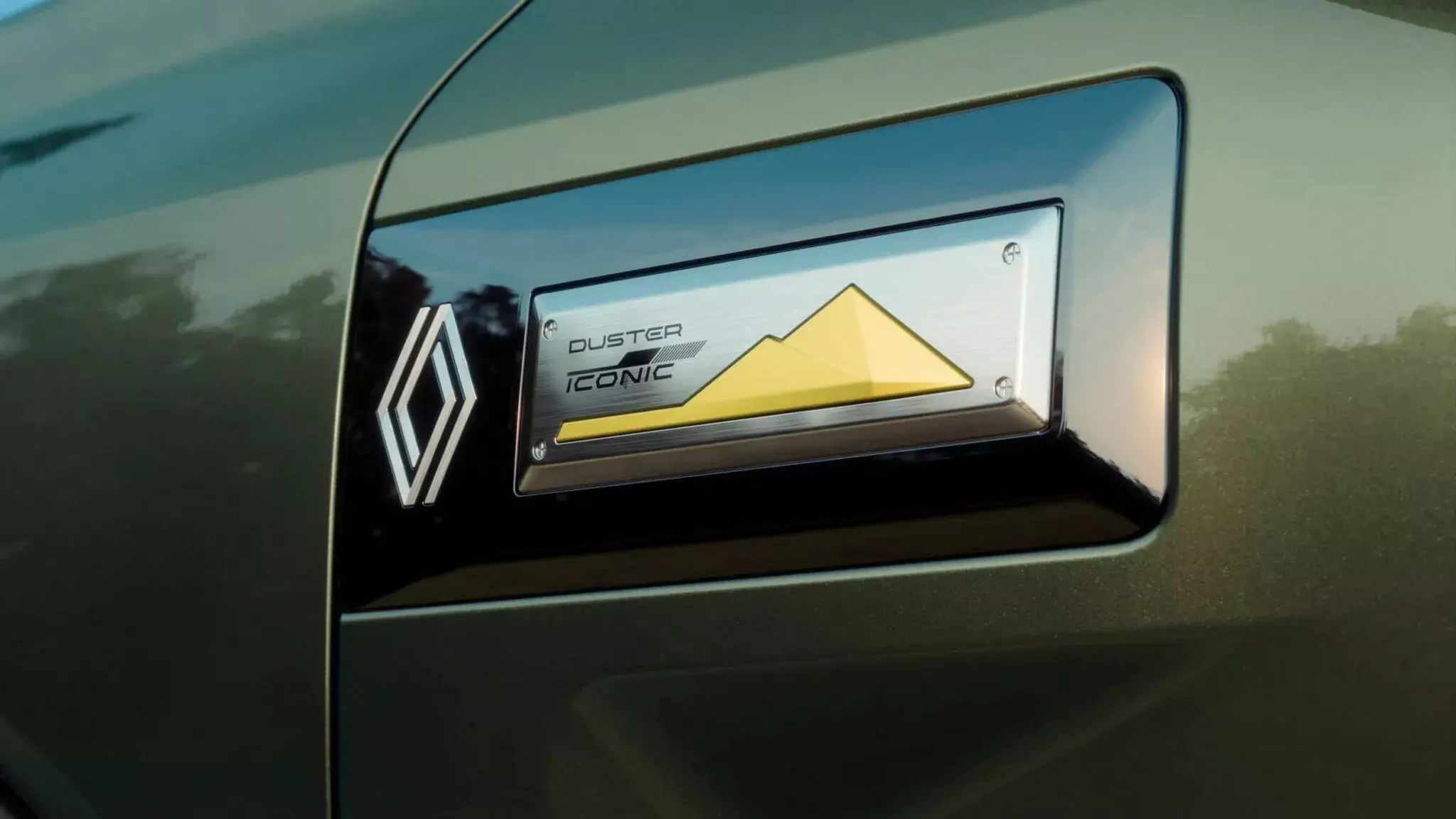
- Sides: replacement of plastic panels with “gills” featuring Renault identity and added aerodynamic elements on the C-pillars reinforce aesthetic differentiation and suggest a more detailed finish.
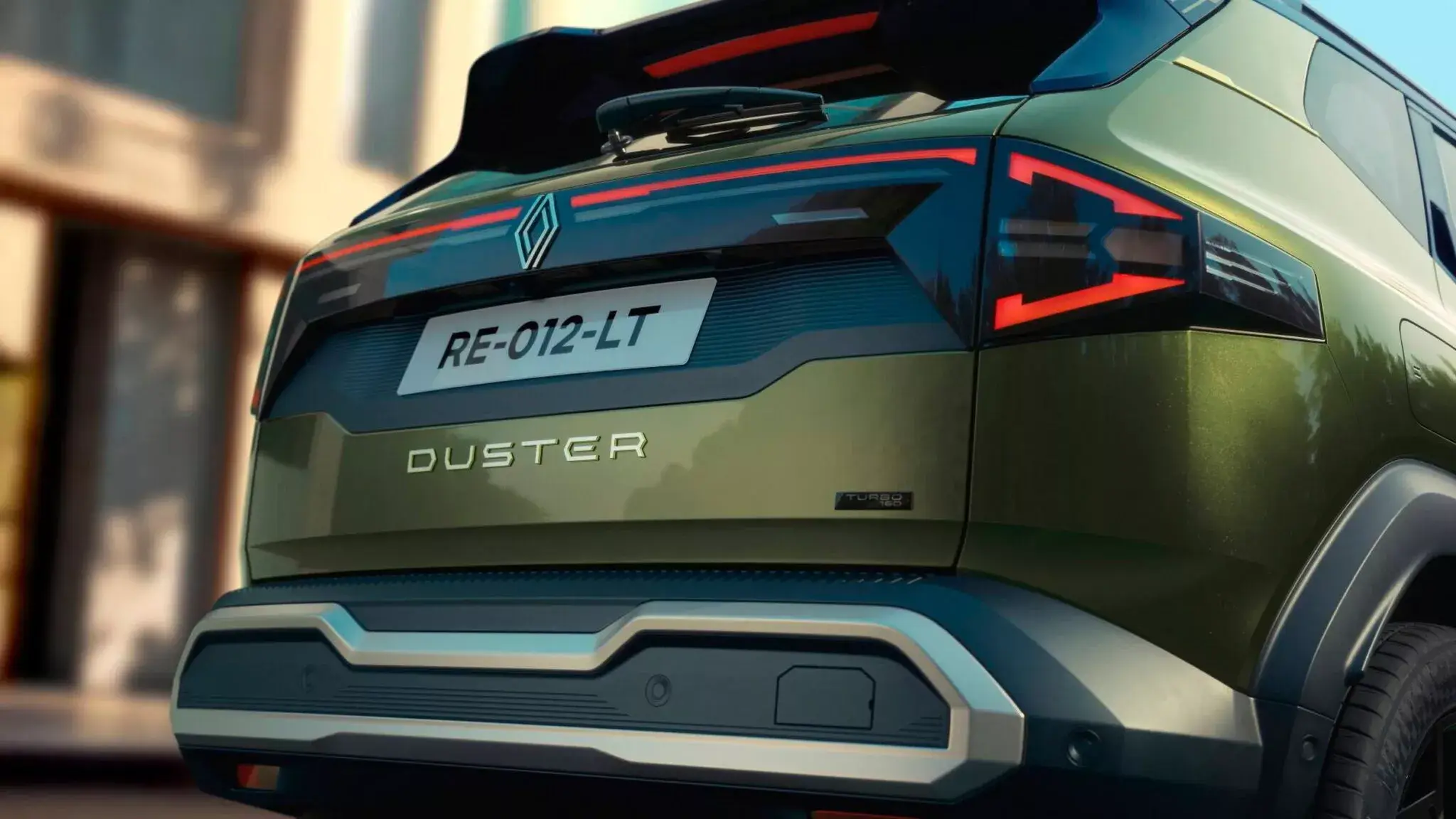
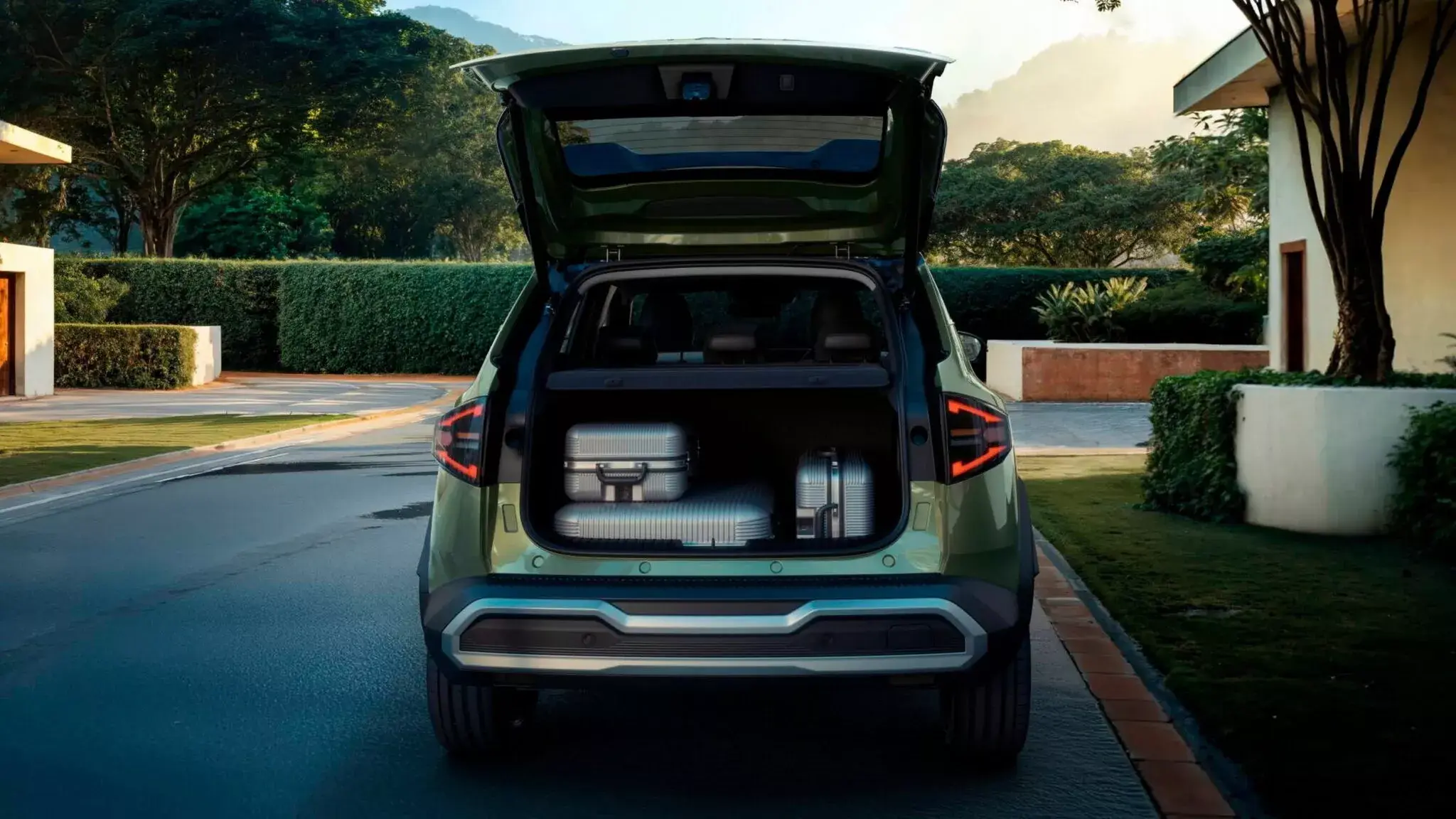
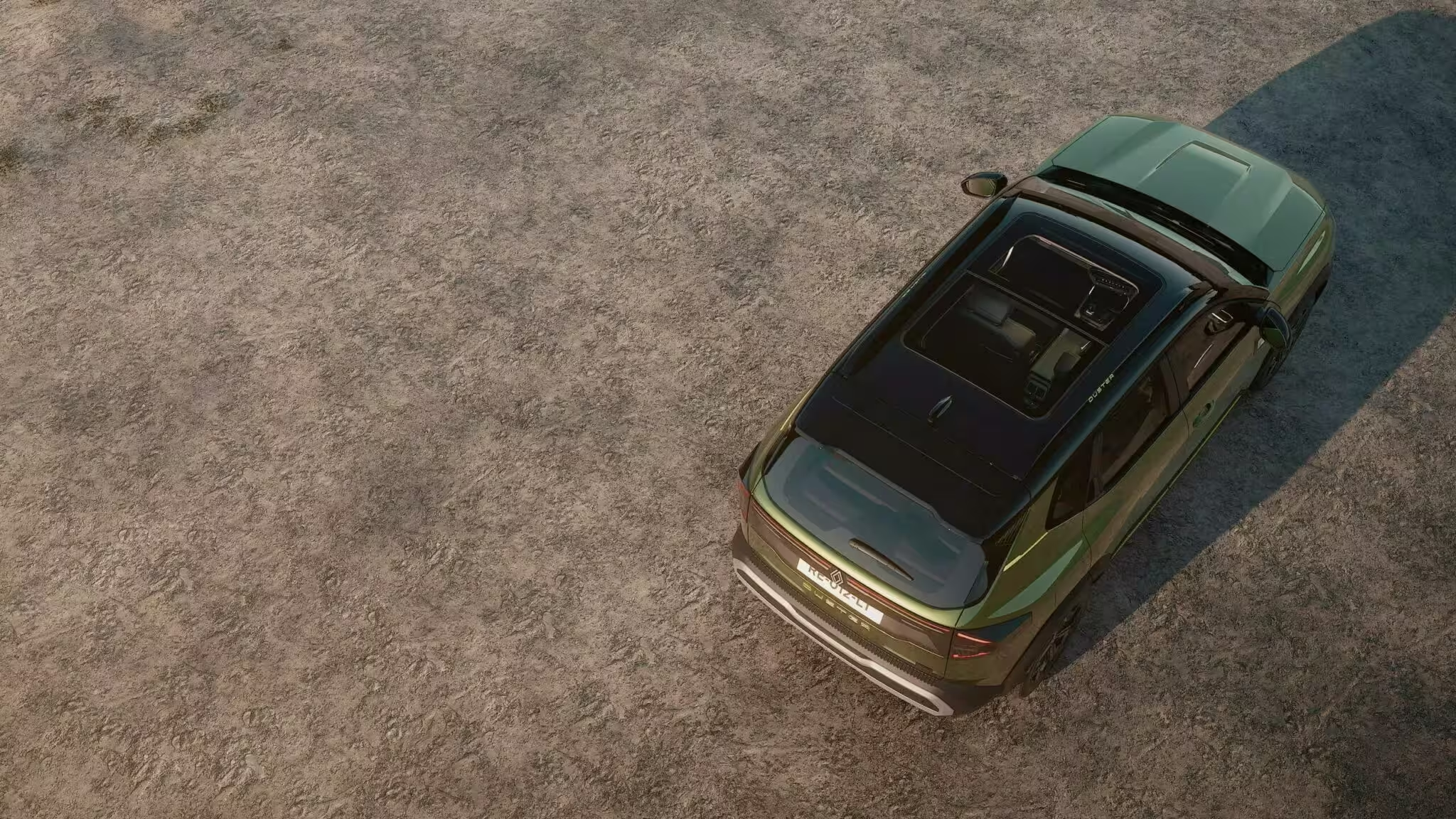
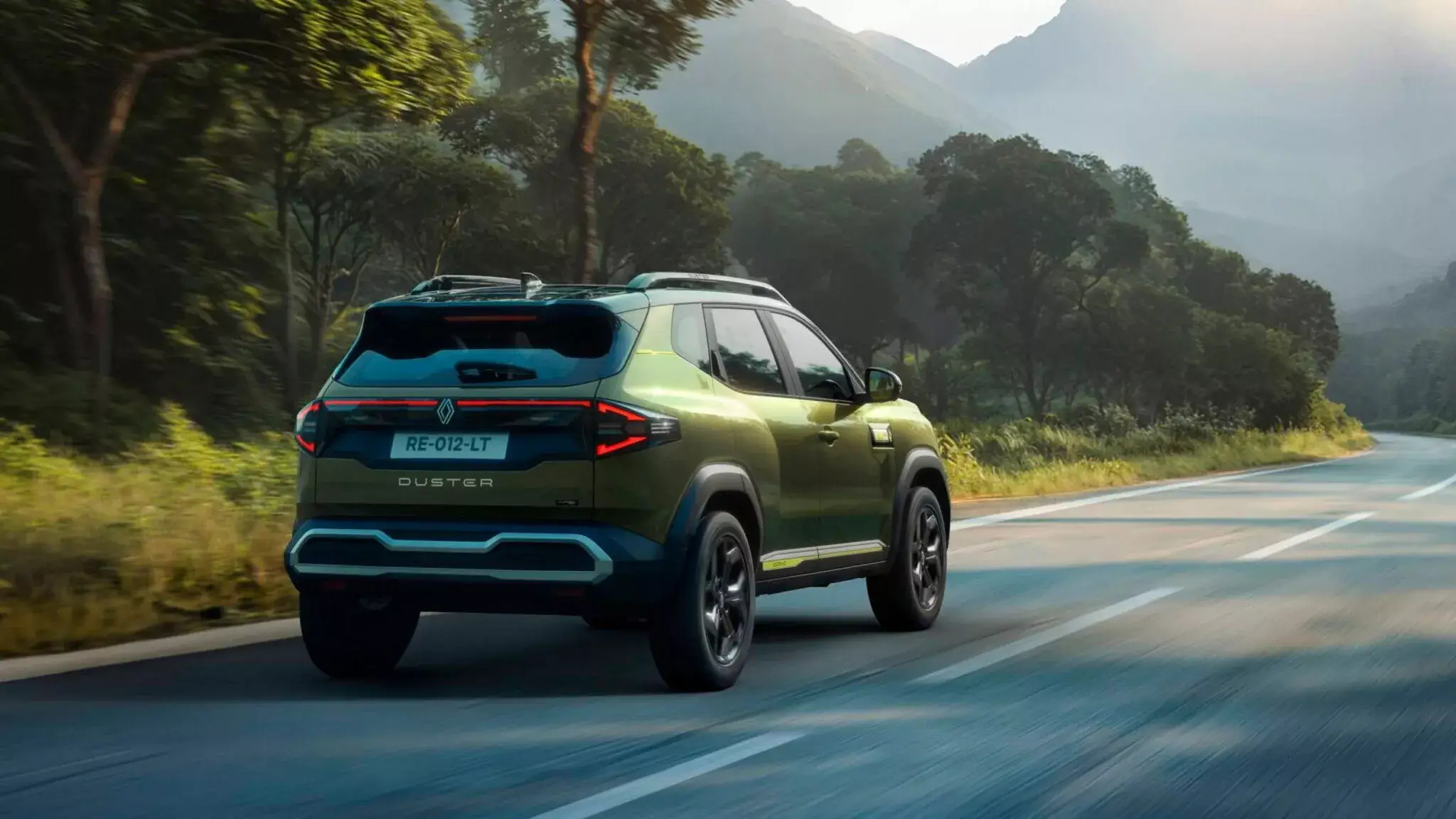
- Rear: smoked finish taillights and a LED light bar connecting the optical clusters make the car look more modern and aligned with mid/high segment expectations in India.
What does this mean for the Indian buyer? In competitive markets like Hyderabad, Mumbai, and Bangalore, where style and technology heavily influence purchase decisions, the new design positions the Duster as an attractive alternative to Hyundai CRETA and KIA SELTOS — models already convincing with interior finish and urban appeal.
Technology, Powertrain, and Safety: The Engineering Behind the Duster
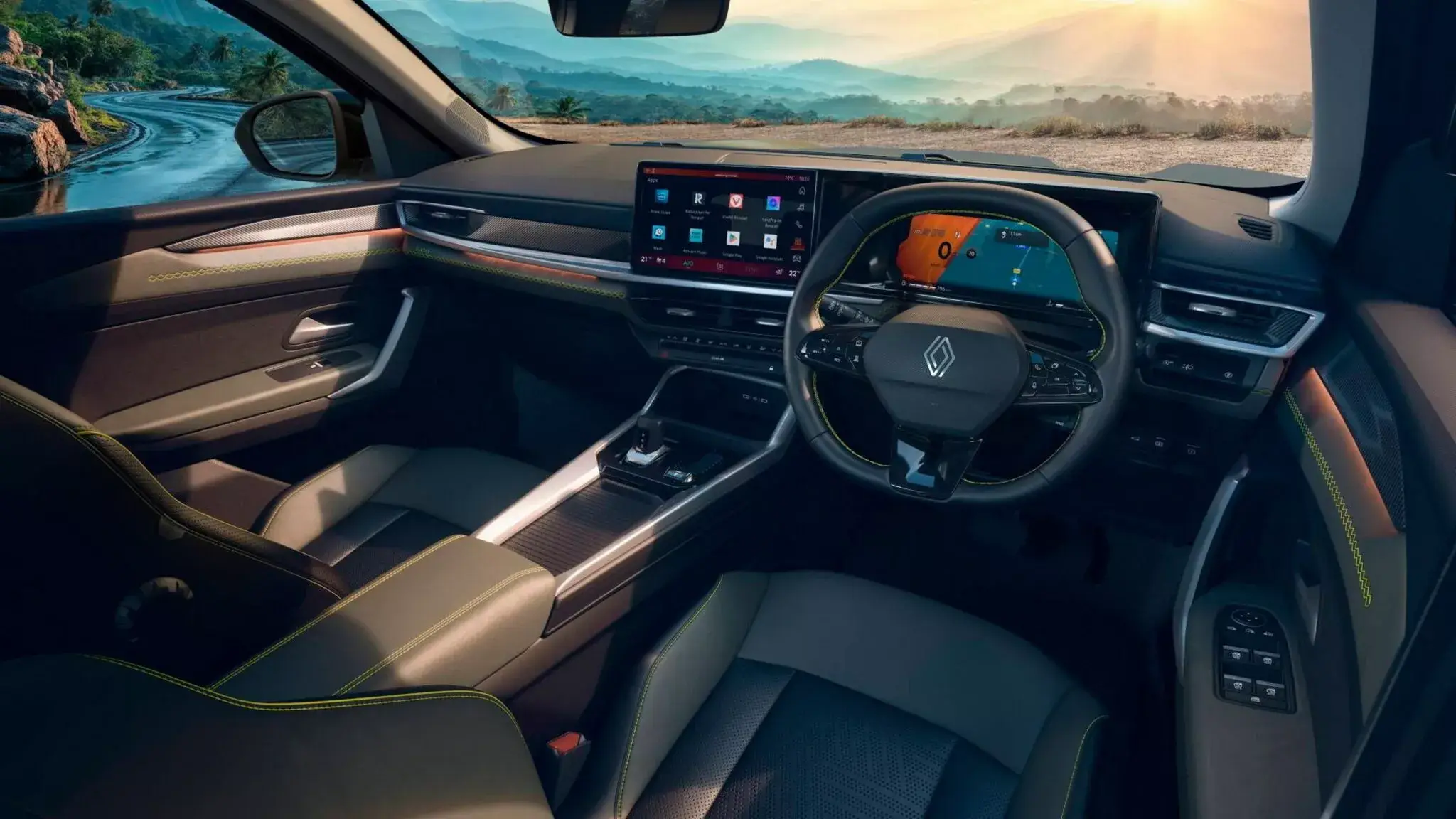
In practice, the Duster’s transformation is more than appearance: adopting the CMF-B platform is the technical core that enables more electrification, ADAS, and a digital cockpit. Renault also consolidated efforts to achieve 90% local content at the Chennai factory — a strategy that affects price, availability, and after-sales support.
Powertrains: Options, Performance, and Trade-offs
| Powertrain | Power | Transmission | Configuration |
|---|---|---|---|
| 1.0L Turbo (3 cylinders) | 99 hp | 6-speed Manual | Gasoline, FWD |
| 1.3L Turbo (4 cylinders) | 158 hp | DCT Automatic | Gasoline, FWD |
| 1.8L Hybrid (self-charging) | 158 hp (combined) | Automatic | Hybrid with electric motors, FWD |
The main point: all variants feature front-wheel drive (FWD). Renault chose FWD to reduce weight, mechanical complexity, and cost, as well as optimize fuel consumption — a decision aligned with urban and highway driving behavior prevalent in the Indian market. However, the absence of AWD, available in the European model, is a noticeable drawback for buyers valuing off-road capability or light trails.
1.8L self-charging Hybrid: designed as a logical replacement for diesel, the system with two electric motors offers more linear torque delivery and reduced NVH. For families and fleets prioritizing low operational costs and quick responses in urban accelerations, the hybrid promises to be Duster’s strongest technical argument.
If you want to understand more about how a DCT works and why it is chosen in many modern SUVs, check out this technical content on difference between single-clutch and dual-clutch transmission.
Electronics and ADAS Systems
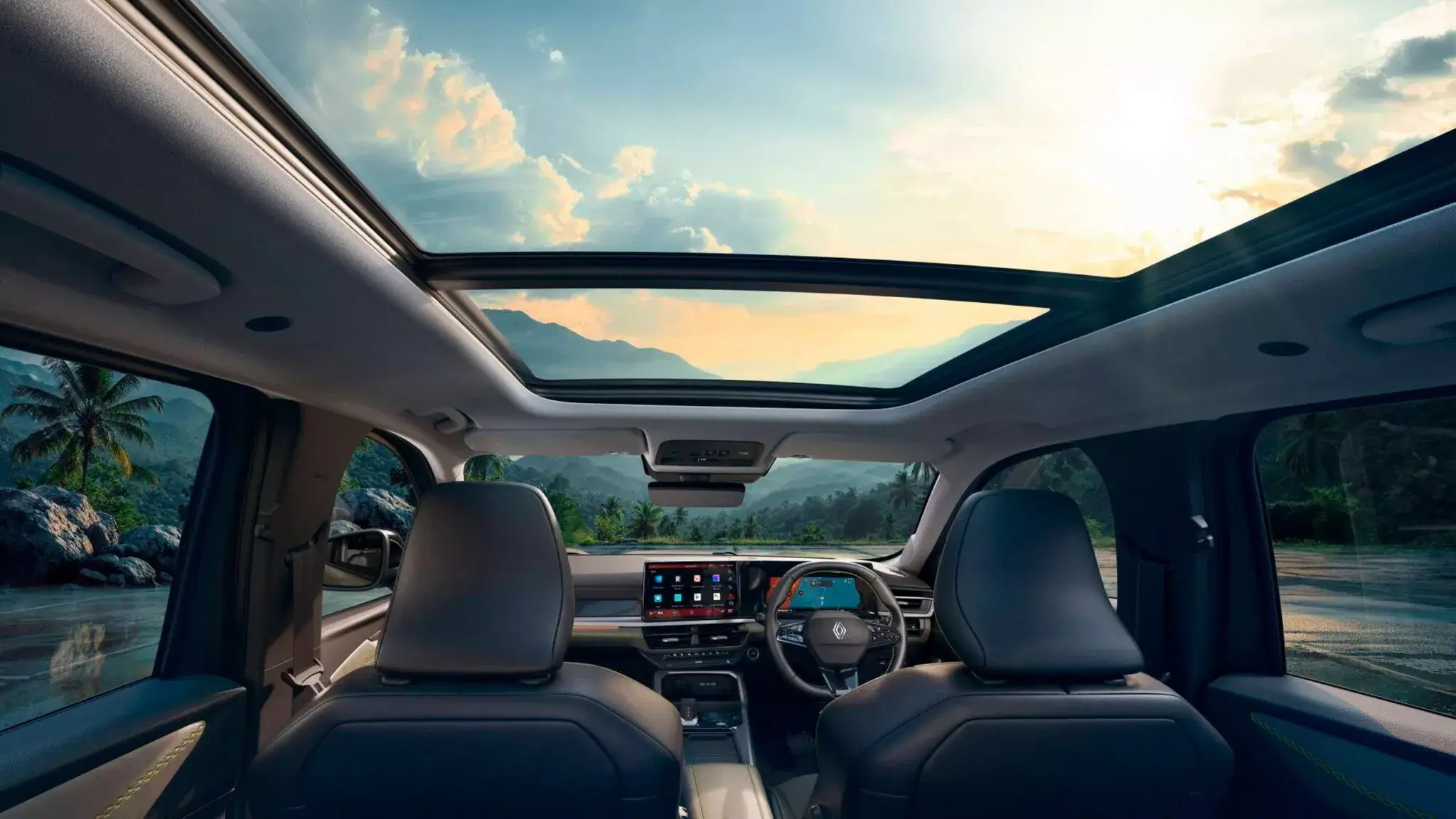
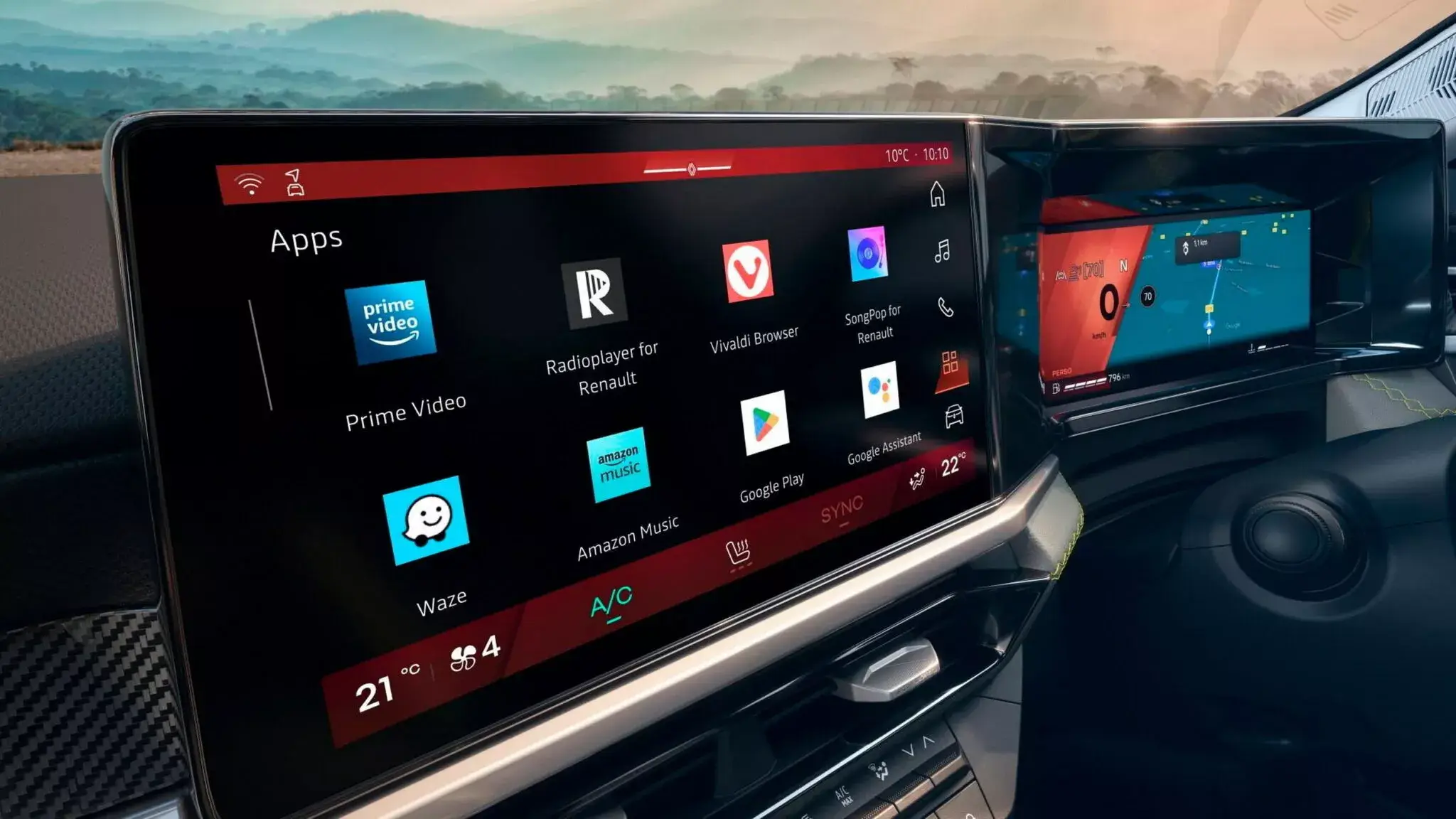
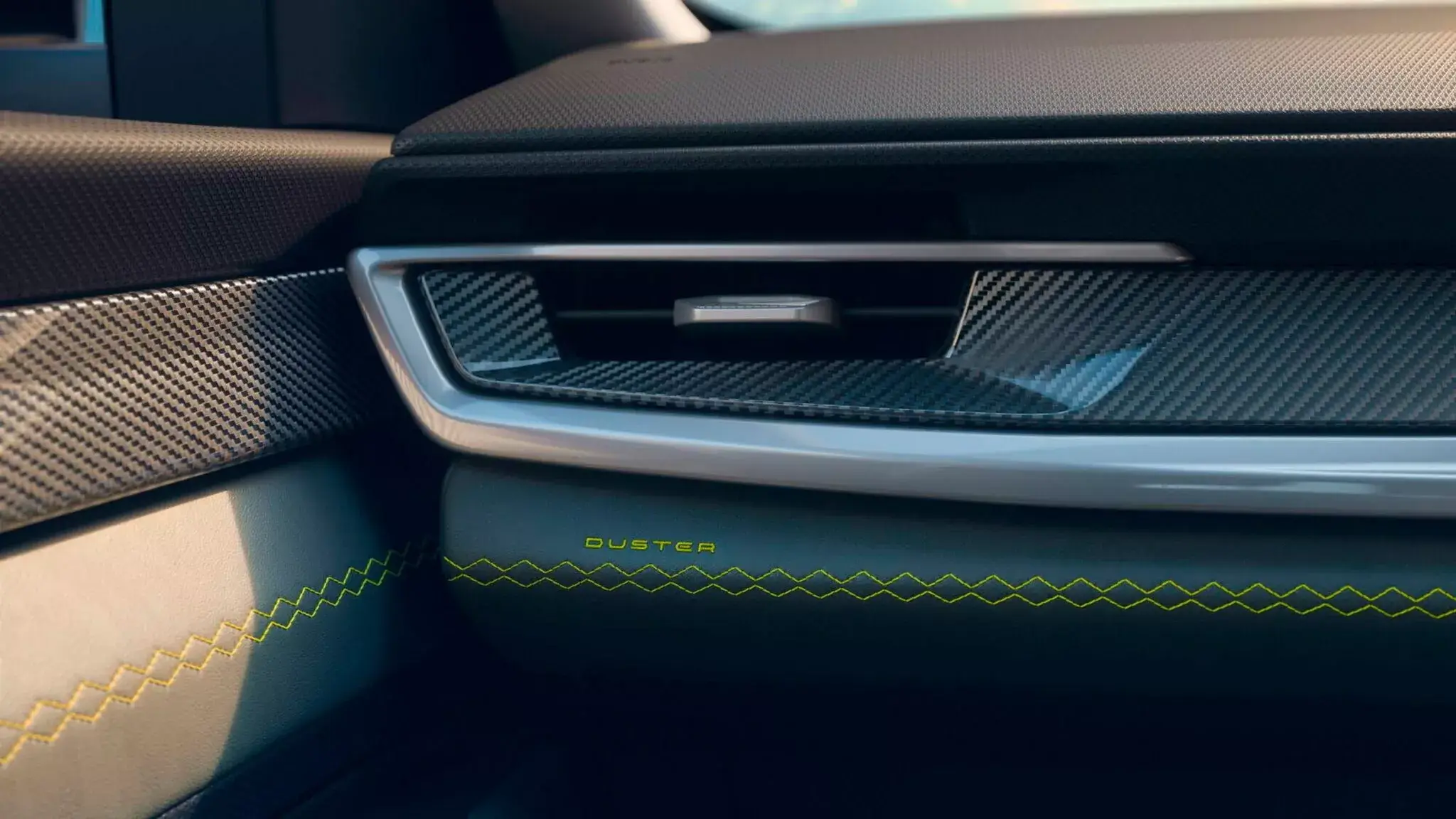
- Dashboard and HMI: 10.1″ central screen and a 10.25″ digital instrument cluster with Google Built-in promise navigation integration, OTA updates, and lower voice command latency.
- Standard ADAS: autonomous braking, lane-keeping assist, collision warning, and radar/camera sensors solidify the Duster as one of the safest offerings in the segment.
- Passive safety: six standard airbags and high-strength steel-reinforced structure raise the protection standard for the B-SUV segment in India.
“Adoption of CMF-B and standard ADAS positions the Duster as a technologically sophisticated competitor; success will depend on hybrid acceptance and the price/value relationship.”
Local Production, Cost Strategy, and Competitive Impact
Manufacturing at the Chennai plant with 90% local content is not just rhetoric: it is an industrial decision that affects margins, availability timing, and customization for Indian drivers. High localization reduces CKD dependence and allows adjustments to specifications for regional preferences — for example, suspension calibrated for rough roads and acoustic insulation suited for crowded urban streets.
Competitors and Positioning Compared to the Indian Market Offering
The Duster targets established rivals like Hyundai CRETA, KIA SELTOS, Maruti Suzuki GRAND VITARA, and Toyota URBAN CRUISER HYRYDER. Each has distinct strengths:
- CRETA and SELTOS: premium finish, after-sales network, and urban appeal;
- GRAND VITARA / HYRYDER: good hybrid options and reliability appeal;
- Skoda KUSHAQ / VW TAIGUN: European driving dynamics and mechanical simplicity.
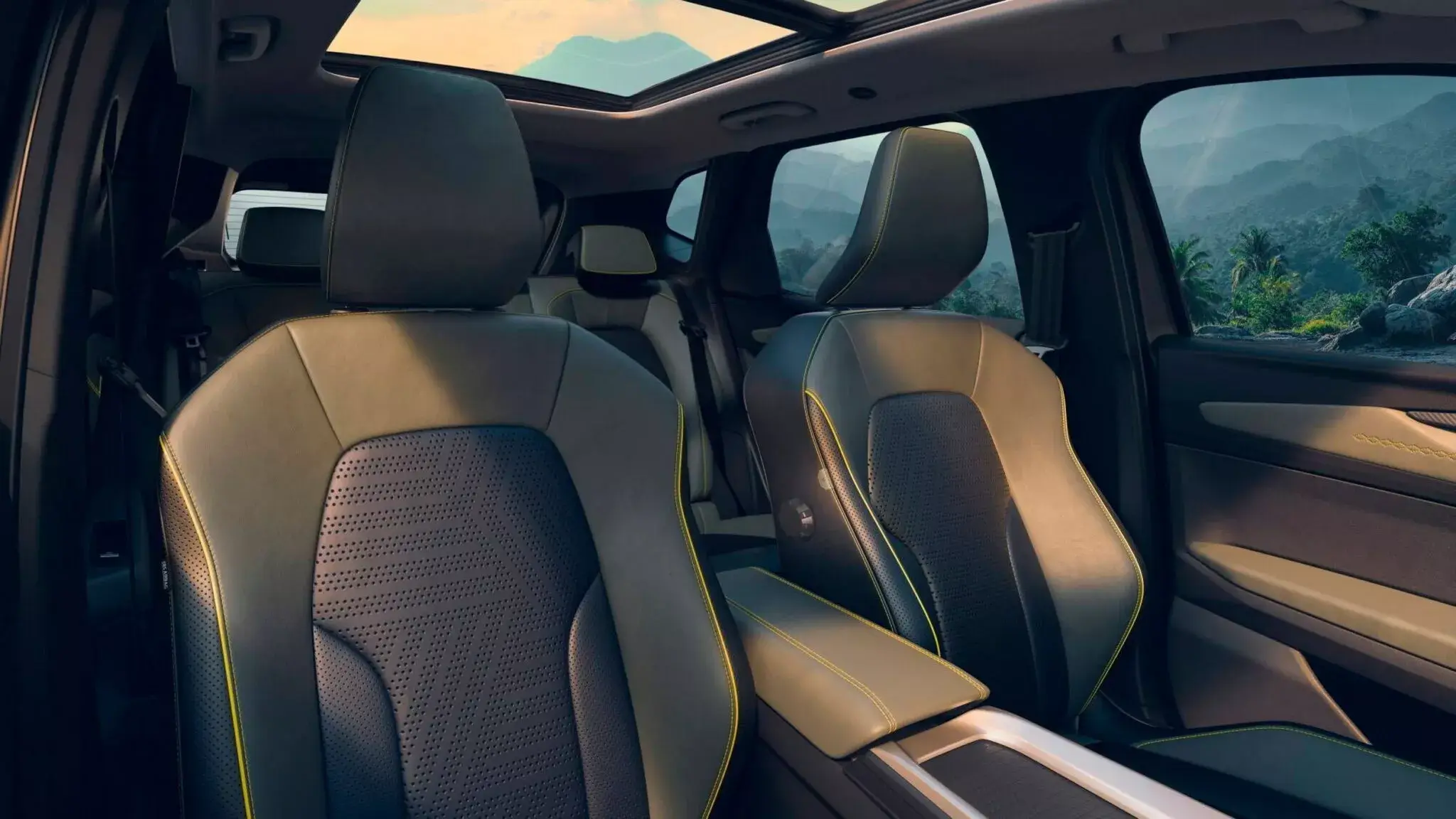
The Duster’s differential will be the combination of refined cabin, self-charging hybrid, and standard ADAS. Still, acceptance will depend on the final price and how Renault communicates these benefits to consumers who have historically associated the Duster name with low-cost practicality.
To understand how technological alliances translate into models with shared engineering, see how brand collaboration can create SUVs with cross-technical DNA in MITSUBISHI ASX 2026, a practical case of shared know-how.
What Buyers Should Evaluate Before Purchasing
- Real usage: if you mainly drive in urban areas and on paved roads, FWD with hybrid can be advantageous; for frequent off-road, the absence of AWD is a critical factor.
- Total cost of ownership: assess combined fuel consumption, hybrid system maintenance, and local parts availability (enhanced by Chennai production).
- Technology package: ADAS and Google Built-in add value but depend on efficient OTA updates and prepared dealership network.
- Version and transmission: the 1.3L DCT offers sporty responses, while the 1.0L manual may reduce purchase price; evaluate driving preference and use in city vs. highway.
If you follow Renault news, it might be interesting to compare the Duster’s positioning with the brand’s more premium launches, like the RENAULT FILANTE 2026, to see how Renault segments its offers and technologies across models.
Technical Conclusion and Market Implications
From an engineering and strategy perspective, the new Renault Duster for India is a coherent evolution: CMF-B, progressive electrification, and a modern digital cockpit. The decision to maintain front-wheel drive across all variants is a calculated choice favoring economy and simplicity but may limit appeal among consumers valuing off-road capability. In terms of perceived value, the Duster has potential to recapture customers if priced competitively and if the after-sales network supports hybrid and ADAS technologies.
Ultimately, acceptance will depend on three crucial vectors: perceived quality (interior and finish), total cost of ownership (especially for the hybrid version), and Renault’s communication efficacy about the real benefits of CMF-B and ADAS systems. For readers interested in how automatic transmissions and driving feel differ, we recommend the technical reading on single-clutch vs. dual-clutch transmission and its impact on daily driving.
The reimagined Duster is, essentially, proof that a name associated with robustness can be technically repositioned to meet contemporary demands for efficiency, connectivity, and safety — Renault’s current challenge is to turn this engineering into a real market advantage in India.