
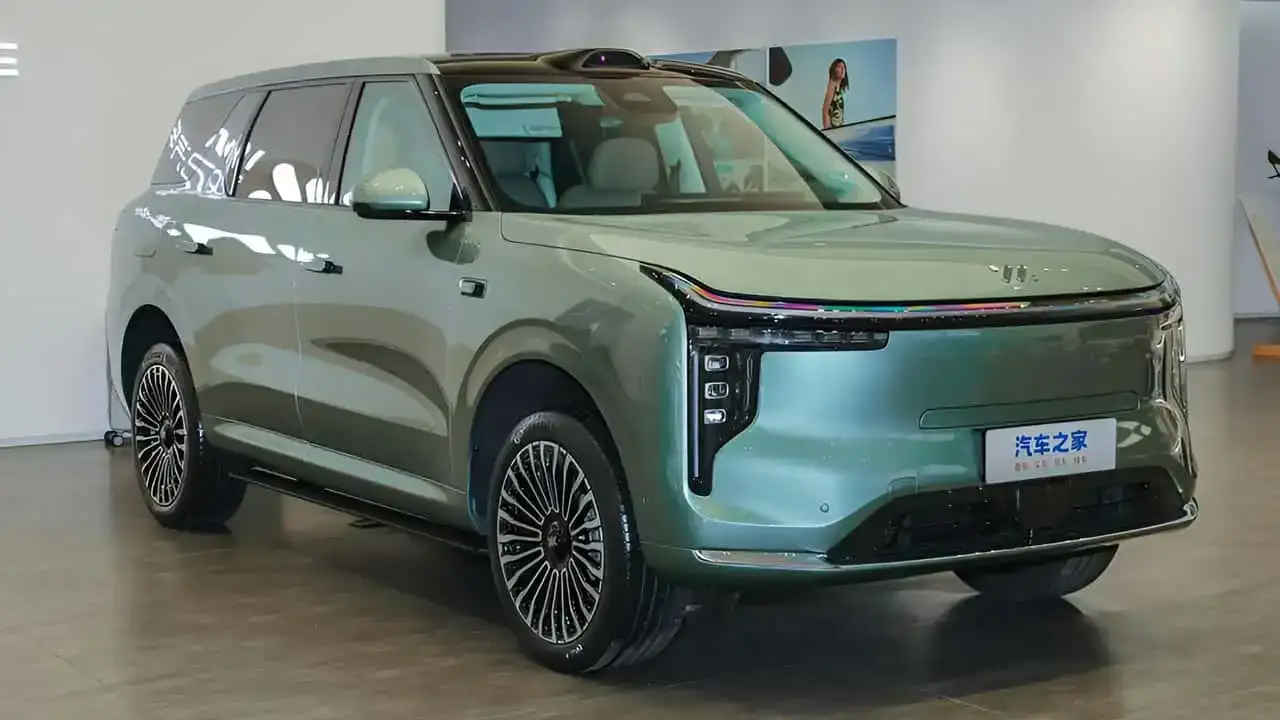
IM Motors arrives in Brazil as SAIC’s premium software-defined spearhead
Brazil’s next major EV story is no longer about whether a Chinese brand will arrive, but about which layer of the Chinese market it will represent. IM Motors, the premium EV arm tied to SAIC, is expected in the second half of 2026 with a product strategy built around software-defined architecture, high-voltage electrification, and a digital cockpit stack that goes well beyond the current mainstream playbook.
That matters because IM is not positioned like a value brand. It sits above MG in SAIC’s global structure and is meant to showcase the group’s most advanced engineering. For Brazil, that means a very different kind of launch: one aimed at buyers who want luxury execution, rapid charging capability, OTA readiness, and a cabin experience designed around screens, sensors, and centralized electronic control.
| Key point | What it means for Brazil |
|---|---|
| Brand | IM Motors, SAIC premium EV subsidiary |
| Brazil timing | Expected in the second half of 2026 |
| Likely launch model | LS6 SUV |
| Powertrain strategy | Battery electric and range-extender options |
| Electrical architecture | High-voltage platform with fast-charging focus |
| Software features | OTA updates, digital integration, advanced driver-assistance systems |
Why the LS6 is the model to watch
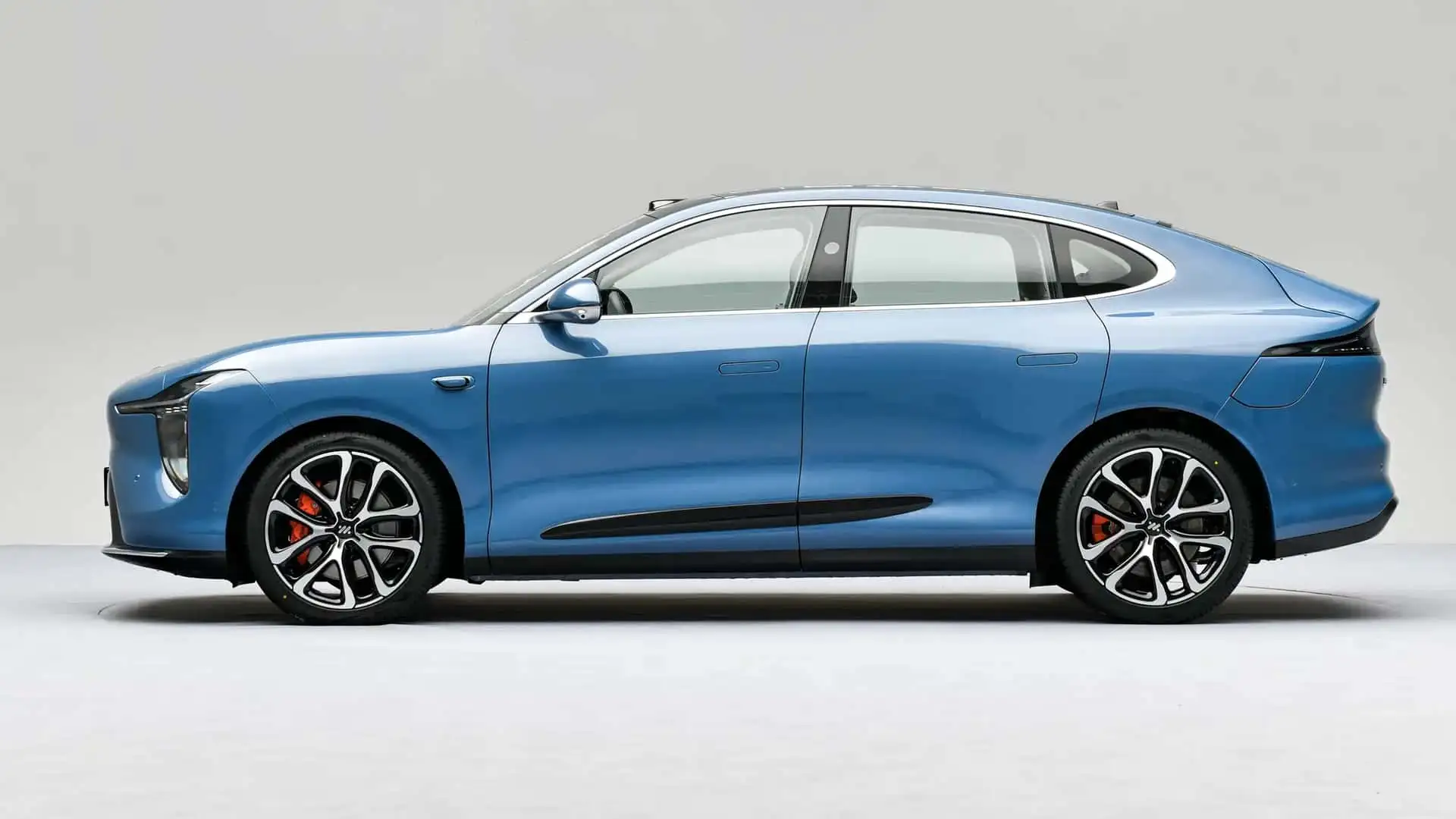
The LS6 is the strongest candidate to inaugurate IM Motors in Brazil because it sits at the intersection of technology, size, and market relevance. In China, it is one of the brand’s best expressions of the new premium EV formula: a high-voltage electrical architecture, a fast-charging strategy, and a tech-heavy interior built to compete with both local disruptors and imported premium SUVs.
What gives the LS6 an edge is not just electric range or performance potential, but the way it is engineered to behave like a connected product. That includes remote updates, richer sensor fusion, and tighter integration between assistance systems and the vehicle’s central software. If SAIC decides to homologate this model for Brazil, it would arrive with a much more mature digital foundation than many of the first-generation EVs currently on sale.
Software-defined means more than a marketing label
In IM Motors’ case, “defined by software” has practical consequences. It points to vehicles designed around a centralized electronic and computing backbone rather than a collection of isolated control units. That architecture supports faster feature rollouts, more consistent driver-assistance calibration, and broader over-the-air update potential throughout the ownership cycle.
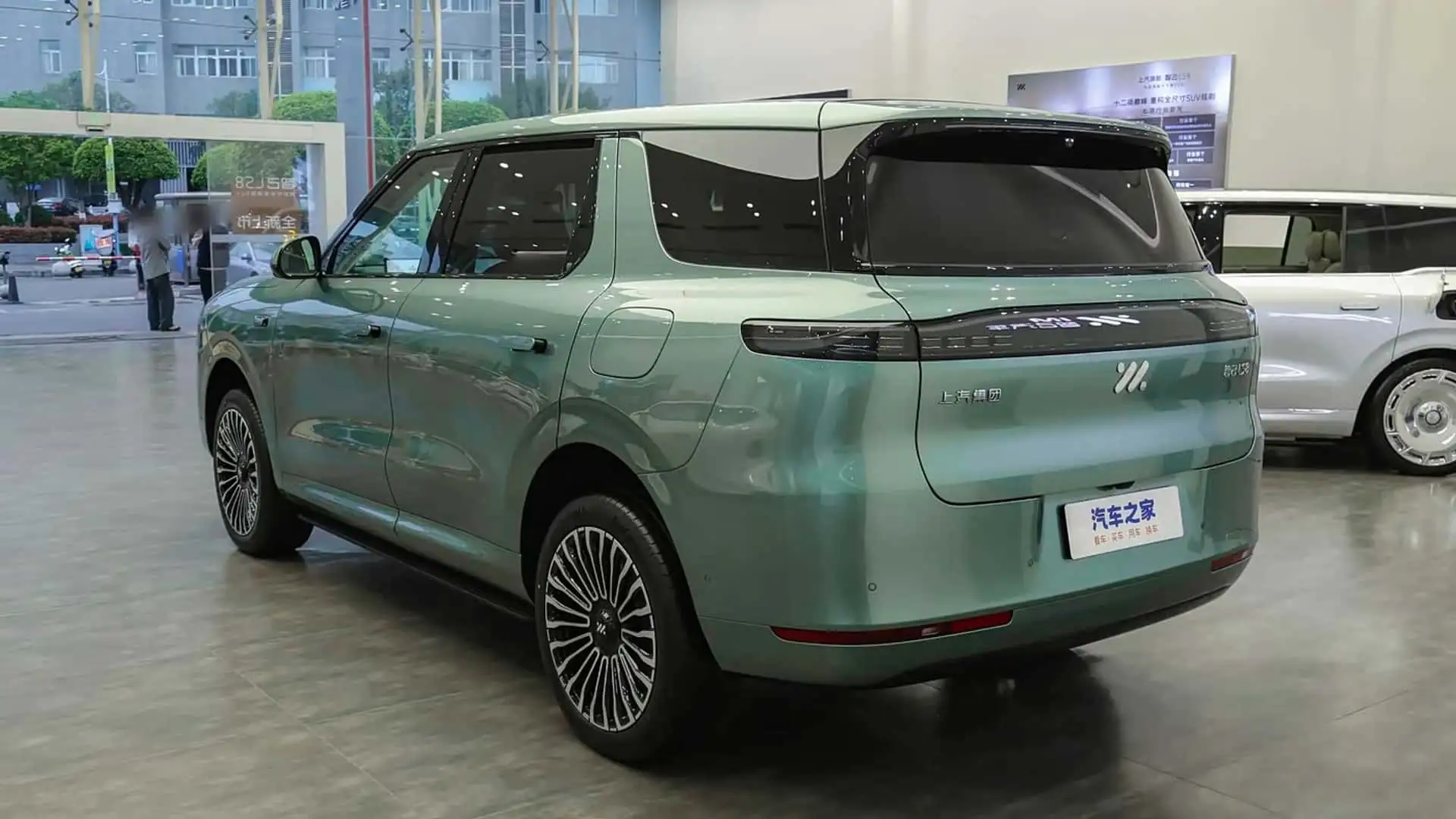
This is exactly the kind of approach that has made Chinese premium EVs increasingly competitive. Instead of treating software as a secondary layer, the newest IM products are built with digital integration at the center of the development process. For Brazil, that could translate into cars that age differently from conventional SUVs, especially if the local operation supports regular remote updates and feature expansion after delivery.
EREV technology could be the bridge Brazil understands fastest
IM Motors is also expanding the use of range-extender powertrains, and that may prove just as important as the pure EV lineup. In an EREV setup, the combustion engine does not drive the wheels directly; it works as a generator to maintain battery charge. That is a particularly relevant solution in markets where public charging density is still uneven.
For Brazil, the logic is obvious. A premium SUV with strong electric driving behavior but without the anxiety of depending entirely on charging infrastructure can hit a broader audience than a full battery-electric model alone. This is why the EREV conversation is growing across the industry, from large SUVs to family haulers. We are already seeing the strategic implications in products like the Leapmotor B10 Flex REEV, which confirms that the format is no longer a China-only curiosity.
What this means for SAIC’s Brazilian playbook
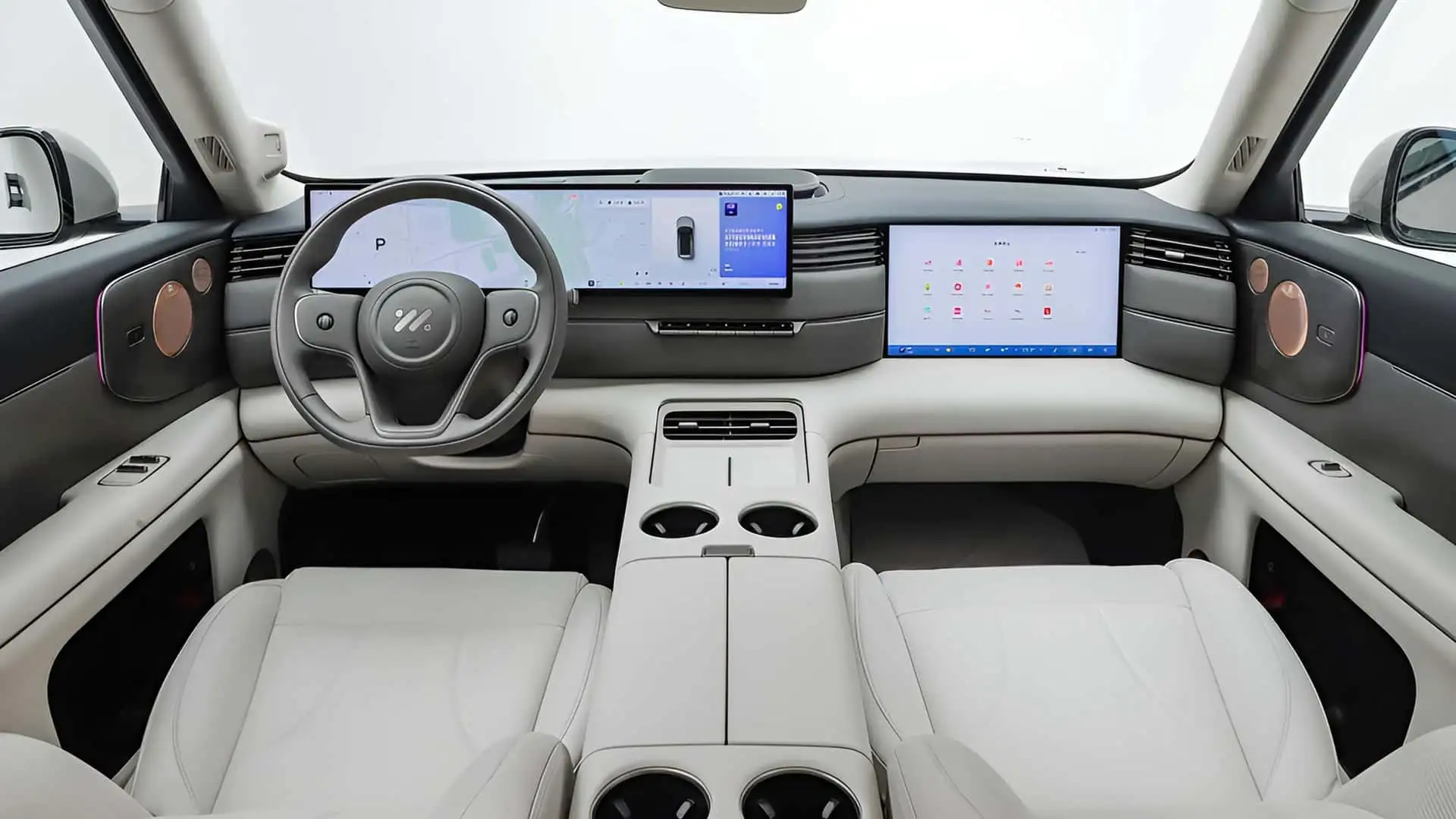
IM Motors also changes how SAIC is likely to segment its local presence. MG remains the volume-facing brand, but IM introduces a technology-led premium channel with a cleaner identity and a clearer price ladder. That is the right move if SAIC wants to build a more complete portfolio in Brazil rather than rely on a single brand for every audience.
It also raises the competitive bar for established premium players. A well-executed IM launch would pressure not just other Chinese brands, but also the traditional luxury segment, because the new battleground is increasingly about interface quality, charging speed, driver-assistance depth, and long-term software support rather than badge heritage alone.
Bottom line: if the LS6 is indeed the first IM Motors product for Brazil, it will not enter as just another electric SUV. It will arrive as a statement about where SAIC believes the premium market is headed: toward centrally managed electronics, faster digital evolution, and powertrain flexibility that matches local infrastructure reality.
FAQ
Will IM Motors launch in Brazil with only battery-electric cars?
No final lineup has been officially confirmed, but the brand’s global strategy includes both pure EVs and range-extender models, making a mixed portfolio likely.
Why is the LS6 the strongest candidate for Brazil?
Because it combines premium positioning, advanced electrical architecture, fast-charging intent, and the technology profile that best represents IM Motors’ global identity.
How is IM Motors different from MG?
MG is SAIC’s volume-oriented brand, while IM Motors is positioned higher, with more advanced software integration, electrification, and premium market intent.
What does software-defined architecture mean for owners?
It usually means better OTA update potential, deeper system integration, and the possibility of adding or refining features after delivery.
Why does EREV matter in Brazil?
Because it can reduce charging dependence while preserving electric driving behavior, which is useful in markets where charging networks are still expanding.