GURUMA 1000RR Arrives As A Superbike Concept First, Product Second
The Guruma 1000RR is not interesting because it claims 150 hp from a 1,051cc inline-four; that number is merely table stakes in the liter-bike conversation. What makes the machine newsworthy is the way Fengxun’s new sub-brand is trying to sell a software narrative around a motorcycle that still looks unresolved in hardware terms. The show bike surfaced at the Appliance and Electronics World Expo in Shanghai, and the public evidence so far points to a prototype-stage display piece, not a verified production model. That distinction matters because the motorcycle industry has already seen too many “smart” reveals that never escaped the render stage, especially in China’s rapidly expanding performance segment.
| Specification | Guruma 1000RR |
|---|---|
| Engine | 1,051cc inline-four |
| Power | 150 hp |
| Torque | 105 Nm (77.4 lb-ft) |
| Estimated top speed | 259 km/h (161 mph) |
| IMU | Six-axis unit |
| Perception hardware | Millimeter-wave radar, front and rear cameras |
The Design Trail Points To A Copy Of A Copy
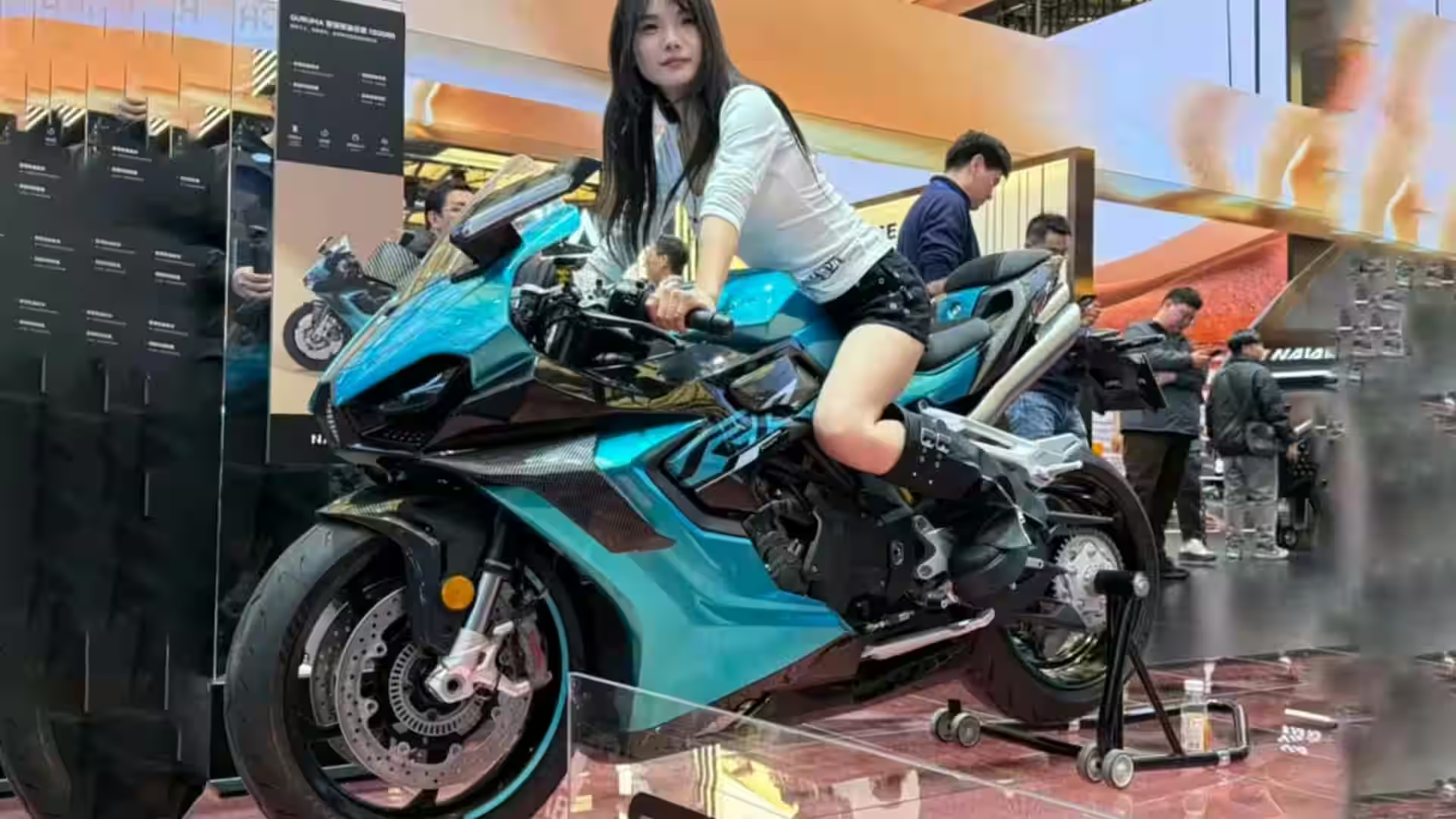
Visually, the 1000RR is layered with references that are hard to ignore. The motorcycle’s basic proportions echo the QJMotor SRK 1051 RR, itself tied closely to MV Agusta’s high-end superbike language. The monobloc swingarm, quad-exit exhaust and tightly sculpted fairing all aim to project Italian-style exoticism, but the lineage is derivative enough that the industry shorthand “copy of a copy” is more than just a jab. When a product’s strongest impression comes from recognizable form rather than distinct engineering signature, the technical burden shifts to the chassis, electronics and validation work.
That is where the Guruma project becomes more interesting than the visual borrowing suggests. A four-into-one cylinder architecture with 105 Nm is enough to place the bike in serious middleweight-plus territory, yet the exposed ambition is elsewhere: the company seems to believe consumers will forgive familiar styling if the electronics behave like an automotive ADAS suite. That is a brave bet in a segment where buyers often cross-shop against sharper, more established machines such as the KTM 1390 SUPER DUKE RR 190CV, even when the riding mission is very different.
Why The Sensor Stack Matters More Than The Peak Power Figure
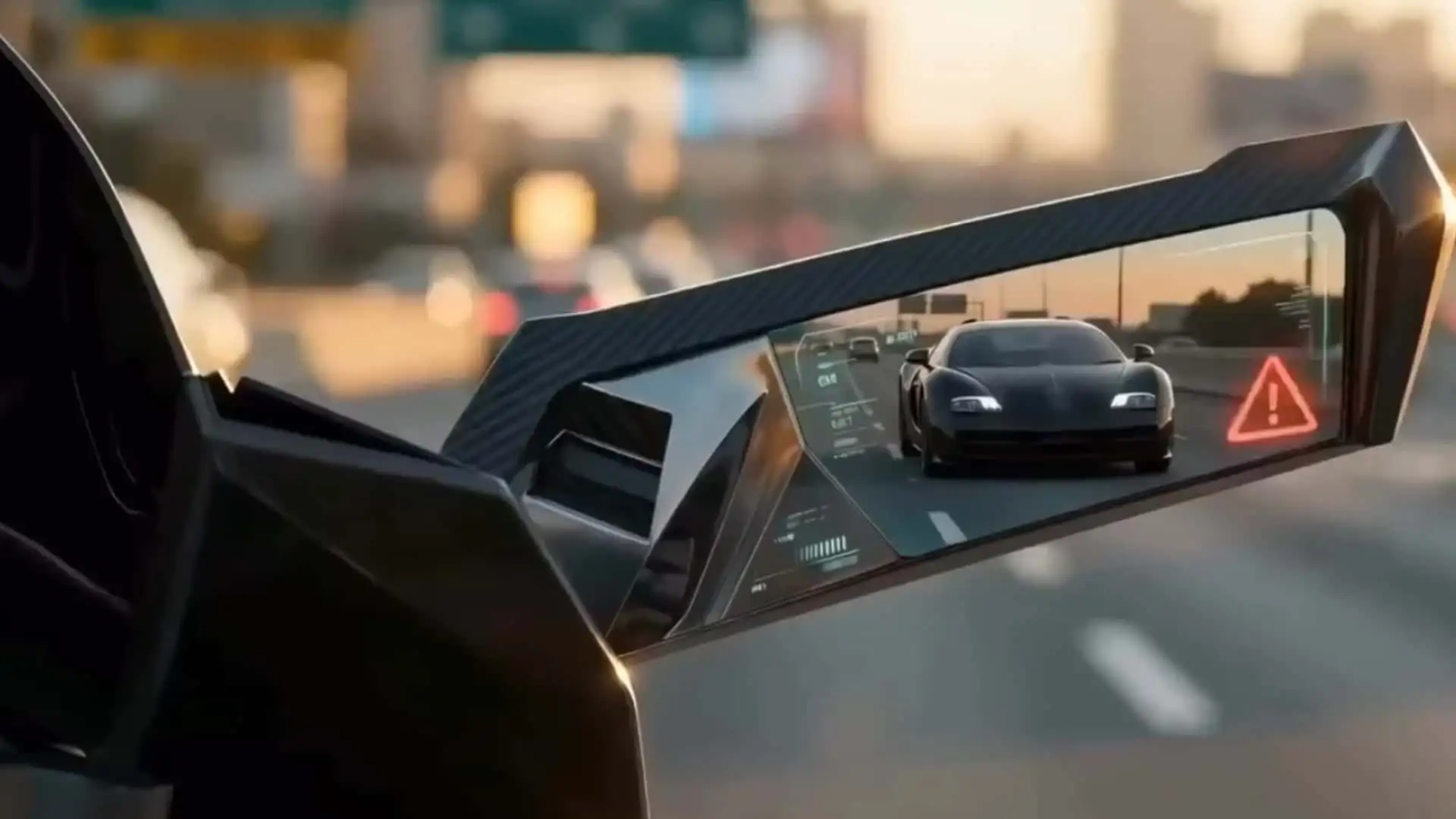
The Guruma 1000RR’s real pitch is a 360-degree perception shell built around a six-axis IMU, millimeter-wave radar and front-and-rear cameras. On paper, that puts it closer to a rolling sensor platform than a conventional superbike. The company says the system can identify blind spots, track obstacles and feed real-time road analysis into the control logic. Those claims are significant because motorcycles have far less packaging room than cars, and any successful integration must survive heat, vibration, steering lock, weather exposure and lean-angle transitions that can exceed 40 degrees in aggressive riding.
The AI Claim Needs Verification, Not Marketing Language
Fengxun says the bike uses AI to anticipate corners and changing grip before the rider intervenes. That would be a meaningful advance if the system were demonstrably measuring road texture, curvature radius and tire slip in a reproducible way. At this stage, however, there is no public evidence of calibration data, no trail of engineer-led validation, and no detailed documentation of how the software distinguishes between a wet patch, a reflective surface and a simple change in asphalt color. Without that information, “AI” risks becoming a catch-all label for enhanced traction control and predictive mapping.
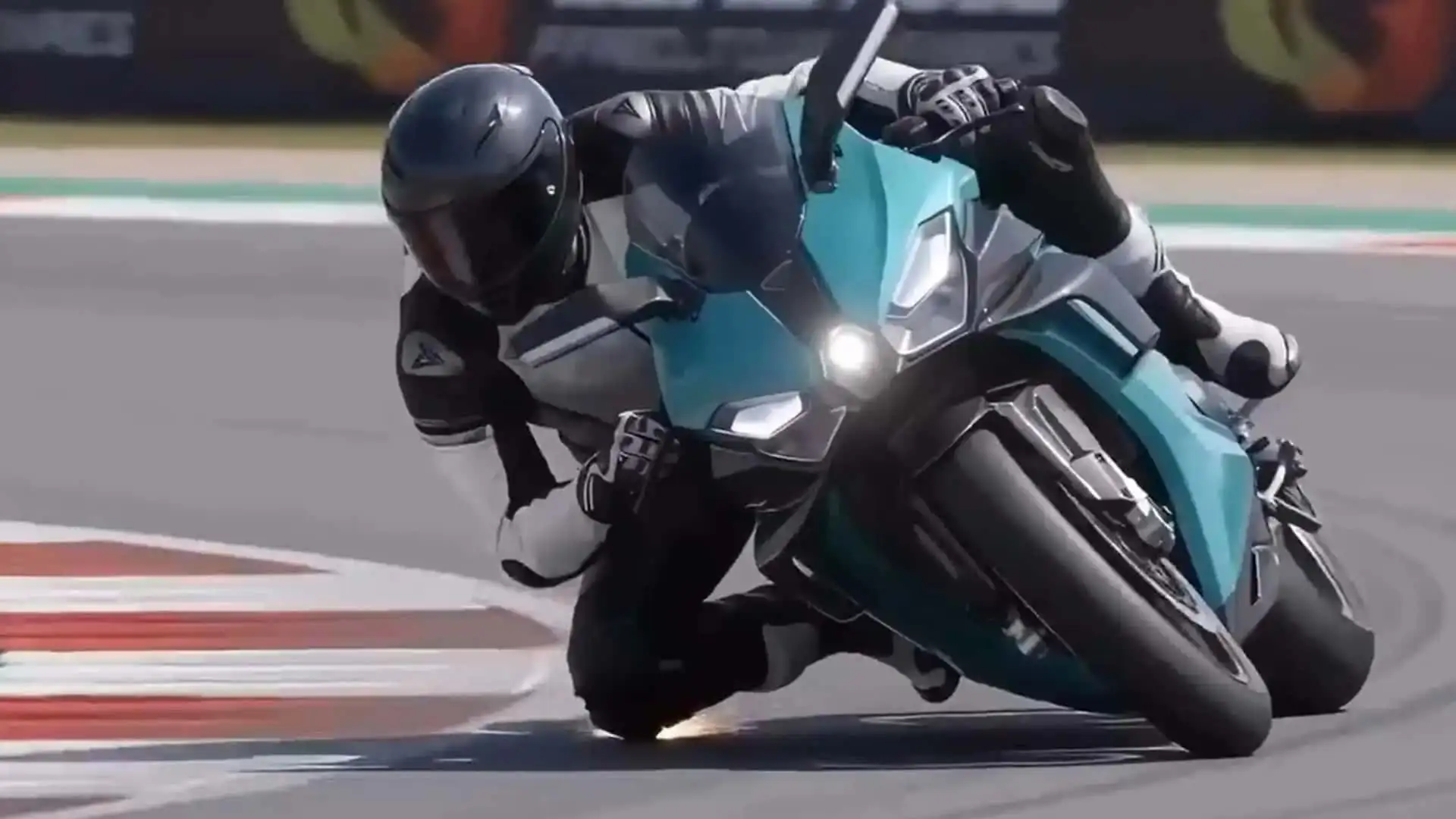
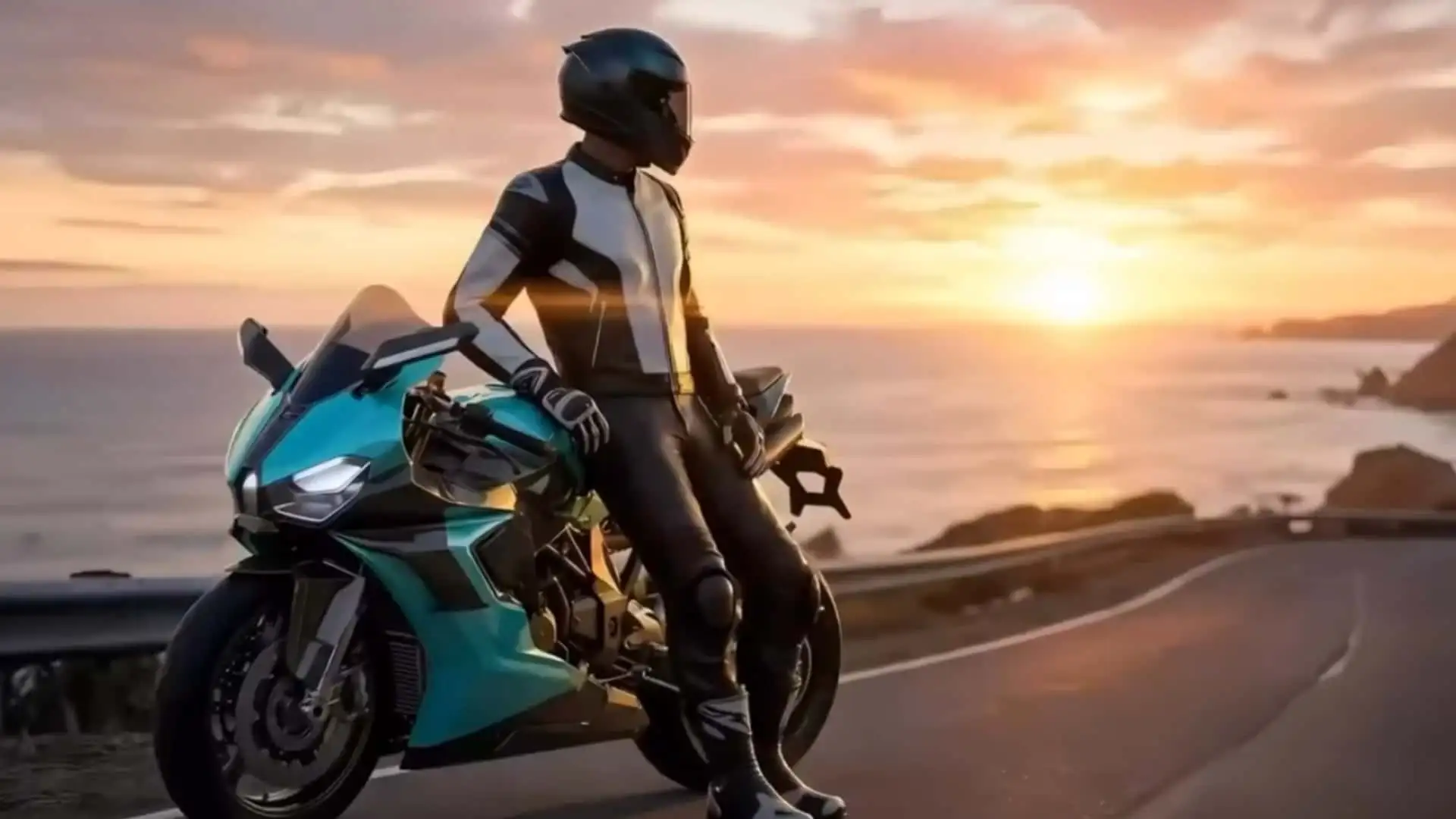
The images released with the bike also raise legitimate doubts. Low-resolution promotional material, visible rendering artifacts and inconsistent lighting cues all suggest that the brand is still selling a visual concept rather than a polished production-ready object. That is a problem because buyers in this segment expect evidence, not adjectives. The current state of the project feels closer to a strategic signal than a launch program, especially when compared with more grounded product planning seen in vehicles like the AUDI E7X PREVIEW OF THE 680-HP SUV, where concept language is tied to a clearer market direction.
Performance Numbers Are Solid, But Not Segment-Defining
With 150 hp and 105 Nm, the Guruma 1000RR lands in a zone that is credible but not class-leading. A top speed estimate of 259 km/h is enough for fast-road and track-day use, yet it does not threaten the more aggressive end of the one-liter class where 190 hp to 220 hp machines define the upper ceiling. The Guruma’s mechanical package therefore reads as intentionally conservative relative to the styling drama and the software ambition. That mismatch could work if the bike undercuts rivals sharply on price or adds genuinely useful rider aids, but neither figure is available today.
Market Position Depends On Whether This Becomes A Real Product
At present, Guruma has not published pricing, launch timing or distribution plans, and that absence is more telling than any torque figure. A motorcycle with 360-degree sensing, a six-axis IMU and AI-based anticipation would require significant validation, supplier coordination and regulatory clarity before it could be sold broadly. Until the brand shows a functioning system with repeatable results, the 1000RR belongs in the same uneasy category as many Chinese prototypes that are strong on presentation and weak on industrial certainty.
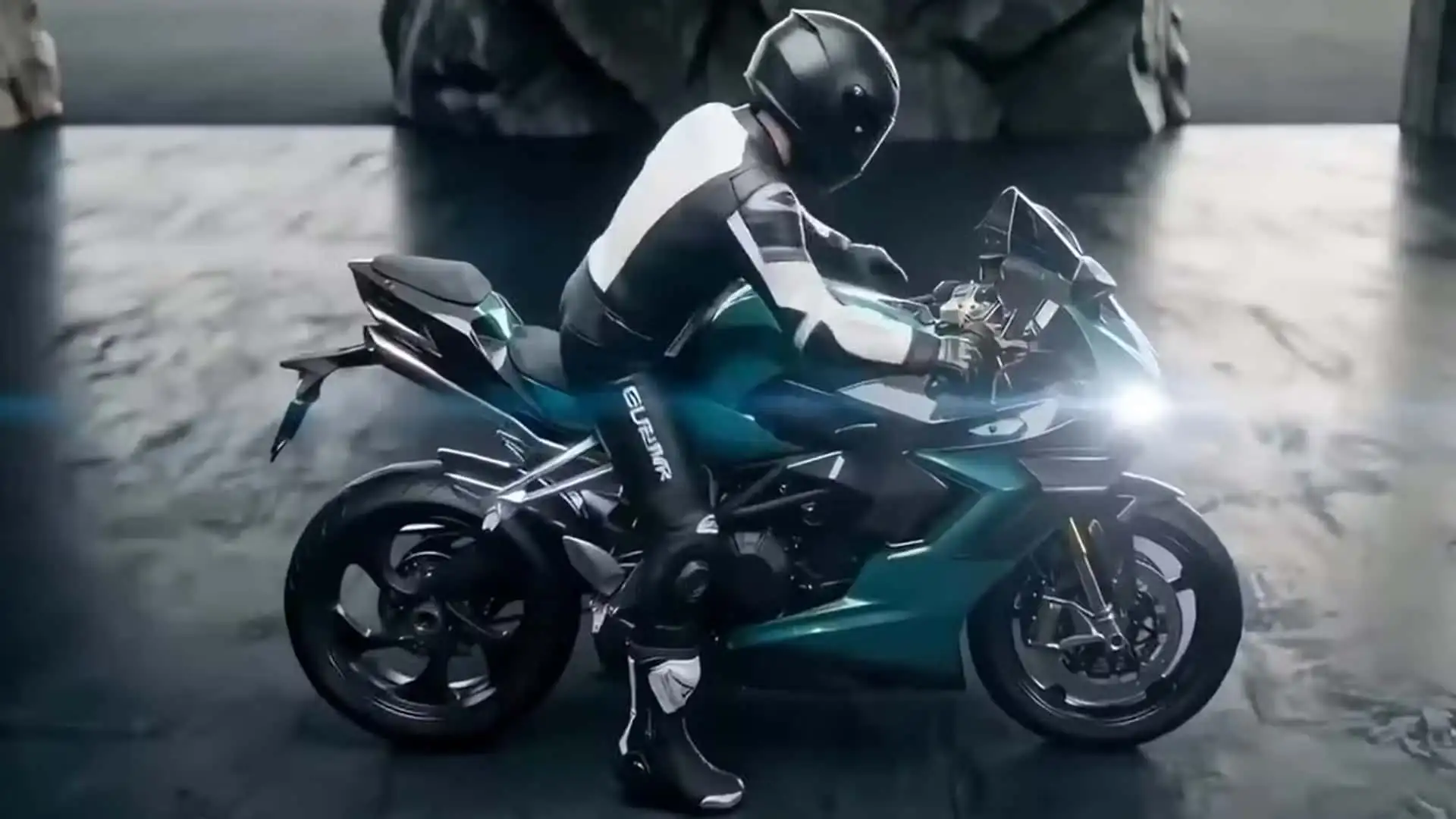
The most rational reading is that Fengxun is trying to establish a future-facing identity before the market fully asks for it. That is a defensible strategy in a sector where electronics are becoming central to performance, but the execution gap remains wide. Buyers should watch whether the next public appearance includes real component suppliers, road testing or homologation data, because those details will tell us far more than another batch of generated imagery ever could.
What Enthusiasts Should Watch Next
Three details will decide whether the Guruma 1000RR is a genuine milestone or a short-lived expo curiosity. First, whether the radar and camera system works while the bike is leaned over and braking hard. Second, whether the claimed AI functions are measurable beyond standard rider aids such as traction control, cornering ABS and blind-spot monitoring. Third, whether Fengxun can move from Shanghai-show-floor theater to a documented production program with pricing, warranty and service infrastructure.
Until that happens, the Guruma 1000RR remains a fascinating argument for where superbikes could go, not where they are today. It is a machine that understands the visual language of high performance and the current appetite for software-defined vehicles, but it still has to prove that its intelligence is real, its chassis is coherent and its future is more than a render with a racing number painted on it.