Project Endgame closes the Gunther Werks Speedster chapter with a one-off that refuses restraint
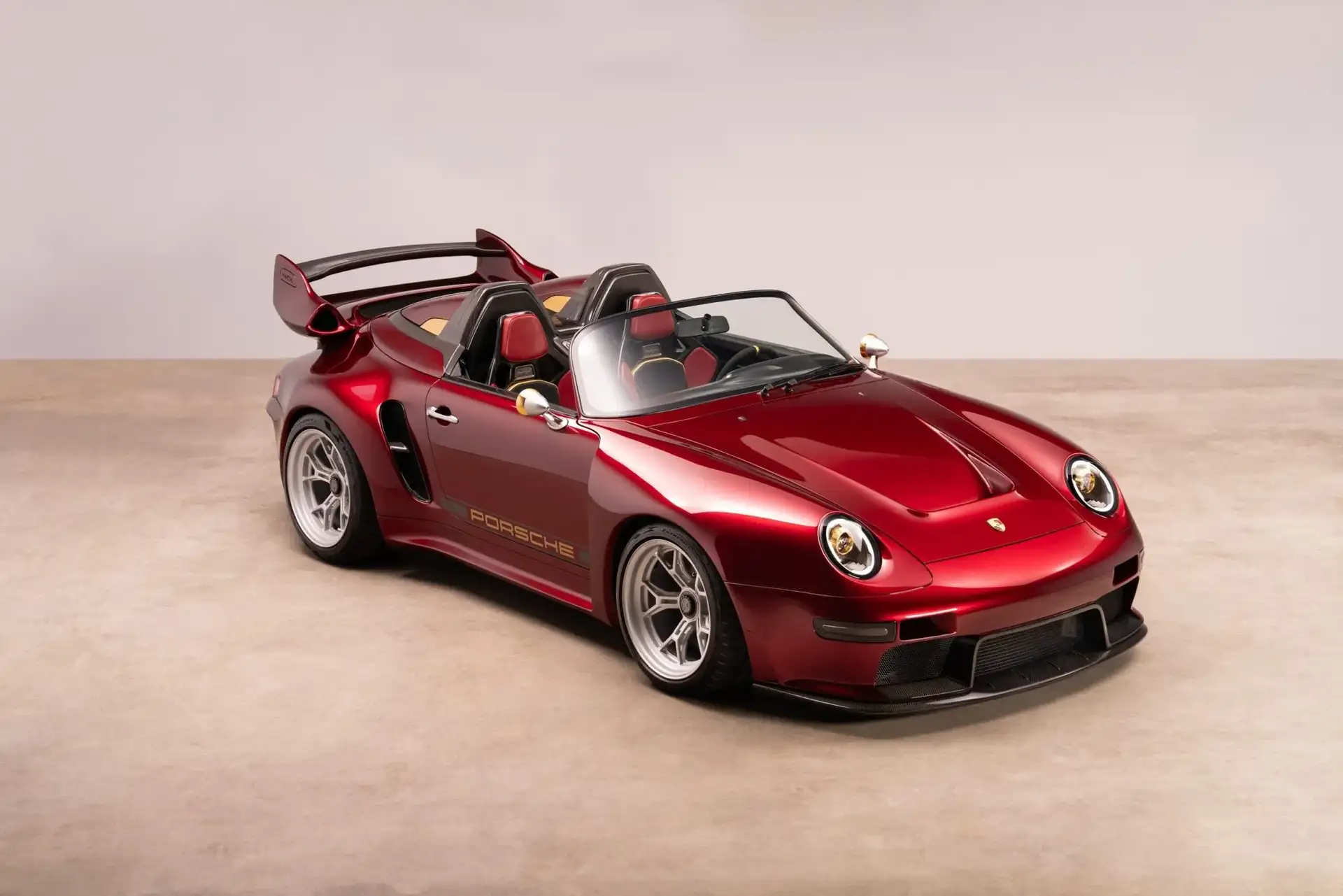
Gunther Werks has ended its Speedster run with Project Endgame, a single-build farewell car that blends classic Porsche proportions with the company’s most extravagant execution yet. It is not just a special paint-and-trim exercise. It is the first Gunther Werks Speedster to pair the brand’s signature carbon-bodied restomod approach with an air-cooled flat-six, and that alone makes it historically significant inside the Porsche aftermarket world.
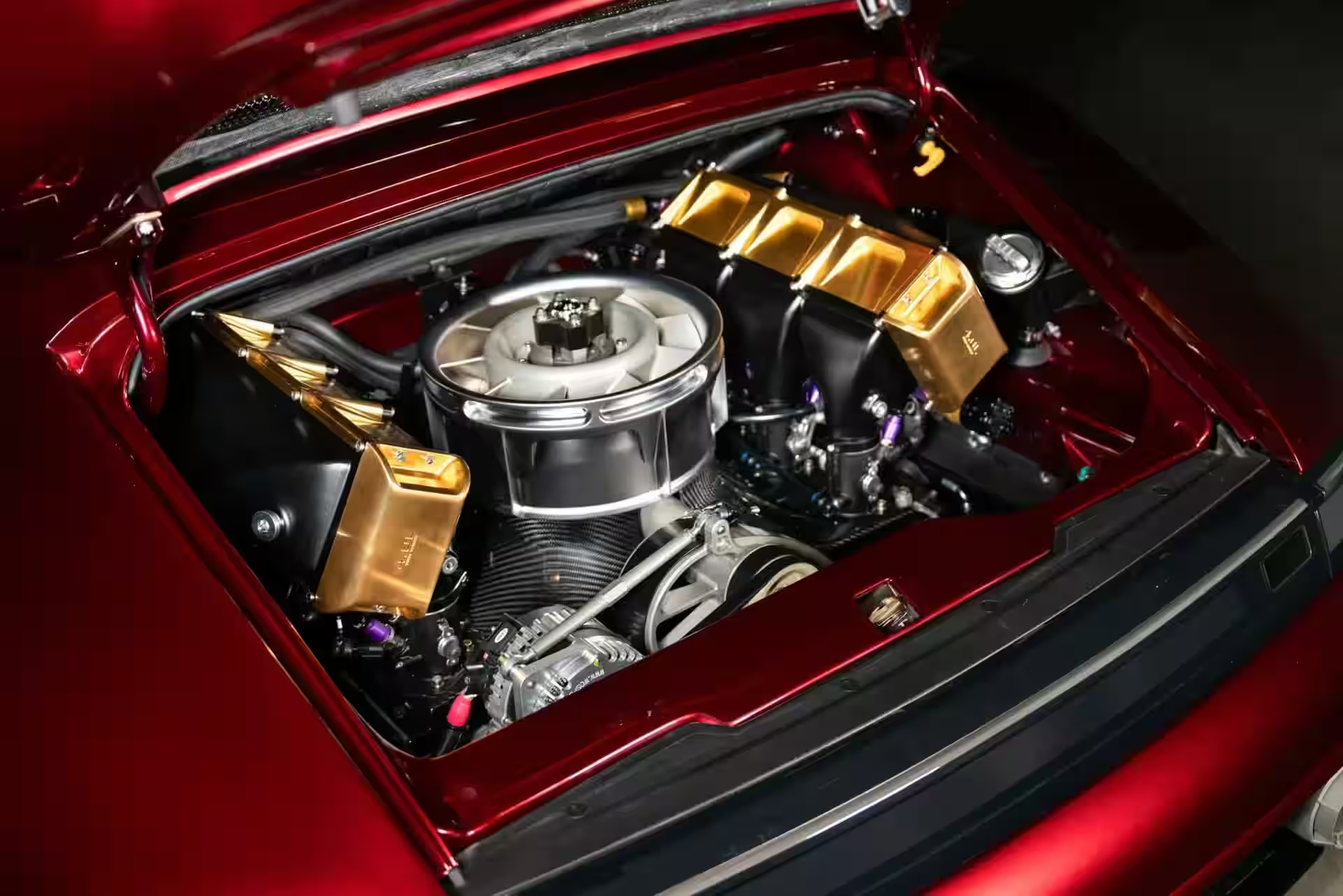
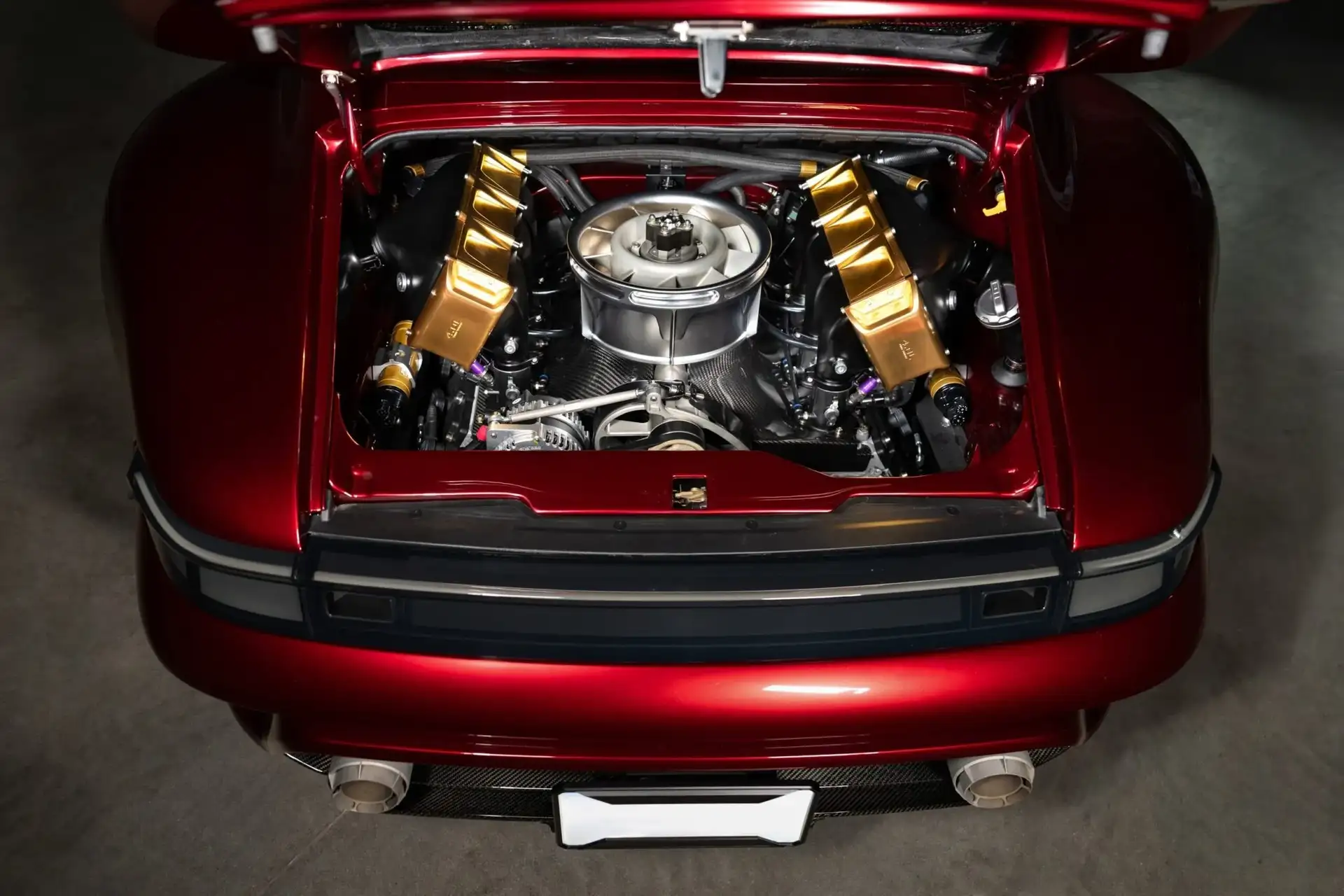
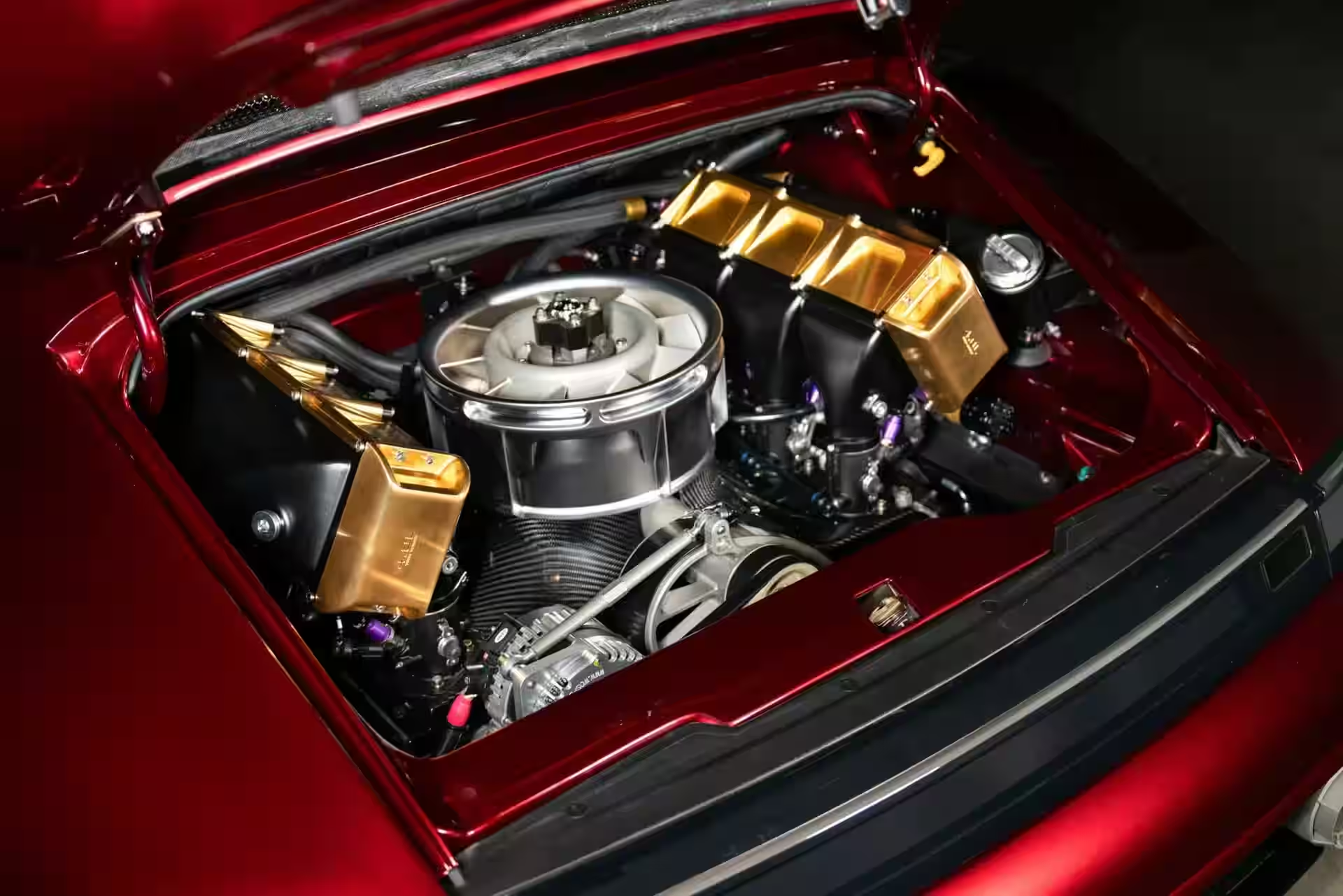
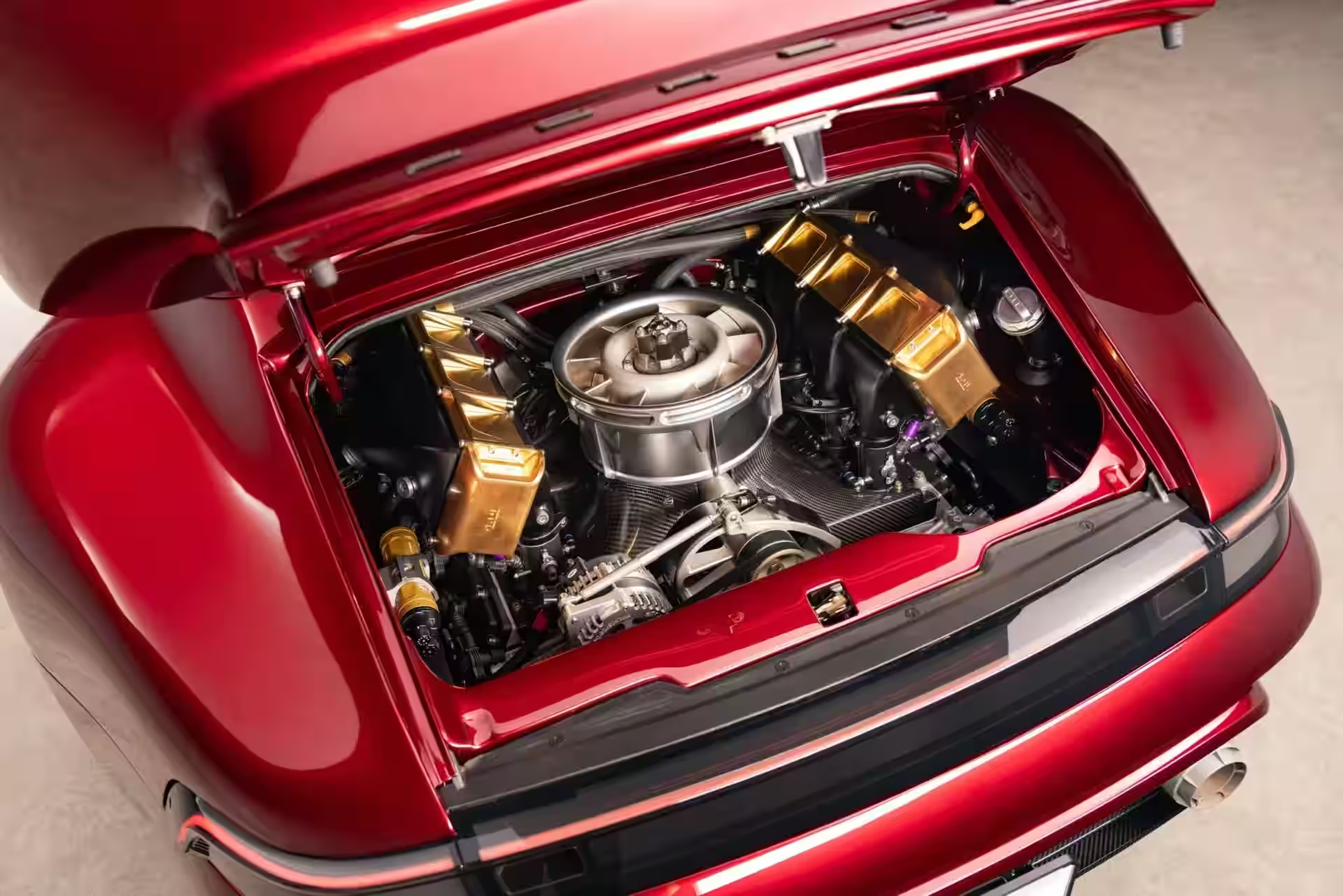
The headline figures are equally serious. The Rothsport Racing-built 4.0-liter twin-turbo flat-six produces 840 hp and 660 lb-ft (894 Nm) and sends output to the rear wheels through a 6-speed manual. For readers tracking the modern performance-restomod space, that places Project Endgame in the same rarefied air as the most extreme factory halo cars, but with the added drama of a handcrafted, low-volume build.
| Model | Gunther Werks Project Endgame |
| Engine | 4.0-liter twin-turbo flat-six |
| Power | 840 hp |
| Torque | 894 Nm (660 lb-ft) |
| Transmission | 6-speed manual |
| Weight | Just over 1,179 kg (2,600 lb) |
The air-cooled detail matters more than the gold
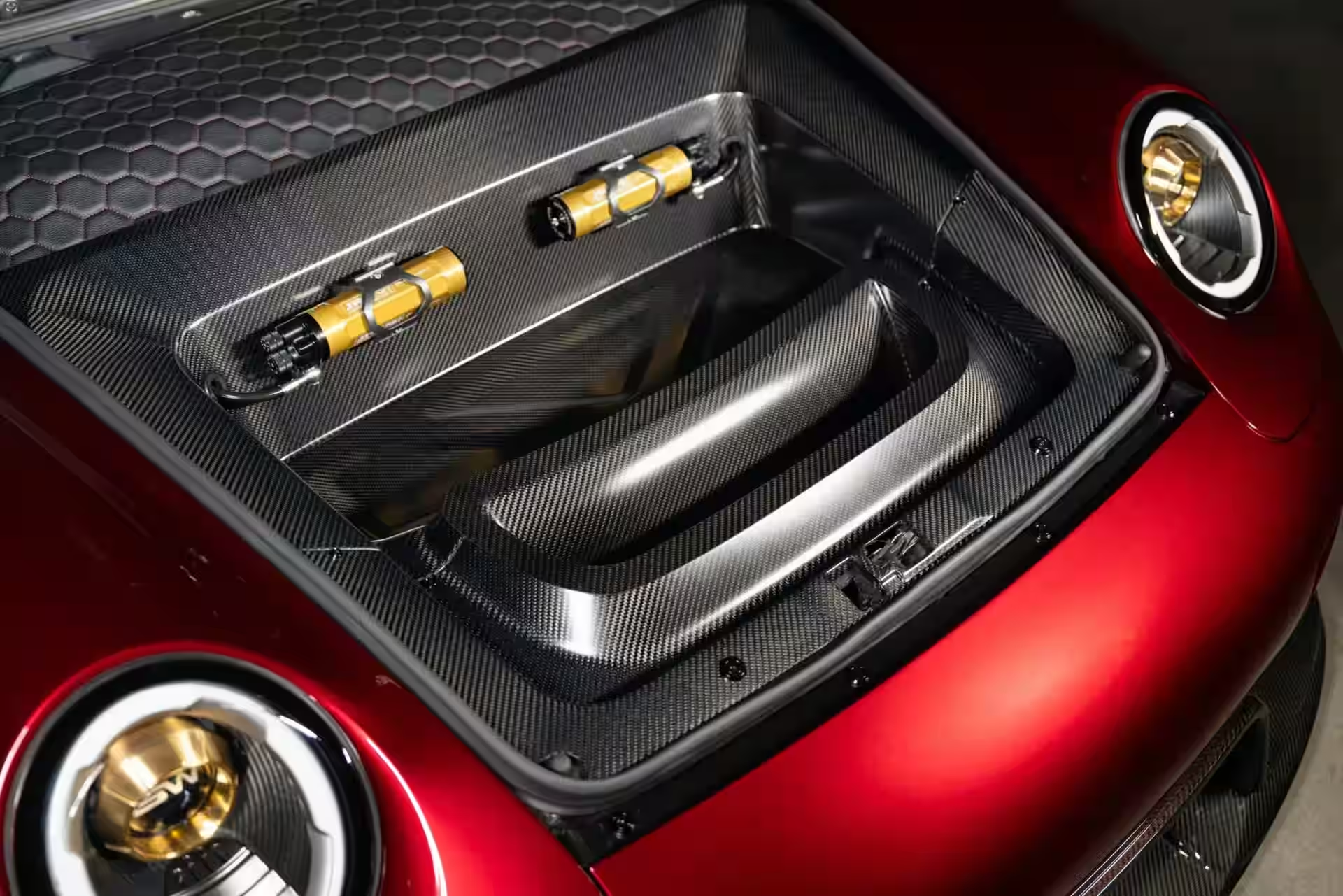
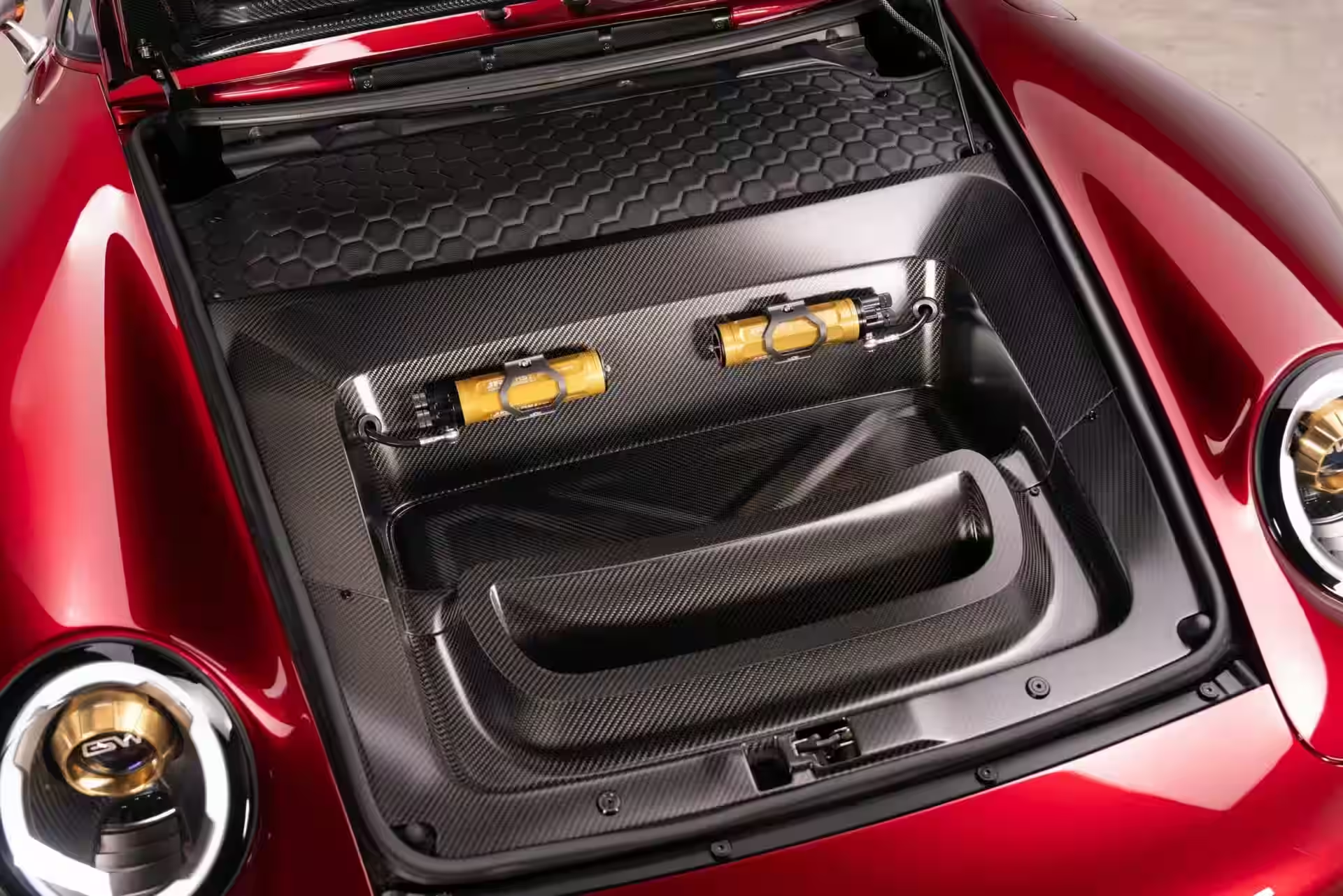
The most meaningful engineering change is not the paint or the jewelry-grade trim. Gunther Werks says Project Endgame is the only Speedster it has built with an air-cooled configuration rather than water-cooled hardware. A flat-fan system manages cylinder cooling, while the air-to-water intercoolers are finished in 24-karat gold. That combination is more than theatrical. It tells you the car was built as a one-off celebration of old-school Porsche identity filtered through modern forced-induction output.
That tension between mechanical authenticity and visual excess is exactly what separates Project Endgame from a generic bespoke build. It is still a rear-drive, manual, carbon-bodied 911 derivative at heart, but Gunther Werks has pushed the concept until the car becomes a collectible object as much as a driving machine.
Carbon fiber bodywork borrows the aggression of the GW Turbo
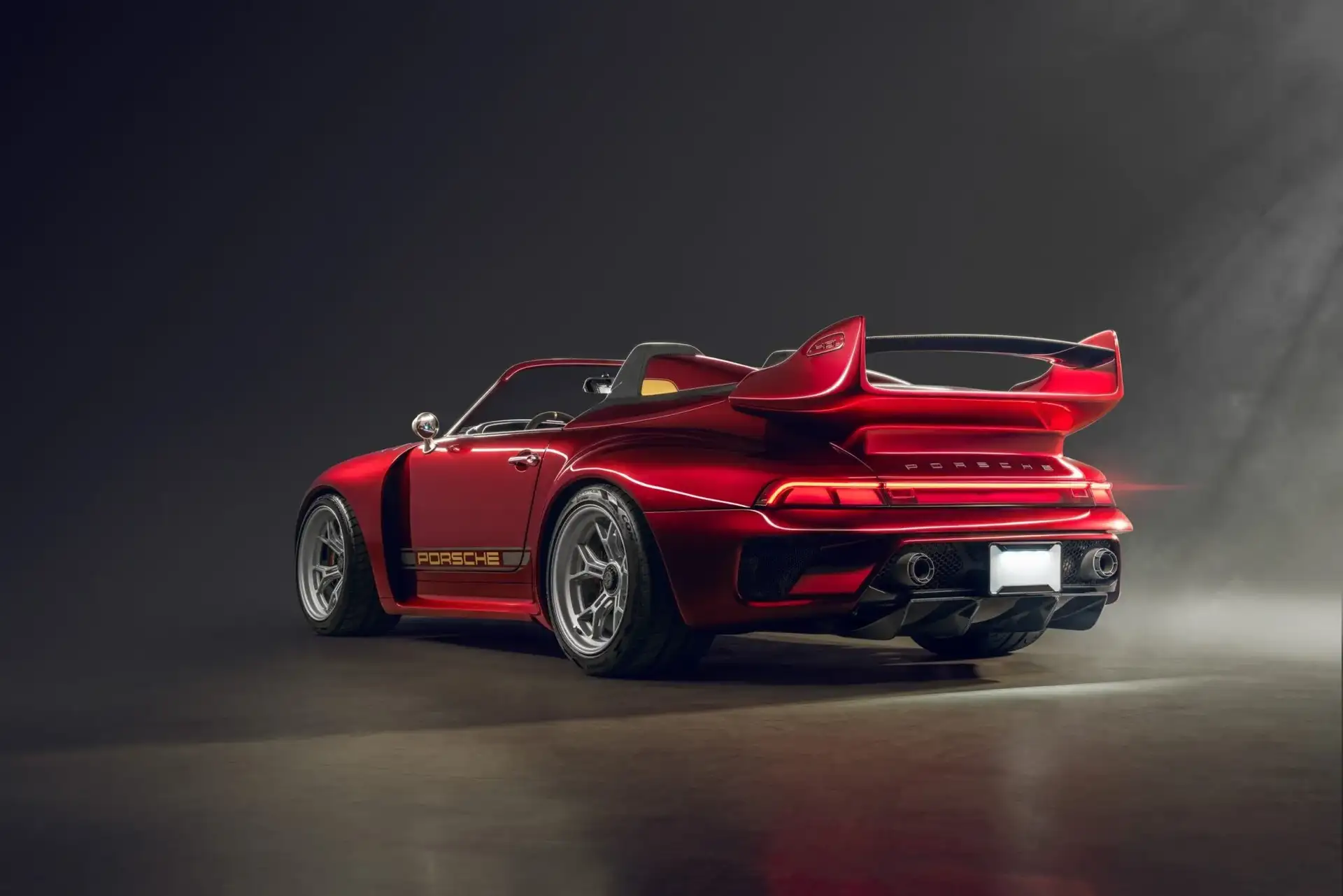
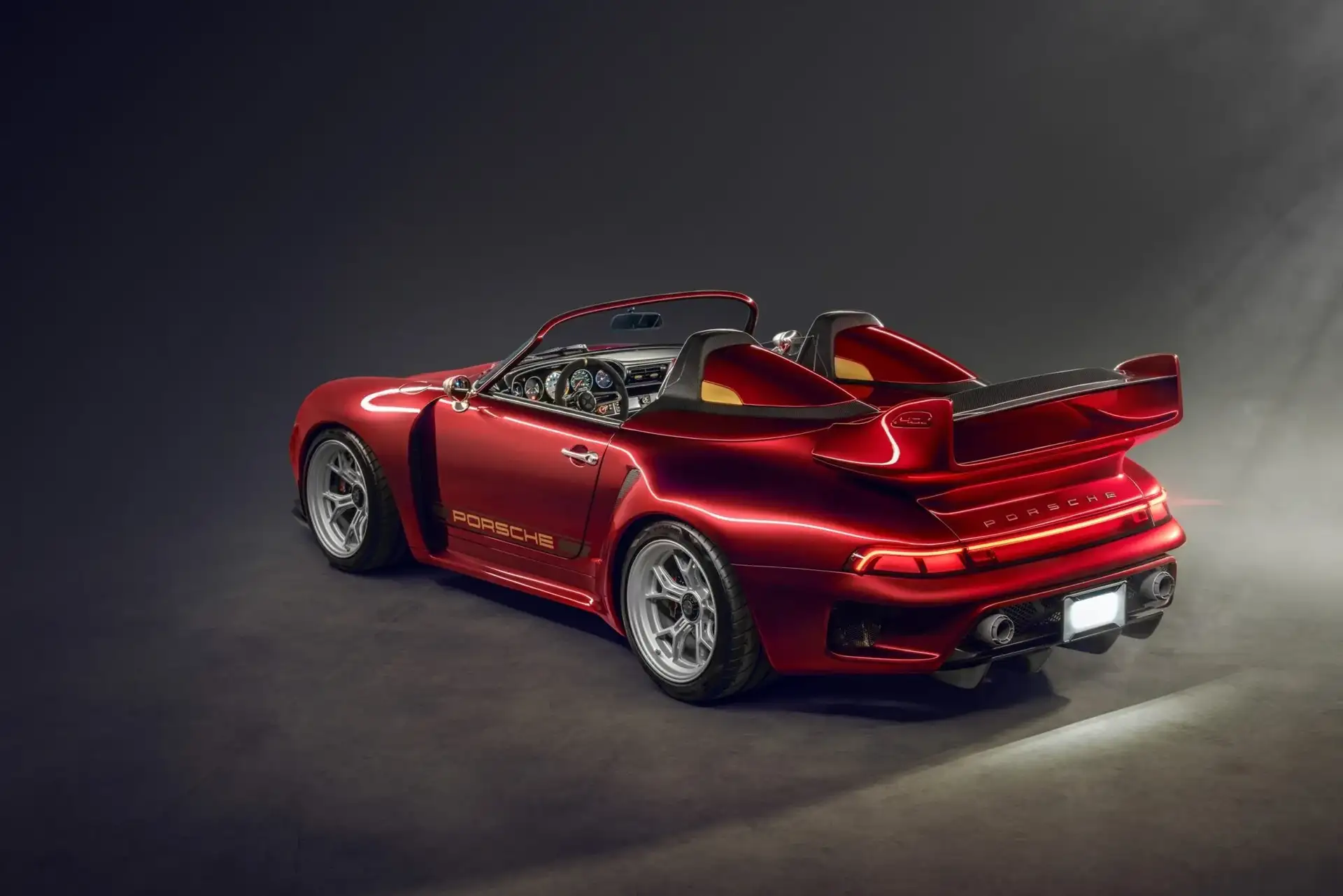
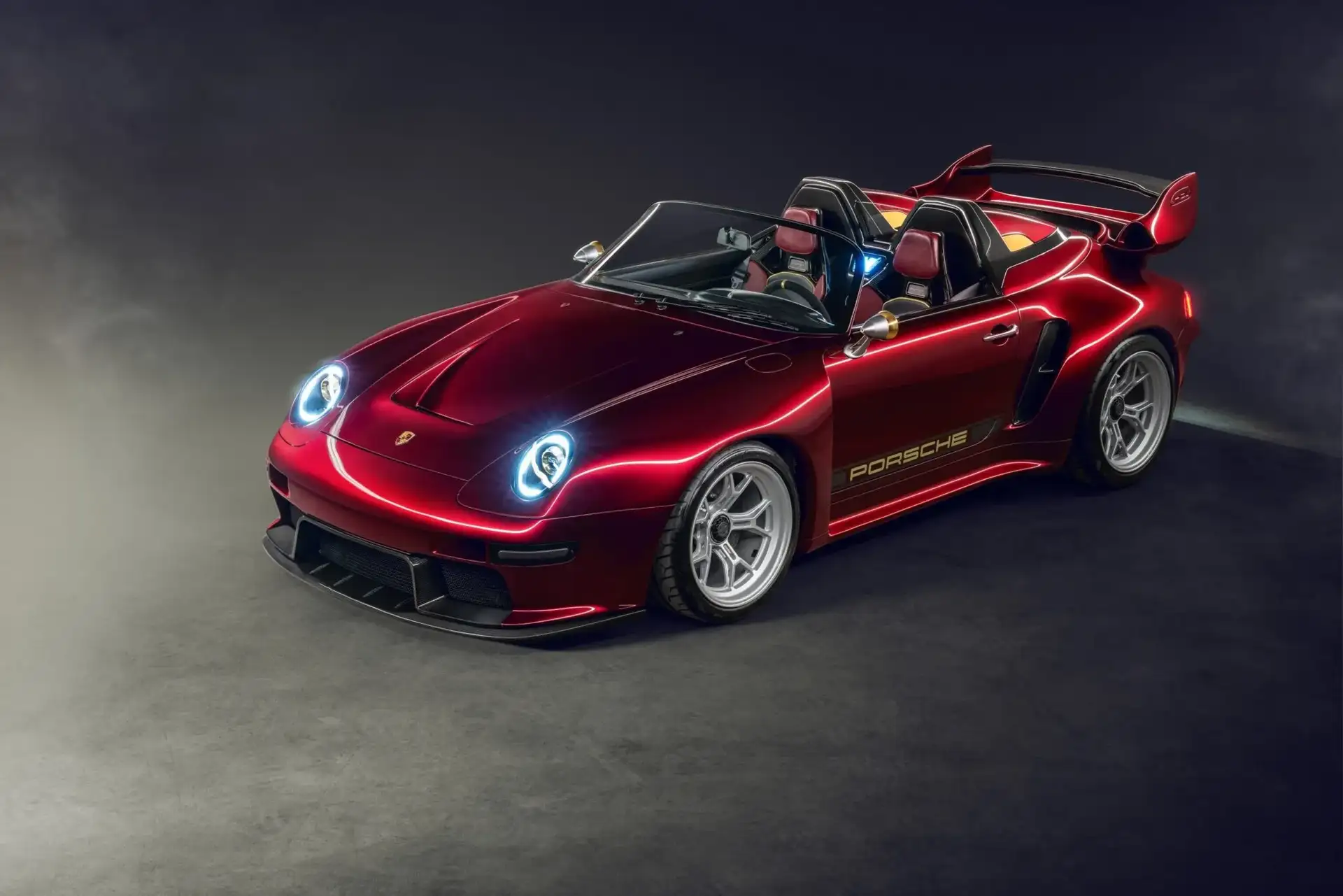
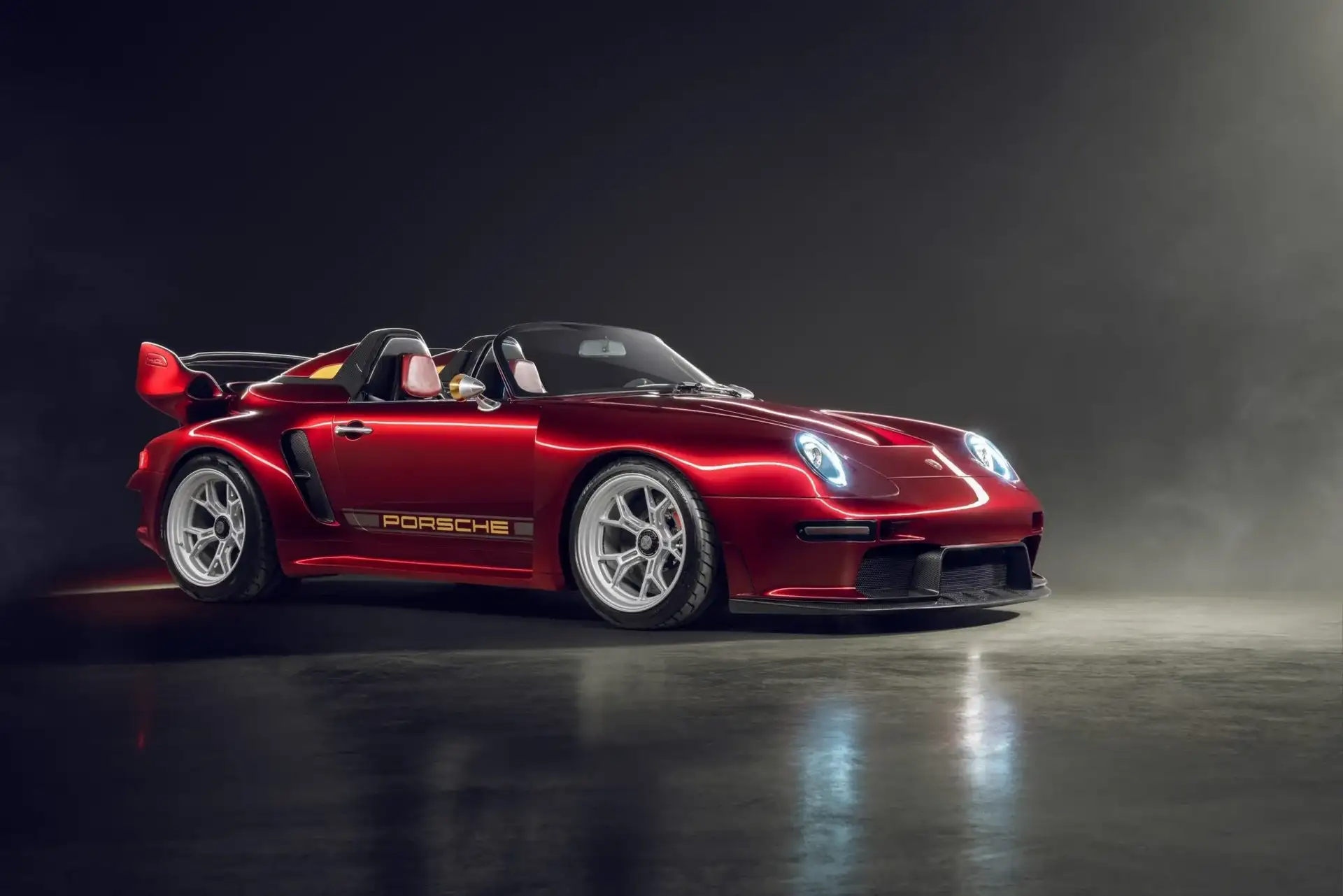
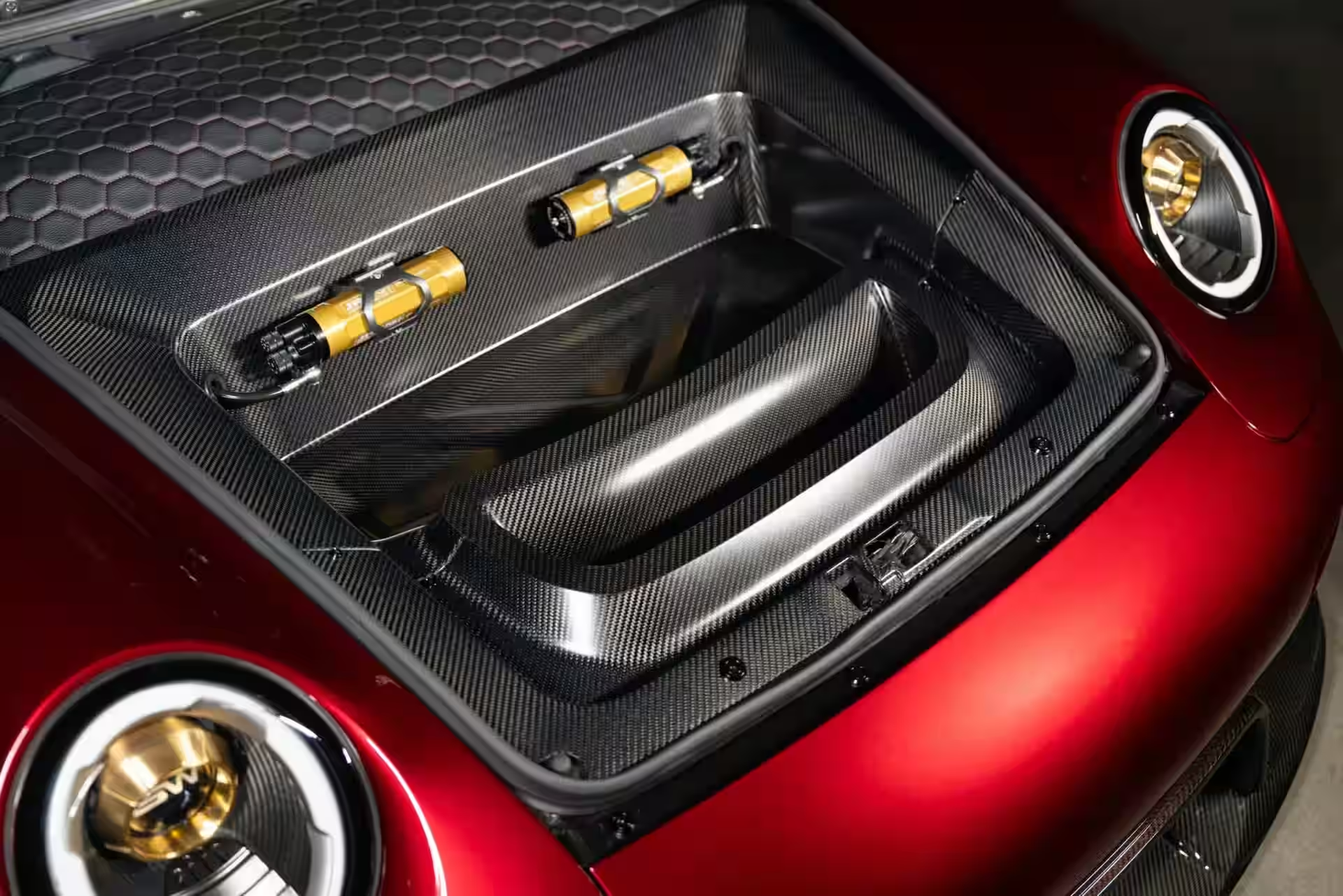
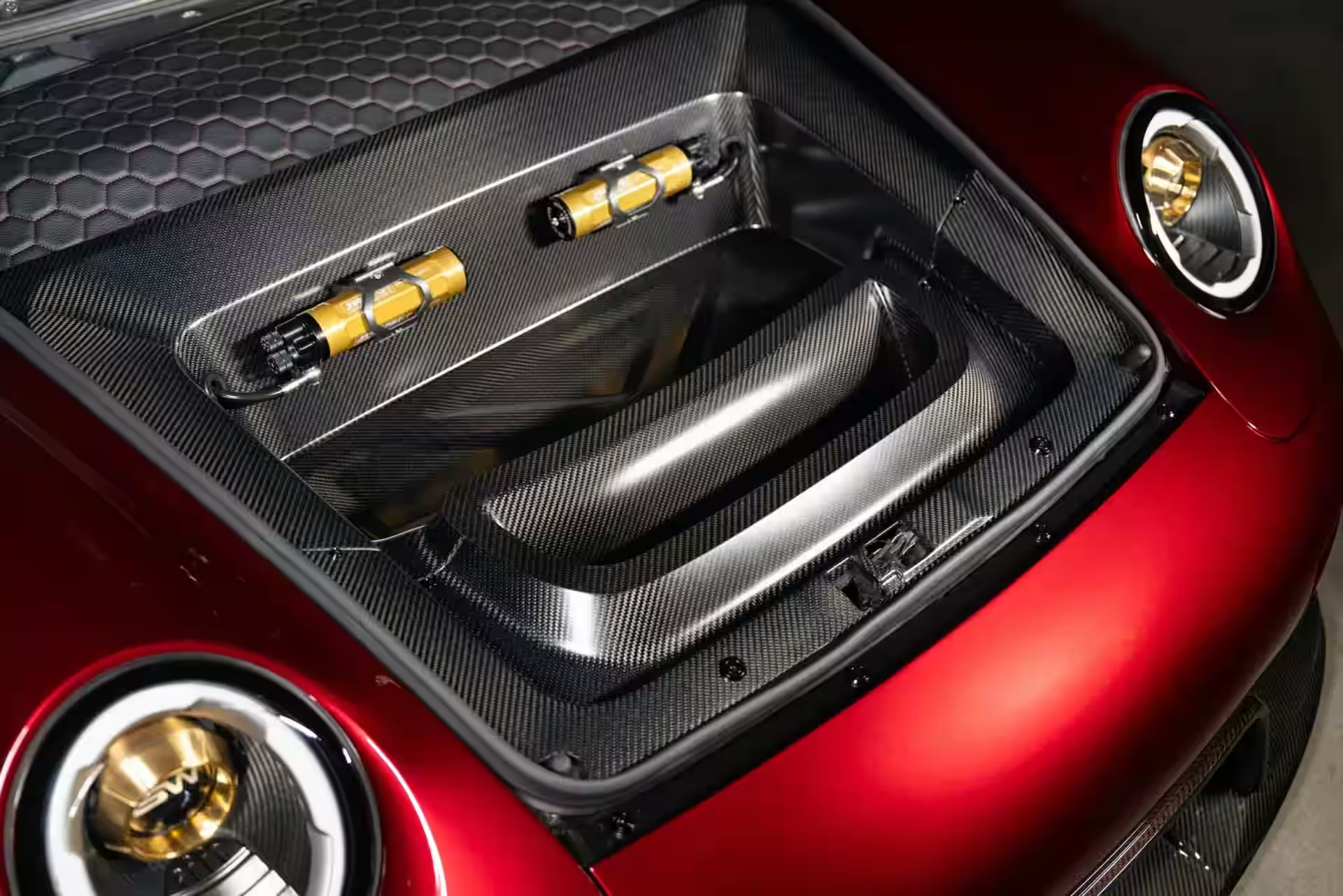
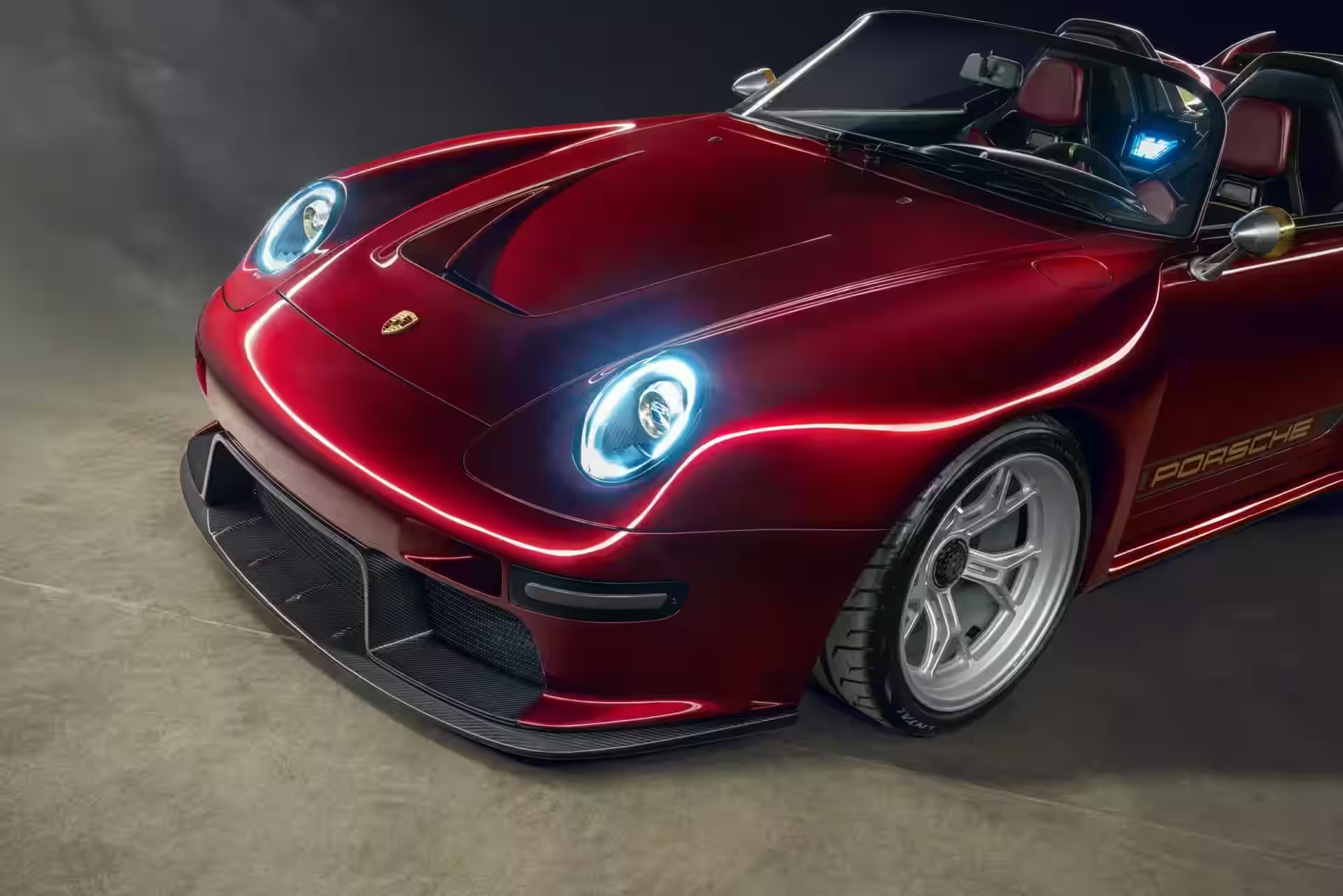
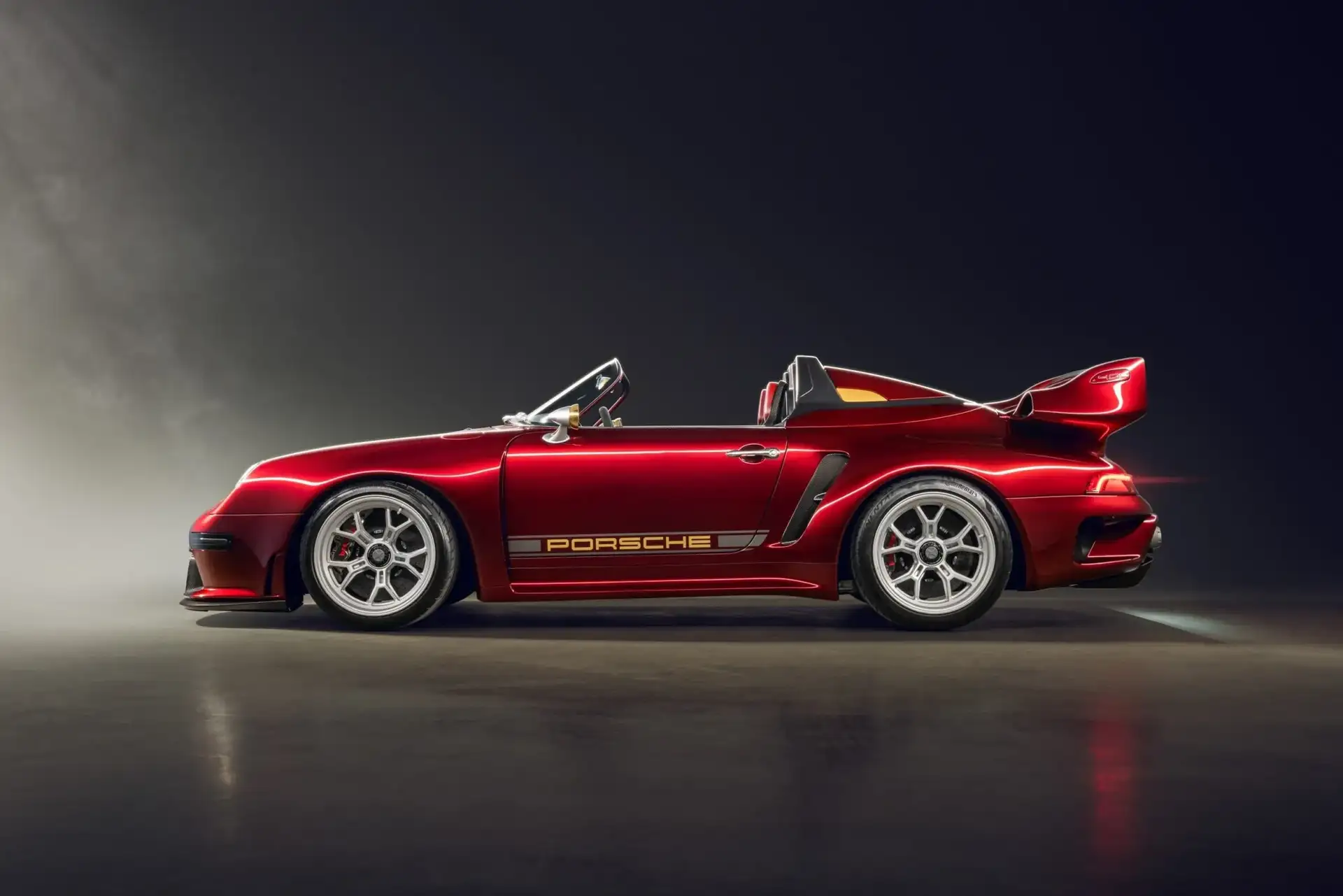
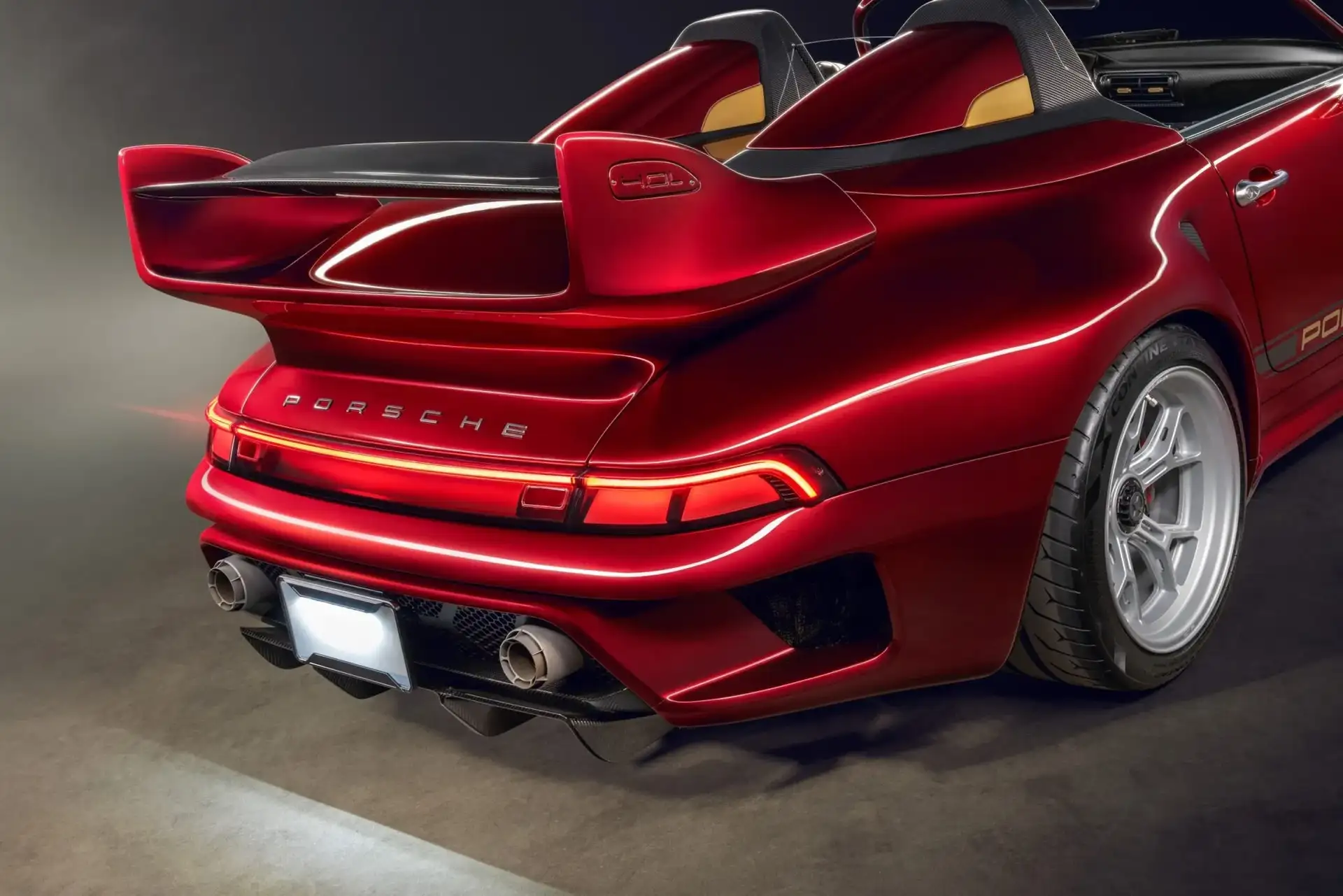
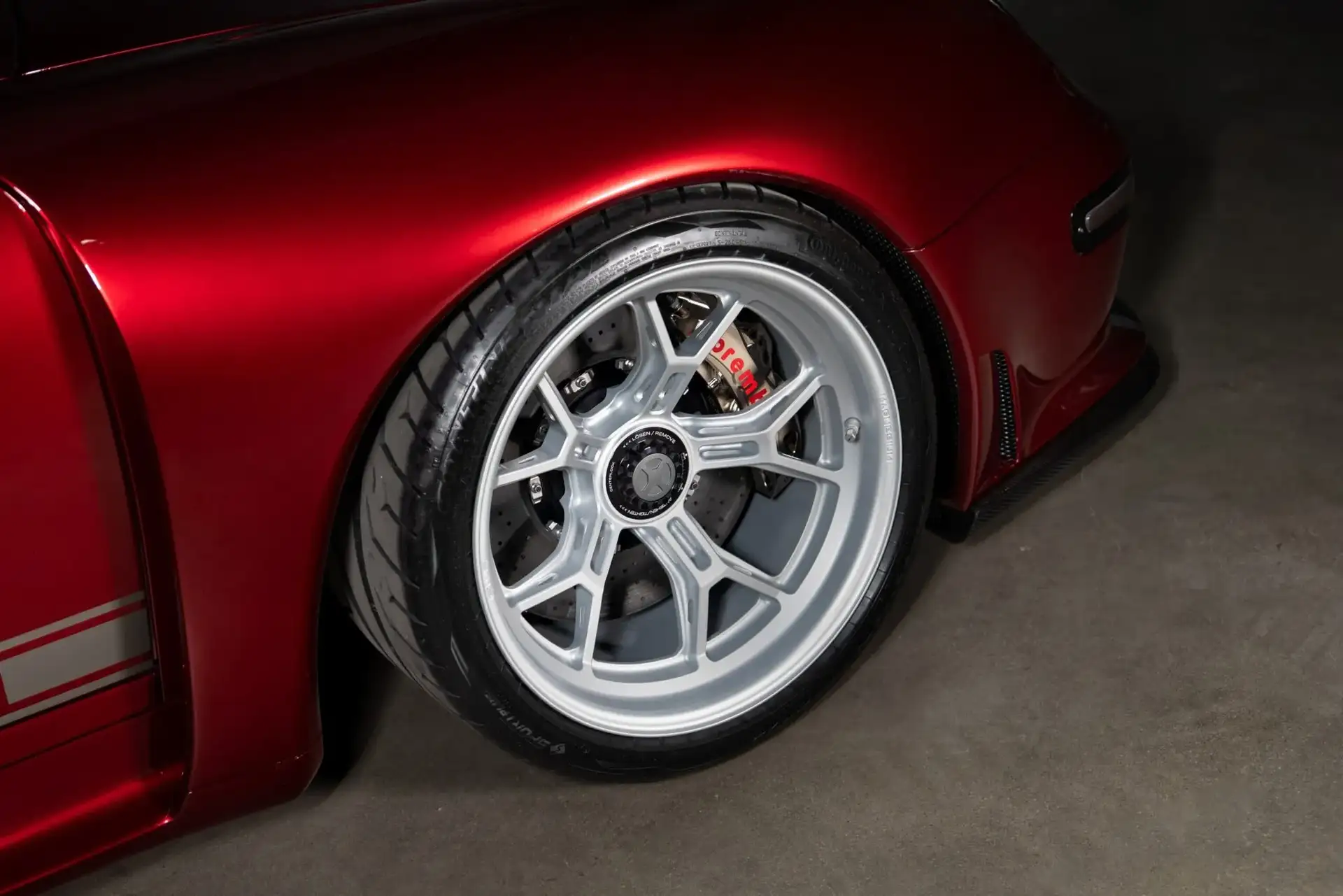
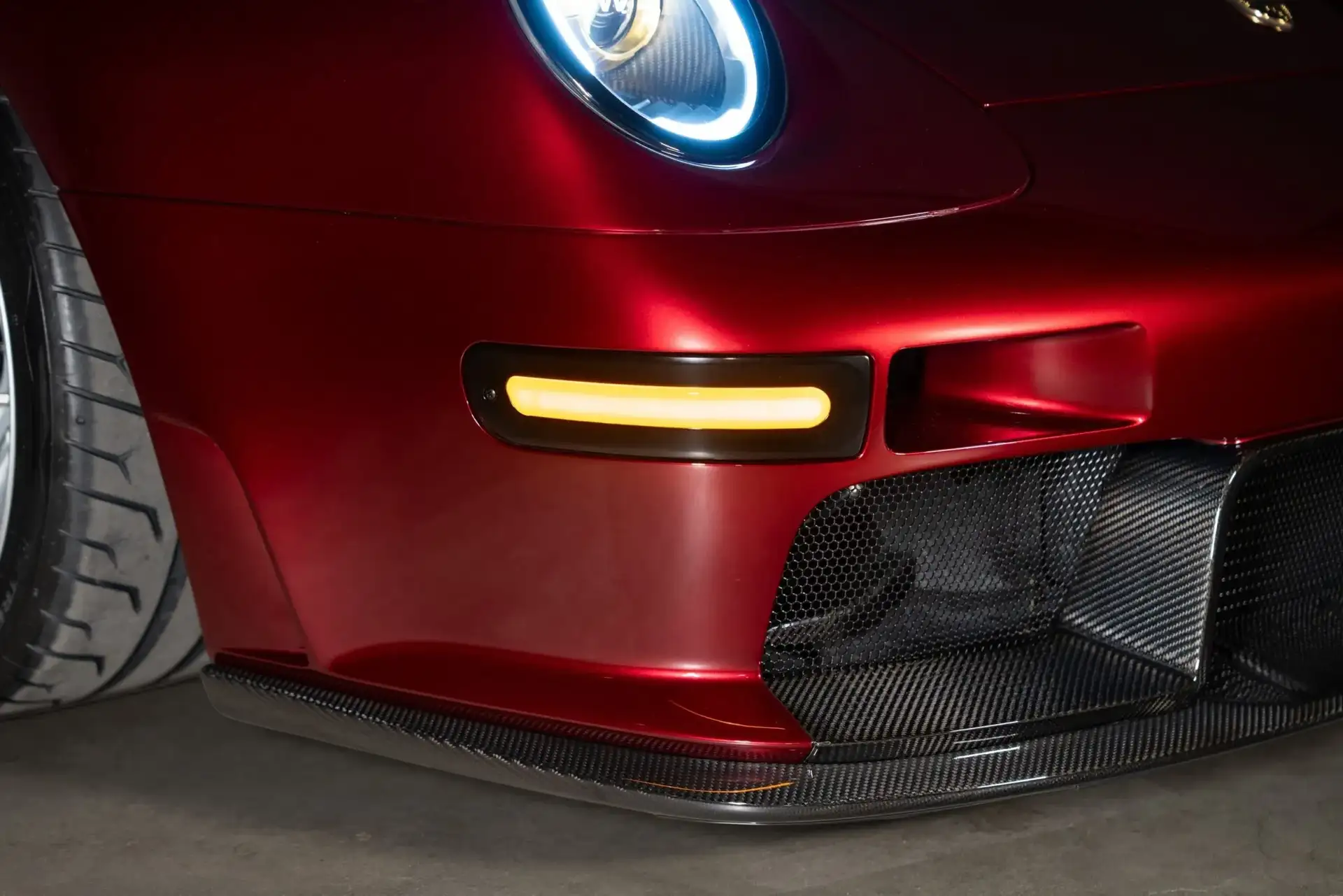
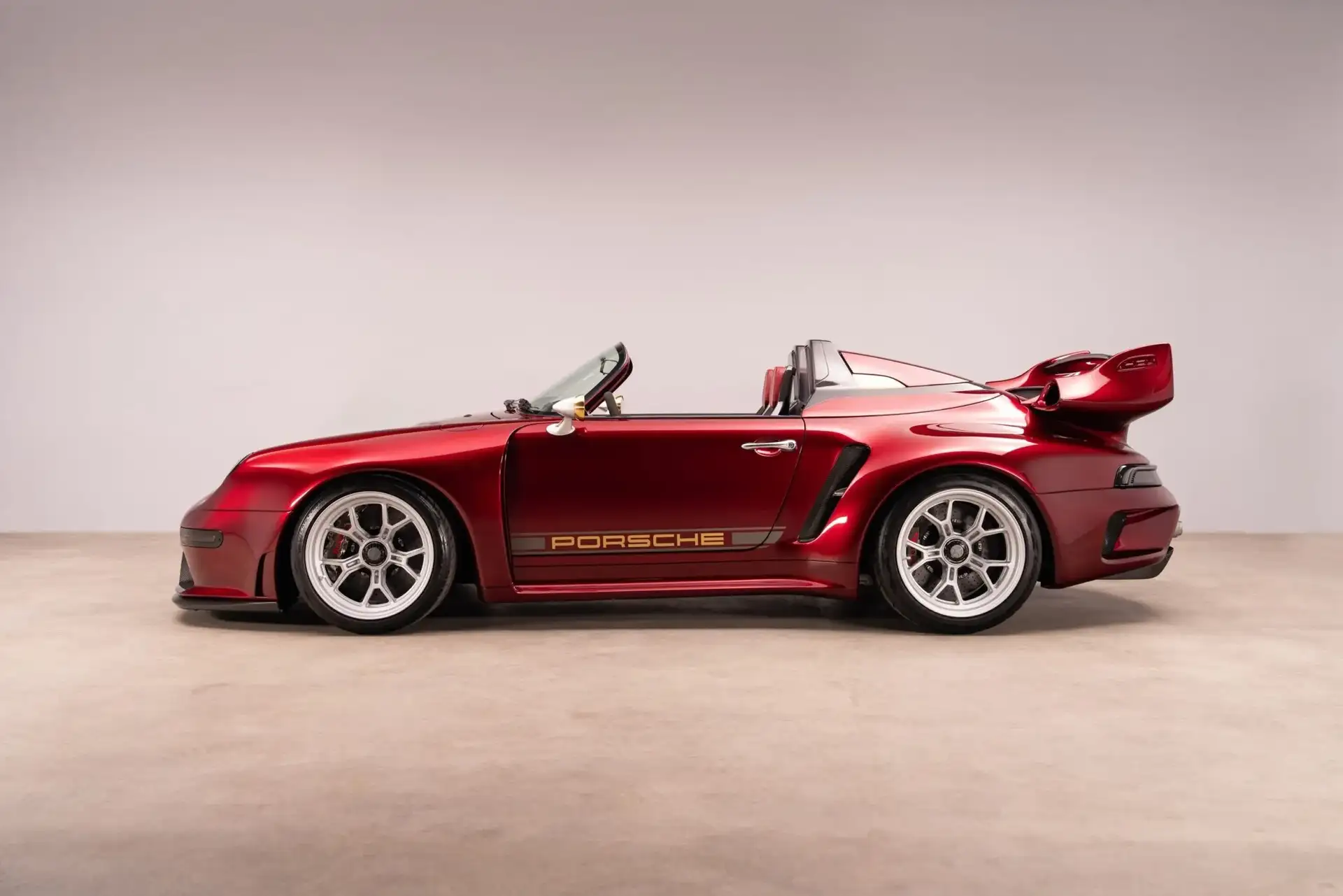
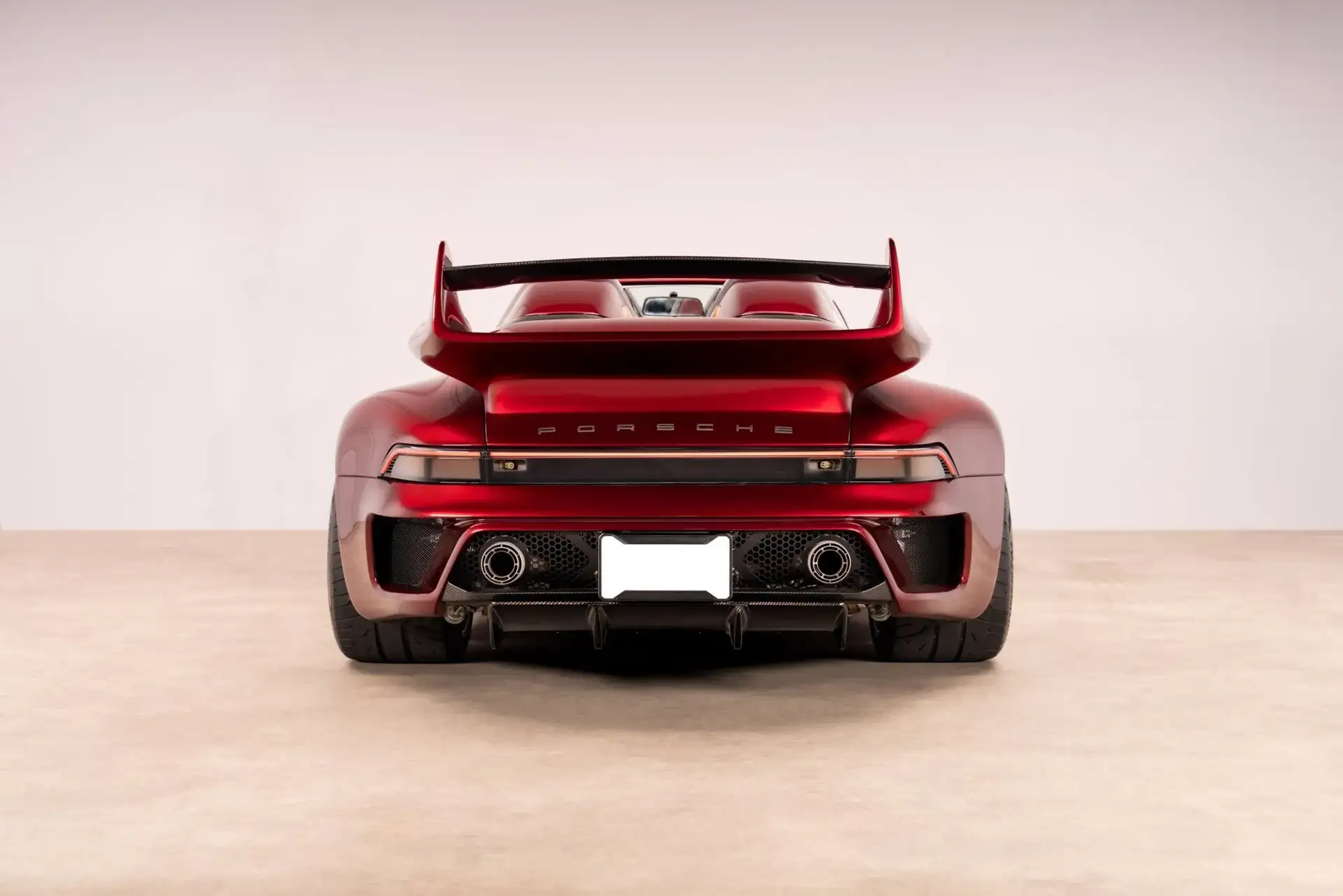
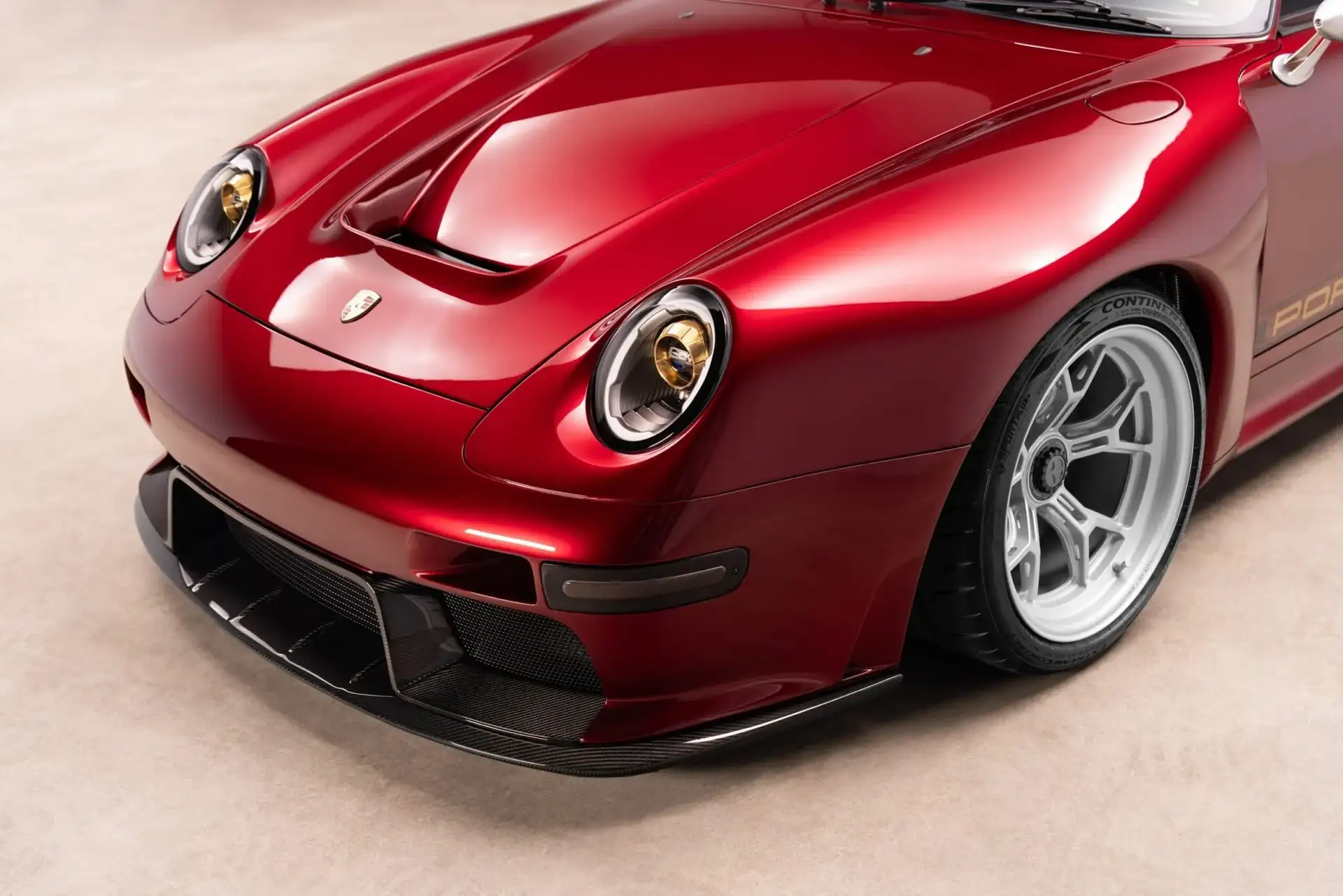
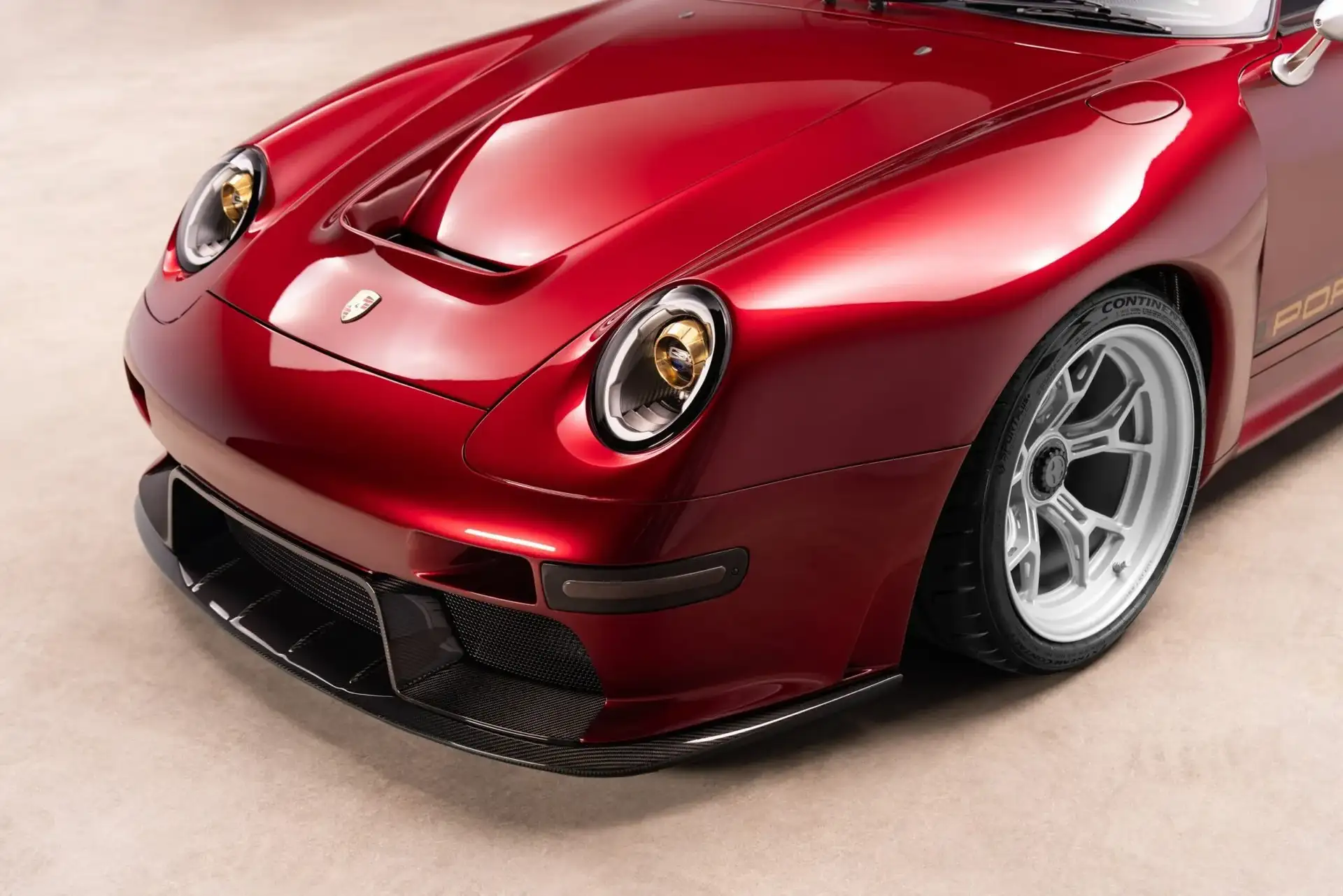
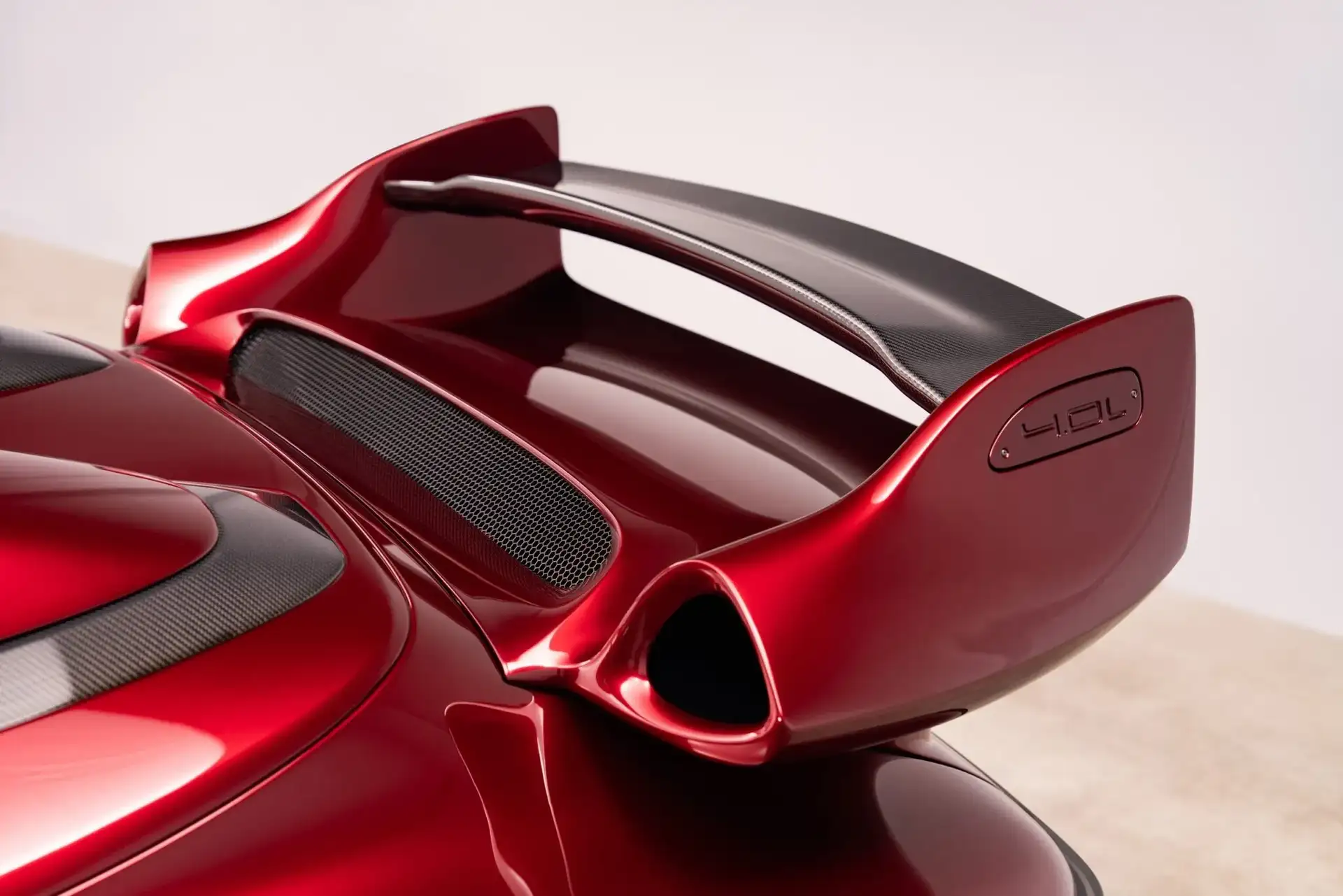
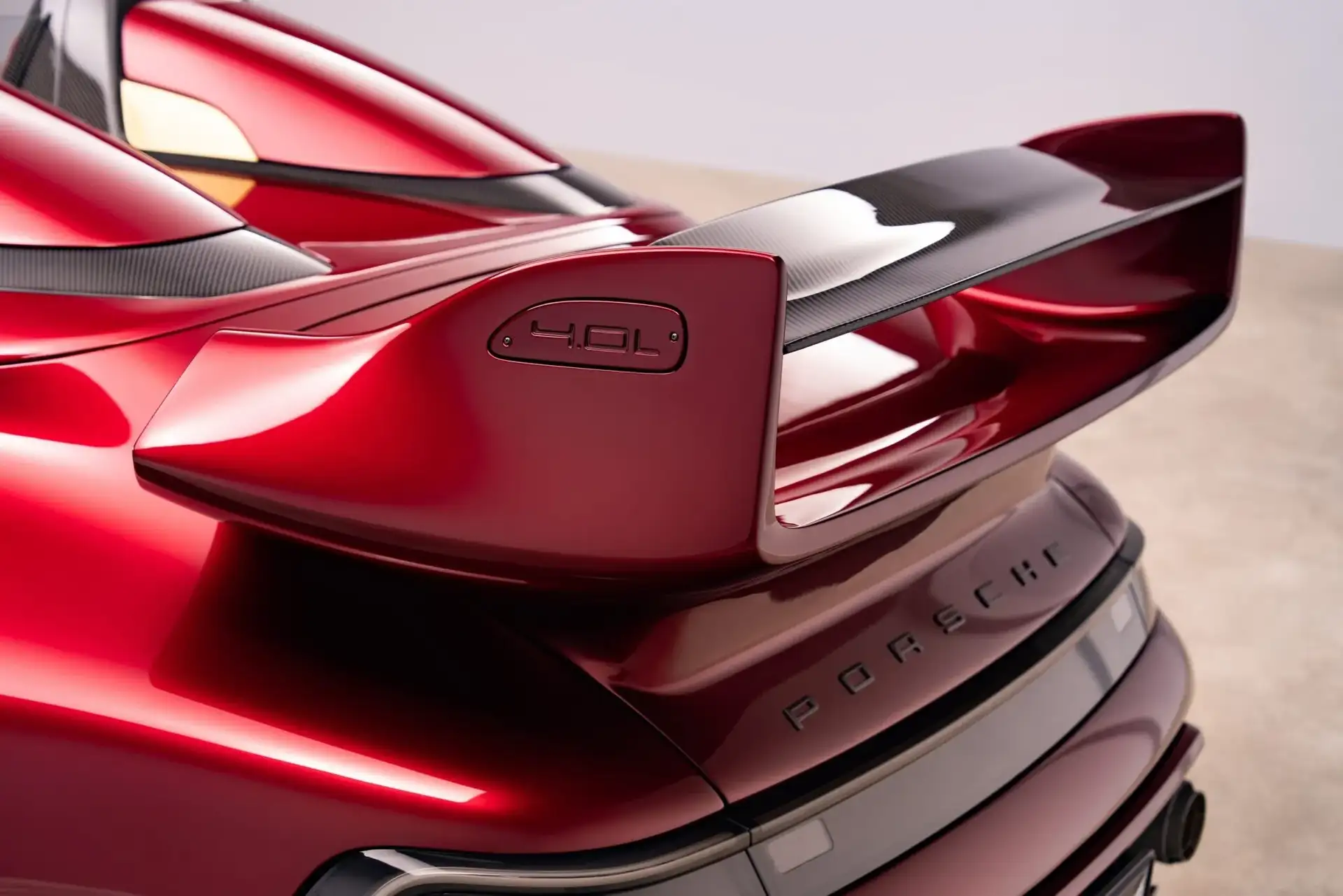
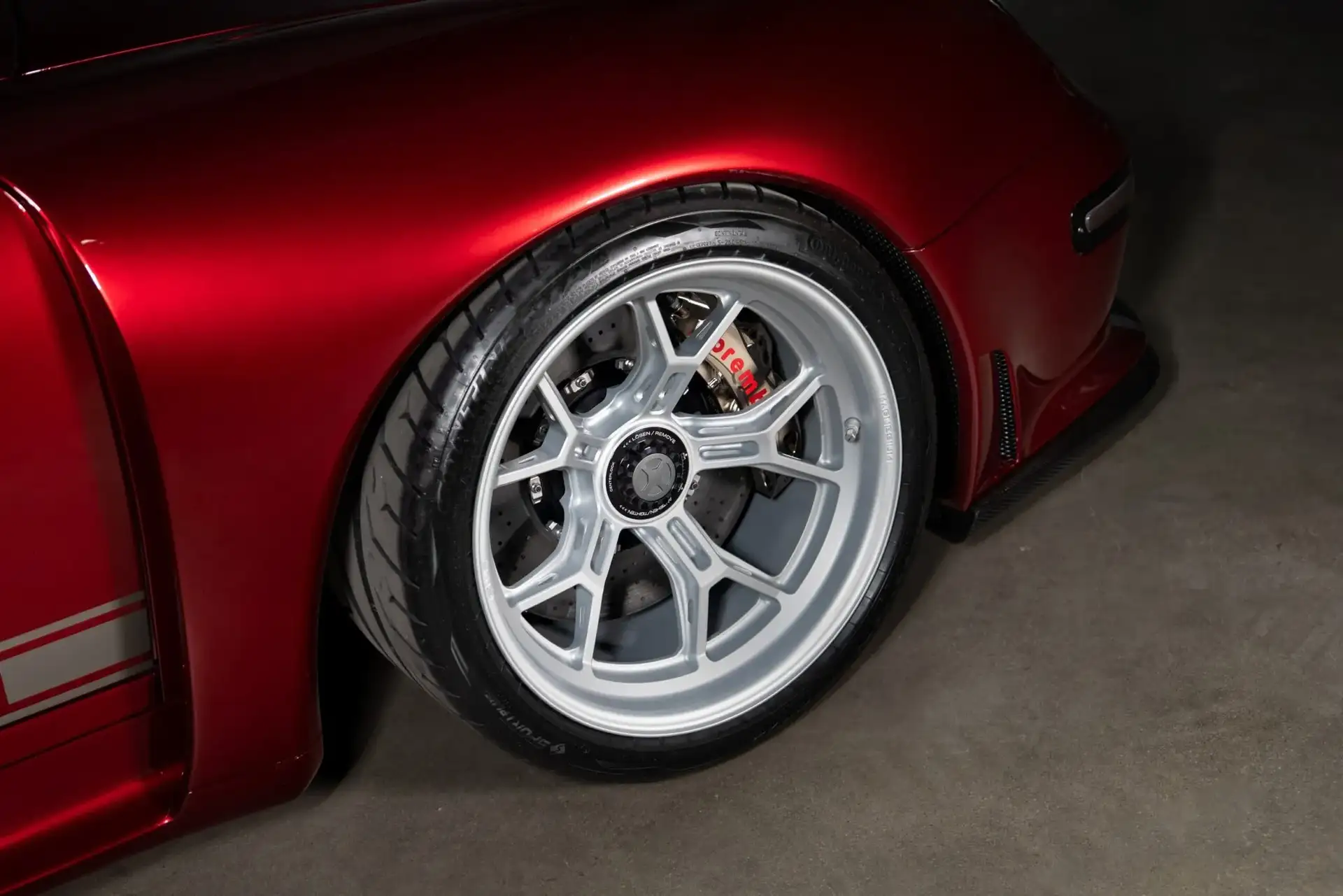
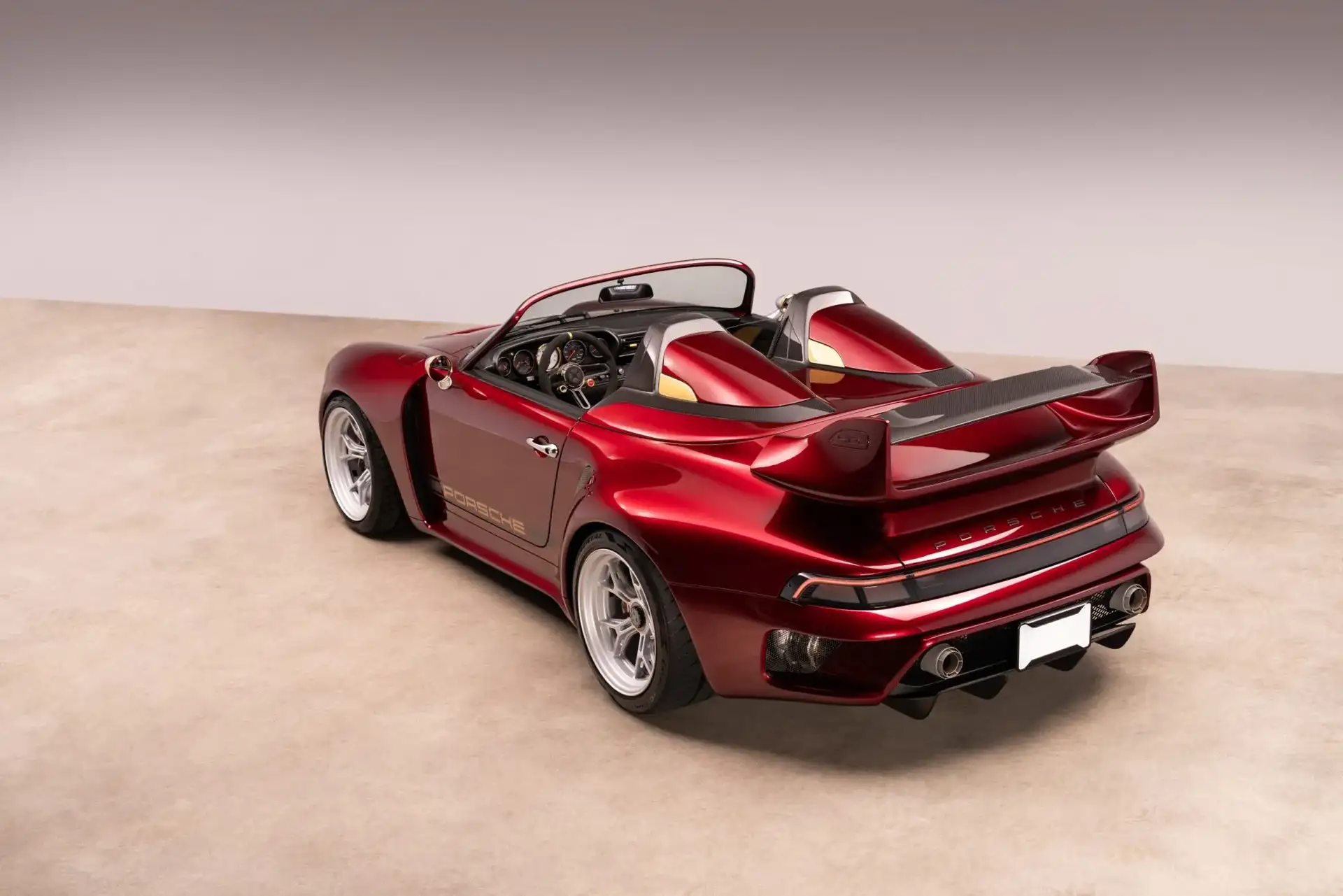
Gunther Werks did not leave the Speedster silhouette untouched. Project Endgame adopts carbon-fiber bodywork inspired by the GW Turbo, which means the familiar ducktail has been replaced by a much larger rear wing. Up front, the car gains a new bumper and distinctive side intakes, while the rear end receives a more aggressive treatment capped by a carbon diffuser.
Despite the added aero hardware, the car is still only a touch over 1,179 kg, which is a key part of why the powertrain spec feels so outrageous. The ratio is the story here: 840 hp in a car this light is not just fast on paper; it is the kind of combination that demands careful chassis tuning, especially with rear-wheel drive and a manual gearbox.
For enthusiasts interested in how premium manufacturers balance presence and performance, the visual strategy lands in a similar space to the BMW Série 7 facelift and the more attitude-heavy Ford Everest Wildtrak, where design is doing a lot of the communication work.
The cabin is a jewellery box with a gearbox attached
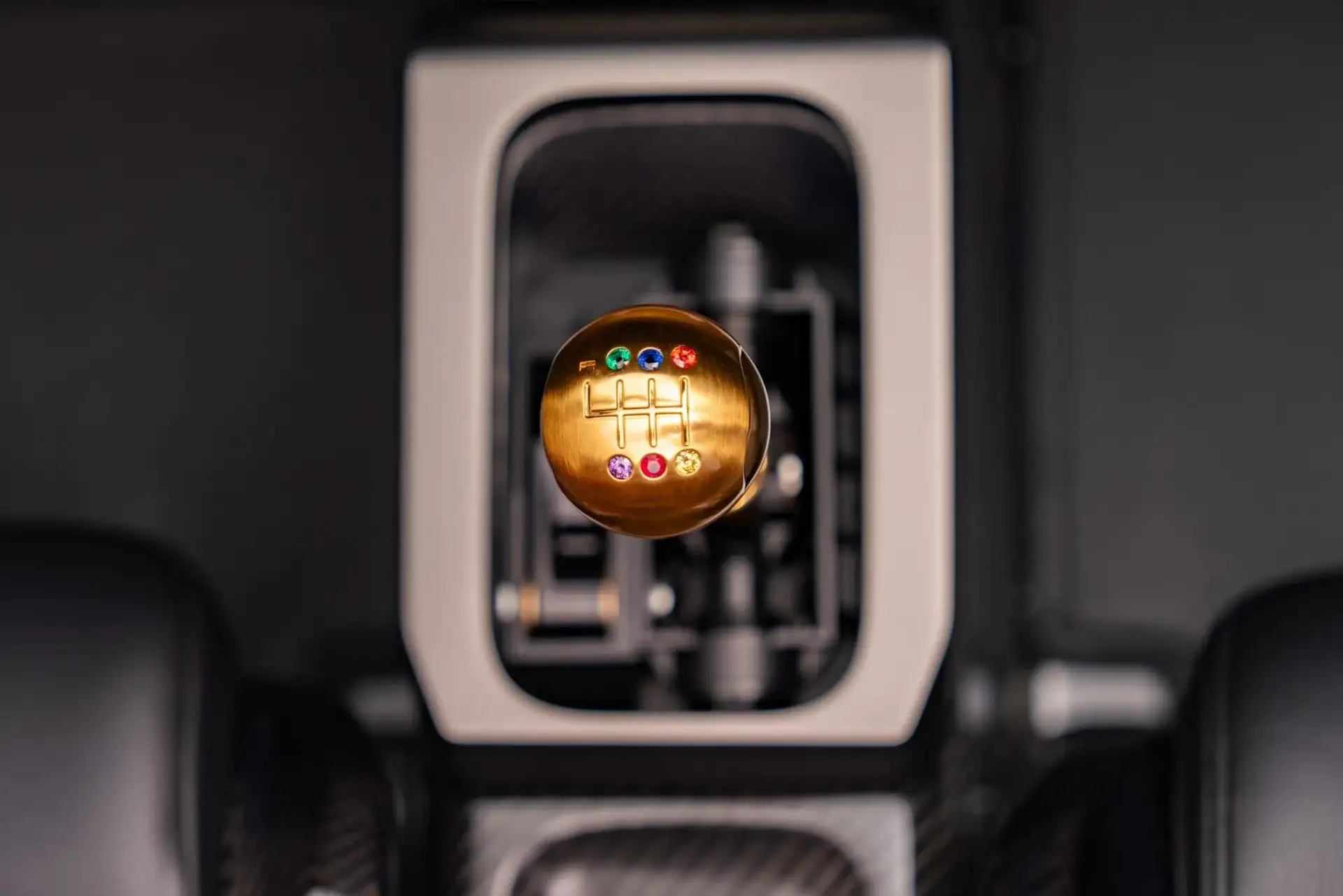
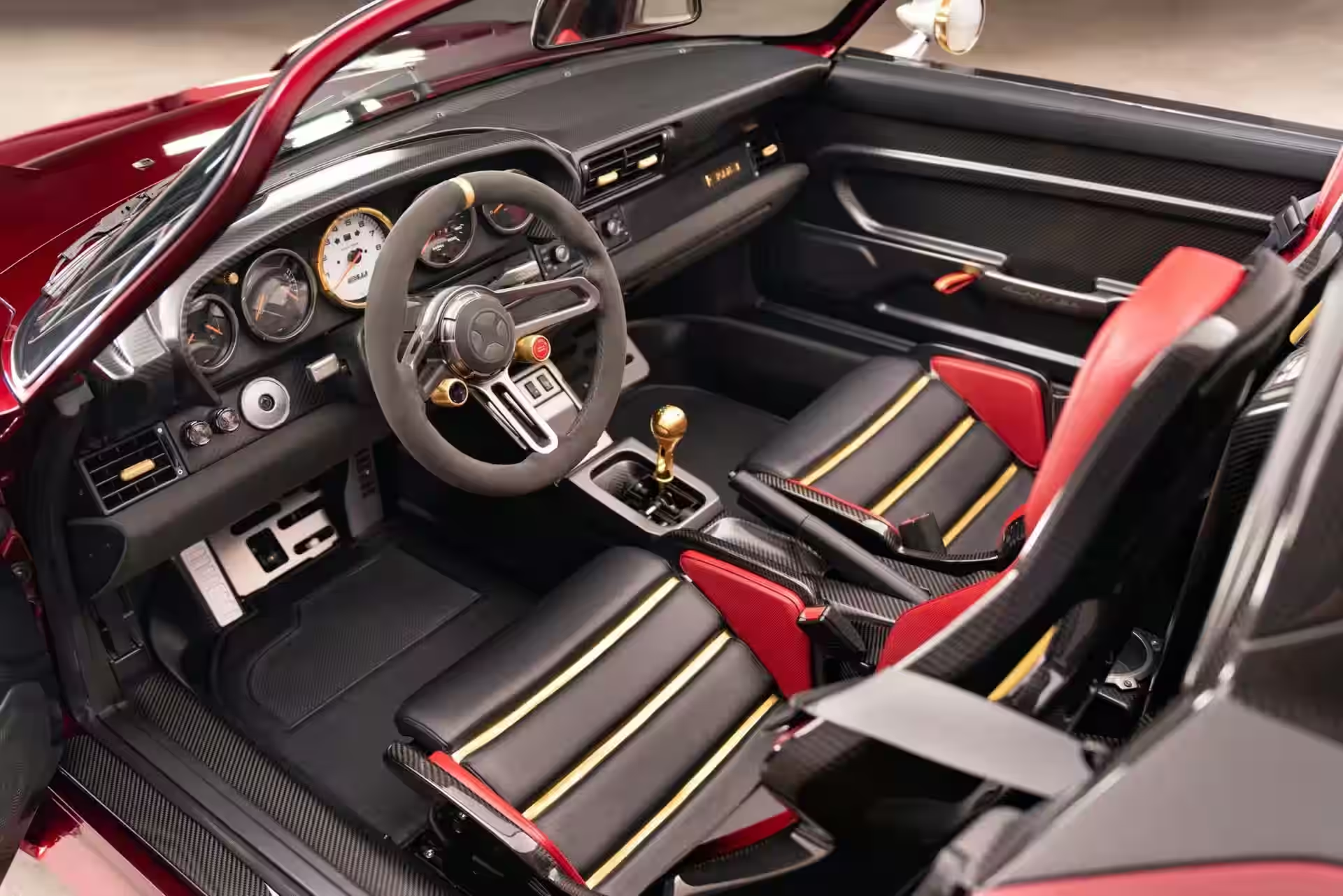
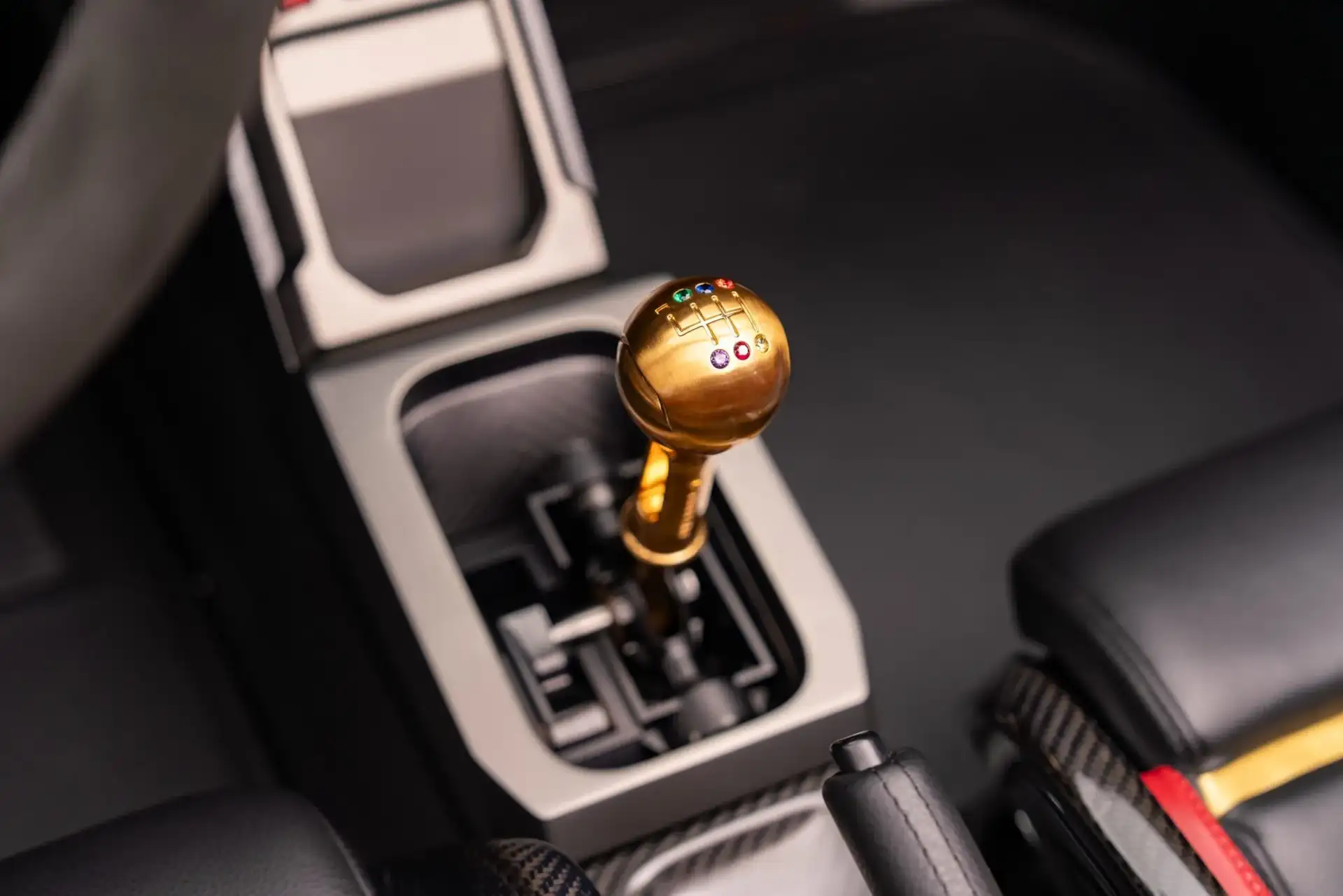
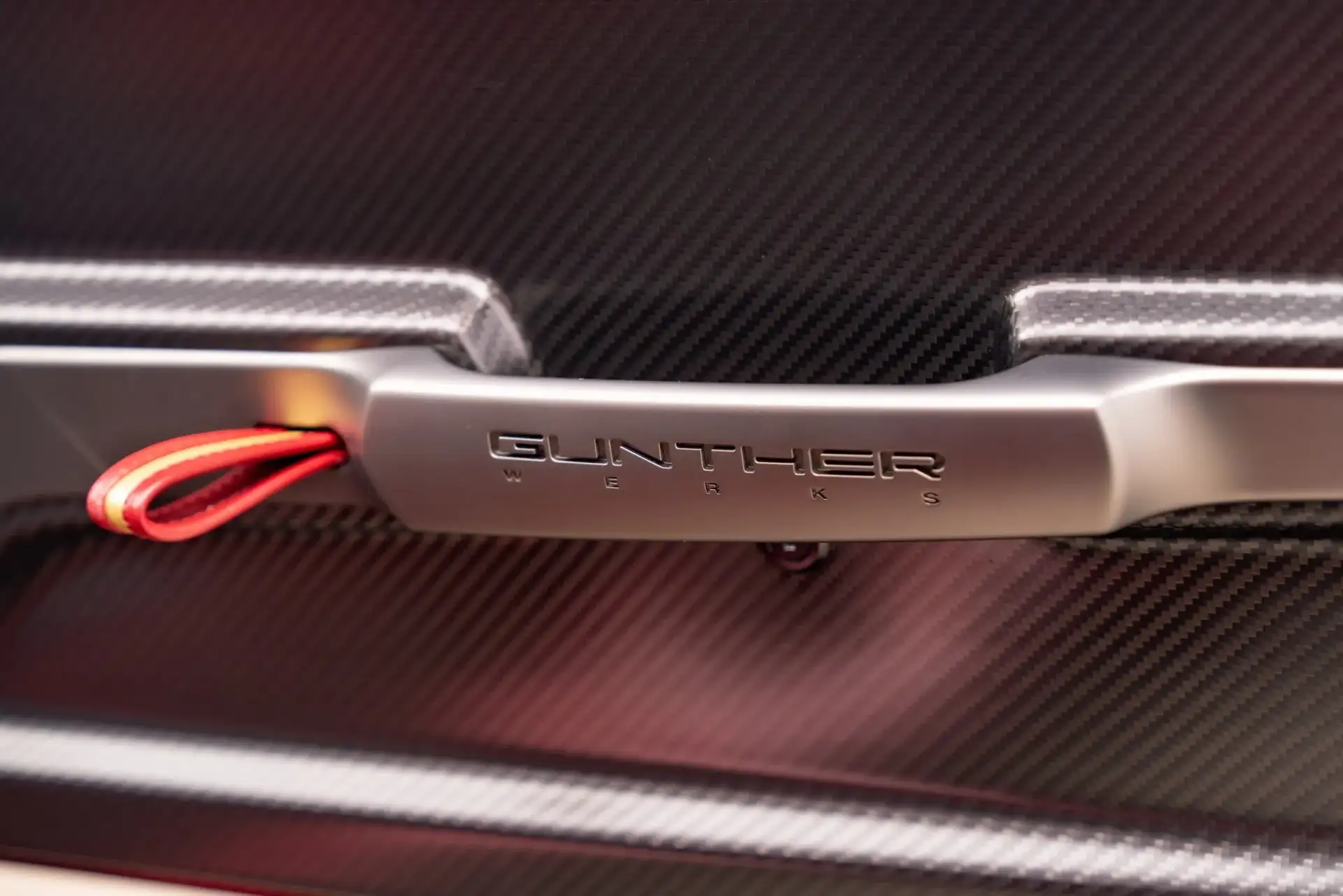
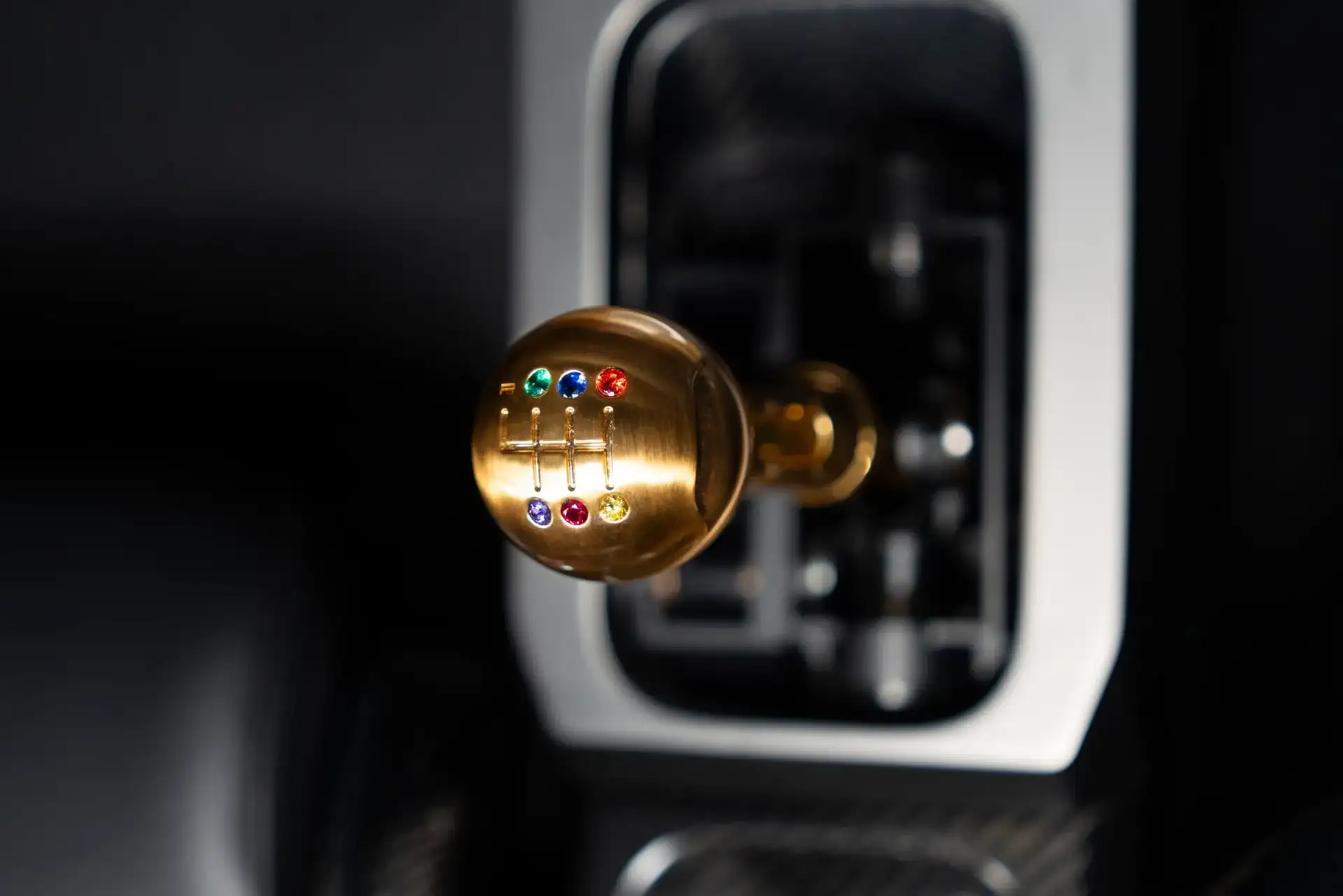
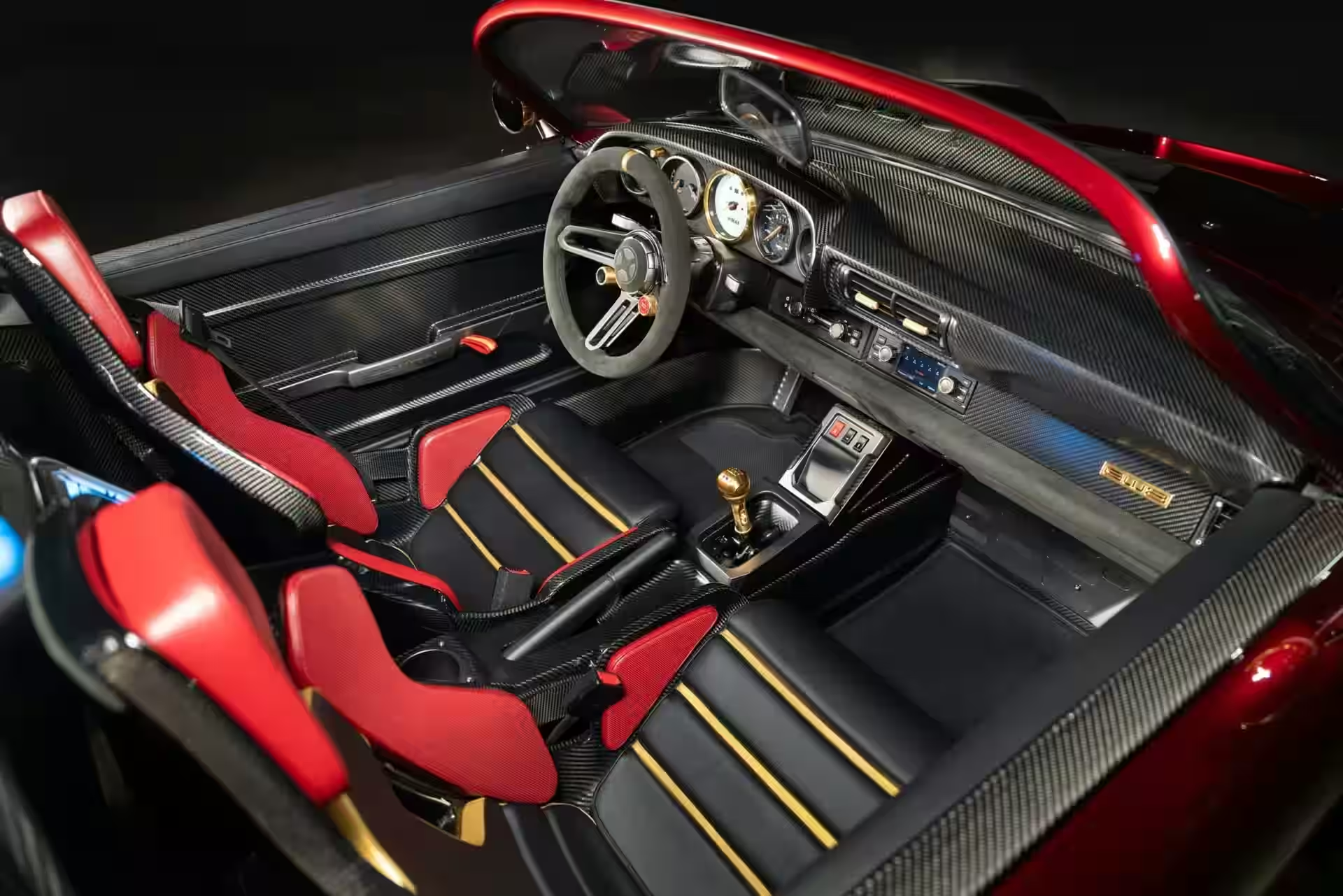
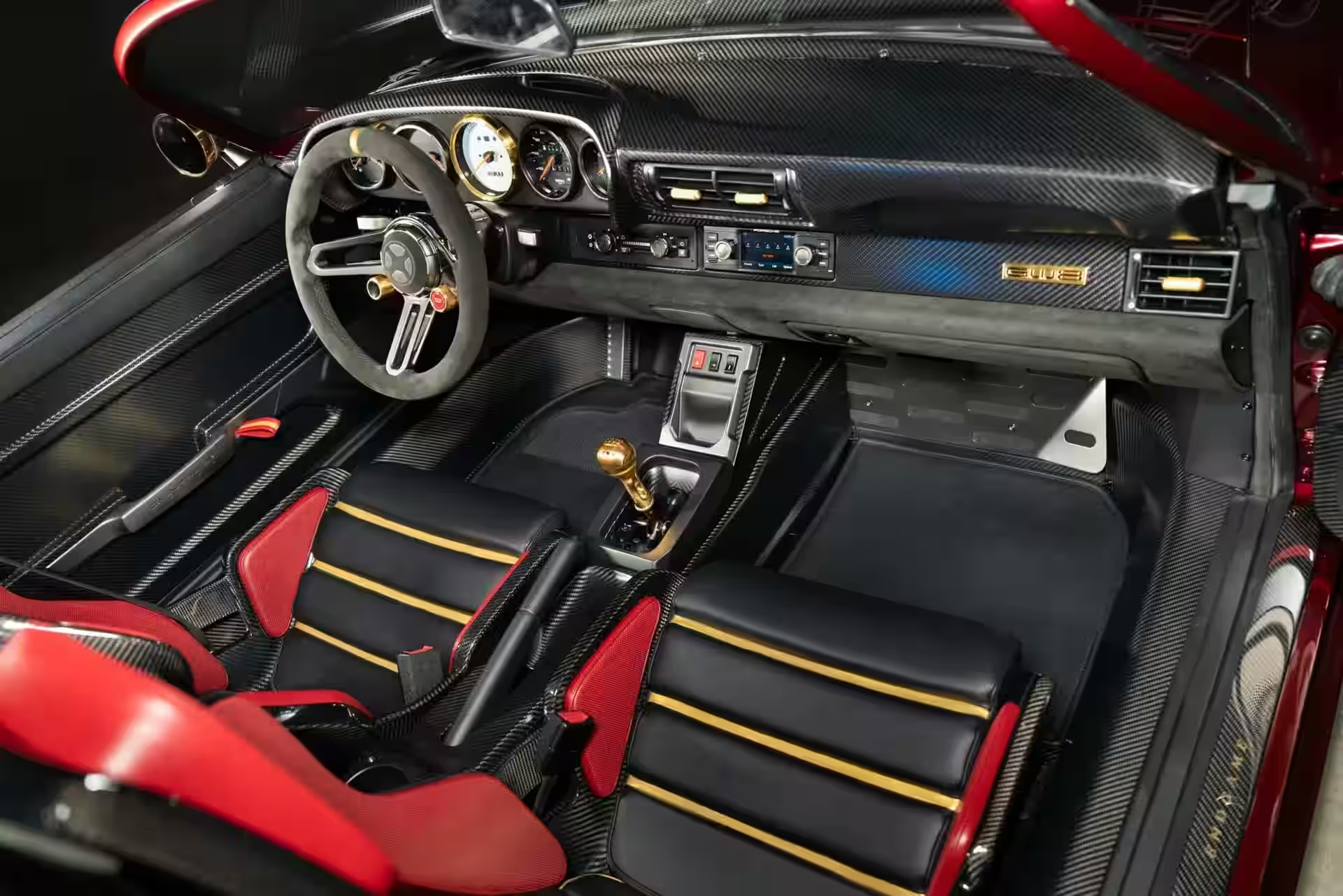
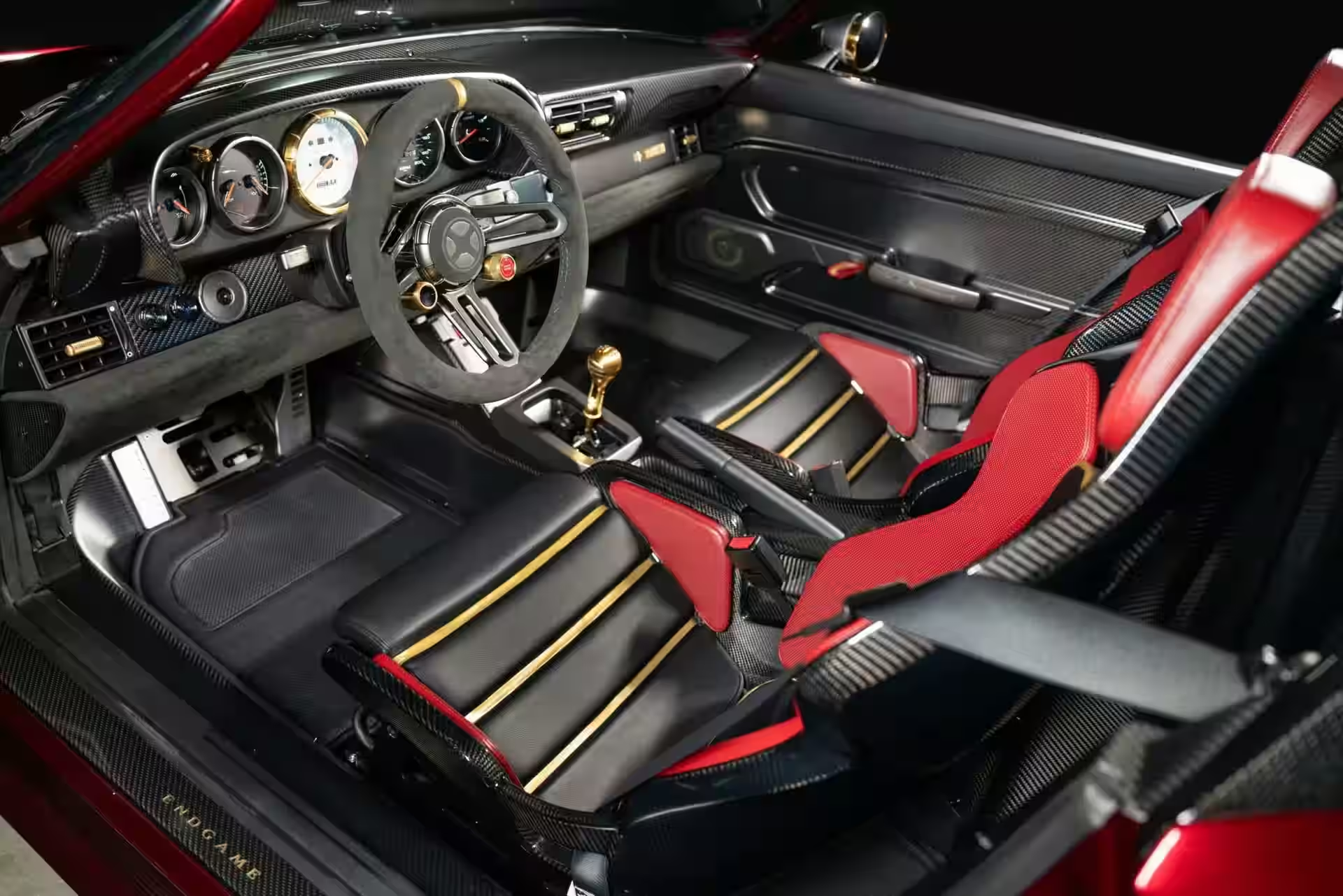
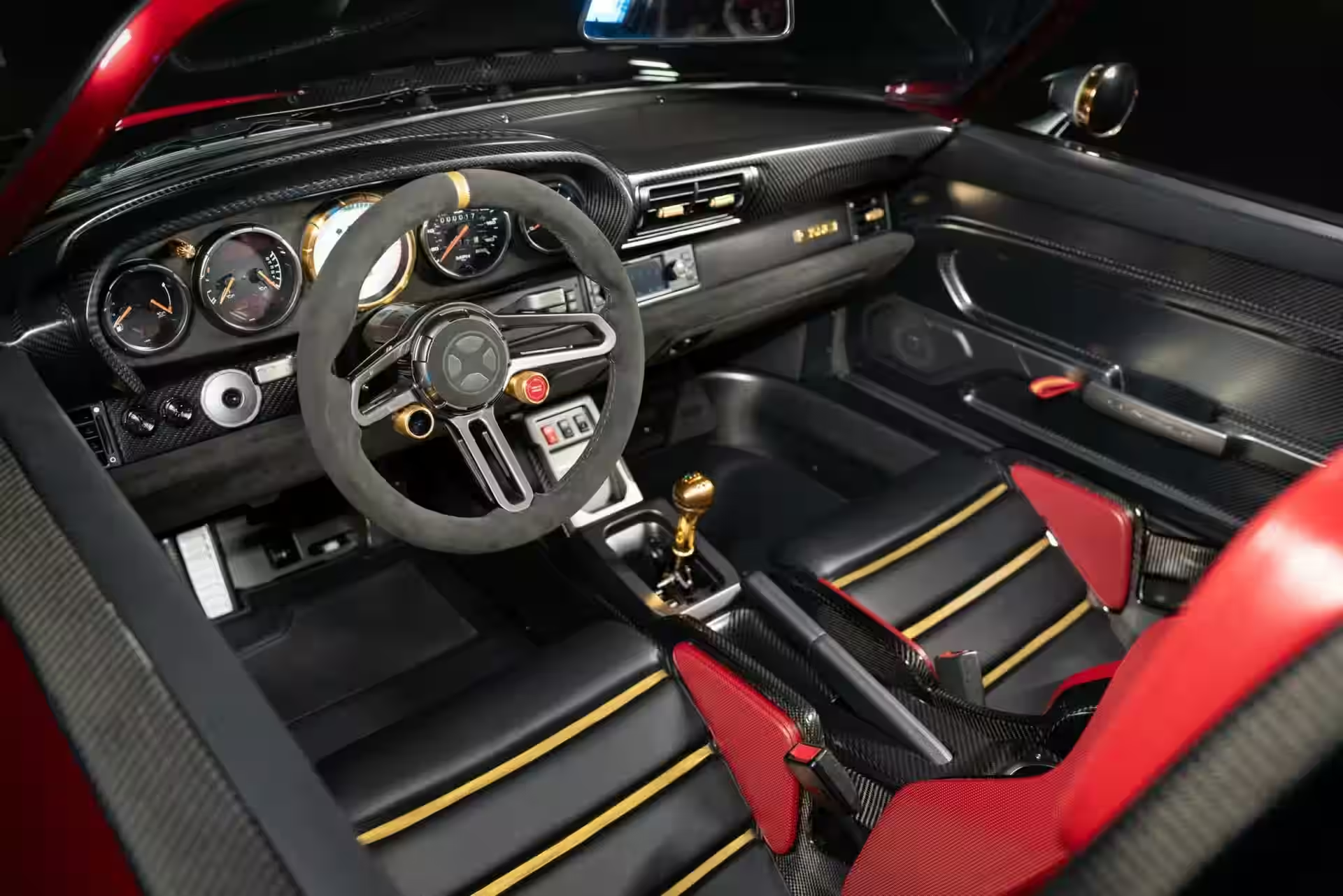
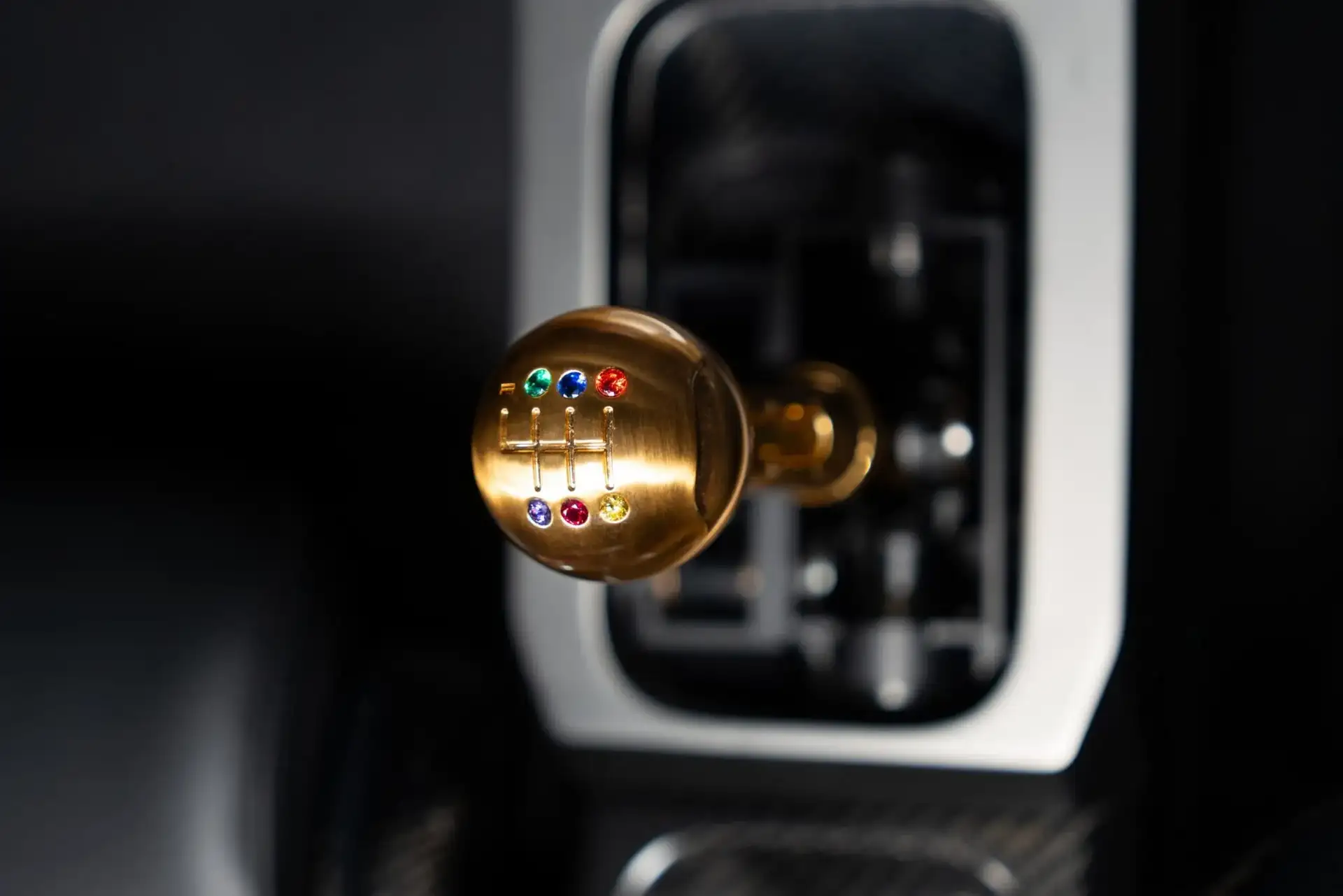
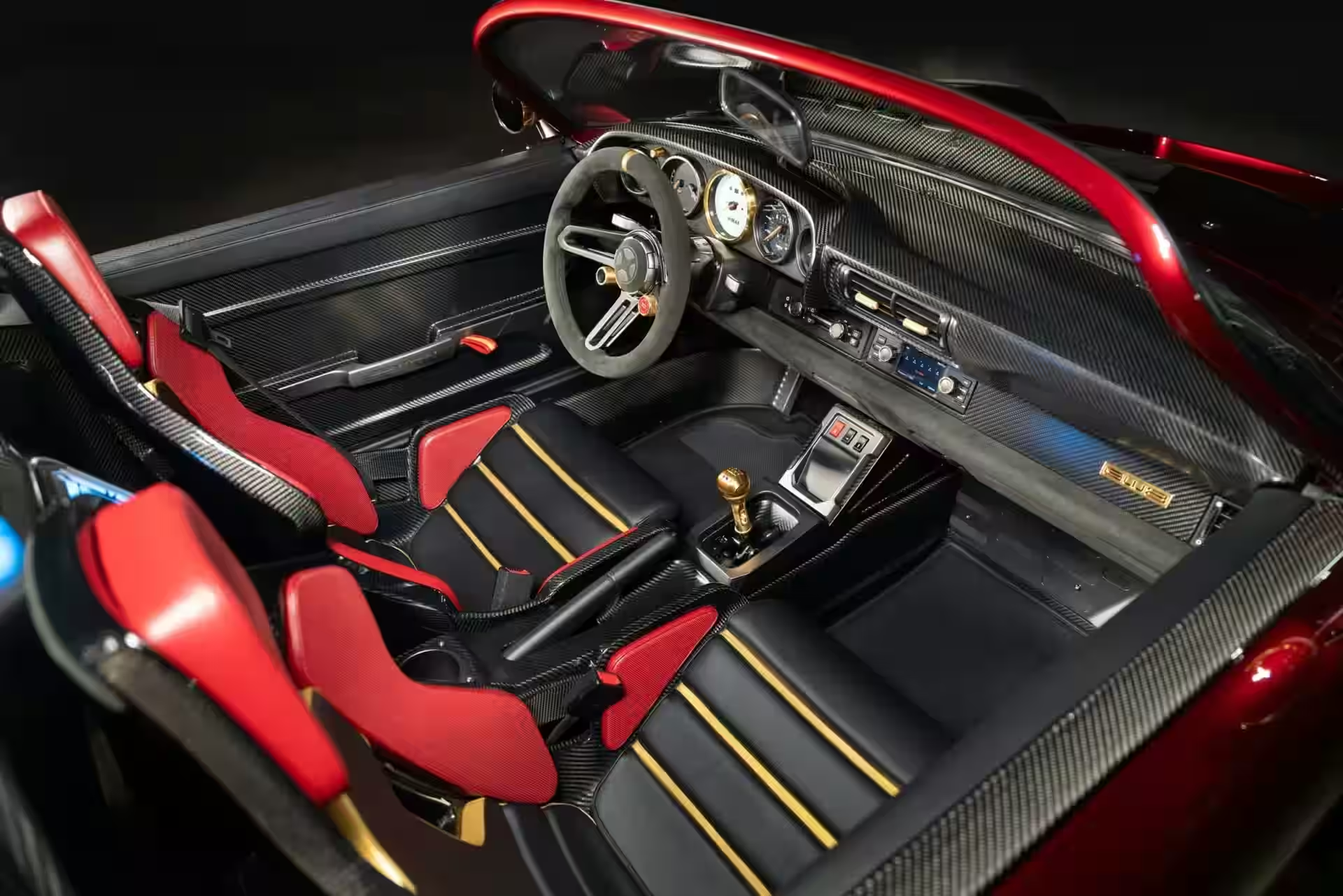
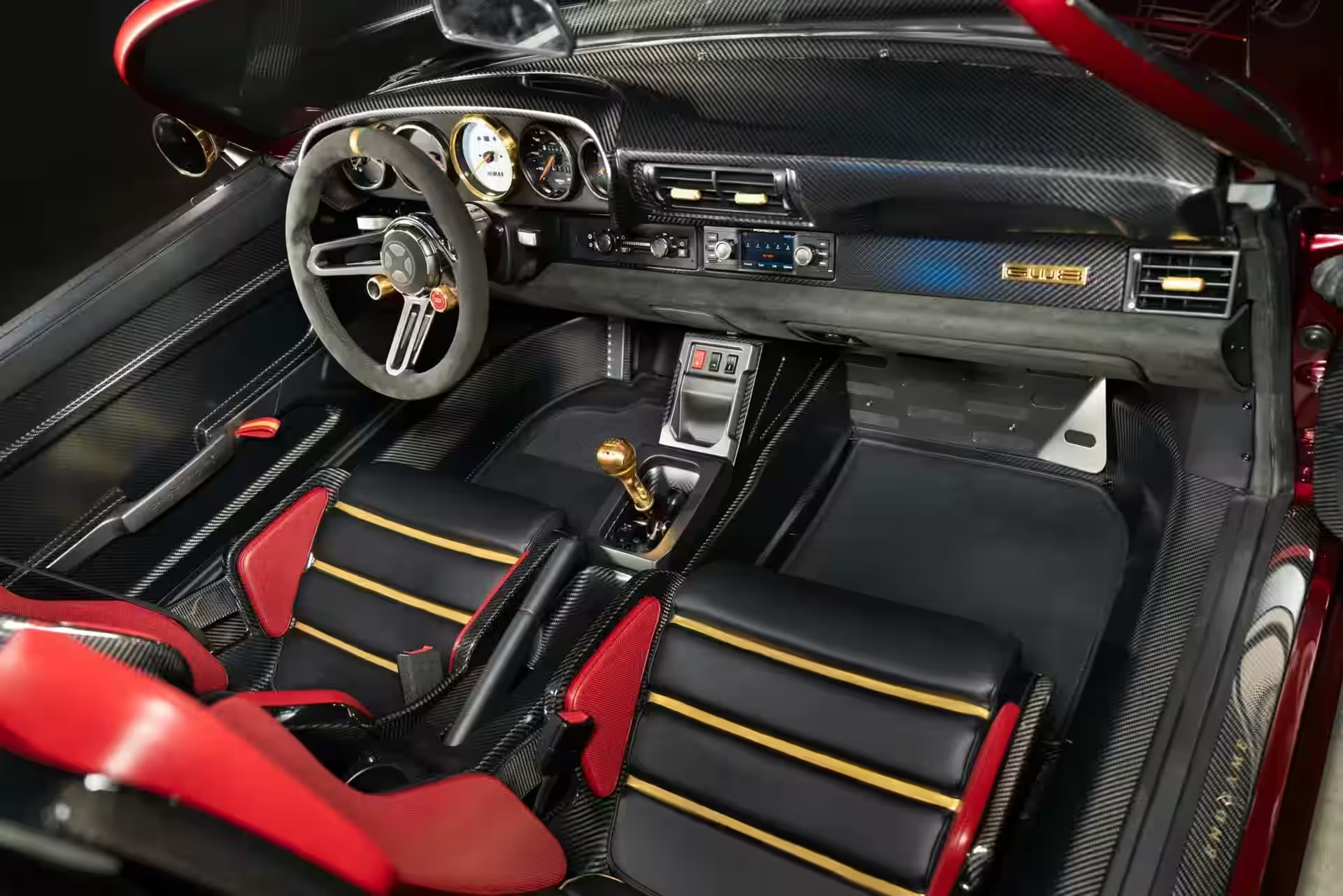
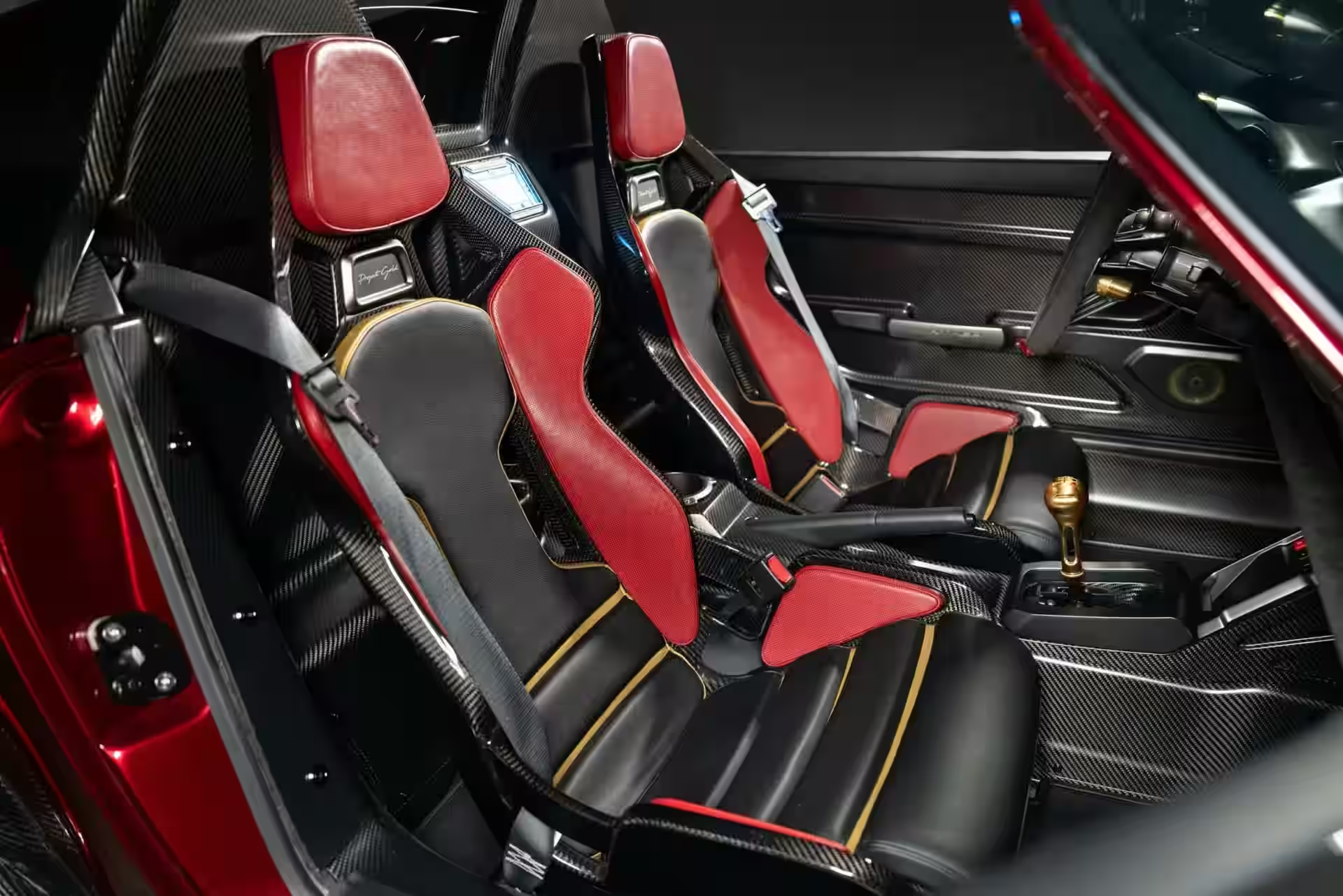
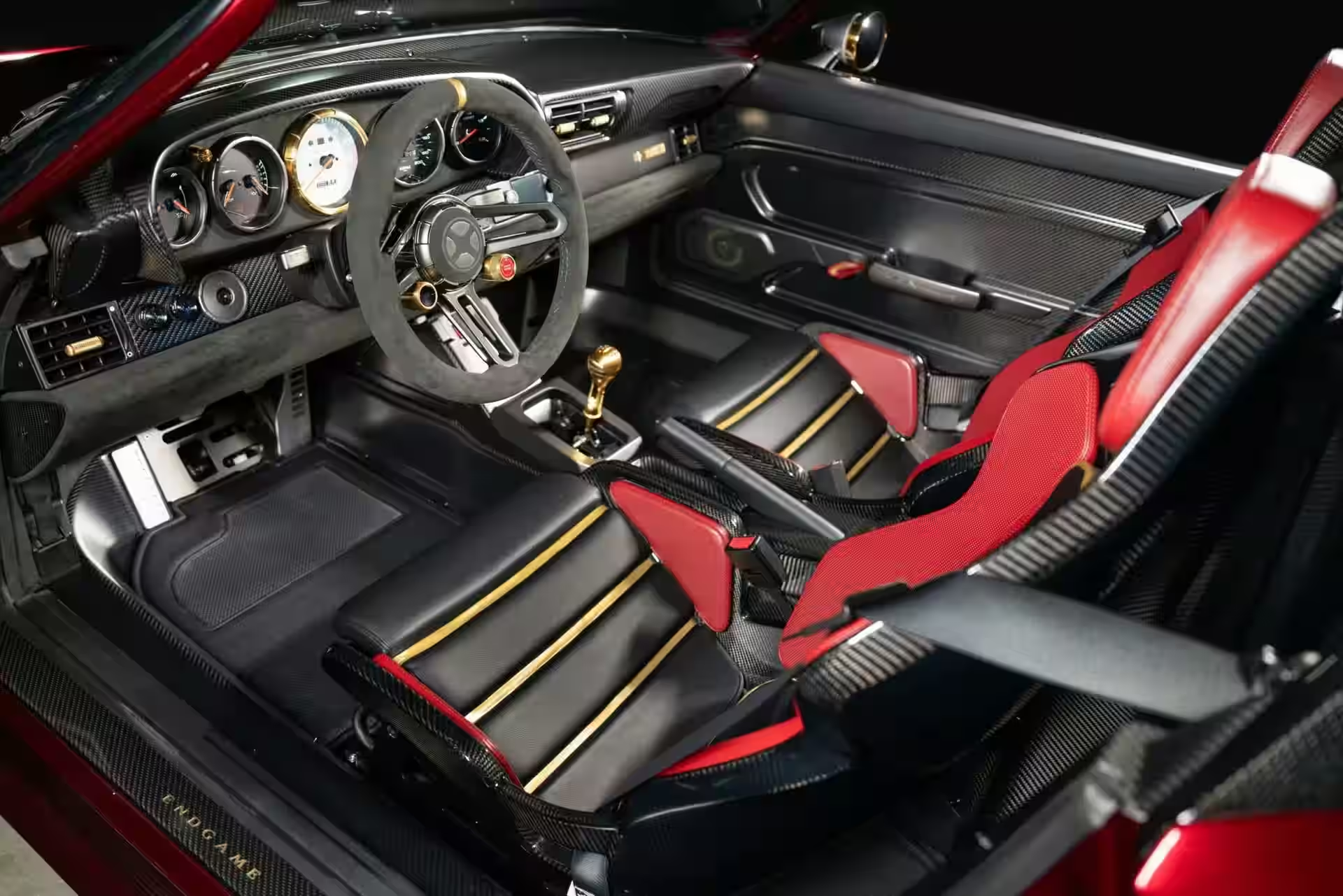
Inside, Project Endgame doubles down on the theme. The shifter is the headline piece: it is clad in 24-karat gold and set with gems in green, blue, orange, pink, red, and yellow to represent the six gears. That detail is not just ornamental. It turns the act of shifting into part of the car’s identity, which is exactly the kind of bespoke flourish that high-end collectors pay for.
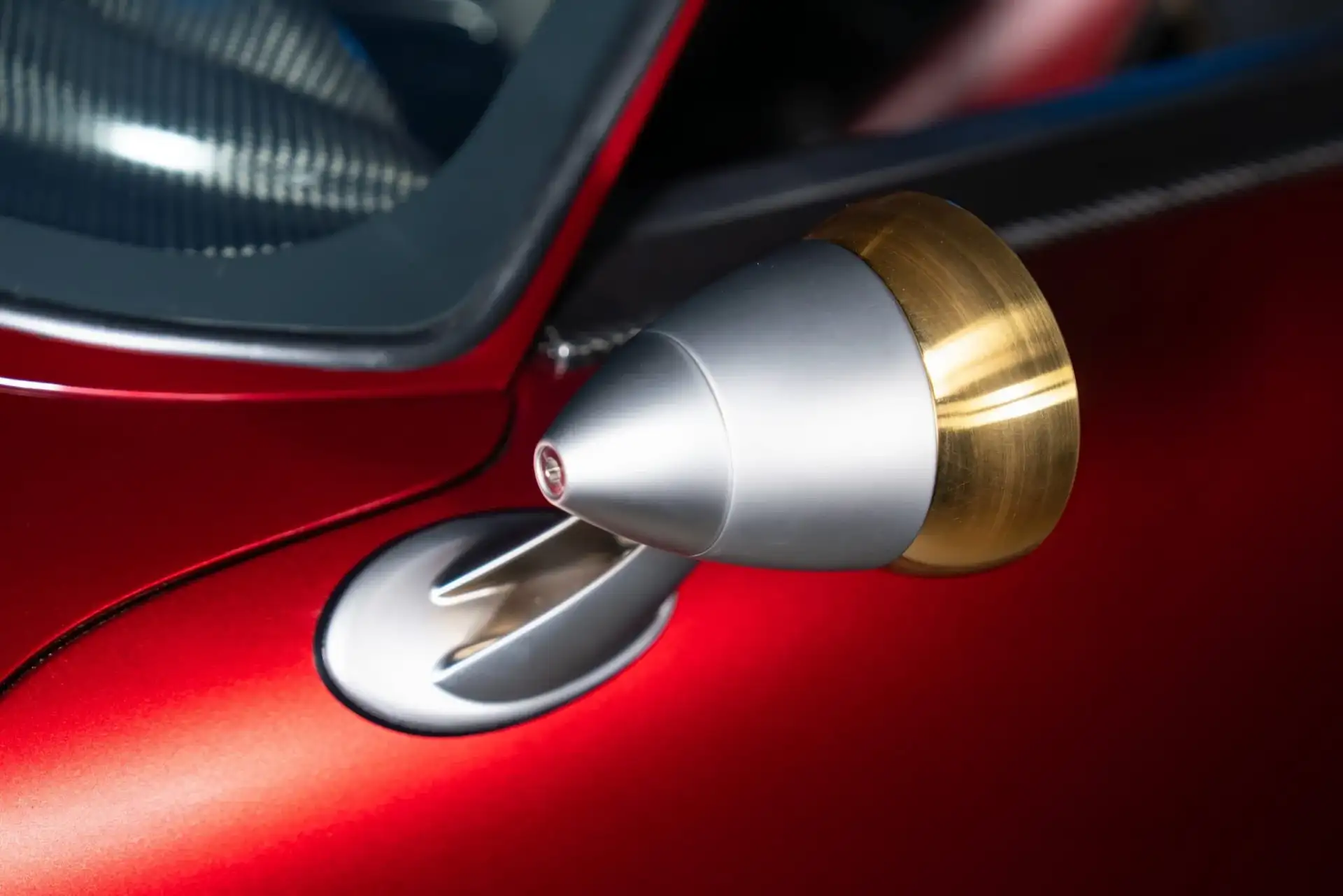
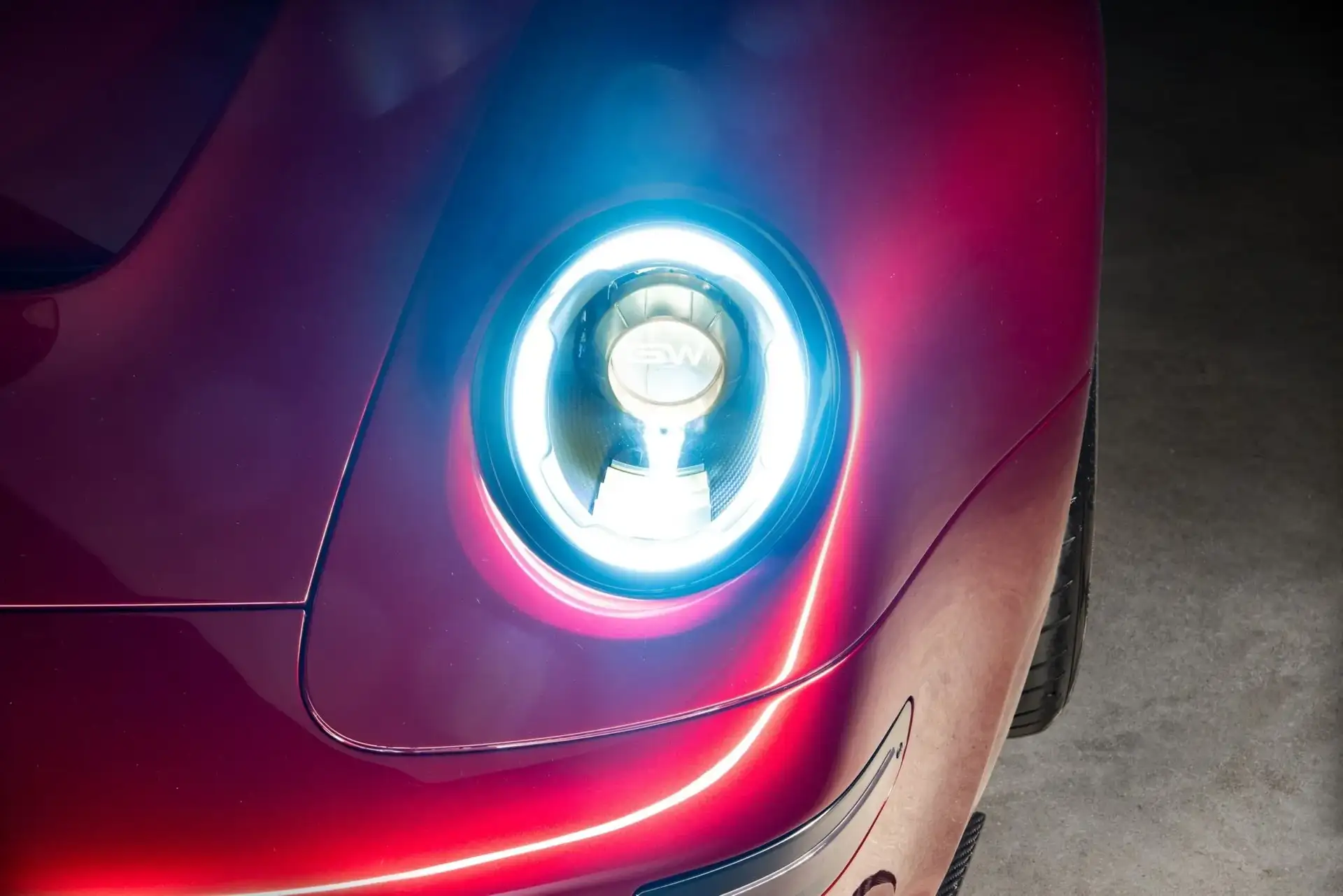
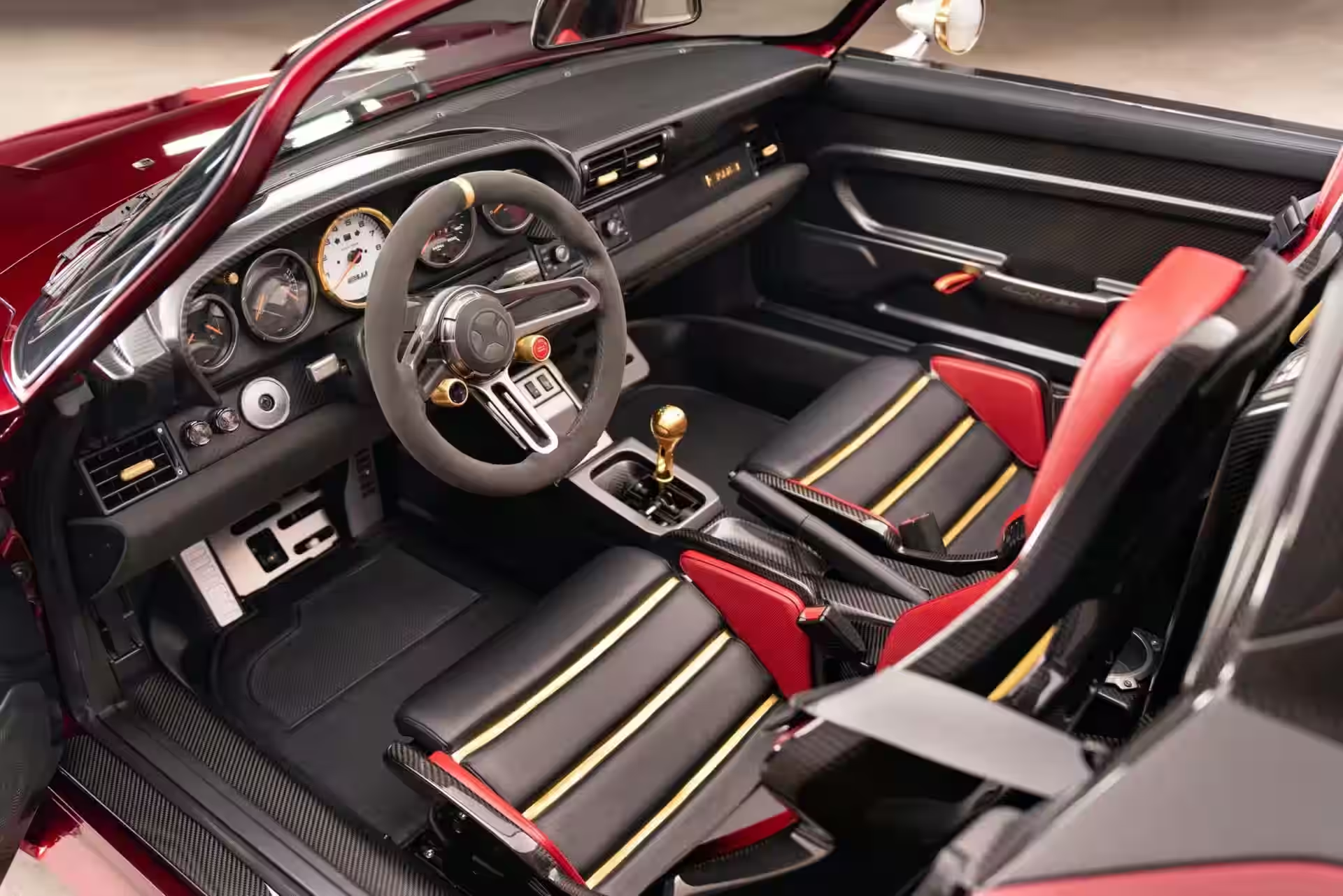
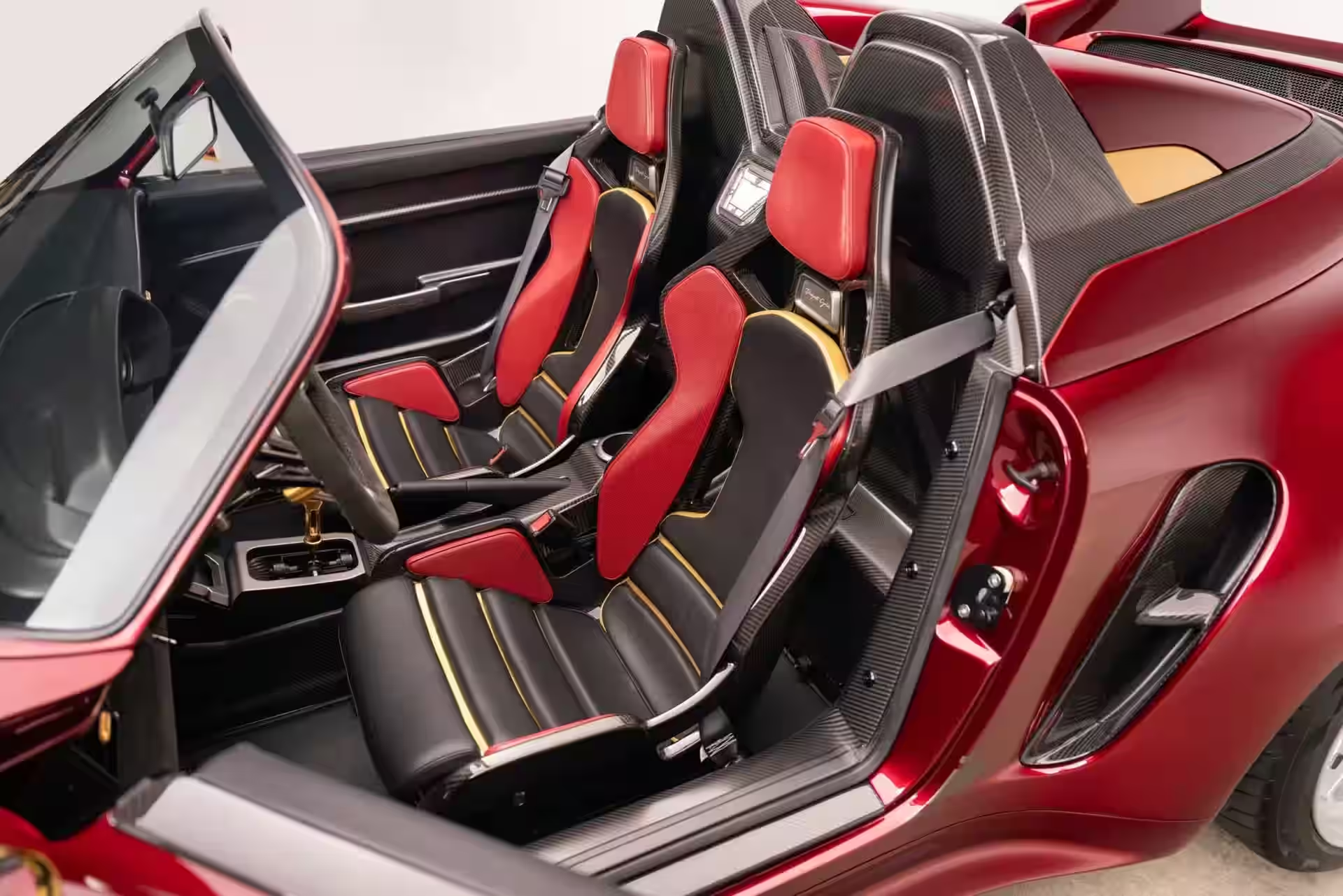
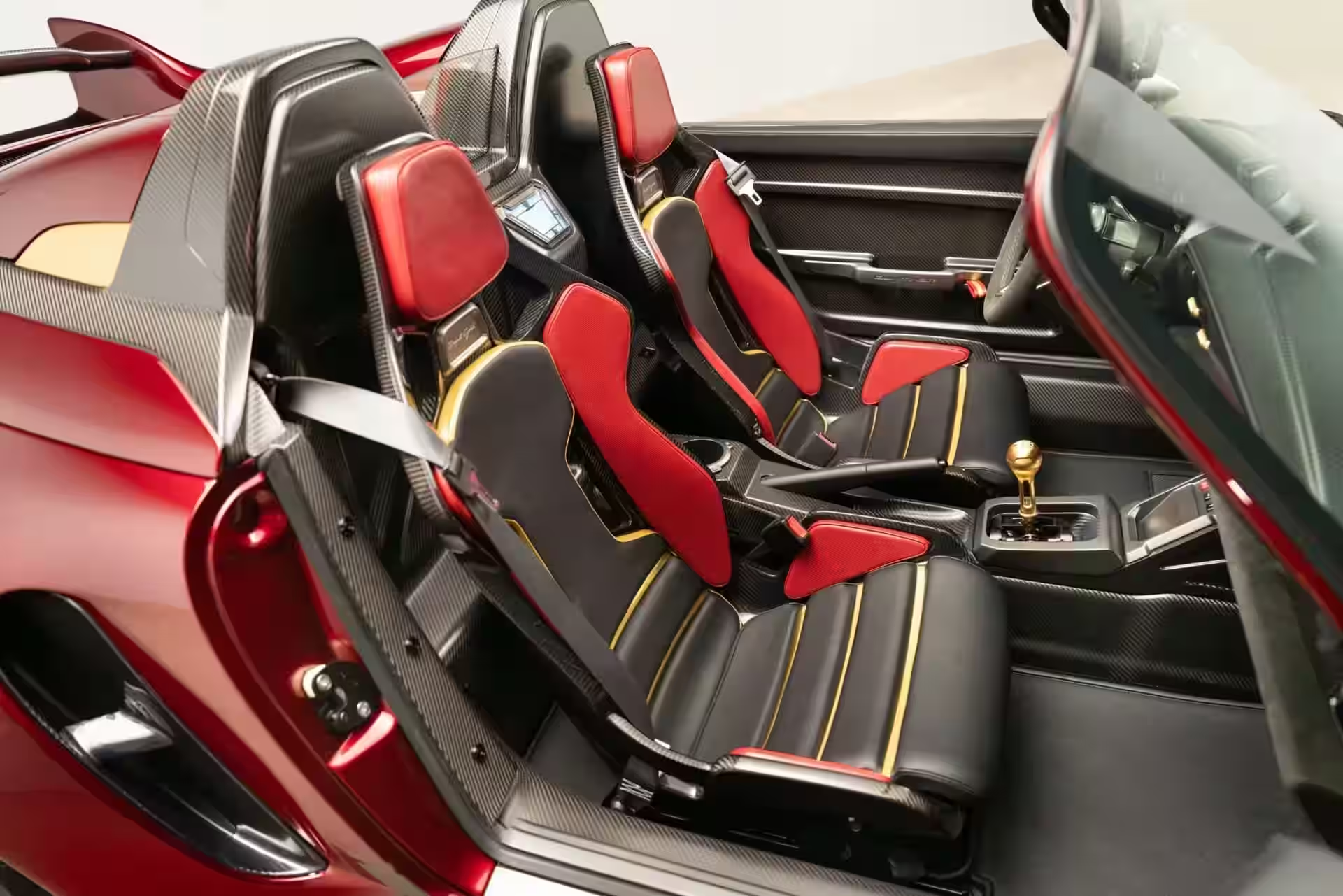
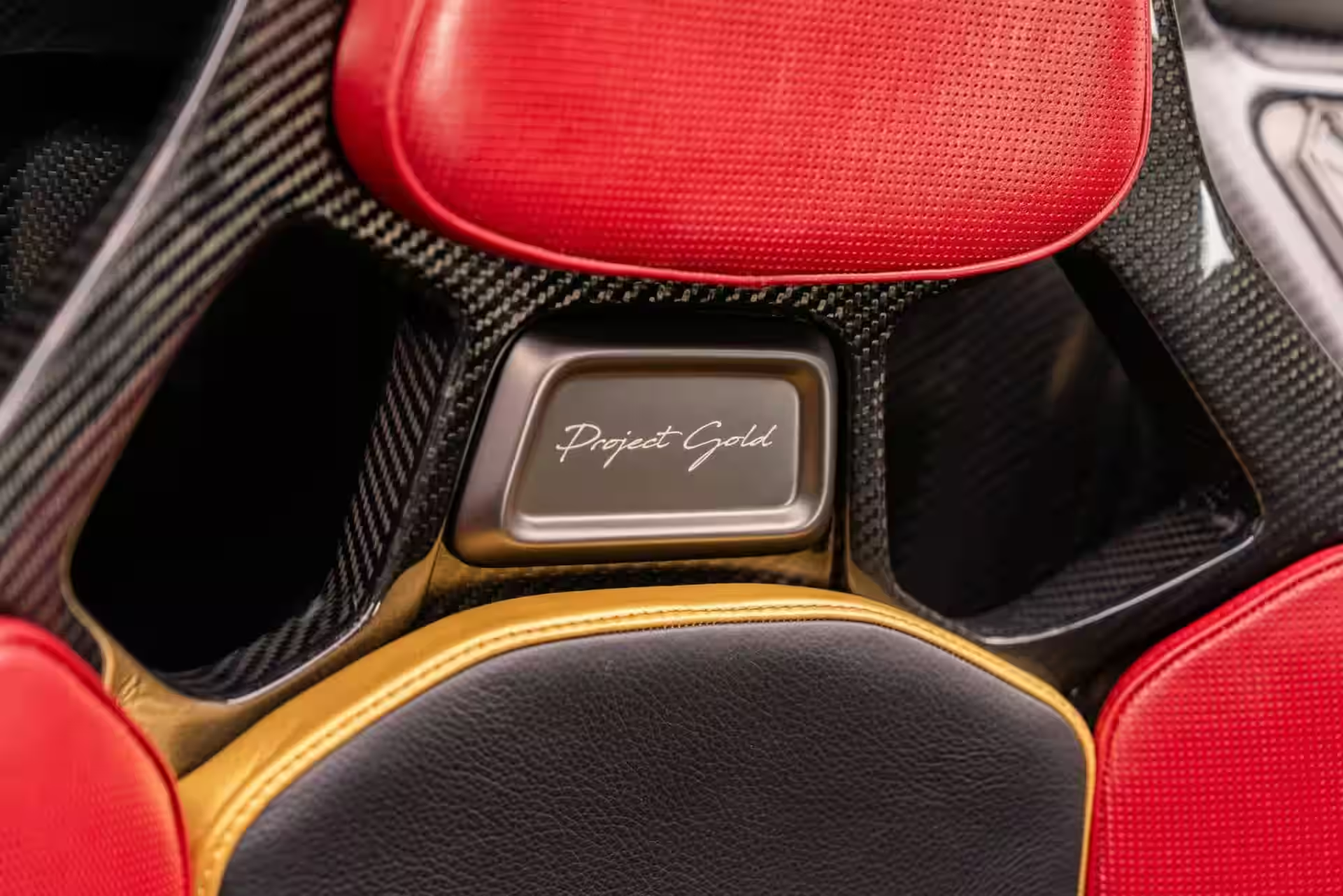
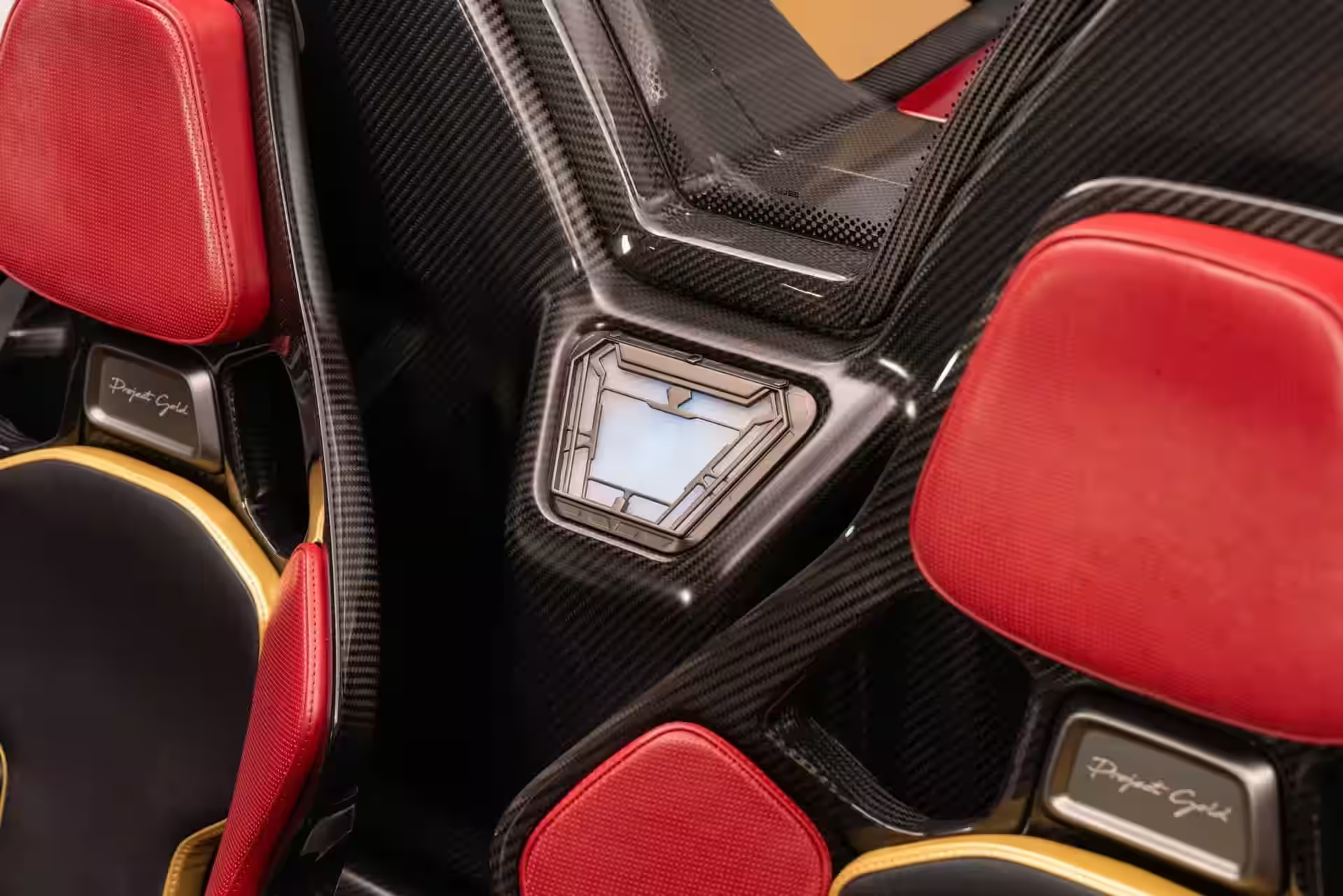
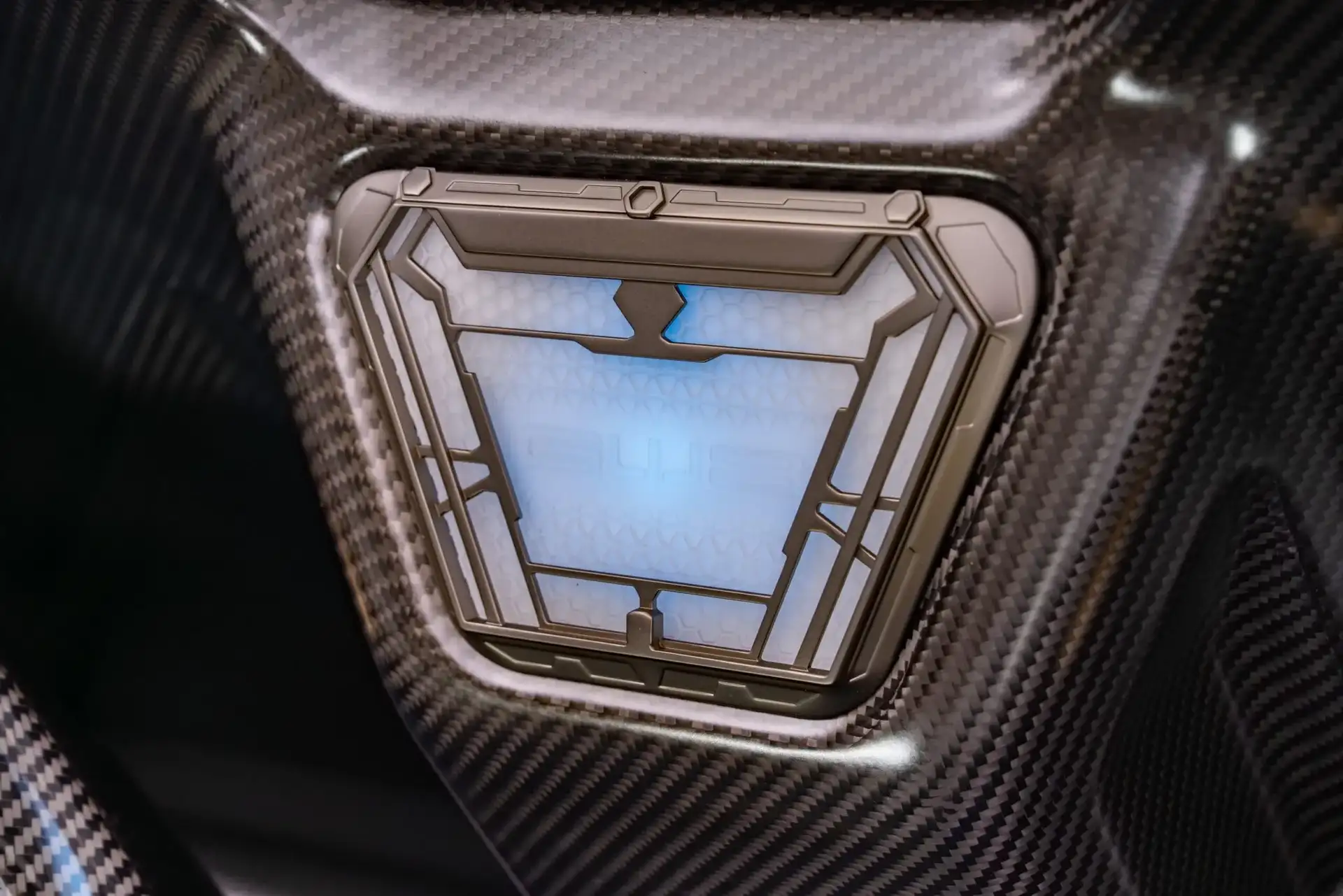
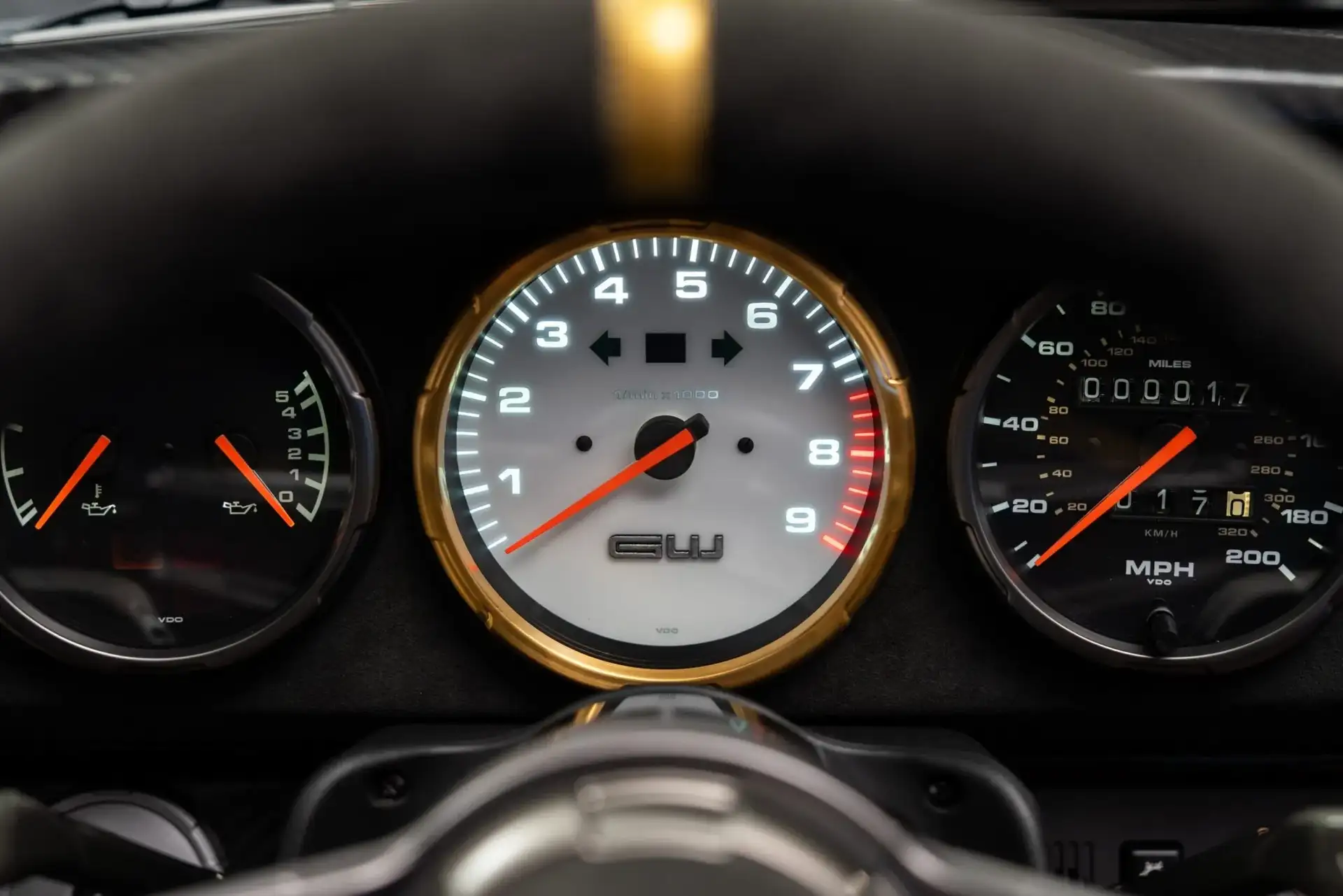
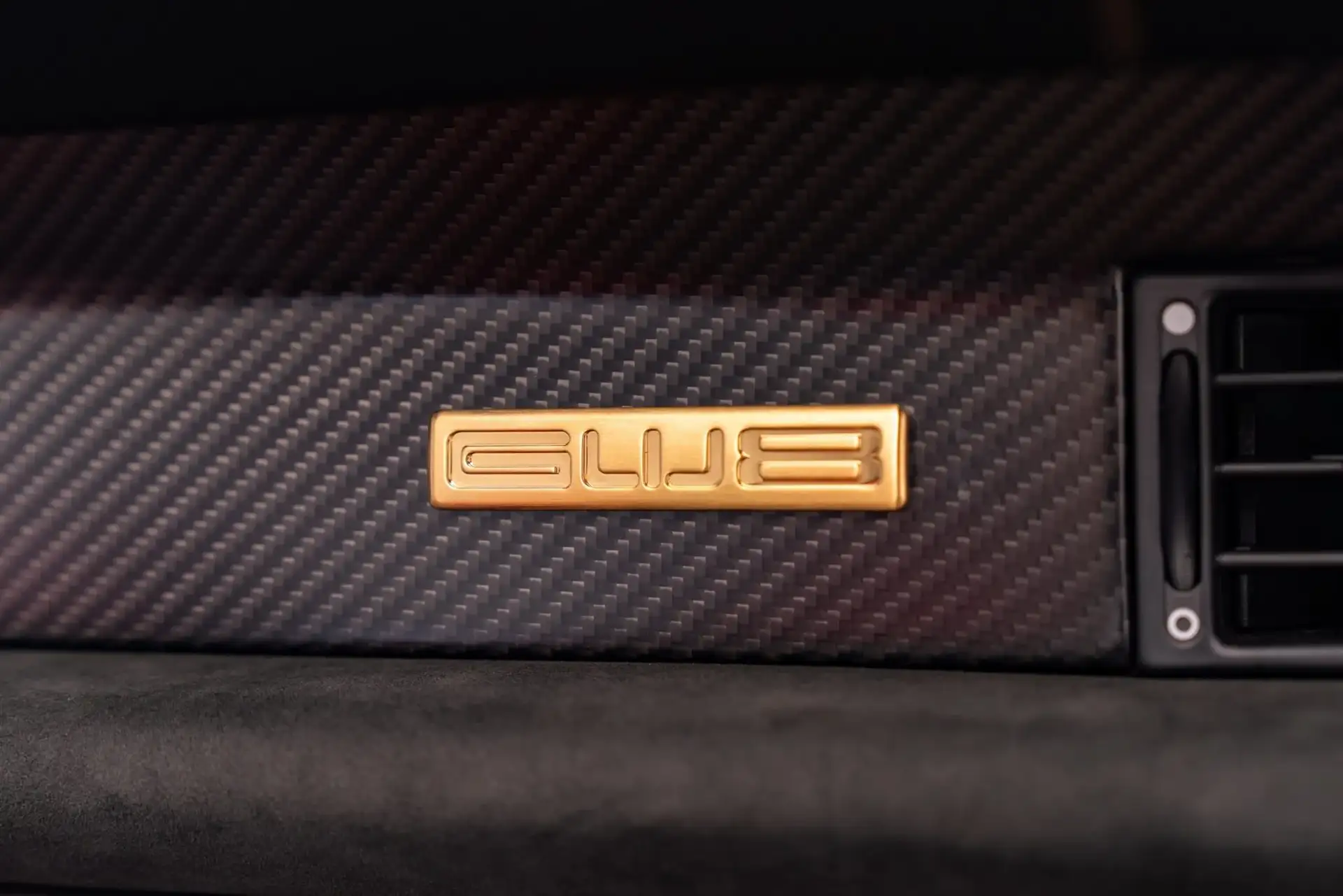
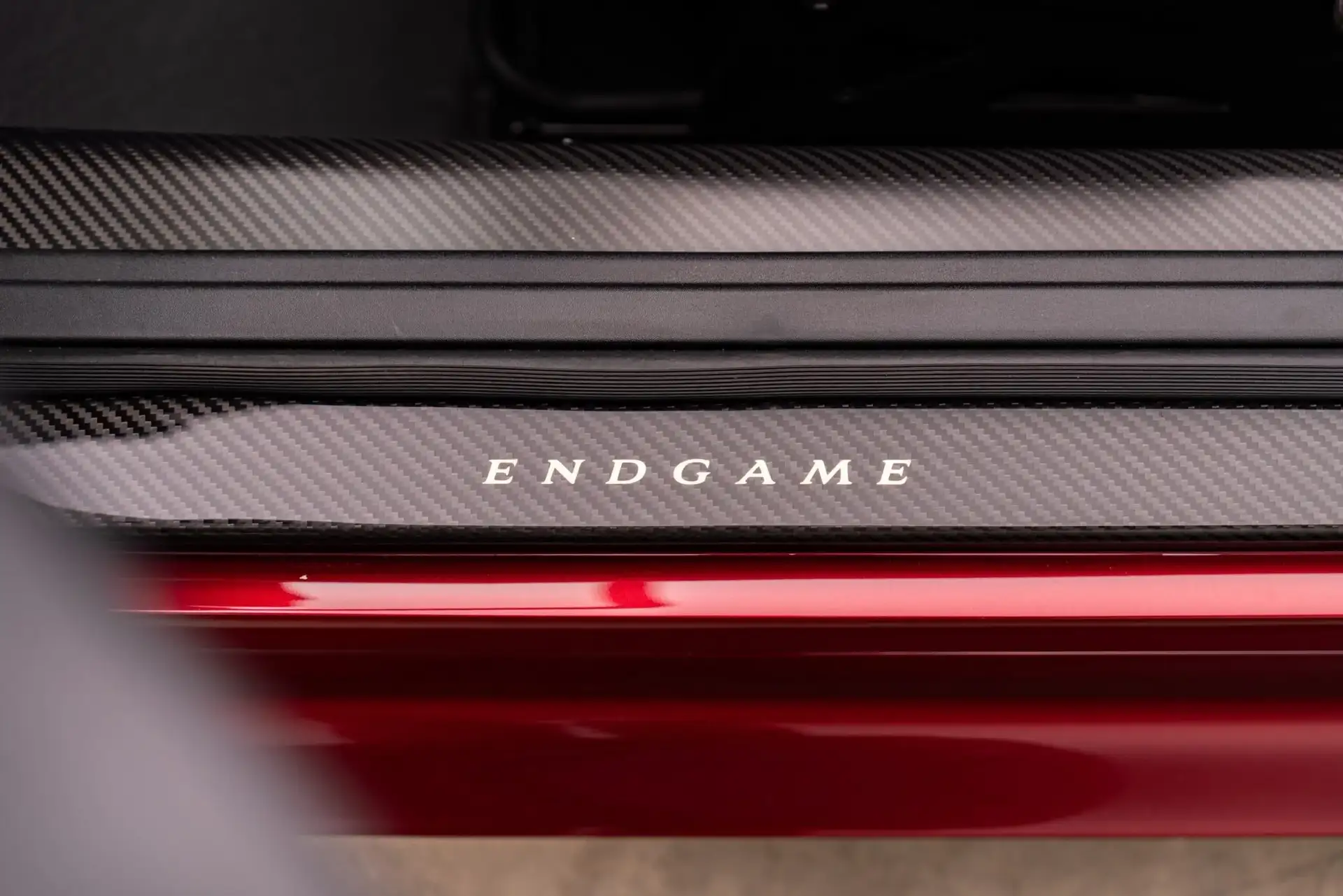
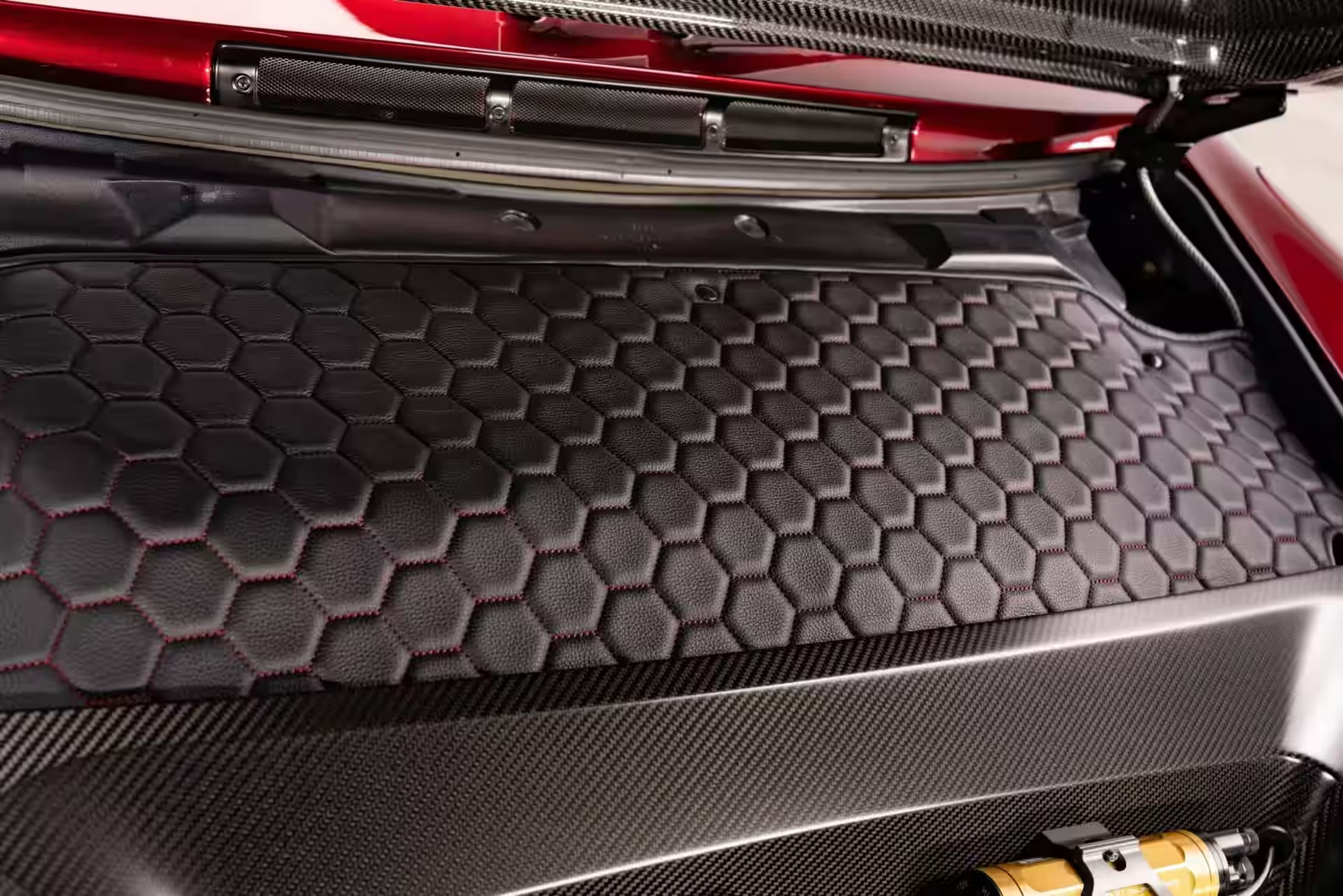
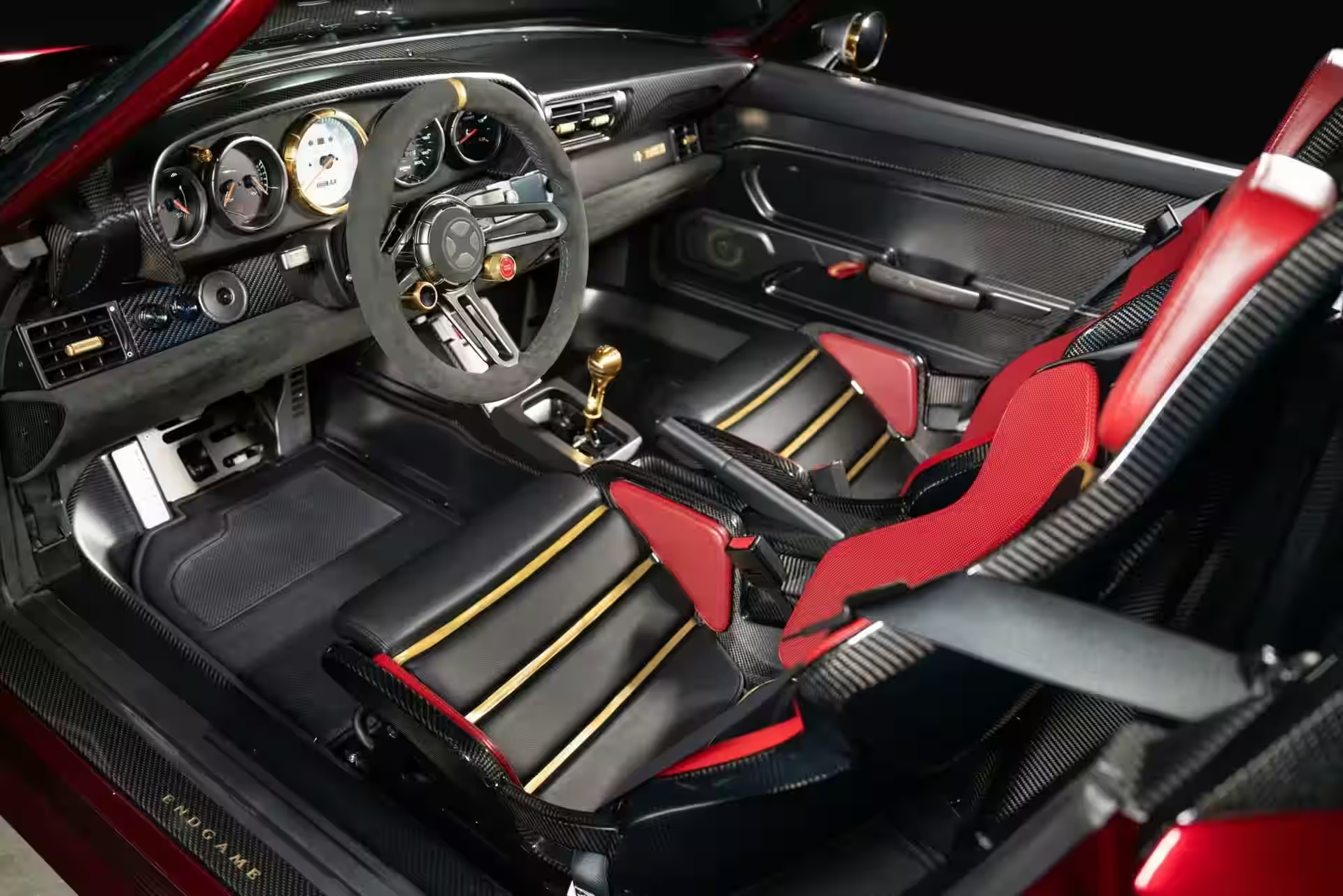
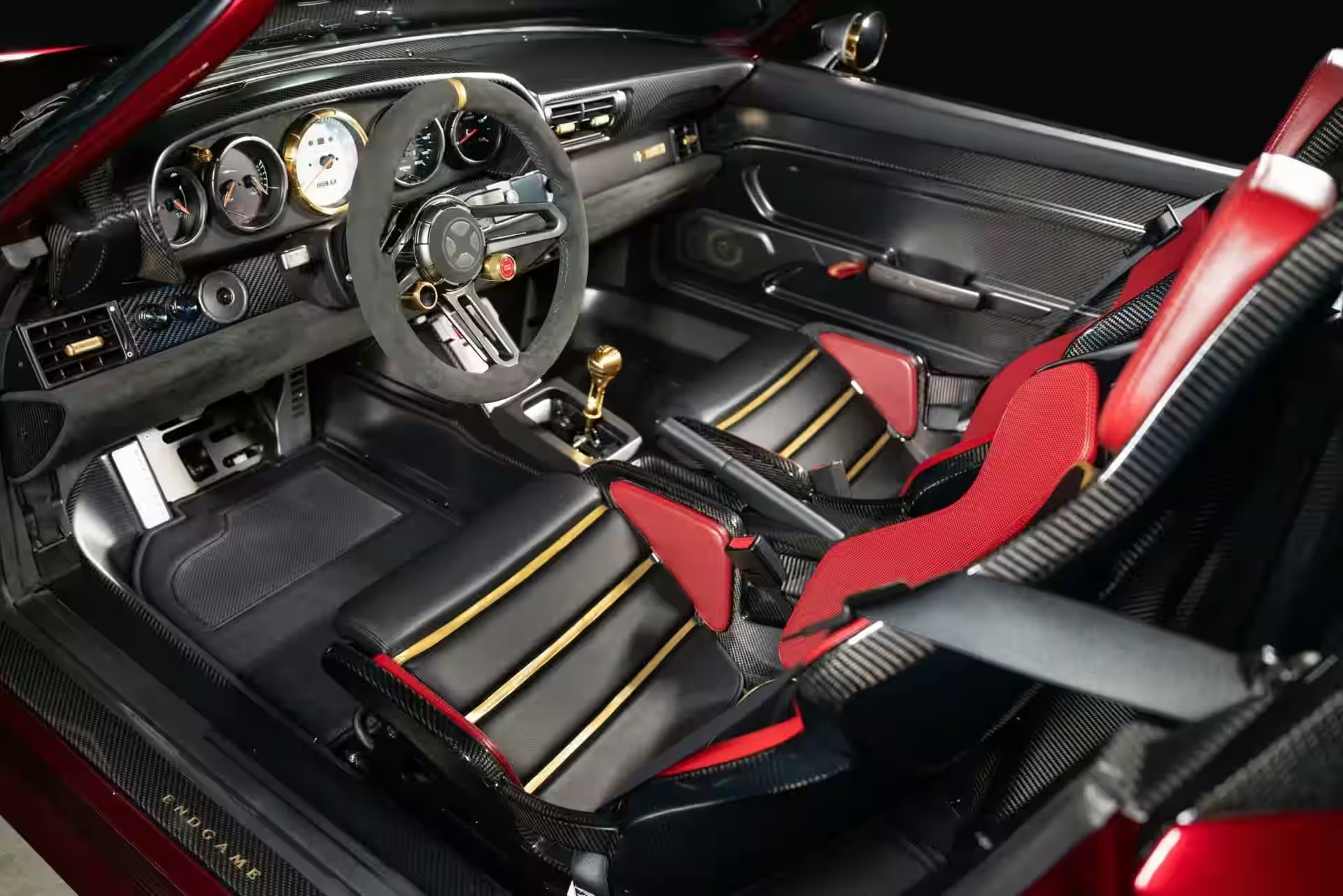
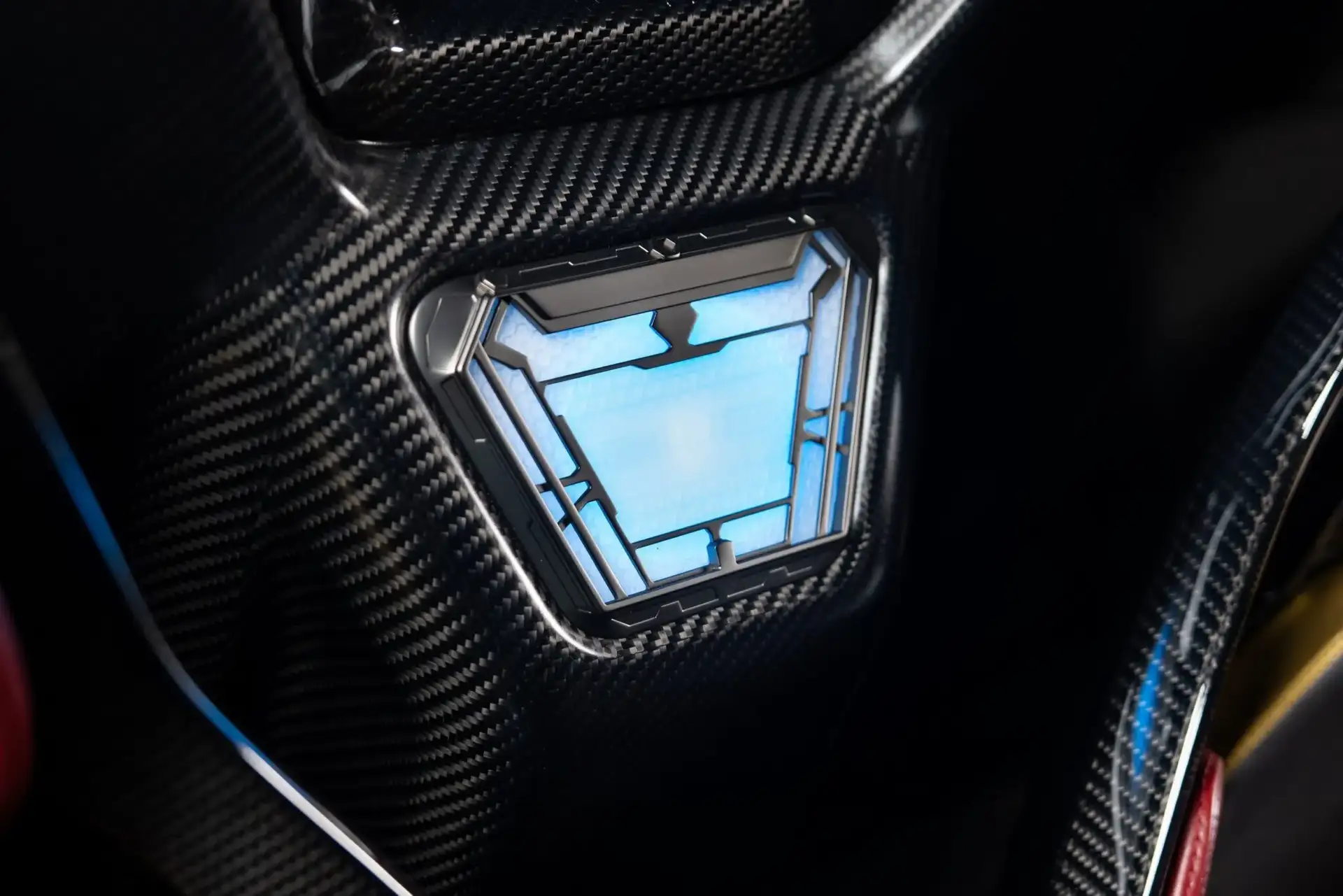
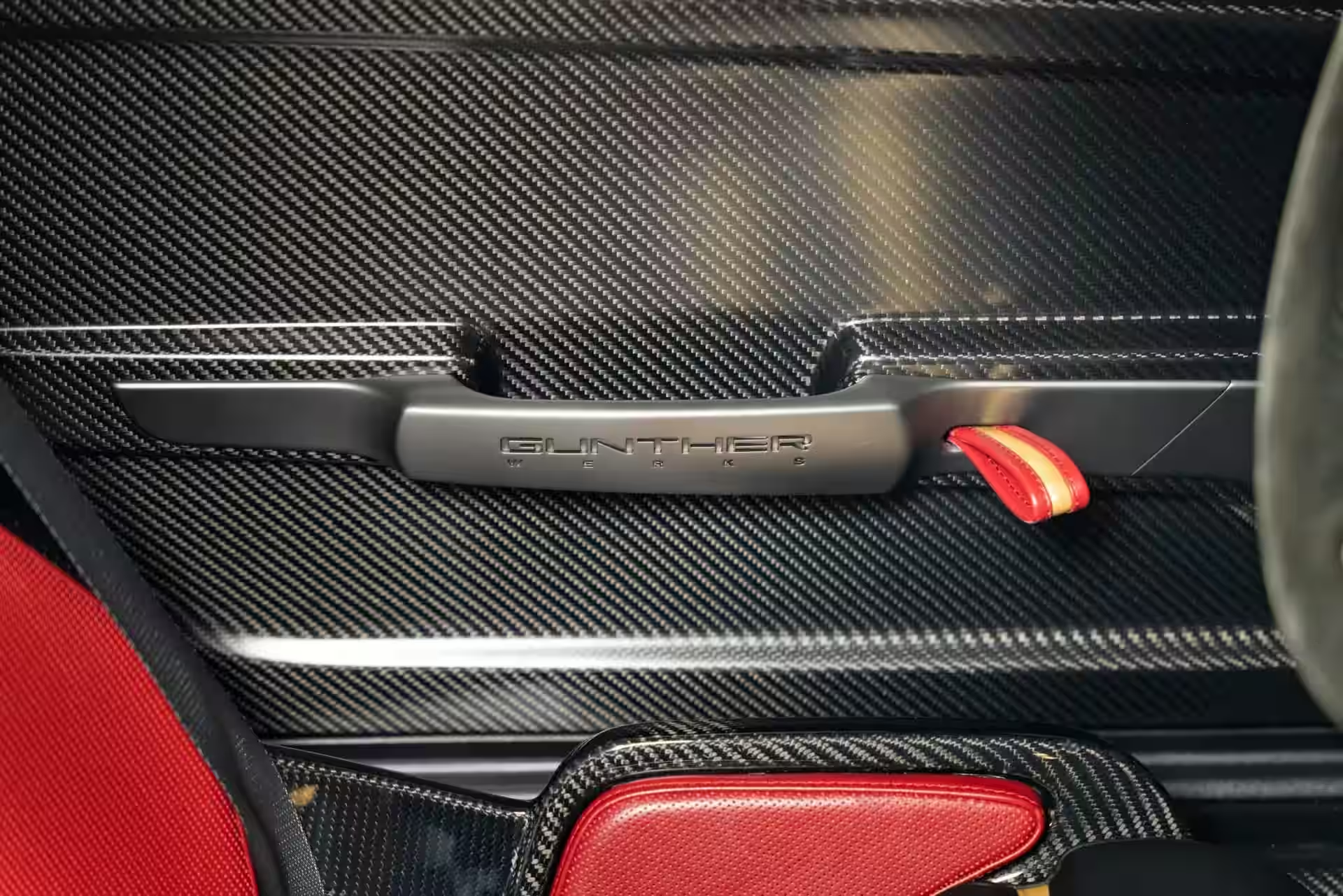
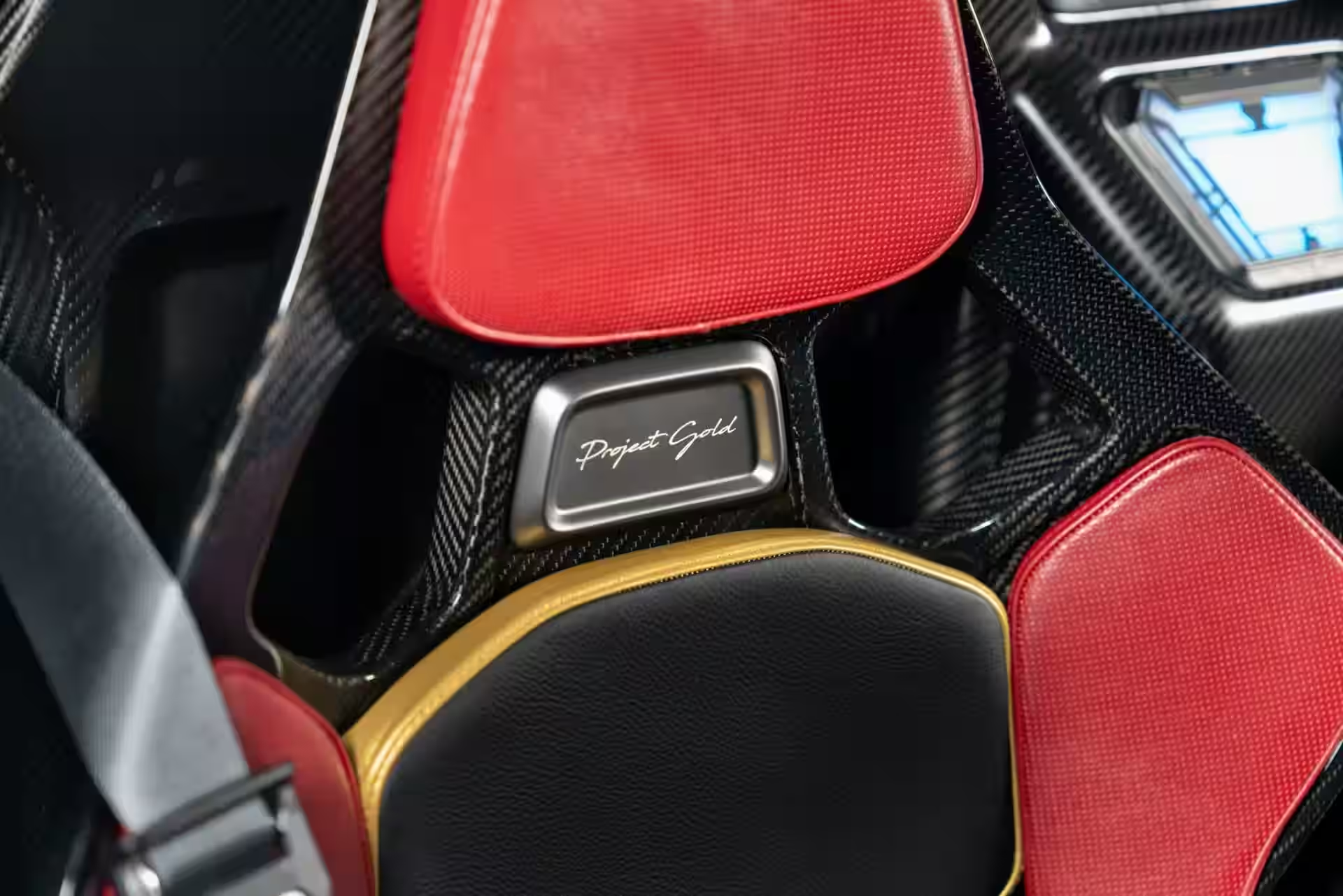
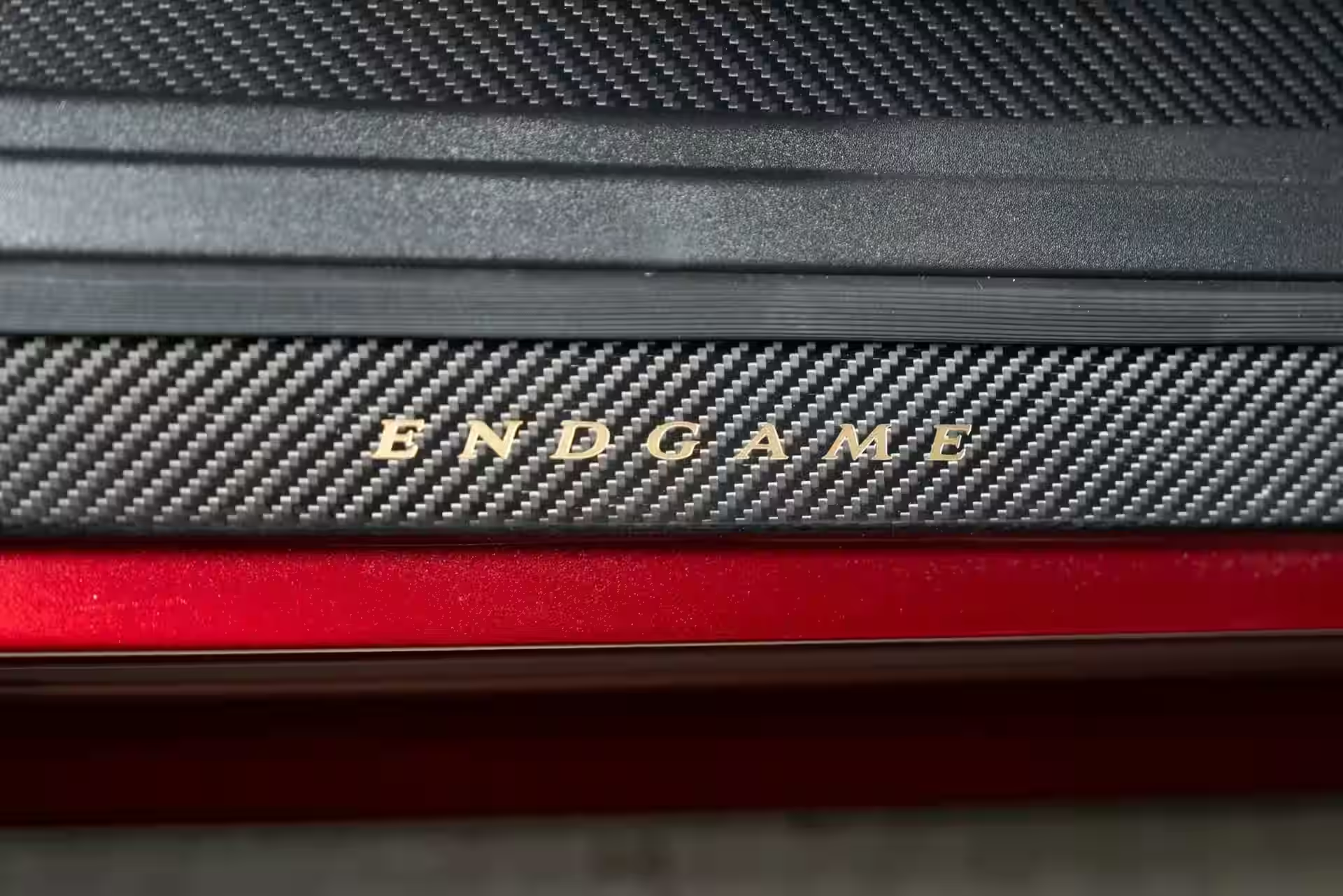
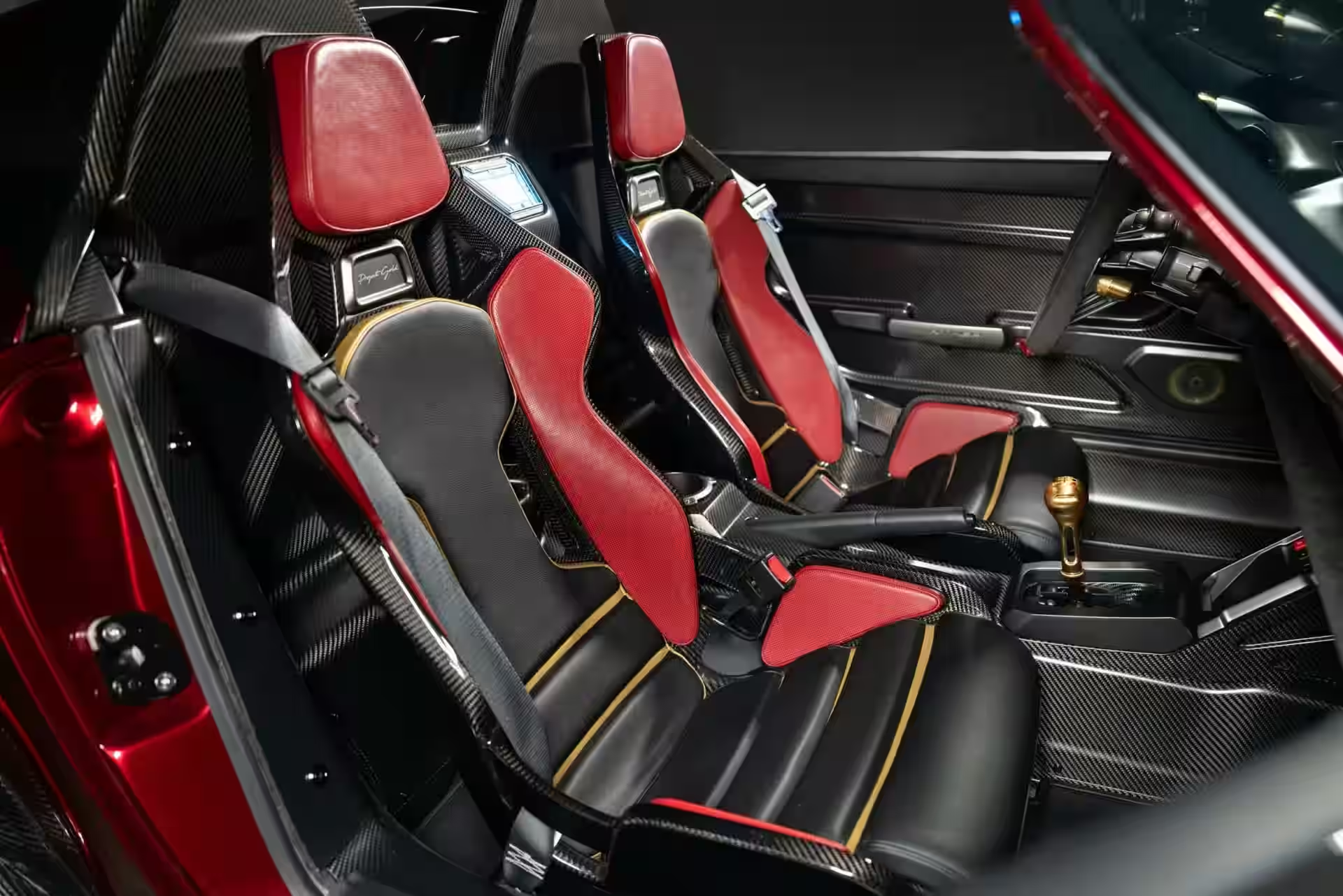
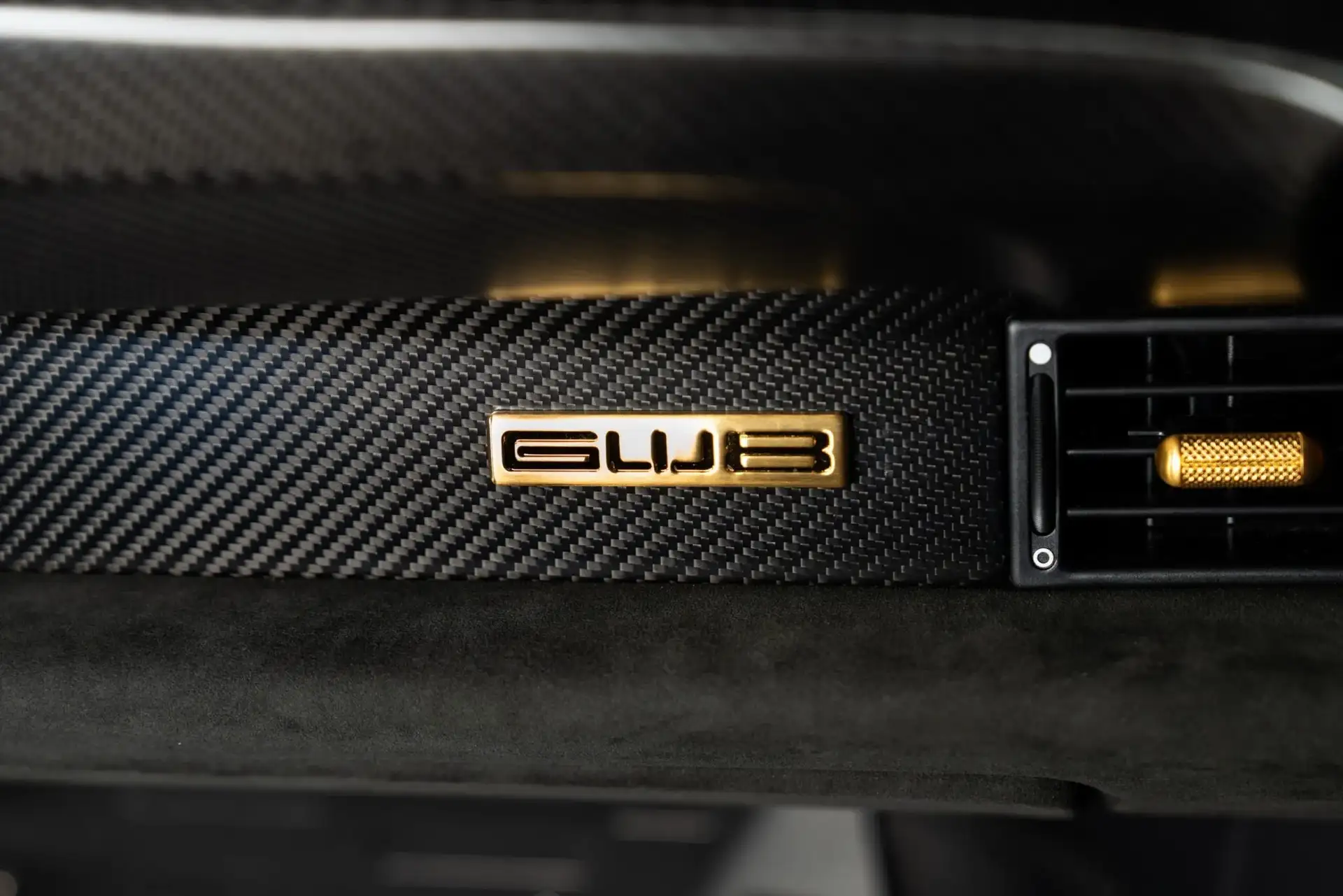
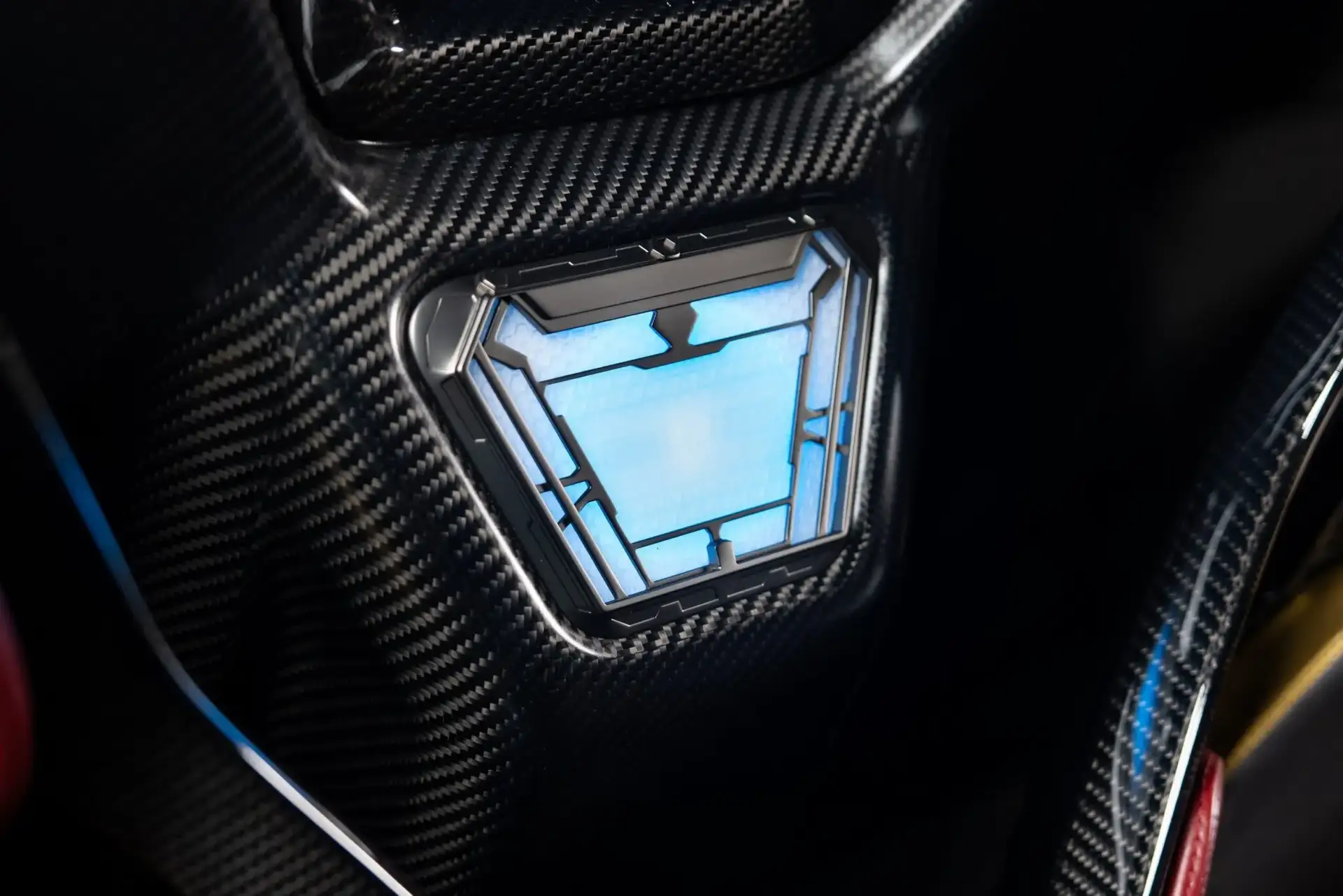
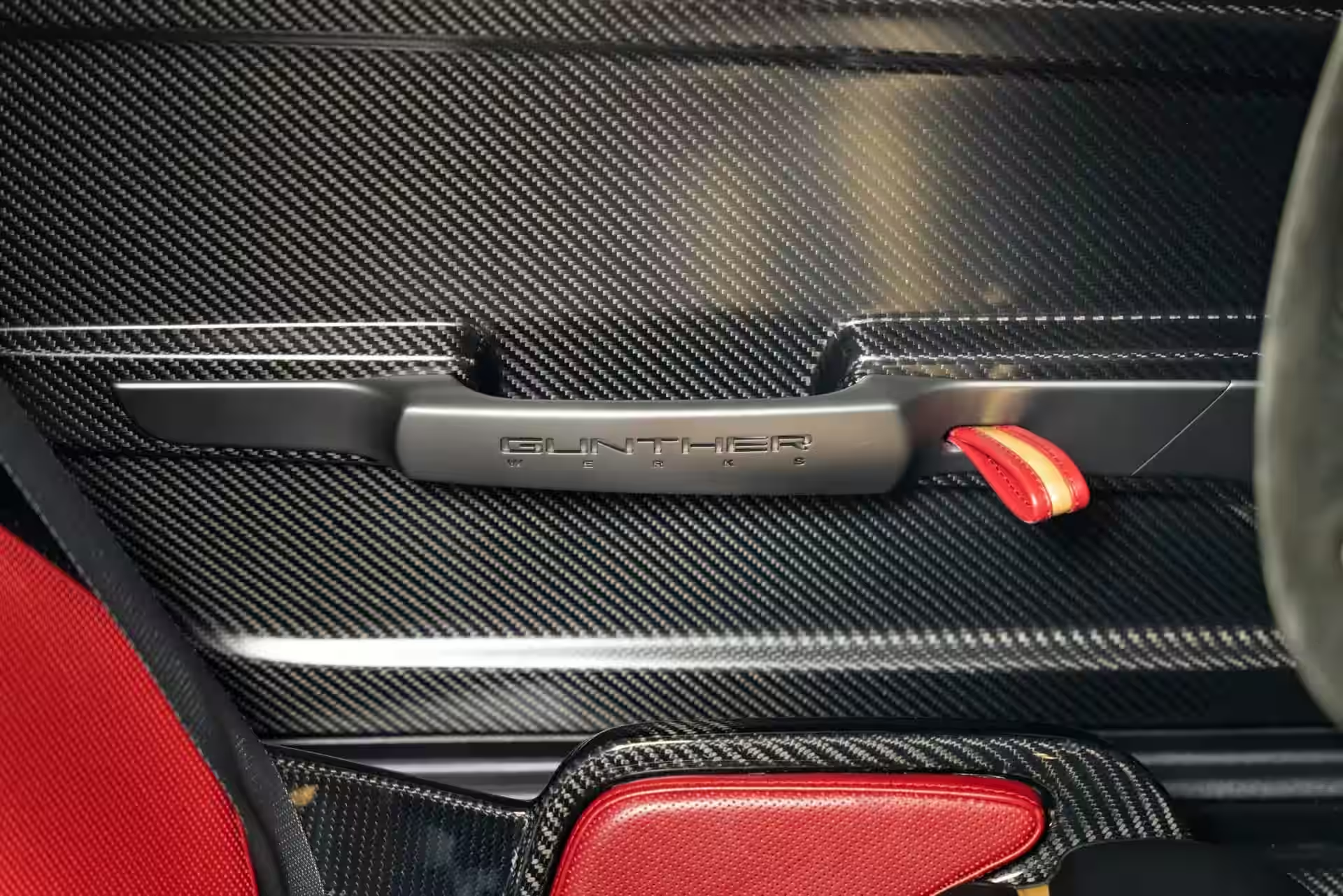
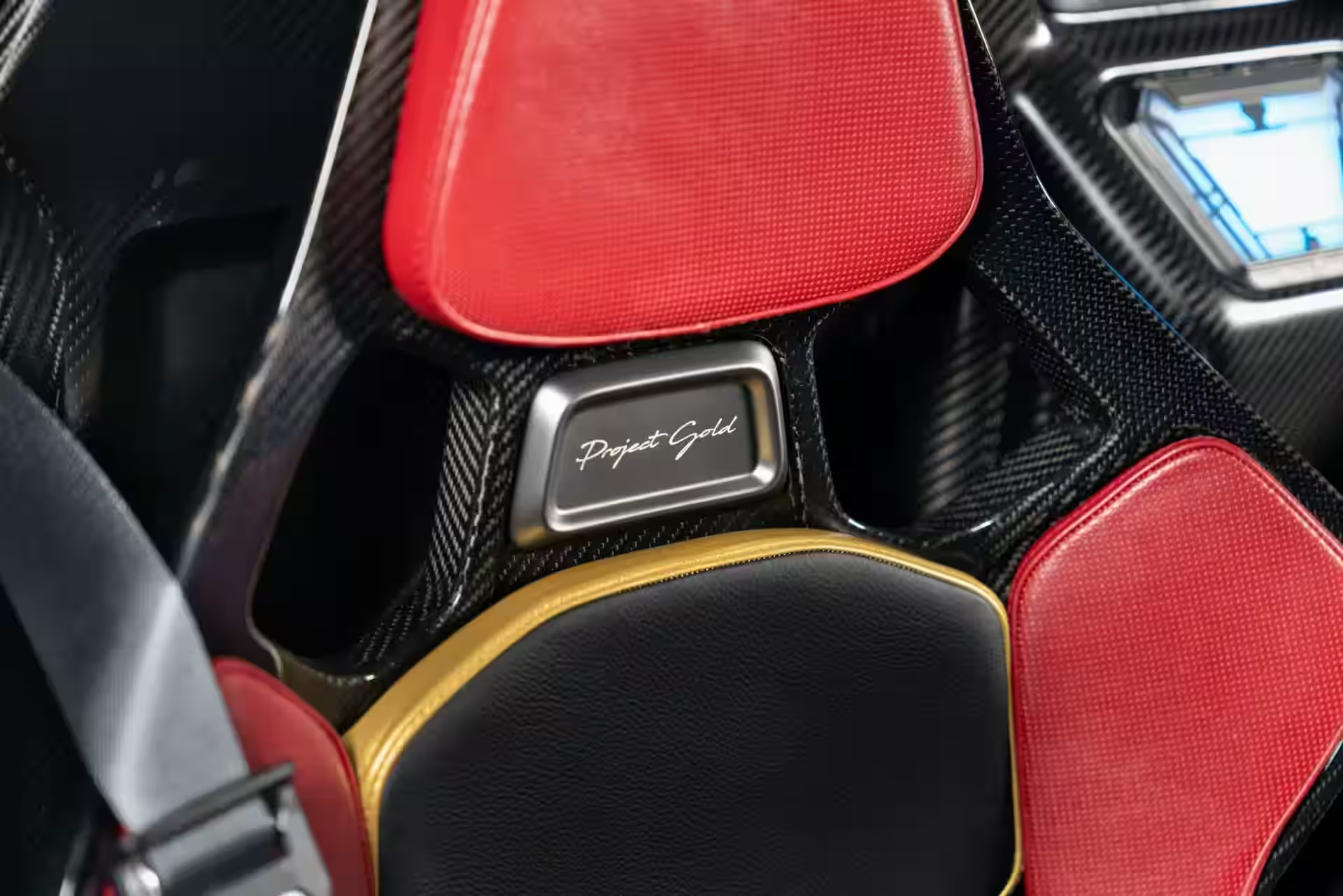
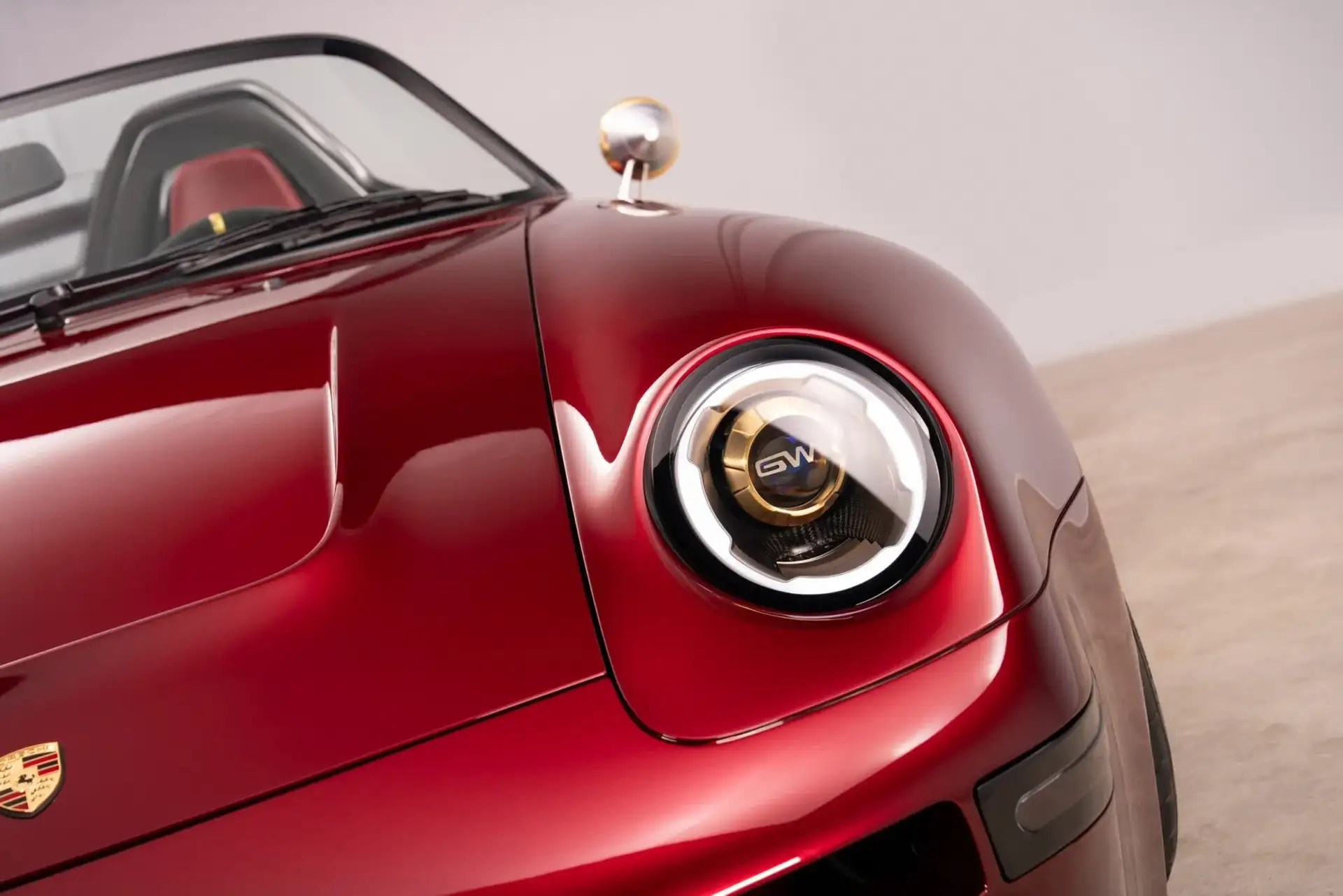
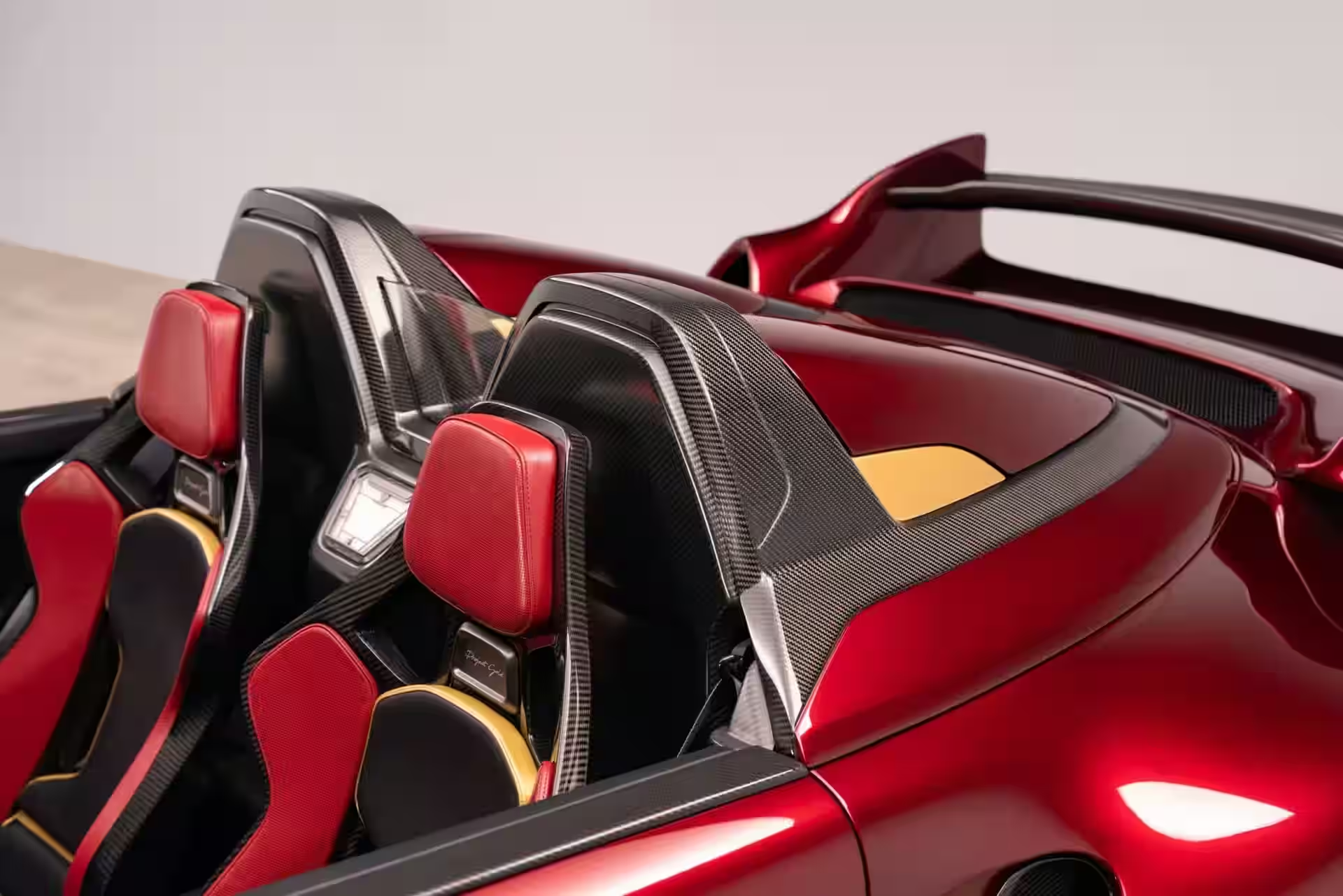
Elsewhere, the cabin uses carbon-fiber sills and door panels, carbon-backed racing seats, and a red, black, and gold leather palette. Gold accents continue across the dashboard and gauge cluster. The result is visually dense, but internally coherent: the theme is “iron-and-fire luxury,” not random customization. The car’s name, Endgame, makes the Marvel reference explicit, and the True Candy Red paint with gold mirror bezels and headlight surrounds completes that connection without apology.
The broader market context is clear. As performance builders chase higher outputs and tighter production numbers, the real value moves toward identity, craftsmanship, and provable uniqueness. That is why a car like this belongs in the same conversation as limited-run icons such as the Rolls-Royce Project Nightingale and extreme boutique builds like the Bovensiepen Zagato.
Why Project Endgame is more than a final edition
Gunther Werks could have ended the Speedster line with a tasteful commemorative specification. Instead, it chose a car that puts every part of the formula on display: air-cooled heritage, turbocharged brute force, carbon construction, a manual transmission, and enough precious metal to make a watch collector smile. That is what makes Project Endgame important. It is not trying to be restrained, and it never needed to be.
FAQ
- What makes Gunther Werks Project Endgame different from earlier Speedsters? It is the only Gunther Werks Speedster with an air-cooled flat-six and it uses a more aggressive GW Turbo-inspired body package.
- How much power does Project Endgame make? The Rothsport Racing-built 4.0-liter twin-turbo flat-six produces 840 hp and 894 Nm (660 lb-ft).
- Does Project Endgame still use a manual transmission? Yes. Power goes to the rear wheels through a 6-speed manual gearbox.
- Why is the gold trim significant? The 24-karat gold accents on the intercoolers, mirrors, headlight bezels, and cabin details are part of the car’s final-edition identity and visual theme.
- How light is the car? Gunther Werks says it weighs just over 1,179 kg (2,600 lb), which is exceptionally low for an 840 hp turbocharged restomod.