Brabus Is Not Just Decorating An Electric Motorcycle Brand
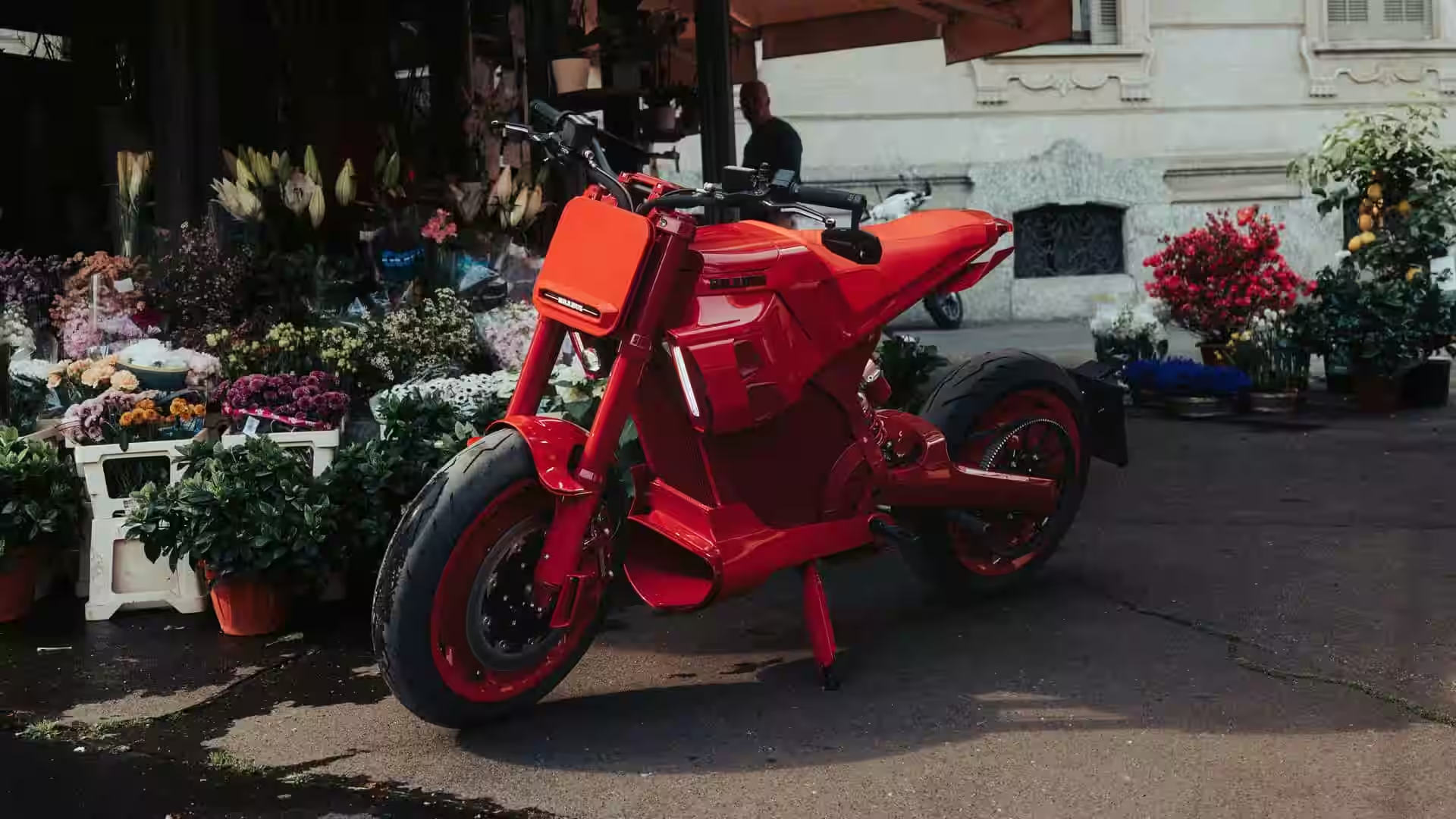
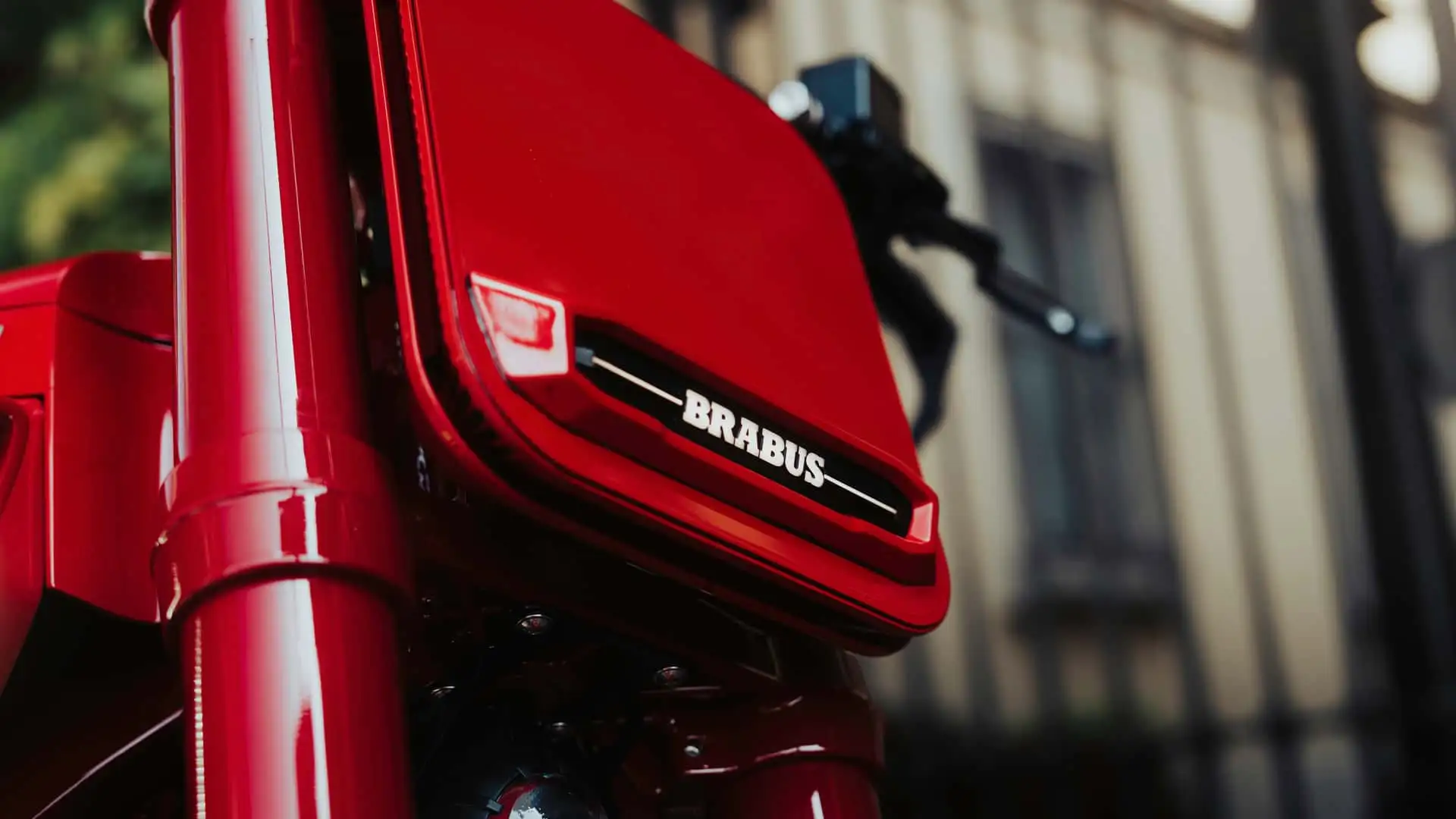
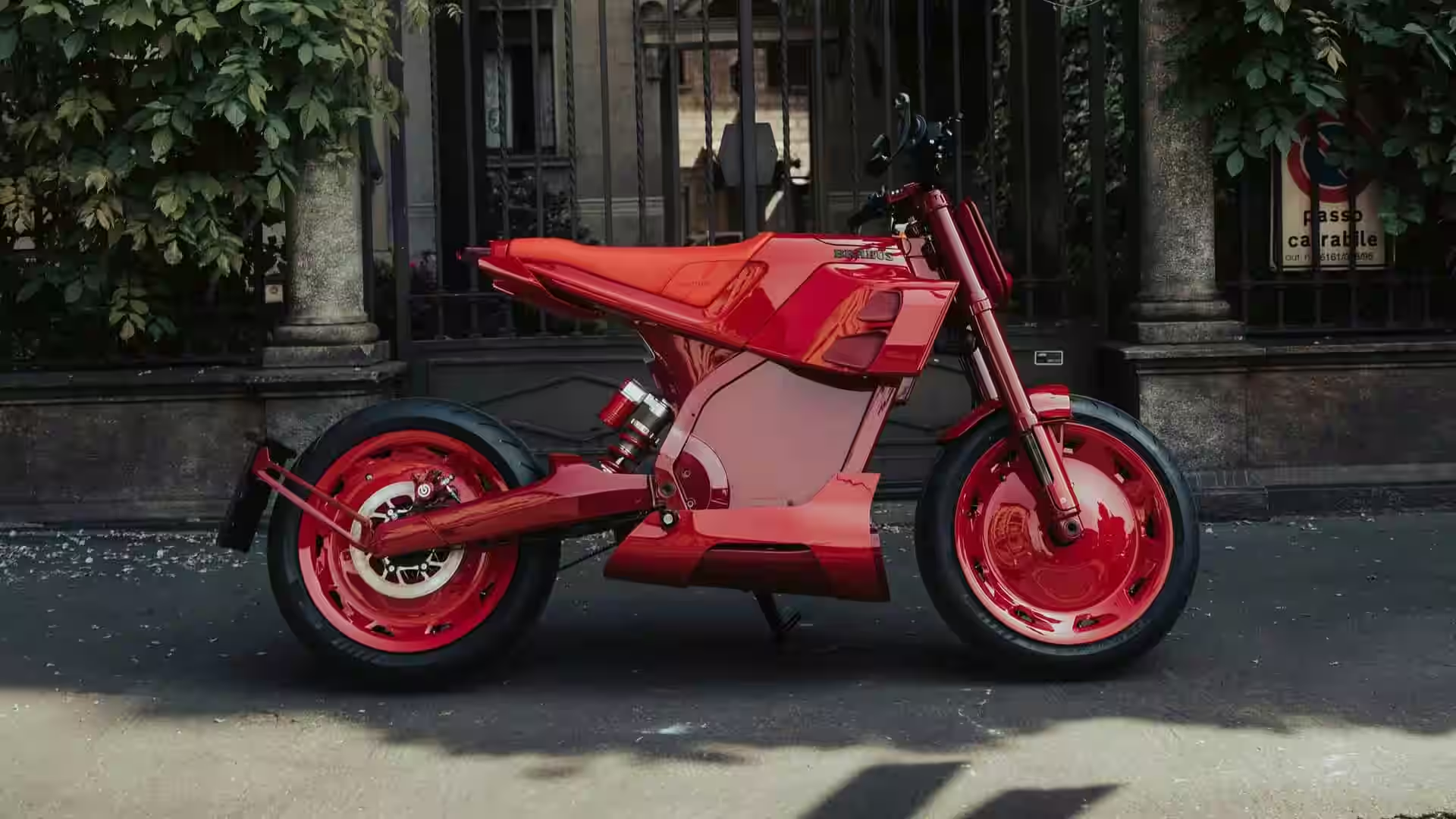
Brabus has spent decades monetizing excess, but the new BRABUS X DAB MOTORS project is smarter than a badge exercise. The Bottrop tuner is entering electric motorcycles through DAB Motors’ 72 V platform, and the timing is deliberate: urban EV two-wheelers are moving from niche curiosity to a premium category with real margin potential. The headline trio, DAB 1a Brabus, Brabus Urban E, and Urban E First Edition, is aimed at city riders who want carbon, exclusivity and low running costs in the same package.
The technical anchor is consistent across the range: a 72-volt battery architecture, a belt final drive, and a claimed 150 km of city range on the most efficiency-focused setup. Top speed is listed at 120 km/h, which places these bikes squarely in the fast-commuter bracket rather than the track-toy category. That distinction is important, because Brabus is not trying to outgun the Ducati or KTM crowd here; it is trying to own the premium electric scooter-plus space for riders who want motorcycle stance and car-brand theater.
The DAB 1a Brabus Starts With Materials, Not Power
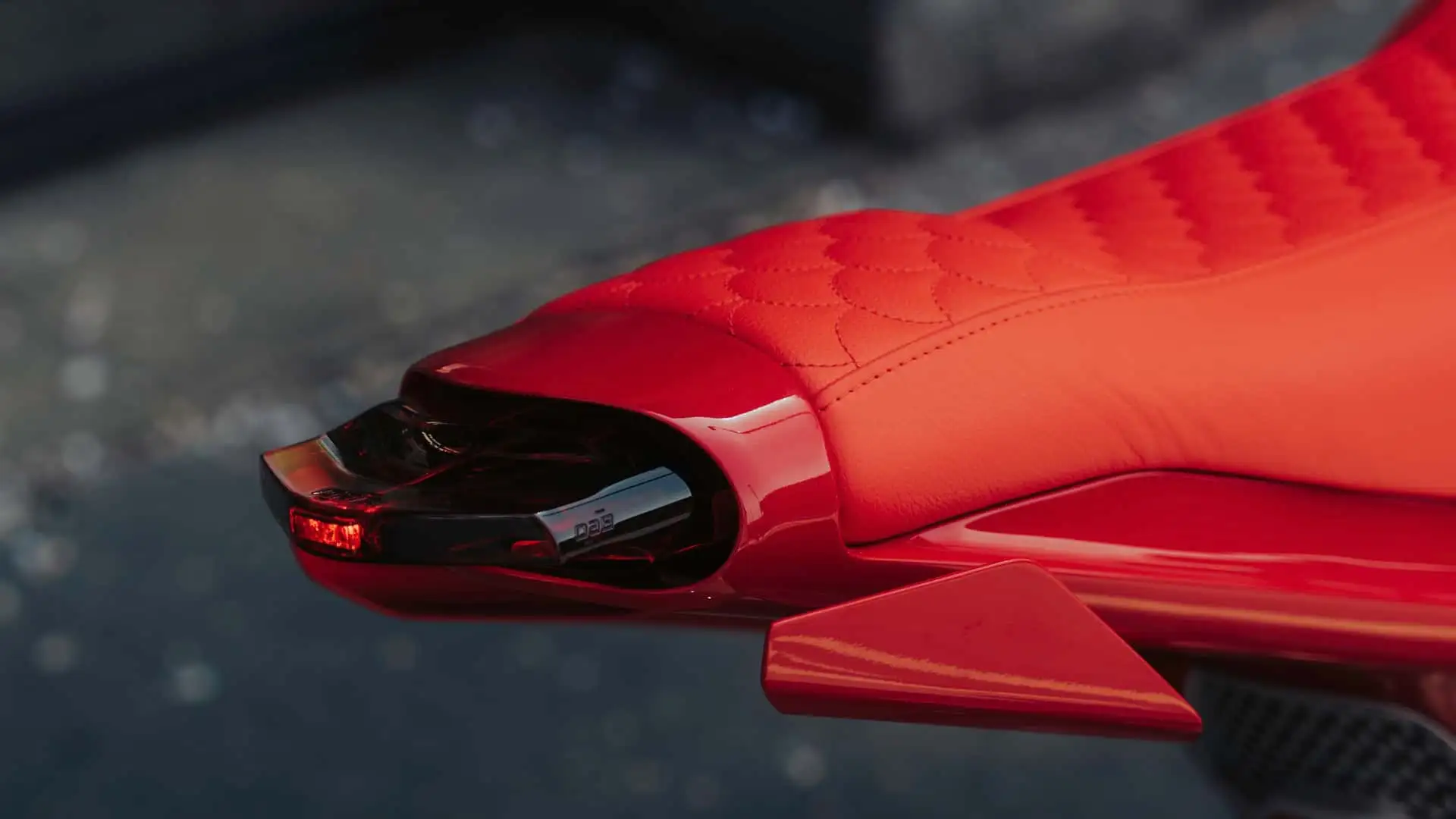
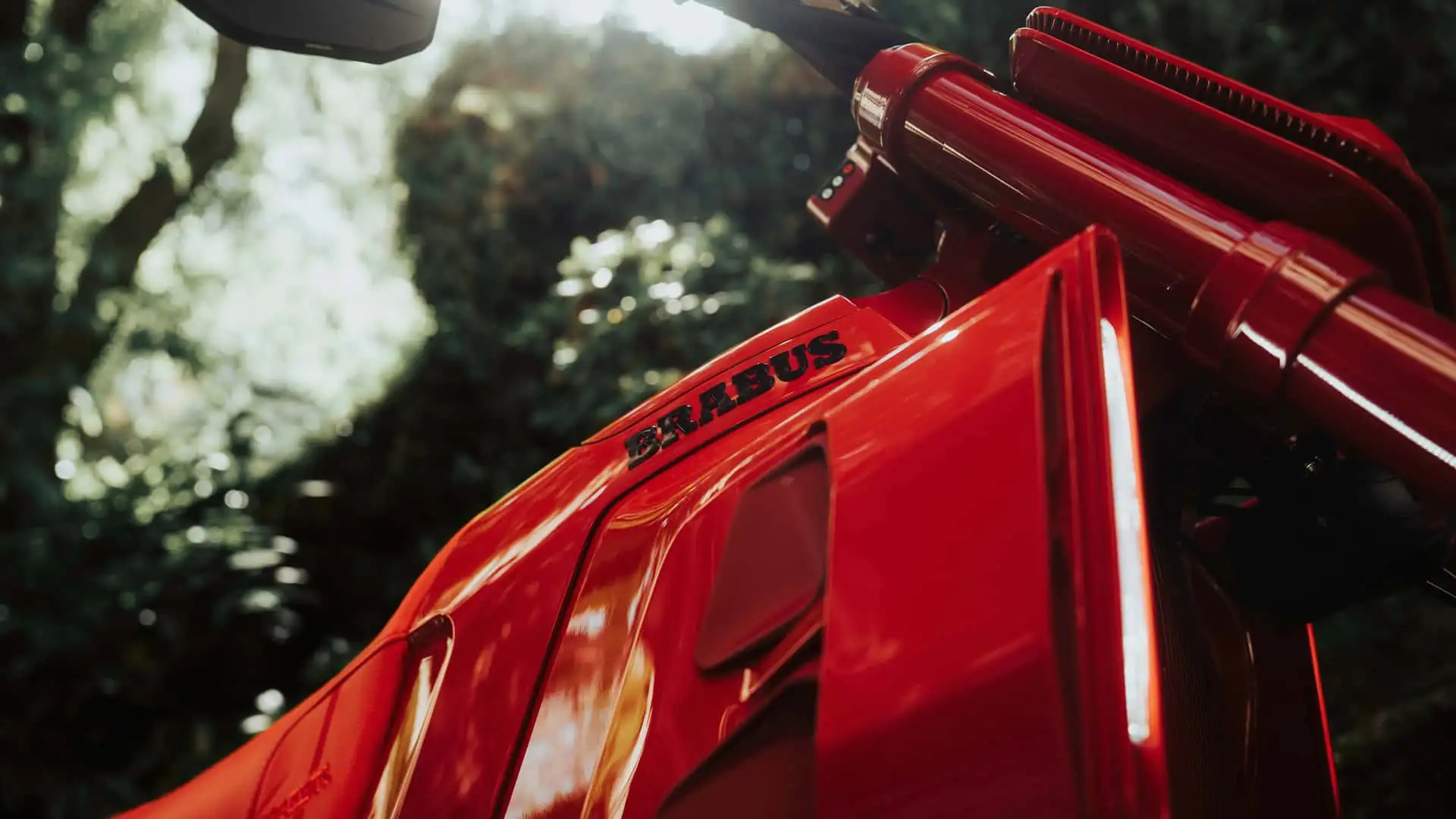
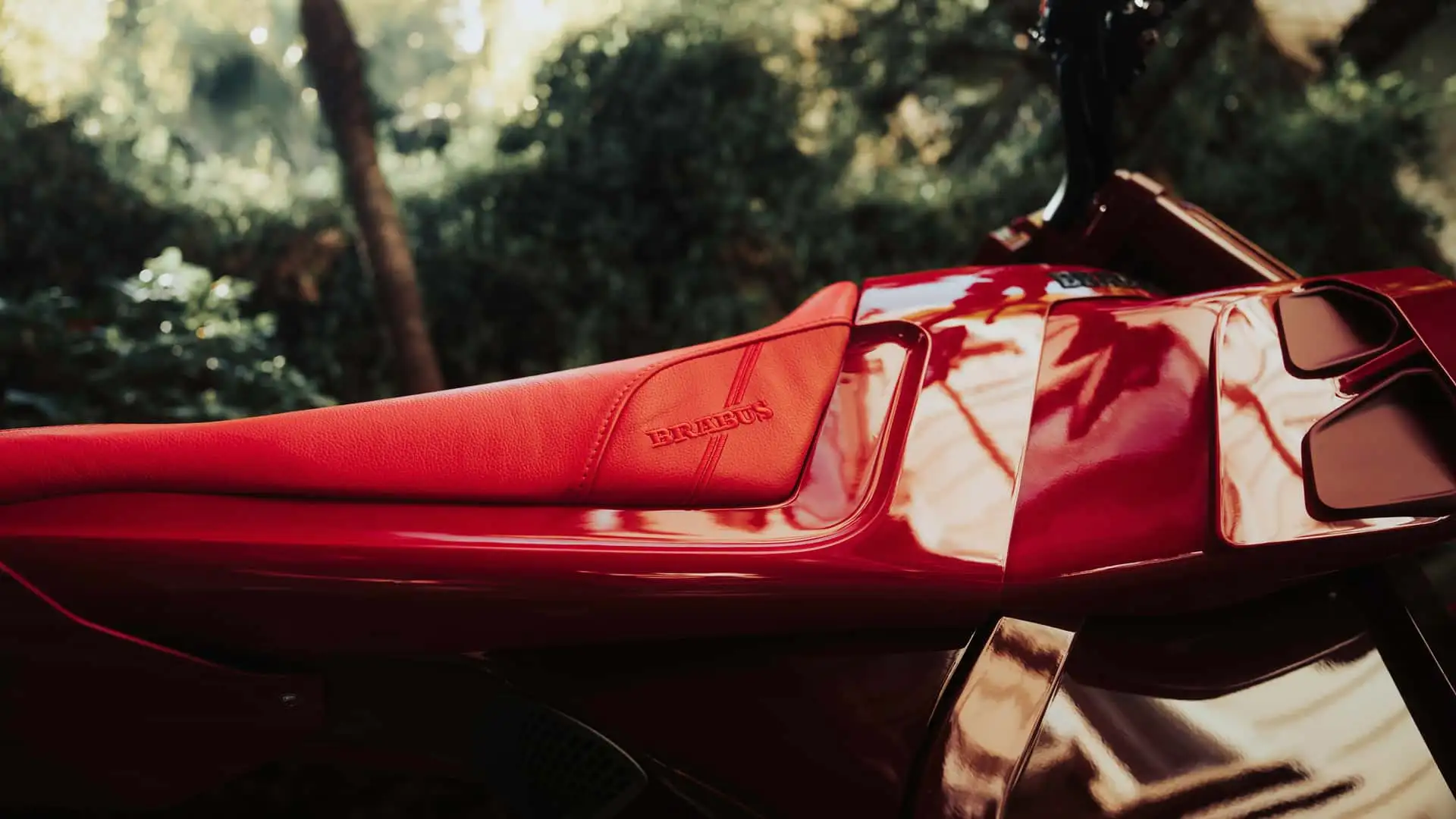
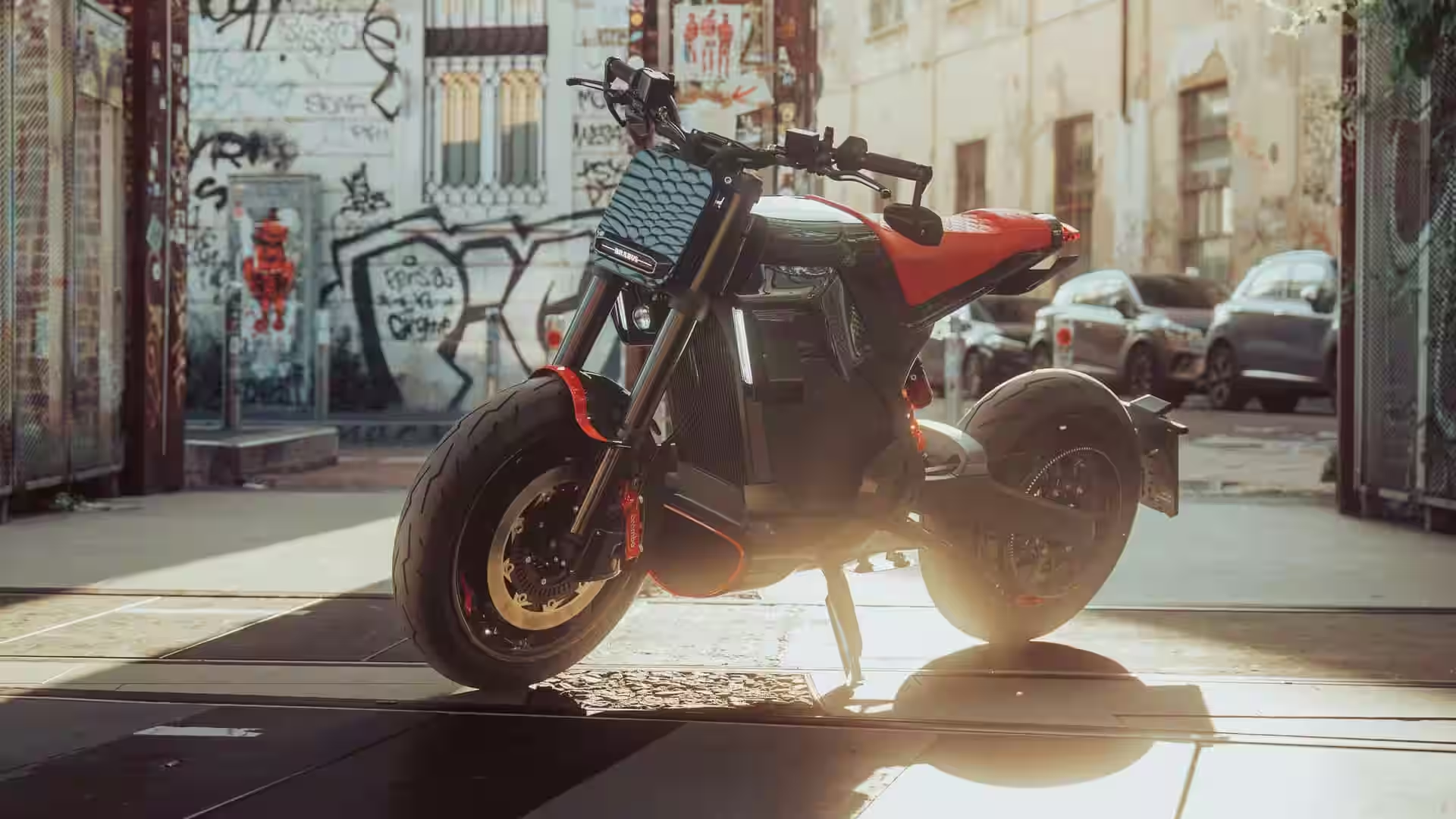
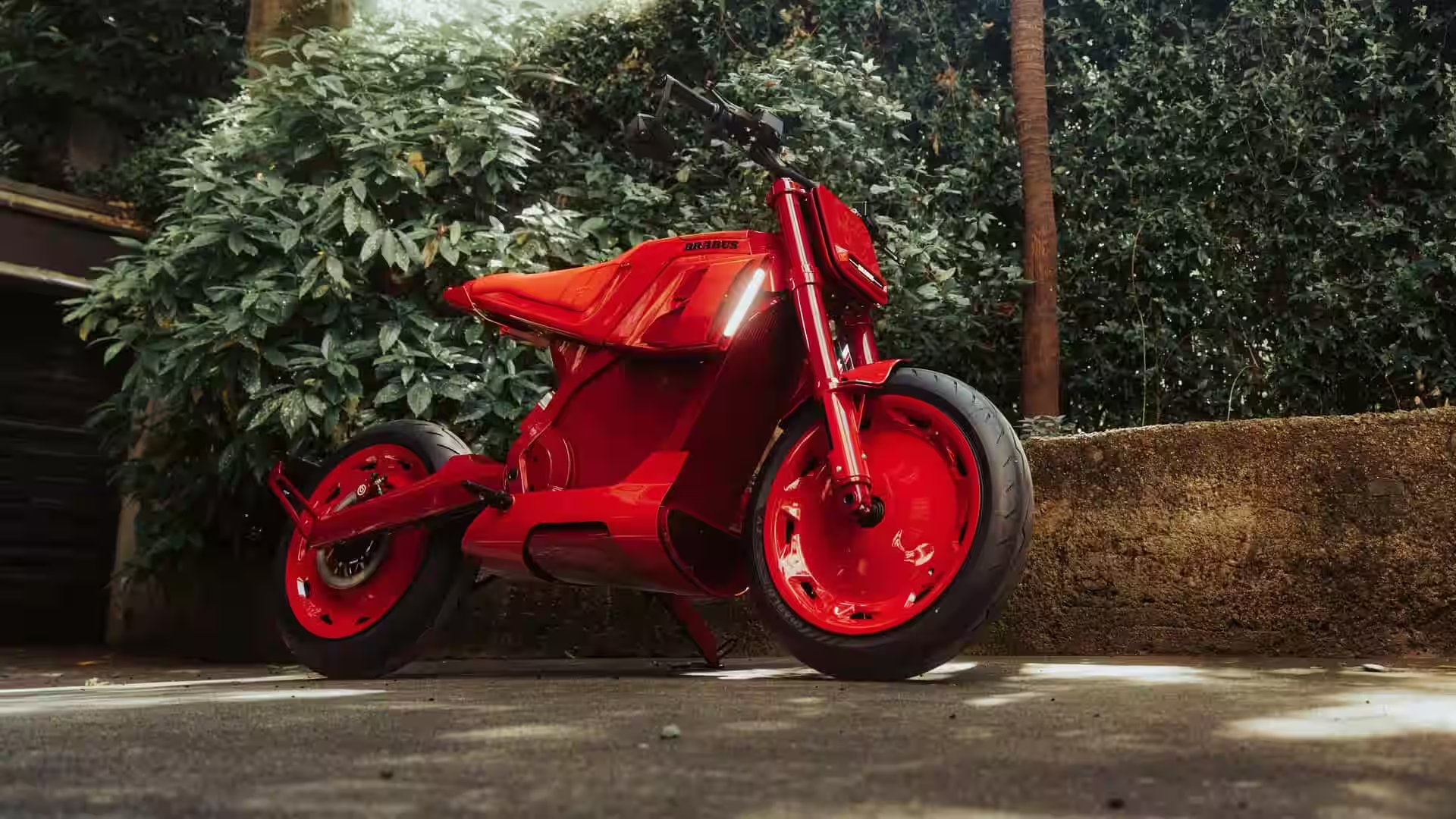
The entry point is the DAB 1a Brabus, and its strategy is refreshingly clear: rather than rewriting the motorcycle, Brabus sharpens the details. The bike carries a black finish, visible carbon elements and an Alcantara seat, all chosen to reinforce the brand’s visual identity without compromising the underlying DAB concept. Output is quoted at 23 kW or 31 PS, with 395 Nm of torque at the wheel-side interpretation of the drivetrain’s output figure.
That torque number sounds absurdly high in motorcycle terms, but on an electric city bike the immediate thrust is exactly the point. Charging from a domestic socket takes roughly 3.5 to 4.0 hours from empty to full, which makes the DAB 1a Brabus a practical one-bike solution for short commutes and downtown positioning. The engineering story here is not peak power; it is the combination of silence, belt drive refinement and easy overnight charging.
| Model | Power | Torque | Top Speed | Range | Charging Time | Price |
|---|---|---|---|---|---|---|
| DAB 1a Brabus | 23 kW (31 PS) | 395 Nm | 120 km/h | Up to 150 km | 3.5-4.0 hours | €20,111 |
| Brabus Urban E | 27 kW (37 PS) | 475 Nm | 120 km/h | Up to 150 km | Not stated | €27,251 |
| Urban E First Edition | 27 kW (37 PS) | 475 Nm | 120 km/h | Up to 150 km | Not stated | €38,675 |
Urban E Adds The Harder Mechanical Edge
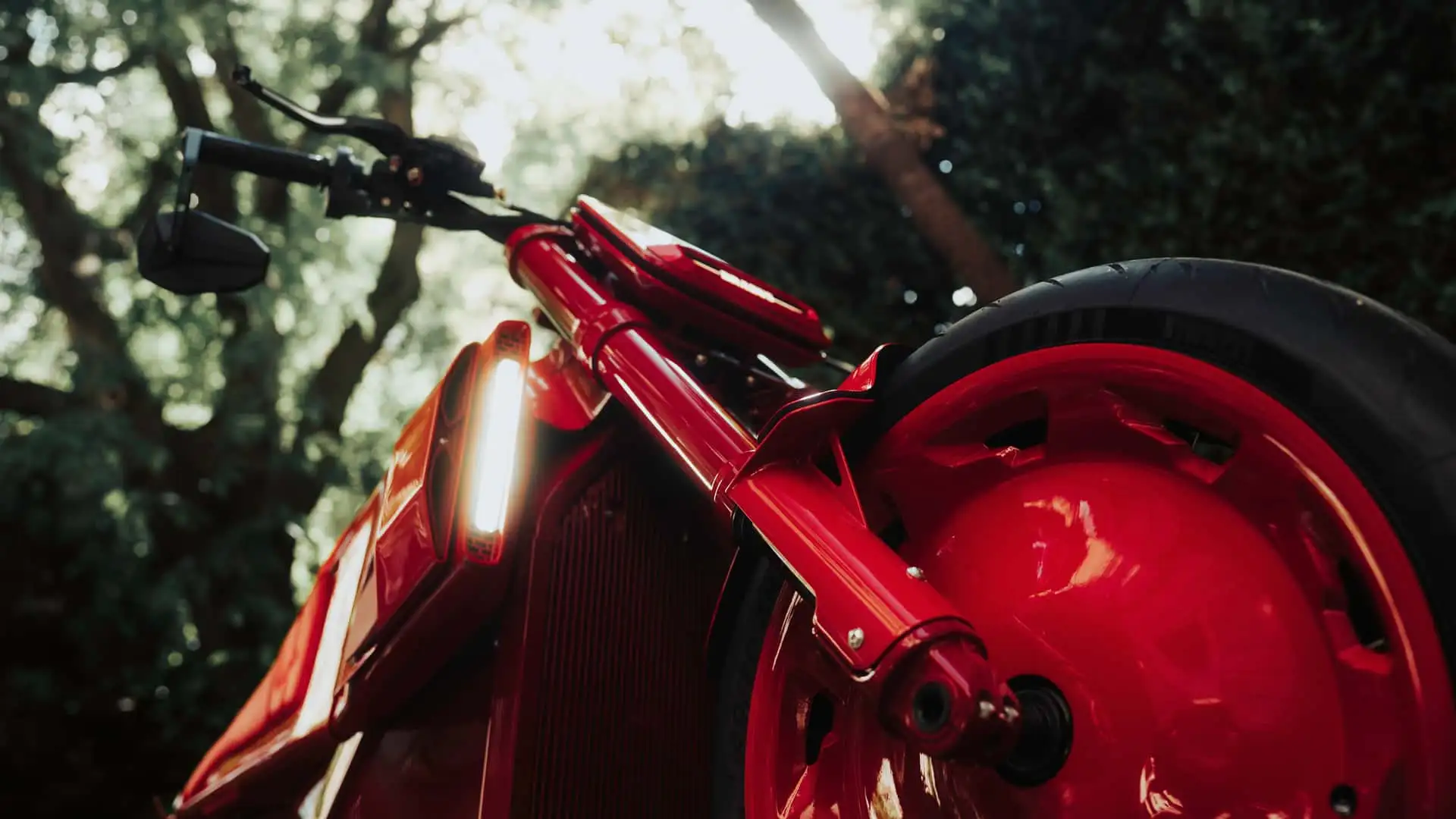
The Brabus Urban E is where the collaboration becomes more than a styling package. Brabus changes the mapping and modifies the inverter, which lifts output to 27 kW or 37 PS and torque to 475 Nm. That is a meaningful jump on paper, but the more interesting detail is the thermal strategy: Carbon air channels are integrated to improve cooling in hot weather, a relevant move for dense cities where electric motorcycles can face repeated stop-start loads.
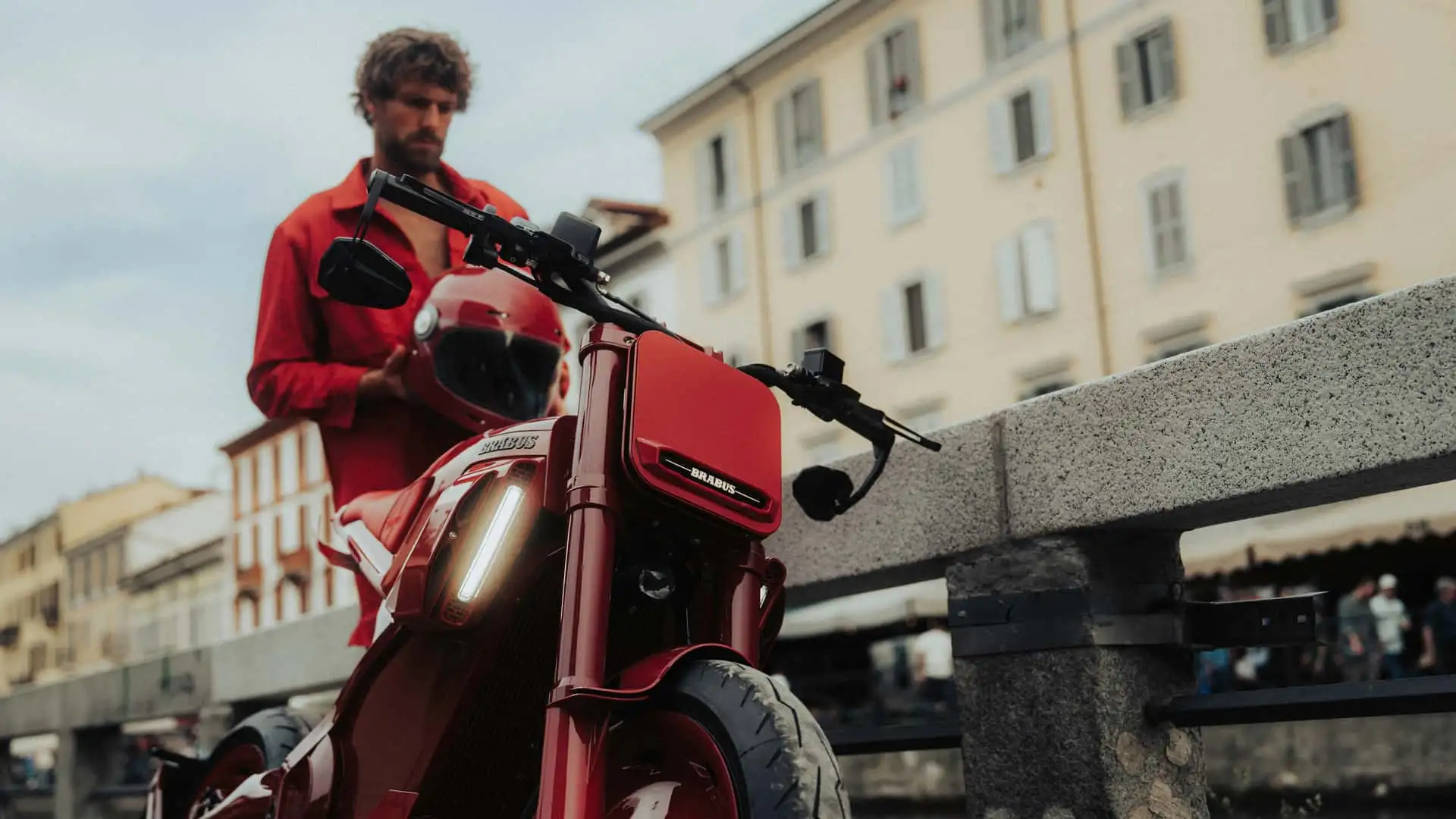
The chassis spec is similarly purposeful. Brabus lists an adjustable upside-down fork and an adjustable rear monoshock, both with 100 mm of travel. This is the right compromise for an urban motorcycle that has to cope with potholes, curbs and speed humps without turning into a high-maintenance toy. The wheel and tire package, 120/70 R17 front and 150/60 R17 rear, keeps the footprint closer to lightweight road motorcycles than to scooters, which helps the Urban E feel like a real machine rather than an electrified fashion object.
Brabus Keeps The Rider Interface Clean And Controlled
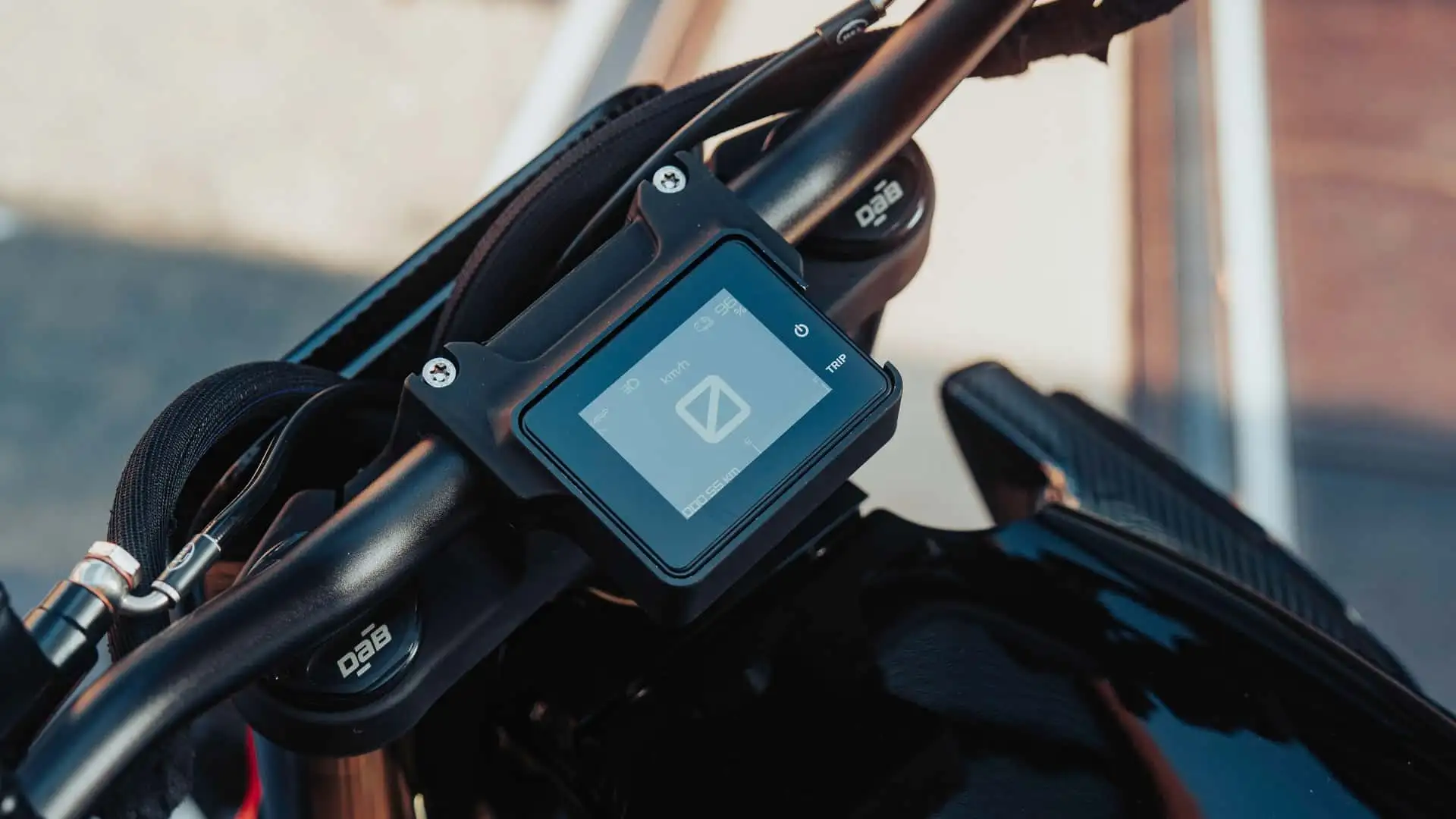
The cockpit avoids gimmicks, which is exactly what this segment needs. A 2.8-inch LCD handles speed, battery state and temperatures, while startup is PIN-based instead of key-based. That matters in a city context because theft deterrence and simplicity are more useful than a theatrical ignition ceremony. Five ride modes structure the experience: Eco, Street, Sport, a short-burst Nitrous mode, and a reverse function for maneuvering in tight parking spaces.
The mode spread shows how DAB and Brabus are thinking about usage rather than just acceleration claims. Eco caps speed at 60 km/h, Street is the all-round city setting, and Sport opens the full output. Nitrous is the only mode that feels Brabus-specific in spirit, because it adds a temporary overboost without changing the underlying lightweight architecture. For premium urban riders, this is the right formula: simple interface, distinct personalities and no unnecessary complexity.
First Edition Exclusivity Is Built For Collectors, Not Commuters
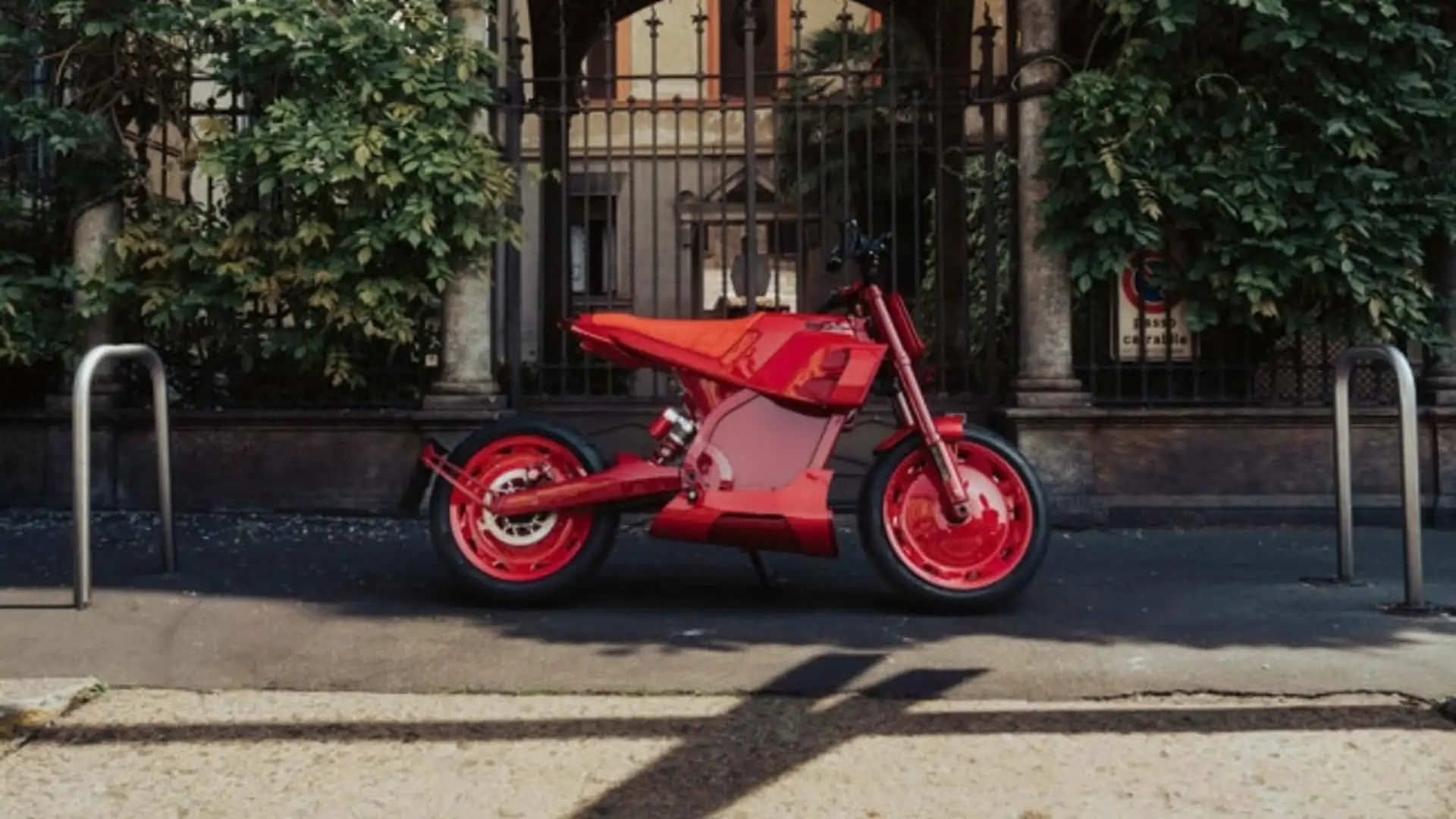
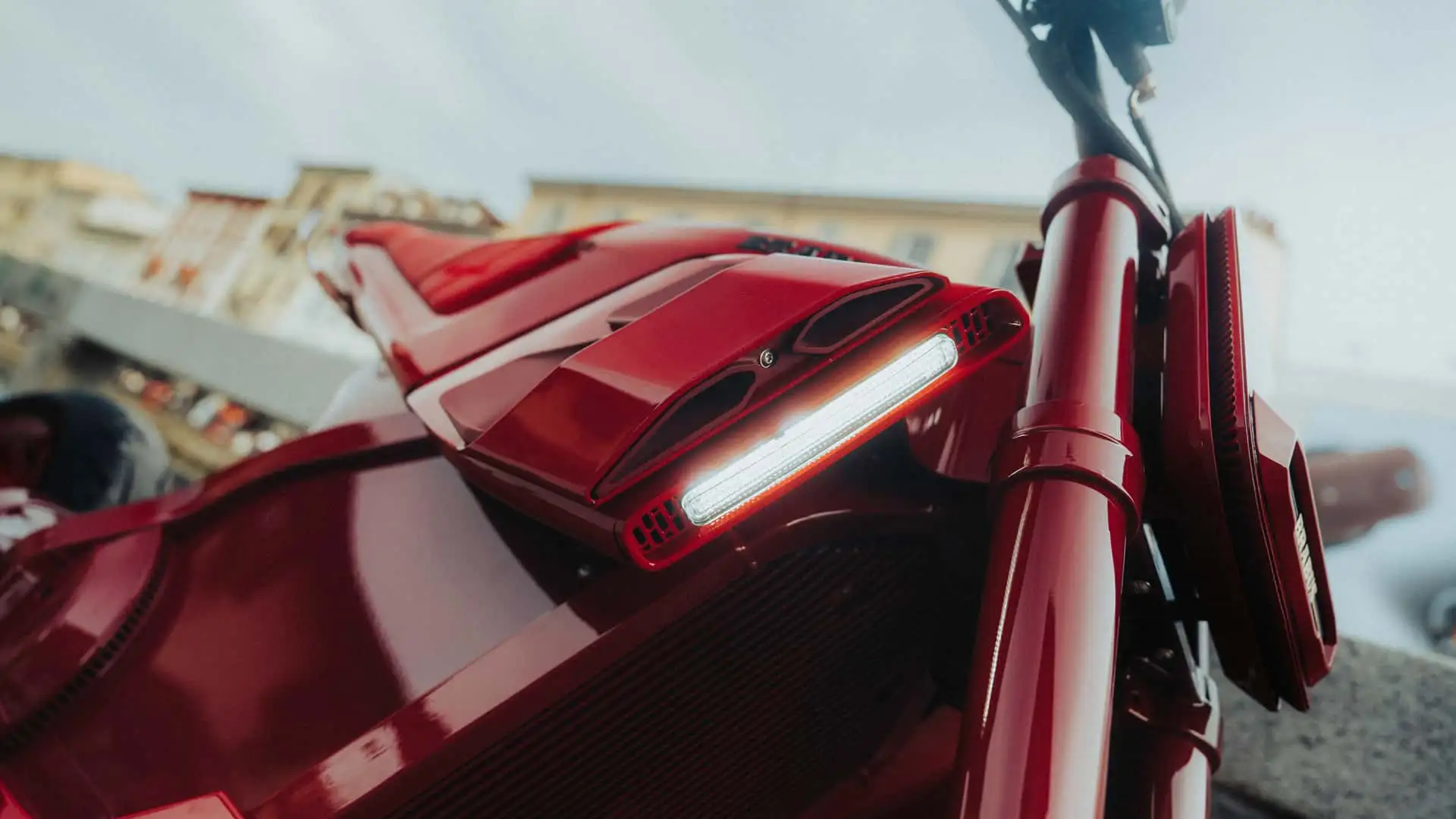
The Urban E First Edition uses the same hardware as the Urban E, but turns scarcity into the product feature. Brabus says each color theme gets 10 units, with finishes in Peetch, Desert Sand, Superviolet and Fusion Red. Frame, bodywork and seat follow the chosen palette, while Superviolet adds extra carbon detailing. That makes the First Edition less of a separate model and more of a collector-spec execution.
This is the same playbook Brabus uses in the four-wheel world: limited allocation, intense personalization and a price premium that is easier to justify when the production run is tiny. At €38,675, the First Edition is clearly not competing on value; it is competing on emotional ownership, visual impact and the prestige of being first. For context, that pricing positions it above many mainstream electric motorcycles and into territory where the brand name is a major part of the equation.
Why This Move Matters In Brabus’ Broader Portfolio
Brabus has already diversified beyond tuned cars, with powerboats and high-end property projects such as Brabus Island, and the move into electric motorcycles fits that broader luxury ecosystem. The important strategic point is that two-wheel electrification allows the company to reach urban buyers who may never consider a 800 hp Mercedes conversion or a performance boat. DAB Motors gives Brabus an architecture that is already homologated for the market, and that reduces the risk of launching from scratch.
The launch context also matters. The bikes are being shown during the Milano Design Week 2026, which tells you this is as much a design statement as a product reveal. That is consistent with Brabus’ current direction and with the wider premium EV trend, where emotional design, reduced noise and urban practicality are becoming as important as range alone. Similar cross-segment ambition can be seen in projects like the SMART #2 comeback and the TOYOTA bz WOODLAND 2027, both of which rely on brand repositioning as much as powertrain change.
Pricing And Market Position
At €20,111 for the DAB 1a Brabus, €27,251 for the Urban E and €38,675 for the First Edition, Brabus is clearly targeting Europe’s premium urban buyer first. Sales begin in the EU, Switzerland, Great Britain and other markets with EU type approval, which suggests a controlled rollout rather than a mass-market push. The price ladder is steep, but it is internally coherent: cosmetic personalization first, deeper mechanical tuning second, and collector scarcity at the top.
For enthusiasts tracking the evolution of premium electric motorcycles, this launch is a useful marker. Brabus is not simply adding a new logo to a scooter. It is applying its established design language, parts quality and exclusivity model to a compact EV platform that has enough torque, range and refinement to make sense in the city. That combination is rare, and it gives the collaboration a genuine reason to exist.