Kia’s most serious performance idea since the Stinger
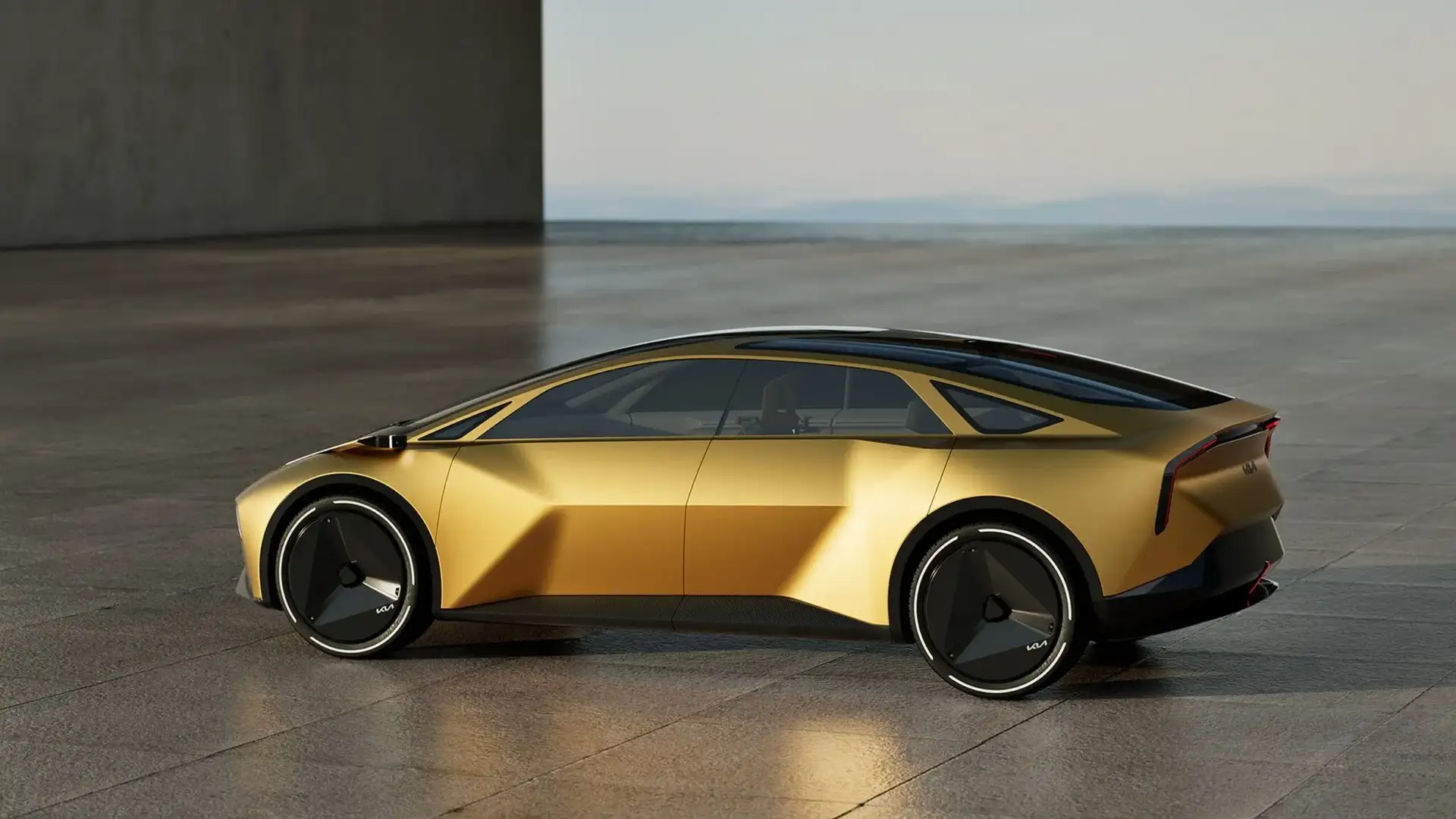
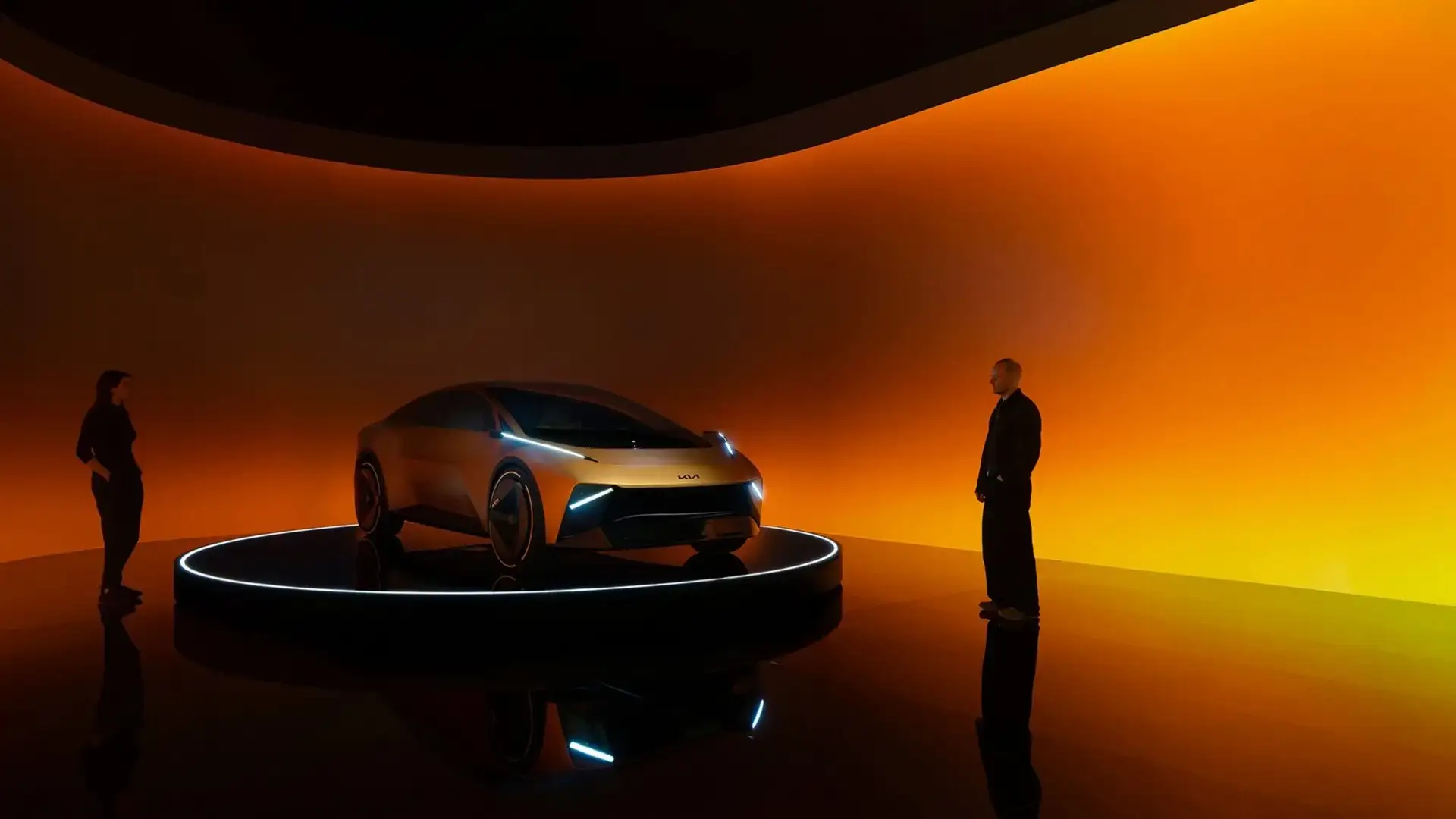
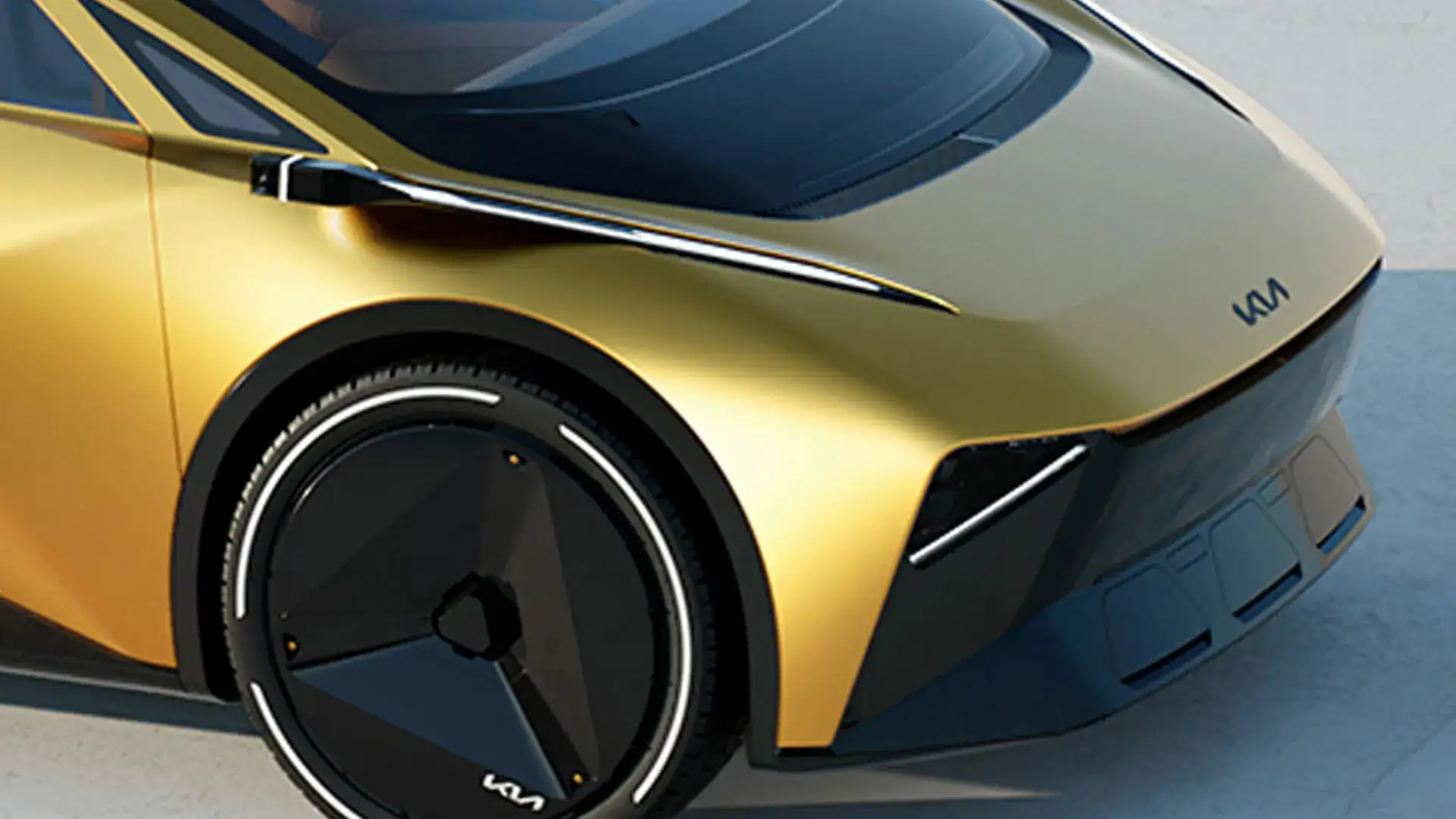
Kia’s Vision Meta Turismo is no longer being treated like a pure styling experiment. According to Karim Habib, Kia’s executive vice president of global design, the company is actively trying to make a production version happen, even though the timing is still open-ended. That matters because the Stinger left a real hole in Kia’s lineup: a fast, rear-drive-feeling grand tourer with genuine enthusiast credibility. The EV6 GT was expected to carry that torch, but it never fully replaced the emotional character of the Stinger.
| Key point | Detail |
|---|---|
| Concept name | Kia Vision Meta Turismo |
| First reveal | December, in Korea |
| Current display | Milan Design Week |
| Design language | Opposites United |
| Performance features | GT Boost, launch control, virtual shift interface |
| Chassis intent | Driver-focused EV with adjustable response and suspension sensitivity |
What the concept is really saying
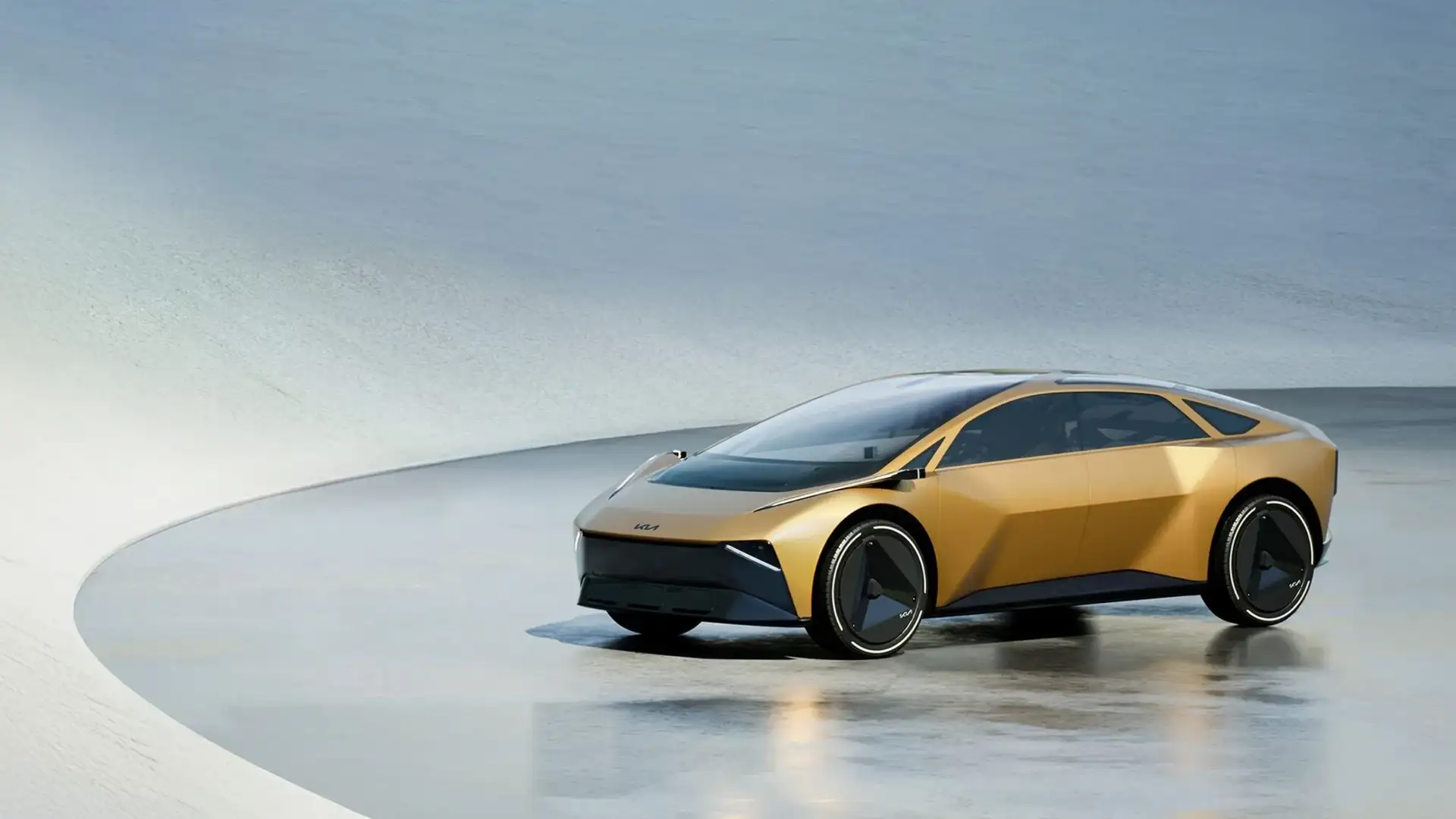
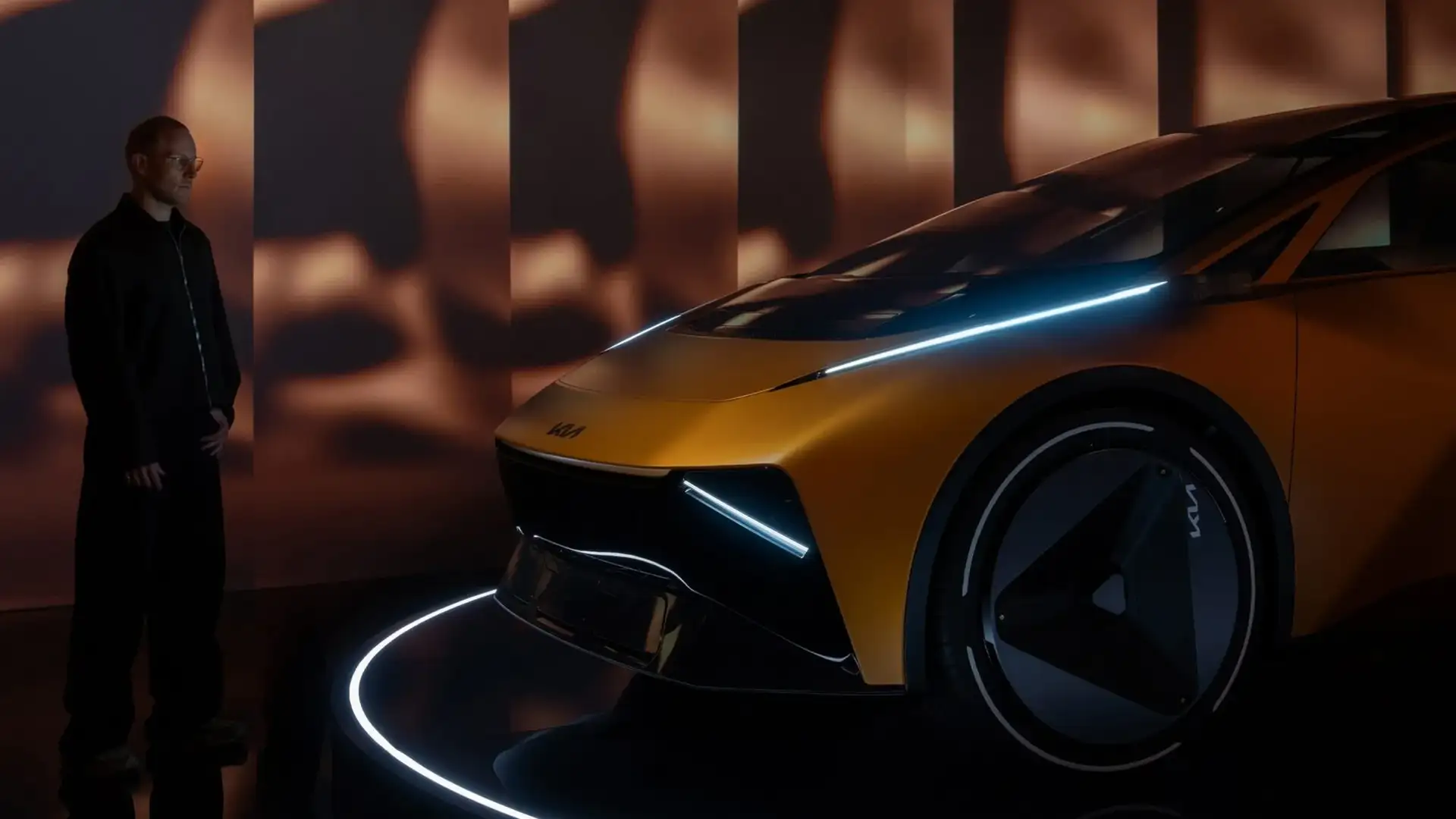
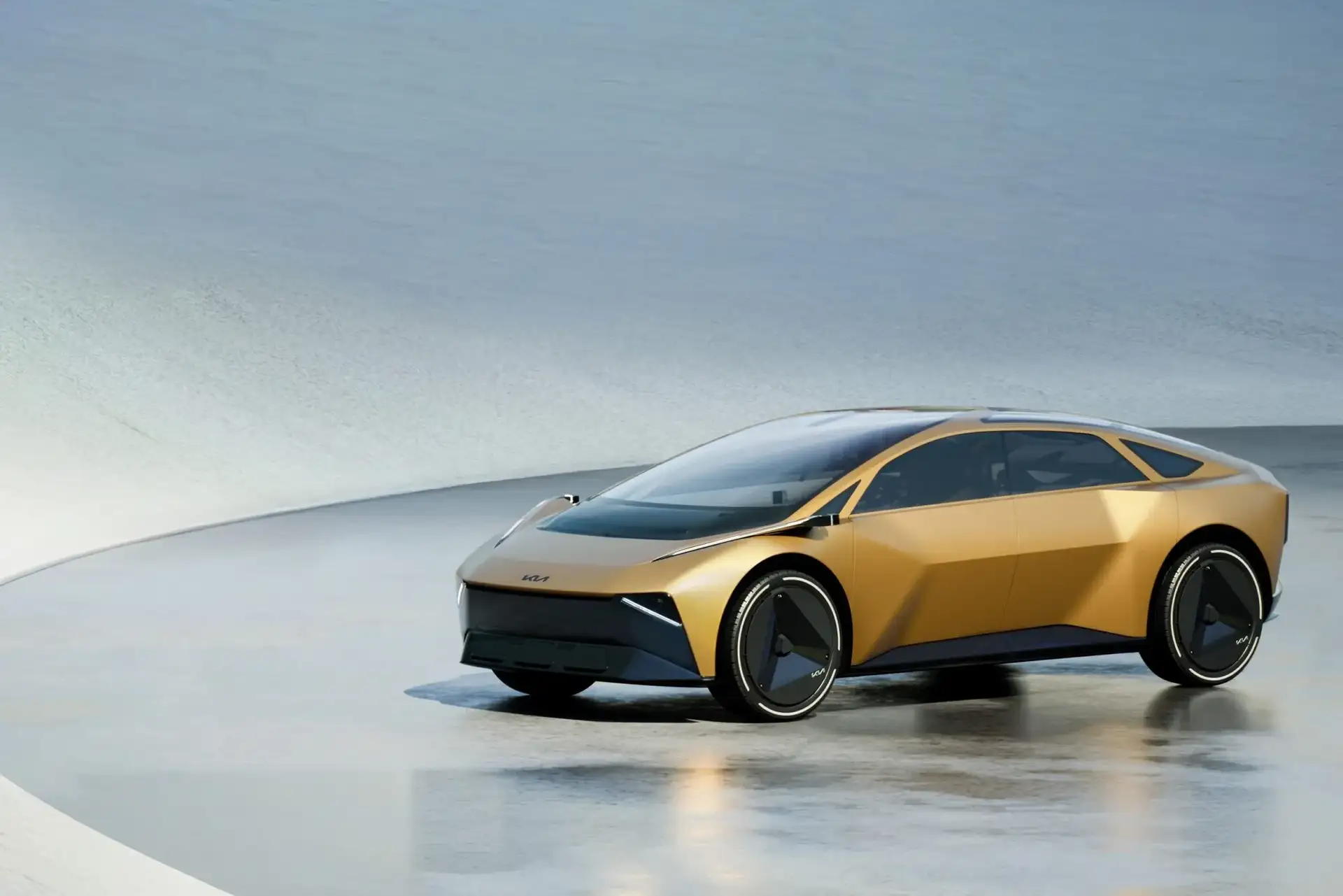
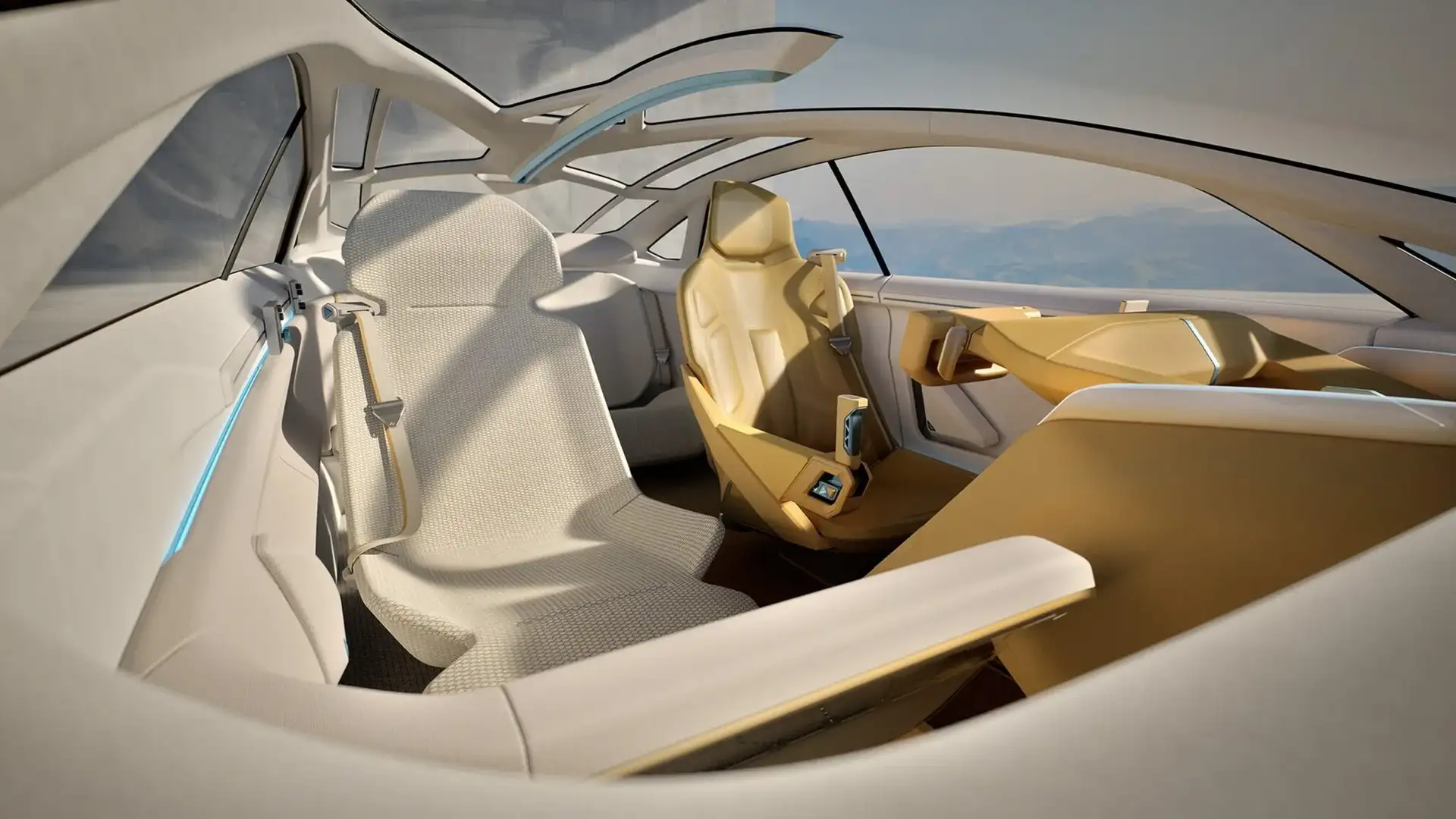
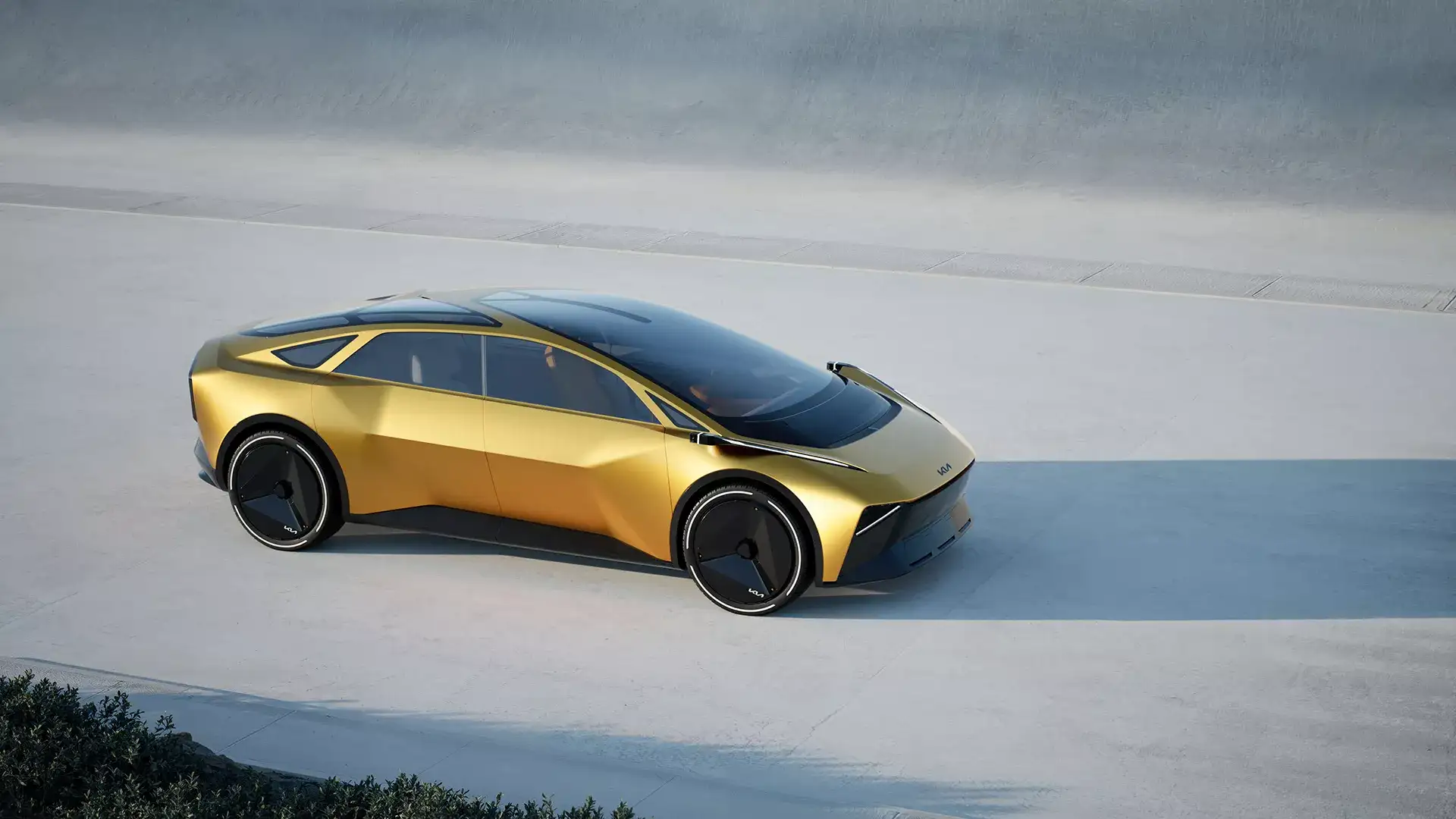
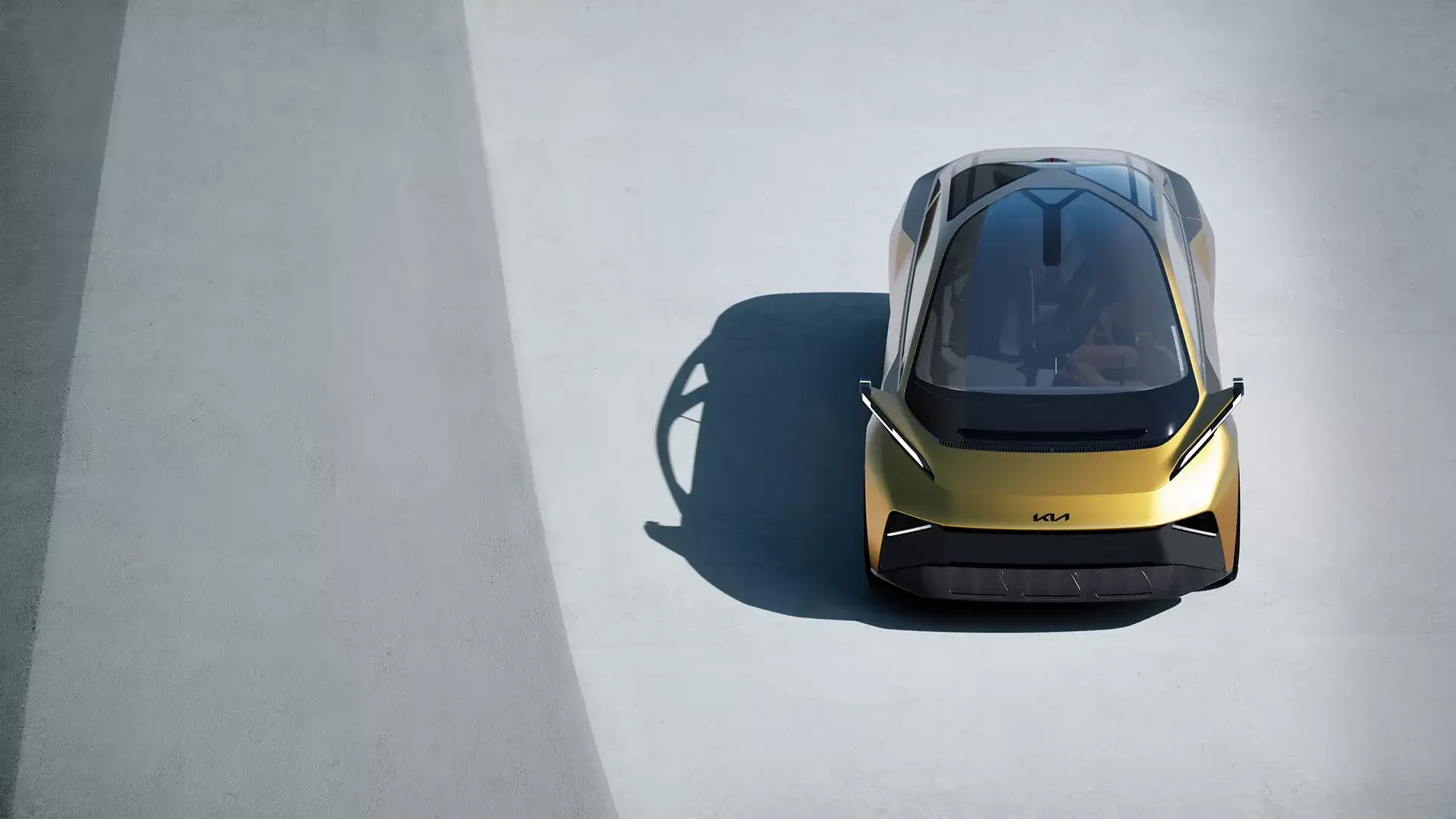
The Vision Meta Turismo is not trying to mimic a sedan silhouette. It sits slightly taller than a conventional four-door and uses a more expansive cabin, which reflects the packaging freedom of an electric platform. That makes it less of a direct Stinger clone and more of a modern Kia interpretation of a performance grand tourer. The design also fits cleanly into Kia’s broader Opposites United strategy, the same visual philosophy behind production models such as the EV9, EV4, and K4. For readers tracking where Kia’s design language is heading, the connection is as important as the concept itself.
The cockpit is the point, not just the bodywork
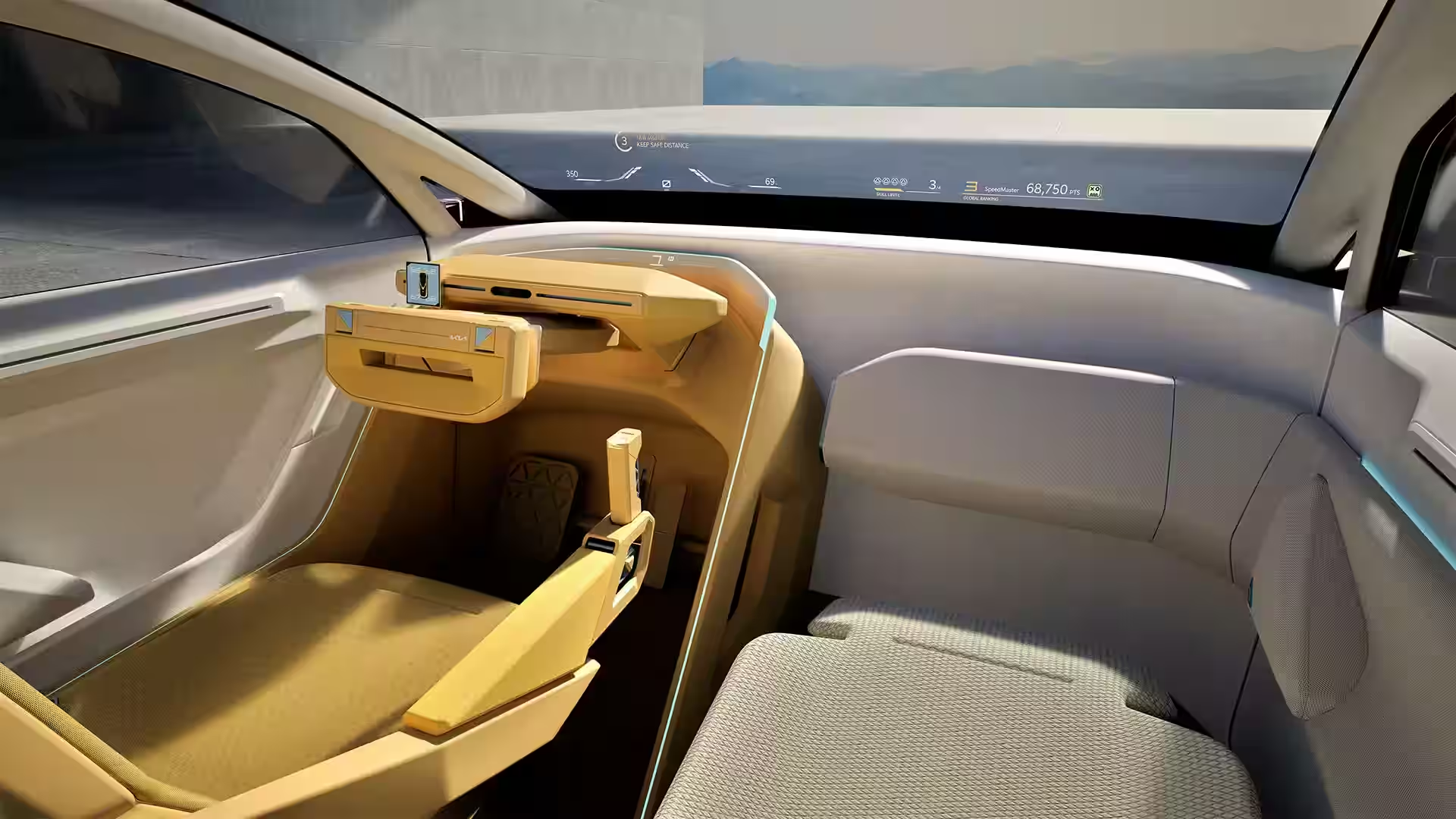
Kia’s most interesting move is inside the cabin. The concept uses a joystick-style virtual gear selector, virtual engine sounds, and body vibrations intended to imitate an internal-combustion performance car rather than a sterile EV. Kia has also layered in GT Boost and launch control, plus adjustable powertrain response and suspension sensitivity. That combination suggests the brand understands the real problem with many electric performance cars: straight-line speed is easy, but repeatable involvement is harder to engineer. If Kia can make the feedback believable, the Meta Turismo could become one of the few EV concepts that prioritizes feel over spectacle.
Why production is still the hard part
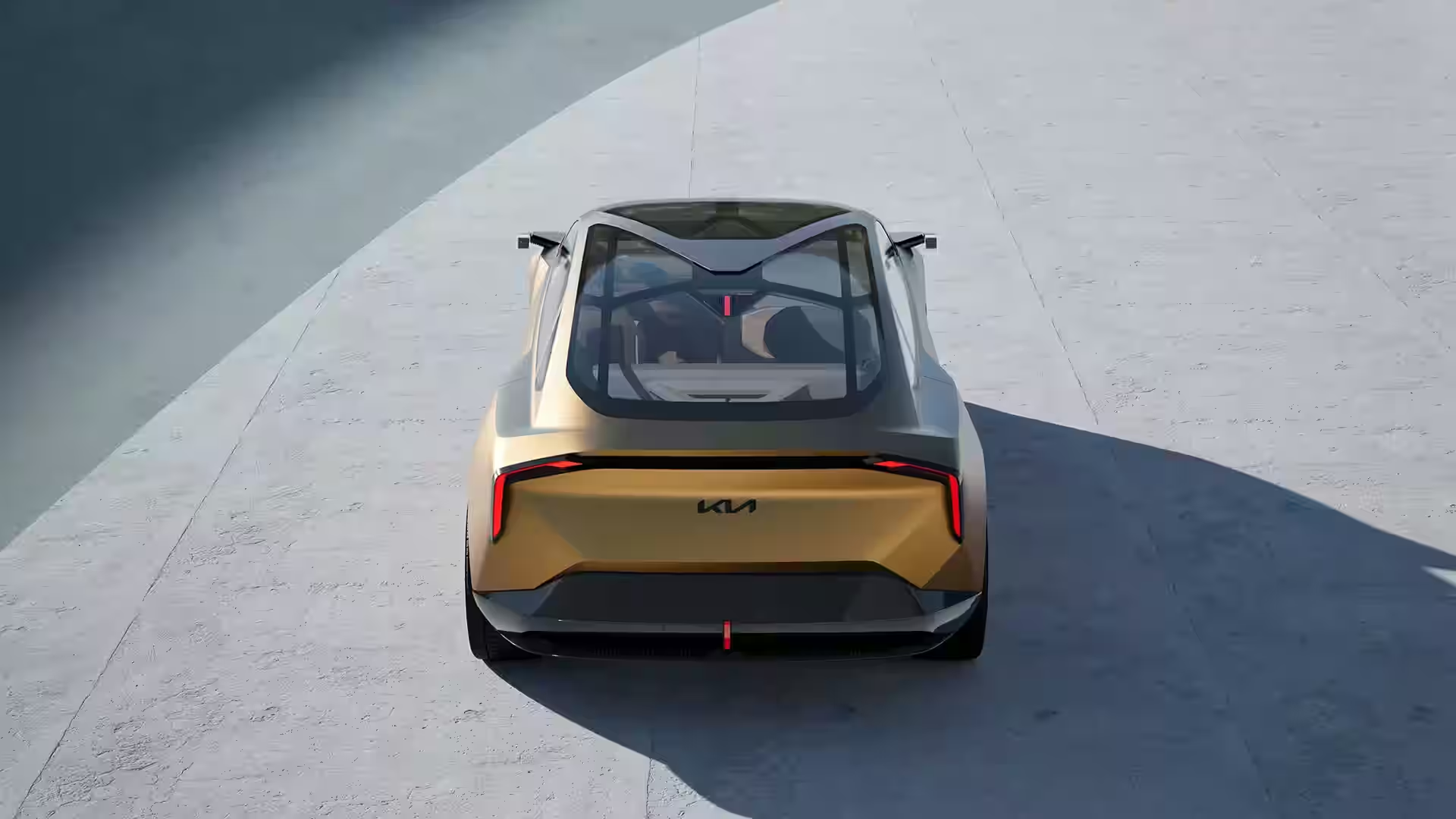
Habib did not specify what engineering changes are required, which usually means the conversation has moved from design approval to platform economics, crash compliance, cost, and volume logic. That is where concept-car optimism usually collides with reality. A low-volume enthusiast EV needs a convincing business case, especially if Kia wants it to sit above the EV6 GT rather than simply recycle familiar hardware. The fact that the car is taller and roomier also hints at a grand touring brief rather than a pure sports sedan formula.
Why enthusiasts should pay attention
The importance of the Vision Meta Turismo is not that it confirms a Stinger successor tomorrow. It is that Kia is openly exploring a more emotional direction for its performance future, and doing so with enough seriousness that a production case is being discussed in public. If the final car keeps the concept’s adjustable chassis logic, virtual shift strategy, and GT-focused character, it could stand apart from the increasingly homogeneous field of fast EVs.
FAQ
Is the Kia Vision Meta Turismo confirmed for production?
No. Kia says it is “still trying to make that happen,” which means the project is under consideration but not formally approved for a production program.
Does the Vision Meta Turismo replace the Stinger?
Not officially, but it is the closest concept Kia has shown to a spiritual successor, especially given its performance intent and driver-focused layout.
What makes it different from the EV6 GT?
The concept is more emotionally theatrical, with a stronger emphasis on virtual gear interaction, sound, and chassis tuning for engagement.
Where was the concept shown?
It debuted in Korea in December and later appeared at Milan Design Week.
What is the biggest barrier to production?
Kia still needs a solid business case, alongside the usual engineering, compliance, and cost challenges that determine whether a concept reaches showrooms.