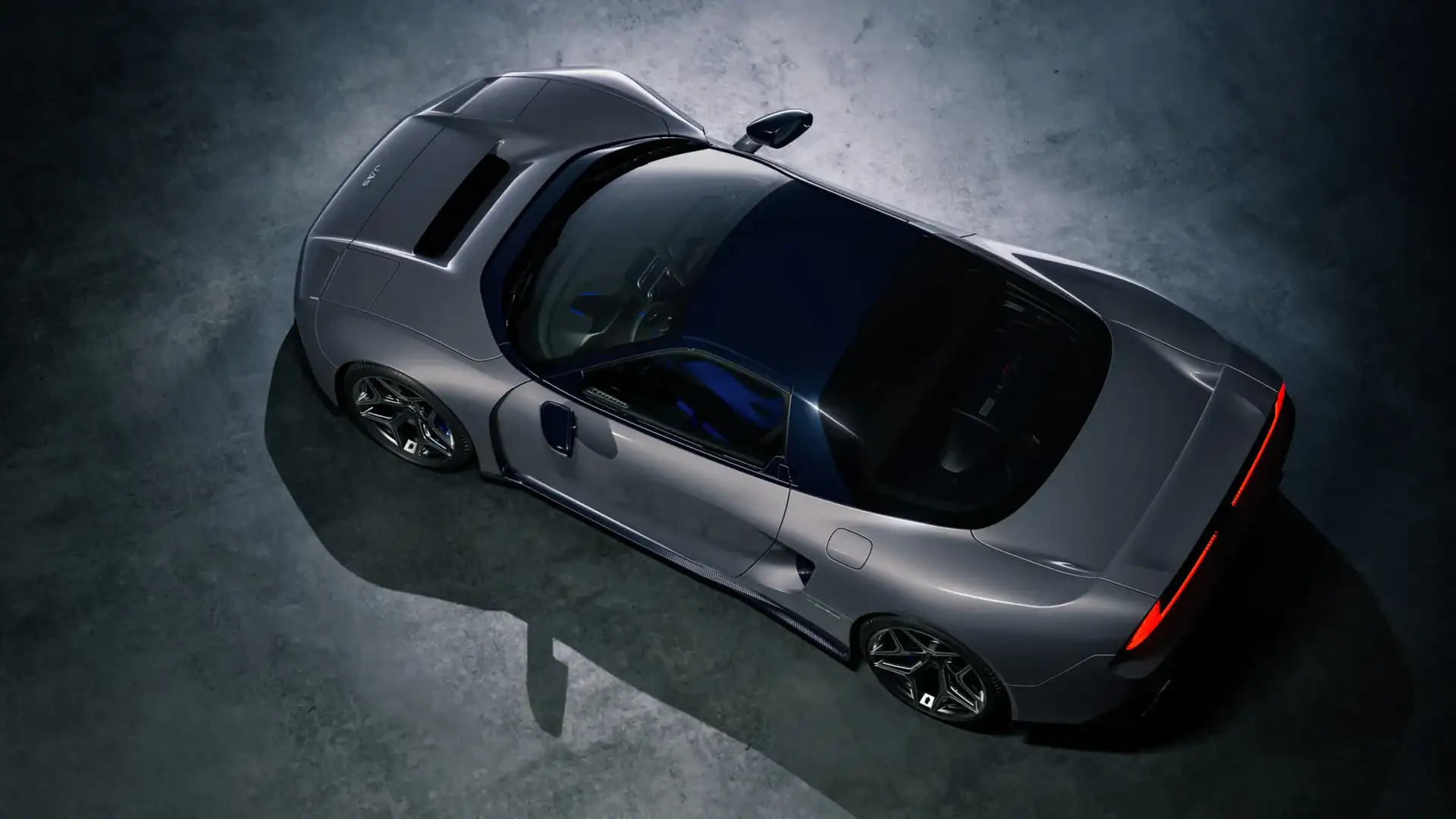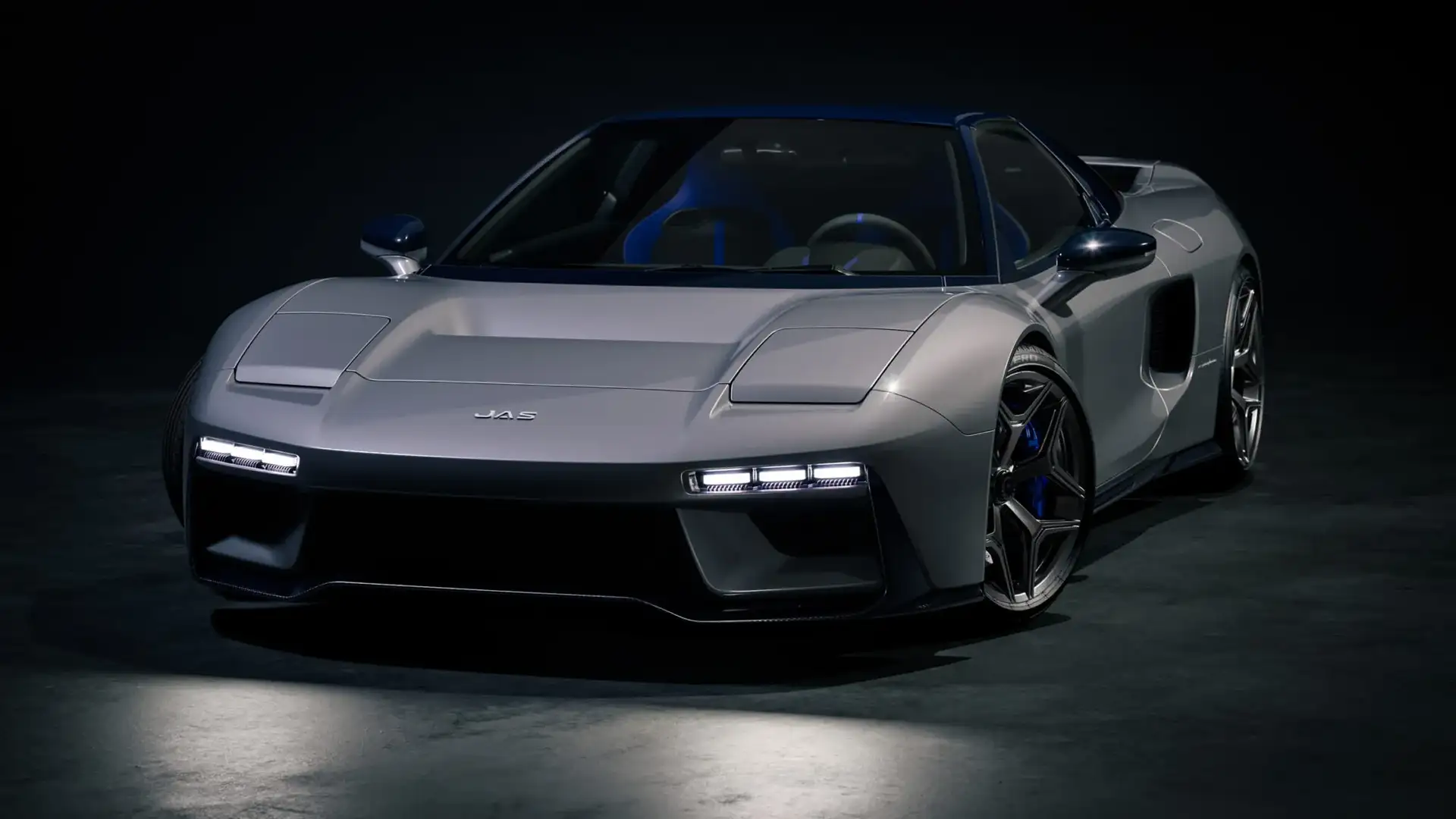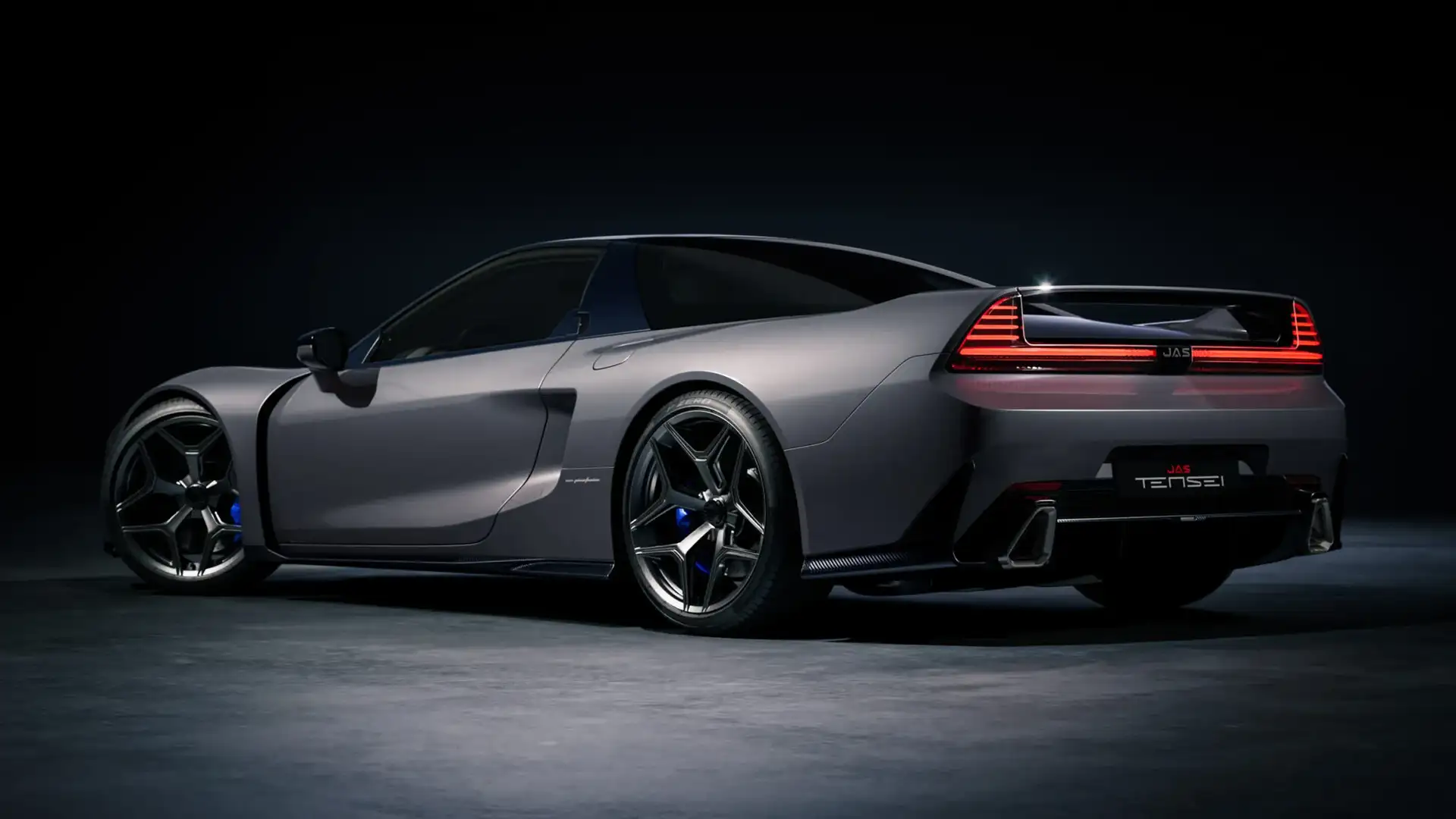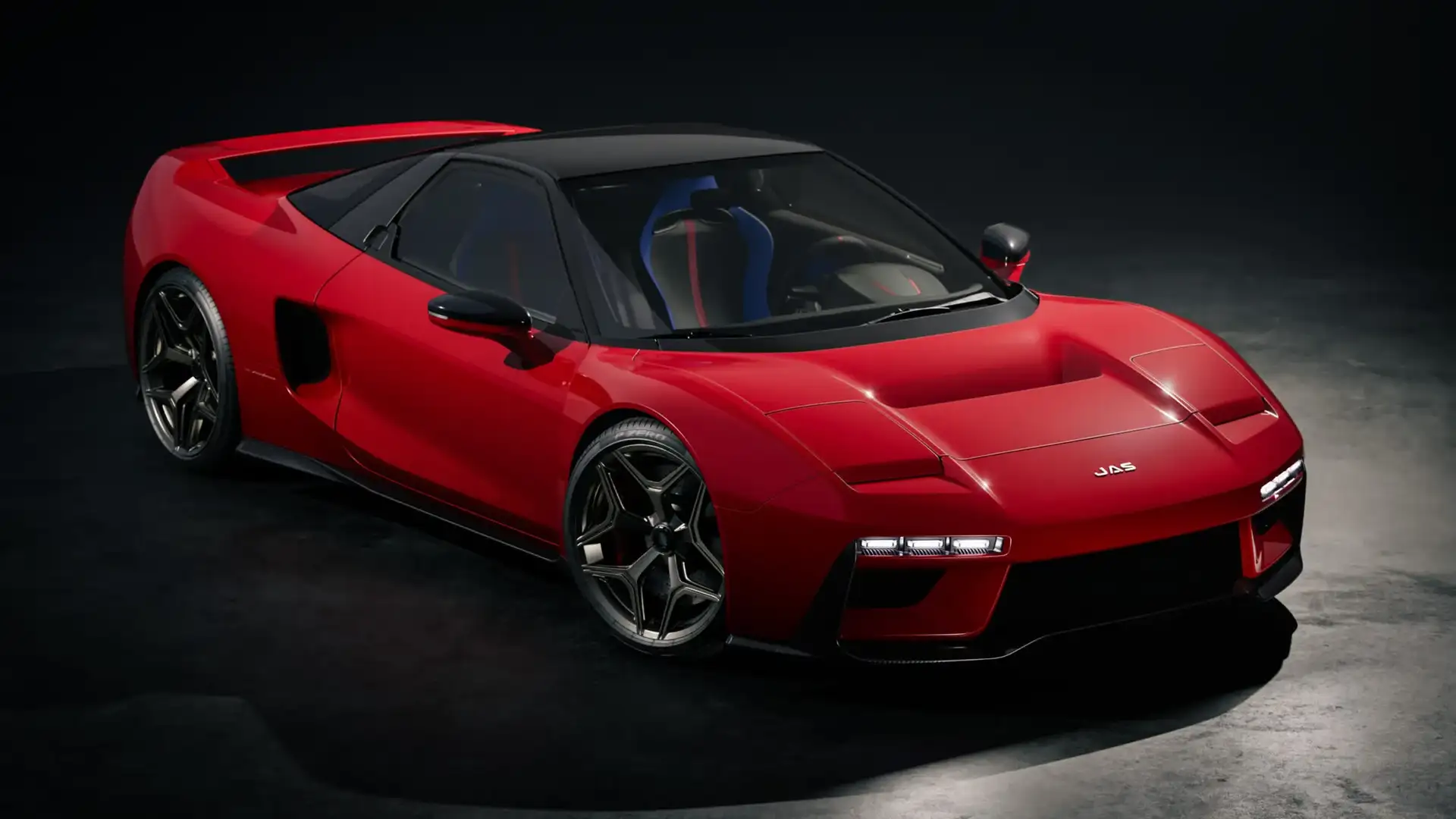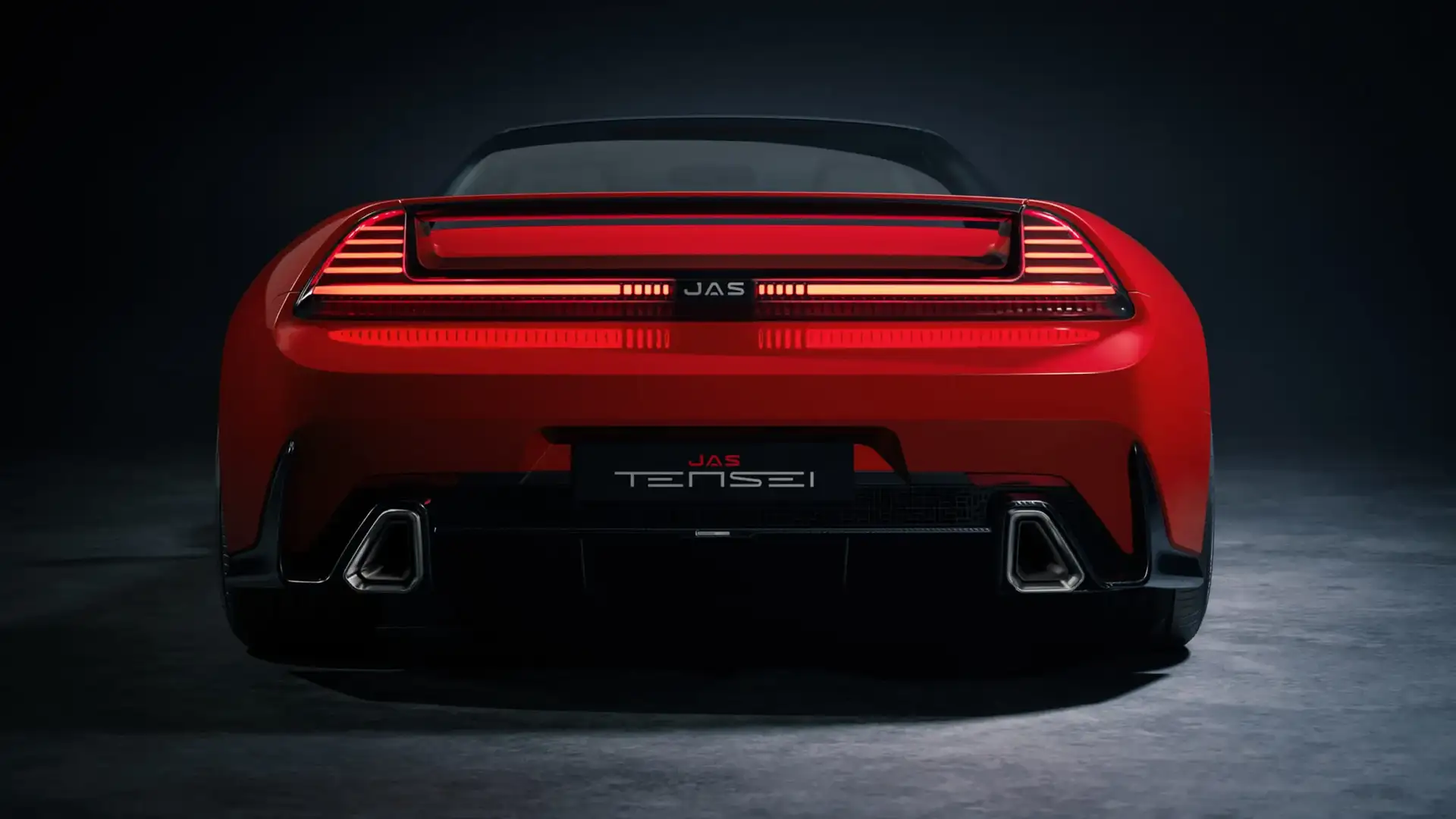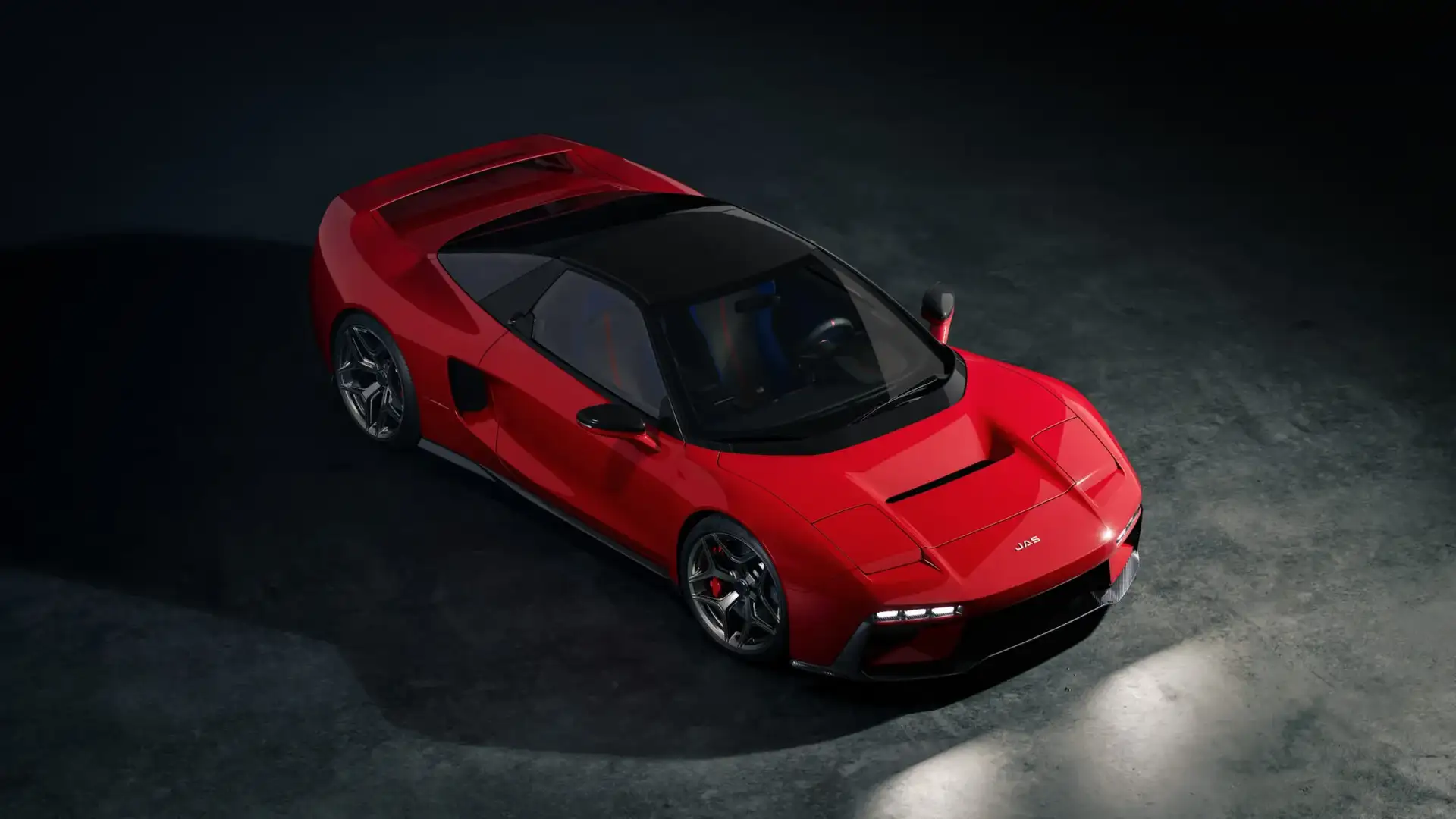
The Honda NSX has always been one of the most respected driver’s cars ever built. Now Pininfarina and JAS Motorsport are turning that legacy into something even more desirable with the Tensei, a restomod that leans hard into analog performance, lightweight design, and pure enthusiast appeal.
Why The Tensei Looks So Different
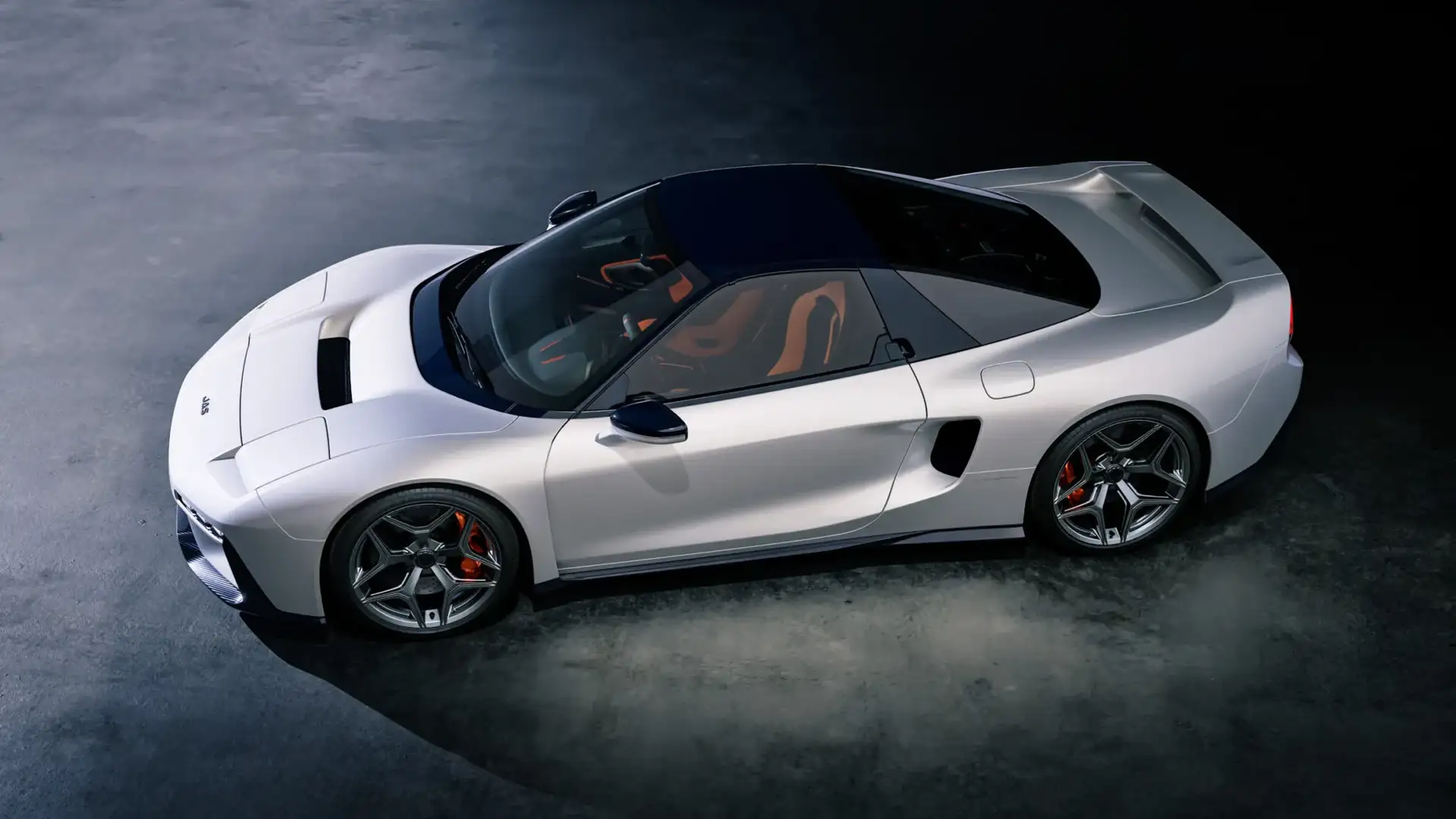
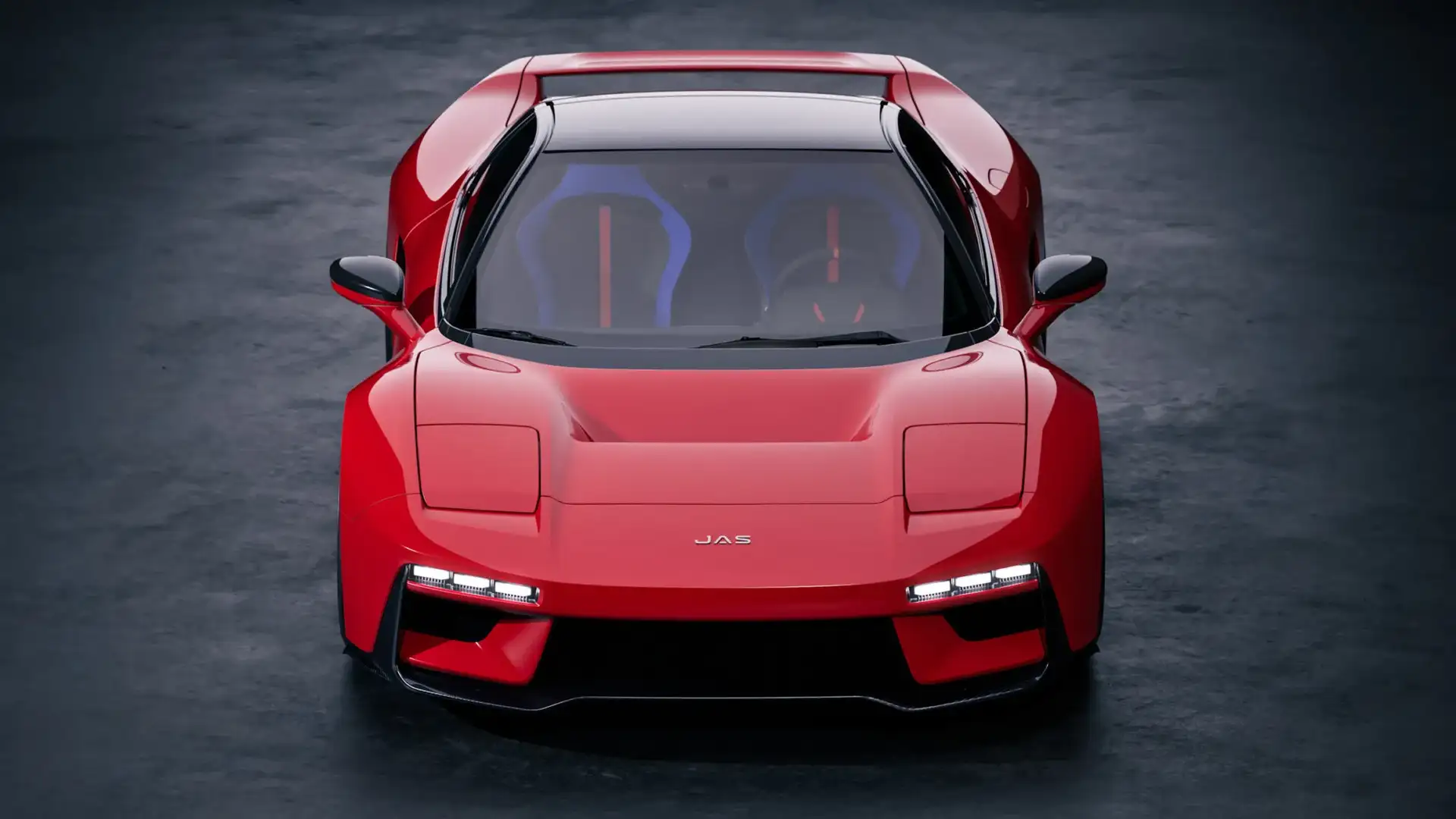
The biggest transformation starts with the proportions. Compared with the original NSX, the Tensei features a longer wheelbase, wider track, shorter rear overhang, and a lower stance. Bigger wheels complete the visual upgrade, giving the car a much more planted and muscular presence.
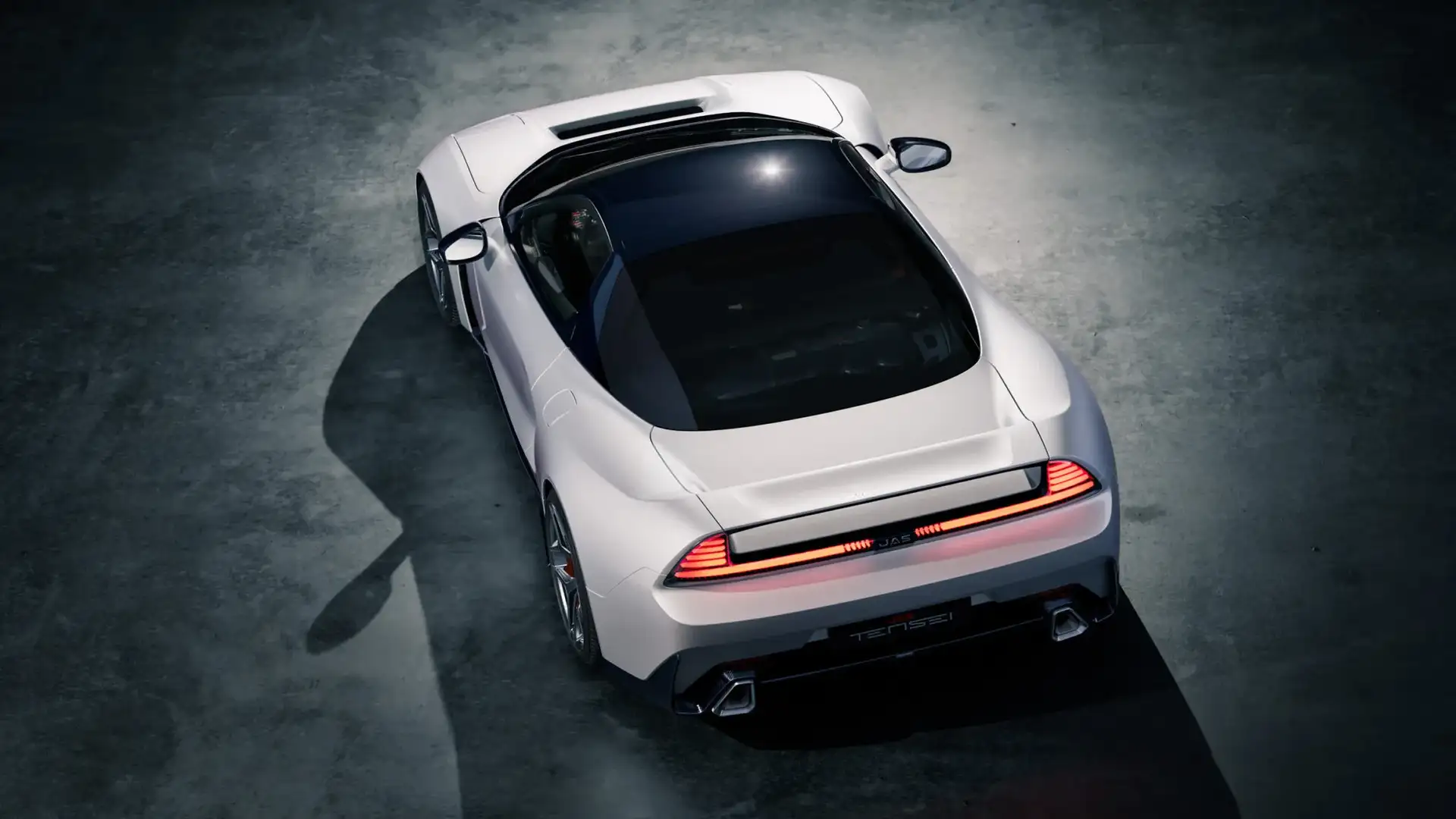
Pininfarina says those revised dimensions shaped the entire design process. Once the package was set, the bodywork could flow naturally around it. The result is a car that keeps the recognizable NSX silhouette but adds much more tension, especially through the widened rear shoulders and sculpted fenders.
The styling also nods to one of Pininfarina’s most famous classics, the Ferrari 288 GTO, through those sharp triangular forms in plan view. That makes the Tensei feel less like a retro tribute and more like a carefully evolved Italian performance statement.
Old-School Hardware In A New Carbon Shell
Under the carbon body sits the kind of hardware enthusiasts have been begging to see more often. The Tensei uses a naturally aspirated V6 based on the original NSX engine architecture, tuned for responsiveness, torque, and driver engagement. It is paired with a six-speed manual transmission, which instantly sets it apart from most modern supercars.
No turbochargers. No hybrid assist. No paddle-shift shortcuts. That is the whole point. In a world where performance cars often chase lap times with layers of electronics, this project is leaning into purity and tactility instead. If you enjoy that kind of engineering philosophy, this is the same emotional territory that makes cars like the Porsche 911 GT3 manual special or the manual hypercar comeback story so compelling.
That setup gives the Tensei a very specific identity. It is not trying to be the quickest electrified missile on the road. It is trying to be the kind of car you remember years after driving it.
A Cockpit Built For Driving, Not Distracting
Pininfarina has not shown the interior yet, but the company says the cabin stays focused on driver visibility and ergonomics while gaining a much higher sense of quality. Expect bespoke switchgear, premium materials, and a more handcrafted feel than the original NSX.
That matters because the NSX was always celebrated for being usable as well as fast. If the Tensei keeps that balance while raising the luxury quotient, it could become one of the most desirable analog restomods of the decade. The same philosophy of modernizing a classic without killing its character is also what makes projects like the Bovensiepen Zagato and the Alfa Romeo carbon upgrades so interesting to enthusiasts.
There is also a strong historical link behind the project. Pininfarina and Honda go back to the 1984 HP-X concept, a mid-engined prototype that foreshadowed the NSX years before production began. In that sense, the Tensei feels less like a random reboot and more like a full-circle moment.
| Key Detail | Pininfarina NSX Tensei |
|---|---|
| Platform Direction | NSX-inspired restomod |
| Body | Carbon fiber |
| Engine | Naturally aspirated V6 |
| Transmission | Six-speed manual |
| Design Highlights | Pop-up headlights, integrated rear spoiler |
| Build Location | JAS Motorsport atelier near Milan |
The Tensei will be hand-built at JAS Motorsport’s facility in Arluno, near Milan, while custom configuration will be handled at Pininfarina’s own site in Cambiano, Turin. The full reveal is planned for later in 2026, when pricing and production numbers are expected to be announced.
For now, the message is clear: the Honda NSX’s spirit is being reborn with more drama, more craftsmanship, and a lot more analog soul. In a market crowded with tech-heavy performance machines, that may be exactly why the Tensei is already impossible to ignore.