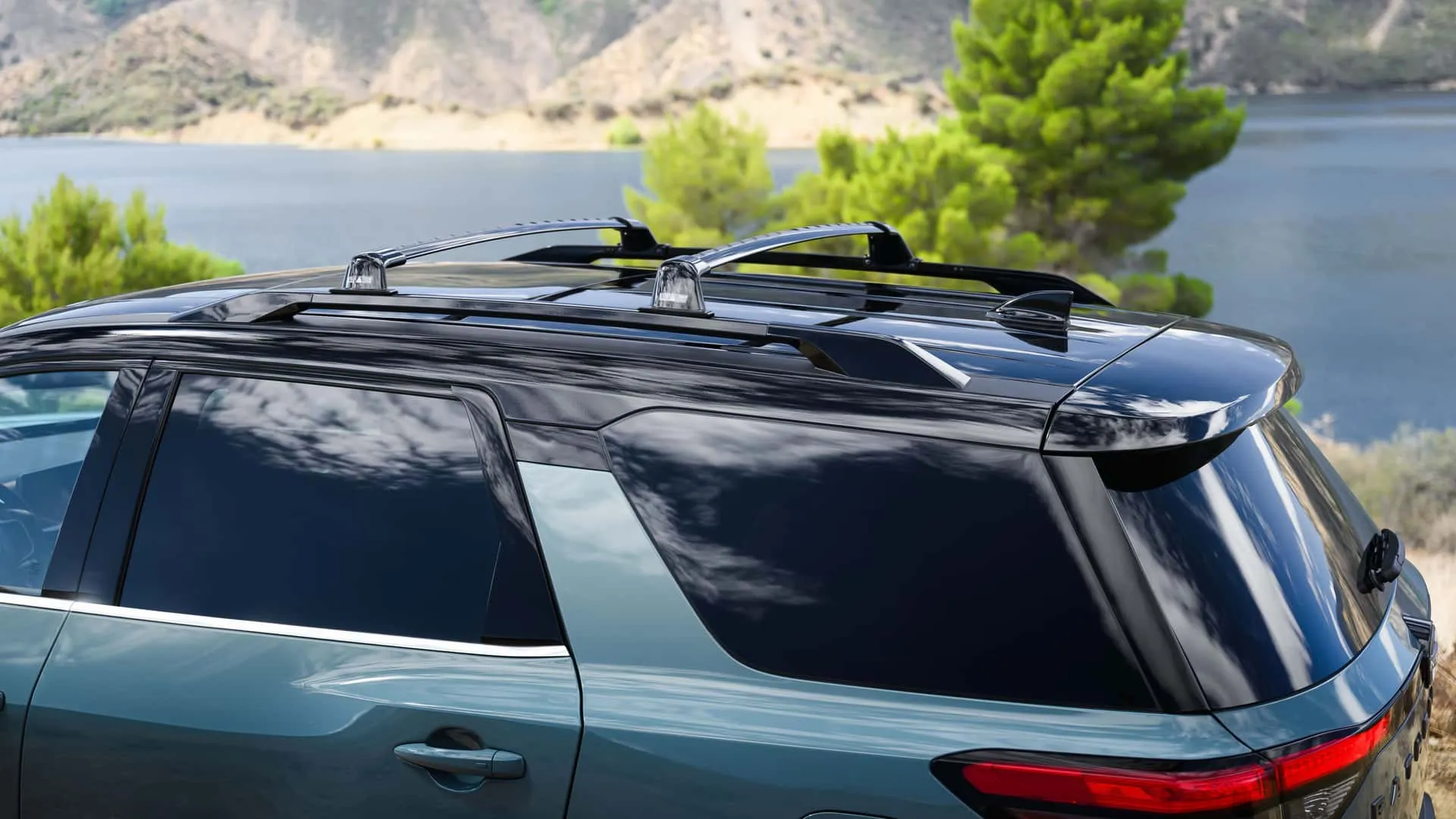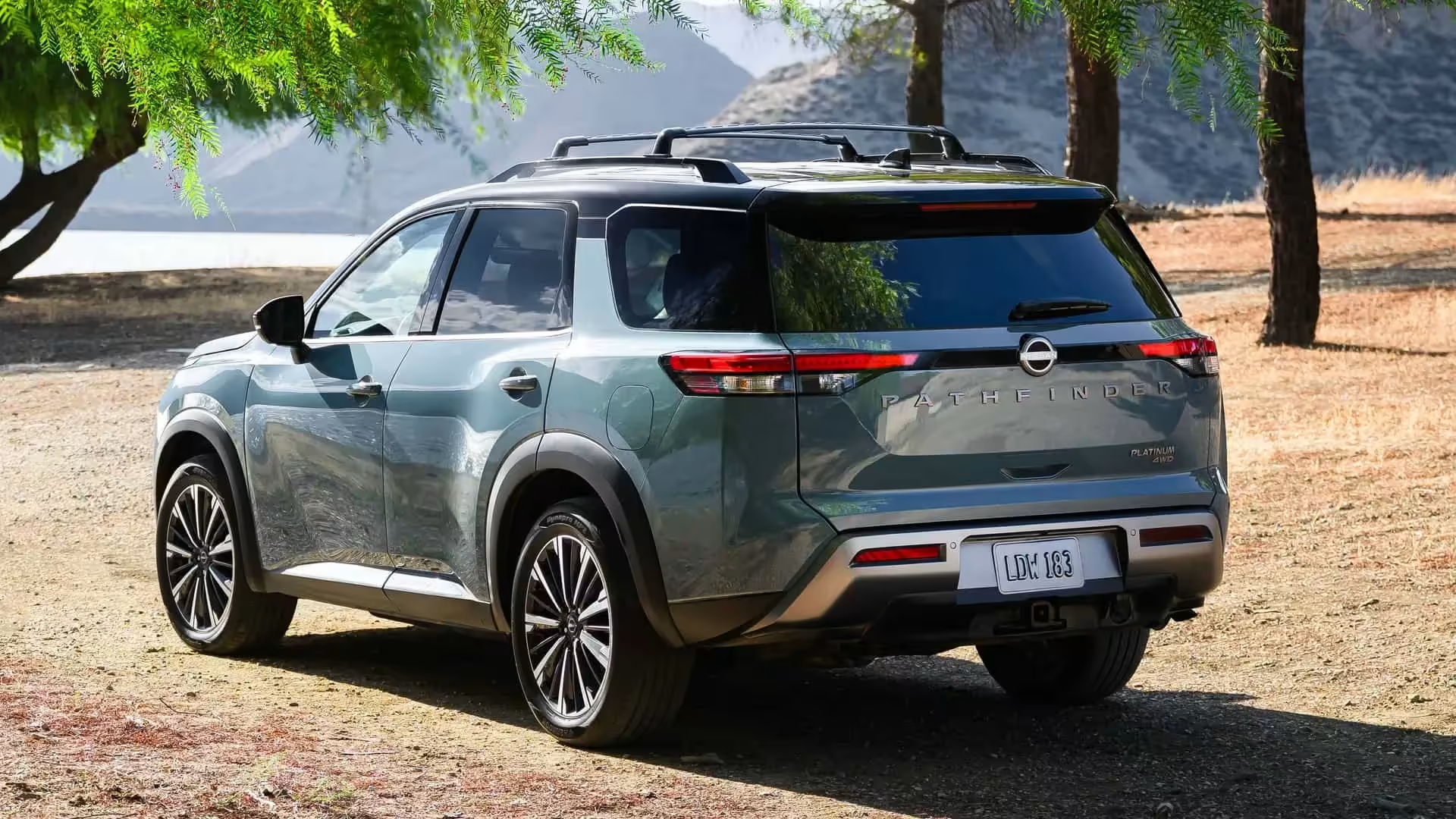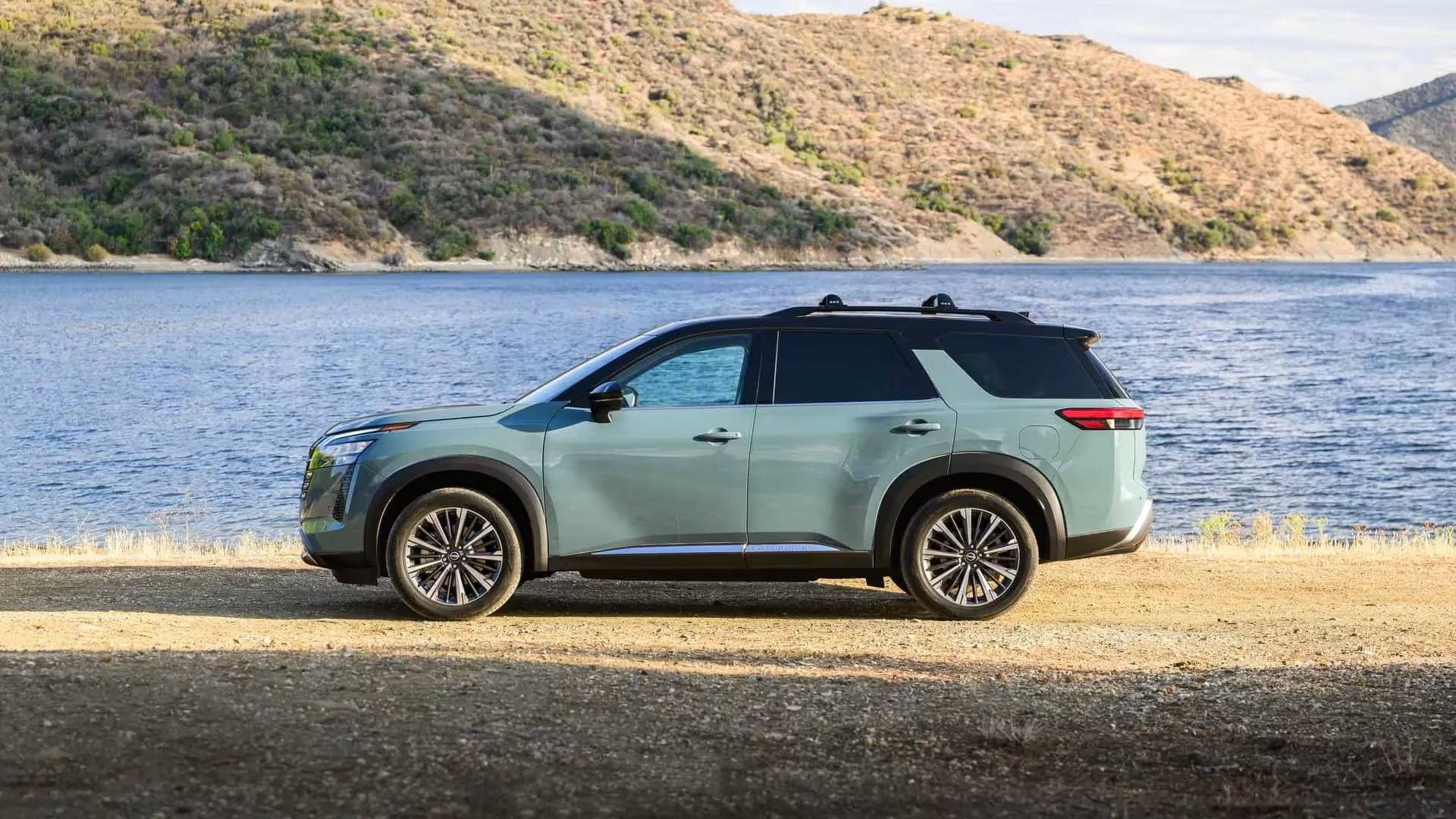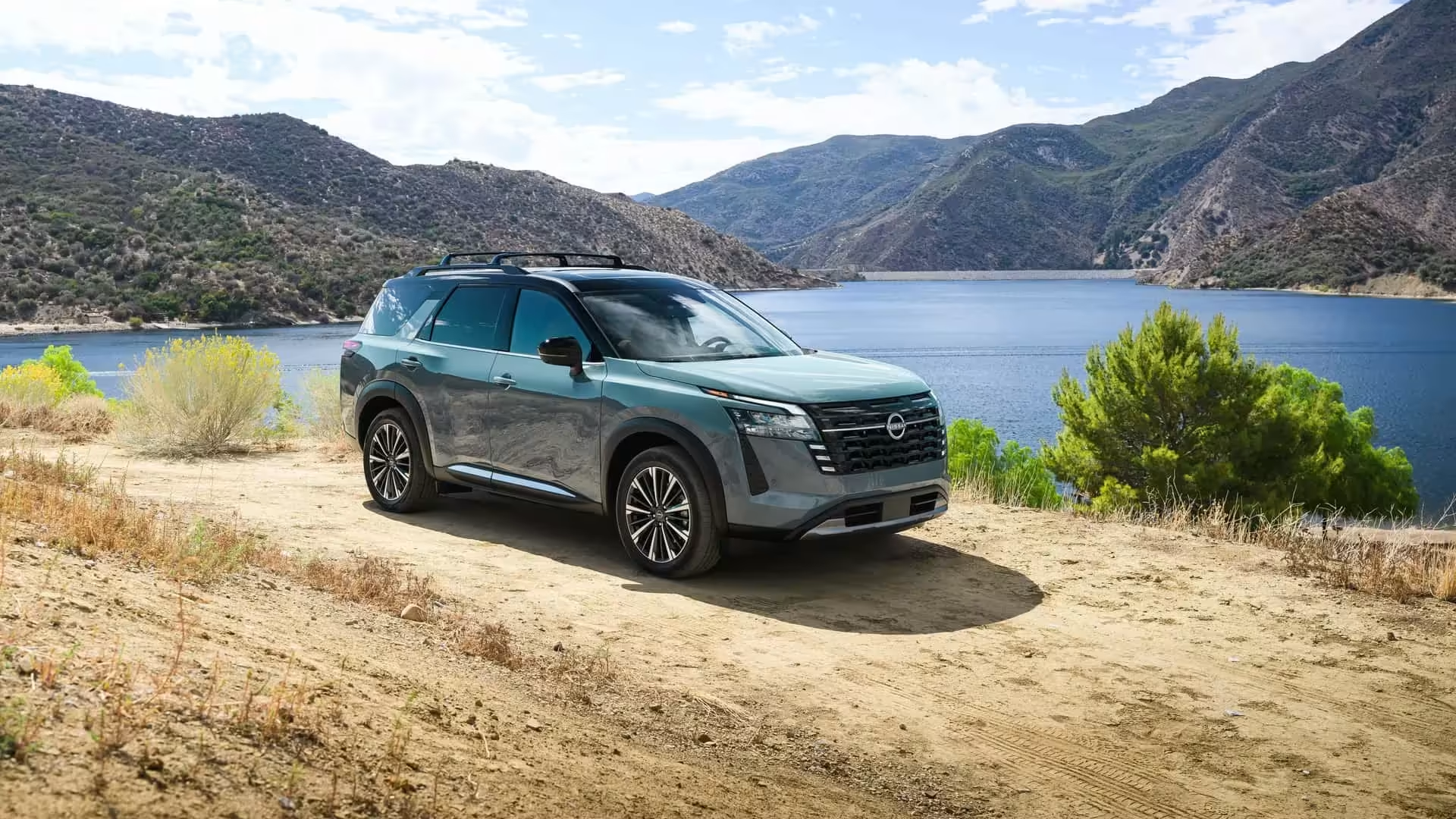
The 2026 Nissan Pathfinder is better than before, but the three-row SUV battlefield is moving even faster than Nissan is.
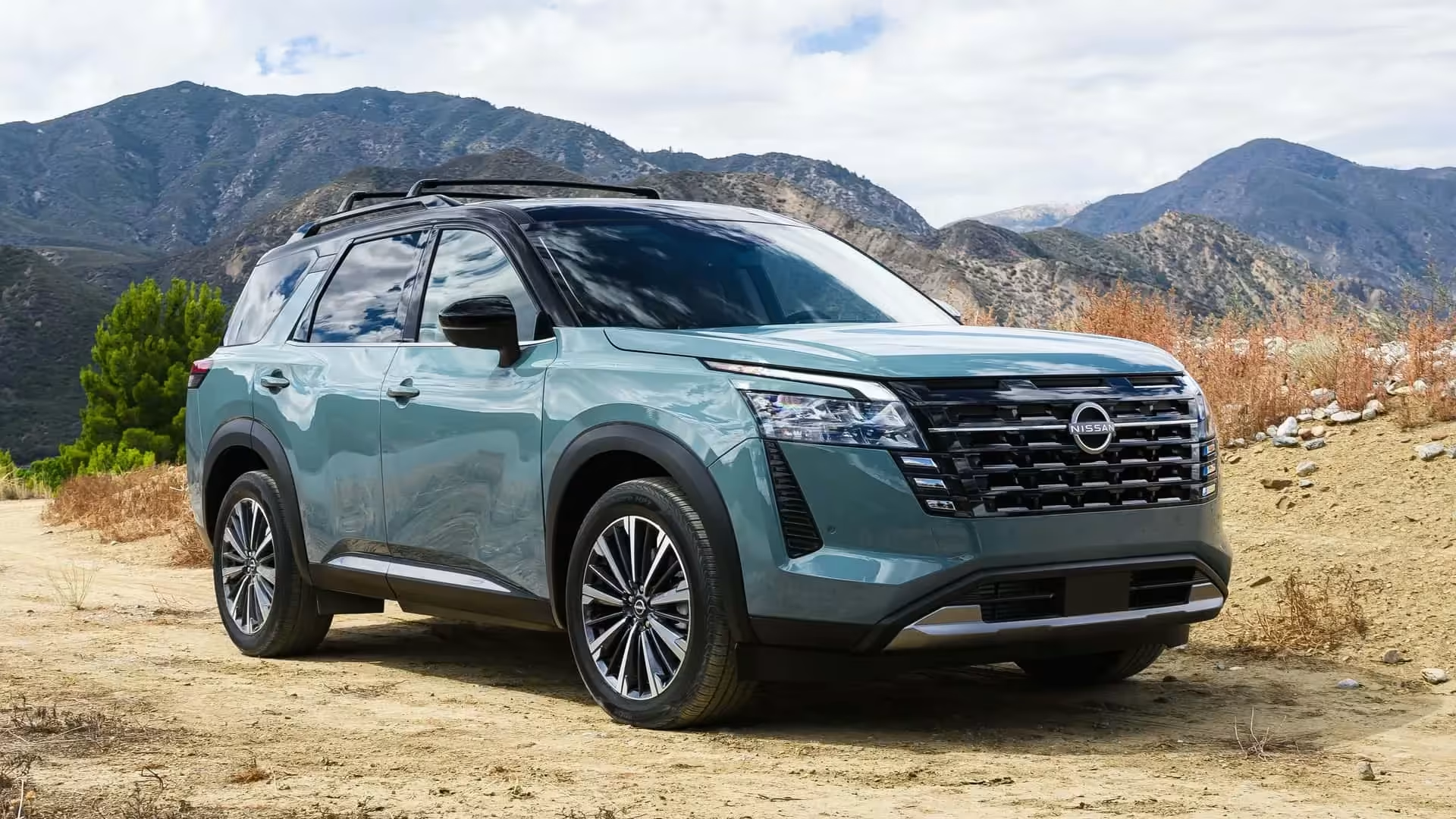
If you are shopping for a midsize three-row SUV in 2026, the Nissan Pathfinder still deserves a place on the shortlist. It remains practical, relatively affordable, and honest about what it is: a family-focused SUV with a strong V6, respectable towing ability, and a comfortable cabin. But the latest update also exposes a harder truth. In a class now dominated by more modern, more premium-feeling, and often more efficient rivals, the Pathfinder feels like a solid choice rather than a standout one.
That distinction matters. Buyers searching for the best three-row SUV, best family SUV, or 2026 Nissan Pathfinder review are no longer comparing only price and seating. They are comparing software speed, hybrid efficiency, interior quality, second- and third-row usability, road manners, and real-world value over several years of ownership.
Nissan knows this. That is why the 2026 Pathfinder arrives with fresh styling, a larger infotainment display, updated materials, and some trim-level improvements. Yet under the surface, it keeps the same naturally aspirated 3.5-liter V6 and nine-speed automatic transmission. For some buyers, that old-school formula is a virtue. For others, it is exactly why the Pathfinder now sits in the middle of the pack.

What Changed On The 2026 Nissan Pathfinder
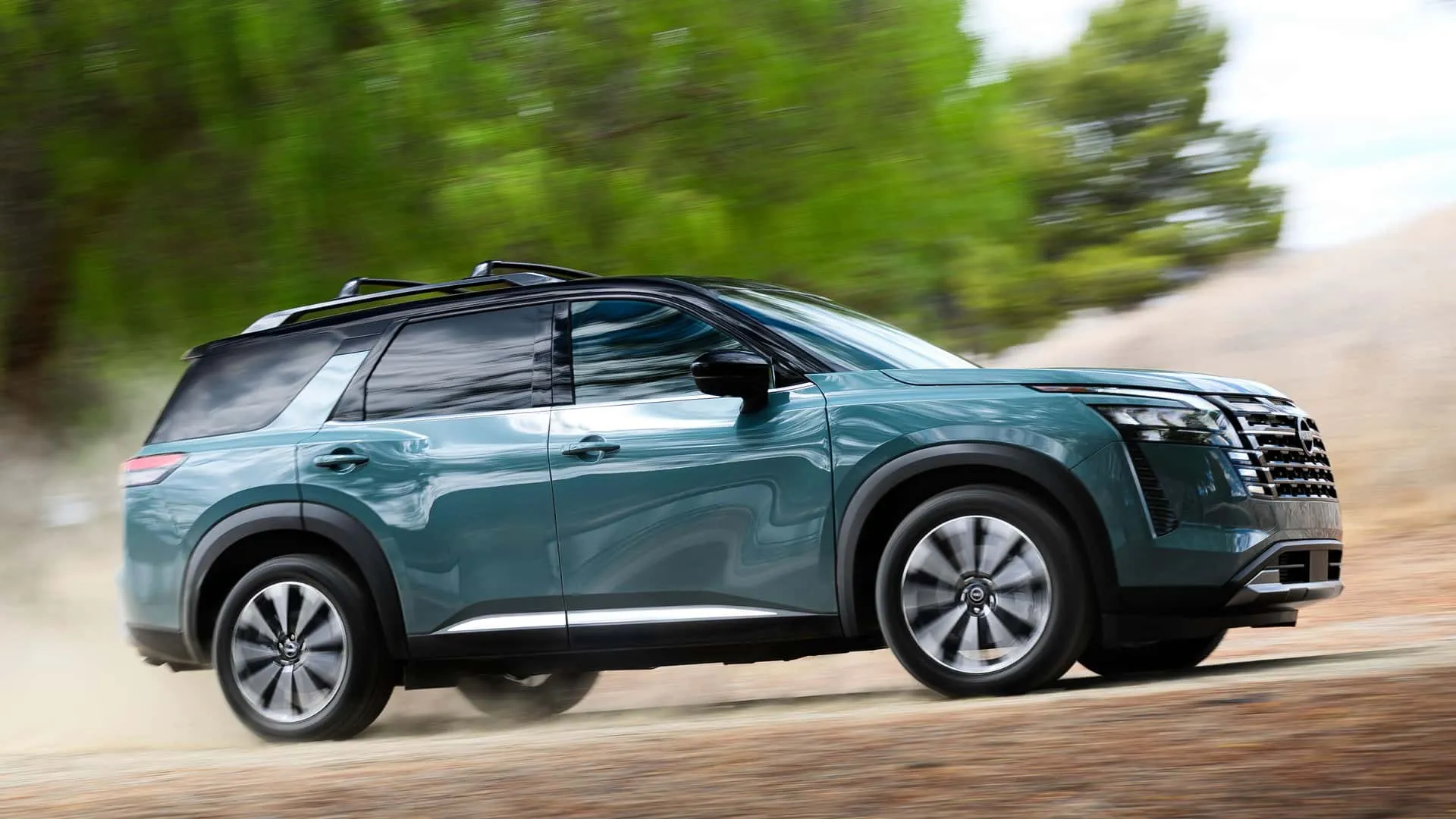
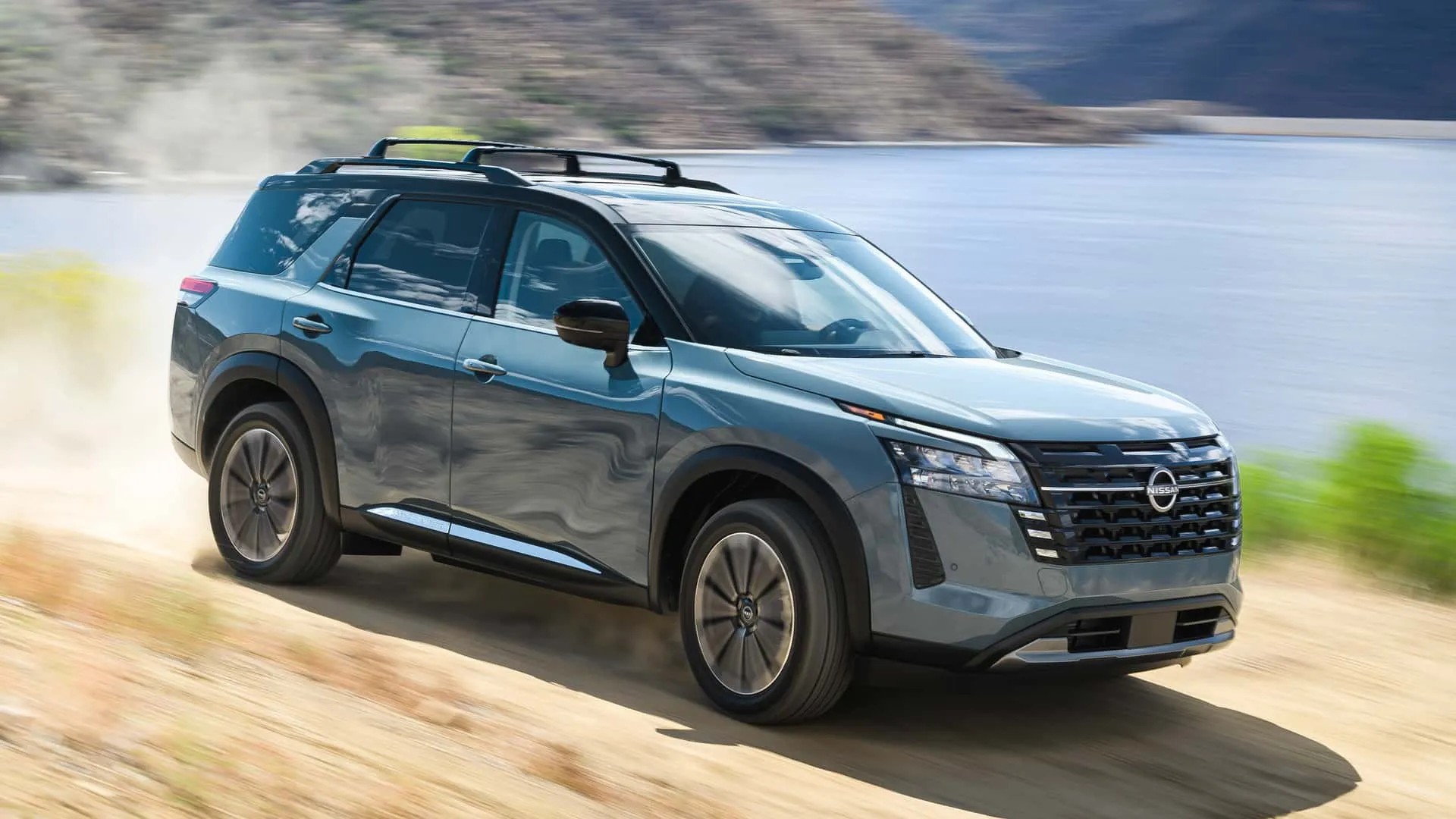
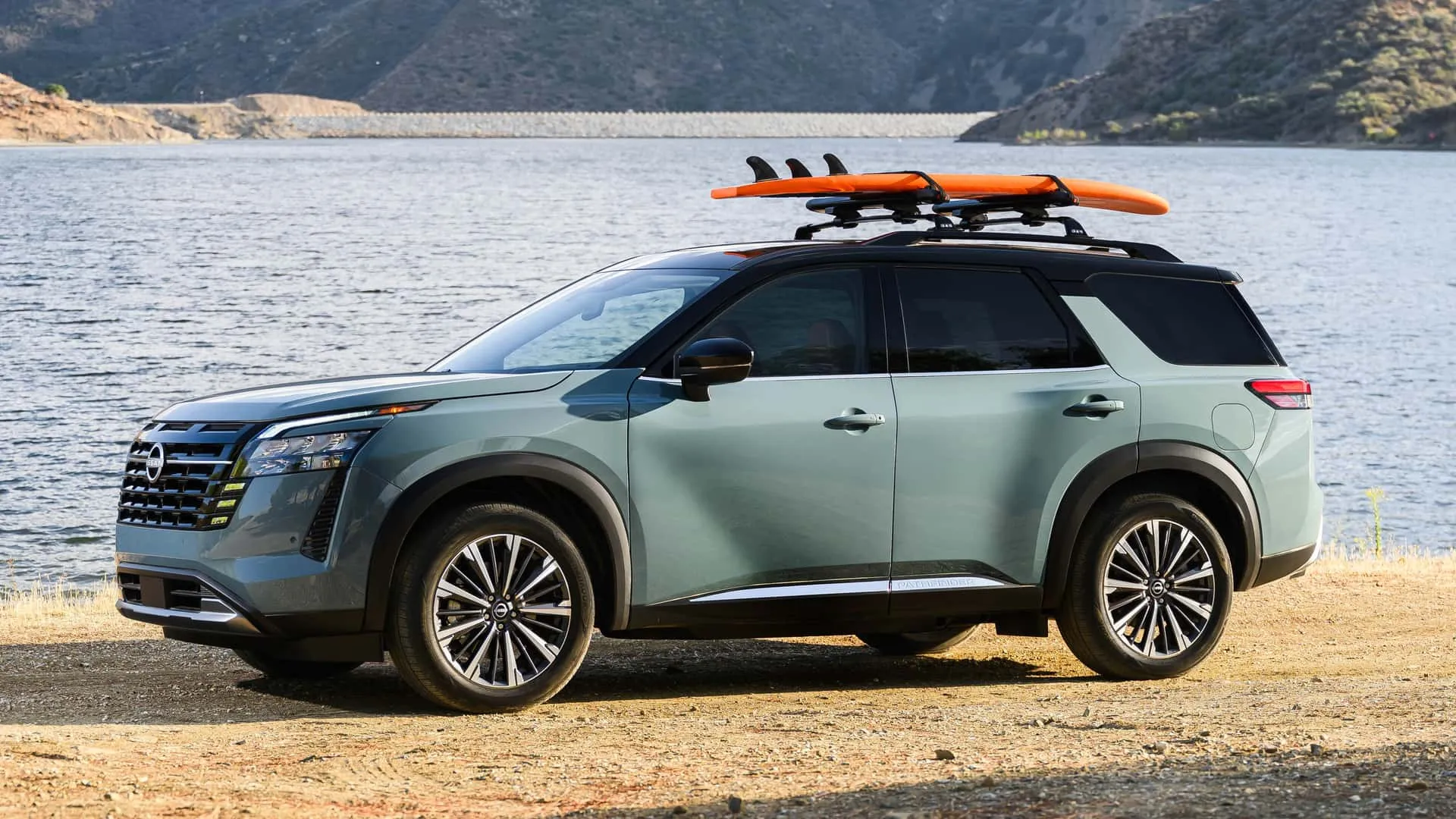
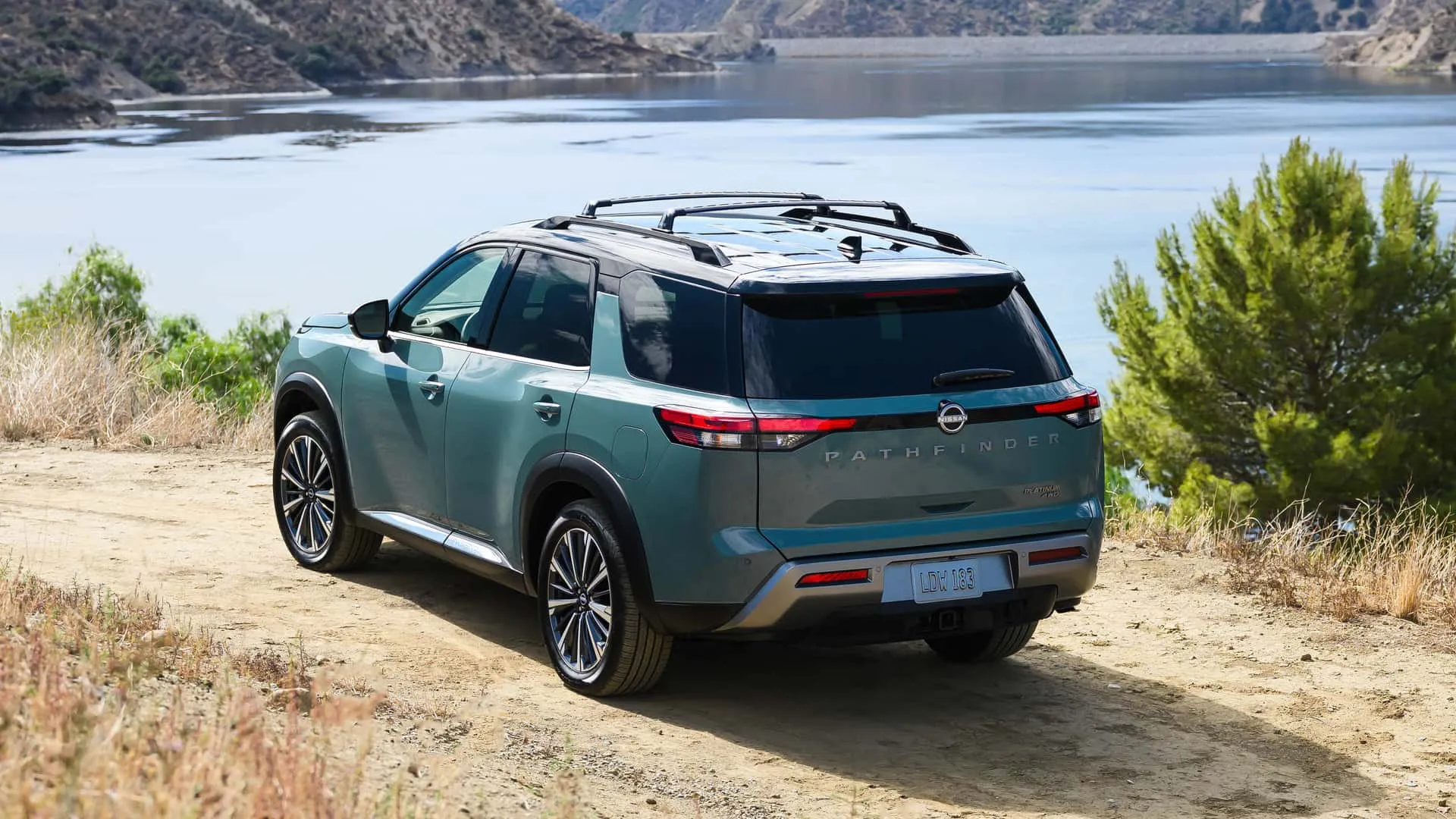
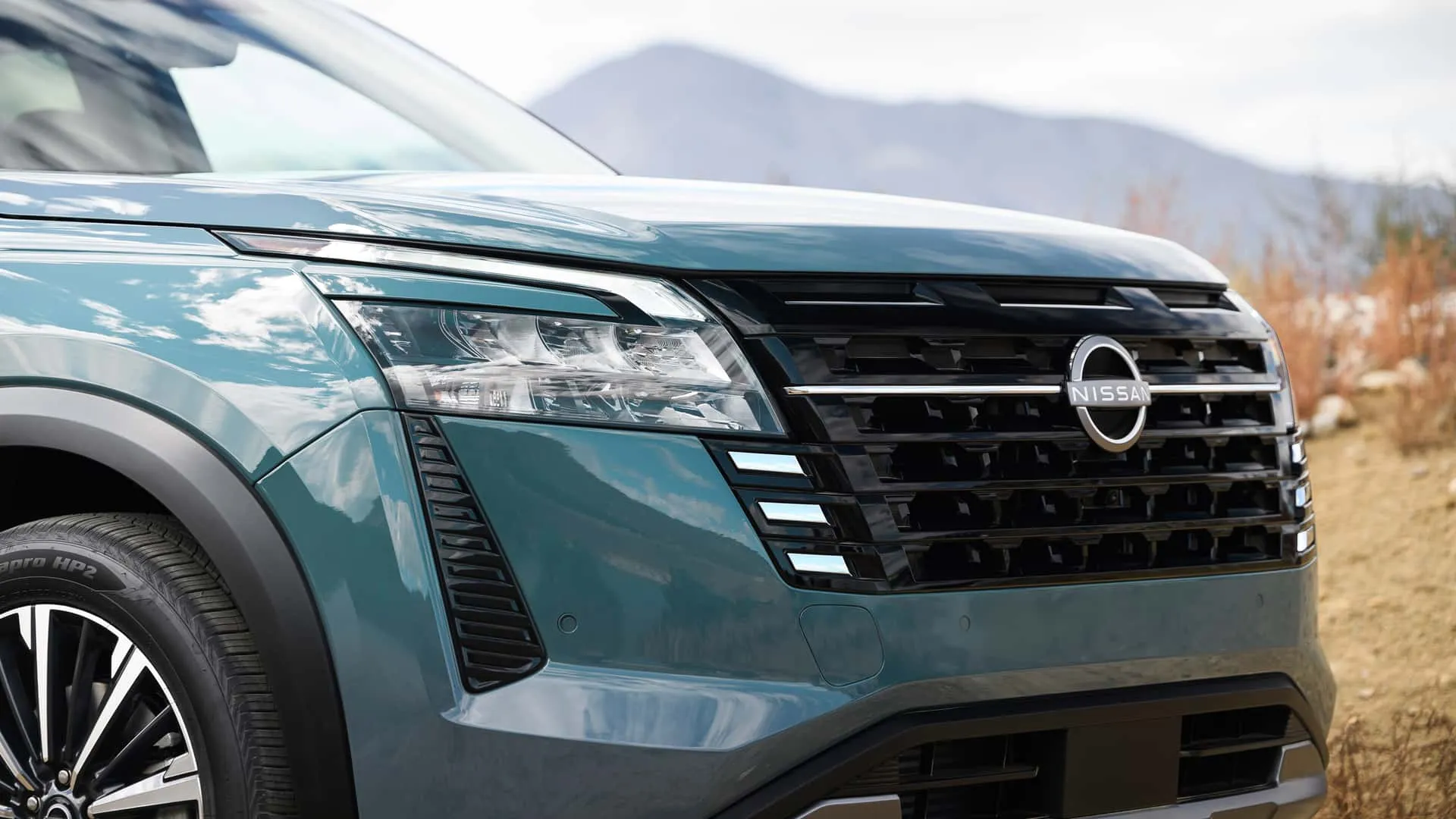
The 2026 model year brings a light refresh rather than a full overhaul. The exterior receives a more defined front-end design that helps the Pathfinder look sharper and more upright. Its blocky proportions already gave it some visual presence, and the revised nose makes it appear more current without losing the rugged, family-SUV vibe that many buyers still want.
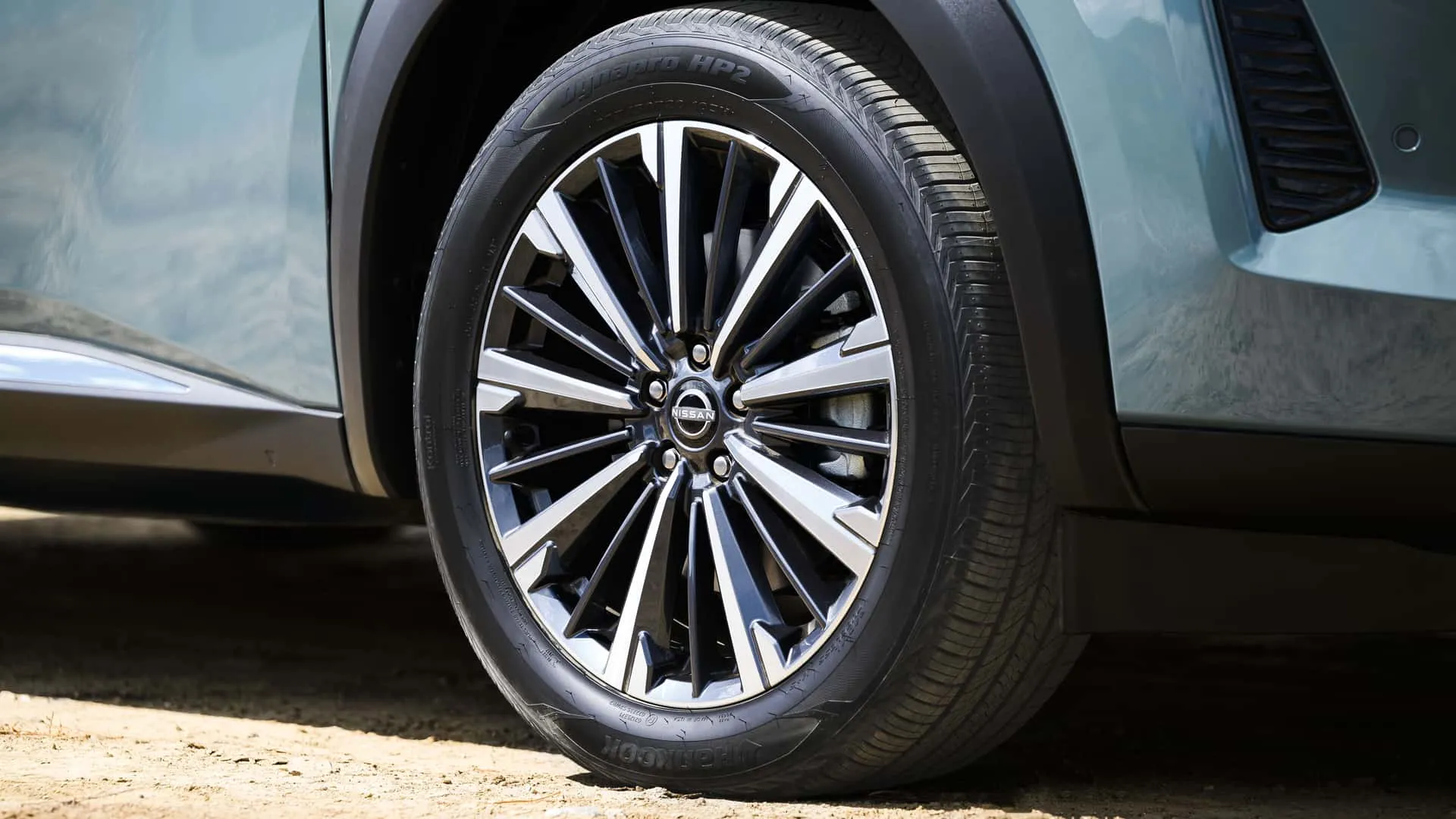
Nissan also adds new wheel designs and a new paint option called Baltic Teal, which gives the Pathfinder a bit more showroom appeal. It is not radical, but it is enough to help the SUV avoid looking stale next to newer competitors.
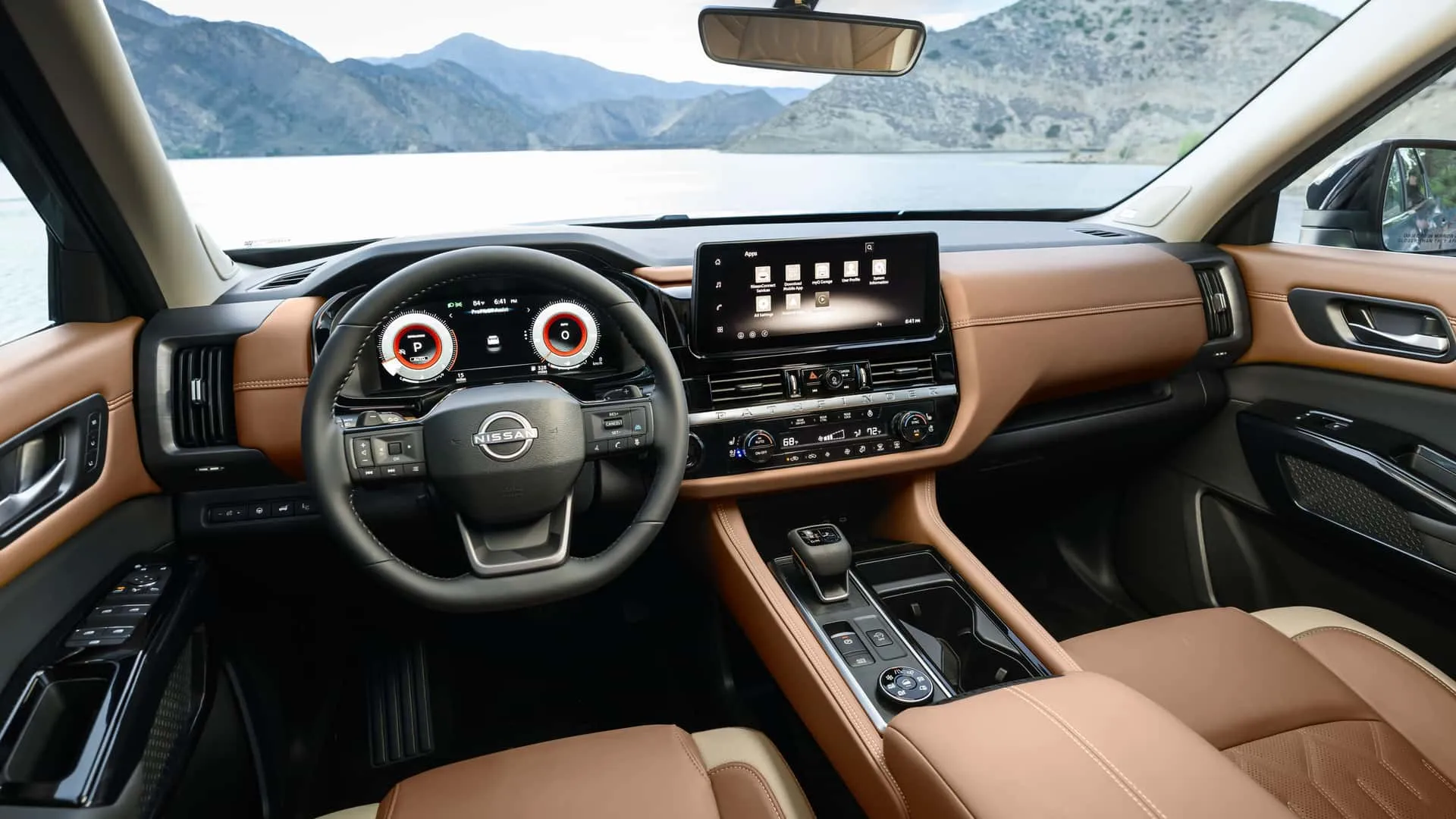
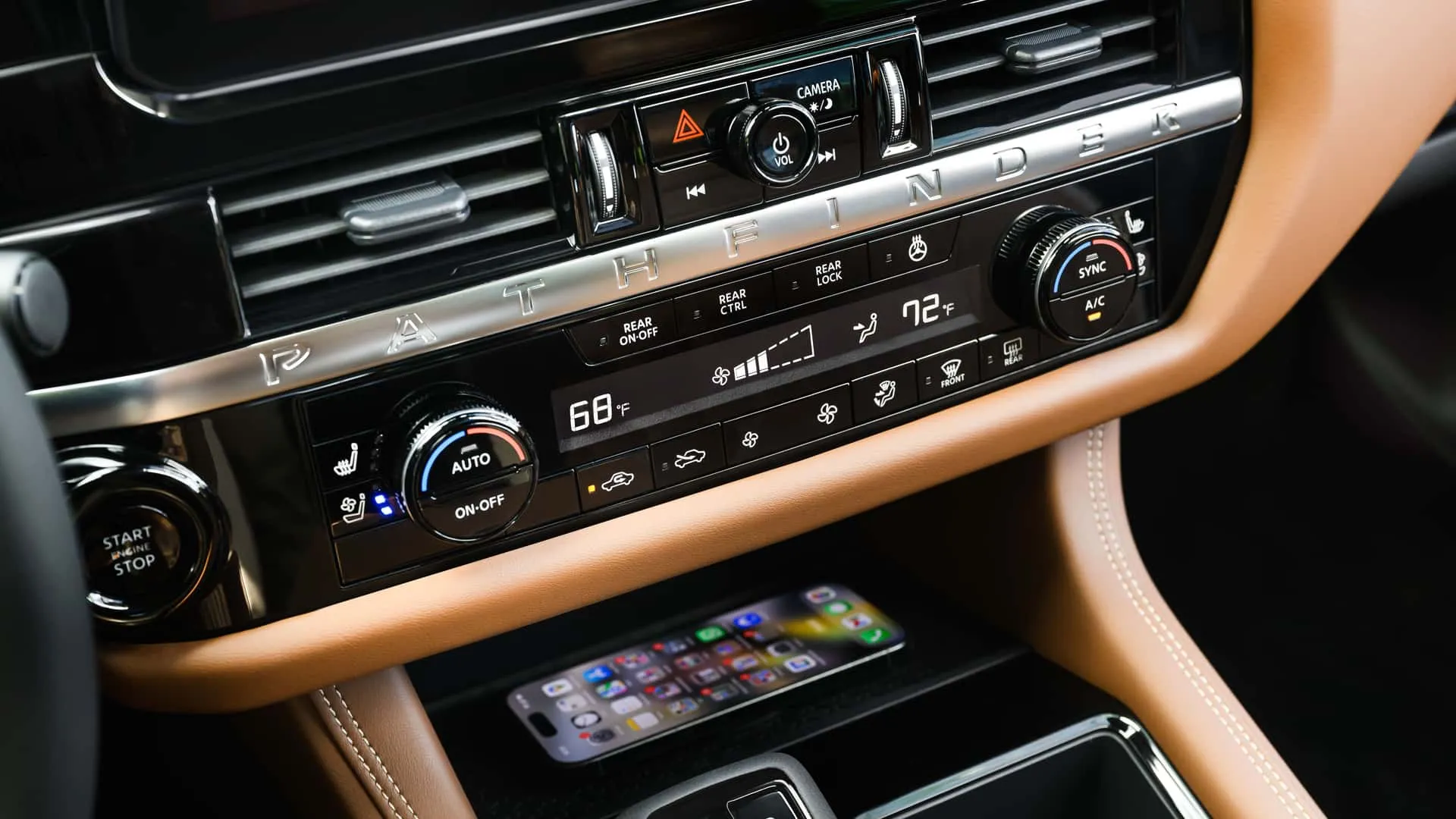
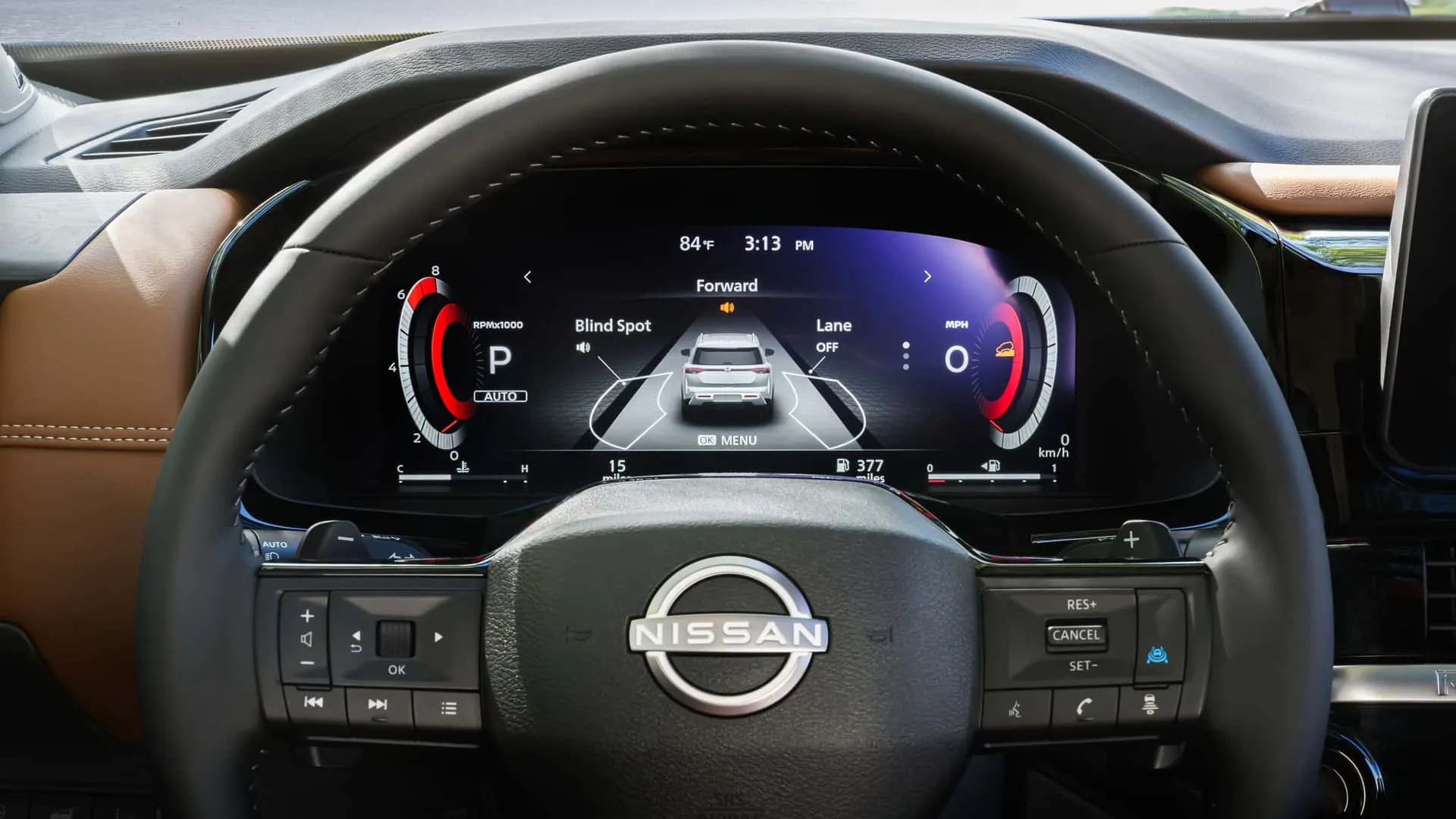
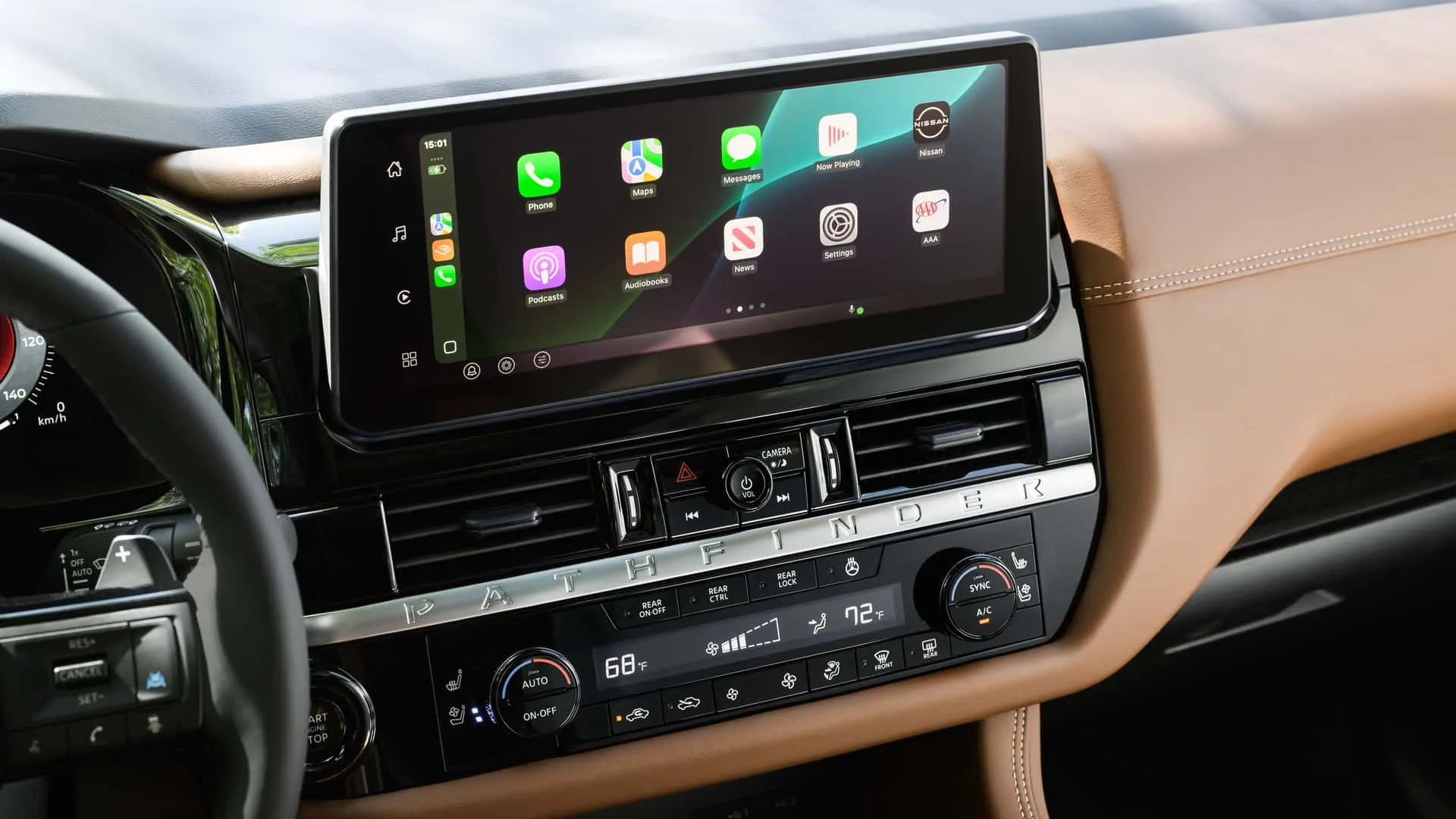
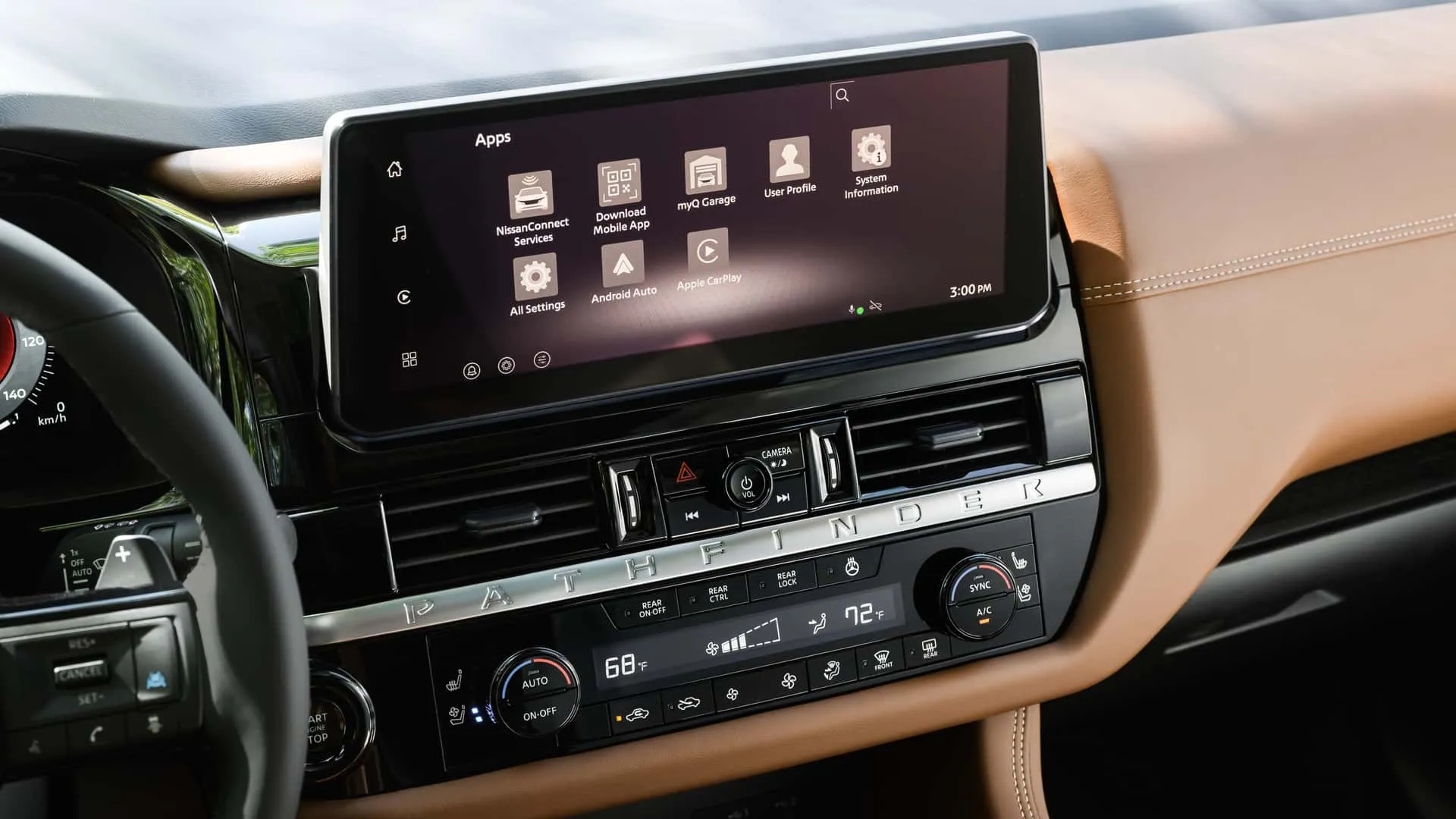
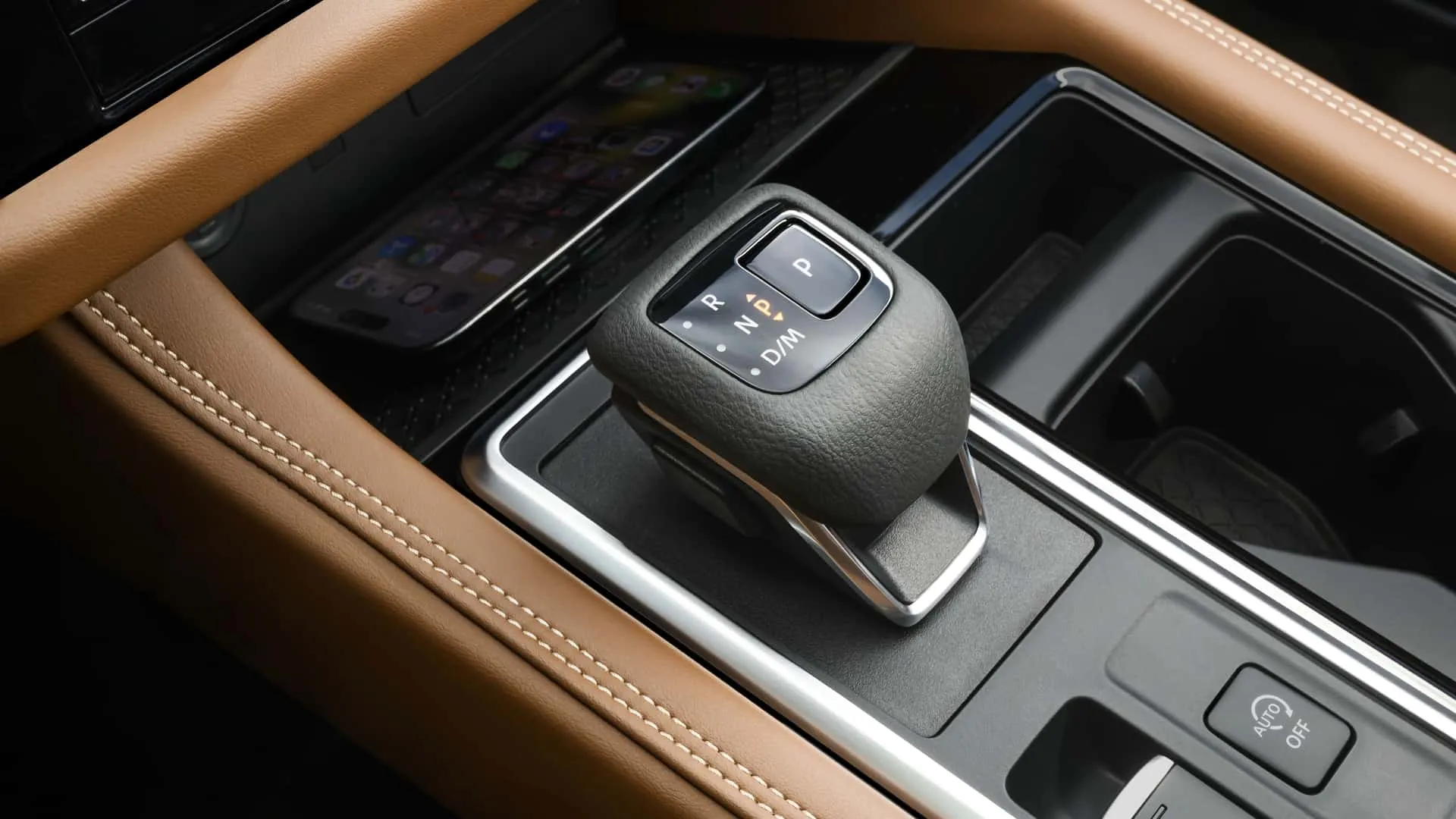
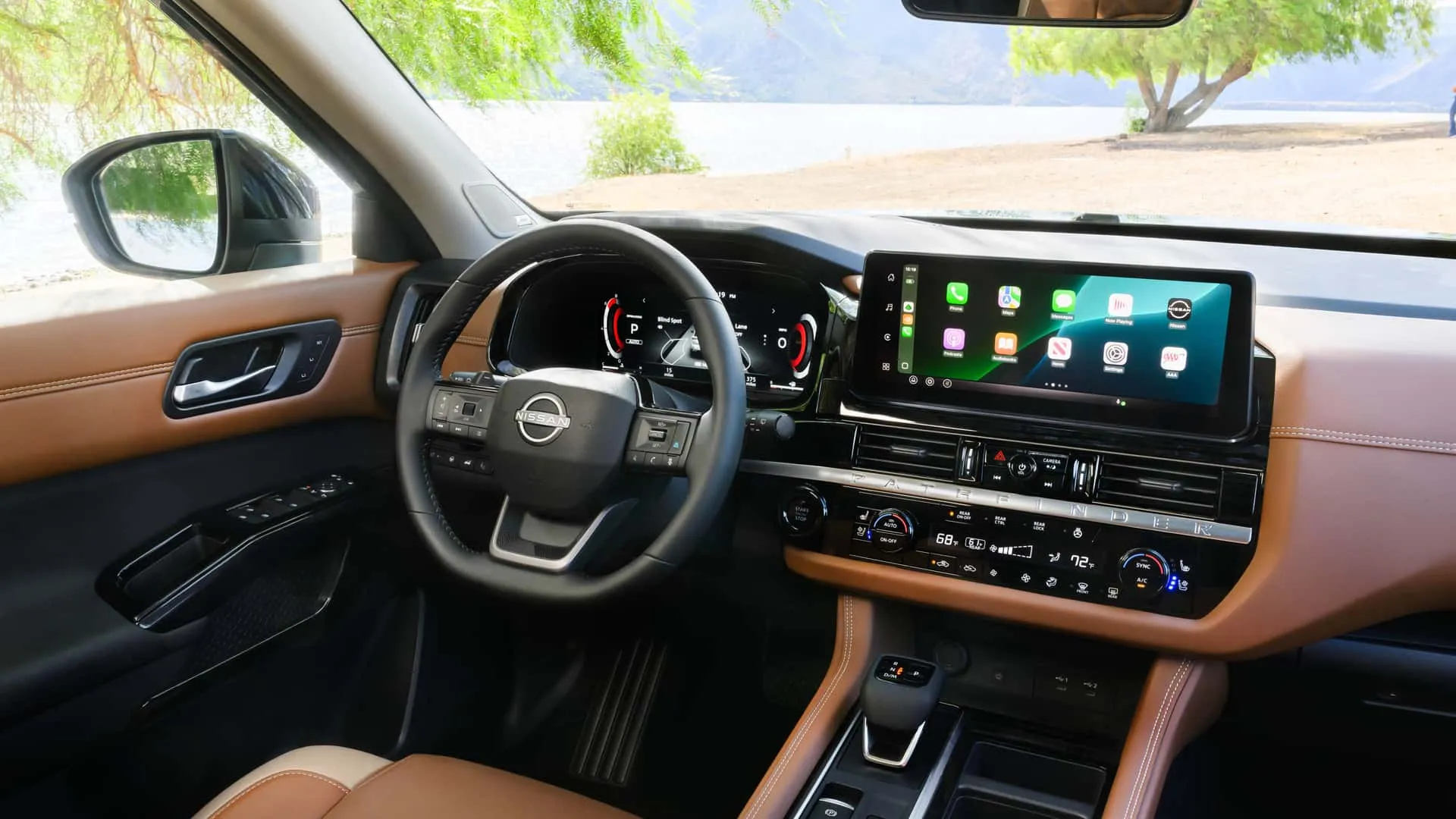
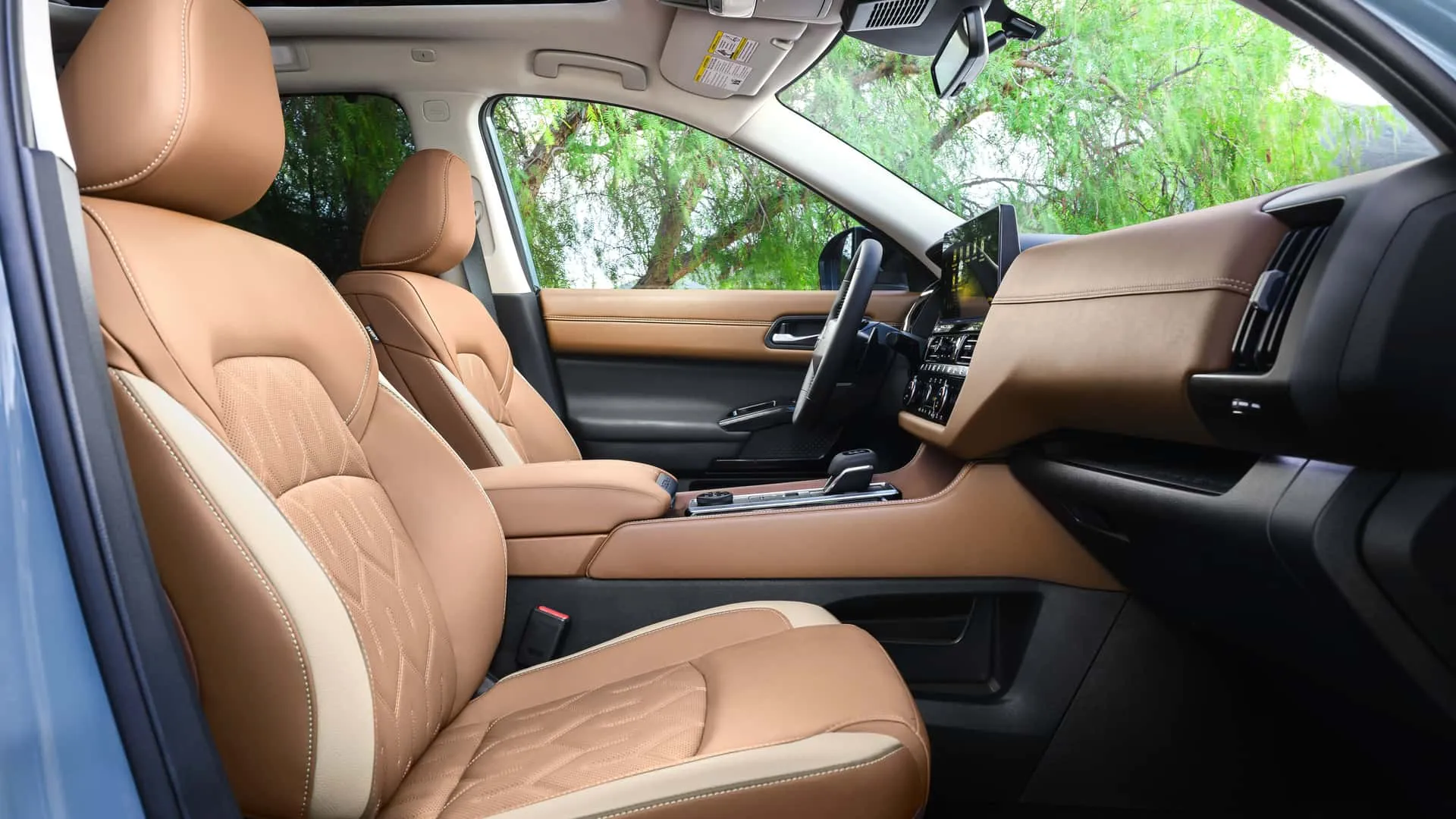
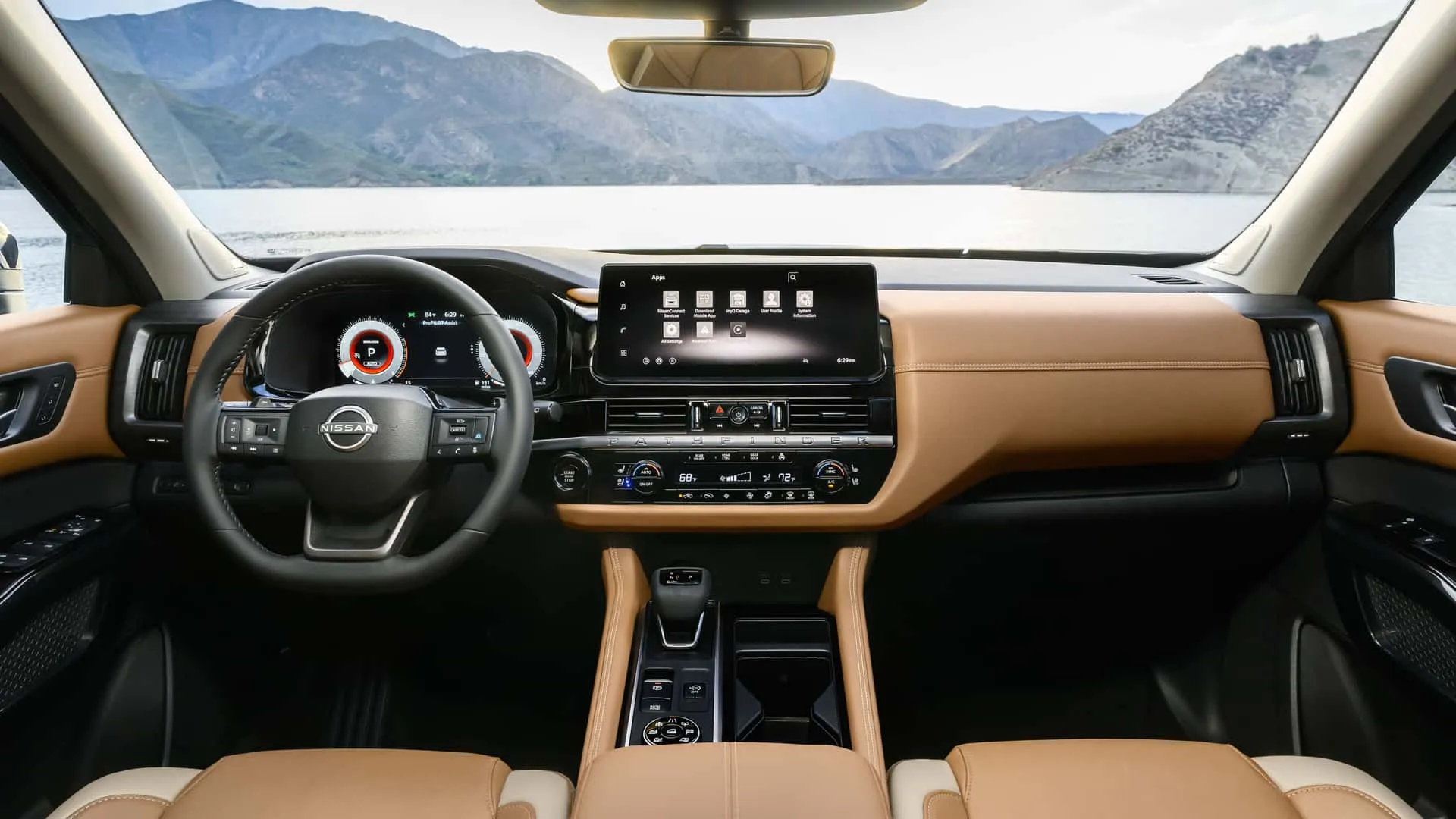
Inside, the biggest headline is the larger 12.3-inch infotainment screen. This was a necessary move. In today’s market, buyers expect a cabin that looks digital, responsive, and upscale. The Pathfinder’s new screen helps, and Nissan also reworked the available wireless charging pad to reduce phone overheating and improve charging speed. That sounds small, but in daily use it is exactly the kind of upgrade owners notice.
Material updates also improve the cabin, especially in higher trims like the Pathfinder Platinum. The top-spec model offers attractive leather upholstery and a generally pleasant front-row environment. In fact, one of the Pathfinder’s most underrated strengths is seat comfort. The front seats are supportive, well-cushioned, and genuinely suited to long highway drives.
Still, this is where the Pathfinder’s challenge becomes obvious. The cabin is good, but not class-leading. Competitors such as the Hyundai Palisade, Kia Telluride, Mazda CX-90, and even some newer electrified rivals offer richer design, more premium execution, or more intuitive tech. If you have been following how quickly Nissan is evolving in other areas, from the electrified angle of the Nissan Rogue e-Power hybrid to new SUV concepts like the Nissan Off-Road Concept with Xterra vibes, it is clear the brand sees the market changing fast.
- New for 2026 includes refreshed exterior styling
- 12.3-inch touchscreen becomes a major cabin upgrade
- Updated wireless charging pad addresses a real-world annoyance
- Revised trim details and materials add some polish
- No powertrain changes mean the same V6 carries over
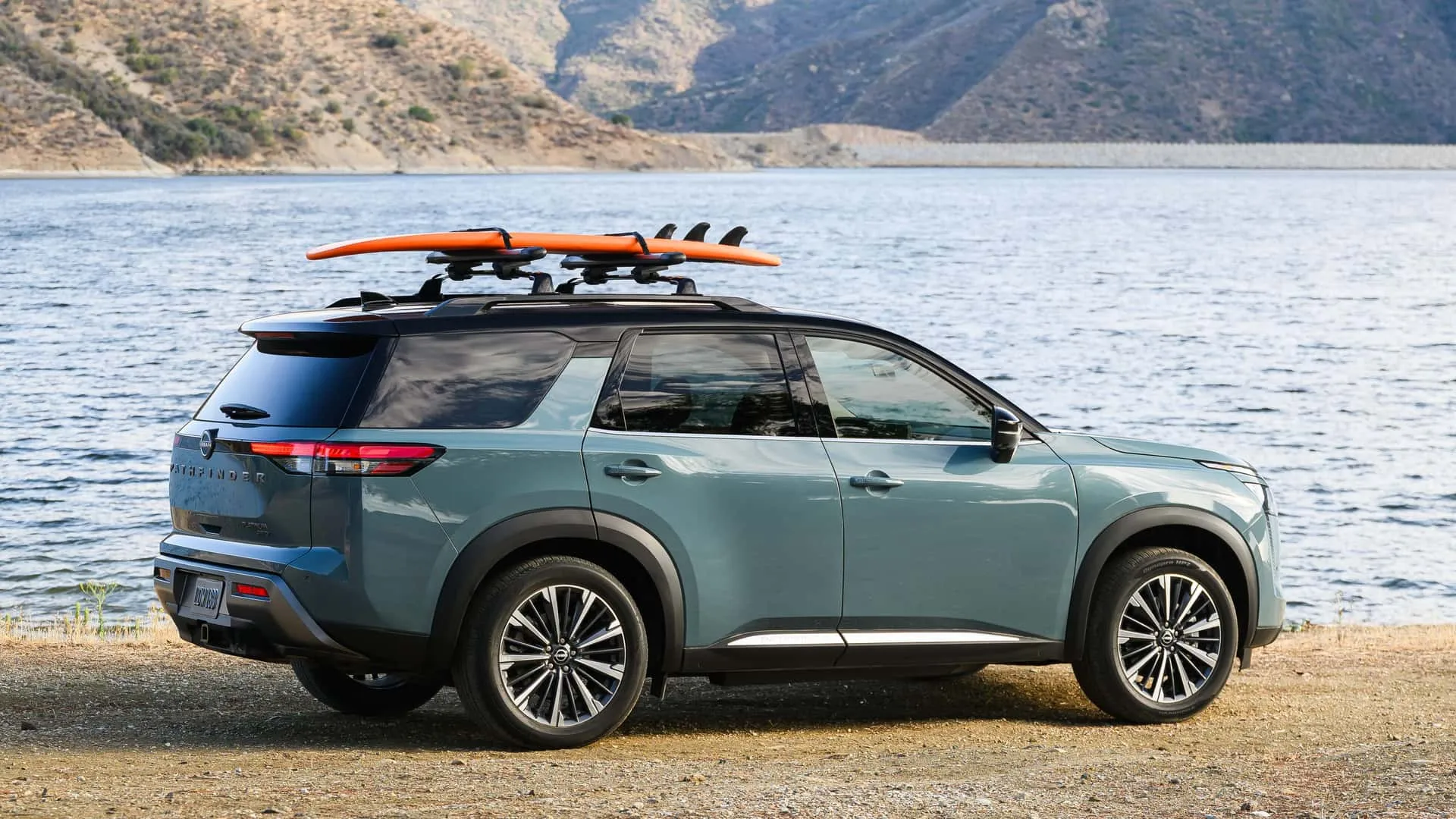
Performance, V6 Engine, Towing Capacity, And Real-World Driving
The 2026 Nissan Pathfinder engine is a 3.5-liter naturally aspirated V6 producing 284 horsepower and 259 lb-ft of torque. In the off-road-themed Rock Creek trim, output rises to 295 horsepower. Every Pathfinder uses a nine-speed automatic transmission, with front-wheel drive standard on many trims and all-wheel drive available or standard depending on configuration.
In a market increasingly shaped by turbocharged four-cylinders, hybrids, and plug-in hybrids, Nissan’s V6 approach now feels both refreshing and dated. Refreshing because there is smooth, linear power delivery and no need to rely on battery assist. Dated because many rivals now offer more torque, better fuel economy, and stronger low-speed response.
On test, the all-wheel-drive Pathfinder reached 60 mph in 6.8 seconds and completed the quarter mile in 15.3 seconds at 92 mph. Those are respectable numbers for a family SUV weighing around 4664 pounds. It is not slow. It is simply no longer special.
The real strength of the Pathfinder remains towing. Properly equipped, it can tow up to 6000 pounds, which is highly competitive in the midsize three-row SUV segment. For families hauling a small boat, utility trailer, or lightweight camper, that is a meaningful advantage.
Highway comfort is another plus. Tested cabin noise measured just 66 dBA at 70 mph, making the Pathfinder impressively quiet on long cruises. That low noise level, paired with the comfortable front seats, gives the SUV a relaxed touring character that some rivals still struggle to match.
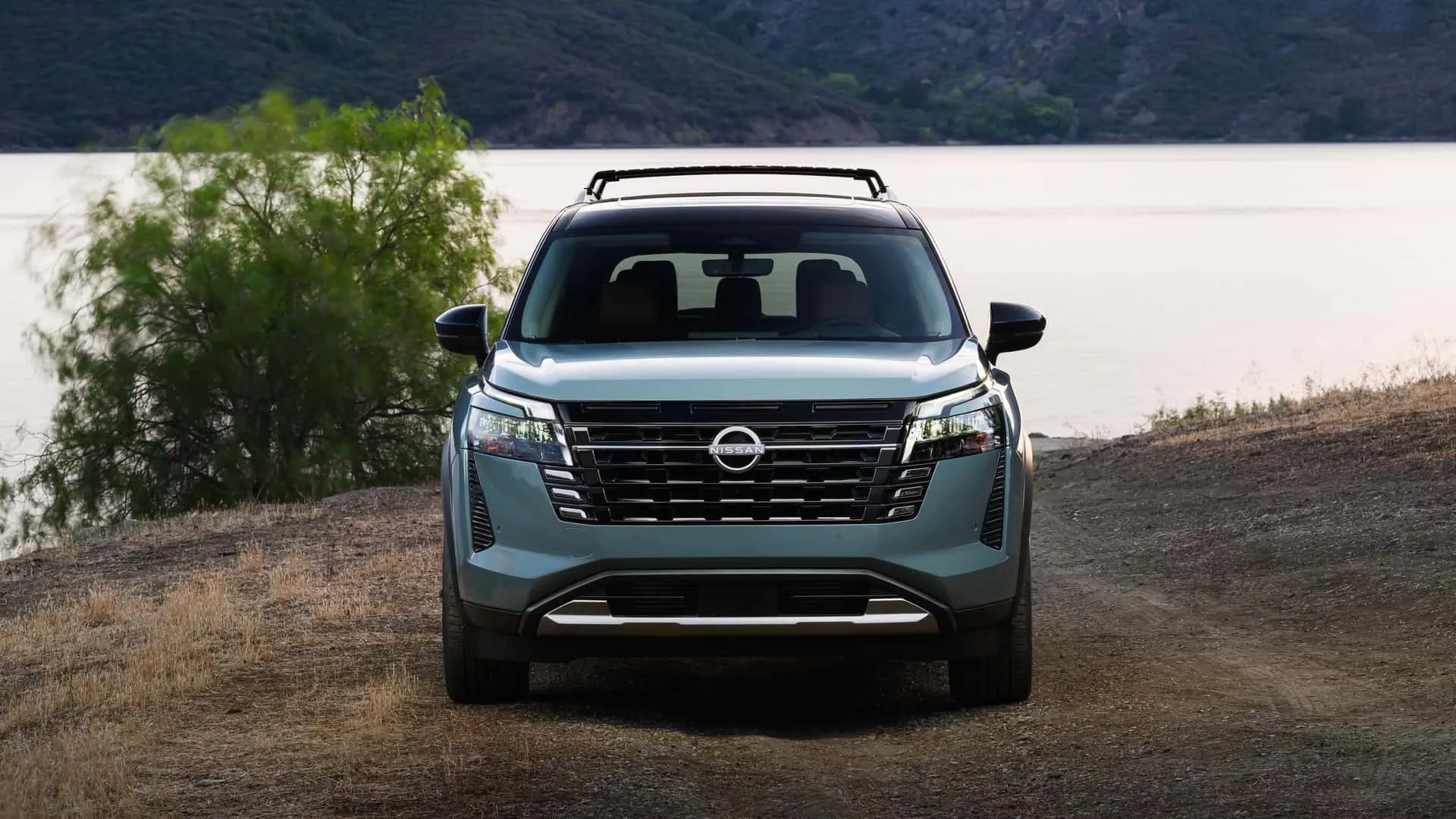
But the Pathfinder is not especially rewarding when the road gets interesting. Steering feedback is vague, body motions can feel a bit bouncy, and cornering composure is merely acceptable. Skidpad grip of 0.81 g and a 167-foot stop from 70 mph show that the fundamentals are competent. The issue is not capability. It is refinement.
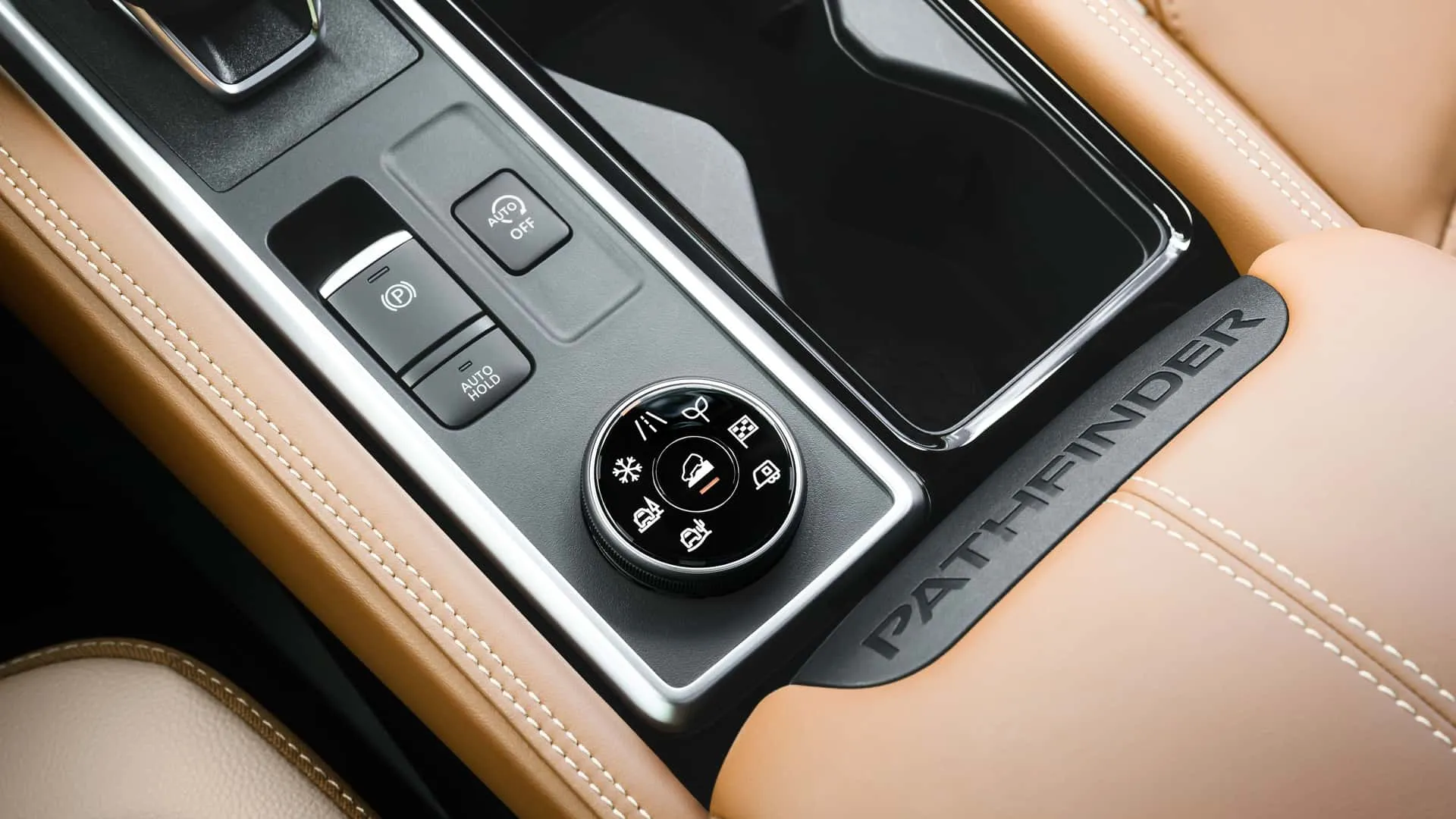
The Pathfinder Rock Creek deserves special mention because off-road-flavored SUVs are now a major trend. It adds all-terrain tires, standard AWD, extra power, and rugged styling elements. There is also a newly available Premium package with features like a panoramic sunroof and heated steering wheel. However, the all-terrain tires bring more road noise and slightly less precise steering, so the Rock Creek makes the most sense for buyers who genuinely want the tougher look and occasional trail ability.
If rugged utility is your thing, it is interesting to compare the Pathfinder’s approach with more extreme lifestyle machines covered recently, such as the Ford Ranger Raptor daily-use off-road formula. The Nissan is far more family-focused, but it shows how mainstream brands are trying to inject adventure into practical vehicles.
| 2026 Nissan Pathfinder Key Specs | Data |
|---|---|
| Engine | 3.5-liter DOHC V6 |
| Horsepower | 284 hp standard, 295 hp Rock Creek |
| Torque | 259 lb-ft |
| Transmission | 9-speed automatic |
| 0-60 mph | 6.8 seconds |
| Towing Capacity | Up to 6000 lb |
| EPA Fuel Economy | 22 mpg combined, 20 city, 25 highway |
| Observed Fuel Economy | 21 mpg |
Is The 2026 Nissan Pathfinder A Smart Buy Or Just A Cheap One?
This is where the Pathfinder becomes genuinely interesting. It may not lead the class in sophistication, space, fuel economy, or driving dynamics, but it does hit a sweet spot many buyers still care about: price.
The 2026 Nissan Pathfinder price starts at just under $39,000, while a Pathfinder Platinum AWD starts at $52,945. In a segment where transaction prices can climb fast, that matters. Nissan is offering a lot of metal, a V6, usable three-row seating, and strong towing for thousands less than some direct rivals.
That affordability helps explain why the Pathfinder continues to sell well. It is not winning because it dominates comparison tests. It is winning because it is familiar, practical, and easier on the budget than many alternatives.
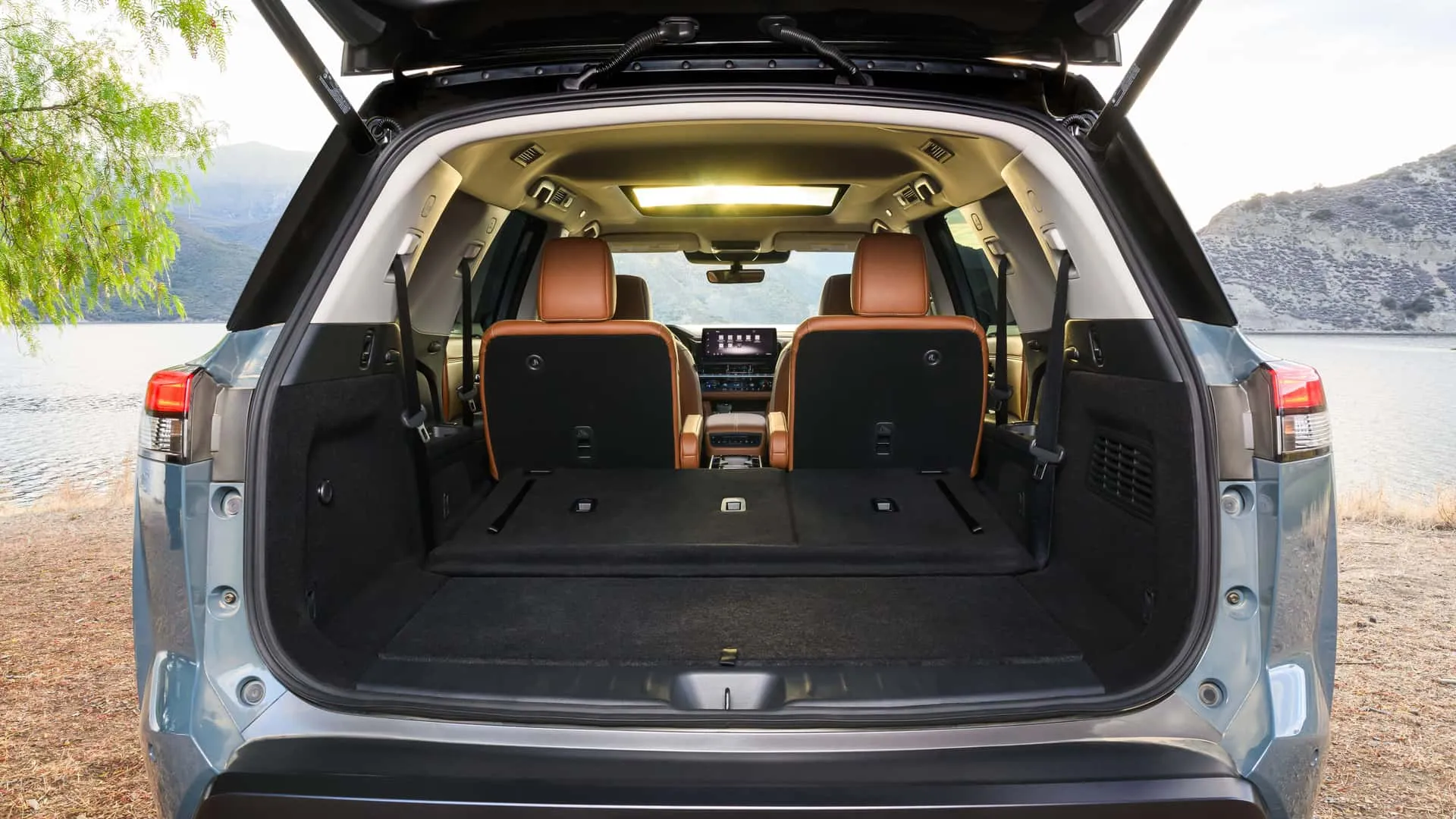
Still, buyers should go in with clear expectations. The third row is usable, but not exceptionally roomy. Cargo space is competitive rather than segment-defining. The infotainment system, despite the larger display, still does not feel as slick or intuitive as the best setups on the market. And fuel economy is only average, which becomes harder to justify as more hybrid SUVs enter this space.
This is the larger trend shaping the family SUV world. Brands are adding more efficiency, more tech integration, and more perceived luxury at nearly every price point. We have seen the same pressure hit established nameplates in neighboring segments, whether it is the premium balancing act of the Volvo XC90 durability debate or the value-driven push from newer seven-seat electrified models like the MG MGS9 PHEV with seven seats.

Who should buy the 2026 Nissan Pathfinder?
- Families who want a proven V6 SUV instead of a smaller turbo engine
- Buyers who need strong towing capacity without moving up to a larger SUV
- Shoppers prioritizing value, comfort, and straightforward usability
- Drivers who spend lots of time on highways and appreciate a quiet cabin
Who should keep shopping?
- Anyone wanting the most upscale interior in the class
- Buyers focused on hybrid fuel economy or cutting-edge powertrains
- Drivers who care about agile handling and steering feel
- Larger families who need maximum third-row and cargo flexibility
The Pathfinder’s biggest strength is also its biggest vulnerability. It makes sense on paper, and in many real-world use cases it will satisfy owners just fine. But in a segment filled with increasingly ambitious rivals, being sensible is no longer enough to guarantee excitement.
The 2026 Nissan Pathfinder is not a bad SUV at all. It is a decent SUV in a class that now demands much more than decency.
That is why this Nissan lands in the middle of the pack. It offers honest family utility, strong highway comfort, and a price that can be hard to ignore. Yet its aging powertrain strategy, average efficiency, and merely adequate tech execution keep it from feeling like the obvious answer. If your top priority is value and towing, the Pathfinder remains easy to recommend. If your priority is having the freshest, smartest, or most polished three-row SUV in the driveway, the search probably does not end here.