
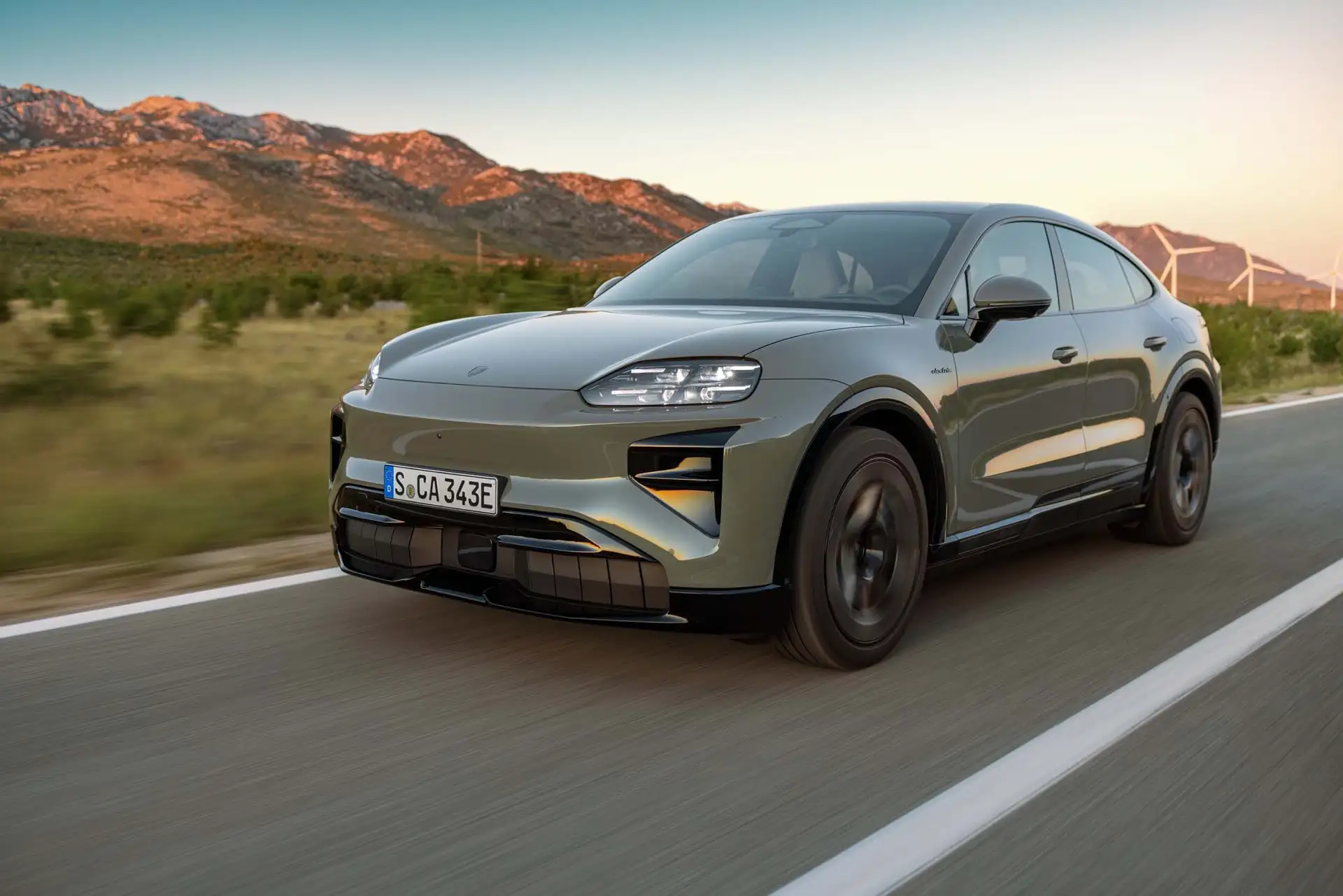
Porsche sharpens the Cayenne formula without softening the numbers
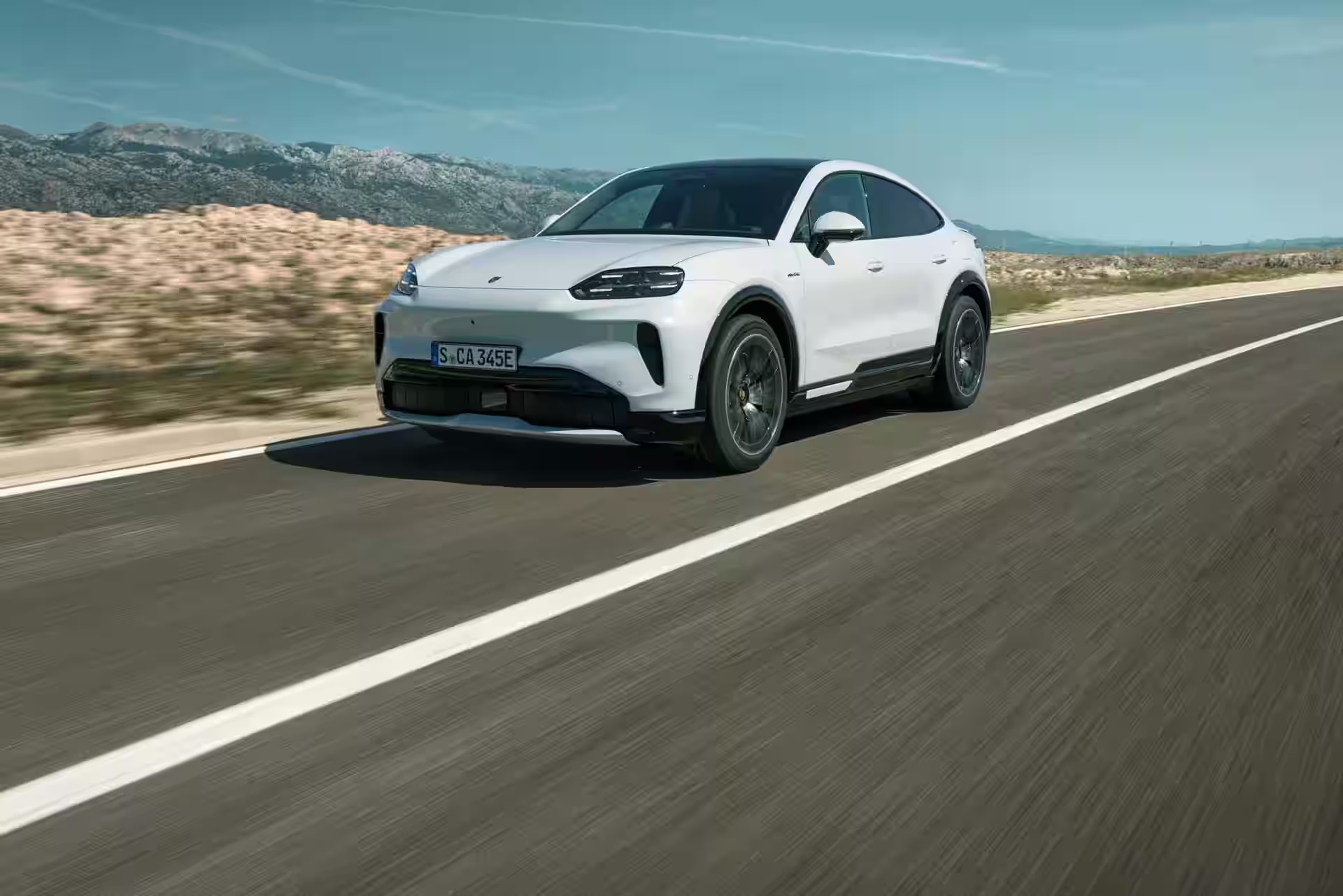
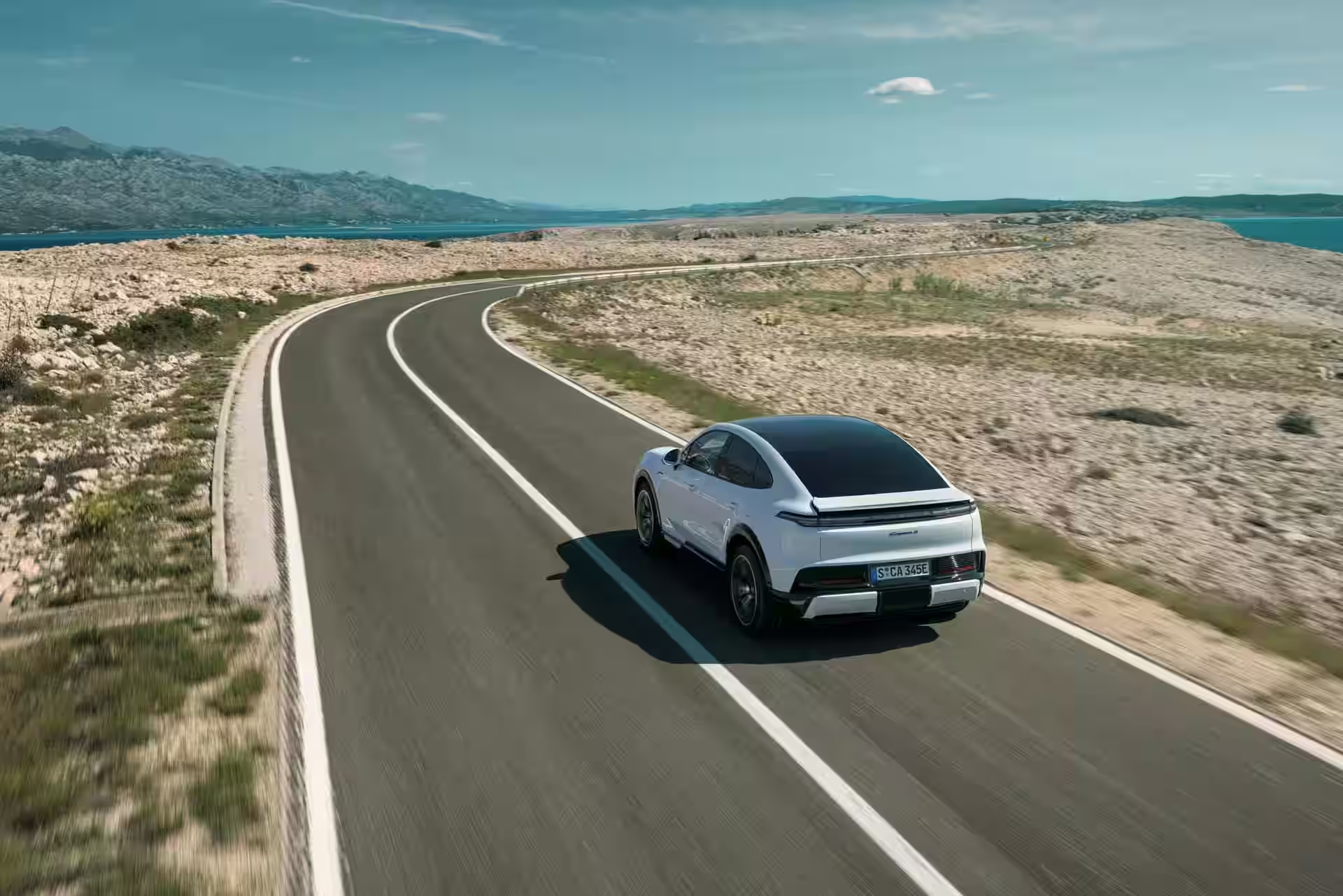
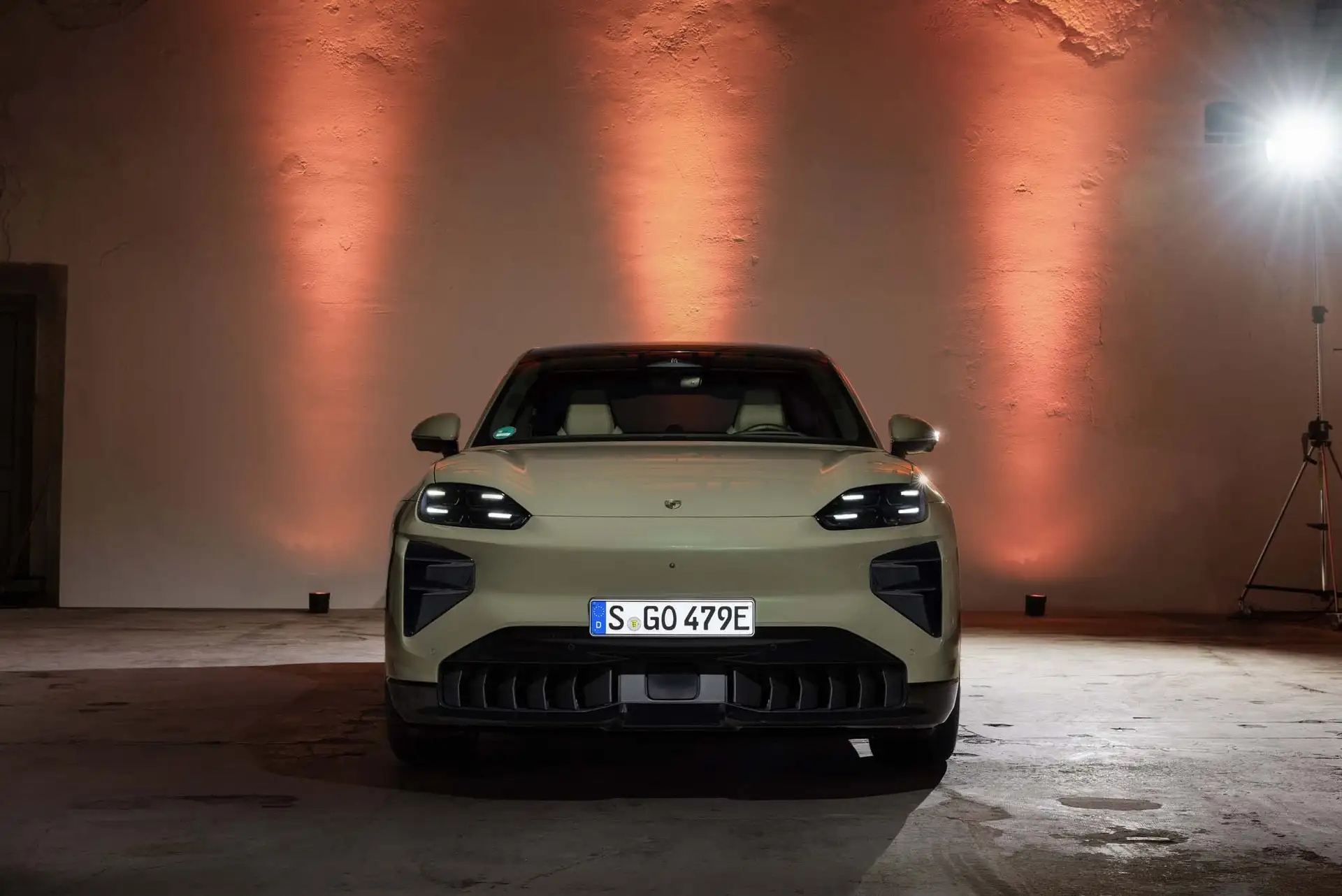
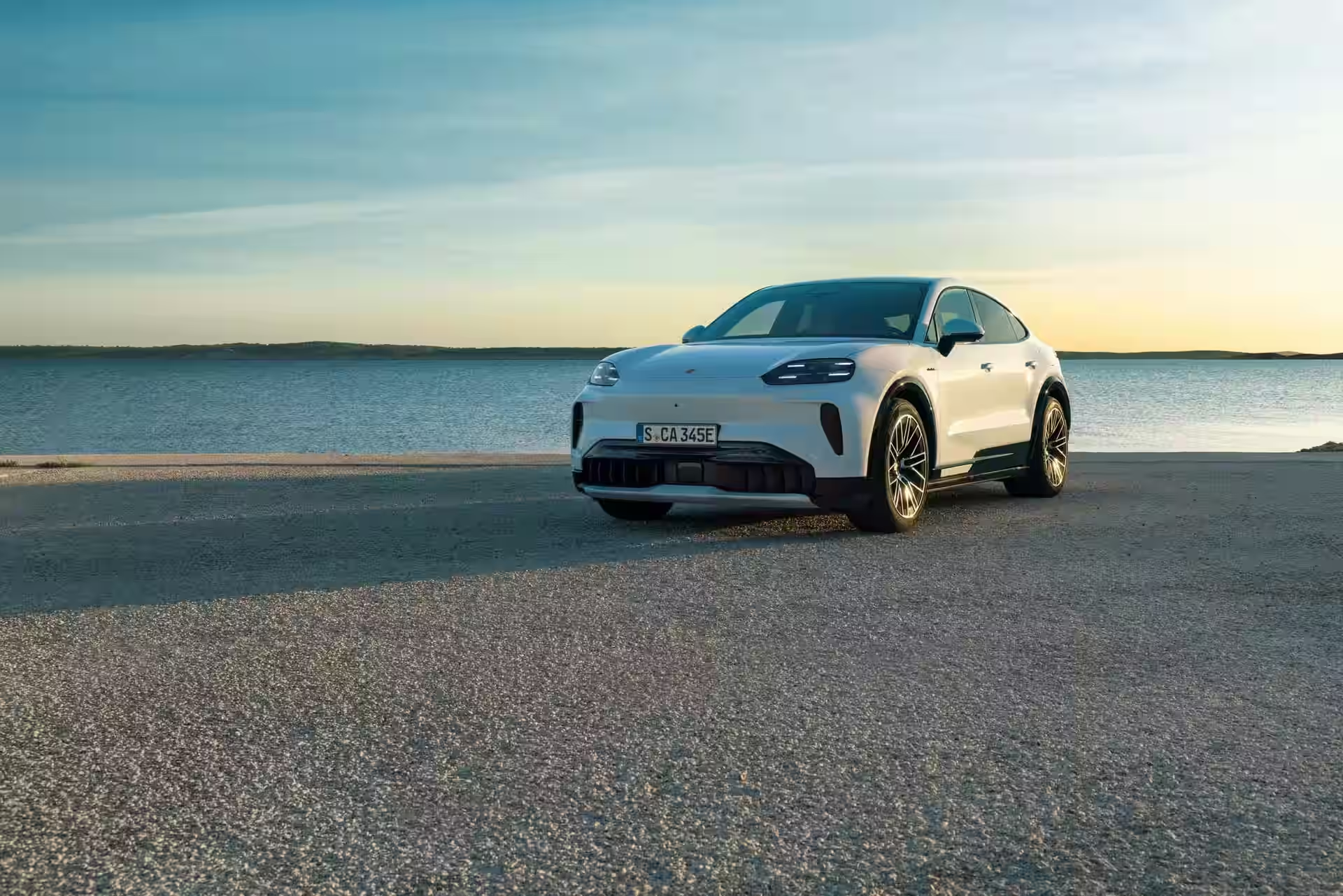
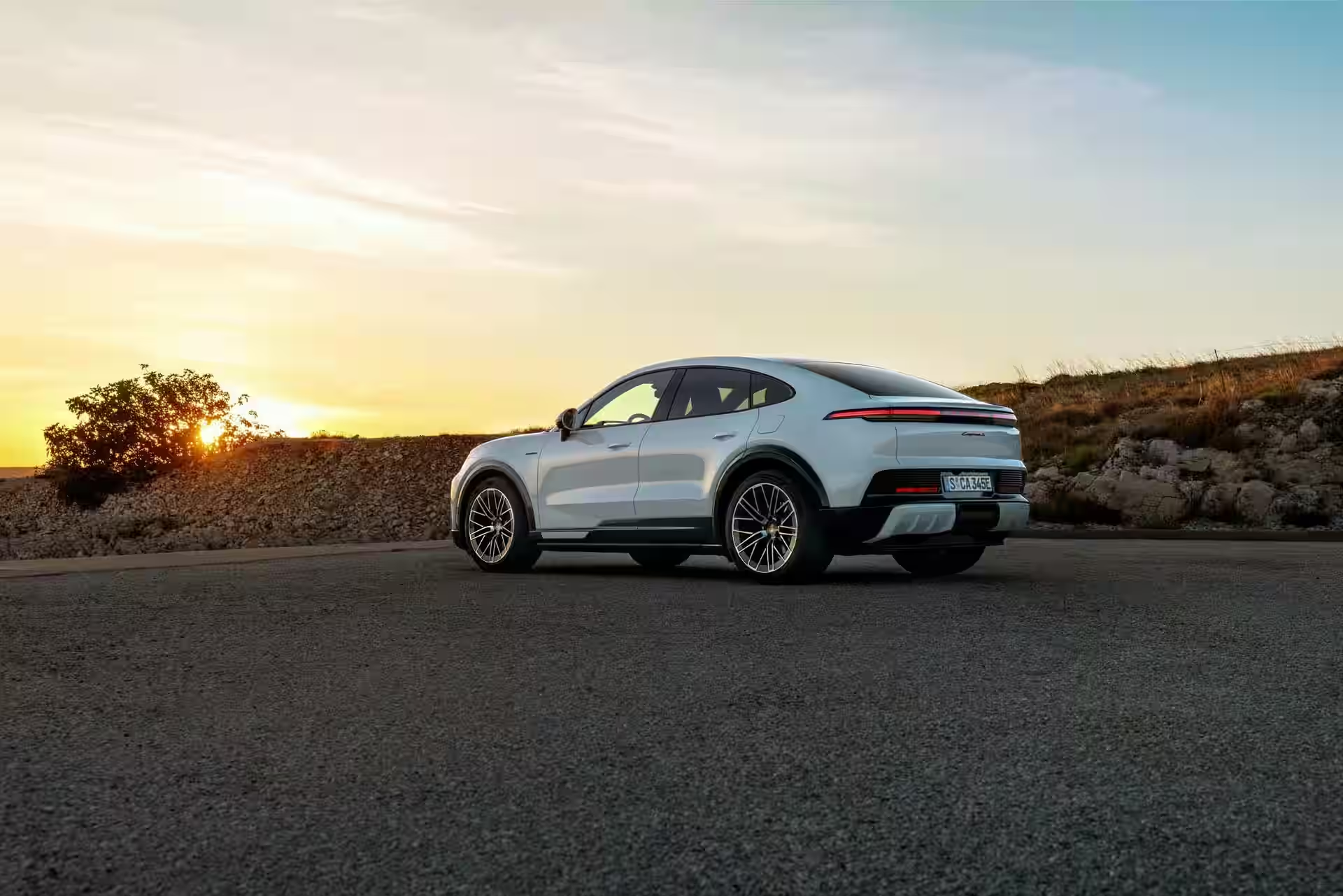
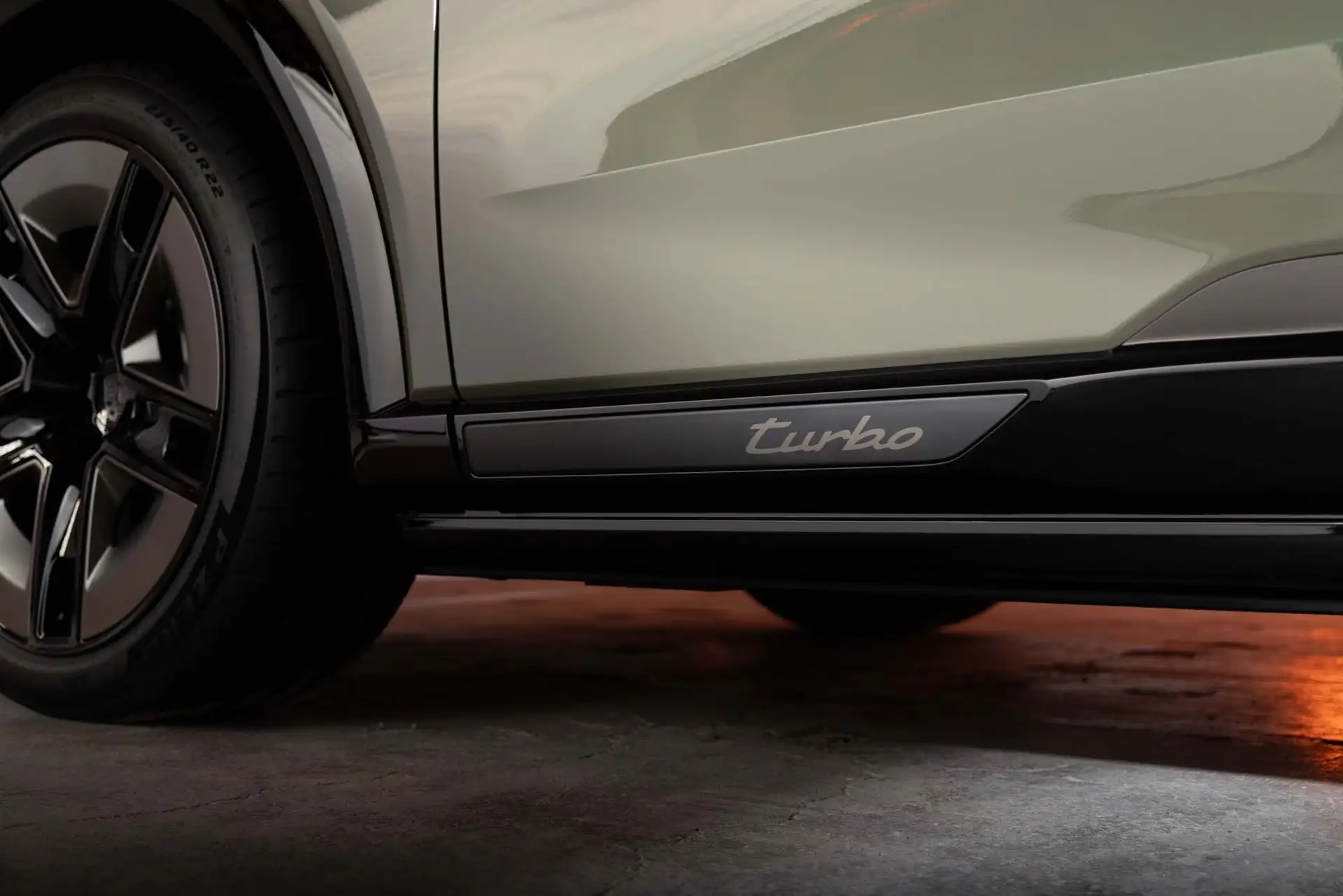
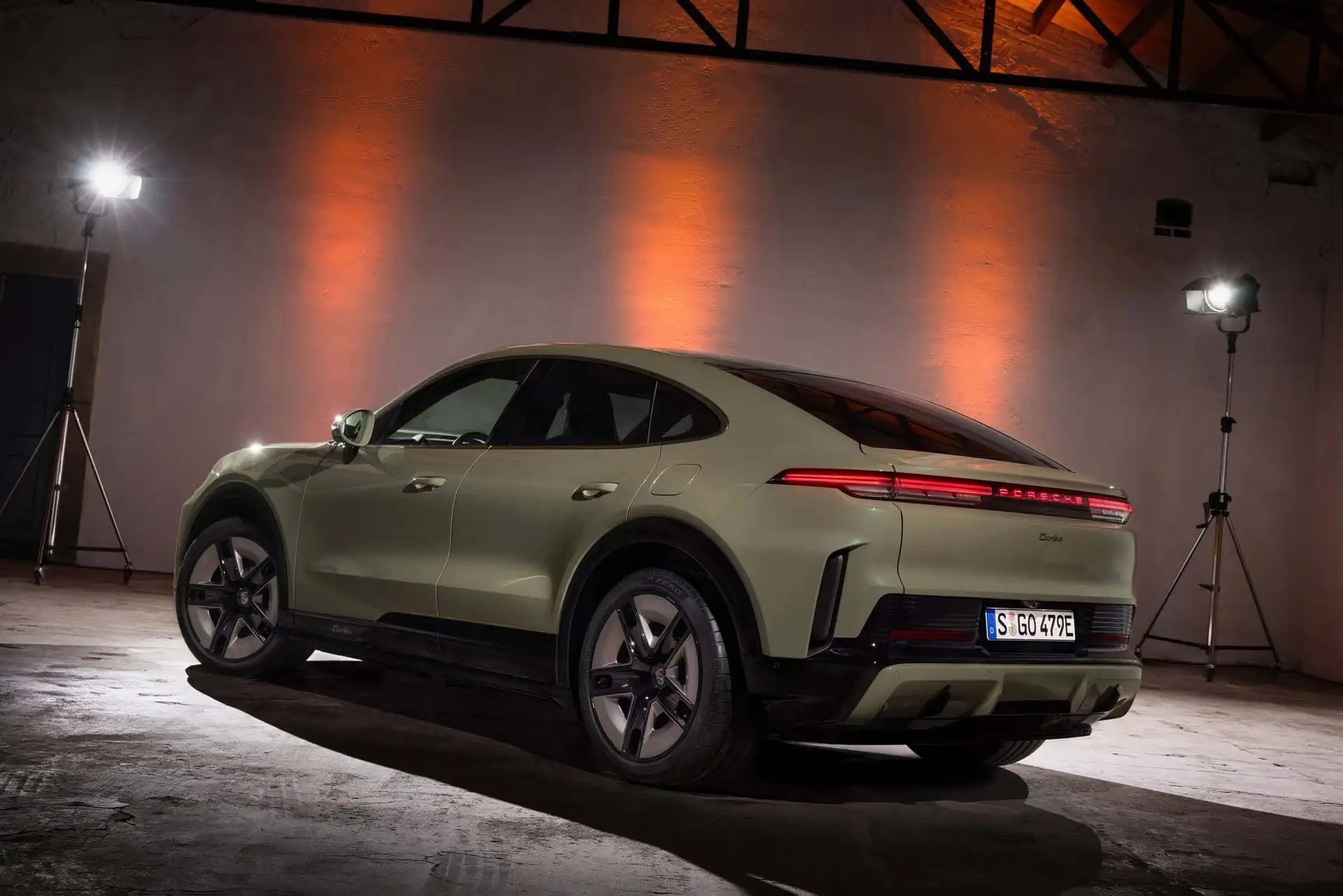
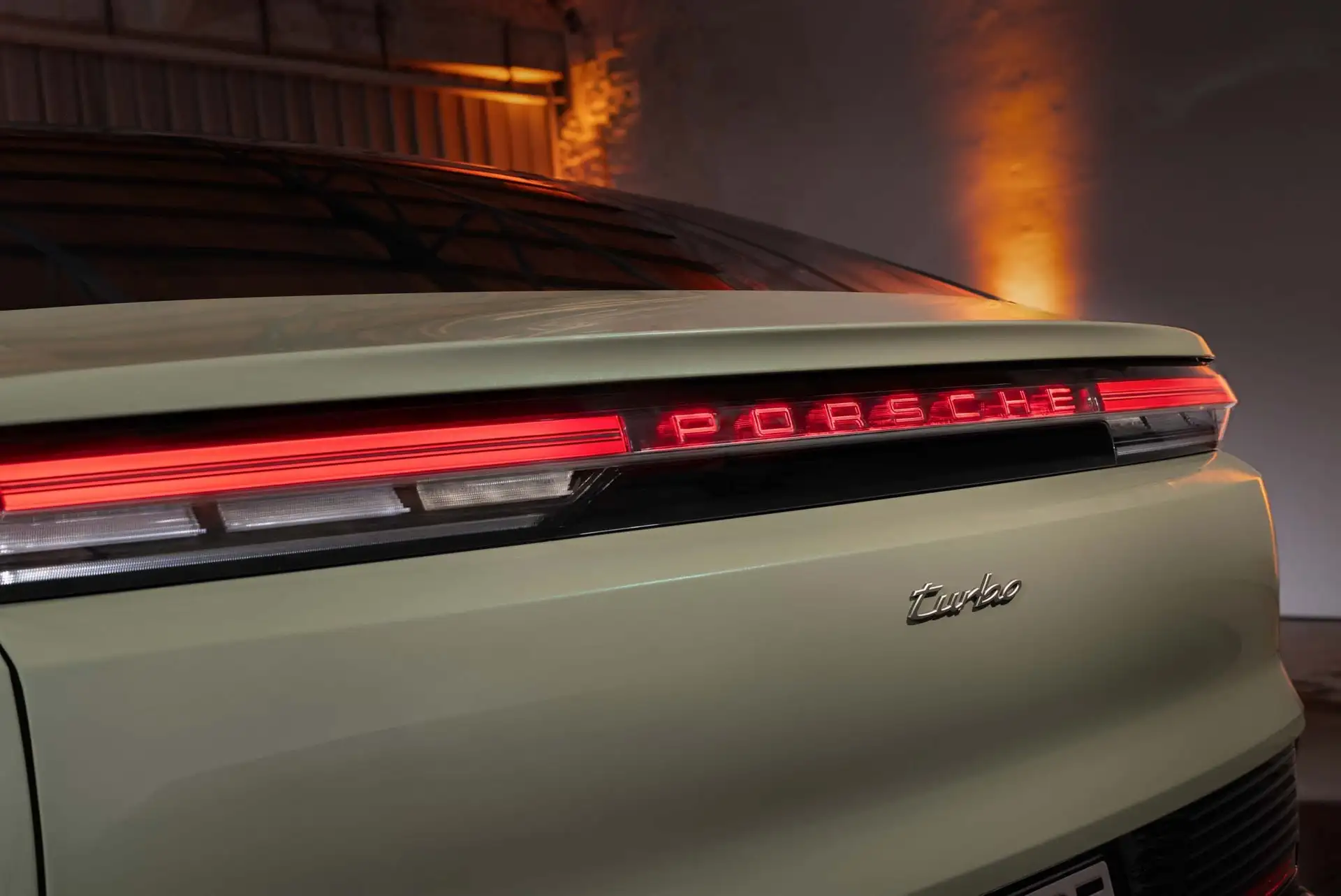
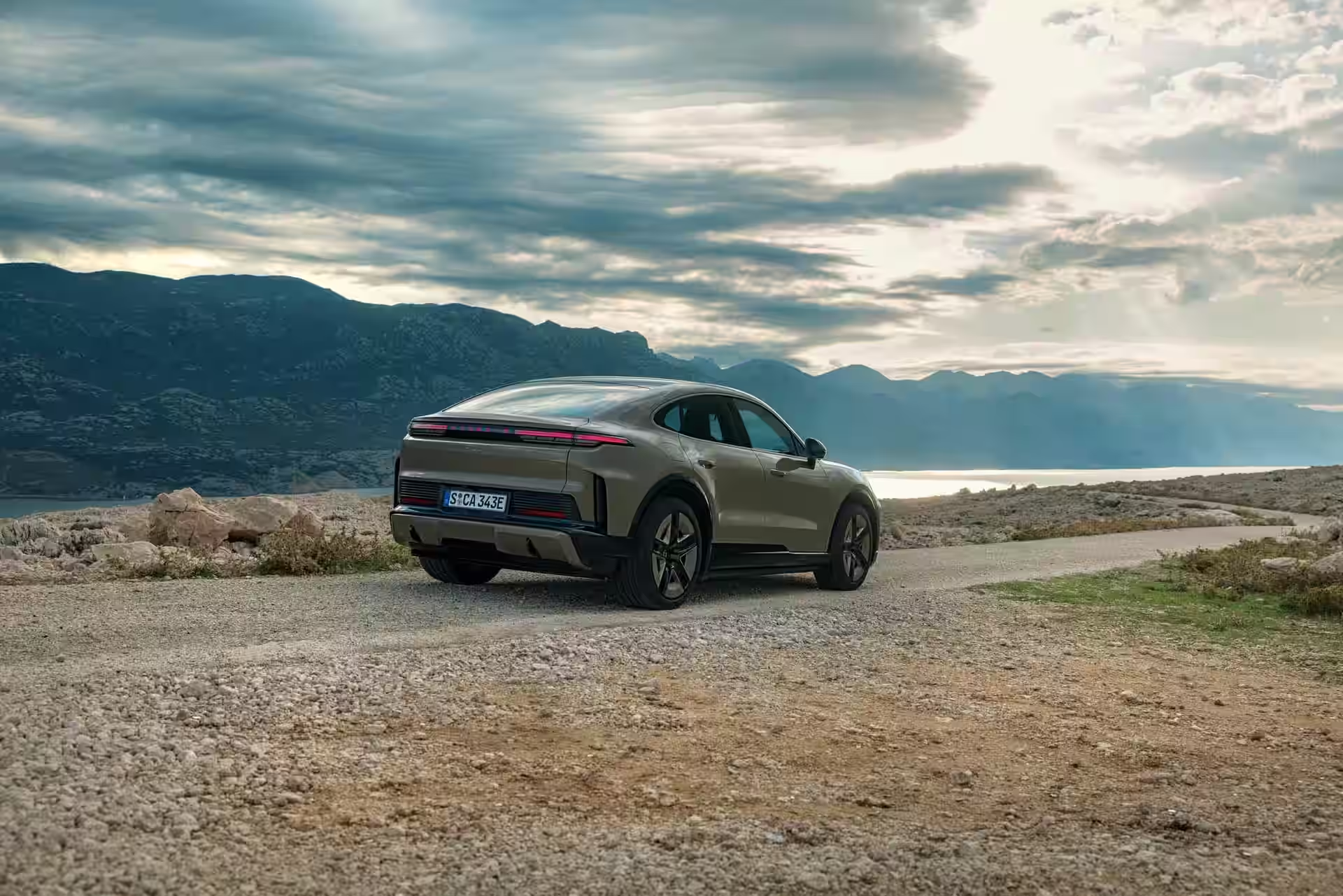
The 2026 Porsche Cayenne Coupe Electric is not a cosmetic trim package; it is the more aerodynamic version of the new electric Cayenne, and it lands with the kind of specification sheet that immediately matters to buyers cross-shopping between performance EVs and established luxury SUVs. Porsche has confirmed three trims at launch: a 435 hp base model, a 657 hp S, and a flagship Turbo with 1139 hp. The headline figure is outrageous, but the more interesting detail is that the Coupe carries the same performance claims as the regular electric Cayenne while trimming drag from 0.25 to 0.23.
| Key specification | 2026 Porsche Cayenne Coupe Electric |
|---|---|
| Power | 435 hp / 323 kW, 657 hp / 490 kW, up to 1139 hp / 849 kW |
| Peak torque | Not officially disclosed |
| 0-100 km/h | 4.5 s, 3.6 s, 2.4 s |
| Battery | 108 kWh |
| DC charging | Up to 400 kW |
| Towing capacity | 3500 kg (7716 lb) |
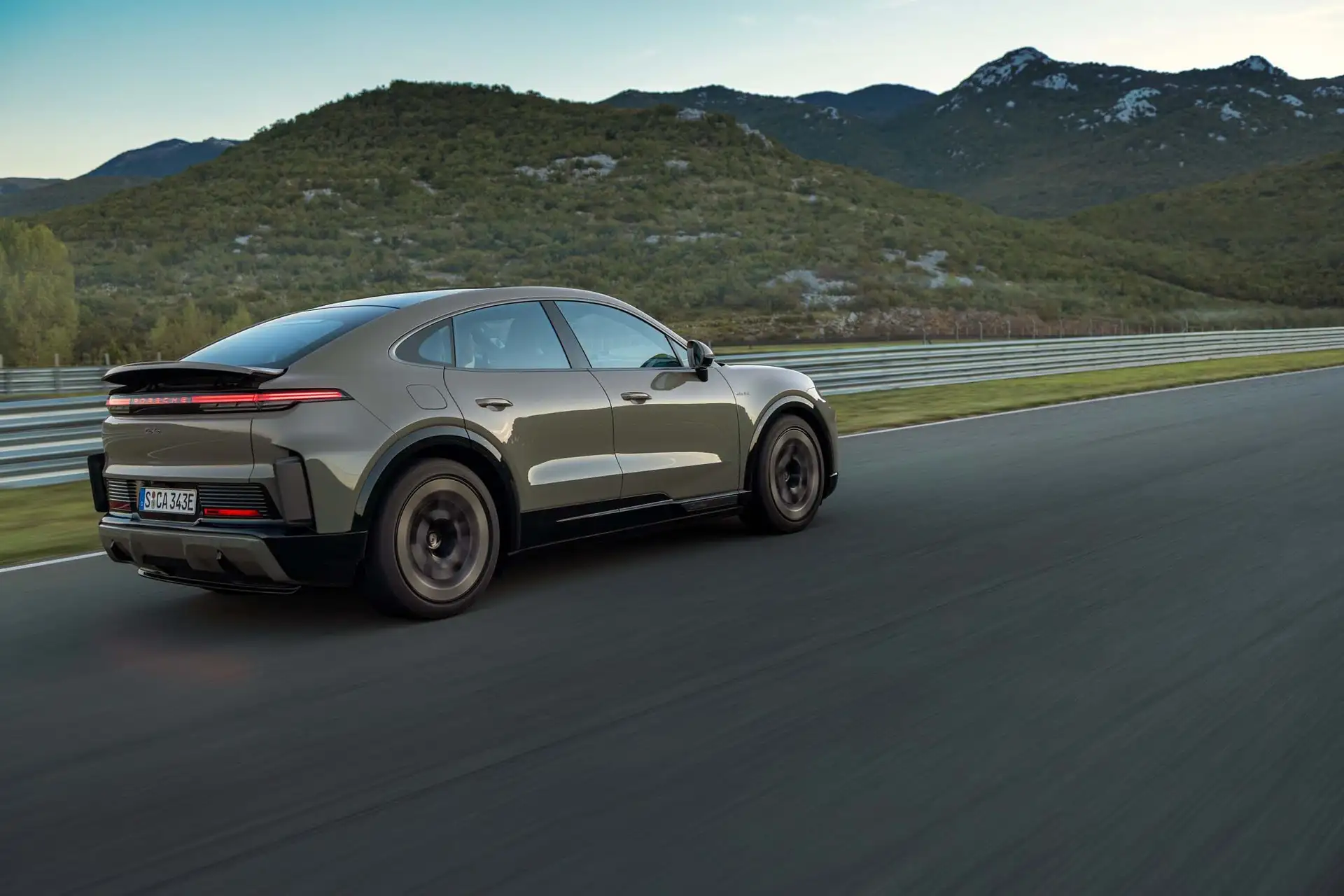
The Coupe body is about more than style
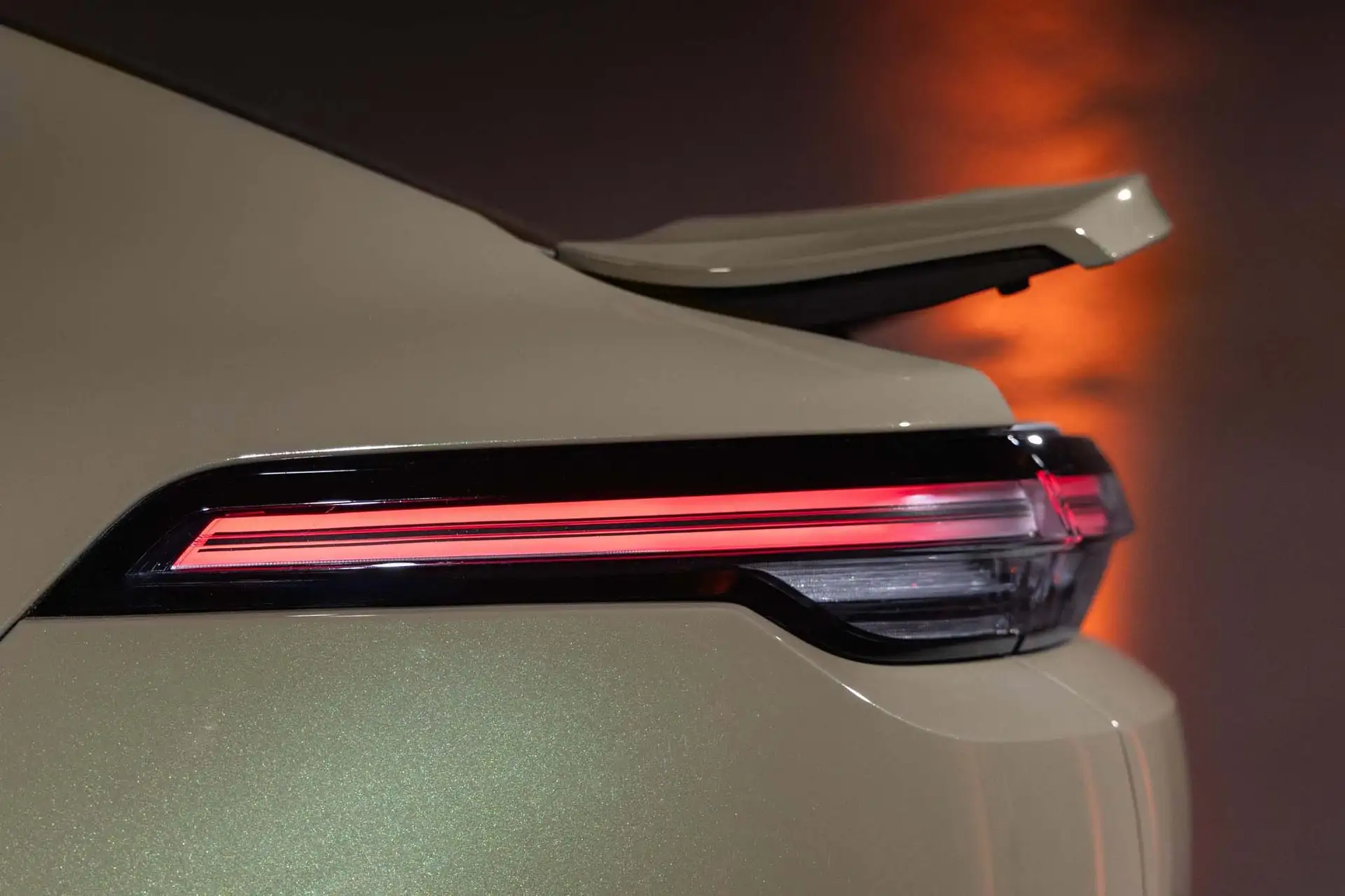
The sloping roofline is 0.9 inch lower than the standard Cayenne Coupe, and Porsche says the revised rear glass, roof, and spoiler treatment contribute to the lower drag number. That should matter in the real world, because EV efficiency at high speeds is strongly shaped by aero, not just battery size. On a large SUV this is especially relevant, and it is why the Coupe’s shape is not just a design flourish but a measurable engineering choice. For readers following Porsche’s broader EV strategy, the brand’s recent work across performance niches is worth comparing with the more outlandish, track-led approach seen in projects like the KIMERA EVO38 Martini Collezione, where mechanical drama is the entire point.
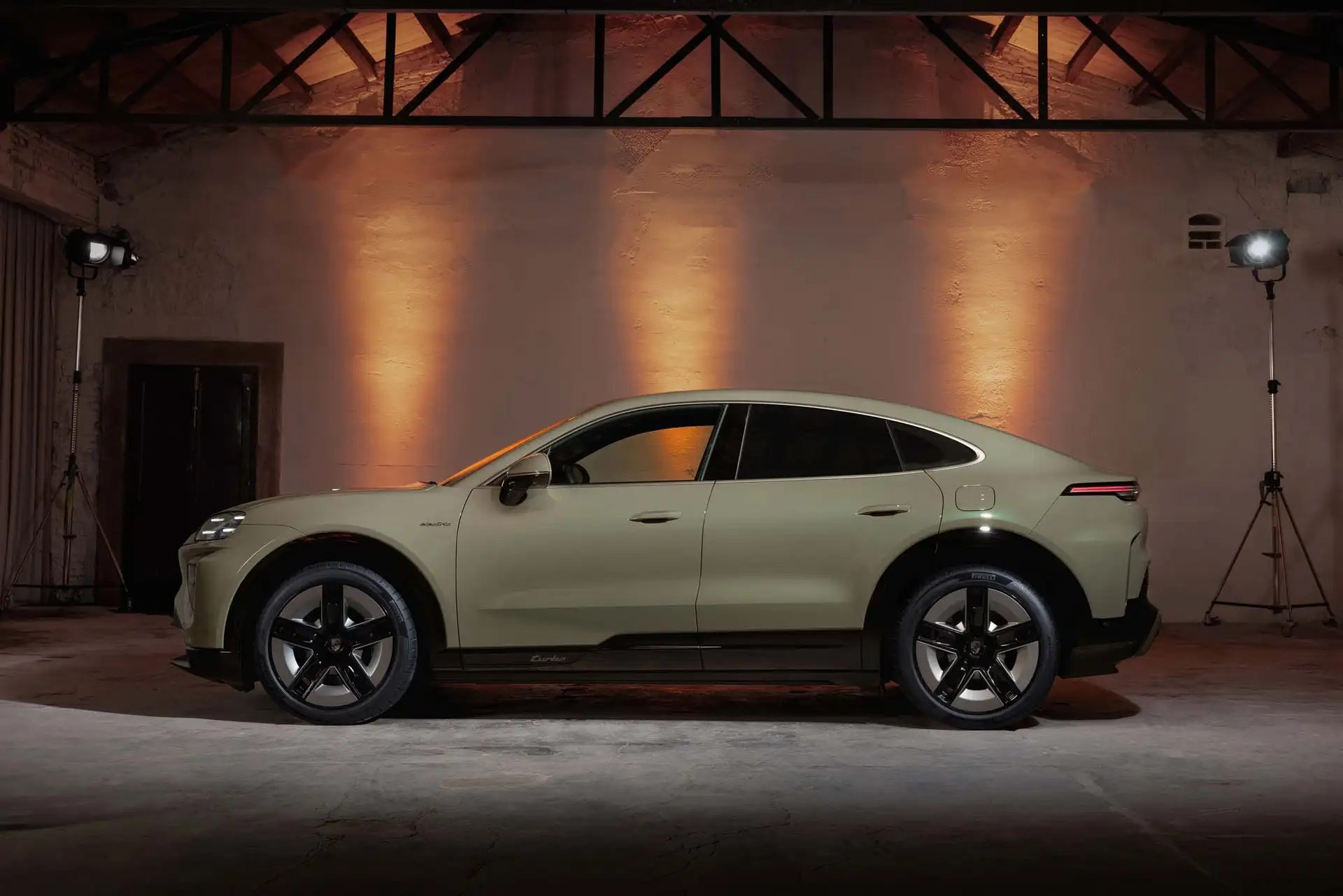
Chassis hardware is where Porsche keeps the Cayenne credible
Standard equipment includes a two-chamber adaptive air suspension, which is the right baseline for a vehicle that must work as both a fast road SUV and a towing machine. Rear-wheel steering is optional across the range, while the S and Turbo can be specified with electrohydraulic Active Ride suspension and Porsche Torque Vectoring Plus. That combination should be especially valuable in the Turbo, because 1139 hp in a tall EV demands more than straight-line acceleration if the chassis is going to feel composed on-road.
Porsche also quotes a towing rating of 3500 kg, which is a serious figure for an EV of this type and places the Cayenne Coupe Electric among the more practical high-performance electric SUVs. An Off-Road package is available too, and it improves the approach angle. That detail matters because the Cayenne nameplate has always been strongest when it refuses to choose between road pace and genuine utility.
Charging, packaging, and the Lightweight Sport package
The electric architecture is the kind of specification premium buyers will actually notice. A NACS port is mounted on the driver’s-side rear fender, while a J1772 AC port sits on the passenger side for Level 2 charging. Porsche says the battery can recharge from 10 to 80 percent in under 16 minutes on a compatible 400 kW DC charger. That is elite charging speed for a large SUV, and it is the kind of number that reduces the day-to-day penalty of choosing a powerful EV over a combustion Cayenne.
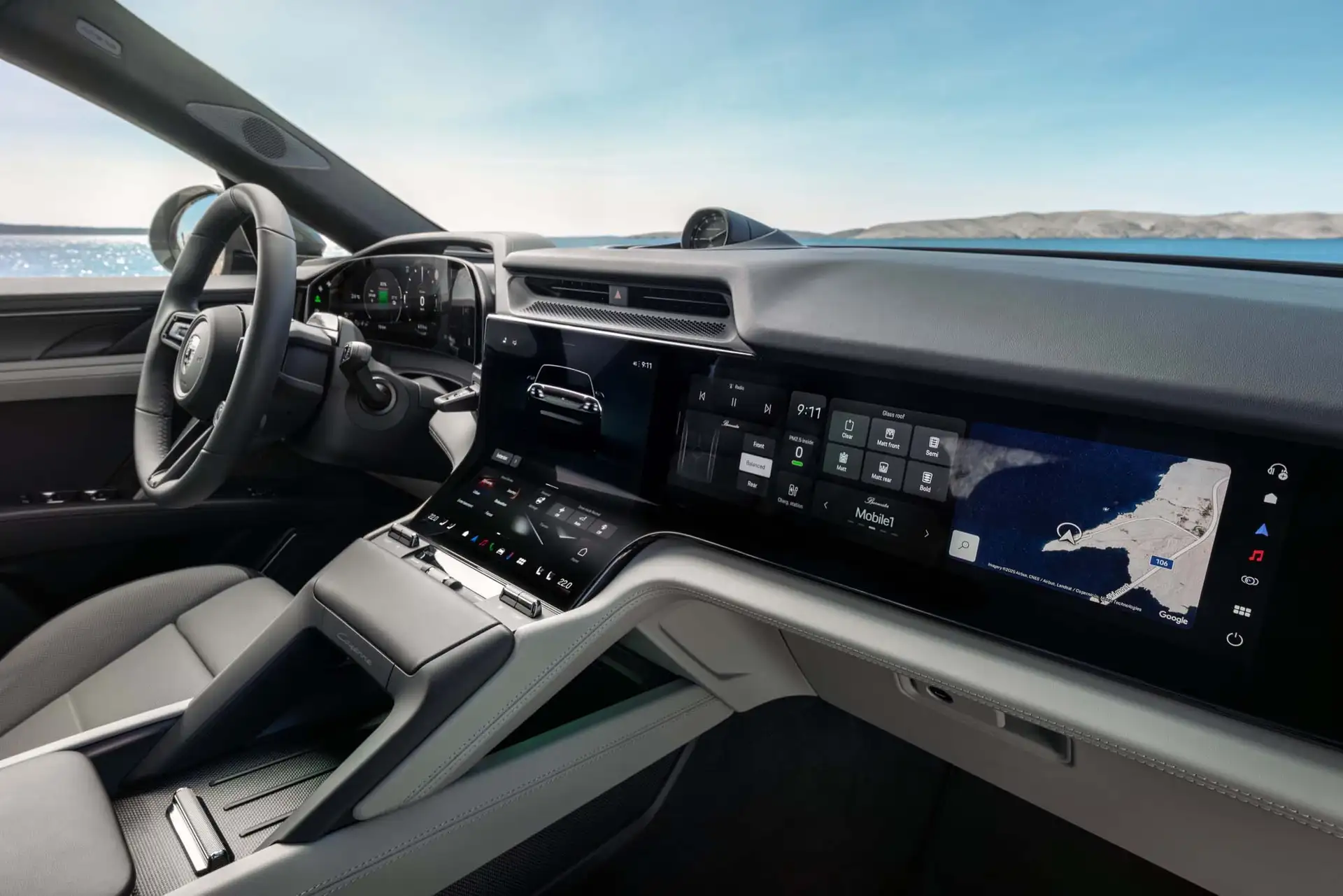
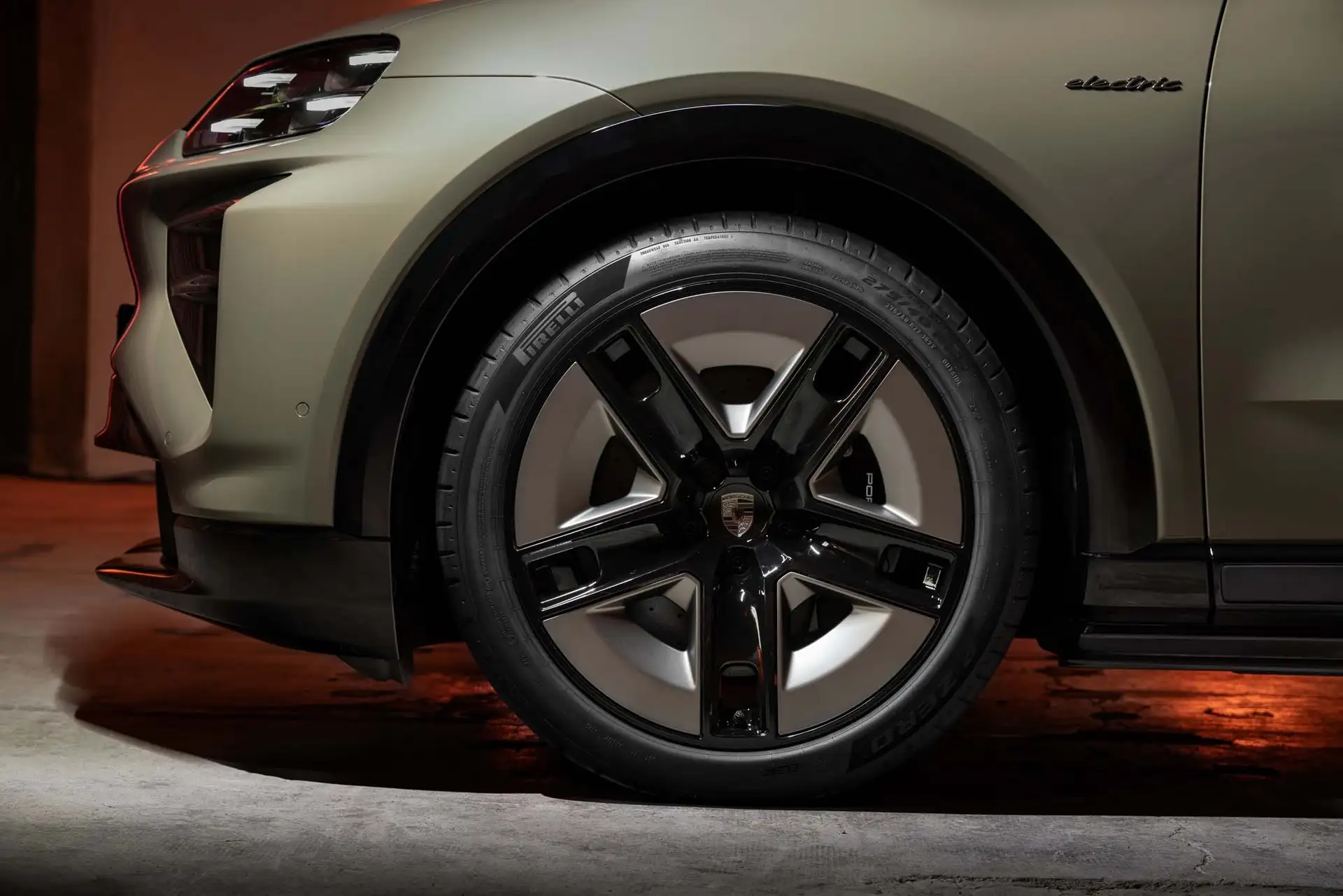
Porsche is also offering a Lightweight Sport package. The name sounds ironic on a 1139 hp electric SUV, but the content is coherent: carbon-fiber roof, carbon-fiber exterior trim, 22-inch wheels, performance tires, Pepita fabric seat inserts, Race-Tex headliner, and additional carbon detailing. Porsche claims a weight reduction of up to 38.8 pounds depending on model. That is not transformative in isolation, but it reflects the brand’s familiar philosophy: reduce mass where possible, then make the remaining mass work harder.
Pricing and what Porsche is really selling here
Deliveries are expected to begin at the end of summer, and the pricing structure tells the story clearly. The base Cayenne Coupe Electric starts at $116,150, the S at $133,550, and the Turbo at $170,350 before options. The Coupe costs $4,800 more than the standard electric Cayenne, which is a relatively modest premium for a body style that tends to attract style-conscious buyers who still want the full Porsche performance narrative.
In that sense, the Cayenne Coupe Electric is not trying to be the most rational EV SUV. It is trying to be the one that feels most complete when the road turns fast, the charger is far away, and the owner still wants a Porsche badge that means something. If you want a broader look at how premium brands are reworking electric luxury, the BMW 7 Series facelift offers a useful contrast in how different manufacturers interpret high-end electrified status.
FAQ
What is the fastest Cayenne Coupe Electric?
The Turbo, with 1139 hp and a claimed 0-100 km/h time of 2.4 seconds.
Does the Cayenne Coupe Electric charge faster than many rival luxury EVs?
Yes. Porsche quotes up to 400 kW DC charging and a 10-to-80 percent charge in under 16 minutes on the right charger.
Is the Coupe less practical than the standard Cayenne Electric?
Only slightly in shape; Porsche still rates it to tow 3500 kg and offers an Off-Road package.
What is the main advantage of the Coupe body?
Lower drag. Porsche says the coefficient falls from 0.25 to 0.23.
When does it go on sale?
Deliveries begin at the end of summer, with pricing starting at $116,150.