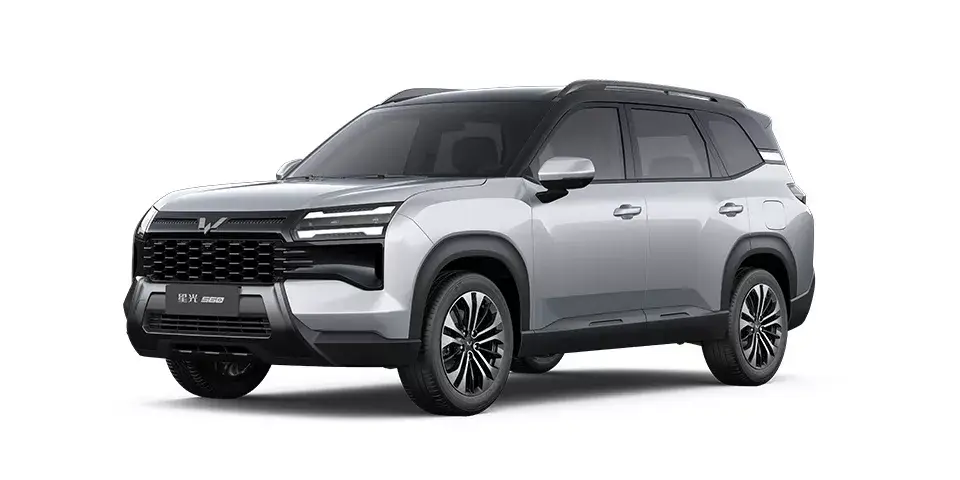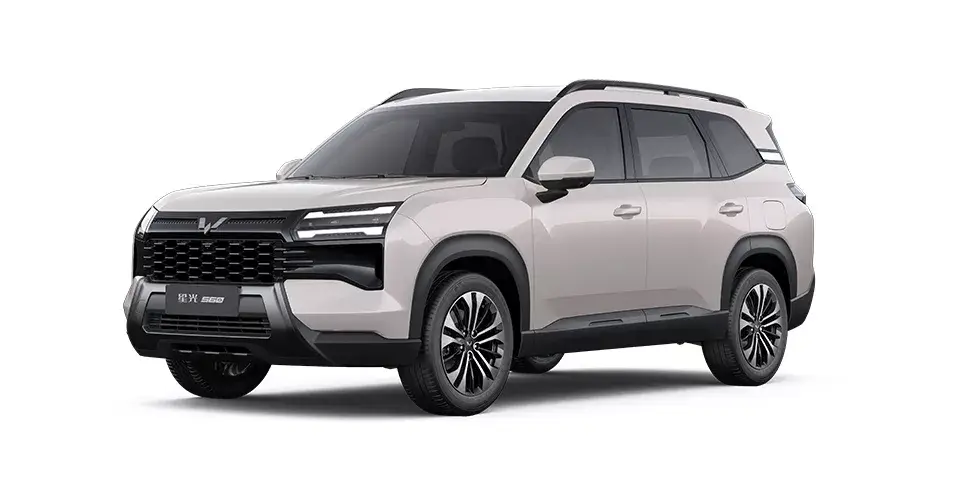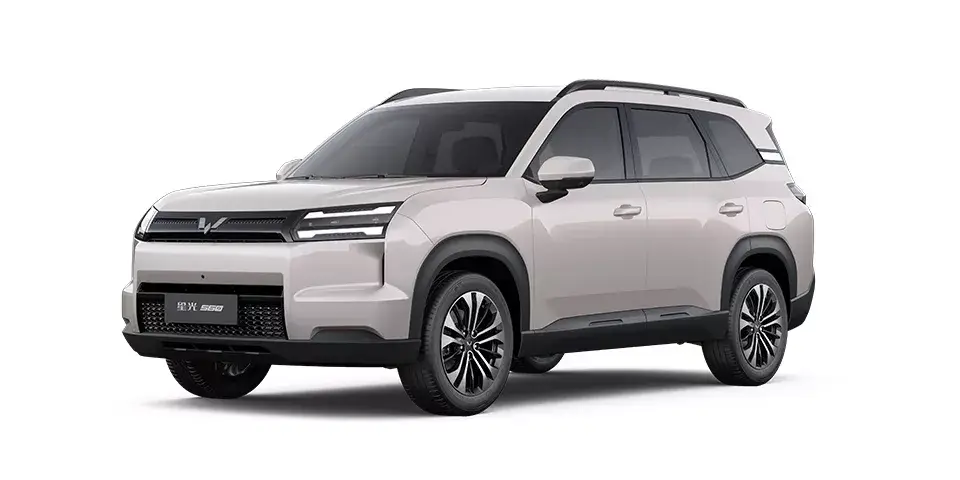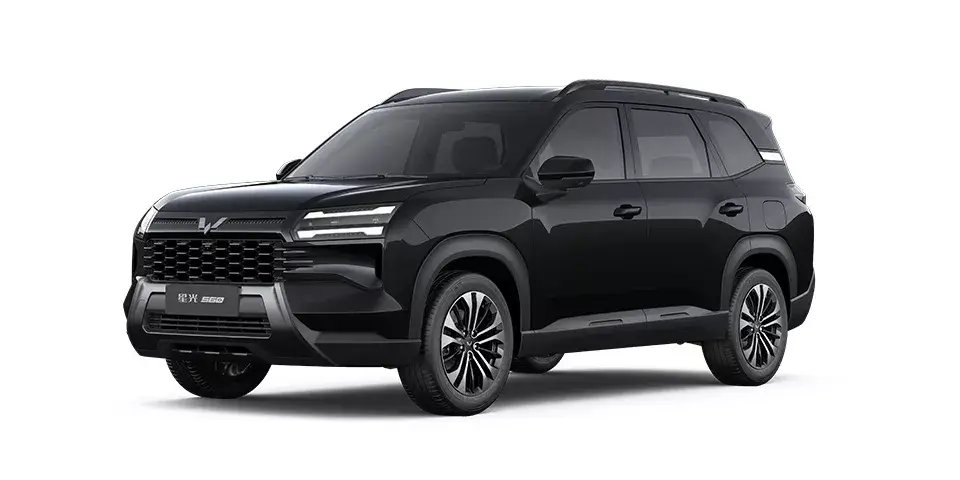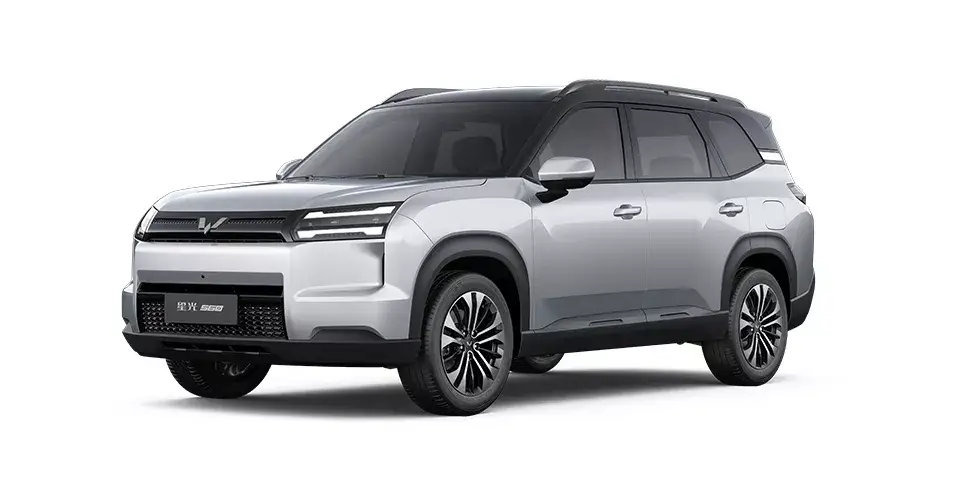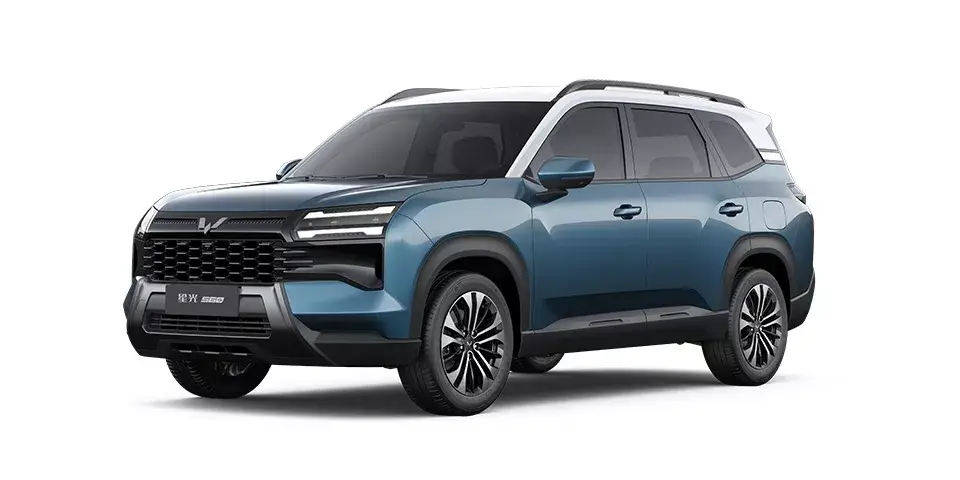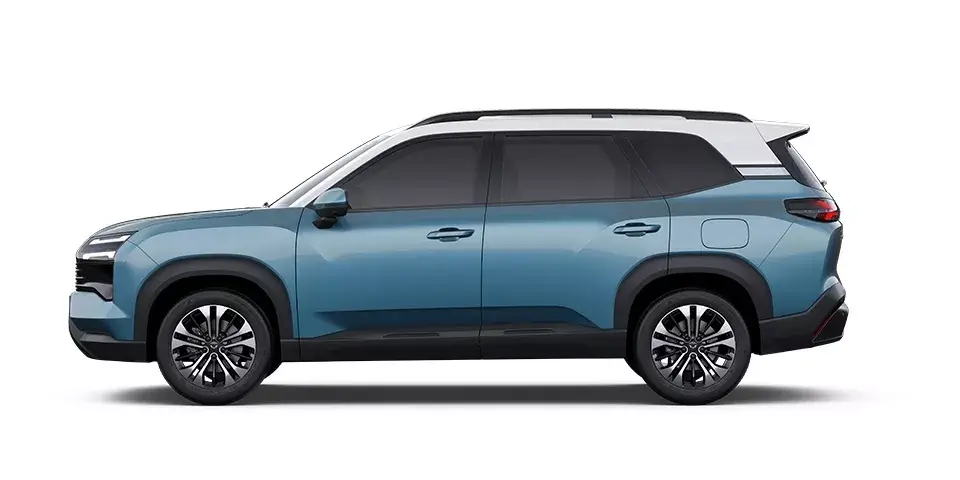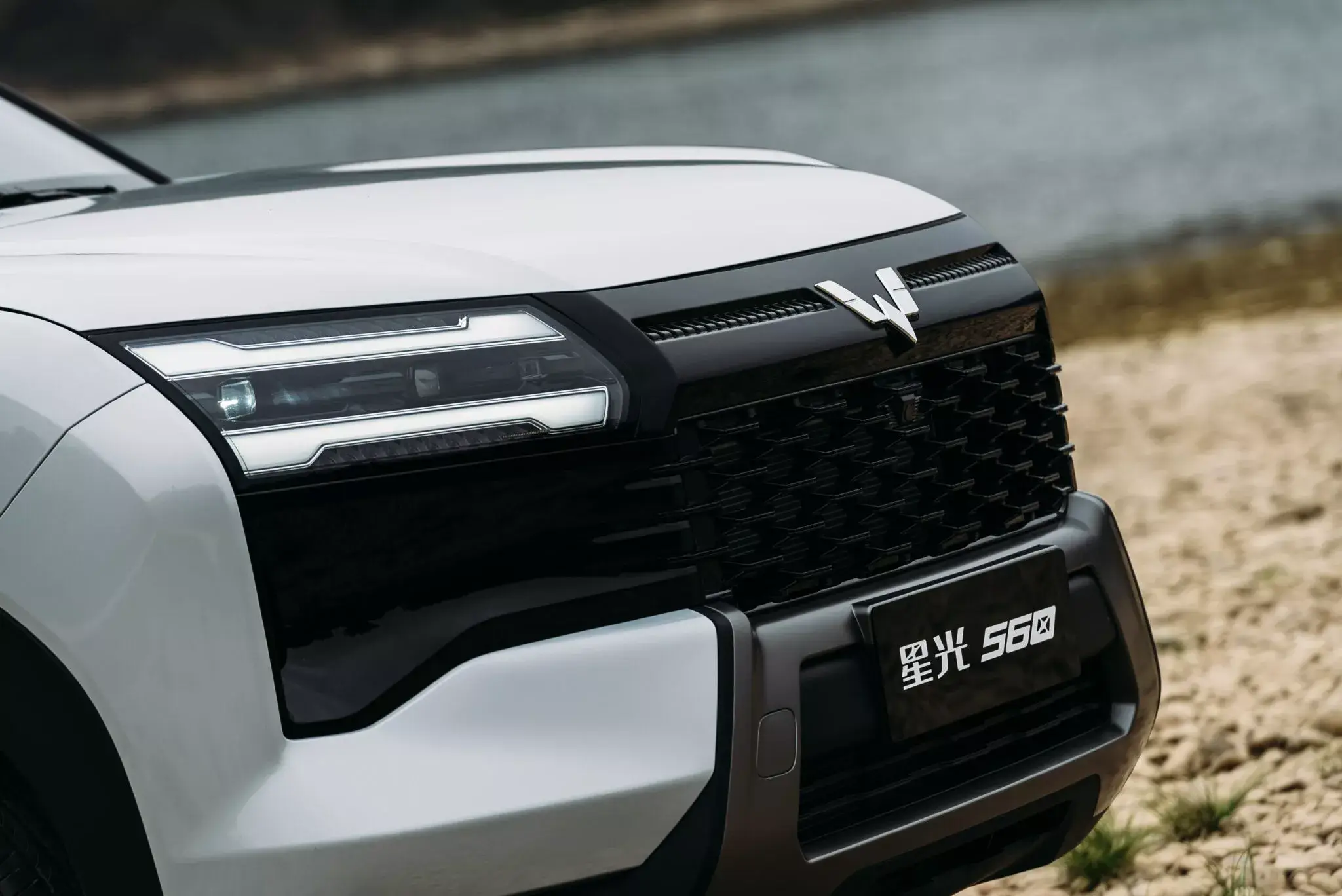
The WULING XINGGUANG 560 arrives with the price of a compact car and the spaciousness of a luxury SUV. You won’t believe what it offers for this value!
Design, Dimensions, and Interior
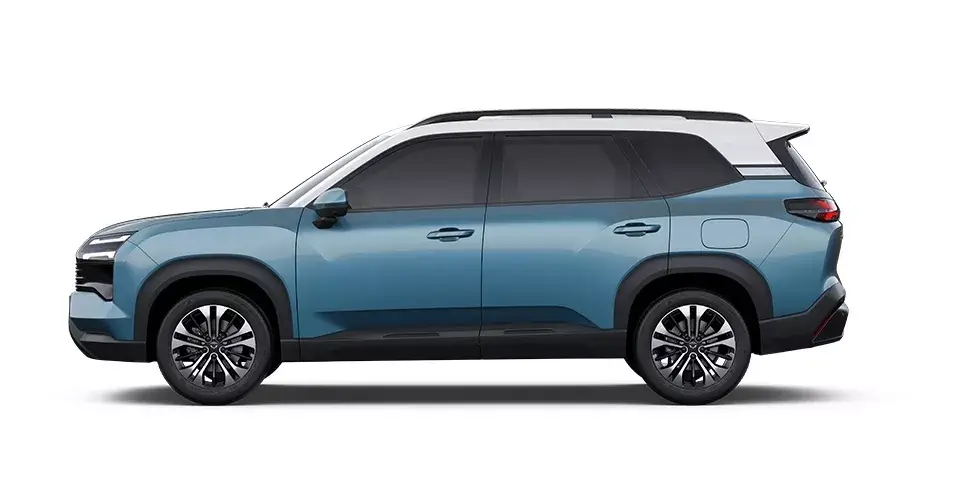
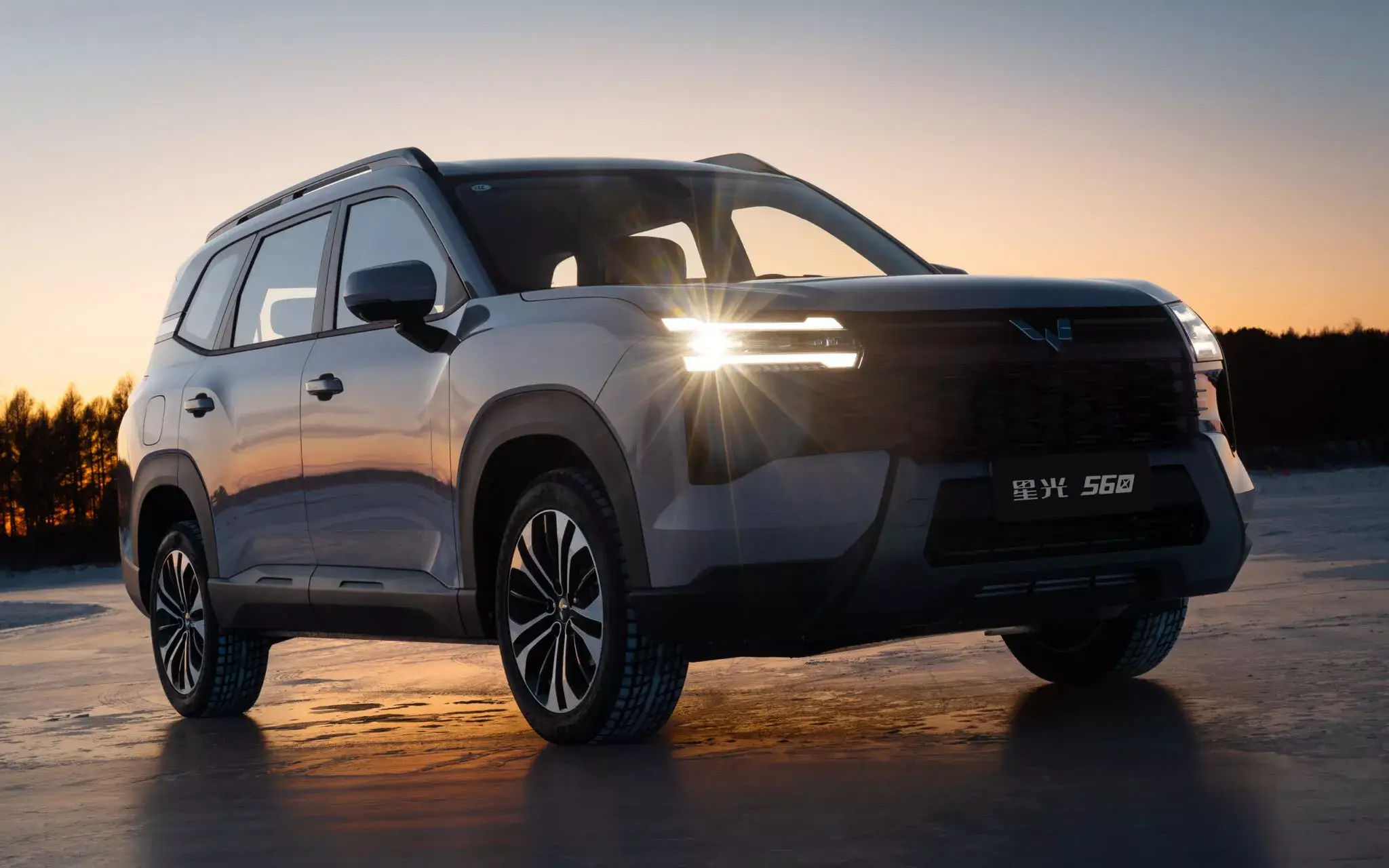
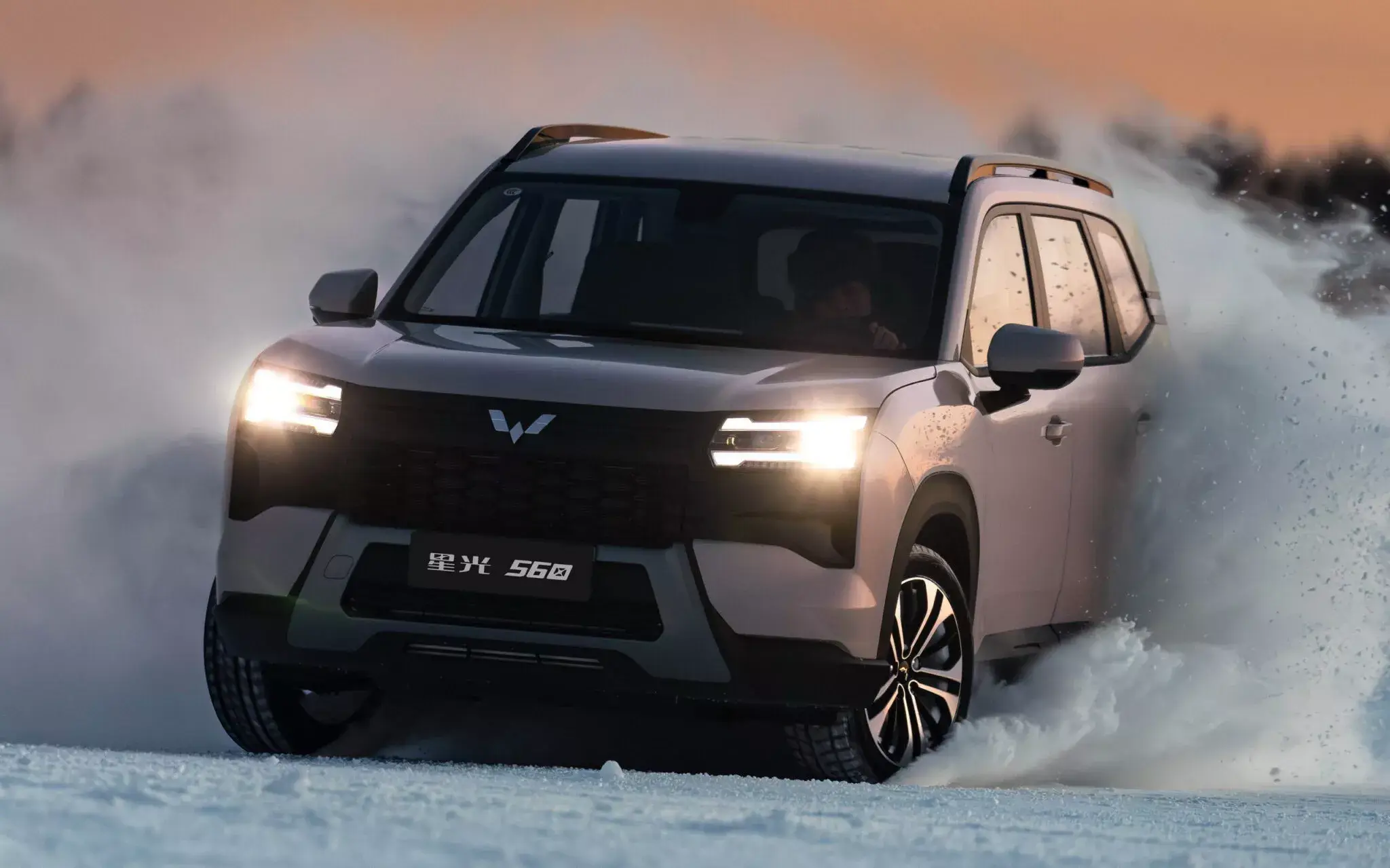
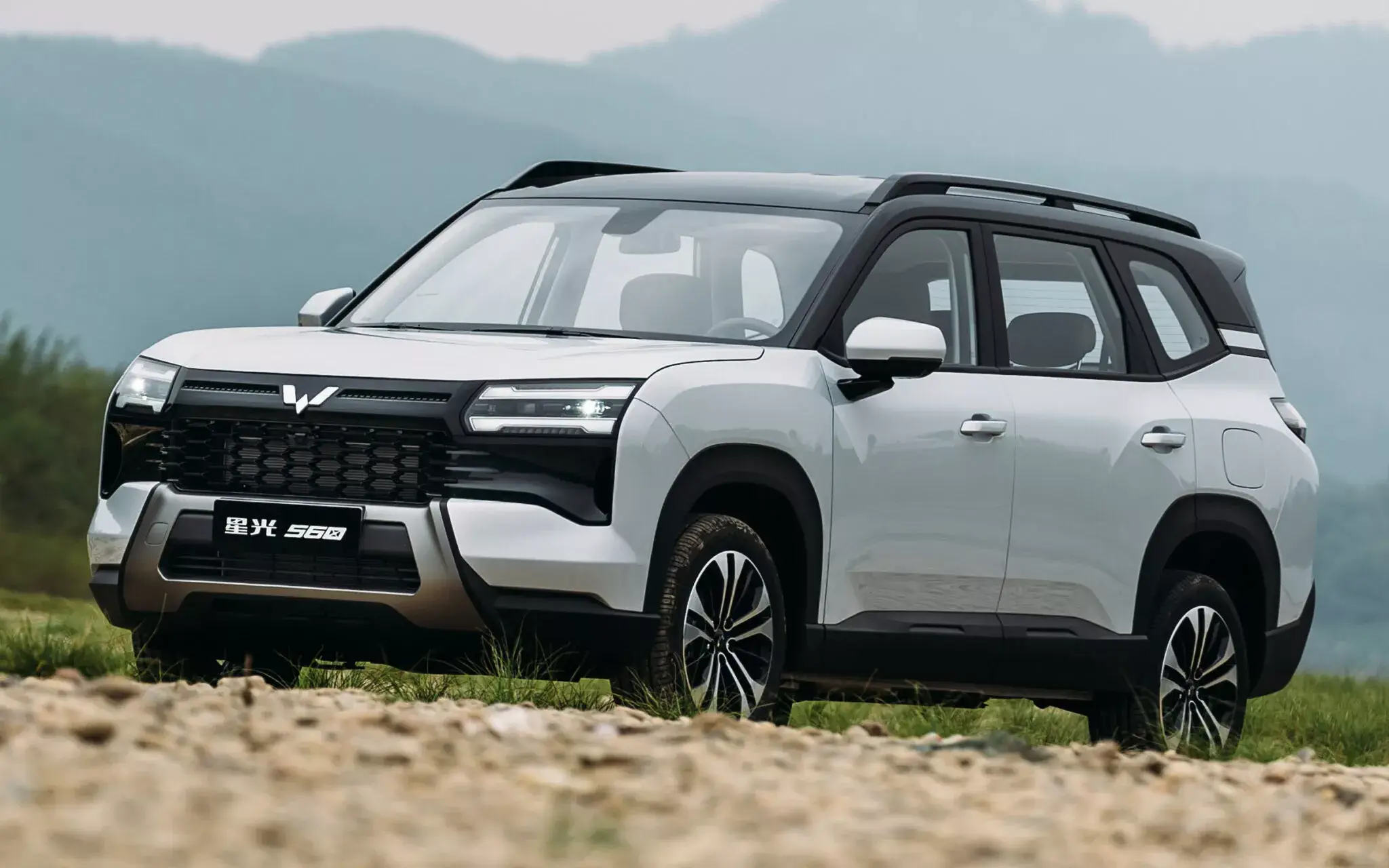
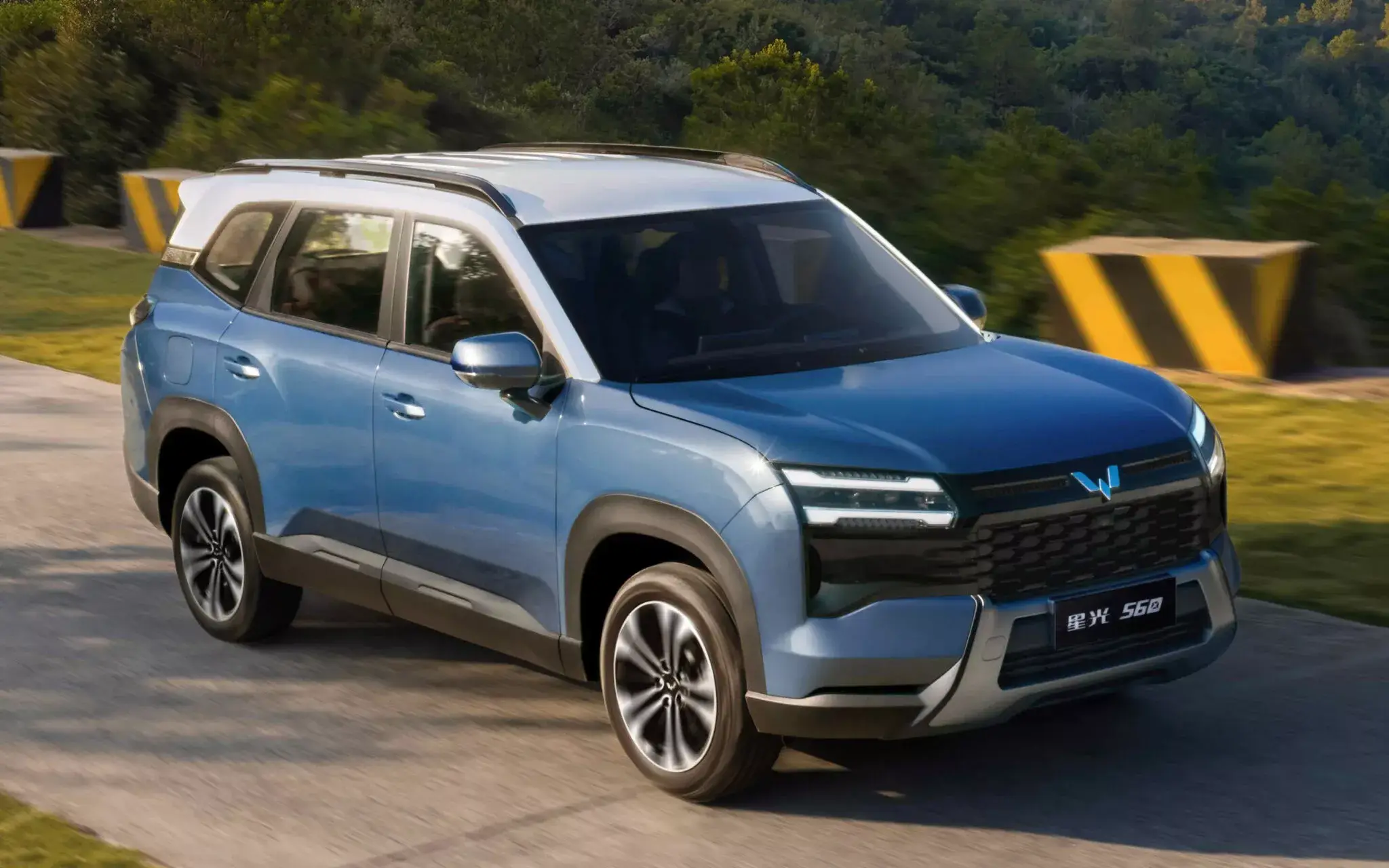
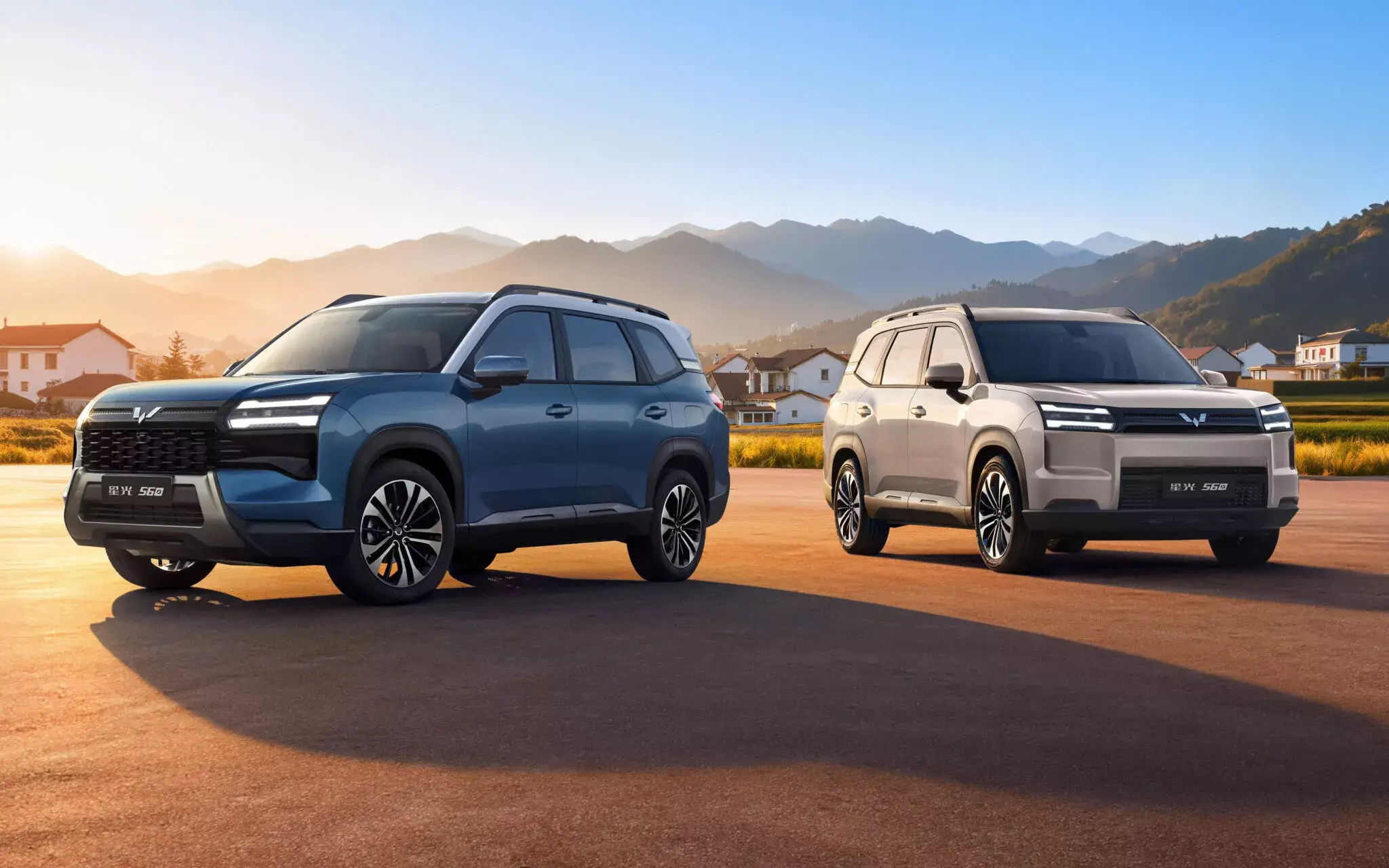
Visually, the Xingguang 560 adopts a contemporary and practical design language. The external identity varies depending on the powertrain: electrified versions (PHEV and EV) feature a closed front end to improve aerodynamics, while the gasoline variant displays the traditional open grille for engine cooling. Headlights and taillights with a “X” signature, optional contrasting roof, and plastic claddings reinforce its utility and urban character.
“The goal is to combine above-average interior space with affordable costs — a formula for scale in the Chinese market.”
In numbers, the Xingguang 560 significantly outpaces direct competitors in space:
| Dimension | Wuling Xingguang 560 | Difference vs. Chevrolet Equinox |
|---|---|---|
| Length | 4,745 mm (186.8 inches) | +91 mm (3.6 inches) |
| Width | 1,850 mm (72.8 inches) | — |
| Height | 1,755 mm (69.1 inches) | — |
| Wheelbase | 2,810 mm (110.6 inches) | +79 mm (3.1 inches) |
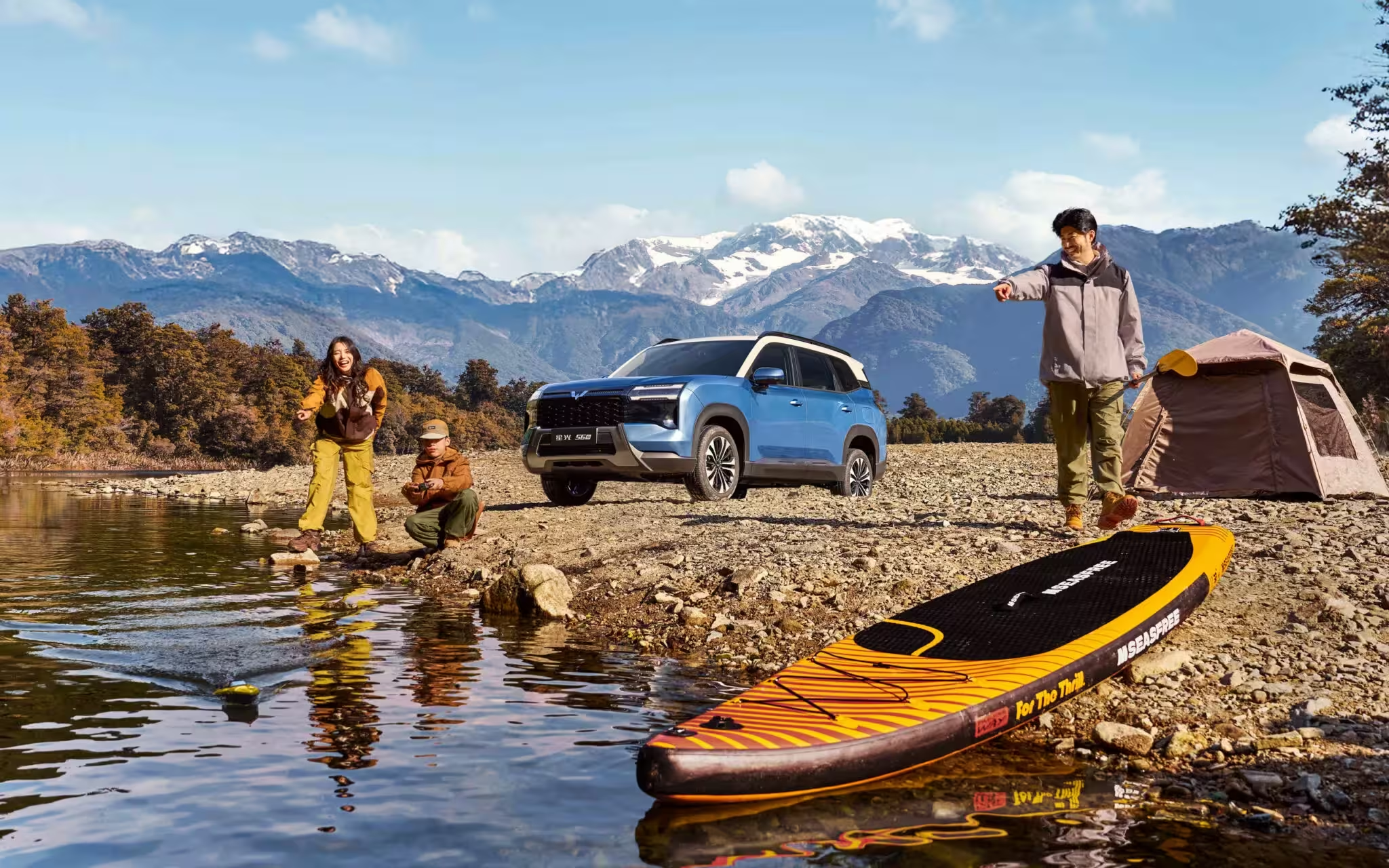
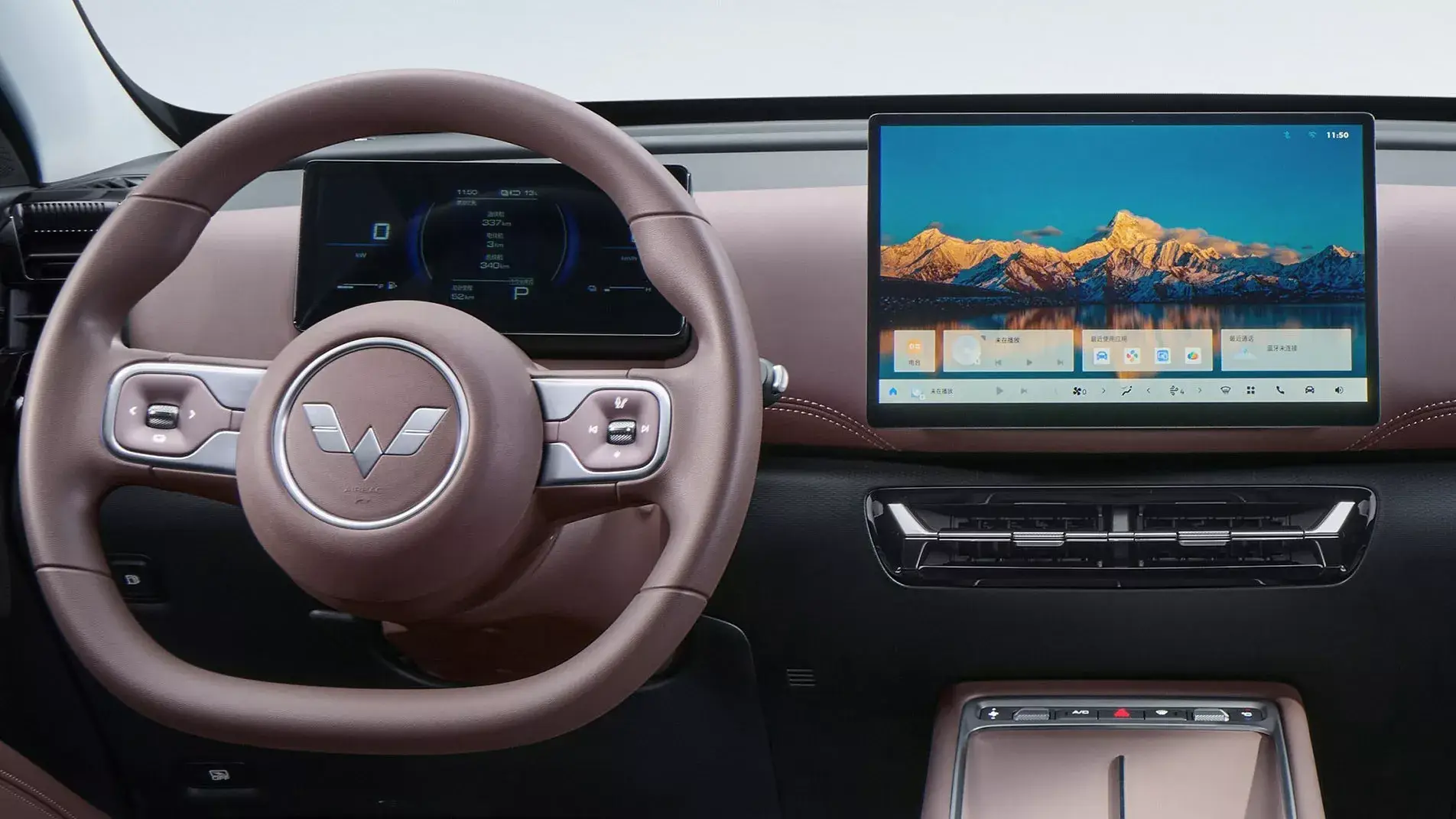
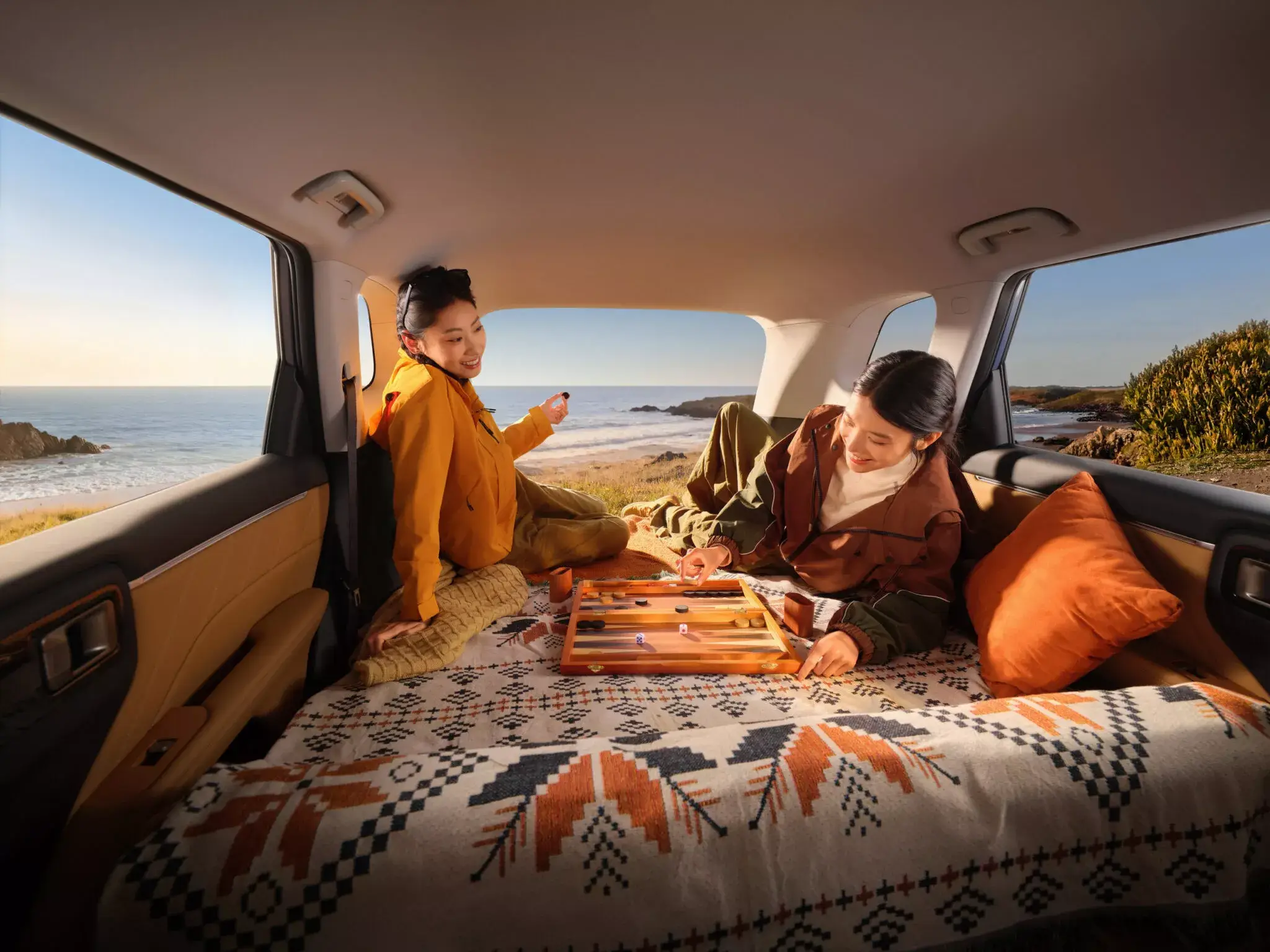
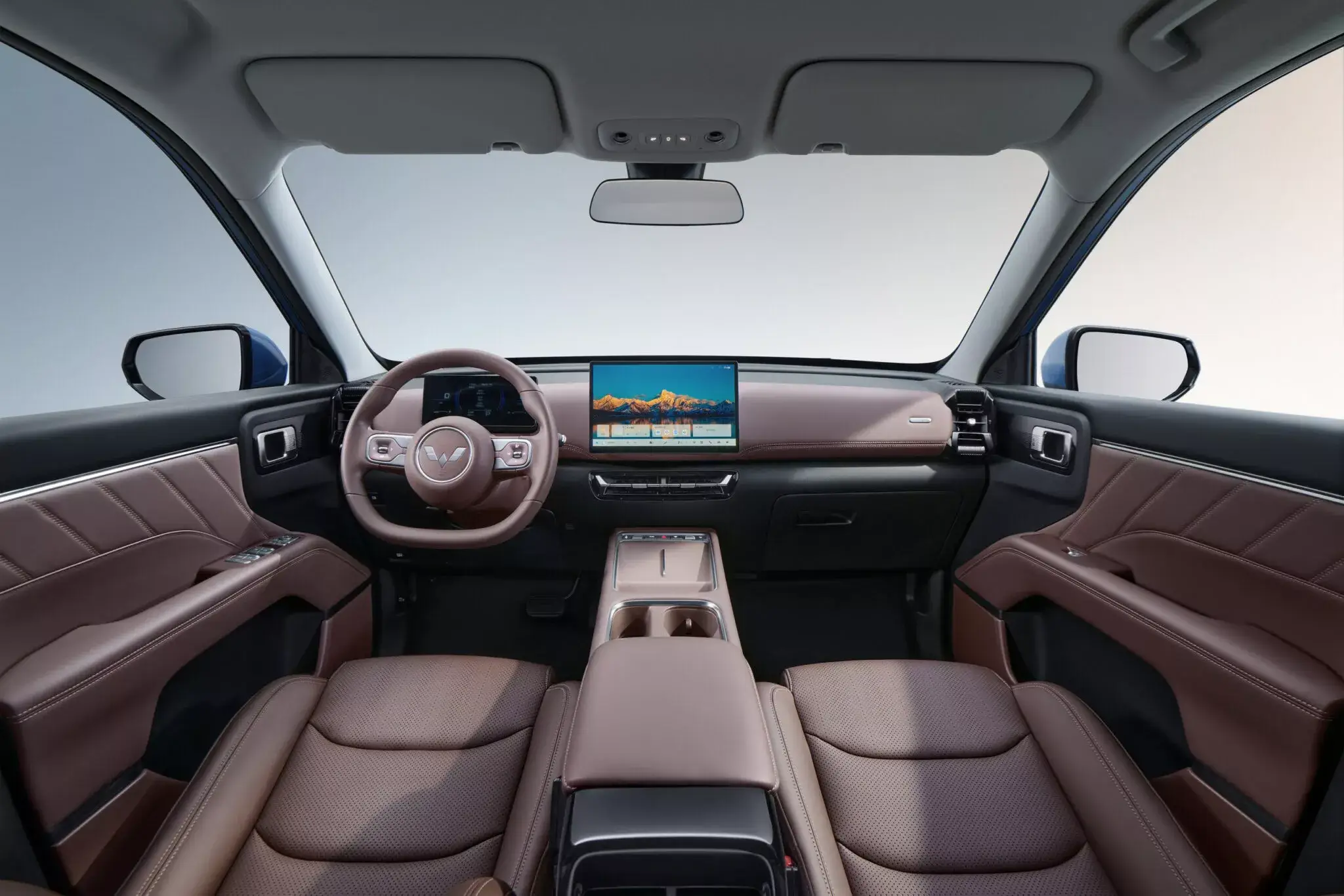
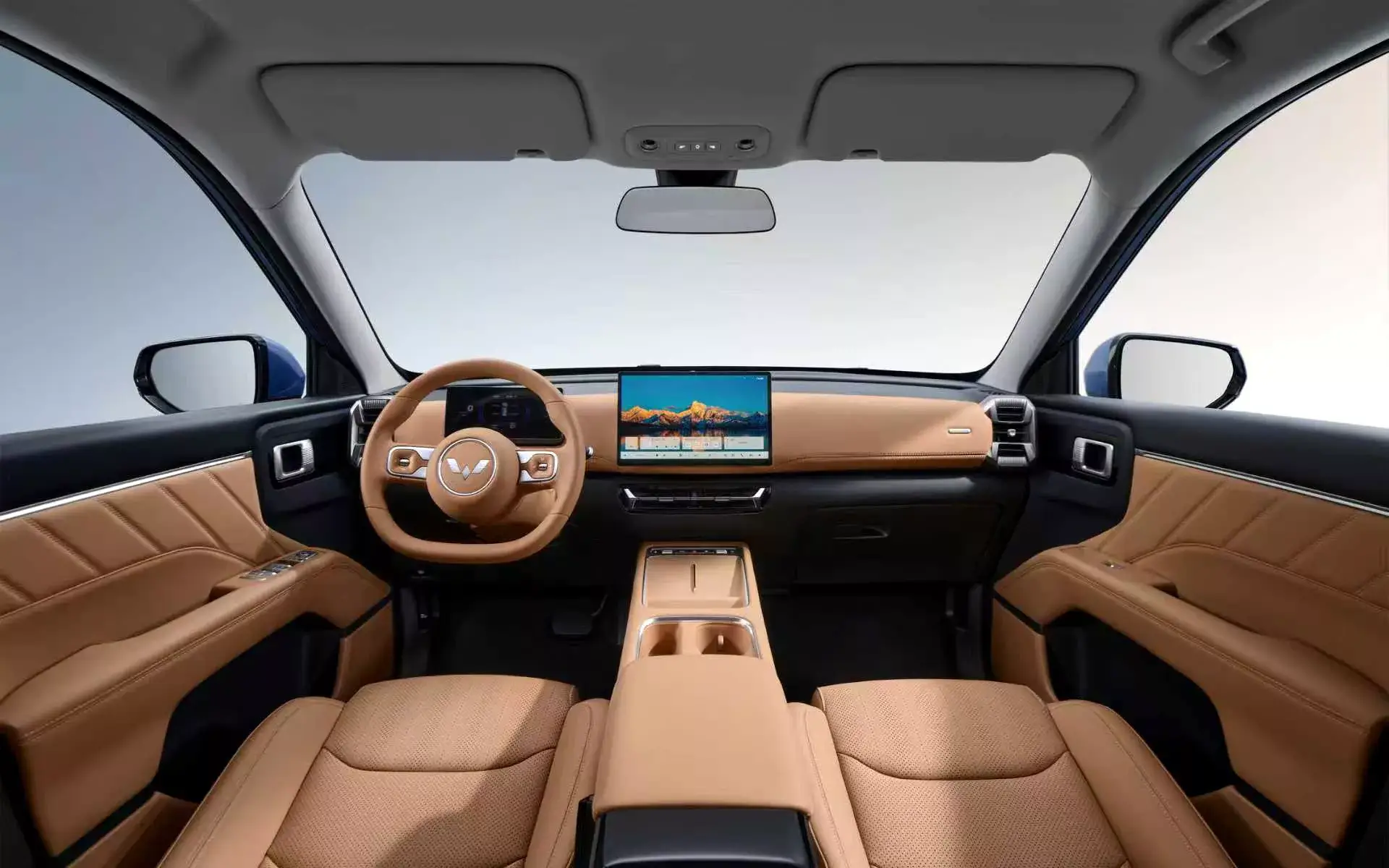
Inside, the philosophy is minimalist and functional. Digital dashboard and 12.8-inch multimedia center offer enough connectivity for urban users; the two-spoke steering wheel and a console with an apparent dual wireless charger emphasize practicality. What stands out is the cargo capacity: with the second row folded, volume reaches up to 1,945 liters, making it a real option for families and small businesses.
Additionally, there is attention to useful details: over 25 storage compartments and a hidden space under the rear seats — small solutions that enhance the perceived value.
Powertrain: Gasoline, PHEV, and EV
One of the strategic strengths of the Xingguang 560 is offering three types of propulsion, catering to different buying profiles — from those seeking low cost and range to those wanting low emissions and electric autonomy.
- Gasoline Version (Turbo): 1.5-liter turbo engine with approximately 174 hp and 290 Nm of torque, 6-speed manual or CVT transmission. Suitable for markets with well-established fuel infrastructure and for buyers prioritizing low initial cost.
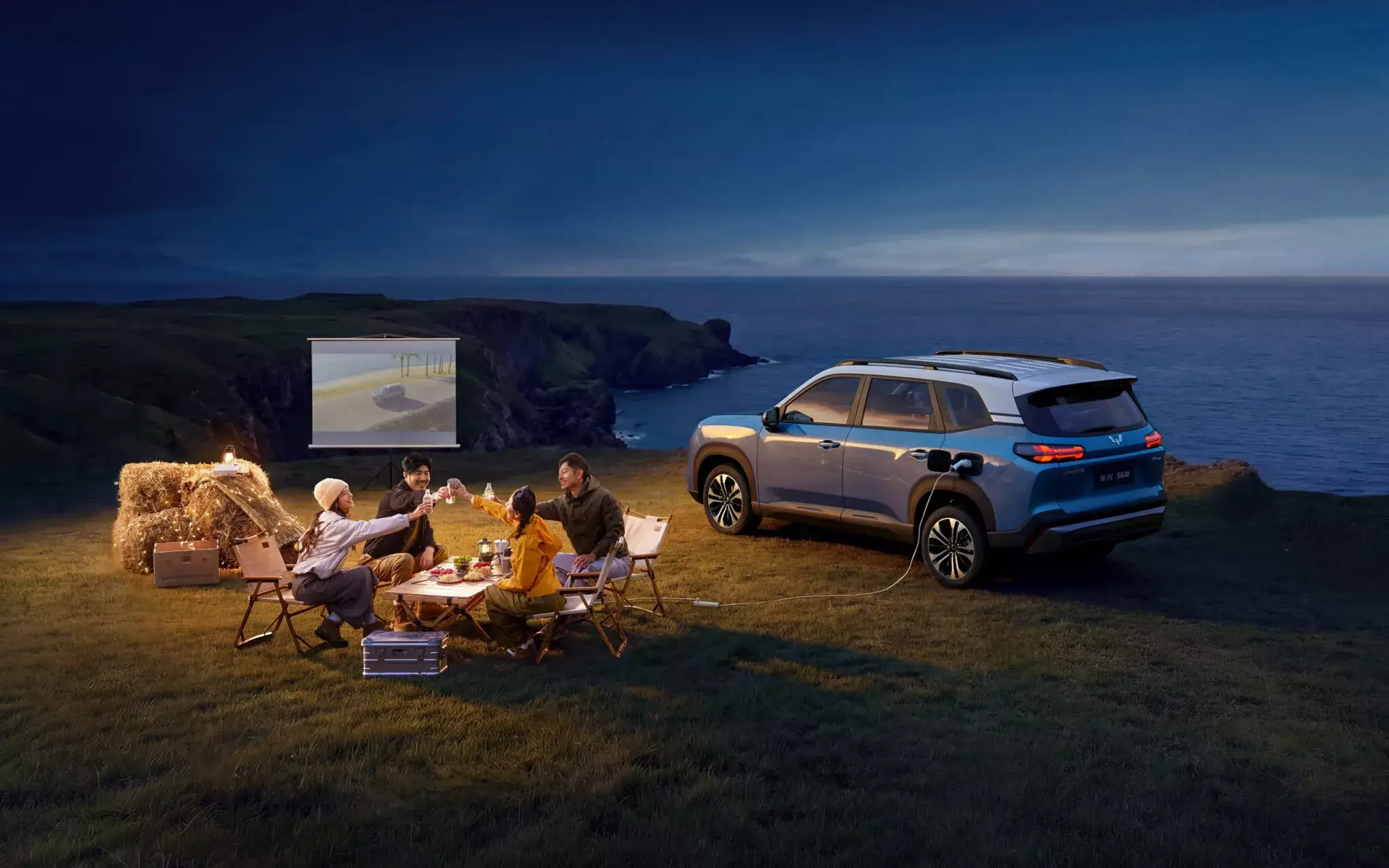
- Plug-in Hybrid (PHEV) Version: combines the 1.5-liter gasoline engine with an electric system that, according to the brand, delivers up to 1,100 km combined (WLTC) and around 125 km in fully electric mode — numbers that increase appeal for urban trips and occasional highway driving.
- Electric (EV) Version: 60 kWh battery with approximately 500 km of range in the CLTC cycle, and a ~134 hp electric motor. The aim is to offer an EV with practical range for daily use and short trips, maintaining a competitive price.
From the consumer’s perspective, this range allows choosing between lower initial cost (ICE), mixed use with low dependency on charging (PHEV), or fully electric mobility (EV). To compare with other electric vehicles on the Chinese and global markets, the Xingguang 560 targets both compact rivals and more sophisticated electric SUVs — including models already receiving praise, such as a heavyweight electric competitor, which emphasizes the importance of very competitive pricing and offerings.
Pricing, Market Positioning in China, and Why It Matters
The launch was strategically priced to be disruptive: promotional prices range between US$ 8,581 (¥59,800) and US$ 13,746 (¥95,800), with expectations of post-launch adjustments to a mid-range between US$ 9,155 and US$ 14,751. This range places the Xingguang 560 in a high perceived value position, especially considering its space and electrified options.
Contextualizing with market data: General Motors and its joint ventures delivered around 1.9 million vehicles in 2024 in China, growing 2.3% over the previous year. Much of this performance is driven by dominance in EVs and hybrids — exemplified by the massive success of the Wuling Hong Guang MINI EV, which sold over 435,000 units. Therefore, the Xingguang 560 is more than a model: it’s a central piece in the strategy to maintain market share and relevance in a market where traditional Western brands face difficulties.
For international buyers and industry observers, the Xingguang 560 also signals an important shift: Chinese SUVs and crossovers are evolving from low-cost options to truly global products, with technological solutions, electrified versions, and levels of finish that challenge established competitors. If you follow hybrid evolution in the market, it’s worth comparing with other recent PHEVs and understanding why this architecture is gaining appeal — for example, the Nissan Rogue Plug-In illustrates how the category is dispersing between comfort and autonomy.
From the buyer’s perspective, practical questions include: which version to choose for daily use? The answer depends on where you live, electricity versus fuel prices, and travel habits. In Chinese urban centers with EV incentive policies, the electric version might be more economical in the medium term; in regions with long trips and limited charging infrastructure, PHEV or 1.5 turbo could be smarter choices.
Beyond price and engine type, the value proposition of the Xingguang 560 involves its dimensions and practicality: if we compare its positioning with SUVs that aim to offer a “premium feel” within a similar envelope — such as the Mazda CX-50 or larger compact crossovers (see how the new Kia Seltos) — Wuling’s strategy is clear: compete on price, space, and propulsion options.
What to watch in the coming months:
- Market reception and sales distribution among ICE, PHEV, and EV models — a key indicator of whether consumers prefer economy or electrification.
- Availability and after-sales network, essential for long-term credibility.
- Independent testing of consumption and autonomy (WLTC/CLTC), which will reveal whether range figures hold up in daily use.
In summary, the Wuling Xingguang 560 is a bold and multifaceted offering: an attractive price, ample space, and electric options for nearly every profile. For those studying the transition of global manufacturers and the role of joint ventures in China, this model deserves attention — and following independent initial reviews will help distinguish marketing from reality.