
What Are Sipes On A Tire (And Why Everyone Confuses Them With “Grooves”)
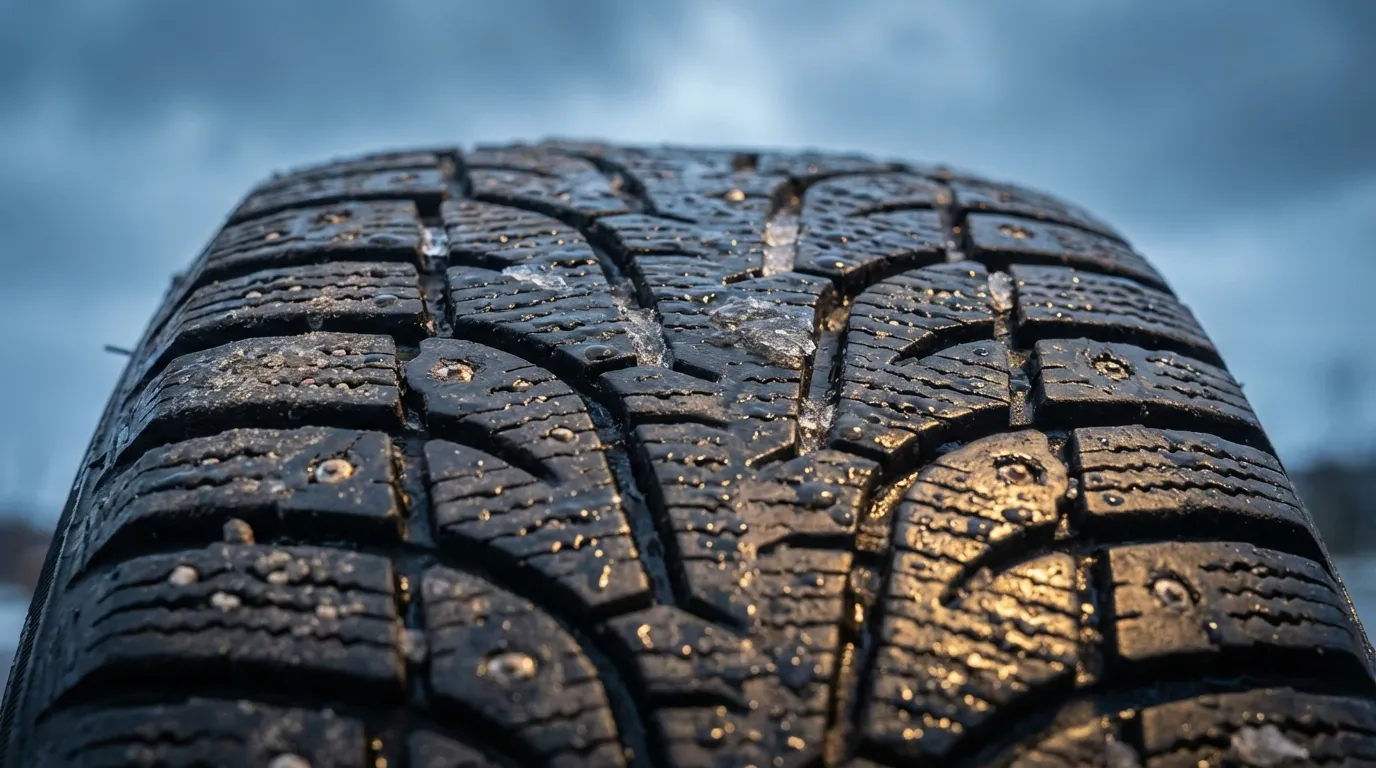
When someone asks “what are sipes on a tire?”, the short answer is: sipes are micro-cuts (thin, straight, or zigzag slits) made into the tread blocks. They are not the “large grooves” (main channels) you see from a distance; they are those small lines, almost like “scars,” that appear inside the tire blocks.
In practice, think of it this way:
- Grooves/channels: evacuate larger volumes of water and help direct flow (especially in directional tires).
- Blocks: are the rubber “islands” that actually touch the ground.
- Sipes: are the micro-edges within the block, which create new contact edges and allow the rubber to flex.
This “trick” isn’t just decoration. It affects three things that define safety: grip, braking, and control on low-traction surfaces (rain, snow, ice, thin mud, and even cold asphalt).
If the tire is your car’s sole point of contact, sipes are like small “claws” that appear when you need traction the most.
And before you think this is just marketing talk: most of the difference between a “tire that holds” and a “tire that slips” in the wet comes from how the design creates and maintains contact with the asphalt, even with water in the way.
By the way, if you want to understand how small maintenance details become a real risk, it’s worth reading the maintenance mistakes that most trick drivers and put your safety at risk—tires almost always appear as invisible villains.
How Sipes Work: The Simple Physics Behind The “Miracle” In Wet And Snow Conditions
Sipes work through a combination of effects, all happening simultaneously as the tire rotates. The secret lies in creating more edges, moving micro-volumes of water/snow, and keeping the rubber working at the right temperature.
1) More “Edges Biting” The Road
On dry, hot asphalt, a large rubber block can grip well. But on wet or snowy surfaces, traction drops because there is a slippery layer between the tire and the ground.
Sipes create multiple extra edges. Instead of a “smooth” block, you end up with dozens of mini-edges that:
- interrupt the water film;
- “scratch” packed snow;
- increase mechanical friction on cold surfaces.
2) Controlled Flexing: The Block Opens, Closes, And Works
When the tread block contacts the ground, it undergoes load and deformation. Sipes cause the block to flex in a planned manner, opening small slits that:
- capture micro-amounts of water, snow, or slush;
- break up the slippery layer;
- help the rubber “settle” better into the micro-relief of the asphalt.
3) Help With Temperature And Comfort (Yes, That Matters Too)
Fewer people talk about it, but sipes can influence:
- heat dissipation (the tread works by flexing/relaxing and spreading energy);
- noise (some patterns break up sound frequencies);
- comfort (flexibility improves the tire’s “reading” of the road surface).
This explains why tires from more meticulous brands “feel” better in daily use: it’s not just the compound; it’s the engineering of the block, channel, and sipe.
Sipe Types: Straight, Zigzag, And 3D (And What This Changes In Real Life)
Not every sipe is the same. In practice, manufacturers use variations to balance traction and stability:
- Straight sipes: simpler, common on various tires; help in the wet but can make the block too “soft” if overdone.
- Zigzag sipes: create additional edges and can increase grip in snow without losing as much control in turns.
- 3D sipes (interlocking): look like cuts with “interlocks”; they open up for traction but lock under lateral load, maintaining stability.
This is a critical point: grip cannot turn into instability. A tire that grips well but lets the car drift in a fast curve is also a problem. That’s why the design must be a complete package.
Speaking of complete packages, if you still have doubts about “small” decisions that affect performance and fuel economy, check out why inflating the tire up to the tire’s PSI can be a terrible idea. Incorrect pressure can nullify any advantage from sipes.
Do Sipes Help Against Hydroplaning? And Is Aftermarket “Siping” Worth It?
Let’s get straight to what generates the most arguments in comments and groups: sipes help against hydroplaning, but not in the way many people imagine. And cutting sipes into the tire after purchase (aftermarket) can be both a solution and a headache.
Sipes And Hydroplaning: Where They Work And Where They Don’t Work Miracles
Hydroplaning occurs when the tire cannot expel enough water and “rides” on a film, losing contact with the asphalt. Here, the protagonists are:
- main channels (volume and direction of drainage);
- speed;
- tread depth (worn tires get much worse);
- pressure (low pressure increases risk);
- tire width (in certain conditions, wider tires can hydroplane sooner).
Sipes step in as “fine support”: they help break the film and deal with micro-layers of water, improving grip and braking in the wet, especially in moderate rain and cold asphalt. In deep puddles and high speed, the main factors are the combination of channels + tire condition + pressure.
| Problem | What influences most | How sipes help |
|---|---|---|
| Wet Braking | Compound + edges + evacuation | Create more edges and reduce film |
| Snow Traction | Blocks + sipes + winter compound | “Bite” and compact snow |
| Hydroplaning in Puddles | Channels + depth + pressure + speed | Helps little; does not replace deep channels |
How To Know If Your Tire Has “Real” Sipes Or Just Pretty Patterns
Without a lab, you can still evaluate well:
- Look closely: sipes are thin cuts in the blocks, not large grooves.
- Check depth: very shallow sipes can “disappear” early with wear.
- Look for 3D technology: some models have interlocking cuts (more stability).
- Compare wear: a bald tire loses grooves and loses sipes, worsening wet performance.
And pay attention: bad shocks can mask all of this. If the car “bounces” and loses contact, the tire cannot work effectively. If you want a direct and uncomfortable alert, read how worn shock absorbers become a deadly financial trap in your car’s suspension.
Aftermarket “Siping”: When It Might Help And When You Should Run Away
There is a huge difference between factory-designed sipes and the so-called aftermarket tire siping (adding cuts later). The factory design is part of the tire’s engineering: compound, internal belts, block stiffness, and noise were all considered together.
Aftermarket siping often appears as a promise of “tire becomes snow-ready,” “improves braking,” and “more traction.” In specific conditions, it might help, but there are real risks:
- Warranty: it may void the tire manufacturer’s warranty.
- Block integrity: extra cuts can increase uneven wear and heat.
- Noise and vibration: it can worsen comfort and noise on smooth asphalt.
- High-speed safety: depending on the tire and pattern, it can reduce stability.
- Legality: in some regions, there may be restrictions (check local regulations).
So, when does it make sense?
- Severe use in snow/ice for long periods, especially in cold regions where this is routine.
- Specific applications (fleet, light off-road with cold mud, work vehicles), always with professional service and the right tire.
And when does it not make sense?
- City and highway driving in the heat (Brazil for most of the year, for most people).
- Tires already designed for all-season use with sufficient modern sipes.
- Those who drive fast on highways and prioritize consistent stability and braking.
Safer Alternative: The Right Tire For The Season (And For Your Use)
If you face real cold, the most reliable solution remains the winter tire (when applicable). It combines a compound that works in low temperatures with a tread pattern rich in sipes and channels designed for snow/cold slush.
For those driving in heavy rain and at high speeds, the “right” choice usually is: a tire with good wet performance, efficient channels, well-distributed sipes, and correctly calibrated pressure.
And if you are setting up a car for more travel, towing, or rough roads, don’t ignore the basics of the “car-tire” assembly. Even modern SUVs sold as premium solutions depend on this. An example of how the complete package changes the experience is in why the 2026 Mazda CX-50 tries to beat the CR-V and RAV4 without just being more of the same—and yes, tire and suspension tuning are part of the “premium” feel.
Practical summary to remember: sipes are micro-cuts that increase the edges and flexibility of the block, improving traction and braking in low-adhesion conditions. They do not replace deep channels against hydroplaning in puddles, and “inventing” sipes afterward can be costly in terms of wear, stability, and warranty. If your priority is safety, start with the tripod: appropriate tire, correct pressure, and ordered suspension—the rest becomes detail.