
The VOLKSWAGEN GOLF GTI 2026 shines in looks but hides a chronic dashboard flaw that irritates daily owners. Discover why the piano black plastic fails.
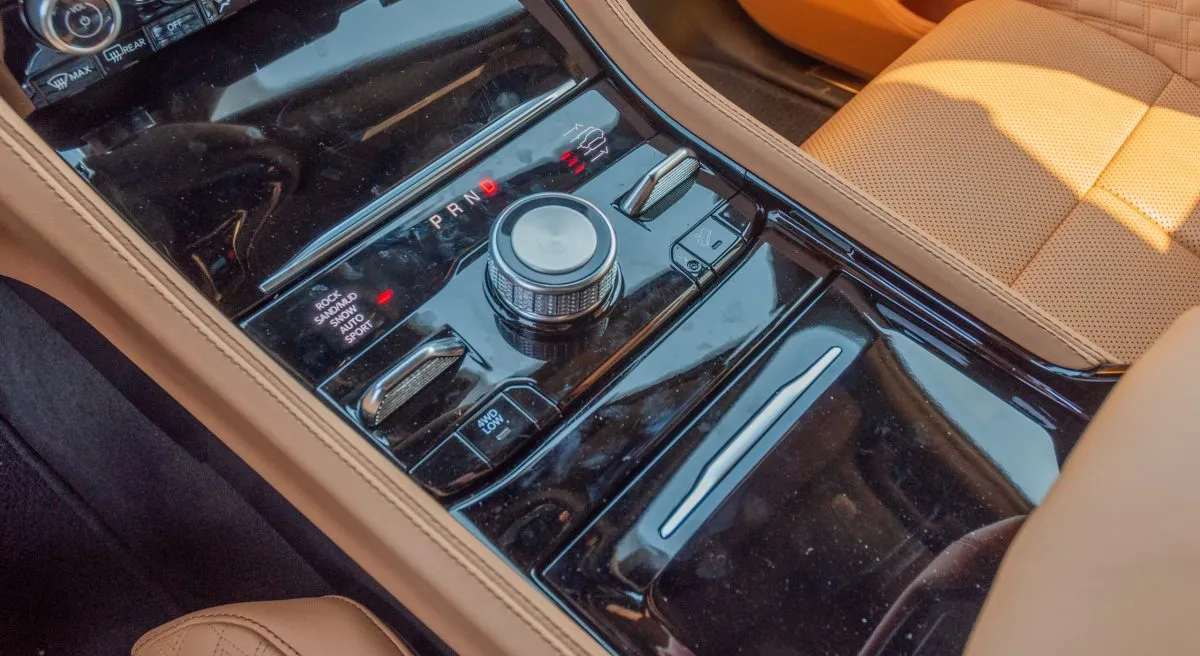
There is a specific feeling of satisfaction when getting into a new car. The smell of leather, the impeccable cleanliness, and often, the mirror-like shine of the panels and center consoles. However, this first impression of sophistication hides an inconvenient truth that the automotive industry insists on ignoring. The excessive use of piano black plastic, that highly reflective and glossy material, has become a modern plague that turns premium vehicle interiors into magnets for dust and scratches within weeks.
Recently, tests with models like the VOLKSWAGEN GOLF GTI 2026 brought this discussion to the forefront again. Although the car is an engineering marvel, the interior finish raises a crucial question about durability versus aesthetics. It’s not just a matter of personal preference, but a functional design flaw that affects the owner’s experience in the long term.
The Illusion of Affordable Luxury
The reason we see this material in nearly every release, from popular hatchbacks to luxury sedans, is purely economic. Piano black plastic offers the look of “black lacquer” or polished wood for a fraction of the cost of real materials like brushed aluminum, open-pore wood, or genuine leather. For manufacturers, it is the perfect solution to boost the perceived value of the vehicle without significantly increasing production costs.
However, this economy is costly to the consumer. The surface, while beautiful under showroom lights, is extremely soft and susceptible to damage. The reality of daily use is relentless. Keys, coins, seatbelt buckles, and even the buttons on the driver’s jeans become deadly enemies to this finish. Unlike textured materials that hide wear, piano black shows every micro-scratch as if it were a deep scar under sunlight.
The Endless Cycle of Cleaning and Frustration
Besides the physical fragility, there is the issue of visual maintenance. This material is a magnet for fingerprints, natural skin oils, and dust. To keep the interior looking “like new,” the owner is forced to clean the dashboard constantly. Ironically, the act of cleaning accelerates the deterioration. Microfiber cloths, even high-quality ones, end up creating circular micro-scratches (swirl marks) that, over time, make the plastic look dull and old, completely losing the original shine that justified its choice.
This trend of prioritizing screens and smooth surfaces over durability is visible throughout the industry. We can observe how other segments deal with this pressure for modernity. For example, when analyzing the GMC Terrain 2027, we see that offering large screens often comes paired with surfaces that require extra care, exposing the dilemma between cutting-edge technology and everyday practicality.
Who Is Doing It Differently and Why It Works
Not all automakers have fallen into this trap. Some brands have realized that true luxury lies in tactility and durability, not just in gloss. Mazda, for example, has been praised for avoiding piano black plastic in models like the CX-90, opting instead for high-quality textured plastics that age well. Likewise, brands focused on technology and minimalism, such as Rivian and Tesla in certain respects, have pursued more sustainable and durable materials.
The pursuit of an interior that unites technology and real comfort is what defines true market leaders. When we look at the 2027 Mercedes-Benz S-Class, we notice that digital innovation and generative AI are integrated with materials that prioritize sensory experience, avoiding the coldness of excessive glossy plastic.
The evolution of interiors also involves how screens are integrated. The facelift of the Kia Niro shows how the dual 12.3-inch screen can be implemented with a design that considers usability, although the risk of glossy trim around it remains an ongoing concern for critics.
The Future of Automotive Materials
The market is changing. Consumers are more informed and less willing to accept finishes that degrade the ownership experience. The new BMW i3 2026 platform and its Neue Klasse architecture promise to change everything, and the expectation is that this will include a revision of contact materials, moving away from the obvious. Additionally, in comparisons of large electric vehicles, such as discussions involving the Hyundai Ioniq 9 2027, interior quality becomes a decisive purchasing factor, often surpassing pure range.
Piano black plastic needs to be retired. It represents a design shortcut that disrespects the consumer’s intelligence and the product’s longevity. As long as automakers continue to prioritize immediate visual impact in the showroom over long-term satisfaction in the garage, the frustration cycle will continue. True automotive design should age gracefully, not crumble at the first contact with the pocket key.