The 2027 Volkswagen Atlas does not reinvent the formula, but it attacks the family SUV segment exactly where buyers notice most: design presence, cabin tech, safety, and daily usability.
What Changed On The 2027 Volkswagen Atlas
The 2027 VW Atlas enters its second generation with a familiar silhouette, but under that evolutionary skin Volkswagen has made a series of targeted upgrades that could matter more than a radical redesign. For shoppers comparing the best three-row midsize SUVs, this is the kind of update that deserves a closer look.
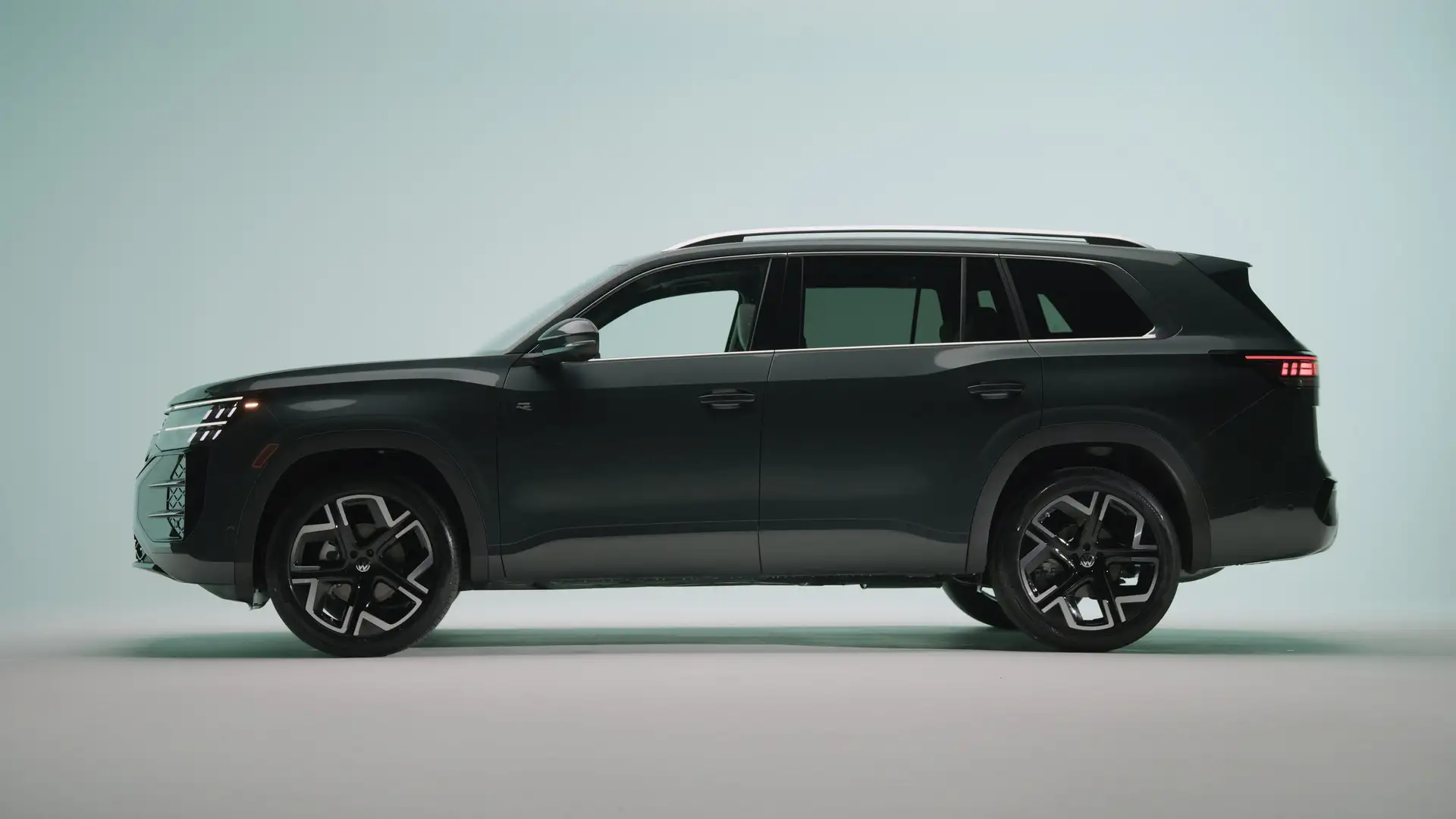
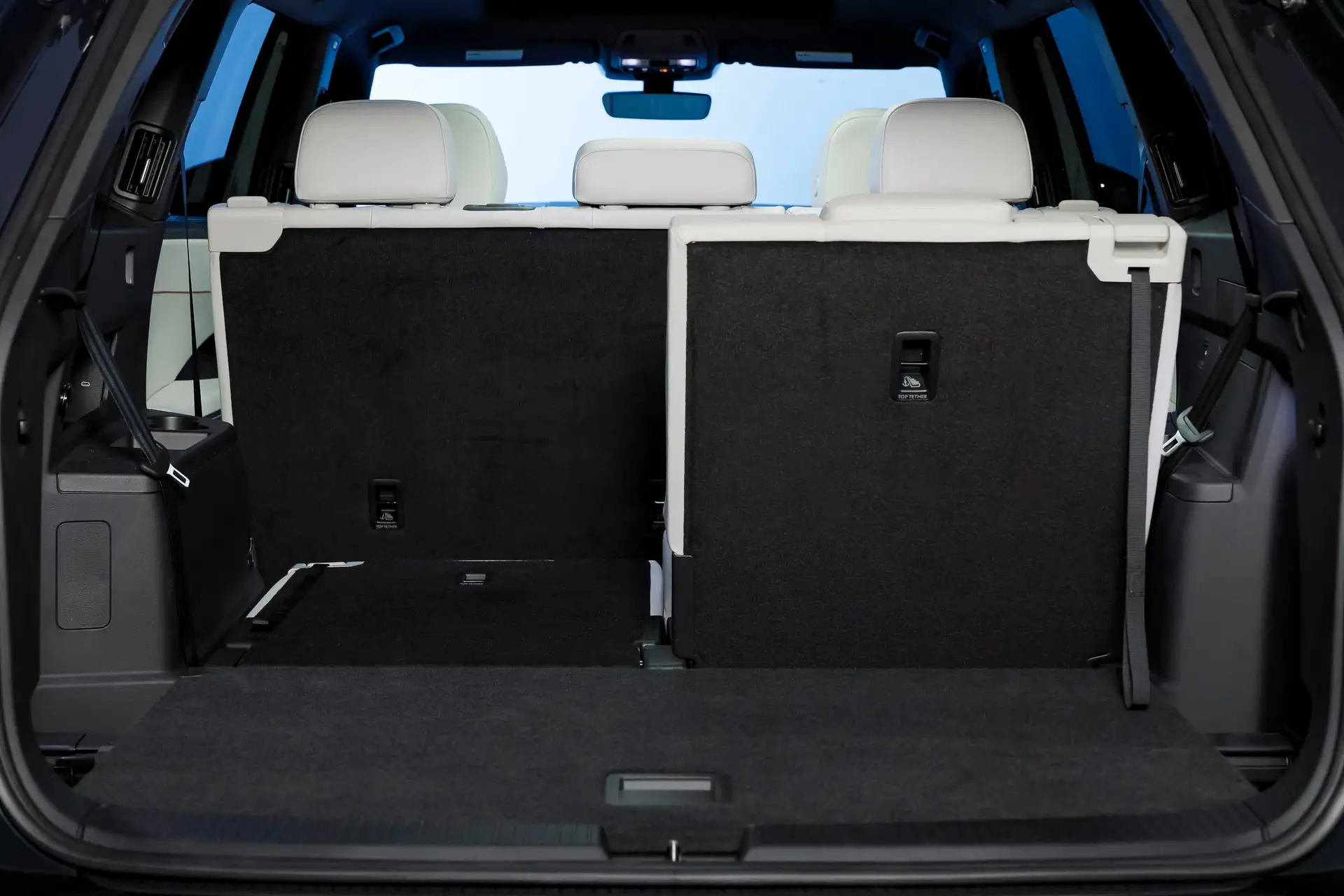
Volkswagen kept the Atlas on an updated version of the MQB Evo platform, the same core architecture family that has supported the model since its debut. The SUV grows by roughly 25 mm in overall length, while wheelbase, width, and height remain effectively unchanged. That means VW chose to preserve the spacious packaging that made the Atlas popular, instead of gambling with an all-new footprint.
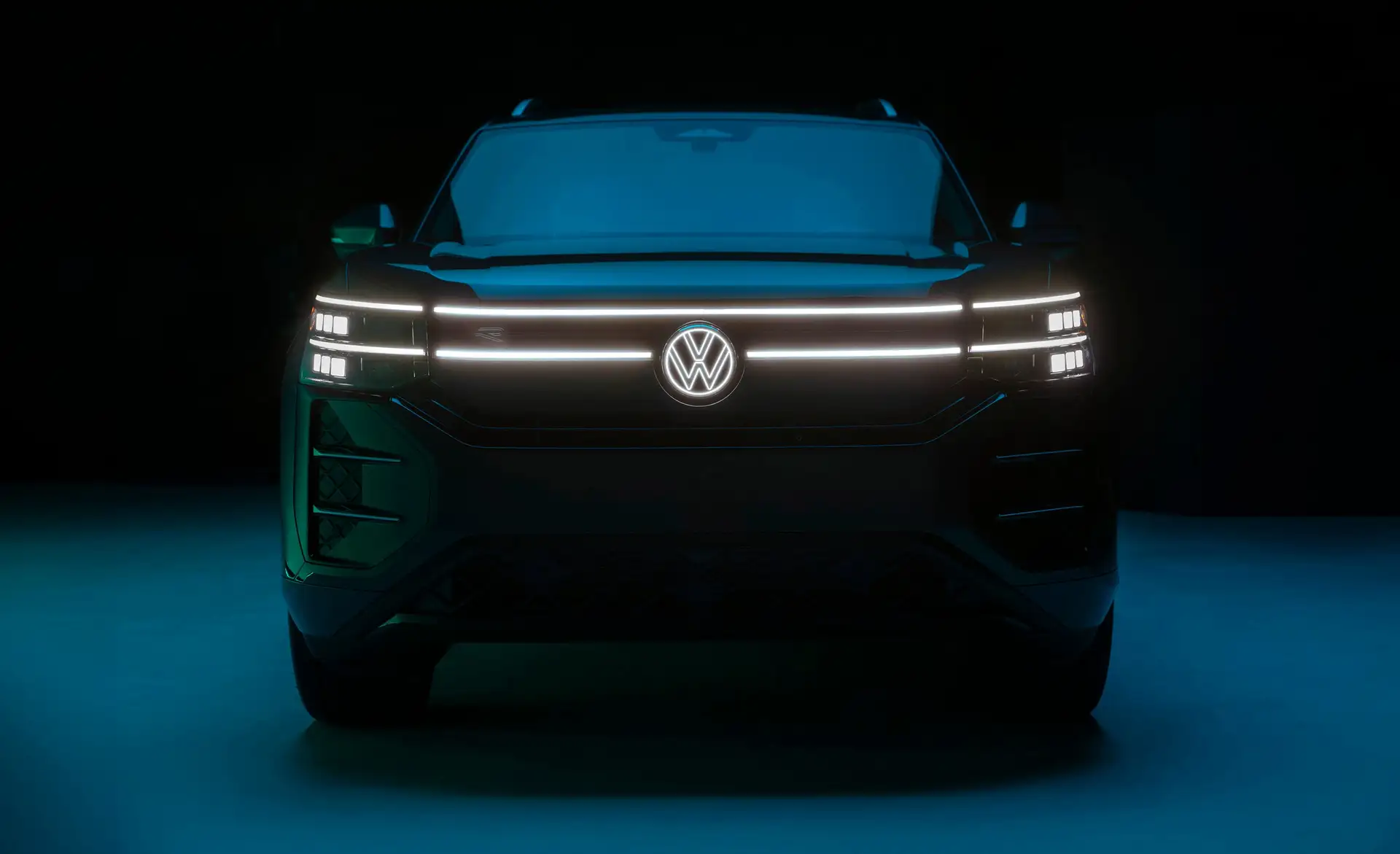
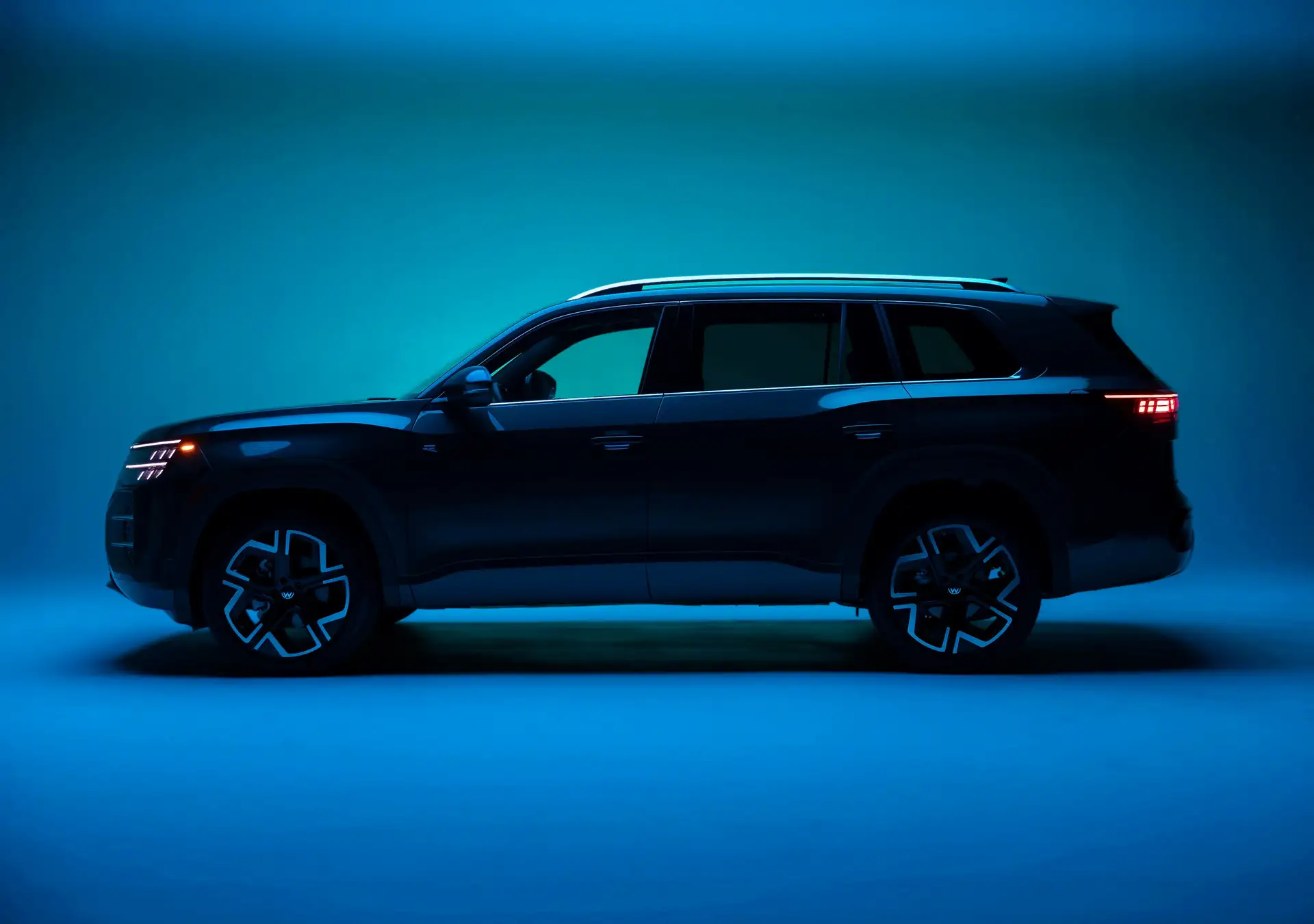
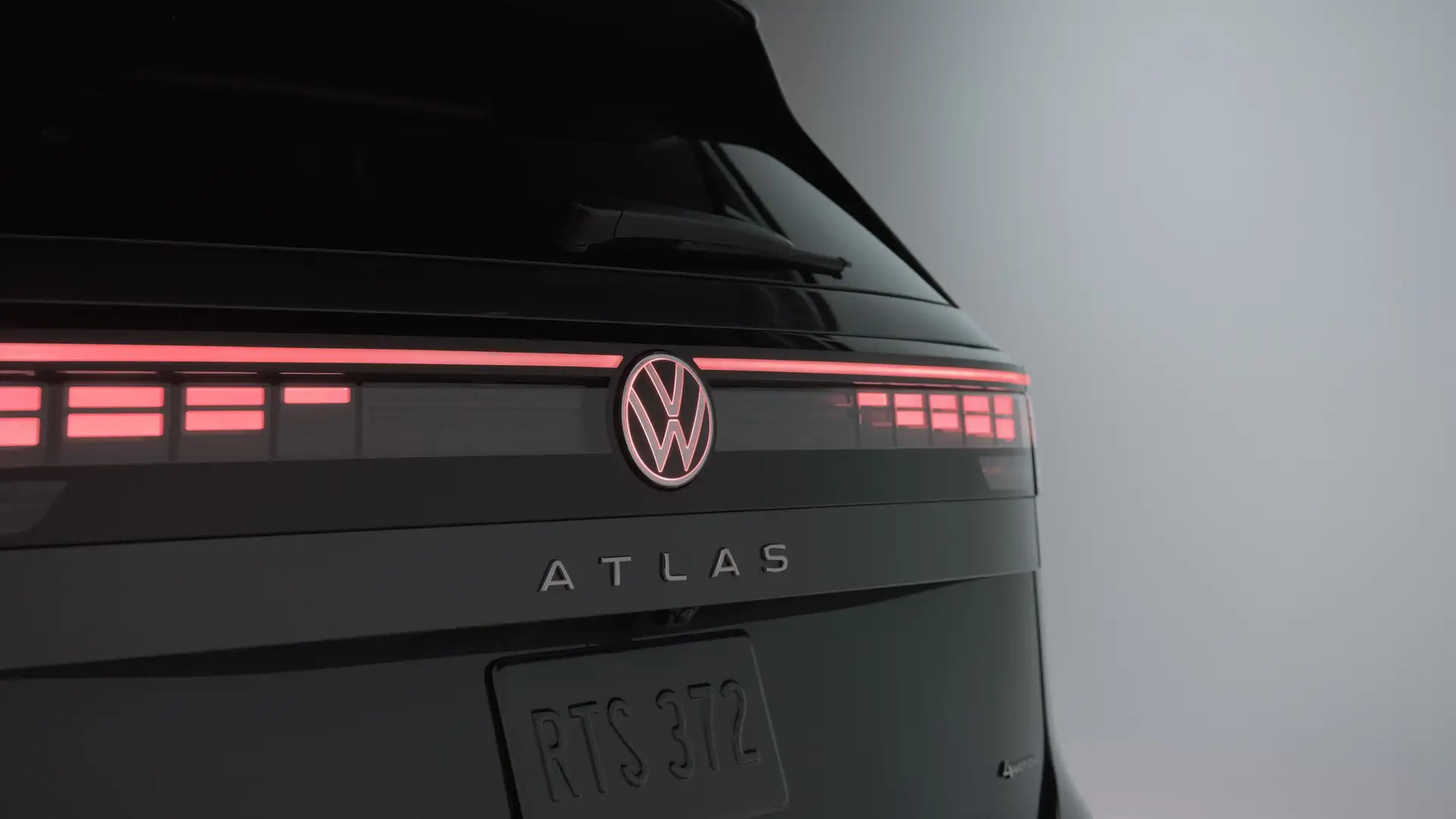
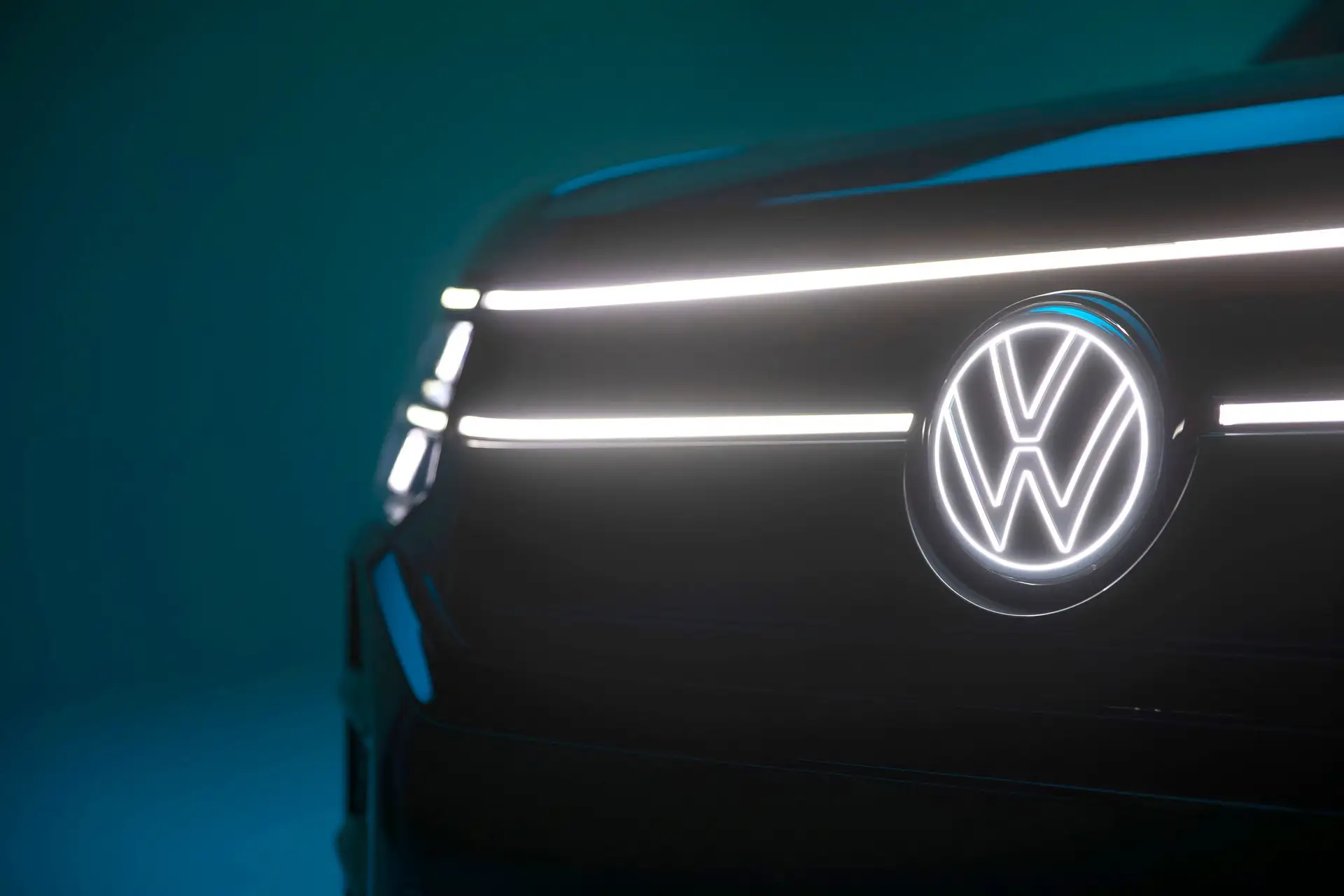
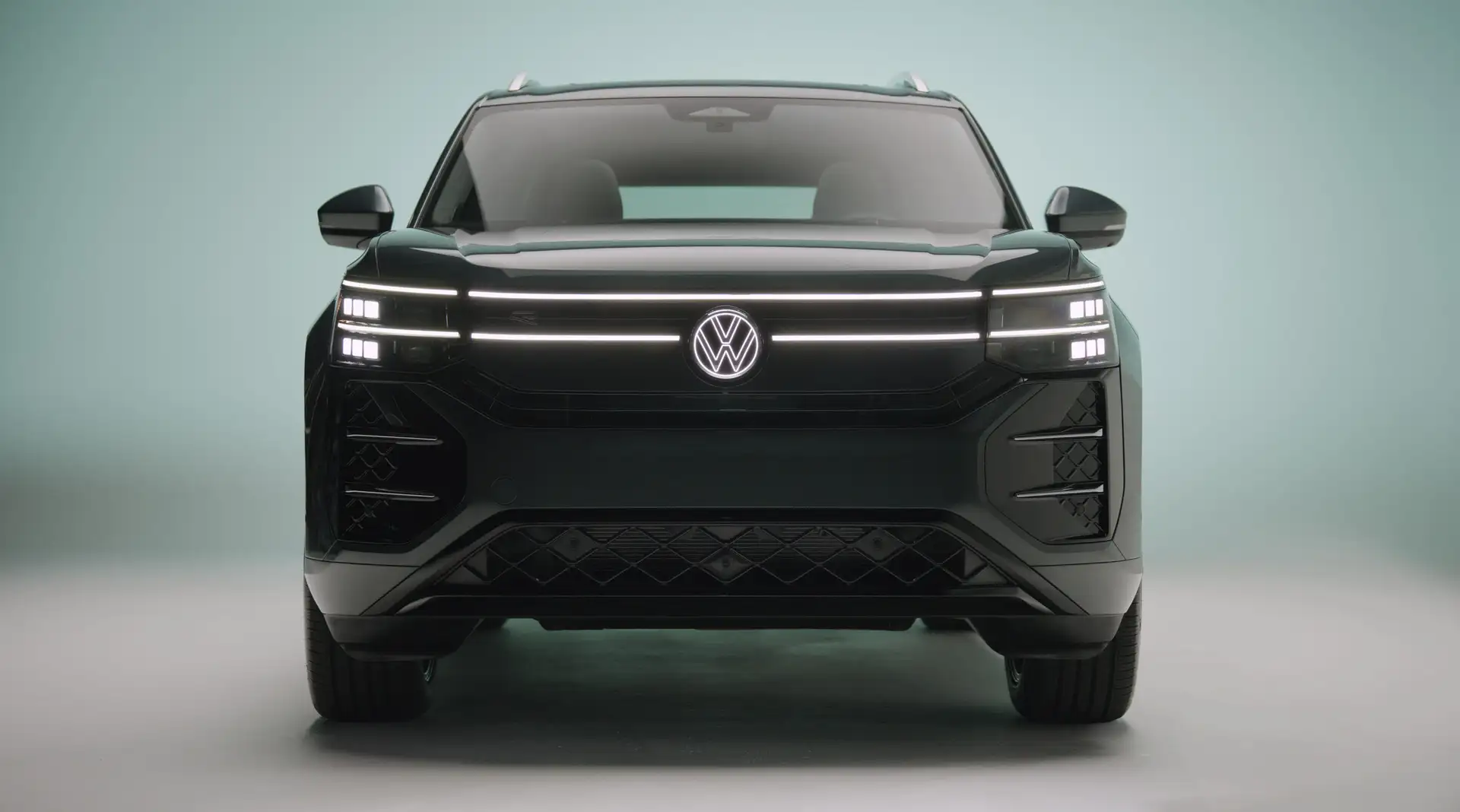
Visually, the front end is where the biggest statement happens. Volkswagen leans hard into illuminated styling, with LED light signatures that stretch across the grille and intersect the badge on most trims. The message is clear: lighting has become the new chrome. In a market where visual identity matters more every year, the Atlas now looks more expensive at night than before.
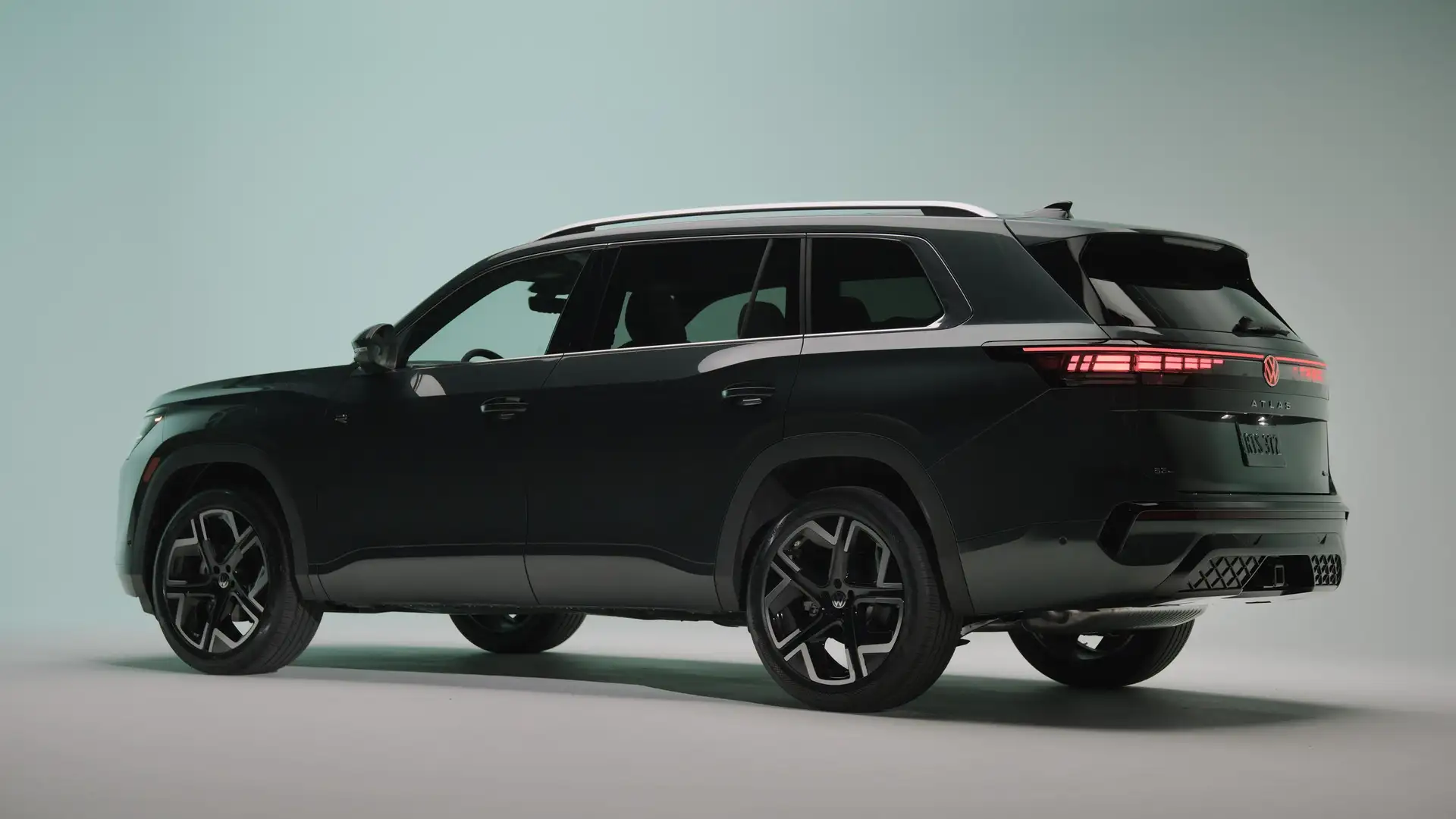
The body sides are cleaner and more disciplined, with a stronger shoulder line and a less awkward rear glass treatment. At the back, a full-width taillight treatment gives the SUV more visual width, while a larger roof spoiler adds a touch of athleticism to an otherwise upright, practical shape.
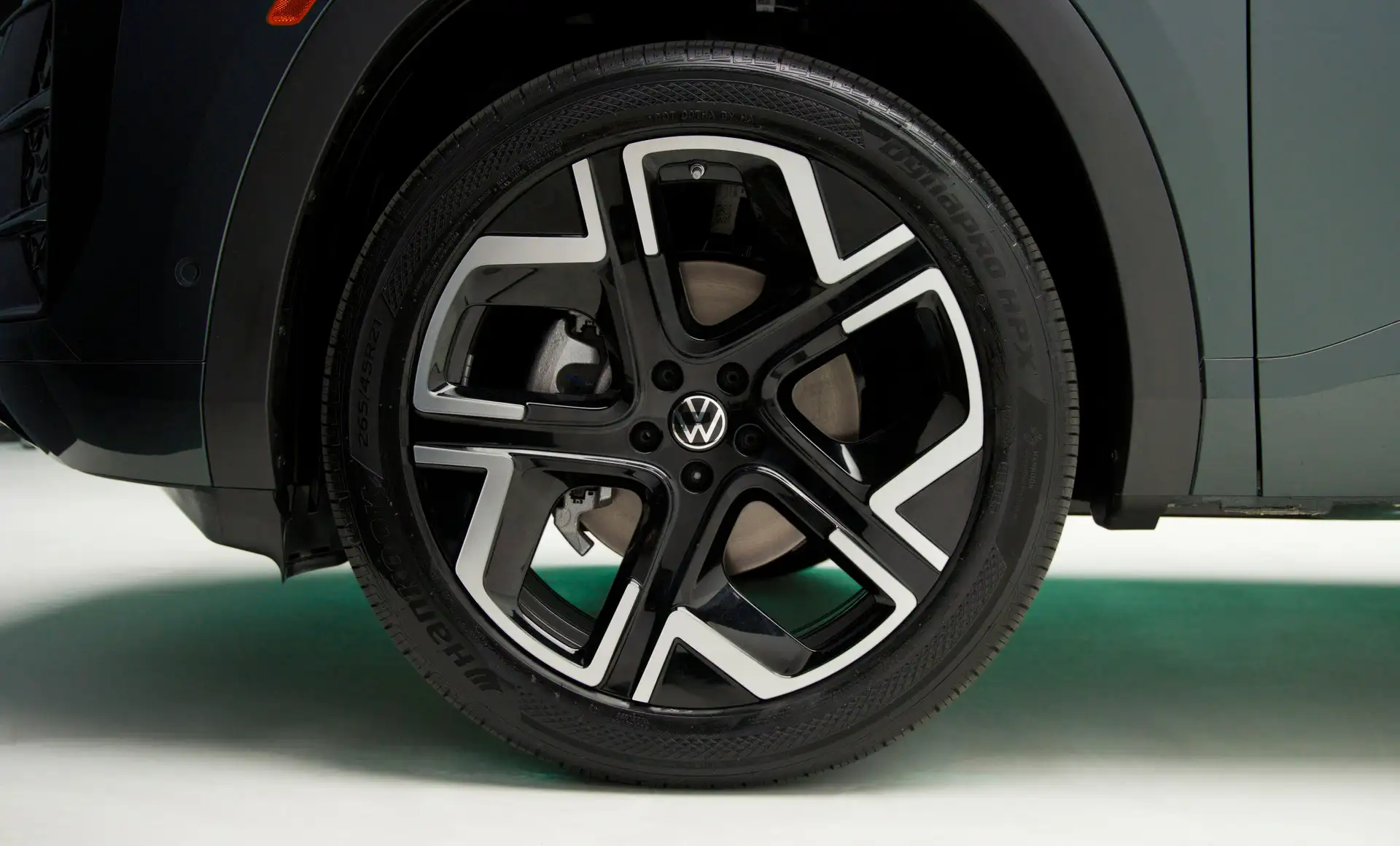
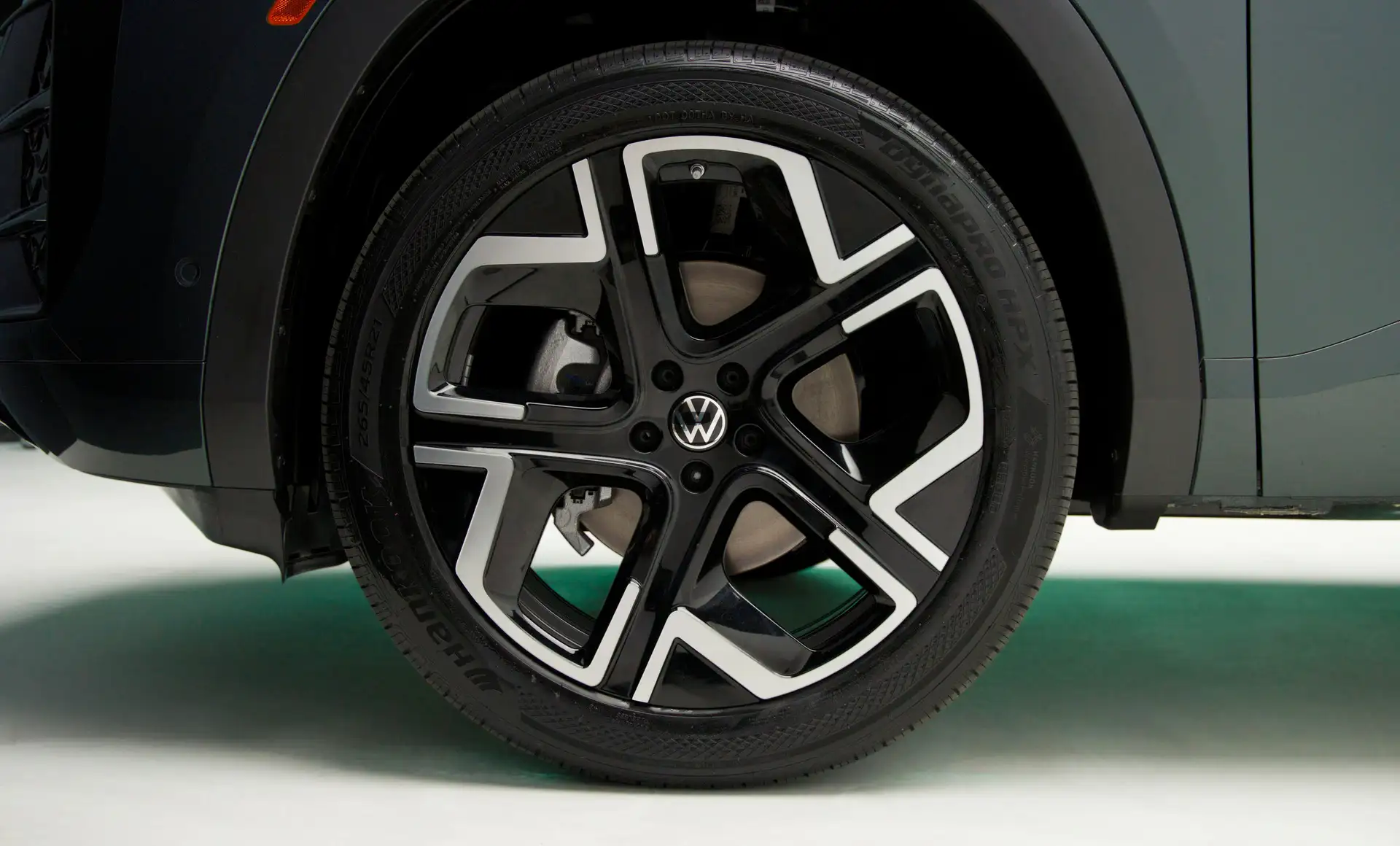
New wheel choices also help move the Atlas upscale. Depending on trim, buyers can get 18-inch, 20-inch, or 21-inch alloy wheels. Volkswagen also adds fresh paint options, including standout shades such as Blackberry, Sandstone, and Sacramento Green.
If you have been tracking how automakers are using design to reposition large family SUVs as near-premium products, this move from VW fits the same pattern seen across the segment. It also echoes a wider industry shift toward more theatrical cabins and stronger lighting identities, something we recently saw take a very different form in the Mercedes-Benz GLE 2027 with its dramatic new light signature and triple-screen strategy.
Engine, Towing, And Driving Hardware
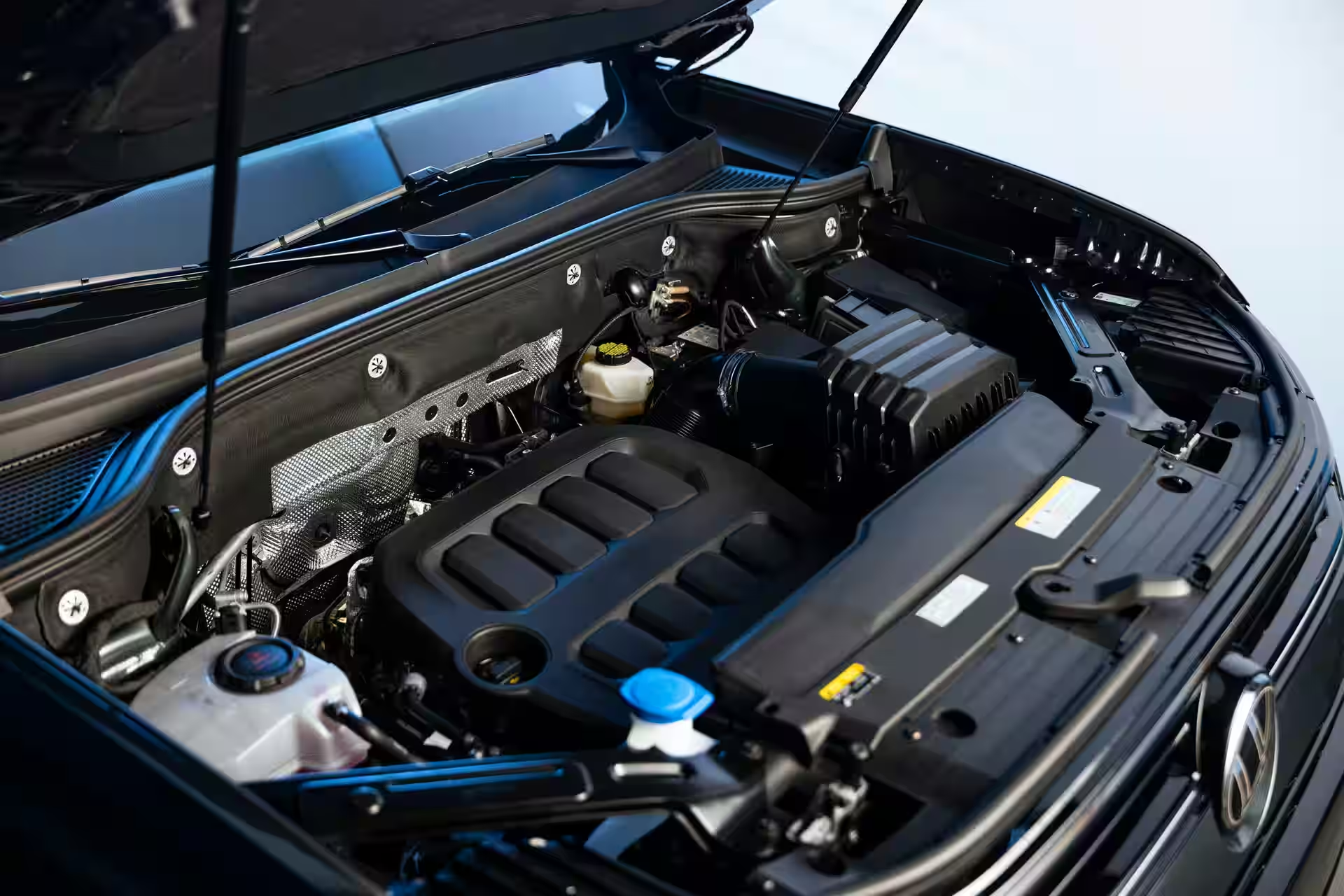
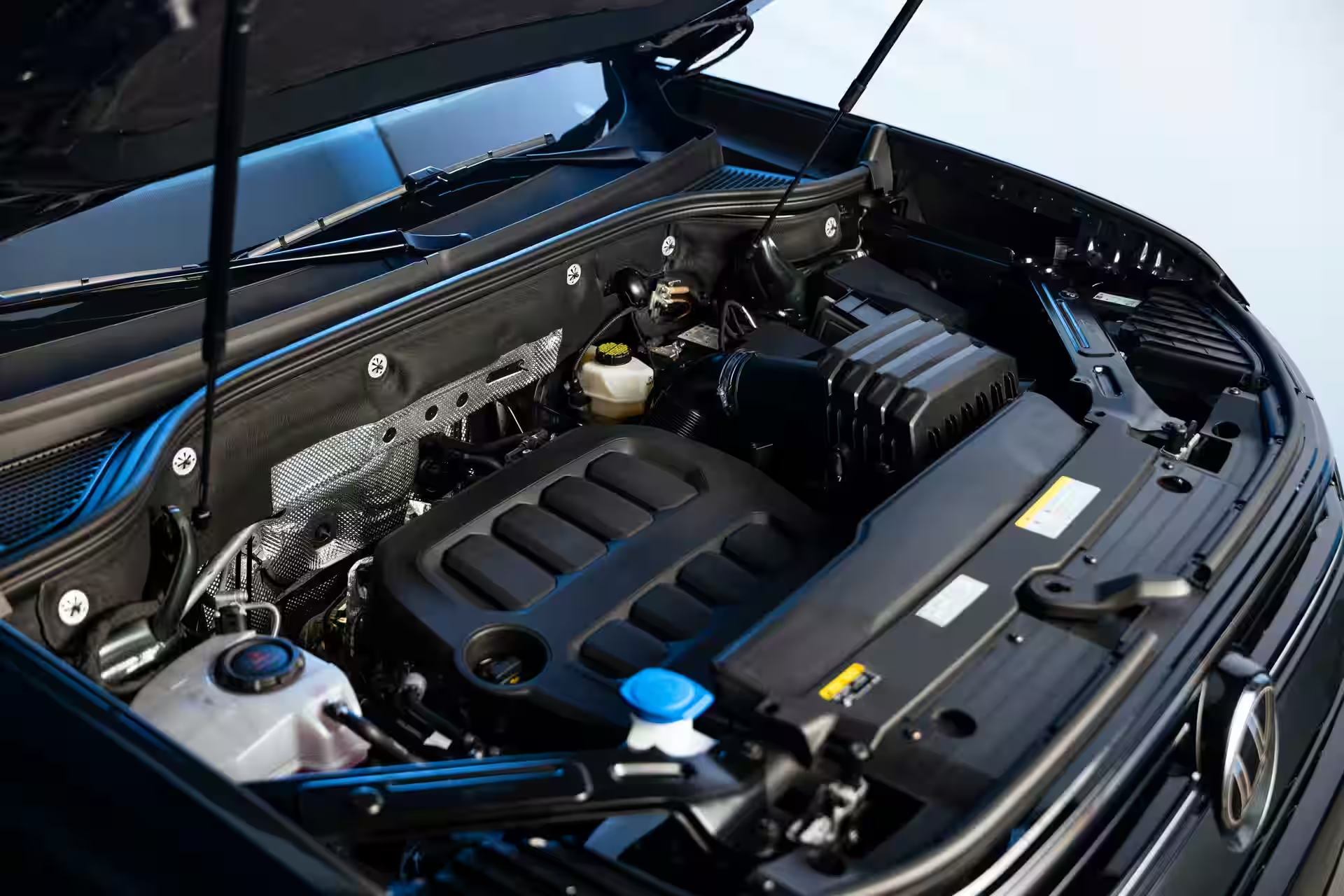
Under the hood, the new Atlas continues with Volkswagen’s well-known EA888 turbocharged 2.0-liter inline-four, but in updated form. Output rises to 282 horsepower, up 13 hp from the previous version. Torque, however, dips to 258 lb-ft, down from 273 lb-ft.
On paper, that trade-off may trigger mixed reactions. More horsepower usually helps at higher speeds and under longer acceleration loads, while lower torque can be felt more in initial response and low-speed shove. In real-world family SUV use, tuning and transmission calibration will determine whether buyers actually perceive the difference.
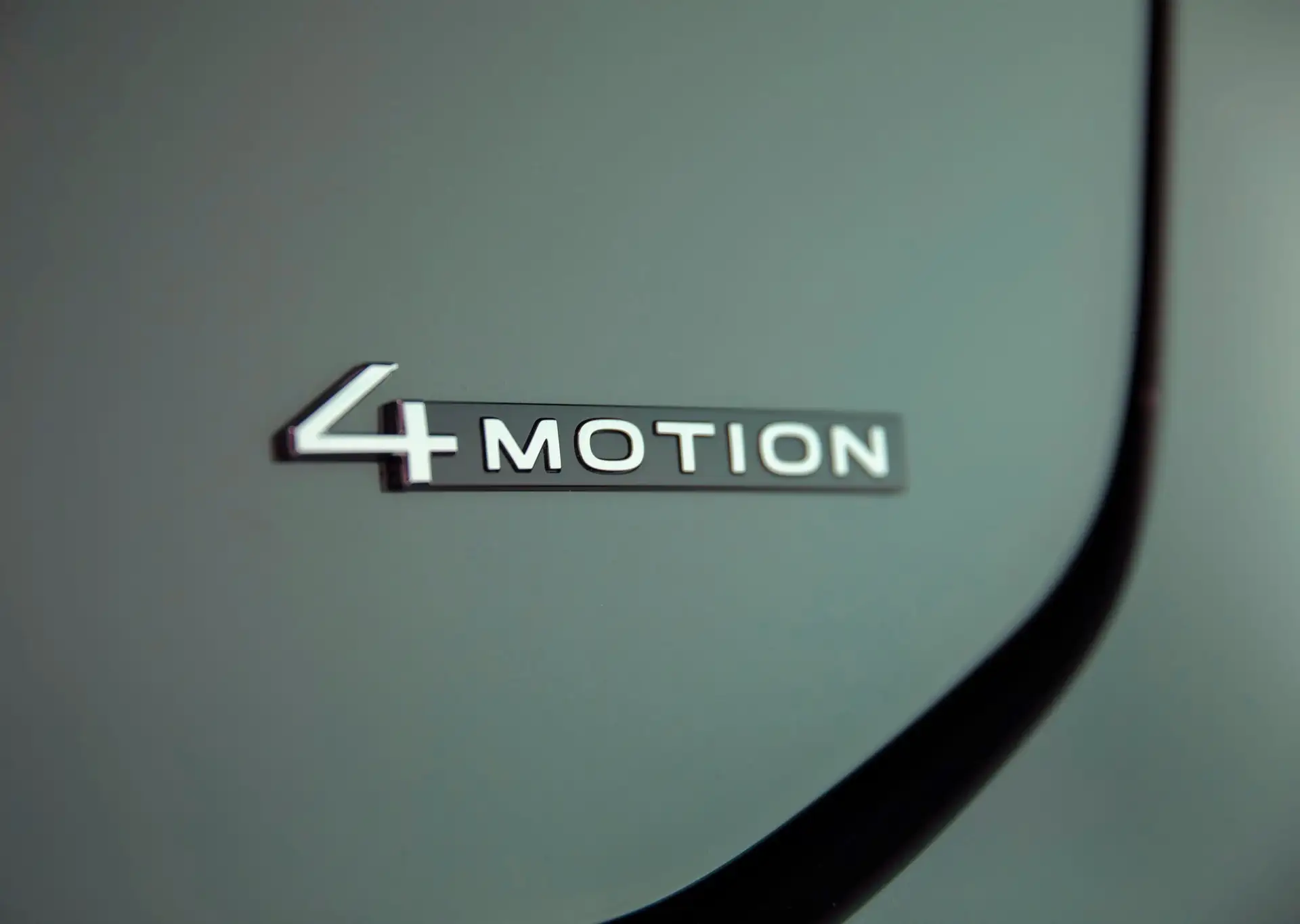
The engine remains paired with an eight-speed automatic transmission. Front-wheel drive is standard, while 4Motion all-wheel drive stays optional. Importantly for family buyers with boats, trailers, or small campers, the maximum towing capacity remains 5,000 pounds when properly equipped.
Volkswagen also says fuel economy should improve, although final EPA figures were not announced alongside the reveal. That matters because the Atlas competes in one of the toughest family-car battlegrounds in North America, where every small gain in efficiency helps. Buyers in this class increasingly compare turbocharged gasoline SUVs not just against each other, but also against emerging hybrid alternatives.
That is why one future detail may matter as much as the 2027 launch itself: Volkswagen has signaled that a hybrid Atlas is expected later in the lifecycle. For many shoppers, that could become the version worth waiting for, especially as rivals push harder into electrification and mixed-powertrain strategies. The same pressure is visible far beyond Volkswagen, from mainstream family crossovers to larger electrified luxury SUVs like the Volvo EX90 2027, which takes the tech-heavy SUV idea to a much more extreme level.
| 2027 Volkswagen Atlas Key Specs | Data |
|---|---|
| Engine | 2.0-liter turbocharged inline-four |
| Power | 282 hp |
| Torque | 258 lb-ft |
| Transmission | 8-speed automatic |
| Drivetrain | FWD standard, AWD optional |
| Max Towing | 5,000 lb |
| Infotainment Screen | 15.0-inch or 12.9-inch on base trim |
| Digital Cluster | 10.3-inch standard |
The Interior Is Where Volkswagen Is Taking Its Biggest Risk
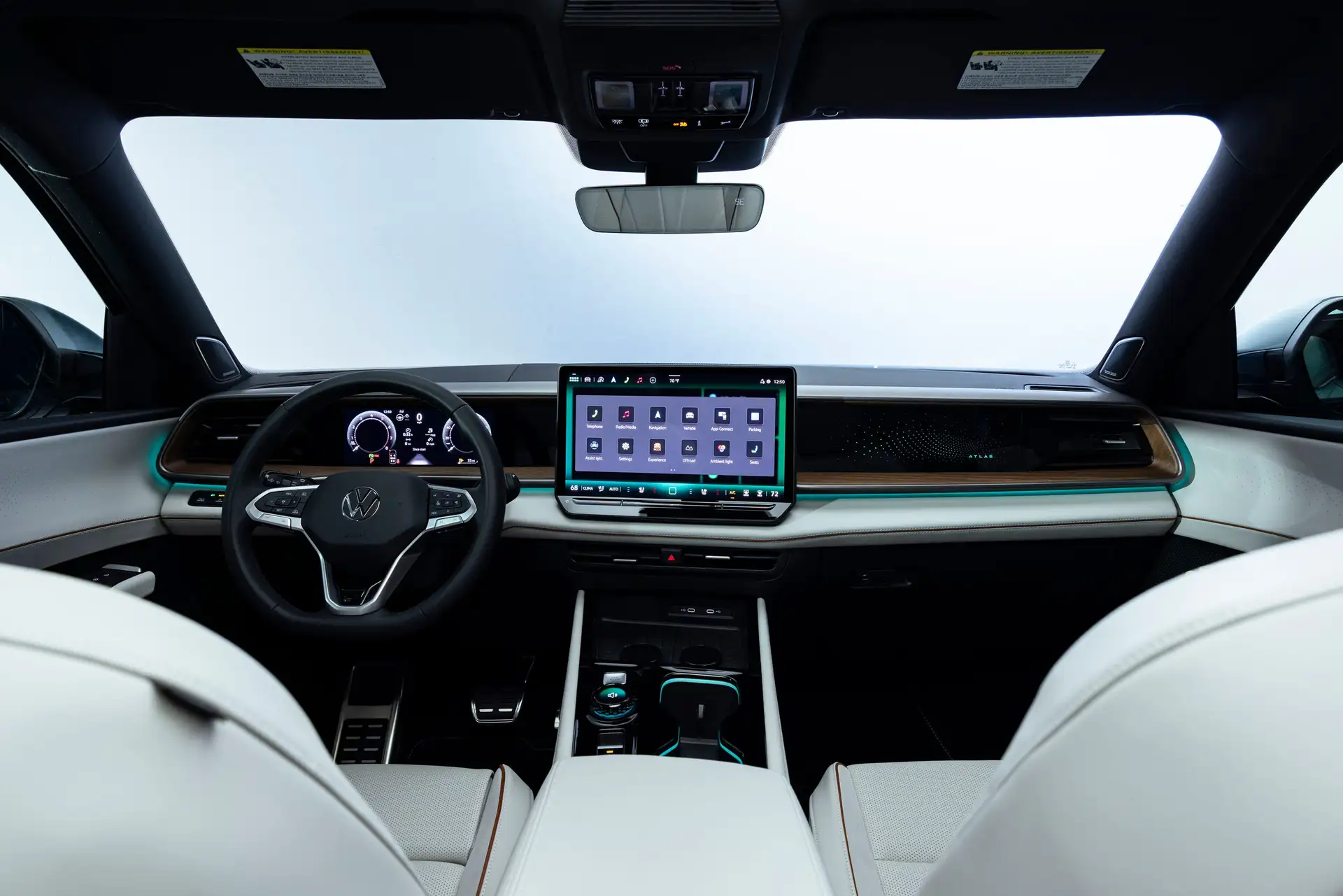
The biggest talking point inside the 2027 Atlas interior is not the size of the screen, though that certainly helps. It is the way Volkswagen has turned ambient lighting into a centerpiece of the experience.
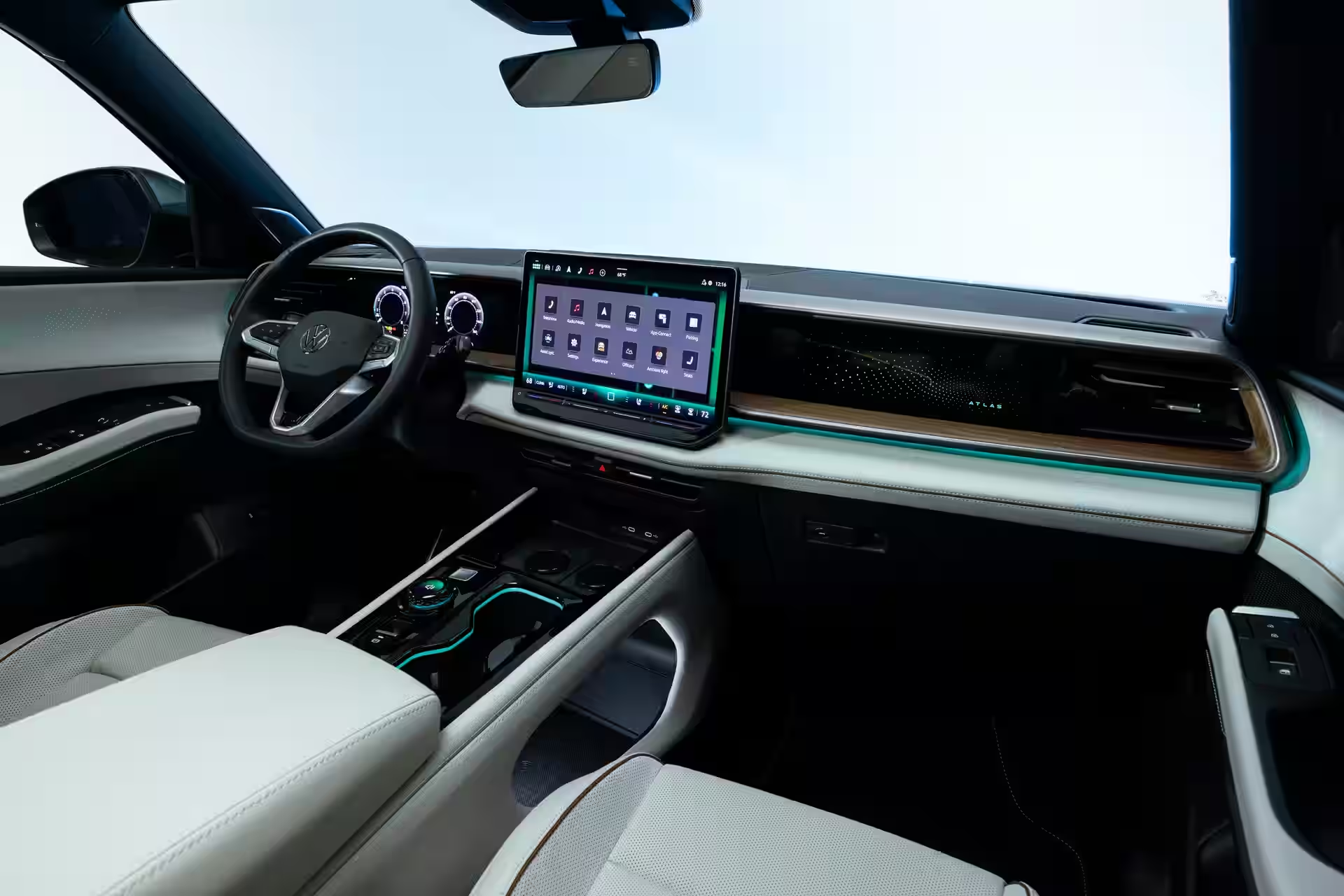
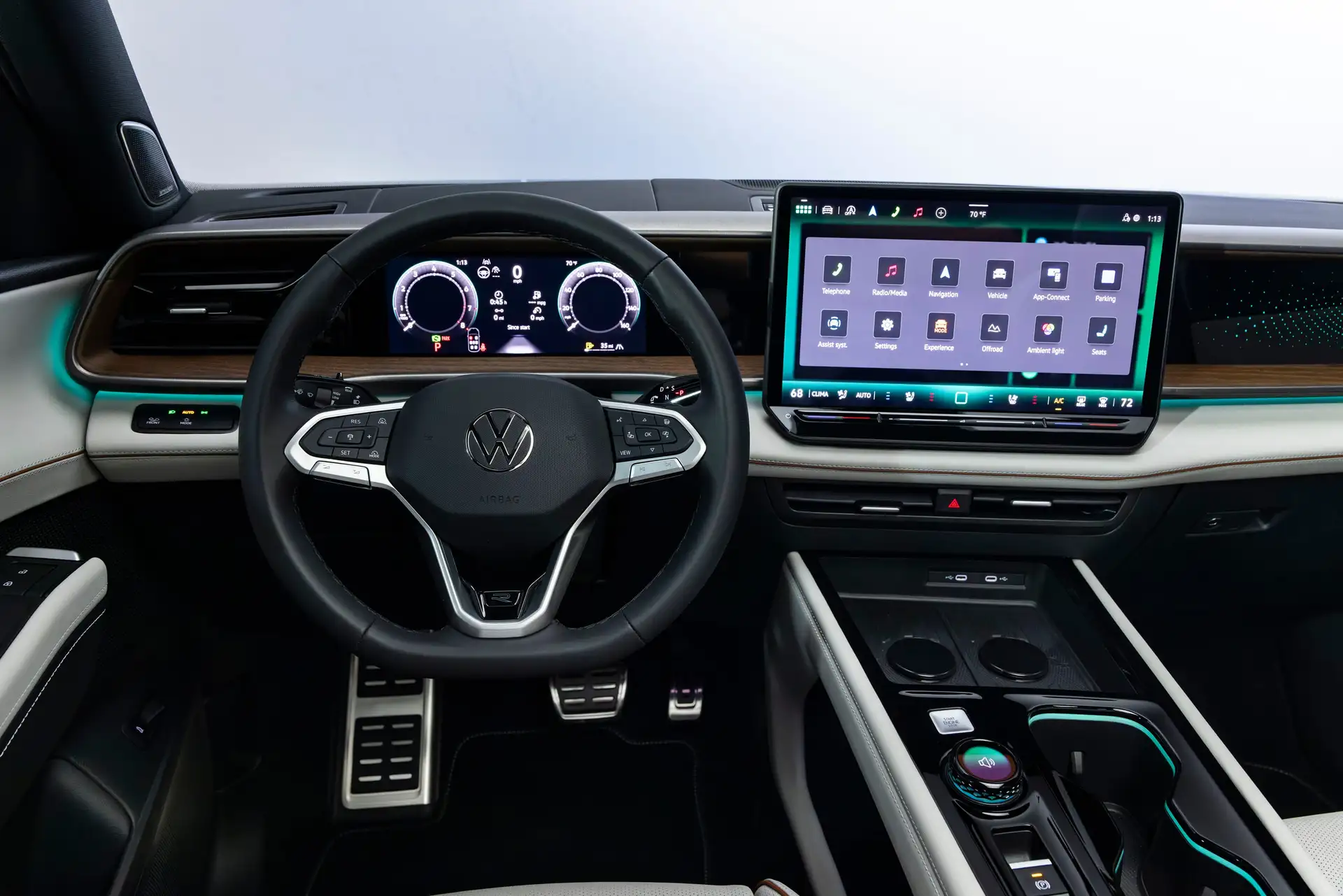
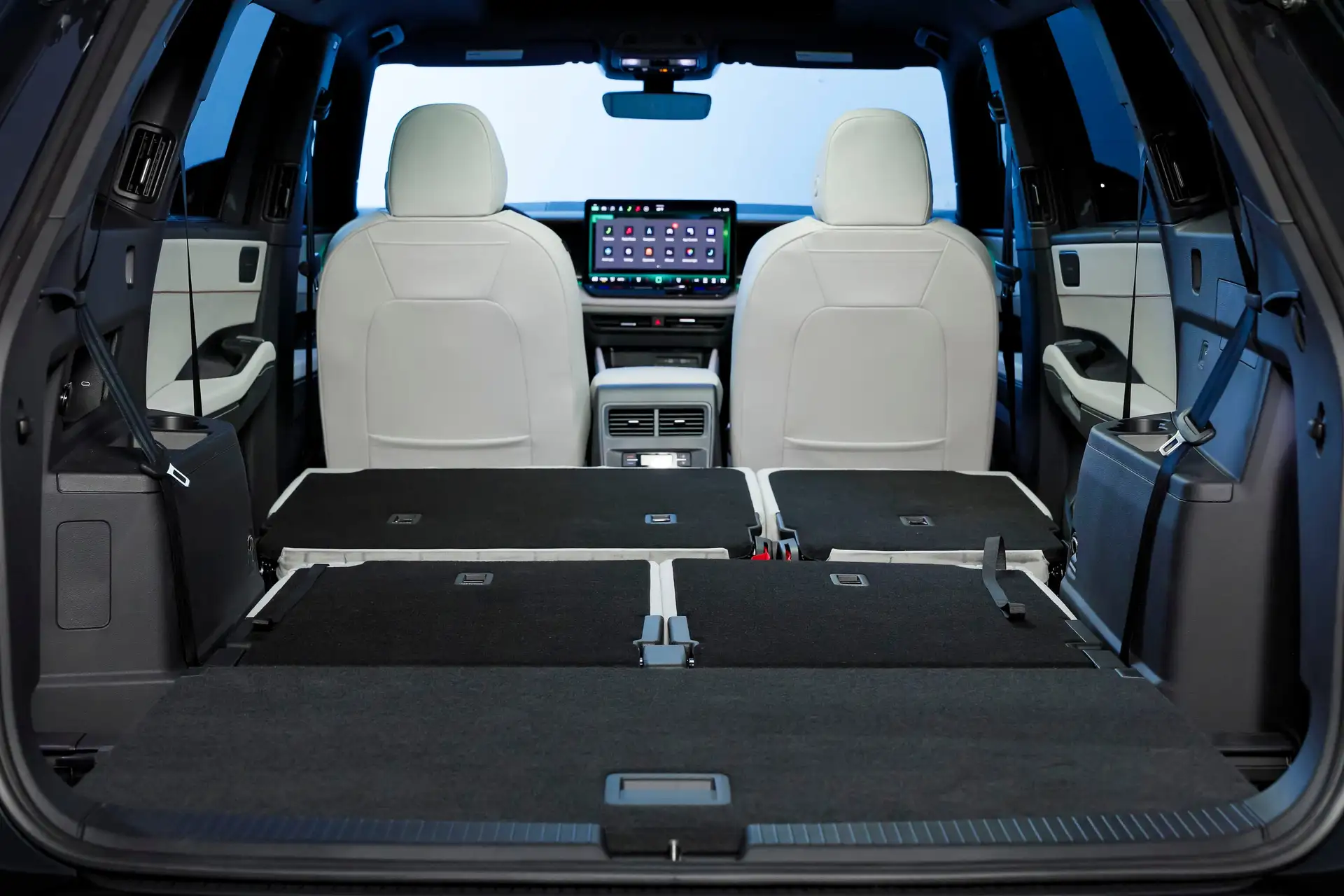
Most trims get a large central infotainment display, with 15.0 inches on all but the base version, which receives a 12.9-inch touchscreen. Every Atlas also gets a 10.3-inch digital instrument cluster. That instantly puts the cabin in line with what many buyers now expect from newer rivals, especially when screen size has become a showroom shorthand for modernity.
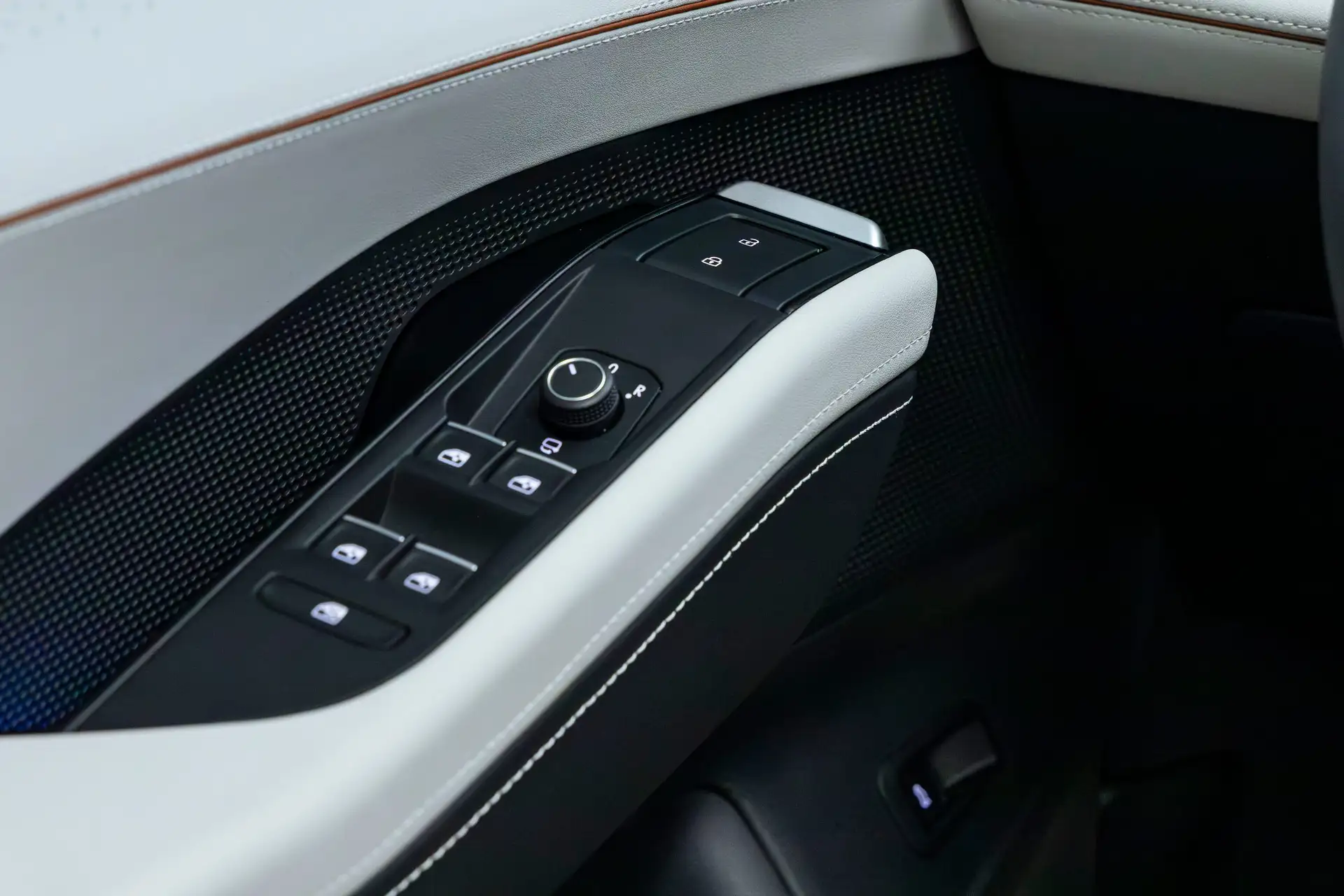
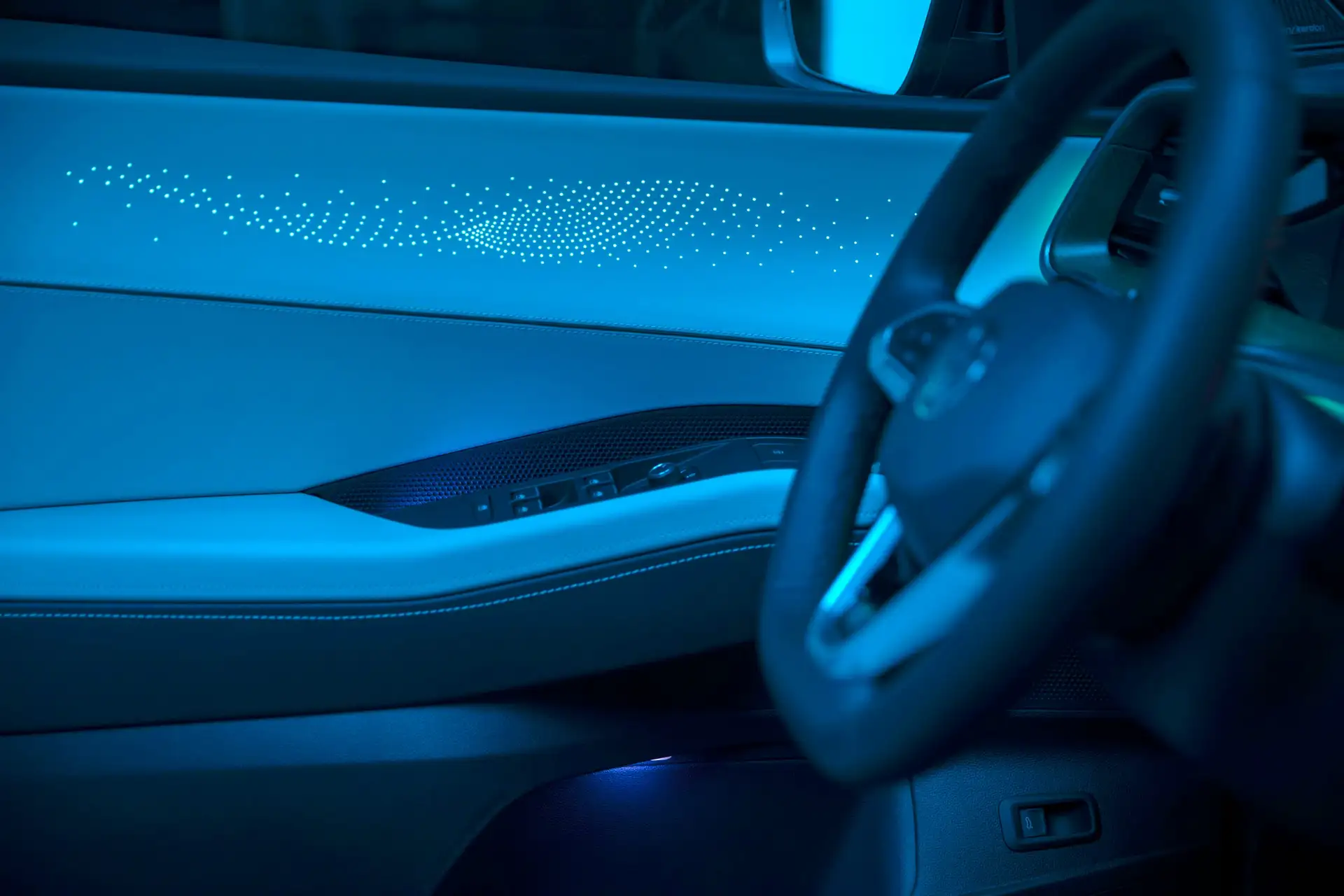
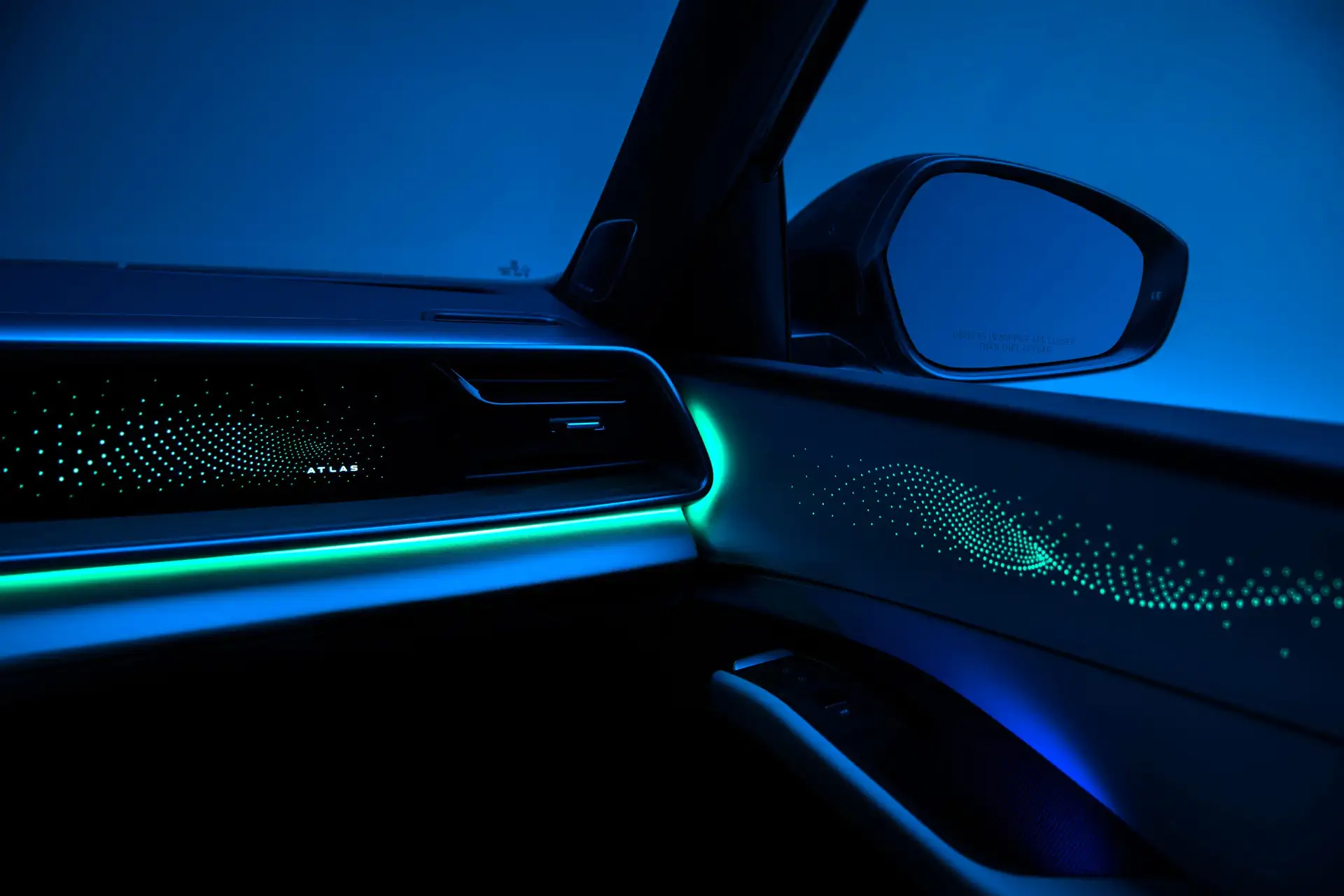
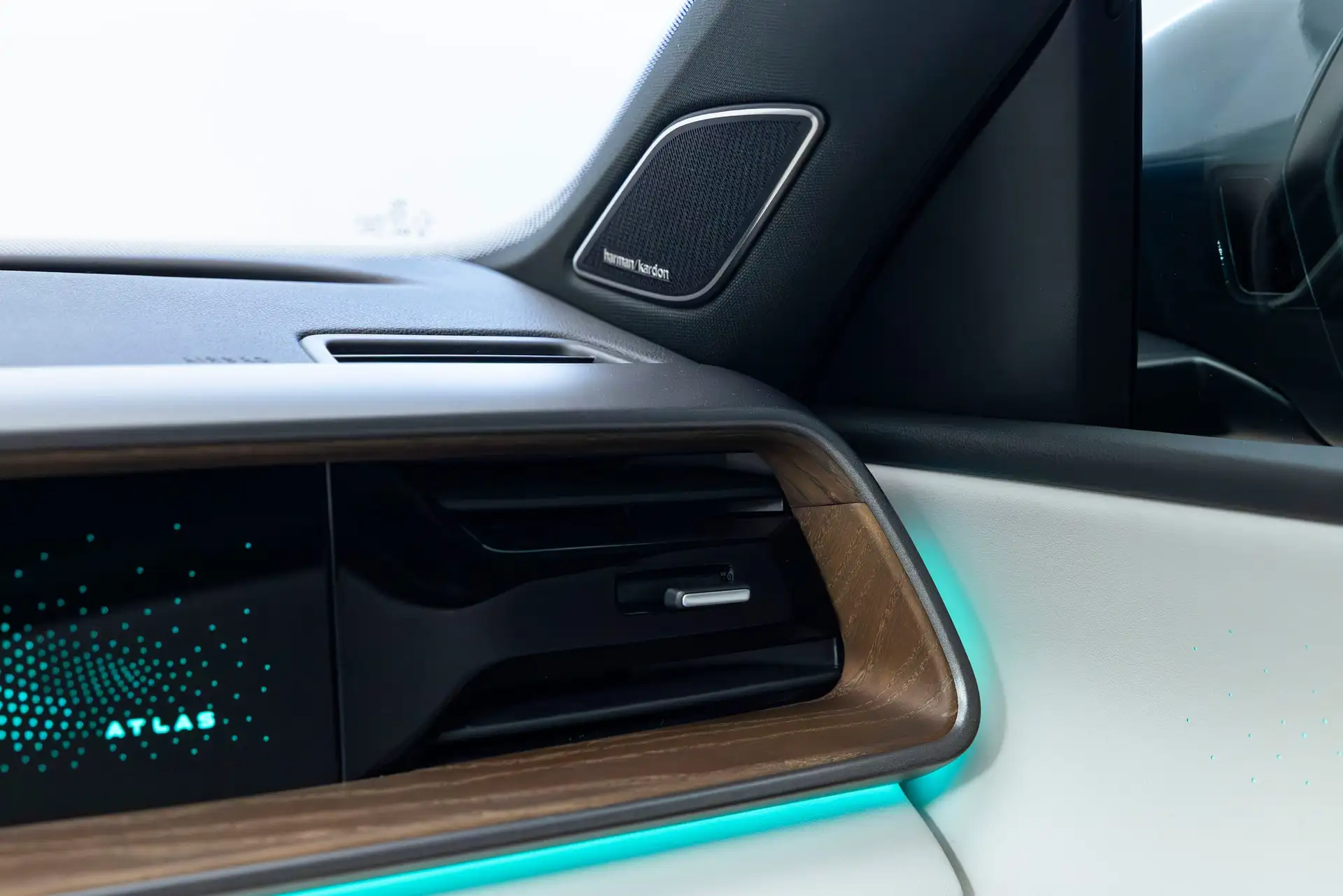
But the true conversation starter is the illuminated cabin trim. Volkswagen added a glowing band across the dashboard and, on upper trims, backlit spiral perforation patterns in the front and rear doors. On the passenger side of the dash, that same swirling motif appears again as part of the light design. It is flashy, theatrical, and intentionally emotional.
“The Atlas no longer wants to feel merely practical. It wants to feel curated, digital, and a little dramatic.”
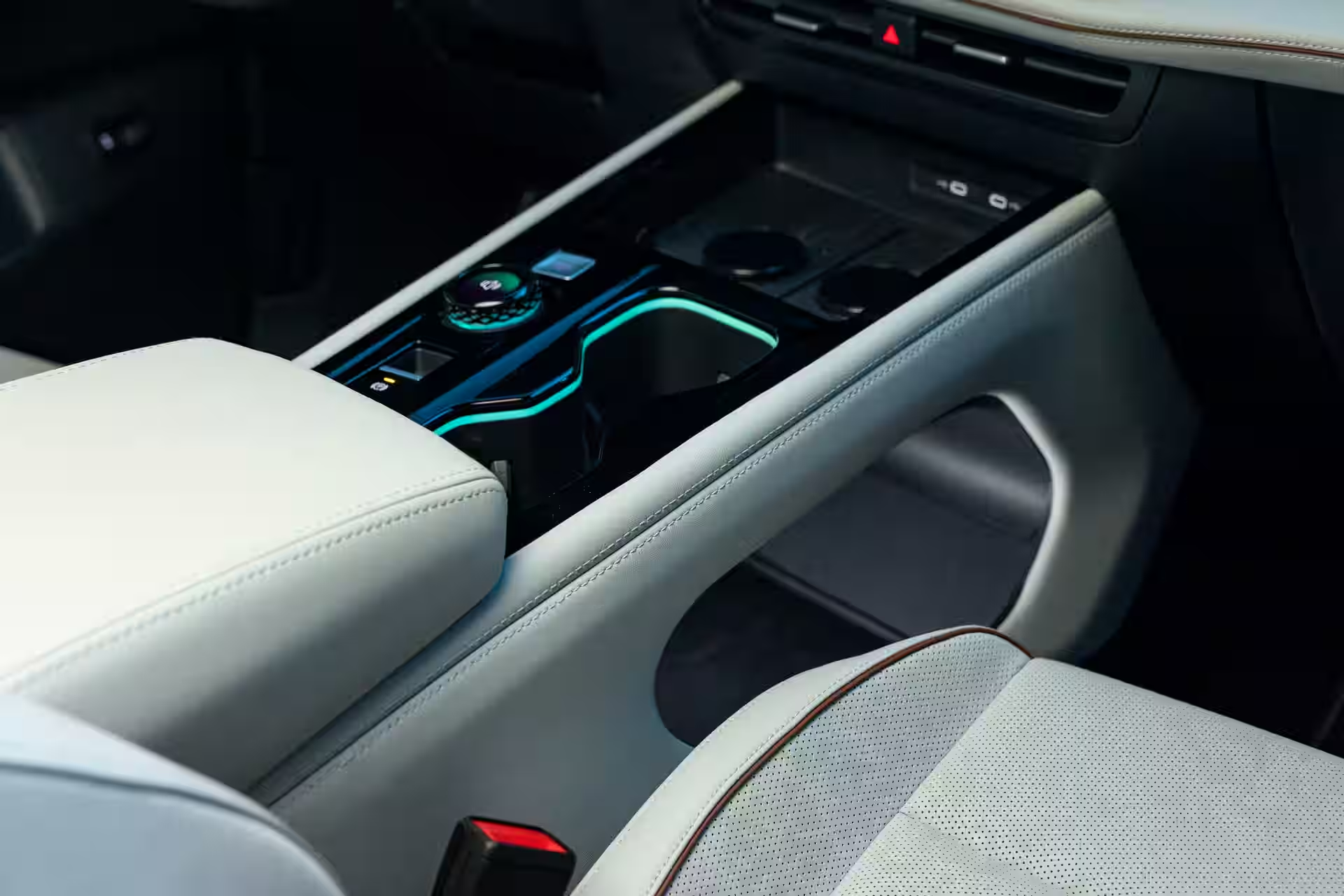
Buyers get 10 ambient colors as standard, while upper trims expand that to 30 color choices. The lighting also reacts to vehicle functions. Temperature adjustments trigger blue or red effects, and hazard activation can pulse orange. This is exactly the kind of feature that some owners will love and some will dismiss as gimmicky, which is why it is smart product planning: it gives the Atlas something people will actually remember.
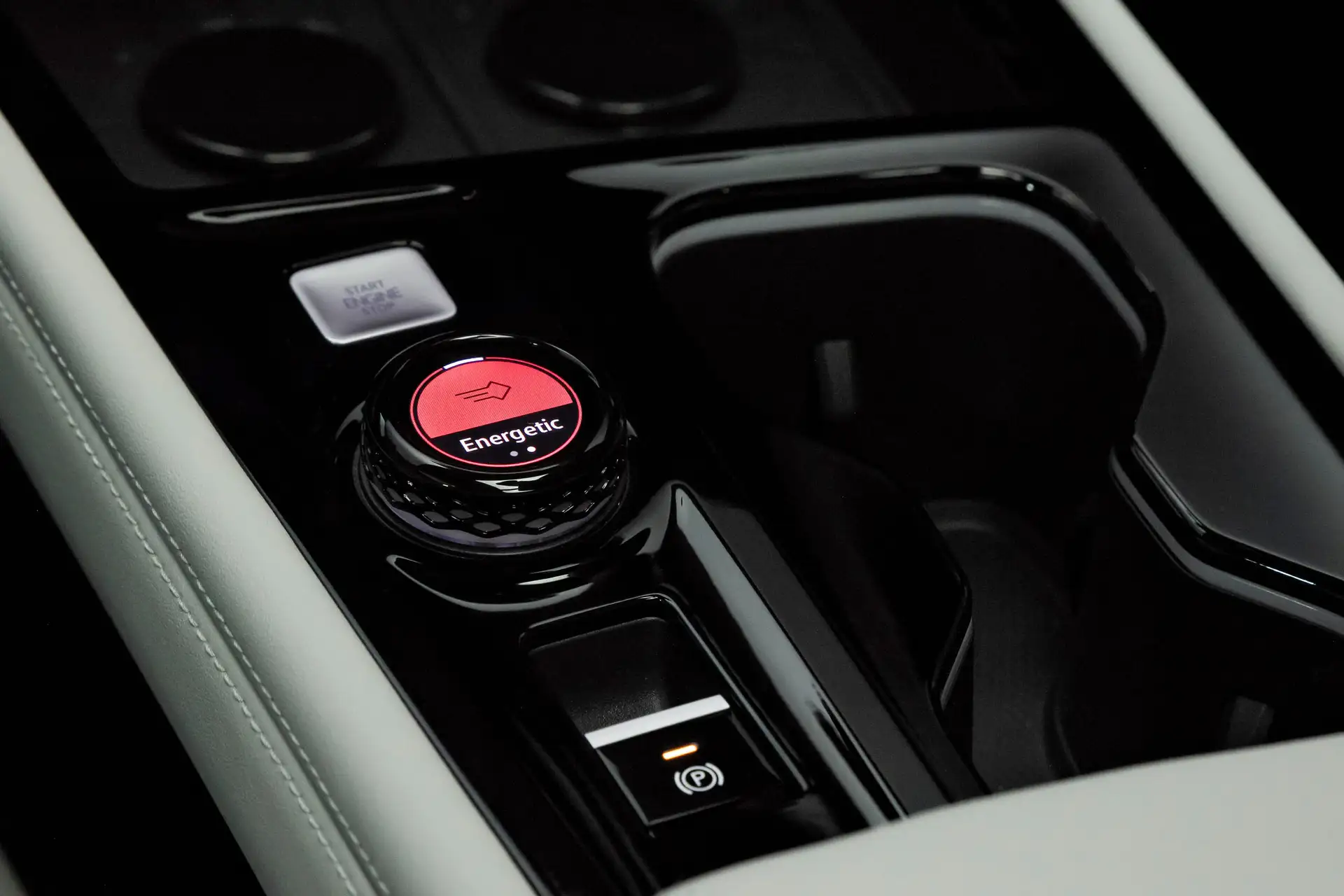
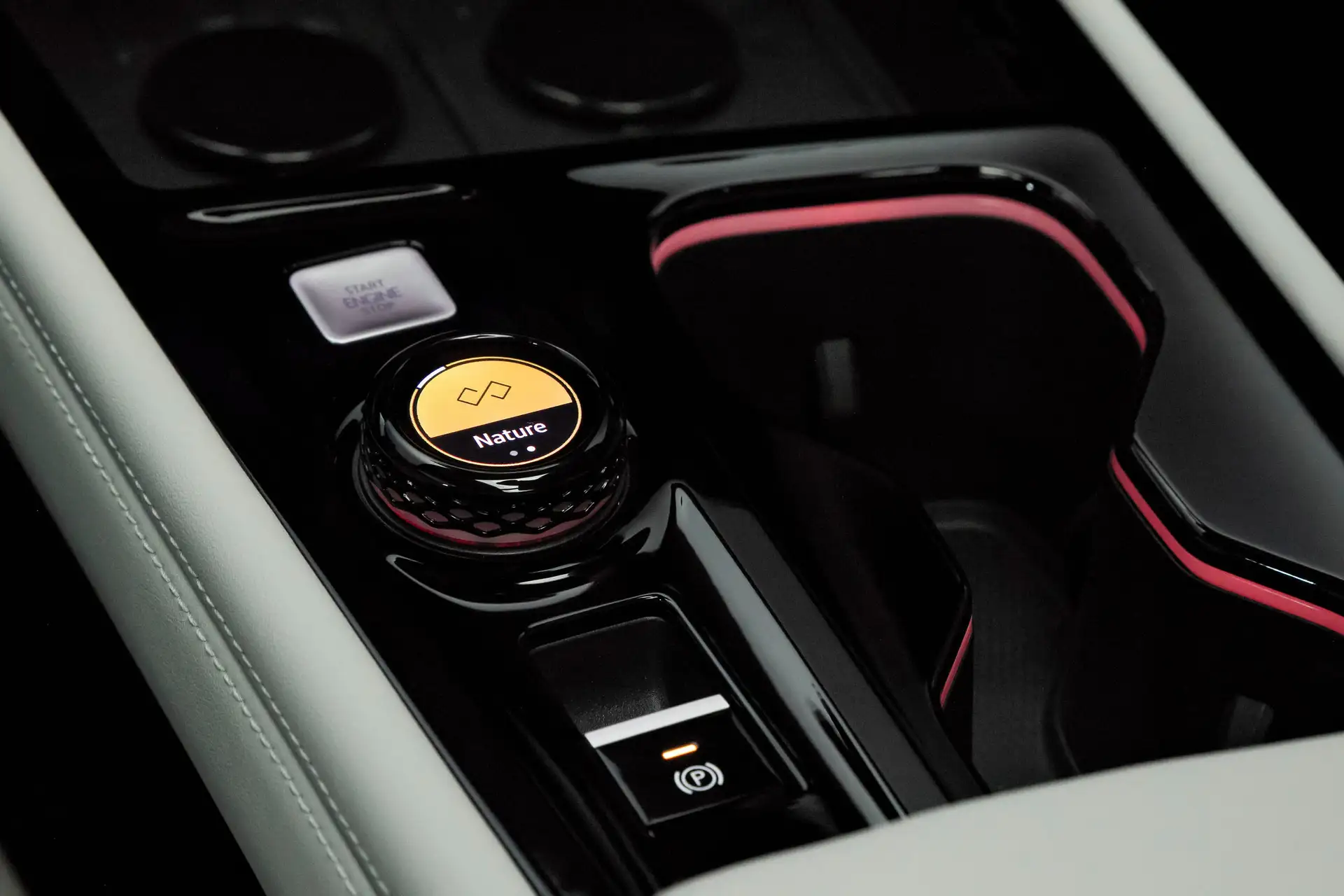
Volkswagen also introduces a new multifunction dial on the center console. Normally, it controls volume. Press its small integrated display and it changes role, becoming the drive mode selector. Swipe again and it can adjust themed Atmospheres, which bundle sound and lighting settings together.
Not everyone will prefer this approach over classic physical controls. In fact, the debate over usability versus digital theater is becoming one of the defining design conflicts in modern vehicles. Volkswagen itself has already been part of that conversation, as seen in the broader criticism and analysis around interior ergonomics highlighted in this discussion on the Volkswagen Golf GTI 2026 and the design mistake that can ruin cabin usability.
Space, Materials, And Family-Friendly Features
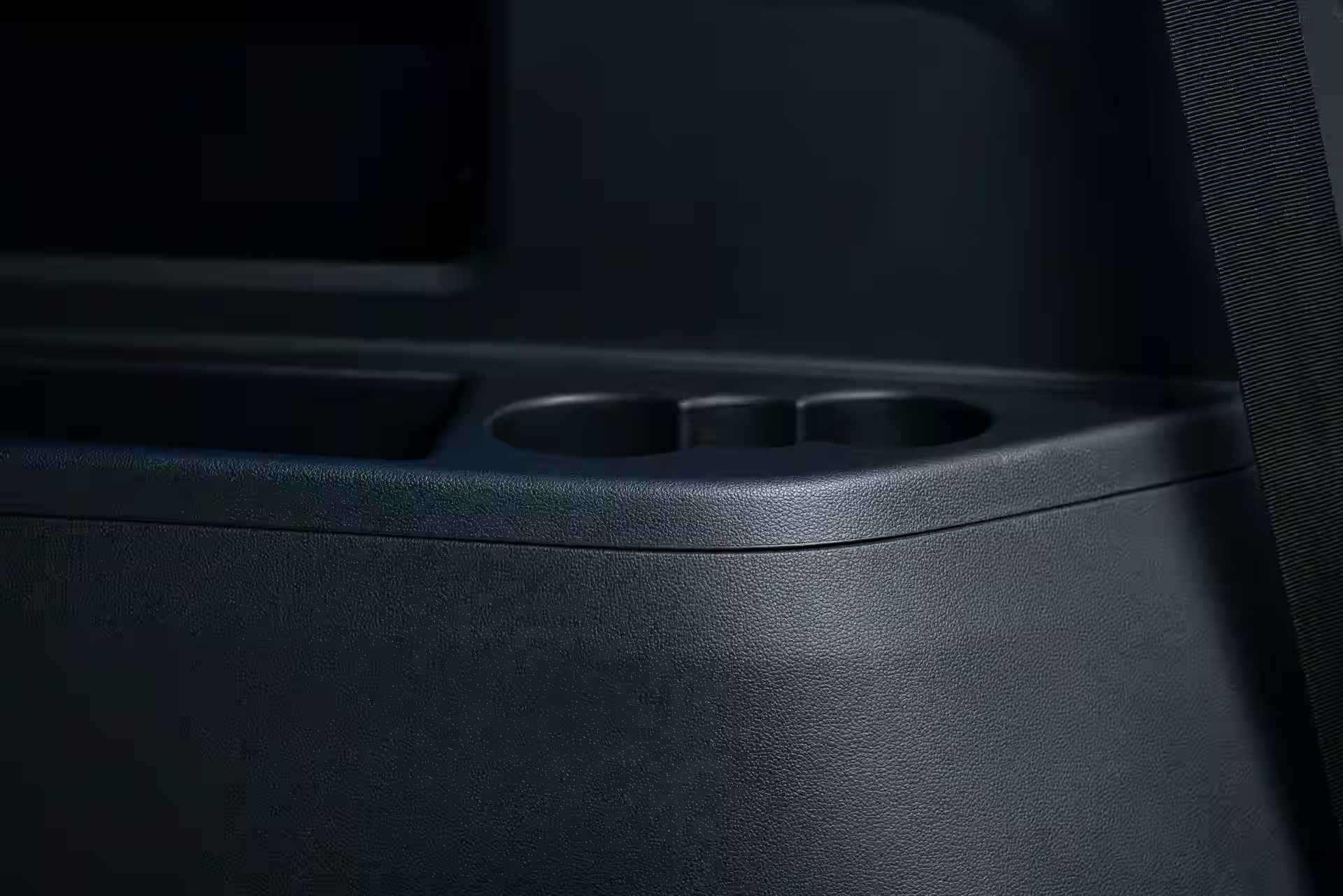
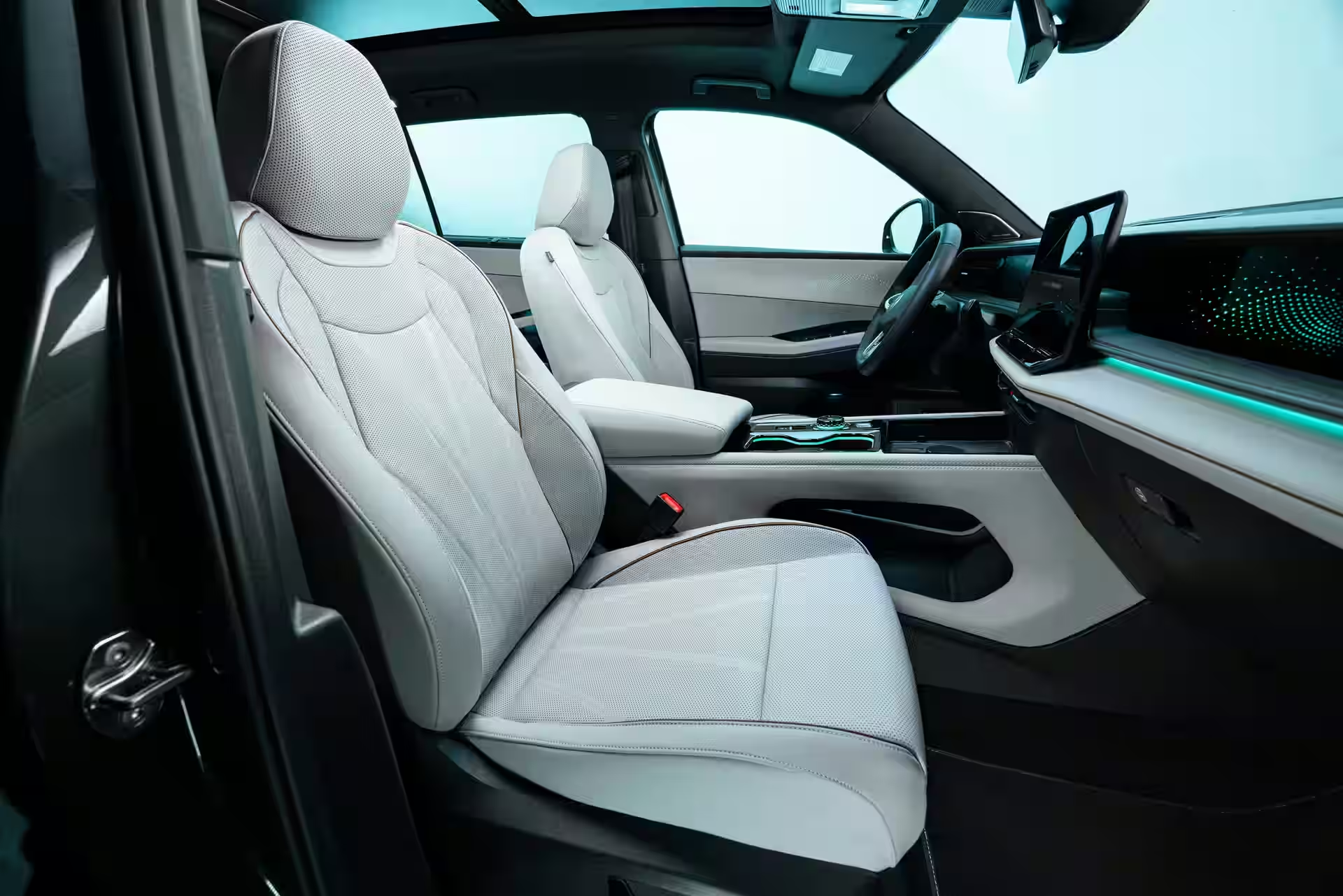
Beyond the visuals, Volkswagen made practical changes that matter every day. The gear selector moves to the steering column, freeing up valuable center console space. In that new space, VW installs dual Qi2 wireless chargers with magnetic alignment designed to keep phones in place and reduce overheating during charging. That is a small but meaningful upgrade for families who live out of their devices.
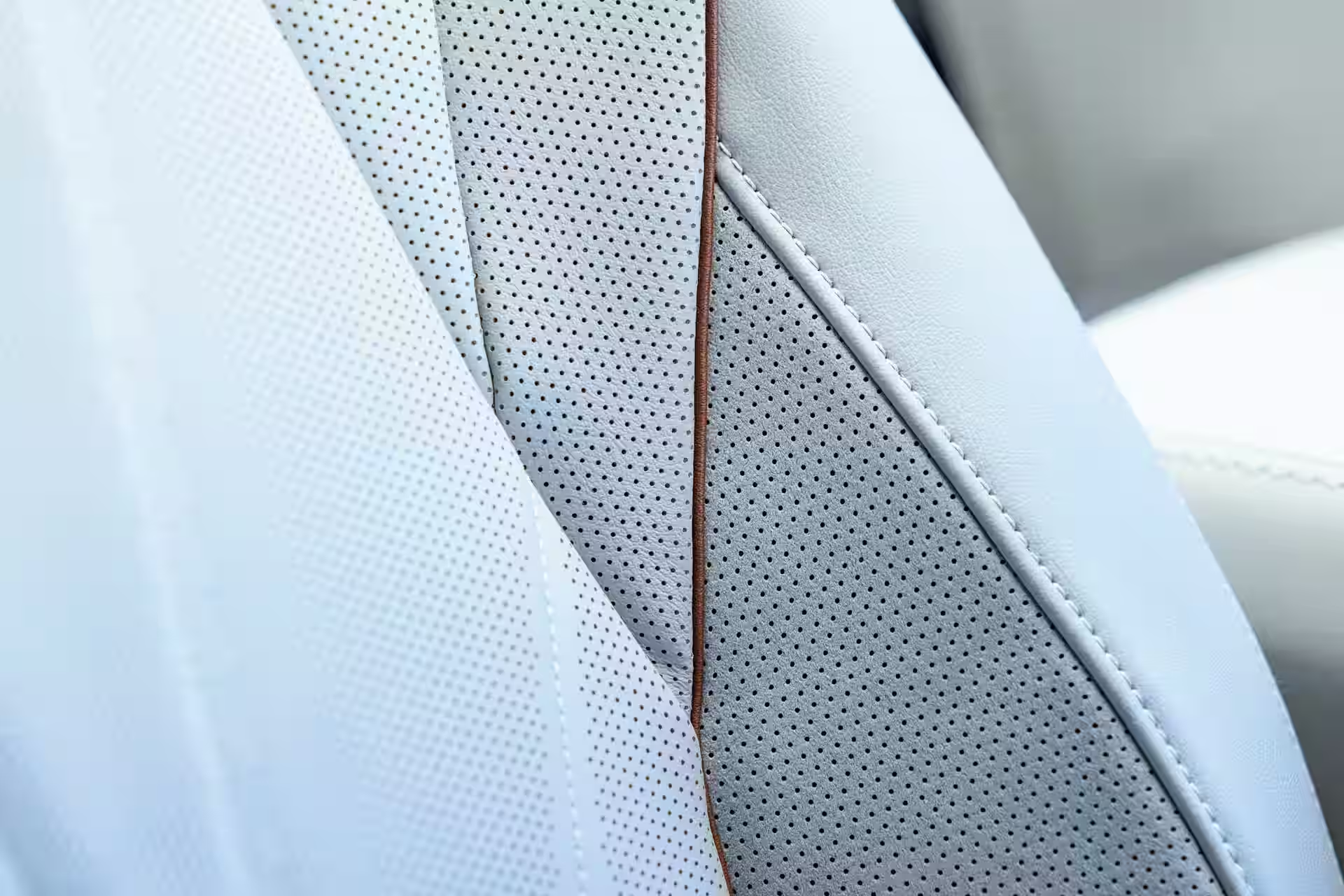
Material quality also gets a boost. Wood trim now appears across the dashboard on every Atlas, helping create a more polished first impression. Upholstery choices step up by trim:
- Leatherette on entry versions
- Varenna leather on SEL
- Nappa leather on SEL Premium R-Line
Interior color choices include light gray, black with dark gray, and a rich deep wine finish that gives the cabin a more premium vibe than the class usually delivers.
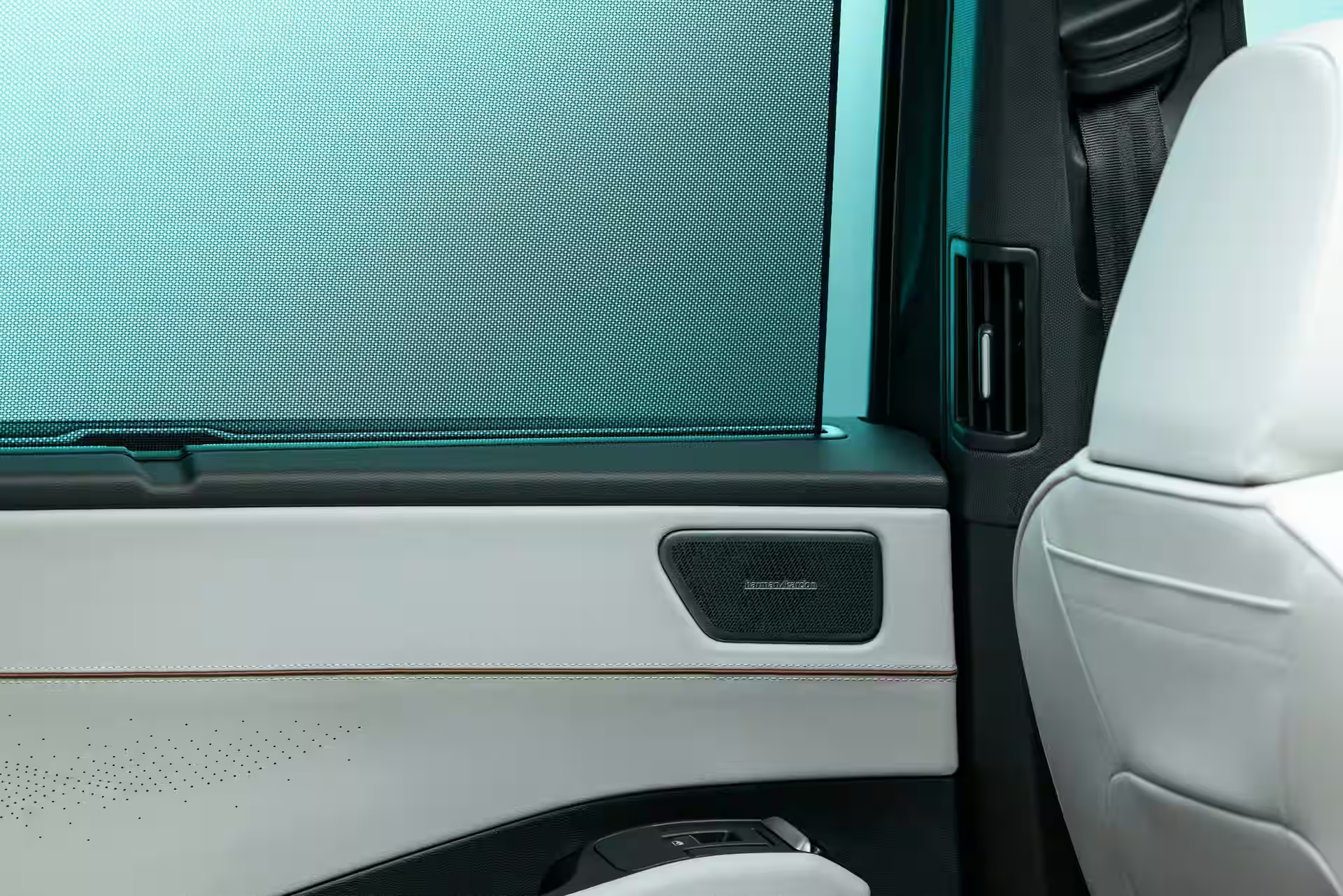
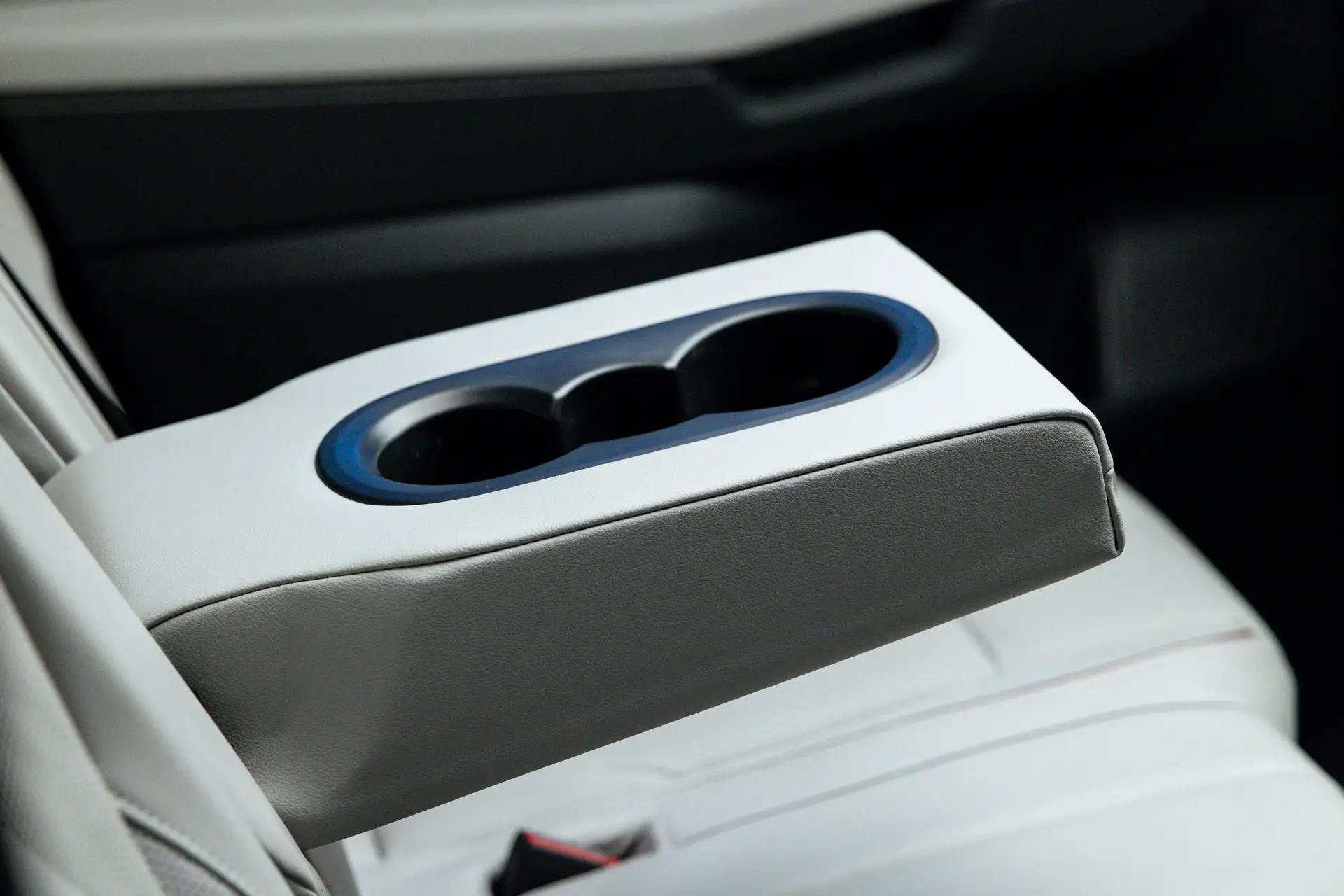
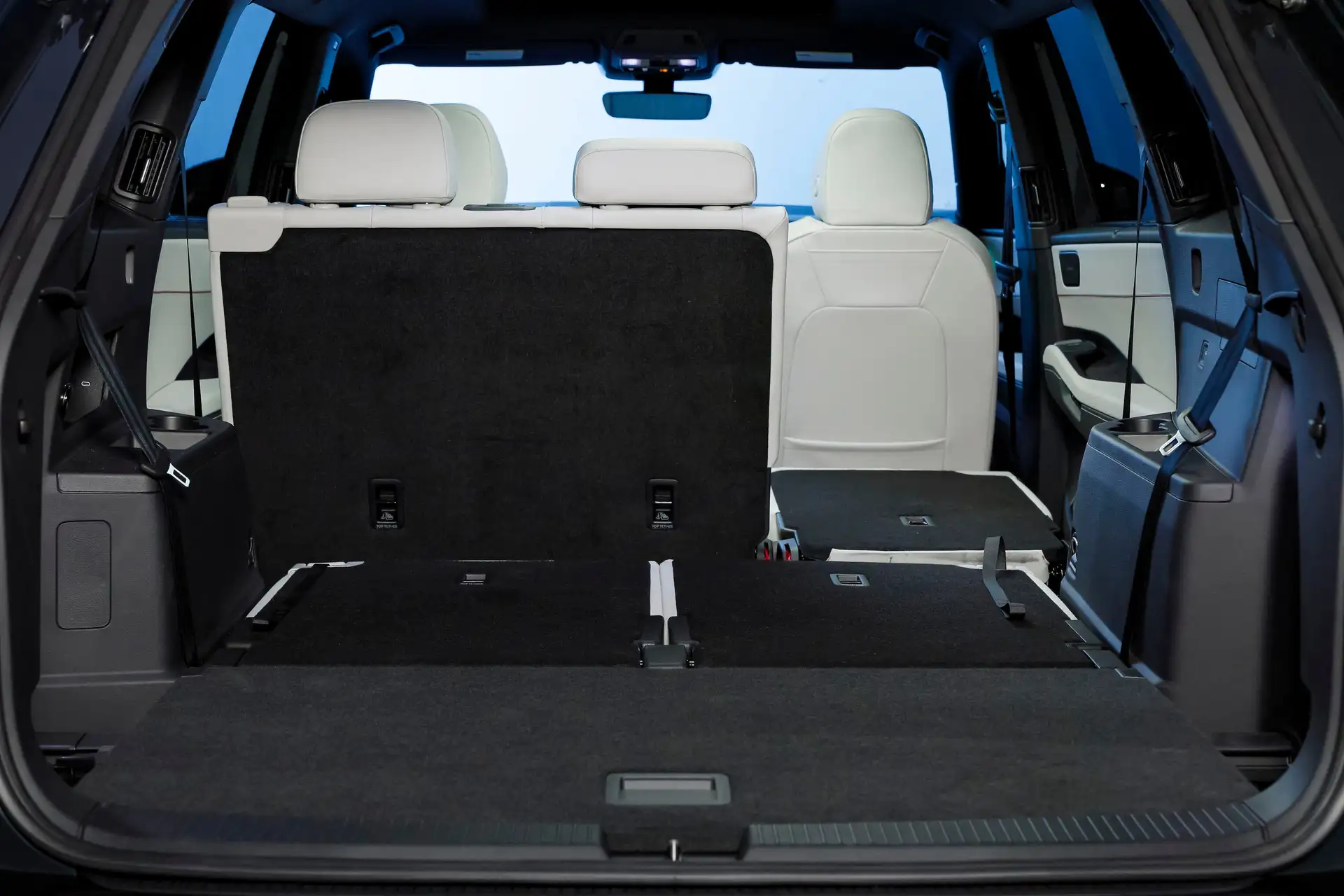
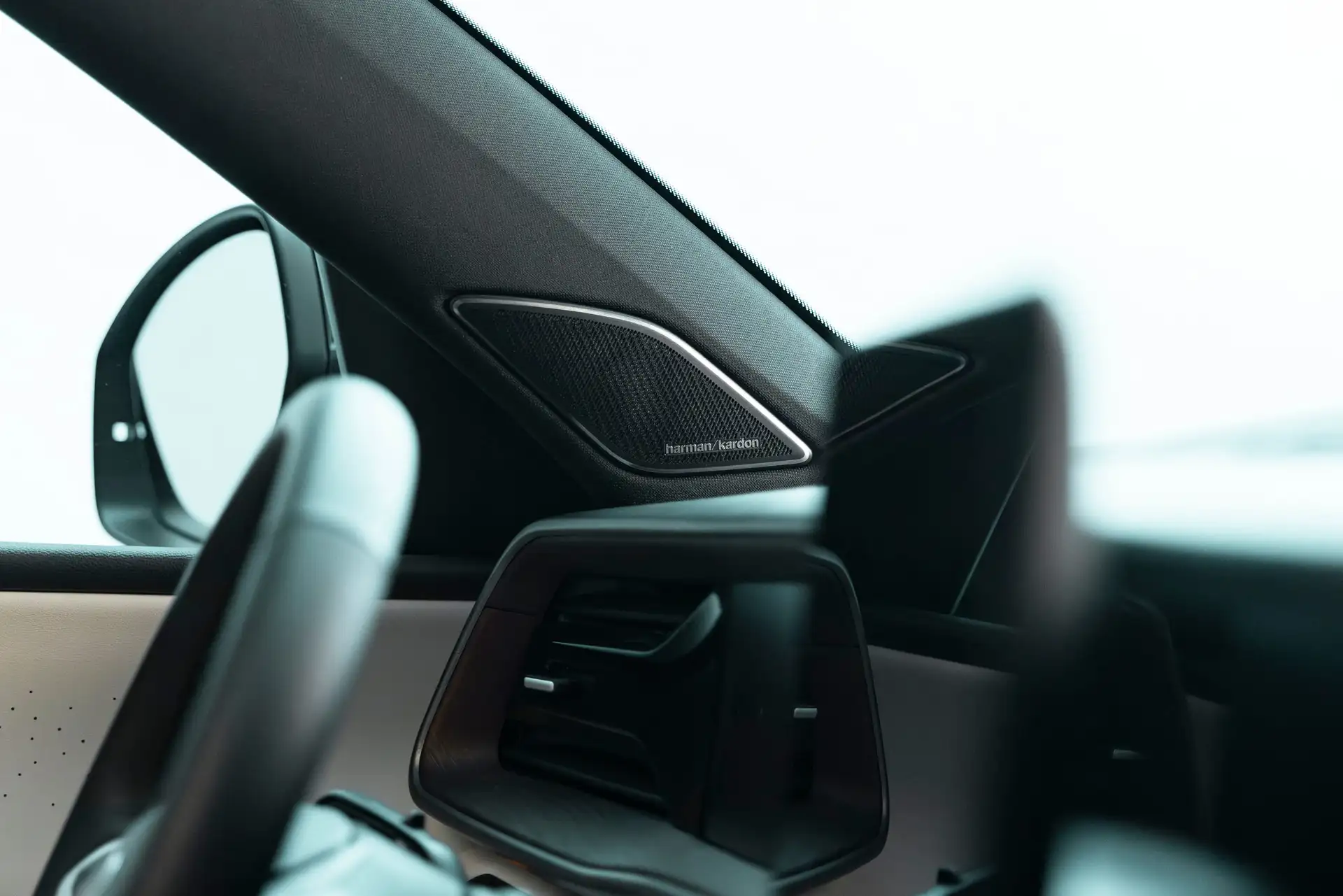
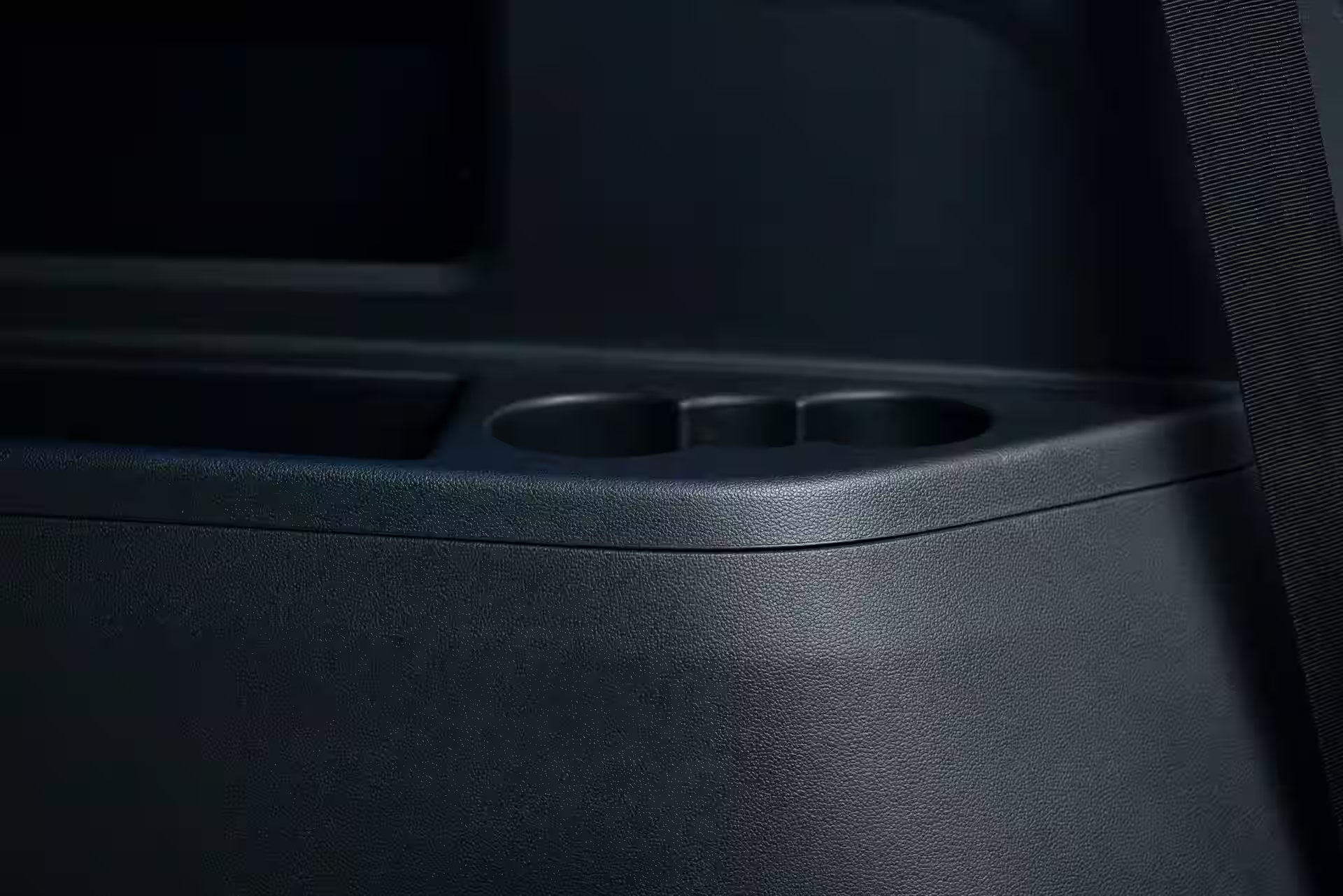
Comfort features have also expanded. The driver gets a 12-way power seat with four-way lumbar support as standard, while upper trims can add a massage function. Rear-seat passengers benefit from new B-pillar vents for better airflow, and the second row can now be equipped with ventilation. That is a rare feature in this class and a genuine win for families in hot climates.
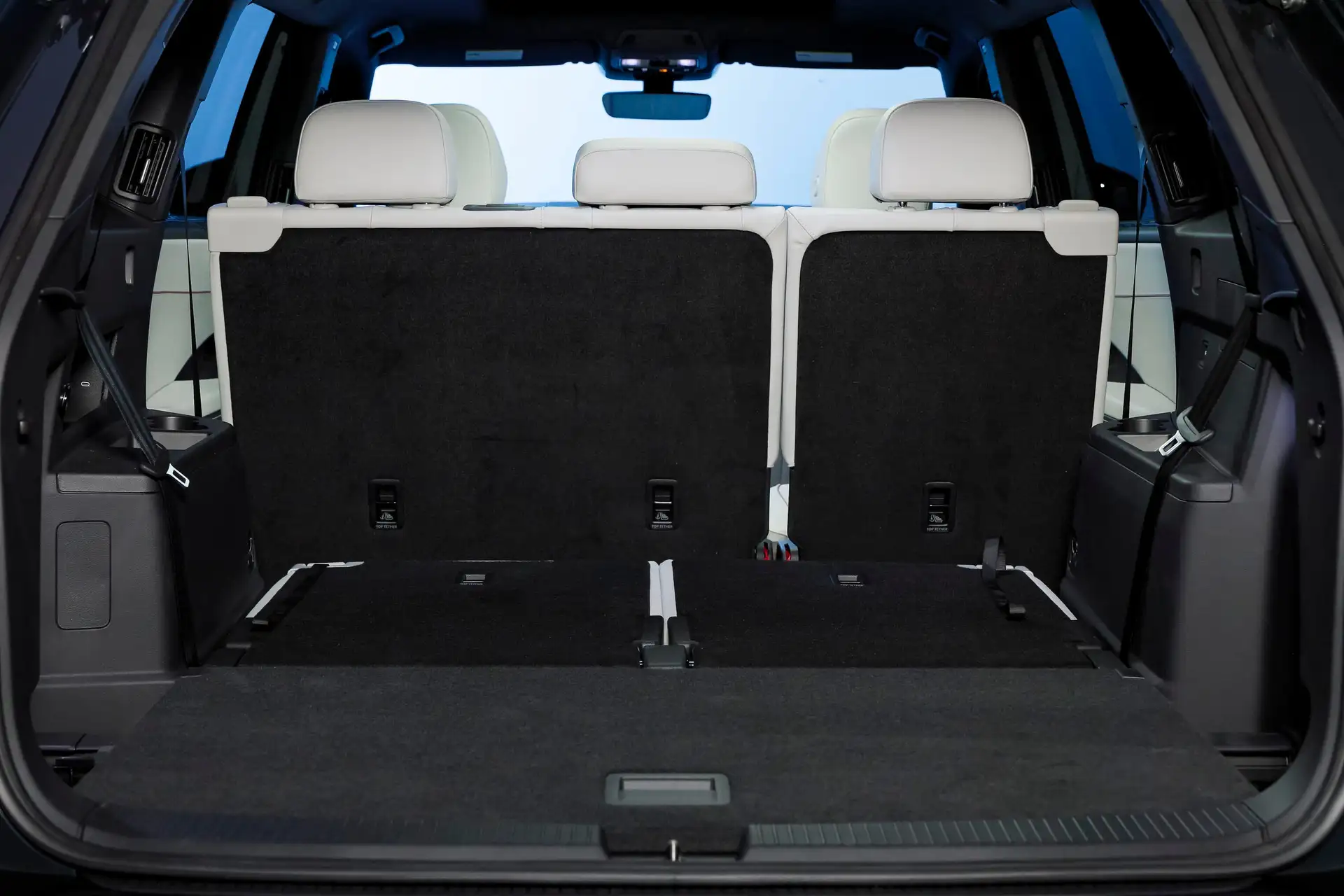
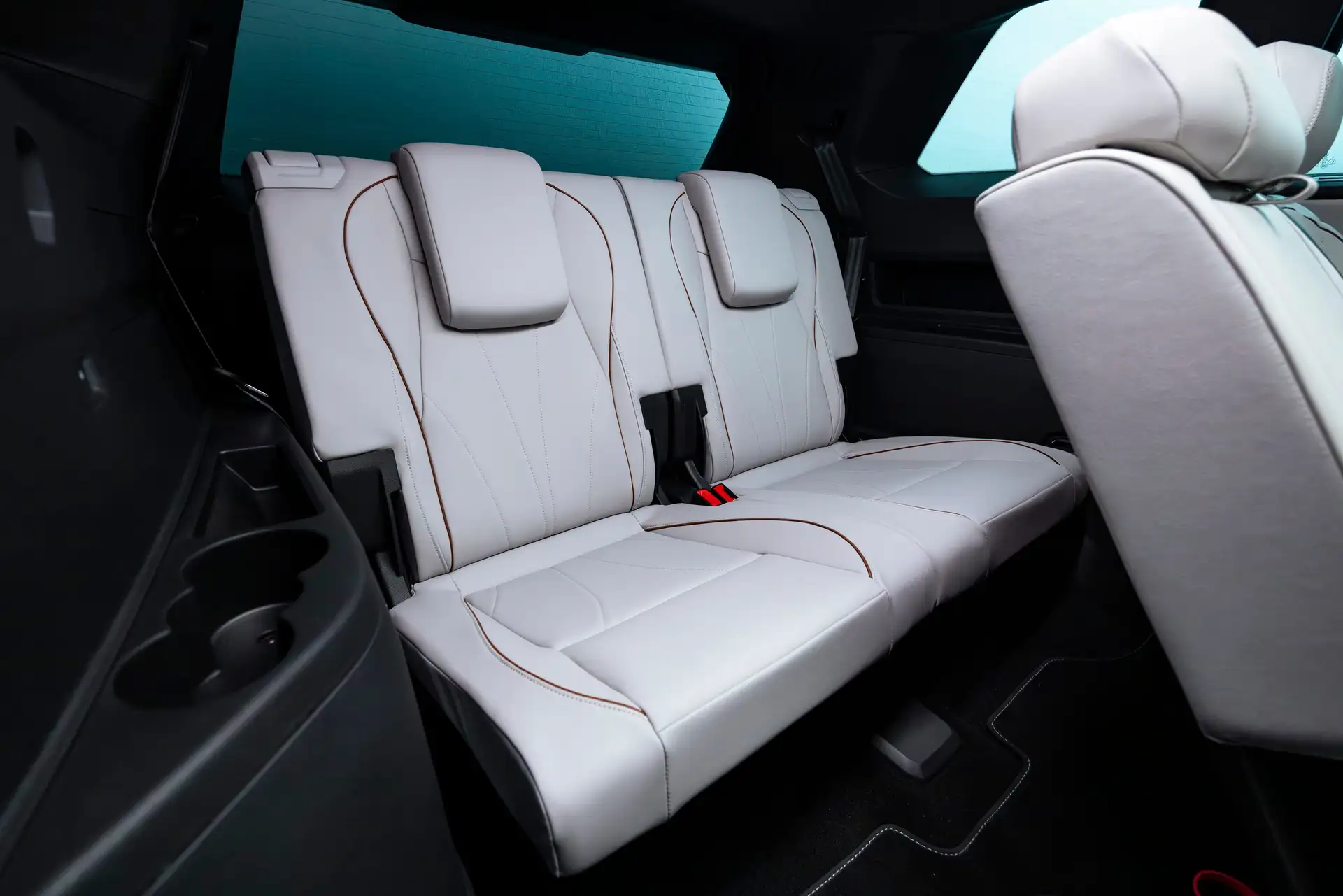
Volkswagen continues to offer available captain’s chairs in the second row and a panoramic sunroof across much of the lineup, keeping the Atlas competitive against family-friendly rivals such as Telluride, Palisade, Explorer, Traverse, and Grand Highlander.
Standard equipment also grows in ways that owners will appreciate over time, not just during the test drive:
- Power liftgate
- Rear sunshades
- Auto-dimming driver-side mirror
- Front and rear park distance control
- Two cargo-area lights integrated into the open hatch area
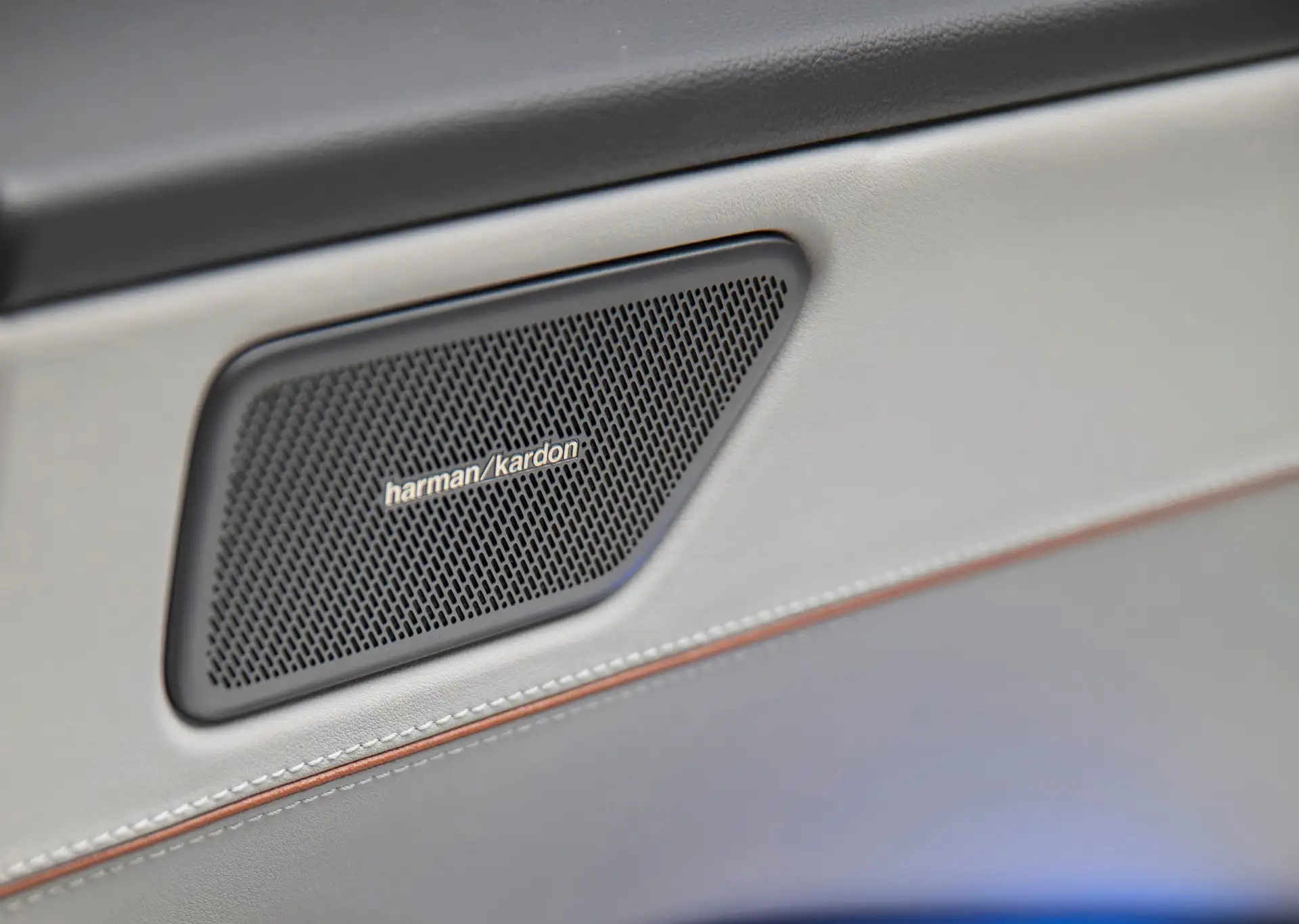
- Upgraded standard audio from 6 to 9 speakers
- Available 14-speaker Harman/Kardon sound system
Safety, Pricing Expectations, And Why The Atlas Still Matters
The 2027 Volkswagen Atlas safety package is another area of meaningful progress. Volkswagen adds a front center airbag, a feature designed to help reduce occupant-to-occupant contact in certain side impacts. That is the kind of upgrade that does not make splashy headlines but aligns with what real buyers increasingly value.
Driver-assistance systems also get smarter. Travel Assist, Volkswagen’s hands-on highway support technology combining adaptive cruise control and lane centering, now supports driver-initiated lane changes. The system can manage steering, acceleration, and braking from low speeds up to highway pace, making long trips less tiring.
Emergency Assist can intervene if the system detects a potential medical emergency, slowing the SUV and helping guide it to the side of the road. On upper trims, Park Assist Plus joins the feature set, further reinforcing the Atlas as a family vehicle designed for stressful real-world environments, not just spec-sheet battles.
Production remains in Chattanooga, Tennessee, which matters not only for Volkswagen’s North American strategy but also for shoppers who pay attention to domestic assembly and supply-chain stability.
Official pricing has not yet been announced, but expectations point to a modest increase over the outgoing model, which started around $40,785 for 2026. Given the amount of extra technology, standard equipment, and cabin upgrades, a small bump would not be surprising.
So where does this leave the Atlas in the broader market? It is still one of the most rational choices for buyers who need true third-row family utility without jumping to a full-size SUV. What changes for 2027 is the attitude. Volkswagen is no longer content with the Atlas being merely spacious and competent. Now it wants the Atlas to be seen as stylish, connected, and upscale enough to justify a harder look against more polished rivals.
That battle is only getting tougher. New-generation family SUVs are becoming more sophisticated in every direction, whether through turbocharged torque strategies like the Kia Telluride 2027 and its more usable turbo powertrain approach or through major technology pushes from brands trying to make practical vehicles feel aspirational.
The Atlas answer is clear: keep the huge cabin, preserve the towing strength, sharpen the design, load it with visible tech, and make sure families notice the upgrade from the moment the lights come on. In a crowded segment, that may be exactly the kind of strategy that works.