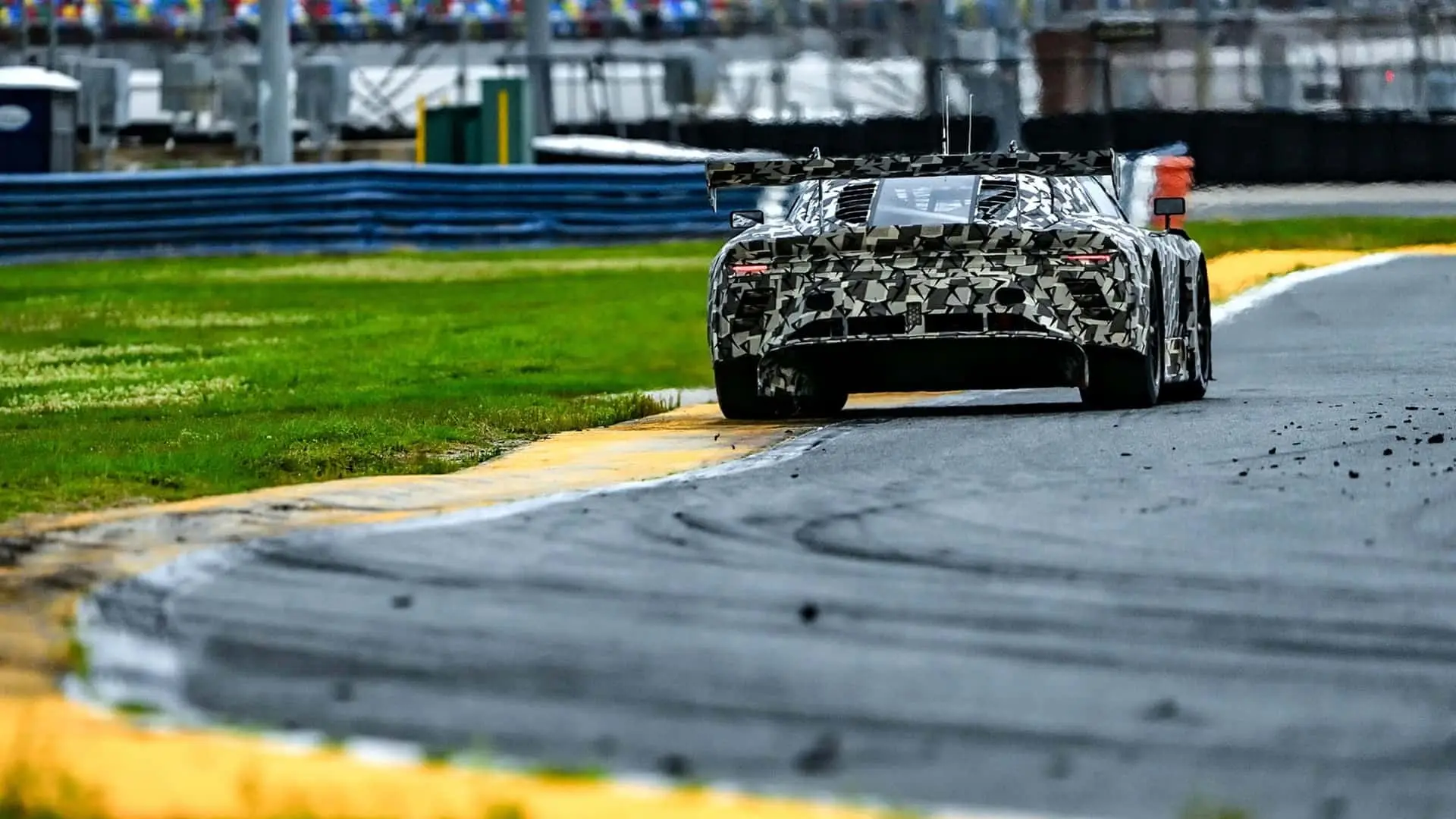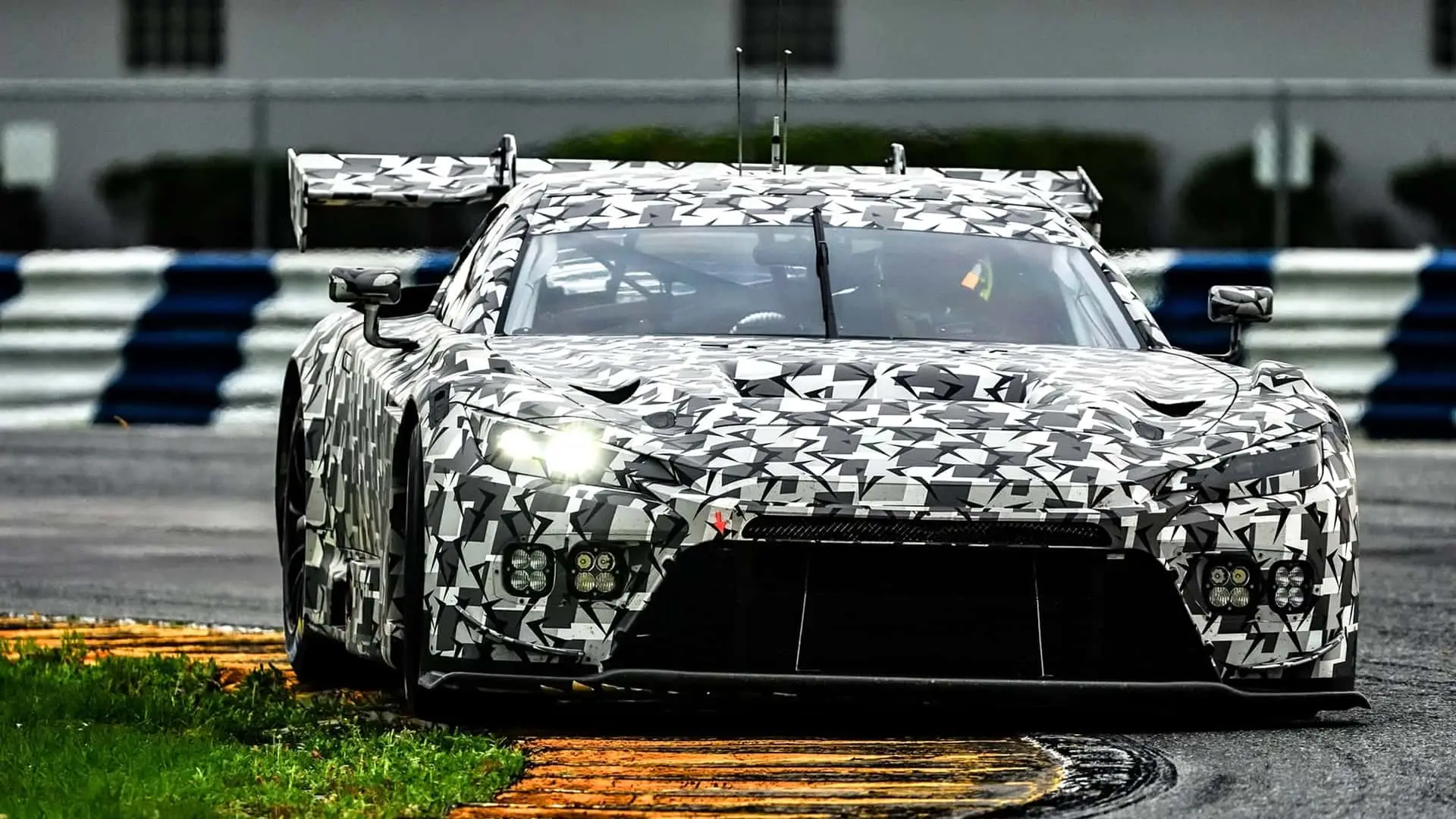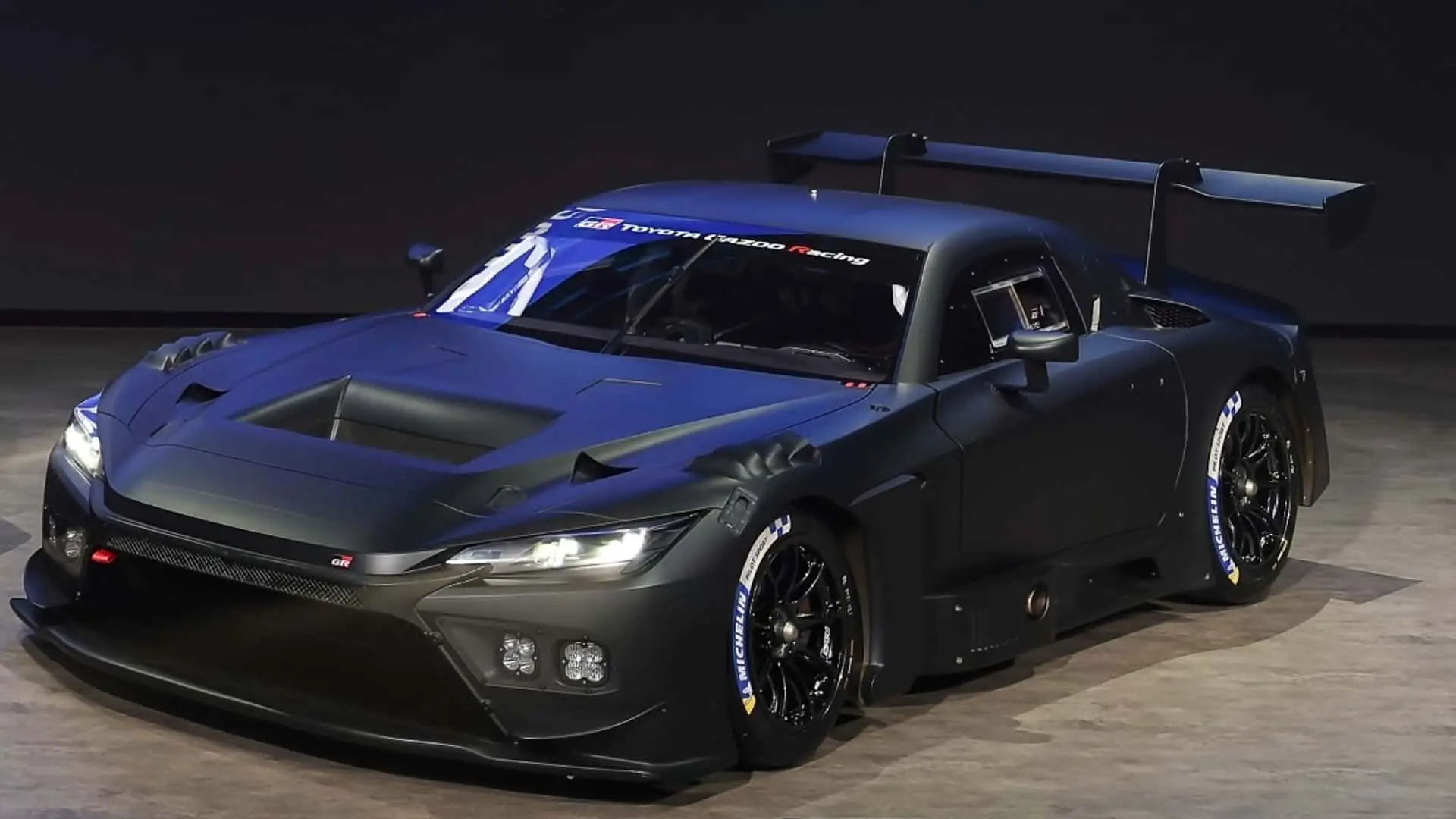
The new GR GT3 replaces hybrid technology with a potent 4.0L Twin-Turbo V8. Discover the secrets of the successor to the Lexus RC F.
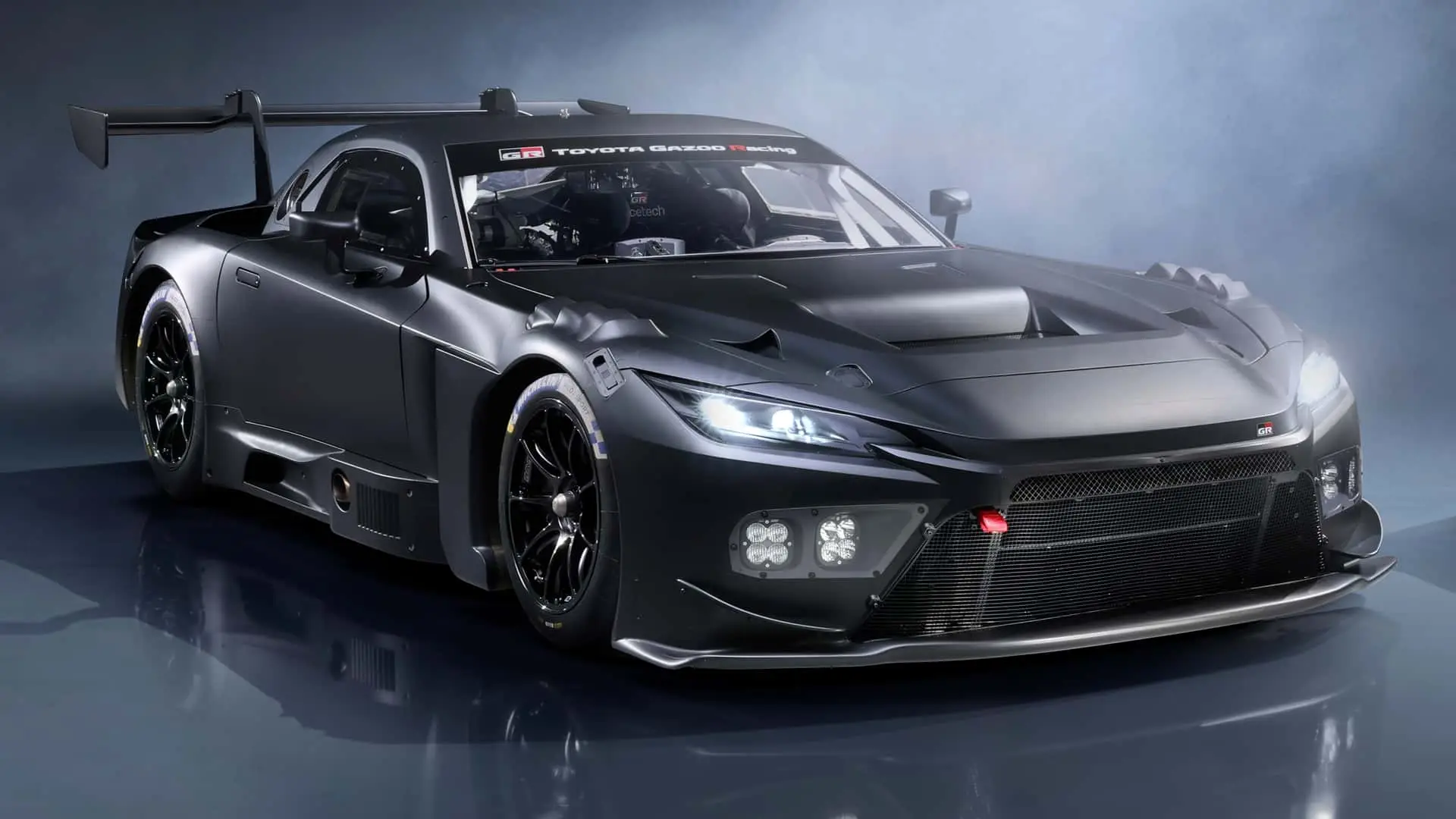
The automotive world is experiencing simultaneous shock and excitement. In an era where electrification seems to be the only narrative allowed in the boardrooms of major manufacturers, Gazoo Racing—Toyota’s performance skunkworks division—has decided to swim against the current with impressive mechanical fury. The veil has been lifted on the development of the new TOYOTA GR GT3, a track monster designed not only to win races but to redefine internal combustion engineering purity. Forget heavy batteries and complex electric motors on the track; Toyota is doubling down on what makes enthusiasts’ hearts race: a pure, loud, visceral V8.
The Heart of the Beast: Why Did Toyota Ditch the Hybrid for the GT3?
The most controversial and celebrated technical decision of the GR GT3 project is undoubtedly its powertrain. While the street-legal homologation version (likely to be called the GR GT) is being designed with a sophisticated hybrid system to meet emission goals and deliver instant torque, the race car has taken a diametrically opposite path.
Gazoo Racing engineers confirmed that the competition prototype is powered by a race-spec version of the new 4.0-liter twin-turbo V8, completely devoid of electric assistance. The reason? Weight and complexity. In the unforgiving world of GT3 racing, every gram counts, and reliability is paramount. Hybrid systems, although powerful, add significant mass that penalizes braking dynamics and accelerates tire wear.
Additionally, there is the crucial issue of Balance of Performance (BoP). FIA GT3 rules are strict and are designed to level the playing field by limiting power and adjusting weight. Implementing a complex hybrid system could introduce more regulatory headaches than actual on-track advantages. By opting for pure combustion, Toyota ensures a lighter, more agile car that is mechanically simpler for private teams to operate worldwide.
It is fascinating to observe the industry’s oscillation. While some manufacturers struggle to preserve the soul of their iconic engines—as seen in the pros and cons analysis of the V10 engines and the irresistible sound of the Lexus LFA—Toyota is creating a new legacy with this twin-turbo V8, promising a soundtrack that will shake race tracks from Nürburgring to Suzuka.
Design and Aerodynamics: A Radical Evolution
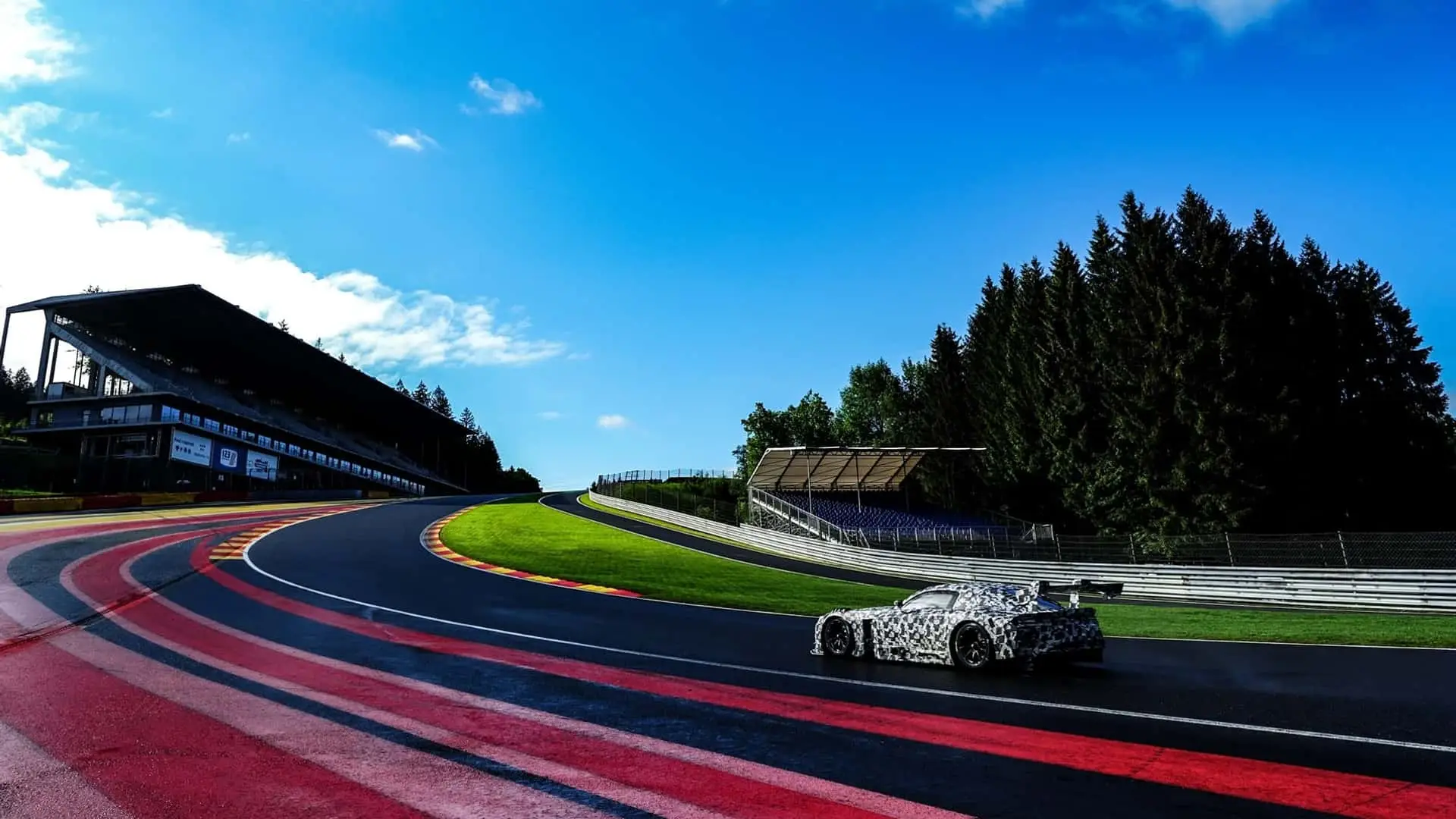
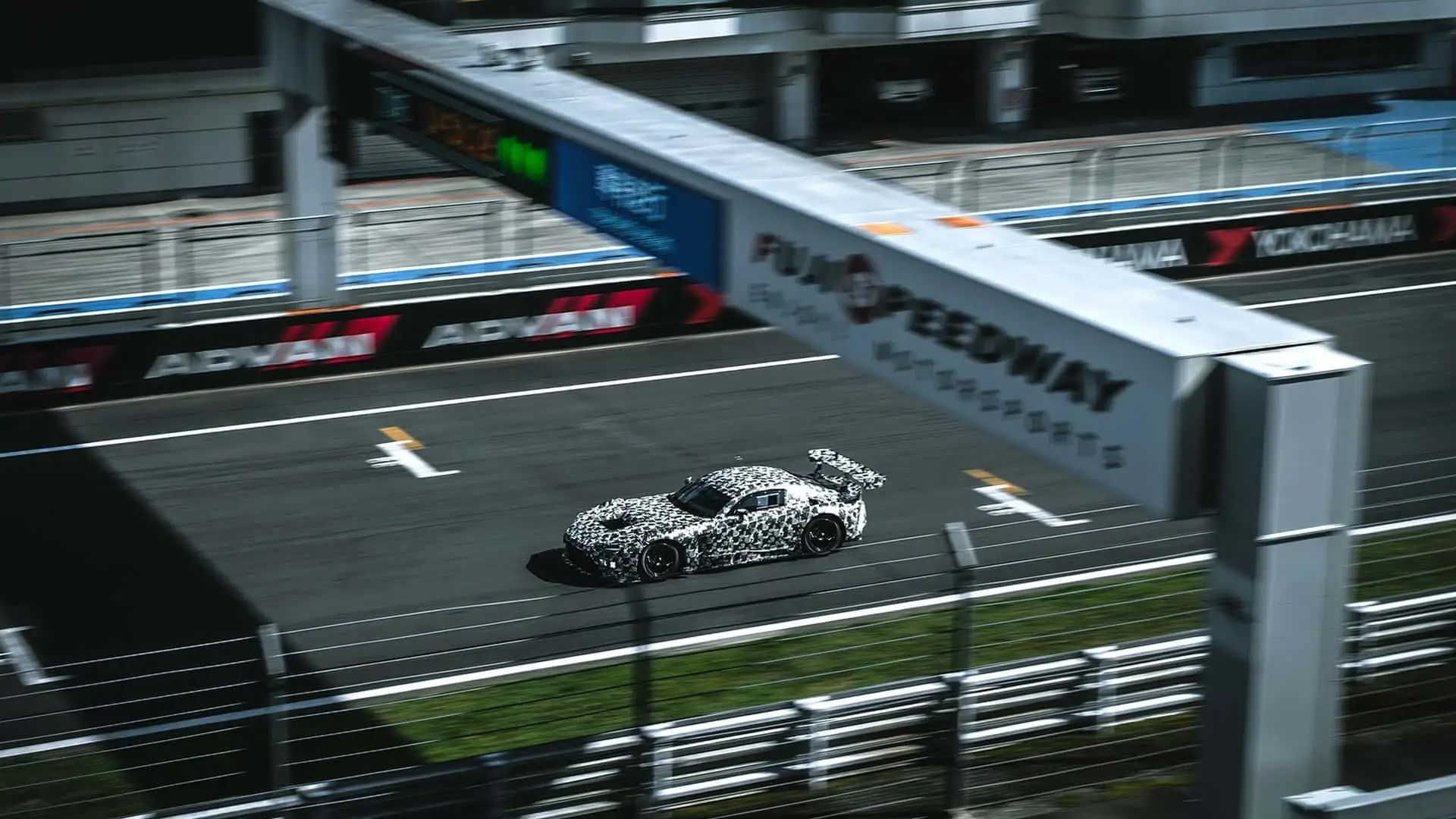
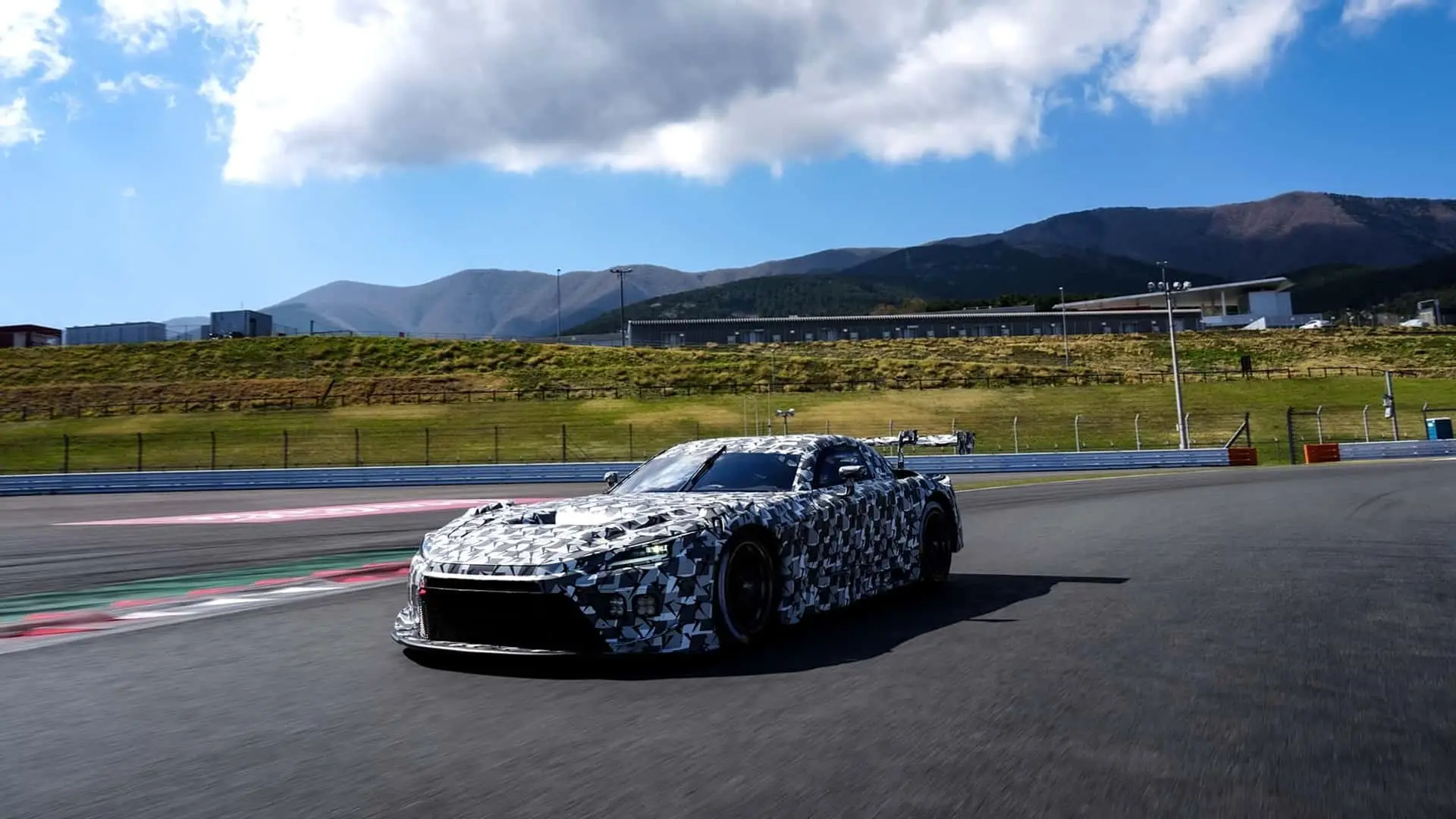
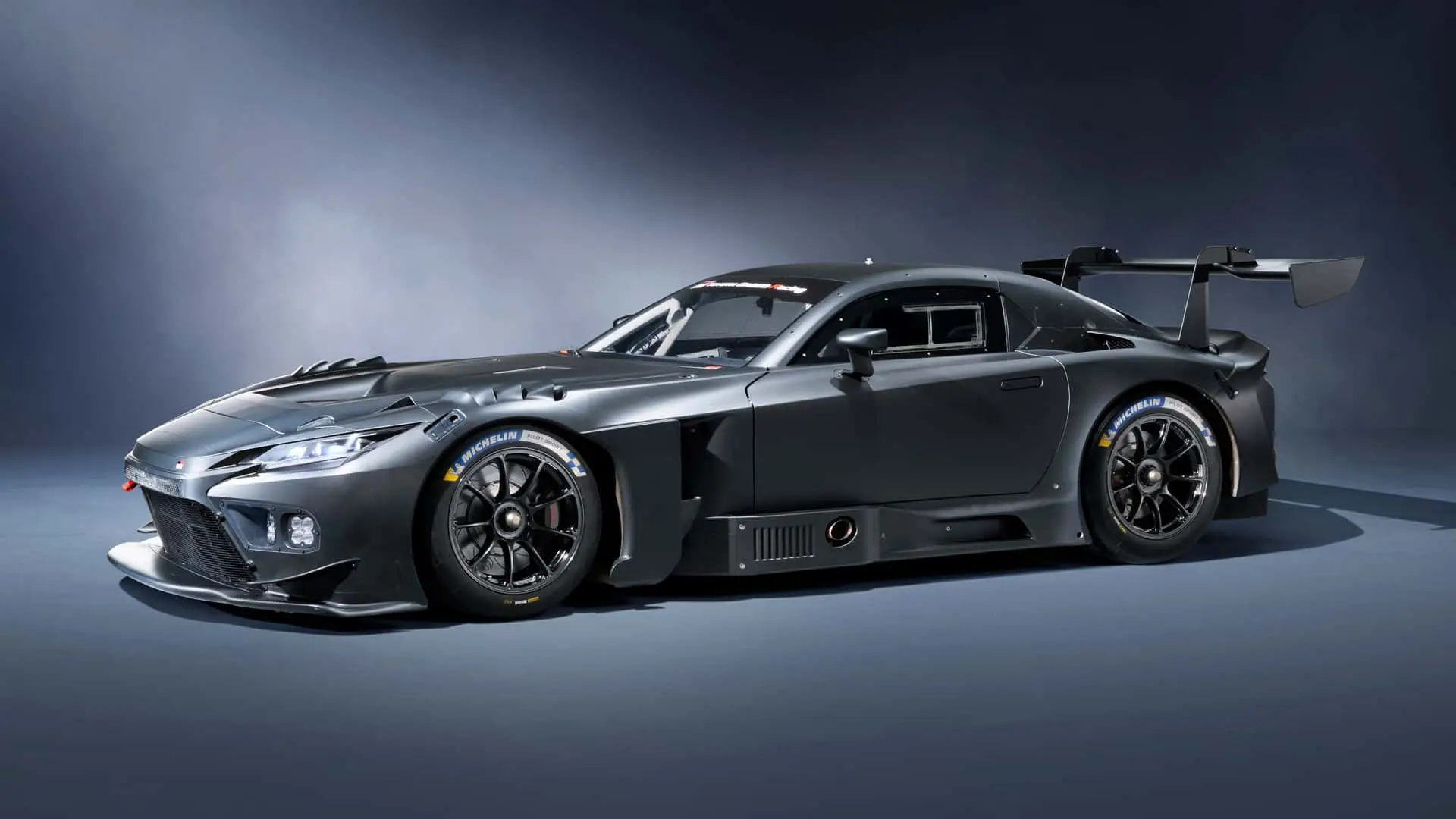
If the concept shown at the 2022 Tokyo Auto Salon already looked aggressive, the development prototype revealed at the Higashi-Fuji Technical Center is the embodiment of aerodynamic hostility. This car is not just an evolution; it is a visual revolution entirely focused on function.
The profile of the GR GT3 adheres classically to a front-mid-engine, rear-wheel-drive layout, featuring a long hood and a retracted cabin, evoking the golden proportions of legendary GT cars. However, the details reveal its lethal modernity:
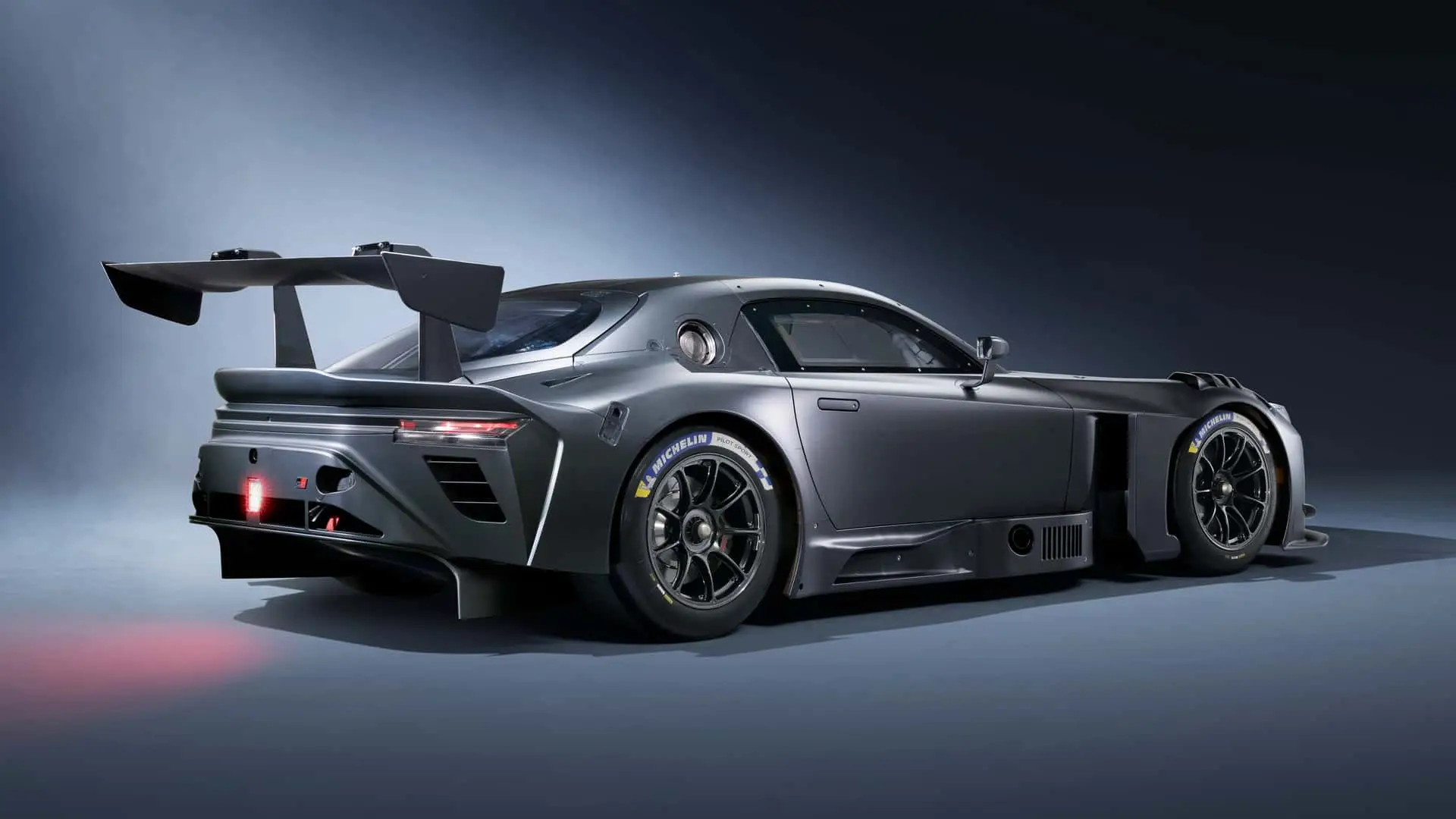
- Colossal Rear Wing: A carbon fiber structure featuring a swan-neck mount dominates the rear, ensuring massive downforce on the rear axle for optimal traction and high-speed stability.
- Lateral Exhaust: Unlike the street version, which is anticipated to feature four rear outlets, the race car expels exhaust gases from the sides, just behind the front wheels. This not only reduces exhaust piping weight but also frees up critical space at the rear for a much more efficient aerodynamic diffuser.
- Flow Management: The front fenders feature aggressive louvers designed to relieve high-pressure air trapped within the wheel arches, a crucial technique to prevent aerodynamic lift at high speeds across global circuits.
The pursuit of extreme aerodynamic performance mirrors meticulous work seen in other cutting-edge categories. Recently, we have analyzed how active and passive aerodynamics can transform vehicles, similar to what is achieved with the Hyundai Ioniq 6 N Performance package, which generates substantial downforce. In Toyota’s case, however, the focus remains purely on mechanical, fixed aerodynamics, adhering strictly to GT3 category regulations.
Technical Specifications: The Gulf Between Road and Track
Toyota is intentionally differentiating the racing model from its road-going counterpart. The dimensions reveal a machine that has been stretched and flattened for optimal asphalt performance. The GR GT3 race car is significantly longer, wider, and lower than the version intended for road registration.
| Characteristic | TOYOTA GR GT3 (Race) | TOYOTA GR GT (Street – Estimated) |
|---|---|---|
| Engine | 4.0L Twin-Turbo V8 (Pure Combustion) | 4.0L Twin-Turbo V8 + Hybrid |
| Power | Defined by BoP (approx. 500-600 hp) | Target >641 hp (Combined) |
| Exhaust | Short Side Exit | Four Rear Outlets |
| Wheels | Rays Centerlock (Quick Release Hub) | 5-Lug Standard |
| Length | 4,785 mm | Shorter (due to absence of extended aero) |
| Width | 2,050 mm | Shorter (less aggressive bodykit) |
Another crucial factor is durability. A race engine must endure stresses that would destroy a street engine in minutes. Internal engineering, including the use of exotic metal alloys in moving components, is vital for endurance racing success. This follows the same principle that necessitates reinforced components in modern supercars, as we explained in the article detailing why the Lamborghini Temerario needs forged pistons to handle its brutal power output. Toyota’s V8 will undoubtedly meet this high standard of metallurgical excellence.
The End of an Era: Farewell to the Lexus RC F GT3
The arrival of the GR GT3 signals the retirement of a veteran competitor: the Lexus RC F GT3. This car has served as Toyota/Lexus’s flagship in global GT competitions for a decade. Known for being heavy and large, yet extremely reliable and sonorous, the RC F garnered many fans but often struggled to keep pace with the technical evolution of rivals like the Ferrari 296 GT3 and Porsche 911 GT3 R.
The transition will not be immediate. With the GR GT3 scheduled for launch around 2027, Lexus will maintain its presence on the grid for a few more seasons. This long-term strategy confirms that Toyota is developing an entirely new platform from the ground up, not just a facelift. It is a farewell moment carrying the same emotional weight as when we saw the concept signaling the Lexus LFA successor, indicating that the future will be bright but distinct.
Why the Wait Until 2027?
For many, 2027 seems distant. Why such a long lead time? The answer lies firmly within FIA homologation rules. To compete in the GT3 class, a manufacturer must base their race car on a production series model. This means Toyota cannot simply launch the race car; they need the production line for the street car established and operational first.
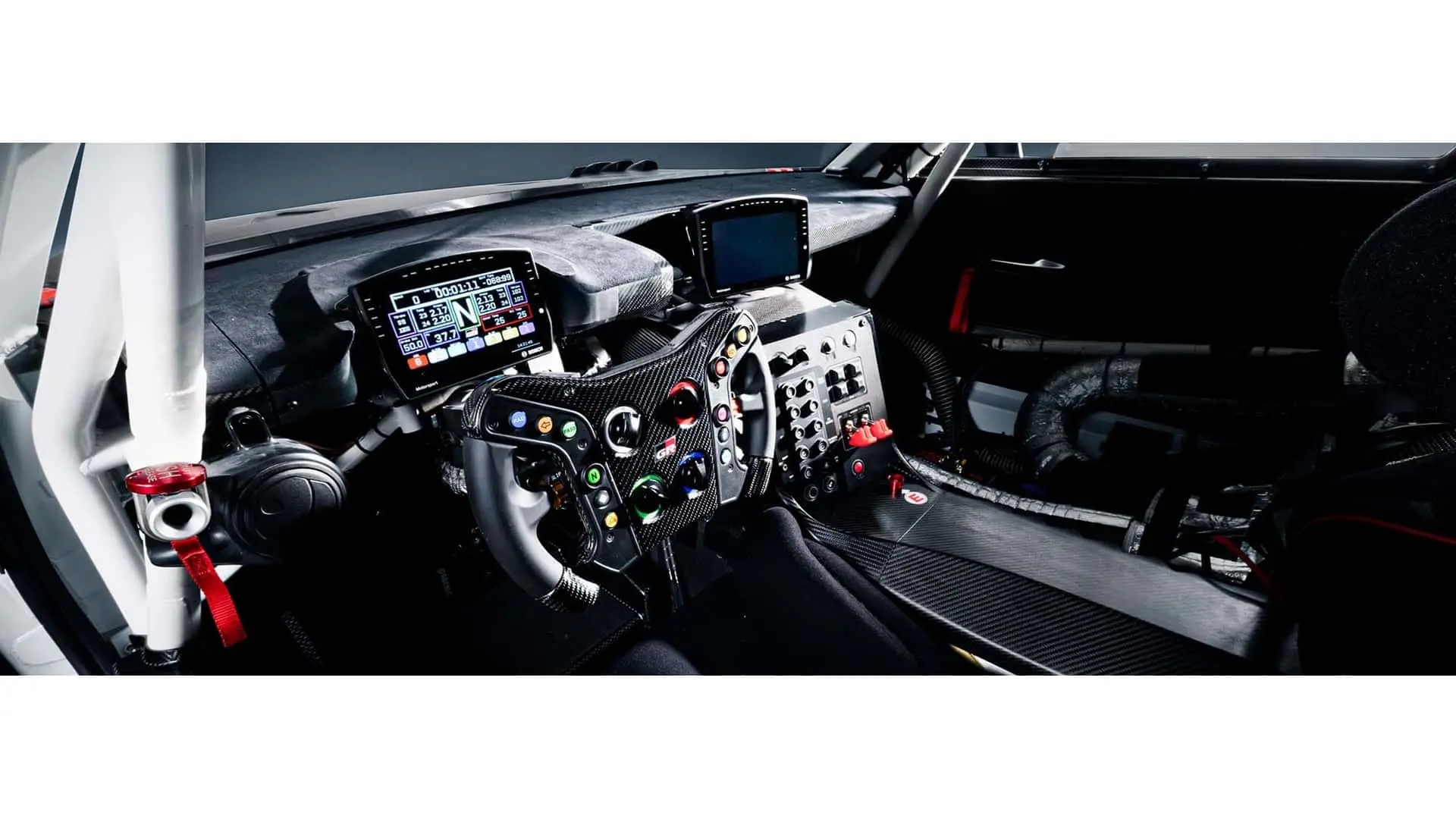
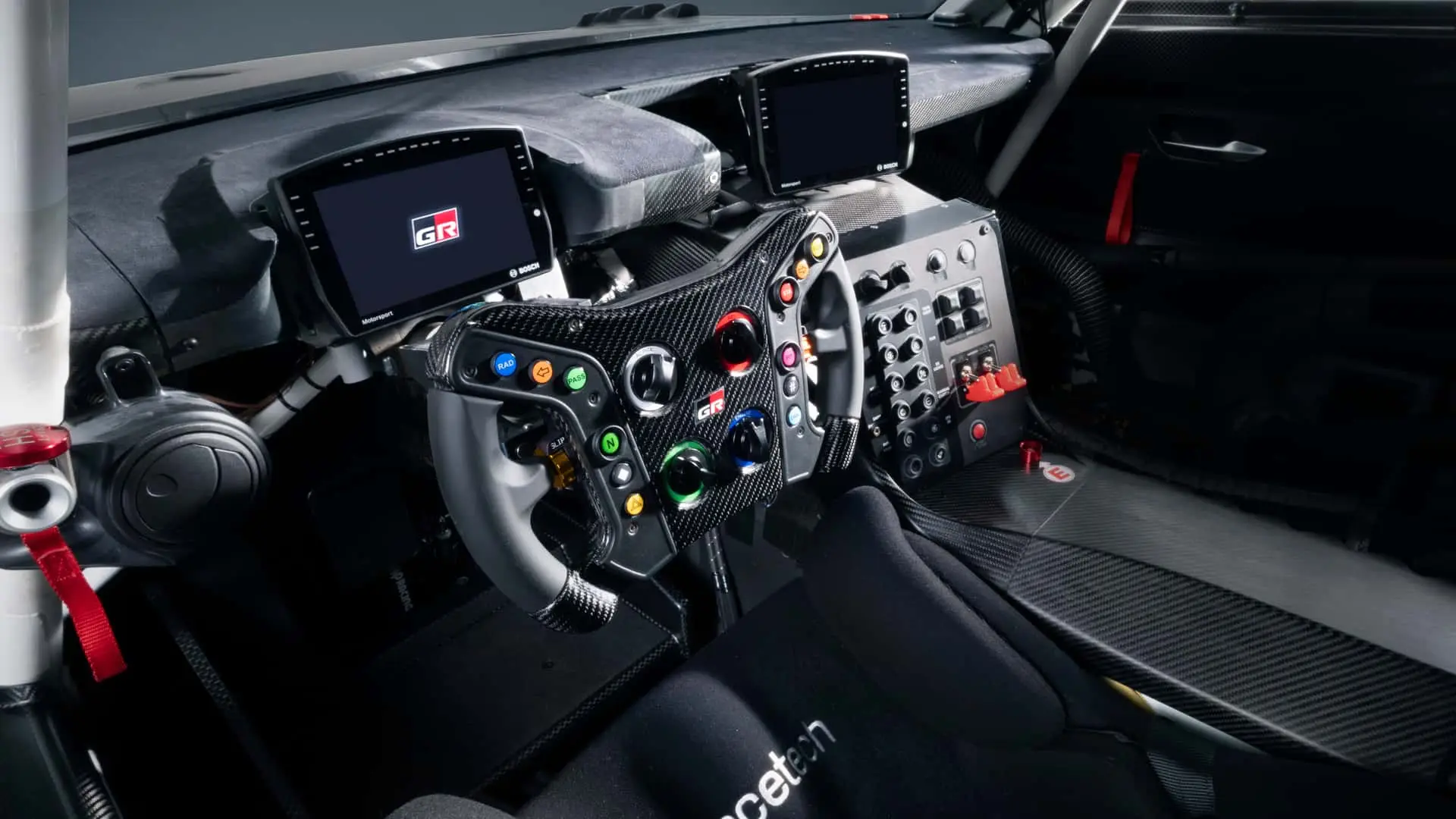
Developing a world-class supercar for the street capable of challenging the Aston Martins and Mercedes-AMGs of the world, while simultaneously engineering a winning race variant, is a monumental task. Parallel development ensures the chassis is optimized for both performance disciplines from the initial sketch on the drawing board. The race car’s interior, for instance, is stripped to essentials, removing luxuries to focus entirely on driver ergonomics—a cockpit philosophy we are also seeing reappear in new releases like the Honda Prelude 2026, albeit with different end goals.
The Toyota GR GT3 is more than just a new vehicle; it is a profound statement of principles. In a world rapidly moving toward silent powertrains, Gazoo Racing is ensuring that the roar of the V8 continues to echo across international circuits until the close of the decade. The wait will be extensive, but if the development prototype serves as an indicator of the final product, every second will be worthwhile.