RED BULL RB17 arrives to break records with a 15,000 rpm V10. Discover how this 1,200 hp monster defies the laws of physics now!
Final Design of the RB17: Extreme Aerodynamics and Otherworldly Looks
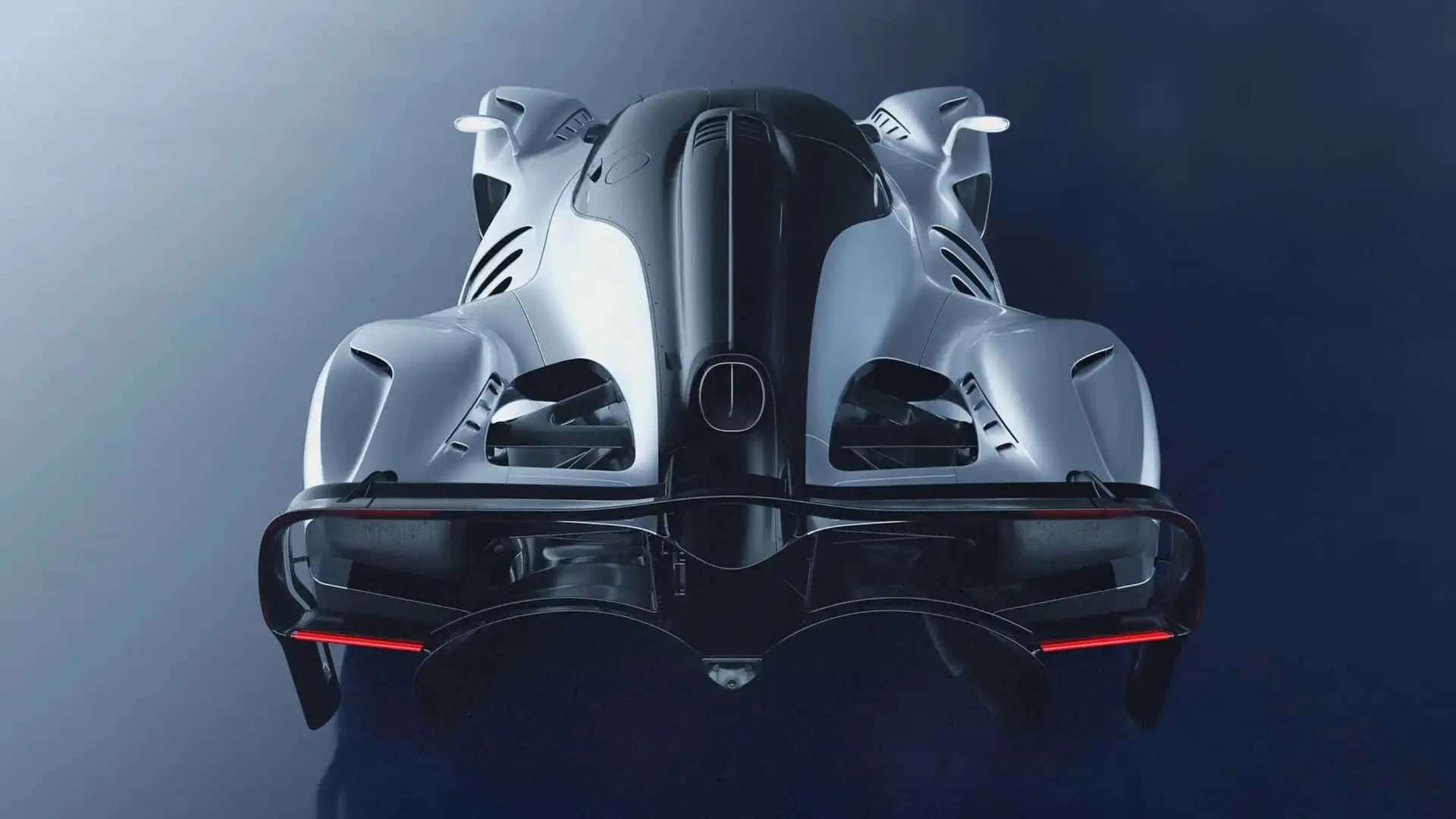
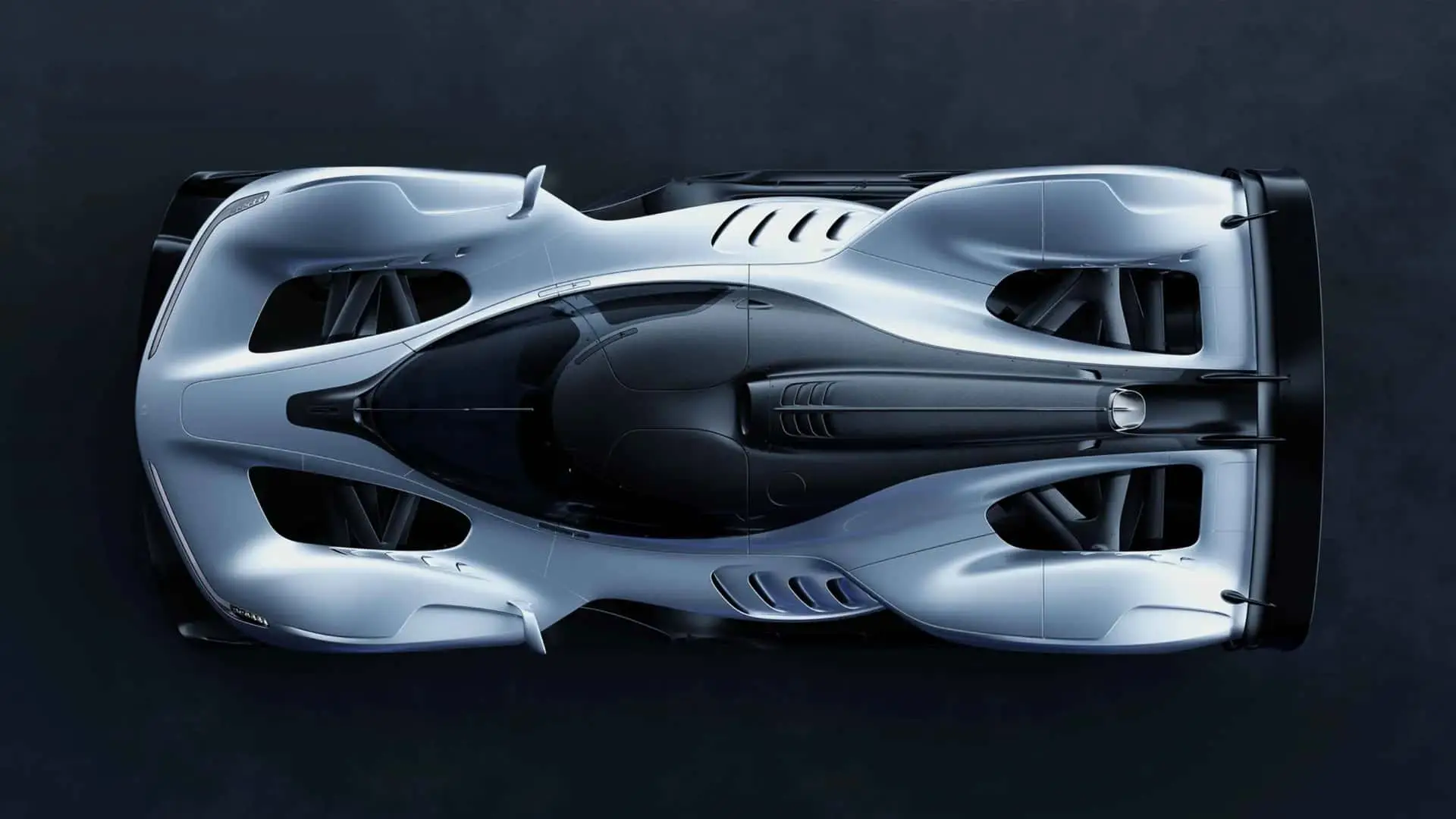
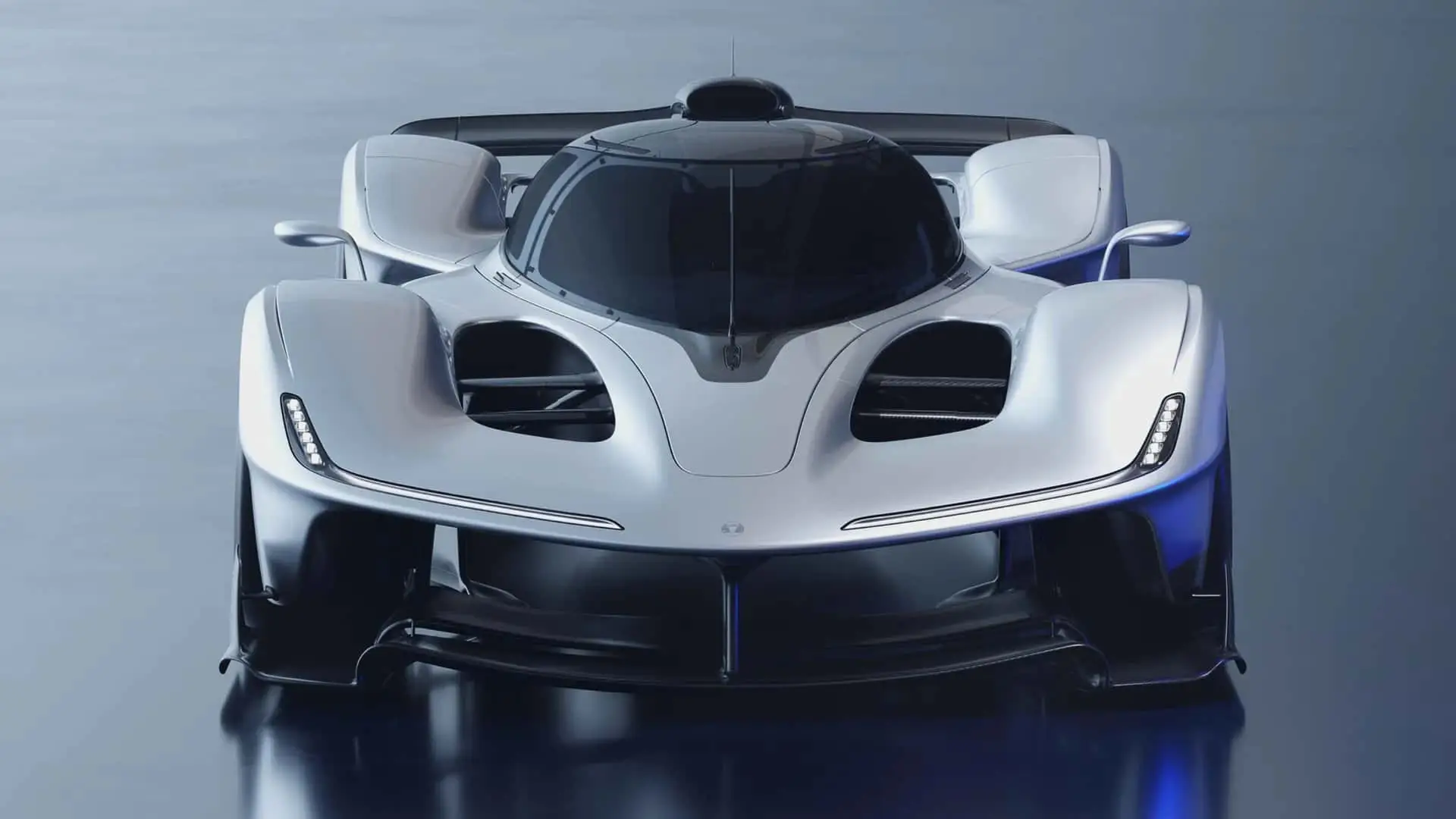
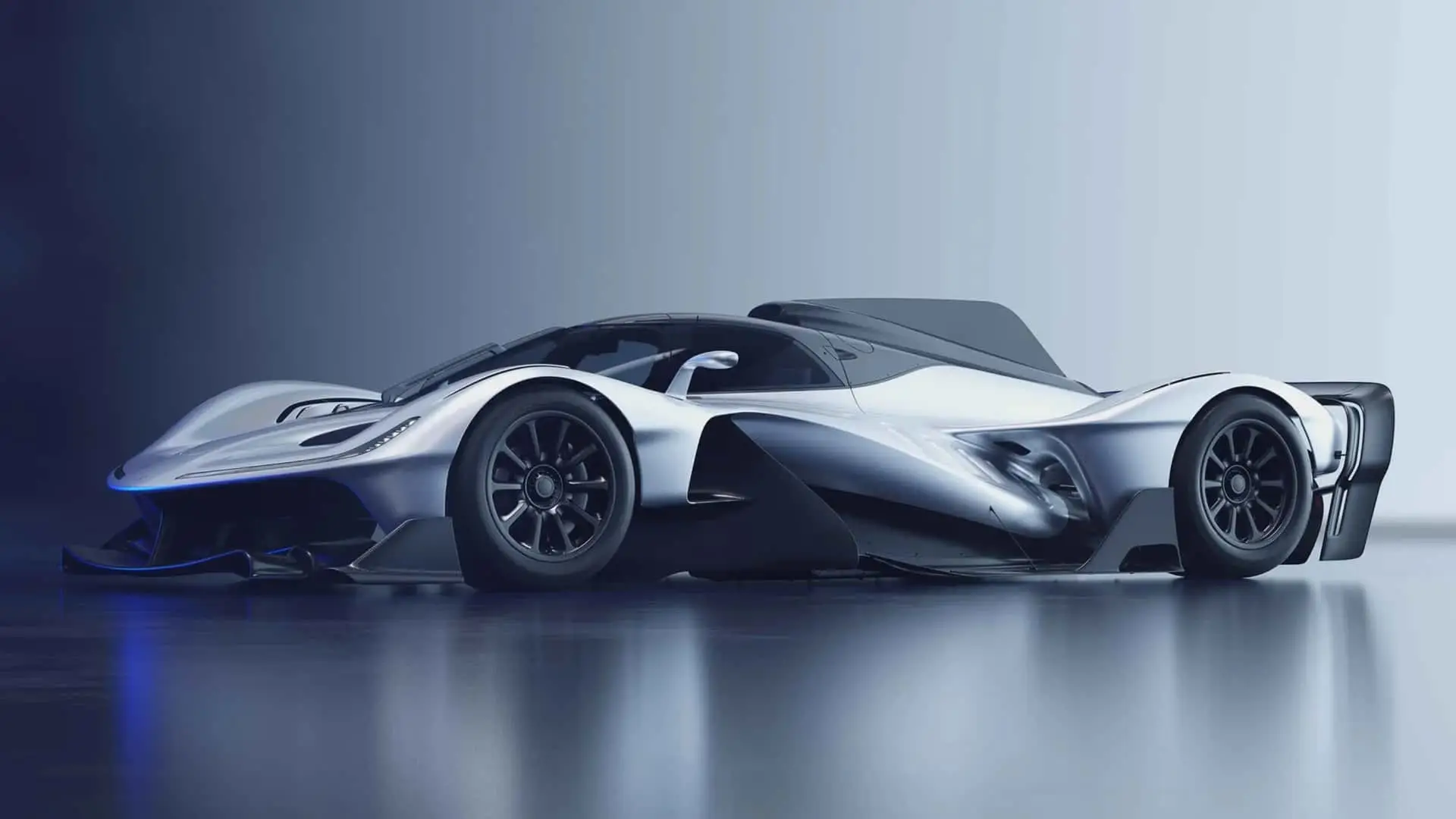
The Red Bull RB17 is not just a hypercar; it’s the pure embodiment of Formula 1 DNA in a track-ready vehicle. Launched as the first hypercar from the energy drink brand dominating racing, the RB17 evolved from an initial prototype seen in July 2024 to this final, sharper, more aggressive version than ever. Compared to the original concept, the production model features cleaner lines, but without losing the “bonkers” factor – in other words, completely crazy, as foreigners would say.
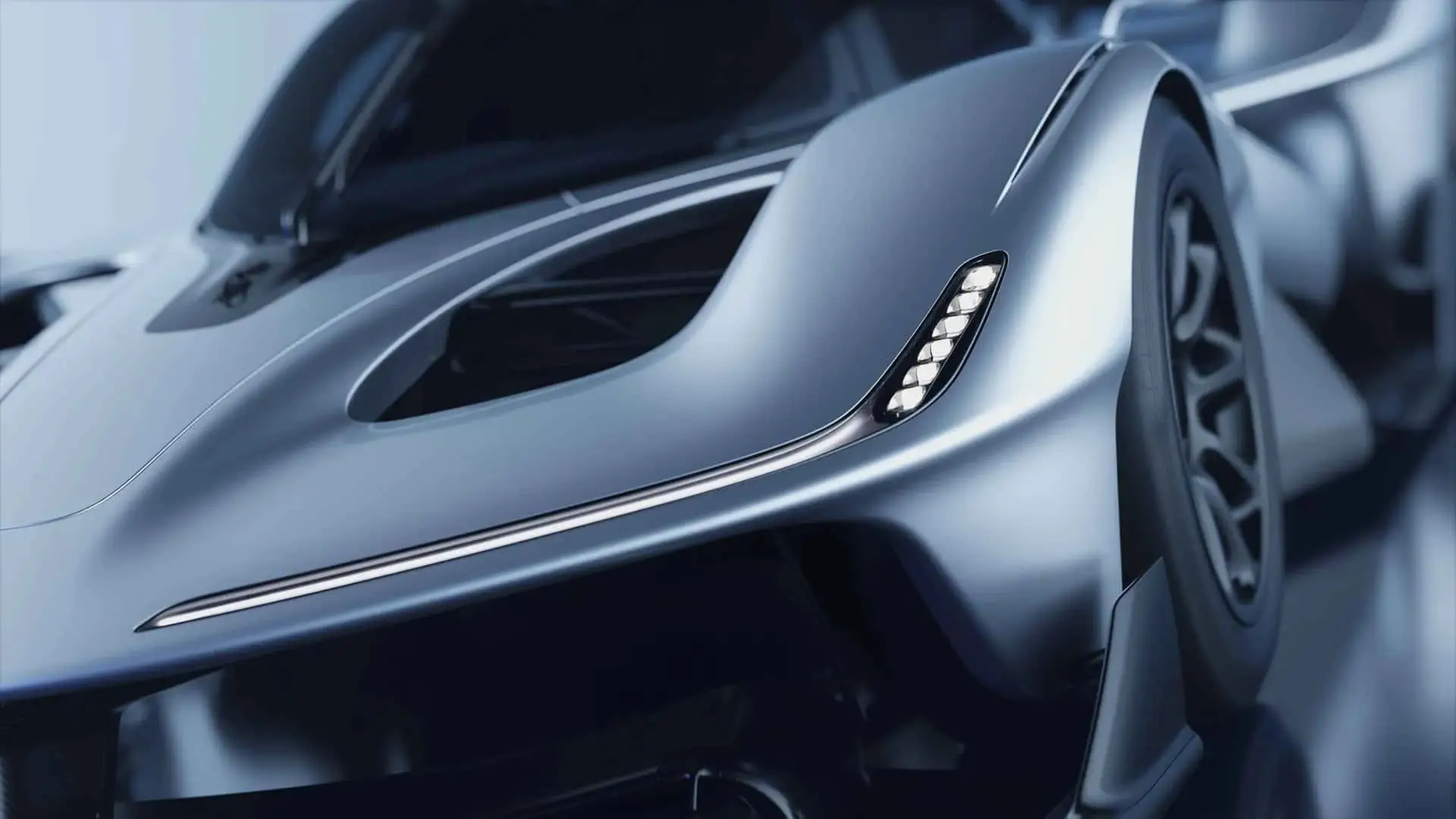
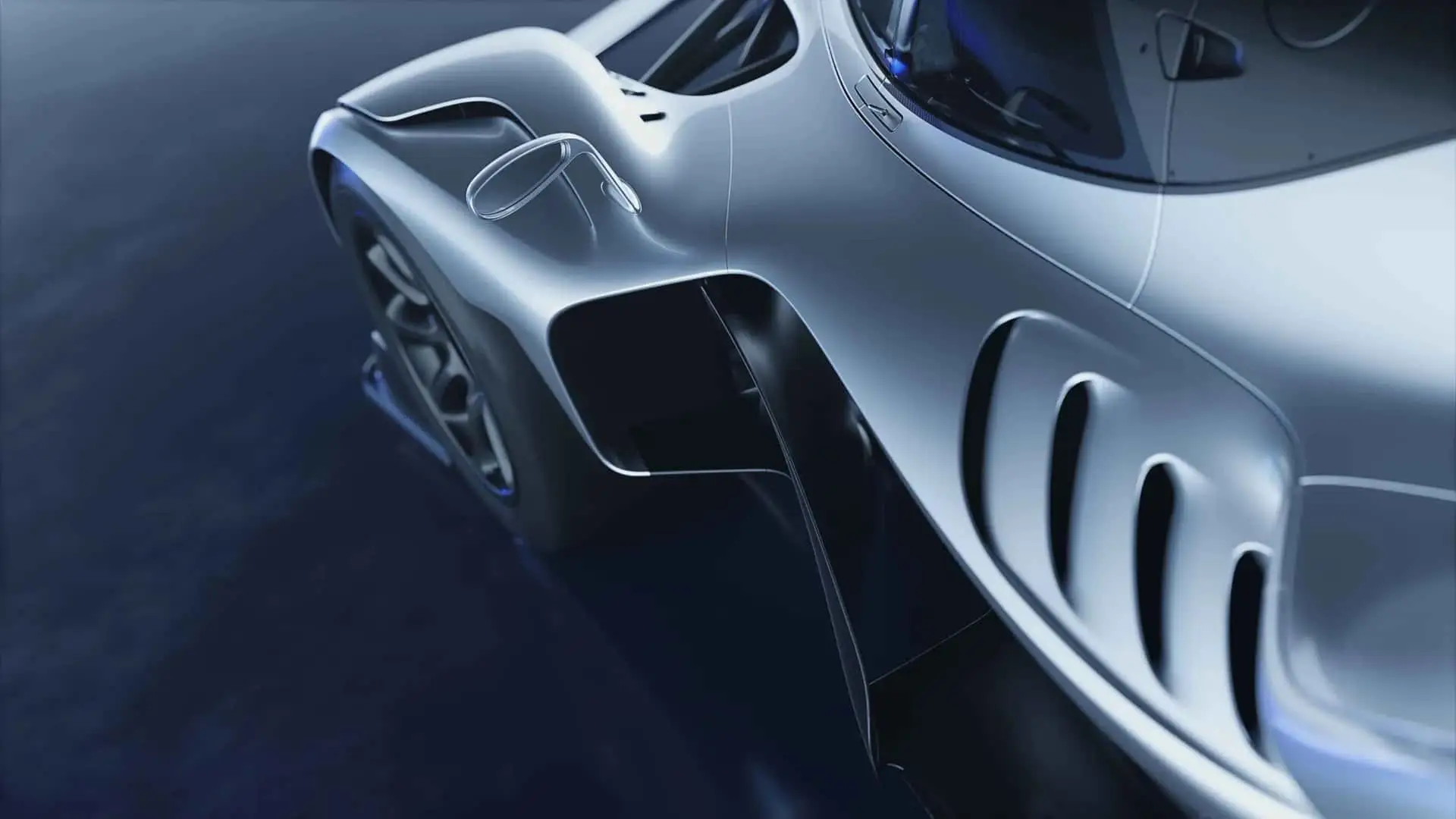
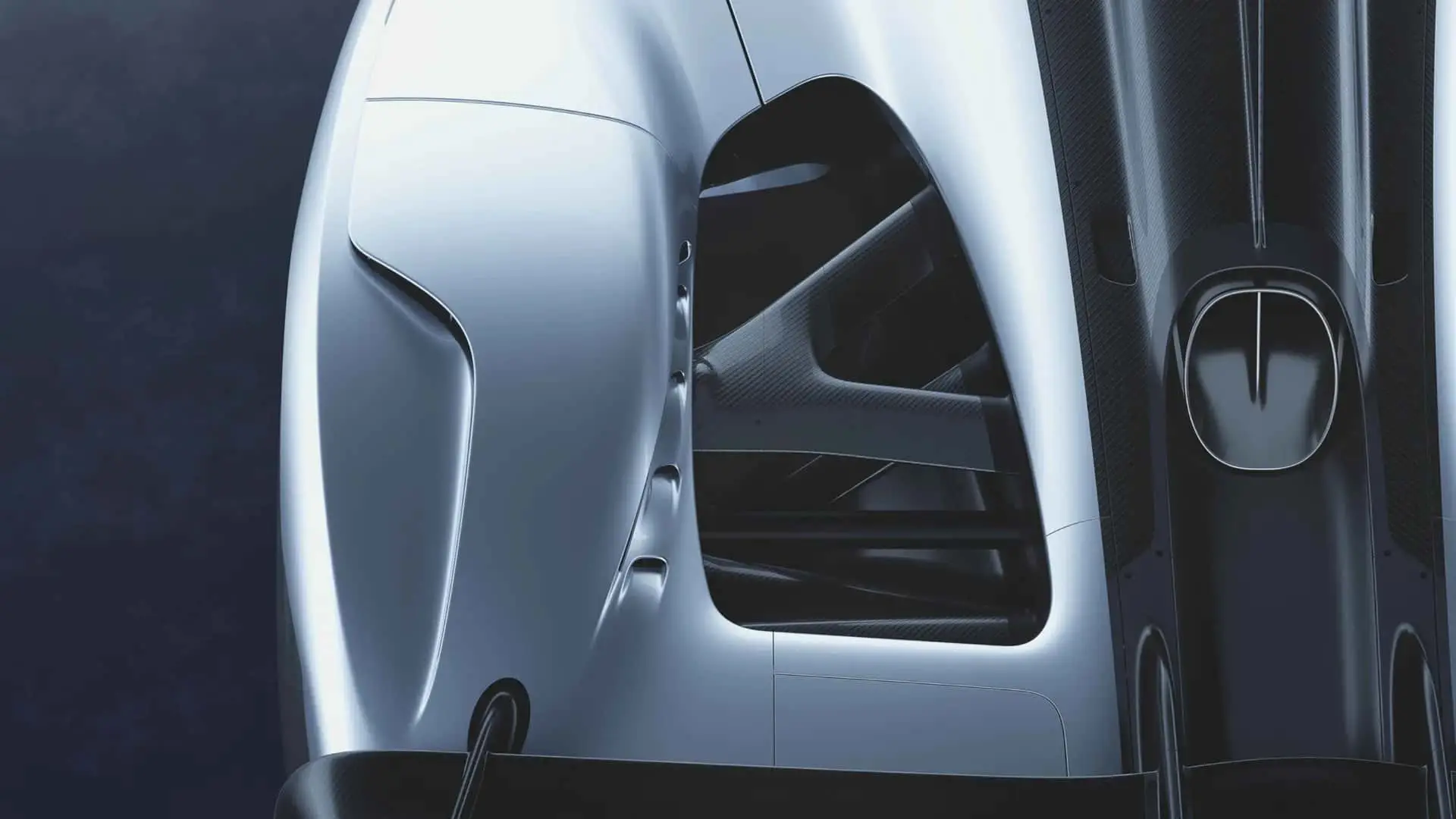
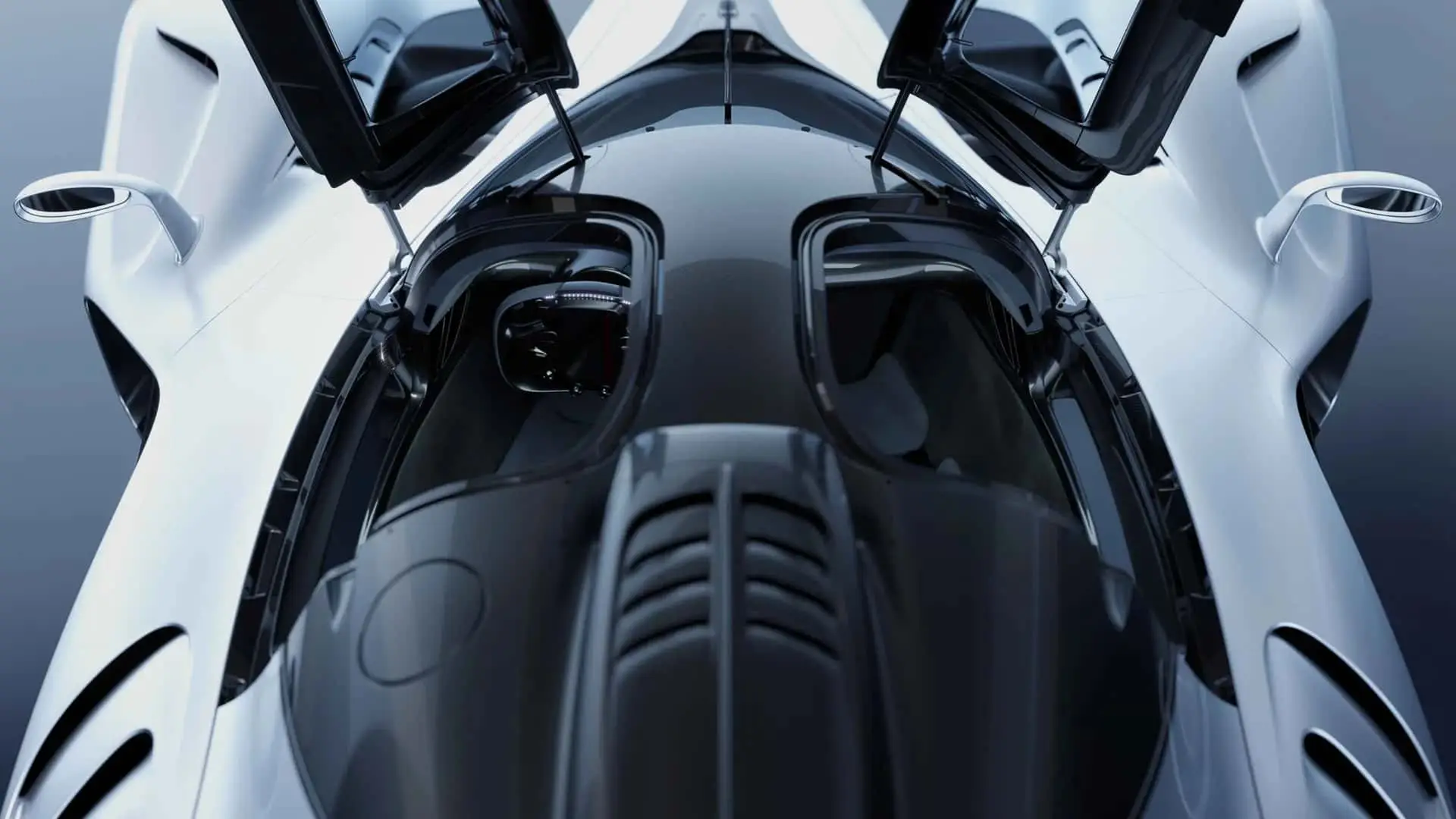
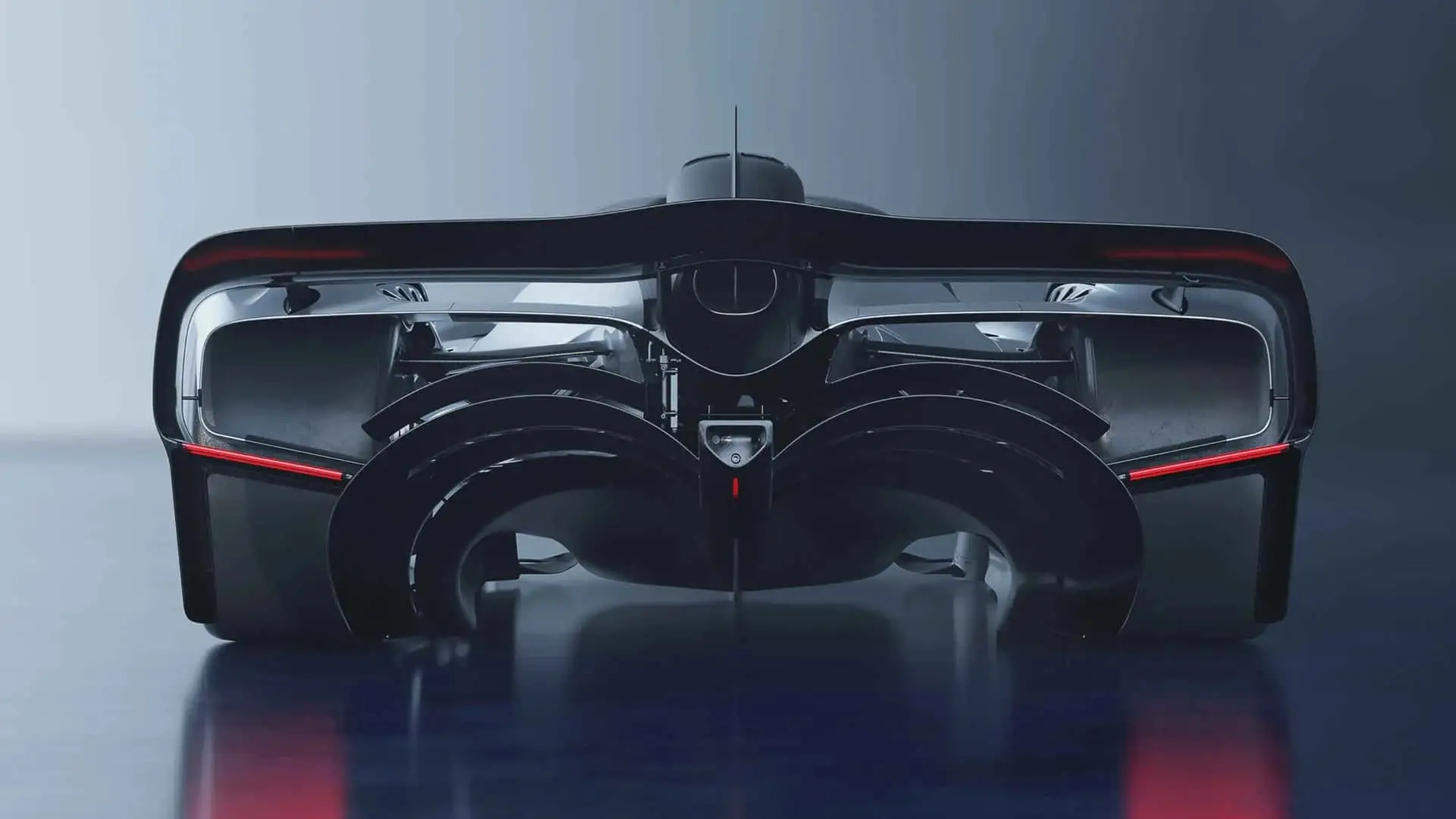
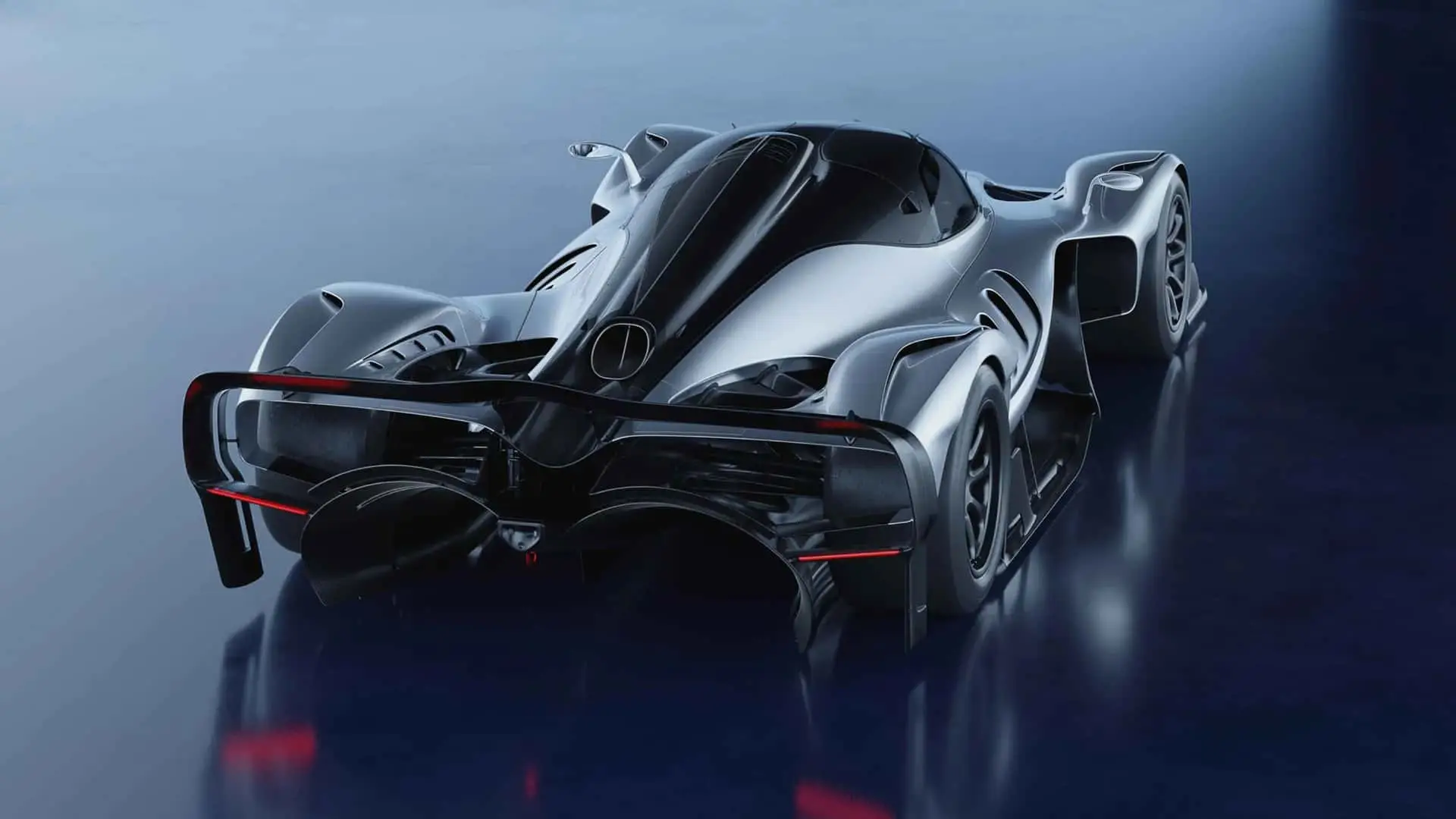
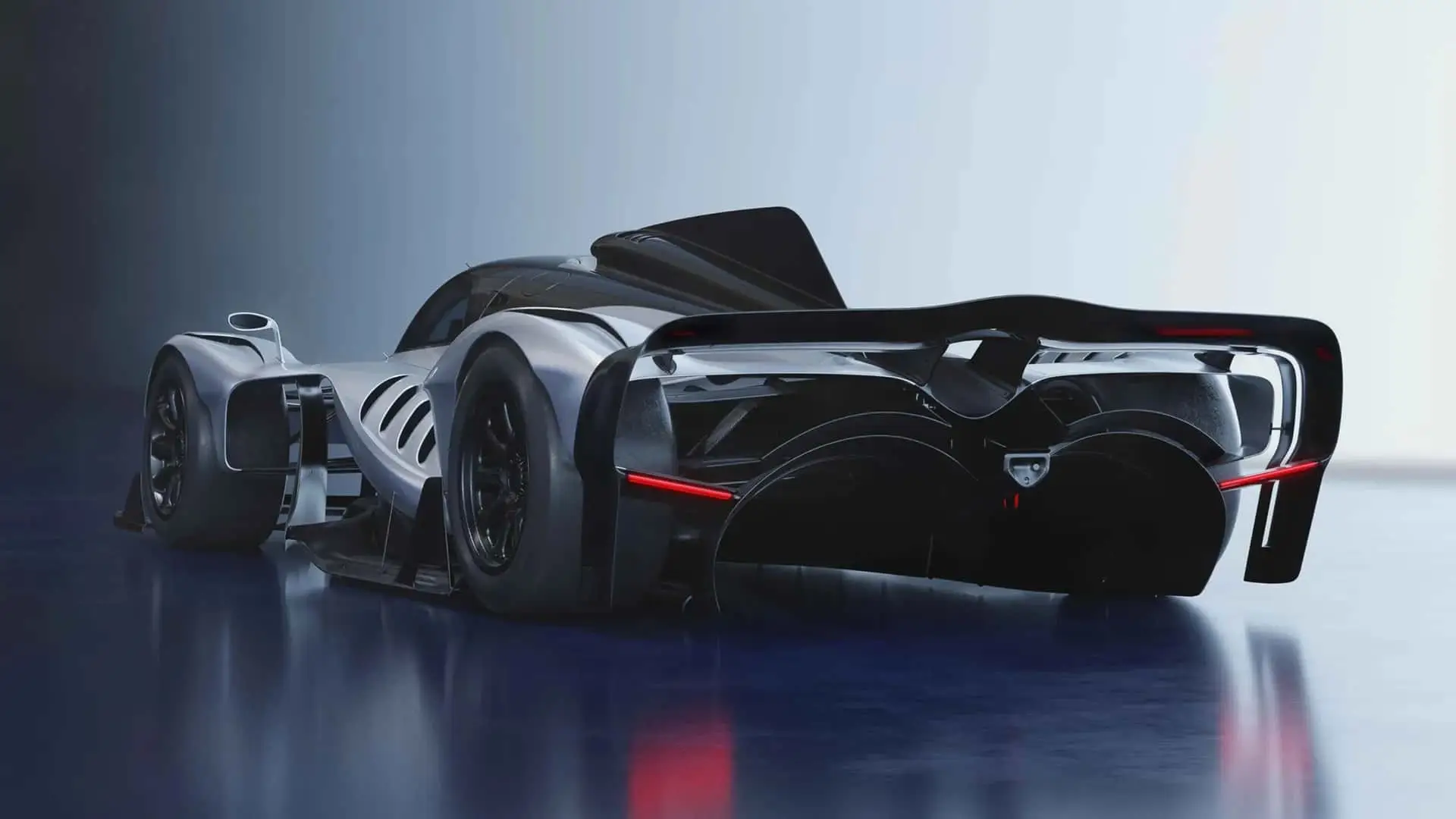
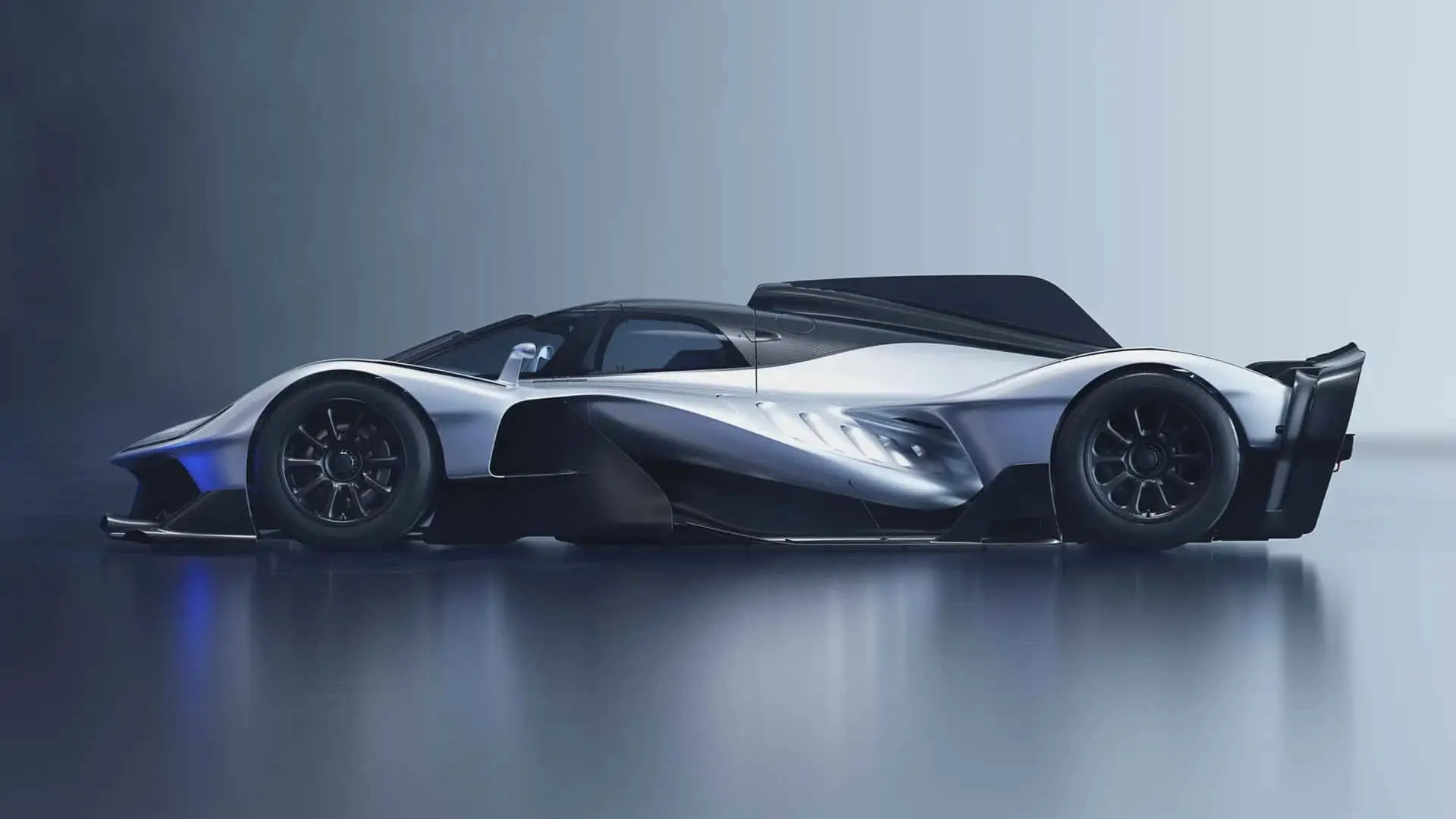
At the front, ultra-slim LED headlights integrate into a sculpted carbon body that screams aerodynamics. Every curve, intake, and channel is meticulously calculated to minimize drag and maximize downforce, directing fresh air straight to radiators and brakes. Along the sides, deep vents cut through the body like pulsating veins, channeling airflow to massive rear cooling areas. The roof hosts a giant air intake feeding the central engine, while a massive central fin—worthy of a Le Mans prototype—stabilizes the car at stratospheric speeds.
Although being track-only, meaning exclusive to circuits, the RB17 includes usability features such as mirrors and a windshield wiper, indicating closeness to production. This balance between track aggression and refinement sets the RB17 apart from rivals like the Lamborghini Temerario, which retired the V10 in favor of a wild hybrid V8.
To understand how advanced this design is, consider Red Bull Racing’s heritage: Adrian Newey, the genius behind multiple F1 titles, led the project. The result? A car promising insane lap times at Nürburgring or Monza, with passively generated downforce to prevent power loss. Official images showcase a look that could belong to a sci-fi movie, with exposed gleaming carbon fiber under track lighting and a rear diffuser seemingly swallowing the asphalt.
Details That Make a Difference on the Track
- Monocoque Carbon Body: Extreme lightness, with F1-grade torsional rigidity to withstand incredible G-forces.
- Active Suspension: Electronically adjustable, inspired by endurance prototypes.
- Ceramic Brakes: Giant 400mm+ discs to stop the monster from 0-60 mph in less than 2 seconds.
- Wheels and Tires: Equipped with race slicks, optimized for maximum grip in corners.
This visual package is not just for show: final testing confirms that the RB17 can rival hypercars like the Lexus LFA, renowned for its hypnotic V10 sound, but now with superior downforce thanks to Red Bull’s aerodynamic expertise.
The Power of the Hybrid V10: 1,200 Hp Rotating at 15,000 RPM
At the heart of the RB17 beats a 4.5-liter naturally aspirated V10, developed by legendary Cosworth – the same company that supplied engines for F1 for decades. This powerplant revs up to 15,000 rpm, an astonishing number few production engines dare to reach, delivering about 1,000 hp on its own. But Red Bull didn’t stop there: a 200 hp electric motor completes the hybrid system, totaling an astronomical 1,200 hp.
Power is transmitted to the rear wheels via a 6-speed sequential gearbox, with an active hydraulic limited-slip differential for optimal traction out of corners. The hybrid system manages reverse gear, an intelligent solution for pit maneuvers. Sound? Expect a primal roaring engine, echoing the glorious past of pre-hybrid F1 V10s—a sound that Ferrari engine enthusiasts will envy.
Compared to other hypercars, the RB17 stands out for its brutal simplicity: no turbo lag, no excessive complexity. It accelerates from 0-60 mph in less than 2 seconds, with a top speed exceeding 217 mph – numbers that rank it alongside the McLaren P1 or Porsche 918, but with a track-focused approach. Cosworth optimized the V10 for insane thermal efficiency, maintaining low weight and immediate response, perfect for quick laps.
Impressive Technical Specs That Amaze Engineers
| Component | Details |
|---|---|
| Engine | 4.5L V10 NA + Electric (1,200 hp total) |
| Redline | 15,000 rpm |
| Gearbox | 6-speed sequential |
| Traction | Rear with active LSD |
| Weight | Under 1,000 kg (estimated) |
This lightweight hybrid setup contrasts with monsters like the Toyota GR GT3, which reverted to a pure V8, proving that the RB17 is the pinnacle of F1-hypercar fusion.
Pure Race Interior and Exclusive Limited Edition: Only 50 Units
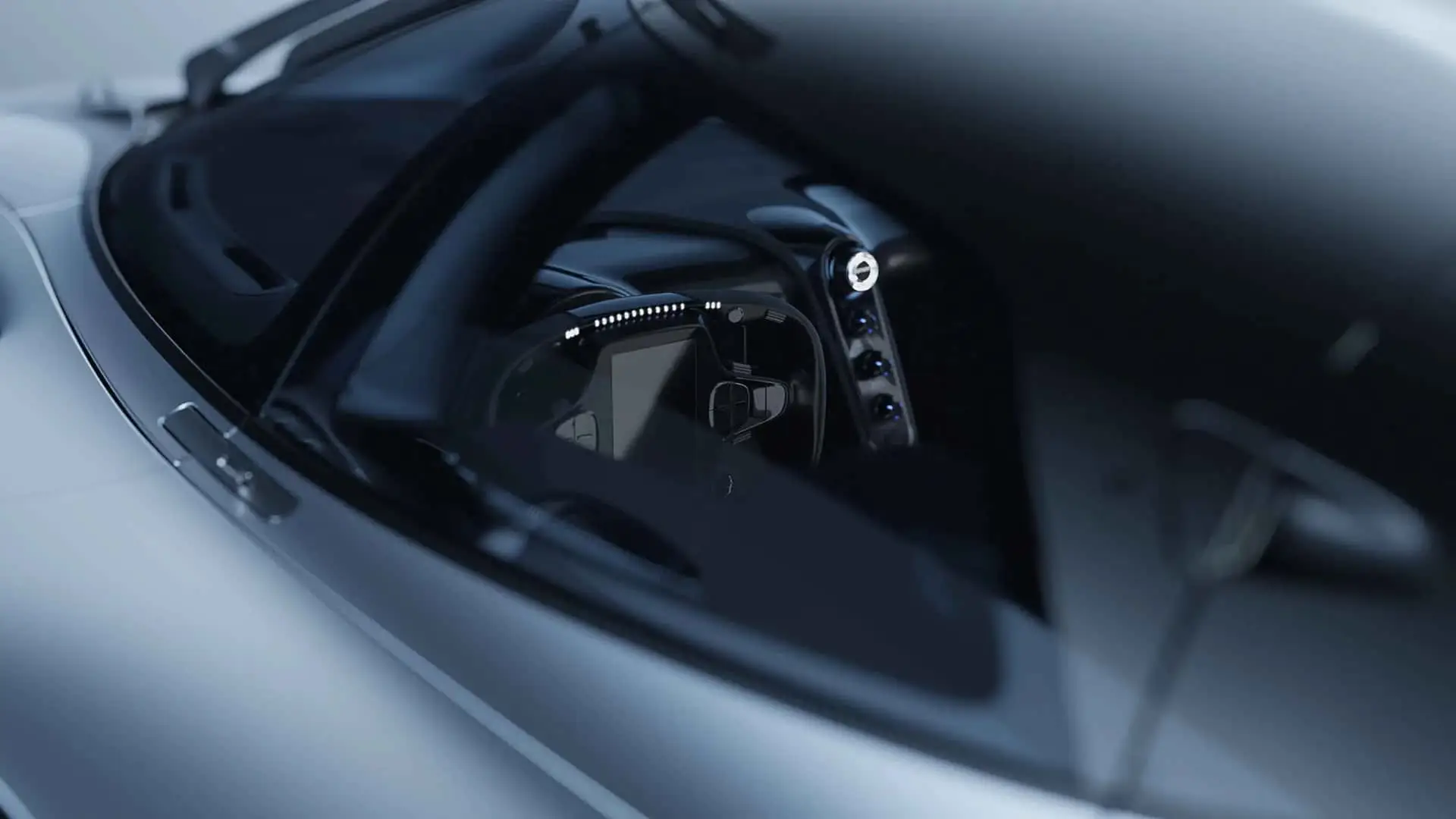
Step into the RB17 cockpit and feel the essence of an F1 car: no unnecessary touchscreens, no distractions. Physical controls reign supreme – buttons, levers, and a minimalist steering wheel with paddle shifters. The driving position is optimized for maximum visibility and high-speed ergonomics, with immersive racing seats and a 6-point harness. Materials? Carbon fiber, Alcantara, and aerospace-grade aluminum, all focused on reducing weight and increasing rigidity.
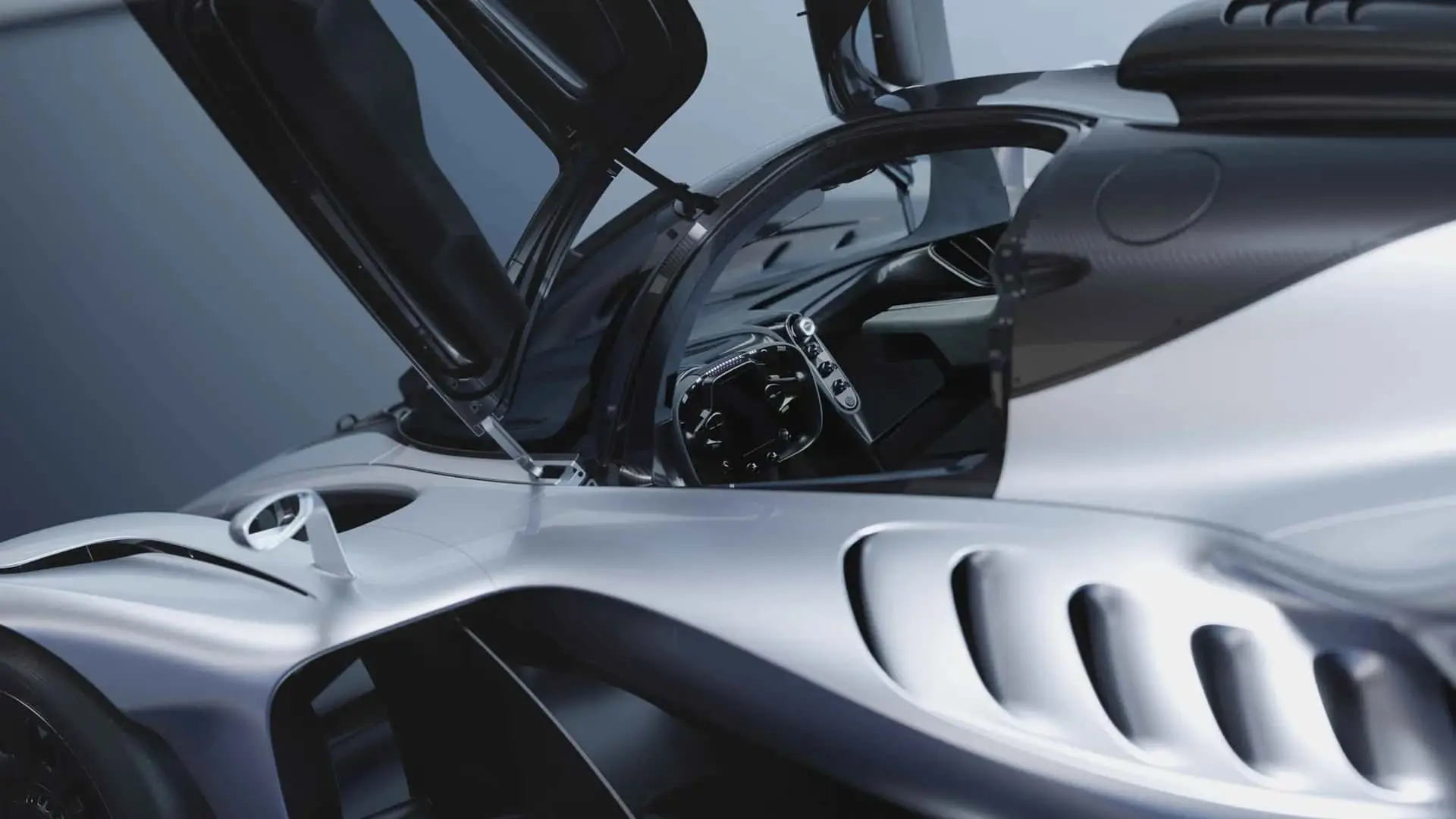
Red Bull plans to produce only 50 units, making the RB17 more exclusive than many one-offs. Price? Expect something above $7 million – roughly US$ 5-7 million, depending on customizations. Final testing is underway, with production imminent for 2024/2025. For collectors, it’s a chance to own a piece of F1 history—something hypercars like the Porsche 911 GT3 limited edition can only dream of matching.
What makes the RB17 go viral? Its insane appearance on social media, hypnotic V10 sound in acceleration videos, and the promise of record-breaking lap times. In Brazil, enthusiasts already dream of seeing one at Interlagos, driven by Verstappen. If you’re a fan of extreme performance, this is the hypercar that redefines the boundary between street car and racing machine. Stay tuned: the RB17 is not just a vehicle; it’s a statement of absolute speed.
While the world debates electric cars, the RB17 proves that naturally aspirated roar still reigns supreme. With F1 heritage, revolutionary design, and otherworldly power, it arrives to shake up the track-only hypercar segment. Don’t miss upcoming updates – circuits like Silverstone already tremble just thinking about it.