Forget the EQ line! The new GLB has grown and charges batteries in minutes. Check out the technical details that promise to shatter myths about EVs.
The automotive industry is experiencing a moment of strategic consolidation, and Mercedes-Benz has just made a master move that promises to redefine the compact luxury SUV segment. The launch of the 2027 Mercedes-Benz GLB, scheduled for late 2026, is not just a model update; it’s the end of the confusing distinction between combustion and “EQ” lines. By merging the GLB and EQB under a single iconic name, the German brand is betting everything on a versatile platform, prioritizing electrification without completely abandoning those still needing the security of a hybrid engine. With larger dimensions, a futuristic interior, and a genuine capacity for seven passengers, this SUV is prepared to become the new gold standard for modern families.
Strategic Fusion: Farewell to the EQB and the New GLB Identity
For years, Mercedes-Benz maintained parallel lines: the GLB for combustion engines and the EQB for electric ones. This strategy, while necessary in the initial transition phase, caused confusion and divided development focus. The second generation of the GLB solves this equation elegantly. The new model adopts an “electric-first” architecture, meaning the vehicle was conceived, designed, and optimized primarily as an electric vehicle, and later adapted to accommodate a hybrid powertrain.
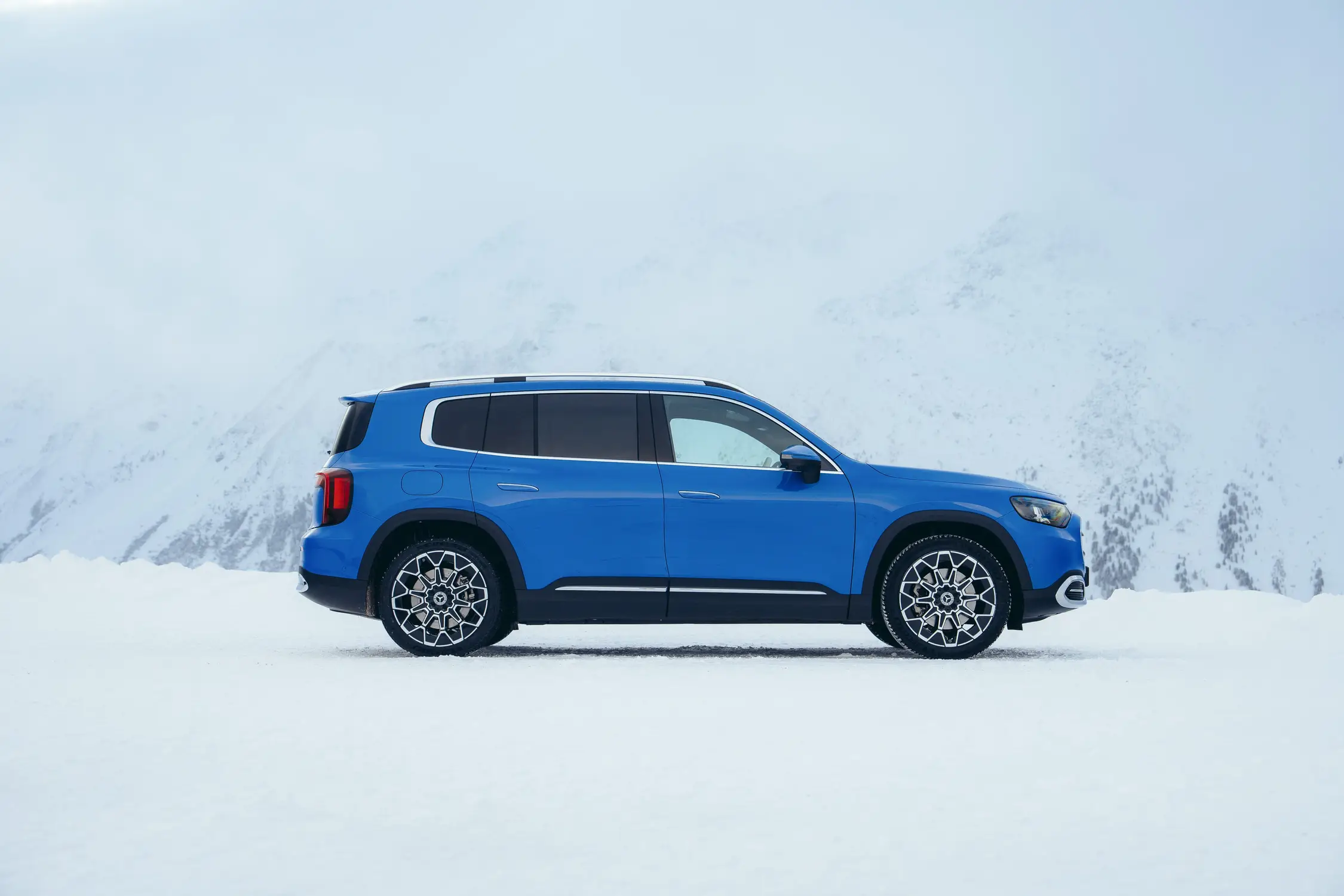
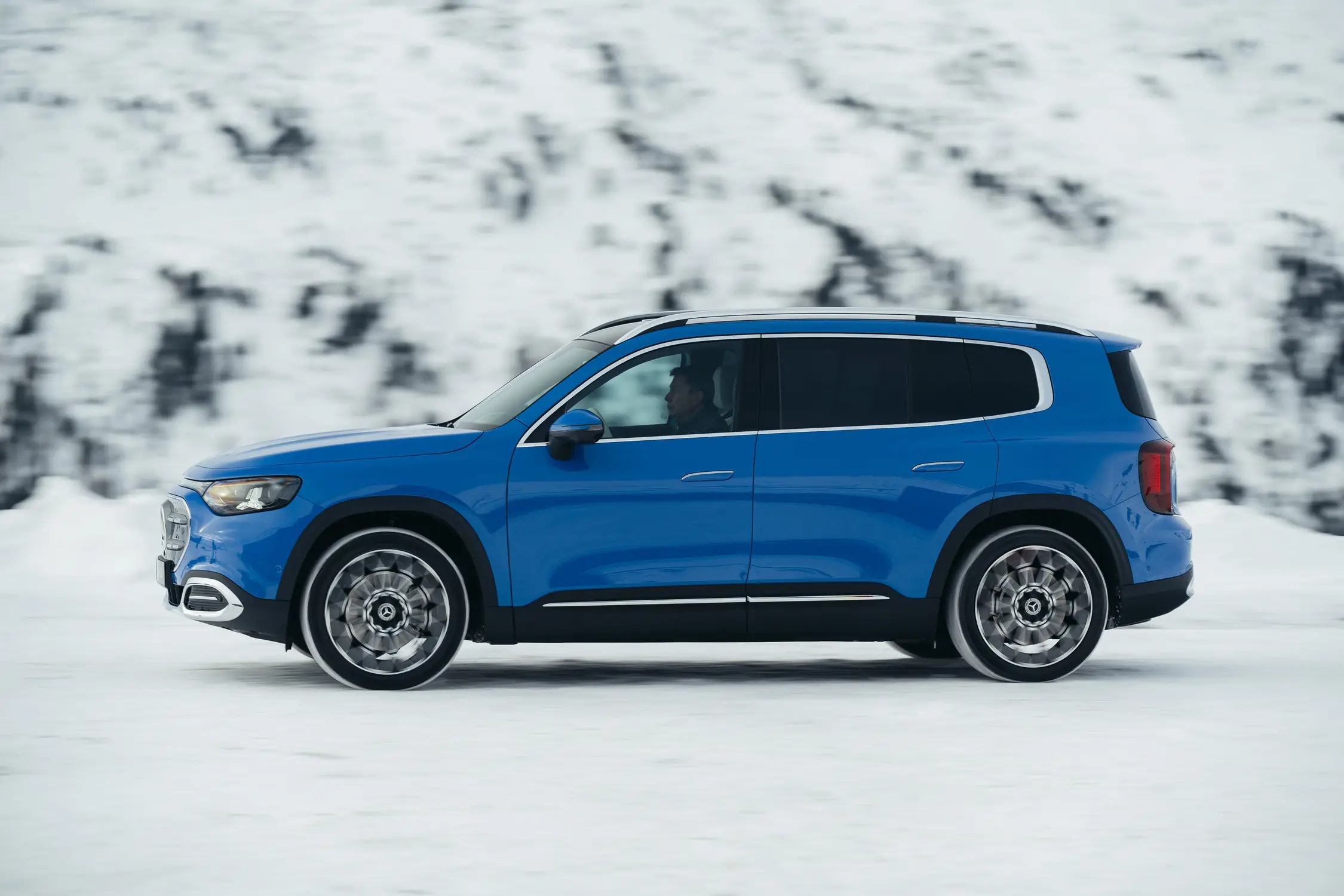
This paradigm shift is visible in the car’s structure. The new GLB has grown. We’re talking about an increase of nearly 10 centimeters (about 3.9 inches) in length and about 2.8 centimeters in width. Although the height has been slightly reduced to improve aerodynamics—a critical factor for highway autonomy—the wheelbase has been extended by over 6 centimeters. This directly translates into comfort, eliminating the cramped feeling that sometimes afflicted the second row in the previous generation.
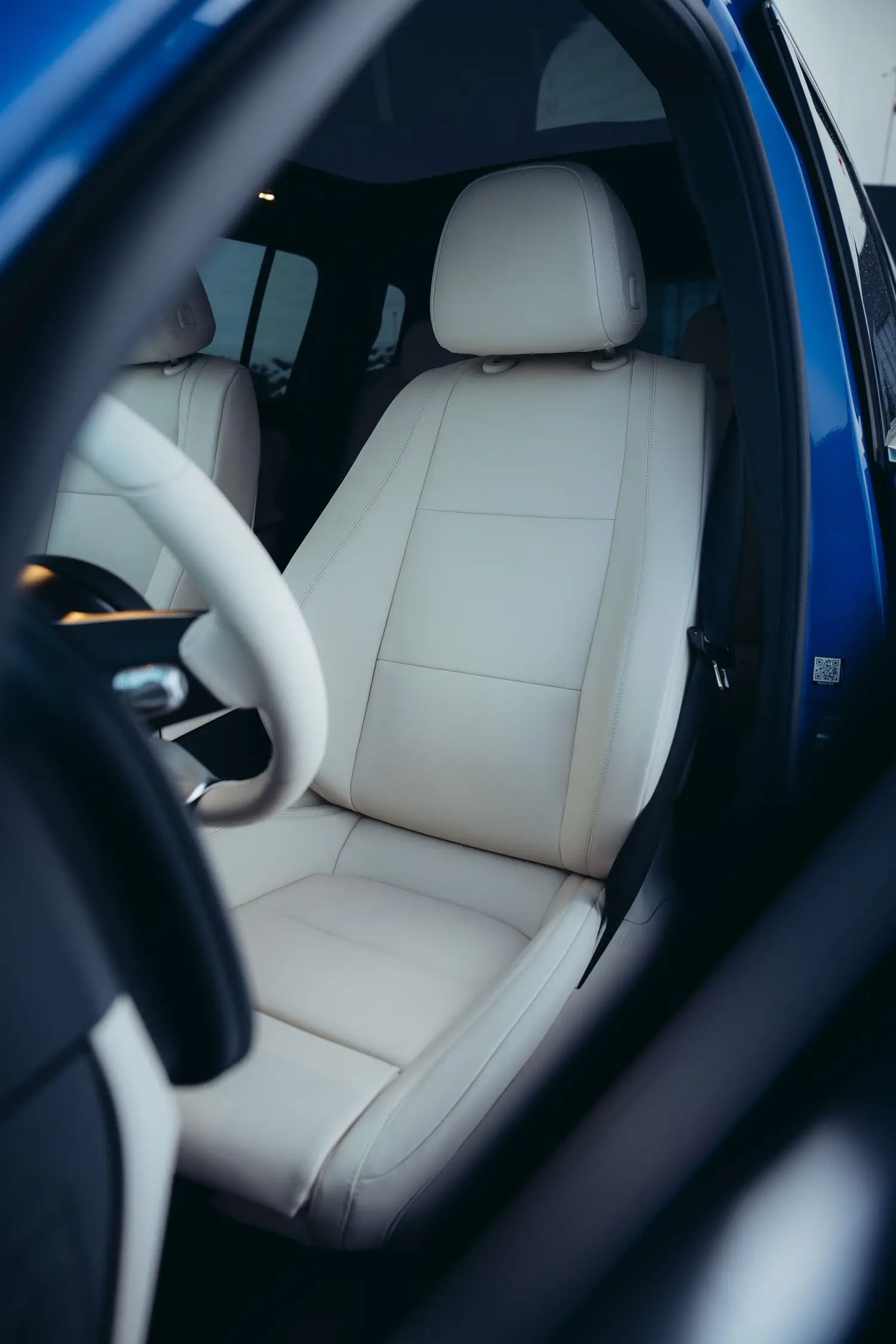
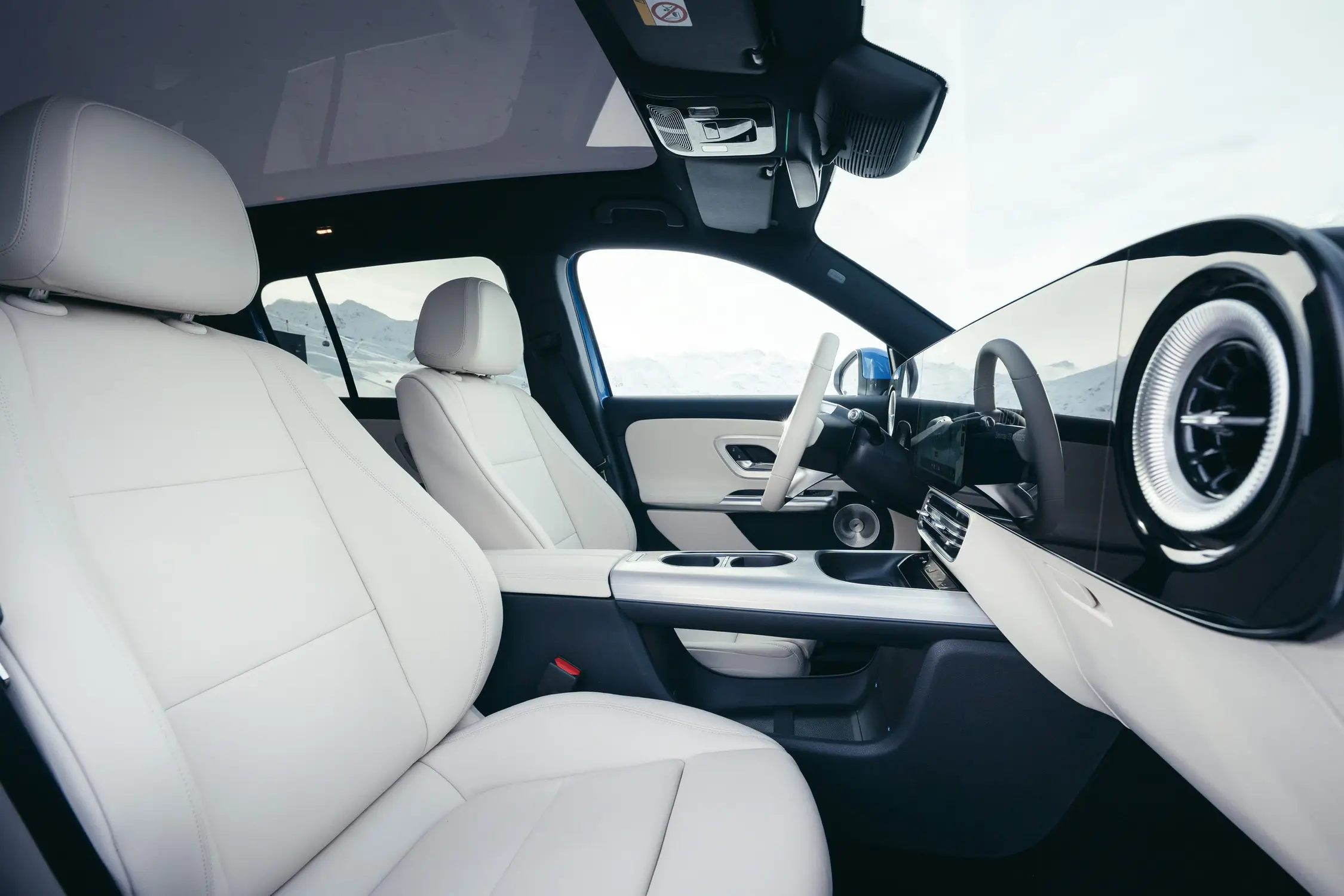
However, what truly captures attention is the interior. If you follow design trends, you know Mercedes has invested heavily in digital panels. For this new model, the brand has raised the bar. The interior of the new Mercedes-Benz GLB EV is revealed, featuring a gigantic Superscreen you’VE NEVER seen before in an SUV, transforming the cabin into a command center that rivals ultra-luxury sedans.
Engineering and Performance: The Electric Heart of the GLB
The decision to launch electric versions before the hybrid demonstrates Mercedes’ confidence in its new propulsion technology. At launch, consumers will have access to two robust variants, both powered by an advanced nickel-manganese-cobalt (NMC) chemistry battery with 85 kWh of usable capacity. This battery size is the current “sweet spot,” offering ample range for long trips without adding excessive weight that would impair driving dynamics.
Detailed Technical Specifications
| Feature | GLB250+ (RWD) | GLB350 (AWD) |
|---|---|---|
| Power | 268 hp | 349 hp (Dual Motor) |
| Torque | 335 Nm (approx.) | 515 Nm (approx.) |
| 0 to 60 mph | 7.3 seconds | 5.4 seconds |
| Estimated Range (EPA) | Up to 333 miles | Up to 325 miles |
| Fast Charging (DC) | Up to 320 kW | Up to 320 kW |
A technical highlight worth noting is the 320 kW DC fast-charging capability. This places the 2027 GLB at the top of the charging hierarchy, allowing hundreds of miles of range to be recovered during 15-to-20-minute stops. Many myths persist regarding the durability of these components, but recent studies show degradation is much lower than commonly assumed. Furthermore, the battery replacement rate is nearly zero, according to a study that debunks the biggest myth, reinforcing that investing in a vehicle of this category is safe for the long term.
For performance enthusiasts, the GLB350, with nearly 350 horsepower and all-wheel drive, offers sports car acceleration in a family package. The dual-speed transmission on the rear axle is a refined technical solution, ensuring efficiency at high speeds (where many EVs struggle) and brutal torque during launches.
The Hybrid Alternative: Miller Cycle Technology
Mercedes acknowledges that not everyone is ready for the full electric leap. Therefore, a hybrid version will arrive shortly after the electric models, inheriting the sophisticated mechanics of the new CLA. This system is not just a “band-aid,” but a complex engineering feat.
The core of this system is a new 1.5-liter four-cylinder engine operating on the Miller cycle, known for its superior thermal efficiency. Coupled with an eight-speed dual-clutch transmission that integrates a 27-horsepower electric motor, the setup delivers 188 combined horsepower. The key difference here is the small 1.3 kWh battery, which allows the hybrid GLB to run in purely electric mode over short distances and at urban speeds, behaving like an EV in heavy traffic and activating the combustion engine only when necessary.
It is interesting to note how automaker strategies diverge. While Mercedes bets on this mild hybridization to keep pace with pure electric models, other brands seek different solutions to maintain the relevance of combustion engines, such as Nissan’s secret move to outperform rivals with an amazing SUV, showing that the tech war in the mid-size SUV segment is far from over.
Exterior Design and the “Unibrow” Identity
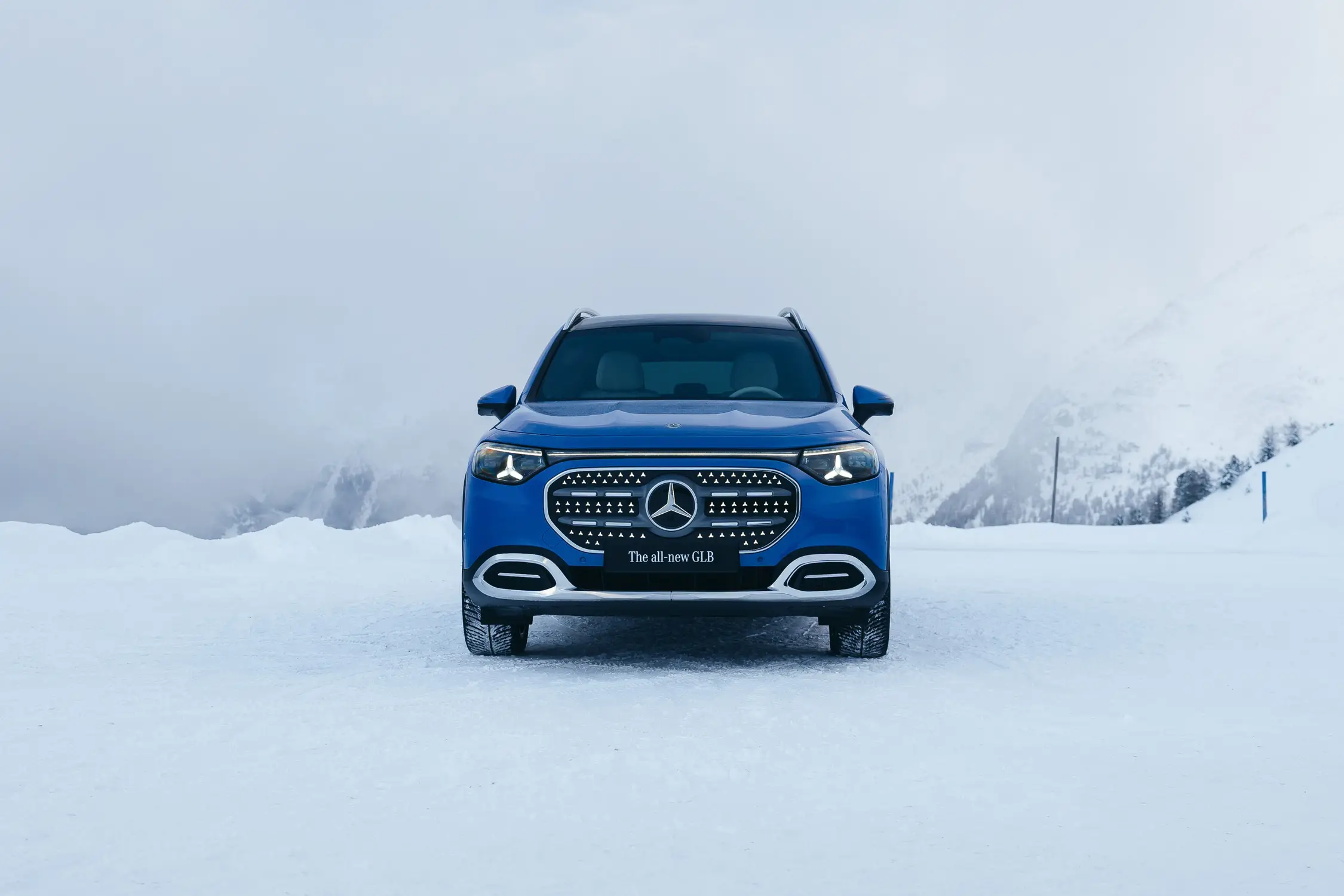
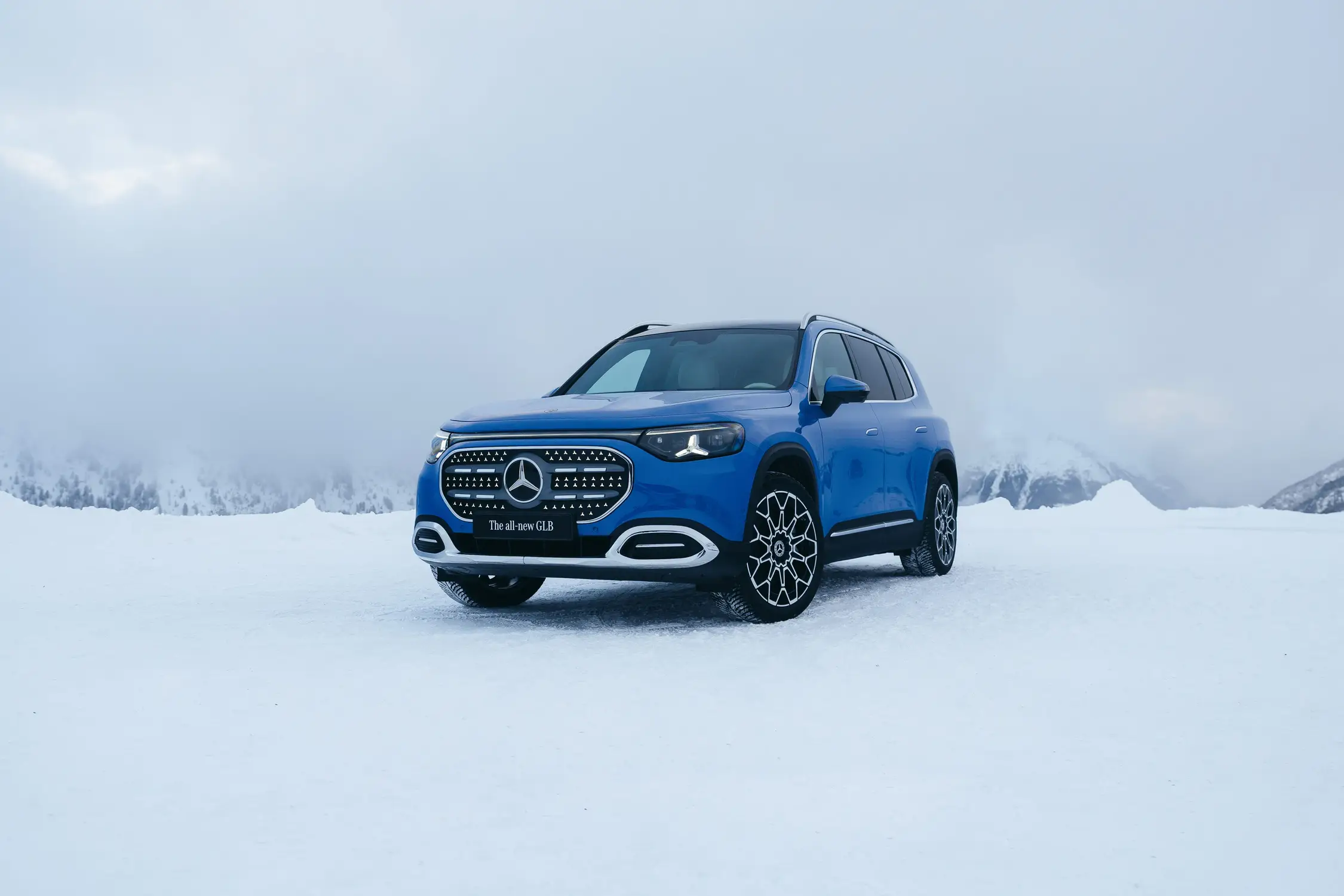
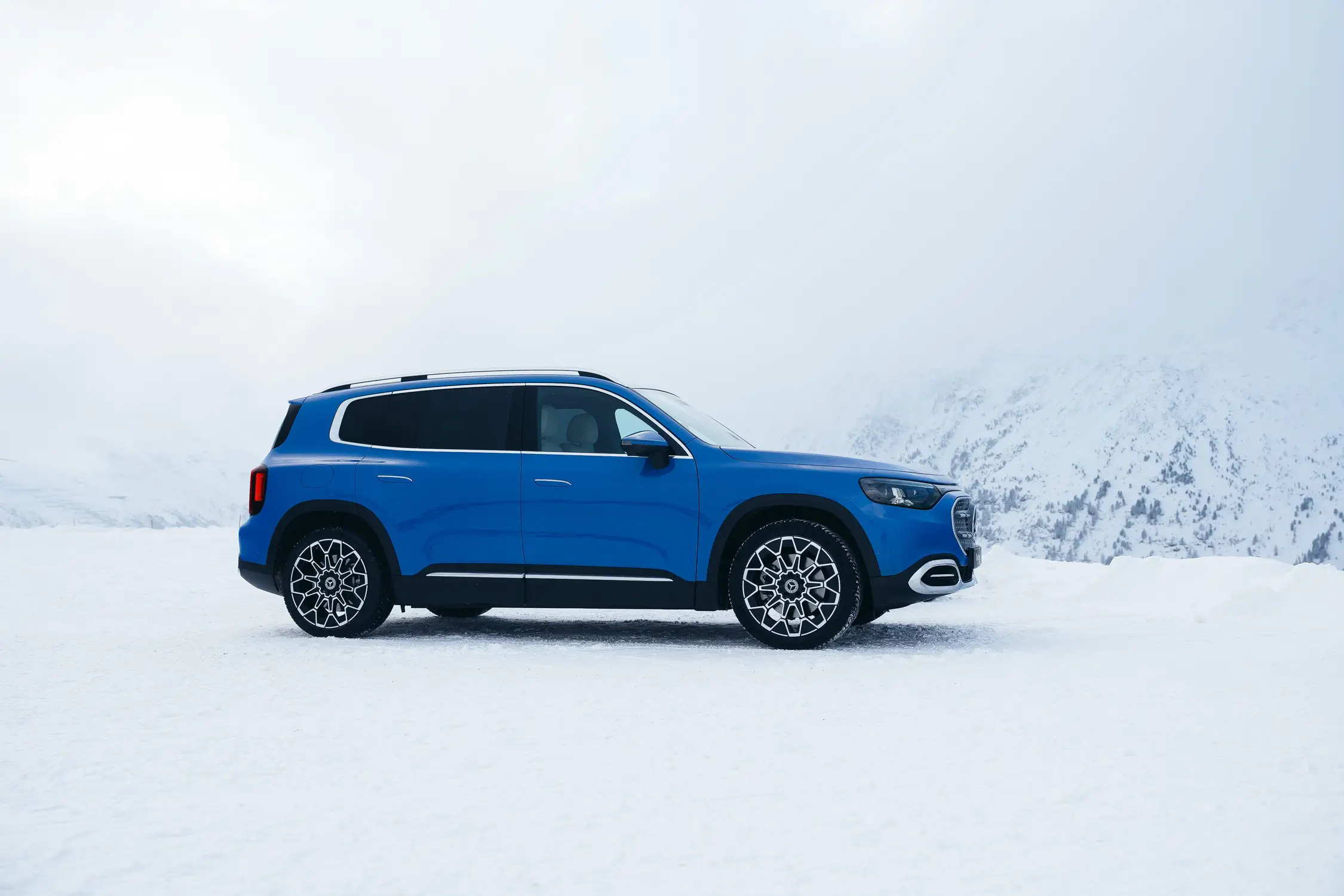
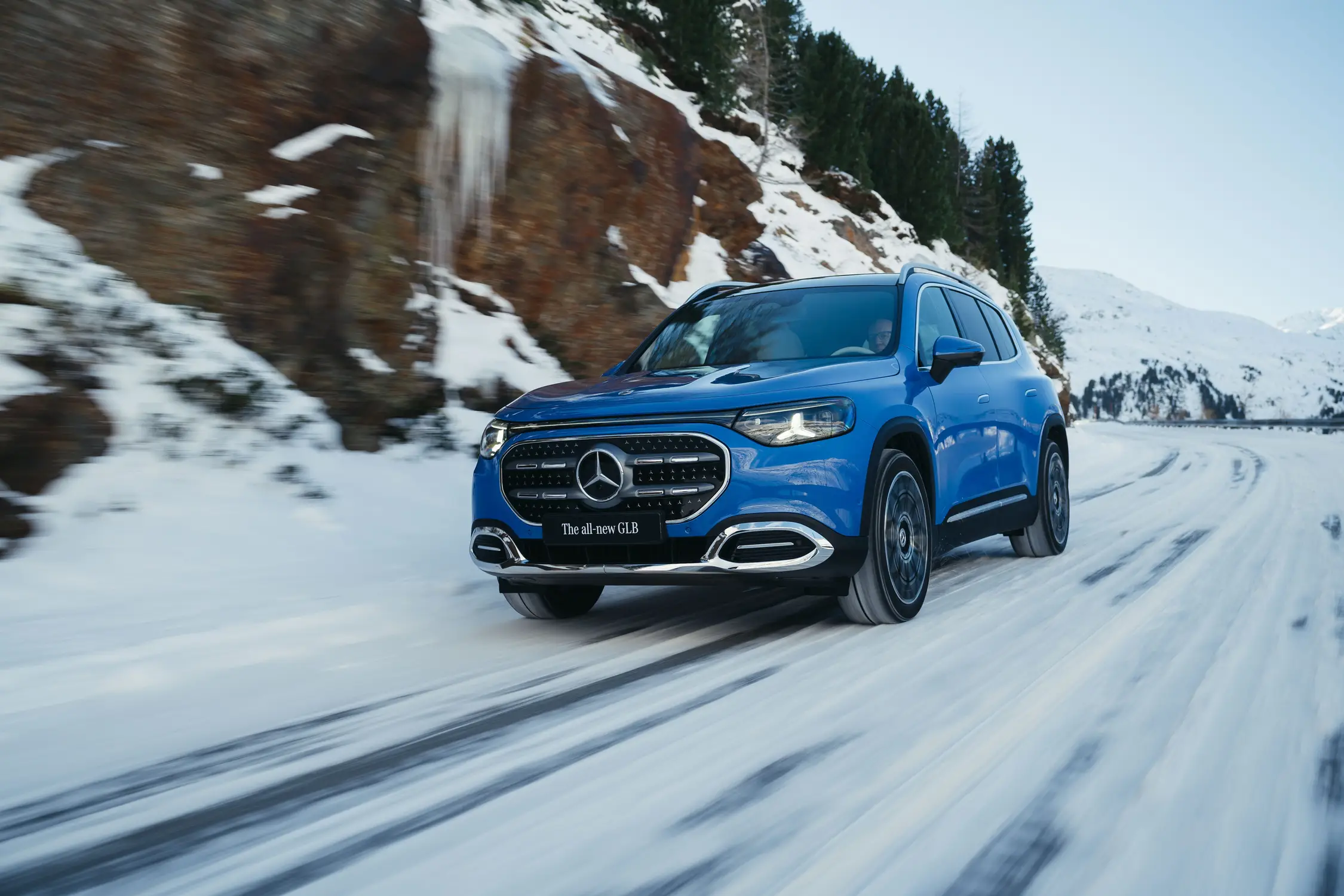
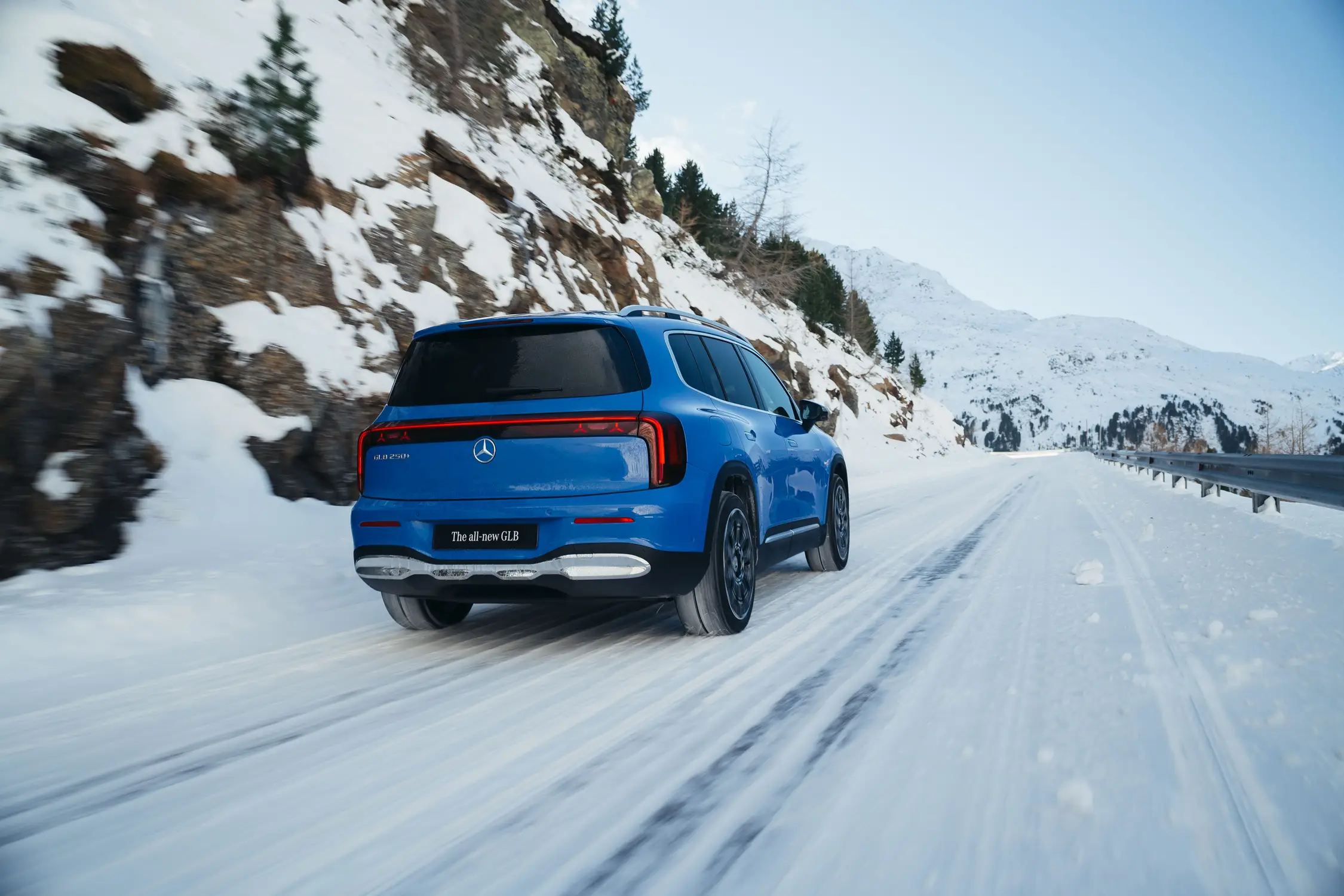
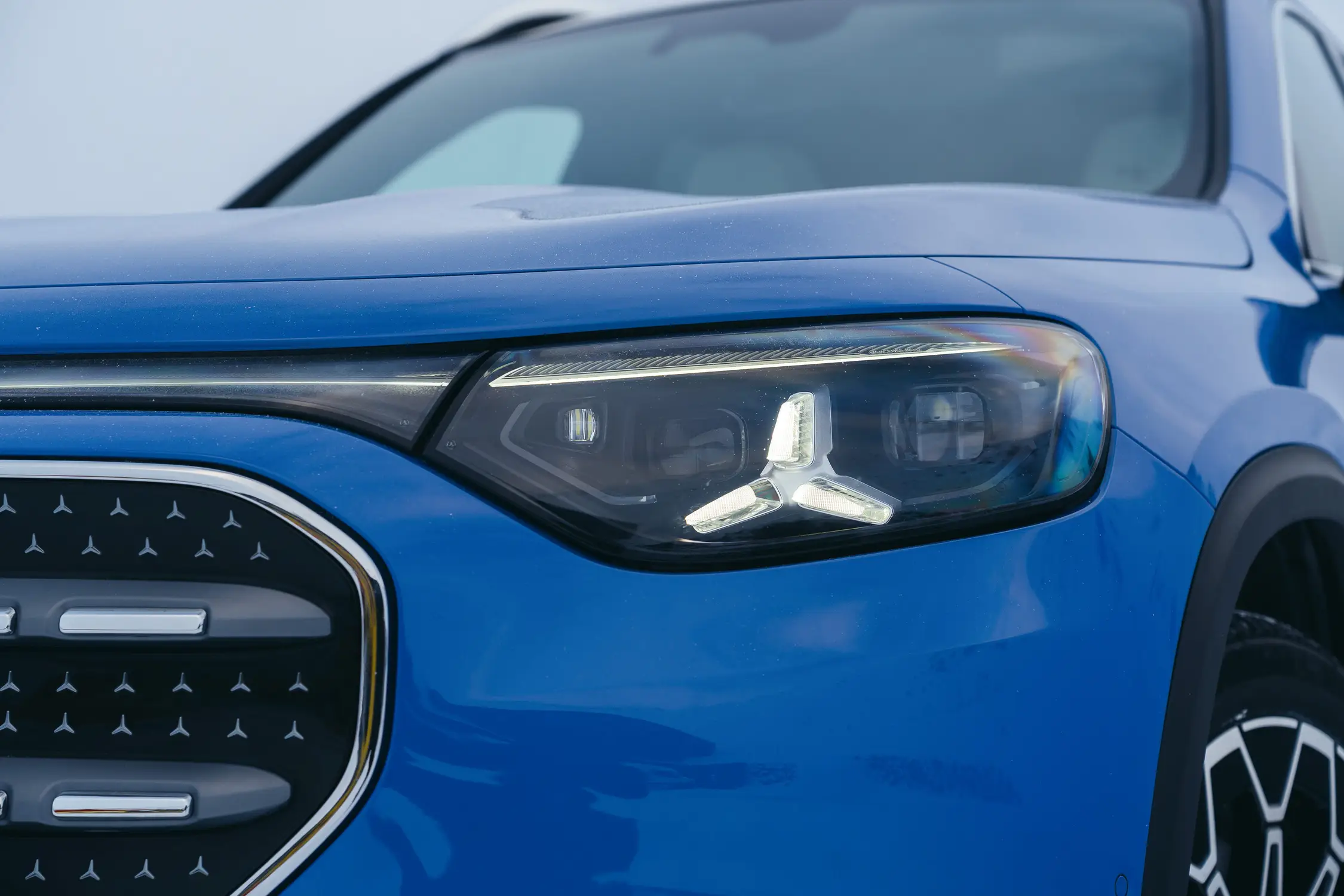
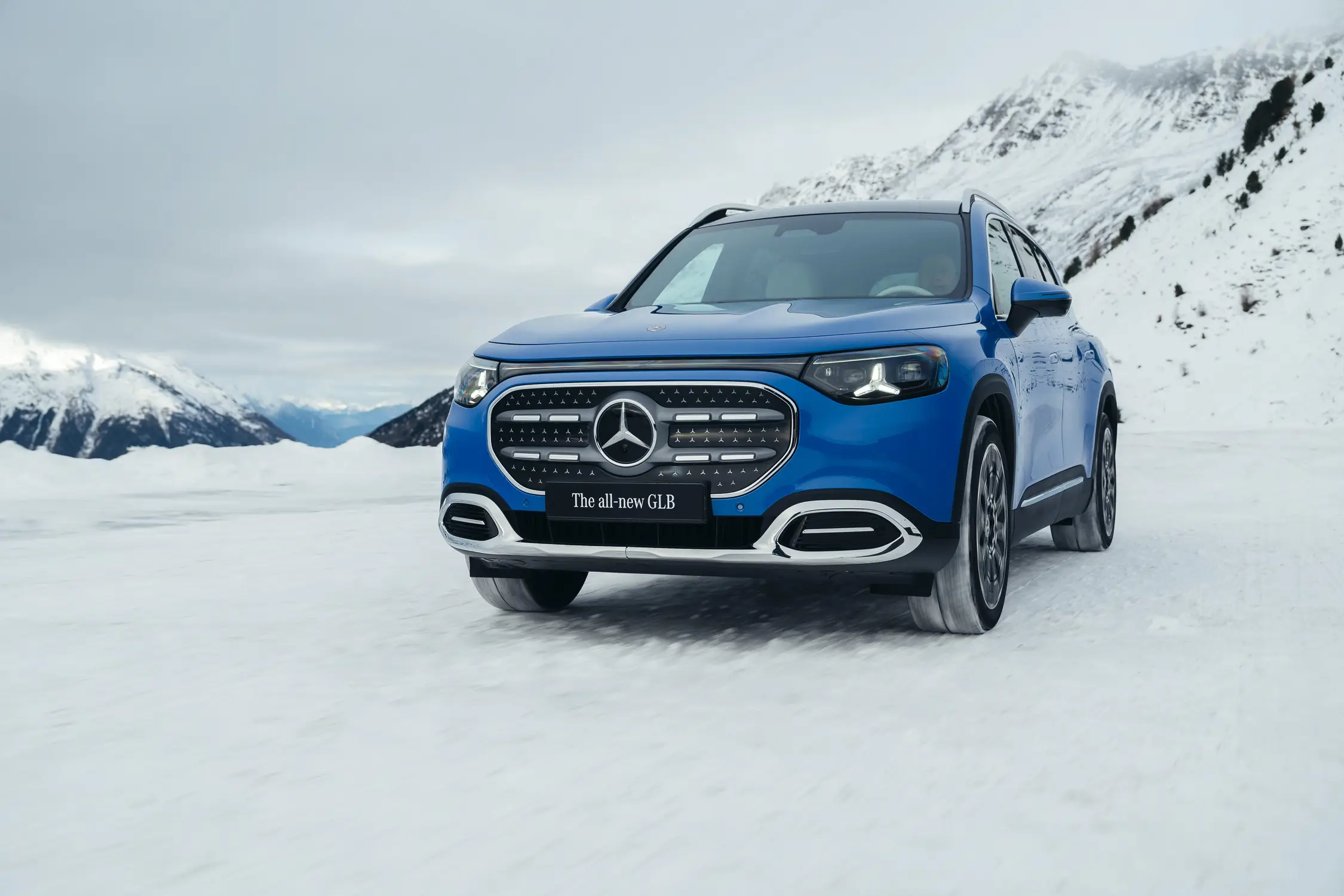
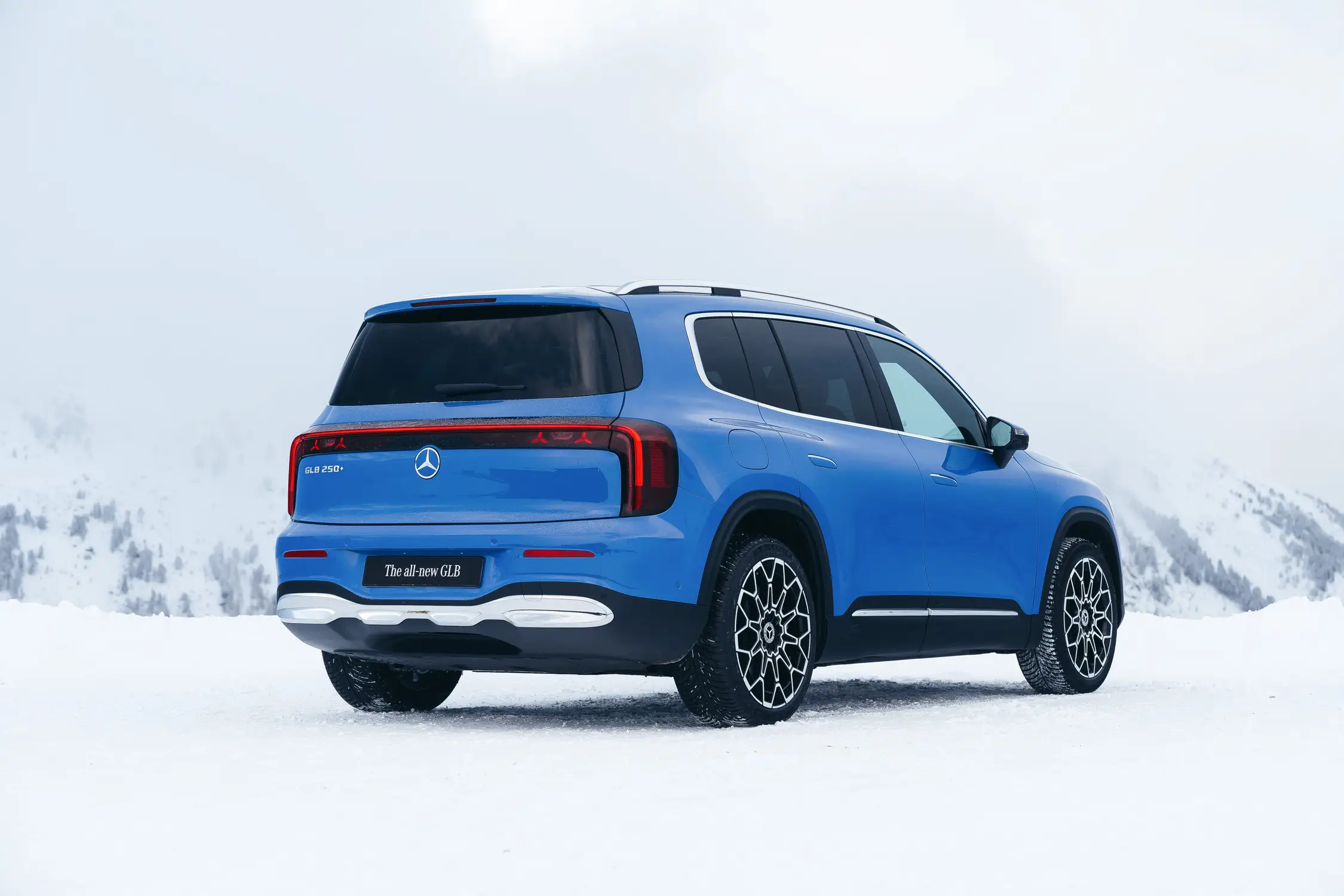
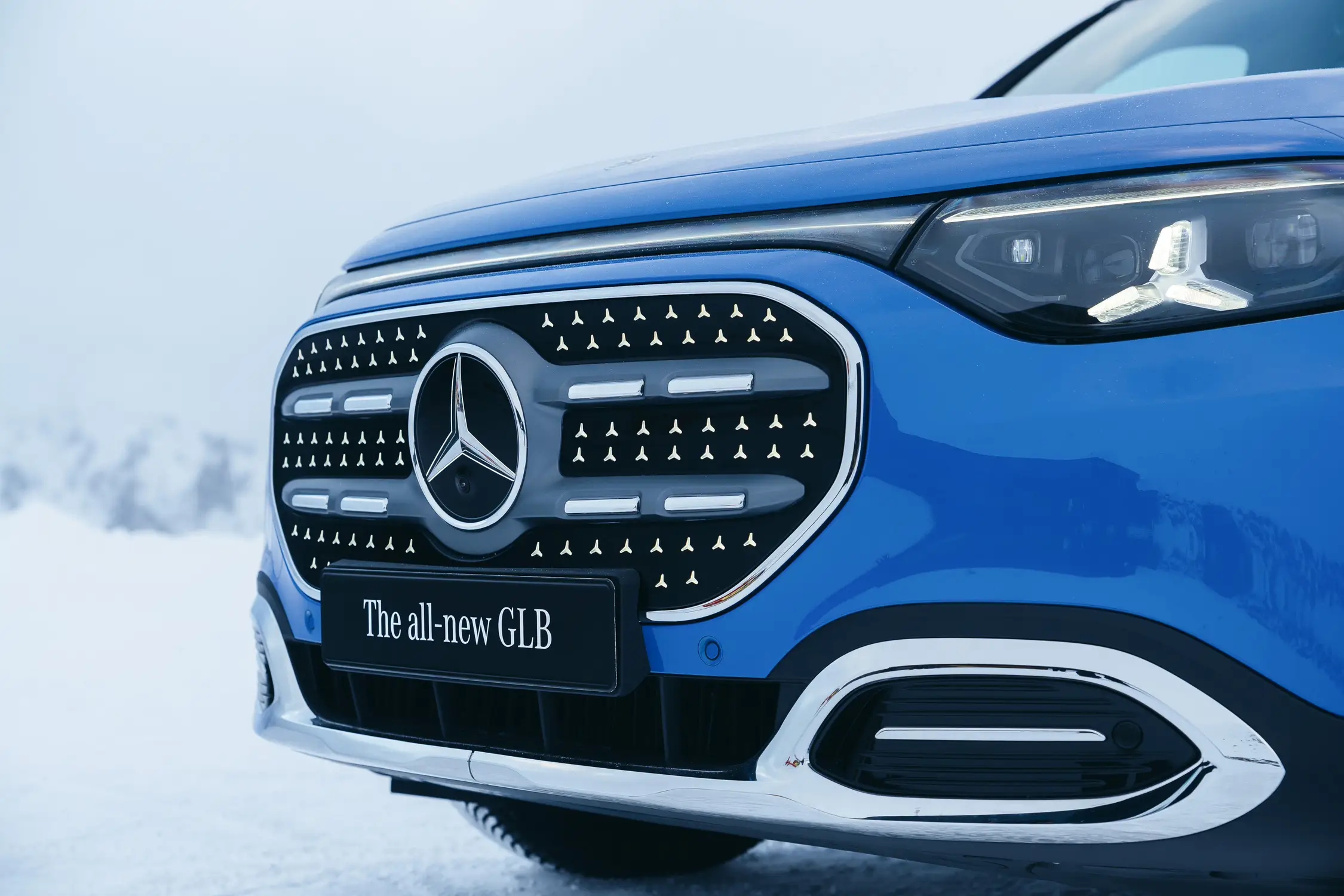
Visually, the 2027 GLB retains its characteristic boxy silhouette, affectionately nicknamed the “Baby G-Wagon” by many. This shape is not just aesthetic; it’s functional. The flat roof and vertical rear are essential for accommodating the third-row seats, a unique feature at this vehicle size. However, the front adopts the brand’s new visual language, inspired by the CLA concept, featuring what critics call the “unibrow” style—a light bar connecting the headlights above a prominent grille.
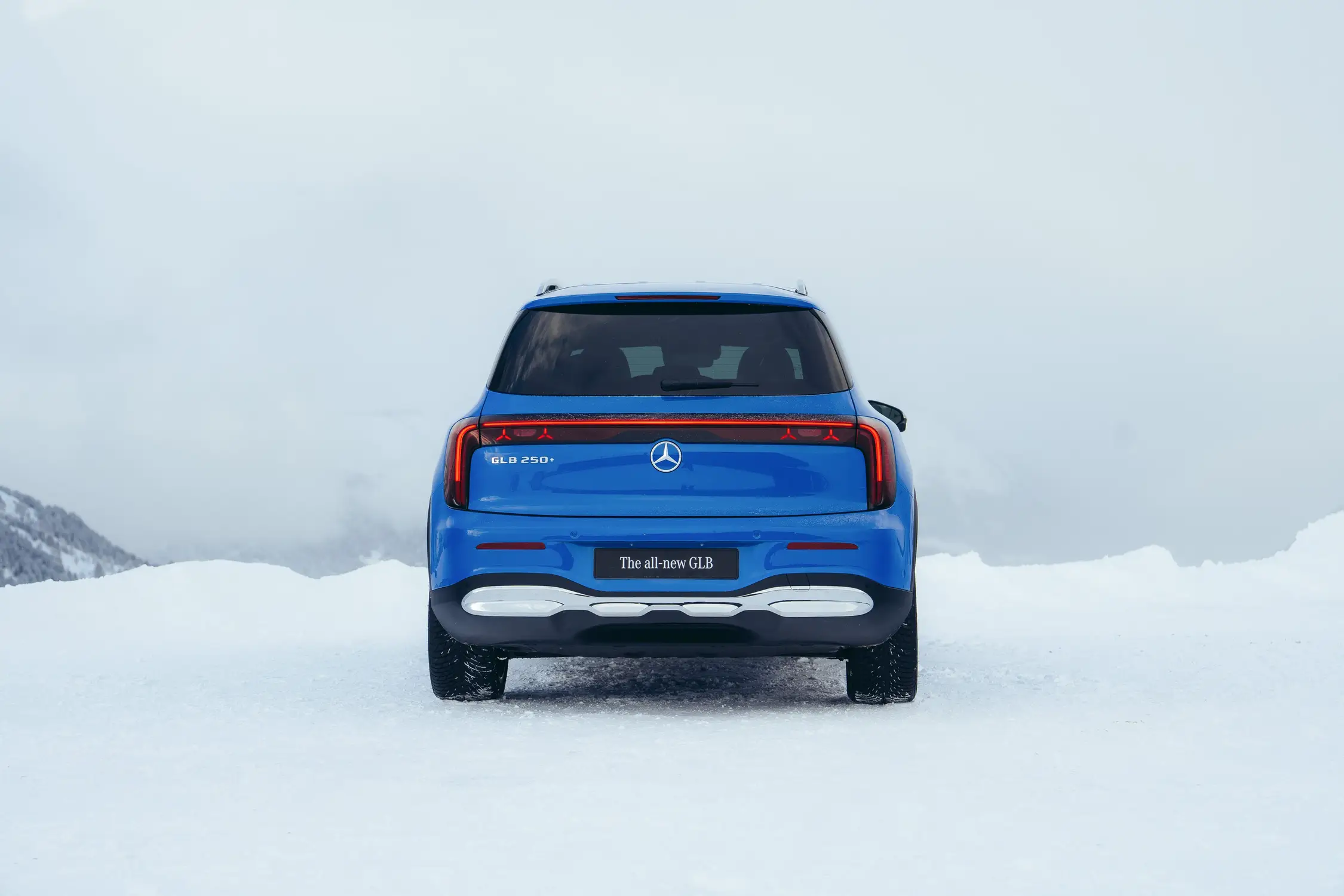
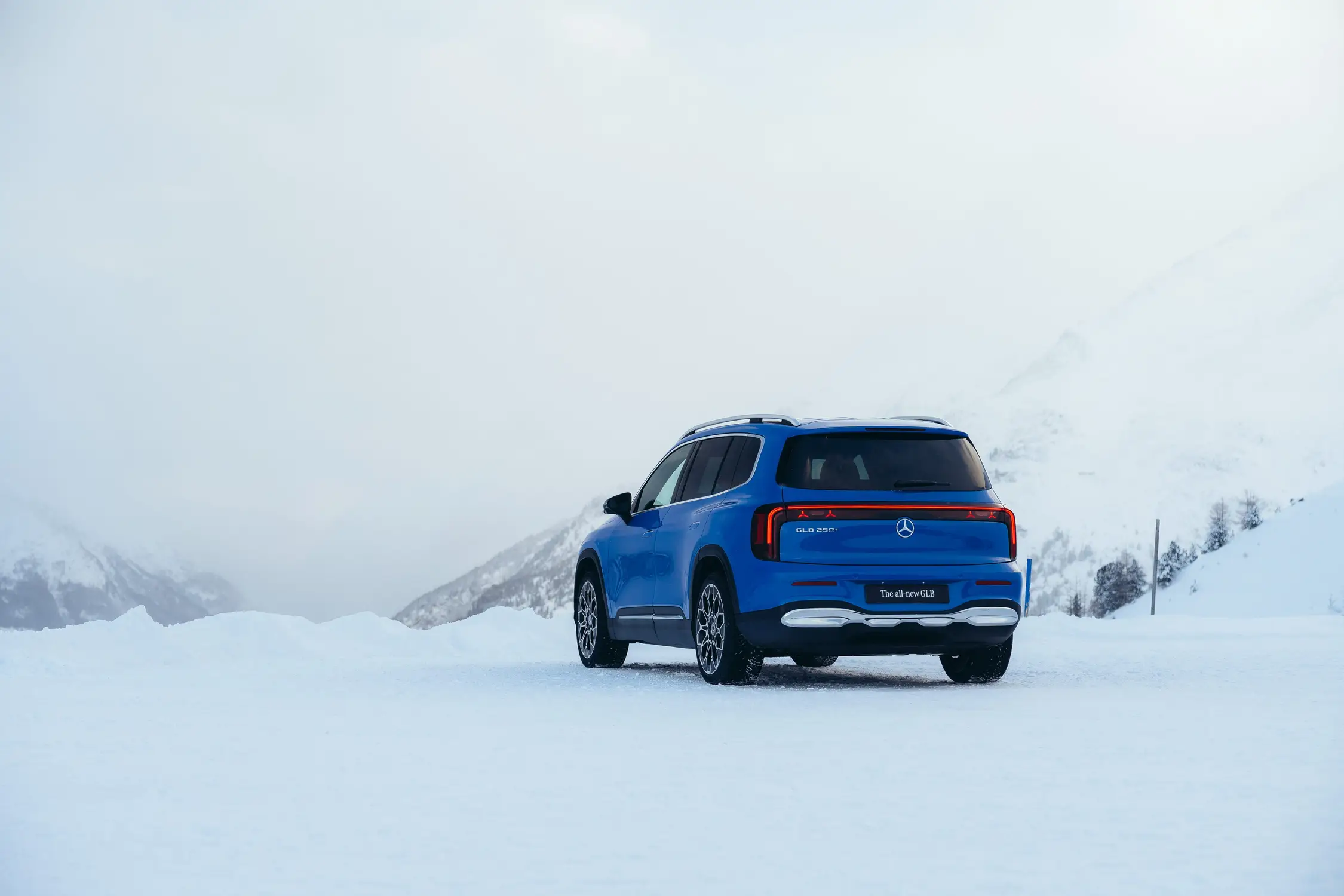
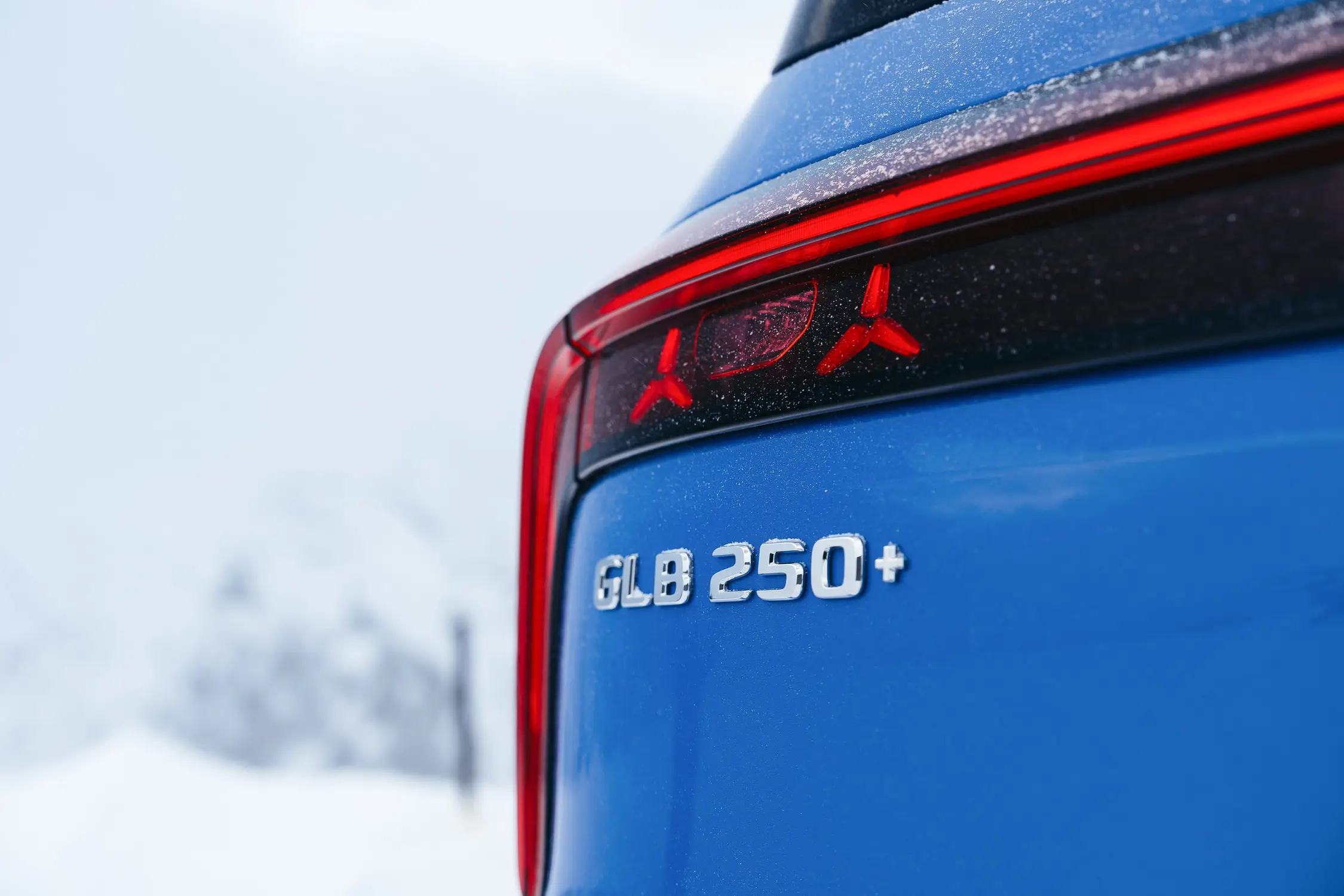
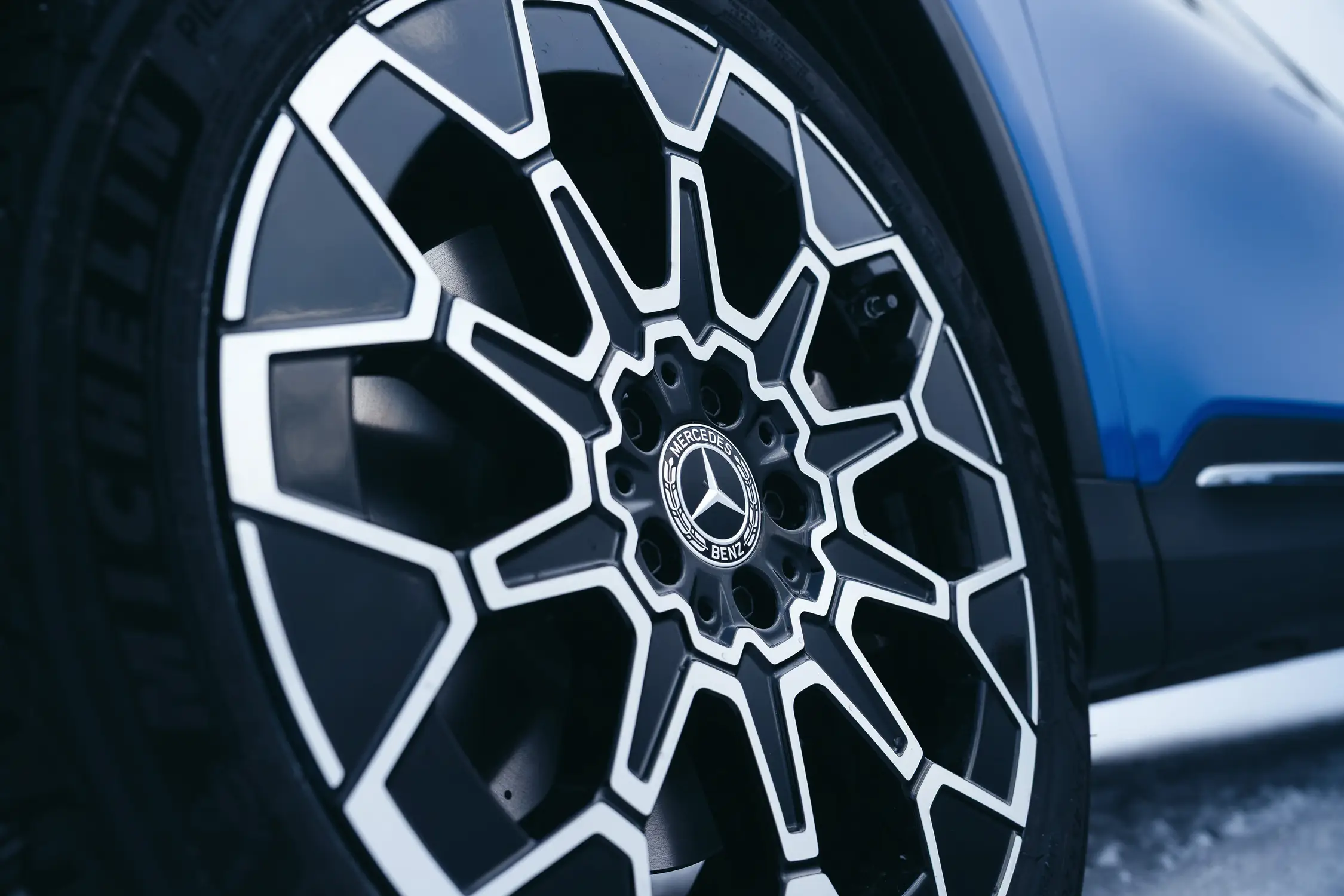
At the rear, LED lighting runs across the entire width of the vehicle, creating an unmistakable nocturnal signature. The more vertical D-pillar enhances robustness, while subtle aerodynamic improvements (such as flush door handles and optimized wheels) help slice through the wind more efficiently. It’s an evolution that modernizes the car without alienating fans of the original utilitarian design. Meanwhile, direct rivals are also undergoing radical changes, as seen when BMW iX3 2027 abandons the traditional panel and opts for panoramic projection, indicating that the future of German design is in full transformation.
Digital Revolution: The Superscreen and Artificial Intelligence
If the exterior is an evolution, the interior is a complete revolution. The optional “Superscreen” is the absolute protagonist. Imagine three screens under a single glass surface, extending from pillar to pillar. The driver receives a 10.3-inch instrument cluster, while the center is dominated by a 14-inch touchscreen. The front passenger isn’t left out, gaining their own 14-inch screen for entertainment or navigation control.
But hardware without software is just glass. Mercedes integrated Google Maps natively into the navigation system, addressing one of users’ biggest demands. Additionally, the MB.OS operating system utilizes multiple Artificial Intelligence agents simultaneously. This enables natural conversational interaction. The car not only follows commands; it understands context.
This race for AI integration in vehicles is heating up. China, for example, has been pushing European brands with rapid innovations. Recently, we saw how XIAOMI just revolutionized the XIAOMI SU7 with the new HAD Enhanced, and Mercedes must ensure its system in the 2027 GLB is as responsive and intelligent as its tech rivals.
Interior Space and Versatility
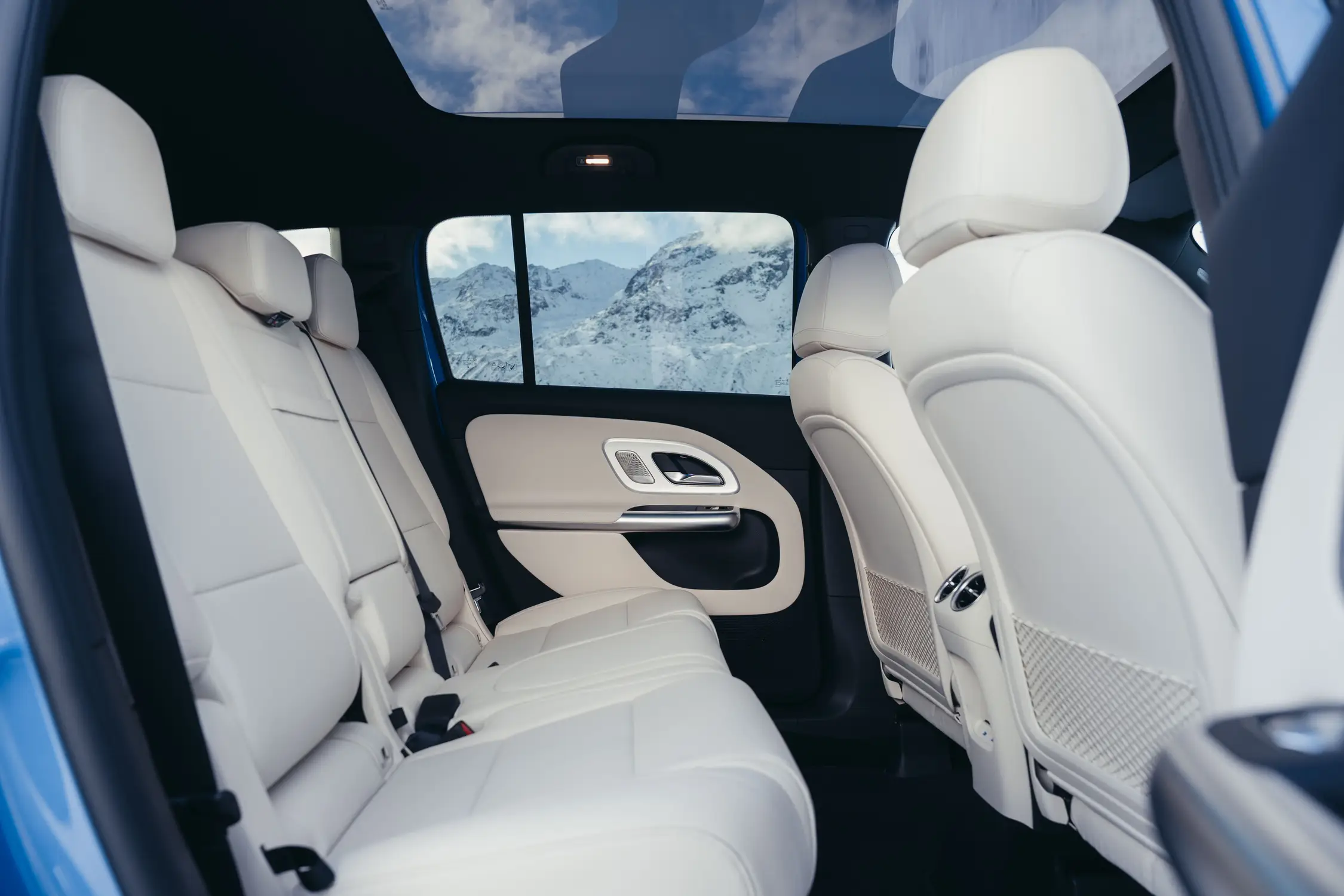
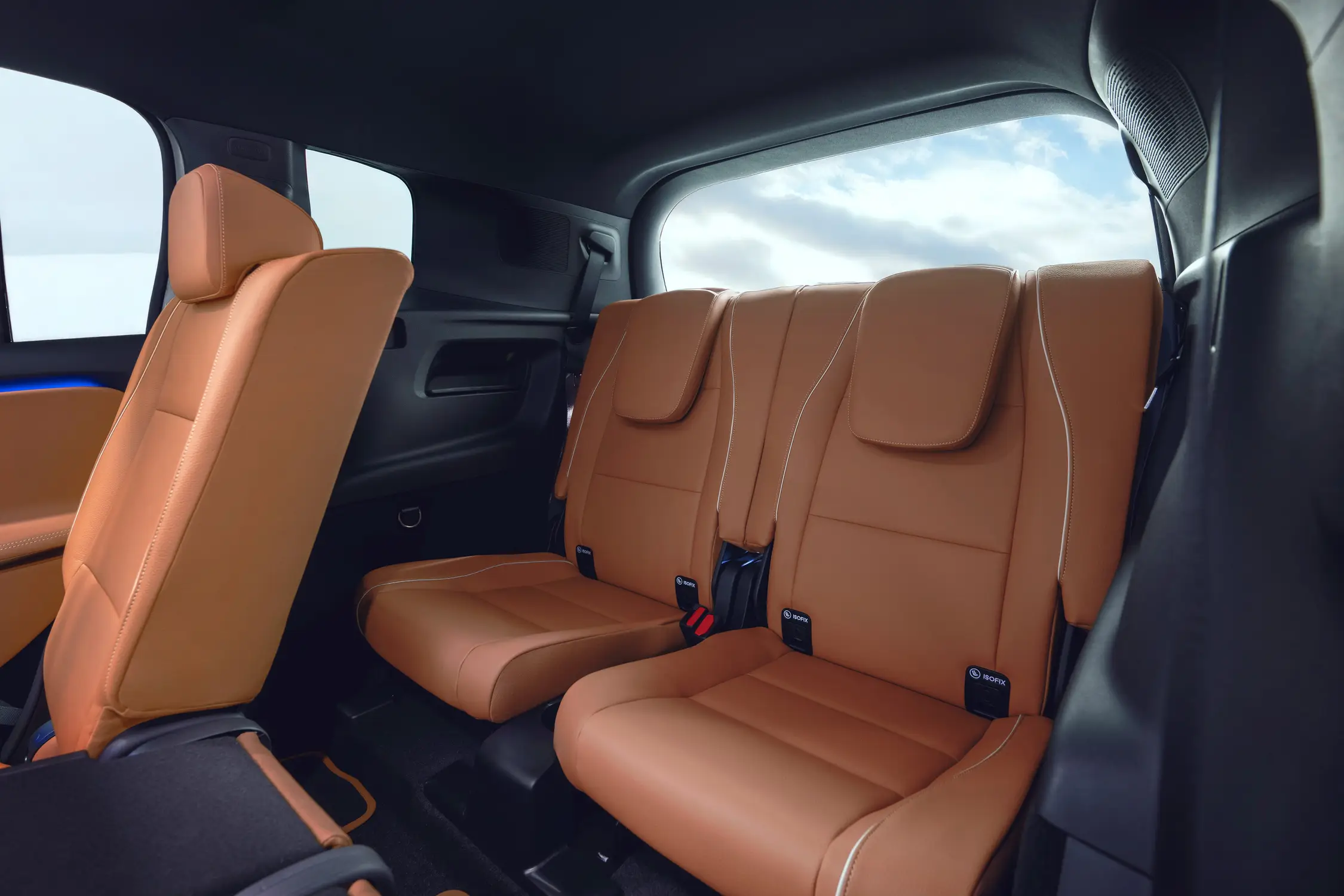
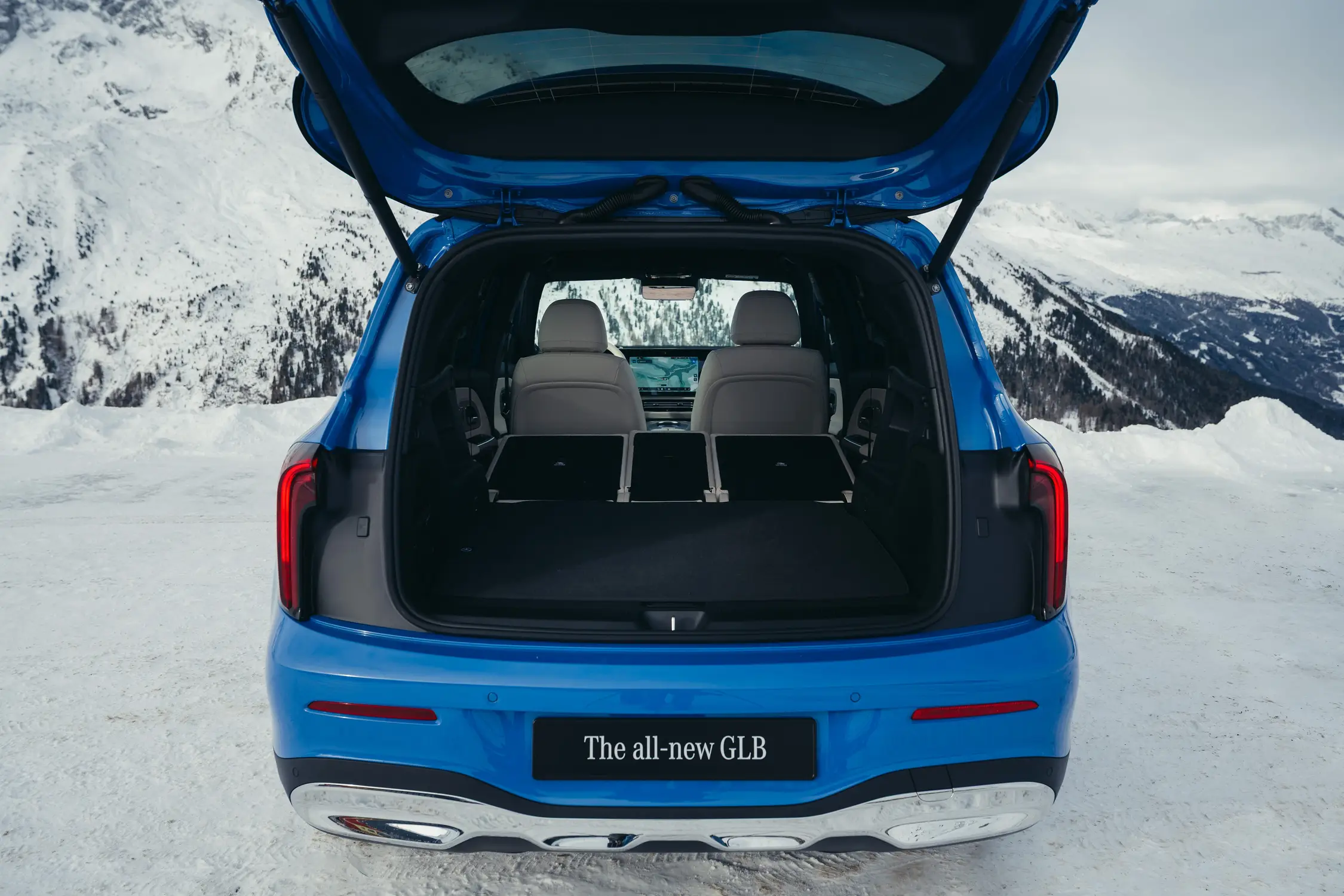
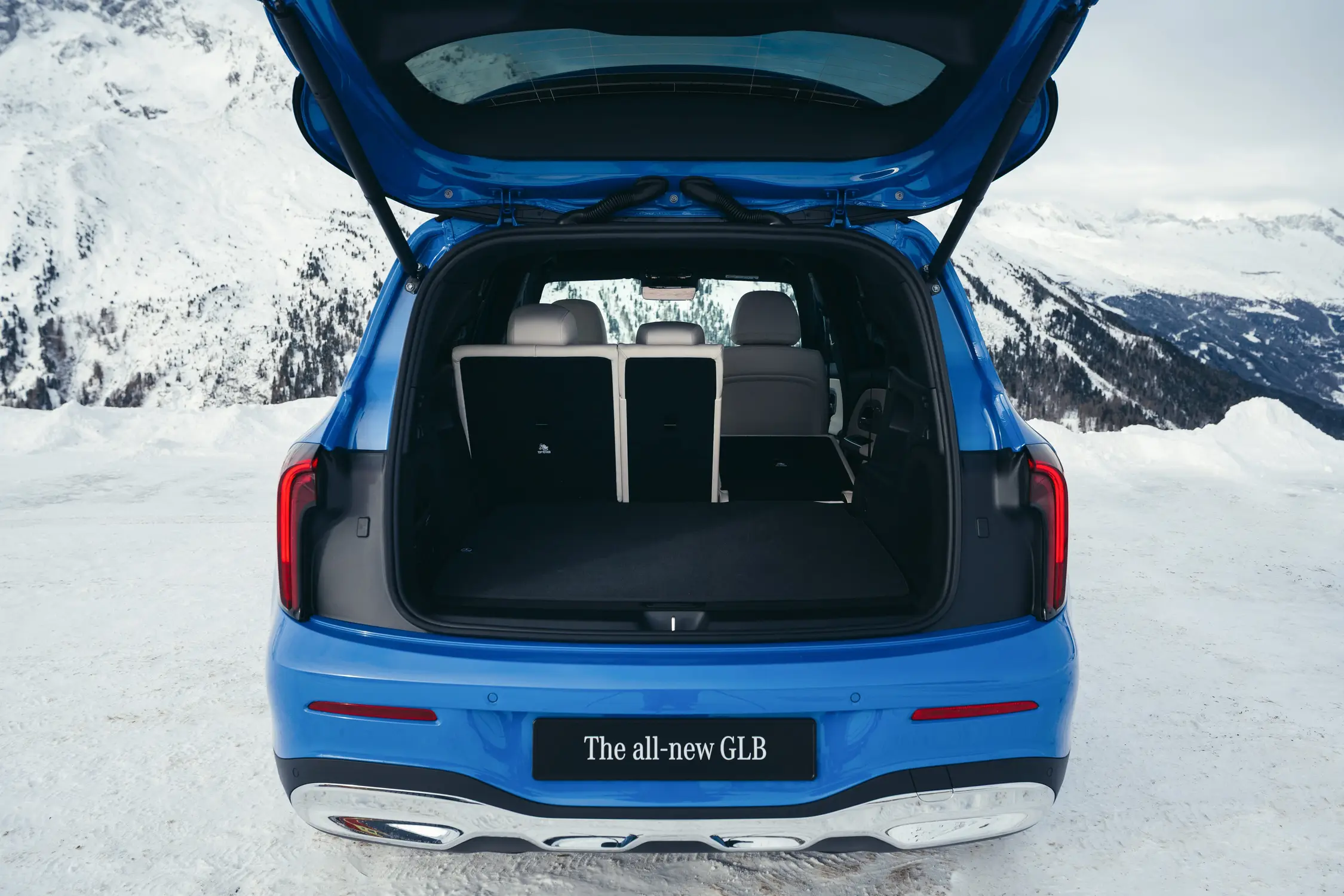
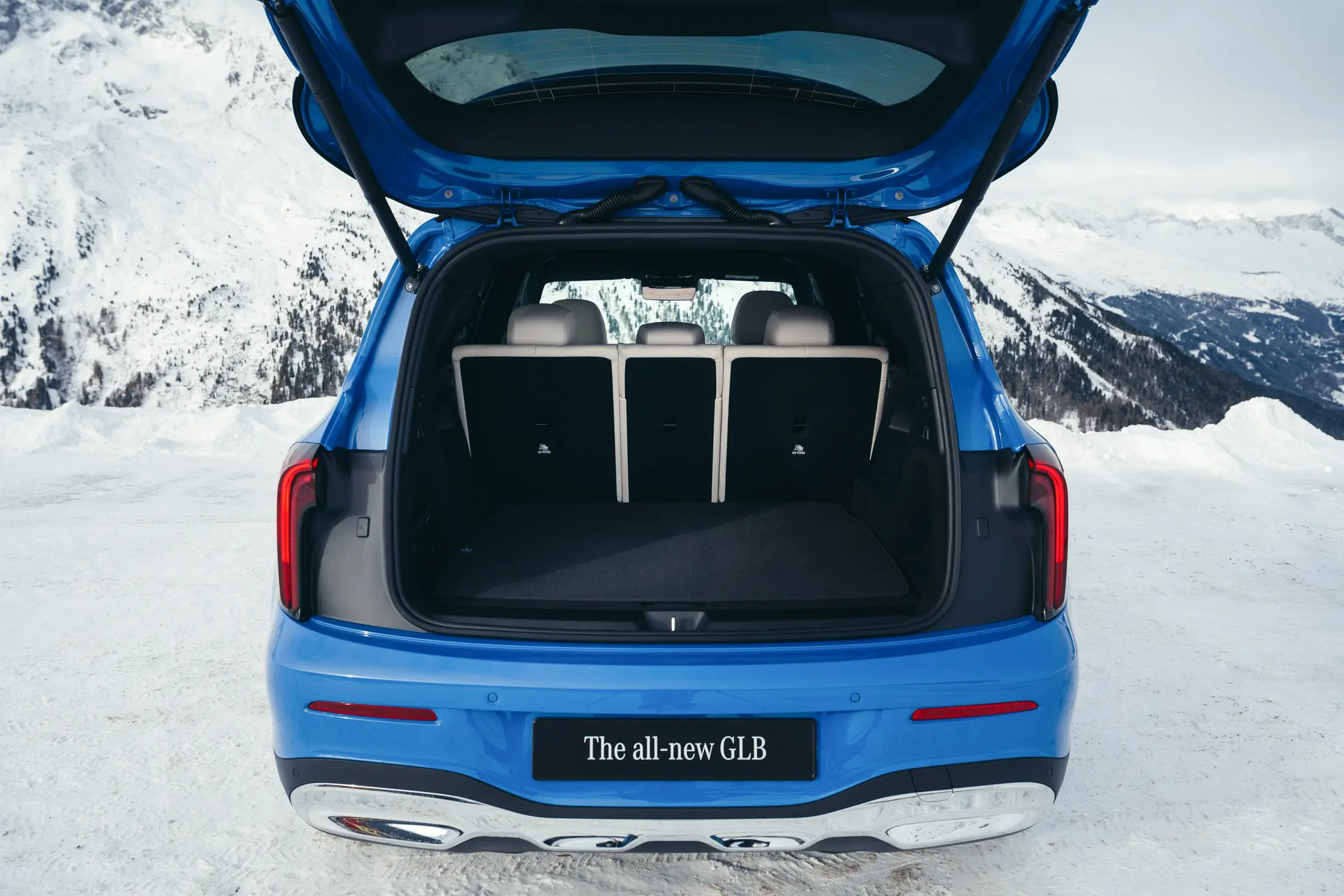
The increase in external dimensions paid dividends inside. Legroom in the second row grew an impressive 6.8 centimeters. For those traveling with child seats or teenagers, this makes all the difference between a smooth trip and a cramped one. Access to the third row was also improved, with larger rear doors and a smarter seat-folding mechanism.
It is important to be transparent: the third row is still mainly suitable for children or occasional adult use on short trips, especially because there was a slight reduction in headroom back there. However, having the option to carry seven people in a vehicle of this size (and electric) remains a strong Unique Selling Proposition (USP) for the GLB.
Pricing and Market Arrival for the 2027 GLB
Although official prices remain a closely guarded secret in Stuttgart, we can make educated estimates based on the positioning of the electric CLA. With the CLA350 orbiting around US$51,000, it’s safe to expect that the larger and more versatile GLB350 will command a premium, possibly starting near US$55,000 to US$60,000 in international markets.
Arrival is scheduled for late 2026 for the electric versions, with the hybrid landing in early 2027. For the Brazilian market, which has seen interesting fluctuations in the electrified sector, where Brazil sees imports fall but sales explode to a new record due to local production and new regulations, expectations are high. The new GLB is poised to become the ultimate luxury SUV for families seeking cutting-edge technology, seat flexibility, and the prestige of the three-pointed star—all wrapped in a body ready for the next decade.