
SUZUKI SWIFT became a laboratory to test oil substitutes. Sugar caramelizes and acid corrodes parts quickly. See the science behind the destruction.
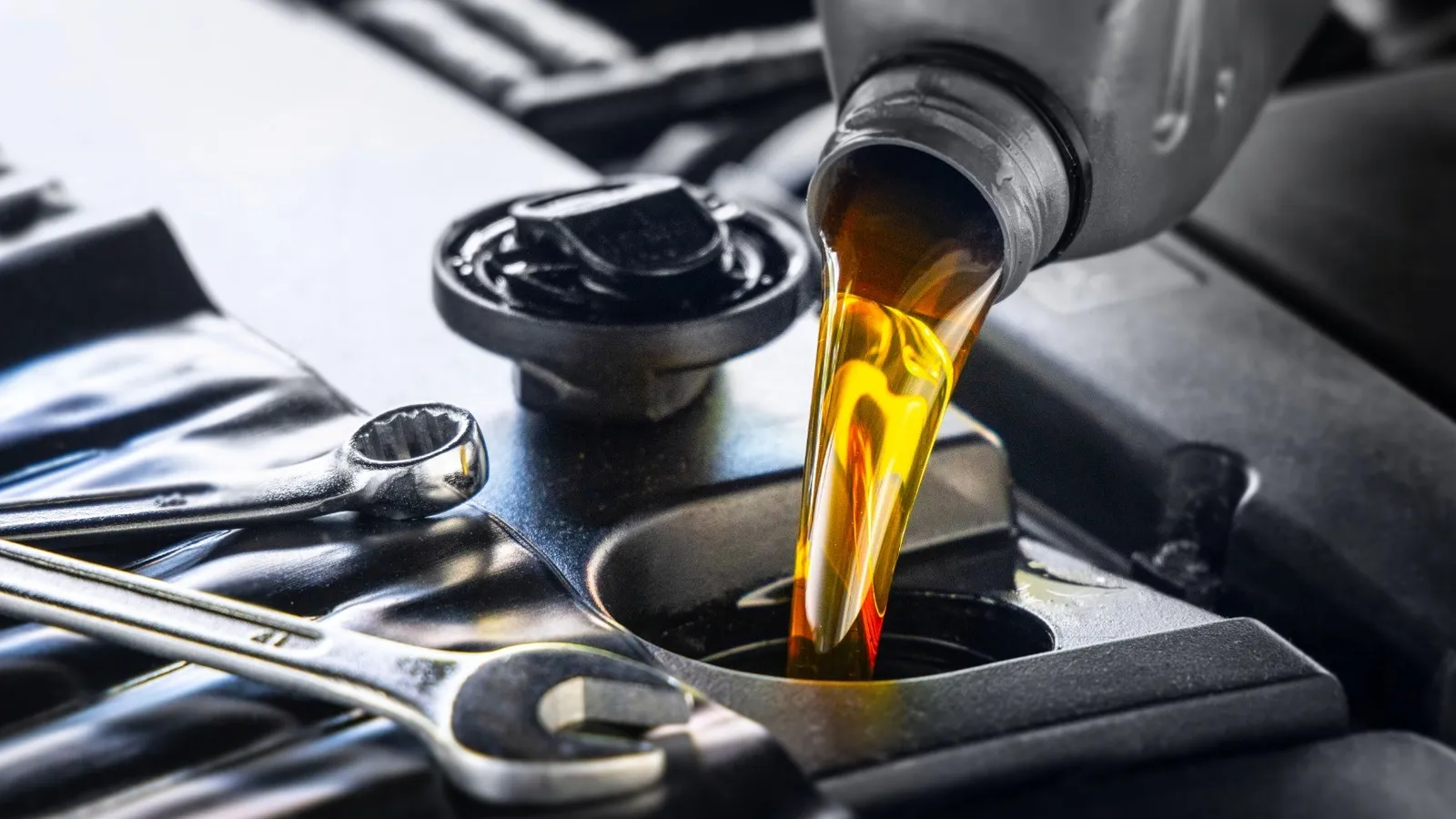
The internet is full of videos where content creators decide to test the limits of automotive engineering, often sacrificing entire vehicles in the name of views. One of the most notorious cases involved a Suzuki Swift that had its oil pan filled with Dr. Pepper coolant instead of traditional lubricant. Although it may seem like just a tasteless joke, the final result exposes critical failures that any owner should avoid at all costs. The reality is that none of these substances have the chemical formulation needed to protect moving parts against extreme friction and the heat generated during combustion.
The Science Behind Efficient Lubrication
Motor oil fulfills two primary functions that are often underestimated by laypeople: cooling and lubricating. It forms a microscopic film around moving parts, preventing direct contact between metals. This dramatically reduces wear and controls the heat generated by friction. To perform this task, the viscosity of the fluid must remain stable even under extreme temperatures. Homemade substances fail because they contain the specialized additives that distribute heat, protect against rust, and maintain the necessary consistency.
When the manufacturer’s correct specification is ignored, the risk of permanent damage increases exponentially. There are silent errors in engine maintenance that can destroy an engine before it even reaches 100,000 kilometers. Choosing the wrong lubricant falls exactly into this category of fatal negligence, as symptoms often only appear when the damage is already irreversible.
Viral Experiments That Destroyed Engines
Various YouTube channels have documented the use of bizarre ingredients, from Vegemite to milk and honey. In the case of soda, the mix of water, sugar, and phosphoric acid creates a perfect scenario for corrosion. Sugar caramelizes at high temperatures, leaving sticky deposits that clog oil passages. The acid can generate flammable hydrogen gas when it comes into contact with internal metals. Another famous test used gasoline as a substitute, which resulted in immediate fire due to the lack of buffer between moving parts.
Inconsistent viscosity is another villain. Vegetable oils, such as olive oil, may work for a few minutes, but they decompose quickly with oxidation and water, creating sludge. The thickness of these fluids varies too much with temperature, failing to protect critical components like bearings and the crankshaft. Understanding internal geometry is vital, since the piston shape determines the durability of the assembly, and without proper lubrication, any design fails prematurely.
Why Substitutes Fail Catastrophically
Modern lubrication engineering is the result of decades of chemical research. Detergent additives disperse contaminants, while anti-wear agents protect metal surfaces under extreme loads. Home-made substitutes lack this technology. Milk, for example, coagulates when heated, forming protein and fat clumps that block circulation. Honey absorbs moisture from the air, altering its thickness and compromising engine protection.
In high-performance or stressed engines, the demand is even greater. Systems with turbocharger versus supercharger generate additional heat that requires an oil capable of dissipating thermal energy efficiently. Using inadequate substances in these scenarios accelerates bearing failure and can lead to complete engine block meltdown. Historically, even old rotary engines suffered from castor oil leaks, as seen in the Gnome Omega Rotary Engine, proving that lubrication has always been a critical challenge.
Beyond mechanical damage, there is a safety risk. Leaks of flammable or corrosive fluids in the engine compartment can cause fires or electrical failures. Warning signs are often ignored until it’s too late. Knowing the deadly signs your mechanic is hiding can save your vehicle from premature replacement. The immediate savings from using the wrong products never justify the cost of a new engine.
There is no safe shortcut for your vehicle’s health. The automotive industry has developed specific synthetic and mineral oils for each type of operation and climate. Trying to replicate these properties with kitchen ingredients or drinks is a guarantee of mechanical destruction. Viscosity consistency and chemical protection are irreplaceable. Protecting your automobile investment requires respecting technical specifications and understanding that oil is the blood that keeps the car’s heart beating strong for years.