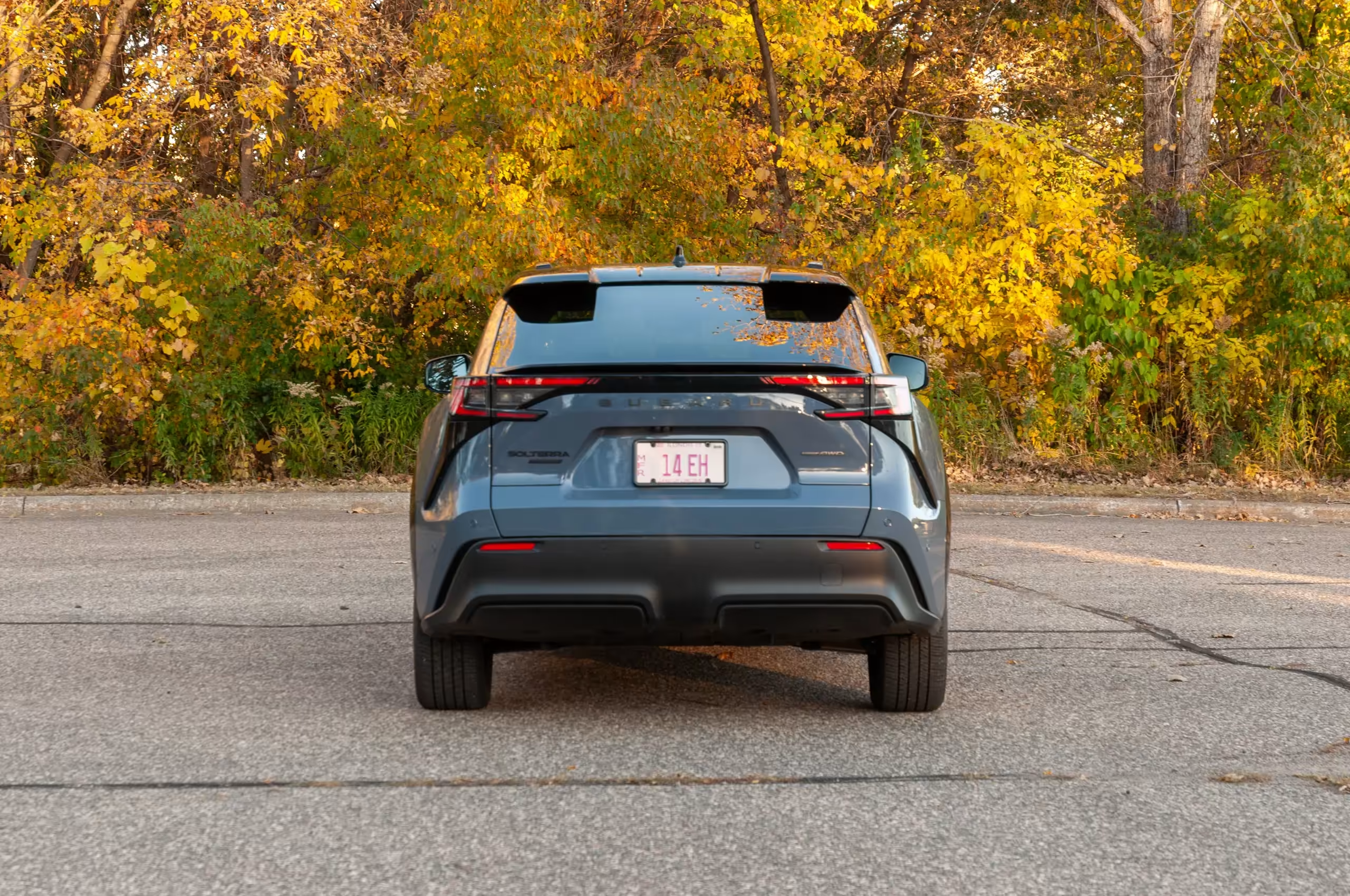
Forget the past. The new SOLTERRA 2026 delivers 338hp, charges on the Tesla network, and costs less than the Toyota. Will it be the best EV buy of the year?
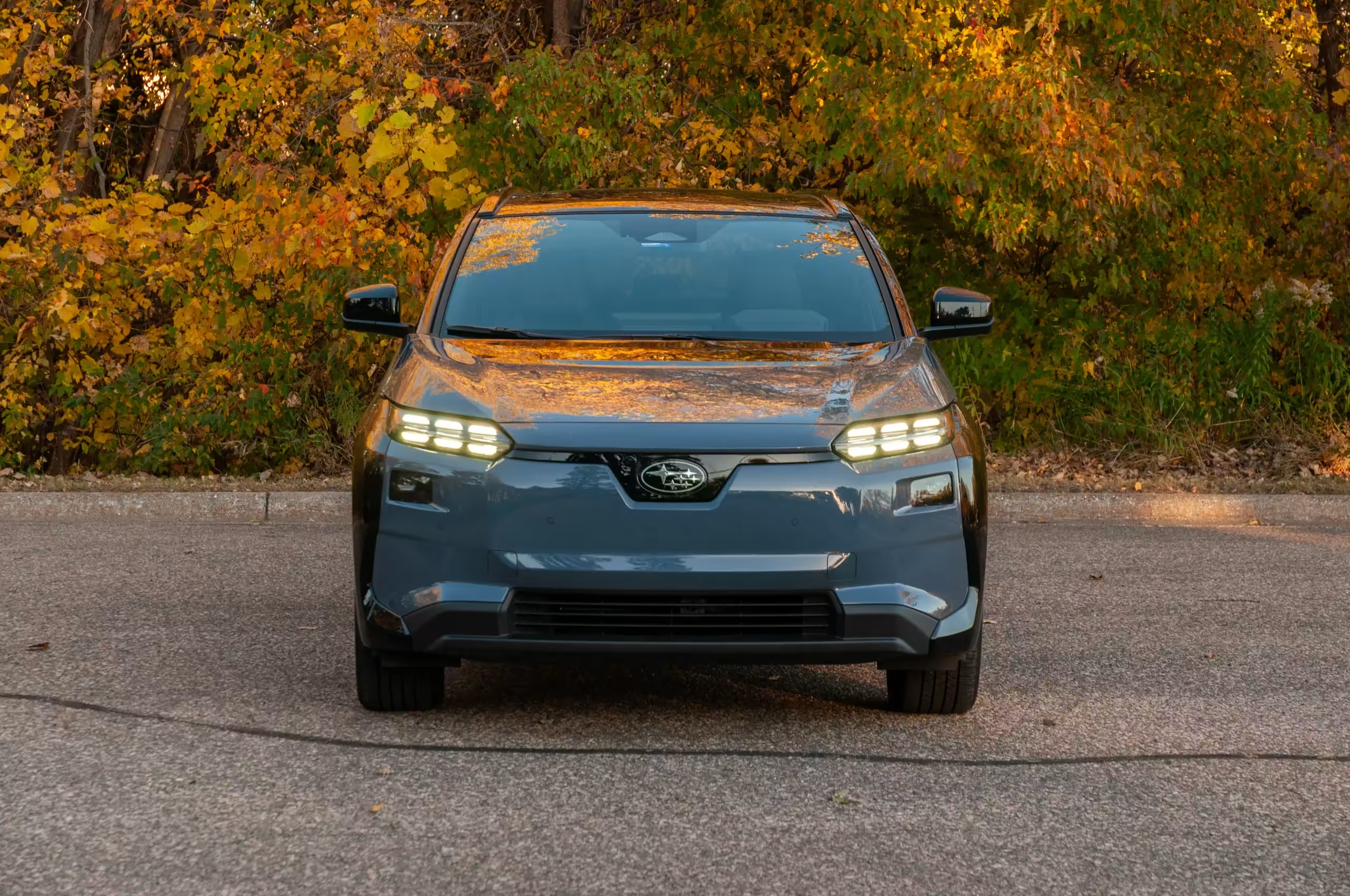
Forget everything you’ve heard about the tumultuous launch of the first electric vehicles from the Toyota-Subaru partnership. The SUBARU SOLTERRA 2026 is not just a mid-cycle update; it’s a formal apology turned cutting-edge engineering. Subaru not only listened to the criticism but attacked it with a rare aggressiveness in the Japanese automotive sector. With more range, a finally sensible design, and a price that makes its platform siblings (Toyota bZ4X and Lexus RZ) look like bad jokes, the new Solterra emerges as the “dark horse” of the year. If you were waiting for the right moment to consider an electric SUV that prioritizes real life over unrealistic technical specs, now is the time. Best Subaru EV 2026.
The End of the “Identity Crisis”: Design and Personality for the US Market
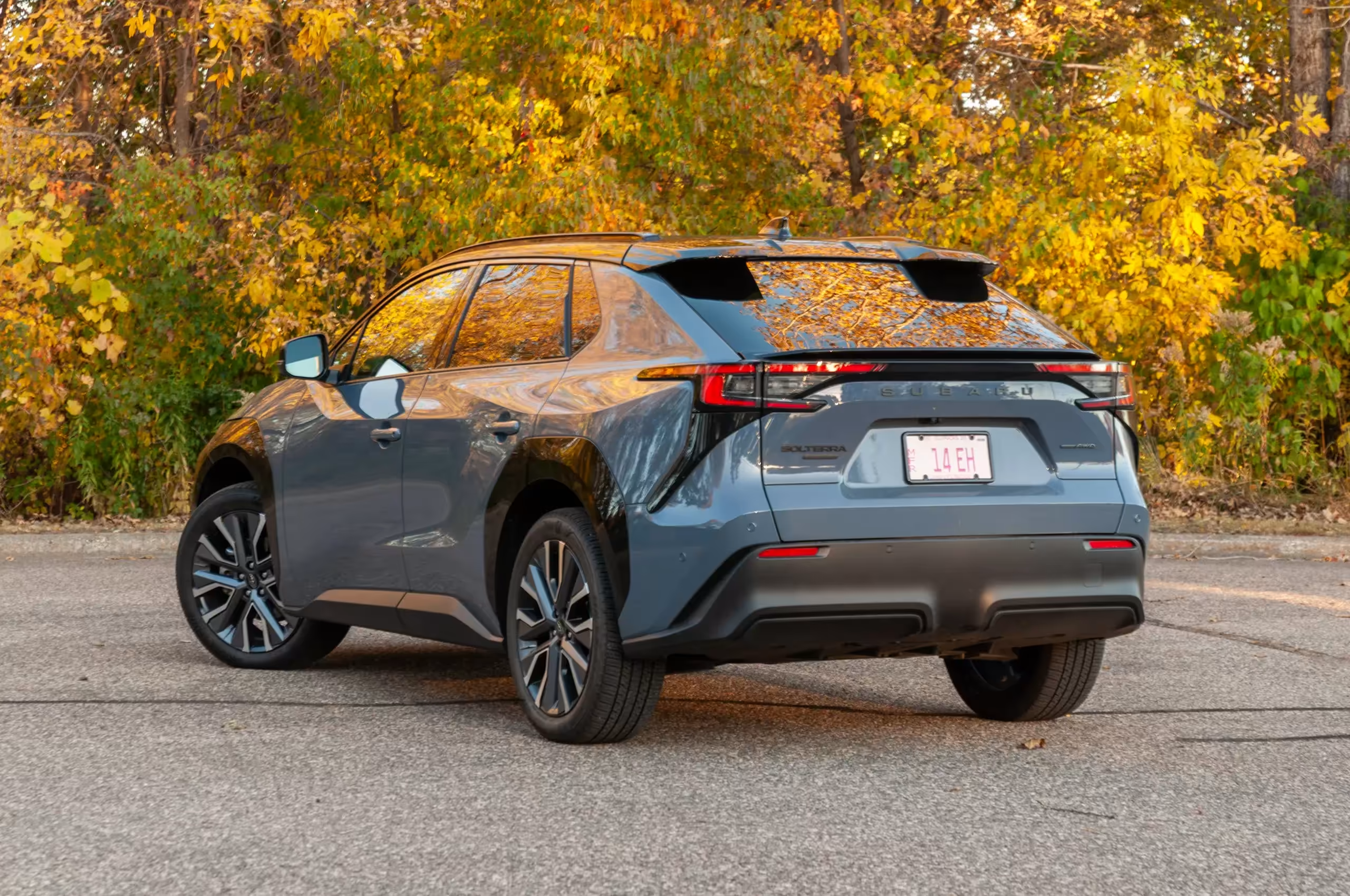
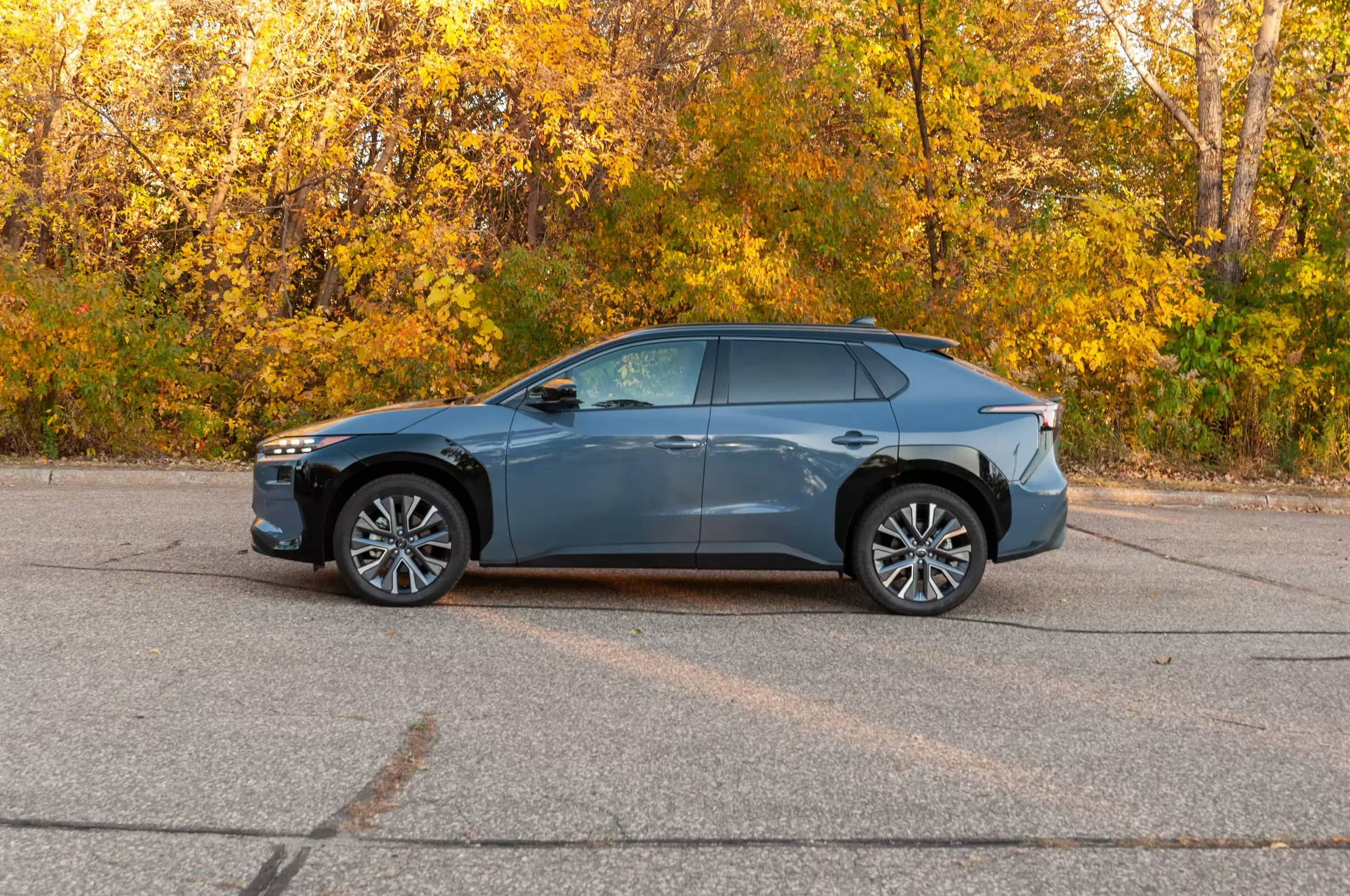
When the original Solterra was launched, it suffered from a severe identity crisis, looking like a confusing clone of Toyota. The 2026 model solves this with necessary and well-executed cosmetic surgery. The front has been completely redesigned. The awkward fake grille disappeared, replaced by a clean, aerodynamic, and robust bumper that screams “Subaru.”
The new split headlights and LED daytime running lights with six diodes per side give a fierce visual signature, setting it apart from the generic look of competitors. At the rear, replacing the logo with the full “SUBARU” name on the trunk reinforces the company’s confidence in the product. It’s a car now proud of its heritage, which is vital for a company with a history of mechanical issues that haunted some models in the past but always maintained a legion of loyal fans due to its renowned AWD capability.
Main Aesthetic Changes:
- Removal of the fake front grille for a more EV look.
- New aerodynamic wheel designs optimized for EV efficiency.
- Updated rear visual identity with premium typography.
Interior: Where Lexus Meets Subaru Practicality
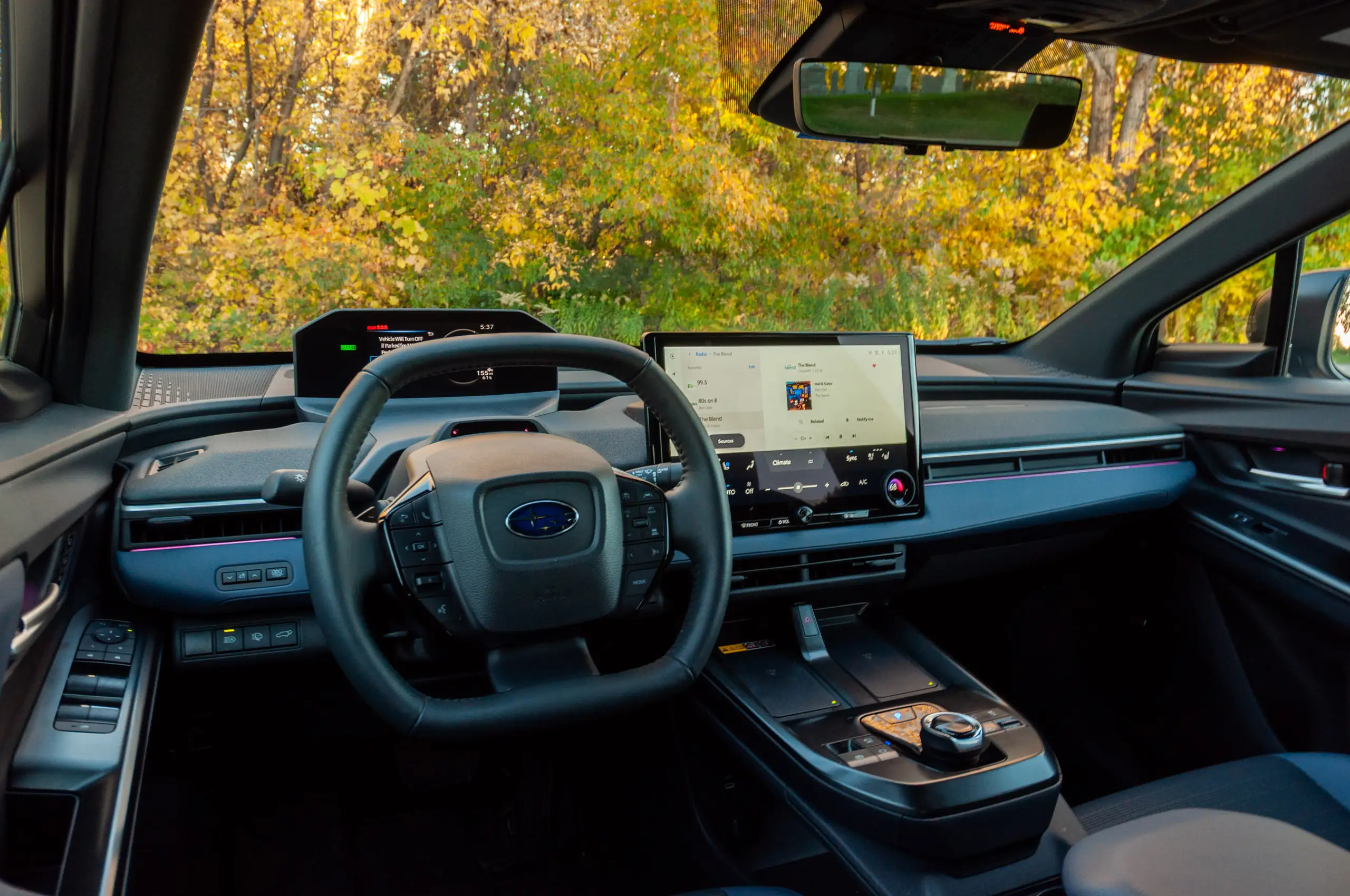
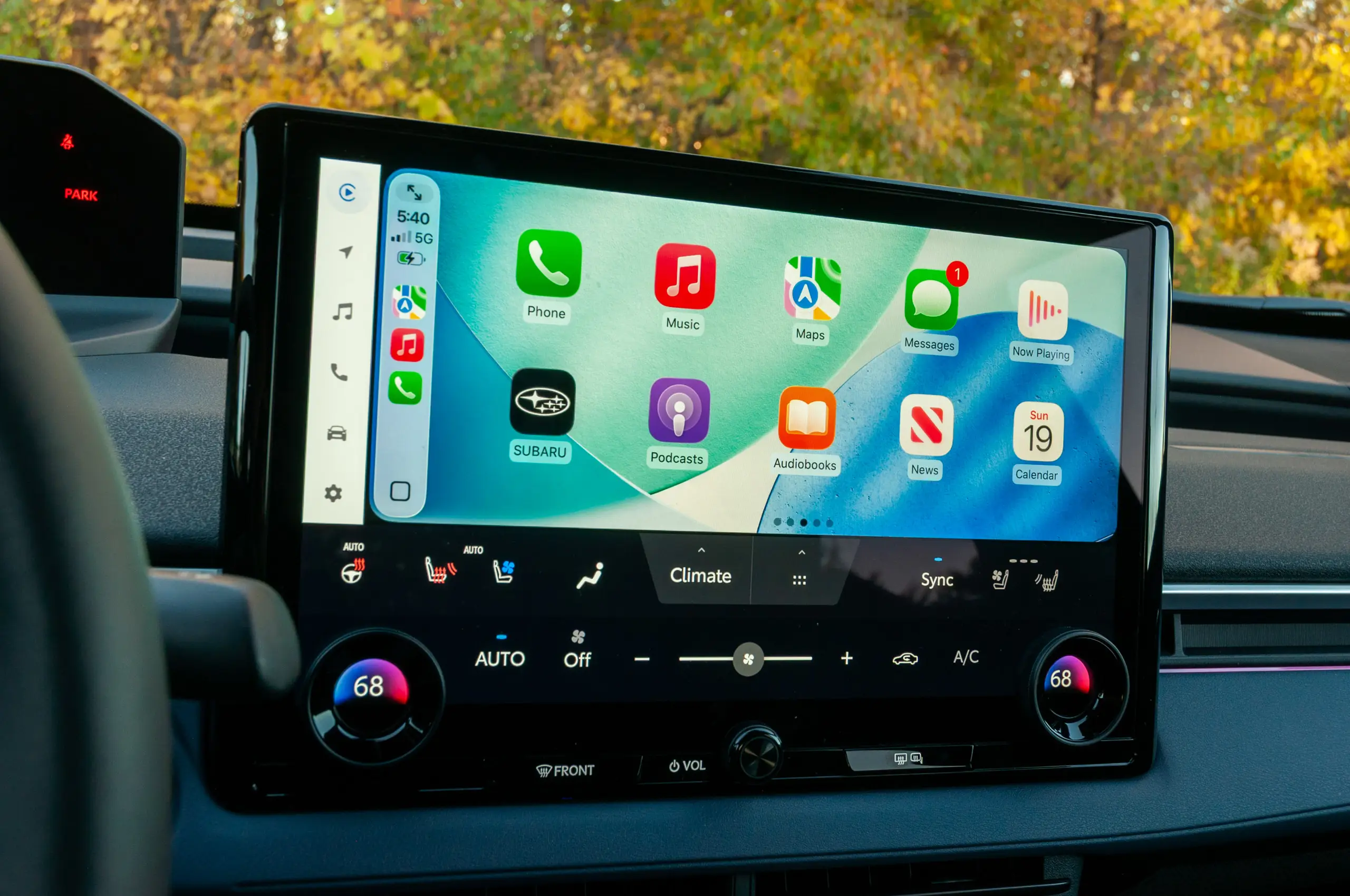
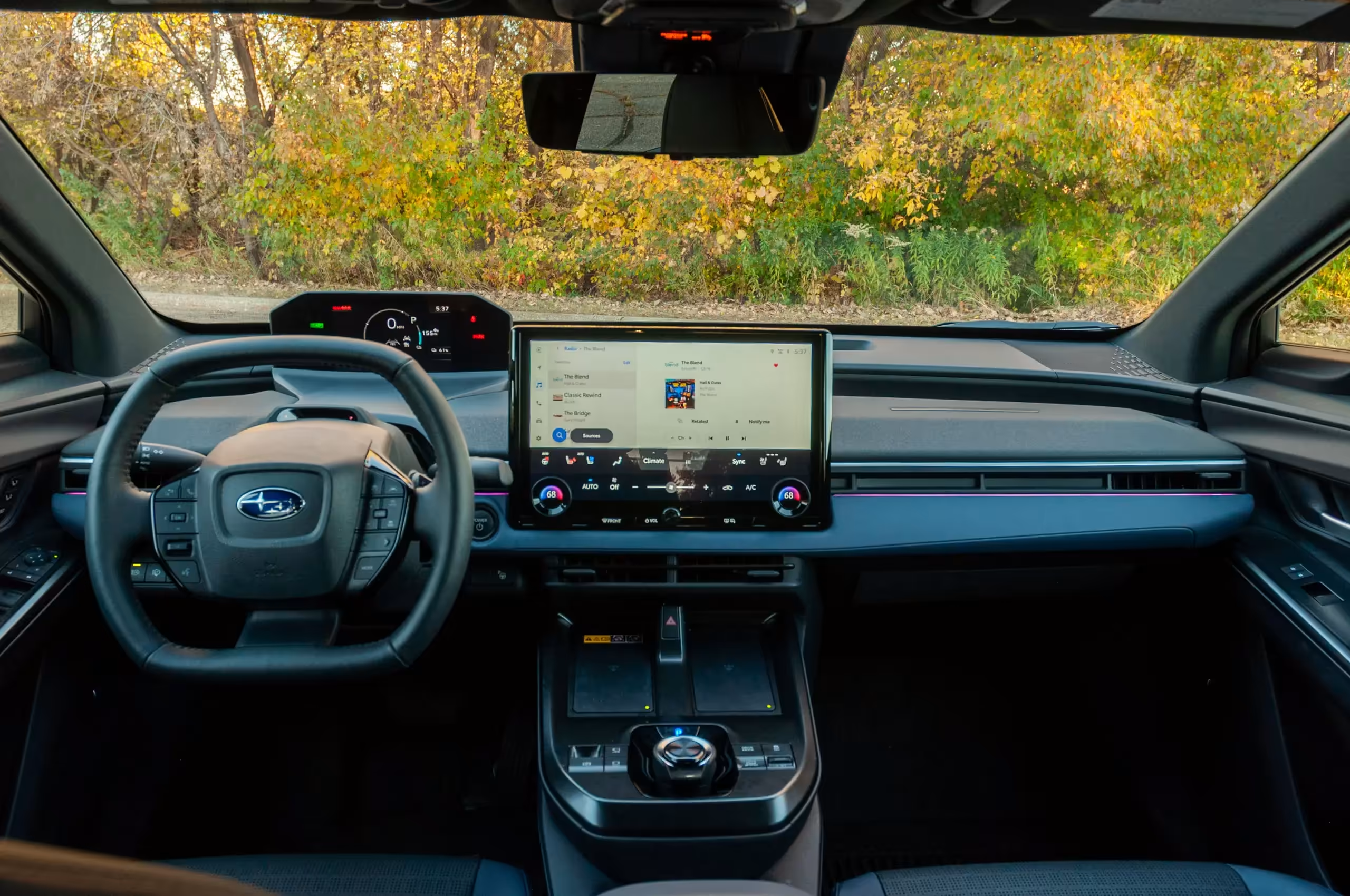
The biggest surprise when entering the Subaru Solterra 2026 is realizing that it has “stolen” the best from Lexus but kept Subaru’s sensibility. The dashboard now boasts the massive 14-inch touchscreen that was previously exclusive to the Lexus RZ and NX. However, unlike the irritating trend of stuffing everything into the screen, Subaru fought to bring back physical buttons.
Touch temperature controls and a centralized physical volume button are wins for ergonomics over sterile minimalistic design. While the market continues trends of gigantic screens like the Superscreen that often distract, the Solterra focuses on usability and driver focus—key for North American drivers.
“The screen interface is still based on Toyota’s system, meaning no split screen, but the responsiveness and the hardware size from Lexus elevate the experience to a premium level that the Toyota bZ4X can’t match.”
The center console has been optimized with two wireless chargers for smartphones, and Apple CarPlay and Android Auto connectivity are now fully wireless. The interior space remains a strong point, with excellent legroom in the rear seats, making it a true family vehicle—and not just a style exercise.
Power and Dynamics: The Arrival of the Solterra XT Version
This is where Subaru turns the tables. The 2026 Solterra isn’t just more attractive; it’s more powerful. The base model received an 18-horsepower increase, totaling 223 hp. But the big star is the new XT version.
With 338 horsepower and 323 lb-ft of torque, the Solterra XT accelerates from 0 to 60 mph in less than five seconds. For a Subaru without the WRX STI badge, that’s impressive. It doesn’t aim to be a track car, and its driving dynamics are honestly described as “inoffensive” and safe. Steering is light, suspension is soft, and it absorbs imperfections well—ideal for US roads.
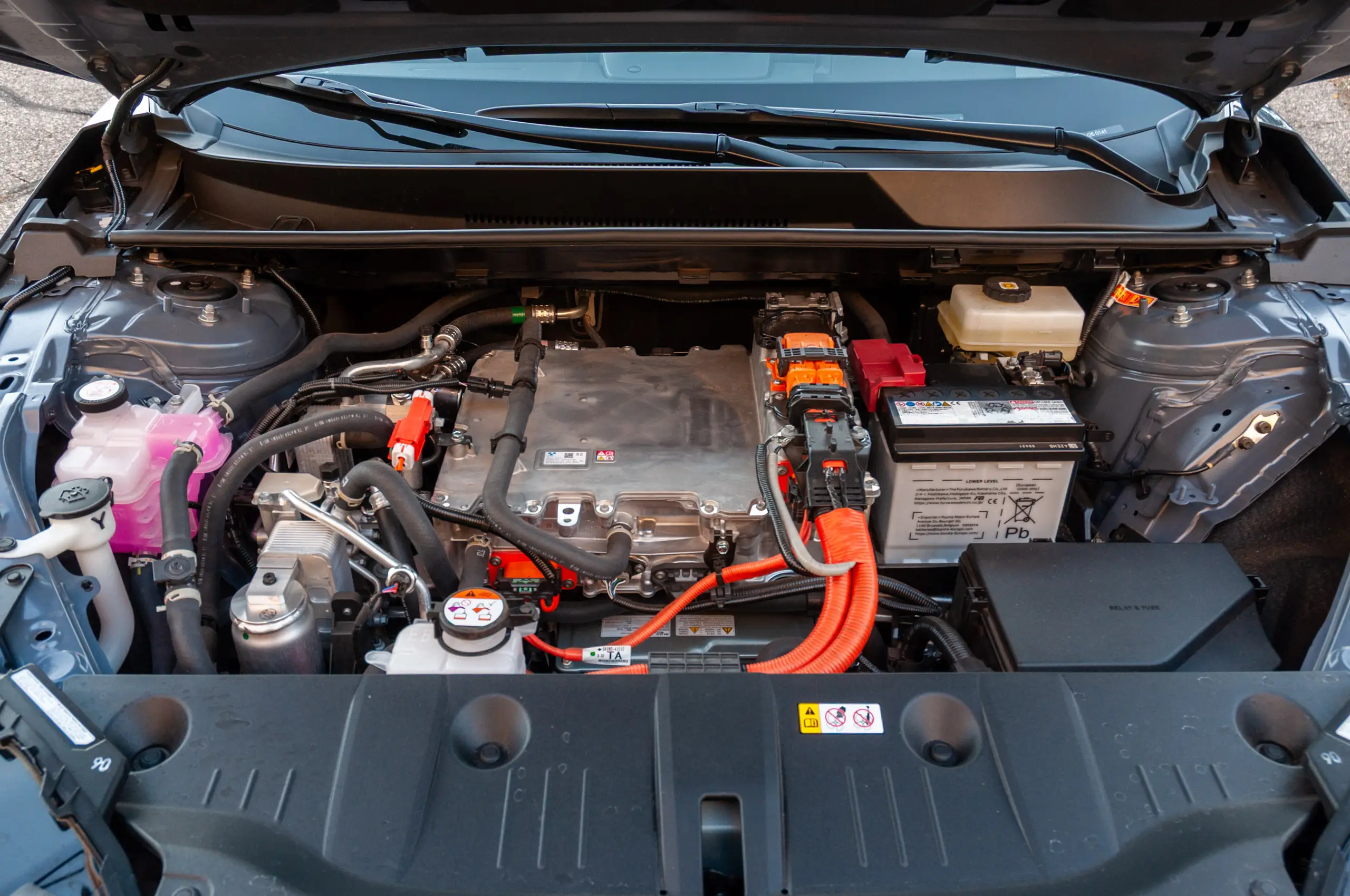
This “grounded” approach is the opposite of rivals focusing only on raw numbers. While other manufacturers are worried about creating track monsters, Subaru focused on real efficiency. Recent studies are debunking myths about battery longevity, and the Solterra benefits from this with a robust thermal system that guarantees longevity.
Real Range and NACS Charging Adoption
The Achilles’ heel of the previous model was range and charging speed. The 2026 model addresses this with a new 74.7 kWh battery. The result is a 25% increase in range, reaching up to 285 miles (approximately 458 km) on the EPA cycle.
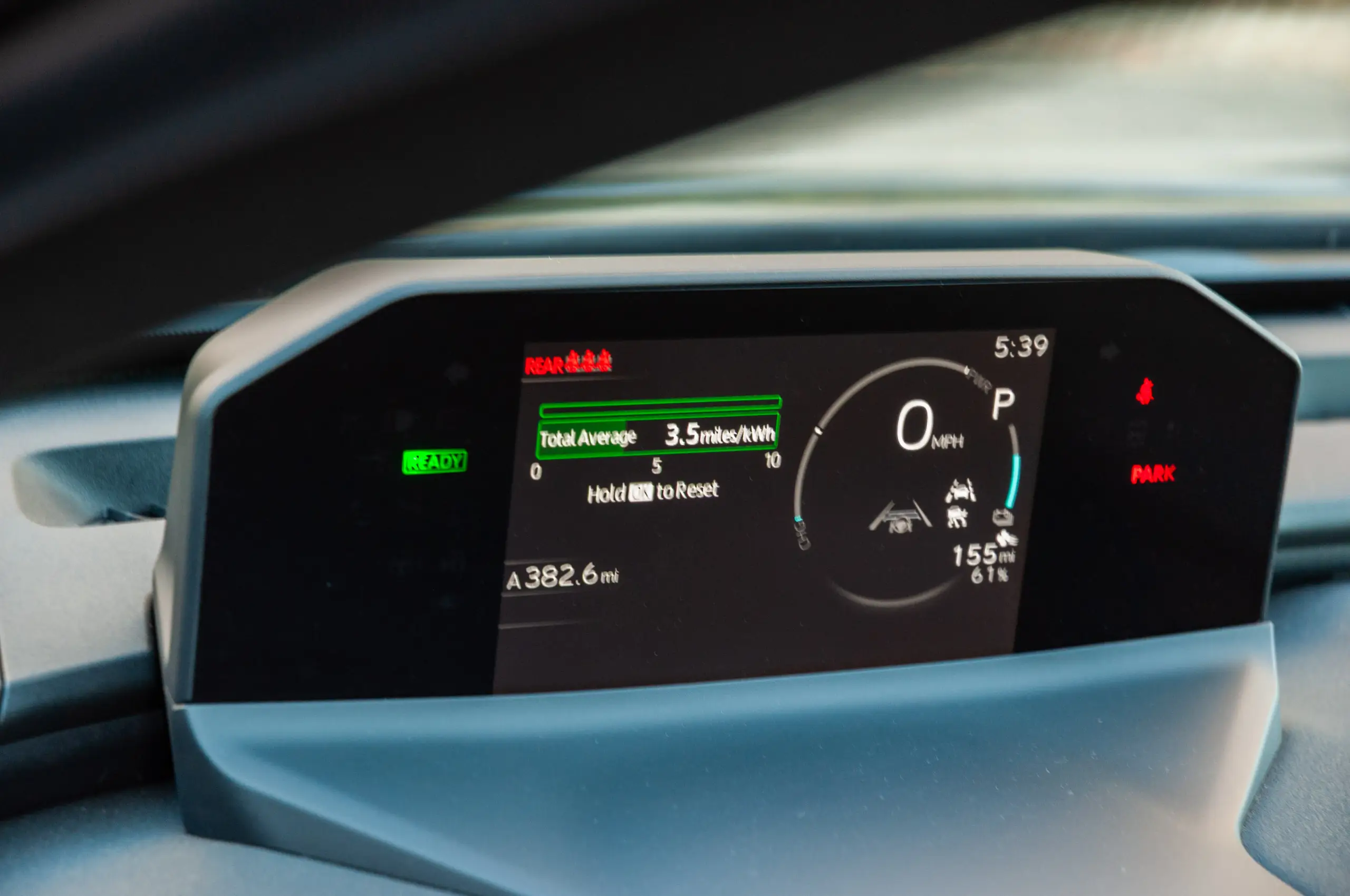
More impressive than the official number is real-world efficiency. In practical tests, the Solterra achieved averages of 3.8 miles/kWh, outperforming acclaimed rivals like the Hyundai Ioniq 5 in mixed conditions. Even in cold weather, where EV range typically drops, the heat pump system and thermal management maintained a respectable average, crucial for colder US regions.
The Charging Revolution
Subaru adopted the NACS standard (Tesla connector). This provides immediate access to the largest and most reliable charging network in the world without the need for clunky adapters. The 10% to 80% charging time has dropped to less than 35 minutes. Although not the fastest on the market (800V architectures still superior), it’s a significant improvement that makes the car suitable for long trips across the USA.
In a global market where rivals promising insane ranges like the VW ID. UNYX emerge, Subaru bets on consistency and reliability of the claimed numbers, favoring real-world EV performance.
Value Analysis: The Final Blow to the Competition
The Subaru Solterra 2026 sharply stands out in the pricing table. Starting at $40,420, it is significantly cheaper than its “platform brothers,” offering more standard equipment for the US MSRP.
| Model | Price Difference vs. Solterra | Main Disadvantage |
|---|---|---|
| Subaru Solterra 2026 | – (Base) | Best Cost-Benefit in the segment |
| Toyota bZ (AWD) | +$1,000 (approx.) | Less equipped, controversial design |
| Hyundai Ioniq 5 (AWD) | +$2,000 (approx.) | Lower ground clearance for off-road use |
| Lexus RZ | +$7,000 (approx.) | Unjustifiable price for the same platform |
The base package already includes the 14-inch screen, electric trunk, and Subaru’s legendary all-wheel-drive system. For those seeking hybrid alternatives due to still fearing the full transition, models like the Nissan Rogue Plug-in Hybrid may seem tempting, but the maintenance cost of two powertrains (gas + electric) begins to weigh against the simplicity and aggressive price of the pure electric Solterra.
Verdict: The Smartest EV Purchase of the Year
The Subaru Solterra 2026 has gone from an “avoidable” to a “highly recommended.” It doesn’t try to seduce with party tricks or nausea-inducing acceleration. Instead, it focuses on what Subaru does best: safety, durability, all-weather capability, and value—perfect for the American SUV buyer.
By fixing the range, improving the user interface, and adopting the NACS charging standard, Subaru lowered the entry barriers. And by pricing the car below Toyota and Hyundai, they created a serious challenge for competitors. In a scenario where electric sales are exploding to new records globally, the Solterra positions itself as the rational choice for those wanting an SUV that works in the real world—on mud, snow, and in the wallet.