Will the SUBARU OUTBACK WILDERNESS 2026 outperform the competition? Discover the secret of its new suspension and symmetrical all-wheel drive system.
Design, Interior, and Positioning: the New “Outback Deluxe” Turned SUV
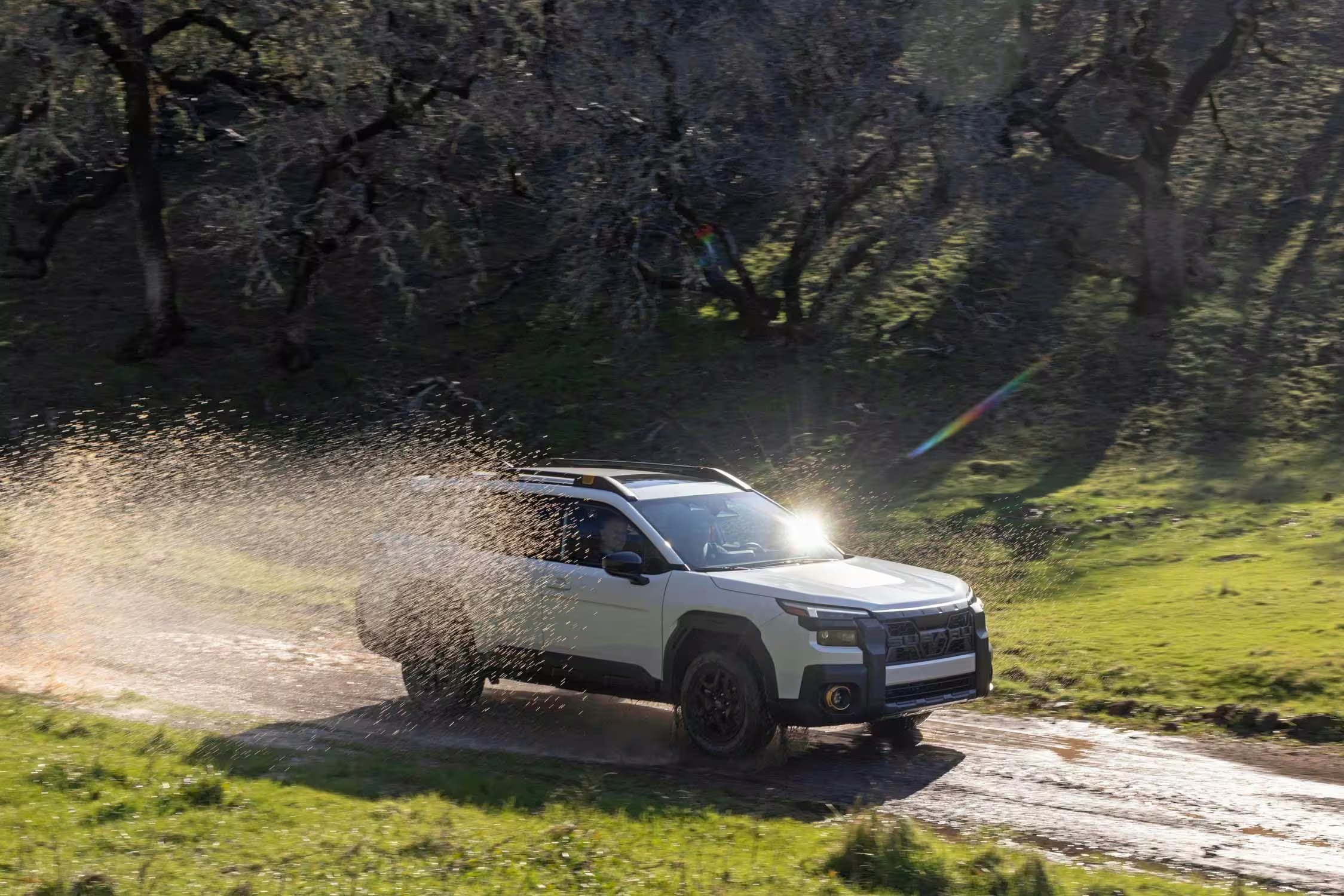
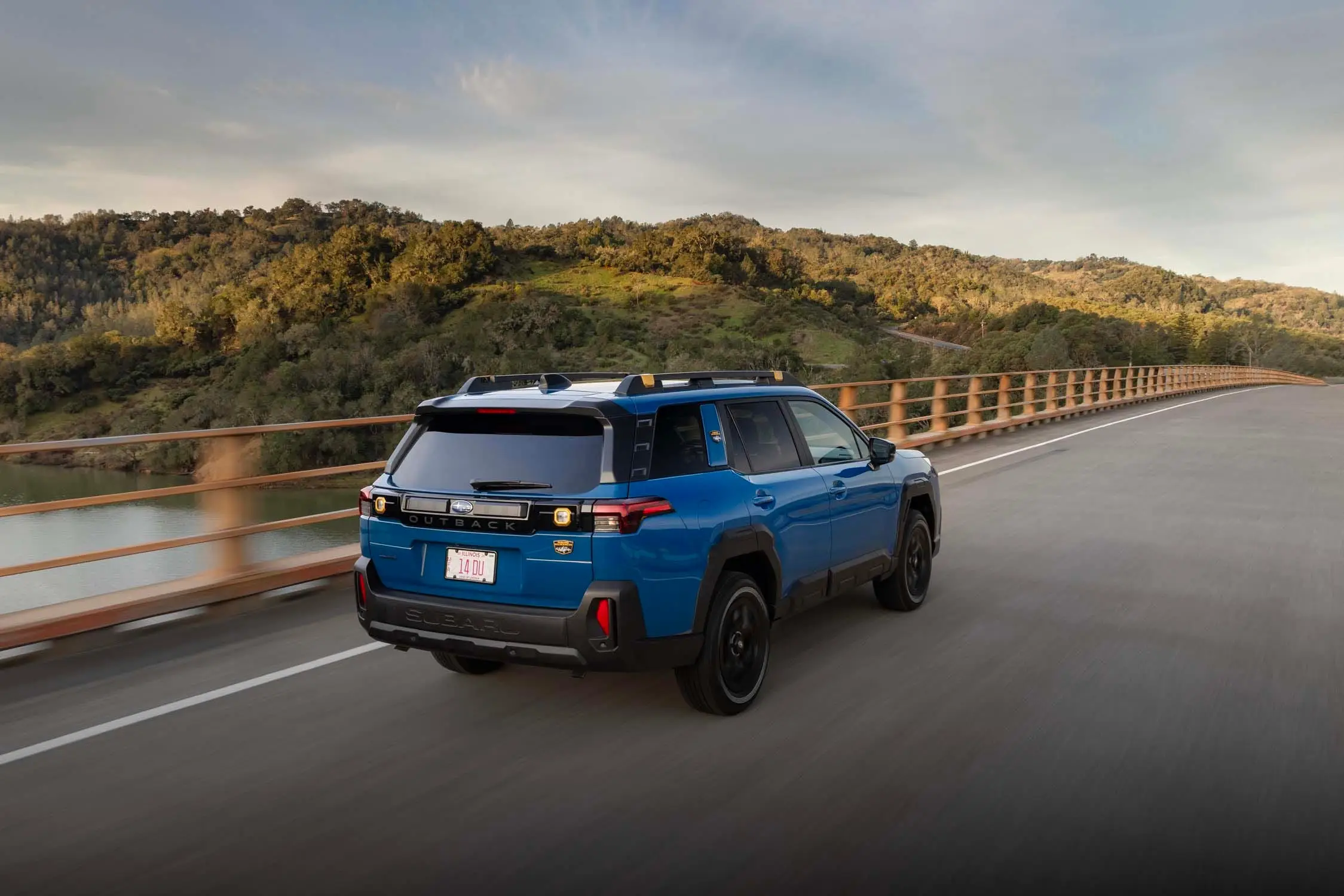
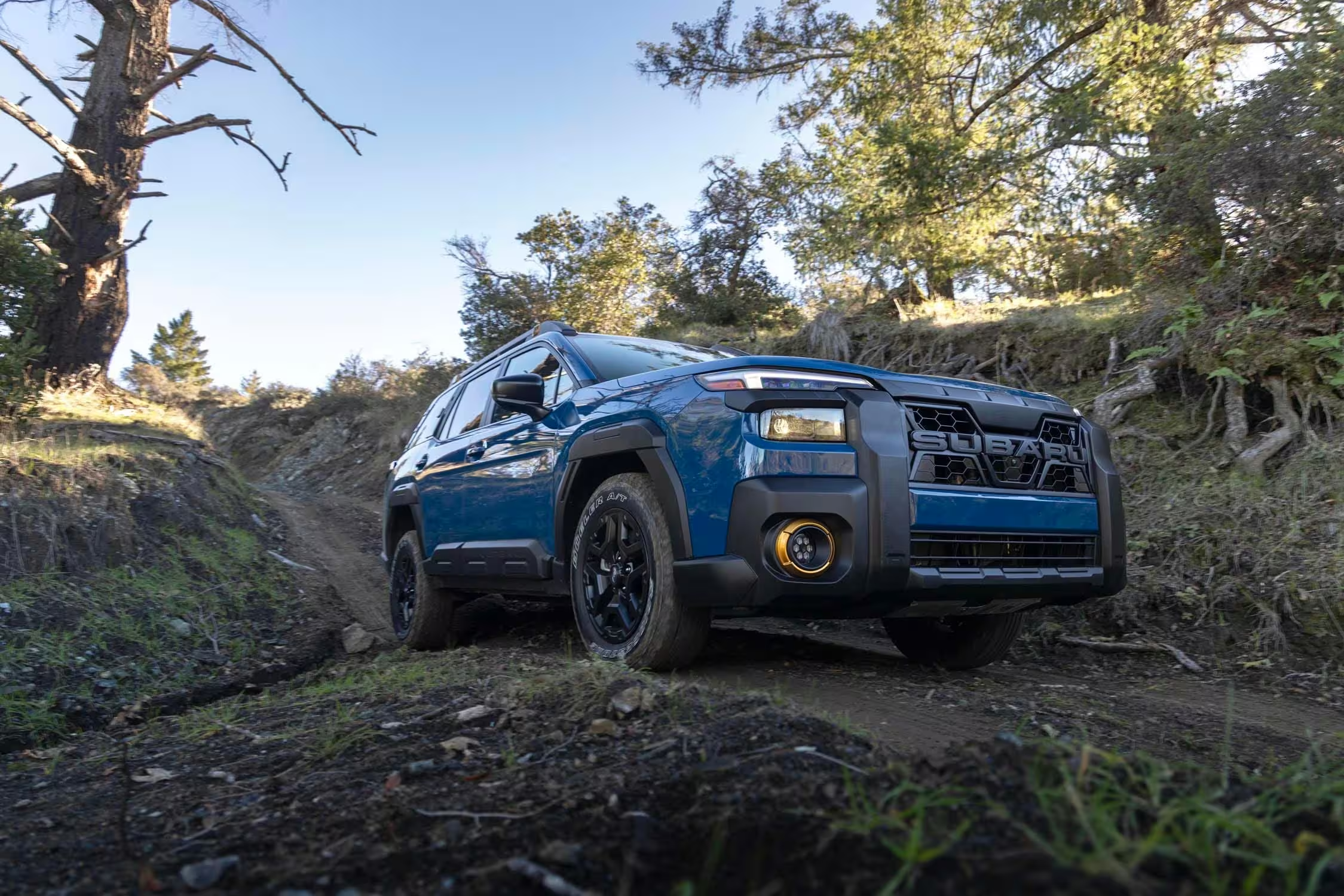
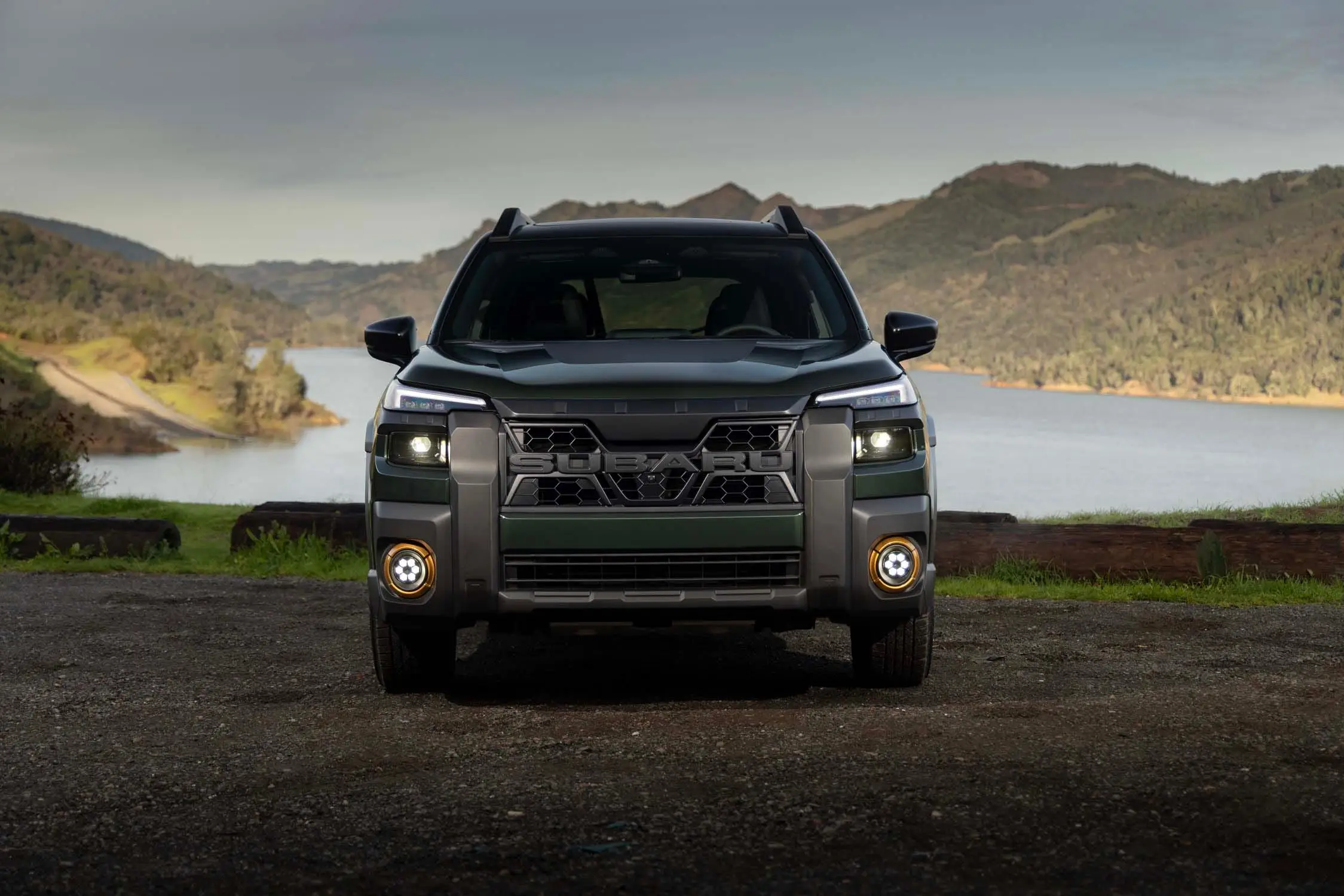
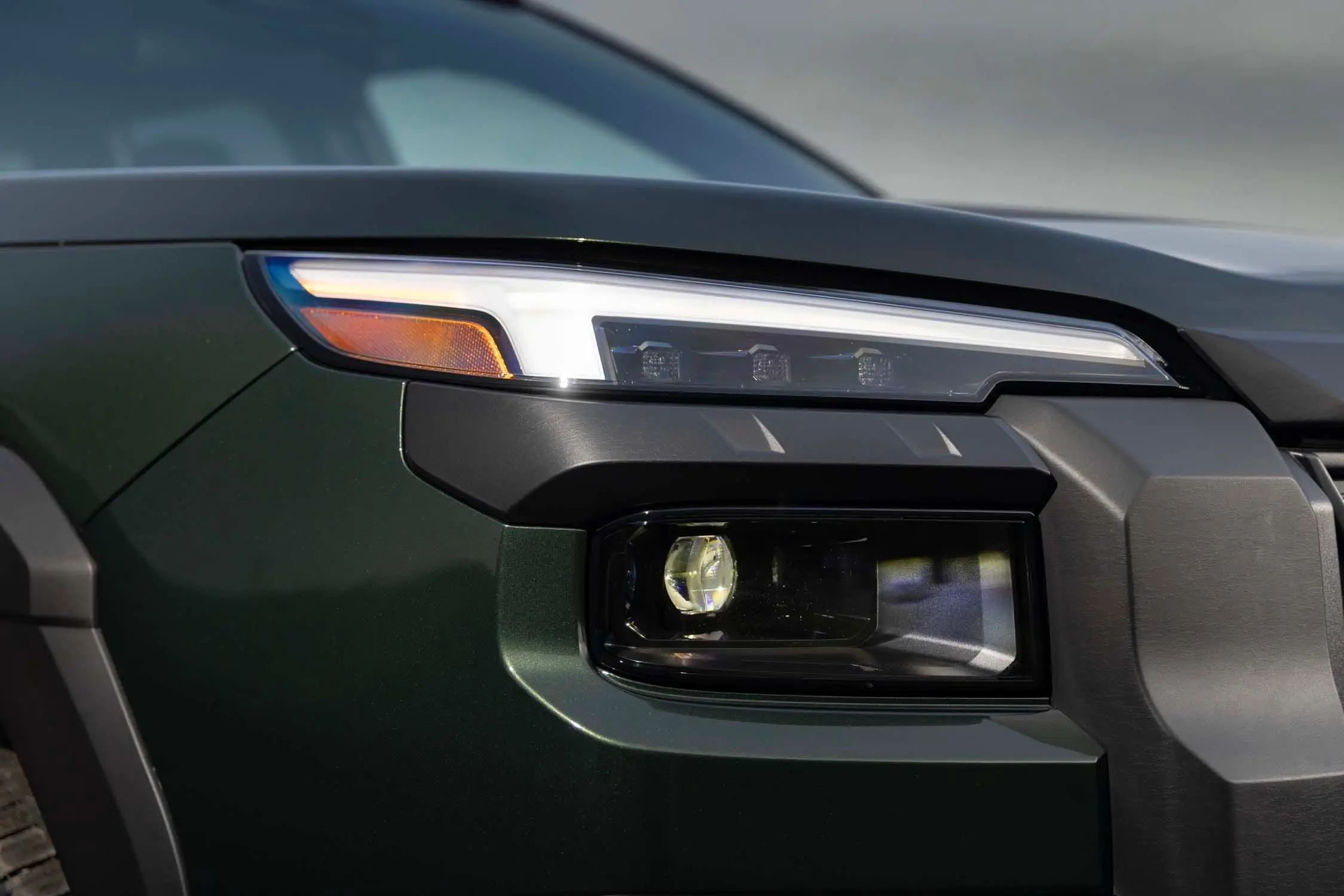
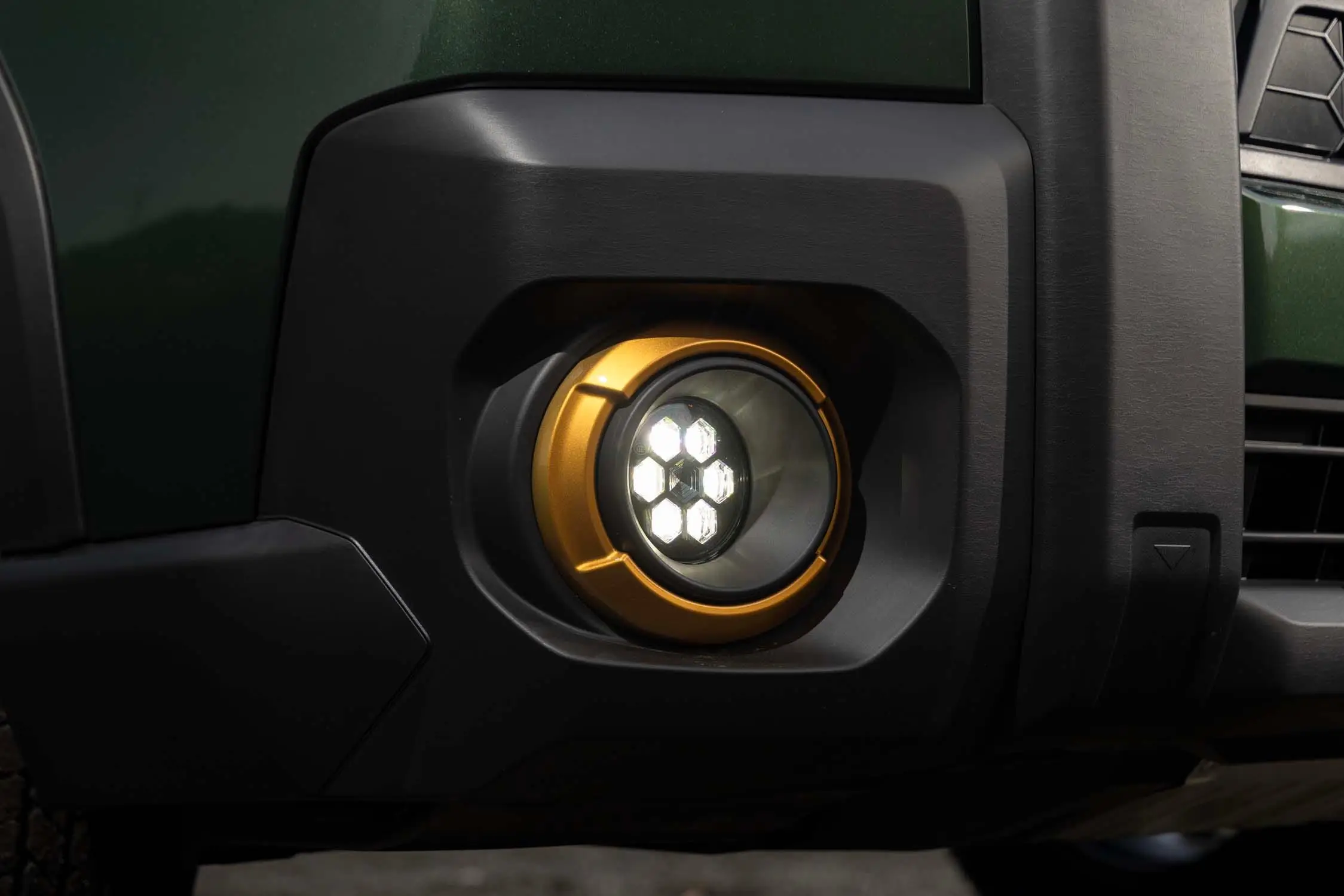
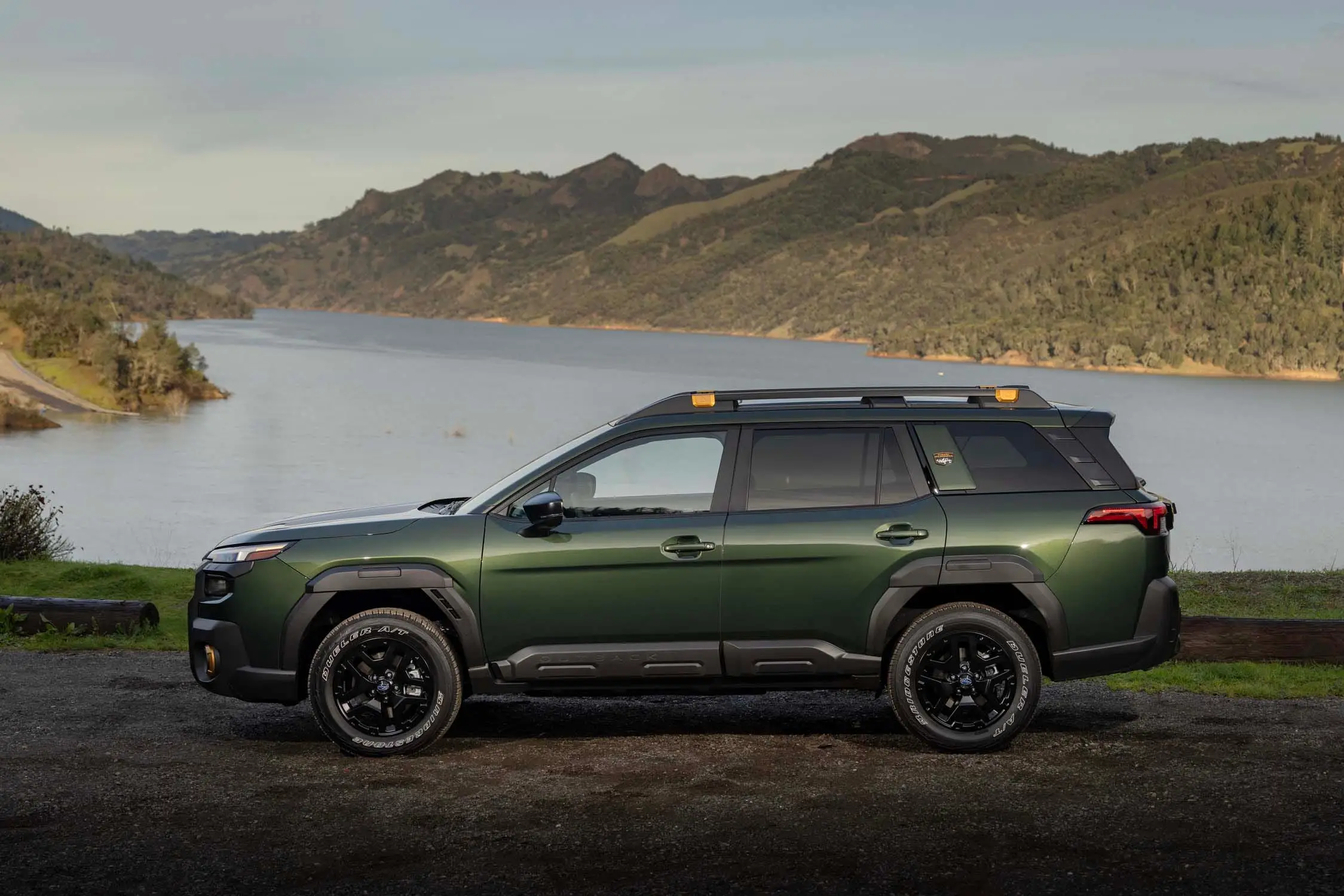
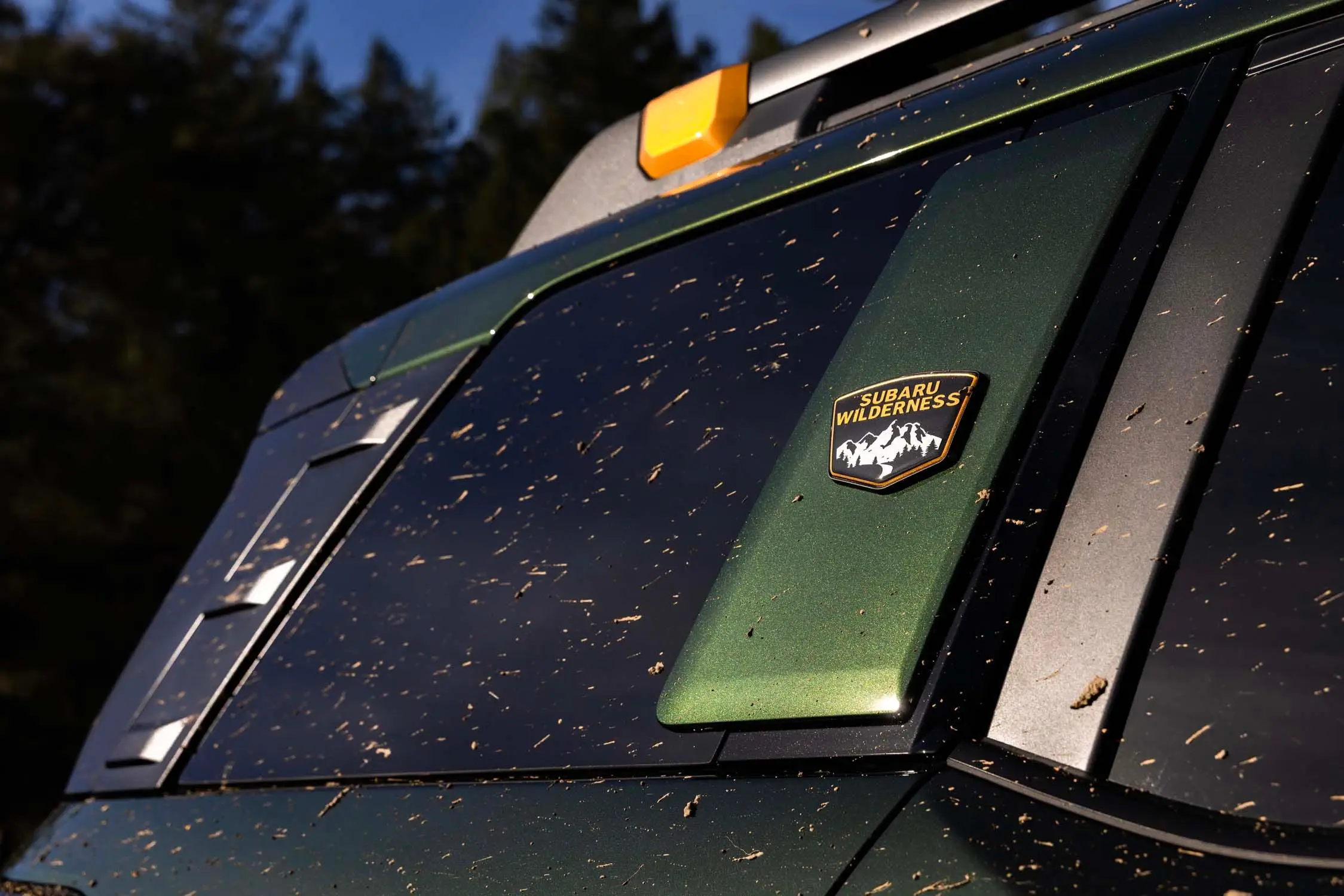
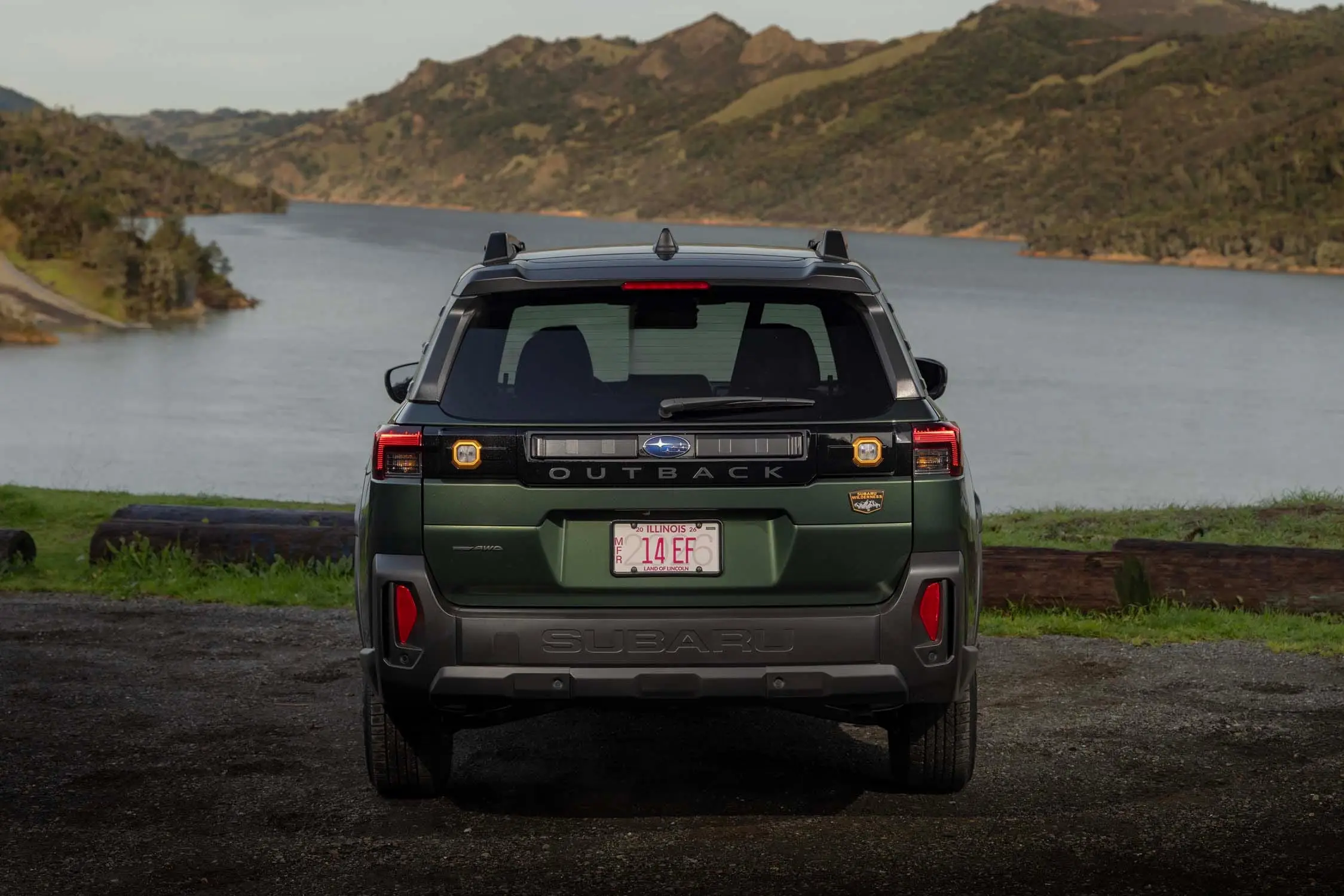
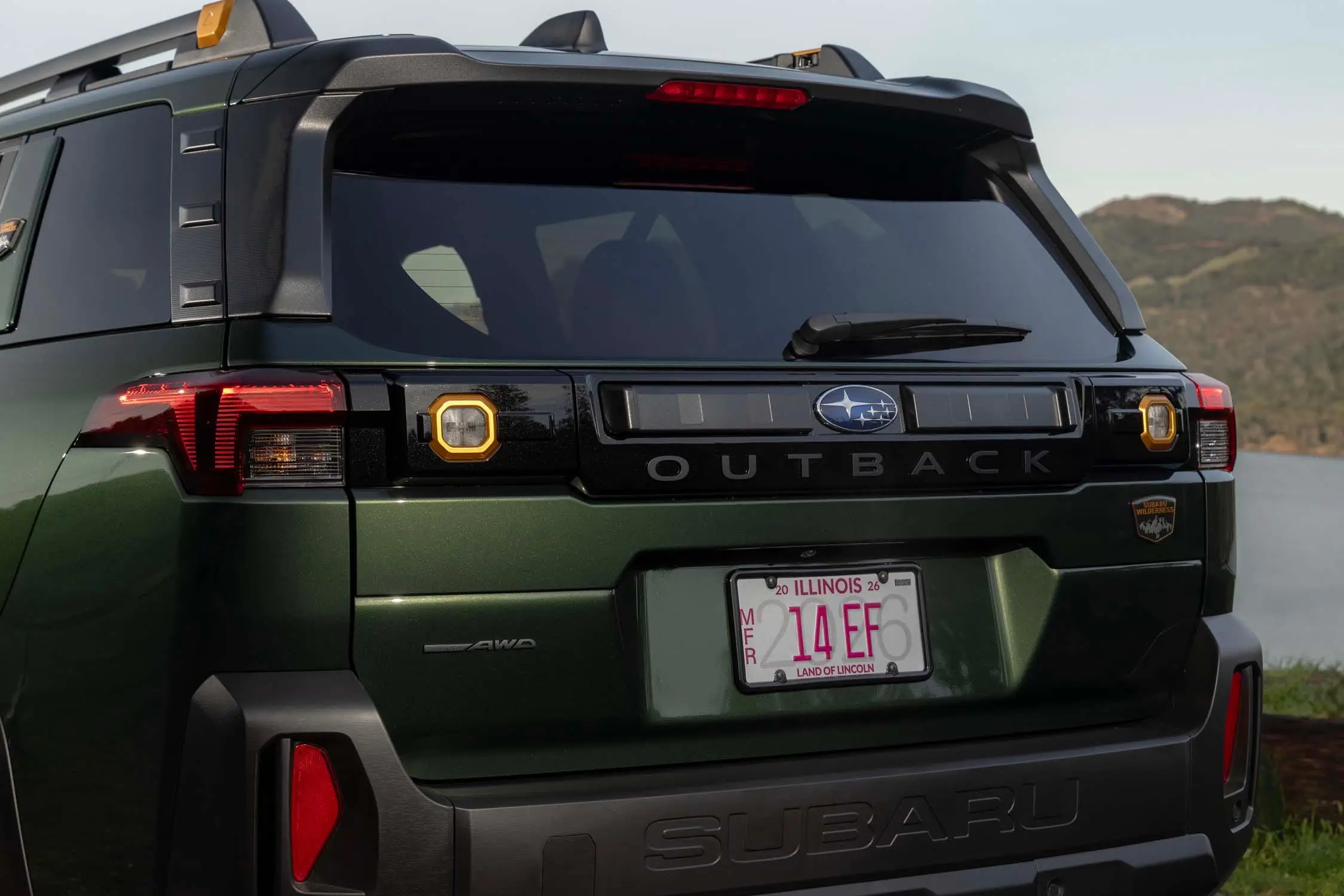
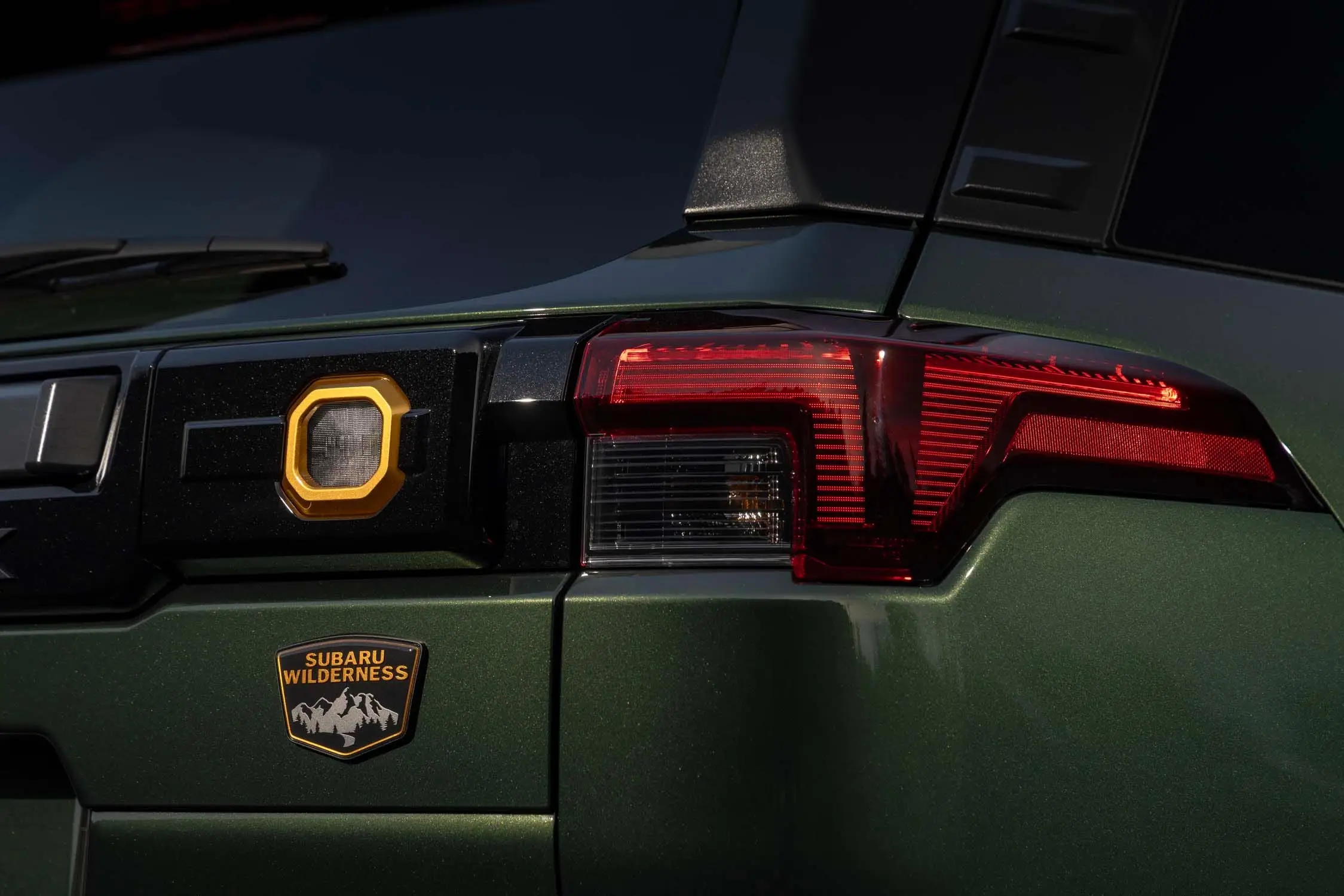
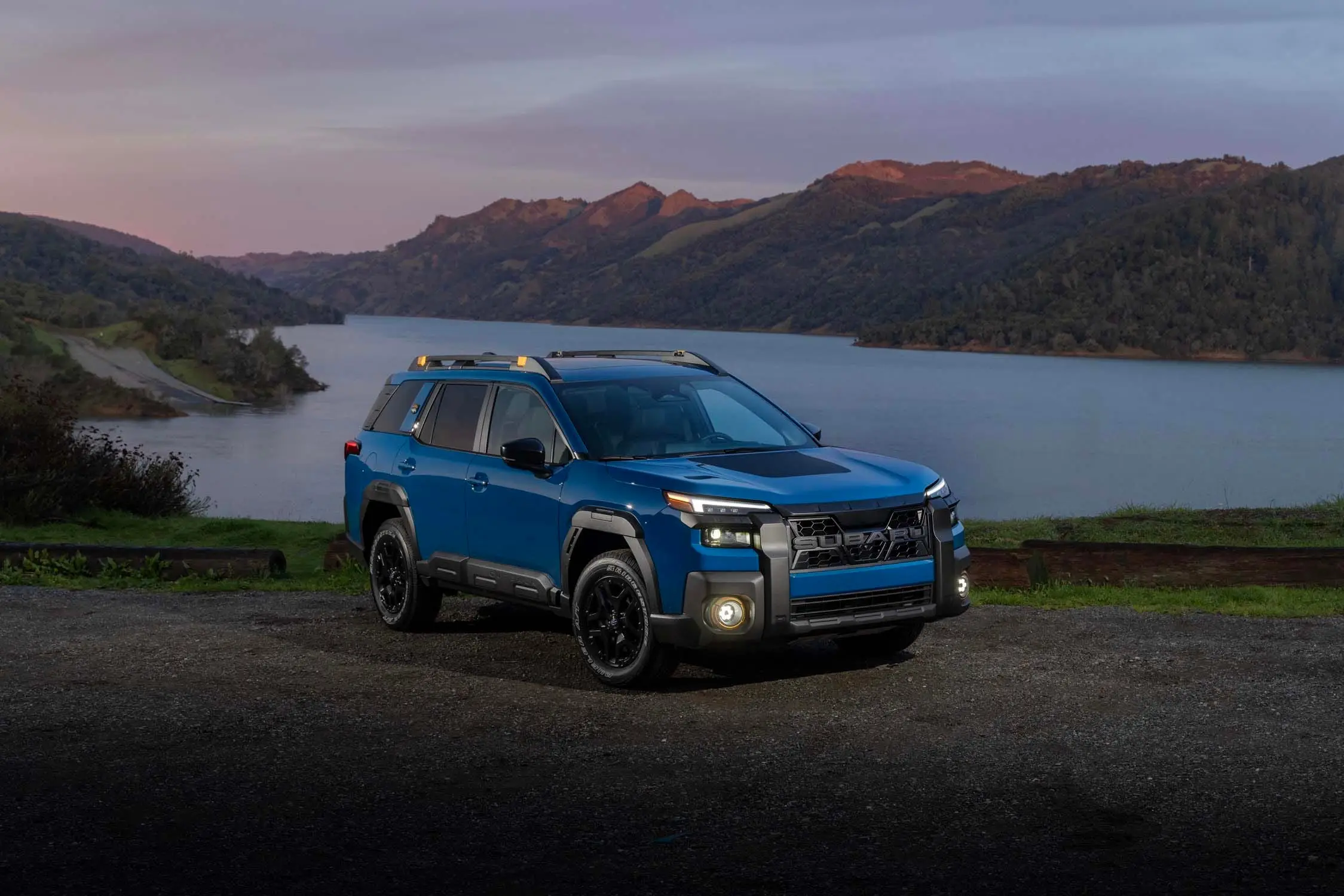
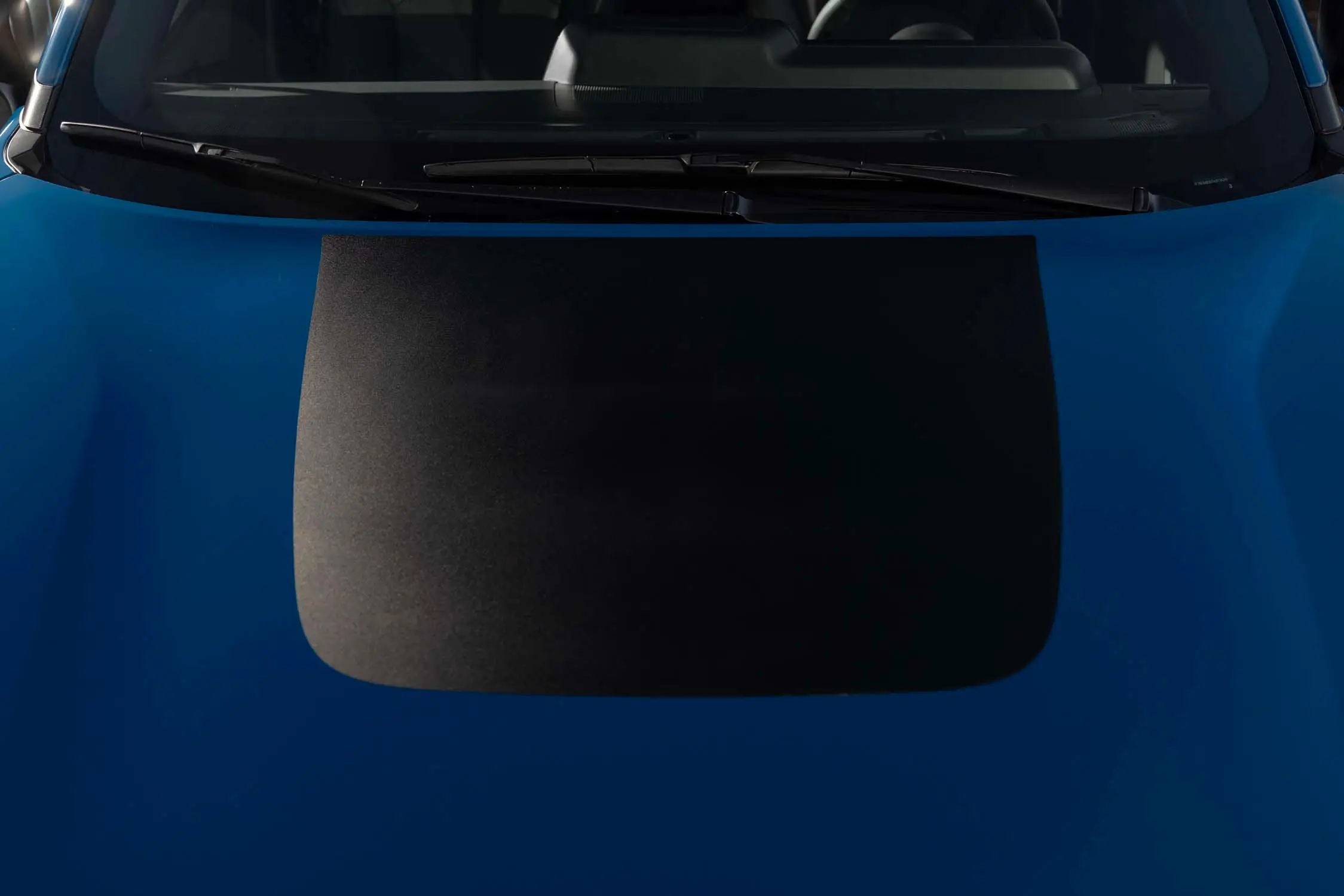
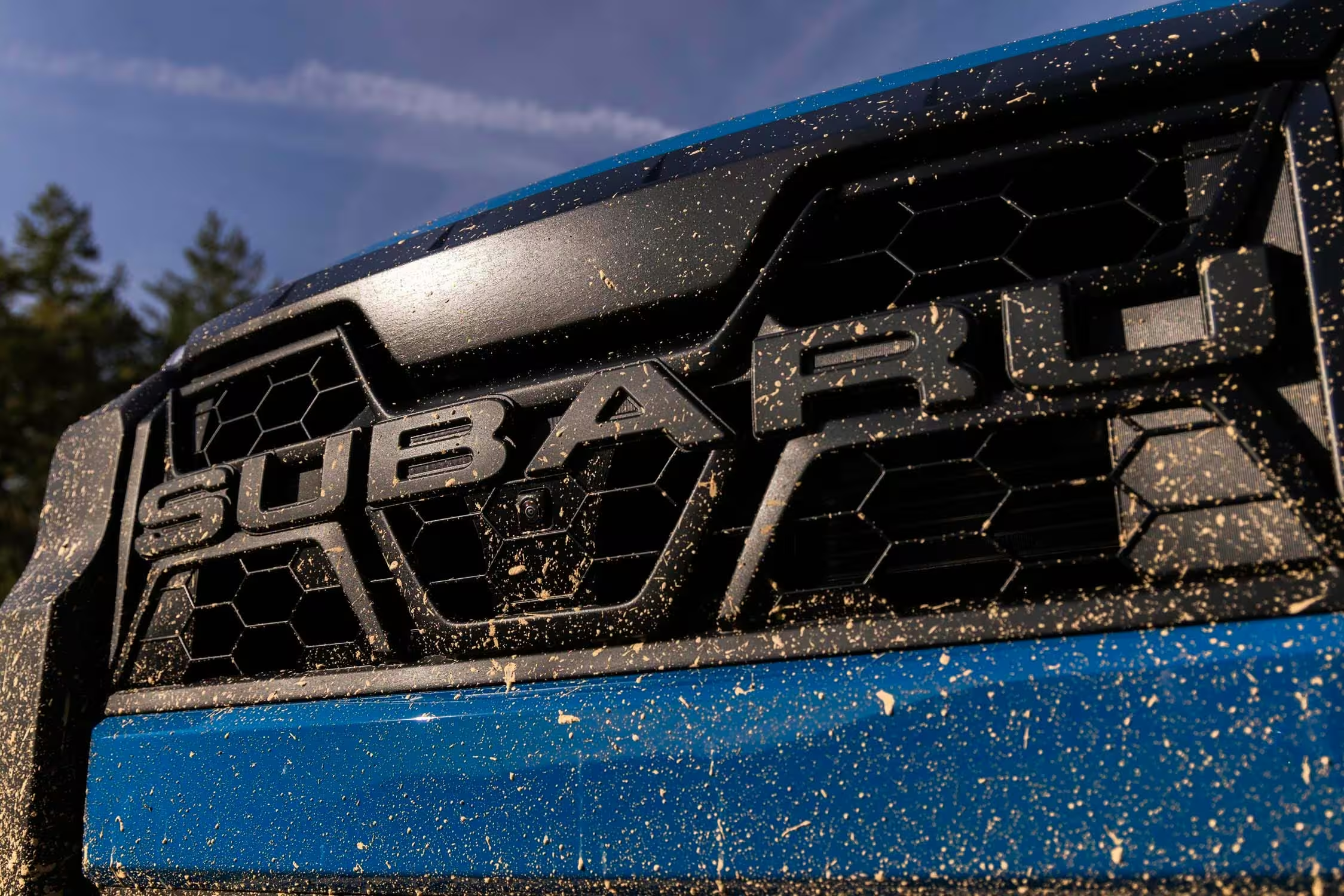
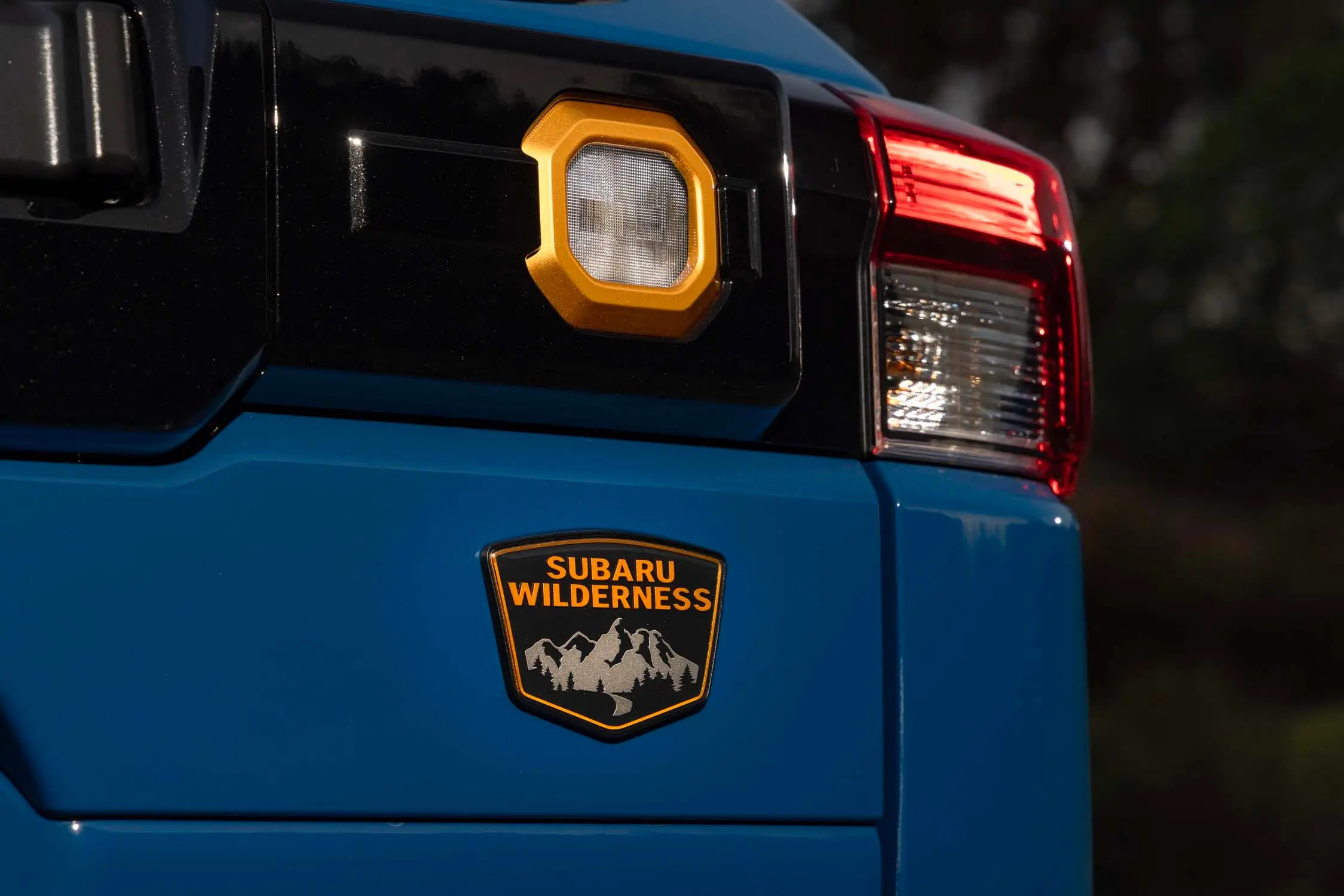
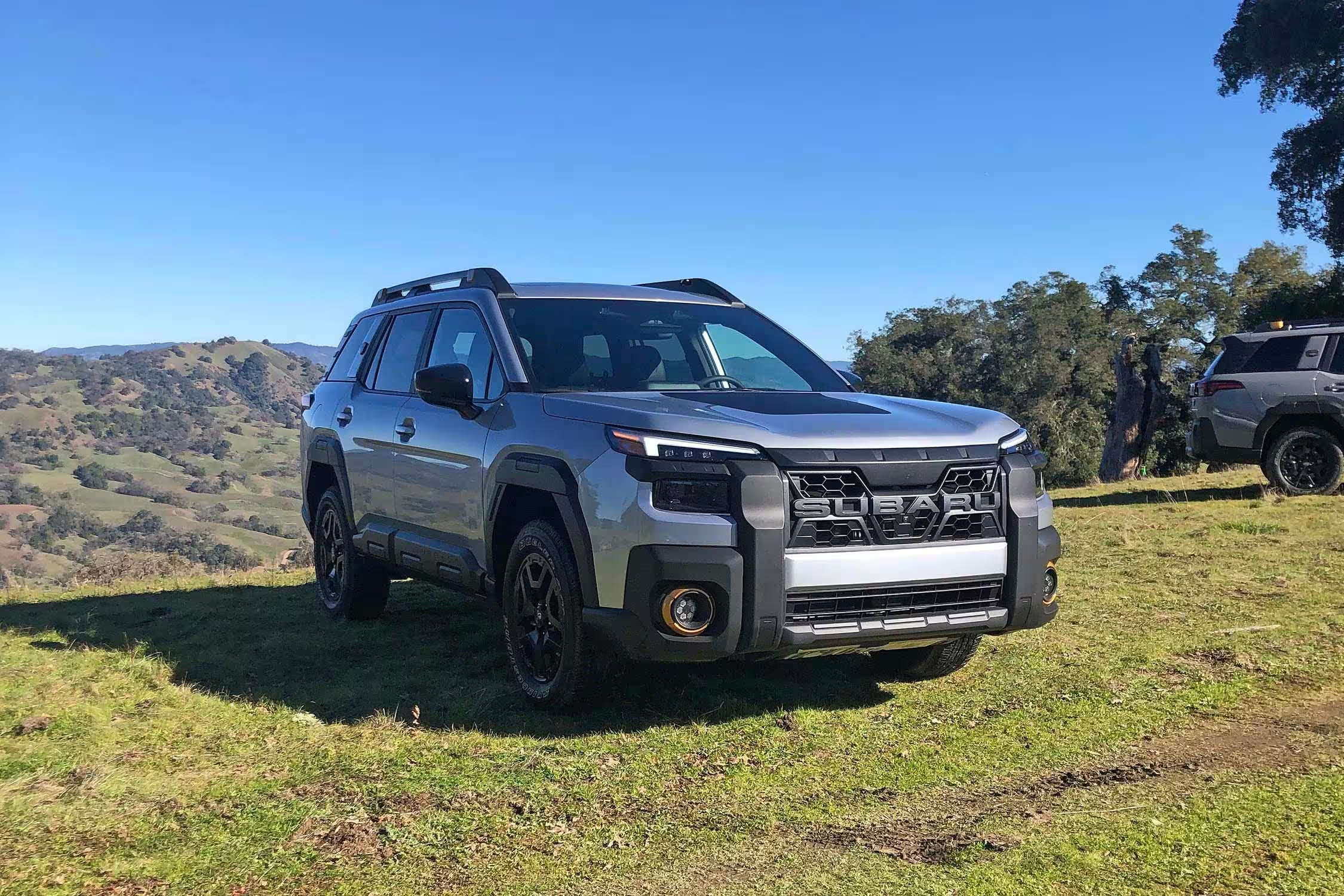
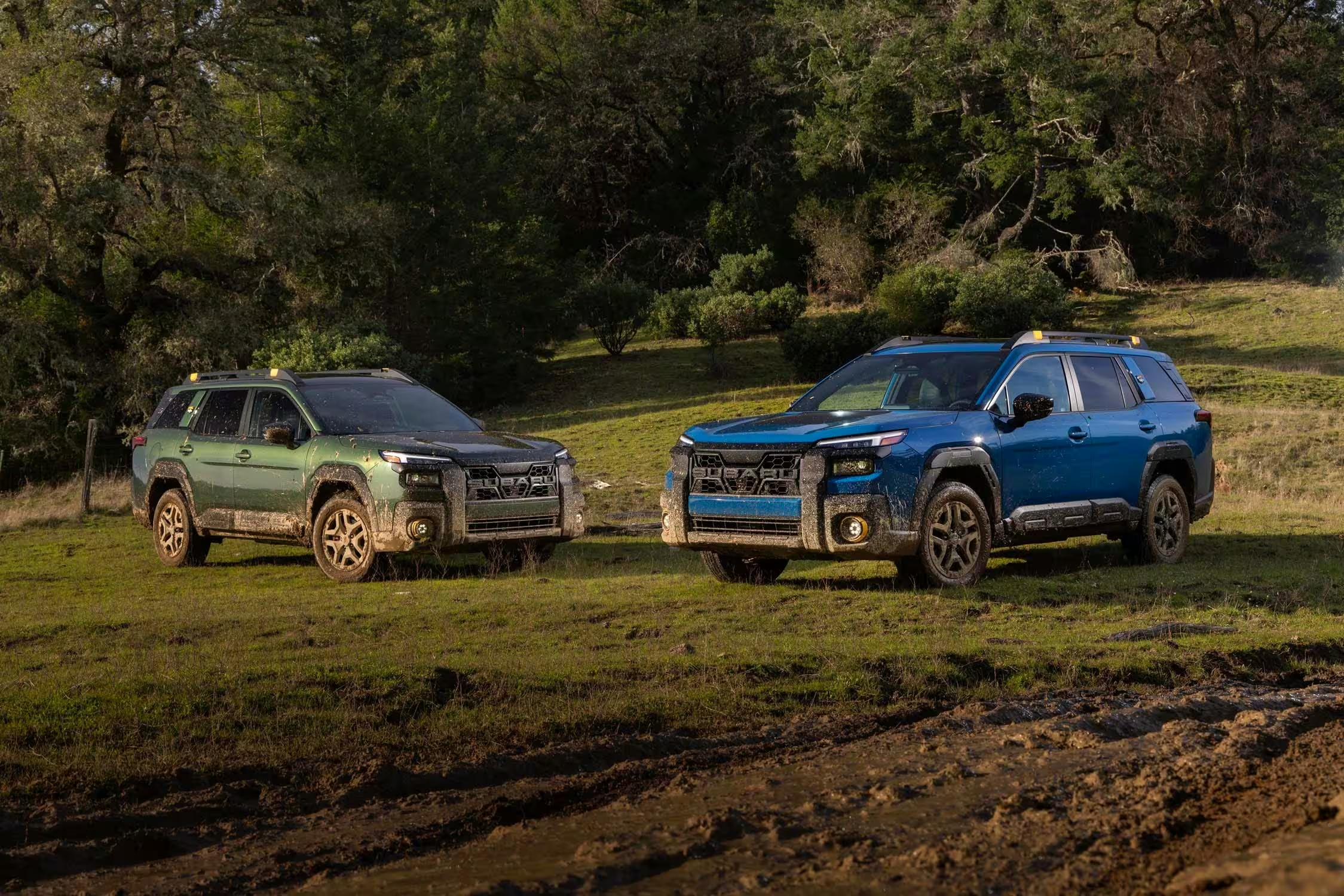
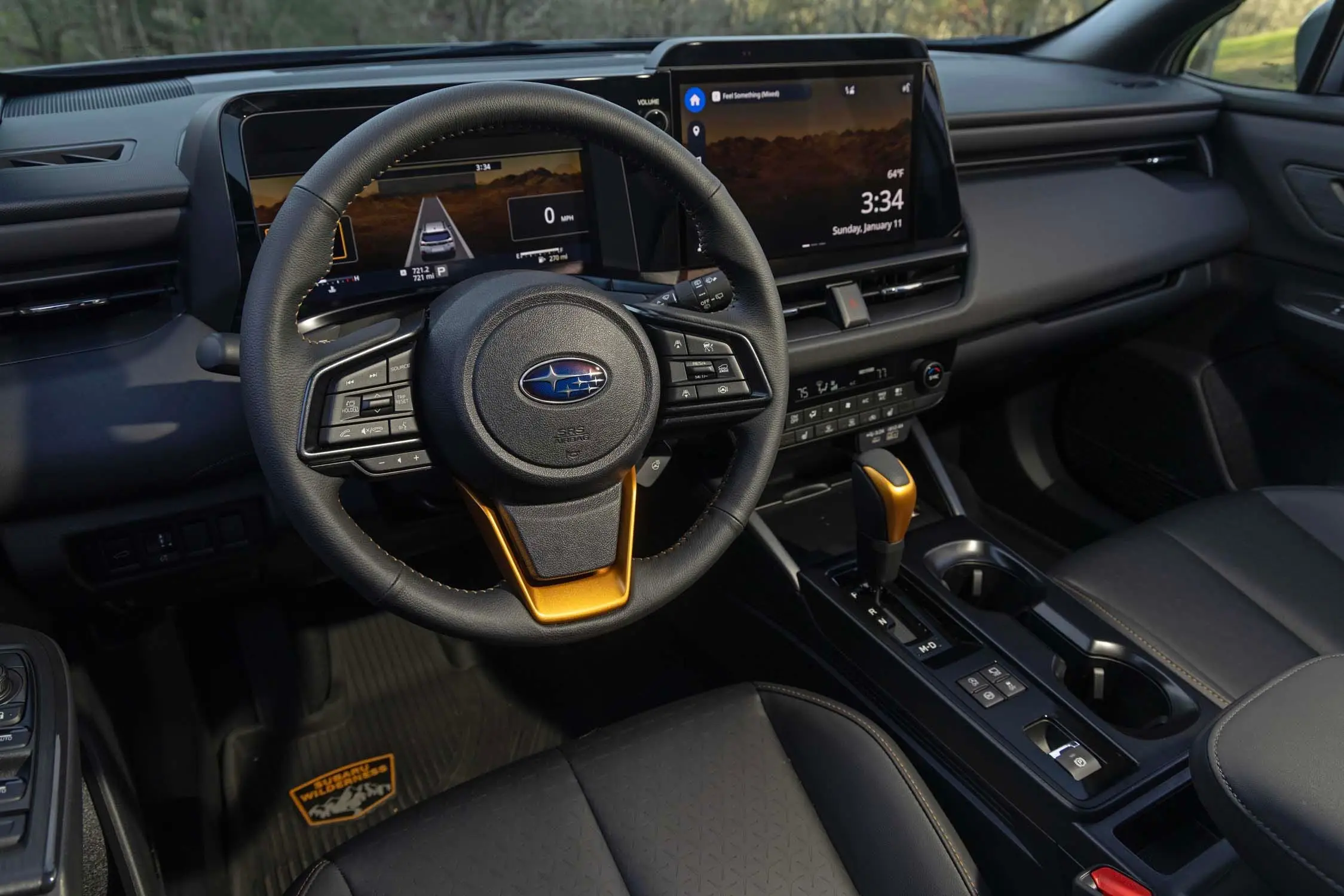
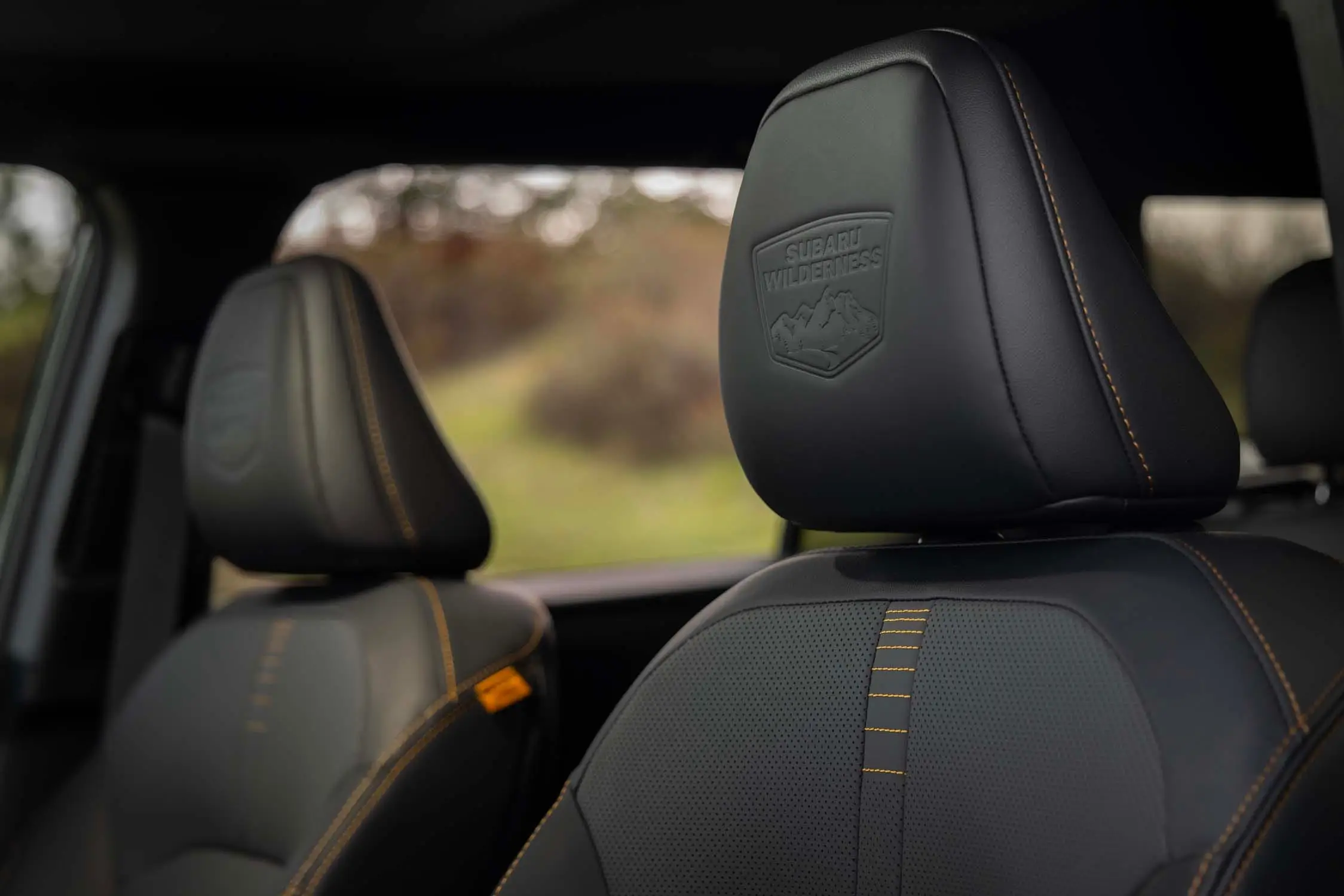
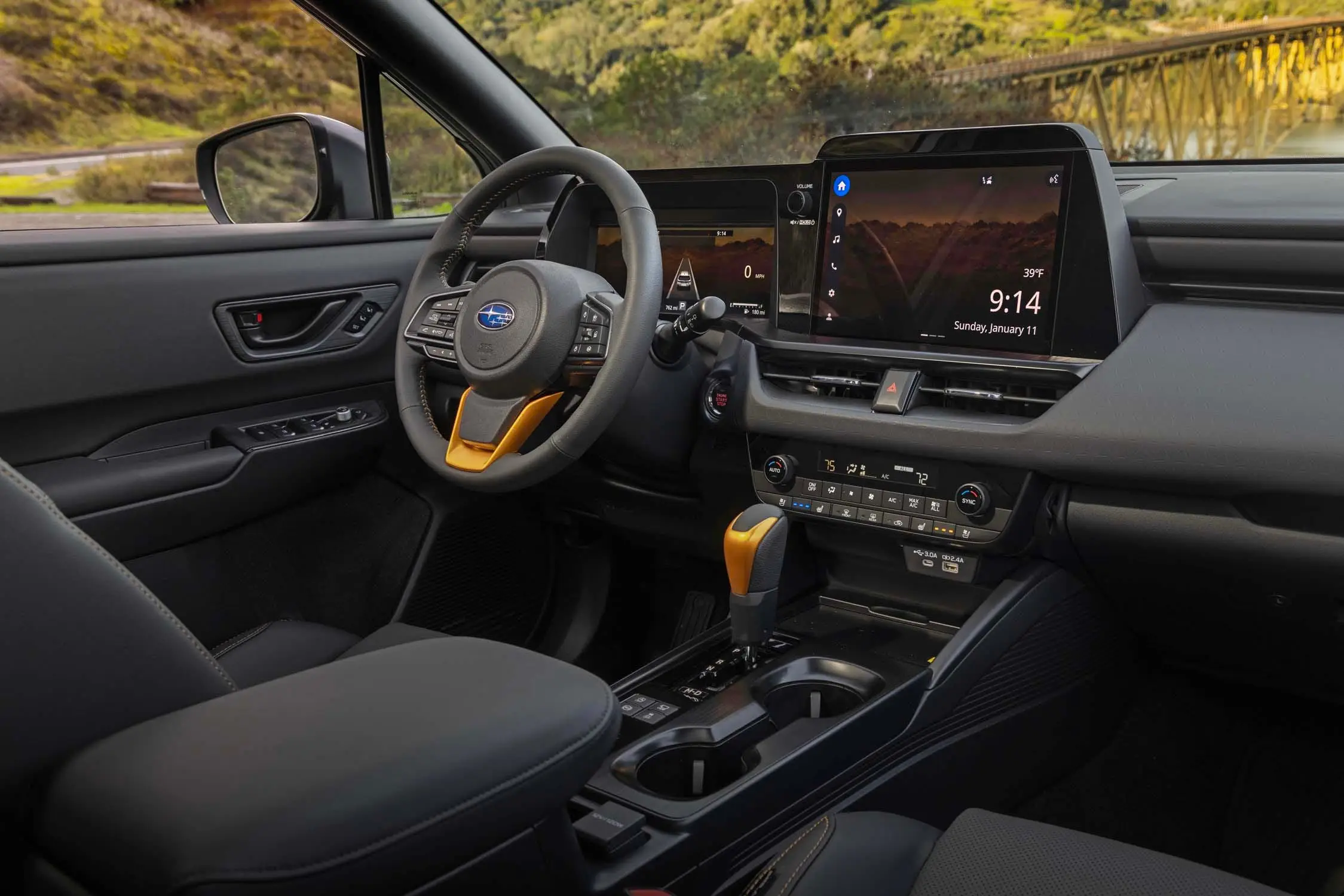
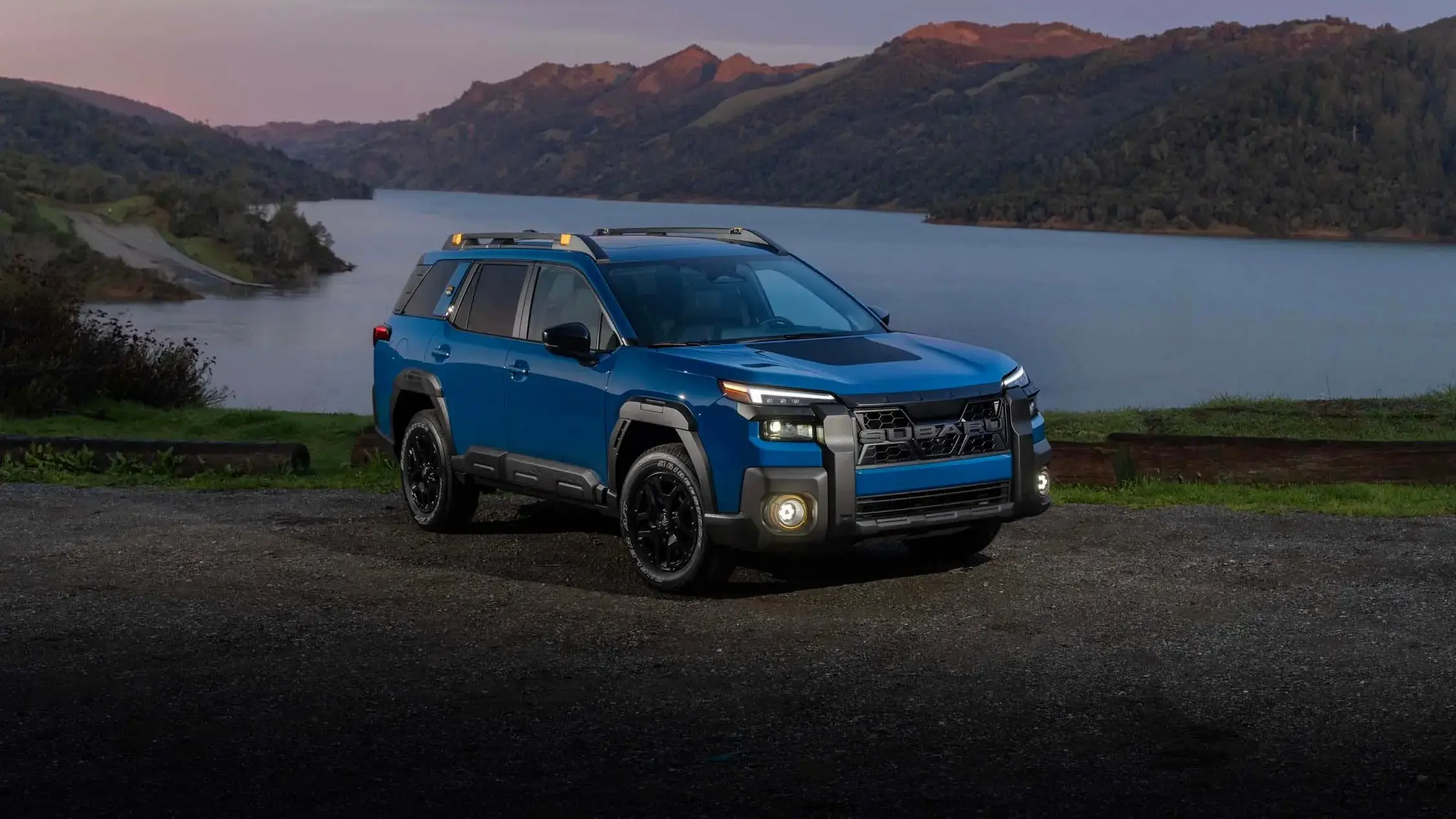
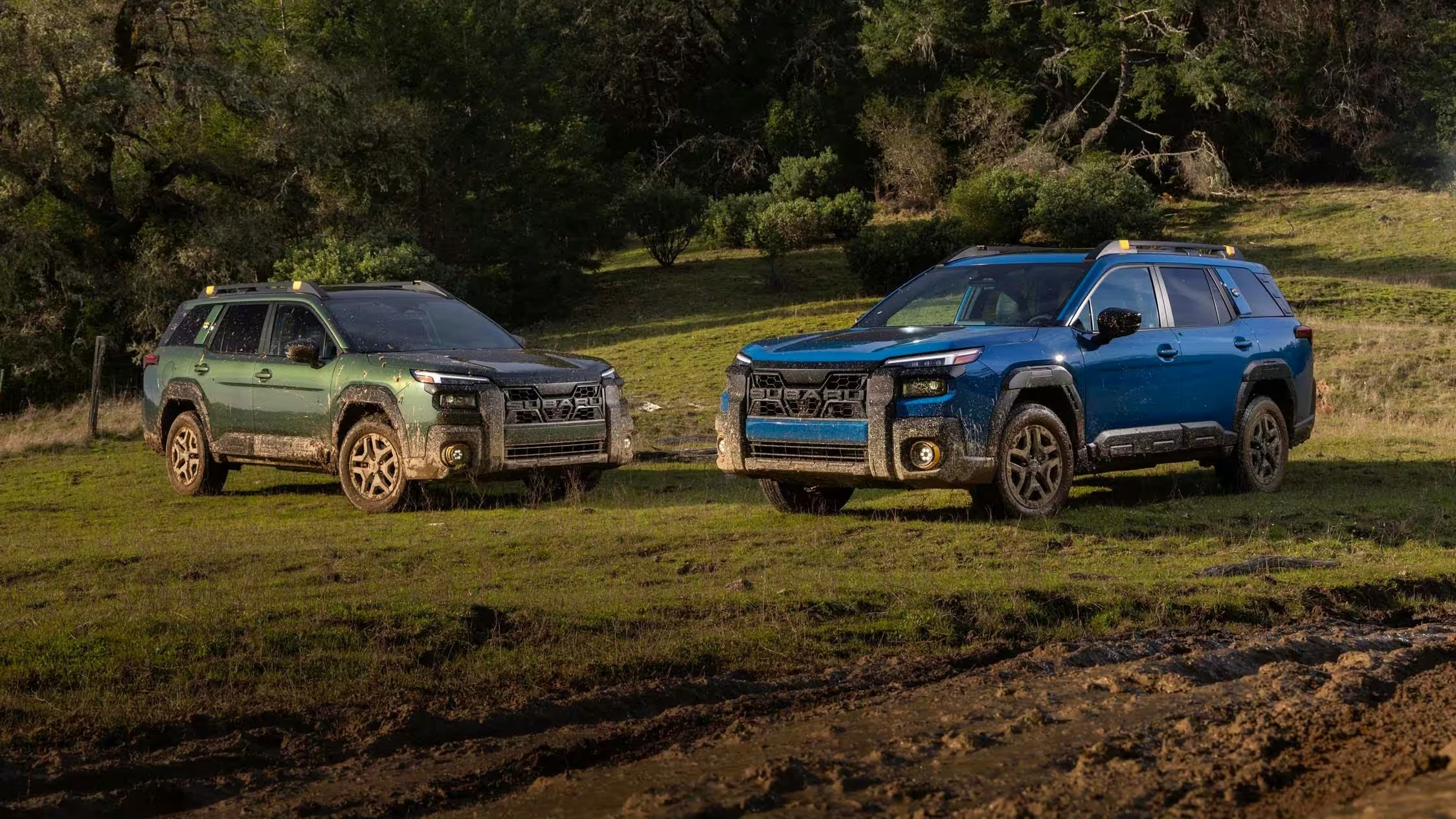
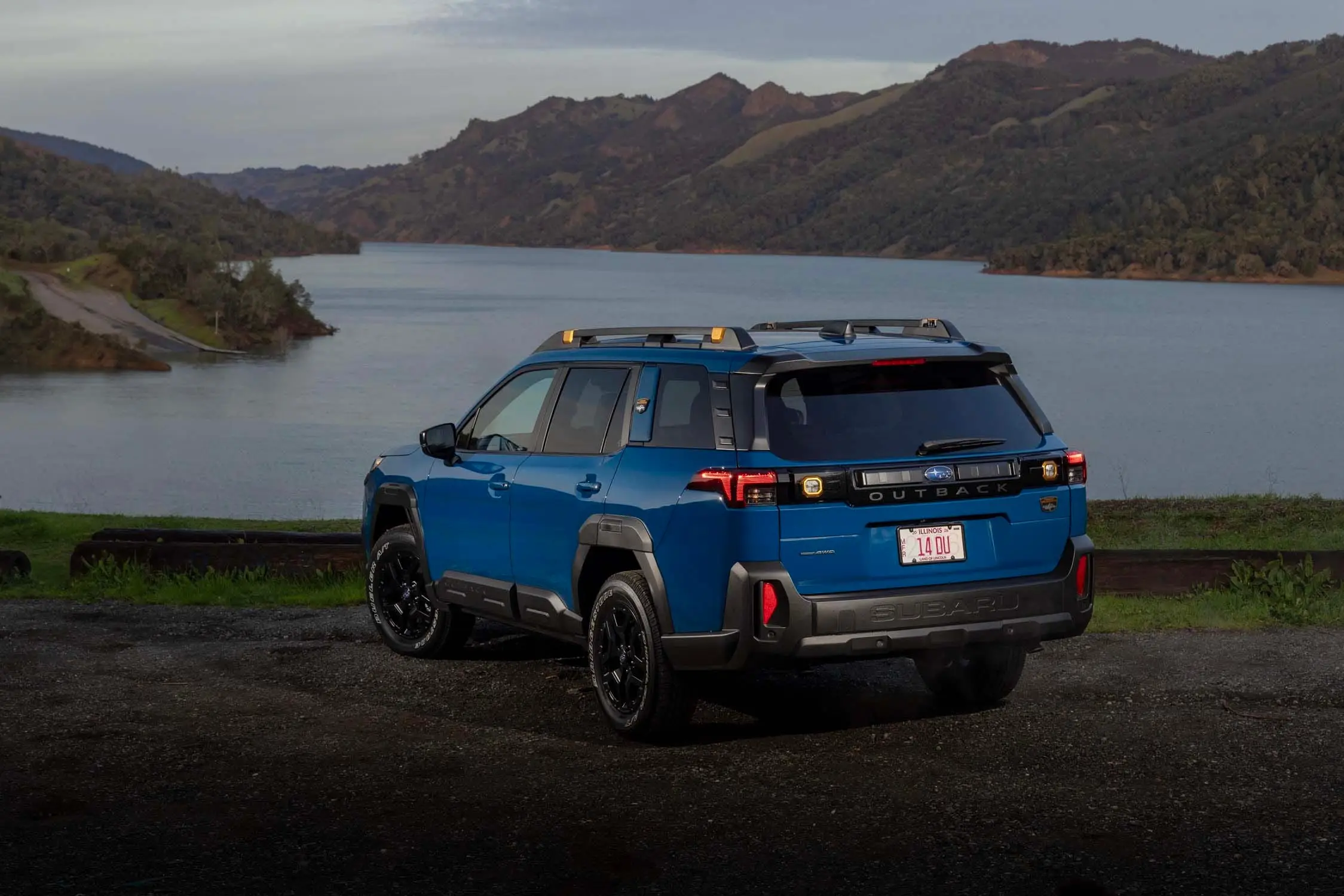
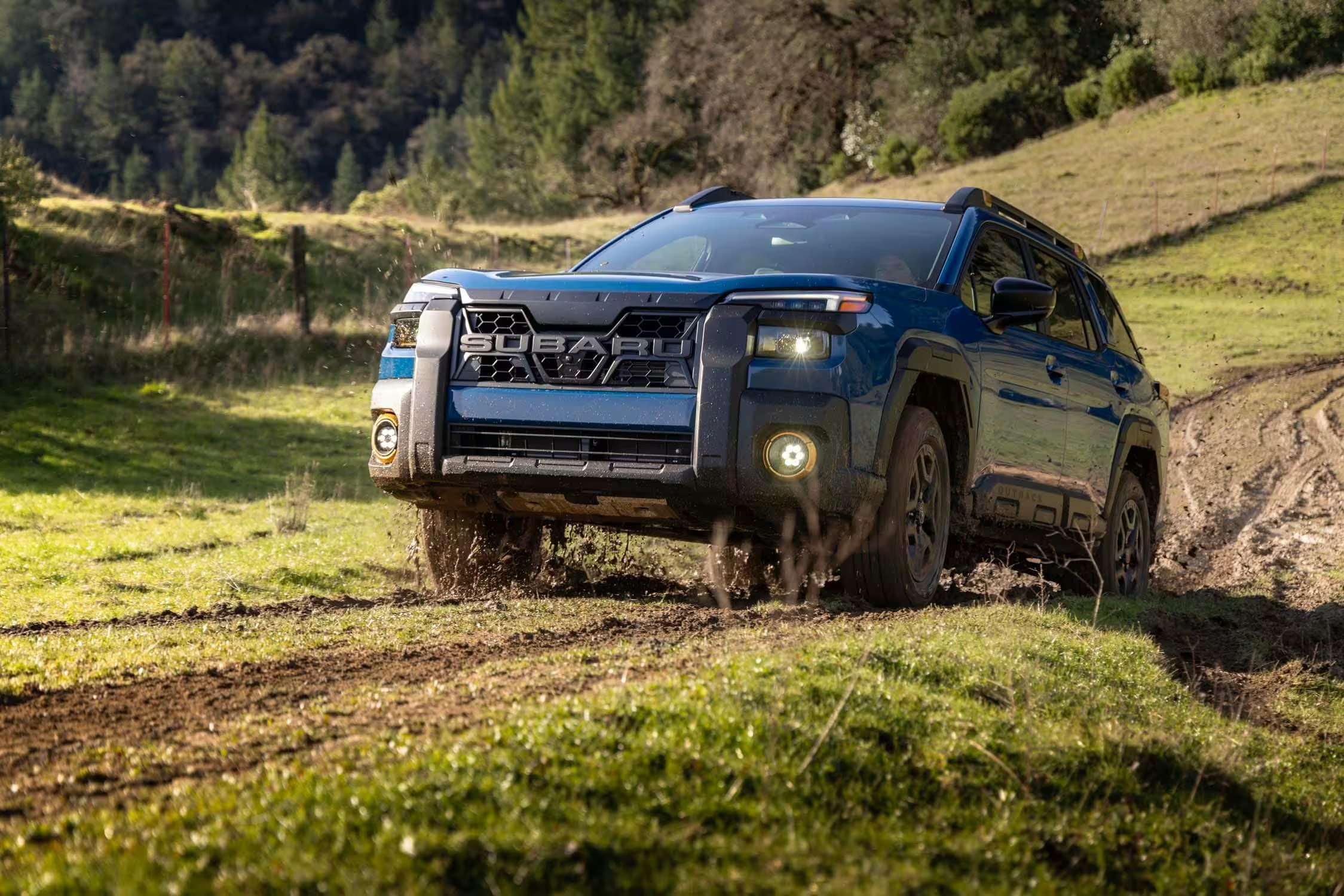
Appearance and identity: The Wilderness lineup has always had its own identity within Subaru’s range, and the 2026 model reinforces this with copper accents, a more aggressive front grille, and robust plastic cladding that signifies durability. The absence of the traditional constellation logo on some front elements and the exclusive finishes clearly indicate that the brand aims to position this model as an adventure-oriented variant and an aspirational product.
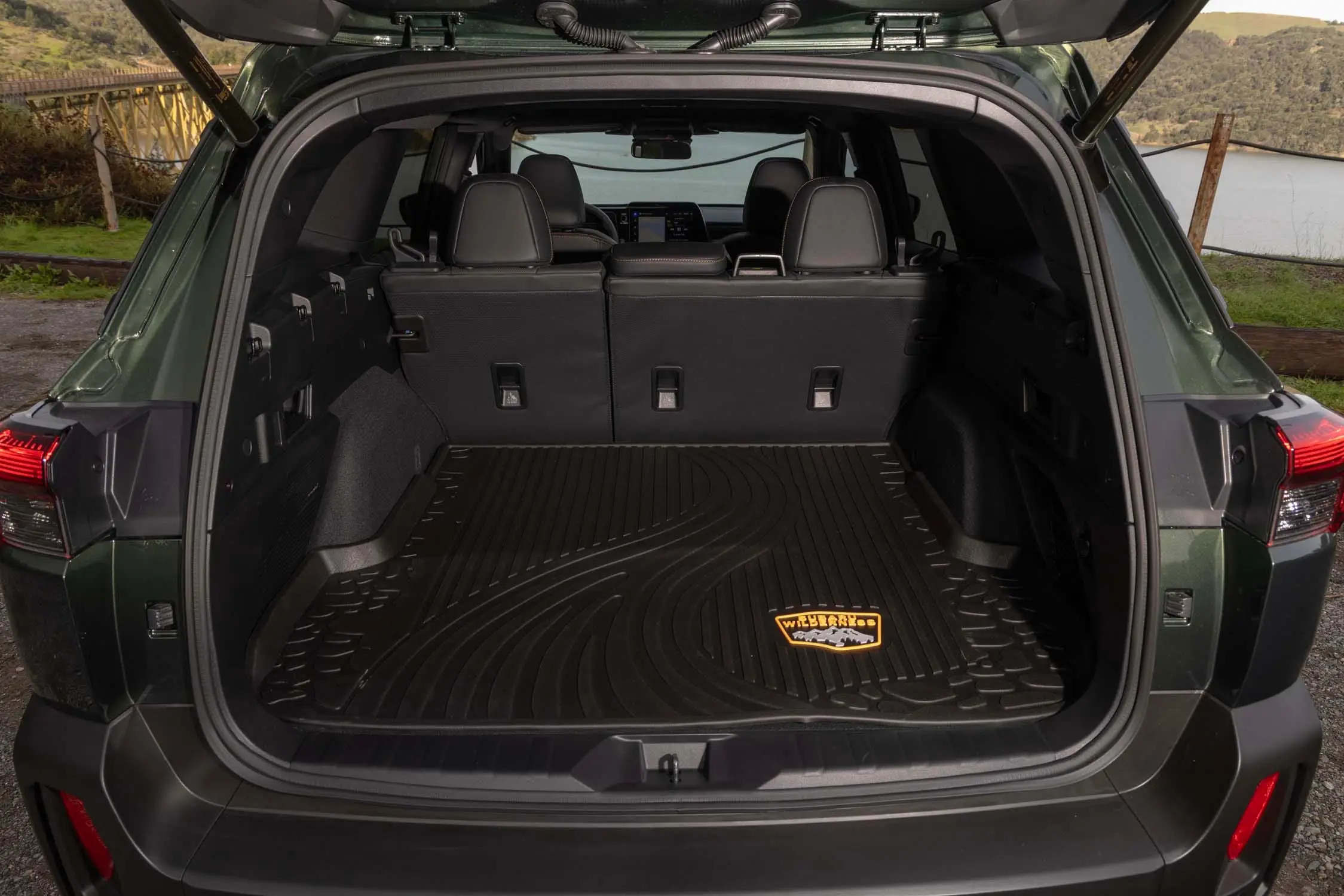
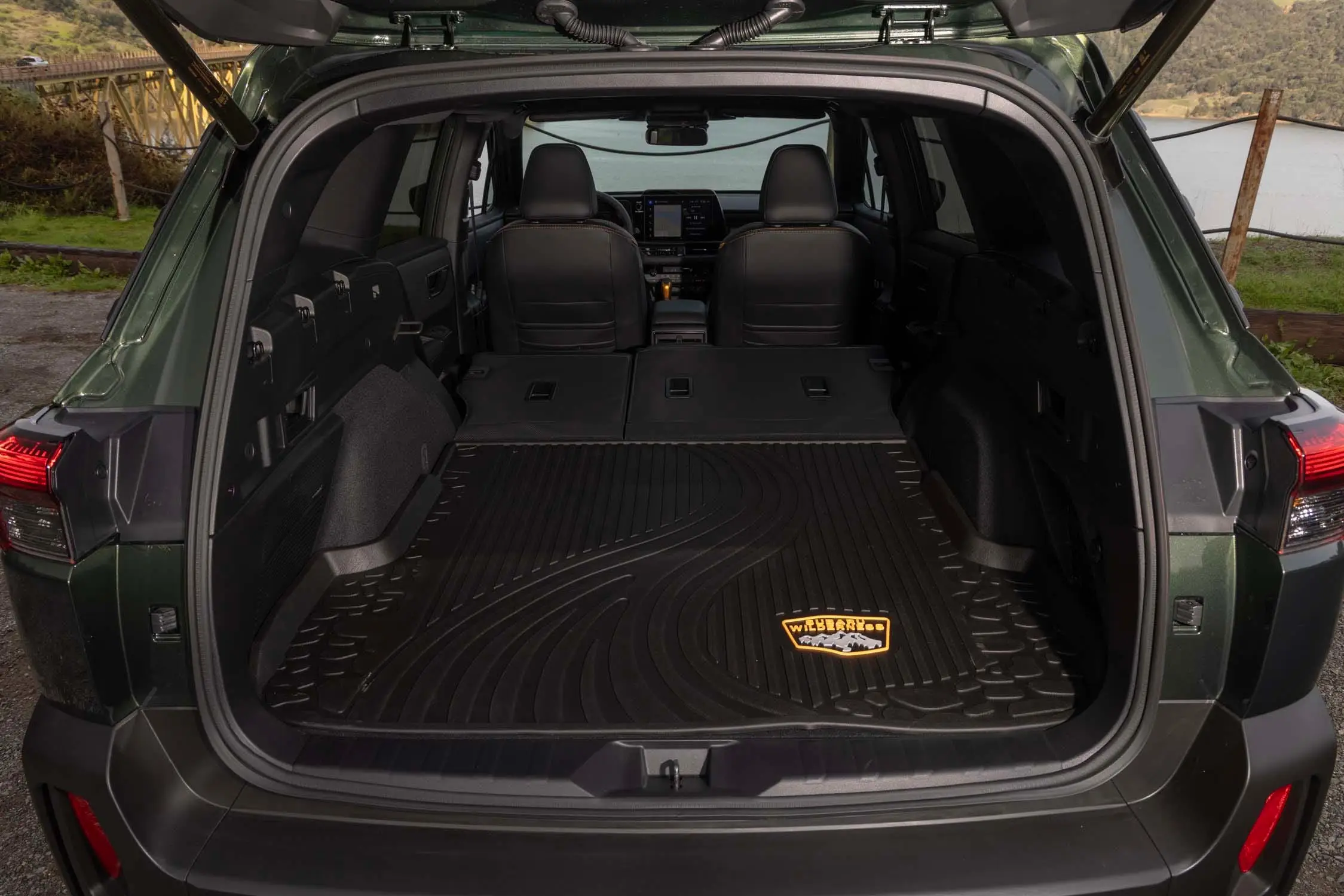
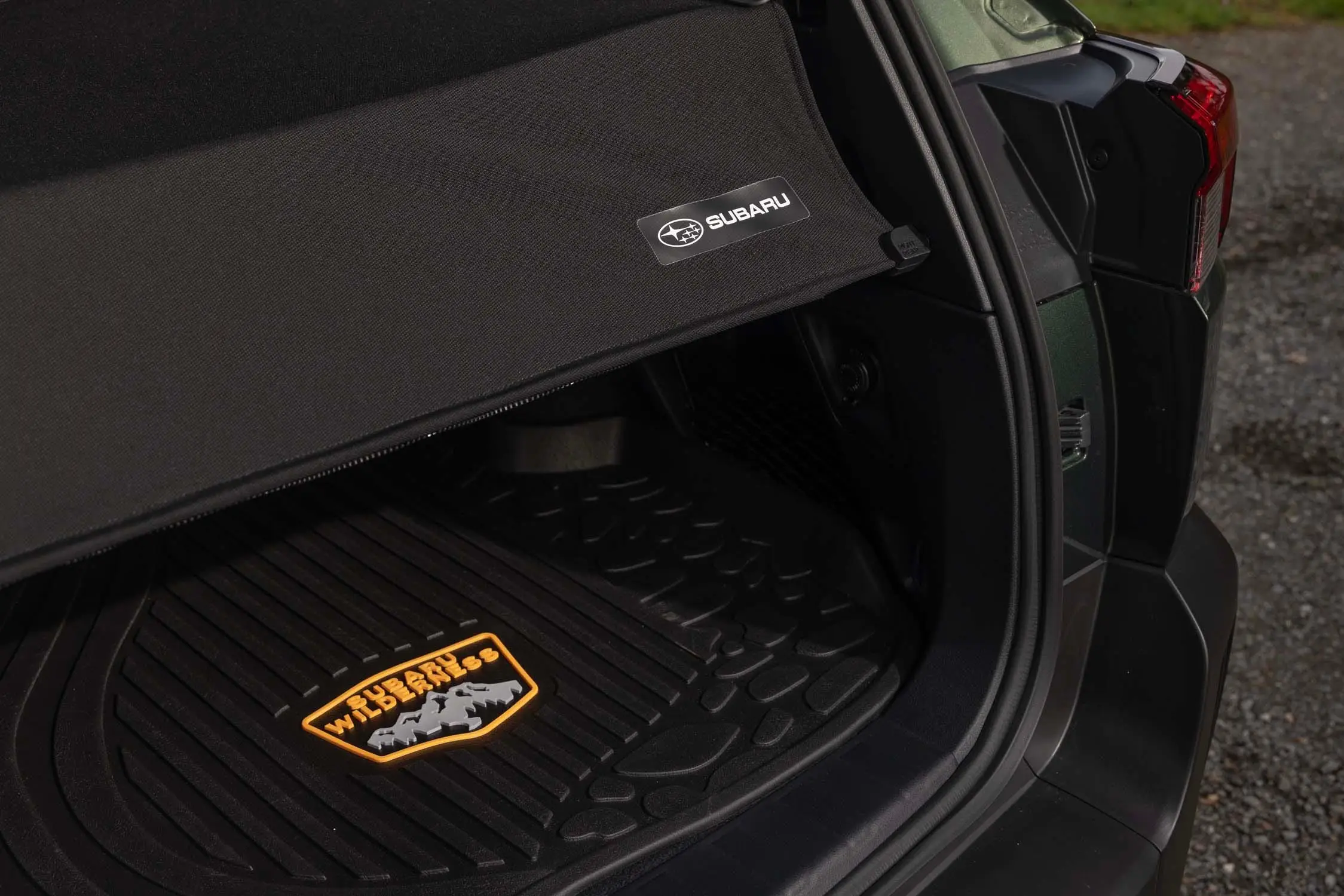
Space and practicality: The body update brought a significant increase in trunk volume — about 56 liters more, reaching approximately 991 liters (35 cubic feet) behind the rear seats — along with a slight increase in headroom. Practically, this means more comfort for active families and better accommodation for gear like trail equipment, bikes, and pets (relevant for Subaru’s customer base, where about 60% own dogs).
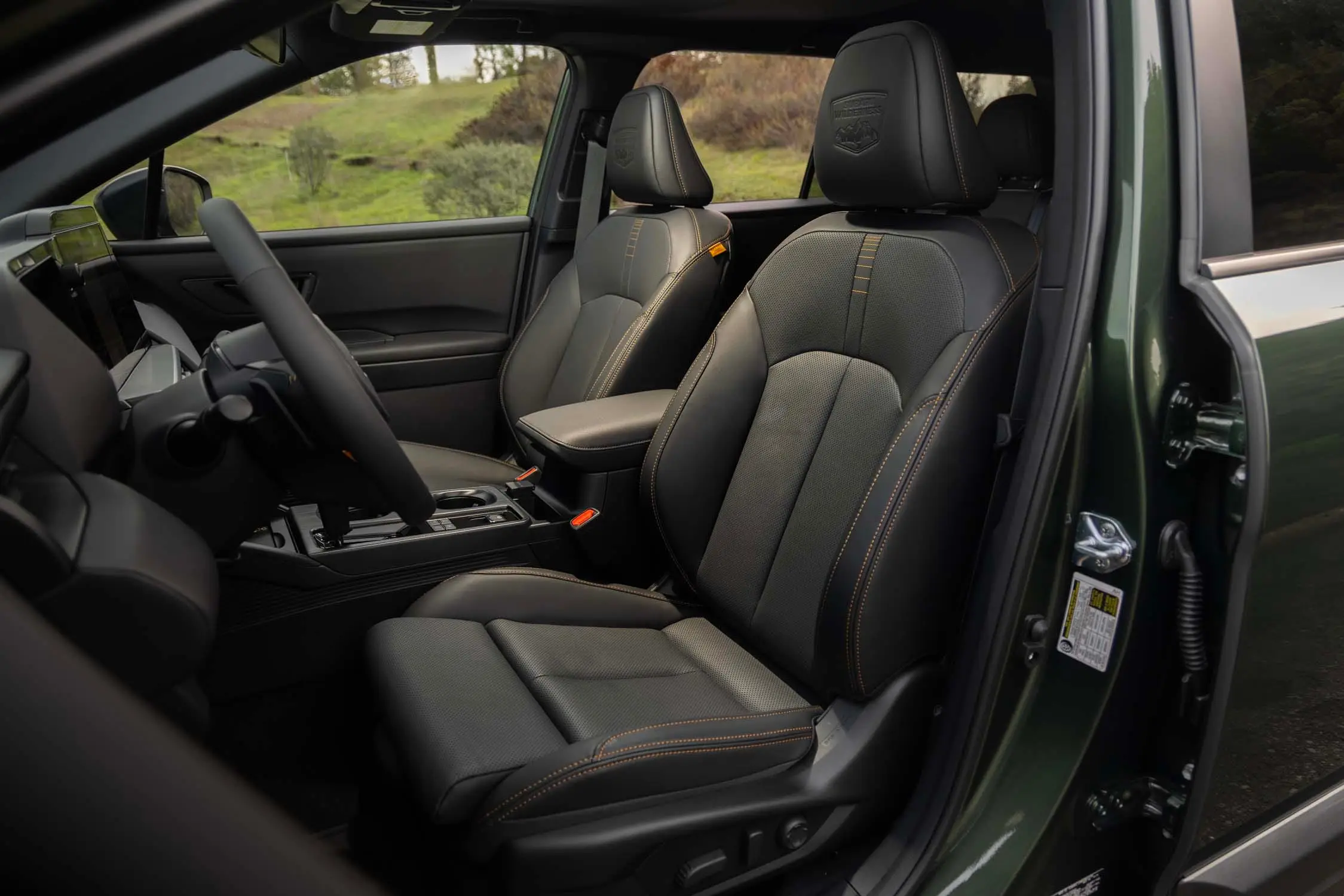
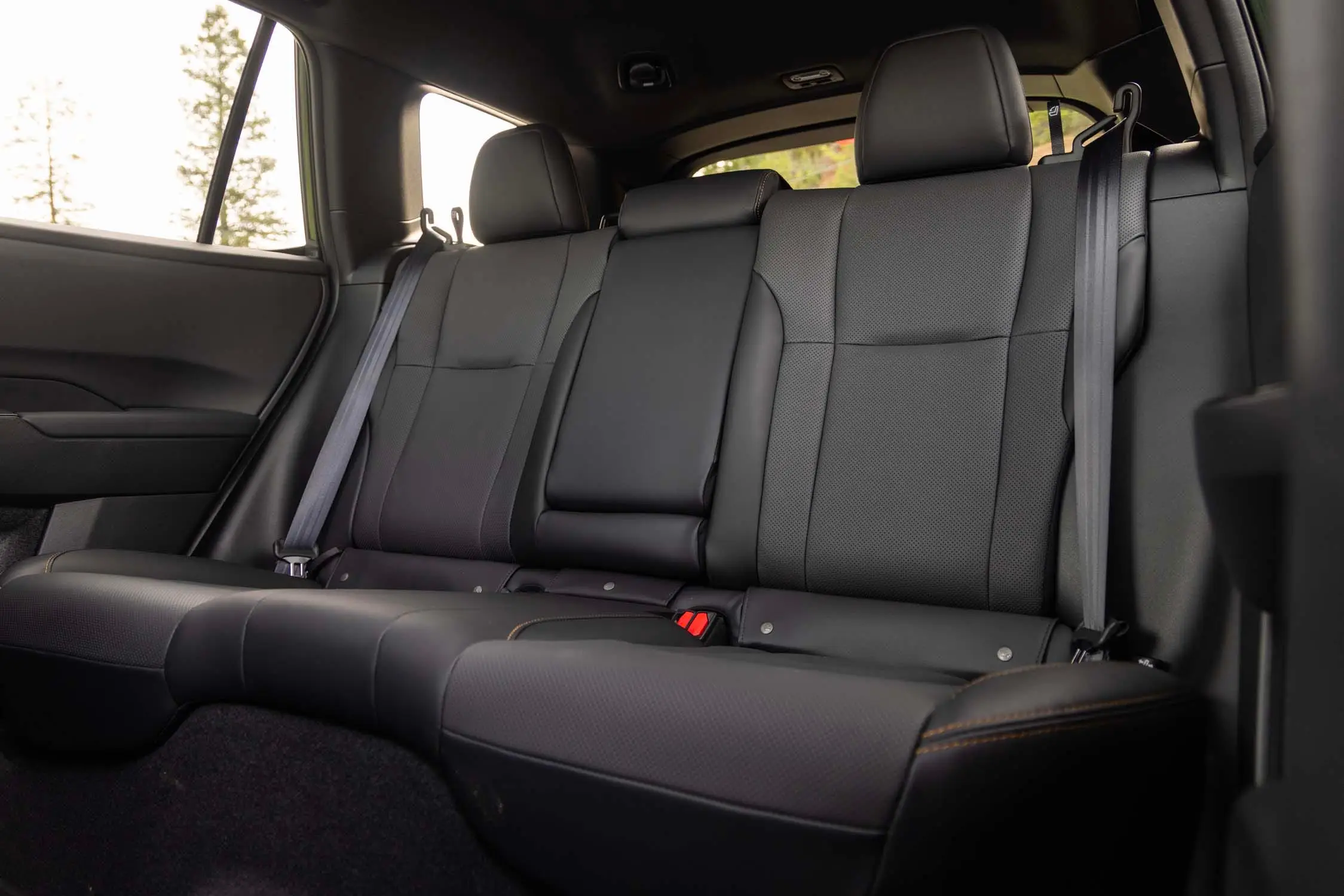
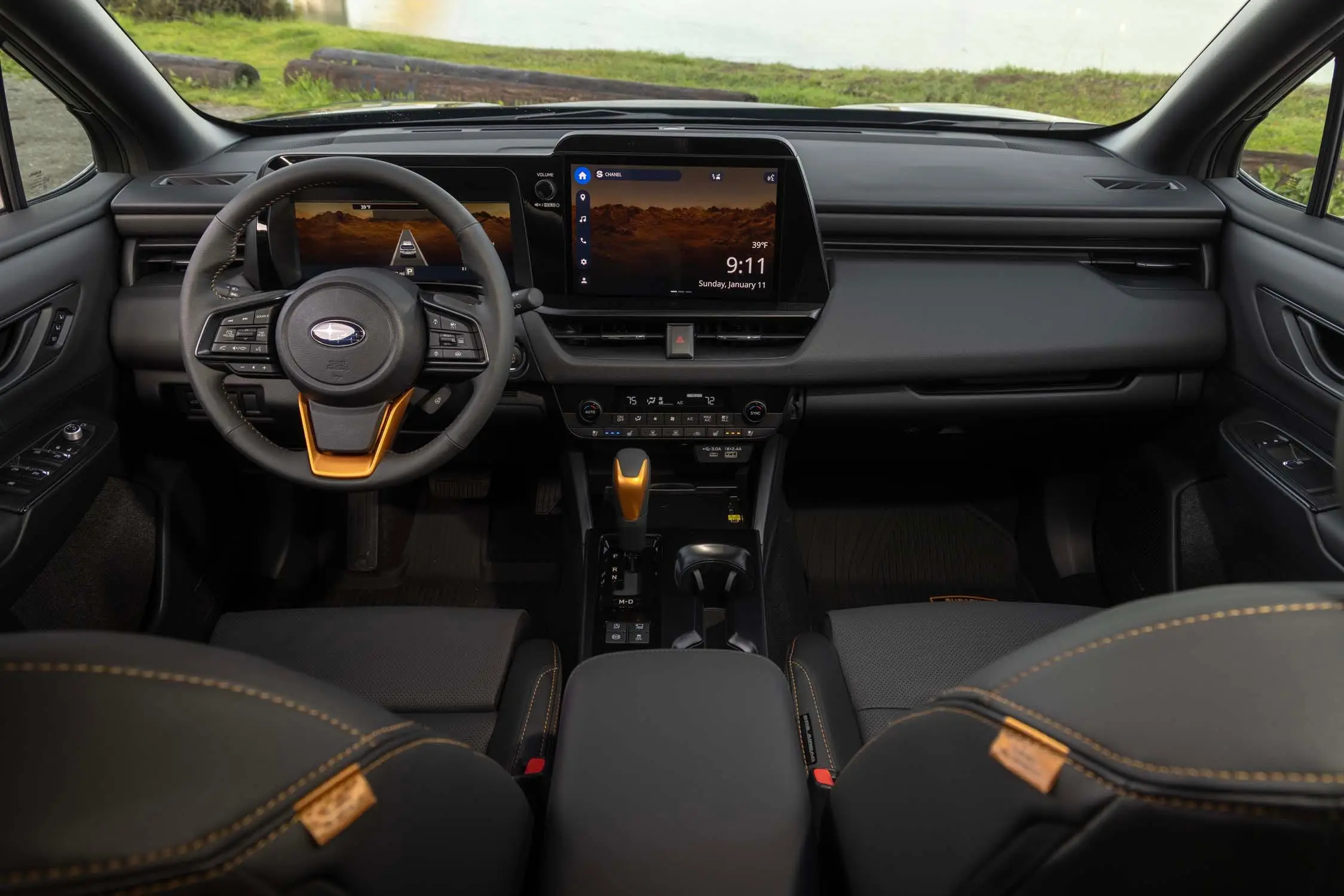
Entering the luxury segment: For the first time, Subaru offers Nappa leather upholstery on the Outback, available in the 23 Options Package (around US$4,090). The package also includes a sunroof, 360-degree camera, and ventilated front seats with electric adjustments (12-way for the driver and 8-way for the passenger). If you’re seeking comfort on long trips without sacrificing off-road robustness, this package greatly enhances the “premium” feel.
Important for consumers in Brazil and other markets: the list of equipment and finishes suggests that a fully loaded version could exceed US$50,000 in the US, which after import taxes and logistics costs, tends to position it in a premium segment outside the US.
Technology, Engine, and the Secret Weapon: Adaptive Suspension and New Software
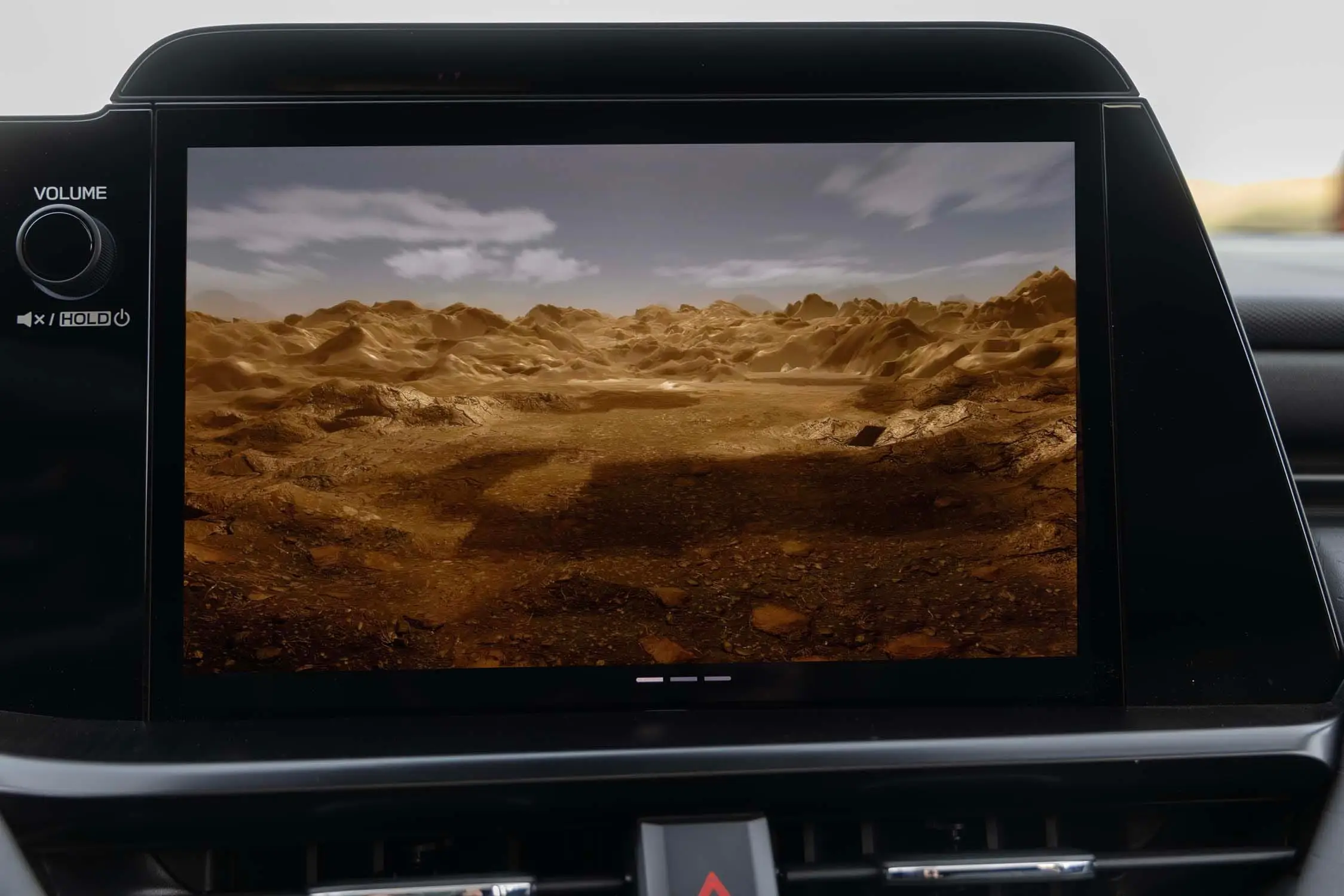
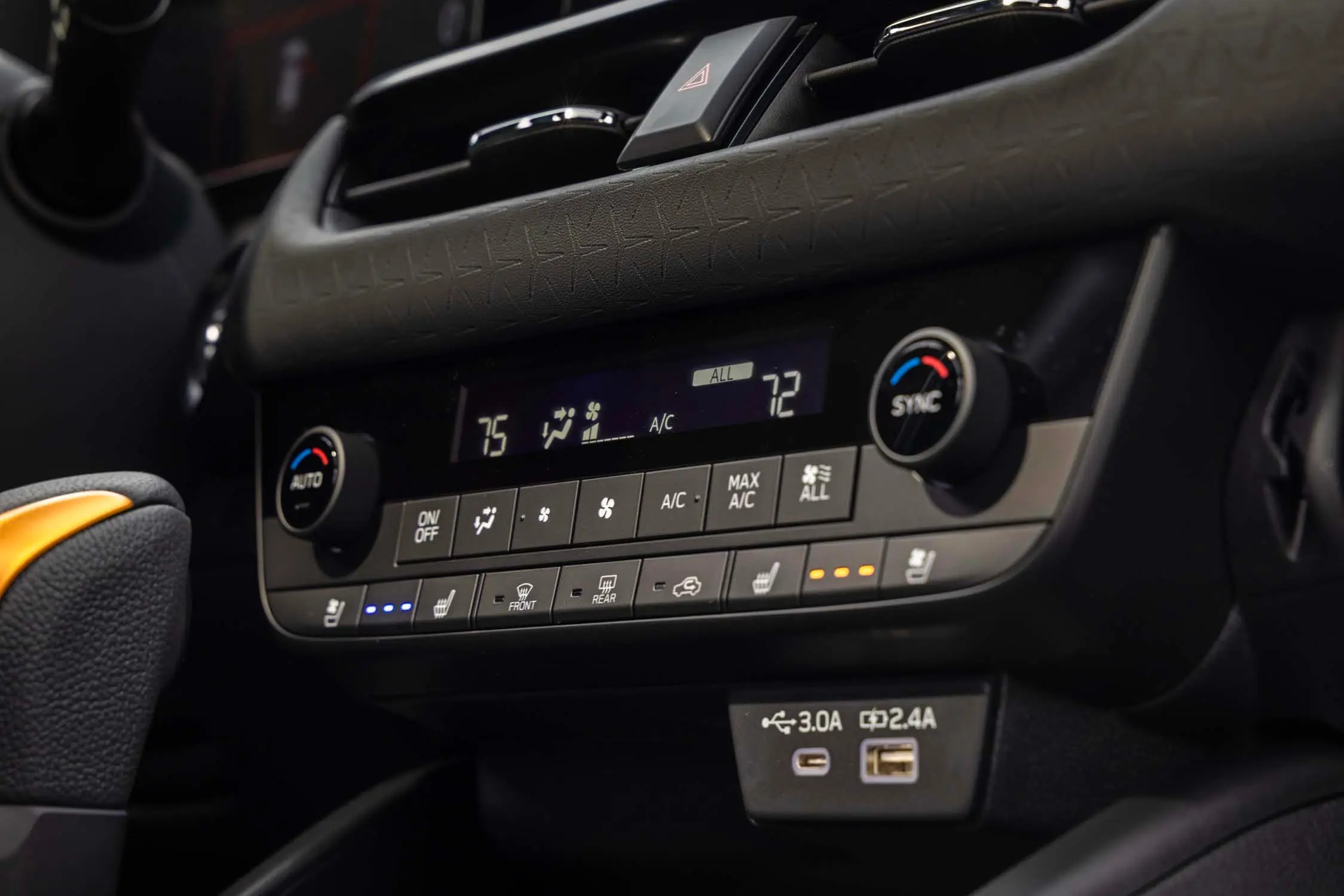
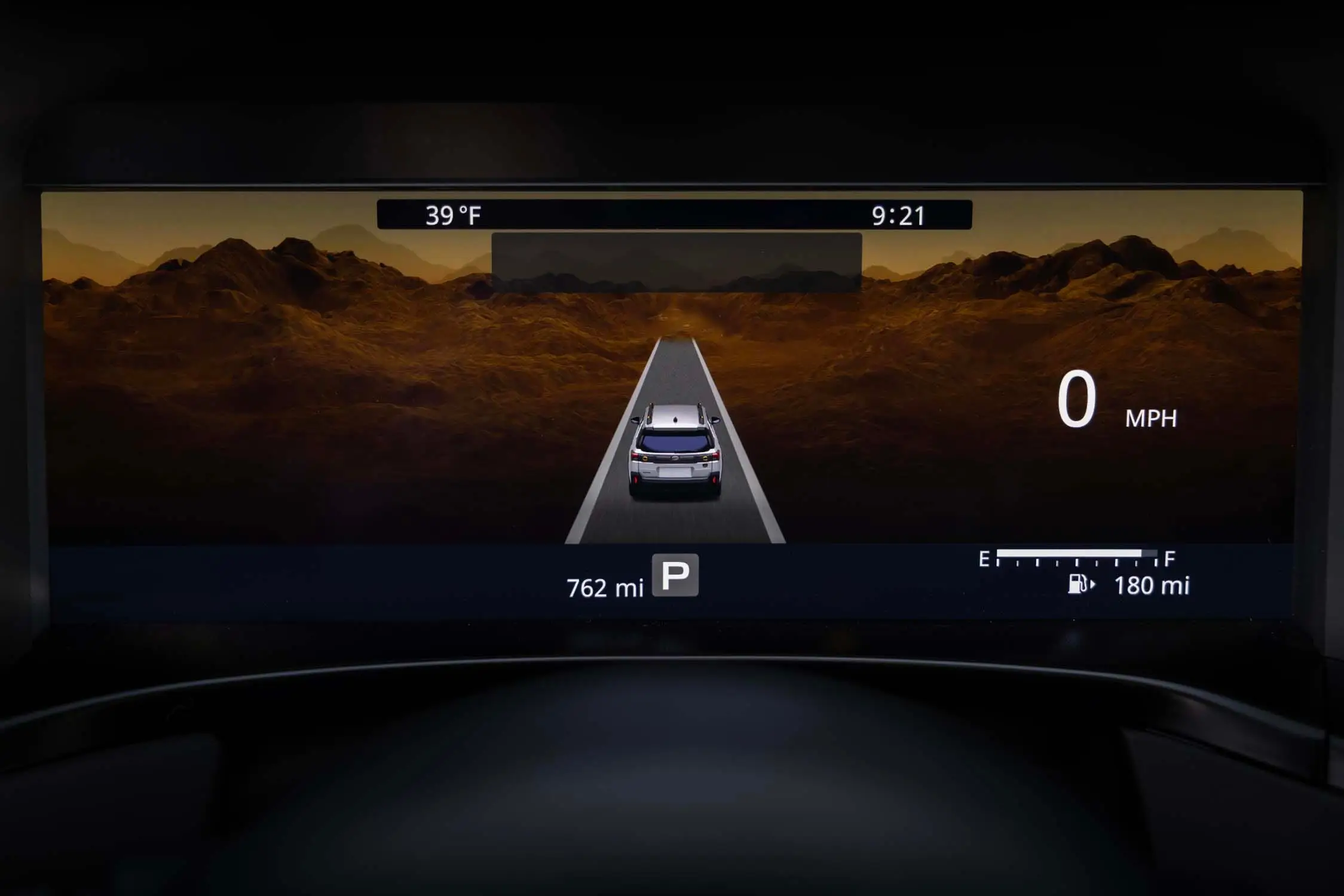
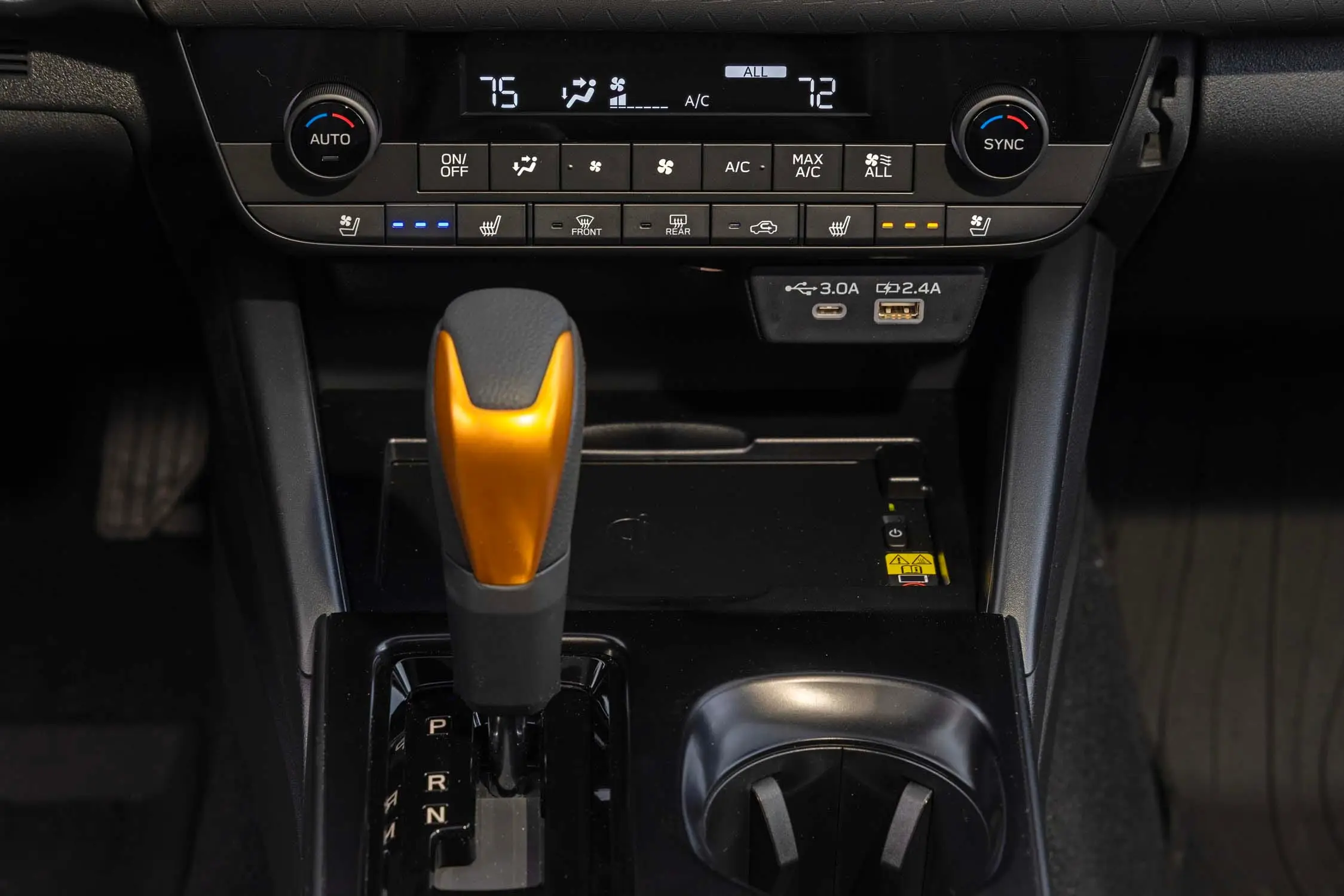
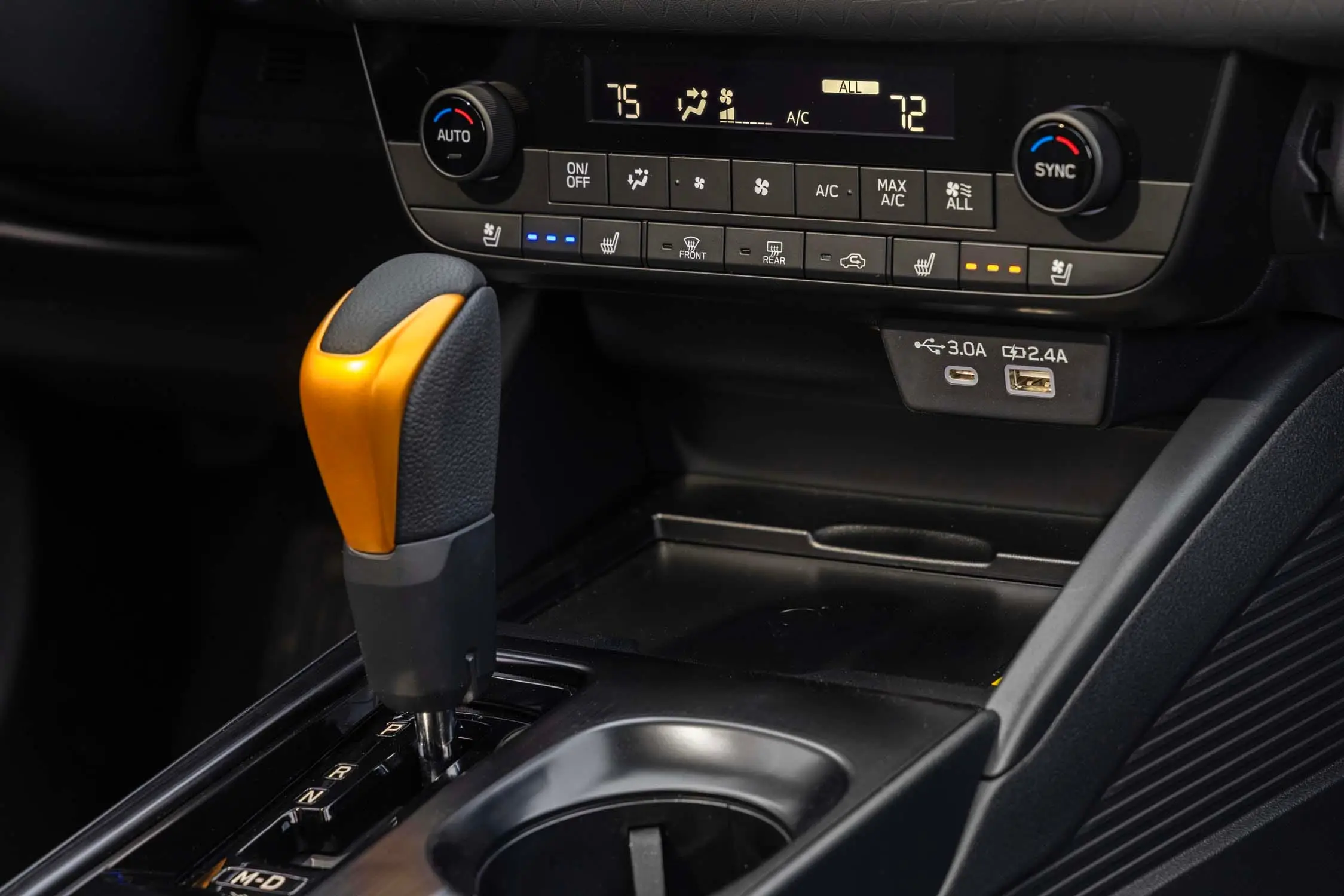
Redesigned Infotainment: One of the longstanding criticisms of Outback models was the slow and unintuitive system. Subaru responded by replacing the vertical display with a 12.1-inch horizontal screen with updated processor and software — resulting in faster responses and higher-quality graphics. Even though the system has been digitalized, Subaru kept physical buttons for climate control and essential functions, a smart choice for usability while driving.
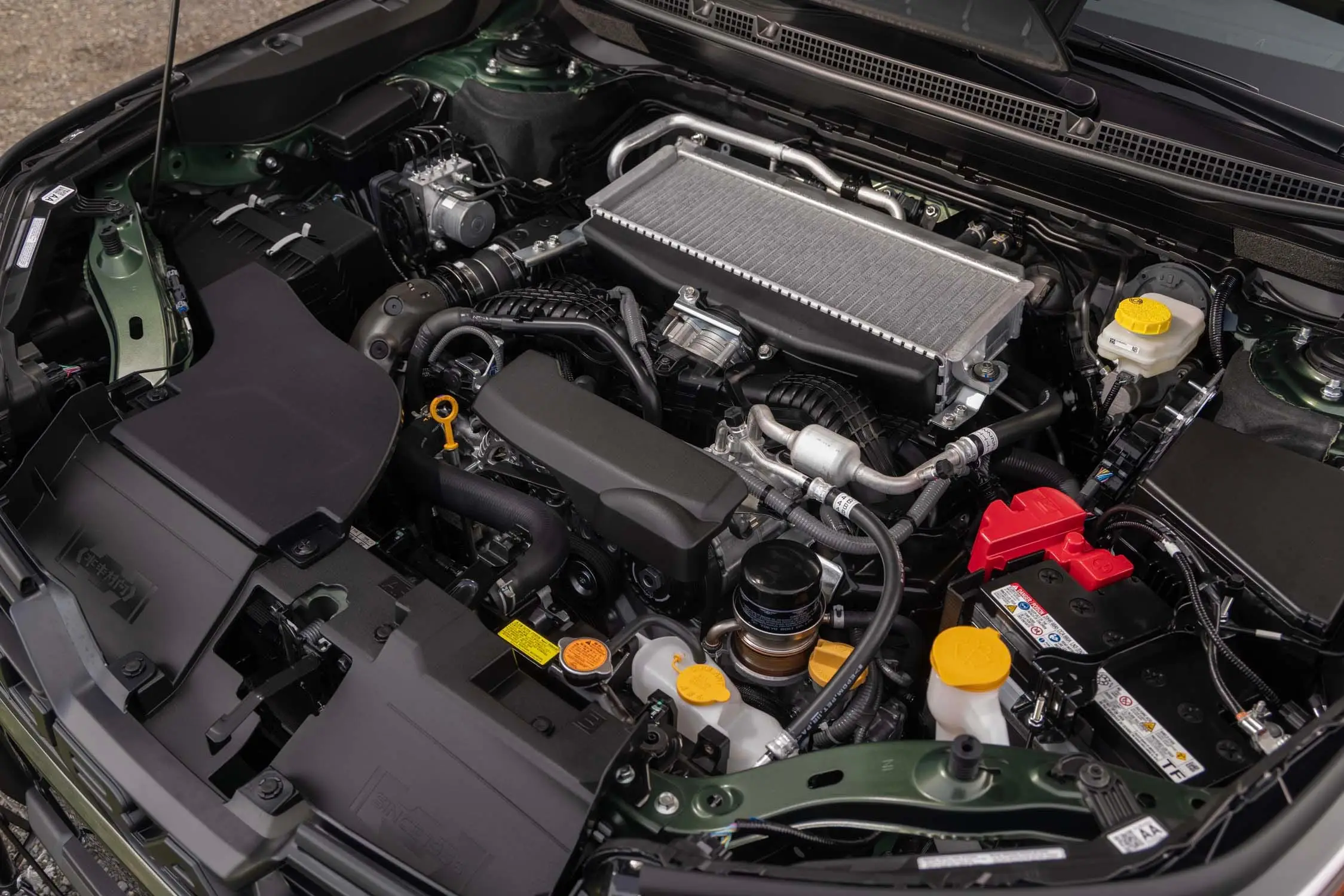
Powertrain and Transmission: The core of the Wilderness 2026 is a turbocharged 2.4-liter flat-four engine delivering 260 hp and 277 lb-ft of torque, with a torque curve biased towards lower RPMs (277 lb-ft already at 2,000 rpm), which benefits launches, pulls, and control on technical trails. The CVT has been specially tuned, with a shorter final gear ratio — improving performance at low speeds and providing more natural responses on steep terrain.
| Item | Specification |
|---|---|
| Engine | 2.4L turbo flat-four, 260 hp @ 5600 rpm |
| Torque | 277 lb-ft @ 2000 rpm |
| Transmission | CVT with shortened final drive ratio |
| Drive | Subaru symmetrical all-wheel drive with X-Mode |
| Ground clearance | 24.1 cm (9.5 inches) |
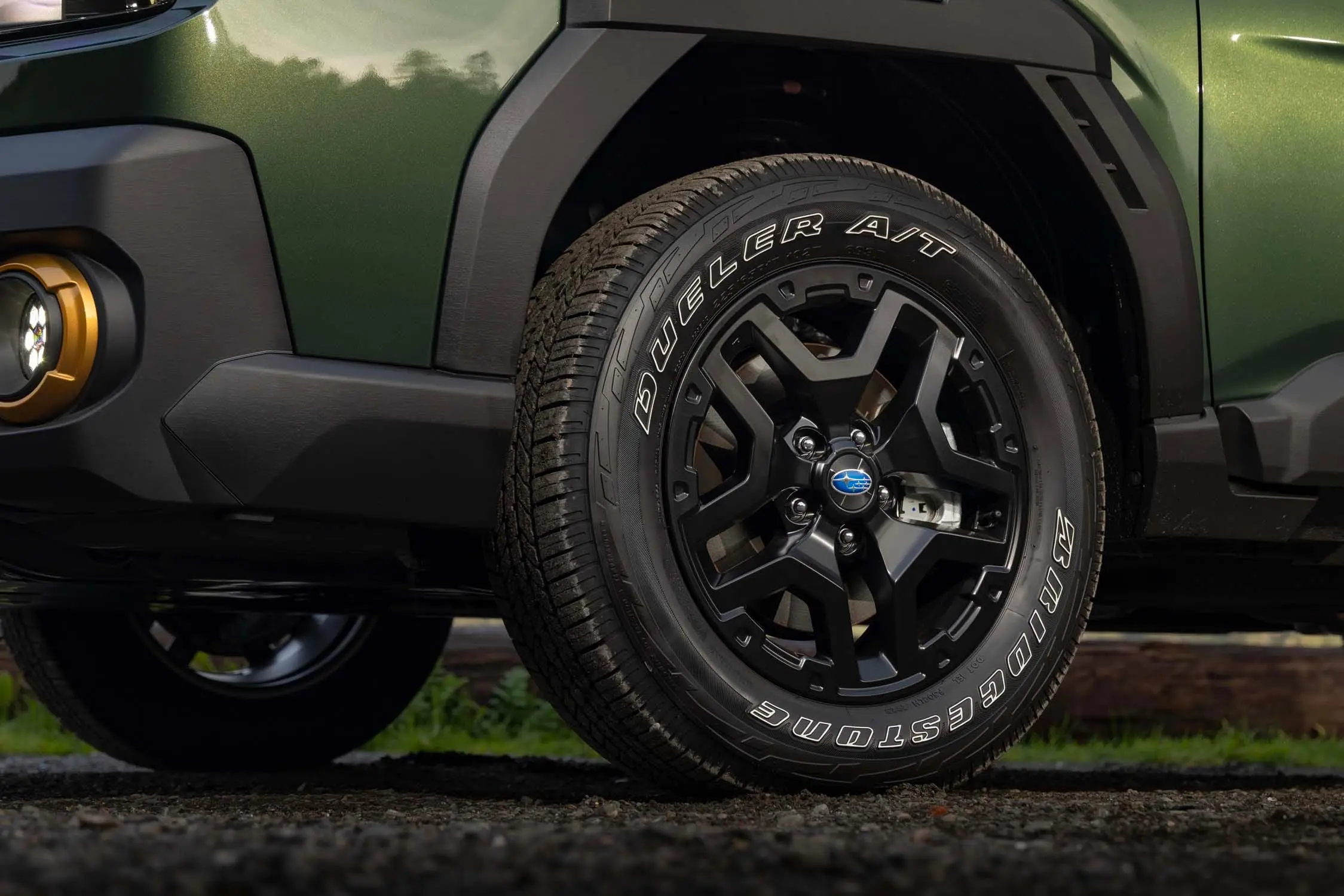
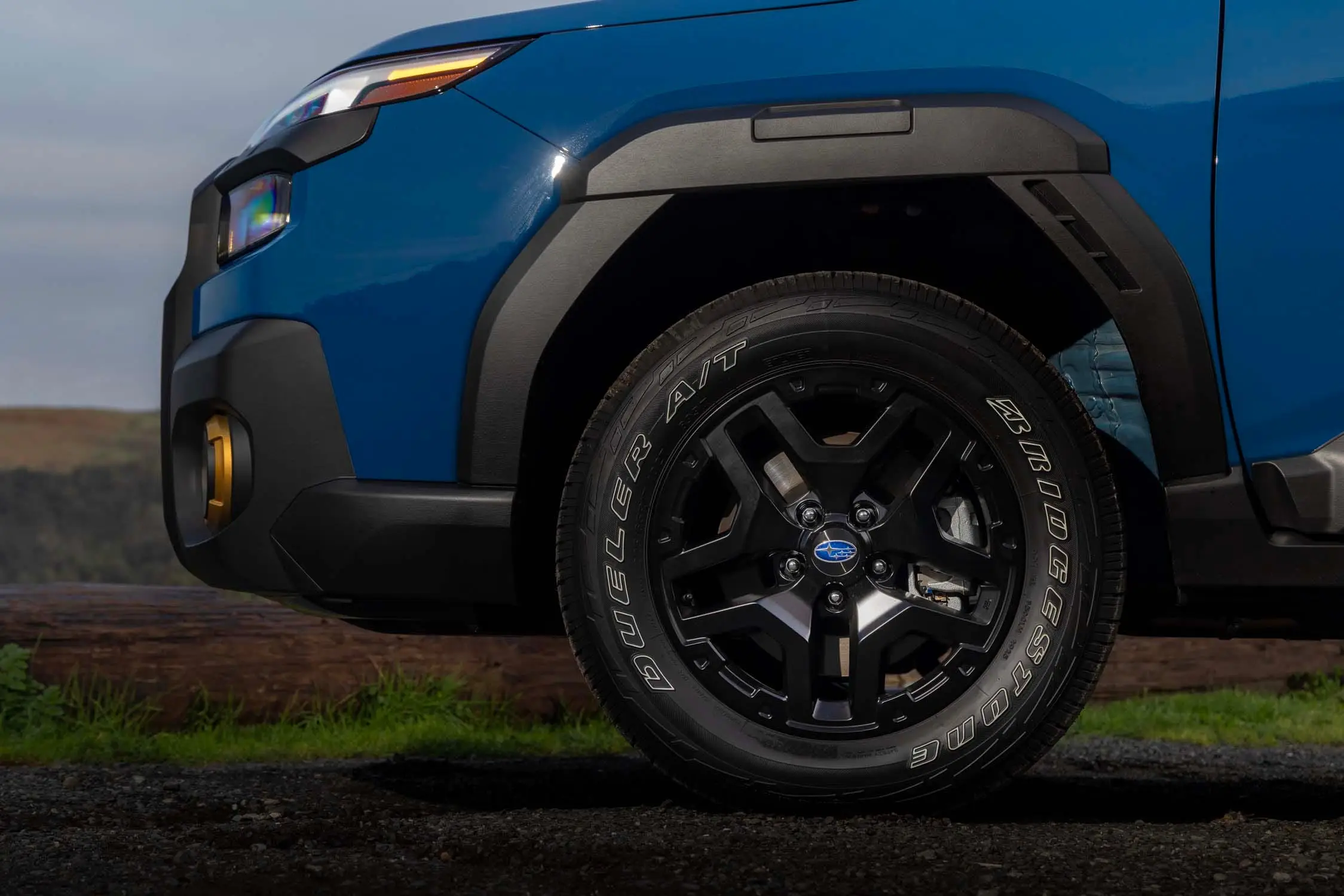
| Tires | Bridgestone Dueler All-Terrain 225/65R-17 |
| Fuel economy (EPA) | 23 / 21 / 27 mpg (Comb / City / Highway) |
Adaptive Suspension: The Game-Changer
The major technical innovation is the adoption of adaptive dampers, inspired by the system used in the Subaru WRX. Sensors monitor the vehicle’s behavior and adjust suspension stiffness in real-time. Practical outcomes include:
- Reduced body roll in corners — the faster steering ratio (13.0:1) combined with active dampers allows for sportier handling on winding roads.
- Increased comfort on urban surfaces and better impact absorption on trails, plus more controlled landings over small jumps or rough terrain.
From a maintenance perspective, active dampers require specialized attention. If you frequently go trail riding, check the availability of parts and authorized service centers in your region. For an overview of cylinder head problems and Subaru maintenance history, consult our historical analysis of models affected by head gasket issues at Subaru: these model years were most affected by head gasket problems.
Usage and Comfort Tips: Nappa leather is luxurious but requires care: cleaning with specific products and protection from intense sunlight preserve the touch and appearance. The 23 Package adds convenience (360 camera) that eases maneuvers and aesthetic protection in urban trails.
Off-Road Capability, Direct Rivals, and Who the OUTBACK WILDERNESS 2026 is For
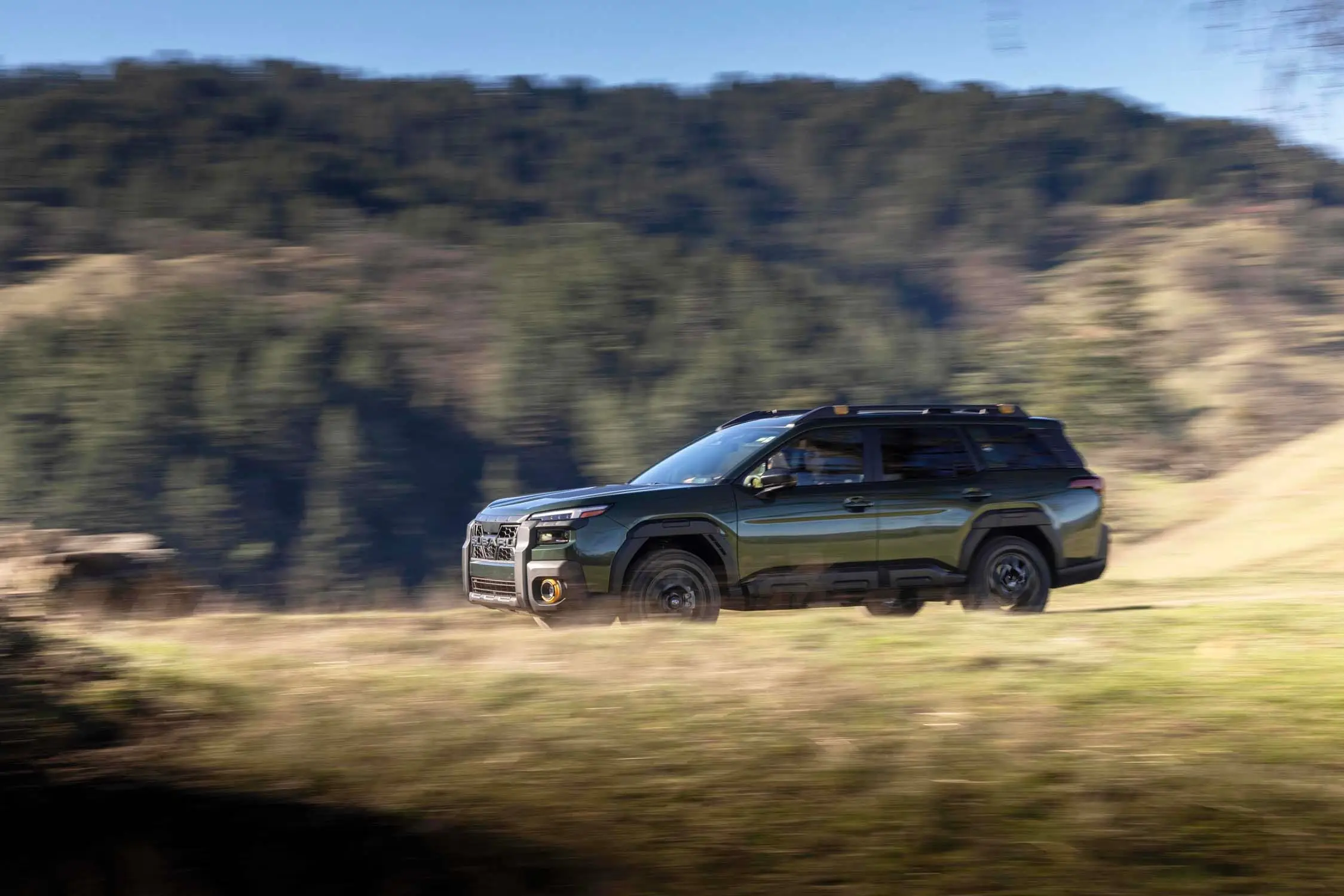
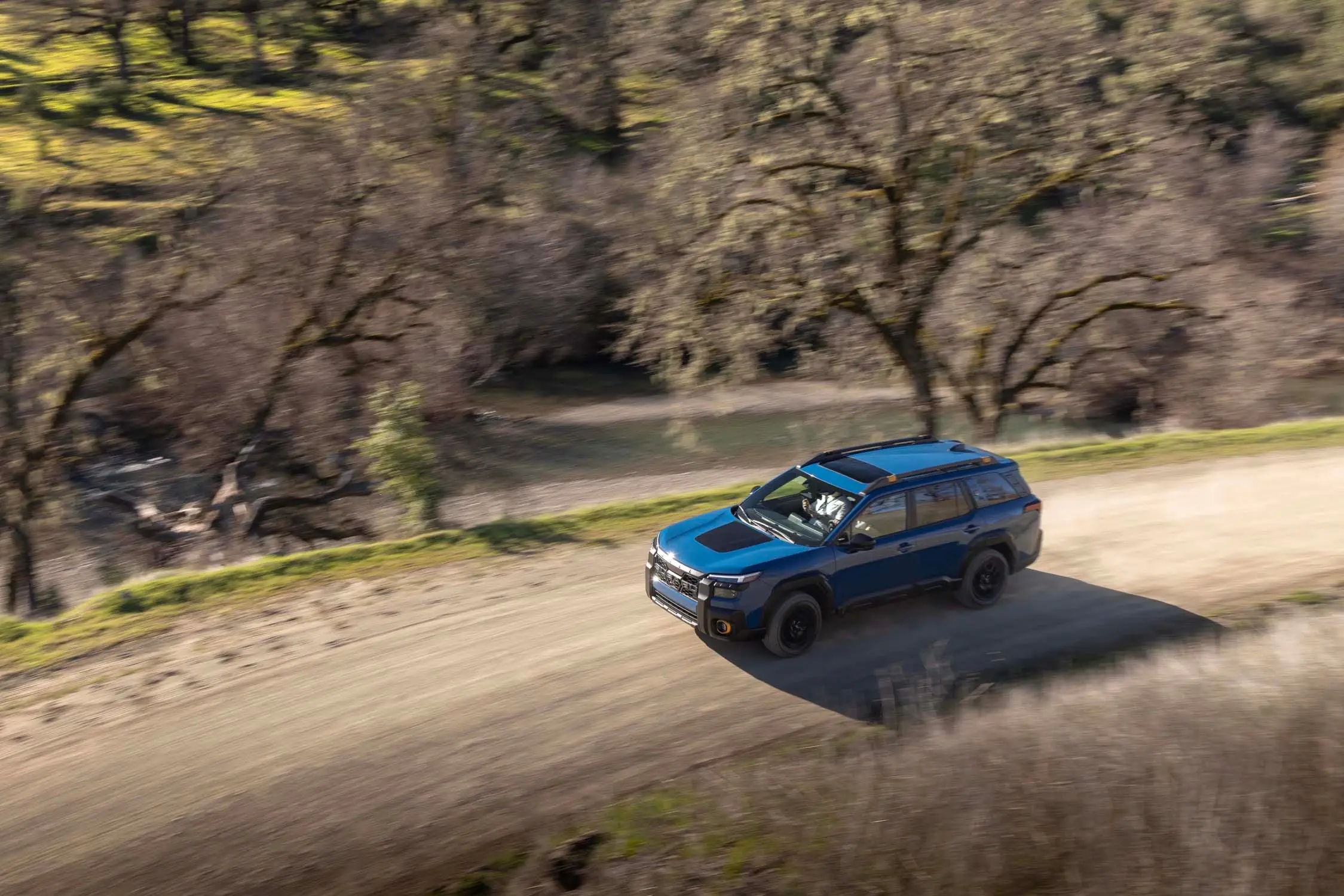
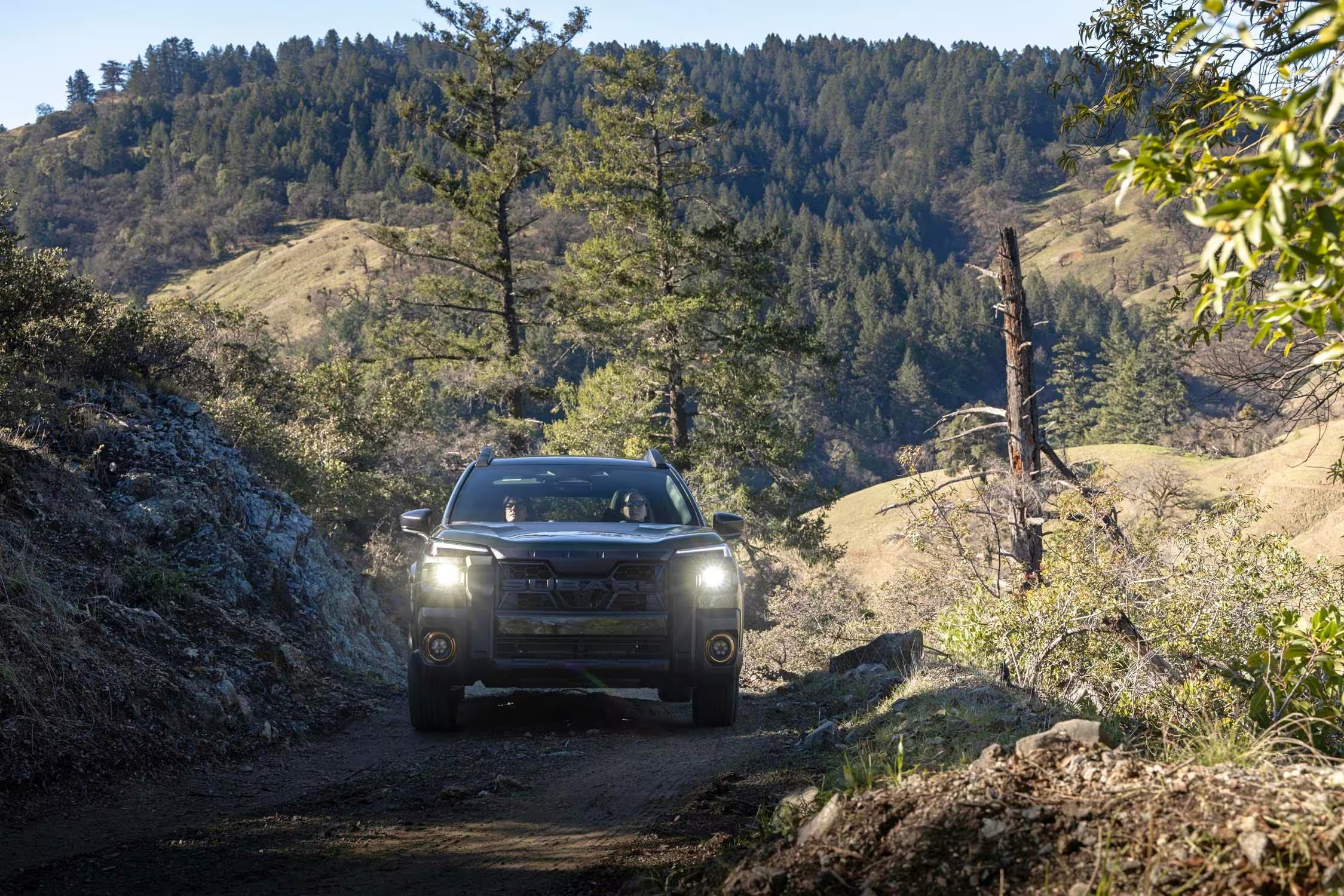
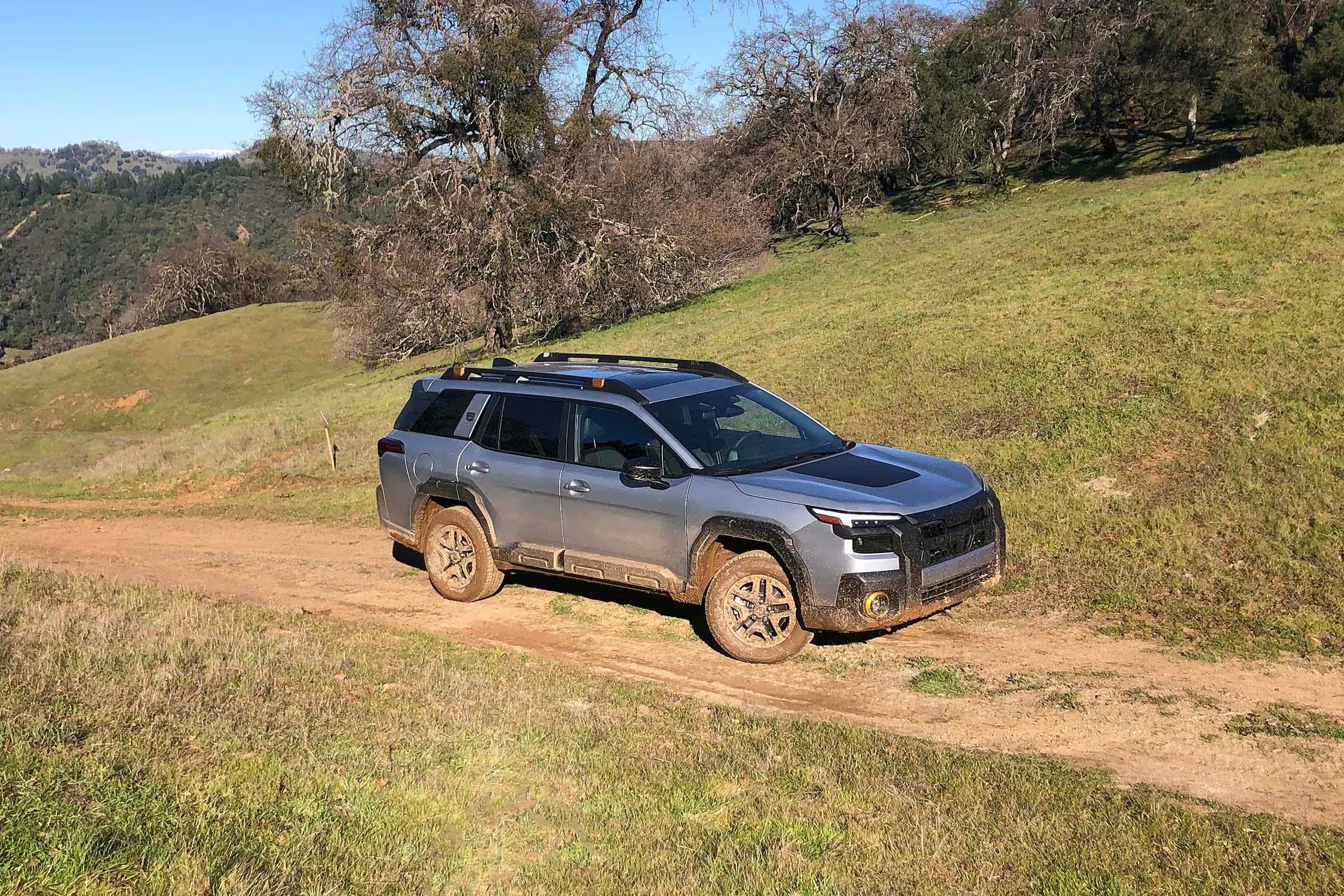
Off the Beaten Path: With a ground clearance of 24.1 cm, all-terrain tires, and X-Mode offering Snow/Dirt and Deep Snow/Mud modes operating up to 40 km/h, the Outback Wilderness is a vehicle truly ready for moderate trails without fear. The hill descent control automatically adjusts CVT and brakes to maintain a safe speed on technical descents — an essential feature for expeditions with cargo or small trailers.
Direct Competition: The SUBARU OUTBACK WILDERNESS 2026 competes with models like the HONDA PASSPORT TRAILSPORT. While the Passport relies on a V6 and traditional SUV dynamics, the Outback emphasizes Subaru’s symmetrical all-wheel drive, low-end torque, and tuned suspension for a balance of comfort and control. For those valuing mud, snow, and light trail capability with daily comfort, the Outback is a highly competitive alternative.
Comparisons and Additional Reading: If you’re considering a premium SUV with off-road and tech features, it’s worth comparing with recent options from other brands that have elevated SUV tech standards. Also, read our analysis of the Mazda CX-50 2026 to understand the distinct approaches of premium-targeted SUVs versus those with off-road prowess.
Pricing and Purchase Strategy: The estimated base price for the Outback Wilderness is US$46,445 in the US, but versions with packages (like the 23 Package) exceed US$50,000. For Brazilian consumers, add taxes, freight, and dealer margins — positioning it in a segment competing with entry-level premium SUVs. If total cost of ownership matters, consider maintenance, insurance, and fuel consumption: EPA numbers (23/21/27 mpg), converted to km/l, approximate to 9.8 / 8.9 / 11.5 km/l (values vary based on urban/highway cycles and fuel type).
Who Is the OUTBACK WILDERNESS 2026 For?
- Owners seeking an SUV with station wagon spirit but capable off-road features.
- Active families carrying sports equipment and pets who value comfort and practicality.
- Buyers willing to pay a premium for suspension technology and higher-quality finishes — especially interested in Nappa leather and electronic assists.
Maintenance and Practical Care: Adaptive dampers are a valuable upgrade but increase the suspension system’s complexity. Avoid extreme trails without proper preparation, monitor the condition of all-terrain tires, and consult authorized workshops if needed. To understand when worn dampers start affecting safety and costs, see our guide WORN DAMPERS: the financial and deadly trap you ignore in your vehicle’s suspension.
Is It Worth It? A Product Review
The SUBARU OUTBACK WILDERNESS 2026 is more than just a facelift: it signals a repositioning. The combination of a 260 hp turbo engine, symmetrical all-wheel drive, adaptive dampers, and Nappa finishes creates a package for those who want a vehicle that handles both highway and adventure without compromising comfort. In markets where the price stays below the psychological US$50,000 ceiling, it will naturally succeed. In countries with high tariffs, buyers should assess whether the equipment list justifies the premium compared to similar competitors.
Market Context and Future Outlook: Subaru’s strategy with the Outback Wilderness 2026 is clear: transform a name associated with reliability and utility into an aspirational option for those valuing driving experience and terrain capability. This aligns the brand with recent industry trends, where hybrids and premium SUVs compete not only on power and range but also on sensations and versatility. To stay updated on other innovations changing the SUV scene, check our coverage of the KIA NIRO facelift, which highlights how connectivity and dual screens became industry standards in adjacent segments.
If you’re considering a SUBARU OUTBACK WILDERNESS 2026, ask yourself three fundamental questions: 1) Will I frequently use its off-road capabilities? 2) Is the comfort package (Nappa, sunroof, 360 camera) worth the extra investment? 3) Where will I get maintenance and parts? Your answers will guide whether the Wilderness is a wise purchase for your routine or if another Outback version, or competitors with better local value, fit better.
Technical information cited is based on official Subaru data and standard EPA consumption estimates. Always consult authorized dealerships for prices and availability in your country.
微信分享
打开微信,扫描下方二维码。