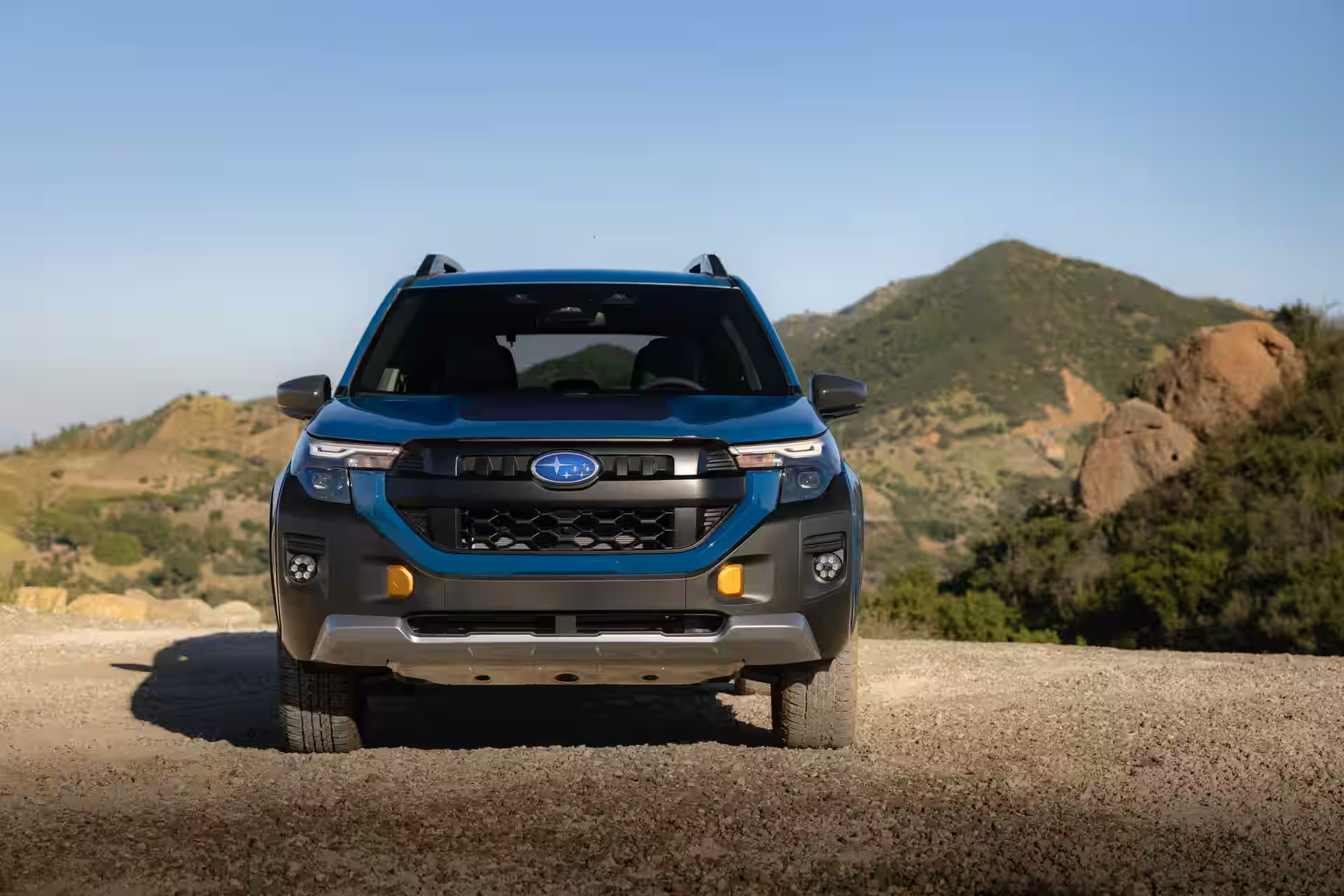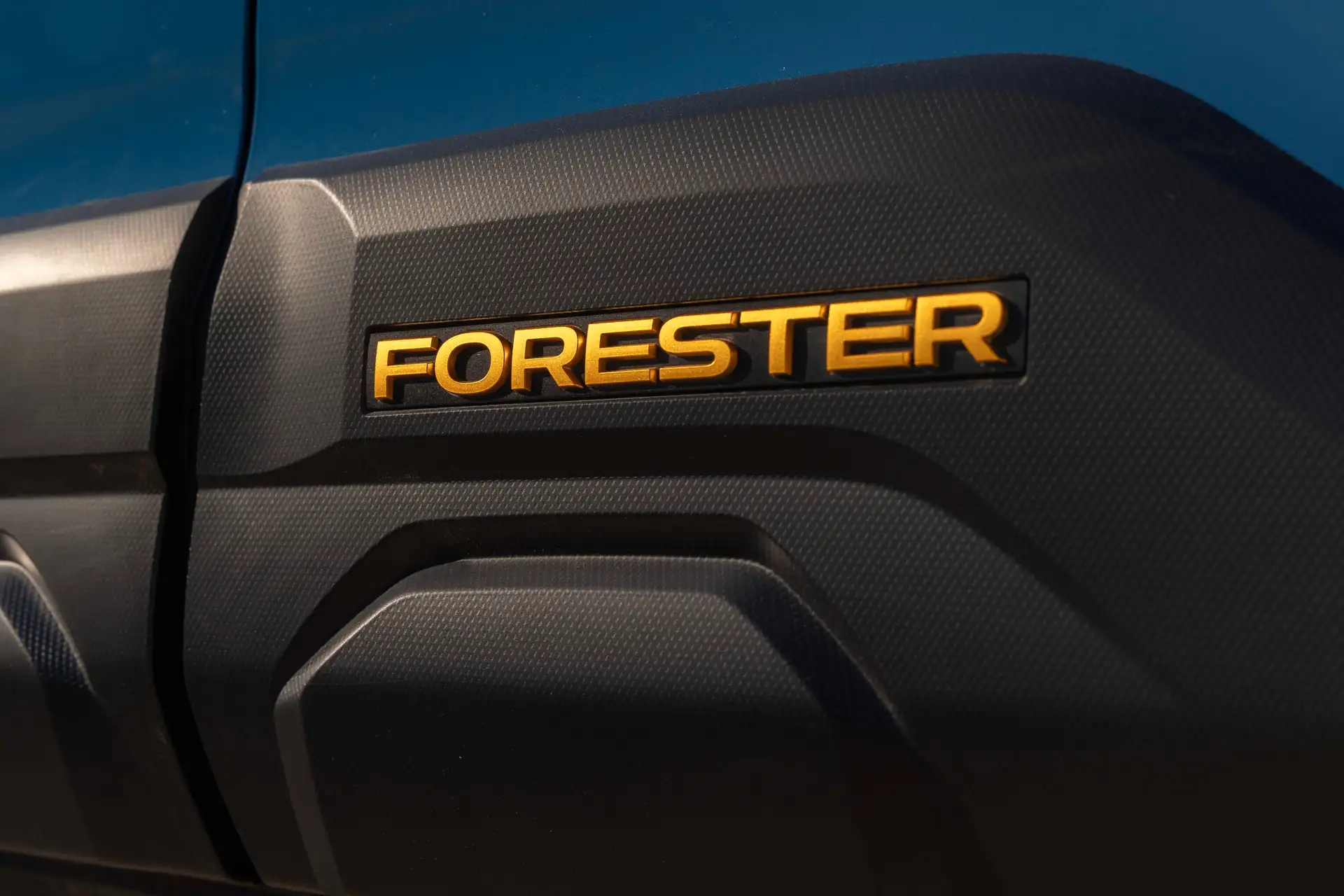
Tradition meets efficiency in SUBARU FORESTER WILDERNESS HYBRID with 9.3-inch clearance and hybrid power. Discover the trend.
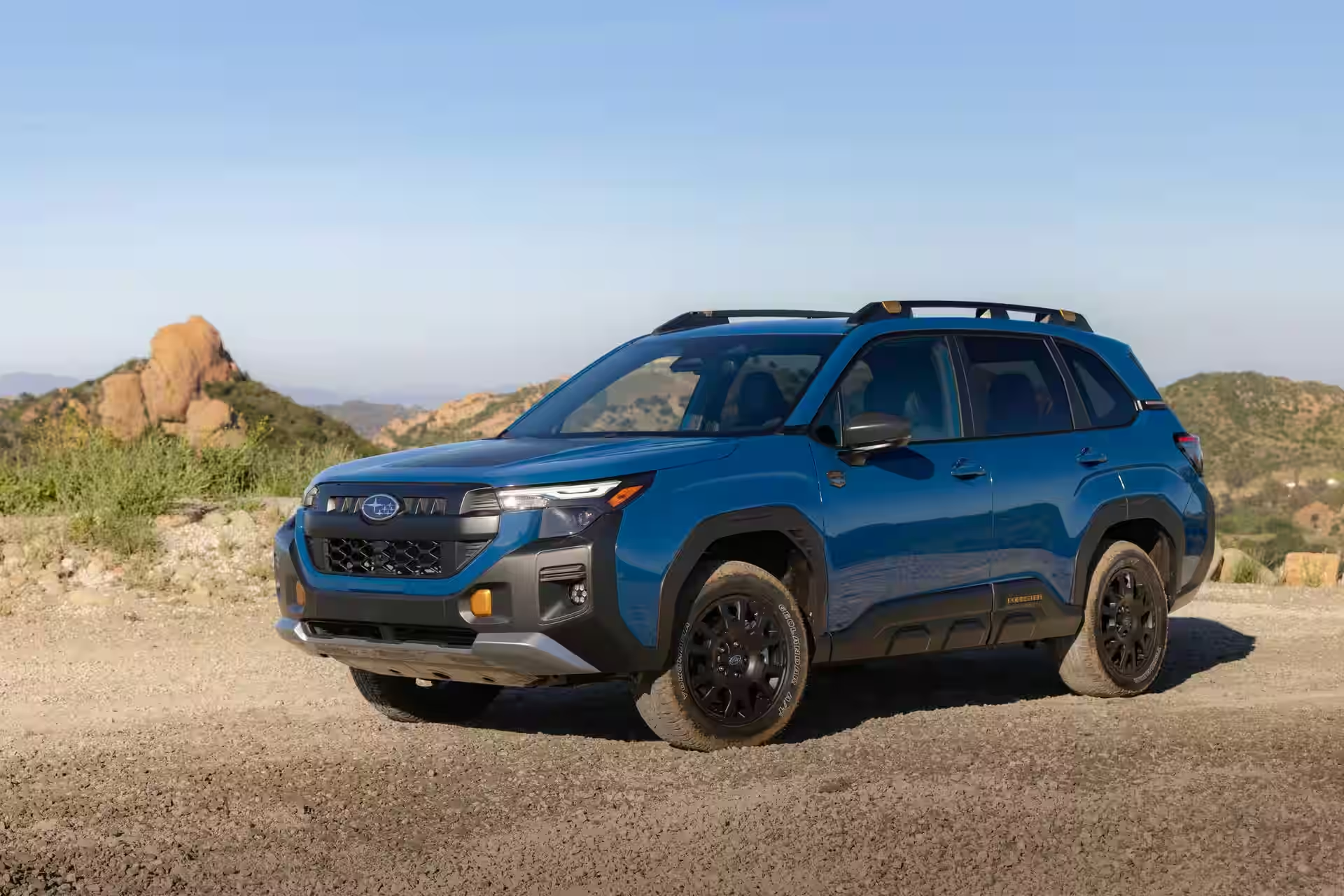
The 2027 Subaru Forester Wilderness Hybrid is more than just another trim launch. It is Subaru testing whether buyers are finally ready to combine real off-road attitude, standard all-wheel drive, and hybrid efficiency in one mainstream SUV.
A New Chapter For Subaru Wilderness Starts With Electrification
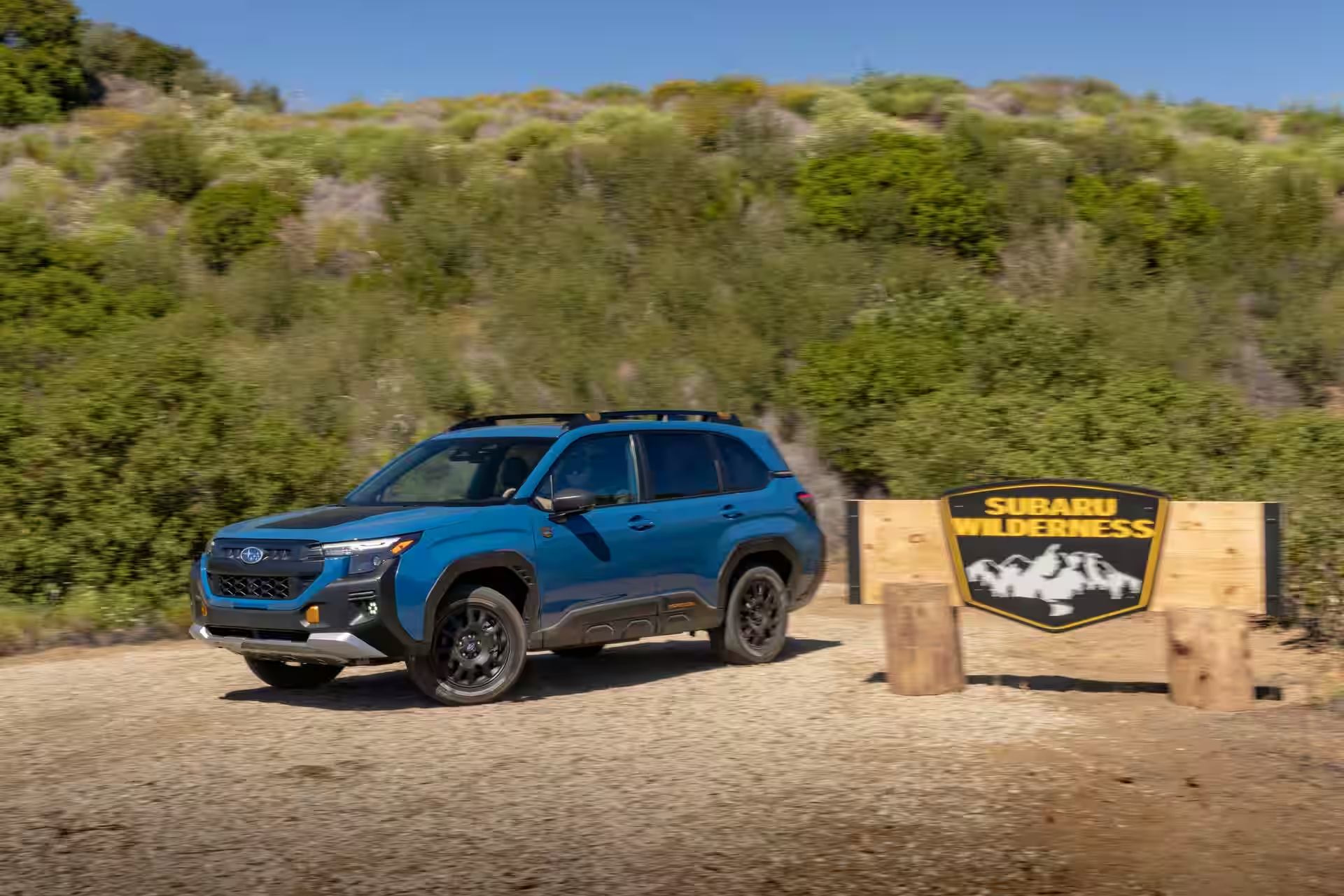
Subaru has spent the last few years turning the Wilderness badge into something more meaningful than a styling package. Higher ground clearance, all-terrain tires, tougher underbody protection, revised tuning, and trail-ready visual upgrades helped these models carve out a loyal audience. Now the brand is making its most important move yet with the 2027 Subaru Forester Wilderness Hybrid, the first electrified vehicle to wear the Wilderness name.
That matters because this is not a niche experiment. Subaru reportedly moved nearly 250,000 Wilderness models since 2021, and the Forester Wilderness already represents a notable share of total Forester sales. In other words, this hybrid version is not arriving to fix a weak product. It is arriving because demand appears strong enough to create a new subcategory inside the compact SUV world.
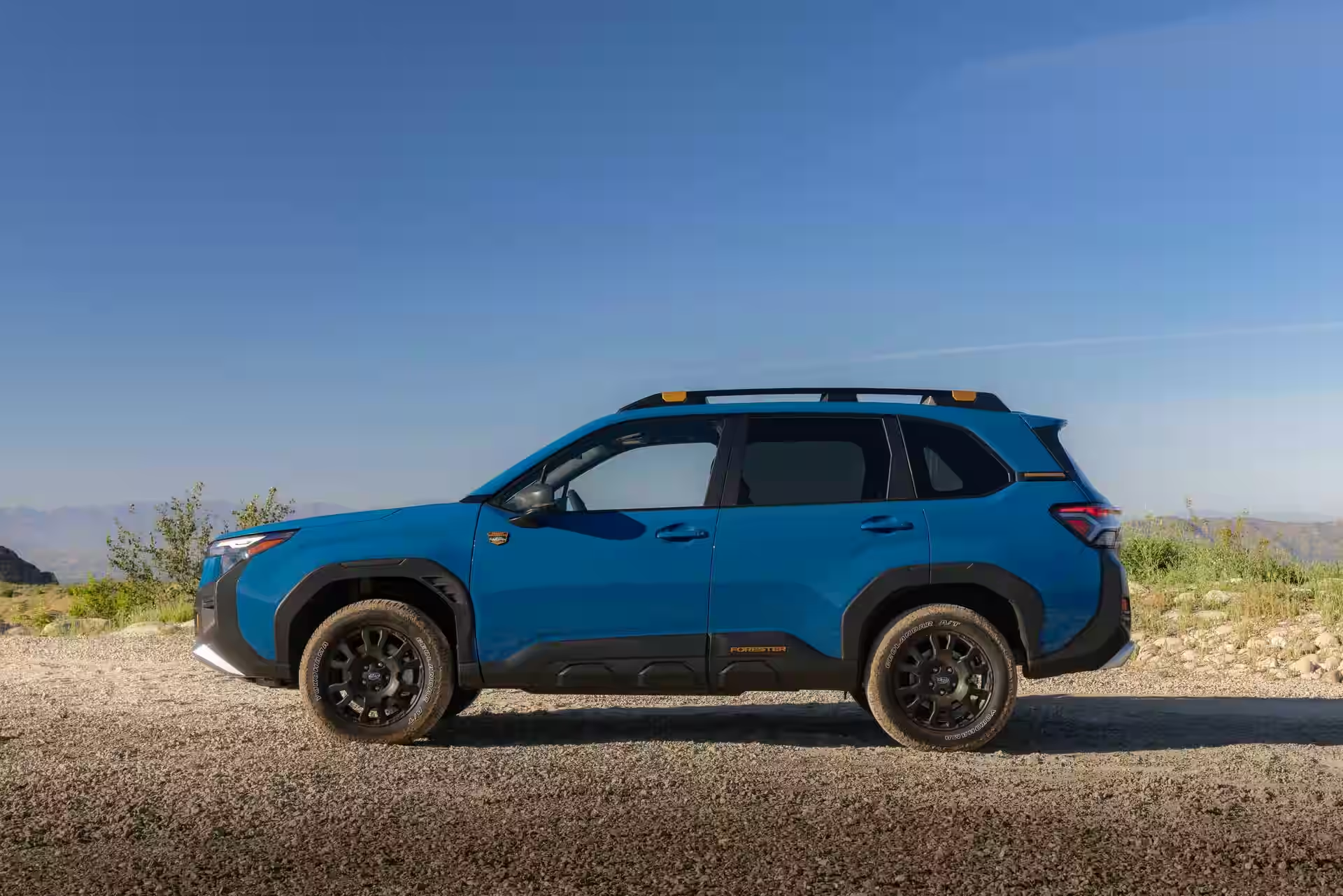
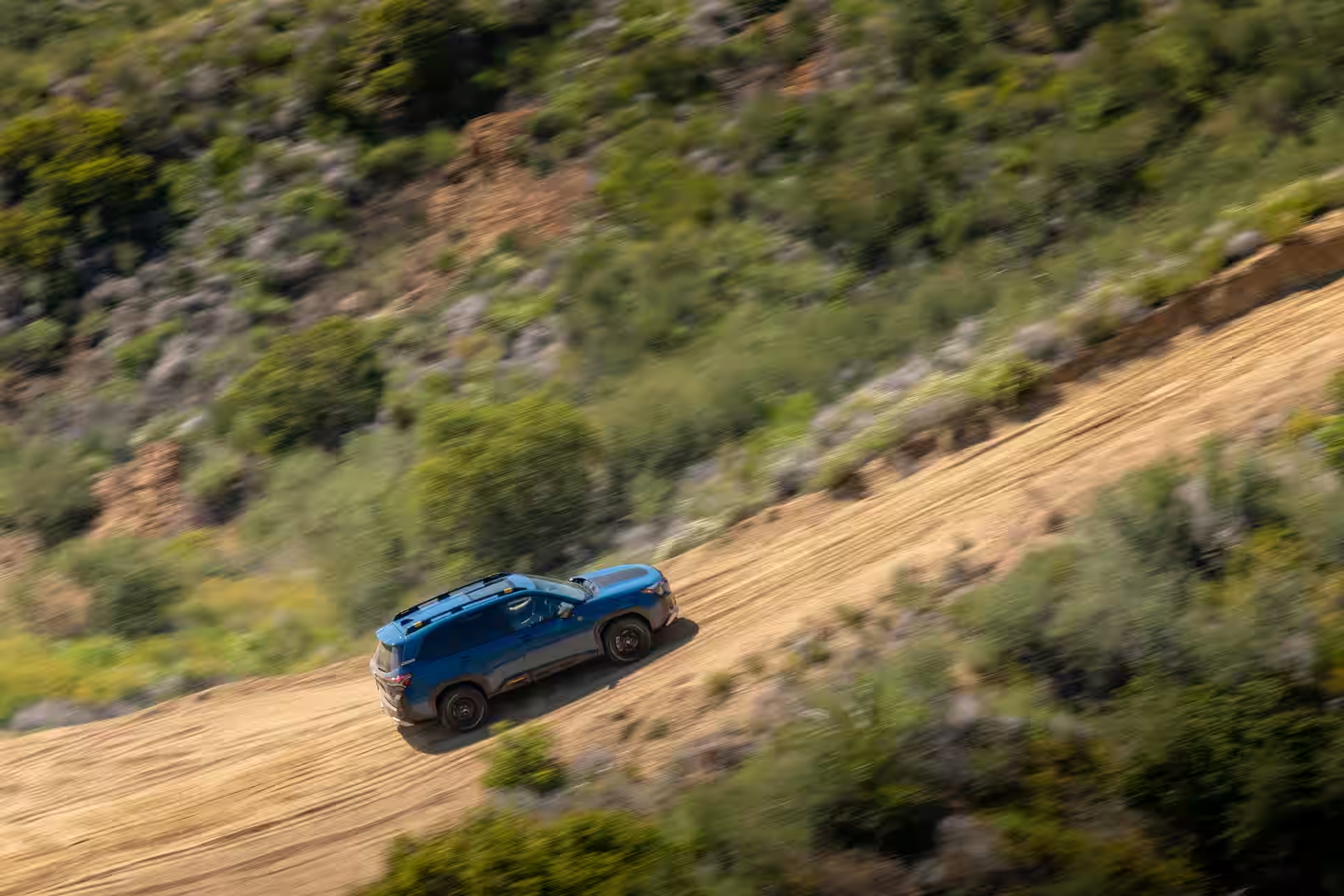
Unveiled at the 2026 New York Auto Show, the Forester Wilderness Hybrid keeps the core elements that made the gasoline version attractive. It still offers 9.3 inches of ground clearance, which remains a standout figure in the compact hybrid SUV class. That number alone gives it a practical edge for buyers who actually deal with dirt roads, deep ruts, trailheads, snow, and rough rural pavement.
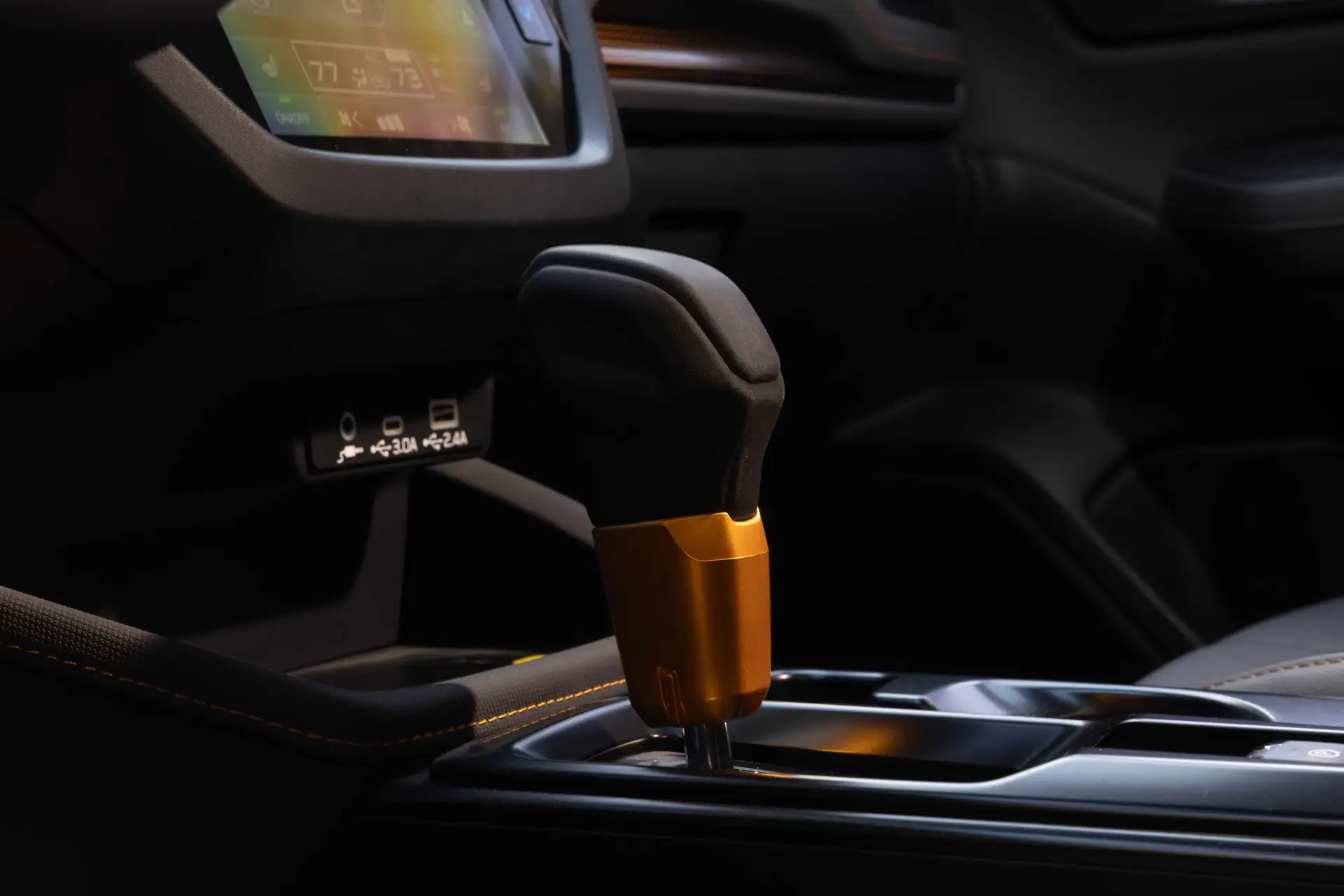
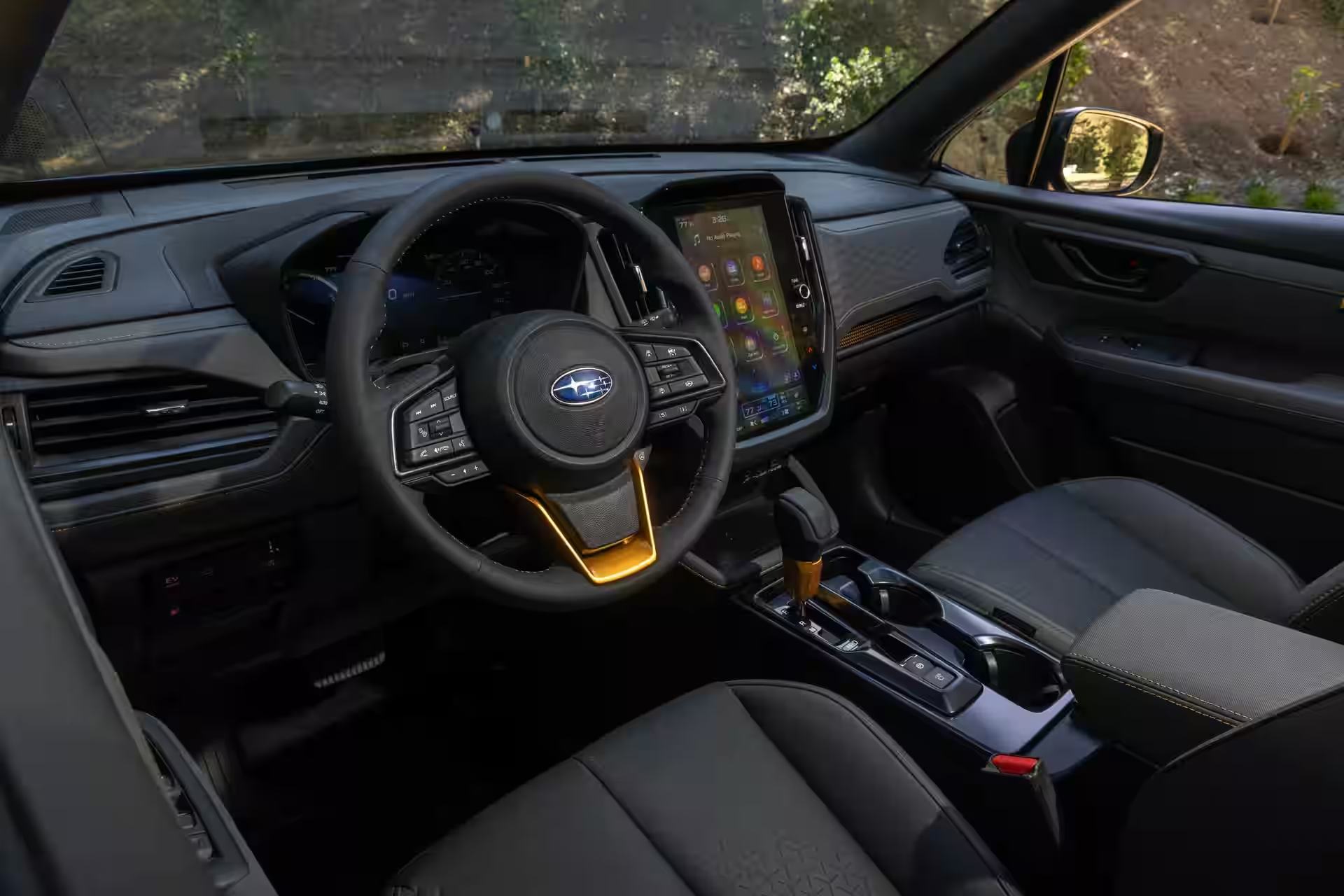
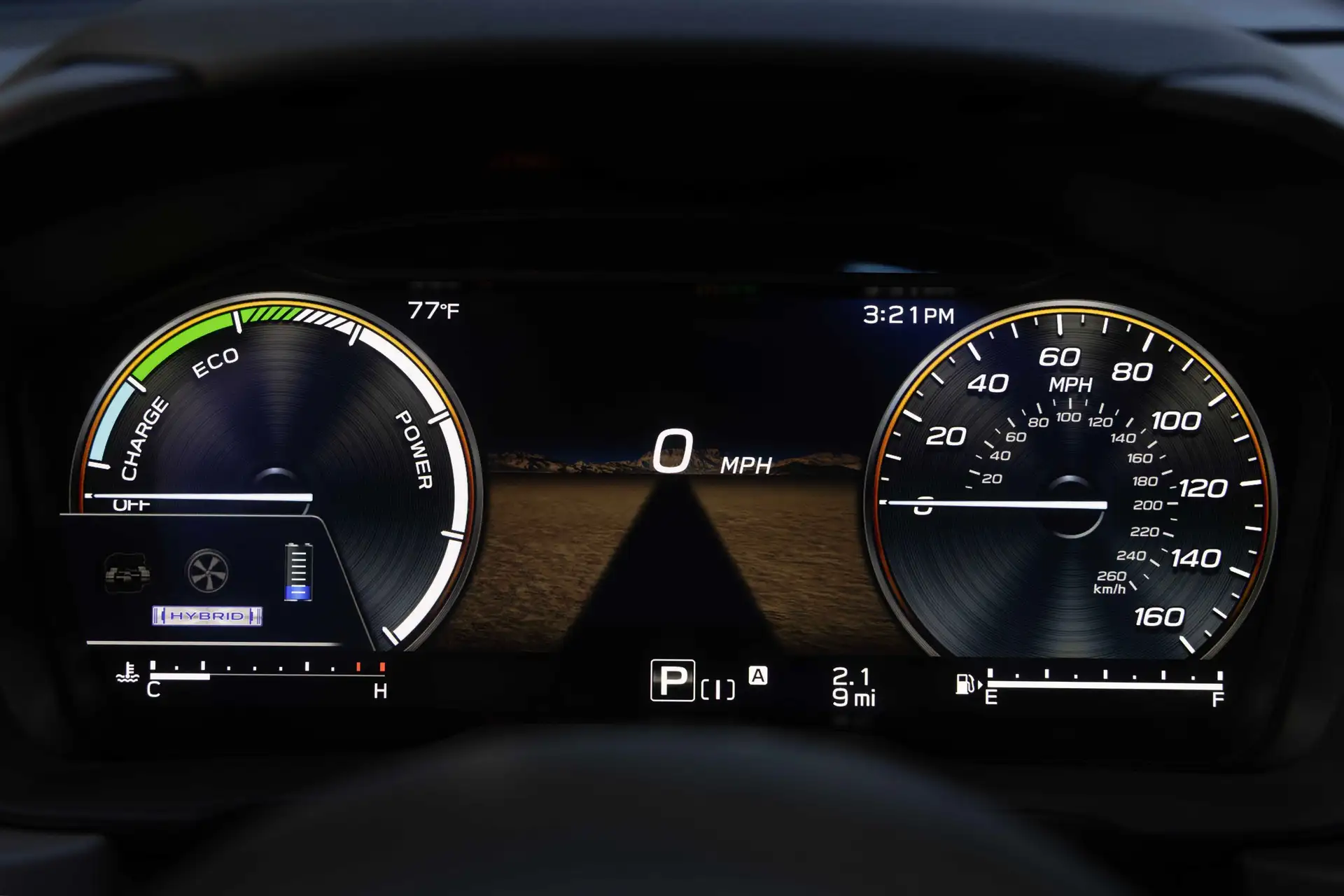
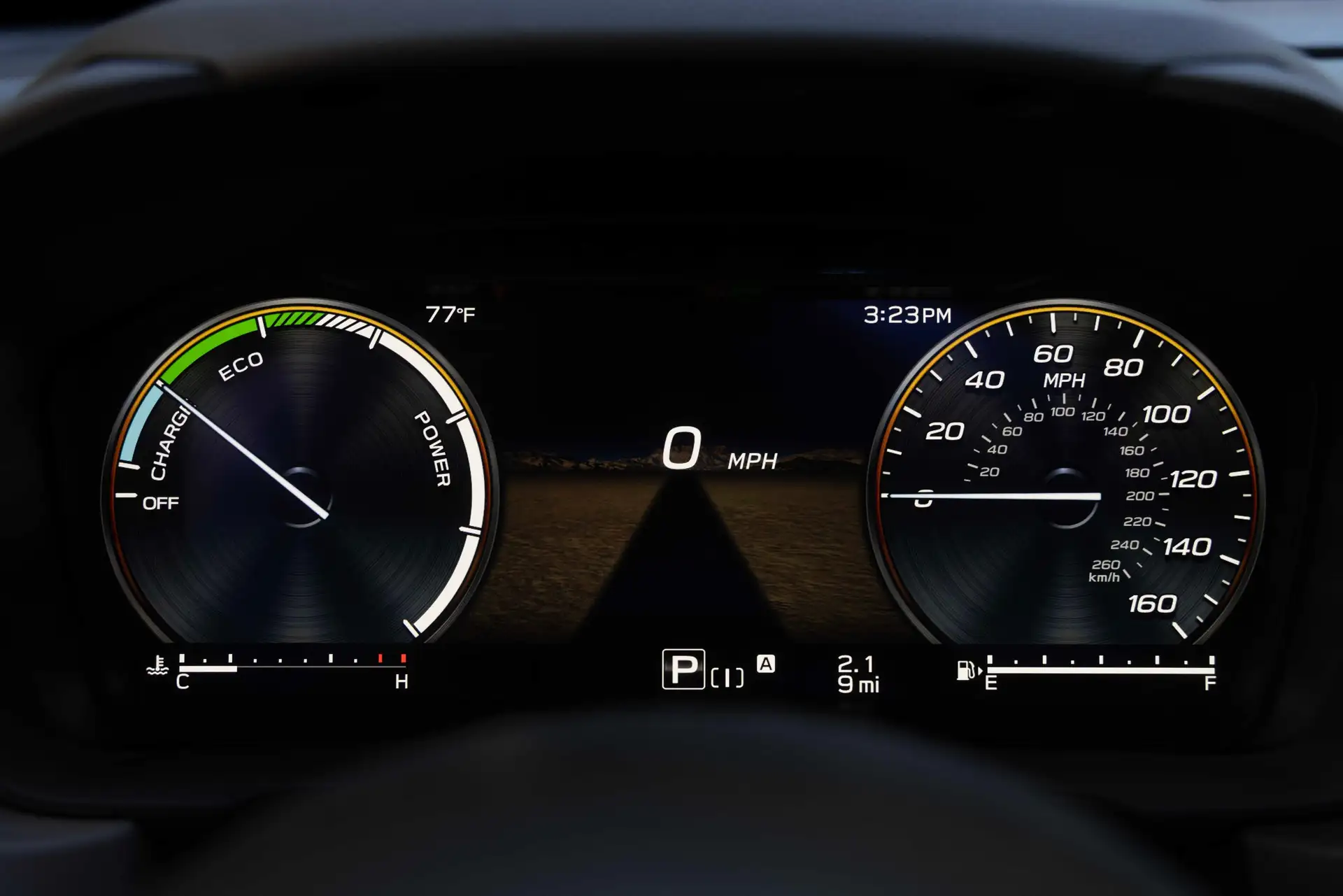
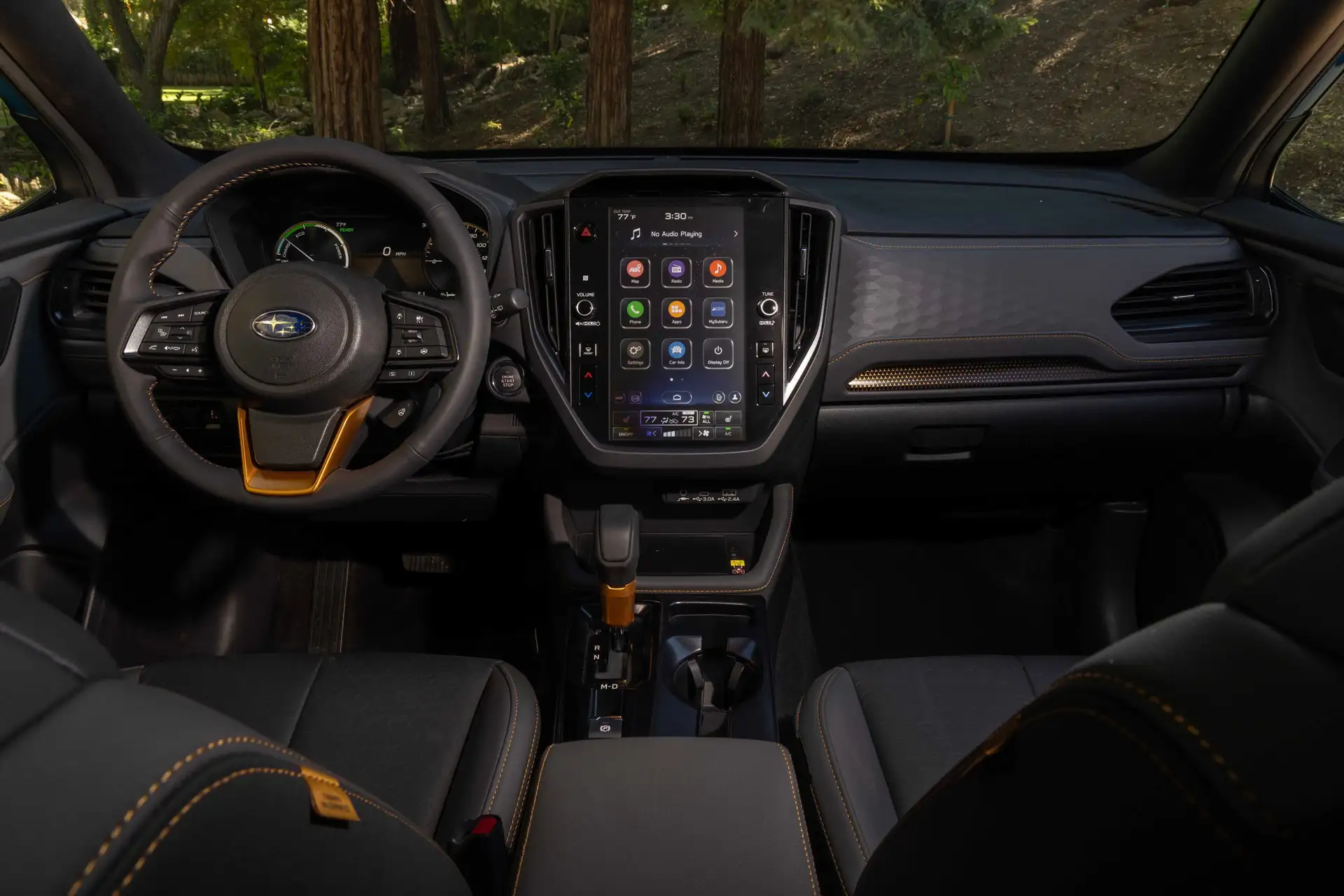
Subaru also loads this model heavily from the factory. Unlike some trims that force buyers into expensive option hunting, the hybrid Wilderness is expected to come in a single, well-equipped configuration with premium features such as a 12.3-inch digital instrument cluster, 11-speaker Harman Kardon audio system, built-in navigation, and a power liftgate. That makes it feel like a serious top-tier offering rather than an eco compromise wearing rugged tires.
The move also mirrors a wider industry pattern. While some rivals are going fully electric, others are finding that hybrid SUVs remain the real volume sweet spot. That is exactly why launches like the Kia Seltos 2027 hybrid twist are drawing attention from shoppers who still want range confidence and lower fuel costs without changing their lifestyle.
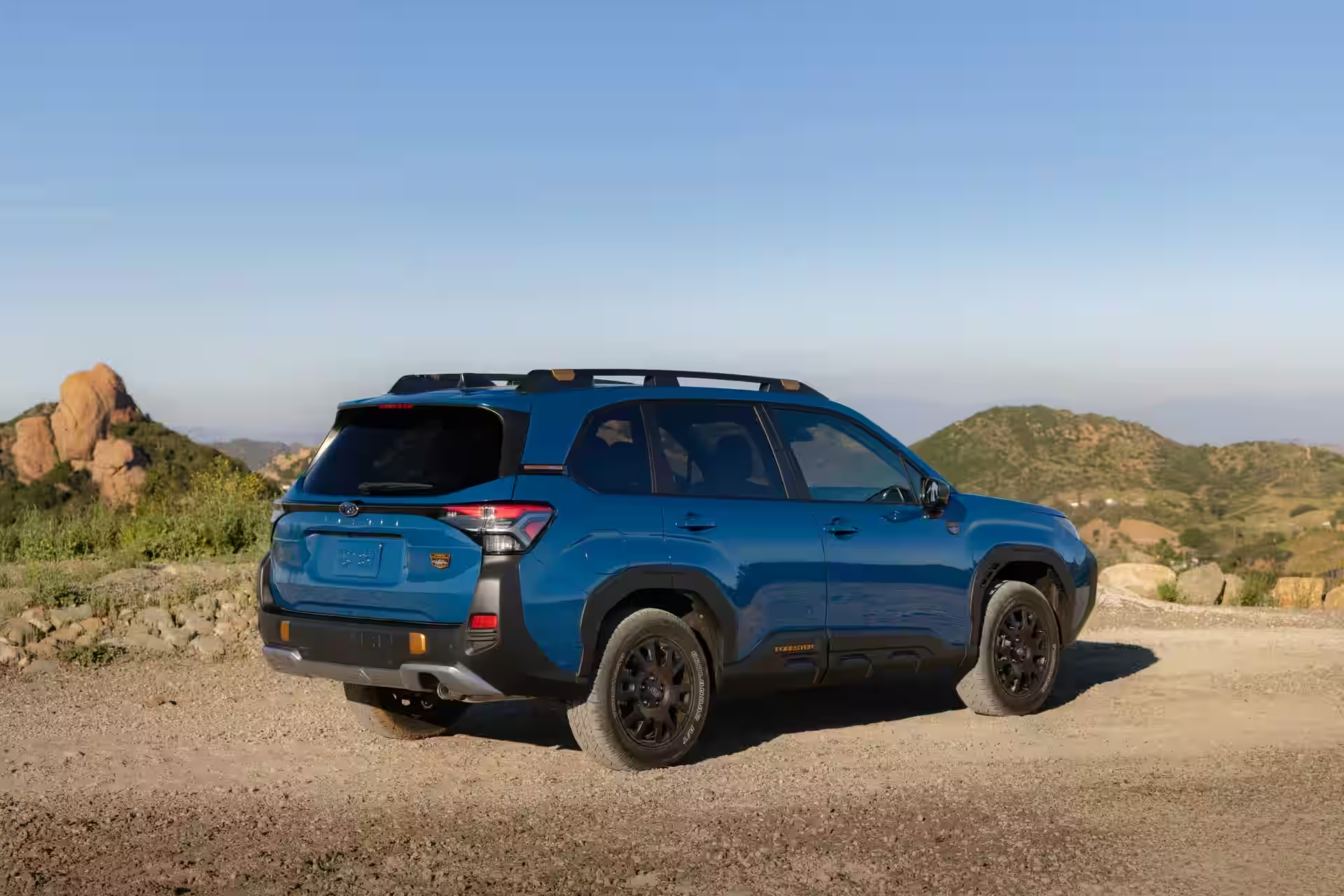
What Makes The 2027 Subaru Forester Wilderness Hybrid Different
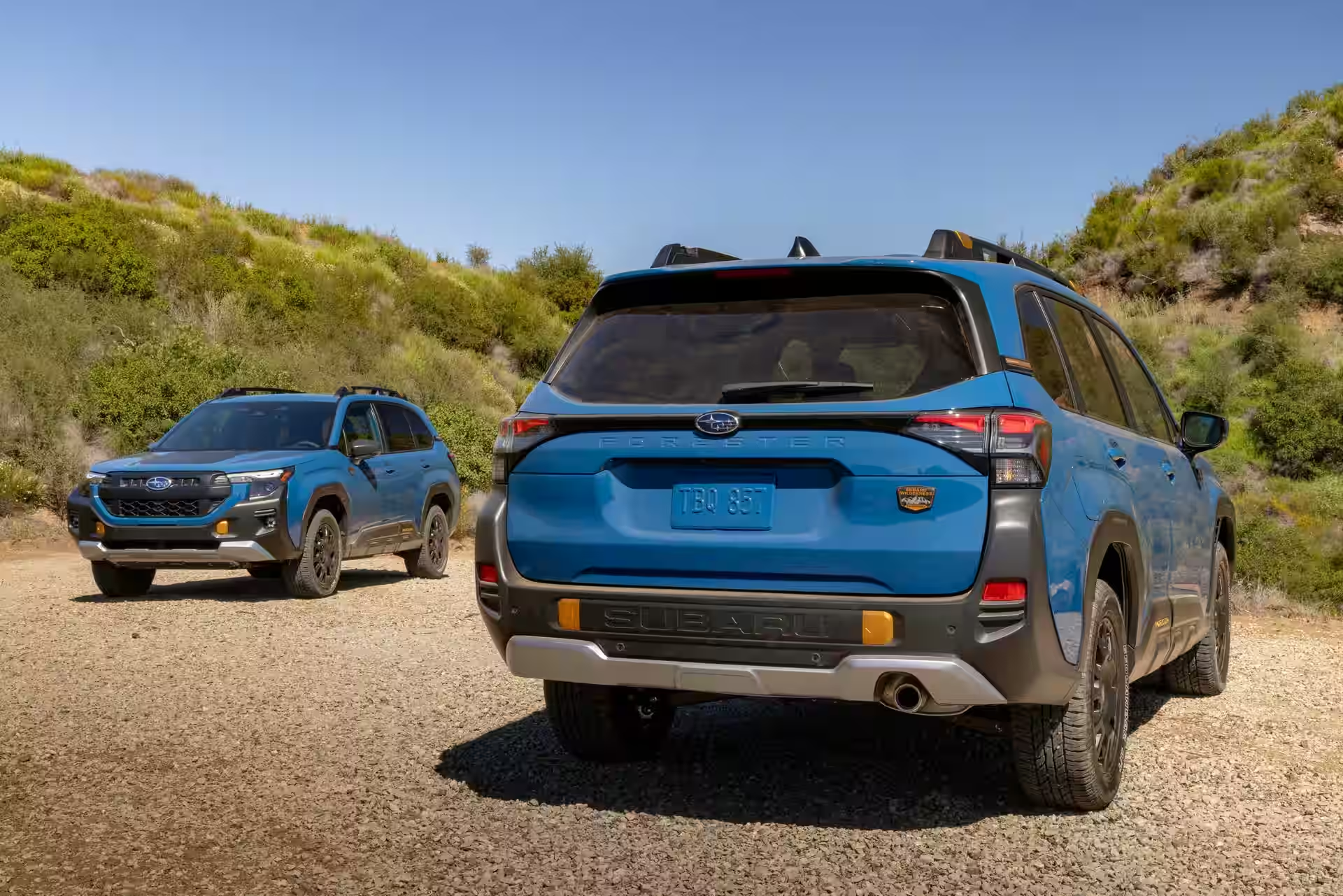
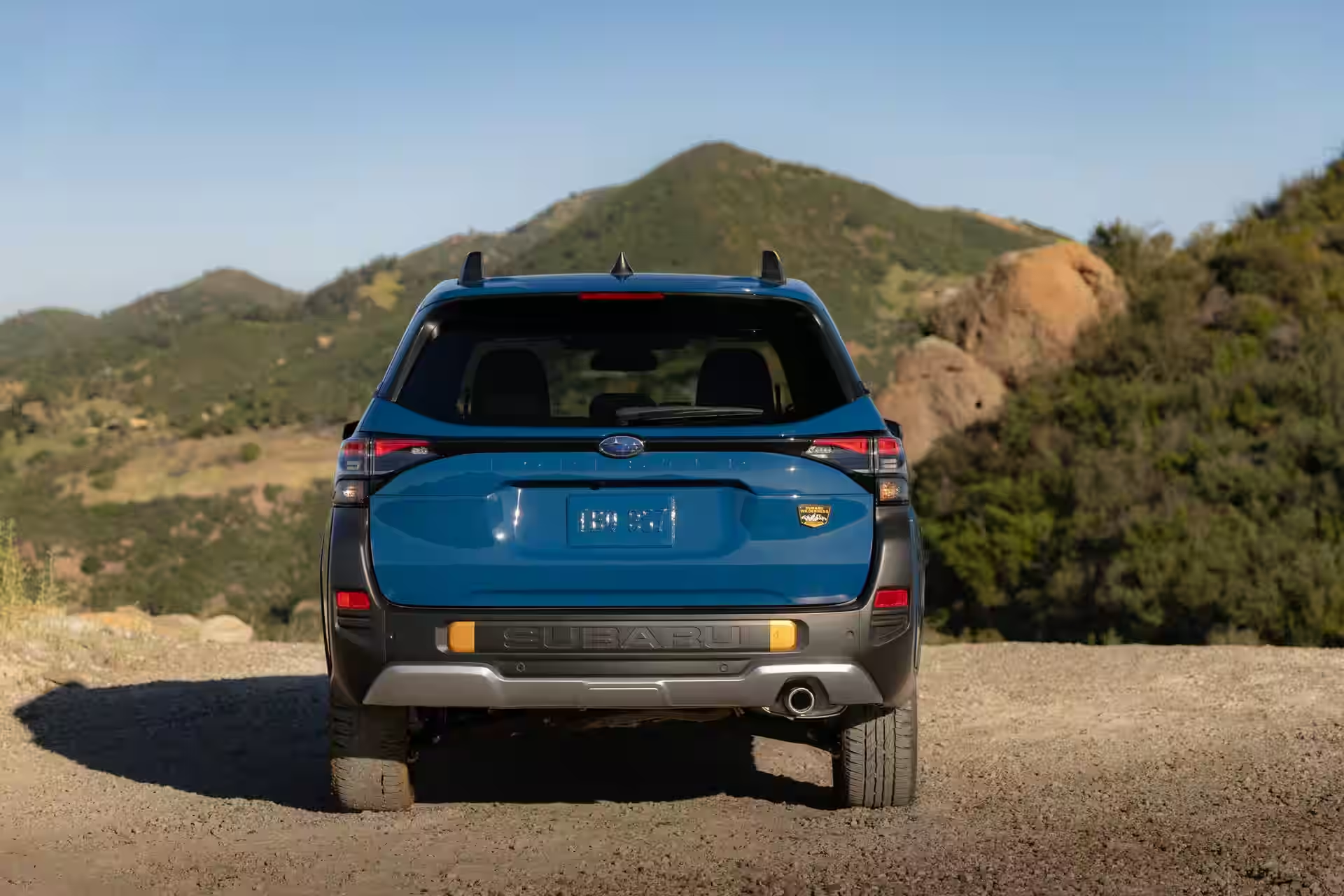
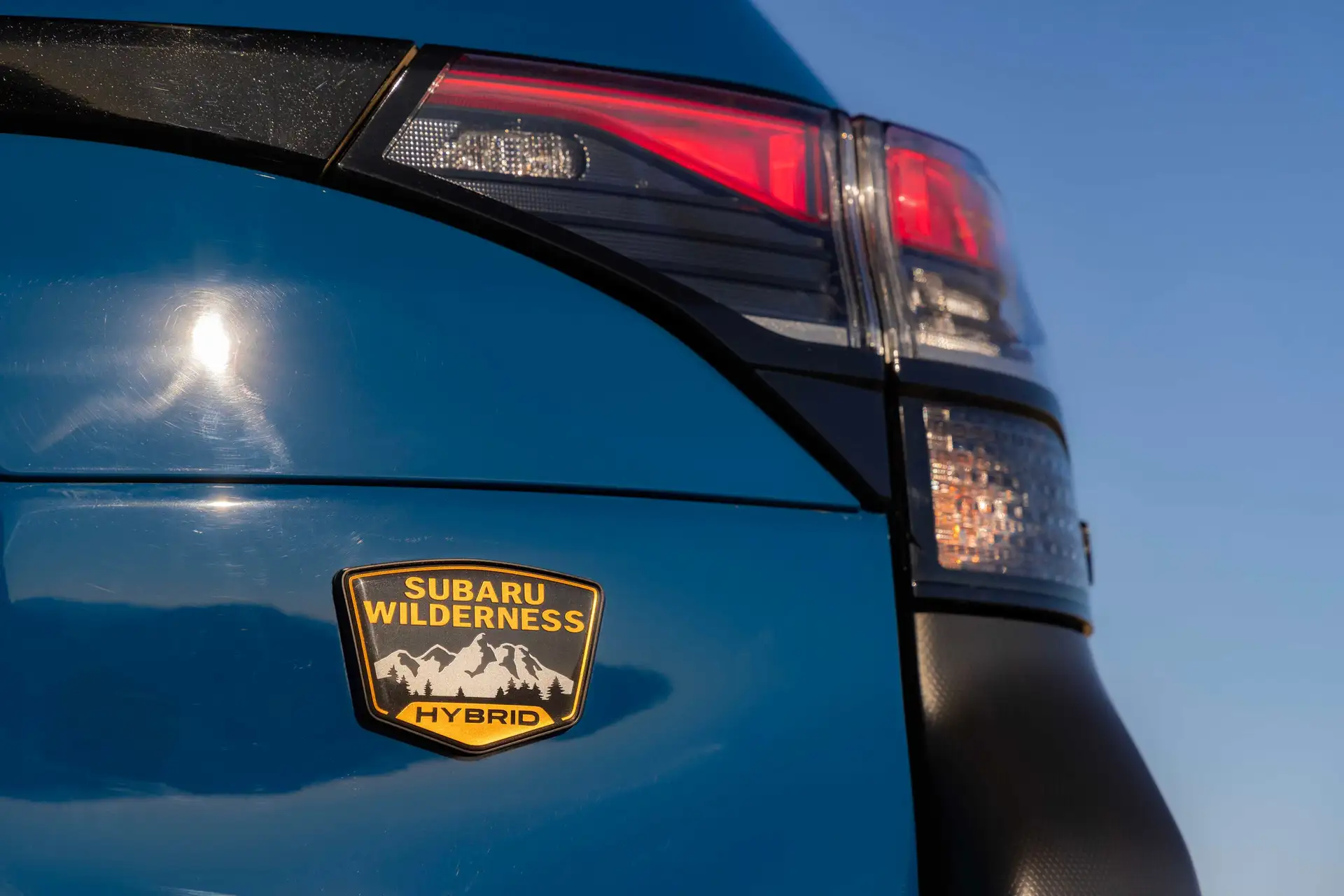
On paper, the recipe is simple but effective. Subaru takes the latest Forester Hybrid platform and layers on the Wilderness treatment. The visual details include matte black 17-inch wheels, chunkier all-terrain tires, darker trim accents, and functional protection underneath. These are not random cosmetic add-ons. They support the vehicle’s intended role as an SUV that can leave pavement without turning every weekend trip into a risk calculation.
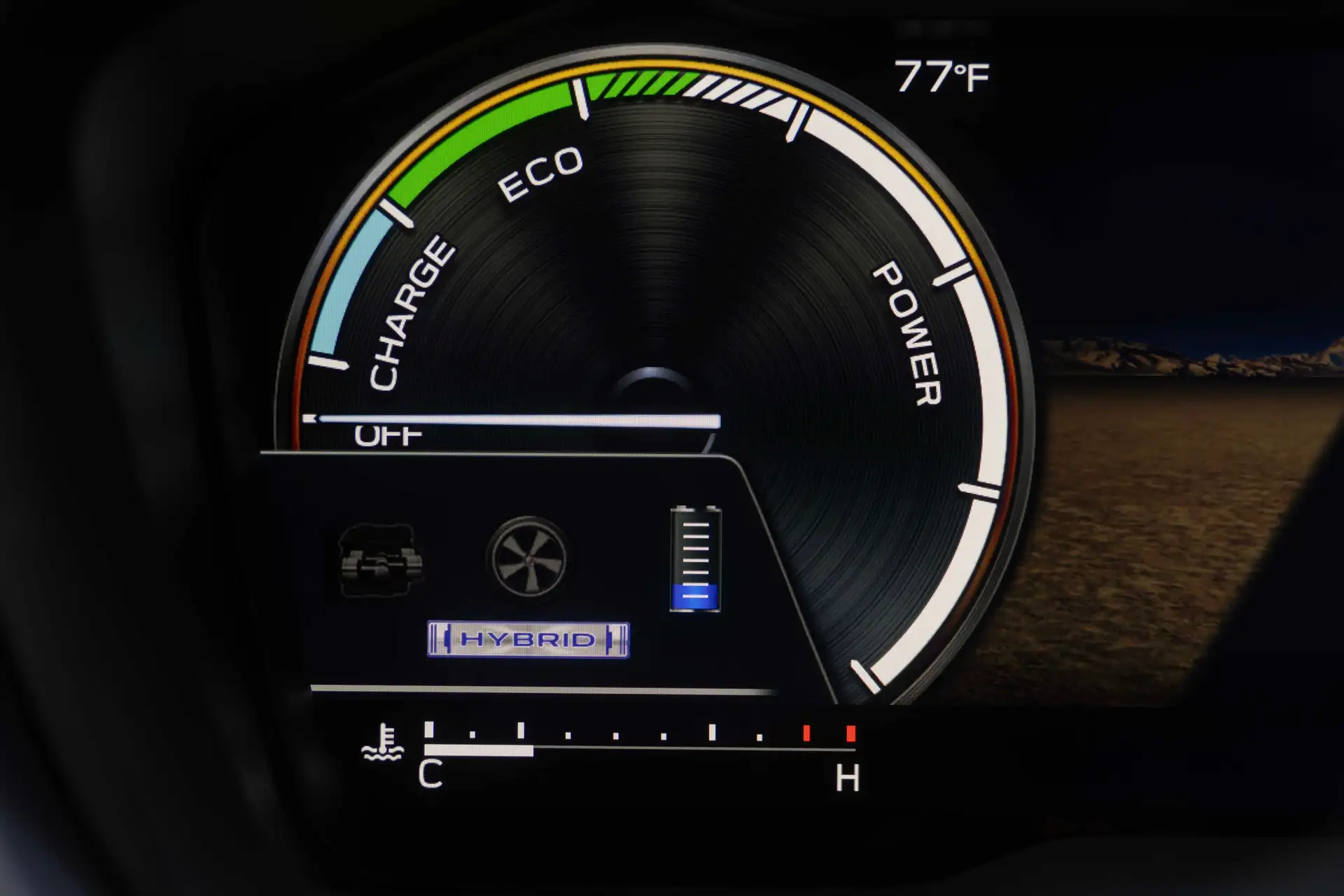
Official output figures for the latest Forester Hybrid family place the system at around 194 horsepower, giving the hybrid a slight bump over the non-hybrid Forester Wilderness. In real-world testing, however, hybrid versions are not necessarily quicker in a straight line. The key appeal is not drag-strip speed. It is the promise of stronger low-speed response, quieter operation in traffic, and better fuel economy over time.
That distinction is important for search-driven buyers comparing terms like best hybrid SUV for camping, compact off-road hybrid SUV, or Subaru Forester Wilderness Hybrid mpg. The Forester Wilderness Hybrid is positioned less as a performance machine and more as a do-everything utility vehicle. It targets families who commute during the week but disappear into the mountains, lakes, or national parks on weekends.
Subaru has not yet published final EPA fuel economy figures for the Wilderness Hybrid as of this reveal, but expectations are naturally higher than the non-hybrid model. The tradeoff could be modestly softer acceleration or a slight weight penalty, yet most buyers in this segment will gladly accept that if the payoff is fewer fuel stops and lower running costs.
Why this launch matters
It suggests rugged trims no longer need to be tied only to pure gasoline power. Subaru is effectively asking whether off-road image and hybrid efficiency can coexist without weakening either one.
Key Early Specs And Highlights
| Category | 2027 Forester Wilderness Hybrid |
|---|---|
| Powertrain | Hybrid boxer-based AWD system |
| Estimated Output | About 194 hp |
| Ground Clearance | 9.3 inches |
| Wheels/Tires | 17-inch matte black wheels with all-terrain tires |
| Interior Tech | 12.3-inch cluster, navigation, Harman Kardon audio |
| Expected Price | Around US$40,000 |
| Launch Timing | By the end of 2026 |
Why This SUV Could Trigger A Broader Industry Trend
The bigger story is not just the Forester itself. It is what comes next. If the 2027 Forester Wilderness Hybrid sells well, Subaru has every reason to spread hybridization deeper into its rugged lineup. That could mean future Wilderness variants become the brand’s bridge between traditional combustion crossovers and a more electrified future.
There is logic behind that strategy. Buyers interested in adventure-oriented vehicles often hesitate to jump straight into full EV ownership because charging access near remote destinations can still be inconsistent. A hybrid solves part of that anxiety while still moving the efficiency needle. That same tension between capability and electrification is shaping conversations across the SUV market, from mainstream hybrids to more ambitious machines like the GWM Tank 700 Hi4-Z.
Another reason this Forester matters is pricing. If Subaru keeps it close to the projected US$40,000 mark, the Wilderness Hybrid could land in a sweet spot between affordable compact crossovers and far more expensive specialty off-roaders. That gives it a broad audience, especially in North America, where buyers often want one vehicle to handle school runs, winter weather, road trips, and occasional trail use.
- For commuters it offers likely improved fuel economy over the gas-only Wilderness.
- For outdoor buyers it preserves meaningful ground clearance and tire setup.
- For Subaru loyalists it adds electrification without abandoning the brand’s core formula.
- For the market it may prove that hybrid off-road trims are no longer a contradiction.
It also fits into a broader consumer shift where buyers no longer see hybrid technology as boring or compromised. In fact, stories like Toyota’s quiet evolution of hybrid identity show how electrified powertrains are becoming normalized, even in segments once defined by tradition.
For shoppers cross-shopping two-row SUVs, the Forester Wilderness Hybrid enters a crowded but vulnerable field. Many rivals offer better on-road polish or flashier cabins, but very few combine standard Subaru-style all-wheel drive credibility, genuine ride height, and a hybrid setup in one package. That gives it a clearer lane than many expected.
And if you are tracking where SUVs are headed next, this Subaru may be one of the most telling reveals of the year. While giant luxury models keep chasing screen count and horsepower, as seen in vehicles like the Volkswagen Atlas 2027 tech-heavy redesign, the Forester Wilderness Hybrid focuses on something more relevant for real buyers usable efficiency without sacrificing usable capability.
That is why this launch feels bigger than one trim level. It may be the moment Subaru proves that the future of adventure vehicles is not fully electric or purely old-school gasoline, but a smarter hybrid middle ground that buyers are actually ready to embrace.