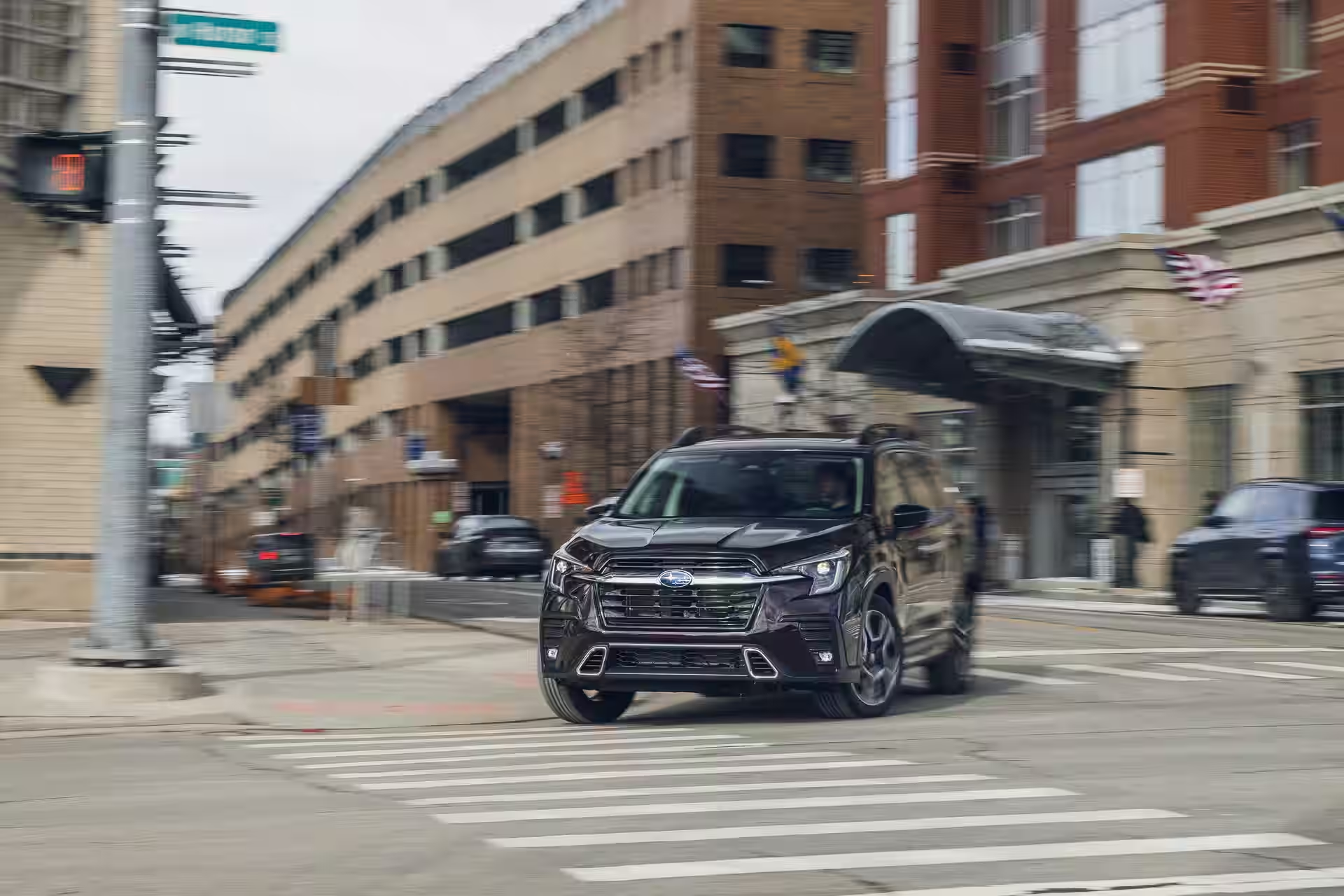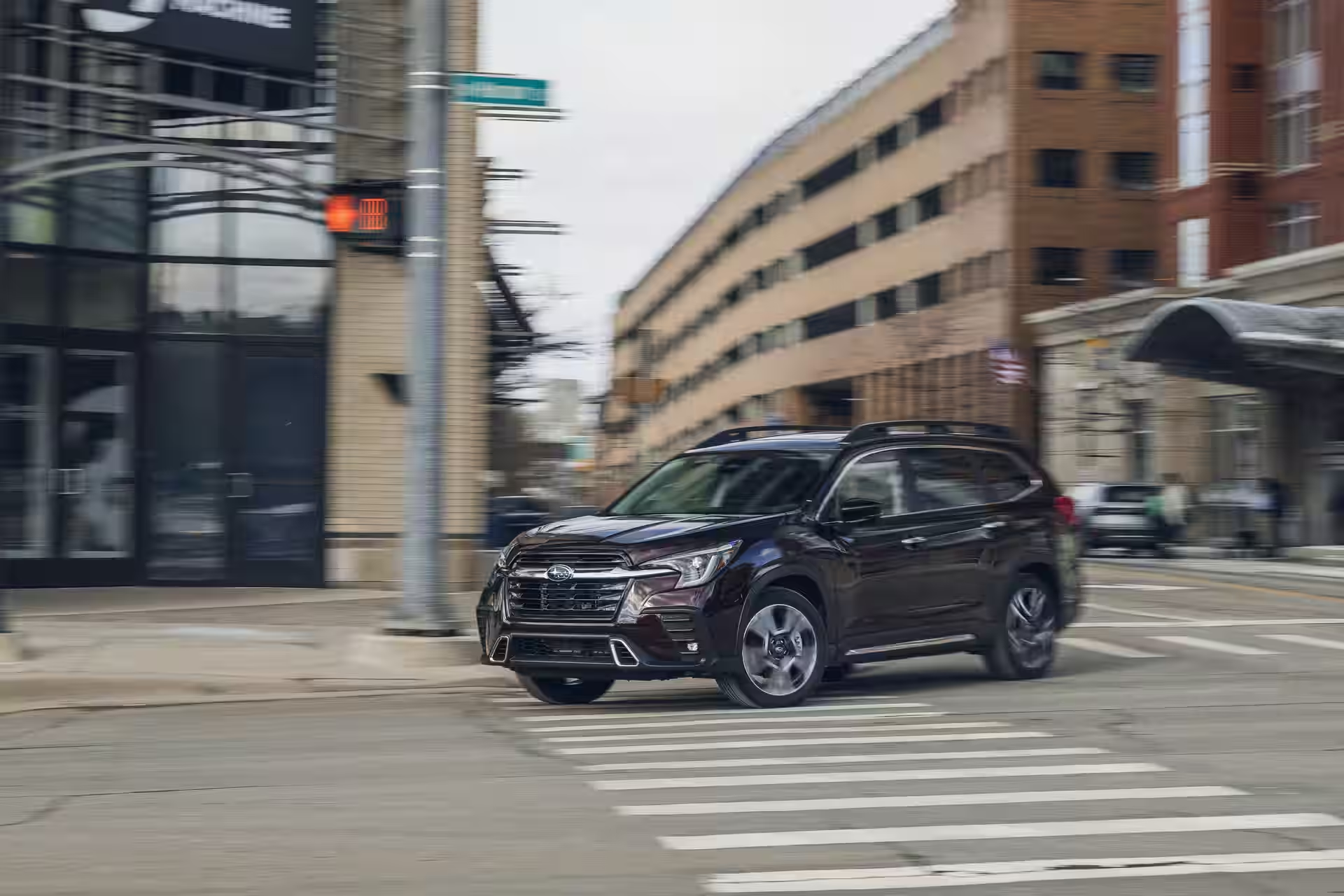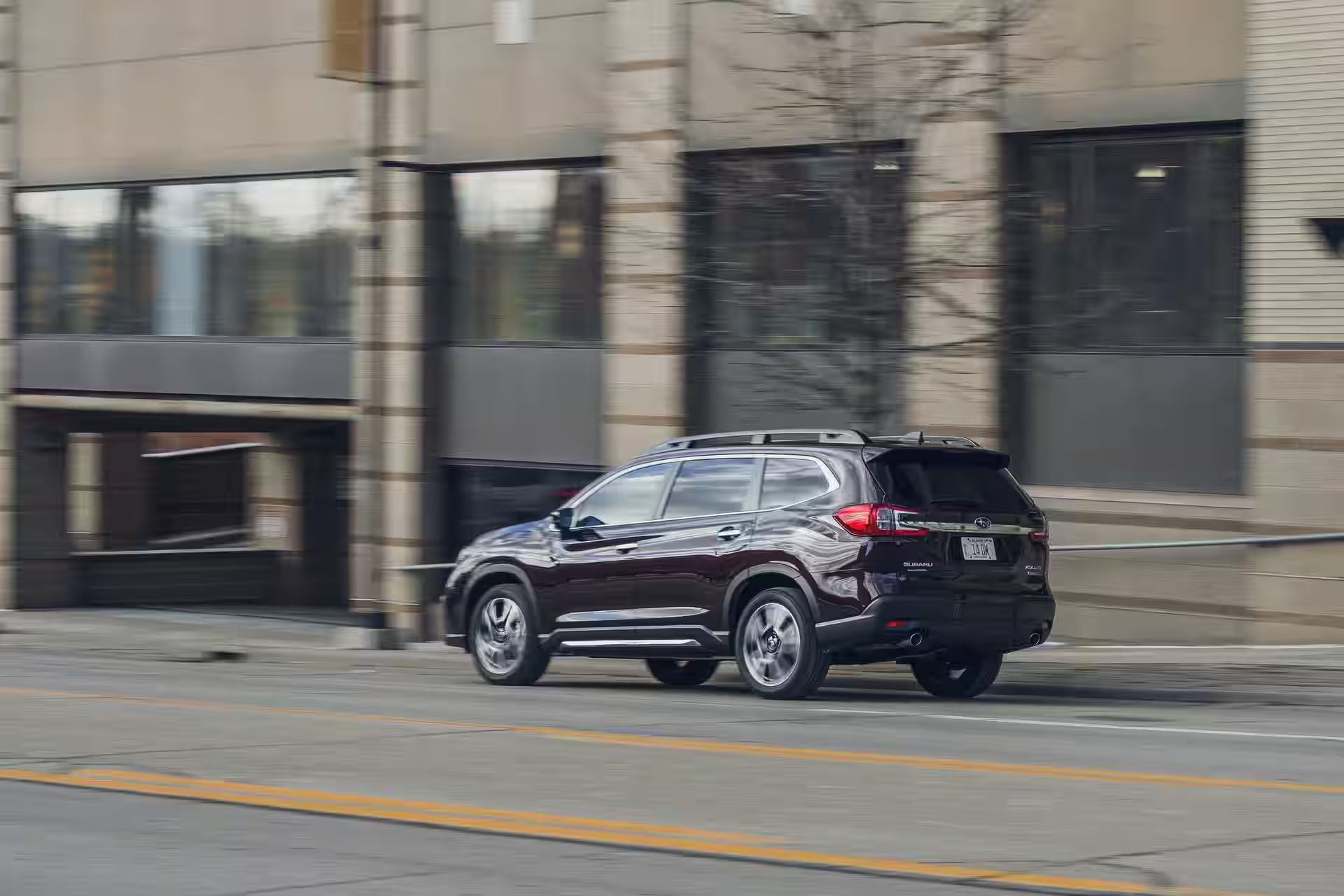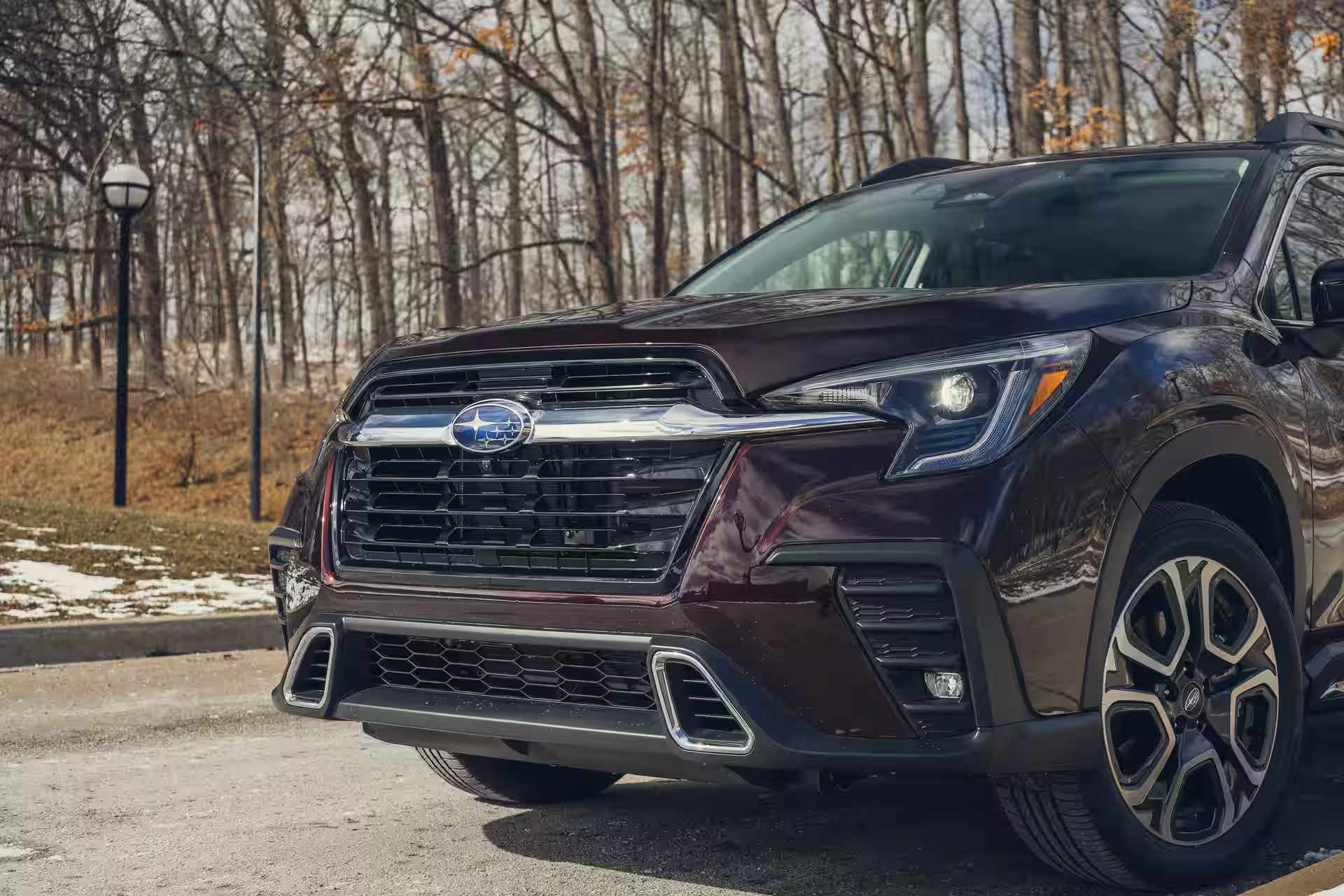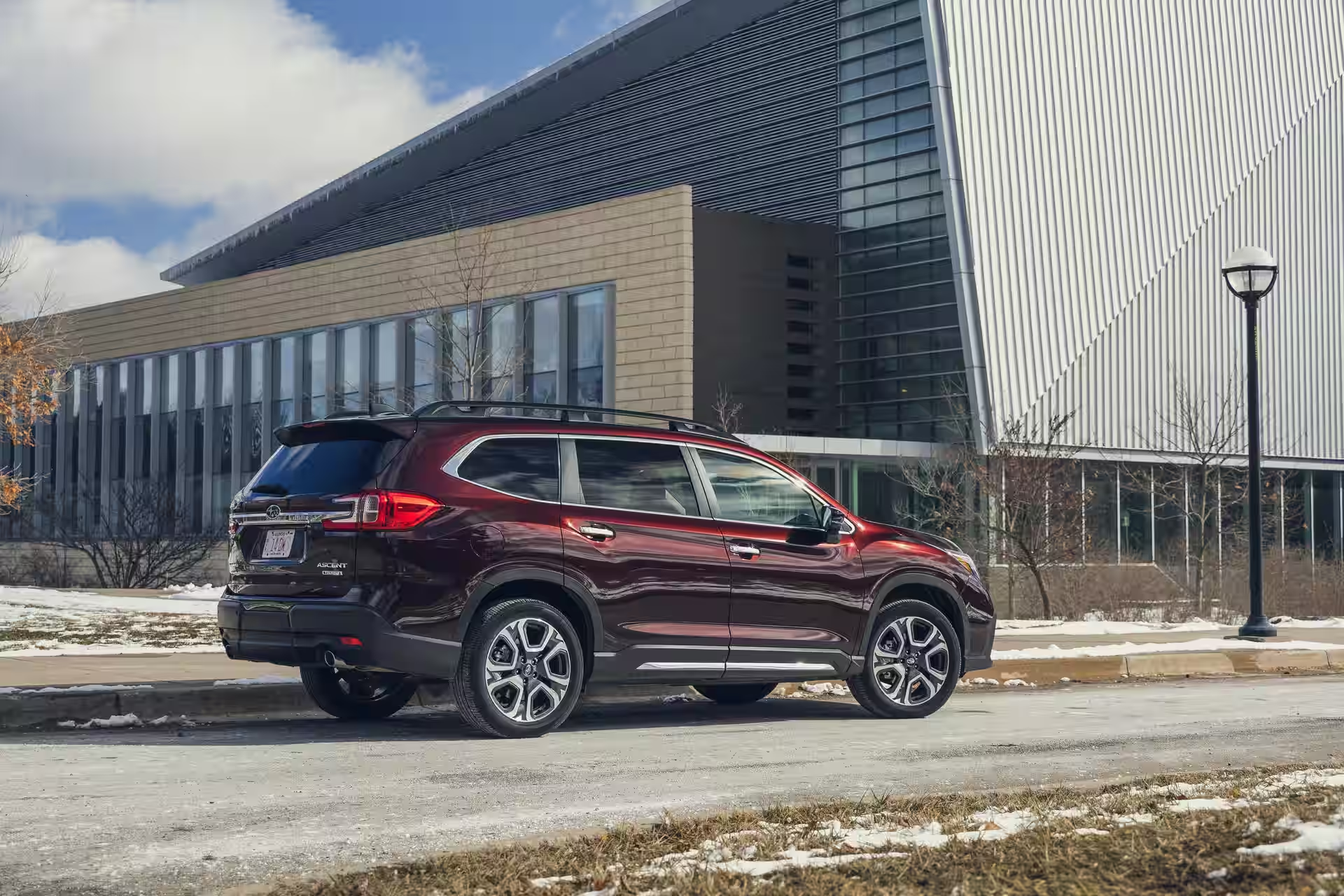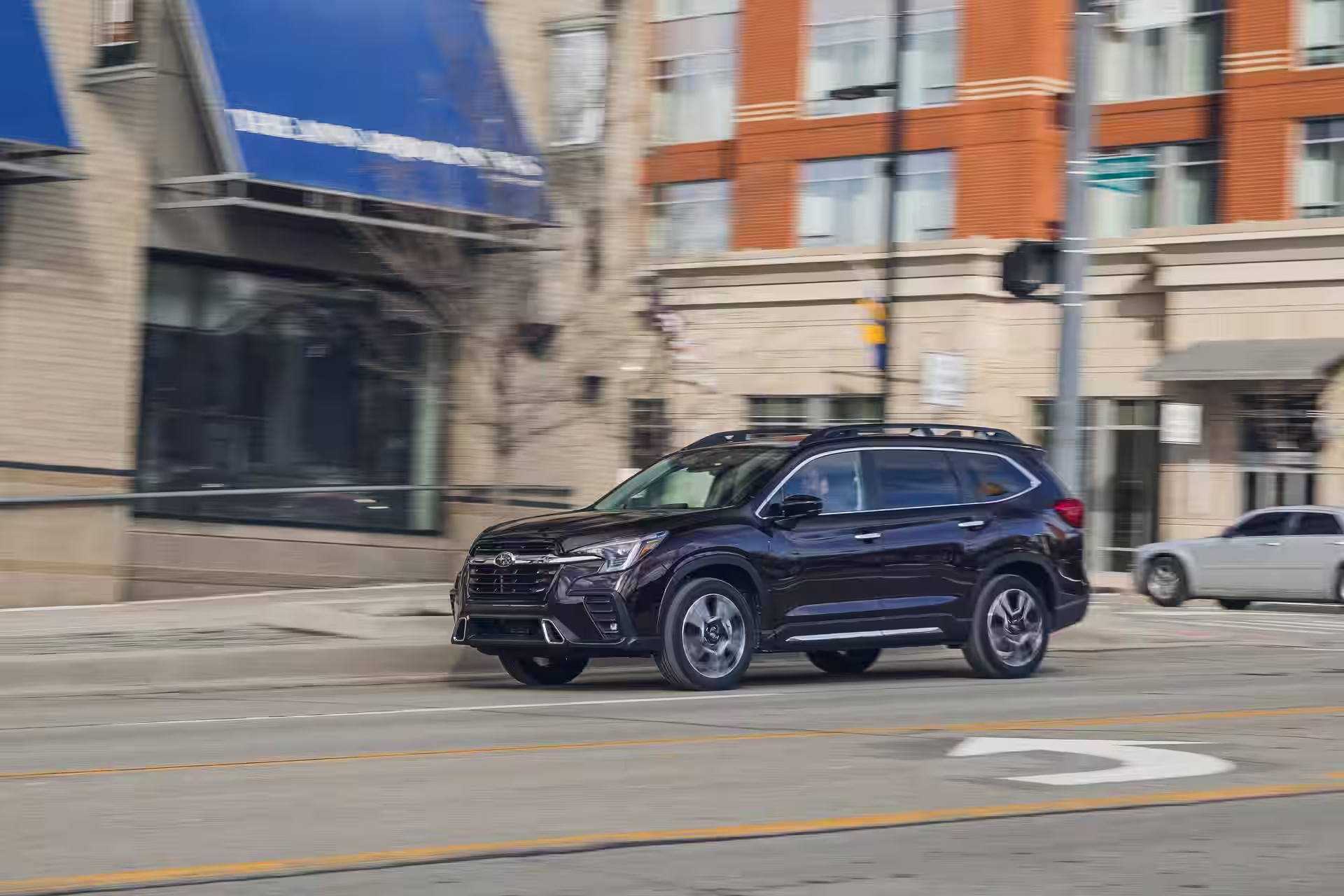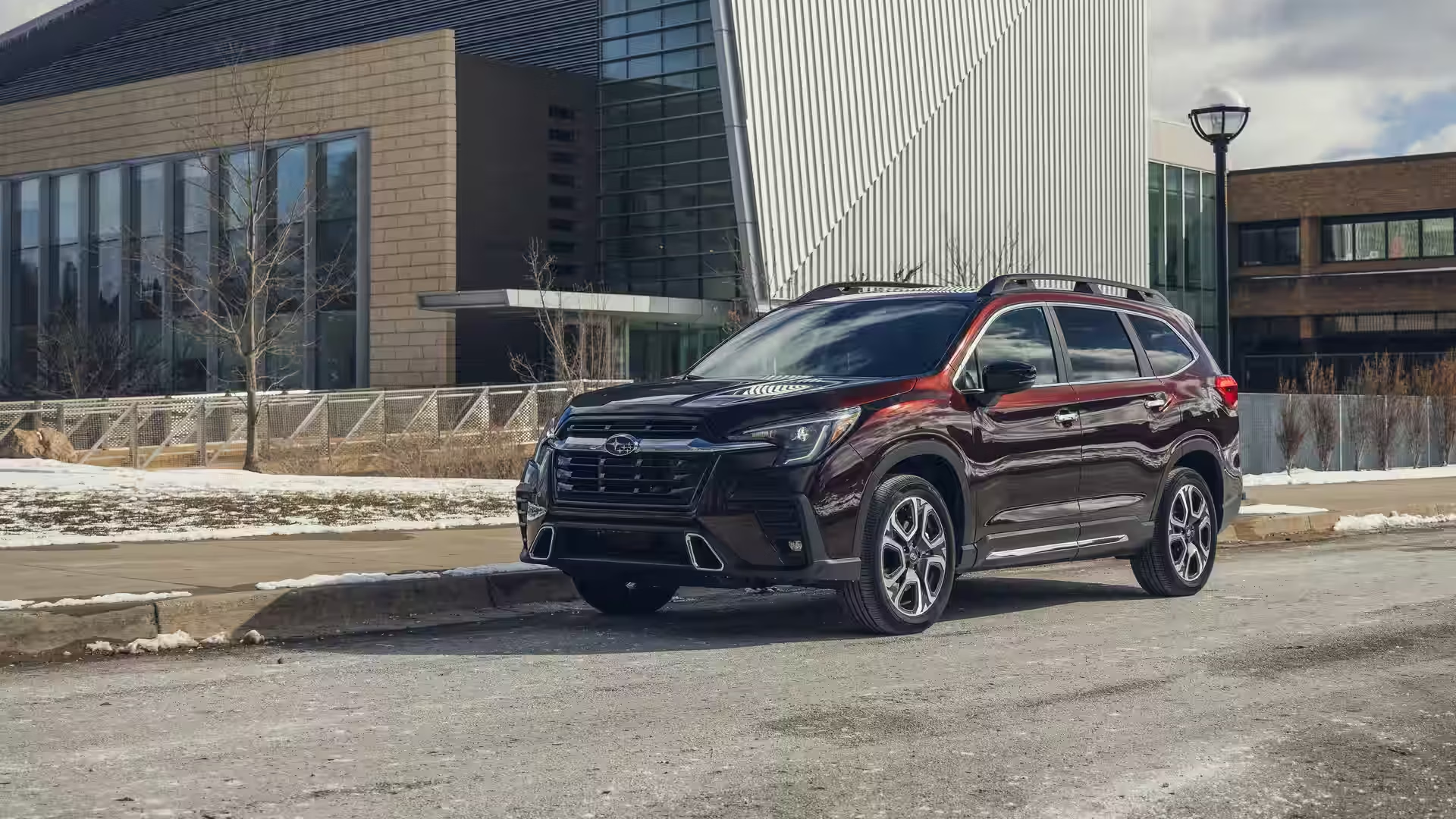
SUBARU ASCENT 2026 combines EyeSight safety and standard all-wheel drive. But the interior space hides a secret for adults. Check out the post!
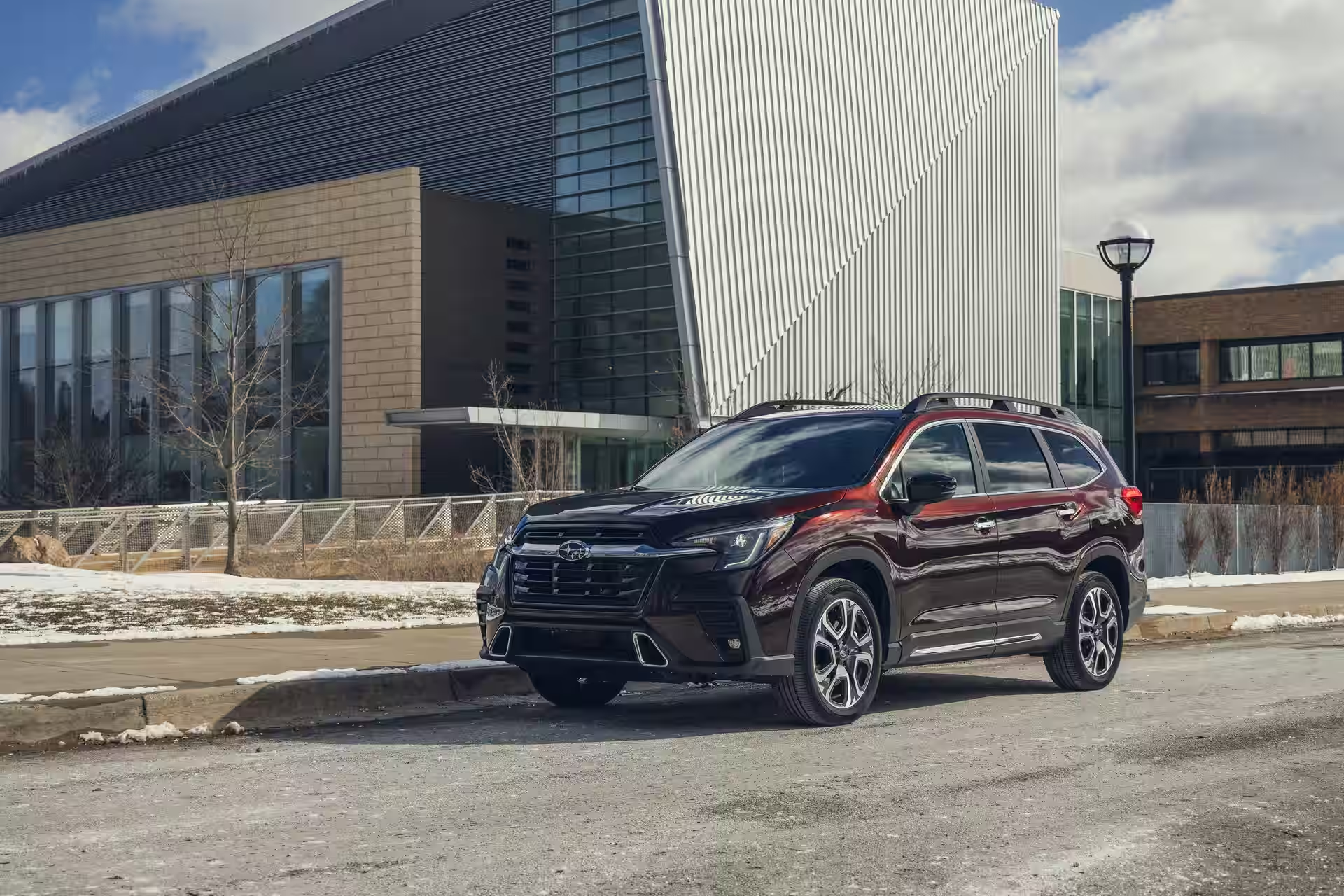
Subaru decided to bet big on the fastest-growing segment in the United States — but is the largest SUV in the history of the Japanese brand ready to face giants like the Kia Carnival and Honda Pilot? The Subaru Ascent 2026 arrives with a bold proposal: to be the only three-row SUV with standard all-wheel drive, turbo boxer engine, and a safety equipment list that rivals premium models. However, as with every success story, there is a price to be paid — and we’re not just talking about the US$ 42,245 base price.
The Boxer Engine That Divides Hearts: Real Power vs Refinement
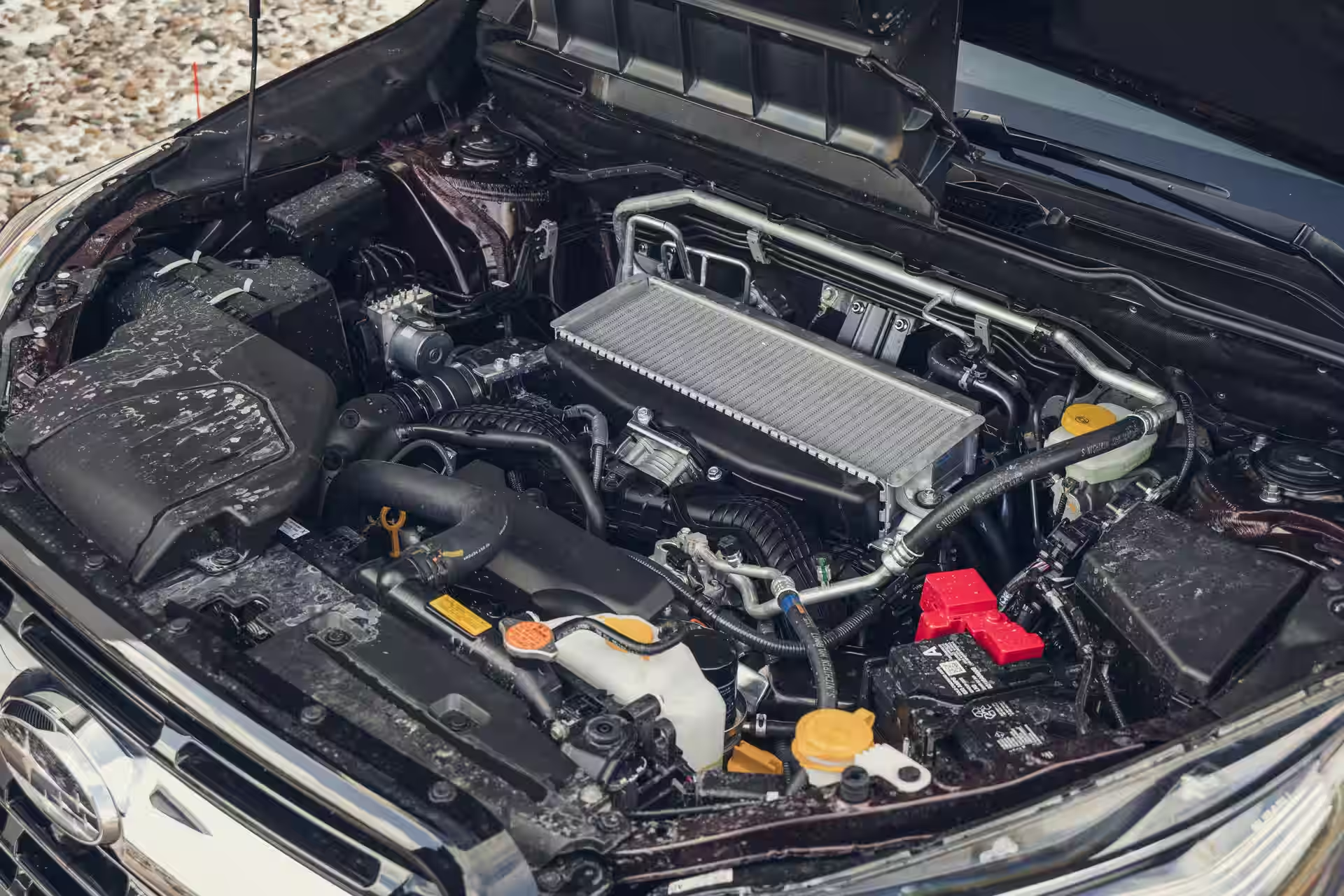
The soul of the 2026 Ascent is its 2.4-liter four-cylinder turbo boxer engine, capable of delivering 260 horsepower and 375 Nm of torque available from 2,000 RPM. On paper, these are respectable numbers for a family SUV. In practice, the experience is more complex than the specs suggest.
The characteristic boxer rumble — that “suburban train” sound that Subaru fans love so much — here turns into something less romantic when the accelerator is pressed hard. Under full load, the engine-CVT setup reveals its harsh and noisy nature, far from the sophistication that competitors like the Mazda CX-90 manage to deliver with their inline six cylinders.
But there is a positive side that few expect: fuel efficiency. In real highway tests at 75 mph, the 2026 Ascent achieved 28 mpg — approximately 11.9 km/l — surpassing its own EPA rating and leaving behind rivals like the Honda Pilot. For families who rack up mileage on long trips, this savings can represent thousands of dollars over the vehicle’s lifetime.
“The Ascent wasn’t made for those who seek excitement behind the wheel. It was designed for those who need to carry seven people and a dog to the campsite without worrying if they’ll get there.”
The eight-speed simulated CVT transmission is another point of attention. Although responsive in moderate accelerations, it requires driver adaptation in urban maneuvers. The throttle response at low speeds can be abrupt and unpredictable — a behavior that Subaru tried to mitigate with paddle shifters on the steering wheel, but which never completely disappears.
Space and Versatility: Where the Ascent Shines (and Where It Falters)
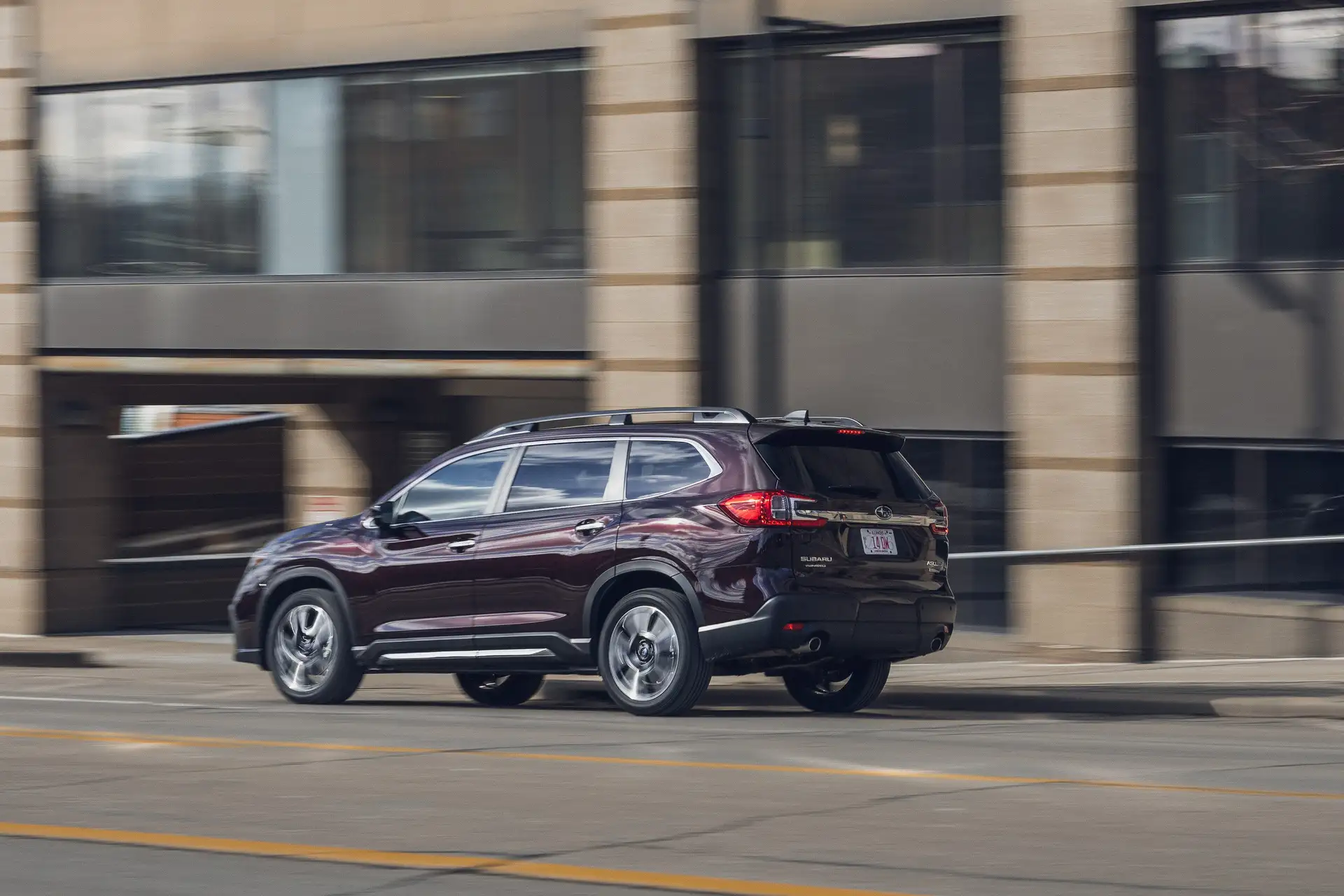
If there is one territory where the 2026 Subaru Ascent feels at home, it is in family practicality. With 5,040 mm in length and a 2,890 mm wheelbase, the SUV offers generous dimensions to accommodate up to eight occupants — in theory.
The reality is more nuanced:
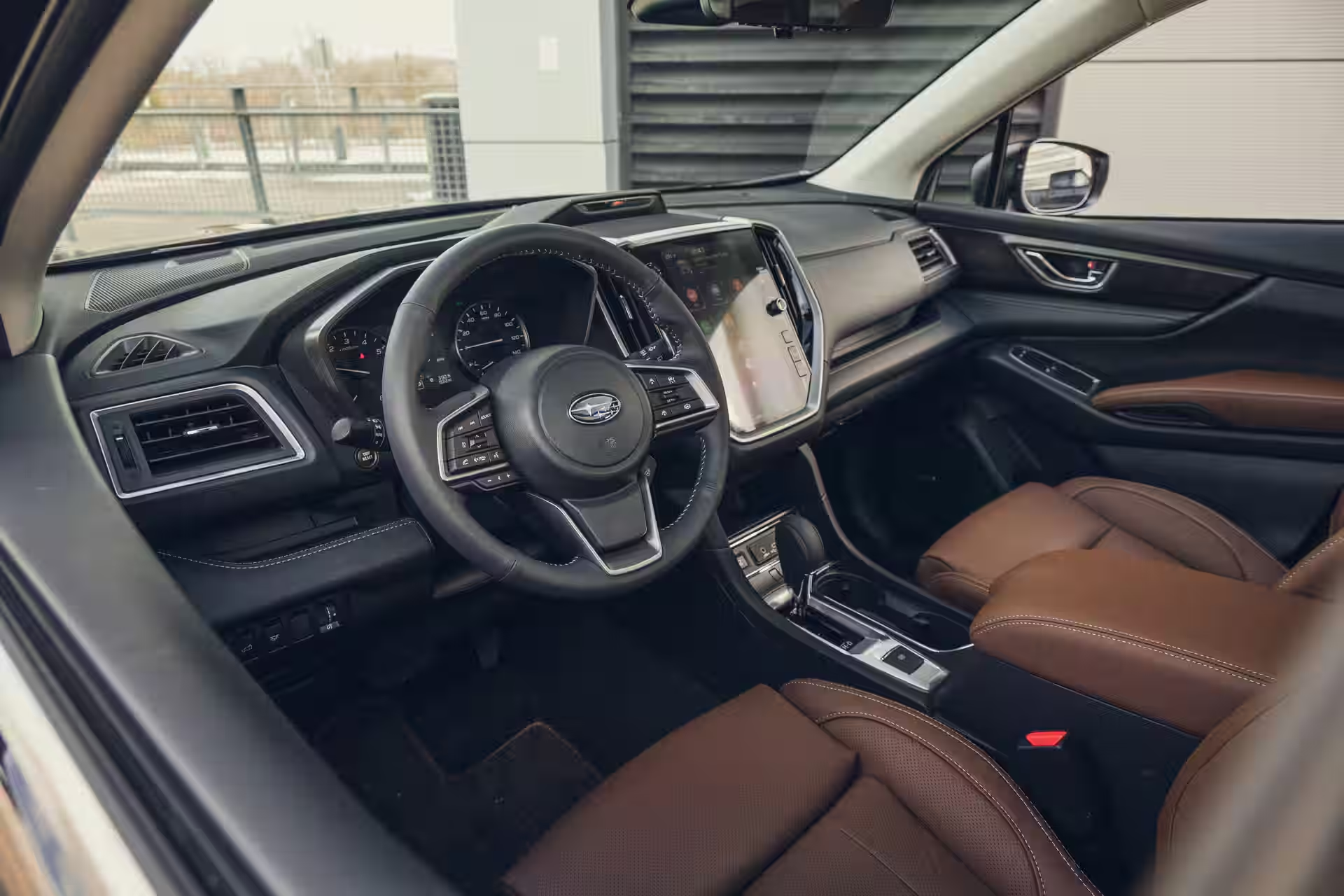
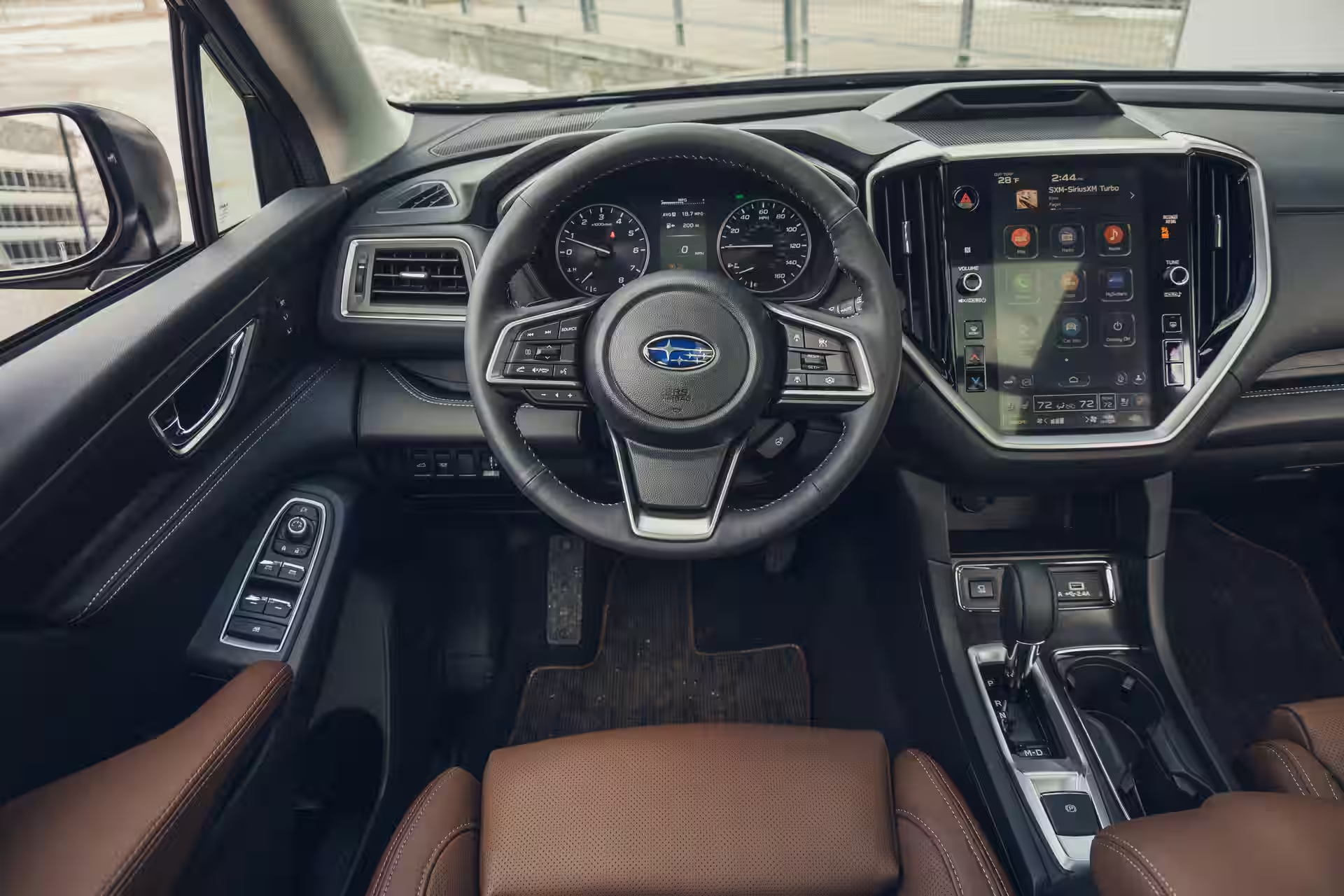
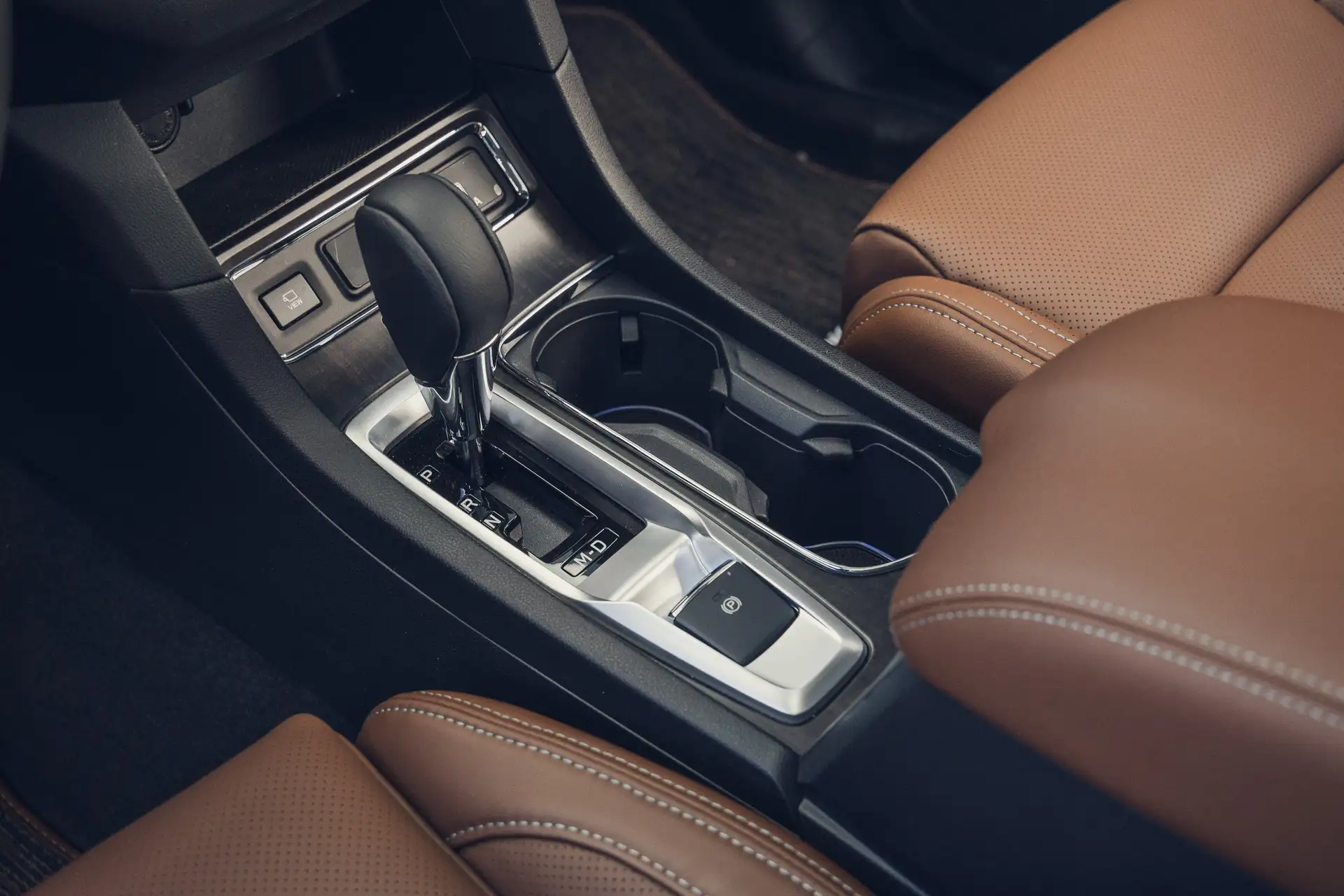
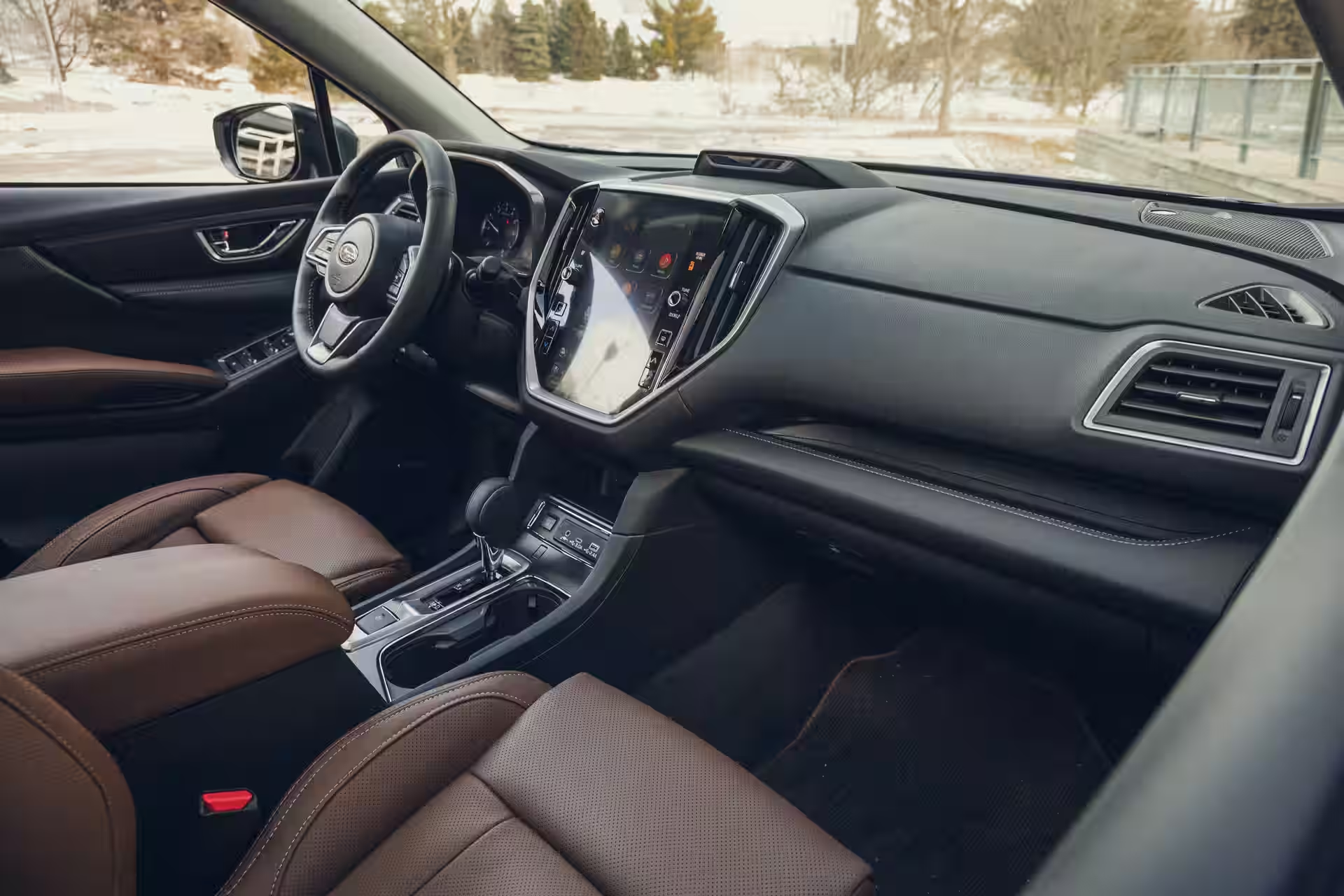
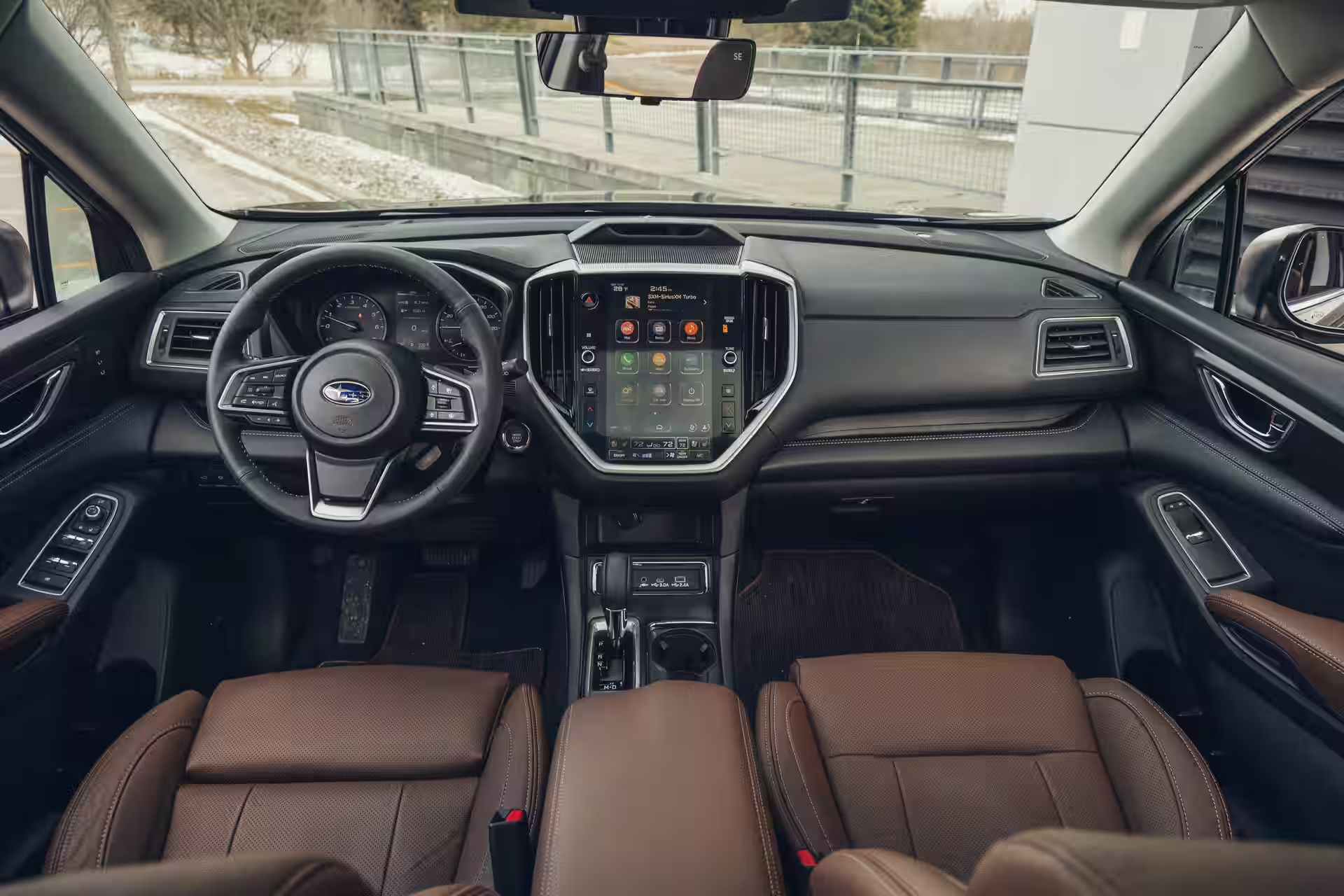
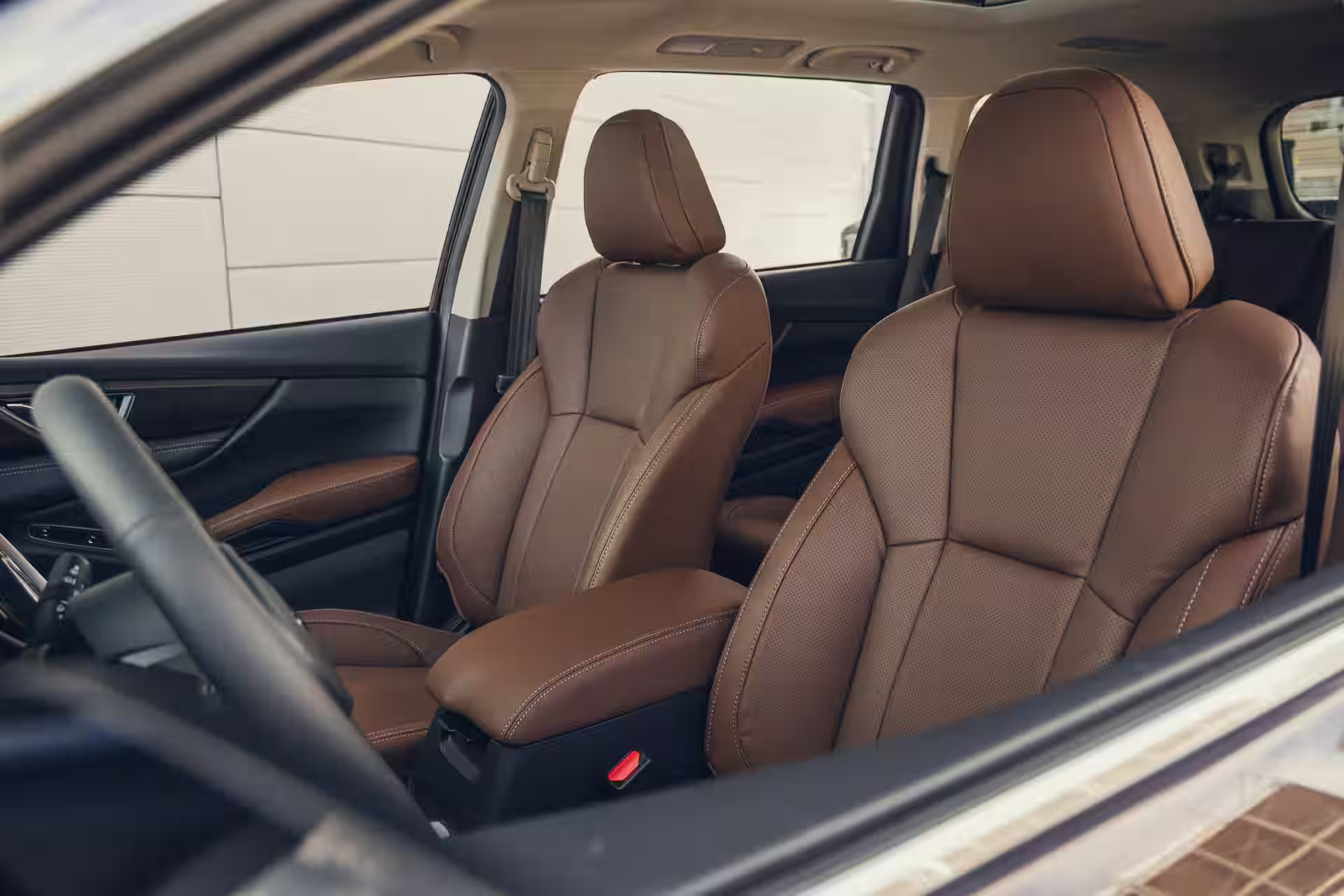
- First row: Spacious and comfortable, with an eight-way power-adjustable driver’s seat (ten in higher trims). The leather-wrapped steering wheel and ergonomic console create a premium environment.
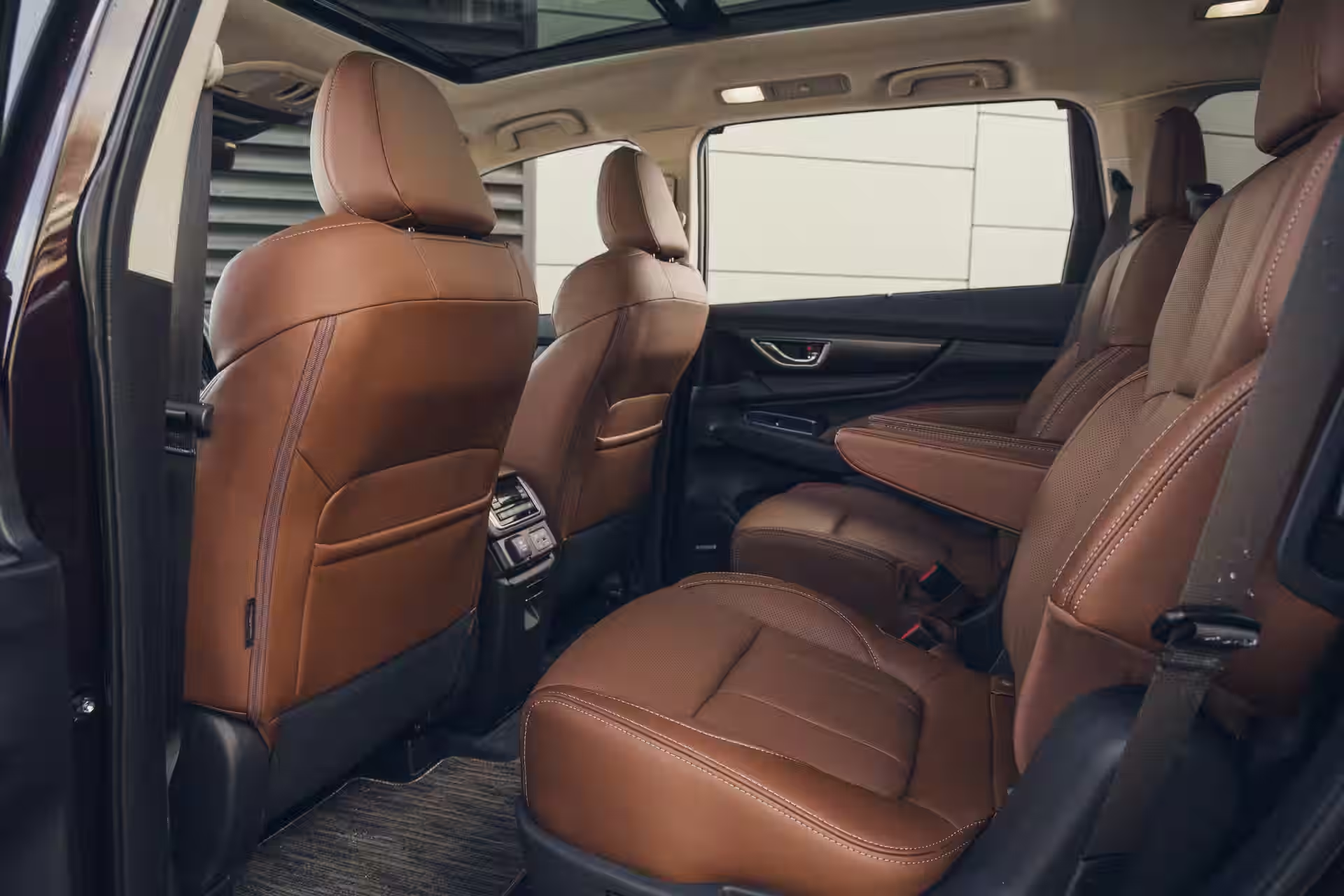
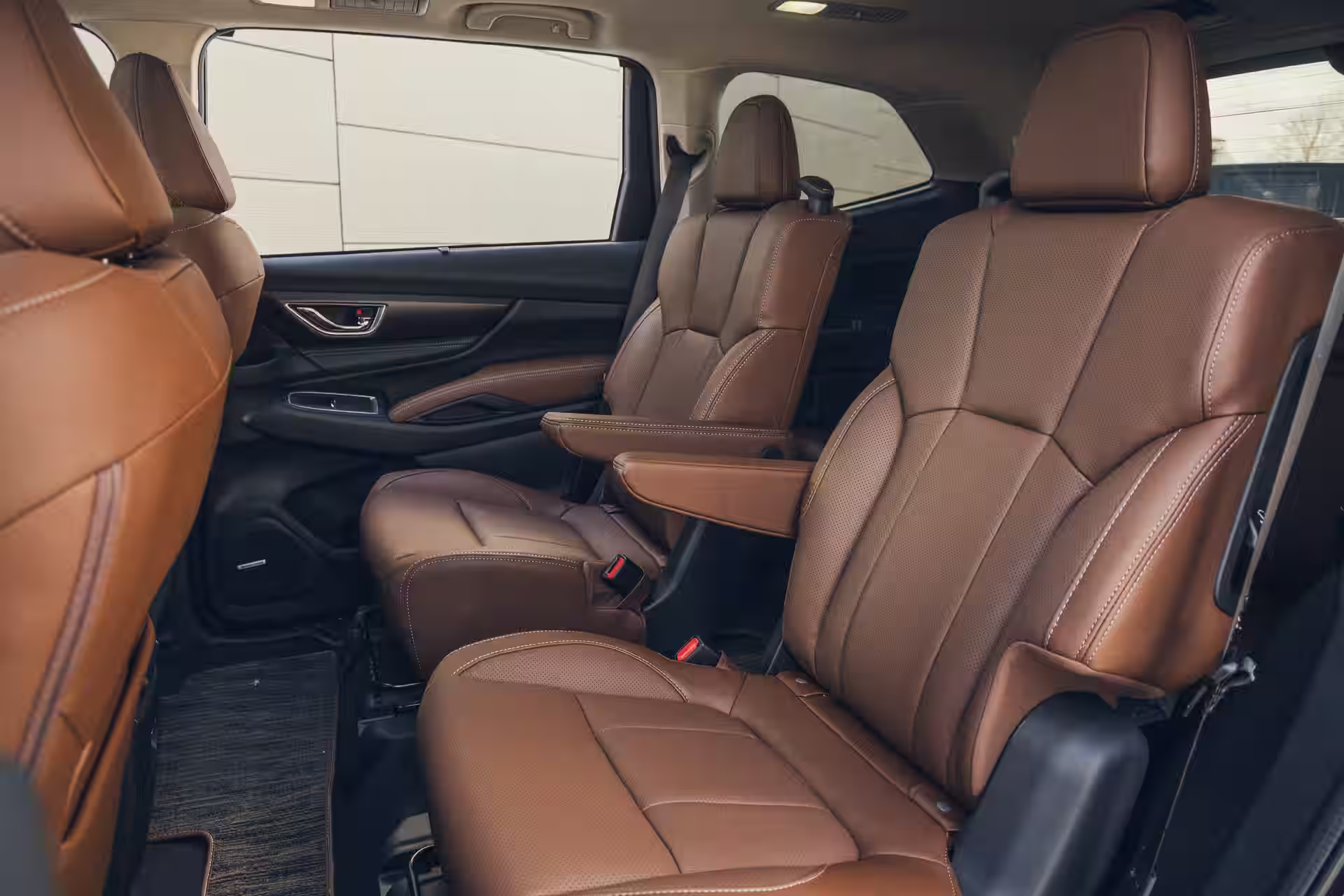
- Second row: Available with a three-seat bench or captain’s chairs — the latter a no-cost option that facilitates access to the third row. Legroom and headroom are generous, comparable to the best in the segment.
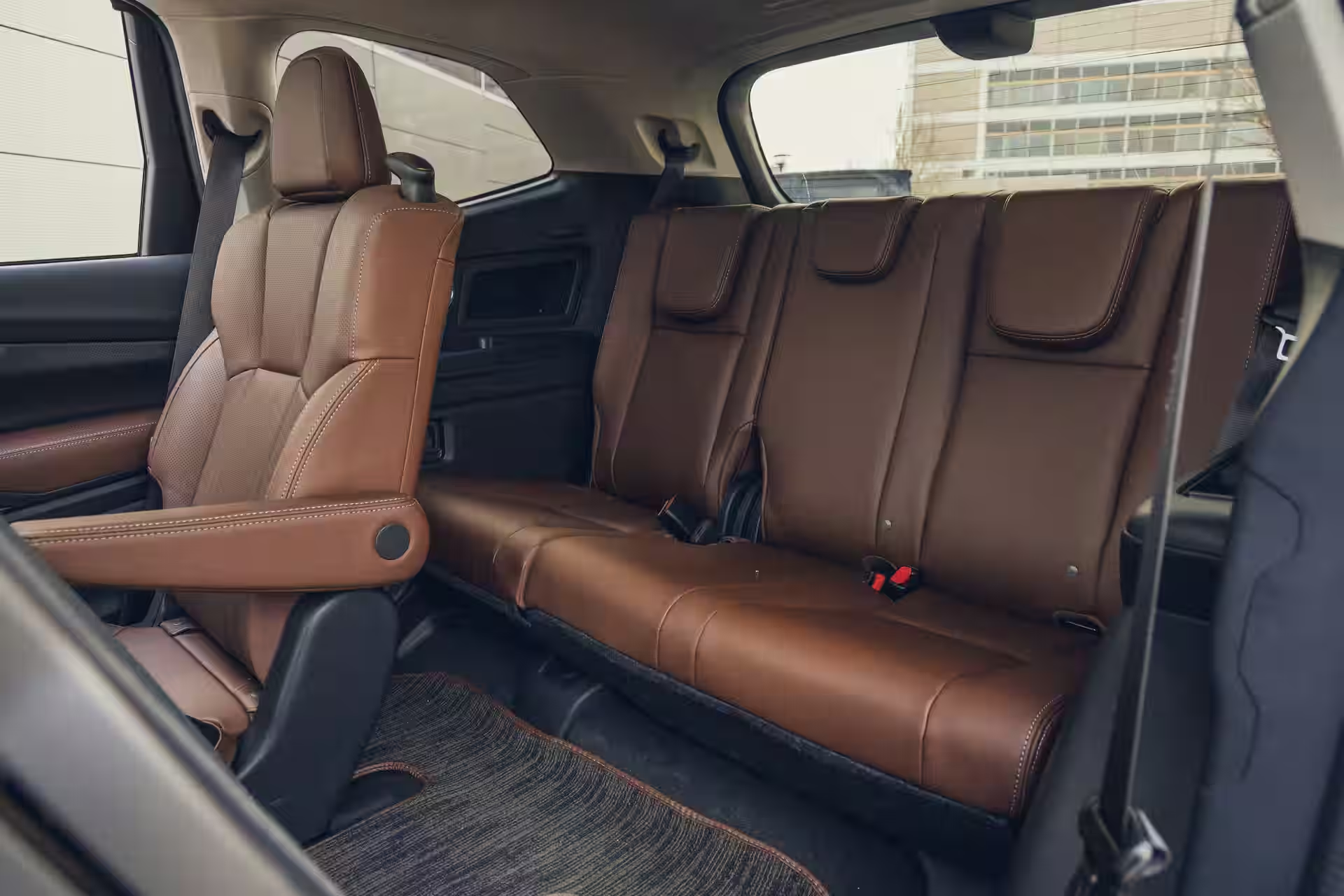
- Third row: This is where the Ascent’s greatest limitation lies. Equipped with seatbelts for three occupants, the space is technically functional, but in practice limited to children, pets, and luggage. Adults hunch on short trips; on longer journeys, the complaint is unanimous.
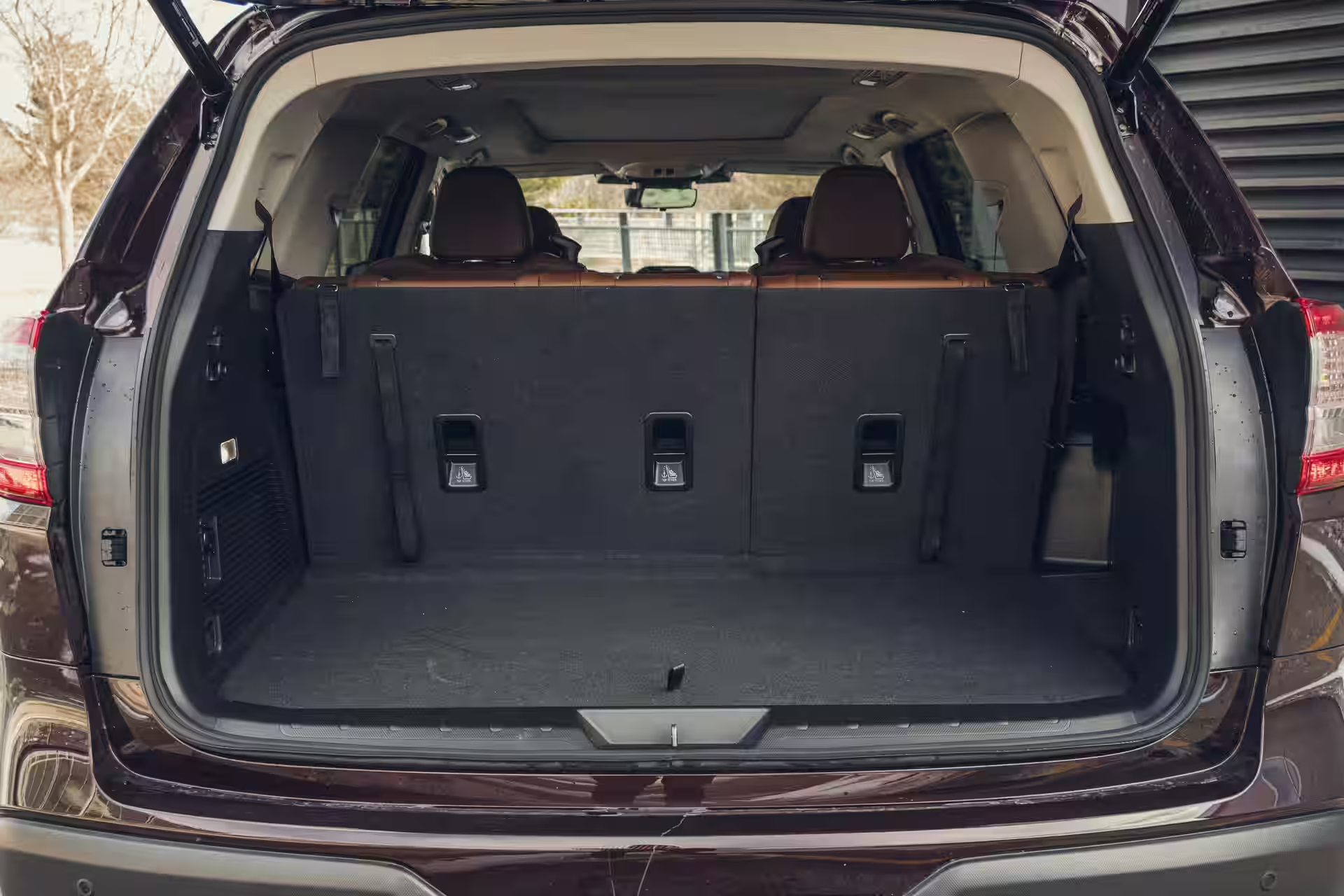
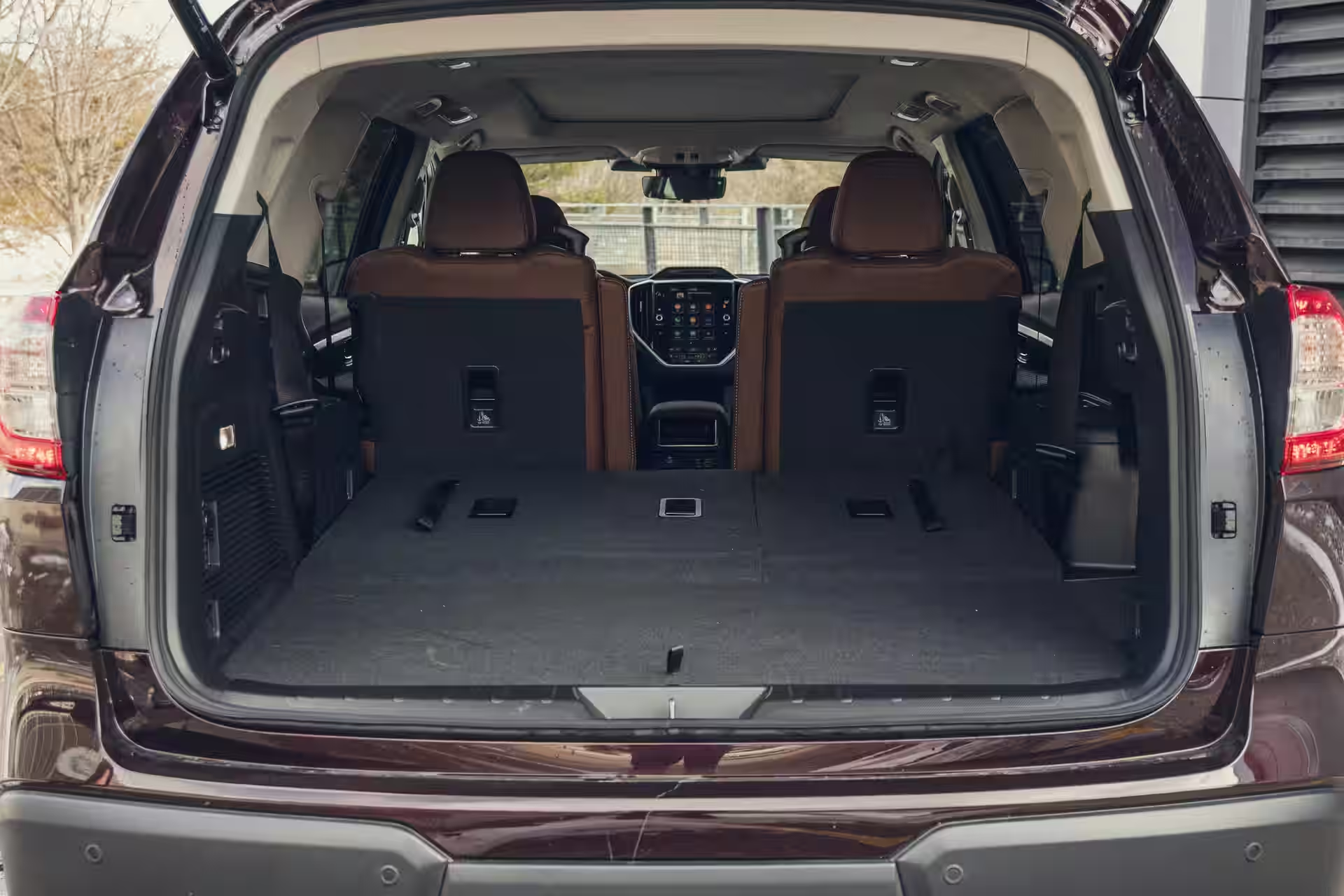
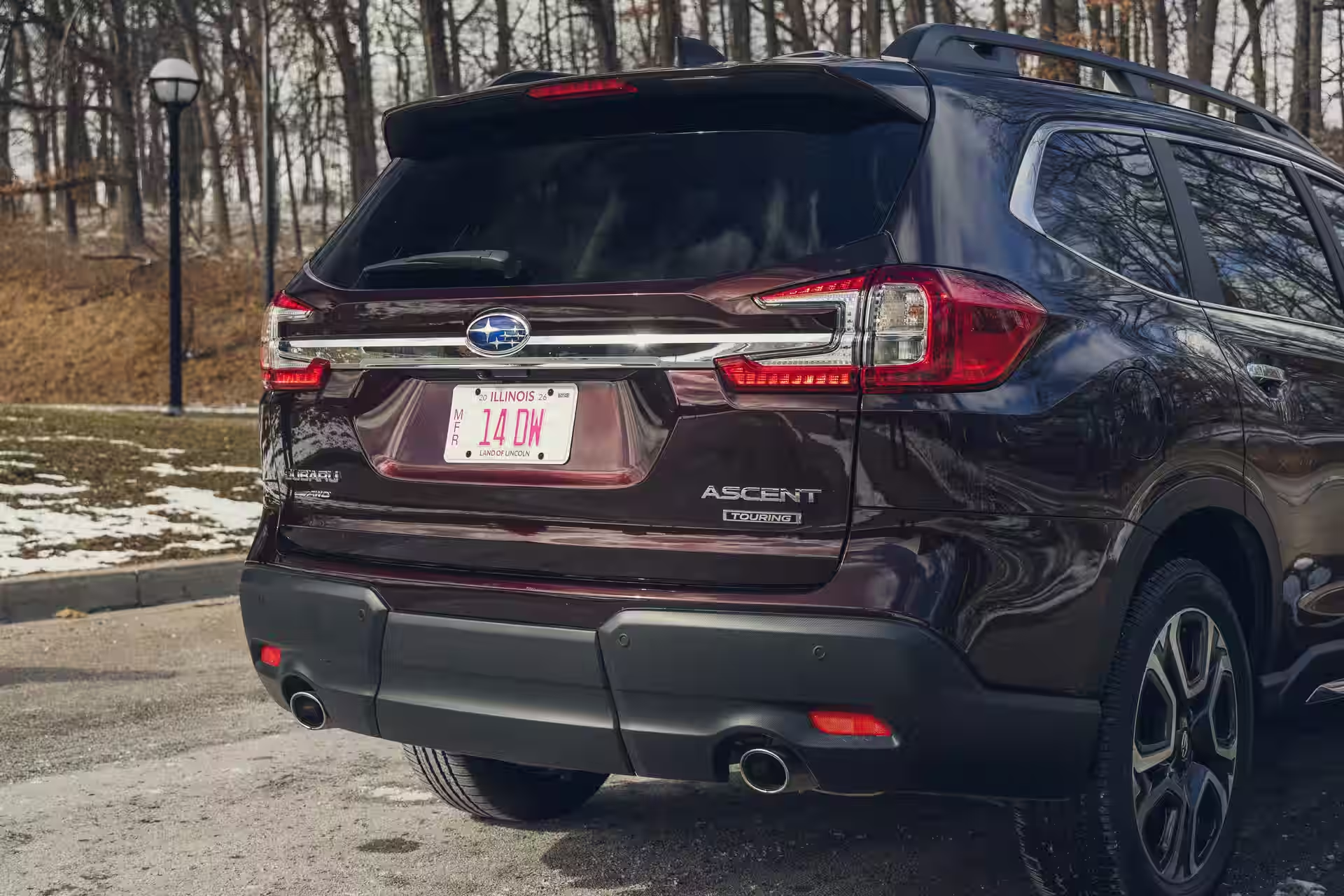
The 510-liter trunk (with the third row raised) holds five carry-on suitcases — a number verified in practical tests. With the seats folded down, the volume expands to an impressive 2,060 liters, enough for 34 standard suitcases. A hidden compartment under the rear floor still stores smaller items out of curious sight.
For those looking for alternatives with more genuine third-row space, the 2027 Hyundai Ioniq 9 promises to revolutionize the concept of the family electric SUV — albeit at a significantly higher starting price.
Safety and Technology: Subaru’s Master Trick
If there is one area where Subaru never gives up its tradition, it is in active and passive safety. The EyeSight package — present in all versions of the 2026 Ascent, from the most basic model — includes:
- Adaptive cruise control
- Front collision warning with automatic emergency braking
- Lane departure alert with correction assist
- Rear automatic emergency braking (starting from the Premium version)
This democratization of technologies that rivals reserve for top-line versions is a brand strategy that Subaru has cultivated for decades. The result appears in the statistics: the Ascent consistently receives top ratings in IIHS and NHTSA crash tests.
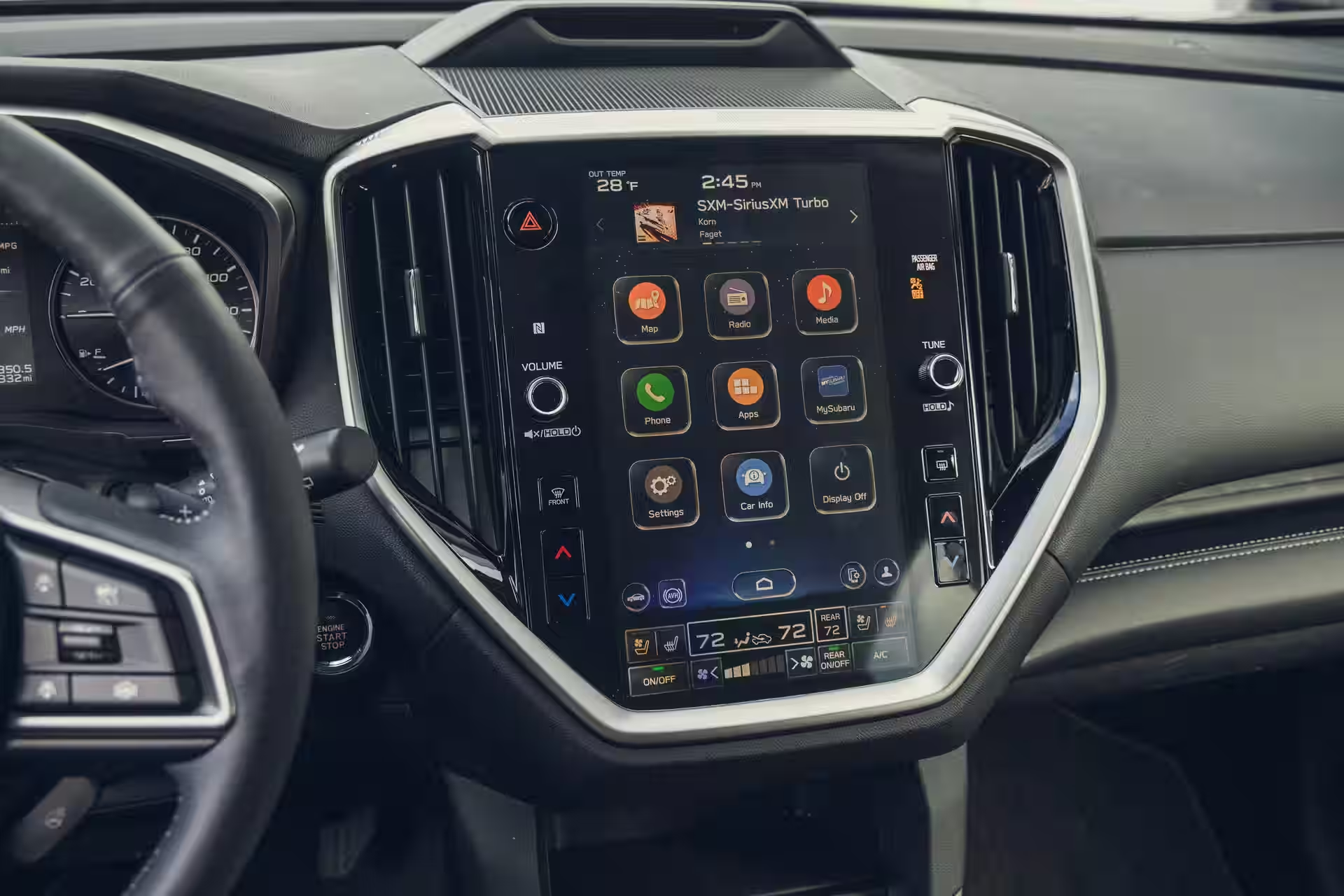
The 11.6-inch infotainment system — standard across the entire lineup — features wireless Apple CarPlay and Android Auto, as well as a Wi-Fi hotspot. However, the interface reveals the brand’s pragmatic origin: it lacks the customization options and fluidity found in premium competitors’ systems. The large icons make up for usability what they lack in sophistication.
For audiophiles, the Harman Kardon 14-speaker system option (available on higher trims) transforms the cabin into a mobile concert hall — a feature that few family SUVs offer even in top configurations.
Prices, Versions, and the Recommendation That’s Worth the Money
The 2026 Subaru Ascent lineup is structured into five trim levels, with differences that go beyond just the finish:
| Version | Price (US$) | Main Differentiator |
|---|---|---|
| Premium | 42,245 | Better fuel economy (26 mpg highway), water-resistant synthetic upholstery |
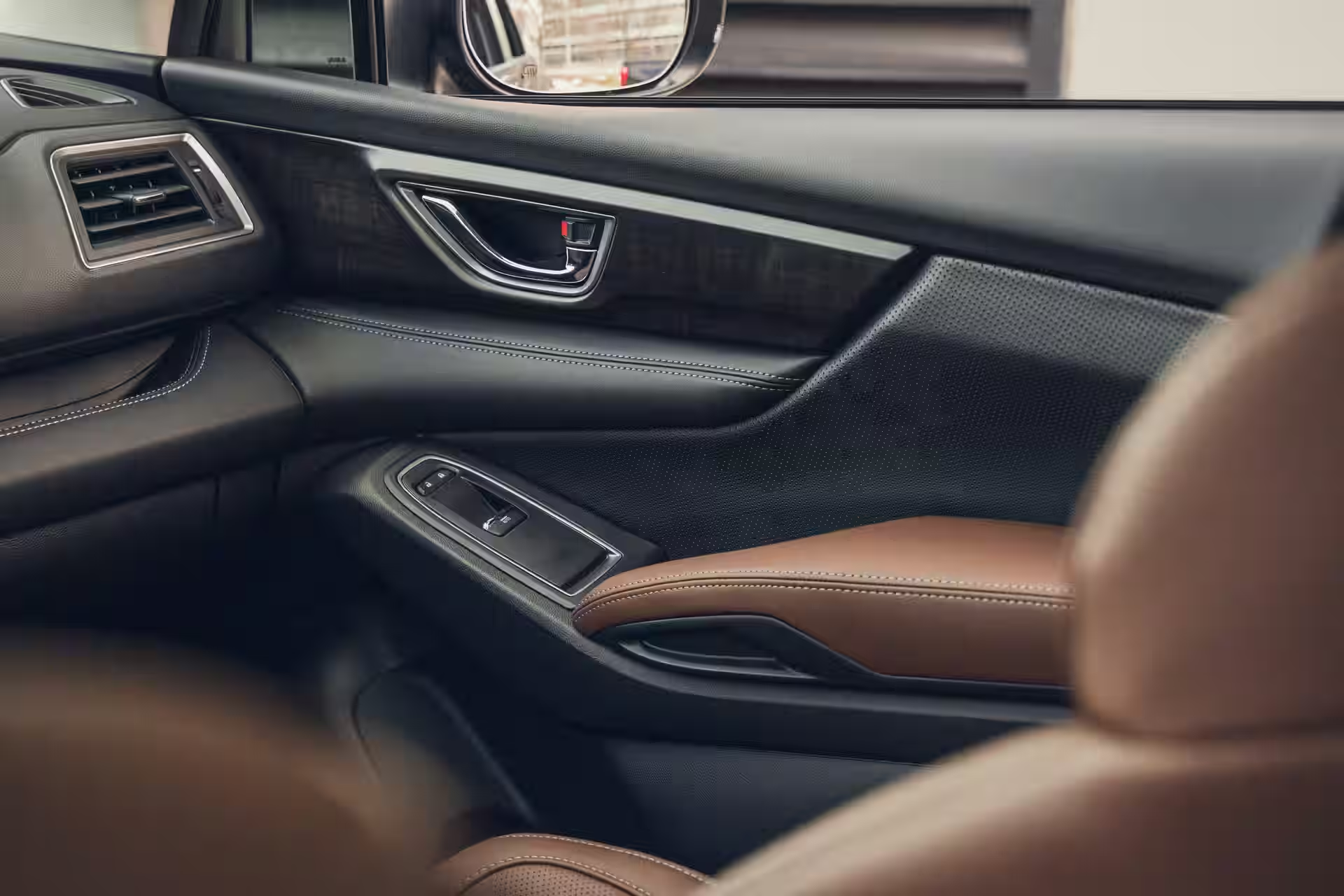
| Limited | 49,335 | Genuine leather, panoramic sunroof, premium sound system |
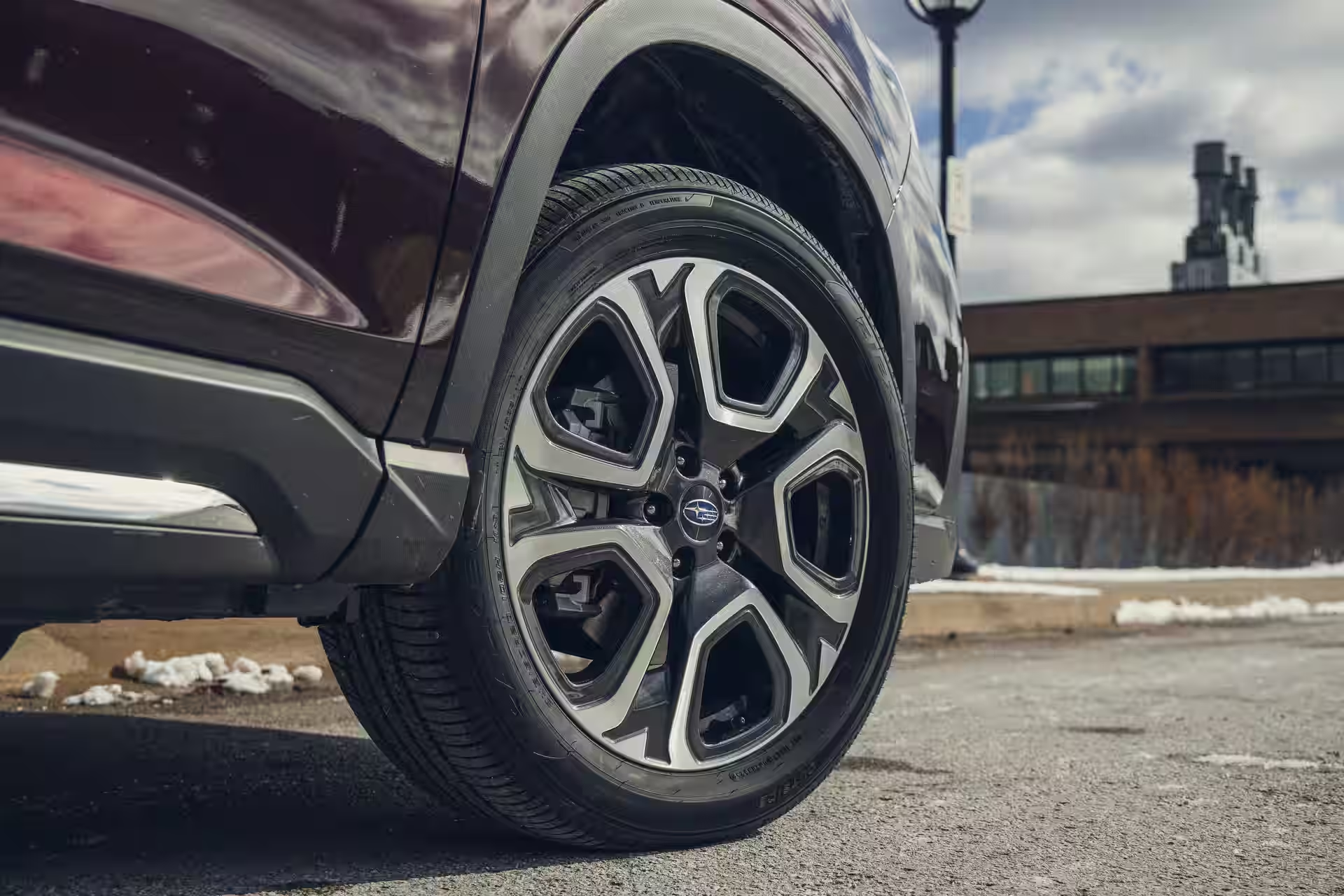
| Limited Bronze Edition | 50,445 | Exclusive aesthetic details, 20-inch bronze wheels |
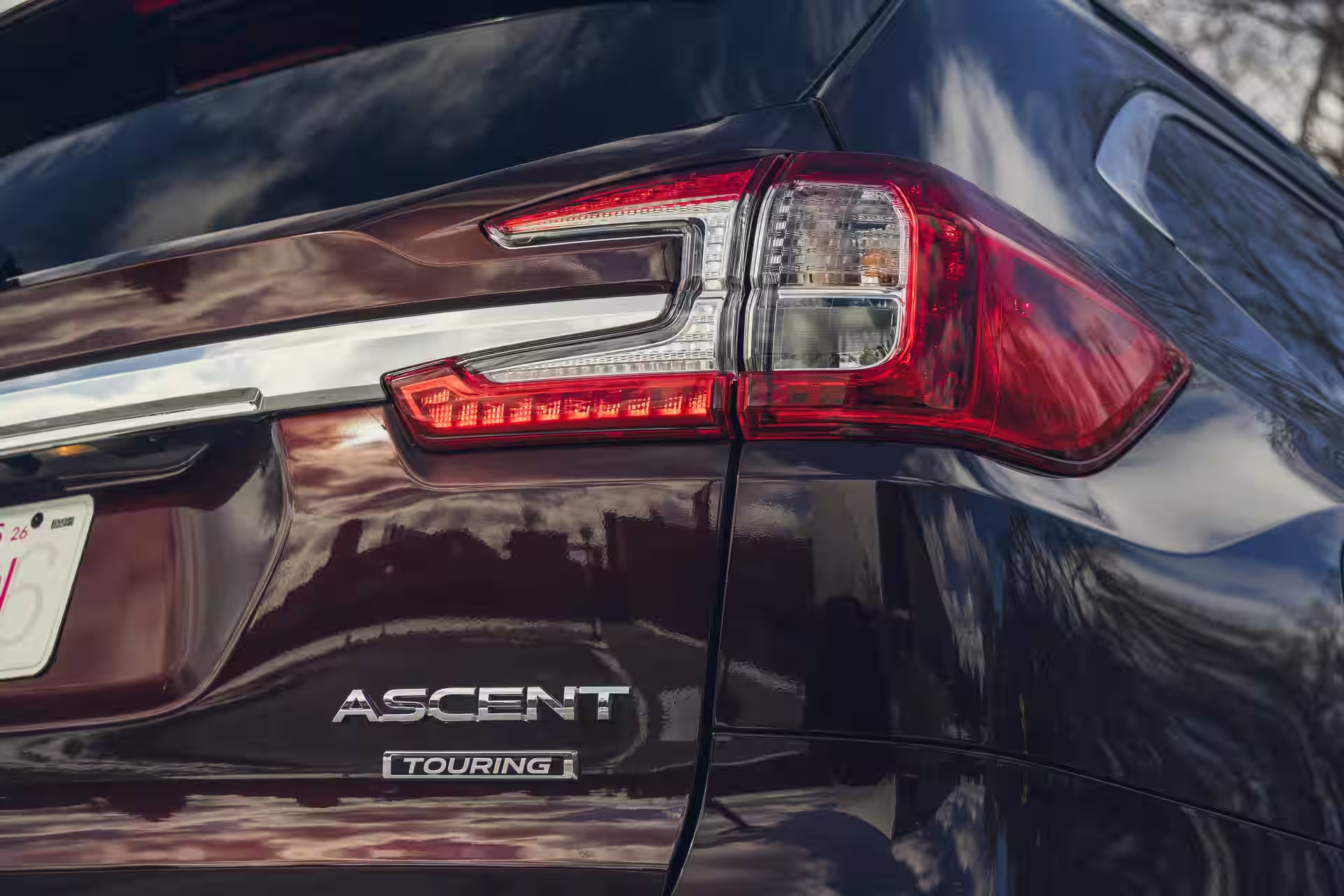
| Touring | 52,615 | Real wood trim, built-in navigation, ventilated seats |
| Onyx Edition Touring | 53,445 | Only survivor of the 2025 special editions, full “blackout” aesthetics |
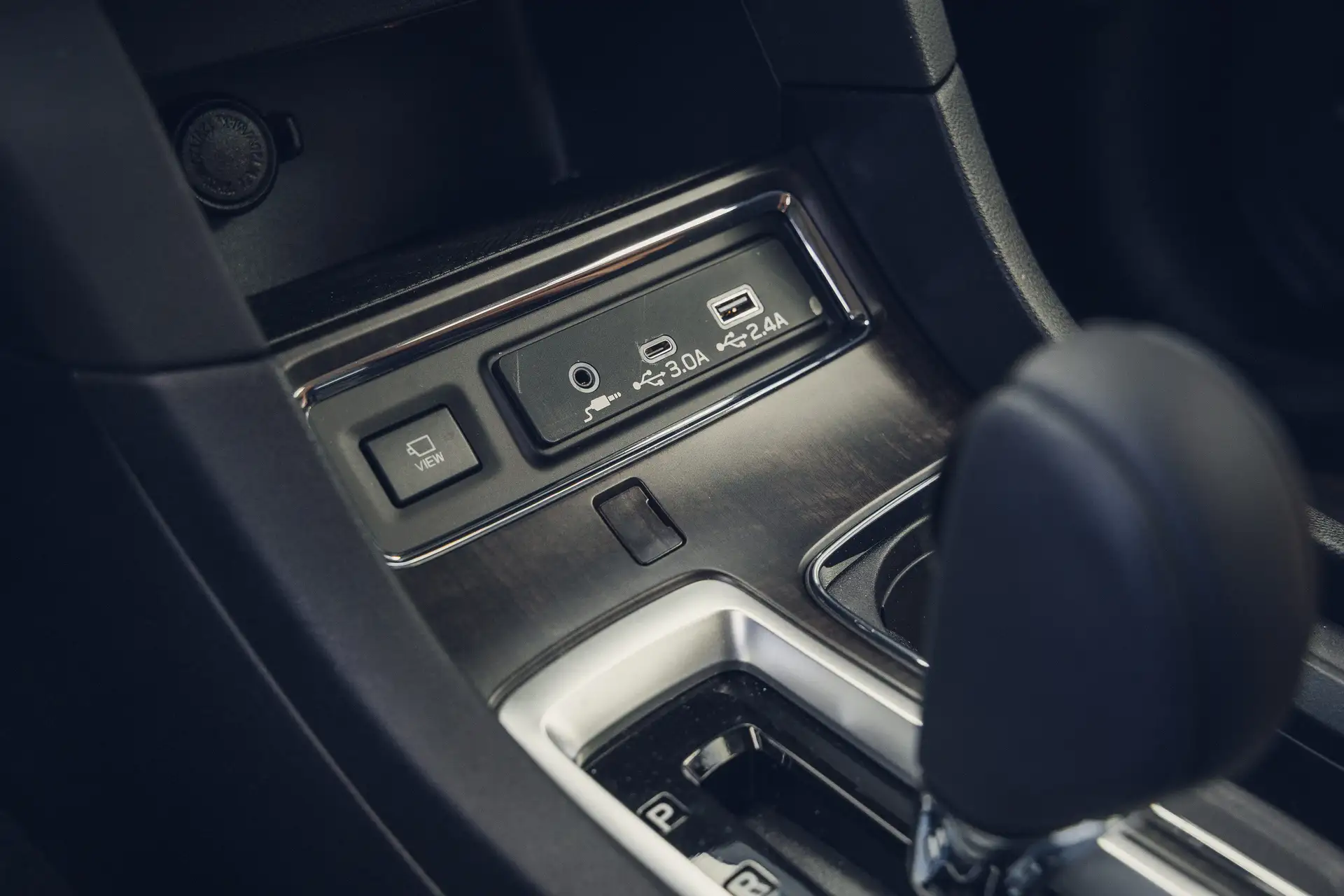
Our recommendation falls on the Premium version. Besides being the most affordable entry price, it is the only configuration that reaches 26 mpg on the highway — 1 mpg higher than the others, thanks to smaller wheels and reduced weight. Standard equipment already includes heated front seats, power driver’s seat adjustment, USB ports in all rows, and a rear camera with washer — a list that satisfied 90% of buyers in satisfaction surveys.
The Onyx Edition Touring, although visually striking, represents an investment of more than US$ 11,000 above the base version for aesthetic exclusivity — an amount that, for practical families, can buy many tanks of gas and weekend resort stays.
Towing Capacity and the Adventurous DNA
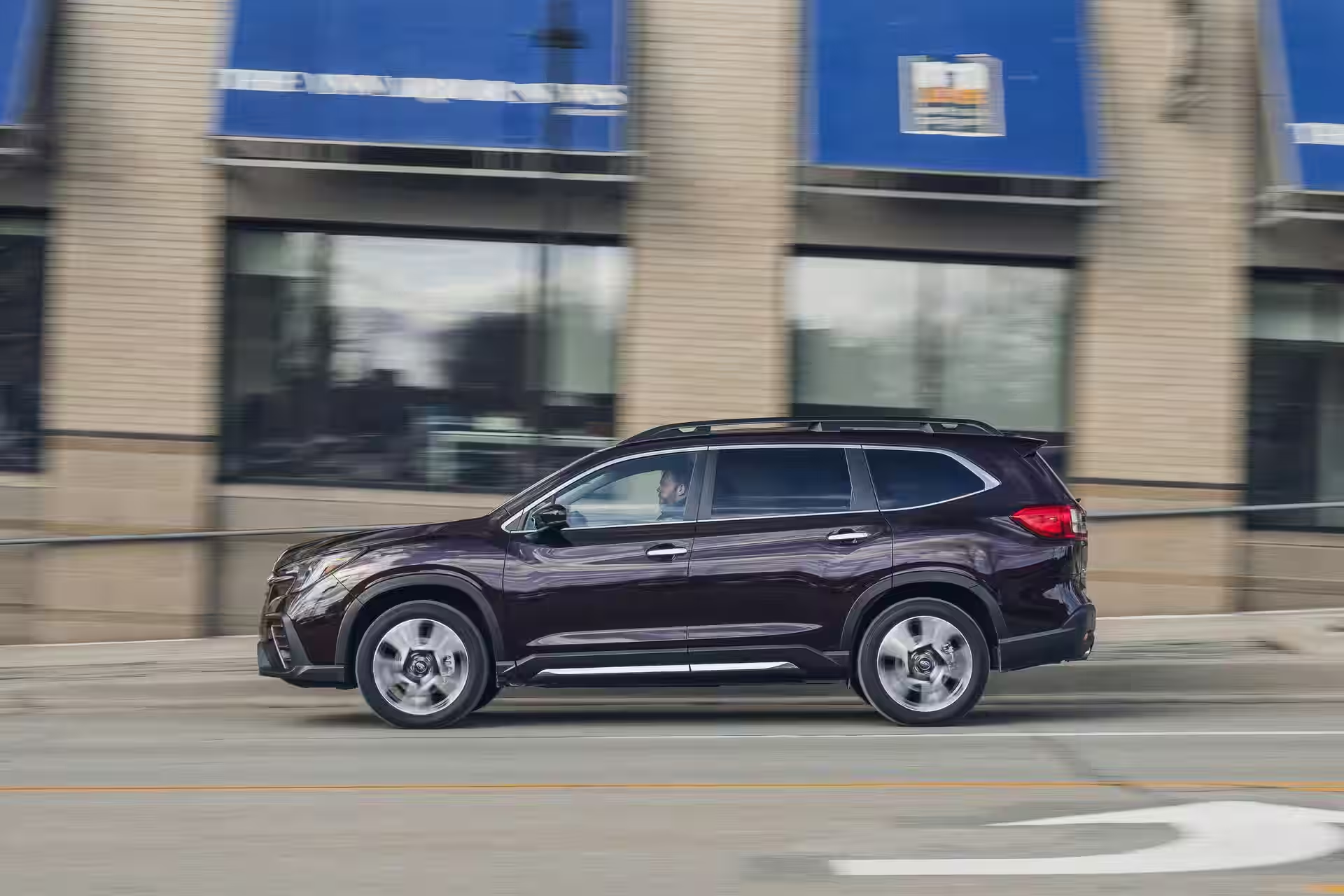
With 2,268 kg of towing capacity (5,000 pounds), the 2026 Ascent ranks among the most capable in the segment — tied with the Kia Telluride and Mazda CX-90, but far behind the Dodge Durango and its impressive 3,946 kg.
During long-term testing of 64,000 km, Car and Driver magazine subjected the Ascent to extreme situations: towing snowmobiles, Airstream trailers, and maximum loads. The unanimous conclusion was: the SUV delivers on its promise, but fuel economy drops to single digits as the weight increases. The Trailer Stability Assist software, however, proved effective in eliminating dangerous swaying at highway speeds.
For adventure families, the combination of symmetrical all-wheel drive, 213 mm of ground clearance, and off-road driving modes transforms the Ascent into a reliable companion for camping, light trails, and ski trips — provided the third passenger in the back row is preferably a golden retriever.
Subaru, by the way, seems to be increasingly betting on this niche. The recent launch of the 2026 Subaru Trailseeker electric suggests that the brand is expanding its “outdoor” universe into the electrification era — although the Ascent remains faithful to combustion engines for a few more years.
The Verdict: Who Should Buy the 2026 Subaru Ascent?
The 2026 Subaru Ascent is not the most refined SUV in the segment. It is not the fastest. It doesn’t have the most spacious third row. But it has something no competitor offers to the same extent: consistency of purpose.
This is a vehicle designed for families who value safety over status, true all-wheel drive instead of reactive systems, and proven durability over fleeting glamour. The boxer engine, despite its personality quirks, delivers immediate torque in off-road situations and surprising efficiency on long trips.
The limitations are real and must be considered: the third row space compromises trips with adults, engine noise under load requires patience, and throttle response at low speeds never becomes intuitive. But for those who fit its usage profile — families of four to six members, with an active lifestyle and a preference for reliability over showiness — the Ascent represents one of the most honest proposals in the American market.
In a universe where three-row SUVs compete over who has the biggest screen or the most whale-leather-like finish, the 2026 Subaru Ascent remains true to itself: a comfortable trail boot good enough for the office, but ready for the mud when Friday arrives.