Extreme power and radical engineering define the SSC TUATARA STRIKER with up to 1750 HP and track-focused active aerodynamics. Discover the machine!
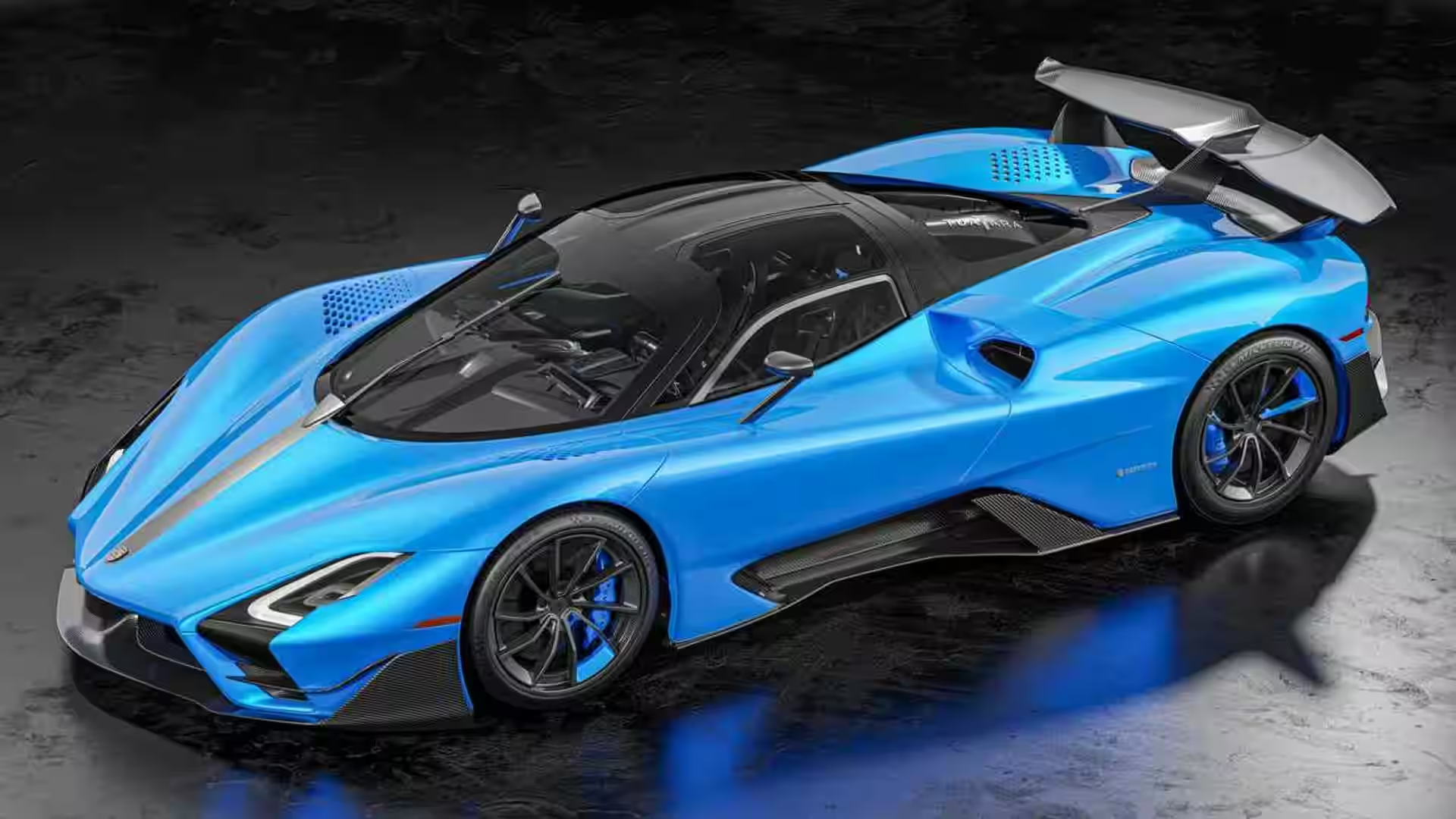
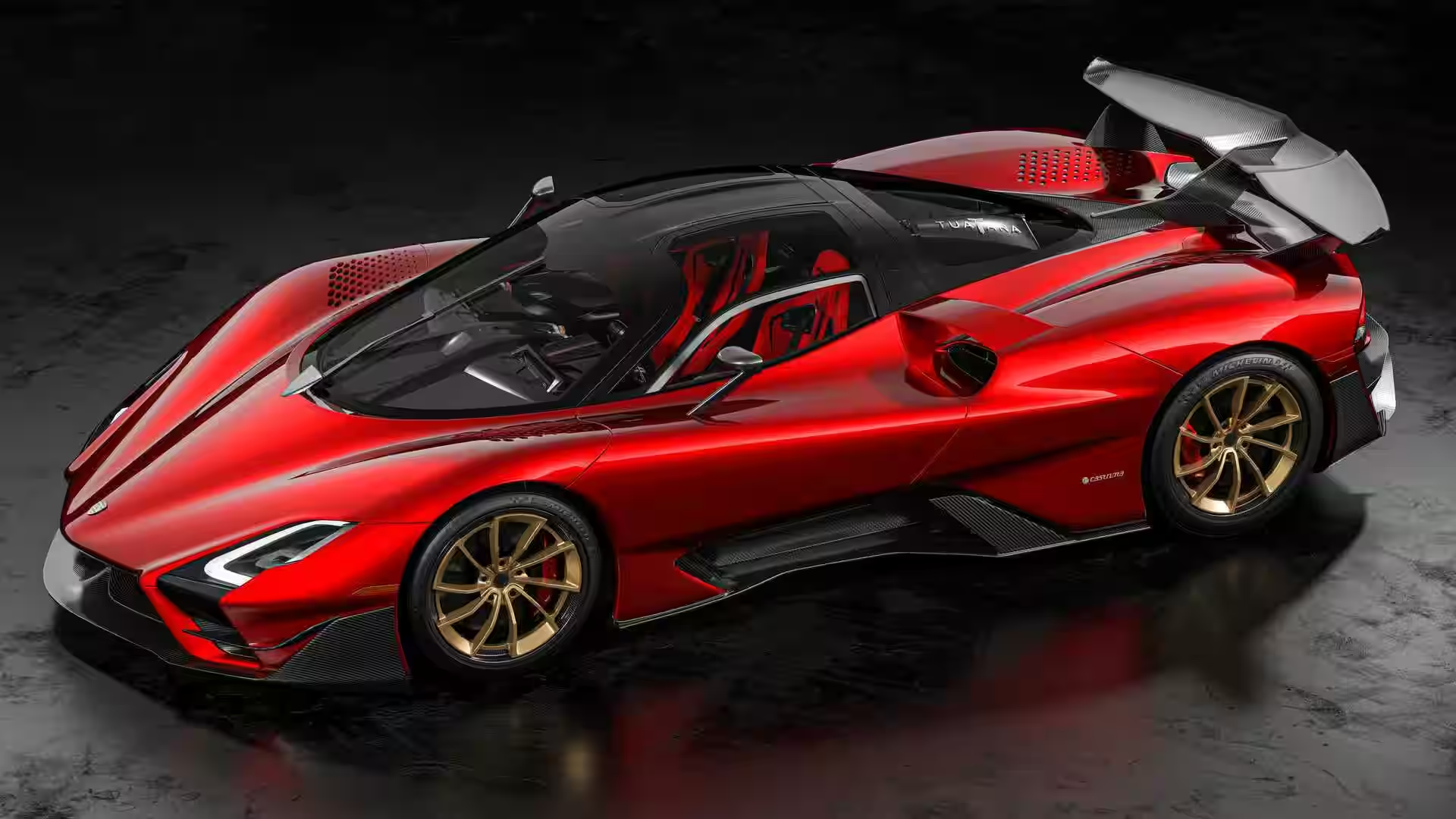
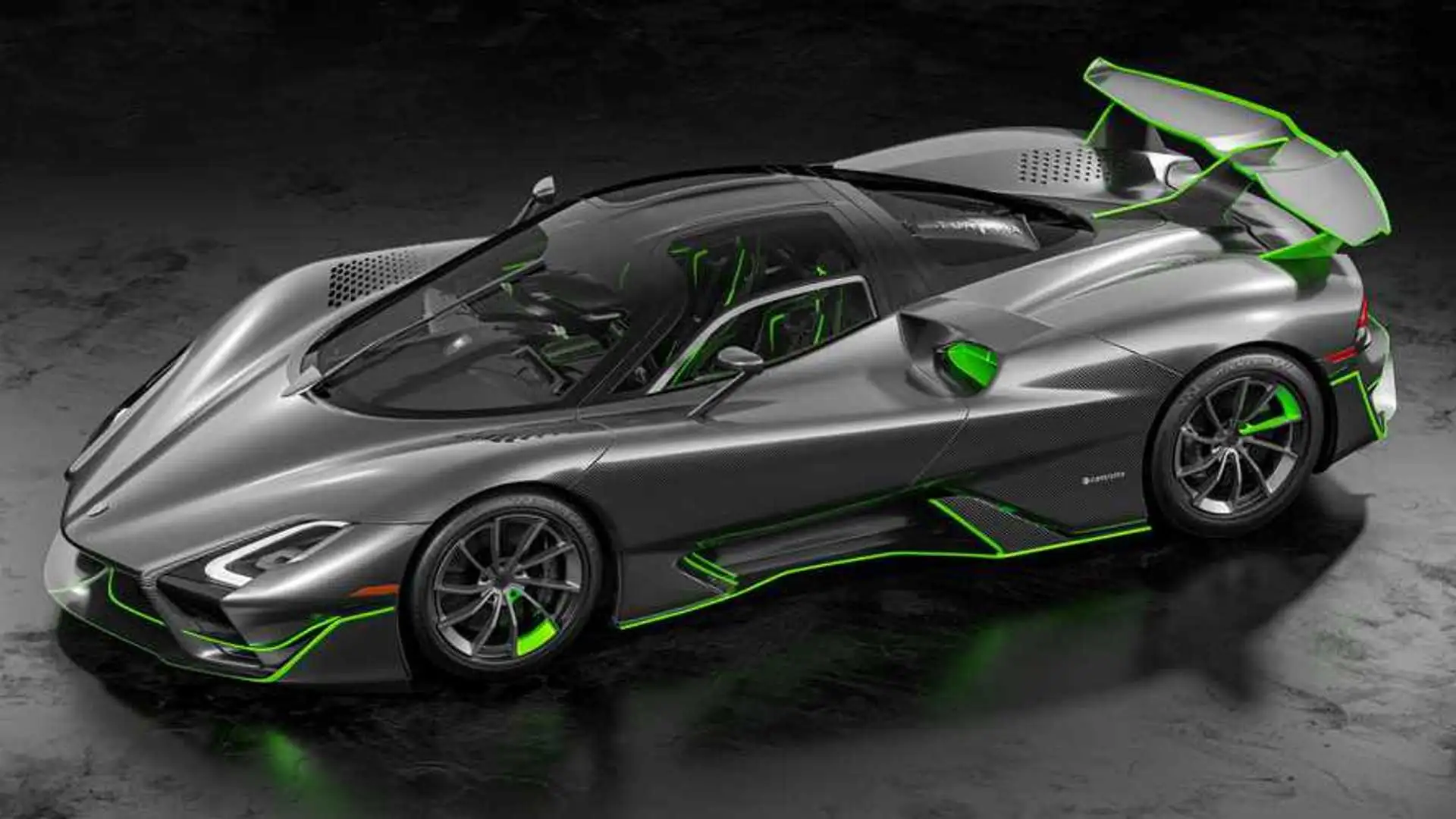
In a universe dominated by traditional European brands, an American hypercar decided to challenge all known limits of engineering. The SSC Tuatara Striker was not created just to be fast — it was designed to dominate the air, the track, and any comparison with conventional cars. With up to 1,750 HP, extreme aerodynamics, and extremely limited production, it represents the absolute opposite of any car aimed at everyday practicality.
A Hypercar Built To Dominate Airflow
The Tuatara Striker was born as an even more aggressive version of the already impressive SSC Tuatara. While the traditional model was conceived for absolute top speed, the Striker was designed with a different goal: to generate absurd levels of downforce to dominate circuits.
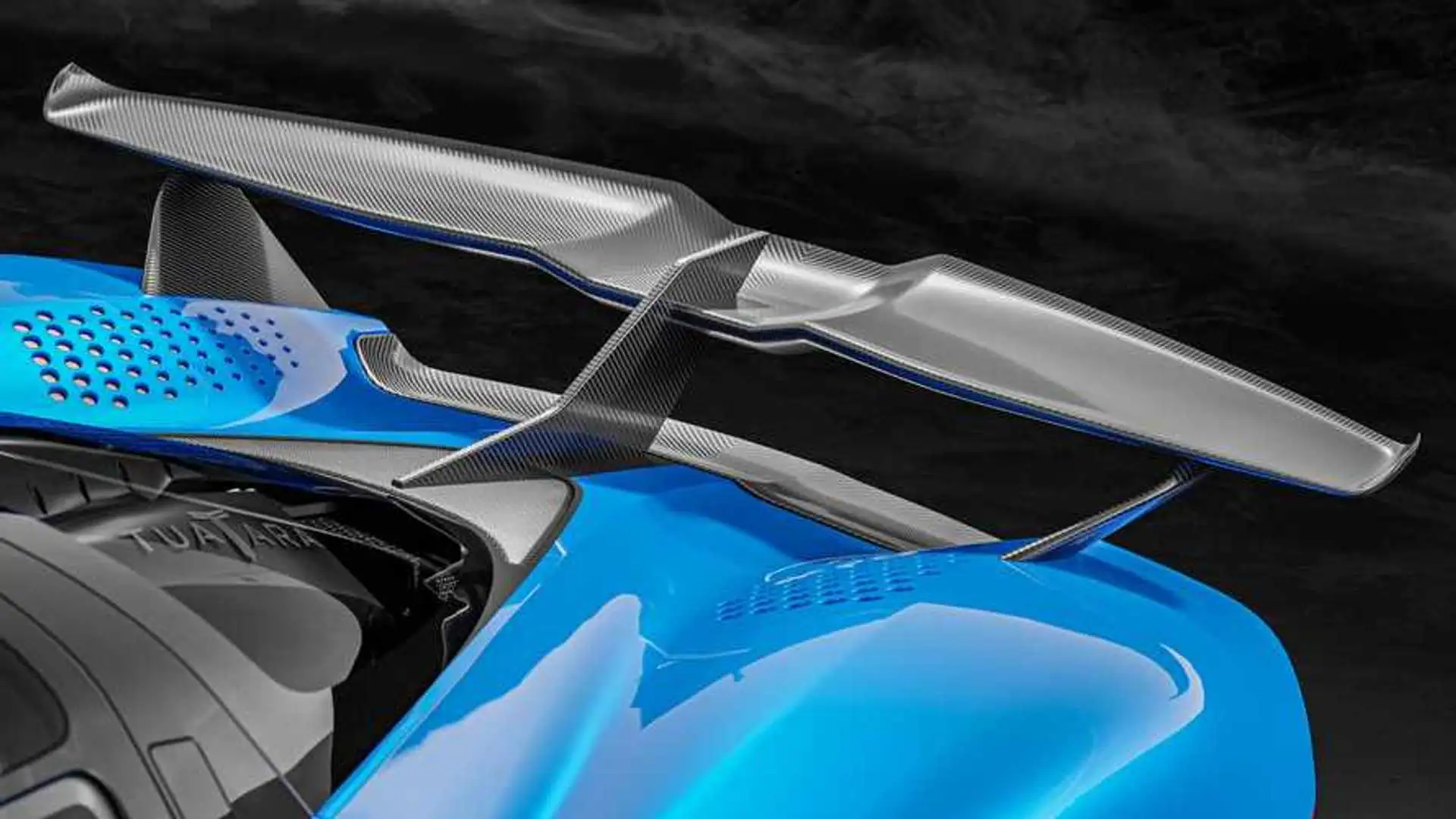
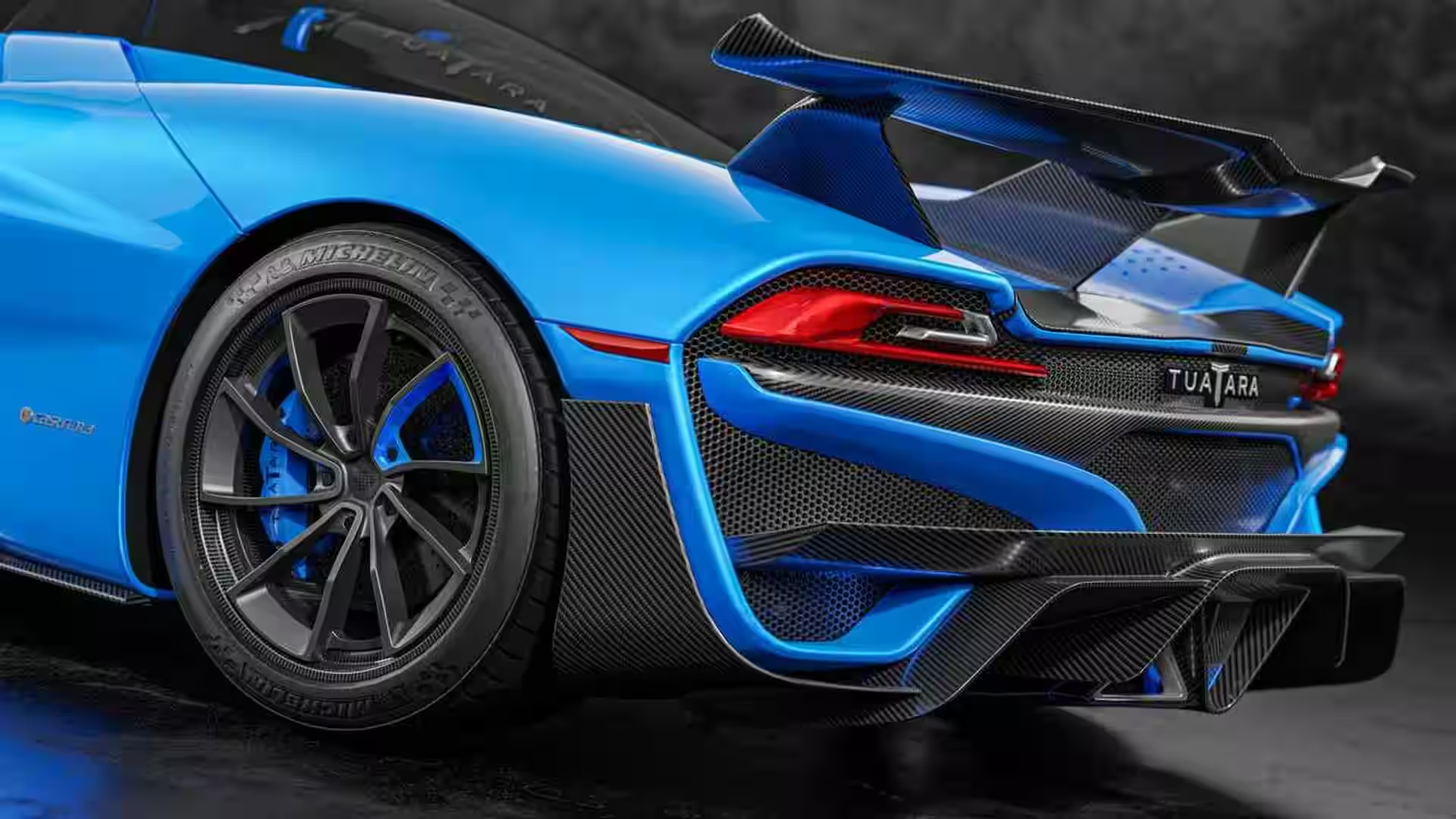
According to SSC North America, the car produces approximately 500 kg of downforce at 160 mph (257 km/h). This is made possible thanks to a set of carefully designed aerodynamic solutions:
- Large fixed rear wing
- Active rear spoiler
- Central vertical stabilizer
- Redesigned rear diffuser
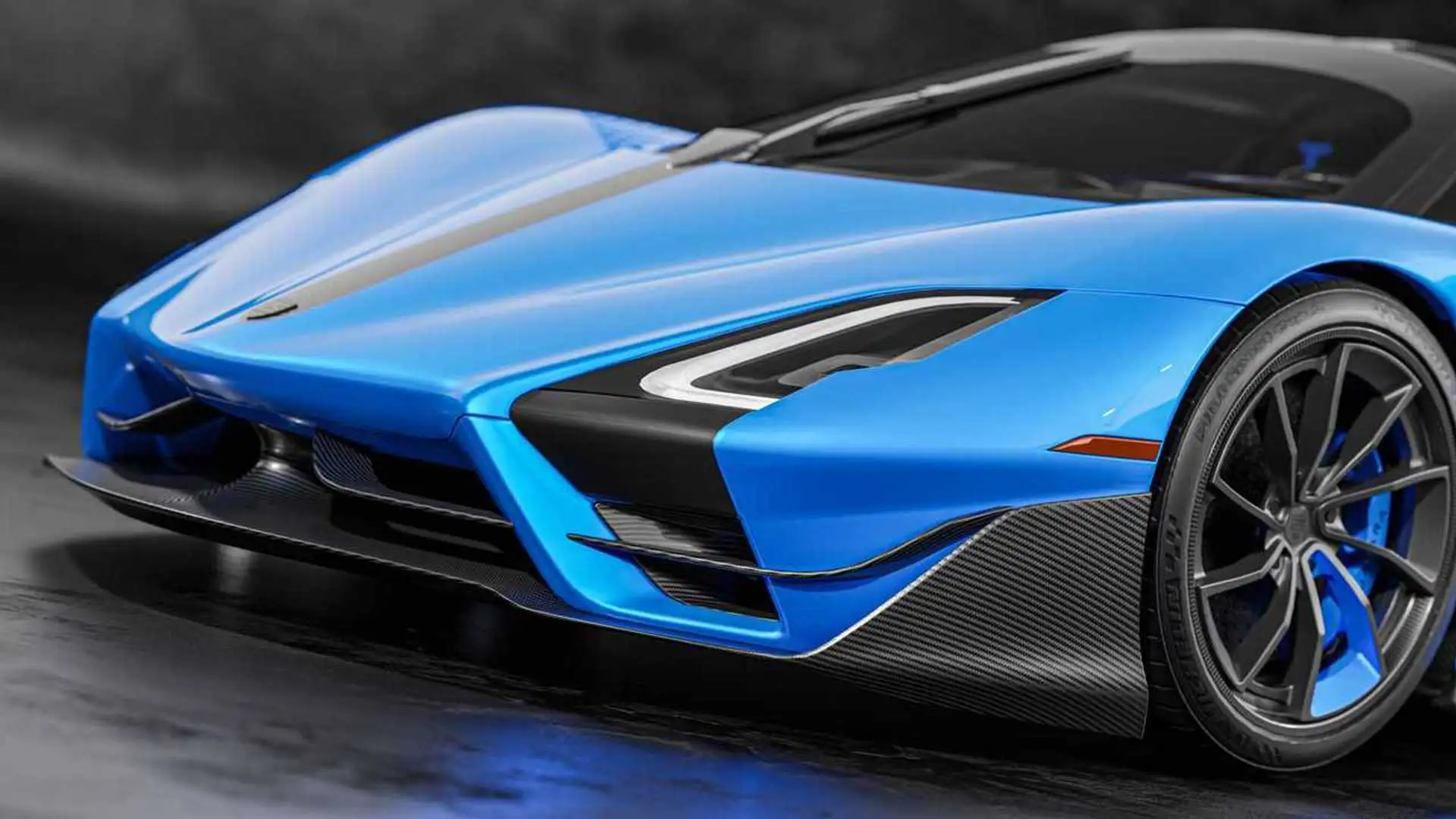
- Enlarged front splitter
- Side aerodynamic elements
- Dive planes on the front bumper
These components work together to control airflow over and under the car, creating a precise balance between stability and speed. The result is a precisely calculated downforce distribution:
- 45.4% on the front axle
- 54.6% on the rear axle
Esse equilíbrio permite que o carro mantenha estabilidade impressionante mesmo em velocidades absurdamente altas.
Esse tipo de abordagem aerodinâmica extrema lembra conceitos utilizados em máquinas focadas em desempenho absoluto, como o projeto apresentado em McMurtry Spéirling que desafia todas as leis da física com downforce constante, mostrando como a aerodinâmica se tornou um dos campos mais avançados da engenharia automotiva.
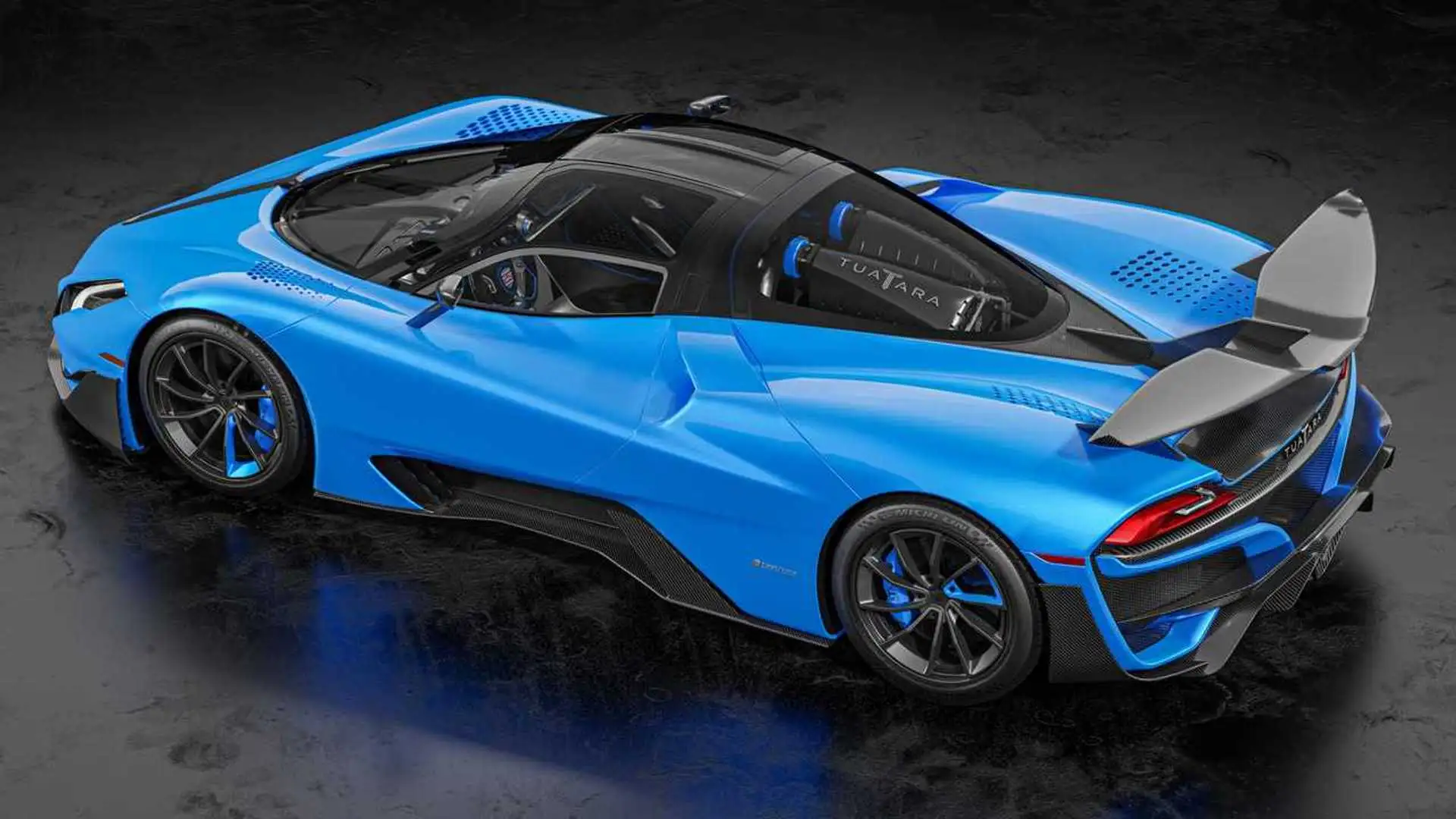
Up to 1,750 HP Biturbo V8 Engine
No coração do Tuatara Striker está um dos motores mais brutais já instalados em um carro de produção. Trata-se de um V8 biturbo de 5.9 litros desenvolvido em parceria com a Nelson Racing Engines, empresa famosa por projetos extremos de alta performance.
Esse motor possui uma série de soluções técnicas avançadas:
- Flat-plane crankshaft
- Dual fuel injection per cylinder
- High-flow turbochargers
- Redline of 8,800 rpm
Power varies according to the fuel used:
- 1,350 HP using 91 octane gasoline
- up to 1,750 HP with ethanol or methanol blend
This level of power places the Striker in the same territory as legendary hypercars of recent history. To get an idea of how competitive the segment has become, just look at machines like the Bugatti W16 Mistral with its 1,600 hp and masterpiece engineering, which also raised the bar for combustion engines to almost artistic levels.
The transmission responsible for handling all that power is a CIMA seven-speed automated manual gearbox, operating with the Automac AMT system. Gear changes happen in less than 100 milliseconds, triggered by paddle shifters on the steering wheel.
Carbon Structure and Extremely Low Weight
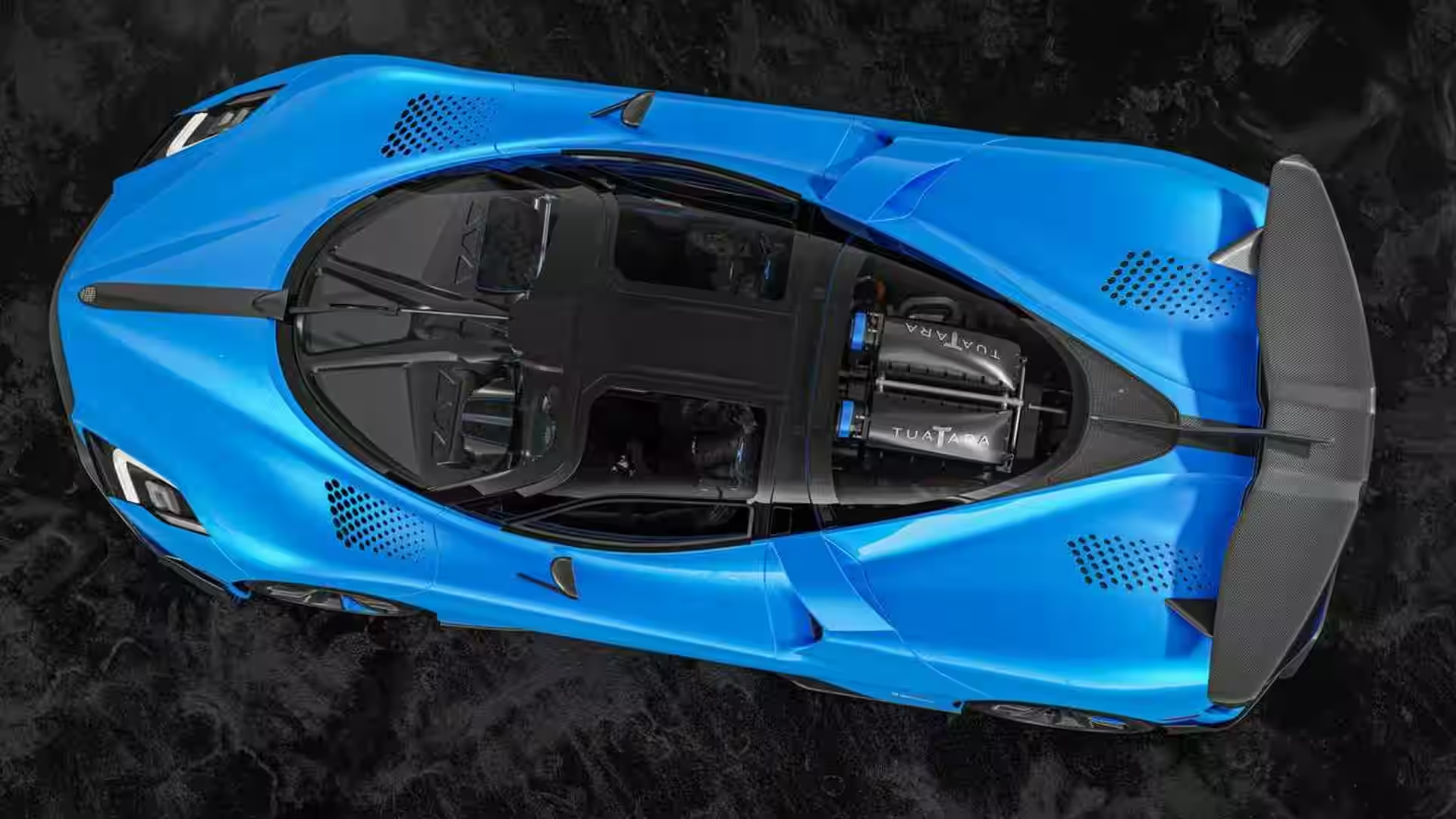
To make all this power work efficiently, the Tuatara Striker uses a construction almost entirely focused on lightness.
The entire body is made of carbon fiber, including the car’s main structural element: an extremely rigid carbon monocoque.
This engineering allows the hypercar to achieve an approximate dry weight of only:
1,247 kg (2,750 pounds)
For a vehicle with over 1,700 HP, this power-to-weight ratio is simply absurd.
The chassis was designed to withstand extreme lateral forces. The suspension system includes:
- Anti-Roll-Rocker architecture
- Shock absorbers with external reservoirs
- Specific settings for track use
The tires are also worthy of a track hypercar:
- Michelin Pilot Sport Cup 2
- 245/35 R20 front
- 345/30 R20 rear
These specifications are comparable to what we see in cars focused on the ultimate driving experience, such as the Gordon Murray T.50s Niki Lauda designed to be the purest track experience ever created.
Technology And Driving Modes
Even though it’s a radical machine, the Tuatara Striker includes enough technology to make it usable off the track.
The model has three main driving modes:
- Sport
- Track
- Lift
In Track mode, the car’s height is lowered to maximize aerodynamic efficiency:
- Approximate front height of 6.9 cm
- Rear height of about 8.2 cm
The Lift mode allows raising the front of the car to overcome urban obstacles such as speed bumps.
Inside, the hypercar combines minimalism and technology:
- Fully digital dashboard
- Central touchscreen display
- Side and rear camera system
- Air conditioning
- Audio system
That is, despite the brutal performance, it still maintains essential comfort elements.
This duality between brutality and refined engineering also appears in modern high-performance machines, as demonstrated by the Chevrolet Corvette ZR1 that dethroned European supercars in historic records, reinforcing the growing prominence of American engineering in the world of hypercars.
The production of the Tuatara was extremely limited. Only 100 street-legal units were planned, including the most radical variants such as the Striker. Additionally, SSC also considered producing a small series dedicated exclusively to track use.
Ultimately, the Tuatara Striker represents something rare in the modern automotive world. It doesn’t try to be practical, efficient, or quiet. It exists only to prove how far engineering can go when the sole goal is speed, control, and pure mechanical intensity.